

Vitamin A Update: Forms, Sources, Kinetics, Detection, Function, Deficiency, Therapeutic Use and Toxicity
Open accessThe DOI matches its Crossref record; 369 of the 389 references it cites were found in a registry or an index; 75 of the 234 sources its claims cite were checked for support.
Abstract
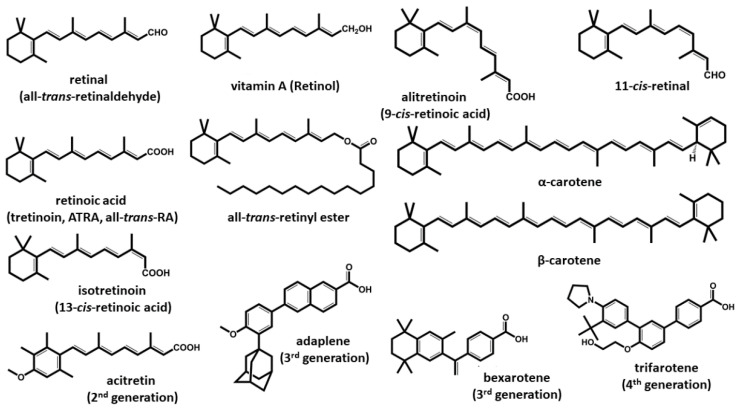
Vitamin A is a group of vital micronutrients widely present in the human diet. Animal-based products are a rich source of the retinyl ester form of the vitamin, while vegetables and fruits contain carotenoids, most of which are provitamin A. Vitamin A plays a key role in the correct functioning of multiple physiological functions. The human organism can metabolize natural forms of vitamin A and provitamin A into biologically active forms (retinol, retinal, retinoic acid), which interact with multiple molecular targets, including nuclear receptors, opsin in the retina.
Overview
CoChat Summary
## TL;DR
This is a narrative review of vitamin A covering its chemical forms, dietary sources, absorption and transport, biological functions, deficiency, therapeutic uses, detection methods, and toxicity. It emphasizes that vitamin A is essential but can be harmful in excess, and that analytical methods must be carefully chosen because endogenous retinoids are present at very low levels.
## Key findings
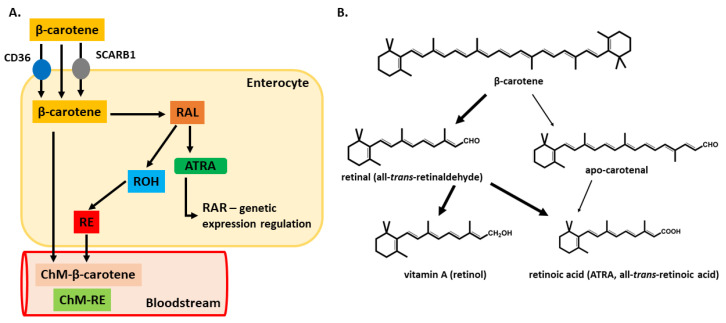
- Vitamin A comes from animal foods as preformed retinol/retinyl esters and from plants as provitamin A carotenoids; only a few carotenoids are important dietary sources, especially β-carotene, α-carotene, and β-cryptoxanthin.
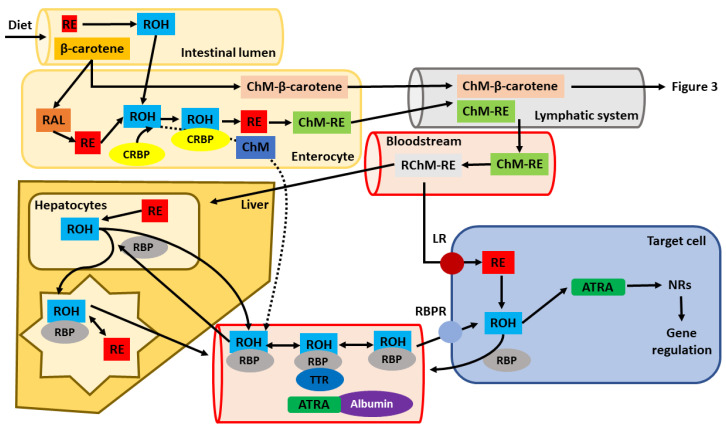
- In the body, retinol is transported mainly by retinol-binding protein (RBP) and transthyretin (TTR); vitamin A is stored largely as retinyl esters in the liver and adipose tissue, and deficiency may take months to appear after intake stops.
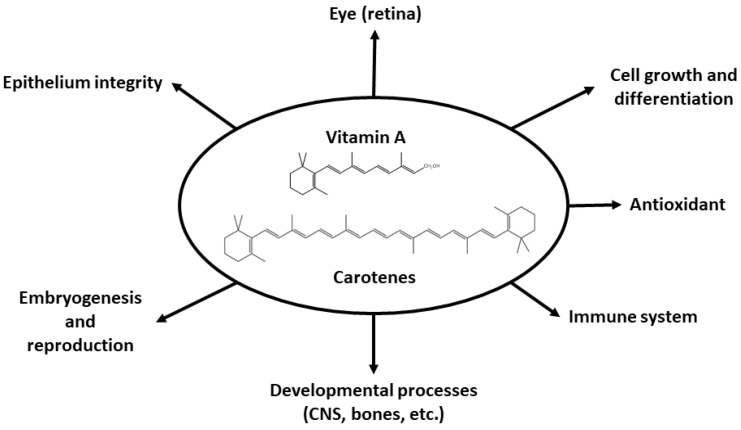
- The review states that vitamin A is involved in vision, gene regulation through nuclear receptors, immune function, epithelial integrity, embryogenesis, bone homeostasis, and other processes; it also notes that ATRA is the major active form of vitamin A.
- Deficiency is linked to night blindness, xerophthalmia, impaired immunity, infections, anemia, developmental problems, and blindness; the paper states that about one-third of the world’s infant population suffers from hypovitaminosis A, around 15% of pregnant women in developing countries are deficient, and vitamin A deficiency causes more than 650,000 child deaths per year in developing countries.
## Methods
- Narrative review article synthesizing previously published literature on vitamin A across sources, pharmacokinetics, function, deficiency, therapy, toxicity, and detection.
- The review draws on reported analytical and biological studies and summarizes findings from dietary, clinical, preclinical, and methodological papers; no original sample was collected.
- For detection methods, it compares instrumental approaches such as (U)HPLC with UV-Vis/DAD, FLD, ECD, MS/MS, SFC, GC-MS, and immunoassays, focusing on sensitivity, specificity, and suitability for endogenous retinoids.
## Limitations
- Not stated in the paper.
- Evident from the text: this is a review, so it does not present original experimental data or a new systematic synthesis with explicit search strategy, inclusion criteria, or risk-of-bias assessment.
- Evident from the text: many conclusions are based on heterogeneous prior studies, and the paper itself notes contradictory findings in areas such as cancer-related effects of retinoids and β-carotene.
Model-written summary. Check it against the paper before relying on it.
Integrity signals
Registry
Cites
Statistics
Figures
Verification
Claims the paper makes
46 Valid · 10 Not valid · 49 Not checked · 36 Own results and interpretations
The cited sources support only part of this claim — read each source’s verdict below.
In the paper
“The vitamin can be provided in the diet either via products of an animal origin in the form of vitamin A (retinol and its close derivatives) or as provitamin A (carotenoids) from vegetables [1].”
§ Vitamin A Update: Forms, Sources, Kinetics, Detection, Function, Deficiency, Therapeutic Use and Toxicity > 1. Introduction and Forms of Vitamin A
What the sources say
- Partly supportedcites [1] Clugston, 2011, Vitamin A metabolism: An update, Nutrients sourceExperimental — accuracy not yet measured
Section 2.1 (page not specified) says dietary retinoids arrive either as preformed retinol and retinyl ester or as proretinoid carotenoids. The passages support the two dietary forms but do not specify animal products as the source of the former or vegetables as the source of the latter. (LLM, conf=0.84)
plain- Asserted: passes — The authors put it forward as true.
- Checkable: passes — It can be checked against evidence.
- Load-bearing: unclear — It is unclear whether the paper’s conclusions depend on it.
- Based: passes — The paper gives a reason why it holds.
- Partly supported
Every source the paper cites for this claim was checked and supports it.
In the paper
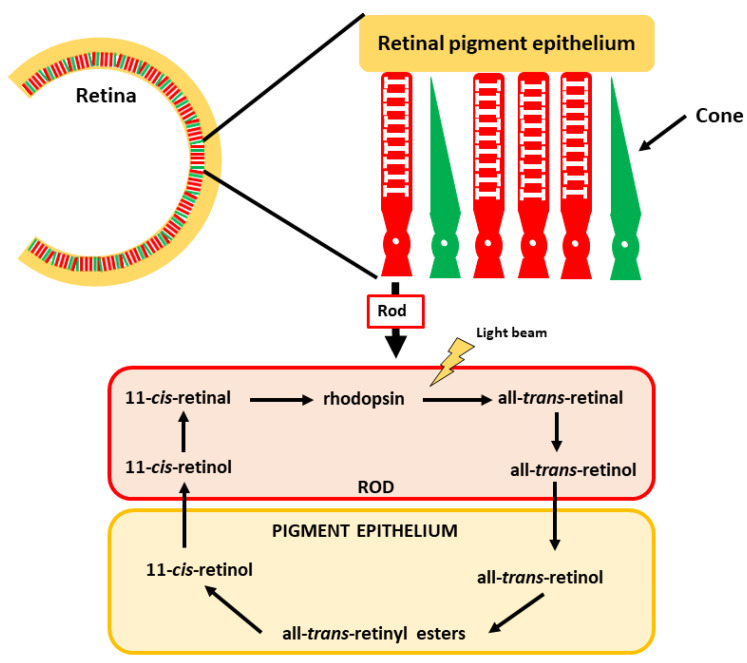
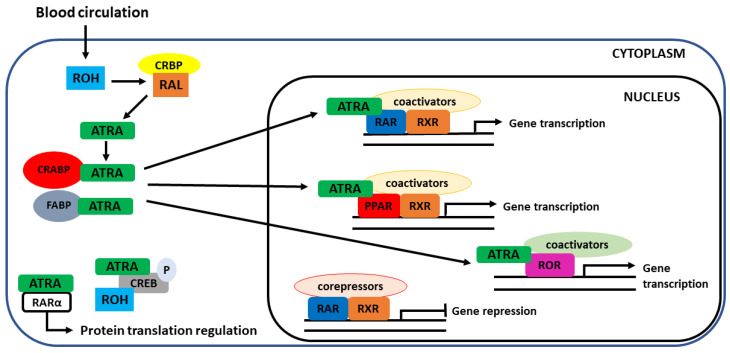
“Although the term vitamin A is mostly associated with retinol, and retinol is, in fact, the predominant form of retinoids in the human body, the main biologically active molecules are the oxidized derivates 11-cis-retinal and all-trans-retinoid acid (ATRA) [1,2].”
§ Vitamin A Update: Forms, Sources, Kinetics, Detection, Function, Deficiency, Therapeutic Use and Toxicity > 1. Introduction and Forms of Vitamin A
What the sources say
- Supportedcites [1] Clugston, 2011, Vitamin A metabolism: An update, Nutrients source
Section 5.3 describes 11-cis-retinoid as required for vision, while Section 2.2 reports that retinoic acid acts through its receptors to regulate gene expression. The paper’s retinoid-binding-protein table identifies both 11-cis-retinal and all-trans-retinoic acid. Together, these passages support the sentence’s characterization of them as major biologically active vitamin A derivatives (page numbers unavailable in our copy). (LLM, conf=0.85)
- Supportedcites [2] Kam, 2012, Retinoic acid synthesis and functions in early embryonic development, Cell. Biosci. source
Section 2, “Metabolism of vitamin A and the production of all-trans retinoic acid,” identifies atRA and 11-cis retinal as the key mediators of vitamin A function. Section 2.1 describes the formation of 11-cis retinal by oxidation of 11-cis retinol; section 2.2 describes oxidation in the pathway to atRA. (LLM, conf=0.95)
plain- Asserted: passes — The authors put it forward as true.
- Checkable: passes — It can be checked against evidence.
- Load-bearing: unclear — It is unclear whether the paper’s conclusions depend on it.
- Based: passes — The paper gives a reason why it holds.
- Supported
The cited sources support only part of this claim — read each source’s verdict below.
In the paper
“The values found in individual studies vary considerably, but the highest vitamin A content in the liver is usually reported in pigs [56,57,58,59,60].”
§ Vitamin A Update: Forms, Sources, Kinetics, Detection, Function, Deficiency, Therapeutic Use and Toxicity > 2. Sources of Vitamin A
What the sources say
- Not checked — no full text of the sourcecites [56] Majchrzak, 2006, Vitamin A content (retinol and retinyl esters) in livers of different animals, Food Chem. source
- Not checked — no full text of the sourcecites [57] Vicario, 2015, Carotenoid and Vitamin A Contents in Biological Fluids and Tissues of Animals as an Effect of the Diet: A Review, Food Rev. Int. source
- Not checked — no full text of the sourcecites [58] Ollilainen, 1988, Carotenoids and retinoids in finnish foods: Meat and meat products, J. Food Compos. Anal. source
- Could not verifycites [59] Darwish, 2016, β-carotene and retinol contents in the meat of herbivorous ungulates with a special reference to their public health importance, J. Vet. Med. Sci. sourceExperimental — accuracy not yet measured
The retinol-results passage (indexed under Abstract; page unavailable) compares rats, sheep and other ungulates, but not pigs. A search for pig, pork, swine and porcine found no passage assessing whether pig liver usually has the highest vitamin A content. (LLM, conf=0.78)
- Partly supportedcites [60] Schweigert, 2001, Effect of dietary β-carotene on the accumulation of β-carotene and vitamin A in plasma and tissues of gilts, Reprod. Nutr. Dev. Reprod. Nutr. Dev. sourceExperimental — accuracy not yet measured
Section 3.2 reports vitamin A concentrations in gilt livers and says they were higher than in the other tissues examined. It does not compare liver concentrations across species, so it cannot establish that pigs usually have the highest liver vitamin A content. (LLM, conf=0.79)
hedged- Asserted: passes — The authors put it forward as true.
- Checkable: passes — It can be checked against evidence.
- Load-bearing: unclear — It is unclear whether the paper’s conclusions depend on it.
- Based: passes — The paper gives a reason why it holds.
The cited sources support only part of this claim — read each source’s verdict below.
In the paper
“Drugs such as estrogens and oral contraceptives have been reported to elevate plasma concentrations of RBP, thereby elevating retinoid blood levels [111].”
§ Vitamin A Update: Forms, Sources, Kinetics, Detection, Function, Deficiency, Therapeutic Use and Toxicity > 3. Vitamin A Pharmacokinetics > 3.2. Other Factors Influencing Vitamin A Pharmacokinetics
What the sources say
- Partly supportedcites [111] Jung, 2013, Effects of estrogen receptor alpha and beta on the expression of visfatin and retinol-binding protein 4 in 3T3-L1 adipocytes, Int. J. Mol. Med. sourceExperimental — accuracy not yet measured
The Discussion (page not available) reports that estradiol increased RBP4 secretion in cultured 3T3-L1 adipocytes and describes a correlation between plasma RBP and estradiol levels. It does not report that estrogens or oral contraceptives elevate plasma RBP, or that either raises retinoid blood levels; its proposed effect on retinoic acid metabolism is qualified as an expectation. (LLM, conf=0.86)
hedgedstates a cause- Asserted: passes — The authors put it forward as true.
- Checkable: passes — It can be checked against evidence.
- Load-bearing: unclear — It is unclear whether the paper’s conclusions depend on it.
- Based: passes — The paper gives a reason why it holds.
- Partly supported
The cited sources support only part of this claim — read each source’s verdict below.
In the paper
“Although the placenta has been believed to protect the fetus against high-vitamin A intake from pregnant women being over-supplemented with vitamin A, several studies have reported that high vitamin A intake by the mother can lead to teratogenic effects in the developing fetus [117,118,119].”
§ Vitamin A Update: Forms, Sources, Kinetics, Detection, Function, Deficiency, Therapeutic Use and Toxicity > 3. Vitamin A Pharmacokinetics > 3.3. Pharmacokinetics of Vitamin A during Pregnancy
What the sources say
- Supportedcites [117] Bastos Maia, S., Rolland Souza, A., Costa Caminha, M., Lins Da Silva, S., Callou Cruz, R., Carvalho Dos Santos, C., and Batista Filho, M. (2019). Vitamin A and Pregnancy: A Narrative Review. Nutrients, 11. source
Section 4 reports that high maternal intake of preformed vitamin A during pregnancy may pose a teratogenic risk and describes malformations in children whose mothers consumed high doses. The review distinguishes preformed vitamin A from beta-carotene; it does not suggest that high beta-carotene intake has the same effect. (LLM, conf=0.94)
- Supportedcites [118] Rothman, 1995, Teratogenicity of high vitamin A intake, N. Engl. J. Med. source
The Abstract reports a higher prevalence of birth defects among babies whose mothers consumed high amounts of preformed vitamin A and concludes that high intake appears teratogenic. The Discussion likewise describes a potential teratogenic effect, particularly with intake during early pregnancy; it distinguishes preformed vitamin A from beta carotene. (LLM, conf=0.94)
- Not matchedcites [119] Hunt, 1996, Teratogenicity of high vitamin A intake, N. Engl. J. Med.
We searched by its title and found no matching paper.
plainstates a cause- Asserted: passes — The authors put it forward as true.
- Checkable: passes — It can be checked against evidence.
- Load-bearing: passes — The paper’s conclusions depend on it.
- Based: passes — The paper gives a reason why it holds.
- Supported
68 more claims · 25 with their cited sources checked
Create a free account to see all 141 claims and every source verdict.
- It may state two separate claims as one. 52
- Probably not a substantial claim. 23
Claims other papers make about this one
Each is checked against this paper’s own text: does it say what the citing paper says it does?
The source backs part of the claim, not all of it — or backs it for a different population, condition or comparison.
In the citing paper
“Excessive and prolonged beta-carotene consumption causes yellow-orange discolouration of skin thick areas, such as palms and soles, however this is a benign, reversible condition [1,19].”
From The Role of Vitamin A in Retinal Diseases (2022) · cites this paper as [1]
Experimental — accuracy not yet measuredThe source backs part of the claim, not all of it — or backs it for a different population, condition or comparison.
In the citing paper
“In adults, stores of vitamin A in the body can last around 1 to 2 years while in children stores last much shorter and signs of deficiency develop more rapidly [1].”
From The Role of Vitamin A in Retinal Diseases (2022) · cites this paper as [1]
Experimental — accuracy not yet measuredThe source backs part of the claim, not all of it — or backs it for a different population, condition or comparison.
In the citing paper
“It is crucial for reproduction, growth and development of the embryo, normal brain function, immune system functioning, skeletal development, growth of hair and nails, and epithelial cell RNA synthesis including the conjunctiva and cornea.”
From The Role of Vitamin A in Retinal Diseases (2022) · cites this paper as [1]
Experimental — accuracy not yet measuredThe cited source says what the claim attributes to it.
In the citing paper
“One of the most important vitamin A functions is its involvement in visual phototransduction, where it serves as the crucial part of photopigment, the first molecule in the process of transforming photons of light into electrical signals.”
From The Role of Vitamin A in Retinal Diseases (2022) · cites this paper as [1]
The cited source says what the claim attributes to it.
In the citing paper
“It is essential for several physiological processes.”
From The Role of Vitamin A in Retinal Diseases (2022) · cites this paper as [1]
8 more claims about this paper
Create a free account to see every claim other papers make about this one.
Self-check
Percentages, sums and reported differences re-computed from the paper’s own numbers.
Each contradiction between two passages listed here was confirmed by an independent check.
Rated major: it would touch a result — a value a result rests on, reported and recomputed p-values on opposite sides of the significance level, two passages that conflict with no sign which is right, or a cited work retracted before this paper was published.
In the paper
§ Vitamin A Update: Forms, Sources, Kinetics, Detection, Function, Deficiency, Therapeutic Use and Toxicity > 7. Therapeutic Use of Vitamin A
“Whereas most retinoids are usually available in oral preparations, acitretin is indicated for topical use.”
§ Vitamin A Update: Forms, Sources, Kinetics, Detection, Function, Deficiency, Therapeutic Use and Toxicity > 3. Vitamin A Pharmacokinetics > 3.1. Absorption, Distribution, Metabolism and Elimination
“Etretinate and acitretin, which are second-generation retinoids, are also used in oral form in therapy.”
Citations
Cites
Items 201–370 of 370
Metabolism of carotenoids and retinoids related to vision
von Lintig, J. (2012) · Journal of Biological Chemistry · doi:10.1074/jbc.r111.303990 · Cited by 91
A Proof-of-Principle Clinical Trial of Bexarotene in Patients with Non–Small Cell Lung Cancer
Dragnev, K. H., Petty, W. J., Shah, S. J., Lewis, L. D., Black, C. C., Memoli, V., Nugent, W. C., Hermann, T., Negro-Vilar, A., Rigas, J. R., et al. (2007) · Clinical Cancer Research · doi:10.1158/1078-0432.ccr-06-1836 · Cited by 90 · cited 1×
“Importantly, in addition to tretinoin and alitretinoin, other generation retinoids are already being used clinically as antiproliferative agents [4,194].”
BackgroundRetina, retinol, retinal and the natural history of vitamin A as a light sensor
Zhong, M., Kawaguchi, R., Kassai, M., & Sun, H. (2012) · Nutrients · doi:10.3390/nu4122069 · Cited by 89
Laur, L. M., & Tian, L. (2010) · Journal of Food Composition and Analysis · doi:10.1016/j.jfca.2010.07.009 · Cited by 89 · cited 1×
“Cucurbitaceae 2448–3861 a [39] Red pepper Capsicum annuum L.”
BackgroundChemical composition and microbiological quality of ewe and goat milk of native Greek breeds
Kondyli, E., Svarnas, C., Samelis, J., & Katsiari, M. C. (2012) · Small Ruminant Research · doi:10.1016/j.smallrumres.2011.09.043 · Cited by 89
Subclinical hypervitaminosis A causes fragile bones in rats
Johansson, S., Lind, P. M., HÅKansson, H., Oxlund, H., rberg, J., & Melhus, H. (2002) · Bone · doi:10.1016/s8756-3282(02)00910-9 · Cited by 87
Total carotenoid and β-carotene contents of Thai vegetables and the effect of processing
Speek, A. J. (1988) · Food Chemistry · doi:10.1016/0308-8146(88)90010-6 · Cited by 87 · cited 1×
“As for conventional heat treatment methods, bleaching and cooking are comparable, maintaining an average of 75% carotenoids, whereas frying is less gentle on carotenoid content but still retains more than one-half of the content [21,25,26].”
BackgroundRetinoic Acid Binds to the C2-Domain of Protein Kinase Cα
Ochoa, W. F., Torrecillas, A., Fita, I., Verdaguer, N., Corbalán‐García, S., & Gómez-Fernández, J. C. (2003) · Biochemistry · doi:10.1021/bi034713g · Cited by 86
Retinoids: Potent regulators of metabolism
Brun, P., Yang, K. J. Z., Lee, S., Yuen, J. J., & Blaner, W. S. (2013) · BioFactors · doi:10.1002/biof.1056 · Cited by 85
Is Vitamin A an Antioxidant or a Pro-oxidant?
Dao, D. Q., Ngo, T. C., Thong, N. M., & Nam, P. C. (2017) · The Journal of Physical Chemistry B · doi:10.1021/acs.jpcb.7b07065 · Cited by 85
Sea Buckthorn Oil as a Valuable Source of Bioaccessible Xanthophylls
Tudor, C., Bohn, T., Iddir, M., Dulf, F. V., Focşan, M., Rugină, D. O., & Pintea, A. (2019) · Nutrients · doi:10.3390/nu12010076 · Cited by 84 · cited 1×
“Nelson Elaeagnaceae 16,740 c [47] Red palm oil Elaeis guineensis Jacq.”
BackgroundQuadro, L., Hamberger, L., Gottesman, M. E., Colantuoni, V., Ramakrishnan, R., & Blaner, W. S. (2004) · American Journal of Physiology-Endocrinology and Metabolism · doi:10.1152/ajpendo.00556.2003 · Cited by 82
Retinoic Acids in the Treatment of Most Lethal Solid Cancers
Costantini, L., Molinari, R., Farinon, B., & Merendino, N. (2020) · Journal of Clinical Medicine · doi:10.3390/jcm9020360 · Cited by 82
Acin‐Perez, R., Hoyos, B., Zhao, F., Vinogradov, V., Fischman, D. A., Harris, R. A., Leitges, M., Wongsiriroj, N., Blaner, W. S., Manfredi, G., et al. (2010) · The FASEB Journal · doi:10.1096/fj.09-142281 · Cited by 81
Retinoids as ligands and coactivators of protein kinase C alpha
Imam, A., Hoyos, B., Swenson, C., Levi, E., Chua, R., Viriya, E., & Hammerling, U. (2001) · The FASEB Journal · doi:10.1096/fj.00-0329fje · Cited by 81
The discovery of the visual function of vitamin A
Wolf, G. (2001) · The Journal of Nutrition · doi:10.1093/jn/131.6.1647 · Cited by 80
Variation in β-Carotene and Total Carotenoid Content in Fruits of Capsicum
Wall, M. M., Waddell, C. A., & Bosland, P. W. (2001) · HortScience · doi:10.21273/hortsci.36.4.746 · Cited by 79 · cited 1×
“Solanaceae 100–15,400 a [12,37] Carrot Daucus carota L.”
BackgroundBexarotene: A promising anticancer agent
Qu, L., & Tang, X. (2010) · Cancer Chemotherapy and Pharmacology · doi:10.1007/s00280-009-1140-4 · Cited by 78 · cited 1×
“In addition to its differentiating effect, it has also been reported to inhibit the proliferation of lymphoma and lung, liver and solid ovarian tumors [7,185,193].”
BackgroundDuvic, M. A., Friedman‐Kien, A. E., Looney, D. J., Miles, S. A., Myskowski, P. L., Scadden, D. T., Roenn, J. V., Galpin, J. E., Groopman, J. E., Loewen, G. R., et al. (2000) · Archives of Dermatology · doi:10.1001/archderm.136.12.1461 · Cited by 78
β-Cryptoxanthin: Chemistry, Occurrence, and Potential Health Benefits
Jiao, Y., Reuss, L. E., & Wang, Y. (2019) · Current Pharmacology Reports · doi:10.1007/s40495-019-00168-7 · Cited by 78
Vitamin A deficiency in southern Ethiopia
Sole, G. D., Belay, Y., & Zegeye, B. (1987) · American Journal of Clinical Nutrition · doi:10.1093/ajcn/45.4.780 · Cited by 75
Retinoid-induced bone thinning is caused by subperiosteal osteoclast activity in adult rodents
Kneissel, M., Studer, A., Cortesi, R., & Šuša, M. (2005) · Bone · doi:10.1016/j.bone.2004.11.006 · Cited by 75
Snodgrass, S. R. (1992) · Molecular Neurobiology · doi:10.1007/bf02935566 · Cited by 75
Molecular Mechanisms of Intrinsic Skin Aging and Retinoid-Induced Repair and Reversal
Varani, J., Fisher, G. J., Kang, S., & Voorhees, J. J. (1998) · Journal of Investigative Dermatology Symposium Proceedings · doi:10.1038/jidsymp.1998.14 · Cited by 74
Li, H., Tyndale, S. T., Heath, D. D., & Letcher, R. J. (2004) · Journal of Chromatography B · doi:10.1016/j.jchromb.2004.11.005 · Cited by 74
The Biochemical Basis of Vitamin A Production from the Asymmetric Carotenoid β-Cryptoxanthin
Kelly, M. E., Ramkumar, S., Sun, W., Colon Ortiz, C., Kiser, P. D., Golczak, M., & von Lintig, J. (2018) · ACS Chemical Biology · doi:10.1021/acschembio.8b00290 · Cited by 74
The relationship between vitamin A and risk of fracture: Meta-analysis of prospective studies
Wu, A.-M., Huang, C.-Q., Lin, Z.-K., Tian, N.-F., Ni, W.-F., Wang, X.-Y., Xu, H.-Z., & Chi, Y.-L. (2014) · Journal of Bone and Mineral Research · doi:10.1002/jbmr.2237 · Cited by 72
Inhibition of IκB Kinase by a New Class of Retinoid-Related Anticancer Agents That Induce Apoptosis
Bayón, Y., Ortiz, M. A., López-Hernández, F. J., Gao, F., Karin, M., Pfahl, M., & Piedrafita, F. J. (2003) · Molecular and Cellular Biology · doi:10.1128/mcb.23.3.1061-1074.2003 · Cited by 71
Lascari, A. D. (1981) · Clinical Pediatrics · doi:10.1177/000992288102000103 · Cited by 66
Jing, J., Isoherranen, N., Robinson‐Cohen, C., Petrie, I. D., Kestenbaum, B. R., & Yeung, C. (2016) · Clinical and Translational Science · doi:10.1111/cts.12402 · Cited by 66 · cited 2×
“Apart from retinol and retinyl esters, other retinoids can also be present in lower concentrations in the blood thanks to being directly absorbed through the portal circulation, such as ATRA or isotretinoin [90,91].”
BackgroundWyss, R., & Bucheli, F. (1997) · Journal of Chromatography B Biomedical Sciences and Applications · doi:10.1016/s0378-4347(97)00303-4 · Cited by 63
Beltrán-de-Miguel, B., Estévez-Santiago, R., & Olmedilla-Alonso, B. (2015) · International Journal of Food Sciences and Nutrition · doi:10.3109/09637486.2015.1077787 · Cited by 63 · cited 2×
“Milk and dairy products, as well as meat and its products, are the largest contributors, followed by eggs, egg products and fish [11].”
BackgroundVitamin A: Overlapping delivery pathways to tissues from the circulation
Paik, J., Vogel, S., Quadro, L., Piantedosi, R., Gottesman, M., Lai, K., Hamberger, L., de Morais Vieira, M., & Blaner, W. S. (2004) · The Journal of Nutrition · doi:10.1093/jn/134.1.276s · Cited by 62
Vitamin A derivatives as treatment options for retinal degenerative diseases
Perusek, L., & Maeda, T. (2013) · Nutrients · doi:10.3390/nu5072646 · Cited by 60
13-cis Retinoic Acid Inhibits Development and Progression of Chronic Allograft Nephropathy
Adams, J., Kiss, É., Arroyo, A. B. V., Bonrouhi, M., Sun, Q., Li, Z., Gretz, N., Schnitger, A., Zouboulis, C. C., Wiesel, M., et al. (2005) · American Journal Of Pathology · doi:10.1016/s0002-9440(10)62973-2 · Cited by 60
Jam processing and storage effects on β-carotene and flavonoids content in grapefruit
Igual, M., García‐Martínez, E., Camacho, M. D. M., & Martínez‐Navarrete, N. (2013) · Journal of Functional Foods · doi:10.1016/j.jff.2013.01.019 · Cited by 59 · cited 2×
“Rutaceae 2580 a [27] Papaya Carica papaya L.”
BackgroundThibeault, D., Su, H., MacNamara, E., & Schipper, H. M. (2009) · Journal of Chromatography B · doi:10.1016/j.jchromb.2009.02.051 · Cited by 59
Rapid and simple measurement of retinol in human dried whole blood spots
Erhardt, J. G., Craft, N. E., Heinrich, F., & Biesalski, H. K. (2002) · The Journal of Nutrition · doi:10.1093/jn/132.2.318 · Cited by 58
Matsubara, A., Uchikata, T., Shinohara, M., et al. (2012) · Journal of Bioscience and Bioengineering · doi:10.1016/j.jbiosc.2012.01.017 · Cited by 58
Ndawula, J. C., Kabasa, J., & Byaruhanga, Y. (2004) · African Health Sciences · Cited by 58
Direct toxicity assessment of toxic chemicals with electrochemical method
Liu, C., Sun, T., Xu, X., et al. (2009) · Analytica Chimica Acta · doi:10.1016/j.aca.2009.03.027 · Cited by 57
Zoccali, M., Giuffrida, D., Salafia, F., Giofrè, S. V., & Mondello, L. (2018) · Analytica Chimica Acta · doi:10.1016/j.aca.2018.06.022 · Cited by 57
Carotenoids and Retinoids in Finnish Foods: Dairy Products and Eggs
Ollilainen, V., Heinonen, M., Linkola, E., Varo, P., & Koivistoinen, P. E. (1989) · Journal of Dairy Science · doi:10.3168/jds.s0022-0302(89)79356-5 · Cited by 56 · cited 2×
“However, the yolk of quail eggs can contain up to twice the content of that of chickens [36,55,66].”
BackgroundHuang, X., Gao, Y., Zhi, X., Ta, N., Jiang, H., & Zheng, J. (2016) · Scientific Reports · doi:10.1038/srep38936 · Cited by 56
Álvarez, R., Meléndez-Martínez, A. J., Vicario, I. M., & Alcalde, M. J. (2015) · Food Reviews International · doi:10.1080/87559129.2015.1015139 · Cited by 55
Activation of c-Raf Kinase by Ultraviolet Light
Hoyos, B., Imam, A., Korichneva, I., Levi, E., Chua, R., & Hammerling, U. (2002) · Journal of Biological Chemistry · doi:10.1074/jbc.m110750200 · Cited by 55
Laurie, S. M., Faber, M., van Jaarsveld, P. J., Laurie, R. N., du Plooy, C. P., & Modisane, P. C. (2012) · Scientia Horticulturae · doi:10.1016/j.scienta.2012.05.017 · Cited by 55
Plasminogen Activator Inhibitor-1 Activity in Type 2 Diabetes
Brazionis, L., Rowley, K., Jenkins, A. J., et al. (2008) · Arteriosclerosis Thrombosis and Vascular Biology · doi:10.1161/atvbaha.107.160168 · Cited by 55
Teratogenicity of High Vitamin A Intake
Rothman, K. J., Moore, L. L., Singer, M. R., Nguyen, U., Mannino, S., & Milunsky, A. (1996) · Obstetrical & Gynecological Survey · doi:10.1097/00006254-199605000-00007 · Cited by 55
Natural Food Sources of Vitamin A and Provitamin A
Booth, S. L., Johns, T., & Kuhnlein, H. V. (1992) · Food and Nutrition Bulletin · doi:10.1177/156482659201400115 · Cited by 55 · cited 3×
“However, the yolk of quail eggs can contain up to twice the content of that of chickens [36,55,66].”
BackgroundKarkeni, E., Bonnet, L., Astier, J., Couturier, C., Dalifard, J., Tourniaire, F., & Landrier, J. (2017) · The Journal of Nutritional Biochemistry · doi:10.1016/j.jnutbio.2017.01.004 · Cited by 54
The mechanism of the transformation of beta-carotene into vitamin A in vivo.
Glover, J., & Er, R. (1954) · PubMed · Cited by 53
Vitamin A and bone health: The balancing act
Tanumihardjo, S. A. (2013) · Journal of Clinical Densitometry · doi:10.1016/j.jocd.2013.08.016 · Cited by 52
Vitamin A content (retinol and retinyl esters) in livers of different animals
Majchrzak, D., Fabian, E., & Elmadfa, I. (2006) · Food Chemistry · doi:10.1016/j.foodchem.2005.06.035 · Cited by 52
Age related macular degeneration and visual disability
B. Christoforidis, J., Tecce, N., Dell'Omo, R., Mastropasqua, R., Verolino, M., & Costagliola, C. (2011) · Current Drug Targets · doi:10.2174/138945011794182755 · Cited by 52
Petruzziello, F., Perrenoud, A. G., Thorimbert, A., et al. (2017) · Analytical Chemistry · doi:10.1021/acs.analchem.7b01476 · Cited by 52
Vitamin A: a missing link in diabetes?
Trasino, S. E., & Gudas, L. J. (2015) · Diabetes Management · doi:10.2217/dmt.15.30 · Cited by 51
Dror, D. K., & Allen, L. H. (2018) · Advances in Nutrition · doi:10.1093/advances/nmy021 · Cited by 50
Nakagawa, K., Kiko, T., Hatade, K., Asai, A., Kimura, F., Sookwong, P., Tsuduki, T., Arai, H., & Miyazawa, T. (2008) · Analytical Biochemistry · doi:10.1016/j.ab.2008.06.038 · Cited by 49
Retinoids in lung development and regeneration
Maden, M. (2004) · Current Topics in Developmental Biology · doi:10.1016/s0070-2153(04)61007-6 · Cited by 48
Veda, S., Platel, K., & Srinivasan, K. (2007) · Journal of Agricultural and Food Chemistry · doi:10.1021/jf0712604 · Cited by 48 · cited 1×
“Anacardiaceae 109–3210 a [12,35,42] Persimmon Diospyros kaki L.”
BackgroundSouza, L. M. D., Ferreira, K. S., Chaves, J. B. P., & Teixeira, S. L. (2008) · Scientia Agricola · doi:10.1590/s0103-90162008000300004 · Cited by 47
Mata-Granados, J. M., Luque de Castro, M. D., & Quesada, J. M. (2004) · Journal of Pharmaceutical and Biomedical Analysis · doi:10.1016/j.jpba.2004.01.027 · Cited by 45
Hsu, B., Pu, Y., Inbaraj, B. S., & Chen, B. (2012) · Journal of Chromatography B · doi:10.1016/j.jchromb.2012.04.034 · Cited by 44
Acitretin revisited in the era of biologics
Booij, M. T., & van de Kerkhof, P. C. M. (2010) · Journal of Dermatological Treatment · doi:10.3109/09546630903578582 · Cited by 44
Retinoids for treatment of Alzheimer’s disease
Lerner, A. J., Gustaw‐Rothenberg, K., Smyth, S., & Casadesus, G. (2012) · BioFactors · doi:10.1002/biof.196 · Cited by 44
Vitamin A supplementation and risk of skeletal fracture
(2004) · Nutrition Reviews · doi:10.1111/j.1753-4887.2004.tb00026.x · Cited by 44
Ma, G., Zhang, L., Iida, K., Madono, Y., Yungyuen, W., Yahata, M., Yamawaki, K., & Kato, M. (2017) · Food Chemistry · doi:10.1016/j.foodchem.2017.05.015 · Cited by 44 · cited 1×
“carotenoids, occurs in plants both as free and esterified with fatty acids (lauric, myristic, palmitic), and these esters contribute to total vitamin A content due to their comparable bioavailability [13].”
BackgroundRetinoid therapy for psoriasis
Yamauchi, P. S., Rizk, D., & Lowe, N. J. (2004) · Dermatologic Clinics · doi:10.1016/s0733-8635(03)00126-8 · Cited by 43
Beta-carotene studies in Spirulina
Seshadri, C. V., Umesh, B. V., & Manoharan, R. K. (1991) · Bioresource Technology · doi:10.1016/0960-8524(91)90140-f · Cited by 42 · cited 1×
“Turpin ex Gomont Spirulinaceae 184,100–272,500 a [31] Sea buckthorn oil Elaeagnus rhamnoides (L.”
BackgroundRohde, C. M., & DeLuca, H. F. (2005) · The Journal of Nutrition · doi:10.1093/jn/135.7.1647 · Cited by 42
Khaksari, M., Mazzoleni, L. R., Ruan, C., Kennedy, R. T., & Minerick, A. R. (2017) · Experimental Eye Research · doi:10.1016/j.exer.2016.12.007 · Cited by 42
Taste Changes in Vitamin A Deficiency
Bernard, R. A., & Halpern, B. P. (1968) · The Journal of General Physiology · doi:10.1085/jgp.52.3.444 · Cited by 41
Jørgensen, A., & Rajpert-De Meyts, E. (2014) · Biomolecular Concepts · doi:10.1515/bmc-2014-0014 · Cited by 40
White Cell Involvement in the Inflammatory, Wound Healing, and Immune Actions of Vitamin A
Barbul, A., Thysen, B., Rettura, G., Levenson, S. M., & Seifter, E. (1978) · Journal of Parenteral and Enteral Nutrition · doi:10.1177/014860717800200208 · Cited by 40
Domínguez, R., Barba, F. J., Centeno, J. A., et al. (2017) · Food Analytical Methods · doi:10.1007/s12161-017-1001-4 · Cited by 40 · cited 1×
“The content of vitamin A is significantly lower in other animal organs, and it reaches only units up to tens of micrograms per 100 g in meat [58,61].”
BackgroundLe (乐 娟), J., Yuan (袁腾 飞), T.-F., Zhang (张 艳), Y., Wang (王少 亭), S.-T., & Li (李 艳), Y. (2018) · Journal of Lipid Research · doi:10.1194/jlr.d087569 · Cited by 40
Liu, Z., Kang, X., & Fang, F. (2009) · Microchimica Acta · doi:10.1007/s00604-009-0263-y · Cited by 40
Anti-tumour effects of all-trans retinoid acid on serous ovarian cancer
Lokman, N. A., Ho, R., Gunasegaran, K., Bonner, W. M., Oehler, M. K., & Ricciardelli, C. (2019) · Journal of Experimental & Clinical Cancer Research · doi:10.1186/s13046-018-1017-7 · Cited by 39
Transfer and Metabolism of Retinol by the Perfused Human Placenta
Dancis, J., Levitz, M., Katz, J., Wilson, D. M., Blaner, W. S., Piantedosi, R., & Goodman, D. S. (1992) · Pediatric Research · doi:10.1203/00006450-199208000-00014 · Cited by 38
Carotenoids, Chronic Disease Prevention and Dietary Recommendations
Bohn, T. (2017) · International Journal for Vitamin and Nutrition Research · doi:10.1024/0300-9831/a000525 · Cited by 38
Physiological Role of Retinyl Palmitate in the Skin
Fu, P. P., Xia, Q., Boudreau, M. D., Howard, P. C., Tolleson, W. H., & Wamer, W. G. (2007) · Vitamins and hormones · doi:10.1016/s0083-6729(06)75009-9 · Cited by 37
Cryptoxanthin Structural Isomers in Oranges, Orange Juice, and Other Fruits
Schlatterer, J., & Breithaupt, D. E. (2005) · Journal of Agricultural and Food Chemistry · doi:10.1021/jf050362w · Cited by 37
Sha, J., Pan, J., Ping, P., et al. (2013) · Molecular Biology Reports · doi:10.1007/s11033-012-1925-0 · Cited by 37
Heying, E. K., Tanumihardjo, J. P., Vasic, V., et al. (2014) · Journal of Agricultural and Food Chemistry · doi:10.1021/jf5037195 · Cited by 37
Concentrations of retinoids in early pregnancy and in newborns and their mothers
Berggren Söderlund, M., Fex, G. A., & Nilsson-Ehle, P. (2005) · The American Journal of Clinical Nutrition · doi:10.1093/ajcn/81.3.633 · Cited by 36
Vitamin A (retinoids) regulation of mouse melanoma growth and differentiation
Niles, R. M. (2003) · The Journal of Nutrition · doi:10.1093/jn/133.1.282s · Cited by 36
Carotenoid Supplementation Reduces Erythema in Human Skin After Simulated Solar Radiation Exposure
Lee, J., Jiang, S., Levine, N. S., et al. (2000) · Proceedings of The Society for Experimental Biology and Medicine · doi:10.1111/j.1525-1373.2000.22323.x · Cited by 35
Mata-Granados, J. M., Cuenca-Acevedo, R., Luque de Castro, M. D., Sosa, M., & Quesada-Gómez, J. M. (2010) · Clinical Biochemistry · doi:10.1016/j.clinbiochem.2010.06.001 · Cited by 34
Plasma retinol: A novel marker for cardiovascular disease mortality in Australian adults
Brazionis, L., Walker, K. Z., Itsiopoulos, C., & O’Dea, K. (2012) · Nutrition, Metabolism and Cardiovascular Diseases · doi:10.1016/j.numecd.2011.08.009 · Cited by 34
Tocopherols, Retinol and Carotenes in Chicken Egg and Tissues as Influenced by Dietary Palm Oil
KANG, K. R., Cherian, G., & SIM, J. S. (1998) · Journal of Food Science · doi:10.1111/j.1365-2621.1998.tb15792.x · Cited by 34
Hermans, N., Cos, P., Berghe, D. V., Vlietinck, A. J., & de Bruyne, T. (2005) · Journal of Chromatography B · doi:10.1016/j.jchromb.2005.05.040 · Cited by 34
Hébuterne, X., Wang, X.-D., Smith, D. E., Tang, G., & Russell, R. M. (1996) · Journal of Lipid Research · doi:10.1016/s0022-2275(20)37592-1 · Cited by 34
Hartmann, S., Froescheis, O., Ringenbach, F., Wyss, R., Bucheli, F., Bischof, S., Bausch, J., & Wiegand, U.-W. (2001) · Journal of Chromatography B: Biomedical Sciences and Applications · doi:10.1016/s0378-4347(00)00481-3 · Cited by 33
Induction of CXC and CC chemokines by all-trans retinoic acid in acute promyelocytic leukemia cells
Shibakura, M., Niiya, K., Niiya, M., Asaumi, N., Yoshida, C., Nakata, Y., & Tanimoto, M. (2005) · Leukemia Research · doi:10.1016/j.leukres.2005.01.005 · Cited by 33
(2001) · PubMed · Cited by 33
Estimated intake of vitamin D and its interaction with vitamin A on lung cancer risk among smokers
Cheng, T. D., Goodman, G. E., Thornquist, M. D., Barnett, M. J., Beresford, S. A. A., LaCroix, A. Z., Zheng, Y., & Neuhouser, M. L. (2014) · International Journal of Cancer · doi:10.1002/ijc.28846 · Cited by 33
Dietary vitamin A intake and bone health in the elderly: the Rotterdam Study
de Jonge, E. A. L., Jong, J. C. K., Campos‐Obando, N., Booij, L., Franco, O. H., Hofman, A., Uitterlinden, A. G., Rivadeneira, F., & Zillikens, M. C. (2015) · European Journal of Clinical Nutrition · doi:10.1038/ejcn.2015.154 · Cited by 33
Lazzarino, G., Longo, S., Amorini, A. M., Di Pietro, V., D’Urso, S., Lazzarino, G., Belli, A., & Tavazzi, B. (2017) · Journal of Chromatography A · doi:10.1016/j.chroma.2017.10.053 · Cited by 33
Vitamin A Requirements in Pregnancy and Lactation
Gannon, B. M., Jones, C., & Mehta, S. (2020) · Current Developments in Nutrition · doi:10.1093/cdn/nzaa142 · Cited by 33
Retinoyl β-Glucuronide: A Biologically Active Interesting Retinoid
Barua, A. B., & Sidell, N. (2004) · Journal of Nutrition · doi:10.1093/jn/134.1.286s · Cited by 32
Joo, N., Yang, S.-W., Song, B. C., & Yeum, K. (2015) · Nutrients · doi:10.3390/nu7031716 · Cited by 32
Optimizing acitretin use in patients with plaque psoriasis
Chiricozzi, A., Panduri, S., Dini, V., et al. (2016) · Dermatologic Therapy · doi:10.1111/dth.12453 · Cited by 32 · cited 1×
“The second-generation retinoids were developed from the first generation, and the members of this group are etretinate and acitretin [3].”
BackgroundBello, S., Meremikwu, M. M., Ejemot-Nwadiaro, R. I., & Oduwole, O. A. (2014) · Cochrane Database of Systematic Reviews · doi:10.1002/14651858.cd007719.pub3 · Cited by 31
Signalling Pathways Activated by All- trans -Retinoic Acid in Acute Promyelocytic Leukemia Cells
Kambhampati, S., Verma, A., Li, Y., Parmar, S., Sassano, A., & Platanias, L. (2004) · Leukemia & Lymphoma · doi:10.1080/10428190410001722053 · Cited by 29
Zhang, H., Quan, L., Pei, P., Lin, Y., Feng, C., Guan, H., Wang, F., Zhang, T., Wu, J., & Huo, J. (2018) · Journal of Chromatography B · doi:10.1016/j.jchromb.2017.12.017 · Cited by 29
Sunarya, Hole, M., & Taylor, K. D. A. (1996) · Food Chemistry · doi:10.1016/0308-8146(95)00109-3 · Cited by 28
Berry (2007) · doi:10.1155/2007/73256 · Cited by 28
Molecular Mechanisms of Intrinsic Skin Aging and Retinoid-Induced Repair and Reversal
Varani, J., Fisher, G. J., Kang, S., & Voorhees, J. J. (1998) · Journal of Investigative Dermatology · doi:10.1038/jidsp.1998.14 · Cited by 28
Carotenoids and retinoids in finnish foods: Meat and meat products
Ollilainen, V., Heinonen, M., Linkola, E., Varo, P., & Koivistoinen, P. (1988) · Journal of Food Composition and Analysis · doi:10.1016/0889-1575(88)90022-1 · Cited by 27 · cited 1×
“The content of vitamin A is significantly lower in other animal organs, and it reaches only units up to tens of micrograms per 100 g in meat [58,61].”
BackgroundPiccaglia, R., Marotti, M., Chiavari, G., & Gandini, N. (1997) · Flavour and Fragrance Journal · doi:10.1002/(sici)1099-1026(199703)12:2<85::aid-ffj616>3.0.co;2-l · Cited by 27
Wang, L.-H., & Wang, J.-F. (2001) · Journal of Pharmaceutical and Biomedical Analysis · doi:10.1016/s0731-7085(01)00381-8 · Cited by 27
Sedjo, R. L., Ranger‐Moore, J., Foote, J. A., Craft, N. E., Alberts, D. S., Xu, M.-J., & Giuliano, A. R. (2004) · Cancer Epidemiology Biomarkers & Prevention · doi:10.1158/1055-9965.1687.13.11 · Cited by 27 · cited 2×
“Apart from retinol and retinyl esters, other retinoids can also be present in lower concentrations in the blood thanks to being directly absorbed through the portal circulation, such as ATRA or isotretinoin [90,91].”
BackgroundEffect of vitamin A on small intestinal brush border enzymes in a rat.
Reifen, R. M., Zaiger, G., & Uni, Z. (1998) · PubMed · Cited by 27
Caprioli, G., Kamgang Nzekoue, F., Fiorini, D., Scocco, P., Trabalza-Marinucci, M., Acuti, G., Tardella, F. M., Sagratini, G., & Catorci, A. (2020) · International Journal of Food Sciences and Nutrition · doi:10.1080/09637486.2019.1613347 · Cited by 27
DARWISH, W. S., IKENAKA, Y., MORSHDY, A. E., ELDESOKY, K. I., NAKAYAMA, S., MIZUKAWA, H., & ISHIZUKA, M. (2016) · Journal of Veterinary Medical Science · doi:10.1292/jvms.15-0287 · Cited by 26 · cited 1×
“Large differences can be observed, for example, in cows fed a diet based mainly on grains or that are grass-fed [59,60].”
BackgroundEskild, W., Simard, J., Hansson, V., et al. (1994) · Molecular Endocrinology · doi:10.1210/mend.8.6.7935489 · Cited by 26
Mechanism of action of vitamin A in differentiation of mucus-secreting epithelia
De Luca, L., & Wolf, G. (1972) · Journal of Agricultural and Food Chemistry · doi:10.1021/jf60181a034 · Cited by 26
Anderson, K. E. (2013) · Poultry Science · doi:10.3382/ps.2013-03377 · Cited by 26 · cited 1×
“For example, there are significant differences between individual breeds of hens and molt programs [67].”
BackgroundDetermination of free apocarotenoids and apocarotenoid esters in human colostrum
Zoccali, M., Giuffrida, D., Granese, R., Salafia, F., Dugo, P., & Mondello, L. (2020) · Analytical and Bioanalytical Chemistry · doi:10.1007/s00216-019-02359-z · Cited by 26
Yuan, C., Burgyan, M., Bunch, D. R., Reineks, E. Z., Jackson, R. D., Steinle, R., & Wang, S. (2014) · Journal of Separation Science · doi:10.1002/jssc.201301373 · Cited by 25
Schweigert, F. J., Buchholz, I., Schuhmacher, A., & Gropp, J. (2001) · Reproduction Nutrition Development · doi:10.1051/rnd:2001111 · Cited by 25
New Retinoids for Dermatologic Diseases: Uses and Toxicity
Lowe, N. J., & David, M. (1988) · Dermatologic Clinics · doi:10.1016/s0733-8635(18)30632-6 · Cited by 25
The Alpha-Tocopherol, Beta-Carotene cancer prevention study in Finland
(1995) · Lung Cancer · doi:10.1016/0169-5002(95)96260-3 · Cited by 25
Retinoylation of proteins in cell-free fractions of rat tissues in vitro
Genchi, G., & Olson, J. A. (2001) · Biochimica et Biophysica Acta (BBA) - Molecular and Cell Biology of Lipids · doi:10.1016/s1388-1981(00)00175-x · Cited by 24
Mitra, R., Chaudhuri, S., & Dutta, D. (2016) · Bioprocess and Biosystems Engineering · doi:10.1007/s00449-016-1678-6 · Cited by 23
Bello, S., Meremikwu, M. M., Ejemot-Nwadiaro, R. I., & Oduwole, O. (2011) · Cochrane Database of Systematic Reviews · doi:10.1002/14651858.cd007719.pub2 · Cited by 23
Záccari, F., & Galietta, G. (2015) · Foods · doi:10.3390/foods4030477 · Cited by 22
Vitamin D and drug-metabolising enzymes
Lindh, J. D., Björkhem-Bergman, L., & Eliasson, E. (2012) · Photochemical & Photobiological Sciences · doi:10.1039/c2pp25194a · Cited by 22
Kučerová, B., Krčmová, L. K., Solichová, D., Plíšek, J., & Solich, P. (2013) · Journal of Separation Science · doi:10.1002/jssc.201300242 · Cited by 22
Self-citationMolecular targets of disulfiram action on song maturation in zebra finches
Denisenko-Nehrbass, N. I., & Mello, C. V. (2001) · Molecular Brain Research · doi:10.1016/s0169-328x(01)00002-x · Cited by 20
Klapisz-Wolikow, M., & Saffar, J. L. (1996) · Journal of Cellular Physiology · doi:10.1002/(sici)1097-4652(199605)167:2<359::aid-jcp22>3.0.co;2-1 · Cited by 20
Ramalho, H. M. M., Santos, J., Casal, S., Alves, M. R., & Oliveira, M. B. P. P. (2012) · Journal of Dairy Science · doi:10.3168/jds.2010-3975 · Cited by 20
Determination of retinol and α-tocopherol in human seminal plasma using an HPLC with UV detection
Kanďár, R., Drábková, P., Myslíková, K., & Hampl, R. (2013) · Andrologia · doi:10.1111/and.12103 · Cited by 20
Retinoids for the treatment of psoriasis: outlook for the future.
Kuenzli, S., & Saurat, J. ‐. (2001) · PubMed · Cited by 20
Boulet, L., Alex, B., Clavey, N., Martinez, J., & Ducros, V. (2020) · Journal of Chromatography B · doi:10.1016/j.jchromb.2020.122158 · Cited by 19
Vitamin A deficiency in chickens
Aydelotte, M. B. (1963) · British Journal Of Nutrition · doi:10.1079/bjn19630021 · Cited by 18
(1991) · PubMed · Cited by 16
Ultra-Performance Liquid Chromatographic Determination of Tocopherols and Retinol in Human Plasma
Bell, E. C., John, M., Hughes, R. J., & Pham, T. L. (2013) · Journal of Chromatographic Science · doi:10.1093/chromsci/bmt161 · Cited by 16
Maalmi, H., Walter, V., Jansen, L., Owen, R. W., Ulrich, A., Schöttker, B., Chang-Claude, J., Hoffmeister, M., & Brenner, H. (2018) · Nutrients · doi:10.3390/nu10040510 · Cited by 16
Baume, L. J., Franquin, J. C., & Körner, W. W. (1972) · American Journal of Orthodontics · doi:10.1016/0002-9416(72)90021-8 · Cited by 15
Ferreiro-Vera, C., Mata-Granados, J. M., Quesada Gómez, J. M., & Luque de Castro, M. D. (2011) · Talanta · doi:10.1016/j.talanta.2011.07.031 · Cited by 15
Plíšek, J., Kašparová, M., Solichová, D., Krčmová, L., Kučerová, B., Sobotka, L., & Solich, P. (2013) · Talanta · doi:10.1016/j.talanta.2013.01.031 · Cited by 15
Self-citationJUNG, U. S., JEONG, K. J., KANG, J. K., YI, K., SHIN, J.-H., SEO, H. S., KIM, T., KIM, S.-H., & HUR, J.-Y. (2013) · International Journal of Molecular Medicine · doi:10.3892/ijmm.2013.1440 · Cited by 15
Retinoid storage in the egg of reptiles and birds
Irie, T., Sugimoto, T., Ueki, N., Senoo, H., & Seki, T. (2010) · Comparative Biochemistry and Physiology Part B Biochemistry and Molecular Biology · doi:10.1016/j.cbpb.2010.05.009 · Cited by 14 · cited 1×
“However, the yolk of quail eggs can contain up to twice the content of that of chickens [36,55,66].”
BackgroundRühl, R., & Schweigert, F. J. (2003) · Journal of Chromatography B · doi:10.1016/j.jchromb.2003.10.001 · Cited by 14
Vitamin A supplementation in infants and children
Murray, J. S., & White, J. (2016) · Journal for Specialists in Pediatric Nursing · doi:10.1111/jspn.12156 · Cited by 14
Eskild, W. (1994) · Molecular Endocrinology · doi:10.1210/me.8.6.732 · Cited by 14
Significance of very low retinol levels during severe protein-energy malnutrition
Goetghebuer, T. (1996) · Journal of Tropical Pediatrics · doi:10.1093/tropej/42.3.158 · Cited by 13
Buring, J. E., Hebert, P., & Hennekens, C. H. (1994) · Annals of Epidemiology · doi:10.1016/1047-2797(94)90045-0 · Cited by 13
Pan, Q., Shen, M., Yu, T., Yang, X., Li, Q., Zhao, B., Zou, J., & Zhang, M. (2020) · Journal of Clinical Laboratory Analysis · doi:10.1002/jcla.23528 · Cited by 13
Vitamin A deficiency and sensory function.
Biesalski, H. K., Wellner, U., Stofft, E., & Kh, B. (1985) · PubMed · Cited by 12
(1996) · PubMed · Cited by 12
Peersman, N., Elslande, J. V., Lepage, Y., De Amicis, S., Desmet, K., & Vermeersch, P. (2020) · Clinical Chemistry and Laboratory Medicine (CCLM) · doi:10.1515/cclm-2019-1237 · Cited by 12
Dendritic cells and B cells cooperate in the generation of CD4(+)CD25(+)FOXP3(+) allogeneic T cells
Moore, C., Sauma, D., Reyes, P. A., Morales, J., Rosemblatt, M., Bono, M. R., & Fierro, J. A. (2010) · Transplantation Proceedings · doi:10.1016/j.transproceed.2009.12.044 · Cited by 11
(1983) · PubMed · Cited by 11
Lima, I. O. L., Peres, W. A. F., da Cruz, S. P., & Ramalho, A. (2018) · Oxidative Medicine and Cellular Longevity · doi:10.1155/2018/9785231 · Cited by 11
Vitamin A Intoxication from Reef Fish Liver Consumption in Bermuda
Dewailly, É., Rouja, P. M., Schultz, E., et al. (2011) · Journal of Food Protection · doi:10.4315/0362-028x.jfp-10-566 · Cited by 10
Frano, M. R. L., & Burri, B. (2014) · Aquaculture Nutrition · doi:10.1111/anu.12126 · Cited by 9
Breast Cancer andBRCA1Mutations
Offit, K. (1996) · New England Journal of Medicine · doi:10.1056/nejm199605023341814 · Cited by 9
Allosteric Regulation in the Ligand Binding Domain of Retinoic Acid Receptorγ
Chebaro, Y., Sirigu, S., Amal, I., Lutzing, R., Stote, R. H., Rochette-Egly, C., Rochel, N., & Dejaegere, A. (2017) · PLOS ONE · doi:10.1371/journal.pone.0171043 · Cited by 8
Bama, E. S., Grace, V. M. B., Sundaram, V., & Jesubatham, P. D. (2019) · 3 Biotech · doi:10.1007/s13205-019-1692-x · Cited by 8
Determination of urinary retinol and creatinine as an early sensitive marker of renal dysfunction
Kučerová, K., Krčmová, L. K., Mikanová, Z., Matysová, L., Melichar, B., & Švec, F. (2019) · Journal of Chromatography A · doi:10.1016/j.chroma.2019.460390 · Cited by 8
Self-citationXuan, R., Wang, T., Hou, C., Li, X., Li, Y., Chen, Y., Gao, Y., Qiu, D., Xiao, X., Zhang, L., et al. (2019) · Journal of Separation Science · doi:10.1002/jssc.201900778 · Cited by 8
Arsenic Trioxide and Tretinoin (AsO/ATRA) for Acute Promyelocytic Leukemia (APL)
Damery, E., Solimando, D. A., & Waddell, J. A. (2016) · Hospital Pharmacy · doi:10.1310/hpj5108-628 · Cited by 7
Erratum: Dietary vitamin A intake and bone health in the elderly: the Rotterdam Study
de Jonge, E. A. L., Kiefte-de Jong, J. C., Campos-Obando, N., Booij, L., Franco, O. H., Hofman, A., Uitterlinden, A. G., Rivadeneira, F., & Zillikens, M. C. (2015) · European Journal of Clinical Nutrition · doi:10.1038/ejcn.2015.187 · Cited by 6
Lipid sensing and lipid sensors
Glatz, J. F. C., & Lagarde, M. (2007) · Cellular and Molecular Life Sciences · doi:10.1007/s00018-007-7276-7 · Cited by 5
Effect of heparin on vitamin A induced hyperlipidemia in rats.
Oh, S., & Misra, U. K. (1981) · PubMed · Cited by 3
NONGENOMIC INTERACTIONS OF RETINOIC ACID AND THYROID HORMONE AT THE PLASMA MEMBRANE
(2009) · Nutrition Reviews · doi:10.1111/j.1753-4887.1989.tb02842.x · Cited by 3
058 Variation in β-carotene and Total Carotenoid Content in Capsicum Germplasm
Wall, M., Waddell, C., Bosland, P., & Walker, S. (2000) · HortScience · doi:10.21273/hortsci.35.3.398c
Research works printed but not linked: 2
- Seroczynska, 2006, Relationship between carotenoids content and flower or fruit flesh colour of winter squash (Cucurbita maxima Duch.), Folia Hortic., 18, 51
- Fedele, 2004, Seasonal variation in retinol concentration of goat milk associated with grazing compared to indoor feeding, S. Afr. J. Anim. Sci., 34, 148
Cited by
A review on the influence of nutraceuticals and functional foods on health
Vignesh, A., Amal, T. C., Sarvalingam, A., & Vasanth, K. (2024) · Food Chemistry Advances · doi:10.1016/j.focha.2024.100749 · Cited by 196
Human Skin Aging and the Anti-Aging Properties of Retinol
Quan, T. (2023) · Biomolecules · doi:10.3390/biom13111614 · Cited by 181
The Role of Vitamin A in Retinal Diseases
Sajovic, J., Meglič, A., Glavač, D., Markelj, Š., Hawlina, M., & Fakin, A. (2022) · International Journal of Molecular Sciences · doi:10.3390/ijms23031014 · Cited by 109
“They are also present in spinach, peas, parsley, pistachios, kale, broccoli and Swiss chard, where green chlorophyll masks the carotenoid pigment [1,10].”
BackgroundInfluentialAshraf, M. V., Khan, S., Misri, S., Gaira, K. S., Rawat, S., Rawat, B., Khan, M. A. H., Shah, A. A., Asgher, M., & Ahmad, S. (2024) · Pharmaceuticals · doi:10.3390/ph17080975 · Cited by 102
The Role of Nutrition on Thyroid Function
Shulhai, A.-M., Rotondo, R., Petraroli, M., Patianna, V. D., Predieri, B., Iughetti, L., Esposito, S., & Street, M. E. (2024) · Nutrients · doi:10.3390/nu16152496 · Cited by 148
“Additionally, vitamin A status appears to modulate the peripheral metabolism of thyroid hormones, including the conversion of T4 to the biologically active T3 hormone [119,125].”
Background
Metadata
- Authors
- Carazo, A., Macáková, K., Matoušová, K., Krčmová, L. K., Protti, M., & Mladěnka, P.
- Affiliations
- Charles University (CZ)
- University Hospital Hradec Králové (CZ)
- University of Bologna (IT)
- Corresponding author
- Carazo, Alejandro
- ORCID
- Venue
- Nutrients
- Publisher
- MDPI AG
- Published
- 2021-05-18
- Volume
- 13
- Issue
- 5
- Pages
- 1703
- ISSN
- 2072-6643 (ISSN-L)
- PMC
- PMC8157347
- OpenAlex
- W3160109639
- Cited by
- 461
- References
- 389
- Citations by year
- 2026: 75 · 2025: 152 · 2024: 120 · 2023: 68 · 2022: 39 · 2021: 7
- FWCI
- 5.96
- Type
- journal article
- Language
- en
- Open access
- gold
- doi.org
- Licence
- Locations
- Nutrients (publishedVersion, cc-by)
- PubMed Central (publishedVersion, cc-by)
- PubMed (publishedVersion)
- Archivio istituzionale della ricerca (Alma Mater Studiorum Università di Bologna) (submittedVersion, cc-by)
- DOAJ (DOAJ: Directory of Open Access Journals) (submittedVersion, cc-by-sa)
- Funders
- ERASMUS+ project strategic partnership (2020-1-CZ01-KA203-078218)
- EFSA-CDN project co-funded by the ERDF (CZ.02.1.01/0.0/0.0/16_019/0000841)
- Topics
- Life Sciences › Biochemistry, Genetics and Molecular Biology › Molecular Biology › Retinoids in leukemia and cellular processes
- Health Sciences › Medicine › Biochemistry (medical) › Antioxidant Activity and Oxidative Stress
- Health Sciences › Medicine › Public Health, Environmental and Occupational Health › Nutrition and Health Studies
- Keywords
- vitamin A, retinol, retinal, retinoic acid, provitamin A, carotenoids, retinyl esters, vitamin A metabolism, vitamin A deficiency, vitamin A toxicity, vitamin A supplementation, nuclear receptors, opsin
- MeSH terms
- Humans, Nutritional Physiological Phenomena, Vitamin A, Vitamin A Deficiency
About these checks
Registry, retraction, Cites and statistics results are computed, not judged, with one exception: a printed reference that no index lists is read once by a model before it counts as a citation error. Claims are extracted by a model and kept only when their quote appears verbatim in the text; each cited source is then checked, with a model’s help, for whether it says what the claim relies on. Those verdicts can be wrong — read the claim’s quote and the cited source before relying on one.
The claim verdicts this report counts are experimental: their accuracy is not yet measured.
A language model drew the claims from the paper on 2026-10-01, under version 3 of the claim definition (model deepseek-v4.1-flash, prompt extract-v3).
A second model labelled each claim on 2026-10-01 (model jev-1.13-20260917, definition revision gold-guideline-v0.2).
Cited sources are checked with a language model’s help (gpt-6-sol).
Statistics and arithmetic are recomputed, not judged.
Confidence bands are shown only for fields calibrated on our annotated test set. None is calibrated yet, so no band is shown.
What counts as a claim ›How we measure confidence ›How we check this ›
Are you an author, or do you see a problem with this page? Request a review
Data sources
Bibliographic data: Semantic Scholar, OpenAlex, Crossref.
Contains information from the Semantic Scholar Academic Graph Datasets, made available under the ODC Attribution License (ODC-BY 1.0).
Semantic Scholar’s data is described in: Kinney, R., et al. (2023). The Semantic Scholar Open Data Platform. arXiv:2301.10140.
