

What Is New in Rome IV
Open accessThe DOI matches its Crossref record; 66 of the 68 references it cites were found in a registry or an index.
Abstract
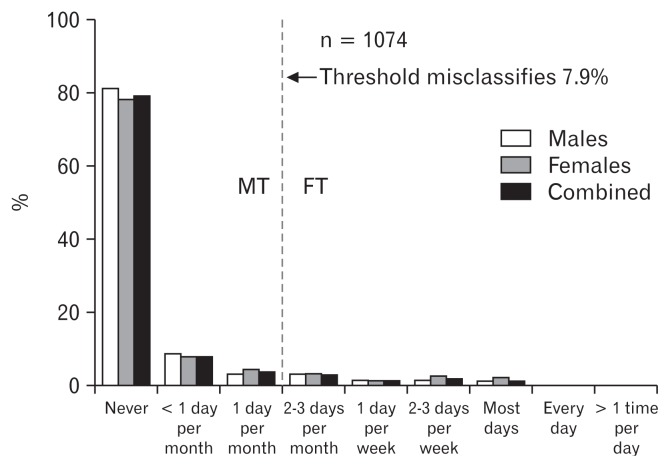
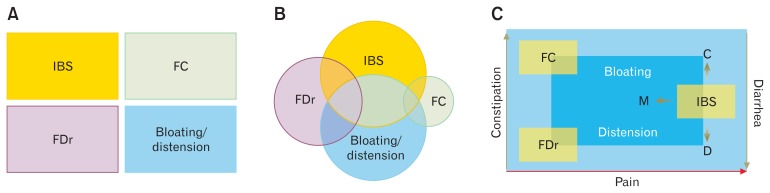
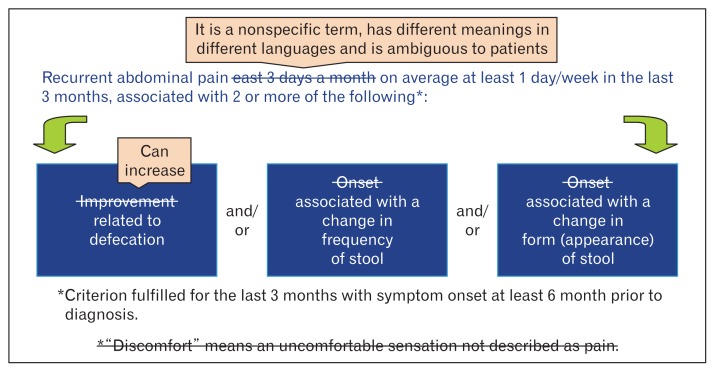
Functional gastrointestinal disorders (FGIDs) are diagnosed and classified using the Rome criteria; the criteria may change over time as new scientific data emerge.The Rome IV was released in May 2016.The aim is to review the main changes in Rome IV.FGIDs are now called disorders of gut-brain interaction (DGBI).Rome IV has a multicultural rather than a Western-culture focus.There are new chapters including multicultural, age-gender-women's health, intestinal microenvironment, biopsychosocial, and centrally mediated disorders.New disorders have been included although not truly FGIDs, but fit the new definition of DGBI including opioidinduced gastrointestinal hyperalgesia, opioid-induced constipation, and cannabinoid hyperemesis.Also, new FGIDs based on available evidence including reflux hypersensitivity and centrally mediated abdominal pain syndrome.Using a normative survey to determine the frequency of normal bowel symptoms in the general population changes in the time frame for diagnosis were introduced.For irritable bowel syndrome (IBS) only pain is required and discomfort was eliminated because it is non-specific, having different meanings in different languages.Pain is now related to bowel movements rather than just improving with bowel movements (ie, can get worse with bowel movement).Functional bowel disorders (functional diarrhea, functional constipation, IBS with predominant diarrhea [IBS-D], IBS with predominant constipation [IBS-C], and IBS with mixed bowel habits) are considered to be on a continuum rather than as independent entities.Clinical applications such as diagnostic algorithms and the Multidimensional Clinical Profile have been updated.The new Rome IV iteration is evidence-based, multicultural oriented and with clinical applications.As new evidence become available, future updates are expected.
Overview
The claims and statistics of this paper haven’t been checked yet.
Free: it reads the open-access text and checks the first 5 claims that cite a source we can check. Create a free account to check every claim.
Integrity signals
Registry
Cites
Statistics
Figures
Verification
Claims the paper makes
The claims and statistics of this paper haven’t been checked yet.
Free: it reads the open-access text and checks the first 5 claims that cite a source we can check. Create a free account to check every claim.
Claims other papers make about this one
Each is checked against this paper’s own text: does it say what the citing paper says it does?
The cited source says what the claim attributes to it.
In the citing paper
“the most recent guidelines suggest that IBS subgroups exist on a spectrum and not as distinct entities (69).”
From Alterations in Heart Rate Variability Associated With Irritable Bowel Syndrome or Inflammatory Bowel Disease: A Systematic Review and Meta-Analysis (2021) · cites this paper as [69]
Self-check
Percentages, sums and reported differences re-computed from the paper’s own numbers.
The self-check needs the paper’s full text.
Citations
Cites
Longstreth, G. F., Thompson, W. G., Chey, W. D., Houghton, L. A., Mearin, F., & Spiller, R. C. (2006) · Gastroenterology · doi:10.1053/j.gastro.2005.11.061 · Cited by 4,856
Lacy, B. E., Mearin, F., Chang, L., Chey, W. D., Lembo, A. J., Simren, M., & Spiller, R. (2016) · Gastroenterology · doi:10.1053/j.gastro.2016.02.031 · Cited by 2,866
Functional Gastrointestinal Disorders: History, Pathophysiology, Clinical Features, and Rome IV
Drossman, D. A. (2016) · Gastroenterology · doi:10.1053/j.gastro.2016.02.032 · Cited by 2,430
Self-citationFunctional Gastroduodenal Disorders
Tack, J., Talley, N. J., Camilleri, M., Holtmann, G., Hu, P., Malagelada, J.-R., & Stanghellini, V. (2006) · Gastroenterology · doi:10.1053/j.gastro.2005.11.059 · Cited by 2,418
Drossman, D. A., Li, Z., Andruzzi, E., Temple, R. D., Talley, N. J., Grant Thompson, W., Whitehead, W. E., Janssens, J., Funch-Jensen, P., Corazziari, E., et al. (1993) · Digestive Diseases and Sciences · doi:10.1007/bf01303162 · Cited by 2,198
Self-citationRome IV—Functional GI Disorders: Disorders of Gut-Brain Interaction
Drossman, D. A., & Hasler, W. L. (2016) · Gastroenterology · doi:10.1053/j.gastro.2016.03.035 · Cited by 1,928 · cited 2×
“Therefore, 28 years after the first Working Team on IBS, and 10 years after the last iteration of the Rome process (Rome III) were published, the Rome IV process and consequently the modified Rome IV classification and criteria have been published in a supplement of Gastroenterology as well as in a collection of books…”
MethodSelf-citationStanghellini, V., Chan, F. K. L., Hasler, W. L., Malagelada, J. R., Suzuki, H., Tack, J., & Talley, N. J. (2016) · Gastroenterology · doi:10.1053/j.gastro.2016.02.011 · Cited by 1,572
Barbara, G., Stanghellini, V., De Giorgio, R., Cremon, C., Cottrell, G. S., Santini, D., Pasquinelli, G., Morselli-Labate, A. M., Grady, E. F., Bunnett, N. W., et al. (2004) · Gastroenterology · doi:10.1053/j.gastro.2003.11.055 · Cited by 1,475
Childhood Functional Gastrointestinal Disorders: Child/Adolescent
Hyams, J. S., Di Lorenzo, C., Saps, M., Shulman, R. J., Staiano, A., & van Tilburg, M. (2016) · Gastroenterology · doi:10.1053/j.gastro.2016.02.015 · Cited by 1,362
Opioids in chronic non-cancer pain: systematic review of efficacy and safety
Kalso, E., Edwards, J. E., Moore, A. R., & McQuay, H. J. (2004) · Pain · doi:10.1016/j.pain.2004.09.019 · Cited by 1,216 · cited 1×
“It has a prevalence of 41% in patients with chronic non-cancer pain, and up to 94% of patients taking opioids for cancer-related pain.(60) Initial treatment of OIC is similar to that of functional constipation including laxatives and lubiprostone has been approved by FDA for patients with OIC in patients with non-canc…”
Background
Research works printed but not linked: 9
- 10.1097/00005176-199007000-00015 · doi:10.1097/00005176-199007000-00015 · Paper page
- Ballard, R (2002). Race, culture and ethnicity. New developments in sociology, Holborn, M, ed. Ormskirk: The Causeway Press
- Quigley, EM, Barbara, G, Feinle-Bisset, C, and The Rome IV Committees (2016). The intestinal microenvironment an functional gastrointestinl disorders. Rome IV functional gastrointestinal disorders – disorders of gut-brain interaction, Drossman, DA, Chang, LC, Kellow, WJ, Tack, J, and Whitehead, WE, ed. Raleigh, NC: The Rome Foundation, pp. 179-247
- Levy, RL, Crowell, MD, Drossman, DA, and The Rome IV Committees (2016). Byopsychosocial aspects of functional gastrointestinl disorders: How central and environmental processes contribute to the development and expression of FGIDs. Rome IV functional gastrointestinal disorders – disorders of gut-brain interaction, Drossman, DA, Chang, LC, Kellow, WJ, Tack, J, and Whitehead, WE, ed. Raleigh, NC: The Rome Foundation, pp. 443-548
- Whorwell, PJ, Keefer, L, Drossman, DA, Guthrie, E, Simrén, M, Tillisch, K, Olden, K, and The Rome IV Committees (2016). Centrally mediated disorders of gastrointestinal pain. Rome IV functional gastrointestinal disorders – disorders of gut-brain interaction, Drossman, DA, Chang, LC, Kellow, WJ, Tack, J, and Whitehead, WE, ed. Raleigh, NC: The Rome Foundation, pp. 1059-1116
- Whitehead, EE, Palsson, OS, MALvT, , Sperber, A, BS, , Tack, J, Walker, LS, YY, , and The Rome IV Committees (2016). Development and validation of the Rome IV diagnostic questionnaires. Rome IV diagnostic questionnaires and tables for investigators and clinicians, Drossman, DA, Chang, LC, Kellow, WJ, Tack, J, and Whitehead, WE, ed. Raleigh, NC: The Rome Foundation, pp. 43-92
- Talley, NJ, Stanghellini, V, Chan, FKL, and The Rome IV Committees (2016). Gastroduodenal Disorders. Rome IV functional gastrointestinal disorders – disorders of gut-brain interaction, Drossman, DA, Chang, LC, Kellow, WJ, Tack, J, and Whitehead, WE, ed. Raleigh, NC: The Rome Foundation, pp. 903-965
- Mearin, F, Lacy, BE, Chang, L, Chey, WD, Lembo, AJ, Simrén, M, Spiller, R, and The Rome IV Committees (2016). Bowel Disorders. Rome IV functional gastrointestinal disorders – disorders of gut-brain interaction, Drossman, DA, Chang, LC, Kellow, WJ, Tack, J, and Whitehead, WE, ed. Raleigh, NC: The Rome Foundation, pp. 967-1057
- 10.1053/j.gastro.2016.02.014 · DOI · Paper page
Cited by
Items 101–200 of 845
Feingold, J. H., Kaye‐Kauderer, H., Mendiolaza, M., Dubinsky, M. C., Keefer, L., & Gorbenko, K. O. (2021) · Journal of Psychosomatic Research · doi:10.1016/j.jpsychores.2021.110400 · Cited by 33
Russo, F., Chimienti, G., Riezzo, G., Linsalata, M., D’Attoma, B., Clemente, C., & Orlando, A. (2018) · Disease Markers · doi:10.1155/2018/1827937 · Cited by 31
Contribution of ghrelin to functional gastrointestinal disorders’ pathogenesis
Koutouratsas, T., Kalli, T., Karamanolis, G. P., & Gazouli, M. (2019) · World Journal of Gastroenterology · doi:10.3748/wjg.v25.i5.539 · Cited by 32
Vurallı, D., Akgör, M. C., Dağıdır, H. G., Gülbahar, Ö., Yalınay, M., & Bolay, H. (2024) · The Journal of Headache and Pain · doi:10.1186/s10194-024-01730-5 · Cited by 34
“The presence of diagnostic irritable bowel syndrome symptoms was evaluated in all groups according to the Rome IV Criteria [21].”
MethodVurallı, D., Akgör, M. C., Dağıdır, H. G., Onat, P. Ş., Yalınay, M., Sezerman, O. U., & Bolay, H. (2024) · The Journal of Headache and Pain · doi:10.1186/s10194-024-01891-3 · Cited by 31
Larussa, T., Rossi, M., Suraci, E., Marasco, R., Imeneo, M., Abenavoli, L., & Luzza, F. (2019) · Medicina · doi:10.3390/medicina55020046 · Cited by 31
Dochat, C., Afari, N., Satherley, R., Coburn, S. S., & McBeth, J. F. (2024) · BMC Gastroenterology · doi:10.1186/s12876-023-03101-x · Cited by 40
“Alternatively, persistent symptoms may indicate the presence of other food sensitivities or other medical conditions such as IBS, characterized by specific gastrointestinal symptoms (abdominal pain and bloating, painful bowel movements, and diarrhea and/or constipation) [18, 19].”
BackgroundAliu, A., Bosch, D. H. C. A., Keszthelyi, D., Ardabili, A. R., Colombel, J., Sawyer, R., Törnblom, H., Hart, A. L., Jonkers, D. M. A. E., Pierik, M. J., et al. (2024) · Alimentary Pharmacology & Therapeutics · doi:10.1111/apt.17988 · Cited by 36
“105,106 The MDCP could also be applied for the IBS-like symptoms of IBD in remission.”
BackgroundBile acids and FXR in functional gastrointestinal disorders
Mosińska, P., Szczepaniak, A., & Fichna, J. (2018) · Digestive and Liver Disease · doi:10.1016/j.dld.2018.05.016 · Cited by 33
The role of the gut microbiome in disorders of gut–brain interaction
Gawey, B. J., Mars, R. A. T., & Kashyap, P. (2024) · FEBS Journal · doi:10.1111/febs.17200 · Cited by 32
Lee, E. H., Yang, H. R., & Lee, H. S. (2018) · Journal of Neurogastroenterology and Motility · doi:10.5056/jnm18050 · Cited by 29
“The pathomechanism to explain FAPDs remains unclear and multifactorial hypotheses have been suggested.(4,5) Recently many studies have suggested that low-grade intestinal inflammation is essentially involved in the underlying pathogenesis of functional gastrointestinal disorders (FGIDs).”
BackgroundOrlando, A., Tutino, V., Notarnicola, M., Riezzo, G., Linsalata, M., Clemente, C., Prospero, L., Martulli, M., D’Attoma, B., Nunzio, V. D., et al. (2020) · Nutrients · doi:10.3390/nu12061652 · Cited by 35
“Patients suffering from IBS-D in accordance with the Rome IV criteria [24] were recruited between January 2018 and September 2019 from among the outpatients of the Laboratory of Nutritional Pathophysiology—National Institute of Gastroenterology “S.”
MethodRupp, S. K., & Stengel, A. (2022) · Frontiers in Neuroscience · doi:10.3389/fnins.2022.844564 · Cited by 33
“Functional dyspepsia (FD) is one of the most commonly diagnosed disorders of gut-brain interaction (DGBI) worldwide (Stanghellini et al., 2016) and affects up to 7.2% of people in the community (Sperber et al., 2021).”
MethodInfluentialHow to use Rome IV criteria in the evaluation of esophageal disorders
Schmulson, M. J. (2018) · Current Opinion in Gastroenterology · doi:10.1097/mog.0000000000000443 · Cited by 29
Self-citationKovács, E., Szabo, K., Varvara, R.-A., Uifălean, A., Cozma, A., Vulturar, R., Sitar-Tăut, A., Gabbianelli, R., Myhrstad, M. C. W., Telle‐Hansen, V. H., et al. (2025) · International Journal of Molecular Sciences · doi:10.3390/ijms26167753 · Cited by 30
COVID-19 infection causing residual gastrointestinal symptoms – a single UK centre case series
Cooney, J., Appiahene, P., Findlay, R., Al‐Hillawi, L., Rafique, K., Laband, W., Shandro, B., & Poullis, A. P. (2022) · Clinical Medicine · doi:10.7861/clinmed.2021-0522 · Cited by 28
Russo, F., Riezzo, G., Orlando, A., Linsalata, M., D’Attoma, B., Prospero, L., Ignazzi, A., & Giannelli, G. (2022) · Nutrients · doi:10.3390/nu14081544 · Cited by 34
Byale, A., Lennon, R. J., Byale, S., Breen‐Lyles, M. K., Edwinson, A. L., Gupta, R., Lacy, B. E., Olson, J. E., Houghton, L. A., & Grover, M. (2022) · Clinical Gastroenterology and Hepatology · doi:10.1016/j.cgh.2022.09.019 · Cited by 33
Management of dyspepsia and Helicobacter pylori infection: the 2022 Indonesian Consensus Report
Syam, A. F., Miftahussurur, M., Makmun, D., Abdullah, M., Rani, A. A., Siregar, G. A., Marcellus Simadibrata, K., Zubir, N., Wibawa, I. D. N., Purnomo, H. D., et al. (2023) · Gut Pathogens · doi:10.1186/s13099-023-00551-2 · Cited by 31
Ostrowska, L., Wasiluk, D., Lieners, C., Gałęcka, M., Bartnicka, A., & Tveiten, D. (2021) · Journal of Clinical Medicine · doi:10.3390/jcm10194317 · Cited by 27
“It is characterized by abdominal pains of different intensity, located usually on the left side of lower abdomen, combined with changes in stool consistency and/or bowel movements [1, 2].”
BackgroundSibelli, A., Chalder, T., Everitt, H., Chilcot, J., & Moss-Morris, R. E. (2017) · Journal of Psychosomatic Research · doi:10.1016/j.jpsychores.2017.11.016 · Cited by 27
Ahmed, S., Ansari, A., Li, Z., Mazumdar, H., Siddiqui, M. A., Khan, A., Ranjan, P., Kaushik, A. K., Vinu, A., & Kumar, P. (2024) · Advanced Sensor Research · doi:10.1002/adsr.202400132 · Cited by 29
O’Brien, L., Skidmore, P. M. L., Wall, C. L., WILKINSON, T. J., Muir, J. G., Frampton, C., & Gearry, R. B. (2020) · Nutrients · doi:10.3390/nu12103002 · Cited by 29
Irritable Bowel Syndrome: Prevalence and Risk Factors in Jazan Region, Saudi Arabia
Arishi, A. M., Elmakki, E. E., Hakami, O., Alganmy, O. M., Maashi, S. M., Al-Khairat, H. K., Sahal, Y. A., Sharif, A., & Alfaifi, M. H. (2021) · Cureus · doi:10.7759/cureus.15979 · Cited by 31
“This change raised the minimum pain threshold and the pain relation to defecation, and made a major impact on this decrease in the IBS rate globally and locally [5,6].”
BackgroundAxelsson, E., Kern, D., Hedman‐Lagerlöf, E., Lindfors, P., Palmgren, J., Hesser, H., Andersson, E., Johansson, R., Olén, O., Bonnert, M., et al. (2023) · Cognitive Behaviour Therapy · doi:10.1080/16506073.2023.2225745 · Cited by 28
“…presented at least one study of the efficacy of a psychological intervention (c) for participants with IBS based on a clinical diagnosis, typically the Rome criteria (any version) (Schmulson & Drossman, 2017), and not selected on any particular IBS subtype, or anxiety, mood, or somatoform disorder.”
Irritable Bowel Syndrome: News from an Old Disorder
Ferreira, A. I., Garrido, M., & Castro-Poças, F. (2019) · GE Portuguese Journal of Gastroenterology · doi:10.1159/000503757 · Cited by 40
Wackers, G., Putzeys, T., Peeters, M., de Cauter, L. V., Cornelis, P., Wübbenhorst, M., Tack, J. F., Troost, F. J., Verhaert, N., Doll, T., et al. (2020) · Biosensors and Bioelectronics · doi:10.1016/j.bios.2020.112152 · Cited by 30
Unraveling the Pathophysiology of Irritable Bowel Syndrome: Mechanisms and Insights
Aggeletopoulou, I., Papantoniou, K., Pastras, P., & Triantos, C. K. (2025) · International Journal of Molecular Sciences · doi:10.3390/ijms262110598 · Cited by 32
“…of gut–brain interaction (DGBI), characterized by gastrointestinal symptoms that may result from various combinations of motility abnormalities, visceral hypersensitivity, immune and mucosal dysfunction, gut microbiota alterations, and disturbances in central nervous system (CNS) processing [2,9].”
The Incidence of Sexual Dysfunction in Patients With Irritable Bowel Syndrome
Sørensen, J., Laursen, B. S., Drewes, A. M., & Krarup, A. L. (2019) · Sexual Medicine · doi:10.1016/j.esxm.2019.08.010 · Cited by 27
“The recommendation for diagnosing IBS is to make use of the Rome IV criteria.(2)”
MethodA Practical Guide to the Clinical Evaluation of Endometriosis-Associated Pelvic Pain
Vilasagar, S., Bougie, O., & Singh, S. S. (2019) · Journal of Minimally Invasive Gynecology · doi:10.1016/j.jmig.2019.10.012 · Cited by 36
Economic Impact and Prognostic Factors of Functional Dyspepsia in Children
Mani, J., Madani, S., & Thomas, R. (2019) · Journal of Pediatric Gastroenterology and Nutrition · doi:10.1097/mpg.0000000000002599 · Cited by 25
“Per Rome IV guidelines FGIDs are no longer considered a diagnosis of exclusion and appropriate diagnostic evaluations need to be performed in patients only if indicated (27).”
BackgroundBravo-Vázquez, L. A., Medina-Ríos, I., Márquez-Gallardo, L. D., Reyes-Muñoz, J., Serrano‐Cano, F. I., Pathak, S., Banerjee, A., Bandyopadhyay, A., Duttaroy, A. K., & Paul, S. (2022) · Digestive Diseases and Sciences · doi:10.1007/s10620-022-07516-6 · Cited by 28
Recognizing and Defining Occasional Constipation: Expert Consensus Recommendations
Rao, S. S. C., Lacy, B. E., Emmanuel, A. V., Müller-Lissner, S. A., Pohl, D., Quigley, E. M. M., & Whorwell, P. J. (2022) · The American Journal of Gastroenterology · doi:10.14309/ajg.0000000000001945 · Cited by 28
Low-FODMAP Diet for the Management of Irritable Bowel Syndrome in Remission of IBD
Więcek, M., Panufnik, P., Kaniewska, M. A., Lewandowski, K., & Rydzewska, G. M. (2022) · Nutrients · doi:10.3390/nu14214562 · Cited by 31
Burns, G. L., Bruce, J. K., Minahan, K., Mathe, A., Fairlie, T., Cameron, R. A., Naudin, C. R., Nair, P. M., Potter, M. D. E., Irani, M. Z., et al. (2023) · Frontiers in Immunology · doi:10.3389/fimmu.2022.1051632 · Cited by 28
Vendrik, K. E. W., Chernova, V. O., Kuijper, E. J., Terveer, E. M., van Hilten, J. J., & Contarino, M. F. (2023) · BMJ Open · doi:10.1136/bmjopen-2023-071766 · Cited by 29
An Approach to the Patient With Chronic Undiagnosed Abdominal Pain
Pichetshote, N., & Pimentel, M. (2019) · The American Journal of Gastroenterology · doi:10.14309/ajg.0000000000000130 · Cited by 26
Soares, R. L. S. (2018) · Arquivos de Gastroenterologia · doi:10.1590/s0004-2803.201800000-88 · Cited by 38
Berentsen, B., Bharath, H. N., Teige, E. P., Lied, G. A., Lundervold, A. J., Lundervold, K., Steinsvik, E. K., Hillestad, E. M. R., Valeur, J., Brønstad, I., et al. (2020) · Medicine · doi:10.1097/md.0000000000021950 · Cited by 26
The role of diet in the pathophysiology and management of irritable bowel syndrome
El‐Salhy, M., Patcharatrakul, T., & Gonlachanvit, S. (2021) · Indian Journal of Gastroenterology · doi:10.1007/s12664-020-01144-6 · Cited by 29
Jehangir, A., & Parkman, H. P. (2018) · Digestive Diseases and Sciences · doi:10.1007/s10620-018-5125-1 · Cited by 24
Eed, E. M., Hawash, Y. A., Khalifa, A. S., Alsharif, K. F., Alghamdi, S. A., Almalki, A. A., Almehmadi, M. M., Ismail, K. A., Taha, A. A., & Saber, T. (2020) · Indian Journal of Medical Microbiology · doi:10.4103/ijmm.ijmm_20_164 · Cited by 27
Ruffle, J. K., Tinkler, L., Emmett, C., Ford, A. C., Nachev, P., Aziz, Q., Farmer, A. D., & Yiannakou, Y. (2020) · The American Journal of Gastroenterology · doi:10.14309/ajg.0000000000000816 · Cited by 24
Aquaporins 1, 3 and 8 expression in irritable bowel syndrome rats’ colon via NF-κB pathway
Chao, G., & Zhang, S. (2017) · Oncotarget · doi:10.18632/oncotarget.17565 · Cited by 24
“com/oncotarget in the last 3 months, associated with 2 or more of the following:related to defecation,associated with a change in frequency or form (appearance) of stool [16].”
BackgroundPathophysiology, Differential Diagnosis, and Treatment of Diabetic Diarrhea
Selby, A. G., Reichenbach, Z. W., Piech, G. M., & Friedenberg, F. K. (2019) · Digestive Diseases and Sciences · doi:10.1007/s10620-019-05846-6 · Cited by 26
Yadav, Y., Eslick, G. D., & Talley, N. J. (2021) · Alimentary Pharmacology & Therapeutics · doi:10.1111/apt.16624 · Cited by 32
Monoamine system disruption induces functional somatic syndromes associated symptomatology in mice
Nagakura, Y., Ohsaka, N., Azuma, R., Takahashi, S., Takebayashi, Y., Kawasaki, S., Murai, S., Miwa, M., & Saito, H. (2018) · Physiology & Behavior · doi:10.1016/j.physbeh.2018.07.007 · Cited by 24
Review of childhood pain highlights the role of negative stress
Alfvén, G., Grillner, S. E., & Andersson, E. A. (2019) · Acta Paediatrica · doi:10.1111/apa.14884 · Cited by 23
Physiological mechanisms of unexplained (functional) gastrointestinal disorders
Burns, G. L., Hoedt, E. C., Walker, M. M., Talley, N. J., & Keely, S. (2021) · The Journal of Physiology · doi:10.1113/jp281620 · Cited by 26
“More detailed reviews of permeability measurements have been published recently (Galipeau &Verdu, 2016; Quigley, 2016; Schoultz & Keita, 2020).”
BackgroundPerspective: Assessing Tolerance to Nondigestible Carbohydrate Consumption
Holscher, H. D., Chumpitazi, B. P., Dahl, W. J., Fahey, G. C., Jr., Liska, D. J., Slavin, J. L., & Verbeke, K. (2022) · Advances in Nutrition · doi:10.1093/advances/nmac091 · Cited by 25
“Symptoms of disorders of gut–brain interaction, formally known as functional gastrointestinal disorders (40, 41), which include irritable bowel syndrome, functional dyspepsia, and functional constipation, are experienced by ≤ 40% of the population at some point in their life (42).”
The Latest Data Concerning the Etiology and Pathogenesis of Irritable Bowel Syndrome
Ionescu, V. A., Gheorghe, G., Georgescu, T. F., Bacalbaşa, N., Gheorghe, F., & Diaconu, C. C. (2024) · Journal of Clinical Medicine · doi:10.3390/jcm13175124 · Cited by 28
“The diagnostic criteria established by the Rome Foundation in 1990 have been modified thrice since their inception; they now define each condition according to a collection of symptoms and restricted paraclinical examinations [4].”
MethodYeh, C., Chen, C.-C., Wu, J., Lee, H., Yi-Chia, L., Liu, K., Wang, H., Wu, M., & Tseng, P. (2019) · Journal of the Formosan Medical Association · doi:10.1016/j.jfma.2018.12.019 · Cited by 24
Refractory Gastroesophageal Reflux Disease and Functional Heartburn
Spechler, S. J. (2020) · Gastrointestinal Endoscopy Clinics of North America · doi:10.1016/j.giec.2019.12.003 · Cited by 22
Wu, L., Gao, L., Jin, X., Chen, Z., Qiao, X., Cui, X., Gao, J., & Zhang, L. (2023) · Foods · doi:10.3390/foods12051101 · Cited by 21
Fecal bacteria and short‐chain fatty acids in irritable bowel syndrome: Relations to subtype
Teige, E. S., Hillestad, E. M. R., Steinsvik, E. K., Brønstad, I., Lundervold, A., Lundervold, A. J., Valeur, J., Hausken, T., Berentsen, B., & Lied, G. A. (2024) · Neurogastroenterology & Motility · doi:10.1111/nmo.14854 · Cited by 27
Mechanisms and clinical implications of gut-brain interactions
Lorsch, Z. S., & Liddle, R. A. (2026) · Journal of Clinical Investigation · doi:10.1172/jci196346 · Cited by 21
Microbiota and the irritable bowel syndrome
Sabo, C. M., & DUMITRASCU, D. L. (2021) · Minerva Gastroenterology · doi:10.23736/s2724-5985.21.02923-5 · Cited by 23
Intestinal Permeability in Children with Functional Gastrointestinal Disorders: The Effects of Diet
Giorgio, V., Margiotta, G., Stella, G., Cicco, F. D., Leoni, C., Proli, F., Zampino, G., Gasbarrini, A., & Onesimo, R. (2022) · Nutrients · doi:10.3390/nu14081578 · Cited by 24
Gravina, A. G., Romeo, M., Pellegrino, R., Tuccillo, C., Federico, A., & Loguercio, C. (2022) · Frontiers in Pharmacology · doi:10.3389/fphar.2022.869446 · Cited by 21
“Gastrointestinal symptoms were then studied along with the history according to the ROMA IV criteria to validate patients as having functional gastrointestinal disorder (Schmulson and Drossman, 2017).”
MethodEl‐Salhy, M., Gilja, O. H., & Hatlebakk, J. G. (2019) · Molecular Medicine Reports · doi:10.3892/mmr.2019.10284 · Cited by 23
Alvaro, D., Caraceni, A. T., Coluzzi, F., Gianni, W., Lugoboni, F., Marinangeli, F., Massazza, G., Pinto, C., & Varrassi, G. (2020) · Pain and Therapy · doi:10.1007/s40122-020-00195-z · Cited by 21
Ponzo, V., Ferrocino, I., Goitre, I., Pellegrini, M., Bruno, M., Astegiano, M., Cadario, G., Castellana, E., Bioletto, F., Corvaglia, M. R., et al. (2021) · Nutrients · doi:10.3390/nu13041260 · Cited by 22
Inactive matrix Gla protein is elevated in patients with inflammatory bowel disease
Brnić, D., Martinović, D., Živković, P. M., Tokić, D., Vilović, M., Rušić, D., Hadjina, I. T., Libers, C., Glumac, S., Šupe‐Domić, D., et al. (2020) · World Journal of Gastroenterology · doi:10.3748/wjg.v26.i32.4866 · Cited by 20
Probiotics in Irritable Bowel Syndrome: A Review Article
Sharma, S., Kumar, S., Sajjad, S., & Sharma, S. (2023) · Cureus · doi:10.7759/cureus.36565 · Cited by 24
“According to the Rome IV IBS Diagnosis Criteria, there must be at least two of the following symptoms in addition to stomach discomfort that comes and goes at least once per week in the last three months: urination-related or diagnostic symptoms, including those with a change in the appearance or frequency of faeces […”
MethodKosako, M., Akiho, H., Miwa, H., Kanazawa, M., & Fukudo, S. (2018) · BioPsychoSocial Medicine · doi:10.1186/s13030-018-0137-9 · Cited by 22
“Rome III was revised to Rome IV in May 2016 [9], which includes new chapters on multicultural differences, age-gender-women’s health, the intestinal microenvironment, biopsychosocial issues, and centrally mediated disorders [10].”
BackgroundFunctional constipation in patients with hemorrhoids: a systematic review and meta-analysis
Kalkdijk, J., Broens, P., ten Broek, R., van der Heijden, J., Trzpis, M., Pierie, J. P., & Klarenbeek, B. (2022) · European Journal of Gastroenterology & Hepatology · doi:10.1097/meg.0000000000002361 · Cited by 19
AGA Institute Quality Indicator Development for Irritable Bowel Syndrome
Hung, K. W., Leiman, D. A., Kaza, A., Watson, R. R., Chang, L., & Maratt, J. K. (2025) · Gastroenterology · doi:10.1053/j.gastro.2024.11.003 · Cited by 20
Naik, T. D., Tubaki, B. R., & Patankar, D. S. (2022) · Journal of Ayurveda and Integrative Medicine · doi:10.1016/j.jaim.2022.100592 · Cited by 20
Wu, C., Chen, T., Liao, S., Huang, W., & Huang, W.-L. (2023) · Psychological Medicine · doi:10.1017/s0033291723003355 · Cited by 21
Wu, X., Yang, H.-J., Ryu, M. S., Jung, S., Ha, K., Jeong, D., & Park, S. (2024) · Nutrients · doi:10.3390/nu17010138 · Cited by 16
Spechler, S. J. (2020) · Gastroenterology Clinics of North America · doi:10.1016/j.gtc.2020.04.003 · Cited by 19
El‐Salhy, M., Johansson, M., Klevstul, M., & Hatlebakk, J. G. (2025) · BMC Gastroenterology · doi:10.1186/s12876-025-03685-6 · Cited by 20
“…showed them respect and courtesy ( E ), whether their gastroenterologist gave them priority ( F ), whether they considered that their gastroenterologist was sufficiently knowledgeable about IBS ( G ) and whether the treatment actually helped them ( H ) described by the Rome criteria [27–33].”
Zhang, Y., Feei, Z., Zhang, H., Pan, B., Li, Y., Majid, H. A., & Lee, Y. Y. (2018) · JGH Open · doi:10.1002/jgh3.12125 · Cited by 20
Managing Symptom Profile of IBS-D Patients With Tritordeum-Based Foods: Results From a Pilot Study
Russo, F., Riezzo, G., Linsalata, M., Orlando, A., Tutino, V., Prospero, L., D’Attoma, B., & Giannelli, G. (2022) · Frontiers in Nutrition · doi:10.3389/fnut.2022.797192 · Cited by 19
“Since there are still no reliable biomarkers, IBS is defined by the presence of characteristic symptoms (mainly recurrent abdominal pain or discomfort with modifications in the stool habit) described by Rome criteria (2).”
BackgroundNew Role of the Serotonin as a Biomarker of Gut–Brain Interaction
Liu, H. N., Nakamura, M., & Kawashima, H. (2024) · Life · doi:10.3390/life14101280 · Cited by 23
Heart Rate Variability Applications in Medical Specialties: A Narrative Review
Addleman, J. S., Lackey, N. S., Tobin, M. A., Lara, G. A., Sinha, S., Morse, R. M., HAJDUCZOK, A. G., Gharbo, R. S., & Gevirtz, R. (2025) · Applied Psychophysiology and Biofeedback · doi:10.1007/s10484-025-09708-y · Cited by 20
Schäfer, F., Faviez, C., Voillot, P., Foulquié, P., Najm, M., Jeanne, J.-F., Fagherazzi, G., Schück, S., & Nevé, B. L. (2020) · Journal of Medical Internet Research · doi:10.2196/17247 · Cited by 19
“Irritable bowel syndrome (IBS) is the most studied condition among disorders of gut-brain interactions (DGBIs) [3], with a highly heterogeneous prevalence ranging from 1.”
BackgroundWahab, P. A., Yusoff, D. M., Kadir, A. A., Ali, S. H., & Yeh, L. Y. (2021) · Clinical Nursing Research · doi:10.1177/10547738211033934 · Cited by 18
“It was established in year 2016 and introduced a new type of constipation, namely opioid induced constipation which was not measured in this study (Schmulson & Drossman, 2017).”
BackgroundThe Impact of Sleeve Gastrectomy on Gastroesophageal Reflux Disease in Patients with Morbid Obesity
Moya, C. S., Esteban, M. B., García‐Argüelles, J. S., Barceló, L. F., Gallego, A. M., Sáez, B. M., Fernández, C. M., Baga, P. A., Prado, A. V., Bravo, M. O., et al. (2022) · Obesity Surgery · doi:10.1007/s11695-021-05808-w · Cited by 18
“GERD assessment focuses on three pillars: symptoms, endoscopy, and functional testing, and the definition of the clinical phenotype variable of GERD is based on the three main consensuses currently used to define GERD: the Montreal classification that defines the disease by means of its symptoms and its complications…”
MethodGhoshal, U. C., Rahman, M. M., Pratap, N., Misra, A., Sarker, S. A., Hasan, M., Bangdiwala, S. I., Palsson, O. S., & Sperber, A. D. (2023) · Neurogastroenterology & Motility · doi:10.1111/nmo.14579 · Cited by 19
Singh, P., Seo, Y., Ballou, S., Ludwig, A. G., Hirsch, W., Rangan, V., Iturrino, J., Lembo, A. J., & Nee, J. W. (2019) · Journal of Neurogastroenterology and Motility · doi:10.5056/jnm17139 · Cited by 18
Elangovan, A., Allegretti, J. R., & Fischer, M. (2019) · Expert Opinion on Biological Therapy · doi:10.1080/14712598.2019.1673725 · Cited by 18
Law, M., Pickering, I., Humphrey, G., Sebaratnam, G., Schamberg, G., Simpson, K., Varghese, C., Du, P., Daker, C., Huang, I., et al. (2024) · Frontiers in Psychology · doi:10.3389/fpsyg.2024.1389671 · Cited by 18
“…belching, regurgitation, epigastric pain/ burning, early satiation, and excessive fullness, which are often experienced in conditions such as functional dyspepsia, gastroparesis, and chronic nausea and vomiting syndrome (Drossman, 2016; Stanghellini et al., 2016; Schmulson and Drossman, 2017).”
BackgroundCaponio, G. R., Celano, G., Calabrese, F. M., Riezzo, G., Orlando, A., D’Attoma, B., Ignazzi, A., Vacca, M., Porrelli, A., Tutino, V., et al. (2022) · Nutrients · doi:10.3390/nu14214628 · Cited by 17
Xia, Y., Tan, W., Yuan, F., Lin, M., & Luo, H. (2023) · Molecular Nutrition & Food Research · doi:10.1002/mnfr.202300126 · Cited by 20
The gut‐microbiota‐brain axis: Focus on gut steroids
Diviccaro, S., Giatti, S., Cioffi, L., Chrostek, G., & Melcangi, R. C. (2024) · Journal of Neuroendocrinology · doi:10.1111/jne.13471 · Cited by 20
“96 The patients suffer of abdominal pain usually but not always, associated with symptoms including anxiety, depression, headache, and fatigue which seriously affect the quality of life.”
Incidence and predisposing factors for de novo post-COVID-19 irritable bowel syndrome
Siyal, M., Abbas, Z., Ashraf, J., Qadeer, M. A., & Altaf, A. (2022) · European Journal of Gastroenterology & Hepatology · doi:10.1097/meg.0000000000002475 · Cited by 18
Farsi, F., Zonooz, S. R., Ebrahimi, Z., Jebraili, H., Morvaridi, M., Azimi, T., Sikaroudi, M. K., Heshmati, J., Khorrami, S., Mokhtare, M., et al. (2022) · The Turkish Journal of Gastroenterology · doi:10.5152/tjg.2022.21651 · Cited by 17
Bao, X.-S., Yu, W., Chu, Z., Gao, J., Zhou, M., & Gu, Y. (2023) · BMC Pediatrics · doi:10.1186/s12887-023-04154-3 · Cited by 17
Schnedl, W. J., Meier‐Allard, N., Lackner, S., Enko, D., Mangge, H., & Holasek, S. J. (2020) · Nutrients · doi:10.3390/nu12123690 · Cited by 16
“Great variability is also represented in different languages, because diverse terminologies for almost the identical, or almost identical, symptoms, without appropriate translations, are used [24].”
BackgroundMoudgal, R. A., Schultz, A. W., & Shah, E. D. (2021) · Clinical and Experimental Gastroenterology · doi:10.2147/ceg.s283685 · Cited by 18
Demirören, K., Güney, B., Bostancı, M., & Ekici, D. (2022) · The Turkish Journal of Gastroenterology · doi:10.5152/tjg.2022.21893 · Cited by 18
Alharbi, M. H., Alhazmi, A. H., Ujaimi, M., Alsarei, M., Alafifi, M. M., Baalaraj, F. S., & Shatla, M. M. (2022) · Cureus · doi:10.7759/cureus.32705 · Cited by 19
“Currently, the diagnosis of IBS is made based on the Rome IV criteria, which is consist of recurrent abdominal pain that occurred one day per week in the last three months with the association of pain related to defecation, changes in stool frequency, and appearance [5,6].”
MethodSoussou, S., Jablaoui, A., Mariaule, V., Kriaa, A., Boudaya, H., Wysocka, M., Amouri, A., Gargouri, A. F., Lesner, A., Maguin, E., et al. (2023) · Scientific Reports · doi:10.1038/s41598-023-44454-3 · Cited by 18
Association of Migraine and Irritable Bowel Syndrome in Saudi Arabia: A Nationwide Survey
Abdulrahman, K. A. B., Alenazi, N. S. D., Albishri, S. B., & Alshehri, F. F. (2022) · BioMed Research International · doi:10.1155/2022/8690562 · Cited by 18
“The R4DQ was established based on the Rome IV diagnostic criteria and published in 2016 by the Rome Foundation [26].”
Bhinder, G., Meza‐Cardona, J., Low, A., Aumais, G. L., Attara, G., & Gray, J. R. (2023) · Journal of the Canadian Association of Gastroenterology · doi:10.1093/jcag/gwad028 · Cited by 15
Linsalata, M., Ignazzi, A., D’Attoma, B., Riezzo, G., Mallardi, D., Orlando, A., Prospero, L., Notarnicola, M., Nunzio, V. D., Pinto, G., et al. (2024) · Nutrients · doi:10.3390/nu16162706 · Cited by 16
“Inclusion criteria were as follows: patients aged 18–65 who had experienced IBS-D-like symptoms for a minimum of 12 weeks, with a mean score of >75 on the IBS-Severity Scoring System (IBS-SSS), and demonstrated a specific stool pattern as defined by Schmulsson et al. [20].”
BackgroundPaudel, M. S., Mandal, A., Shrestha, B., Poudyal, N. S., Sudhamshu, K. C., Chaudhary, S., Shrestha, R., & Goel, K. (2018) · Journal of Nepal Medical Association · doi:10.31729/jnma.3367 · Cited by 17
Balmuș, I.-M., Cojocariu, R.-O., Ciobica, A. S., Strungaru, Ș.-A., Jijie, R., Cantemir, A., Gălăţanu, C., & Gorgan, L. (2020) · Oxidative Medicine and Cellular Longevity · doi:10.1155/2020/4690713 · Cited by 15
“According to the latest gastrointestinal disorders diagnostic criteria (ROME IV), IBS is mainly characterized by the presence of abdominal pain and changes in intestinal transit [2].”
BackgroundDiCarlo, G. E., Mabry, S. J., Cao, X., McMillan, C., Woynaroski, T. G., Harrison, F. E., Reddy, I. A., Matthies, H. J. G., Flynn, C. R., Wallace, M. T., et al. (2021) · Frontiers in Psychiatry · doi:10.3389/fpsyt.2021.655451 · Cited by 16
“Children with ASD display multiple GI abnormalities (19, 20) with 30–70% of individuals with ASD having a fGID (22), a group of disorders classified by motility disturbances, altered mucosal function, and altered gut microbiota (23).”
Background
Metadata
- Authors
- Schmulson, M. J., & Drossman, D. A.
- Affiliations
- Hospital General de México (MX)
- University of North Carolina at Chapel Hill (US)
- Corresponding author
- Schmulson, Max J
- Venue
- Journal of Neurogastroenterology and Motility
- Published
- 2017-04-30
- Volume
- 23
- Issue
- 2
- Pages
- 151-163
- ISSN
- 2093-0879 (ISSN-L)
- 2093-0887
- PMC
- PMC5383110
- OpenAlex
- W2594572760
- Cited by
- 788
- References
- 68
- Citations by year
- 2026: 57 · 2025: 88 · 2024: 108 · 2023: 104 · 2022: 100 · 2021: 120 · 2020: 80 · 2019: 74 · 2018: 46 · 2017: 9
- FWCI
- 9.65
- Type
- journal article
- Language
- en
- Open access
- diamond
- doi.org
- Licence
- cc-by-nc
- Locations
- Journal of Neurogastroenterology and Motility (publishedVersion, cc-by-nc)
- PubMed Central (publishedVersion, cc-by-nc)
- PubMed (publishedVersion)
- Carolina Digital Repository (University of North Carolina at Chapel Hill) (submittedVersion)
- UNC Libraries
- Topics
- Health Sciences › Medicine › Gastroenterology › Gastrointestinal motility and disorders
- Health Sciences › Medicine › Gastroenterology › Gastroesophageal reflux and treatments
- Health Sciences › Medicine › Urology › Pelvic floor disorders treatments
- Keywords
- Rome IV criteria, functional gastrointestinal disorders, irritable bowel syndrome, functional bowel disorders, opioid-induced constipation, cannabinoid hyperemesis syndrome, reflux hypersensitivity, diagnostic algorithm, biopsychosocial model, intestinal microenvironment
About these checks
Registry, retraction, Cites and statistics results are computed, not judged, with one exception: a printed reference that no index lists is read once by a model before it counts as a citation error. Claims are extracted by a model and kept only when their quote appears verbatim in the text; each cited source is then checked, with a model’s help, for whether it says what the claim relies on. Those verdicts can be wrong — read the claim’s quote and the cited source before relying on one.
Statistics and arithmetic are recomputed, not judged.
Confidence bands are shown only for fields calibrated on our annotated test set. None is calibrated yet, so no band is shown.
What counts as a claim ›How we measure confidence ›How we check this ›
Are you an author, or do you see a problem with this page? Request a review
Data sources
Bibliographic data: Semantic Scholar, OpenAlex, Crossref.
Contains information from the Semantic Scholar Academic Graph Datasets, made available under the ODC Attribution License (ODC-BY 1.0).
Semantic Scholar’s data is described in: Kinney, R., et al. (2023). The Semantic Scholar Open Data Platform. arXiv:2301.10140.
