

What Is New in Rome IV
Open accessThe DOI matches its Crossref record; 66 of the 68 references it cites were found in a registry or an index.
Abstract
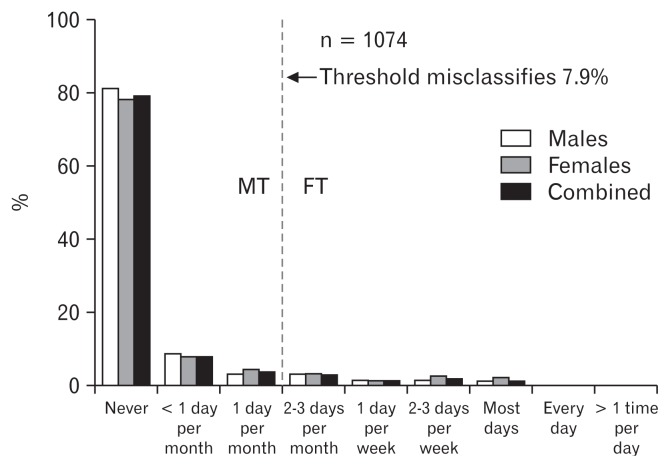
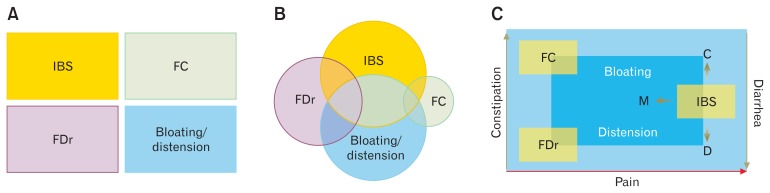
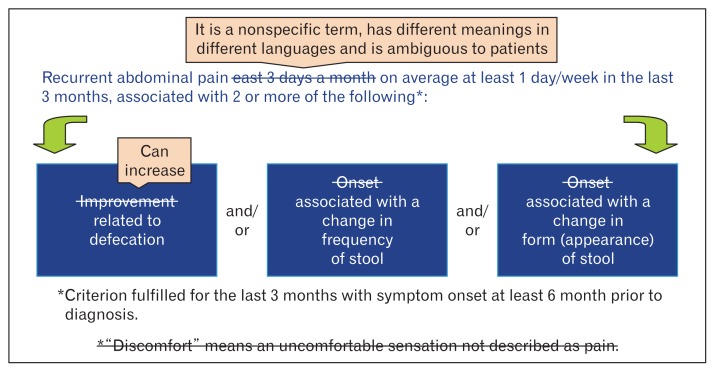
Functional gastrointestinal disorders (FGIDs) are diagnosed and classified using the Rome criteria; the criteria may change over time as new scientific data emerge.The Rome IV was released in May 2016.The aim is to review the main changes in Rome IV.FGIDs are now called disorders of gut-brain interaction (DGBI).Rome IV has a multicultural rather than a Western-culture focus.There are new chapters including multicultural, age-gender-women's health, intestinal microenvironment, biopsychosocial, and centrally mediated disorders.New disorders have been included although not truly FGIDs, but fit the new definition of DGBI including opioidinduced gastrointestinal hyperalgesia, opioid-induced constipation, and cannabinoid hyperemesis.Also, new FGIDs based on available evidence including reflux hypersensitivity and centrally mediated abdominal pain syndrome.Using a normative survey to determine the frequency of normal bowel symptoms in the general population changes in the time frame for diagnosis were introduced.For irritable bowel syndrome (IBS) only pain is required and discomfort was eliminated because it is non-specific, having different meanings in different languages.Pain is now related to bowel movements rather than just improving with bowel movements (ie, can get worse with bowel movement).Functional bowel disorders (functional diarrhea, functional constipation, IBS with predominant diarrhea [IBS-D], IBS with predominant constipation [IBS-C], and IBS with mixed bowel habits) are considered to be on a continuum rather than as independent entities.Clinical applications such as diagnostic algorithms and the Multidimensional Clinical Profile have been updated.The new Rome IV iteration is evidence-based, multicultural oriented and with clinical applications.As new evidence become available, future updates are expected.
Overview
The claims and statistics of this paper haven’t been checked yet.
Free: it reads the open-access text and checks the first 5 claims that cite a source we can check. Create a free account to check every claim.
Integrity signals
Registry
Cites
Statistics
Figures
Verification
Claims the paper makes
The claims and statistics of this paper haven’t been checked yet.
Free: it reads the open-access text and checks the first 5 claims that cite a source we can check. Create a free account to check every claim.
Claims other papers make about this one
Each is checked against this paper’s own text: does it say what the citing paper says it does?
The cited source says what the claim attributes to it.
In the citing paper
“the most recent guidelines suggest that IBS subgroups exist on a spectrum and not as distinct entities (69).”
From Alterations in Heart Rate Variability Associated With Irritable Bowel Syndrome or Inflammatory Bowel Disease: A Systematic Review and Meta-Analysis (2021) · cites this paper as [69]
Self-check
Percentages, sums and reported differences re-computed from the paper’s own numbers.
The self-check needs the paper’s full text.
Citations
Cites
Longstreth, G. F., Thompson, W. G., Chey, W. D., Houghton, L. A., Mearin, F., & Spiller, R. C. (2006) · Gastroenterology · doi:10.1053/j.gastro.2005.11.061 · Cited by 4,856
Lacy, B. E., Mearin, F., Chang, L., Chey, W. D., Lembo, A. J., Simren, M., & Spiller, R. (2016) · Gastroenterology · doi:10.1053/j.gastro.2016.02.031 · Cited by 2,866
Functional Gastrointestinal Disorders: History, Pathophysiology, Clinical Features, and Rome IV
Drossman, D. A. (2016) · Gastroenterology · doi:10.1053/j.gastro.2016.02.032 · Cited by 2,430
Self-citationFunctional Gastroduodenal Disorders
Tack, J., Talley, N. J., Camilleri, M., Holtmann, G., Hu, P., Malagelada, J.-R., & Stanghellini, V. (2006) · Gastroenterology · doi:10.1053/j.gastro.2005.11.059 · Cited by 2,418
Drossman, D. A., Li, Z., Andruzzi, E., Temple, R. D., Talley, N. J., Grant Thompson, W., Whitehead, W. E., Janssens, J., Funch-Jensen, P., Corazziari, E., et al. (1993) · Digestive Diseases and Sciences · doi:10.1007/bf01303162 · Cited by 2,198
Self-citationRome IV—Functional GI Disorders: Disorders of Gut-Brain Interaction
Drossman, D. A., & Hasler, W. L. (2016) · Gastroenterology · doi:10.1053/j.gastro.2016.03.035 · Cited by 1,928 · cited 2×
“Therefore, 28 years after the first Working Team on IBS, and 10 years after the last iteration of the Rome process (Rome III) were published, the Rome IV process and consequently the modified Rome IV classification and criteria have been published in a supplement of Gastroenterology as well as in a collection of books…”
MethodSelf-citationStanghellini, V., Chan, F. K. L., Hasler, W. L., Malagelada, J. R., Suzuki, H., Tack, J., & Talley, N. J. (2016) · Gastroenterology · doi:10.1053/j.gastro.2016.02.011 · Cited by 1,572
Barbara, G., Stanghellini, V., De Giorgio, R., Cremon, C., Cottrell, G. S., Santini, D., Pasquinelli, G., Morselli-Labate, A. M., Grady, E. F., Bunnett, N. W., et al. (2004) · Gastroenterology · doi:10.1053/j.gastro.2003.11.055 · Cited by 1,475
Childhood Functional Gastrointestinal Disorders: Child/Adolescent
Hyams, J. S., Di Lorenzo, C., Saps, M., Shulman, R. J., Staiano, A., & van Tilburg, M. (2016) · Gastroenterology · doi:10.1053/j.gastro.2016.02.015 · Cited by 1,362
Opioids in chronic non-cancer pain: systematic review of efficacy and safety
Kalso, E., Edwards, J. E., Moore, A. R., & McQuay, H. J. (2004) · Pain · doi:10.1016/j.pain.2004.09.019 · Cited by 1,216 · cited 1×
“It has a prevalence of 41% in patients with chronic non-cancer pain, and up to 94% of patients taking opioids for cancer-related pain.(60) Initial treatment of OIC is similar to that of functional constipation including laxatives and lubiprostone has been approved by FDA for patients with OIC in patients with non-canc…”
Background
Research works printed but not linked: 9
- 10.1097/00005176-199007000-00015 · doi:10.1097/00005176-199007000-00015 · Paper page
- Ballard, R (2002). Race, culture and ethnicity. New developments in sociology, Holborn, M, ed. Ormskirk: The Causeway Press
- Quigley, EM, Barbara, G, Feinle-Bisset, C, and The Rome IV Committees (2016). The intestinal microenvironment an functional gastrointestinl disorders. Rome IV functional gastrointestinal disorders – disorders of gut-brain interaction, Drossman, DA, Chang, LC, Kellow, WJ, Tack, J, and Whitehead, WE, ed. Raleigh, NC: The Rome Foundation, pp. 179-247
- Levy, RL, Crowell, MD, Drossman, DA, and The Rome IV Committees (2016). Byopsychosocial aspects of functional gastrointestinl disorders: How central and environmental processes contribute to the development and expression of FGIDs. Rome IV functional gastrointestinal disorders – disorders of gut-brain interaction, Drossman, DA, Chang, LC, Kellow, WJ, Tack, J, and Whitehead, WE, ed. Raleigh, NC: The Rome Foundation, pp. 443-548
- Whorwell, PJ, Keefer, L, Drossman, DA, Guthrie, E, Simrén, M, Tillisch, K, Olden, K, and The Rome IV Committees (2016). Centrally mediated disorders of gastrointestinal pain. Rome IV functional gastrointestinal disorders – disorders of gut-brain interaction, Drossman, DA, Chang, LC, Kellow, WJ, Tack, J, and Whitehead, WE, ed. Raleigh, NC: The Rome Foundation, pp. 1059-1116
- Whitehead, EE, Palsson, OS, MALvT, , Sperber, A, BS, , Tack, J, Walker, LS, YY, , and The Rome IV Committees (2016). Development and validation of the Rome IV diagnostic questionnaires. Rome IV diagnostic questionnaires and tables for investigators and clinicians, Drossman, DA, Chang, LC, Kellow, WJ, Tack, J, and Whitehead, WE, ed. Raleigh, NC: The Rome Foundation, pp. 43-92
- Talley, NJ, Stanghellini, V, Chan, FKL, and The Rome IV Committees (2016). Gastroduodenal Disorders. Rome IV functional gastrointestinal disorders – disorders of gut-brain interaction, Drossman, DA, Chang, LC, Kellow, WJ, Tack, J, and Whitehead, WE, ed. Raleigh, NC: The Rome Foundation, pp. 903-965
- Mearin, F, Lacy, BE, Chang, L, Chey, WD, Lembo, AJ, Simrén, M, Spiller, R, and The Rome IV Committees (2016). Bowel Disorders. Rome IV functional gastrointestinal disorders – disorders of gut-brain interaction, Drossman, DA, Chang, LC, Kellow, WJ, Tack, J, and Whitehead, WE, ed. Raleigh, NC: The Rome Foundation, pp. 967-1057
- 10.1053/j.gastro.2016.02.014 · DOI · Paper page
Cited by
Chronic pain: an update on burden, best practices, and new advances
Cohen, S. P., Vase, L., & Hooten, W. M. (2021) · The Lancet · doi:10.1016/s0140-6736(21)00393-7 · Cited by 2,614
Barberio, B., Judge, C., Savarino, E. V., & Ford, A. C. (2021) · The Lancet Gastroenterology & Hepatology · doi:10.1016/s2468-1253(21)00111-4 · Cited by 422
Eijsbouts, C., Zheng, T., Kennedy, N. A., Bonfiglio, F., Anderson, C. A., Moutsianas, L., Holliday, J., Shi, J., Shringarpure, S., 23andMe Research Team, et al. (2021) · Nature Genetics · doi:10.1038/s41588-021-00950-8 · Cited by 280
Lactose Intolerance, Dairy Avoidance, and Treatment Options
Szilagyi, A., & Ishayek, N. (2018) · Nutrients · doi:10.3390/nu10121994 · Cited by 249
Serra, J., Pohl, D., Azpiroz, F., Chiarioni, G., Ducrotté, P., Gourcerol, G., Hungin, A. P. S., Layer, P., Mendive, J., Pfeifer, J., et al. (2020) · Neurogastroenterology & Motility · doi:10.1111/nmo.13762 · Cited by 244
Alammar, N., Wang, L., Saberi, B., Nanavati, J., Holtmann, G., Shinohara, R. T., & Mullin, G. E. (2019) · BMC Complementary and Alternative Medicine · doi:10.1186/s12906-018-2409-0 · Cited by 132
“The irritable bowel syndrome (IBS) is a chronic, functional gastrointestinal syndrome characterized by relapsing abdominal pain and altered bowel habits, with either predominant symptoms of diarrhea (IBS-D), constipation (IBS-C), both (IBS-M), or undetermined (IBS-U), and is categorized according to the Rome IV criter…”
MethodSasso, J. M., Ammar, R. M., Tenchov, R., Lemmel, S., Kelber, O., Grieswelle, M., & Zhou, Q. A. (2023) · ACS Chemical Neuroscience · doi:10.1021/acschemneuro.3c00127 · Cited by 204
Leigh, S., Uhlig, F., Wilmes, L., Sanchez‐Diaz, P., Gheorghe, C. E., Goodson, M. S., Kelley‐Loughnane, N., Hyland, N. P., Cryan, J. F., & Clarke, G. (2023) · The Journal of Physiology · doi:10.1113/jp281951 · Cited by 167
The Enteric Nervous System and Its Emerging Role as a Therapeutic Target
Fleming, M. A., Ehsan, L., Moore, S. R., & Levin, D. E. (2020) · Gastroenterology Research and Practice · doi:10.1155/2020/8024171 · Cited by 157
“IBS is typically diagnosed using the Rome IV criteria—a 3-month history of recurrent abdominal pain for at least 1 day per week in addition to experiencing two or more symptoms such as defecation, change in stool frequency, or change in stool form [148, 151].”
MethodChen, M., Ruan, G., Chen, L., Ying, S., Li, G., Xu, F., Xiao, Z., Tian, Y., Lv, L., Ping, Y., et al. (2022) · Frontiers in Endocrinology · doi:10.3389/fendo.2022.817100 · Cited by 188
“The clinical characteristics of IBS present as persistent or intermittent episodes, including abdominal pain, abdominal distention, bowel habits, and changes in stool behavior, thus severely affecting the quality of life (1, 2).”
BackgroundThe IASP classification of chronic pain for ICD-11: chronic secondary visceral pain
Aziz, Q., Giamberardino, M. A., Barke, A., Korwisi, B., Baranowski, A. P., Wesselmann, U., Rief, W., Treede, R.-D., & Pain, T. I. T. F. T. C. O. C. (2019) · Pain · doi:10.1097/j.pain.0000000000001362 · Cited by 139
Burns, G., Carroll, G., Mathe, A., Horvat, J., Foster, P., Walker, M. M., Talley, N. J., & Keely, S. (2019) · American Journal of Gastroenterology · doi:10.1038/s41395-018-0377-0 · Cited by 145
Review article: treatment options for functional dyspepsia
Masuy, I., Van Oudenhove, L., & Tack, J. (2019) · Alimentary Pharmacology & Therapeutics · doi:10.1111/apt.15191 · Cited by 138
“the criteria have subsequently been adjusted to decrease the proportion of overlap.(179,180) However, despite the progresses made in”
BackgroundThe Multifaceted Role of Serotonin in Intestinal Homeostasis
Koopman, N., Katsavelis, D., Ten Hove, A., Brul, S., de Jonge, W., & Seppen, J. (2021) · International Journal of Molecular Sciences · doi:10.3390/ijms22179487 · Cited by 104
“Functional gastrointestinal disorders such as IBS are now defined as “Disorders of gut-brain interaction” [153].”
BackgroundShobeiri, P., Kalantari, A., Teixeira, A. L., & Rezaei, N. (2022) · Biology of Sex Differences · doi:10.1186/s13293-022-00422-6 · Cited by 124
Gallbladder Disorders: A Comprehensive Review
Lam, R., Zakko, A., Petrov, J. C., Kumar, P. R., Duffy, A. J., & Muniraj, T. (2021) · Disease-a-Month · doi:10.1016/j.disamonth.2021.101130 · Cited by 116
Reflux Hypersensitivity: A New Functional Esophageal Disorder
Yamasaki, T., & Fass, R. (2017) · Journal of Neurogastroenterology and Motility · doi:10.5056/jnm17097 · Cited by 114
“In addition, Rome IV suggests for the first time the possibility of having functional heartburn or reflux hypersensitivity overlapping with gastroesophageal reflux disease (GERD).(4) Figure 1 summarizes the evolution of reflux hypersensitivity from Rome II to Rome IV.”
BackgroundCarco, C., Young, W., Gearry, R. B., Talley, N. J., McNabb, W. C., & Roy, N. C. (2020) · Frontiers in Cellular and Infection Microbiology · doi:10.3389/fcimb.2020.00468 · Cited by 99
Gastroesophageal Reflux Disease and Probiotics: A Systematic Review
Cheng, J., & Ouwehand, A. C. (2020) · Nutrients · doi:10.3390/nu12010132 · Cited by 107
Evaluation of symptoms and symptom combinations in histamine intolerance
Schnedl, W. J., Lackner, S., Enko, D., Schenk, M., Holasek, S. J., & Mangge, H. (2019) · Intestinal Research · doi:10.5217/ir.2018.00152 · Cited by 88
“In Rome IV the recurring symptom of abdominal pain with change in bowel habits, including diarrhea, constipation, bloating and distension, was described as main IBS symptom.(10) We here found bloating to be the most frequent and most severe symptom in HIT.”
BackgroundMolecular Mechanisms of Microbiota-Mediated Pathology in Irritable Bowel Syndrome
Mishima, Y., & Ishihara, S. (2020) · International Journal of Molecular Sciences · doi:10.3390/ijms21228664 · Cited by 99
Short chain fatty acids and colon motility in a mouse model of irritable bowel syndrome
Shaidullov, I. F., Sorokina, D. M., Ситдиков, Ф. Г., Hermann, A., Abdulkhakov, S. R., & Ситдикова, Г. Ф. (2021) · BMC Gastroenterology · doi:10.1186/s12876-021-01613-y · Cited by 104
“In accordance with Rome IV criteria, IBS can be classified according to the prevailing clinical symptoms into four subtypes: IBS with predominant constipation (IBS-C), IBS with predominant diarrhea (IBSD), IBS with mixed bowel habits (IBS-M) and unclassified IBS [3].”
The gut microbiome in disorders of gut–brain interaction
Kraïmi, N., Ross, T., Pujo, J., & Palma, G. D. (2024) · Gut Microbes · doi:10.1080/19490976.2024.2360233 · Cited by 100
Gottfried‐Blackmore, A., Adler, E. P., Fernandez‐Becker, N., Clarke, J., Habtezion, A., & Nguyen, L. (2020) · Neurogastroenterology & Motility · doi:10.1111/nmo.13769 · Cited by 87
Kolacz, J., & Porges, S. W. (2018) · Frontiers in Medicine · doi:10.3389/fmed.2018.00145 · Cited by 75
“The most recent criteria defines irritable bowel syndrome as recurrent abdominal pain, on average, at least 1 day per week in the 3 months before diagnosis that is associated with two more of the following: (a) relation to defecation, (b) association with change in the frequency of stool, (c) association with a change…”
BackgroundA link between gastrointestinal disorders and migraine: Insights into the gut–brain connection
Aurora, S. K., Shrewsbury, S. B., Ray, S., Hindiyeh, N. A., & Nguyen, L. A. B. (2021) · Headache The Journal of Head and Face Pain · doi:10.1111/head.14099 · Cited by 90
Enteric Microbiota-Mediated Serotonergic Signaling in Pathogenesis of Irritable Bowel Syndrome
Mishima, Y., & Ishihara, S. (2021) · International Journal of Molecular Sciences · doi:10.3390/ijms221910235 · Cited by 85
Layer, P., Andresen, V., Allescher, H., Bischoff, S. C., Claßen, M., Elsenbruch, S., Freitag, M., Frieling, T., Gebhard, M., Goebel-Stengel, M., et al. (2021) · Zeitschrift für Gastroenterologie · doi:10.1055/a-1591-4794 · Cited by 76
Health-Related Quality of Life in Irritable Bowel Syndrome: A Systematic Review and Meta-analysis
Cassar, G. E., Youssef, G. J., Knowles, S. R., Moulding, R., & Austin, D. (2020) · Gastroenterology Nursing · doi:10.1097/sga.0000000000000530 · Cited by 88
Prevalence of disordered eating in adults with gastrointestinal disorders: A systematic review
Peters, J. E., Basnayake, C., Hebbard, G., Salzberg, M. R., & Kamm, M. A. (2021) · Neurogastroenterology & Motility · doi:10.1111/nmo.14278 · Cited by 84
Barberio, B., Mahadeva, S., Black, C. J., Savarino, E. V., & Ford, A. C. (2020) · Alimentary Pharmacology & Therapeutics · doi:10.1111/apt.16006 · Cited by 84
Irritable bowel syndrome - from etiopathogenesis to therapy
Radovanović-Dinić, B., Tešić-Rajković, S., Grgov, S., Petrović, G., & Zivkovic, V. G. (2018) · Biomedical Papers · doi:10.5507/bp.2017.057 · Cited by 91
Dietary fibre definition revisited - The case of low molecular weight carbohydrates
Stribling, P., & Ibrahim, F. (2023) · Clinical Nutrition ESPEN · doi:10.1016/j.clnesp.2023.04.014 · Cited by 80
Yoon, J. Y., Cha, J. M., Oh, J. K., Tan, P. L., Kim, S. H., Kwak, M. S., Jeon, J. W., & Shin, H. P. (2018) · Digestive Diseases and Sciences · doi:10.1007/s10620-018-5139-8 · Cited by 74
Functional Chronic Constipation: Rome III Criteria Versus Rome IV Criteria
Russo, M., Strisciuglio, C., Scarpato, E., Bruzzese, D., Casertano, M., & Staiano, A. (2019) · Journal of Neurogastroenterology and Motility · doi:10.5056/jnm18035 · Cited by 68
Chen, Z., Peng, Y., Shi, Q., Chen, Y., Cao, L., Jia, J., Liu, C., & Zhang, J. (2022) · Frontiers in Medicine · doi:10.3389/fmed.2022.815156 · Cited by 79
“The Rome criteria followed evidence-based medicine and provided clear decision-making standards and definitions for clinical practice, which were recognized and generalized by clinical researchers (6, 7).”
MethodAntispasmodics for Chronic Abdominal Pain: Analysis of North American Treatment Options
Brenner, D. M., & Lacy, B. E. (2021) · The American Journal of Gastroenterology · doi:10.14309/ajg.0000000000001266 · Cited by 73
“Centrally mediated abdominal pain syndrome is characterized by persistent abdominal pain that interferes with daily activities; it is not associated with altered bowel habits (6,7).”
BackgroundSex-Bias in Irritable Bowel Syndrome: Linking Steroids to the Gut-Brain Axis
So, S. Y., & Savidge, T. (2021) · Frontiers in Endocrinology · doi:10.3389/fendo.2021.684096 · Cited by 65
“Irrespectively of bowel habit, IBS is diagnosed based on symptoms experienced, notably using Rome definitions that were recently updated to Rome IV criteria (1).”
MethodBurton Murray, H., Riddle, M., Rao, F., McCann, B., Staller, K., Heitkemper, M., & Zia, J. (2022) · Neurogastroenterology & Motility · doi:10.1111/nmo.14258 · Cited by 59
Deconstructing stigma as a barrier to treating DGBI: Lessons for clinicians
Feingold, J. H., & Drossman, D. A. (2021) · Neurogastroenterology & Motility · doi:10.1111/nmo.14080 · Cited by 60
Self-citationChronic Abdominal Pain in General Practice
Sabo, C. M., Grad, S., & Dumitrascu, D. L. (2021) · Digestive Diseases · doi:10.1159/000515433 · Cited by 60
COVID-19 as a trigger of irritable bowel syndrome: A review of potential mechanisms
Settanni, C. R., Ianiro, G., Ponziani, F. R., Bibbò, S., Segal, J. P., Cammarota, G., & Gasbarrini, A. (2021) · World Journal of Gastroenterology · doi:10.3748/wjg.v27.i43.7433 · Cited by 62
Araújo, M. M., & Botelho, P. B. (2022) · Frontiers in Nutrition · doi:10.3389/fnut.2022.935830 · Cited by 58
“In Rome II, two additional symptoms (sensation of anorectal obstruction/blockage and manual maneuvers to facilitate defecation) were (18) included.”
BackgroundMethodInfluentialLinsalata, M., Riezzo, G., Orlando, A., D’Attoma, B., Prospero, L., Tutino, V., Notarnicola, M., & Russo, F. (2021) · Nutrients · doi:10.3390/nu13031011 · Cited by 58
Probiotics in Irritable Bowel Syndrome: A Review of Their Therapeutic Role
Kumar, L. S., Pugalenthi, L. S., Ahmad, M., Reddy, S., Barkhane, Z., & Elmadi, J. (2022) · Cureus · doi:10.7759/cureus.24240 · Cited by 78
“TABLE 1: Rome IV criteria for diagnosing IBS The patient should be meeting the criteria for the last three months, with the symptoms beginning at least six months before diagnosis [29].”
BackgroundTargeting the gut microbiota for the treatment of irritable bowel syndrome
Herndon, C. C., Wang, Y., & Lu, C. (2019) · The Kaohsiung Journal of Medical Sciences · doi:10.1002/kjm2.12154 · Cited by 62
“pain (at least 1 day/week in the last 3 months) that is related to defecation, an associated change in stool frequency, and/or an associated change in stool form.(2) IBS is a common gastrointes-”
BackgroundAutorinnen/Autoren, & Collaborators: (2023) · Zeitschrift für Gastroenterologie · doi:10.1055/a-2060-1069 · Cited by 65
Weerts, Z. Z. R. M., Vork, L., Mujagic, Z., Keszthelyi, D., Hesselink, M., Kruimel, J. W., Leue, C., Muris, J. W. M., Jonkers, D. M. A. E., & Masclee, A. (2019) · Neurogastroenterology & Motility · doi:10.1111/nmo.13629 · Cited by 58
Uranga, J. A., Martínez, V., & Abalo, R. (2020) · Molecules · doi:10.3390/molecules25184314 · Cited by 53
Rollet, M., Bohn, T., Vahid, F., & on behalf of the ORISCAV Working Group (2021) · Nutrients · doi:10.3390/nu14010122 · Cited by 53
Costa, L. M., Mendes, M. M., de Oliveira, A. C., Magalhães, K. G., Shivappa, N., Hébert, J. R., da Costa, T. H. M., & Botelho, P. B. (2021) · European Journal of Nutrition · doi:10.1007/s00394-021-02649-2 · Cited by 56
Irritable bowel syndrome: a review of the general aspects and the potential role of vitamin D
Barbalho, S. M., Goulart, R. D. Á., Araújo, A. C., Guiguer, É. L., & Bechara, M. D. (2019) · Expert Review of Gastroenterology & Hepatology · doi:10.1080/17474124.2019.1570137 · Cited by 51
A Pilot Trial of Topical Capsaicin Cream for Treatment of Cannabinoid Hyperemesis Syndrome
Dean, D. J., Sabagha, N., Rose, K., Weiß, A., France, J., Asmar, T., Rammal, J., Beyer, M., Bussa, R., Ross, J., et al. (2020) · Academic Emergency Medicine · doi:10.1111/acem.14062 · Cited by 48
“The current literature differs on the specific diagnostic criteria such as patterns of cannabis use and symptoms, and none of these criteria were published when this study commenced.(3,24,25) The quantity and frequency of cannabis use varied substantially among study participants, as has been reported elsewhere in the…”
BackgroundCao, Y.-N., Feng, L., Liu, Y.-Y., Jiang, K., Zhang, M.-J., Gu, Y., Wang, B., Gao, J., Wang, Z., & Wang, Y. (2018) · World Journal of Gastroenterology · doi:10.3748/wjg.v24.i3.338 · Cited by 52
Irritable Bowel Syndrome and Depression: A Shared Pathogenesis
Mudyanadzo, T. A., Hauzaree, C., Yerokhina, O., Architha, N. N., & Ashqar, H. M. (2018) · Cureus · doi:10.7759/cureus.3178 · Cited by 57
Considering histamine in functional gastrointestinal disorders
Schnedl, W. J., & Enko, D. (2021) · Critical Reviews in Food Science and Nutrition · doi:10.1080/10408398.2020.1791049 · Cited by 45
“Currently IBS is defined and discussed within the Rome IV criteria (Schmulson and Drossman 2017).”
BackgroundTörnblom, H., Goosey, R., Wiseman, G., Baker, S., & Emmanuel, A. V. (2018) · United European Gastroenterology Journal · doi:10.1177/2050640618787648 · Cited by 48
Ankersen, D. V., Weimers, P., Bennedsen, M., Haaber, A. B., Fjordside, E. L., Beber, M. E., Lieven, C., Saboori, S., Vad, N., Rannem, T., et al. (2021) · Journal of Medical Internet Research · doi:10.2196/30291 · Cited by 50
“Another limitation is the use of the Rome III criteria rather than the Rome IV criteria for IBS [65].”
Food Intolerances, Food Allergies and IBS: Lights and Shadows
Pasta, A., Formisano, E., Calabrese, F., Torres, M. C. P., Bodini, G., Marabotto, E., Pisciotta, L., Giannini, E. G., & Furnari, M. (2024) · Nutrients · doi:10.3390/nu16020265 · Cited by 47
“A fourth group, IBS unclassified (IBS-U), was created to include patients who met the diagnostic criteria for IBS but whose bowel habits could not be reliably classified into one of the three previously mentioned groups [3,4].”
BackgroundMethodInfluentialIrritable Bowel Syndrome Subtypes: New Names for Old Medical Conditions
Grad, S., & Dumitrascu, D. L. (2019) · Digestive Diseases · doi:10.1159/000505287 · Cited by 44
Irritable bowel syndrome: diagnosis and management
Masuy, I., Pannemans, J., & Tack, J. F. (2020) · Minerva Gastroenterologica e Dietologica · doi:10.23736/s1121-421x.19.02640-0 · Cited by 49
Özer, M., Bengı, G., Çolak, R., Cengiz, O., & Akpınar, H. (2020) · Medicine · doi:10.1097/md.0000000000020067 · Cited by 47
Main Disorders of Gastrointestinal Tract in Older People: An Overview
Gallo, A., Pellegrino, S., Pero, E., Agnitelli, M. C., Parlangeli, M. C., Landi, F., & Montalto, M. (2024) · Gastrointestinal Disorders · doi:10.3390/gidisord6010022 · Cited by 51
“Functional constipation is currently defined by Rome IV criteria, according to objective and subjective criteria over a specific time period [126].”
BackgroundBalmuș, I.-M., Ciobica, A. S., Cojocariu, R. O., Luca, A.-C., & Gorgan, L. (2020) · Medicina · doi:10.3390/medicina56040175 · Cited by 50
Лазебник, Л. Б., Голованова, Е. В., Volel, B. A., Korochanskaya, N. V., Lyalyukova, E. A., Мокшина, М. В., Насрединович, М. С., Мехтиева, О. А., Metsaeva, Z. V., Petelin, D. S., et al. (2021) · Экспериментальная и клиническая гастроэнтерология · doi:10.31146/1682-8658-ecg-192-8-5-117 · Cited by 50
The Role of Diet in the Treatment of Irritable Bowel Syndrome
Singh, R., Salem, A., Nanavati, J., & Mullin, G. E. (2018) · Gastroenterology Clinics of North America · doi:10.1016/j.gtc.2017.10.003 · Cited by 42
Cannabinoid Hyperemesis Syndrome Survey and Genomic Investigation
Russo, E. B., Spooner, C., May, L., Leslie, R., & Whiteley, V. L. (2022) · Cannabis & Cannabinoid Research · doi:10.1089/can.2021.0046 · Cited by 42
“…vomiting syndrome (CVS), recently labeled a ‘‘functional’’ gastrointestinal (GI) disorder, or ‘‘disorder of gut–brain interaction’’ in the Rome IV criteria, 14,15 but CVS often appears in childhood as a forme fruste of migraine, which is less often associated with compulsive hot bathing behavior.”
BackgroundZhangyin, S., Wang, X., Feng, S., Chaoju, X., Xing, Y., Guo, L., Zhao, J., & Ji, C. (2023) · Frontiers in Neuroscience · doi:10.3389/fnins.2023.934341 · Cited by 43
“As IBS research progressed, it was defined by Rome IV as a disorder of gut–brain interactions (Schmulson and Drossman, 2017).”
BackgroundNaseri, K., Dabiri, H., Rostami‐Nejad, M., Yadegar, A., Houri, H., Olfatifar, M., Sadeghi, A., Saadati, S., Ciacci, C., Iovino, P., et al. (2021) · BMC Gastroenterology · doi:10.1186/s12876-021-01868-5 · Cited by 52
Review article: current and future treatment approaches for pain in IBS
Paine, P. (2021) · Alimentary Pharmacology & Therapeutics · doi:10.1111/apt.16550 · Cited by 46
“Rifaximin (retreatment of pain responders) 2 (1) 1260 (636) Very low”
BackgroundGluten-Free Diet and Its ‘Cousins’ in Irritable Bowel Syndrome
Rej, A., & Sanders, D. S. (2018) · Nutrients · doi:10.3390/nu10111727 · Cited by 41
Sexual Dysfunction in Patients With Chronic Gastrointestinal and Liver Diseases: A neglected Issue
Romano, L., Granata, L., Fusco, F., Napolitano, L., Cerbone, R., Priadko, K., Sciorio, C., Mirone, V., & Romano, M. (2021) · Sexual Medicine Reviews · doi:10.1016/j.sxmr.2021.02.002 · Cited by 50
Chuah, K. H., Beh, K. H., Rappek, N. A. M., & Mahadeva, S. (2021) · Journal of Digestive Diseases · doi:10.1111/1751-2980.12975 · Cited by 42
“No major changes to the diagnostic criteria for functional dyspepsia (FD) and functional constipation (FC) were made in Rome IV criteria when compared to Rome III criteria.(11,12) Most of the data on FGID prevalence in Asia have largely been based on the Rome III criteria.”
MethodFructose malabsorption: causes, diagnosis and treatment
Benardout, M., Gresley, A. L., ElShaer, A., & Wren, S. P. (2021) · British Journal Of Nutrition · doi:10.1017/s0007114521001215 · Cited by 43
“It should be noted that Tuck et al. showed that the simple addition of glucose to fructose had no effect on HBT results of patients with symptoms of FM, when compared with fructose consumption alone (74) .”
ResultInfluentialModeling dopamine dysfunction in autism spectrum disorder: from invertebrates to vertebrates
DiCarlo, G. E., & Wallace, M. T. (2022) · Neuroscience & Biobehavioral Reviews · doi:10.1016/j.neubiorev.2021.12.017 · Cited by 39
Hayee, B., Watson, K.-L., Campbell, S., Simpson, A., Farrell, E., Hutchings, P., Macedo, P., Perrin, F., Whelan, K., & Elston, C. M. (2019) · United European Gastroenterology Journal · doi:10.1177/2050640619841545 · Cited by 39
Gastroesophageal flap valve reflected EGJ morphology and correlated to acid reflux
Xie, C., Li, Y., Zhang, N., Xiong, L., Chen, M., & Xiao, Y. (2017) · BMC Gastroenterology · doi:10.1186/s12876-017-0693-7 · Cited by 39
Sadowski, A., Dunlap, C., Lacombe, A., & Hanes, D. (2021) · Clinical and Translational Gastroenterology · doi:10.14309/ctg.0000000000000275 · Cited by 45
“In addition, future studies should rely onupdatedRomeCriteria for diagnosis of IBS because the most recent guidelines suggest that IBS subgroups exist on a spectrum and not as distinct entities (69).”
MethodGlobal Research Trends in Irritable Bowel Syndrome: A Bibliometric and Visualized Study
Zhang, T., Ma, X., Tian, W., Zhang, J., Wei, Y., Zhang, B., Wang, F., & Tang, X. (2022) · Frontiers in Medicine · doi:10.3389/fmed.2022.922063 · Cited by 46
“From 2013 to 2016, the field focused on (1) early life stress, panic disorder, alexithymia, functional somatic syndrome; (2) collagenous colitis and malabsorption syndrome; (3) functional connectivity, anterior cingulate cortex, and catecholamine; (4) Dientamoeba fragilis and Bifidobacterium infantis 35624; (5) fecal…”
BackgroundMethodInfluentialSerum adropin levels are reduced in patients with inflammatory bowel diseases
Brnić, D., Martinović, D., Živković, P. M., Tokić, D., Hadjina, I. T., Rušić, D., Vilović, M., Šupe‐Domić, D., Tonkić, A., & Božić, J. (2020) · Scientific Reports · doi:10.1038/s41598-020-66254-9 · Cited by 37
2025 Seoul Consensus on Clinical Practice Guidelines for Irritable Bowel Syndrome
Choi, Y., Youn, Y. H., Kang, S. J., Shin, J. E., Cho, Y. S., Jung, Y. S., Shin, S. Y., Huh, C. W., Lee, Y. J., Koo, H. S., et al. (2025) · Journal of Neurogastroenterology and Motility · doi:10.5056/jnm25007 · Cited by 33
“3 According to the Rome IV criteria, 4 derived from a consensus process by a multinational group of experts in functional gastrointestinal (GI) disorders, IBS is diagnosed on the basis of recurrent abdominal pain related to defecation or in association with a change in stool frequency or form.”
Li, D., Dai, Y., Zhang, Y., Huang, M.-X., Li, R., Ou-yang, J., Chen, W., & Hu, L. (2017) · PLoS ONE · doi:10.1371/journal.pone.0189491 · Cited by 38
Otani, K., Watanabe, T., Takahashi, K., Nadatani, Y., Fukunaga, S., Hosomi, S., Tanaka, F., Kamata, N., Taira, K., Nagami, Y., et al. (2021) · Journal of Gastroenterology and Hepatology · doi:10.1111/jgh.15436 · Cited by 37
Barjandi, G., Kosek, E., Hedenberg‐Magnusson, B., Velly, A. M., & Ernberg, M. M. (2021) · Journal of Clinical Medicine · doi:10.3390/jcm10143138 · Cited by 45
Abdominal Massage in Functional Chronic Constipation: A Randomized Placebo-Controlled Trial
Doğan, İ. G., Gürşen, C., Akbayrak, T., Balaban, Y. H., Vahabov, C., Üzelpasacı, E., & Özgül, S. (2022) · Physical Therapy · doi:10.1093/ptj/pzac058 · Cited by 40
Mari, A., Calabrese, F., Pasta, A., Lorenzon, G., Weusten, B. L. A. M., Keller, J., Visaggi, P., Roman, S., Marabotto, E., Dickman, R. M., et al. (2025) · United European Gastroenterology Journal · doi:10.1002/ueg2.70062 · Cited by 41
“Functional dysphagia is diagnosed when no identifiable organic causes are found [153].”
Síndrome do intestino irritável: diagnóstico e tratamento
Fernandes, M. C. S., Castro, M. D. S., Lima, Y. D. M. S., Barreto, A. C., Vasconcelos, Â. M., de Brito, C. R. A., Santana, J. M., Barreiros, P. G. L., Peres, Y. C., & Brito, A. P. S. O. (2020) · Revista Eletrônica Acervo Saúde · doi:10.25248/reas.e2964.2020 · Cited by 42
Phan, J., Nair, D., Jain, S., Montagne, T., Flores, D. V., Nguyen, A., Dietsche, S., Gombar, S., & Cotter, P. (2021) · mSystems · doi:10.1128/msystems.01215-21 · Cited by 33
Global prevalence and burden of meal-related abdominal pain
Colomier, E., Melchior, C., Algera, J. P., Hreinsson, J. P., Störsrud, S., Törnblom, H., Oudenhove, L. V., Palsson, O. S., Bangdiwala, S. I., Sperber, A. D., et al. (2022) · BMC Medicine · doi:10.1186/s12916-022-02259-7 · Cited by 34
“Therefore, diagnosing a patient with a DGBI can be done using the specific Rome IV criteria assessed with the Rome IV questionnaire [10].”
MethodDiet and Pediatric Functional Gastrointestinal Disorders in Mediterranean Countries
Strisciuglio, C., Cenni, S., Serra, M. R., Dolce, P., Kolaček, S., Sila, S., Trivić, I., Lev, M. R. B., Shamir, R., Kostovski, A., et al. (2022) · Nutrients · doi:10.3390/nu14112335 · Cited by 35
Madva, E. N., Harnedy, L. E., Longley, R. M., Amaris, A. R., Castillo, C., Bomm, M. D., Murray, H. B., Staller, K. D., Kuo, B., Keefer, L., et al. (2023) · Neurogastroenterology & Motility · doi:10.1111/nmo.14531 · Cited by 37
“We performed 45- min- long, semi- structured qualitative interviews with individuals with IBS to explore psychological constructs as they relate to (1) IBS symptoms, (2) engagement in health behaviors (e.”
MethodGender Influences Gut Microbiota among Patients with Irritable Bowel Syndrome
Pecyna, P., Gabryel, M., Mańkowska‐Wierzbicka, D., Nowak-Malczewska, D. M., Jaśkiewicz, K., Jaworska, M. M., Tomczak, H., Rydzanicz, M., Płoski, R., Grzymislawski, M. B., et al. (2023) · International Journal of Molecular Sciences · doi:10.3390/ijms241310424 · Cited by 33
Eady, S. L., Wallace, A. J., Butts, C. A., HEDDERLEY, D. I., Drummond, L., Ansell, J., & Gearry, R. B. (2019) · Journal of Nutritional Science · doi:10.1017/jns.2019.14 · Cited by 37
Cojocariu, R. O., Balmuș, I.-M., Lefter, R. M., Hrițcu, L. D., Ababei, D. C., Ciobica, A. S., Copaci, S., Mot, S. E. L., Copolovici, L. O., Copolovici, D. M., et al. (2020) · Oxidative Medicine and Cellular Longevity · doi:10.1155/2020/9510305 · Cited by 33
UEG Week 2018 Poster Presentations
Pittet, V., Aslan, N., Fournier, N., Decollogny, A., Schoepfer, A., Seibold, F., & Rodondi, P. Y. (2018) · United European Gastroenterology Journal · doi:10.1177/2050640618792819 · Cited by 32
Bosman, M., Smeets, F. G. M., Elsenbruch, S., Tack, J. F., Simrén, M., Talley, N. J., Winkens, B., Masclee, A., & Keszthelyi, D. (2022) · Neurogastroenterology & Motility · doi:10.1111/nmo.14474 · Cited by 33
Ray, G., & Ghoshal, U. C. (2024) · Gut and Liver · doi:10.5009/gnl230396 · Cited by 33
Garcia-Mansilla, M. J., Rodríguez‐Sojo, M. J., Lista, A. R., Mosqueda, C. V. A., Ruiz‐Malagón, A. J., Gálvez, J., Rodríguez‐Nogales, A., & Rodríguez, M. J. (2024) · Nutrients · doi:10.3390/nu17010155 · Cited by 33
“Moreover, the presence of post-infection IBS (PI-IBS) has been confirmed by epidemiological research carried out in various geographical and clinical environments [2].”
Clinical Application of Dietary Therapies in Irritable Bowel Syndrome
Rej, A., Avery, A., Ford, A. C., Holdoway, A., Kurien, M., McKenzie, Y. A., Thompson, J., Trott, N., Whelan, K., Williams, M., et al. (2018) · Journal of Gastrointestinal and Liver Diseases · doi:10.15403/jgld.2014.1121.273.avy · Cited by 34
“The diagnosis is made by clinical features, using the updated Rome IV criteria [2], to subcategorize into diarrhoea-predominant REVIEW”
MethodLow FODMAP diet significantly improves IBS symptoms: an Irish retrospective cohort study
Nawawi, K. N. M., Belov, M. D. G. V., & Goulding, C. (2019) · European Journal of Nutrition · doi:10.1007/s00394-019-02074-6 · Cited by 38
Metadata
- Authors
- Schmulson, M. J., & Drossman, D. A.
- Affiliations
- Hospital General de México (MX)
- University of North Carolina at Chapel Hill (US)
- Corresponding author
- Schmulson, Max J
- Venue
- Journal of Neurogastroenterology and Motility
- Published
- 2017-04-30
- Volume
- 23
- Issue
- 2
- Pages
- 151-163
- ISSN
- 2093-0879 (ISSN-L)
- 2093-0887
- PMC
- PMC5383110
- OpenAlex
- W2594572760
- Cited by
- 788
- References
- 68
- Citations by year
- 2026: 57 · 2025: 88 · 2024: 108 · 2023: 104 · 2022: 100 · 2021: 120 · 2020: 80 · 2019: 74 · 2018: 46 · 2017: 9
- FWCI
- 9.65
- Type
- journal article
- Language
- en
- Open access
- diamond
- doi.org
- Licence
- cc-by-nc
- Locations
- Journal of Neurogastroenterology and Motility (publishedVersion, cc-by-nc)
- PubMed Central (publishedVersion, cc-by-nc)
- PubMed (publishedVersion)
- Carolina Digital Repository (University of North Carolina at Chapel Hill) (submittedVersion)
- UNC Libraries
- Topics
- Health Sciences › Medicine › Gastroenterology › Gastrointestinal motility and disorders
- Health Sciences › Medicine › Gastroenterology › Gastroesophageal reflux and treatments
- Health Sciences › Medicine › Urology › Pelvic floor disorders treatments
- Keywords
- Rome IV criteria, functional gastrointestinal disorders, irritable bowel syndrome, functional bowel disorders, opioid-induced constipation, cannabinoid hyperemesis syndrome, reflux hypersensitivity, diagnostic algorithm, biopsychosocial model, intestinal microenvironment
About these checks
Registry, retraction, Cites and statistics results are computed, not judged, with one exception: a printed reference that no index lists is read once by a model before it counts as a citation error. Claims are extracted by a model and kept only when their quote appears verbatim in the text; each cited source is then checked, with a model’s help, for whether it says what the claim relies on. Those verdicts can be wrong — read the claim’s quote and the cited source before relying on one.
Statistics and arithmetic are recomputed, not judged.
Confidence bands are shown only for fields calibrated on our annotated test set. None is calibrated yet, so no band is shown.
What counts as a claim ›How we measure confidence ›How we check this ›
Are you an author, or do you see a problem with this page? Request a review
Data sources
Bibliographic data: Semantic Scholar, OpenAlex, Crossref.
Contains information from the Semantic Scholar Academic Graph Datasets, made available under the ODC Attribution License (ODC-BY 1.0).
Semantic Scholar’s data is described in: Kinney, R., et al. (2023). The Semantic Scholar Open Data Platform. arXiv:2301.10140.
