

What Is New in Rome IV
Open accessThe DOI matches its Crossref record; 66 of the 68 references it cites were found in a registry or an index.
Abstract
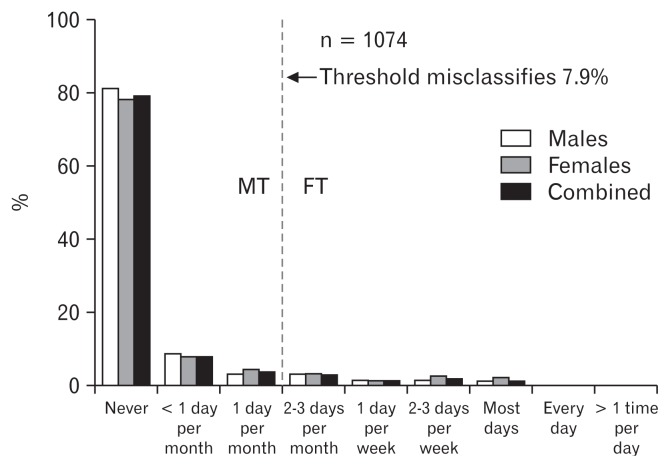
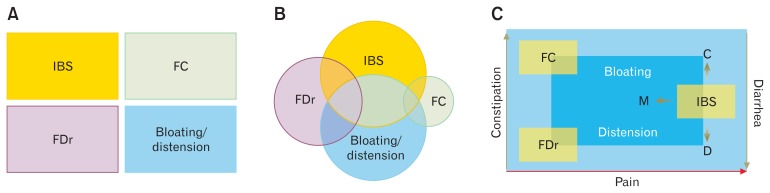
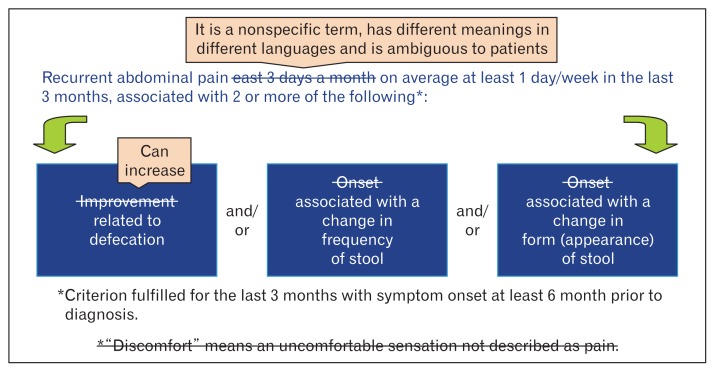
Functional gastrointestinal disorders (FGIDs) are diagnosed and classified using the Rome criteria; the criteria may change over time as new scientific data emerge.The Rome IV was released in May 2016.The aim is to review the main changes in Rome IV.FGIDs are now called disorders of gut-brain interaction (DGBI).Rome IV has a multicultural rather than a Western-culture focus.There are new chapters including multicultural, age-gender-women's health, intestinal microenvironment, biopsychosocial, and centrally mediated disorders.New disorders have been included although not truly FGIDs, but fit the new definition of DGBI including opioidinduced gastrointestinal hyperalgesia, opioid-induced constipation, and cannabinoid hyperemesis.Also, new FGIDs based on available evidence including reflux hypersensitivity and centrally mediated abdominal pain syndrome.Using a normative survey to determine the frequency of normal bowel symptoms in the general population changes in the time frame for diagnosis were introduced.For irritable bowel syndrome (IBS) only pain is required and discomfort was eliminated because it is non-specific, having different meanings in different languages.Pain is now related to bowel movements rather than just improving with bowel movements (ie, can get worse with bowel movement).Functional bowel disorders (functional diarrhea, functional constipation, IBS with predominant diarrhea [IBS-D], IBS with predominant constipation [IBS-C], and IBS with mixed bowel habits) are considered to be on a continuum rather than as independent entities.Clinical applications such as diagnostic algorithms and the Multidimensional Clinical Profile have been updated.The new Rome IV iteration is evidence-based, multicultural oriented and with clinical applications.As new evidence become available, future updates are expected.
Overview
The claims and statistics of this paper haven’t been checked yet.
Free: it reads the open-access text and checks the first 5 claims that cite a source we can check. Create a free account to check every claim.
Integrity signals
Registry
Cites
Statistics
Figures
Verification
Claims the paper makes
The claims and statistics of this paper haven’t been checked yet.
Free: it reads the open-access text and checks the first 5 claims that cite a source we can check. Create a free account to check every claim.
Claims other papers make about this one
Each is checked against this paper’s own text: does it say what the citing paper says it does?
The cited source says what the claim attributes to it.
In the citing paper
“the most recent guidelines suggest that IBS subgroups exist on a spectrum and not as distinct entities (69).”
From Alterations in Heart Rate Variability Associated With Irritable Bowel Syndrome or Inflammatory Bowel Disease: A Systematic Review and Meta-Analysis (2021) · cites this paper as [69]
Self-check
Percentages, sums and reported differences re-computed from the paper’s own numbers.
The self-check needs the paper’s full text.
Citations
Cites
Longstreth, G. F., Thompson, W. G., Chey, W. D., Houghton, L. A., Mearin, F., & Spiller, R. C. (2006) · Gastroenterology · doi:10.1053/j.gastro.2005.11.061 · Cited by 4,856
Lacy, B. E., Mearin, F., Chang, L., Chey, W. D., Lembo, A. J., Simren, M., & Spiller, R. (2016) · Gastroenterology · doi:10.1053/j.gastro.2016.02.031 · Cited by 2,866
Functional Gastrointestinal Disorders: History, Pathophysiology, Clinical Features, and Rome IV
Drossman, D. A. (2016) · Gastroenterology · doi:10.1053/j.gastro.2016.02.032 · Cited by 2,430
Self-citationFunctional Gastroduodenal Disorders
Tack, J., Talley, N. J., Camilleri, M., Holtmann, G., Hu, P., Malagelada, J.-R., & Stanghellini, V. (2006) · Gastroenterology · doi:10.1053/j.gastro.2005.11.059 · Cited by 2,418
Drossman, D. A., Li, Z., Andruzzi, E., Temple, R. D., Talley, N. J., Grant Thompson, W., Whitehead, W. E., Janssens, J., Funch-Jensen, P., Corazziari, E., et al. (1993) · Digestive Diseases and Sciences · doi:10.1007/bf01303162 · Cited by 2,198
Self-citationRome IV—Functional GI Disorders: Disorders of Gut-Brain Interaction
Drossman, D. A., & Hasler, W. L. (2016) · Gastroenterology · doi:10.1053/j.gastro.2016.03.035 · Cited by 1,928 · cited 2×
“Therefore, 28 years after the first Working Team on IBS, and 10 years after the last iteration of the Rome process (Rome III) were published, the Rome IV process and consequently the modified Rome IV classification and criteria have been published in a supplement of Gastroenterology as well as in a collection of books…”
MethodSelf-citationStanghellini, V., Chan, F. K. L., Hasler, W. L., Malagelada, J. R., Suzuki, H., Tack, J., & Talley, N. J. (2016) · Gastroenterology · doi:10.1053/j.gastro.2016.02.011 · Cited by 1,572
Barbara, G., Stanghellini, V., De Giorgio, R., Cremon, C., Cottrell, G. S., Santini, D., Pasquinelli, G., Morselli-Labate, A. M., Grady, E. F., Bunnett, N. W., et al. (2004) · Gastroenterology · doi:10.1053/j.gastro.2003.11.055 · Cited by 1,475
Childhood Functional Gastrointestinal Disorders: Child/Adolescent
Hyams, J. S., Di Lorenzo, C., Saps, M., Shulman, R. J., Staiano, A., & van Tilburg, M. (2016) · Gastroenterology · doi:10.1053/j.gastro.2016.02.015 · Cited by 1,362
Opioids in chronic non-cancer pain: systematic review of efficacy and safety
Kalso, E., Edwards, J. E., Moore, A. R., & McQuay, H. J. (2004) · Pain · doi:10.1016/j.pain.2004.09.019 · Cited by 1,216 · cited 1×
“It has a prevalence of 41% in patients with chronic non-cancer pain, and up to 94% of patients taking opioids for cancer-related pain.(60) Initial treatment of OIC is similar to that of functional constipation including laxatives and lubiprostone has been approved by FDA for patients with OIC in patients with non-canc…”
Background
Research works printed but not linked: 9
- 10.1097/00005176-199007000-00015 · doi:10.1097/00005176-199007000-00015 · Paper page
- Ballard, R (2002). Race, culture and ethnicity. New developments in sociology, Holborn, M, ed. Ormskirk: The Causeway Press
- Quigley, EM, Barbara, G, Feinle-Bisset, C, and The Rome IV Committees (2016). The intestinal microenvironment an functional gastrointestinl disorders. Rome IV functional gastrointestinal disorders – disorders of gut-brain interaction, Drossman, DA, Chang, LC, Kellow, WJ, Tack, J, and Whitehead, WE, ed. Raleigh, NC: The Rome Foundation, pp. 179-247
- Levy, RL, Crowell, MD, Drossman, DA, and The Rome IV Committees (2016). Byopsychosocial aspects of functional gastrointestinl disorders: How central and environmental processes contribute to the development and expression of FGIDs. Rome IV functional gastrointestinal disorders – disorders of gut-brain interaction, Drossman, DA, Chang, LC, Kellow, WJ, Tack, J, and Whitehead, WE, ed. Raleigh, NC: The Rome Foundation, pp. 443-548
- Whorwell, PJ, Keefer, L, Drossman, DA, Guthrie, E, Simrén, M, Tillisch, K, Olden, K, and The Rome IV Committees (2016). Centrally mediated disorders of gastrointestinal pain. Rome IV functional gastrointestinal disorders – disorders of gut-brain interaction, Drossman, DA, Chang, LC, Kellow, WJ, Tack, J, and Whitehead, WE, ed. Raleigh, NC: The Rome Foundation, pp. 1059-1116
- Whitehead, EE, Palsson, OS, MALvT, , Sperber, A, BS, , Tack, J, Walker, LS, YY, , and The Rome IV Committees (2016). Development and validation of the Rome IV diagnostic questionnaires. Rome IV diagnostic questionnaires and tables for investigators and clinicians, Drossman, DA, Chang, LC, Kellow, WJ, Tack, J, and Whitehead, WE, ed. Raleigh, NC: The Rome Foundation, pp. 43-92
- Talley, NJ, Stanghellini, V, Chan, FKL, and The Rome IV Committees (2016). Gastroduodenal Disorders. Rome IV functional gastrointestinal disorders – disorders of gut-brain interaction, Drossman, DA, Chang, LC, Kellow, WJ, Tack, J, and Whitehead, WE, ed. Raleigh, NC: The Rome Foundation, pp. 903-965
- Mearin, F, Lacy, BE, Chang, L, Chey, WD, Lembo, AJ, Simrén, M, Spiller, R, and The Rome IV Committees (2016). Bowel Disorders. Rome IV functional gastrointestinal disorders – disorders of gut-brain interaction, Drossman, DA, Chang, LC, Kellow, WJ, Tack, J, and Whitehead, WE, ed. Raleigh, NC: The Rome Foundation, pp. 967-1057
- 10.1053/j.gastro.2016.02.014 · DOI · Paper page
Cited by
Items 401–500 of 845
Rauma, J. K., Jansson, S. P. O., Cao, Y., & van Nieuwenhoven, M. A. (2024) · Scandinavian Journal of Gastroenterology · doi:10.1080/00365521.2024.2328590 · Cited by 4
“A diagnosis of IBS is made using the Rome criteria, a symptom-based classification [2].”
MethodDjotsa, A. B. S. N., Wenker, T. N., Ahmed, S. T., Ghosh, S., Malhotra, D., Boyle, S. H., Gifford, E. J., Sims, K. J., White, D. L., Steele, L., et al. (2024) · Military Medicine · doi:10.1093/milmed/usae260 · Cited by 4
Menconi, C., Marino, F., Bottini, C., Greca, G. L., Gozzo, C., Losacco, L., Carlucci, D., Navarra, L., & Martellucci, J. (2024) · Techniques in Coloproctology · doi:10.1007/s10151-024-02943-1 · Cited by 5
“Rome IV criteria suggest that bowel disorders be considered a continuum rather than independent symptoms [3] and daily experience with patients affected by CARPP confirms this view.”
Choi, J.-H., Choi, H., Jang, Y., Paik, H.-G., Kwon, H.-S., Shin, S. M., Lee, J. S., Kim, B., & Kwon, J. (2024) · Nutrients · doi:10.3390/nu16213778 · Cited by 4
“Eligibility was determined based on the Rome IV criteria, which include: (1) bothersome postprandial fullness, (2) bothersome early satiation, (3) bothersome epigastric pain, (4) bothersome epigastric burning, and (5) no evidence of structural disease likely to explain the symptoms [38].”
MethodKoloski, N. A., Jones, M., Shah, A., Holtmann, G., & Talley, N. J. (2025) · Neurogastroenterology & Motility · doi:10.1111/nmo.70117 · Cited by 4
Functional Nausea Is Real and Makes You Sick
Lorenzo, C. D. (2022) · Frontiers in Pediatrics · doi:10.3389/fped.2022.848659 · Cited by 4
“Patients with chronic nausea share many features and multi-system comorbidities with other DGBI including fatigue, headaches, dizziness, poor sleep quality, and a family history of functional disorders and the presence of nausea increases the risk that affected individuals have such other features (7).”
BackgroundInfluentialKassebaum-Ladewski, A., Poppers, D. M., & Brenner, D. M. (2022) · The American Journal of Gastroenterology · doi:10.14309/ajg.0000000000001686 · Cited by 4
“Personal interpretation of constipation, abdominal bloating, abdominal distension, and other constipation-related symptoms (29) can lead to miscommunication and/or misunderstanding between practitioners and patients (23,27).”
BackgroundSturkenboom, R., Essers, B. A. B., Masclee, A., & Keszthelyi, D. (2022) · Journal of Patient Experience · doi:10.1177/23743735221147762 · Cited by 4
“*The Likert scale is a 5-point scale (1-5) to rank the level of importance, where 1 displays very unimportant, 2 not important, 3 neutral, 4 important, and 5 very important.”
BackgroundNonallergic Diseases Associated With Foods
Patel, P. K., Tanpowpong, P., Sriaroon, P., & Lockey, R. F. (2023) · The Journal of Allergy and Clinical Immunology In Practice · doi:10.1016/j.jaip.2023.09.027 · Cited by 5
Authors, & Collaborators (2024) · Zeitschrift für Gastroenterologie · doi:10.1055/a-2344-6282 · Cited by 5
Pereyra, F., Schlottmann, F., Casas, M. A., Steinberg, L., & Pereyra, L. (2025) · Gastroenterología y Hepatología (English Edition) · doi:10.1016/j.gastrohep.2025.502370 · Cited by 5
Ryu, J. E., Shin, S. Y., Ahn, J., Moon, J. M., Joo, H. J., Seo, J., Kim, J., Lee, Y.-B., Jeong, Y., Cho, J.-Y., et al. (2025) · Digestive and Liver Disease · doi:10.1016/j.dld.2025.07.011 · Cited by 7
Berry, A. K. (2018) · Current Pediatrics Reports · doi:10.1007/s40124-018-0178-3 · Cited by 4
Taha, H. Y., & Johani, A. A. (2019) · Malaysian Journal of Public Health Medicine · doi:10.37268/mjphm/vol.19/no.1/art.42 · Cited by 4
Functional constipation as a neglected condition in laryngectomized patients
Şirin, G., & Şirin, S. (2020) · The Turkish Journal of Gastroenterology · doi:10.5152/tjg.2020.19887 · Cited by 4
“However, Rome IV criteria do not differ from Rome III criteria in terms of functional constipation definition (24).”
BackgroundThe Impact of Diagnostic Status on Quality of Life in Irritable Bowel Syndrome
Cassar, G. E., George Youssef, J., Knowles, S. R., Moulding, R., & Austin, D. (2021) · The Turkish Journal of Gastroenterology · doi:10.5152/tjg.2021.20517 · Cited by 9
Larauche, M. H., Érchegyi, J., Miller, C. L., Sim, M., Rivier, J., Behan, D. P., & Taché, Y. (2022) · Peptides · doi:10.1016/j.peptides.2022.170881 · Cited by 4
“Disorders of the brain-gut interaction (DGBIs) previously known as functional gastrointestinal (GI) disorders, [59] represent an important yet unmet medical problem.”
BackgroundVichos, T., Rezaie, A. R., Vichos, P., Cash, B. D., & Pimentel, M. (2023) · Digestive Diseases and Sciences · doi:10.1007/s10620-023-07885-6 · Cited by 5
Trait anxiety and somatization levels in children with irritable bowel syndrome
Semen, M. O., & Lychkovska, O. L. (2023) · CHILD`S HEALTH · doi:10.22141/2224-0551.18.1.2023.1559 · Cited by 5
The use of sodium thiosulfate in the treatment of hemorrhoids
Белоус, С. С., Владимировна, А. М., Рафаэльевна, Т. Н., & Богданова, Е. М. (2023) · Ambulatornaya khirurgiya = Ambulatory Surgery (Russia) · doi:10.21518/akh2023-006 · Cited by 5
Alghamdi, A., Alghamdi, A. M., Alshareef, M. A., Alghamdi, A. A. M., Alghamdi, R., AlAmri, A. A., & Alzahrani, G. T. (2023) · Cureus · doi:10.7759/cureus.42778 · Cited by 8
Alihosseini, S., Khodaei, F., Jaberinezhad, M., Azari, M., Khatab, M. E., Akhlaghi, H., Ghanini, N., Tarzamni, M. K., & Eghbali, E. (2023) · Scandinavian Journal of Gastroenterology · doi:10.1080/00365521.2023.2287989 · Cited by 4
“The diagnosis of IBS was based on the Rome Iv criteria and Bristol Stool Form Index [18] and was ascertained by a gastroenterologist.”
MethodGhoshal, U. C., Mustafa, U., & Pandey, V. K. (2024) · Indian Journal of Gastroenterology · doi:10.1007/s12664-024-01611-4 · Cited by 4
Breath tests for functional gastrointestinal disorders: When and for what?
Pichetshote, N., & Rezaie, A. R. (2019) · NeuroGastroLATAM Reviews · doi:10.24875/ngl.18000013 · Cited by 4
Larkin, P. J. (2021) · doi:10.1093/med/9780198821328.003.0054 · Cited by 4
Houghton, D., Arabiat, D. H., Ireson, D., & Mörelius, E. (2022) · Journal of Primary Care & Community Health · doi:10.1177/21501319221117781 · Cited by 3
Effect of constipation on acute urinary retention following transrectal prostate biopsy
Şahin, C., Sinanoğlu, O., Karaca, Y., Yüksel, A., Küçük, E. V., Sarıca, K., & Erdoğan, E. (2023) · Korean journal of urology · doi:10.4111/icu.20230011 · Cited by 3
“The definition of CC is made according to Rome IV with onset of symptoms 6 months prior to diagnosis and with the presence of at least 2 of the following criteria during the last 3 months: (1) Straining more than 25% of defecations; (2) Lumpy or hard stools more than 25% of defecations; (3) Sensation of incomplete eva…”
MethodHistamine intolerance and irritable bowel syndrome
Golubeva, Y. A., Sheptulina, A. F., & Drapkina, O. M. (2023) · Russian Journal of Preventive Medicine · doi:10.17116/profmed202326061130 · Cited by 3
Benfante, A., Cisarò, F., Ribaldone, D. G., Castelli, L., Sandroni, N., & Romeo, A. (2023) · International Journal of Environmental Research and Public Health · doi:10.3390/ijerph20237125 · Cited by 5
“The mixed subtype involves alternating constipation and diarrhea, which is likely to involve anxiety related to the presence of both symptoms and the unpredictability of their alternation [18].”
BackgroundFunctional gastrointestinal disorders in children: a single centre experience
Selimović, A., Мekić, N., Terzić, S., Ćosićkić, A., Zulić, E., & Mehmedović, M. (2023) · Medicinski Glasnik · doi:10.17392/1649-23 · Cited by 4
Outcomes of pediatric endoscopic ultrasound‐guided celiac plexus block: A single center pilot study
Joseph, M., Liu, E., & Mark, J. (2024) · Journal of Pediatric Gastroenterology and Nutrition · doi:10.1002/jpn3.12348 · Cited by 3
Serkova, M. Y., Avalueva, E. B., & Sitkin, S. I. (2024) · Almanac of Clinical Medicine · doi:10.18786/2072-0505-2024-52-026 · Cited by 4
Palaniswamy, K. R. (2025) · International Journal of Research in Medical Sciences · doi:10.18203/2320-6012.ijrms20250287 · Cited by 3
Giacosa, A., Barrile, G. C., Gasparri, C., Perna, S., & Rondanelli, M. (2025) · Nutrients · doi:10.3390/nu17040723 · Cited by 3
“Moreover, prospective studies showed the appearance and persistence of symptoms compatible with IBS diagnostic criteria various months after serological negativization of the infection [3,6,35].”
Neuroscience in pictures: Functional neurological disorder
Westlin, C., Keshavan, M. S., & Perez, D. L. (2025) · Asian Journal of Psychiatry · doi:10.1016/j.ajp.2025.104449 · Cited by 3
Hyldmo, Å. A., Hoff, D. A. L., Wibe, A., Bjerkan, K. K., Nymo, S., Johnsen, G., Græslie, H., & Sandvik, J. (2025) · Obesity Surgery · doi:10.1007/s11695-025-07933-2 · Cited by 4
“…gastrointestinal disorders” and is defined by the ROME foundation as “A group of disorders classified by GI symptoms related to any combination of motility disturbances, visceral hypersensitivity, altered mucosal and immune function, gut microbiota, and/or central nervous system processing” [24].”
Law, M., Humphrey, G., Pickering, I., Schamberg, G., Varghese, C., Du, P., Daker, C., Mousa, H. M., Gharibans, A. A., O’Grady, G., et al. (2026) · World Journal of Pediatrics · doi:10.1007/s12519-026-01027-4 · Cited by 5
“Recognizing this, psychological assessments have become an increasingly vital component of comprehensive clinical care for these patients [18, 21–23].”
Simadibrata, D. M., Koo, T. H., Utari, A. P., Ayad, M. E., Cheng, K. Y., Sperber, A. D., Shrikant, B., Palsson, O. S., Syam, A. F., & Lee, Y. Y. (2025) · Journal of Gastroenterology and Hepatology · doi:10.1111/jgh.70174 · Cited by 3
Linares, M., Grimaldi, C., Palma, N., Vintimilla, B., Candal, S., Estrella, D., & Saps, M. (2026) · Neurogastroenterology & Motility · doi:10.1111/nmo.70335 · Cited by 3
“Diagnostic behavior was evaluated using a standardized adult IBS clinical vignette designed to meet Rome IV criteria and to lack alarm features [7, 8].”
InfluentialXu, X.-Y., Zhang, S., Hu, C.-C., Wang, Y., Tang, Y., & Wang, Y. (2026) · Food & medicine homology. · doi:10.26599/fmh.2027.9420148 · Cited by 5
Safaei, F., Shahrokh, S., Naderi, N., Rastegar, R., & Shamsi, A. (2024) · Frontiers in Medicine · doi:10.3389/fmed.2024.1468885 · Cited by 4
“…symptoms based on ROME-IV criteria including recurrent abdominal pain on average at least 1 day/week in the last months associated with two or more of the changes in frequency of stool and/or change in the appearance of stool and/or increase related to defecation (26), participated in this study.”
Lam, W. C., Chen, H., Siah, K. T. H., Thakur, E. R., & Zhong, L. L. D. (2025) · Frontiers in Neurology · doi:10.3389/fneur.2025.1632822 · Cited by 3
Kawahara, Y., Mitsui, K., Niwa, T., Morimoto, N., Kawaharada, S., & Katsumata, S. (2018) · Neurogastroenterology & Motility · doi:10.1111/nmo.13425 · Cited by 4
“Effects of serotonin 5- HT(3) receptor antagonists on CRF- induced abnormal colonic water transport and defecation in rats.”
BackgroundGarcía-Flores, L., Benítez, J. G. S., Cuevas‐Yáñez, E., Caballero-Vásquez, P., Zamudio-Chávez, S., & Morales-Ávila, E. (2019) · Journal of Parasitic Diseases · doi:10.1007/s12639-019-01118-2 · Cited by 3
“However, in patients with IBS, 60% presented resistance to 0.1 mg/mL of metronidazole (in Indonesia, a resistance to 1.0 mg/mL was observed) (Sekar and Shanthi 2013).”
BackgroundInfluentialMedicinal Herbal Recommendation for Irritable Bowel Syndrome in Medieval Persian Medicine
Behbahani, F. A., Bahrami, M., Minaei, B., Eftekhar, B., & Dadmehr, M. (2020) · Iranian Journal of Public Health · doi:10.18502/ijph.v48i11.3538 · Cited by 3
Validity and Reliability of the Persian Version of Leeds Dyspepsia Questionnaire
Arani, A. M., Batebi, S., Jafari, M., Sadeghi, A., Isfeedvajani, M. S., & Davazdahemami, M. H. (2019) · Galen Medical Journal · doi:10.31661/gmj.v8i.1609 · Cited by 3
Oriol, A., Cruz-Sequeiros, C., Luque-Blanco, A., & Porta-Sales, J. (2020) · Revista de la Sociedad Española del Dolor · doi:10.20986/resed.2020.3717/2018 · Cited by 3
“Una comparación indirecta tampoco es posible, ya que los parámetros de respuesta para los tres fármacos son diferentes: para MTNX la deposición espontánea está dentro de las primeras 4 h tras administración, mientras que para NLXG es la existencia de ≥ 3 deposiciones espontáneas a la semana, lo cual se adapta más a lo…”
BackgroundA case of cannabinoid hyperemesis syndrome highlighting related key paediatric issues
Leveille, C. F., Issenman, R. M., & Kam, A. J. (2020) · Paediatrics & Child Health · doi:10.1093/pch/pxaa029 · Cited by 3
“Clinical features of CHS are presented in Tables 1 and 2 (1,2).”
BackgroundIncreased serum BDNF and ProBDNF levels in children with irritable bowel syndrome
Şenkal, E., Durankuş, F., Çam, S., Potas, N., Beyazyüz, M., & Albayrak, Y. (2020) · Journal of Psychosomatic Research · doi:10.1016/j.jpsychores.2020.110216 · Cited by 4
Visceral Pain: Mechanisms, Syndromes, and Treatment
Sharma, G. S., & Tillisch, K. (2020) · Elsevier eBooks · doi:10.1016/b978-0-323-72216-2.00004-1 · Cited by 3
Power management for irritable bowel syndrome
Gaus, O. V., Livzan, M. A., & Попелло, Д. В. (2020) · Экспериментальная и клиническая гастроэнтерология · doi:10.31146/1682-8658-ecg-182-10-112-122 · Cited by 3
Nutrition habits in youth as a trigger factor for the development of IBS-like symptoms
Gaus, O. V., Livzan, M. A., Турчанинов, Д. В., & Попелло, Д. В. (2020) · Экспериментальная и клиническая гастроэнтерология · doi:10.31146/1682-8658-ecg-182-10-39-45 · Cited by 3
“Gastrointestinal” comorbidity in irritable bowel syndrome
Gaus, O. V., & Livzan, M. A. (2021) · Экспериментальная и клиническая гастроэнтерология · doi:10.31146/1682-8658-ecg-190-6-104-111 · Cited by 3
Maghsoudi, S., Amra, B., & Teimouri, A. (2021) · Immunopathologia Persa · doi:10.34172/ipp.2022.07 · Cited by 3
“…at least once a week during the previous three months that is associated with two or more of the following; the pain is • Related to defecation (may be increased or unchanged by defecation) • Associated with alteration in stool frequency • Associated with alteration in stool form or appearance(12).”
Causes and Management of Acute Abdominal Pain in Children: A Review Article
Alanazi, M. A. S., Alsharari, A. M. M., Alanazi, I. A. R., & Alanazi, A. (2021) · Journal of Pharmaceutical Research International · doi:10.9734/jpri/2021/v33i49a33296 · Cited by 3
Buspirone in the management of refractory irritable bowel syndrome: A case report
Karim, M. A., Al-Baz, N., Haddad, P. M., Reagu, S. M., & Alabdulla, M. (2021) · Medicine · doi:10.1097/md.0000000000028003 · Cited by 3
“The most likely diagnosis was IBS-M based on the ROME IV criteria.([24]) Differential diagnoses for organic causes were considered but excluded.”
Parental experiences of psychological interventions for recurrent abdominal pain in childhood
McGurgan, A., Wilson, C. E., & McGuire, S. (2021) · Journal of Health Psychology · doi:10.1177/13591053211064982 · Cited by 3
“It must also not meet criteria for medical conditions or physiological events (Schmulson and Drossman, 2017).”
BackgroundTee, V., Kuan, G., Kueh, Y. C., Abdullah, N., Sabran, K., Tagiling, N., Sahran, N., Alang, T. A. I. T., & Lee, Y. Y. (2022) · PLoS ONE · doi:10.1371/journal.pone.0268491 · Cited by 3
“One such intervention is based on the biopsychosocial model and multidimensional approach [12].”
BackgroundPost-Infectious Irritable Bowel Syndrome after an Epidemic of Gastroenteritis in South of Iran
Sharifi, M., Safarpour, A. R., Barati‐Boldaji, R., Rahmati, L., Karimi, S., & Lankaran, K. B. (2022) · Middle East Journal of Digestive Diseases · doi:10.34172/mejdd.2022.287 · Cited by 4
Kim, J. E., Kang, M., Jeong, O. S., & Rhee, P. (2023) · Journal of Neurogastroenterology and Motility · doi:10.5056/jnm22158 · Cited by 3
Current evidence for dietary therapies in irritable bowel syndrome
Rej, A., & Penny, H. A. (2023) · Current Opinion in Gastroenterology · doi:10.1097/mog.0000000000000930 · Cited by 3
“Irritable bowel syndrome (IBS) is a disorder of gut– brain interaction (DGBI), characterized by chronic abdominal pain and alteration in bowel habit [1].”
BackgroundFrere, N. O., Soliman, A. Z. M., Salama, H. M., Wahba, M. O., & Fouad, W. S. (2024) · Journal of Family and Community Medicine · doi:10.4103/jfcm.jfcm_231_23 · Cited by 3
“[12,13] The third part was the alarm questionnaire for functional GIT disorders, generated by the Rome Foundation.”
MethodKhalil, M. M., Munira, S., Alam, M. M., Appolo, A. M., Sayeed, M. M. A., Islam, A., Khaleque, N., Faisal, M., Tasnim, A., Najnin, R., et al. (2024) · SN Comprehensive Clinical Medicine · doi:10.1007/s42399-024-01675-5 · Cited by 3
“Metabolic Syndrome is also linked with NAFLD as well [4].”
InfluentialShimizu, M., Maeda, I., Kessoku, T., Ishiki, H., Matsuura, T., Hiratsuka, Y., Matsuda, Y., Hasegawa, T., Imai, K., Oyamada, S., et al. (2024) · Supportive Care in Cancer · doi:10.1007/s00520-024-08716-8 · Cited by 4
“Third, OIC was diagnosed based on clinical judgment using the operational definitions; although the Rome IV criteria are widely used to diagnose OIC [24], no gold standard is available for this purpose [25].”
Examining linaclotide for the treatment of chronic idiopathic constipation
Taclob, J. A., Kalas, M. A., & McCallum, R. W. (2024) · Expert Opinion on Pharmacotherapy · doi:10.1080/14656566.2024.2386160 · Cited by 4
Kapler, M., Kotula, J., Mąsior, M. N., Zinkow, K., & Gawlik, Ł. M. (2024) · Quality in Sport · doi:10.12775/qs.2024.18.53478 · Cited by 5
“Globally, the prevalence of IBS varies between 10-20%, making it a significant health concern [16,17].”
BackgroundAlshehri, T. K., Alsharif, M. N. S., Asiri, L. A. A., Mukharrib, M. S., & Alzahrani, M. A. (2024) · Annals of African Medicine · doi:10.4103/aam.aam_14_19 · Cited by 3
“[ 29,30] More studies could be established to assess the gut–brain relation and its mechanism.”
Outlet type constipation in adult patients treated with type A botulinum toxin: a cohort study
Brisinda, G., Fico, V., Tropeano, G., Cariati, M., Altieri, G., Misuriello, F., Pepe, G., Fransvea, P., & Chiarello, M. M. (2025) · International Journal of Colorectal Disease · doi:10.1007/s00384-024-04795-5 · Cited by 3
“The treatment of this dysfunction is not easy to perform [7, 8].”
Kaya, Y. D. (2019) · The Journal of Turkish Family Physician · doi:10.15511/tjtfp.19.00405 · Cited by 3
“ROMA III tanı kriterlerinde karın ağrısının ‘ayda en az 3 gün’ yerine ‘haftada en az 1 gün’ olması; ağrının ‘defekasyonla rahatlaması’ yerine ‘ağrının defekasyonla ilişkili olması’ (ağrı artabilir de); dışkılama sıklığı ve formunun ‘ağrı başlangıcı ile olması’ yerine ağrının ‘dışkılama sıklığı ile ve dışkı formu ilişk…”
Miller, L. S., Roland, B. C., Whitson, M., Passi, M., Cheung, M., & Vegesna, A. K. (2018) · Elsevier eBooks · doi:10.1016/b978-0-12-809954-4.00022-0 · Cited by 4
Gastrointestinal Motor Function
Welcome, M. O. (2018) · Springer eBooks · doi:10.1007/978-3-319-91056-7_7 · Cited by 4
Hitschfeld, M., Tovar, E., Gupta, S., Bik, E. M., Palmer, C. G. S., Hoaglin, M. C., Almonacid, D. E., Richman, J., & Apte, Z. S. (2019) · Journal of Medical Case Reports · doi:10.1186/s13256-018-1919-1 · Cited by 3
“There are several subtypes of IBS, including IBS with constipation (IBS-C), IBS with diarrhea (IBS-D), mixed IBS (IBS-M), and unclassified (IBS-U) [23].”
BackgroundAoyama, T., Fukumoto, A., Shigita, K., Asayama, N., Mukai, S., & Nagata, S. (2020) · BMC Gastroenterology · doi:10.1186/s12876-020-01382-0 · Cited by 3
Childhood colic management under the optics of mothers and of the family health team
de Abreu, F. C. P., Vieira, J. B., Facio, B. C., Fracolli, L. A., Fabbro, M. R. C., Carmona, E. V., & Wernet, M. (2020) · Revista Brasileira de Enfermagem · doi:10.1590/0034-7167-2020-0075 · Cited by 3
“Colic brings great concerns to parents(8), with negative feelings such as incompetence and impotence(7), insecurity(7), anxiety, and anguish(6).”
BackgroundThe multidimensional clinical profile for disorders of gut-brain interaction
Iyengar, P., & Chang, L. (2024) · NeuroGastroLATAM Reviews · doi:10.24875/ngl.23000008 · Cited by 3
Post‐COVID ‐19 irritable bowel syndrome
Cooney, J., & Poullis, A. P. (2022) · Neurogastroenterology & Motility · doi:10.1111/nmo.14420 · Cited by 3
STW 5 Herbal Preparation Modulates Wnt3a and Claudin 1 Gene Expression in Zebrafish IBS-like Model
Piccione, M., Facchinello, N., Schrenk, S., Gasparella, M., Pathak, S., Ammar, R. M., Rabini, S., Valle, L. D., & Liddo, R. D. (2021) · Pharmaceuticals · doi:10.3390/ph14121234 · Cited by 2
Gomez, K. L., & DiCarlo, J. (2023) · Springer eBooks · doi:10.1007/978-3-031-18377-5_18 · Cited by 2
Abdullah, N., Kueh, Y. C., Kuan, G., Wong, M. S., Tee, V., Alang, T. A. I. T., Hamid, N., & Lee, Y. Y. (2024) · PeerJ · doi:10.7717/peerj.17265 · Cited by 2
“The recent treatment algorithm has promoted the implementation of a Multidimensional Clinical Pro fi le (MDCP) and the Biopsychosocial model to provide better patient management ( Drossman, 2017 ; Levy et al., 2006 ; Oudenhove et al., 2016 ; Schmulson & Drossman, 2017 ).”
MethodIrritable Bowel Syndrome in the Elderly Population: A Comprehensive Review
Oba, E. R. V., Morán, A. C. A., Cortés, E. C., Oba, M. I. V., Loeza, B. M. L., & Rodríguez-Orozco, A. R. (2024) · Cureus · doi:10.7759/cureus.68156 · Cited by 5
Wechsler, J. B., Berken, J. A., Keeley, K., Singer, W., Jhaveri, R. R., Katz, B. Z., Fortunato, J. E., & Saps, M. (2024) · Neurogastroenterology & Motility · doi:10.1111/nmo.14909 · Cited by 4
Hajyani, S., Ebrahimi, M. T., Sadeghi, A., Ahrabi, N. Z., & Yadegar, A. (2025) · Archives of Physiology and Biochemistry · doi:10.1080/13813455.2025.2507749 · Cited by 2
“Subtypes are classified as constipation (IBS-C), diarrhoea (IBS-D), mixed (IBS-M), and un-subtyped (IBS-U) based on stool patterns (Schmulson & Drossman, 2017).”
Mina, S., Daher, S., Elddin, S. J., Mina, N., & Nasreddine, W. (2025) · BMC Pediatrics · doi:10.1186/s12887-025-05872-6 · Cited by 2
Netyam, R., Shashank, S., Saravanan, C. R., Kolanu, N. D., Karra, N., Narla, S. J. S. R., Prajjwal, P., Marsool, M. D. M., & Hussin, O. A. (2025) · Annals of Medicine and Surgery · doi:10.1097/ms9.0000000000003616 · Cited by 3
“…to the Rome IVI criteria over the Rome III is the addition of the word “bothersome” to the four characteristic symptomologies of FD, which is defined as having symptoms that are severe enough to impact person’s daily activities indicating more symptoms severity as compared to Rome III [ 41 ] .”
Moyer, M. B. L., & Shenk, M. K. (2025) · American Journal of Biological Anthropology · doi:10.1002/ajpa.70104 · Cited by 3
“Indeed, the Rome IV criteria were originally developed to standardize gastroenterological research, and its usage in survey studies is not only standard but regarded as best practice to ascertain comparable prevalence rates (Schmulson and Drossman 2017).”
Yuan, P., Nash, M., Li, T., Mahurkar‐Joshi, S., Sohn, J., Khandadash, A., Taché, Y., & Chang, L. (2025) · Neurogastroenterology & Motility · doi:10.1111/nmo.70199 · Cited by 3
Yan, Y., Zeng, J.-Q., & Ding, X. (2026) · Artificial Intelligence in Gastroenterology · doi:10.35712/aig.v7.i1.112357 · Cited by 2
Su, Y., Su, X., Chen, Z., Wang, L., & Chen, J. (2026) · Frontiers in Medicine · doi:10.3389/fmed.2026.1735121 · Cited by 3
“According to the Rome IV criteria, FBDs are categorized into six subtypes: irritable bowel syndrome (IBS), functional constipation (FC), functional diarrhea, functional abdominal bloating/distension, unspecified FBD, and opioid-induced constipation (3).”
Zhang, W., Zeng, H., Ruan, Q.-N., & Zeng, D. (2026) · Frontiers in Physiology · doi:10.3389/fphys.2026.1795494 · Cited by 2
Cannabinoids in disorders of gut-brain interaction and gastrointestinal motility
Arboleda, M. F., Prosk, E., Watier, A., & Schmulson, M. J. (2021) · NeuroGastroLATAM Reviews · doi:10.24875/ngl.20000021 · Cited by 3
Self-citationKaygısız, N., Durbas, A., Karaman, H., Solman, C. H., & Ersoy, Ö. (2021) · TURKISH MEDICAL STUDENT JOURNAL · doi:10.4274/tmsj.galenos.2021.08.01.06 · Cited by 2
Menthacarin in functional gastrointestinal disorders: a pharmacy based cohort study
Noé, S., Malek, F. A., Stracke, B. A., Funk, P., & Madisch, A. (2022) · doi:10.36118/pharmadvances.2022.32 · Cited by 2
“as impression of fullness, early satiation and bloating (5, 7).”
BackgroundIs It a Refractory Disease?- Fecal Incontinence; beyond Medication
Lee, C., & Lee, J. L. (2022) · Ewha Medical Journal · doi:10.12771/emj.2022.e9 · Cited by 2
Physiotherapy management of anorectal dysfunction
Igualada‐Martinez, P., Breslin, E., Higgins, D., & Hainsworth, A. J. (2022) · Seminars in Colon and Rectal Surgery · doi:10.1016/j.scrs.2022.100936 · Cited by 3
Gevirtz, R. (2022) · Biofeedback · doi:10.5298/1081-5937-50.04.05 · Cited by 2
Otani, K., Watanabe, T., Takahashi, K., Nadatani, Y., Ominami, M., Fukunaga, S., Hosomi, S., Kamata, N., Tanaka, F., Nagami, Y., et al. (2023) · BMC Gastroenterology · doi:10.1186/s12876-023-02784-6 · Cited by 3
Krammer, H., Schmidt-Lauber, M., & Krammer, J. (2023) · coloproctology · doi:10.1007/s00053-023-00726-0 · Cited by 2
Kartal, B., & Şahiner, İ. T. (2023) · Cureus · doi:10.7759/cureus.44496 · Cited by 5
“Moreover, its prevalence is significantly higher in females, wherein the severity of symptoms significantly impacts their quality of life and daily functioning [7,8].”
BackgroundTremblay, A., Xu, X., Colee, J., Tompkins, T. A., & Binda, S. (2023) · Gastroenterology Insights · doi:10.3390/gastroent14040036 · Cited by 2
“The Rome IV criteria no longer recognize abdominal “dis‑ comfort” or bloating in the definition of IBS, and the abdominal pain threshold has been raised compared to Rome III [1].”
BackgroundResultPathophysiology and Clinical Evaluation of Chronic Pelvic Pain
De, E., & Mogica, J. A. P. (2023) · Springer eBooks · doi:10.1007/978-3-031-19598-3_53 · Cited by 3
Metadata
- Authors
- Schmulson, M. J., & Drossman, D. A.
- Affiliations
- Hospital General de México (MX)
- University of North Carolina at Chapel Hill (US)
- Corresponding author
- Schmulson, Max J
- Venue
- Journal of Neurogastroenterology and Motility
- Published
- 2017-04-30
- Volume
- 23
- Issue
- 2
- Pages
- 151-163
- ISSN
- 2093-0879 (ISSN-L)
- 2093-0887
- PMC
- PMC5383110
- OpenAlex
- W2594572760
- Cited by
- 788
- References
- 68
- Citations by year
- 2026: 57 · 2025: 88 · 2024: 108 · 2023: 104 · 2022: 100 · 2021: 120 · 2020: 80 · 2019: 74 · 2018: 46 · 2017: 9
- FWCI
- 9.65
- Type
- journal article
- Language
- en
- Open access
- diamond
- doi.org
- Licence
- cc-by-nc
- Locations
- Journal of Neurogastroenterology and Motility (publishedVersion, cc-by-nc)
- PubMed Central (publishedVersion, cc-by-nc)
- PubMed (publishedVersion)
- Carolina Digital Repository (University of North Carolina at Chapel Hill) (submittedVersion)
- UNC Libraries
- Topics
- Health Sciences › Medicine › Gastroenterology › Gastrointestinal motility and disorders
- Health Sciences › Medicine › Gastroenterology › Gastroesophageal reflux and treatments
- Health Sciences › Medicine › Urology › Pelvic floor disorders treatments
- Keywords
- Rome IV criteria, functional gastrointestinal disorders, irritable bowel syndrome, functional bowel disorders, opioid-induced constipation, cannabinoid hyperemesis syndrome, reflux hypersensitivity, diagnostic algorithm, biopsychosocial model, intestinal microenvironment
About these checks
Registry, retraction, Cites and statistics results are computed, not judged, with one exception: a printed reference that no index lists is read once by a model before it counts as a citation error. Claims are extracted by a model and kept only when their quote appears verbatim in the text; each cited source is then checked, with a model’s help, for whether it says what the claim relies on. Those verdicts can be wrong — read the claim’s quote and the cited source before relying on one.
Statistics and arithmetic are recomputed, not judged.
Confidence bands are shown only for fields calibrated on our annotated test set. None is calibrated yet, so no band is shown.
What counts as a claim ›How we measure confidence ›How we check this ›
Are you an author, or do you see a problem with this page? Request a review
Data sources
Bibliographic data: Semantic Scholar, OpenAlex, Crossref.
Contains information from the Semantic Scholar Academic Graph Datasets, made available under the ODC Attribution License (ODC-BY 1.0).
Semantic Scholar’s data is described in: Kinney, R., et al. (2023). The Semantic Scholar Open Data Platform. arXiv:2301.10140.
