

What Is New in Rome IV
Open accessThe DOI matches its Crossref record; 66 of the 68 references it cites were found in a registry or an index.
Abstract
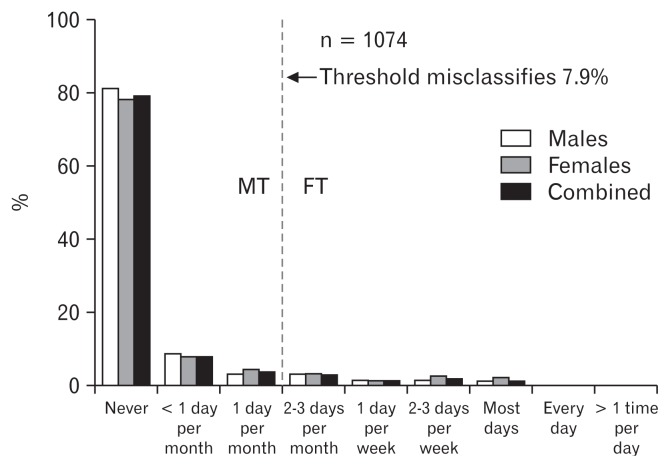
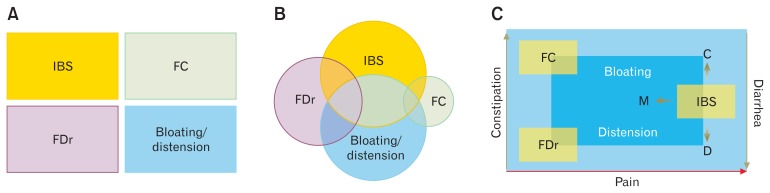
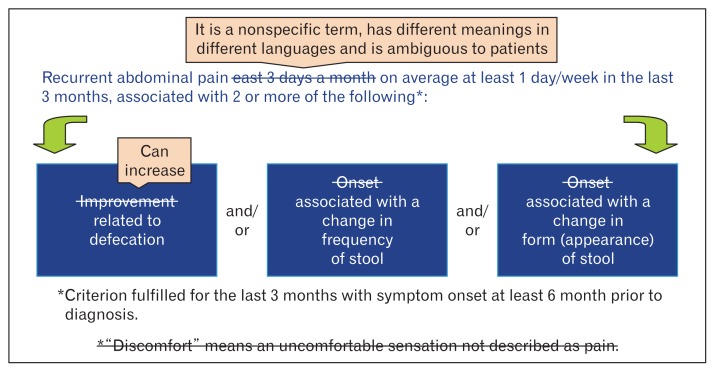
Functional gastrointestinal disorders (FGIDs) are diagnosed and classified using the Rome criteria; the criteria may change over time as new scientific data emerge.The Rome IV was released in May 2016.The aim is to review the main changes in Rome IV.FGIDs are now called disorders of gut-brain interaction (DGBI).Rome IV has a multicultural rather than a Western-culture focus.There are new chapters including multicultural, age-gender-women's health, intestinal microenvironment, biopsychosocial, and centrally mediated disorders.New disorders have been included although not truly FGIDs, but fit the new definition of DGBI including opioidinduced gastrointestinal hyperalgesia, opioid-induced constipation, and cannabinoid hyperemesis.Also, new FGIDs based on available evidence including reflux hypersensitivity and centrally mediated abdominal pain syndrome.Using a normative survey to determine the frequency of normal bowel symptoms in the general population changes in the time frame for diagnosis were introduced.For irritable bowel syndrome (IBS) only pain is required and discomfort was eliminated because it is non-specific, having different meanings in different languages.Pain is now related to bowel movements rather than just improving with bowel movements (ie, can get worse with bowel movement).Functional bowel disorders (functional diarrhea, functional constipation, IBS with predominant diarrhea [IBS-D], IBS with predominant constipation [IBS-C], and IBS with mixed bowel habits) are considered to be on a continuum rather than as independent entities.Clinical applications such as diagnostic algorithms and the Multidimensional Clinical Profile have been updated.The new Rome IV iteration is evidence-based, multicultural oriented and with clinical applications.As new evidence become available, future updates are expected.
Overview
The claims and statistics of this paper haven’t been checked yet.
Free: it reads the open-access text and checks the first 5 claims that cite a source we can check. Create a free account to check every claim.
Integrity signals
Registry
Cites
Statistics
Figures
Verification
Claims the paper makes
The claims and statistics of this paper haven’t been checked yet.
Free: it reads the open-access text and checks the first 5 claims that cite a source we can check. Create a free account to check every claim.
Claims other papers make about this one
Each is checked against this paper’s own text: does it say what the citing paper says it does?
The cited source says what the claim attributes to it.
In the citing paper
“the most recent guidelines suggest that IBS subgroups exist on a spectrum and not as distinct entities (69).”
From Alterations in Heart Rate Variability Associated With Irritable Bowel Syndrome or Inflammatory Bowel Disease: A Systematic Review and Meta-Analysis (2021) · cites this paper as [69]
Self-check
Percentages, sums and reported differences re-computed from the paper’s own numbers.
The self-check needs the paper’s full text.
Citations
Cites
Longstreth, G. F., Thompson, W. G., Chey, W. D., Houghton, L. A., Mearin, F., & Spiller, R. C. (2006) · Gastroenterology · doi:10.1053/j.gastro.2005.11.061 · Cited by 4,856
Lacy, B. E., Mearin, F., Chang, L., Chey, W. D., Lembo, A. J., Simren, M., & Spiller, R. (2016) · Gastroenterology · doi:10.1053/j.gastro.2016.02.031 · Cited by 2,866
Functional Gastrointestinal Disorders: History, Pathophysiology, Clinical Features, and Rome IV
Drossman, D. A. (2016) · Gastroenterology · doi:10.1053/j.gastro.2016.02.032 · Cited by 2,430
Self-citationFunctional Gastroduodenal Disorders
Tack, J., Talley, N. J., Camilleri, M., Holtmann, G., Hu, P., Malagelada, J.-R., & Stanghellini, V. (2006) · Gastroenterology · doi:10.1053/j.gastro.2005.11.059 · Cited by 2,418
Drossman, D. A., Li, Z., Andruzzi, E., Temple, R. D., Talley, N. J., Grant Thompson, W., Whitehead, W. E., Janssens, J., Funch-Jensen, P., Corazziari, E., et al. (1993) · Digestive Diseases and Sciences · doi:10.1007/bf01303162 · Cited by 2,198
Self-citationRome IV—Functional GI Disorders: Disorders of Gut-Brain Interaction
Drossman, D. A., & Hasler, W. L. (2016) · Gastroenterology · doi:10.1053/j.gastro.2016.03.035 · Cited by 1,928 · cited 2×
“Therefore, 28 years after the first Working Team on IBS, and 10 years after the last iteration of the Rome process (Rome III) were published, the Rome IV process and consequently the modified Rome IV classification and criteria have been published in a supplement of Gastroenterology as well as in a collection of books…”
MethodSelf-citationStanghellini, V., Chan, F. K. L., Hasler, W. L., Malagelada, J. R., Suzuki, H., Tack, J., & Talley, N. J. (2016) · Gastroenterology · doi:10.1053/j.gastro.2016.02.011 · Cited by 1,572
Barbara, G., Stanghellini, V., De Giorgio, R., Cremon, C., Cottrell, G. S., Santini, D., Pasquinelli, G., Morselli-Labate, A. M., Grady, E. F., Bunnett, N. W., et al. (2004) · Gastroenterology · doi:10.1053/j.gastro.2003.11.055 · Cited by 1,475
Childhood Functional Gastrointestinal Disorders: Child/Adolescent
Hyams, J. S., Di Lorenzo, C., Saps, M., Shulman, R. J., Staiano, A., & van Tilburg, M. (2016) · Gastroenterology · doi:10.1053/j.gastro.2016.02.015 · Cited by 1,362
Opioids in chronic non-cancer pain: systematic review of efficacy and safety
Kalso, E., Edwards, J. E., Moore, A. R., & McQuay, H. J. (2004) · Pain · doi:10.1016/j.pain.2004.09.019 · Cited by 1,216 · cited 1×
“It has a prevalence of 41% in patients with chronic non-cancer pain, and up to 94% of patients taking opioids for cancer-related pain.(60) Initial treatment of OIC is similar to that of functional constipation including laxatives and lubiprostone has been approved by FDA for patients with OIC in patients with non-canc…”
Background
Research works printed but not linked: 9
- 10.1097/00005176-199007000-00015 · doi:10.1097/00005176-199007000-00015 · Paper page
- Ballard, R (2002). Race, culture and ethnicity. New developments in sociology, Holborn, M, ed. Ormskirk: The Causeway Press
- Quigley, EM, Barbara, G, Feinle-Bisset, C, and The Rome IV Committees (2016). The intestinal microenvironment an functional gastrointestinl disorders. Rome IV functional gastrointestinal disorders – disorders of gut-brain interaction, Drossman, DA, Chang, LC, Kellow, WJ, Tack, J, and Whitehead, WE, ed. Raleigh, NC: The Rome Foundation, pp. 179-247
- Levy, RL, Crowell, MD, Drossman, DA, and The Rome IV Committees (2016). Byopsychosocial aspects of functional gastrointestinl disorders: How central and environmental processes contribute to the development and expression of FGIDs. Rome IV functional gastrointestinal disorders – disorders of gut-brain interaction, Drossman, DA, Chang, LC, Kellow, WJ, Tack, J, and Whitehead, WE, ed. Raleigh, NC: The Rome Foundation, pp. 443-548
- Whorwell, PJ, Keefer, L, Drossman, DA, Guthrie, E, Simrén, M, Tillisch, K, Olden, K, and The Rome IV Committees (2016). Centrally mediated disorders of gastrointestinal pain. Rome IV functional gastrointestinal disorders – disorders of gut-brain interaction, Drossman, DA, Chang, LC, Kellow, WJ, Tack, J, and Whitehead, WE, ed. Raleigh, NC: The Rome Foundation, pp. 1059-1116
- Whitehead, EE, Palsson, OS, MALvT, , Sperber, A, BS, , Tack, J, Walker, LS, YY, , and The Rome IV Committees (2016). Development and validation of the Rome IV diagnostic questionnaires. Rome IV diagnostic questionnaires and tables for investigators and clinicians, Drossman, DA, Chang, LC, Kellow, WJ, Tack, J, and Whitehead, WE, ed. Raleigh, NC: The Rome Foundation, pp. 43-92
- Talley, NJ, Stanghellini, V, Chan, FKL, and The Rome IV Committees (2016). Gastroduodenal Disorders. Rome IV functional gastrointestinal disorders – disorders of gut-brain interaction, Drossman, DA, Chang, LC, Kellow, WJ, Tack, J, and Whitehead, WE, ed. Raleigh, NC: The Rome Foundation, pp. 903-965
- Mearin, F, Lacy, BE, Chang, L, Chey, WD, Lembo, AJ, Simrén, M, Spiller, R, and The Rome IV Committees (2016). Bowel Disorders. Rome IV functional gastrointestinal disorders – disorders of gut-brain interaction, Drossman, DA, Chang, LC, Kellow, WJ, Tack, J, and Whitehead, WE, ed. Raleigh, NC: The Rome Foundation, pp. 967-1057
- 10.1053/j.gastro.2016.02.014 · DOI · Paper page
Cited by
Items 701–800 of 845
Irritable bowel syndrome: systematic review of origin, pathology, diagnosis and treatment
Kwiliński, K., Zdunek, R., Strus, K., Madera, M., Kruszewski, A., Dąbrowska, A., Paduszyńska, N., & Wawrzyńska, B. (2024) · Quality in Sport · doi:10.12775/qs.2024.20.53413
Hồ, S. Đ., Nguyễn, T. L., Huỳnh, T. H. N., Ngô, T. Y. N., Võ, T. T., & Võ, T. C. (2024) · Tạp chí Y Dược học Cần Thơ · doi:10.58490/ctump.2024i75.2697
A Rare Answer to a Common Presentation: Gastric Neoplasm in a Teenager With Vomiting
Lebowitz, J., Porto, A., Clarke, C. N., Sokol, E., & Fortunato, J. E. (2024) · Journal of Adolescent Health · doi:10.1016/j.jadohealth.2024.05.010
The evolution of scientific knowledge about irritable bowel syndrome
Zenchenko, K. G., Fedorin, M. M., Andreev, K. A., Горбенко, А. В., & Shadevsky, V. M. (2024) · Scientific Bulletin of the Omsk State Medical University · doi:10.61634/2782-3024-2024-14-55-70
Haznedar, B., Kozan, G., & Ebik, B. (2024) · Turkish Journal of Clinics and Laboratory · doi:10.18663/tjcl.1550711
Rawat, P., Das, S., Pentela, B., Bansal, P., Lovely, L., & Baghel, D. S. (2024) · The Natural Products Journal · doi:10.2174/0122103155307220240910042807 · Cited by 1
Santucci, L. F., & Bezerra, A. N. (2024) · Gestão & Cuidado em Saúde. · doi:10.70368/gecs.v2i1.12153
Kabir, M. (2019) · Wiley eBooks · doi:10.1002/9781394321889.ch2.7
Impact of cefixime and probiotics on functional abdominal bloating: a pilot study
Salama, R. I., Tawfik, S., Emara, M., & Abdelkader, A. H. (2024) · Gastroenterology Review · doi:10.5114/pg.2024.142141
“Functional abdominal bloating is defined as a dominant feeling of abdominal fullness or bloating without sufficient criteria for diagnosis of another FGID [13, 14].”
InfluentialZhang, Q., & Wan, N. (2024) · Journal of Multidisciplinary Healthcare · doi:10.2147/jmdh.s497405
“19,20 While this change increased diagnostic flexibility and raised prevalence rates from 10.4% to 14.9%, it also potentially heightened parental anxiety due to the higher reported rates.”
InfluentialNiazi, Y., & Ejaz, B. (2024) · Journal of human dynamics · doi:10.55627/jhd.02.02.01013
Typologie analytique des troubles anorectaux de la sclérose en plaques : étude Q-STAR
Chieu, E. (2023) · theses.fr (ABES) · doi:10.70675/9fb3ed7dzbaefz422dzbb02z5e6f2cbc89df
Psychosomatische Aspekte der Analinkontinenz bei Erwachsenen
Ahnis, A. (2024) · Springer eBooks · doi:10.1007/978-3-662-68436-8_23
Comorbidity and Comedication in Irritable Bowel Syndrome Patients
Babić, Ž. (2024) · Clinical gastroenterology · doi:10.1007/978-3-031-69800-2_23
Chronic Pelvic Pain and Pelvic Functional Disorders in Female
Menconi, C. (2025) · Obstetrics and gynecology. · doi:10.5772/intechopen.1009007
Romano, A., Linardon, M., & Corvino, A. (2025) · Journal of psychiatry research. · doi:10.52338/jopr.2025.4585 · Cited by 1
Moving forward: may some of “functional” gut disorders be reclassified as enteric neuro-gliopathies?
Bassotti, G. (2025) · Exploration of neuroscience · doi:10.37349/en.2025.100683
Combined drug therapy of hemorrhoidal bleeding
Владимировна, А. М., & Рафаэльевна, Т. Н. (2025) · Ambulatornaya khirurgiya = Ambulatory Surgery (Russia) · doi:10.21518/akh2025-017
Viswanathan, L., & Moshiree, B. (2025) · Current Gastroenterology Reports · doi:10.1007/s11894-025-00999-z
“Fortunately, there have been many advances in motility testing which address deficiencies within our current testing armamentarium and can help differentiate motility disorders from DGBIs, which are mainly diagnosed by the ROME IV criteria [1].”
Chaphekar, P. A., & Sharma, D. K. (2025) · Indian Journal of Research in Homoeopathy · doi:10.53945/2320-7094.1951 · Cited by 1
Oxidative Stress State in Men with Irritable Bowel Syndrome
Hamad, M. A., Al-Ani, W. Y. M., & Ghazzay, H. (2025) · International Journal of Environmental Sciences · doi:10.64252/ys7fbb82
Chronic Abdominal Pain of Childhood and Adolescence
Lu, P. L., & Saps, M. (2025) · Elsevier eBooks · doi:10.1016/b978-0-443-11760-2.00006-9
Approach to the Child With a Disorder of Gut-Brain Interaction
Jerson, B., & Baker, C. C. (2025) · Elsevier eBooks · doi:10.1016/b978-0-443-11760-2.00007-0
Gastroenterología Clínica y Traslacional: De la Fisiopatología al Tratamiento Personalizado
Menéndez, E. P. C., Colina, M. E. P., Ruiz, L. F. A., & Pinos, K. M. N. (2025) · doi:10.56470/978-9942-7428-2-7
Clinical Effect of Yin Yang Regulating Moxibustion on Diarrhea-predominant Irritable Bowel Syndrome
Qingqing, C., Wang, P., Mengni, C., Ruhan, L., Wenping, C., Zhang, Y., & Chen, Y. (2025) · Archives of Community Medicine and Public Health · doi:10.17352/2455-5479.000219
Parmar, U., Jaju, T. A., Tripathi, R., Sundaram, S., & Bhatia, S. J. (2025) · Journal of Postgraduate Medicine · doi:10.4103/jpgm.jpgm_141_25
“[5] Diarrhea and constipation are the most common symptoms seen in FBD.”
Légeret, C., Ludyga, S., d’Aujourd’hui, M., Schneider, S., Hagmann, S., Acket, A., Köhler, H., & Furlano, R. I. (2025) · Klinische Pädiatrie · doi:10.1055/a-2652-1298
“The diagnosis of FD can be made in children and teenagers, once one of those symptoms occur a minimum of four times a month for at least two months and after appropriate evaluation, to ensure that the symptoms cannot be explained by another medical condition [2].”
The Role of Probiotics as Adjuvant Therapy for Irritable Bowel Syndrome in Children
Rizky, A. (2025) · Journal Of World Science · doi:10.58344/jws.v4i8.1473
Akbari, R., Dehghani-Arani, F., Honar, M., Shahmansouri, N., & Rezayat, E. (2025) · bioRxiv (Cold Spring Harbor Laboratory) · doi:10.1101/2025.09.01.673534
“The absence of significant avoidance in our study may be attributed to the specific nature of IBS, where bloating is a more prevalent and bothersome symptom than pain (Kanazawa et al., 2016; Schmulson & Drossman, 2017).”
Madisch, A., Vavricka, S. R., Bialon, M., Stracke, B. A., Zimmermann, A., Funk, P., Langhorst, J., Schiefke, I., & Linas, I. (2025) · Zeitschrift für Phytotherapie · doi:10.1055/s-0045-1811462
Watanabe, S., & AOYAMA, S. (2025) · 日本東洋醫學雜誌 · doi:10.3937/kampomed.76.24
Baran, Ö., Kartal, M. E., Coşkun, A., Kurt, C. S., Dağ, B., Servi, N. N., Doğan, G., Yücecan, S., & Dağ, A. (2025) · Clinical and Experimental Health Sciences · doi:10.33808/clinexphealthsci.1700763
Benny, S., Jaleel, R., Choudhury, A. K., Dutta, A. K., & Mathews, N. V. (2025) · Exploration of Digestive Diseases · doi:10.37349/edd.2025.100596
Bang, C. S., Kim, H. W., Lim, C., Kim, J., Shin, J. E., Kwon, J. G., Park, K. S., Lee, J. Y., Kim, J. W., Seo, S. I., et al. (2025) · Journal of Neurogastroenterology and Motility · doi:10.5056/jnm23060
Hong, H. J., Jung, S., Lee, J., Kwon, H., Park, S., Oh, J., Leem, J., & Chu, H. (2025) · The Journal of Internal Korean Medicine · doi:10.22246/jikm.2025.46.4.1037
Kamaruddin, K. N. (2025) · Springer eBooks · doi:10.1007/978-981-97-7640-5_35
Böhm, G. (2025) · coloproctology · doi:10.1007/s00053-025-00915-z
Wild, B., Stadnitski, T., Benz-Sahnoun, S., Guenther, V., Korn, A., Rämisch, M., Keefer, L., & Engel, F. (2025) · Journal of Psychosomatic Research · doi:10.1016/j.jpsychores.2025.112442 · Cited by 1
Bai, T., Zhou, D., Chen, J., Zhu, S., Liu, J., & Hou, X. (2025) · Digestive Diseases and Sciences · doi:10.1007/s10620-025-09585-9
“Crucially, maintenance recipients exhibited significantly higher symptom recurrence (8.17% [67/820] vs 0.68% [2/294] with on-demand; P < 0.001, Fig.”
InfluentialLength of the Adult Human Colon in Health and Constipation Measured Using Magnetic Resonance Imaging
Alqarni, F., Kumasaka, S., Hoad, C. L., Wilkinson‐Smith, V., Taylor, S. A., Atkinson, D., Naim, I., Menys, A., Scott, S. M., Benninga, M. A., et al. (2025) · Neurogastroenterology & Motility · doi:10.1111/nmo.70215 · Cited by 2
Li, Q., Zhou, L., Chen, G., Zhao, X., & Yang, X. (2025) · BMC Complementary Medicine and Therapies · doi:10.1186/s12906-025-05205-1 · Cited by 1
Xu, S., Luo, Q., He, J., Chen, X., Li, S., & Bai, Y. (2024) · Figshare · doi:10.6084/m9.figshare.26616502
Besendörfer, M., Kirchgatter, A., Carbon, R. T., Weiß, C., Müller, H., Matzel, K. E., & Diez, S. (2024) · Figshare · doi:10.6084/m9.figshare.25459618
Knesebeck, O. V. D., Löwe, B., Lüdecke, D., Bobardt, J. S., & Barbek, R. (2024) · Figshare · doi:10.6084/m9.figshare.26669454
Xu, S., Luo, Q., He, J., Chen, X., Li, S., & Bai, Y. (2024) · Figshare · doi:10.6084/m9.figshare.26616478
Naseri, K., Dabiri, H., Rostami-Nejad, M., Yadegar, A., Houri, H., Olfatifar, M., Sadeghi, A., Saadati, S., Ciacci, C., Iovino, P., et al. (2021) · Figshare · doi:10.6084/m9.figshare.14985032
Naseri, K., Dabiri, H., Rostami-Nejad, M., Yadegar, A., Houri, H., Olfatifar, M., Sadeghi, A., Saadati, S., Ciacci, C., Iovino, P., et al. (2021) · Figshare · doi:10.6084/m9.figshare.14985029
Xu, S., Luo, Q., He, J., Chen, X., Li, S., & Bai, Y. (2024) · Figshare · doi:10.6084/m9.figshare.26616484
Xu, S., Luo, Q., He, J., Chen, X., Li, S., & Bai, Y. (2024) · Figshare · doi:10.6084/m9.figshare.26616493
Naseri, K., Dabiri, H., Rostami-Nejad, M., Yadegar, A., Houri, H., Olfatifar, M., Sadeghi, A., Saadati, S., Ciacci, C., Iovino, P., et al. (2021) · Figshare · doi:10.6084/m9.figshare.14985035
Dochat, C., Afari, N., Satherley, R.-M., Coburn, S. S., & McBeth, J. F. (2024) · Figshare · doi:10.6084/m9.figshare.24934058
Xu, S., Luo, Q., He, J., Chen, X., Li, S., & Bai, Y. (2024) · Figshare · doi:10.6084/m9.figshare.26616487
Aoyama, T., Fukumoto, A., Shigita, K., Asayama, N., Shin'ichi, M., & Nagata, S. (2020) · Figshare · doi:10.6084/m9.figshare.12703892
Xu, S., Luo, Q., He, J., Chen, X., Li, S., & Bai, Y. (2024) · Figshare · doi:10.6084/m9.figshare.26616490
Magdy, R., Eid, R. A., Hassan, M., Abdelghaffar, M., Sayed, A. E., Mohammed, Z., & Hussein, M. (2022) · Figshare · doi:10.6084/m9.figshare.19930338
Xu, S., Luo, Q., He, J., Chen, X., Li, S., & Bai, Y. (2024) · Figshare · doi:10.6084/m9.figshare.26616496
Xu, S., Luo, Q., He, J., Chen, X., Li, S., & Bai, Y. (2024) · Figshare · doi:10.6084/m9.figshare.26616499
Xu, S., Luo, Q., He, J., Chen, X., Li, S., & Bai, Y. (2024) · Figshare · doi:10.6084/m9.figshare.26616481
Slucter, C. M. (2020) · OhioLink ETD Center (Ohio Library and Information Network)
González-Becerra, C. (2023) · ITESO Institutional Repository (ReI) (Western Institute of Technology and Higher Education)
Alfambra Cabrejas, M. L., & Pardos-Aguilella, P. (2025) · Zaguan (University of Zaragoza Repository)
Hackenberg, A. E. C., Lehnen, N., & München, T. U. (2024)
PERONI, V. (2021) · Electronic Theses and Dissertations Repository (University of Pisa)
González-Becerra, C. (2023) · ITESO Institutional Repository (ReI) (Western Institute of Technology and Higher Education)
Anbukkarasu, P. (2021) · Journal of International Crisis and Risk Communication Research
Hõbemägi, Ü. (2023) · DSpace repository (University of Tartu)
Opioids, Cannabis, and Cyclic Vomiting Syndrome in Adults
Lathrop, J. R. (2023) · ResearchWorks at the University of Washington (University of Washington)
PECULIARITIES OF MORPHOGENESIS OF THE COMMON BILE DUCT SPHINCTERS IN HUMAN PRENATAL ONTOGENESIS
Riabyi, S. I. (2018) · DSpace BSMU
Adults experience of living with irritable bowel syndrome : a non-systematic literature review
Ekstrand Kungberg, E., & Stragapede, M. (2024) · Sophiahemmet University Library (Sophiahemmet University)
Deumic, H., & Lindberg, F. (2023) · Jonkoping University Library (Jönköping University)
Fodmap dieta pri sindromu razdražljivega črevesja
Majdič, P. (2024) · Repository of the University of Primorsk (University of Primorska)
Gude, A. S., Kulkarni, A., Balekuduru, A., Shaikh Mohammed Aslam, S., Mohammed Suhail, K., Devarashetty, S., & Rodrigues, A. A. H. A. D. R. (2025) · Medical Journal Armed Forces India · doi:10.1016/j.mjafi.2025.10.016
Leal, G. A. P. (2025) · Revista Colombiana de Gastroenterología · doi:10.22516/25007440.1464
Anorectal manometry in disorders of defecation: a retrospective study
Raman, V. K. R., Bagepally, R. S., Srinivas Rao Guduru, R., Donapati, V. R., Adi, R. K., Reddy, V., Mannava, A. K., Jogu, K. K., & Bongu, S. S. (2025) · International Journal of Research in Medical Sciences · doi:10.18203/2320-6012.ijrms20254373
Lundervold, A., Billing, J., Berentsen, B., & Lundervold, A. J. (2026) · Diagnostics · doi:10.3390/diagnostics16020357 · Cited by 1
“Rome IV also introduced the Multidimensional Clinical Profile (MDCP), a framework for individualizing treatment based on categorical diagnosis, clinical modifiers, severity, psychosocial factors, and physiological biomarkers [18].”
Hernando, A. J. B., Costa, B. M., Charneca, S., Santos, I. S., & Guerreiro, C. S. (2026) · Nutrition Reviews · doi:10.1093/nutrit/nuaf268
Jankowski, W. M., Kaczmarczyk, G. M., Tarasiuk, A., & Fichna, J. (2025) · Folia Medica Cracoviensia · doi:10.24425/fmc.2025.156694
Adherence of Swedish primary health care practitioners to diagnostic guidelines for IBS
Rauma, J. K., Jansson, S. P. O., Cao, Y., & van Nieuwenhoven, M. A. (2026) · Scandinavian Journal of Primary Health Care · doi:10.1080/02813432.2026.2624726
“Bloating is a symptom frequently reported by patients but is not specific for iBs [13]. the features of the Rome iii and iV criteria are summarized in table 1. iBs is typically diagnosed and managed within primary health care.”
Bhosale, D. P. R., Bhimani, D. A. K., Roman, D. S. U., & joshi, D. V. (2026) · INTERNATIONAL JOURNAL OF RESEARCH AND ANALYTICAL REVIEWS · doi:10.56975/ijrar.v13i1.328259
Az irritábilis bél szindróma pszichoszociális aspektusai
Gajdos, P. (2024) · Eötvös Loránd Tudományegyetem · doi:10.15476/elte.2023.257 · Cited by 1
Semen, M. O., Lychkovska, O. L., & Semen, V. D. (2025) · Modern pediatrics Ukraine · doi:10.15574/sp.2025.8(152).3744
The Gut in Early Life—Postnatal Challenges
Benninga, M. A., Schãfer, K.-H., Piloquet, H., & Stanton, C. (2026) · Children · doi:10.3390/children13040480
“For parents, the concept of a disturbed gut–brain axis is easier to convey than the older term “FGIDs”, which could also be seen as potentially stigmatizing because of the use of “functional”; the former term also indicates a medically inexplicable, non-specific genesis [36,37].”
Jabrzyk, M., Fahim, K., Franaszek, J., Herchi, N., Jarczyńska, P., Kijowski, W., Klusek, M., Michalak, K., Przybył, M., & Celoch, K. (2026) · Quality in Sport · doi:10.12775/qs.2026.53.70303
Bacon, R. L., Lawhon, S. D., Gray, S. B., & Hodo, C. L. (2026) · Frontiers in Veterinary Science · doi:10.3389/fvets.2026.1759338
“Further subtyping based on the predominance of the type of stool appearance and defecation habits are also possible (i.e., constipation predominant, diarrhea predominant, mixed, and unclassified) (66, 96).”
Evenepoel, M., Tuerlinckx, E., Derrien, M., Moerkerke, M., Prinsen, J., Vila, A. V., Steyaert, J. G., Daniëls, N., Boets, B., Raes, J., et al. (2026) · Brain Behavior and Immunity · doi:10.1016/j.bbi.2026.106579
Barr, M., Adetayo, T., Evans, C. T., Wakefield, E. O., Dimmitt, R. A., & Goodin, B. R. (2026) · Neurogastroenterology & Motility · doi:10.1111/nmo.70302
“…enrollment, the presence of a pain-predominant DGBI diagnosis (i.e., irritable bowel syndrome, functional dyspepsia, abdominal migraine, and functional abdominal pain-not otherwise specified) was verified by R.A.D. at the beginning of the clinic visit using the official Rome IV criteria [17, 18].”
Saudi consensus statements on the management of irritable bowel syndrome
Alzahrani, M. A., Alzubide, S. R., Abufarhaneh, E. H., Alqaraawi, A., Al-Amro, R., Alhalafi, M., Alamr, A., Alsulaimi, M. S., Alshumrani, W., Alotaibi, S., et al. (2026) · Saudi Journal of Gastroenterology · doi:10.4103/sjg.sjg_472_25 · Cited by 1
Mariaule, V. (2024) · theses.fr (ABES) · doi:10.70675/1d41e841zf788z4dd7z8784zc26304e24ea1
Current Treatment Strategies for Irritable Bowel Syndrome - A Literature Review
Michałek, S., Rokosz, J., Sładek, K., Koczuk, J., Mazur, K., Trzepizur, A., & Wnorowski, B. (2026) · Journal of Education Health and Sport · doi:10.12775/jehs.2026.90.70580
Wang, F., Li, X., & Zhao, P. (2026) · Frontiers in Medicine · doi:10.3389/fmed.2026.1796532
“…have further demonstrated that biomarkers such as IL-6, TNF-α , and reduced serum albumin are more reliably altered in IBS-D than in other subtypes, whereas findings in IBS-C and IBS-M remain inconsistent, often due to smaller sample sizes and inadequate subtype stratification (8, 31).”
Suteerojntrakool, O., Mekangkul, E., Sophonphan, J., Khunsri, N., Gallier, S., & Chomtho, S. (2026) · Research Square · doi:10.21203/rs.3.rs-9217894/v1
Shamsadova, S. (2026) · Research Square · doi:10.21203/rs.3.rs-9612751/v1
Risk of autonomic dysfunction in irritable bowel syndrome: A nationwide matched cohort study
Bae, Y., Shin, W.-S., Park, J. H., Jeon, S. R., Dong, J. J., Shin, N., Yang, D., Lee, S. W., & Jung, H. (2026) · Gastroenterología y Hepatología · doi:10.1016/j.gastrohep.2026.502775
IRRITABLE BOWEL SYNDROME: A COMPREHENSIVE REVIEW OF CURRENT KNOWLEDGE
Szklarski, M., Sztajura, J., Szkarłat, K. J., Targosz, S., Stachel, M., Maraszewska, E., Szymacha, W., Płecka, A., Zimnicki, K., & Stępień, A. (2026) · International Journal of Innovative Technologies in Social Science · doi:10.31435/ijitss.2(50).2026.5315
Peters, L., Matysiak, A., Hübener, S., Lohse, A. W., Löwe, B., & Maehder, K. (2026) · General Hospital Psychiatry · doi:10.1016/j.genhosppsych.2026.05.012
Metadata
- Authors
- Schmulson, M. J., & Drossman, D. A.
- Affiliations
- Hospital General de México (MX)
- University of North Carolina at Chapel Hill (US)
- Corresponding author
- Schmulson, Max J
- Venue
- Journal of Neurogastroenterology and Motility
- Published
- 2017-04-30
- Volume
- 23
- Issue
- 2
- Pages
- 151-163
- ISSN
- 2093-0879 (ISSN-L)
- 2093-0887
- PMC
- PMC5383110
- OpenAlex
- W2594572760
- Cited by
- 788
- References
- 68
- Citations by year
- 2026: 57 · 2025: 88 · 2024: 108 · 2023: 104 · 2022: 100 · 2021: 120 · 2020: 80 · 2019: 74 · 2018: 46 · 2017: 9
- FWCI
- 9.65
- Type
- journal article
- Language
- en
- Open access
- diamond
- doi.org
- Licence
- cc-by-nc
- Locations
- Journal of Neurogastroenterology and Motility (publishedVersion, cc-by-nc)
- PubMed Central (publishedVersion, cc-by-nc)
- PubMed (publishedVersion)
- Carolina Digital Repository (University of North Carolina at Chapel Hill) (submittedVersion)
- UNC Libraries
- Topics
- Health Sciences › Medicine › Gastroenterology › Gastrointestinal motility and disorders
- Health Sciences › Medicine › Gastroenterology › Gastroesophageal reflux and treatments
- Health Sciences › Medicine › Urology › Pelvic floor disorders treatments
- Keywords
- Rome IV criteria, functional gastrointestinal disorders, irritable bowel syndrome, functional bowel disorders, opioid-induced constipation, cannabinoid hyperemesis syndrome, reflux hypersensitivity, diagnostic algorithm, biopsychosocial model, intestinal microenvironment
About these checks
Registry, retraction, Cites and statistics results are computed, not judged, with one exception: a printed reference that no index lists is read once by a model before it counts as a citation error. Claims are extracted by a model and kept only when their quote appears verbatim in the text; each cited source is then checked, with a model’s help, for whether it says what the claim relies on. Those verdicts can be wrong — read the claim’s quote and the cited source before relying on one.
Statistics and arithmetic are recomputed, not judged.
Confidence bands are shown only for fields calibrated on our annotated test set. None is calibrated yet, so no band is shown.
What counts as a claim ›How we measure confidence ›How we check this ›
Are you an author, or do you see a problem with this page? Request a review
Data sources
Bibliographic data: Semantic Scholar, OpenAlex, Crossref.
Contains information from the Semantic Scholar Academic Graph Datasets, made available under the ODC Attribution License (ODC-BY 1.0).
Semantic Scholar’s data is described in: Kinney, R., et al. (2023). The Semantic Scholar Open Data Platform. arXiv:2301.10140.
