

What Is New in Rome IV
Open accessThe DOI matches its Crossref record; 66 of the 68 references it cites were found in a registry or an index.
Abstract
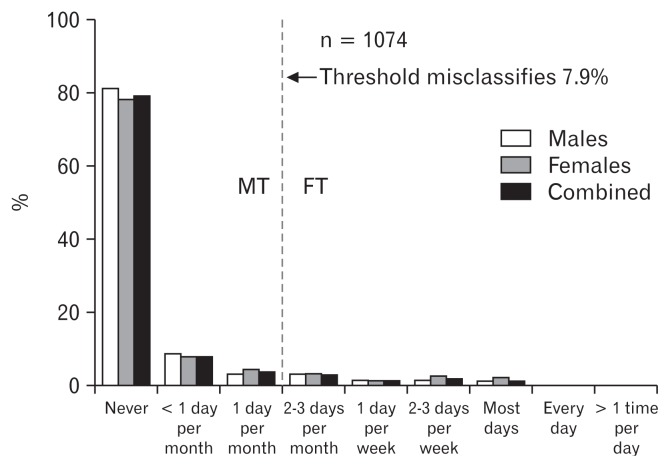
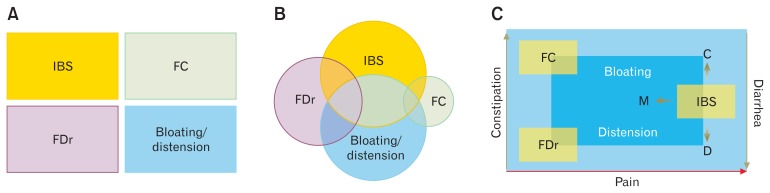
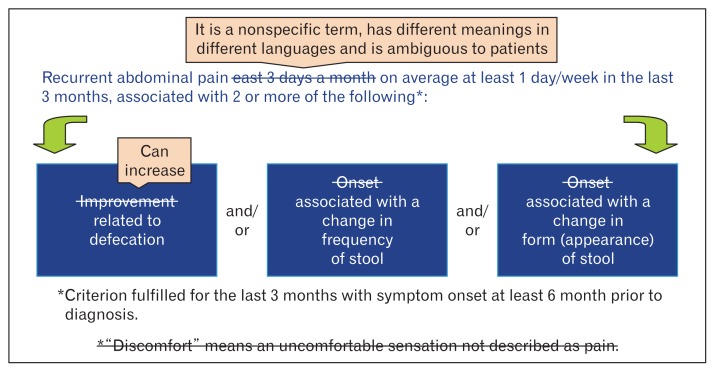
Functional gastrointestinal disorders (FGIDs) are diagnosed and classified using the Rome criteria; the criteria may change over time as new scientific data emerge.The Rome IV was released in May 2016.The aim is to review the main changes in Rome IV.FGIDs are now called disorders of gut-brain interaction (DGBI).Rome IV has a multicultural rather than a Western-culture focus.There are new chapters including multicultural, age-gender-women's health, intestinal microenvironment, biopsychosocial, and centrally mediated disorders.New disorders have been included although not truly FGIDs, but fit the new definition of DGBI including opioidinduced gastrointestinal hyperalgesia, opioid-induced constipation, and cannabinoid hyperemesis.Also, new FGIDs based on available evidence including reflux hypersensitivity and centrally mediated abdominal pain syndrome.Using a normative survey to determine the frequency of normal bowel symptoms in the general population changes in the time frame for diagnosis were introduced.For irritable bowel syndrome (IBS) only pain is required and discomfort was eliminated because it is non-specific, having different meanings in different languages.Pain is now related to bowel movements rather than just improving with bowel movements (ie, can get worse with bowel movement).Functional bowel disorders (functional diarrhea, functional constipation, IBS with predominant diarrhea [IBS-D], IBS with predominant constipation [IBS-C], and IBS with mixed bowel habits) are considered to be on a continuum rather than as independent entities.Clinical applications such as diagnostic algorithms and the Multidimensional Clinical Profile have been updated.The new Rome IV iteration is evidence-based, multicultural oriented and with clinical applications.As new evidence become available, future updates are expected.
Overview
The claims and statistics of this paper haven’t been checked yet.
Free: it reads the open-access text and checks the first 5 claims that cite a source we can check. Create a free account to check every claim.
Integrity signals
Registry
Cites
Statistics
Figures
Verification
Claims the paper makes
The claims and statistics of this paper haven’t been checked yet.
Free: it reads the open-access text and checks the first 5 claims that cite a source we can check. Create a free account to check every claim.
Claims other papers make about this one
Each is checked against this paper’s own text: does it say what the citing paper says it does?
The cited source says what the claim attributes to it.
In the citing paper
“the most recent guidelines suggest that IBS subgroups exist on a spectrum and not as distinct entities (69).”
From Alterations in Heart Rate Variability Associated With Irritable Bowel Syndrome or Inflammatory Bowel Disease: A Systematic Review and Meta-Analysis (2021) · cites this paper as [69]
Self-check
Percentages, sums and reported differences re-computed from the paper’s own numbers.
The self-check needs the paper’s full text.
Citations
Cites
Longstreth, G. F., Thompson, W. G., Chey, W. D., Houghton, L. A., Mearin, F., & Spiller, R. C. (2006) · Gastroenterology · doi:10.1053/j.gastro.2005.11.061 · Cited by 4,856
Lacy, B. E., Mearin, F., Chang, L., Chey, W. D., Lembo, A. J., Simren, M., & Spiller, R. (2016) · Gastroenterology · doi:10.1053/j.gastro.2016.02.031 · Cited by 2,866
Functional Gastrointestinal Disorders: History, Pathophysiology, Clinical Features, and Rome IV
Drossman, D. A. (2016) · Gastroenterology · doi:10.1053/j.gastro.2016.02.032 · Cited by 2,430
Self-citationFunctional Gastroduodenal Disorders
Tack, J., Talley, N. J., Camilleri, M., Holtmann, G., Hu, P., Malagelada, J.-R., & Stanghellini, V. (2006) · Gastroenterology · doi:10.1053/j.gastro.2005.11.059 · Cited by 2,418
Drossman, D. A., Li, Z., Andruzzi, E., Temple, R. D., Talley, N. J., Grant Thompson, W., Whitehead, W. E., Janssens, J., Funch-Jensen, P., Corazziari, E., et al. (1993) · Digestive Diseases and Sciences · doi:10.1007/bf01303162 · Cited by 2,198
Self-citationRome IV—Functional GI Disorders: Disorders of Gut-Brain Interaction
Drossman, D. A., & Hasler, W. L. (2016) · Gastroenterology · doi:10.1053/j.gastro.2016.03.035 · Cited by 1,928 · cited 2×
“Therefore, 28 years after the first Working Team on IBS, and 10 years after the last iteration of the Rome process (Rome III) were published, the Rome IV process and consequently the modified Rome IV classification and criteria have been published in a supplement of Gastroenterology as well as in a collection of books…”
MethodSelf-citationStanghellini, V., Chan, F. K. L., Hasler, W. L., Malagelada, J. R., Suzuki, H., Tack, J., & Talley, N. J. (2016) · Gastroenterology · doi:10.1053/j.gastro.2016.02.011 · Cited by 1,572
Barbara, G., Stanghellini, V., De Giorgio, R., Cremon, C., Cottrell, G. S., Santini, D., Pasquinelli, G., Morselli-Labate, A. M., Grady, E. F., Bunnett, N. W., et al. (2004) · Gastroenterology · doi:10.1053/j.gastro.2003.11.055 · Cited by 1,475
Childhood Functional Gastrointestinal Disorders: Child/Adolescent
Hyams, J. S., Di Lorenzo, C., Saps, M., Shulman, R. J., Staiano, A., & van Tilburg, M. (2016) · Gastroenterology · doi:10.1053/j.gastro.2016.02.015 · Cited by 1,362
Opioids in chronic non-cancer pain: systematic review of efficacy and safety
Kalso, E., Edwards, J. E., Moore, A. R., & McQuay, H. J. (2004) · Pain · doi:10.1016/j.pain.2004.09.019 · Cited by 1,216 · cited 1×
“It has a prevalence of 41% in patients with chronic non-cancer pain, and up to 94% of patients taking opioids for cancer-related pain.(60) Initial treatment of OIC is similar to that of functional constipation including laxatives and lubiprostone has been approved by FDA for patients with OIC in patients with non-canc…”
Background
Research works printed but not linked: 9
- 10.1097/00005176-199007000-00015 · doi:10.1097/00005176-199007000-00015 · Paper page
- Ballard, R (2002). Race, culture and ethnicity. New developments in sociology, Holborn, M, ed. Ormskirk: The Causeway Press
- Quigley, EM, Barbara, G, Feinle-Bisset, C, and The Rome IV Committees (2016). The intestinal microenvironment an functional gastrointestinl disorders. Rome IV functional gastrointestinal disorders – disorders of gut-brain interaction, Drossman, DA, Chang, LC, Kellow, WJ, Tack, J, and Whitehead, WE, ed. Raleigh, NC: The Rome Foundation, pp. 179-247
- Levy, RL, Crowell, MD, Drossman, DA, and The Rome IV Committees (2016). Byopsychosocial aspects of functional gastrointestinl disorders: How central and environmental processes contribute to the development and expression of FGIDs. Rome IV functional gastrointestinal disorders – disorders of gut-brain interaction, Drossman, DA, Chang, LC, Kellow, WJ, Tack, J, and Whitehead, WE, ed. Raleigh, NC: The Rome Foundation, pp. 443-548
- Whorwell, PJ, Keefer, L, Drossman, DA, Guthrie, E, Simrén, M, Tillisch, K, Olden, K, and The Rome IV Committees (2016). Centrally mediated disorders of gastrointestinal pain. Rome IV functional gastrointestinal disorders – disorders of gut-brain interaction, Drossman, DA, Chang, LC, Kellow, WJ, Tack, J, and Whitehead, WE, ed. Raleigh, NC: The Rome Foundation, pp. 1059-1116
- Whitehead, EE, Palsson, OS, MALvT, , Sperber, A, BS, , Tack, J, Walker, LS, YY, , and The Rome IV Committees (2016). Development and validation of the Rome IV diagnostic questionnaires. Rome IV diagnostic questionnaires and tables for investigators and clinicians, Drossman, DA, Chang, LC, Kellow, WJ, Tack, J, and Whitehead, WE, ed. Raleigh, NC: The Rome Foundation, pp. 43-92
- Talley, NJ, Stanghellini, V, Chan, FKL, and The Rome IV Committees (2016). Gastroduodenal Disorders. Rome IV functional gastrointestinal disorders – disorders of gut-brain interaction, Drossman, DA, Chang, LC, Kellow, WJ, Tack, J, and Whitehead, WE, ed. Raleigh, NC: The Rome Foundation, pp. 903-965
- Mearin, F, Lacy, BE, Chang, L, Chey, WD, Lembo, AJ, Simrén, M, Spiller, R, and The Rome IV Committees (2016). Bowel Disorders. Rome IV functional gastrointestinal disorders – disorders of gut-brain interaction, Drossman, DA, Chang, LC, Kellow, WJ, Tack, J, and Whitehead, WE, ed. Raleigh, NC: The Rome Foundation, pp. 967-1057
- 10.1053/j.gastro.2016.02.014 · DOI · Paper page
Cited by
Items 201–300 of 845
Gastric Mucosal Immune Profiling and Dysregulation in Idiopathic Gastroparesis
Gottfried‐Blackmore, A., Namkoong, H., Adler, E. P., Martin, B. A., Gubatan, J. M. B., Fernandez‐Becker, N., Clarke, J. O., Idoyaga, J., Nguyen, L. A. B., & Habtezion, A. (2021) · Clinical and Translational Gastroenterology · doi:10.14309/ctg.0000000000000349 · Cited by 17
“Since there is significant overlap between idiopathic gastroparesis and functional dyspepsia (30), Rome IVcriteria (31)were used to assess for functional dyspepsia.”
MethodEpidemiology of Irritable Bowel Syndrome in Albania
Galica, A. N., Galica, R., & Dumitrascu, D. L. (2021) · Journal of Gastrointestinal and Liver Diseases · doi:10.15403/jgld-3828 · Cited by 18
“Irritable bowel syndrome (IBS) is one of the most common digestive disorders of the gutbrain interaction and its standard diagnosis relies on the Rome IV criteria [1, 2].”
BackgroundCoffin, B., & Duboc, H. (2022) · Alimentary Pharmacology & Therapeutics · doi:10.1111/apt.17064 · Cited by 16
Riezzo, G., Prospero, L., Orlando, A., Linsalata, M., D’Attoma, B., Ignazzi, A., Giannelli, G., & Russo, F. (2023) · Nutrients · doi:10.3390/nu15061361 · Cited by 16
Liang, J., Almario, C. V., Chey, W. D., Higgins, C. S., & Spiegel, B. M. R. (2023) · The American Journal of Gastroenterology · doi:10.14309/ajg.0000000000002376 · Cited by 15
“CIC is characterized by infrequent bowel movements, straining with defecation, hard stools, sensation of incomplete evacuation, sensation of anorectal obstruction, and the need for manual maneuvers to facilitate defecation (1,4).”
BackgroundAl‐Saffar, A., Takemi, S., Saaed, H., Sakata, I., & Sakai, T. (2019) · Best Practice & Research Clinical Gastroenterology · doi:10.1016/j.bpg.2019.101633 · Cited by 19
Stone, A. L., Epstein, I., Bruehl, S. P., Garber, J., Smith, C. A., & Walker, L. S. (2022) · Journal of Pain · doi:10.1016/j.jpain.2022.09.007 · Cited by 15
Ramos, G. P., & Camilleri, M. (2022) · Digestive Diseases and Sciences · doi:10.1007/s10620-022-07700-8 · Cited by 15
“, reporting abdominal discomfort with the chronic diarrhea [2, 16].”
BackgroundRokkas, T., & Hold, G. L. (2023) · European Journal of Gastroenterology & Hepatology · doi:10.1097/meg.0000000000002519 · Cited by 16
Functional Abdominal Bloating and Gut Microbiota: An Update
Crucillà, S., Caldart, F., Michelon, M., Marasco, G., & Costantino, A. (2024) · Microorganisms · doi:10.3390/microorganisms12081669 · Cited by 18
“Before the introduction of the Rome IV criteria [3], different studies, Before the introduction of the Rome IV criteria [3], different studies, especially on IBS [41–44], reported that an increased or decreased production of colonic gas, leading to bloating, is related to an alteration in colonic…”
BackgroundMethodInfluentialAbdominal Pain Syndrome in Youth: Prevalence and Risk Factors
Livzan, M. A., Gaus, O. V., Турчанинов, Д. В., & Попелло, Д. В. (2020) · Экспериментальная и клиническая гастроэнтерология · doi:10.31146/1682-8658-ecg-170-10-12-17 · Cited by 16
Lambarth, A. T., Zárate-López, N., & Fayaz, A. (2021) · Neurogastroenterology & Motility · doi:10.1111/nmo.14289 · Cited by 16
Adverse Drug Effects Involving the Gastrointestinal System (Pharmacist Perspective)
Goriacko, P., & Veltri, K. T. (2021) · Springer eBooks · doi:10.1007/978-3-030-30192-7_10 · Cited by 15
Liu, T., Ma, M., Li, K., Tan, W., Yu, H., & Wang, L. (2023) · Journal of Clinical Gastroenterology · doi:10.1097/mcg.0000000000001841 · Cited by 14
Choi, N. R., Kwon, M. J., Choi, W.-G., Kim, S. C., Park, J.-W., Nam, J. H., & Kim, B. J. (2023) · Journal of Ethnopharmacology · doi:10.1016/j.jep.2023.116499 · Cited by 14
Distinct Food Triggers for Migraine, Medication Overuse Headache and Irritable Bowel Syndrome
Akgör, M. C., Vurallı, D., Sucu, D. H., Gokce, S., Taşdelen, B., Gültekin, F., & Bolay, H. (2023) · Journal of Clinical Medicine · doi:10.3390/jcm12206488 · Cited by 16
“…vomiting), presence of aura/self-administered visual aura rating scale questionnaire [7] and the use of analgesics that fulfill the diagnostic criteria for MOH(International Classification of Headache Disorders-ICHD-3) [8] and the presence of diagnostic IBS symptoms according to Rome IV Criteria [9].”
MethodChelimsky, G. G., & Chelimsky, T. C. (2018) · Autonomic Neuroscience · doi:10.1016/j.autneu.2018.09.003 · Cited by 18
Wilder‐Smith, C. H., Lee, S. H., Olesen, S. S., Low, J. Y., Kioh, D. Y. Q., Ferraris, R. P., Materna, A., & Chan, E. C. Y. (2021) · Neurogastroenterology & Motility · doi:10.1111/nmo.14150 · Cited by 14
Aono, S., Tomita, T., Tozawa, K., Morishita, D., Nakai, K., Okugawa, T., Fukushima, M., Oshima, T., Fukui, H., & Miwa, H. (2022) · Journal of Clinical Medicine · doi:10.3390/jcm11092342 · Cited by 13
Creating a “Brain-Mind-Body Interface Disorders” Diagnostic Category Across Specialties
Maggio, J., Adams, C. N., & Perez, D. L. (2023) · Journal of Neuropsychiatry · doi:10.1176/appi.neuropsych.20230071 · Cited by 14
Yau, C. E., Lim, G., Ang, A., Lim, Y. L., Goh, O. Q. M., Siah, K. T. H., & Ng, Q. X. (2024) · Nutrients · doi:10.3390/nu16233984 · Cited by 16
“BMI, while widely used, is a simple anthropometric measure of body mass that does not differentiate between fat and lean tissue or capture fat distribution, particularly visceral adiposity, which is more strongly associated with metabolic and inflammatory processes [48,49].”
Goyal, M. K., Goyal, O., & Sood, A. (2025) · Indian Journal of Gastroenterology · doi:10.1007/s12664-025-01808-1 · Cited by 14
“This shift was supported by a growing body of research demonstrating the biological underpinnings of DGBIs, including altered gut microbiota, abnormal GI motility, visceral hypersensitivity and dysregulated CNS processing [1, 17–20].”
What Are the Pearls and Pitfalls of the Dietary Management for Chronic Diarrhoea?
O’Brien, L., Wall, C. L., WILKINSON, T. J., & Gearry, R. B. (2021) · Nutrients · doi:10.3390/nu13051393 · Cited by 16
Duffy, C., Pridgen, W. L., & Whitley, R. J. (2022) · Infection · doi:10.1007/s15010-022-01823-w · Cited by 15
“The current classification system (Rome IV) divides FGIDs into 33 adult and 20 pediatric disorders [8, 9].”
Improving Care in Eosinophil-Associated Diseases: A Charter
Jackson, D. J., Akuthota, P., Andradas, R., Bredenoord, A. J., Cordell, A., Gray, S. A. O., Kullman, J. A., Mathur, S. K., Pavord, I. D., Roufosse, F. E., et al. (2022) · Advances in Therapy · doi:10.1007/s12325-022-02110-8 · Cited by 13
“This group ultimately developed the first diagnostic guidelines for irritable bowel syndrome in 1989 and it was the starting point for consensus-based criteria that have subsequently been established for a multitude of functional gastrointestinal diseases [32, 33].”
BackgroundMedić, B., Babić, Ž., Banić, M., & Ljubičić, L. (2021) · Acta Clinica Croatica · doi:10.20471/acc.2021.60.04.21 · Cited by 17
Diez, S., Kirchgatter, A., Adam, D., Füldner, A., Müller, H., Matzel, K. E., & Besendörfer, M. (2022) · Neuromodulation Technology at the Neural Interface · doi:10.1016/j.neurom.2022.08.451 · Cited by 13
The role of faecal calprotectin in the diagnosis of inflammatory bowel disease
Deputy, M., Devanaboina, R., Bakir, I. A., Burns, E. M., & Faiz, O. D. (2023) · BMJ · doi:10.1136/bmj-2021-068947 · Cited by 13
Wager, J., Fabrizi, L., & Tham, S. W. (2023) · Pain · doi:10.1097/j.pain.0000000000002923 · Cited by 15
Agrò, E. F., Rosato, E., Wagg, A., Sinha, S., Spicchiale, C. F., Serati, M., Mancini, V., de Rijk, M. M., Tarcan, T., Wein, A. J., et al. (2024) · Neurourology and Urodynamics · doi:10.1002/nau.25377 · Cited by 13
“To clarify the epidemiology and the concurrence of IBS and OAB good practice would be to use and assess those symptoms with validated questionnaires, such as OAB ‐ SS and Rome Criteria for IBS (now at their IV version 89 ).”
MethodEpidemiology of Irritable Bowel Syndrome in a Large Academic Safety-Net Hospital
Cheng, K., Lee, C., Garniene, R., Cabral, H., & Weber, H. C. (2024) · Journal of Clinical Medicine · doi:10.3390/jcm13051314 · Cited by 14
“Per the most recent iteration of these clinically based criteria, the Rome IV criteria, IBS subtypes are classified by predominant bowel patterns and include IBS with diarrhea (IBS-D), IBS with constipation (IBS-C), IBS with mixed bowel habits (IBS-Ms), and unsubtyped IBS (IBS-U) [5,6].”
MethodClinical Characteristics of Different Primary Constipation Subtypes in a Chinese Population
Jiang, Y., Tang, Y., & Lin, L. (2019) · Journal of Clinical Gastroenterology · doi:10.1097/mcg.0000000000001269 · Cited by 13
Endocannabinoid system in irritable bowel syndrome and cannabis as a therapy
Pandey, S., Kashif, S., Youssef, M., Sarwal, S., Zraik, H., Singh, R., & Rutkofsky, I. H. (2019) · Complementary Therapies in Medicine · doi:10.1016/j.ctim.2019.102242 · Cited by 16
Reflux Hypersensitivity: How to Approach Diagnosis and Management
Aggarwal, P., & Kamal, A. N. (2020) · Current Gastroenterology Reports · doi:10.1007/s11894-020-00779-x · Cited by 11
Wackers, G., Cornelis, P., Putzeys, T., Peeters, M., Tack, J. F., Troost, F. J., Doll, T., Verhaert, N., & Wagner, P. (2020) · ACS Sensors · doi:10.1021/acssensors.0c01844 · Cited by 13
Alves, E., Gregório, J., Rijo, P. M., Rosado, C., & Rodrigues, L. M. (2022) · International Journal of Environmental Research and Public Health · doi:10.3390/ijerph192113791 · Cited by 16
Irritable bowel syndrome following Clostridium difficile infection
Dayananda, P., & Wilcox, M. H. (2018) · Current Opinion in Gastroenterology · doi:10.1097/mog.0000000000000490 · Cited by 15
Prevalence of extra‐intestinal symptoms according to irritable bowel syndrome subtype
Pereyra, F., Fernández, L. M. B., Schlottmann, F., Zamora, R., Marconi, A., Steinberg, L., & Pereyra, L. (2024) · Neurogastroenterology & Motility · doi:10.1111/nmo.14796 · Cited by 15
Behavioral Intervention in Children with Functional Abdominal Pain Disorders: A Promising Option
Saini, S., Narang, M., Srivastava, S., & Shah, D. (2021) · The Turkish Journal of Gastroenterology · doi:10.5152/tjg.2021.20679 · Cited by 13
Woodham, A., David, A. L., Cooper, M. J., & Cordwell, J. (2021) · Clinical Child Psychology and Psychiatry · doi:10.1177/13591045211055077 · Cited by 12
“There is ongoing debate regarding terminology, namely, that the term functional might be experienced as stigmatising and that it is not specific enough (Drossman, 2016, 2019; Schmulson & Drossman, 2017; Yacob et al., 2020).”
BackgroundBraun, U. K., Jackson, L. K., Garcia, M. A., & Imam, S. N. (2024) · Pharmacy · doi:10.3390/pharmacy12020048 · Cited by 12
“…one-fourth of defecations, lumpy or hard stools in more than one-fourth of defecations, sensation of incomplete evacuation in more than one-fourth of defecations, or manual maneuvers to facilitate more than one-fourth of defecations (e.g., digital evacuation, support of the pelvic floor) [5,6].”
BackgroundTshabalala, S. J., Tomita, A. M., & Ramlall, S. (2019) · South African Journal of Psychiatry · doi:10.4102/sajpsychiatry.v25i0.1382 · Cited by 15
Niewinna, K., Zielińska, A., & Fichna, J. (2019) · Expert Opinion on Pharmacotherapy · doi:10.1080/14656566.2019.1688784 · Cited by 14
Abdullah, N., Kueh, Y. C., Kuan, G., Wong, M. S., Yahaya, F. H., & Lee, Y. Y. (2020) · International Journal of Environmental Research and Public Health · doi:10.3390/ijerph17082773 · Cited by 12
Batebi, S., Arani, A. M., Jafari, M., Sadeghi, A., Isfeedvajani, M., & Emami, M. H. D. (2020) · Research in psychotherapy · doi:10.4081/ripppo.2020.448 · Cited by 12
“…that may Include Postprandial Distress Syndrome (PDS) and meal-related symptoms, such as saturation, early satiety, bloating and Epigastric Pain Syndrome (EPS); however, EPS is characterized by some non-meal-related symptoms including epigastric pain and heartburn (Schmulson & Drossman, 2017).”
BackgroundUrotensin II levels in patients with inflammatory bowel disease
Aličić, D., Martinović, D., Rušić, D., Živković, P. M., Hadjina, I. T., Vilović, M., Kumrić, M., Tokić, D., Šupe‐Domić, D., Lupi-Ferandin, S., et al. (2021) · World Journal of Gastroenterology · doi:10.3748/wjg.v27.i36.6142 · Cited by 12
Madi, M., Hamzeh, H., Abujaber, S., & Altubasi, I. M. (2021) · Disability and Rehabilitation · doi:10.1080/09638288.2021.2006322 · Cited by 12
Diarrhea, Constipation, and Irritable Bowel Syndrome
Wilhelm, S. M., McConachie, S. M., & Kale-Pradhan, P. B. (2017) · The American Pharmacists Association eBooks · doi:10.21019/pharmacotherapyfirst.ibs_overview · Cited by 12
Sibelli, A., Moss-Morris, R., Chalder, T., Bishop, F. L., Windgassen, S., & Everitt, H. (2018) · British Journal of General Practice · doi:10.3399/bjgp18x698321 · Cited by 11
Chronic diarrhoea in older adults and the role of dietary interventions
O’Brien, L., Wall, C. L., WILKINSON, T. J., & Gearry, R. B. (2022) · Nutrition and Healthy Aging · doi:10.3233/nha-220152 · Cited by 15
“The term functional diarrhoea is used to describe chronic diarrhoea once all other gut-related disorders, such as coeliac disease, inflam-matory bowel disease, microscopic colitis, colorectal cancer or diverticulitis, have been ruled out [4].”
BackgroundPuhlmann, M.-L., Wegh, C. A. M., van der Zalm, S. C. C., Dam, V., Doolan, A., Meyer, D., Belzer, C., Vaughan, E. E., Benninga, M. A., & Smidt, H. (2025) · BMC Gastroenterology · doi:10.1186/s12876-025-04409-6 · Cited by 12
“Symptoms must persist for at least three months, with onset at least six months before diagnosis, and should not meet the criteria for irritable bowel syndrome [1, 9, 10].”
Management of irritable bowel syndrome with diarrhea: focus on eluxadoline
Jones, J. R. A., Lembo, A. J., Heidelbaugh, J. J., Kuritzky, L., & Lacy, B. E. (2021) · Current Medical Research and Opinion · doi:10.1080/03007995.2021.1888705 · Cited by 13
Antispasmodic Effect of Bergamot Essential Oil on Rat Isolated Gut Tissues
Rombolà, L., Straface, M., Scuteri, D., Sakurada, T., Sakurada, S., Corasaniti, M. T., Bagetta, G., & Morrone, L. A. (2022) · Pharmaceutics · doi:10.3390/pharmaceutics14040775 · Cited by 11
Magdy, R., Eid, R. A., Hassan, M. O., Abdelghaffar, M., Sayed, A. E., Mohammed, Z., & Hussein, M. (2022) · BMC Neurology · doi:10.1186/s12883-022-02723-0 · Cited by 12
“Clinical assessment All patients underwent an integrated evaluation by the research team, first by a gastroenterologist who conducted thorough medical history and examination to confirm the diagnosis of IBS after exclusion of any red signs according to The Rome IV criteria [11].”
MethodStress, Resilience, and the Brain–Gut Axis
Ballou, S., & Feingold, J. H. (2022) · Gastroenterology Clinics of North America · doi:10.1016/j.gtc.2022.07.001 · Cited by 20
Gastrointestinal Tract Considerations Part I
Quinlivan, A., McMahan, Z. H., Lee, E. B., & Nikpour, M. (2023) · Rheumatic Disease Clinics of North America · doi:10.1016/j.rdc.2023.01.006 · Cited by 12
Heart Rate Variability and Somatization in Adolescents With Irritable Bowel Syndrome
Semen, M. O., Lychkovska, O. L., Kaminskyy, D. V., Yavorskyi, O., Semen, K. O., & Yelisyeyeva, O. P. (2023) · Journal of Neurogastroenterology and Motility · doi:10.5056/jnm22019 · Cited by 12
Cash, B. D., Sharma, A., Walker, A., Laitman, A. P., & Chang, L. (2023) · Neurogastroenterology & Motility · doi:10.1111/nmo.14632 · Cited by 13
Psychiatric Co-Morbidities and Profile of Patients with Irritable Bowel Syndrome in Northern India
Saroj, A., Tripathi, A., Rungta, S., & Kar, S. K. (2024) · Brain Sciences · doi:10.3390/brainsci14040393 · Cited by 14
Pazhouh, H. K., Hosseini, S. M. A.-R., Taghipour, A., Hamedi, S., & Noras, M. (2020) · Chinese Journal of Integrative Medicine · doi:10.1007/s11655-020-3267-4 · Cited by 13
Sturkenboom, R., Keszthelyi, D., Brandts, L., Weerts, Z. Z. R. M., Snijkers, J. T. W., Masclee, A., & Essers, B. A. B. (2021) · Quality of Life Research · doi:10.1007/s11136-021-02995-y · Cited by 14
A personalized management approach in disorders of the irritable bowel syndrome spectrum
Schnedl, W. J., Michaelis, S., Mangge, H., & Enko, D. (2023) · Clinical Nutrition ESPEN · doi:10.1016/j.clnesp.2023.06.028 · Cited by 11
Clinical utility of plecanatide in the treatment of chronic idiopathic constipation
Islam, B. N., Sharman, S. K., & Browning, D. D. (2018) · International Journal of General Medicine · doi:10.2147/ijgm.s125051 · Cited by 12
“The diagnosis is made when patients experience two of the following symptoms in the past 3 months: fewer than three bowel movements in a week, straining, lumpy or hard stool, abdominal symptoms such as bloating and abdominal discomfort, and sensation of incomplete defecation.(4,5) The diagnosis of IBS is made when a p…”
Vaishnav, B. T., Shaikh, S. R., Bamanikar, A., Kakrani, A. L., & Tambile, R. (2018) · Journal of Digestive Endoscopy · doi:10.4103/jde.jde_10_18 · Cited by 11
“[6,14] HP was found in 55.78% diabetics by RUT which was confirmed by histopathology in 44.21% patients with diabetes.”
BackgroundInfluentialMasuy, I., Tack, J. F., Verbeke, K., & Carbone, F. (2019) · Neurogastroenterology & Motility · doi:10.1111/nmo.13540 · Cited by 11
Medical Management of Opioid-Induced Constipation
Rao, V. L., Micić, D., & Davis, A. M. (2019) · JAMA · doi:10.1001/jama.2019.15852 · Cited by 11
Lorenzo, C. D., Nurko, S., Hyams, J. S., Rodriguez‐Araujo, G., Shakhnovich, V., Saps, M., & Simon, M. W. (2023) · Journal of Pediatric Gastroenterology and Nutrition · doi:10.1002/jpn3.12103 · Cited by 11
Pellegrino, R., & Gravina, A. G. (2025) · World Journal of Gastroenterology · doi:10.3748/wjg.v31.i8.101357 · Cited by 11
Martin, L. D., Fikree, A., Zárate-López, N., Martinkova, K., Brugaletta, C., Perrin, C., & Philpot, U. (2025) · Neurogastroenterology & Motility · doi:10.1111/nmo.70043 · Cited by 10
“Following initial assessment by the gastroenterologist, patients received an established diagnosis of a DGBI according to Rome IV [19].”
Portincasa, P., Celano, G., Serale, N., Vitellio, P., Calabrese, F. M., Chira, A., David, L., Dumitrascu, D. L., & Angelis, M. D. (2022) · Nutrients · doi:10.3390/nu14122488 · Cited by 11
Linsalata, M., Riezzo, G., Orlando, A., D’Attoma, B., Prospero, L., Ignazzi, A., Losurdo, G., Leo, A. D., Giannelli, G., & Russo, F. (2023) · Nutrients · doi:10.3390/nu15214683 · Cited by 11
“…were an age 18 years or older, Body Mass Index (BMI) between 18.5 and 29.9 kg/m 2 , symptoms resembling IBS-D for at least 12 weeks, a specific stool pattern according to Schmulsson [25], a minimum average score of >75 on the IBS-Severity Scoring System (IBS-SSS), and no dietary restrictions.”
BackgroundInfluentialMărginean, C. M., Popescu, M., Drocaș, A. I., Cazacu, S. M., Mitruţ, R., Mărginean, I. C., Iacob, G. A., Popescu, M. S., Docea, A. O., & Mitruț, P. (2023) · Gastrointestinal Disorders · doi:10.3390/gidisord5040043 · Cited by 12
“…be necessary due to the progress made in recent years in both basic research and clinical trials. cant changes in the diagnostic criteria in terms of symptomatology and incidence [3], which appeared to be necessary due to the progress made in recent years in both basic research and clinical trials.”
InfluentialXu, M., Liu, D., Tan, Y., He, J., & Zhou, B. (2024) · Scientific Reports · doi:10.1038/s41598-023-50459-9 · Cited by 11
Chimienti, G., Russo, F., Bianco, A., Maqoud, F., Virgilio, C. D., Galeano, G., Orlando, A., Riezzo, G., D’Attoma, B., Ignazzi, A., et al. (2024) · International Journal of Molecular Sciences · doi:10.3390/ijms25084293 · Cited by 10
Wade, U., Pascual-Figal, D. A., Rabbani, F., Ernst, M., Albert, A., Janssens, I., Dierckxsens, Y., Iqtadar, S., Khokhar, N. A., Kanwal, A., et al. (2024) · Nutrients · doi:10.3390/nu16081204 · Cited by 11
Functional (psychosomatic) disorders in general medical practice
Ромасенко, Л. В., Махов, В. М., & Chichkova, N. V. (2019) · Neurology neuropsychiatry Psychosomatics · doi:10.14412/2074-2711-2019-3-69-73 · Cited by 10
Song, J., Yang, L., Su, S., Piao, M. Y., Li, B. L., Yu, Y., Yu, W. Y., Zhang, M., Liang, L. X., Zuo, G. W., et al. (2020) · Journal of Digestive Diseases · doi:10.1111/1751-2980.12873 · Cited by 10
“The Rome IV criteria are stricter, such as in terms of the minimum frequency of occurrence required and the severity of the dyspeptic symptoms.(32) However, the Rome IV standard had not been published at the beginning of our study, so we chose Rome III as the diagnostic criteria.”
BackgroundNutrition specific and eating habits among young people
Gaus, O. V., Livzan, M. A., Турчанинов, Д. В., & Попелло, Д. В. (2021) · Russian Journal of Preventive Medicine · doi:10.17116/profmed20212404137 · Cited by 10
Engel, F., Stadnitski, T., Stroe‐Kunold, E., Berens, S., Schaefert, R., & Wild, B. (2021) · BMC Gastroenterology · doi:10.1186/s12876-021-01879-2 · Cited by 12
“Background Irritable bowel syndrome (IBS) is characterized by recurrent abdominal pain that is associated with a change in frequency or form (appearance) of stool and can be related to defecation [1].”
BackgroundGentile, M., Luca, V. D., Patalano, R., Laudisio, D., Tramontano, G., Lindner, S., Mercurio, L., Salvatore, E., Farrell, J., Roller‐Wirnsberger, R., et al. (2022) · Frontiers in Medicine · doi:10.3389/fmed.2022.998838 · Cited by 11
“INCLUSION CRITHERIA were: (1) Age (18-70), (2) All gender, (3) No psychiatric illness under surveillance or treatment, (4) No previous proctological treatment, (5) No IBD, (6) No affiliation to other nutritional programme.”
BackgroundMethodExploring new subgroups for irritable bowel syndrome using a machine learning algorithm
Mousavi, E., Keshteli, A. H., Sehhati, M., Vaez, A., & Adibi, P. (2023) · Scientific Reports · doi:10.1038/s41598-023-45605-2 · Cited by 11
Diagnosis of Irritable Bowel Syndrome: Primary Care Physicians Compared with Gastroenterologists
Pareki, G., Wozniak, A. W., & Abegunde, A. T. (2023) · Clinical Medicine & Research · doi:10.3121/cmr.2023.1817 · Cited by 10
“7,10 Scientific understanding of IBS is rapidly evolving and underscores the complexity of the disorder.”
BackgroundInfluentialİnal, B., Yan, Y., Aziz, A., & Rao, S. S. C. (2025) · The American Journal of Gastroenterology · doi:10.14309/ajg.0000000000003532 · Cited by 9
Habitual coffee intake shapes the gut microbiome and modifies host physiology and cognition
Boscaini, S., Bastiaanssen, T. F. S., Moloney, G. M., Bergamo, F., Zeraik, L., O'Leary, C., Ferri, A., Irfan, M., van der Rhee, M., Lindemann, T. I. F., et al. (2026) · Nature Communications · doi:10.1038/s41467-026-71264-8 · Cited by 12
“I, version 7.0.2), Childhood Trauma Questionnaire (CTQ) and Rome IV Diagnostic Questionnaire for Functional Gastrointestinal Disorders in Adults (ROME-IV) were administered to assess the overall mental and gastrointestinal health of the participants 63,64 .”
InfluentialAdherence to Short-course Pharmacotherapy in Adults with Irritable Bowel Syndrome
Sherwin, L. B., Deroche, C. B., Krisanabud, P., Matteson, M., Bechtold, M. L., & Ruppar, T. M. (2019) · Western Journal of Nursing Research · doi:10.1177/0193945919872419 · Cited by 11
“Individuals who suffer from a subtype of IBS called diarrhea-predominant IBS (IBS-D) experience more than one quarter of their daily bowel movements as mushy or watery stool consistency (Schmulson & Drossman, 2017).”
BackgroundDietary interventions and irritable bowel syndrome – what really works?
Blaga, T. S., Cozma-Petruț, A. P., & Dumitrascu, D. L. (2020) · Current Opinion in Gastroenterology · doi:10.1097/mog.0000000000000706 · Cited by 14
“Irritable bowel syndrome (IBS) is one of the most frequent disorders of brain–gut interaction, characterized by change in bowel habits accompanied by recurrent abdominal pain, in the absence of any detectable structural or biological abnormality of the gastrointestinal tract [1].”
BackgroundParipati, N., Nesi, L., Sterrett, J. D., Dawud, L. M., Kessler, L. R., Lowry, C. A., Perez, L. J., DeSipio, J., & Phadtare, S. (2023) · Microorganisms · doi:10.3390/microorganisms11102503 · Cited by 10
“ROME IV criteria were used to determine IBS subtypes as: (i) IBS with constipation (IBS-C); (ii) IBS with diarrhea (IBS-D); (iii) mixed IBS (IBS-M), or (iv) unclassified IBS [29,30].”
MethodScoring Abdominal Symptoms in People with Cystic Fibrosis
Tabori, H., Barucha, A., Zagoya, C., Duckstein, F., Dunay, G. A., Sadrieh, P., Polte, L., & Mainz, J. G. (2024) · Journal of Clinical Medicine · doi:10.3390/jcm13061650 · Cited by 9
“They found that 44% of pwCF had significant symptoms on the IBS-SSS (score > 75) and that 65% of the included pwCF fulfilled the ROME IV criteria for IBS [69].”
BackgroundMorehead, A., & Salmon, G. (2020) · Nursing Clinics of North America · doi:10.1016/j.cnur.2020.07.001 · Cited by 9
Lee, J.-H., Kim, J. I., Baeg, M. K., Sunwoo, Y., Do, K.-S., Lee, J., Kim, H. J., Choi, J. S., Kim, J., Seo, C., et al. (2019) · Journal of Clinical Medicine · doi:10.3390/jcm8101558 · Cited by 10
“The Rome IV criteria (2016) classify IBS into three types based on bowel pattern symptoms as follows: Diarrhea-predominant IBS (D-IBS), constipation-predominant IBS, and mixed IBS [10].”
MethodAntioch, I., Ilie, O., Ciobica, A. S., Doroftei, B., & Fornaro, M. (2020) · Medicina · doi:10.3390/medicina56100504 · Cited by 12
Dyadyk, O. O., Snisarevskyi, P. P., & Snisarevska, T. P. (2021) · Wiadomości Lekarskie · doi:10.36740/wlek202101111 · Cited by 9
“It is characterized by recurring abdominal pain at least once a week for the last 3 months, associated with the act of defecation and combined with changes in stool frequency and consistency of feces, with a total duration of complaints of at least 6 months [3].”
BackgroundNybacka, S., Simrén, M., Störsrud, S., Törnblom, H., Winkvist, A., & Lindqvist, H. M. (2021) · PLoS ONE · doi:10.1371/journal.pone.0257331 · Cited by 12
Probiotics: current regulatory aspects of probiotics for use in different disease conditions
Pogačar, M. Š., Mičetić‐Turk, D., & Fijan, S. (2021) · Elsevier eBooks · doi:10.1016/b978-0-12-823733-5.00021-0 · Cited by 10
Alharbi, W., & Jahan, S. (2022) · Health Psychology Research · doi:10.52965/001c.35482 · Cited by 9
Moniruzzaman, M., Shah, A., Morrison, M., Koloski, N., Gwee, K. A., Chen, M., Kim, Y., Ayaki, K., Efferth, T., & Holtmann, G. (2025) · Digestive and Liver Disease · doi:10.1016/j.dld.2025.07.010 · Cited by 8
Engel, F., Stadnitski, T., Stroe‐Kunold, E., Berens, S., Schaefert, R., & Wild, B. (2022) · Frontiers in Psychiatry · doi:10.3389/fpsyt.2022.768134 · Cited by 11
“Patients with IBS suffer from recurrent abdominal pain that is associated with a change in frequency or form (appearance) of stool and can be related to defecation (6).”
BackgroundFunctional Abdominal Cramping Pain: Expert Practical Guidance
Müller-Lissner, S. A., Andresen, V., Corsetti, M., Fernández, L. B., Forestier, S., Pace, F., & Valdovinos, M. A. (2022) · Journal of Clinical Gastroenterology · doi:10.1097/mcg.0000000000001764 · Cited by 10
“Types of antispasmodic medications, which are available as over-the-counter or prescription only products, depending on the market, include (1) antimuscarinics, for example, hyoscine butylbromide, dicycloverine hydrochloride (dicyclomine), and cimetropium; (2) the phosphodiesterase inhibitors drotaverine and papaverin…”
BackgroundImpact of Rome IV criteria on the prevalence of post‐infection irritable bowel syndrome
Breen‐Lyles, M. K., Decuir, M., Byale, A., Smith, K., & Grover, M. (2023) · Neurogastroenterology & Motility · doi:10.1111/nmo.14532 · Cited by 9
Zhao, J., Xia, L. I., Zheng, H., Kun, Y. E., Wang, X., Xuefei, W., Runquan, S., & Zhigang, L. I. (2023) · PubMed Central · doi:10.19852/j.cnki.jtcm.20230105.002 · Cited by 14
Metadata
- Authors
- Schmulson, M. J., & Drossman, D. A.
- Affiliations
- Hospital General de México (MX)
- University of North Carolina at Chapel Hill (US)
- Corresponding author
- Schmulson, Max J
- Venue
- Journal of Neurogastroenterology and Motility
- Published
- 2017-04-30
- Volume
- 23
- Issue
- 2
- Pages
- 151-163
- ISSN
- 2093-0879 (ISSN-L)
- 2093-0887
- PMC
- PMC5383110
- OpenAlex
- W2594572760
- Cited by
- 788
- References
- 68
- Citations by year
- 2026: 57 · 2025: 88 · 2024: 108 · 2023: 104 · 2022: 100 · 2021: 120 · 2020: 80 · 2019: 74 · 2018: 46 · 2017: 9
- FWCI
- 9.65
- Type
- journal article
- Language
- en
- Open access
- diamond
- doi.org
- Licence
- cc-by-nc
- Locations
- Journal of Neurogastroenterology and Motility (publishedVersion, cc-by-nc)
- PubMed Central (publishedVersion, cc-by-nc)
- PubMed (publishedVersion)
- Carolina Digital Repository (University of North Carolina at Chapel Hill) (submittedVersion)
- UNC Libraries
- Topics
- Health Sciences › Medicine › Gastroenterology › Gastrointestinal motility and disorders
- Health Sciences › Medicine › Gastroenterology › Gastroesophageal reflux and treatments
- Health Sciences › Medicine › Urology › Pelvic floor disorders treatments
- Keywords
- Rome IV criteria, functional gastrointestinal disorders, irritable bowel syndrome, functional bowel disorders, opioid-induced constipation, cannabinoid hyperemesis syndrome, reflux hypersensitivity, diagnostic algorithm, biopsychosocial model, intestinal microenvironment
About these checks
Registry, retraction, Cites and statistics results are computed, not judged, with one exception: a printed reference that no index lists is read once by a model before it counts as a citation error. Claims are extracted by a model and kept only when their quote appears verbatim in the text; each cited source is then checked, with a model’s help, for whether it says what the claim relies on. Those verdicts can be wrong — read the claim’s quote and the cited source before relying on one.
Statistics and arithmetic are recomputed, not judged.
Confidence bands are shown only for fields calibrated on our annotated test set. None is calibrated yet, so no band is shown.
What counts as a claim ›How we measure confidence ›How we check this ›
Are you an author, or do you see a problem with this page? Request a review
Data sources
Bibliographic data: Semantic Scholar, OpenAlex, Crossref.
Contains information from the Semantic Scholar Academic Graph Datasets, made available under the ODC Attribution License (ODC-BY 1.0).
Semantic Scholar’s data is described in: Kinney, R., et al. (2023). The Semantic Scholar Open Data Platform. arXiv:2301.10140.
