

What Is New in Rome IV
Open accessThe DOI matches its Crossref record; 66 of the 68 references it cites were found in a registry or an index.
Abstract
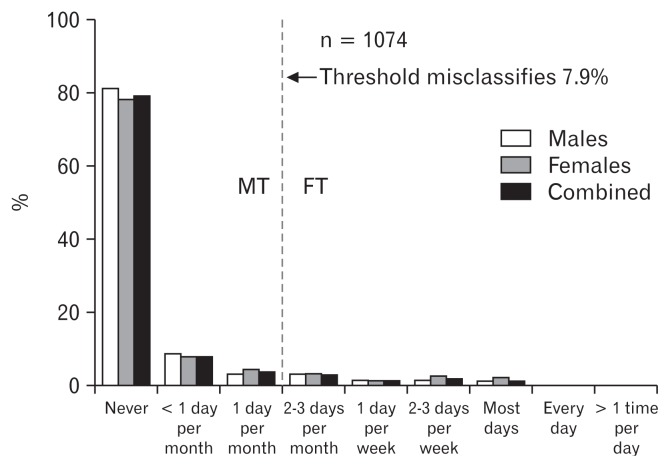
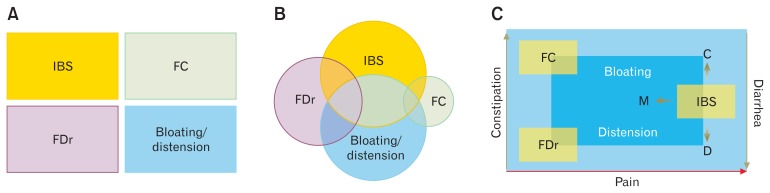
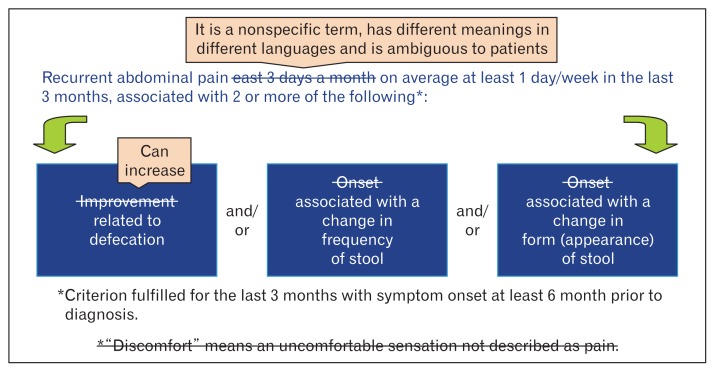
Functional gastrointestinal disorders (FGIDs) are diagnosed and classified using the Rome criteria; the criteria may change over time as new scientific data emerge.The Rome IV was released in May 2016.The aim is to review the main changes in Rome IV.FGIDs are now called disorders of gut-brain interaction (DGBI).Rome IV has a multicultural rather than a Western-culture focus.There are new chapters including multicultural, age-gender-women's health, intestinal microenvironment, biopsychosocial, and centrally mediated disorders.New disorders have been included although not truly FGIDs, but fit the new definition of DGBI including opioidinduced gastrointestinal hyperalgesia, opioid-induced constipation, and cannabinoid hyperemesis.Also, new FGIDs based on available evidence including reflux hypersensitivity and centrally mediated abdominal pain syndrome.Using a normative survey to determine the frequency of normal bowel symptoms in the general population changes in the time frame for diagnosis were introduced.For irritable bowel syndrome (IBS) only pain is required and discomfort was eliminated because it is non-specific, having different meanings in different languages.Pain is now related to bowel movements rather than just improving with bowel movements (ie, can get worse with bowel movement).Functional bowel disorders (functional diarrhea, functional constipation, IBS with predominant diarrhea [IBS-D], IBS with predominant constipation [IBS-C], and IBS with mixed bowel habits) are considered to be on a continuum rather than as independent entities.Clinical applications such as diagnostic algorithms and the Multidimensional Clinical Profile have been updated.The new Rome IV iteration is evidence-based, multicultural oriented and with clinical applications.As new evidence become available, future updates are expected.
Overview
The claims and statistics of this paper haven’t been checked yet.
Free: it reads the open-access text and checks the first 5 claims that cite a source we can check. Create a free account to check every claim.
Integrity signals
Registry
Cites
Statistics
Figures
Verification
Claims the paper makes
The claims and statistics of this paper haven’t been checked yet.
Free: it reads the open-access text and checks the first 5 claims that cite a source we can check. Create a free account to check every claim.
Claims other papers make about this one
Each is checked against this paper’s own text: does it say what the citing paper says it does?
The cited source says what the claim attributes to it.
In the citing paper
“the most recent guidelines suggest that IBS subgroups exist on a spectrum and not as distinct entities (69).”
From Alterations in Heart Rate Variability Associated With Irritable Bowel Syndrome or Inflammatory Bowel Disease: A Systematic Review and Meta-Analysis (2021) · cites this paper as [69]
Self-check
Percentages, sums and reported differences re-computed from the paper’s own numbers.
The self-check needs the paper’s full text.
Citations
Cites
Longstreth, G. F., Thompson, W. G., Chey, W. D., Houghton, L. A., Mearin, F., & Spiller, R. C. (2006) · Gastroenterology · doi:10.1053/j.gastro.2005.11.061 · Cited by 4,856
Lacy, B. E., Mearin, F., Chang, L., Chey, W. D., Lembo, A. J., Simren, M., & Spiller, R. (2016) · Gastroenterology · doi:10.1053/j.gastro.2016.02.031 · Cited by 2,866
Functional Gastrointestinal Disorders: History, Pathophysiology, Clinical Features, and Rome IV
Drossman, D. A. (2016) · Gastroenterology · doi:10.1053/j.gastro.2016.02.032 · Cited by 2,430
Self-citationFunctional Gastroduodenal Disorders
Tack, J., Talley, N. J., Camilleri, M., Holtmann, G., Hu, P., Malagelada, J.-R., & Stanghellini, V. (2006) · Gastroenterology · doi:10.1053/j.gastro.2005.11.059 · Cited by 2,418
Drossman, D. A., Li, Z., Andruzzi, E., Temple, R. D., Talley, N. J., Grant Thompson, W., Whitehead, W. E., Janssens, J., Funch-Jensen, P., Corazziari, E., et al. (1993) · Digestive Diseases and Sciences · doi:10.1007/bf01303162 · Cited by 2,198
Self-citationRome IV—Functional GI Disorders: Disorders of Gut-Brain Interaction
Drossman, D. A., & Hasler, W. L. (2016) · Gastroenterology · doi:10.1053/j.gastro.2016.03.035 · Cited by 1,928 · cited 2×
“Therefore, 28 years after the first Working Team on IBS, and 10 years after the last iteration of the Rome process (Rome III) were published, the Rome IV process and consequently the modified Rome IV classification and criteria have been published in a supplement of Gastroenterology as well as in a collection of books…”
MethodSelf-citationStanghellini, V., Chan, F. K. L., Hasler, W. L., Malagelada, J. R., Suzuki, H., Tack, J., & Talley, N. J. (2016) · Gastroenterology · doi:10.1053/j.gastro.2016.02.011 · Cited by 1,572
Barbara, G., Stanghellini, V., De Giorgio, R., Cremon, C., Cottrell, G. S., Santini, D., Pasquinelli, G., Morselli-Labate, A. M., Grady, E. F., Bunnett, N. W., et al. (2004) · Gastroenterology · doi:10.1053/j.gastro.2003.11.055 · Cited by 1,475
Childhood Functional Gastrointestinal Disorders: Child/Adolescent
Hyams, J. S., Di Lorenzo, C., Saps, M., Shulman, R. J., Staiano, A., & van Tilburg, M. (2016) · Gastroenterology · doi:10.1053/j.gastro.2016.02.015 · Cited by 1,362
Opioids in chronic non-cancer pain: systematic review of efficacy and safety
Kalso, E., Edwards, J. E., Moore, A. R., & McQuay, H. J. (2004) · Pain · doi:10.1016/j.pain.2004.09.019 · Cited by 1,216 · cited 1×
“It has a prevalence of 41% in patients with chronic non-cancer pain, and up to 94% of patients taking opioids for cancer-related pain.(60) Initial treatment of OIC is similar to that of functional constipation including laxatives and lubiprostone has been approved by FDA for patients with OIC in patients with non-canc…”
Background
Research works printed but not linked: 9
- 10.1097/00005176-199007000-00015 · doi:10.1097/00005176-199007000-00015 · Paper page
- Ballard, R (2002). Race, culture and ethnicity. New developments in sociology, Holborn, M, ed. Ormskirk: The Causeway Press
- Quigley, EM, Barbara, G, Feinle-Bisset, C, and The Rome IV Committees (2016). The intestinal microenvironment an functional gastrointestinl disorders. Rome IV functional gastrointestinal disorders – disorders of gut-brain interaction, Drossman, DA, Chang, LC, Kellow, WJ, Tack, J, and Whitehead, WE, ed. Raleigh, NC: The Rome Foundation, pp. 179-247
- Levy, RL, Crowell, MD, Drossman, DA, and The Rome IV Committees (2016). Byopsychosocial aspects of functional gastrointestinl disorders: How central and environmental processes contribute to the development and expression of FGIDs. Rome IV functional gastrointestinal disorders – disorders of gut-brain interaction, Drossman, DA, Chang, LC, Kellow, WJ, Tack, J, and Whitehead, WE, ed. Raleigh, NC: The Rome Foundation, pp. 443-548
- Whorwell, PJ, Keefer, L, Drossman, DA, Guthrie, E, Simrén, M, Tillisch, K, Olden, K, and The Rome IV Committees (2016). Centrally mediated disorders of gastrointestinal pain. Rome IV functional gastrointestinal disorders – disorders of gut-brain interaction, Drossman, DA, Chang, LC, Kellow, WJ, Tack, J, and Whitehead, WE, ed. Raleigh, NC: The Rome Foundation, pp. 1059-1116
- Whitehead, EE, Palsson, OS, MALvT, , Sperber, A, BS, , Tack, J, Walker, LS, YY, , and The Rome IV Committees (2016). Development and validation of the Rome IV diagnostic questionnaires. Rome IV diagnostic questionnaires and tables for investigators and clinicians, Drossman, DA, Chang, LC, Kellow, WJ, Tack, J, and Whitehead, WE, ed. Raleigh, NC: The Rome Foundation, pp. 43-92
- Talley, NJ, Stanghellini, V, Chan, FKL, and The Rome IV Committees (2016). Gastroduodenal Disorders. Rome IV functional gastrointestinal disorders – disorders of gut-brain interaction, Drossman, DA, Chang, LC, Kellow, WJ, Tack, J, and Whitehead, WE, ed. Raleigh, NC: The Rome Foundation, pp. 903-965
- Mearin, F, Lacy, BE, Chang, L, Chey, WD, Lembo, AJ, Simrén, M, Spiller, R, and The Rome IV Committees (2016). Bowel Disorders. Rome IV functional gastrointestinal disorders – disorders of gut-brain interaction, Drossman, DA, Chang, LC, Kellow, WJ, Tack, J, and Whitehead, WE, ed. Raleigh, NC: The Rome Foundation, pp. 967-1057
- 10.1053/j.gastro.2016.02.014 · DOI · Paper page
Cited by
Items 801–845 of 845
КЛИНИЧЕСКИЙ СЛУЧАЙ: «ОТКЛЮЧЁННЫЙ ЖЕЛЧНЫЙ ПУЗЫРЬ» У ДЕВОЧКИ ПОДРОСТКА
Pervishko, O. V., Иваненко, А. С., Matalaeva, S. Y., & Александрович, К. С. (2026) · Вестник Смоленской государственной медицинской академии · doi:10.37903/vsgma.2026.1.22
Zhou, Y., Li, Z., Chu, Y., Zhou, Z., Zhang, T., Ning, Y., Sun, W. L., Yan, J., Yan, Z., & Zhu, A. (2026) · Frontiers in Immunology · doi:10.3389/fimmu.2026.1809221
Rijal, R., Grover, S., Chakrabarti, S., & Sahoo, S. (2026) · Australasian Psychiatry · doi:10.1177/10398562261455823
ВПЛИВ МУЛЬТИШТАМНОГО СИНБІОТИКА НА ЕФЕКТИВНІСТЬ ЛІКУВАННЯ СИНДРОМУ ПОДРАЗНЕНОГО КИШЕЧНИКА
Самогальська, О. (2026) · Здобутки клінічної і експериментальної медицини · doi:10.11603/1811-2471.2026.v.i2.16407
Othman, G., Zaki, M. E. S., Elmalky, N., Badawy, A. A., & Afifi, S. A. (2026) · International Journal of Molecular Sciences · doi:10.3390/ijms27125450
Targeting irritable bowel syndrome pathophysiology with sweet potato polysaccharides
Al‐Madhagi, H. (2026) · Discover Food · doi:10.1007/s44187-026-01095-5
“Currently, Rome IV criteria is the standard diagnosis of IBS [5, 6].”
Meyers, C., Shah, A., Parrott, J. S., Brody, R. A., & Zelig, R. S. (2025) · Topics in Clinical Nutrition · doi:10.1097/tin.0000000000000431
Aggeletopoulou, I., Pastras, P., Tsaroucha, A. K., & Triantos, C. K. (2026) · Nutrients · doi:10.3390/nu18132036
“…(DGBIs), a group of conditions marked by chronic gastrointestinal symptoms that emerge from the interplay among visceral hypersensitivity, impaired gut motility, mucosal and immune dysfunction, dysbiosis of the gut microbiota, and dysregulated central nervous system (CNS) signaling [2,5].”
Therapeutic approaches to abdominal pain: From pharmacology to complementary therapies
Pokora, B., Pokora, K., & Fichna, J. (2026) · Elsevier eBooks · doi:10.1016/b978-0-443-41638-5.00005-3
Minno, A. D., Morone, M. V., Buccato, D. G., Lellis, L. F. D., Ullah, H., Cerqua, A., Piccinocchi, R., Riccioni, C. V., Larsen, D., Baldi, A., et al. (2026) · Food Science & Nutrition · doi:10.1002/fsn3.72048
“…disease are categorized into four subtypes: (a) functional constipation, (b) irritable bowel syndrome with constipation, (c) opioid-induced constipation, and (d) functional defecation disorders, including inadequate defecatory propulsion and dyssynergic defecation (Schmulson and Drossman 2017).”
彭蓓, Zhong, L., Huang, J., Cui, M., Huang, D., Ouyang, Y., Liang, X., Li, H., Huang, X., Lin, Z., et al. (2026) · Frontiers in Molecular Neuroscience · doi:10.3389/fnmol.2026.1871404
“Functional esophageal disorders (FEDs) are an important subtype of disorders of gut–brain interaction, including functional heartburn, functional chest pain, and reflux hypersensitivity (Schmulson, 2017; Aziz et al., 2016).”
Physiotherapy and Rehabilitation in Colorectoanal Dysfunctions
Gülören, G., & Gürşen, C. (2026) · Springer eBooks · doi:10.1007/978-3-032-28741-0_18
Borruel, N., Serra-Ruiz, X., Guarner, F., Castiglione, F., Nardone, O. M., Laterza, L., Cascella, F., Gasbarrini, A., Dobrowolska, A., Kanikowska, A., et al. (2026) · Nutrients · doi:10.3390/nu18142257
Clostridioides difficile Infection–Associated Functional Bowel Disorder: A Three-Year Cohort Study
Wright, G. P., Gu, N., Pham, N., Jones, M., Costa, D. V. D. S., Shin, J. H., Behm, B. W., & Warren, C. A. (2026) · Open Forum Infectious Diseases · doi:10.1093/ofid/ofag408
Chen, Y., Duan, W., Du, M., Guo, M., & Sun, Y. (2026) · Frontiers in Microbiology · doi:10.3389/fmicb.2026.1817279 · Cited by 1
Management of patients with irritable bowel syndrome in primary care. Guidelines
Drapkina, O. M., Maev, I. V., Livzan, M. A., Шепель, Р. Н., Gaus, O. V., Zharova, M. E., & Cheremushkin, S. V. (2026) · Primary Health Care (Russian Federation) · doi:10.15829/3034-4123-2026-148
Ayurvedic management of Irritable Bowel Syndrome (Grahani Roga): A case report
Mungale, M., & Thatere, A. A. (2026) · Journal of Ayurveda and Integrative Medicine · doi:10.1016/j.jaim.2026.101377
“…IBS Symptom Severity Scale (IBS-SSS), IBS-Adequate Relief (IBS-AR) and IBS-Quality of Life (IBS-QoL) noted during and after treatment along with clinical improvement in stool frequency and consistency (assessed on Bristol stool examination), pain and gaseous distention of the abdomen [Table 5].”
Flores, E., Ponce, J., Cardona, A., Gonzales, R., Funez, V., Oliva, K., & Urmeneta, J. (2026) · LACCEI International Multi-Conference for Engineering, Education and Technology (LACCEI) · doi:10.18687/laccei2026.1.1.949
Flores, E., Gonzales, R., Meza, B., Funez, V., Ponce, J., Cardona, A., & Urmeneta, J. (2026) · LACCEI International Multi-Conference for Engineering, Education and Technology (LACCEI) · doi:10.18687/laccei2026.1.1.950
Martinsen, T., Jensen, C., Hatlebakk, J. G., Valeur, J., Nygard, O. K., & Lied, G. A. (2026) · European Journal of Nutrition · doi:10.1007/s00394-026-04077-6
“The Rome IV criteria were used to ascertain IBS status [ 23, 24 ].”
Flores, E., Gonzales, R., Velásquez, Y., Zelaya, O., Oliva, K., Funez, V., & Urmeneta, J. (2026) · LACCEI International Multi-Conference for Engineering, Education and Technology (LACCEI) · doi:10.18687/laccei2026.1.1.955
Zhang, J., Gao, X., Qu, Y., & Liu, J. (2026) · Frontiers in Medicine · doi:10.3389/fmed.2026.1867631
El‐Salhy, M., Shin, C. M., Kim, Y. S., & Hatlebakk, J. G. (2026) · World Journal of Translational Medicine · doi:10.5528/wjtm.122740
Management of Irritable Bowel Syndrome-Unclassified (IBS-U) Through Ayurvedic Multimodal Therapy
Chandil, A., Daheriya, D., Sharma, V., & Meshram, R. (2026) · AYUSHDHARA · doi:10.47070/ayushdhara.v13i3.2750
Szyller, H. P., Lasocka, M., Augustynowicz, G., Braksator, J., & Pytrus, T. (2026) · Nutrients · doi:10.3390/nu18172768
“The Rome IV criteria provided an age-specific symptom-based framework that distinguished disorders of infancy and early childhood from those occurring in older children and adolescents [3–6].”
Bianco, A., Verrelli, N., Riezzo, G., Laselva, G., Grasso, M., Franco, I., Prospero, L., D’Attoma, B., Ignazzi, A., Pastore, M. N., et al. (2026) · Frontiers in Physiology · doi:10.3389/fphys.2026.1922718
“The inclusion criteria were: female gender; age between 30 and 65 years; a diagnosis of FM according to the 2016 American College of Rheumatology (ACR) diagnostic criteria (Wolfe et al., 2016), and a diagnosis of IBS according to the Rome IV criteria (Schmulson and Drossman, 2017).”
Abdelgabar, N., Khalil, Y., Al-Balootti, K., Abu-Khalaf, R., Khalil, M. Z., & Abu-Khalaf, L. (2026) · Cureus · doi:10.7759/cureus.117214
Yu, A., Bi, Y., & Xu, X. (2026) · The American Journal of Chinese Medicine · doi:10.1142/s0192415x26500771
Potential role of Nickel Allergy in Disorders of Gut-Brain Interaction
Carucci, L. R., Ciminera, V., Caldaria, E., Iorio, R. F., D'Alessio, P., Marziali, D., Masino, A., Sacco, M., Falco, G. D., Coppola, S., et al. (2026) · Italian Journal of Pediatric Allergy and Immunology
Reclasificación de la población adulta venezolana con síndrome de intestino irritable según Roma IV
Carrera, F. (2024) · Revista GEN · doi:10.61155/gen.v74i1.521
Law, M., Pickering, I., Schamberg, G., Daker, C., Gharibans, A. A., O’Grady, G., Andrews, C. N., & Calder, S. S. (2026) · medRxiv · doi:10.64898/2026.09.30.26364444
The pathophysiology of irritable bowel syndrome and its treatment
Gunn, D. (2021) · Nottingham ePrints (University of Nottingham)
Al-Ali, A., & Nazir, A. (2026) · International Journal of Life Sciences
Effectiveness of Acupressure in Alleviating Symptoms of Irritable Bowel Syndrome
Ellison, D. N. T. (2026) · Revista Infoacceso
Kumar, G., Singh, A., & Shalini (2026) · International Journal of Ayurvedic Medicine · doi:10.47552/ijam.v17i3.6986
Rome III Versus Rome IV Criteria for the Diagnosis of Irritable Bowel Syndrome: A Comparative Study
Parvin, S., Shamim, M., & Paul, S. (2025) · TAJ Journal of Teachers Association · doi:10.70818/taj.v038i04.0911
“1, 11 These revisions were intended to improve diagnostic specificity and cross-cultural consistency; however, they also made the criteria more restrictive.”
Kim, J., Park, S. J., Huh, C., & Shin, C. H. (2026) · Probiotics and Antimicrobial Proteins · doi:10.1007/s12602-026-11238-w
Radzka, M., Radzka, I., Budzik, P., Marciszuk, S., Rataj, J., Bawor, M., & Kosowska, A. (2026) · International Journal of Innovative Technologies in Social Science · doi:10.31435/ijitss.4(52).2026.6255
Mehra, R. K., Singh, B. P., Siddiqui, S., Aldawsari, M. F., Kamal, M. A., & Anwer, M. K. (2026) · Archives of Microbiology · doi:10.1007/s00203-026-05250-5
“Even with the advances made with the Rome IV criteria, simply applying these data driven definitions that have cultural origins in the West is complex when applied directly to many different linguistic and cul - tural populations (Schmulson and Drossman 2017).”
von Mühlenbrock, C., Pacheco, N., Santos, N., Carbone, F., Tack, J., Madrid, A. M., & Vanuytsel, T. (2026) · Neurogastroenterology & Motility · doi:10.1111/nmo.70472
Юрьевна, Ф. О., Владимирович, М. С., Кашников, В. Н., Андреевич, М. А., Валерьевна, Б. С., Андреевич, Н. М., & Иванович, А. С. (n.d.) · CyberLeninK (CyberLeninka)
Vizioli, C., Barb, J. J., McCauley, K. E., Nath, A., & Walitt, B. T. (2026) · Medicine in Microecology · doi:10.1016/j.medmic.2026.100186
Krečak, I., Mrkela, I. S., Škugor, Z., Budimir, J., Čubrić, E., Lucijanić, M., Perić, Z., Hauser, G., & Skelin, M. (2026) · Scandinavian Journal of Clinical and Laboratory Investigation · doi:10.1080/00365513.2026.2759000
Suteerojntrakool, O., Jongpiputvanich, S., Chunsangfah, A., Sophonphan, J., Gallier, S., & Chomtho, S. (2026) · Annals of Nutrition and Metabolism · doi:10.1159/anm/abmag010
Seidita, A., Barbaraci, R., Latteri, F., Giannone, A. G., Vassiliadis, A., Pistone, M., Paganini, S., Cavallo, G., Faraci, F., Giuliano, A., et al. (2026) · European Journal of Internal Medicine · doi:10.1016/j.ejim.2026.107262
Metadata
- Authors
- Schmulson, M. J., & Drossman, D. A.
- Affiliations
- Hospital General de México (MX)
- University of North Carolina at Chapel Hill (US)
- Corresponding author
- Schmulson, Max J
- Venue
- Journal of Neurogastroenterology and Motility
- Published
- 2017-04-30
- Volume
- 23
- Issue
- 2
- Pages
- 151-163
- ISSN
- 2093-0879 (ISSN-L)
- 2093-0887
- PMC
- PMC5383110
- OpenAlex
- W2594572760
- Cited by
- 788
- References
- 68
- Citations by year
- 2026: 57 · 2025: 88 · 2024: 108 · 2023: 104 · 2022: 100 · 2021: 120 · 2020: 80 · 2019: 74 · 2018: 46 · 2017: 9
- FWCI
- 9.65
- Type
- journal article
- Language
- en
- Open access
- diamond
- doi.org
- Licence
- cc-by-nc
- Locations
- Journal of Neurogastroenterology and Motility (publishedVersion, cc-by-nc)
- PubMed Central (publishedVersion, cc-by-nc)
- PubMed (publishedVersion)
- Carolina Digital Repository (University of North Carolina at Chapel Hill) (submittedVersion)
- UNC Libraries
- Topics
- Health Sciences › Medicine › Gastroenterology › Gastrointestinal motility and disorders
- Health Sciences › Medicine › Gastroenterology › Gastroesophageal reflux and treatments
- Health Sciences › Medicine › Urology › Pelvic floor disorders treatments
- Keywords
- Rome IV criteria, functional gastrointestinal disorders, irritable bowel syndrome, functional bowel disorders, opioid-induced constipation, cannabinoid hyperemesis syndrome, reflux hypersensitivity, diagnostic algorithm, biopsychosocial model, intestinal microenvironment
About these checks
Registry, retraction, Cites and statistics results are computed, not judged, with one exception: a printed reference that no index lists is read once by a model before it counts as a citation error. Claims are extracted by a model and kept only when their quote appears verbatim in the text; each cited source is then checked, with a model’s help, for whether it says what the claim relies on. Those verdicts can be wrong — read the claim’s quote and the cited source before relying on one.
Statistics and arithmetic are recomputed, not judged.
Confidence bands are shown only for fields calibrated on our annotated test set. None is calibrated yet, so no band is shown.
What counts as a claim ›How we measure confidence ›How we check this ›
Are you an author, or do you see a problem with this page? Request a review
Data sources
Bibliographic data: Semantic Scholar, OpenAlex, Crossref.
Contains information from the Semantic Scholar Academic Graph Datasets, made available under the ODC Attribution License (ODC-BY 1.0).
Semantic Scholar’s data is described in: Kinney, R., et al. (2023). The Semantic Scholar Open Data Platform. arXiv:2301.10140.
