

What Is New in Rome IV
Open accessThe DOI matches its Crossref record; 66 of the 68 references it cites were found in a registry or an index.
Abstract
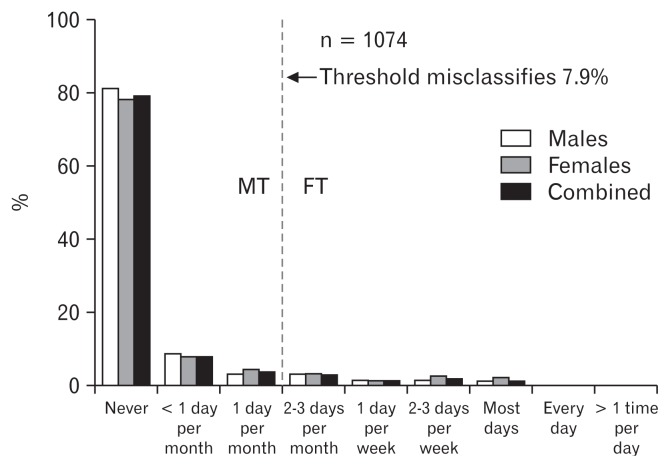
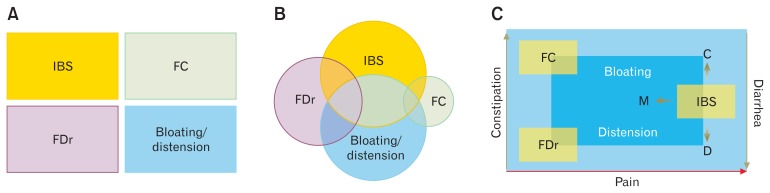
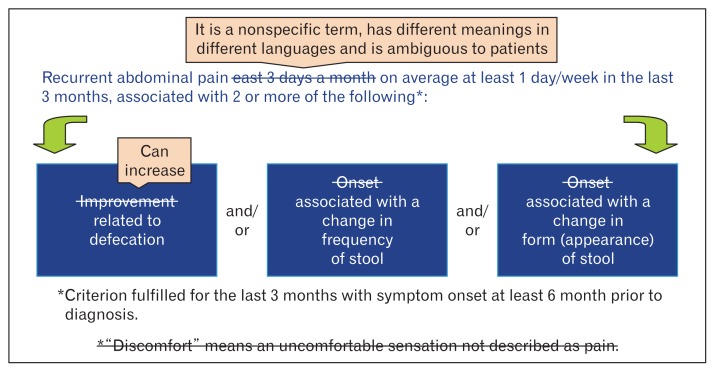
Functional gastrointestinal disorders (FGIDs) are diagnosed and classified using the Rome criteria; the criteria may change over time as new scientific data emerge.The Rome IV was released in May 2016.The aim is to review the main changes in Rome IV.FGIDs are now called disorders of gut-brain interaction (DGBI).Rome IV has a multicultural rather than a Western-culture focus.There are new chapters including multicultural, age-gender-women's health, intestinal microenvironment, biopsychosocial, and centrally mediated disorders.New disorders have been included although not truly FGIDs, but fit the new definition of DGBI including opioidinduced gastrointestinal hyperalgesia, opioid-induced constipation, and cannabinoid hyperemesis.Also, new FGIDs based on available evidence including reflux hypersensitivity and centrally mediated abdominal pain syndrome.Using a normative survey to determine the frequency of normal bowel symptoms in the general population changes in the time frame for diagnosis were introduced.For irritable bowel syndrome (IBS) only pain is required and discomfort was eliminated because it is non-specific, having different meanings in different languages.Pain is now related to bowel movements rather than just improving with bowel movements (ie, can get worse with bowel movement).Functional bowel disorders (functional diarrhea, functional constipation, IBS with predominant diarrhea [IBS-D], IBS with predominant constipation [IBS-C], and IBS with mixed bowel habits) are considered to be on a continuum rather than as independent entities.Clinical applications such as diagnostic algorithms and the Multidimensional Clinical Profile have been updated.The new Rome IV iteration is evidence-based, multicultural oriented and with clinical applications.As new evidence become available, future updates are expected.
Overview
The claims and statistics of this paper haven’t been checked yet.
Free: it reads the open-access text and checks the first 5 claims that cite a source we can check. Create a free account to check every claim.
Integrity signals
Registry
Cites
Statistics
Figures
Verification
Claims the paper makes
The claims and statistics of this paper haven’t been checked yet.
Free: it reads the open-access text and checks the first 5 claims that cite a source we can check. Create a free account to check every claim.
Claims other papers make about this one
Each is checked against this paper’s own text: does it say what the citing paper says it does?
The cited source says what the claim attributes to it.
In the citing paper
“the most recent guidelines suggest that IBS subgroups exist on a spectrum and not as distinct entities (69).”
From Alterations in Heart Rate Variability Associated With Irritable Bowel Syndrome or Inflammatory Bowel Disease: A Systematic Review and Meta-Analysis (2021) · cites this paper as [69]
Self-check
Percentages, sums and reported differences re-computed from the paper’s own numbers.
The self-check needs the paper’s full text.
Citations
Cites
Longstreth, G. F., Thompson, W. G., Chey, W. D., Houghton, L. A., Mearin, F., & Spiller, R. C. (2006) · Gastroenterology · doi:10.1053/j.gastro.2005.11.061 · Cited by 4,856
Lacy, B. E., Mearin, F., Chang, L., Chey, W. D., Lembo, A. J., Simren, M., & Spiller, R. (2016) · Gastroenterology · doi:10.1053/j.gastro.2016.02.031 · Cited by 2,866
Functional Gastrointestinal Disorders: History, Pathophysiology, Clinical Features, and Rome IV
Drossman, D. A. (2016) · Gastroenterology · doi:10.1053/j.gastro.2016.02.032 · Cited by 2,430
Self-citationFunctional Gastroduodenal Disorders
Tack, J., Talley, N. J., Camilleri, M., Holtmann, G., Hu, P., Malagelada, J.-R., & Stanghellini, V. (2006) · Gastroenterology · doi:10.1053/j.gastro.2005.11.059 · Cited by 2,418
Drossman, D. A., Li, Z., Andruzzi, E., Temple, R. D., Talley, N. J., Grant Thompson, W., Whitehead, W. E., Janssens, J., Funch-Jensen, P., Corazziari, E., et al. (1993) · Digestive Diseases and Sciences · doi:10.1007/bf01303162 · Cited by 2,198
Self-citationRome IV—Functional GI Disorders: Disorders of Gut-Brain Interaction
Drossman, D. A., & Hasler, W. L. (2016) · Gastroenterology · doi:10.1053/j.gastro.2016.03.035 · Cited by 1,928 · cited 2×
“Therefore, 28 years after the first Working Team on IBS, and 10 years after the last iteration of the Rome process (Rome III) were published, the Rome IV process and consequently the modified Rome IV classification and criteria have been published in a supplement of Gastroenterology as well as in a collection of books…”
MethodSelf-citationStanghellini, V., Chan, F. K. L., Hasler, W. L., Malagelada, J. R., Suzuki, H., Tack, J., & Talley, N. J. (2016) · Gastroenterology · doi:10.1053/j.gastro.2016.02.011 · Cited by 1,572
Barbara, G., Stanghellini, V., De Giorgio, R., Cremon, C., Cottrell, G. S., Santini, D., Pasquinelli, G., Morselli-Labate, A. M., Grady, E. F., Bunnett, N. W., et al. (2004) · Gastroenterology · doi:10.1053/j.gastro.2003.11.055 · Cited by 1,475
Childhood Functional Gastrointestinal Disorders: Child/Adolescent
Hyams, J. S., Di Lorenzo, C., Saps, M., Shulman, R. J., Staiano, A., & van Tilburg, M. (2016) · Gastroenterology · doi:10.1053/j.gastro.2016.02.015 · Cited by 1,362
Opioids in chronic non-cancer pain: systematic review of efficacy and safety
Kalso, E., Edwards, J. E., Moore, A. R., & McQuay, H. J. (2004) · Pain · doi:10.1016/j.pain.2004.09.019 · Cited by 1,216 · cited 1×
“It has a prevalence of 41% in patients with chronic non-cancer pain, and up to 94% of patients taking opioids for cancer-related pain.(60) Initial treatment of OIC is similar to that of functional constipation including laxatives and lubiprostone has been approved by FDA for patients with OIC in patients with non-canc…”
Background
Research works printed but not linked: 9
- 10.1097/00005176-199007000-00015 · doi:10.1097/00005176-199007000-00015 · Paper page
- Ballard, R (2002). Race, culture and ethnicity. New developments in sociology, Holborn, M, ed. Ormskirk: The Causeway Press
- Quigley, EM, Barbara, G, Feinle-Bisset, C, and The Rome IV Committees (2016). The intestinal microenvironment an functional gastrointestinl disorders. Rome IV functional gastrointestinal disorders – disorders of gut-brain interaction, Drossman, DA, Chang, LC, Kellow, WJ, Tack, J, and Whitehead, WE, ed. Raleigh, NC: The Rome Foundation, pp. 179-247
- Levy, RL, Crowell, MD, Drossman, DA, and The Rome IV Committees (2016). Byopsychosocial aspects of functional gastrointestinl disorders: How central and environmental processes contribute to the development and expression of FGIDs. Rome IV functional gastrointestinal disorders – disorders of gut-brain interaction, Drossman, DA, Chang, LC, Kellow, WJ, Tack, J, and Whitehead, WE, ed. Raleigh, NC: The Rome Foundation, pp. 443-548
- Whorwell, PJ, Keefer, L, Drossman, DA, Guthrie, E, Simrén, M, Tillisch, K, Olden, K, and The Rome IV Committees (2016). Centrally mediated disorders of gastrointestinal pain. Rome IV functional gastrointestinal disorders – disorders of gut-brain interaction, Drossman, DA, Chang, LC, Kellow, WJ, Tack, J, and Whitehead, WE, ed. Raleigh, NC: The Rome Foundation, pp. 1059-1116
- Whitehead, EE, Palsson, OS, MALvT, , Sperber, A, BS, , Tack, J, Walker, LS, YY, , and The Rome IV Committees (2016). Development and validation of the Rome IV diagnostic questionnaires. Rome IV diagnostic questionnaires and tables for investigators and clinicians, Drossman, DA, Chang, LC, Kellow, WJ, Tack, J, and Whitehead, WE, ed. Raleigh, NC: The Rome Foundation, pp. 43-92
- Talley, NJ, Stanghellini, V, Chan, FKL, and The Rome IV Committees (2016). Gastroduodenal Disorders. Rome IV functional gastrointestinal disorders – disorders of gut-brain interaction, Drossman, DA, Chang, LC, Kellow, WJ, Tack, J, and Whitehead, WE, ed. Raleigh, NC: The Rome Foundation, pp. 903-965
- Mearin, F, Lacy, BE, Chang, L, Chey, WD, Lembo, AJ, Simrén, M, Spiller, R, and The Rome IV Committees (2016). Bowel Disorders. Rome IV functional gastrointestinal disorders – disorders of gut-brain interaction, Drossman, DA, Chang, LC, Kellow, WJ, Tack, J, and Whitehead, WE, ed. Raleigh, NC: The Rome Foundation, pp. 967-1057
- 10.1053/j.gastro.2016.02.014 · DOI · Paper page
Cited by
Items 301–400 of 845
Lundervold, A. J., Hillestad, E. M. R., Lied, G. A., Billing, J., Johnsen, T. E., Steinsvik, E. K., Hausken, T., Berentsen, B., & Lundervold, A. (2023) · Journal of Clinical Medicine · doi:10.3390/jcm12113771 · Cited by 8
The Gut-brain Connection and Episodic Migraine: an Update
Nguyen, L. A. B., Hindiyeh, N. A., Ray, S., Vann, R. E., & Aurora, S. K. (2023) · Current Pain and Headache Reports · doi:10.1007/s11916-023-01175-6 · Cited by 10
“For example, individuals with migraine can experience nausea, vomiting, and delayed gastric emptying, which also constitute part of the symptomology of many well-known GI disorders, such as gastroparesis, functional dyspepsia, and CVS [4, 5, 12, 32].”
BackgroundEvolutionary medicine approaches to chronic disease: The case of irritable bowel syndrome
Lenover, M. B., & Shenk, M. K. (2023) · Evolutionary Anthropology Issues News and Reviews · doi:10.1002/evan.22010 · Cited by 8
What do Cochrane systematic reviews say about the management of irritable bowel syndrome?
Pacheco, R. L., Roizenblatt, A., de Góis, A. F. T., Latorraca, C. D. O. C., Pimentel, C. F. M. G., & Riera, R. (2019) · Sao Paulo Medical Journal · doi:10.1590/1516-3180.2018.053740119 · Cited by 9
IBS common features among Northern Saudi population according to Rome IV criteria
Alharbi, S. H., Alateeq, F. A., Alshammari, K. I., & Ahmed, H. G. (2019) · AIMS Medical Science · doi:10.3934/medsci.2019.2.148 · Cited by 9
Management of Irritable Bowel Syndrome: Physician‐Dietitian Collaboration
Ireton-Jones, C. S., & Weisberg, M. F. (2020) · Nutrition in Clinical Practice · doi:10.1002/ncp.10567 · Cited by 8
How much bloating in the irritable bowel syndrome?
Pop, L. L., Muresan, I. A. P., & Dumitrascu, D. L. (2018) · Romanian Journal of Internal Medicine · doi:10.2478/rjim-2018-0017 · Cited by 8
Preclinical models of irritable bowel syndrome
López‐Gómez, L., Bagüés, A., Uranga, J. A., & Abalo, R. (2020) · Elsevier eBooks · doi:10.1016/b978-0-12-821324-7.00012-5 · Cited by 11
Linsalata, M., Prospero, L., Ignazzi, A., Riezzo, G., D’Attoma, B., Mallardi, D., Goscilo, F., Notarnicola, M., Nunzio, V. D., Pinto, G., et al. (2025) · Journal of Clinical Medicine · doi:10.3390/jcm14072483 · Cited by 7
“…18 years; (2) active IBS-D-like symptoms persisting for at least two weeks, with stool patterns consistent with those described by Schmulson et al. [28]; (3) a total IBS Severity Scoring System (IBS-SSS) score greater than 75; and (4) no dietary restrictions, particularly no gluten-free diet…”
Neurogastroenterology: Current insights into gastrointestinal innervation in health and disease
Chmelir, T., Jarkovská, D., Pandey, S., & Dvorakova, M. C. (2025) · Autonomic Neuroscience · doi:10.1016/j.autneu.2025.103339 · Cited by 7
Peters, L., Matysiak, A., Hübener, S., Lohse, A. W., Nestoriuc, Y., Maehder, K., & Löwe, B. (2025) · Journal of Psychosomatic Research · doi:10.1016/j.jpsychores.2025.112395 · Cited by 7
Co-Morbidities of Irritable Bowel Syndrome in a Racially and Ethnically Diverse Population
Lee, C., Rao, S., Cabral, H., & Weber, H. C. (2024) · Journal of Clinical Medicine · doi:10.3390/jcm13051482 · Cited by 7
“Per the most recent Rome IV criteria, IBS subtypes are classified by the predominant bowel pattern and include the following: IBS with diarrhea (IBS-D), IBS with constipation (IBS-C), IBS with mixed bowel habits (IBS-M), and un-subtyped IBS (IBS-U) [5,6].”
BackgroundInfluentialBesendörfer, M., Kirchgatter, A., Carbon, R. T., Weiß, C., Müller, H., Matzel, K. E., & Diez, S. (2024) · Trials · doi:10.1186/s13063-024-08052-6 · Cited by 7
“…years • informed consent • chronic constipation according to the ROME IV criteria for more than 3 months with abdominal pain and with or without FI [12] despite underlying diseases such as FC, rectal evacuation disorders or HD. • refractory to conventional treatment in an appropriate…”
MethodLipták, P., Ďuríček, M., Schnierer, M., Žiačiková, I., Rosoľanka, R., Baranovičová, E., Šturdík, I., Jackuliak, P., Veselíny, E., Varady, A., et al. (2024) · European Journal of Gastroenterology & Hepatology · doi:10.1097/meg.0000000000002793 · Cited by 9
“…that previously published epidemiological data [1,2] for disorders of gut-brain interaction (DGBI) [and predominantly irritable bowel syndrome (IBS)] were outdated [3] partially because of the change of the diagnostic criteria in the most recent version of the ROME IV diagnostic tool from 2016 [4].”
MethodBrick, C. R., Su, H. Y., Taylor, K. M., & Burgell, R. (2024) · Journal of Clinical Medicine · doi:10.3390/jcm13164759 · Cited by 8
“The Rome criteria, first established in 1989, are the gold standard for the diagnosis of these disorders of gut–brain interaction and classify patients into subcategories based on symptoms to guide treatment and further research [2,3].”
BackgroundA clinical study on safety and efficacy of Naesohwajung-tang on functional dyspepsia
Ha, N.-Y., Kim, S.-K., Ko, S., Park, J.-W., & Kim, J. (2020) · Medicine · doi:10.1097/md.0000000000019910 · Cited by 7
Functional abdominal pain in adolescents: case-based management
Yacob, D., Diest, A. M. K. V., & Lorenzo, C. D. (2020) · Frontline Gastroenterology · doi:10.1136/flgastro-2020-101572 · Cited by 7
Montés, A. F., de Velasco, G., Aguín, S., Farriols, C., Guirado-Risueño, M., Guía, V. G. J., Baeza-Nadal, M. V., Chicas-Sett, R., Fírvida, J. L., Navalón, F. J. G., et al. (2021) · Current Treatment Options in Oncology · doi:10.1007/s11864-021-00816-5 · Cited by 7
Selim, A., Salem, S. S., Albasher, N., Bakrmom, G., Al-Anzi, S. K., & Jradi, H. (2021) · Clinical Nursing Research · doi:10.1177/10547738211020437 · Cited by 8
Diagnostic value of endoscopy in adult patients with dyspepsia
Al-Abachi, K. T. (2022) · Gastroenterology Review · doi:10.5114/pg.2021.112250 · Cited by 7
“chronic nausea and vomiting syndrome and cyclic vomiting syndrome [22].”
Schmulson, M. J., López‐Colombo, A., Montiel-Jarquín, Á. J., Leal, G. A. P., Palsson, O. S., Bangdiwala, S. I., & Sperber, A. D. (2023) · Neurogastroenterology & Motility · doi:10.1111/nmo.14577 · Cited by 8
Self-citationWilder‐Smith, C. H., Materna, A., & Olesen, S. S. (2023) · Nutrients · doi:10.3390/nu15102396 · Cited by 8
Post-COVID-19 irritable bowel syndrome: an integrative review
SILVA, J. T. C., & Neto, O. C. L. D. F. (2023) · Revista do Colégio Brasileiro de Cirurgiões · doi:10.1590/0100-6991e-20233618-en · Cited by 8
Wang, Y.-N., Zhou, L., Huang, Y., Jiang, M., & Dai, C. (2023) · European Journal of Gastroenterology & Hepatology · doi:10.1097/meg.0000000000002688 · Cited by 7
“The diagnosis of IBS is based on certain GI symptoms including abdominal pain and diarrhea or constipation [7].”
BackgroundInfluentialPublic knowledge and beliefs about the irritable bowel syndrome - results from the SOMA.SOC study
Knesebeck, O. V. D., Löwe, B., Lüdecke, D., Bobardt, J. S., & Barbek, R. (2024) · BMC Public Health · doi:10.1186/s12889-024-17784-8 · Cited by 8
Law, M., Bartlett, E., Sebaratnam, G., Pickering, I., Simpson, K., Keane, C., Daker, C., Gharibans, A. A., O’Grady, G., Andrews, C. N., et al. (2024) · Cureus · doi:10.7759/cureus.67155 · Cited by 7
Bianco, A., Russo, F., Prospero, L., Riezzo, G., Franco, I., D’Attoma, B., Ignazzi, A., Verrelli, N., Bagnato, C. B., Goscilo, F., et al. (2024) · Nutrients · doi:10.3390/nu16234181 · Cited by 8
Brenner, D. M., Sayuk, G. S., Cash, B. D., Harris, L. A., Ahuja, N. K., Deutsch, J. K., Yang, Y., Zhao, S., Rosenbaum, D. P., & Lembo, A. J. (2024) · Digestive Diseases · doi:10.1159/000543166 · Cited by 8
Skonieczna‐Żydecka, K., Stachowska, E., Maciejewska, D., Ryterská, K., Palma, J., Czerwińska-Rogowska, M., Kaczmarczyk, M., Gudan, A., Mruk, H., Świniarska, B., et al. (2018) · International Journal of Environmental Research and Public Health · doi:10.3390/ijerph15102256 · Cited by 7
Potter, G. K., Hunter, P. V., & Morrison, T. G. (2019) · Mindfulness · doi:10.1007/s12671-019-01282-9 · Cited by 7
“Mediation analysis Irritable bowel syndrome (IBS) is a disorder of gut-brain interaction characterized by chronic abdominal pain, diarrhea, and/or constipation (Schmulson and Drossman 2017).”
BackgroundDzirlo, L., Richter, F., Steinmair, D., & Löffler‐Stastka, H. (2021) · International Journal of Environmental Research and Public Health · doi:10.3390/ijerph18052780 · Cited by 7
Malik, Z. I., Umer, M. F., Ali, K. N., Kawish, A. B., Arshed, M., Zofeen, S., & Farid, A. (2022) · Diseases · doi:10.3390/diseases10040103 · Cited by 7
Linsalata, M., Prospero, L., Riezzo, G., Orlando, A., D’Attoma, B., Ignazzi, A., & Russo, F. (2022) · Neurogastroenterology & Motility · doi:10.1111/nmo.14512 · Cited by 8
“Inclusion criteria were as follows: (1) Age over 18 years; (2) IBS- D- like symptoms (with at least 2 weeks of active symptoms) and stool pattern as reported by Schmulson et al.”
BackgroundBull, J., Bonsignore, L., Massie, L., Riggs, A. R., Knotková, H., Wellman, C., & Portenoy, R. K. (2019) · Journal of Pain and Symptom Management · doi:10.1016/j.jpainsymman.2018.09.024 · Cited by 7
Papaefthymiou, A., Doulberis, M., Kountouras, J., Kolokytha, C., Galanopoulos, M., Liatsos, C. N., Kyriakos, N., Giakoumis, M., Papadomichelakis, M., Pοlyzos, S. A., et al. (2019) · European Journal of Gastroenterology & Hepatology · doi:10.1097/meg.0000000000001439 · Cited by 8
Kucserik, L., Márta, K., Vincze, Á., Lázár, G., Czakó, L., Szentkereszty, Z., Papp, M., Palatka, K., Izbéki, F., Altorjay, Á., et al. (2019) · BMJ Open · doi:10.1136/bmjopen-2018-025551 · Cited by 7
Irritable bowel syndrome: how can symptoms and quality of life be improved with diet?
Guerreiro, M., Guerreiro, C. S., & Cravo, M. L. (2019) · Current Opinion in Clinical Nutrition & Metabolic Care · doi:10.1097/mco.0000000000000589 · Cited by 8
“According to the Rome IV Criteria, IBS is a ‘functional gastrointestinal disorder’ characterized by frequent episodes of functional alteration of the gastrointestinal system, with a typical symptomatology involving pain and abdominal distension, meteorism, bloating, and intestinal transit changes such as diarrhea and/…”
BackgroundMethodIncrease in circulating GLP-1 following low FODMAP diet in irritable bowel syndrome patients
Khan, U., Brønstad, I., Hillestad, E. M. R., Steinsvik, E. K., Hausken, T., Berentsen, B., & Lied, G. A. (2025) · Frontiers in Nutrition · doi:10.3389/fnut.2025.1615671 · Cited by 6
Colomier, E., Jones, M. P., Holvoet, L., den Houte, K. V., de Bruaene, C. V., Broeders, B., Bai, T., Liu, J., Melchior, C., Gourcerol, G., et al. (2026) · The American Journal of Gastroenterology · doi:10.14309/ajg.0000000000003996 · Cited by 7
Complex Gastroesophageal Reflux Disease
Snyder, D. L., & Katzka, D. A. (2022) · Gastro Hep Advances · doi:10.1016/j.gastha.2022.02.014 · Cited by 6
“The cutoff BMI with which to stratify patients for bypass or fundoplication is unclear but is generally 30 – 35.”
Costa, D. V. D. S., Pham, N., Loureiro, A. V., Yang, S. E., Behm, B. W., & Warren, C. A. (2024) · Anaerobe · doi:10.1016/j.anaerobe.2024.102837 · Cited by 7
Perioperative and frailty outcomes after total knee arthroplasty: a retrospective cohort study
Tan, B. H., Stacey, S., & Poon, K. B. (2024) · Singapore Medical Journal · doi:10.4103/singaporemedj.smj-2023-144 · Cited by 6
Abnormal Autonomic Nervous Regulation in Patients with Globus Pharyngeus
Lipták, P., Višňovcová, Z., Ferencová, N., Ďuríček, M., Bánovčin, P., & Tonhajzerová, I. (2024) · Digestive Diseases and Sciences · doi:10.1007/s10620-024-08694-1 · Cited by 7
Gastric Myoelectrical Activity Subtypes in Functional Dyspepsia and Gastroparesis
Ghoshal, U. C., Mustafa, U., Goenka, M. K., Kothalkar, S., Panday, V., & Panday, A. (2025) · Journal of Neurogastroenterology and Motility · doi:10.5056/jnm24049 · Cited by 6
Wang, D., Guo, Y., Wu, Z., & Zhang, H. (2025) · Neuropsychiatric Disease and Treatment · doi:10.2147/ndt.s535518 · Cited by 8
“20,21 According to the 2020 definition by the International Association for the Study of Pain, pain is an unpleasant sensory and emotional experience resulting from actual or potential tissue damage.”
Emerging evidence that irritable bowel syndrome & functional dyspepsia are microbial diseases
Talley, N. J., & Walker, M. M. (2019) · The Indian Journal of Medical Research · doi:10.4103/ijmr.ijmr_84_19 · Cited by 6
Cyclic Vomiting Syndrome and Cannabis Hyperemesis Syndrome: The State of the Science
Lathrop, J. R., Rosen, S. N., Heitkemper, M. M., & Buchanan, D. T. (2023) · Gastroenterology Nursing · doi:10.1097/sga.0000000000000730 · Cited by 8
Xu, S., Luo, Q., He, J., Chen, X., Li, S., & Bai, Y. (2023) · Genes & Nutrition · doi:10.1186/s12263-023-00734-1 · Cited by 6
“FGIDs mainly include irritable bowel syndrome (IBS) and functional dyspepsia(FD) [2].”
BackgroundEffects of Bifidobacterium longum 35624 in Children and Adolescents with Irritable Bowel Syndrome
Muñoz, S. C., Sandra Verbeke, P., Lydia Lera, M., Pizarro, M. E., Malig, J., & Sorensen, K. (2024) · Nutrients · doi:10.3390/nu16121967 · Cited by 8
“IBS is characterized by recurrent abdominal pain associated with defecation and/or changes in stool form or frequency [5].”
BackgroundMethodA systematic cognitive behavioral therapy approach for pediatric disorders of gut‐brain interaction
Chancey, L. P., Winnick, J. B., Buzenski, J., Winberry, G. B., Stiles, A. L., Zahka, N. E., & Williams, S. E. (2024) · Neurogastroenterology & Motility · doi:10.1111/nmo.14883 · Cited by 6
“Medical providers determined primary diagnosis according to the Rome Criteria, 18 which is the standard clinic practice.”
Identification of a Pain-Specific Gene Expression Profile for Pediatric Recurrent Abdominal Pain
Willits, A., Grossi, V., Glidden, N. C., Hyams, J. S., & Young, E. E. (2021) · Frontiers in Pain Research · doi:10.3389/fpain.2021.759634 · Cited by 6
“While diagnosis of FAP and IBS are based on specific clinical symptom criteria (9), the mechanisms underlying RAP, more generally, and those contributing to its persistence are not well understood.”
BackgroundMethodInfluentialZhang, S., Liu, Y., Li, S., Feng, Y., & Yin, J. (2023) · Neurogastroenterology & Motility · doi:10.1111/nmo.14702 · Cited by 8
Temperament and character in patients with acute abdominal pain
Lexne, E., Brudin, L. H., Strain, J. J., Nylander, P., & Marteinsdóttir, Í. (2018) · Comprehensive Psychiatry · doi:10.1016/j.comppsych.2018.09.008 · Cited by 6
Falcón, B. S., Delgado-Aros, S., Mearin, F., Ríos, C. C. D. L., Serra, J., Mínguez, M., Montoro, M. A., Juan, A. P., Santander, C., Aísa, Á. P., et al. (2019) · Therapeutic Advances in Gastroenterology · doi:10.1177/1756284819857358 · Cited by 6
Wilder‐Smith, C. H., Drewes, A. M., Materna, A., & Olesen, S. S. (2020) · Clinical and Translational Gastroenterology · doi:10.14309/ctg.0000000000000192 · Cited by 7
“FGIDs are divided into several subgroups based on characteristic symptoms, currently defined by the Rome criteria (1).”
BackgroundAlvand, S., Mohammadi, Z., Rashidian, L., Cheraghian, B., Rahimi, Z., Danehchin, L., Paridar, Y., Abolnezhadian, F., Noori, M., Mard, S. A., et al. (2020) · Archives of Iranian Medicine · doi:10.34172/aim.2020.109 · Cited by 8
Adherence to treatment of patients with irritable bowel syndrome: state of the issue
Sukhanova, S. A., Timakova, A. Y., Livzan, M. A., Fedorin, M. M., Skirdenko, Y. P., Gaus, O. V., Andreev, K. A., Горбенко, А. В., & Plinder, M. I. (2021) · Russian Journal of Preventive Medicine · doi:10.17116/profmed202124081101 · Cited by 7
Wongtrakul, W., Charoenngam, N., & Ungprasert, P. (2021) · Minerva Gastroenterology · doi:10.23736/s2724-5985.21.02957-0 · Cited by 6
Functional Chest Pain and Esophageal Hypersensitivity
Bhardwaj, R., Knotts, R. M., & Khan, A. (2021) · Gastroenterology Clinics of North America · doi:10.1016/j.gtc.2021.08.004 · Cited by 6
Palma, J., Antoniewicz, J., Borecki, K., Tejchman, K., Skonieczna‐Żydecka, K., Maciejewska, D., Ryterská, K., Komorniak, N., Czerwińska-Rogowska, M., Wolska, A., et al. (2021) · International Journal of Environmental Research and Public Health · doi:10.3390/ijerph182111464 · Cited by 8
Disorders of Gut-brain Interaction on the US-Mexico Border
Bashashati, M., Schmulson, M. J., Sarosiek, I., Robles, A., Casner, N. A., Espino, K., Elhanafi, S. E., & Zuckerman, M. J. (2023) · Journal of Clinical Gastroenterology · doi:10.1097/mcg.0000000000001858 · Cited by 6
Self-citationA follow-up study of anxiety and depressive symptoms in irritable bowel syndrome
Banerjee, A., Sarkhel, S., Dhali, G. K., Paul, I., & Das, A. (2024) · Indian Journal of Psychiatry · doi:10.4103/indianjpsychiatry.indianjpsychiatry_732_23 · Cited by 5
“Patients aged between 18 years and 65 years and diagnosed with IBS according to the Rome IV criteria [8] were taken for the study after obtaining written informed consent.”
Eosinophilic esophagitis is the leading cause of dysphagia in an outpatient setting
Furnari, M., Calabrese, F., Pasta, A., Marabotto, E., Barbera, L., Bodini, G., Savarino, E. V., Savarino, V., Zentilin, P., & Giannini, E. G. (2025) · European Journal of Gastroenterology & Hepatology · doi:10.1097/meg.0000000000003048 · Cited by 5
Patridge, E. V., Gorakshakar, A., Molusky, M. M., Ogundijo, O., Julian, C., Hu, L., Antoine, G., Vuyisich, M., Wohlman, R., & Banavar, G. S. (2025) · BMC Gastroenterology · doi:10.1186/s12876-025-04205-2 · Cited by 6
“Disorders of gut-brain interactions (DGBIs), previously known as functional gastrointestinal diseases [1], impact nearly 40% of the world’s population [2].”
Yeni, S., & Kilciler, M. (2026) · BMC Urology · doi:10.1186/s12894-026-02145-x · Cited by 5
“Constipation status was determined based on patient-reported symptoms, including straining, hard stools, or decreased bowel frequency, as documented in medical records, rather than standardized diagnostic criteria such as the Rome IV classification [8].”
The interactions between gut and brain in gastrointestinal disorders
Blaga, T. S., Dumitrascu, D. L., Pop, A., & Grad, S. (2021) · Elsevier eBooks · doi:10.1016/b978-0-12-821927-0.00008-5 · Cited by 5
The Use of Pictograms in the Evaluation of Functional Abdominal Pain Disorders in Children
de Bruijn, C. M. A., Rexwinkel, R., Vermeijden, N. K., Hoffman, I. E. A., Tack, J. F., & Benninga, M. A. (2023) · The Journal of Pediatrics · doi:10.1016/j.jpeds.2023.113647 · Cited by 5
Du, H., Lin, R., Xiao, S.-P., Zhao, Y., Wu, M., Chen, W., Cai, W., Wei, N., Gong, G.-H., Huang, K., et al. (2023) · Digestive Diseases · doi:10.1159/000531748 · Cited by 7
“It is believed that the pain conduction pathways mainly include an afferent sensory unit, a central regulatory unit, and a descending conduction unit [14].”
BackgroundSchubach, A., Quigley, B. M., Lackner, J. M., & Gudleski, G. D. (2024) · Journal of Clinical Gastroenterology · doi:10.1097/mcg.0000000000001974 · Cited by 6
“2,5,6 Primary symptoms include abdominal pain or discomfort associated with altered bowel function (eg, diarrhea, constipation, or both) that occur in the absence of organic disease.”
Small fiber neuropathy in irritable bowel syndrome.
Motaghi, P., Adibi, I., Adibi, P., & Ghasemi, M. (2024) · Gastroenterology and hepatology from bed to bench. · doi:10.22037/ghfbb.v17i1.2827 · Cited by 7
“IBS and related comorbidities were diagnosed and recorded in a gastrointestinal (GI) specialty clinic (IBS diagnosis was made according to the ROME IV criteria (18)).”
MethodSun, Q., Xiong, N., Wang, Y., Xia, Z., Chen, J., Yan, C., & Sun, H. (2024) · Journal of Affective Disorders · doi:10.1016/j.jad.2024.07.005 · Cited by 6
Pal, S., Arisha, R., & Mazumder, P. M. (2024) · Naunyn-Schmiedeberg s Archives of Pharmacology · doi:10.1007/s00210-024-03332-z · Cited by 5
Ismaiel, A., Foucambert, P., Ismaiel, M., Leucuta, D., Popa, S., Băban, A., & Dumitrascu, D. L. (2024) · Journal of Neurogastroenterology and Motility · doi:10.5056/jnm23159 · Cited by 5
Gut Microbiota Dysbiosis and Its Role in the Development of Irritable Bowel Syndrome
Saleem, M. T., Masood, S., Rahmatullah, M., Imdad, I. A., Sange, A. M. A., & Nasr, D. S. (2025) · Cureus · doi:10.7759/cureus.83084 · Cited by 9
Clinical characteristics and risk factors of esophageal reflux hypersensitivity: A multicenter study
Wu, Y.-P., Zhou, J., Wu, H., Wu, D., Qin, L., Qin, B., Xu, X., Yehya, S. A. A., & Cheng, Y. (2025) · World Journal of Gastroenterology · doi:10.3748/wjg.v31.i17.105281 · Cited by 5
“This corroborates the hypothesis that RH and IBS may signify different manifestations of visceral hypersensitivity in various regions of the gastrointestinal tract[1,25].”
Gastrointestinal Symptoms and the Assessment of Diet in Shift Workers: A Systematic Scoping Review
AlYami, S. H., Lomer, M. C. E., & Gibson, R. (2025) · Journal of Human Nutrition and Dietetics · doi:10.1111/jhn.70114 · Cited by 6
“The Rome IV criteria are now widely endorsed for diagnosing FGID in the United Kingdom [75 – 77] and globally [76, 78], with strong cross ‐ cultural validity demonstrated in a study of over 54,000 participants from 26 countries [79].”
Nadai, R. D., de Melo, C., Custódio, J. P., Ferreira, F. B., Clara, A., Trindade, L. Z., Martins, F. Q., & Signorelli, I. V. (2018) · Arquivos Médicos dos Hospitais e da Faculdade de Ciências Médicas da Santa Casa de São Paulo · doi:10.26432/1809-3019.2017.62.3.156 · Cited by 12
“Estudos epidemiológicos estimam uma prevalência em torno de 40 a 90% transtornos de depressão e ansiedade nesses pacientes(5).”
BackgroundTaylor, D. C. A., Abel, J. L., Doshi, J. A., Martin, C. K., Hunter, A. G., Essoi, B., Korrer, S., Reasner, D. S., Carson, R. T., & Chey, W. D. (2019) · Journal of Clinical Gastroenterology · doi:10.1097/mcg.0000000000001245 · Cited by 5
Non-Surgical Management of Chronic Pelvic Pain in Females
Shi, J. Y., Mogica, J. A. P., & De, E. (2022) · Current Urology Reports · doi:10.1007/s11934-022-01110-z · Cited by 7
Smiliotopoulos, T., Zampelas, A., Houliaras, G., Sgouros, S. N., Michas, G., Bamias, G., Panagiotakos, D. B., Cholopoulos, N., Chrousos, G. P., Roma, E. S., et al. (2023) · British Journal Of Nutrition · doi:10.1017/s0007114523001198 · Cited by 5
“ROME III and not IV was used because the latter had not yet been developed when HNNHS study was conducted (42) .”
MethodLamparyk, K., Stellway, J. E., Turnage, C., Murphy, T., Echere, J., & Levy, R. L. (2023) · Clinical Practice in Pediatric Psychology · doi:10.1037/cpp0000496 · Cited by 6
“Abdominal pain-related disorders of gut – brain interaction (DGBIs), previously known as functional gastrointestinal disorders (Schmulson & Drossman, 2017), are best understood from a biop-sychosocial model (Reed-Knight et al., 2017) and, more speci fi cally complex interactions within the “…”
Global research states and trends of micro RNA in irritable bowel syndrome: a bibliometric analysis
Chen, H., Xu, Z., Zhao, H., Cao, J., Wang, R., He, J., Nie, R., Jia, J., Yuan, S., Li, Y., et al. (2024) · Clinical and Experimental Medicine · doi:10.1007/s10238-024-01396-y · Cited by 5
“The diagnosis of IBS has no precise criteria, but based on Rome IV [13] and Bristol Stool Form, it is classified into four subgroups: diarrhea-predominant IBS (IBS-D), constipation-predominant IBS (IBS-C), IBS with mixed defecation habits (IBS-M), and unclassified IBS (IBS-U) [14].”
MethodPotter, M. D. E., & Talley, N. J. (2018) · The Lancet. Gastroenterology & hepatology · doi:10.1016/s2468-1253(18)30010-4 · Cited by 5
Brenner, D. M., Dove, L. S., Andrae, D. A., Covington, P. S., Gutman, C. R., & Chey, W. D. (2018) · Neurogastroenterology & Motility · doi:10.1111/nmo.13331 · Cited by 5
Функциональная диспепсия у детей. Проблемы и перспективы симптоматической терапии
Belousova, О. Y., & Kazaryan, L. V. (2020) · CHILD`S HEALTH · doi:10.22141/2224-0551.14.8.2019.190841 · Cited by 5
Does sequential balloon expulsion test improve the screening of defecation disorders?
Caetano, A. C., Costa, D., Gonçalves, R., Correia‐Pinto, J., & Rolanda, C. (2020) · BMC Gastroenterology · doi:10.1186/s12876-020-01490-x · Cited by 5
“DD was recently defined by the Rome IV criteria, based on symptoms and objective physiological criteria—Table 1 [4, 5].”
MethodRíos, C. C. D. L., Castel-de-Lucas, I., Rodríguez‐Valcárcel, F. C., Pastor, M. C. D., Moreno, N. D. L. C., & Díaz-Rubio, E. R. (2021) · Revista Española de Enfermedades Digestivas · doi:10.17235/reed.2021.7697/2020 · Cited by 5
Zaki, M. E. S., Elhammady, D., Salama, M. F., Abdelsalam, M., & Osman, A. O. B. (2021) · F1000Research · doi:10.12688/f1000research.52086.4 · Cited by 6
Caetano, A. C., Costa, D., Mendes, S., Correia‐Pinto, J., & Rolanda, C. (2022) · United European Gastroenterology Journal · doi:10.1002/ueg2.12221 · Cited by 5
Kim, J. H., Yi, D. Y., Lee, Y. M., Choi, Y. J., Kim, J. Y., Hong, Y. H., Park, J. Y., Kim, S. Y., Lee, N. M., Yun, S. W., et al. (2022) · Medicine · doi:10.1097/md.0000000000029968 · Cited by 7
“The medical records of patients who underwent fecal calprotectin testing during the study period were analyzed retrospectively, and symptoms of IBS, such as changes in stool frequency and appearance, were identified, along with abdominal pain lasting >3 months, based on the Rome IV criteria.[2] Additionally, hematolog…”
BackgroundMethodPrevalence and Predictors of Irritable Bowel Syndrome among Medical Students
Farah, R., Khamis, N., Sneineh, A. T. A., Khatib, A. E., Haddadin, S., Darwish, M., & Rayyan, Y. M. (2022) · Jordan Medical Journal · doi:10.35516/jmj.v56i1.231 · Cited by 5
“Rome IV criteria, revised in 2016, was used to diagnose IBS with excellent specificity and sensitivity without alarming symptoms for a patient’s age group [3].”
MethodIrritable bowel syndrome: current aspects of etiology, pathogenesis, clinic and treatment: A review
Трухан, Д. И., & Goloshubina, V. V. (2022) · Consilium Medicum · doi:10.26442/20751753.2022.5.201861 · Cited by 5
Is Hepatic Encephalopathy the First True Disorder of Gut-Brain Interaction?
Bajaj, J. S., & Pimentel, M. (2024) · The American Journal of Gastroenterology · doi:10.14309/ajg.0000000000002824 · Cited by 5
“There has been a recent shift in terminology coining the umbrella term “ disorders of gut-brain interaction ” or DGBI (1).”
Wang, N., Wu, P., & Chen, X. D. (2025) · Foods · doi:10.3390/foods14081335 · Cited by 4
“These disorders are classified by gastrointestinal symptoms related to any combination of motility disturbances, visceral hypersensitivity, altered mucosal and immune function, gut microbiota, or central nervous system processing [11].”
Lambiase, C. V., Guiso, M., Pesce, M., Vendemmia, M., Capasso, L., Sarnelli, G., & Raimondi, F. (2025) · The Italian Journal of Pediatrics/Italian journal of pediatrics · doi:10.1186/s13052-025-02121-5 · Cited by 5
Abdelshafi, A., Osama, B., Abdelhamid, Z. G., Hamdallah, A., Youssef, Y. G., Abdul‐Hafez, H. A., Sabbagh, S., Aljarad, Z., Osman, D. M., & Abdel-Salam, D. M. (2025) · BMC Public Health · doi:10.1186/s12889-025-25356-7 · Cited by 8
“The fourth part was the Rome IV diagnostic questionnaire for adults with IBS, which includes specific criteria that must be met to set up a diagnosis of IBS, provided that symptoms have appeared not less than six months before diagnosis [25].”
Blood and faecal lead levels in children with various functional gastrointestinal disorders
Sevinç, N., Bilici, N., Sevinç, E., & Doğan, E. (2021) · Anales de Pediatría (English Edition) · doi:10.1016/j.anpede.2021.02.001 · Cited by 4
Acupuncture for chronic constipation
Cao, H., Wang, Y., Su, J., Zhao, H., Han, M., & Liu, J. (2023) · Cochrane Database of Systematic Reviews · doi:10.1002/14651858.cd004117.pub4 · Cited by 4
Reißenweber‐Hewel, H., Pehl, C., Cameron, S., Thomsen, J., & Röschmann-Doose, K. (2023) · Zeitschrift für Gastroenterologie · doi:10.1055/a-2164-4534 · Cited by 5
Innovations in the Psychological Care of Pediatric Disorders of Gut–Brain Interaction
Essner, B. S., & Boyle, S. L. (2023) · Clinical Practice in Pediatric Psychology · doi:10.1037/cpp0000508 · Cited by 5
“…in terminology mirrors similar changes in nomenclature adopted across a range of chronic conditions (Schechter, 2014) in recognition that describing a condition as “ functional ” had resulted in patients feeling dismissed and stig-matized regarding their symptoms (Schmulson & Drossman, 2017).”
Metadata
- Authors
- Schmulson, M. J., & Drossman, D. A.
- Affiliations
- Hospital General de México (MX)
- University of North Carolina at Chapel Hill (US)
- Corresponding author
- Schmulson, Max J
- Venue
- Journal of Neurogastroenterology and Motility
- Published
- 2017-04-30
- Volume
- 23
- Issue
- 2
- Pages
- 151-163
- ISSN
- 2093-0879 (ISSN-L)
- 2093-0887
- PMC
- PMC5383110
- OpenAlex
- W2594572760
- Cited by
- 788
- References
- 68
- Citations by year
- 2026: 57 · 2025: 88 · 2024: 108 · 2023: 104 · 2022: 100 · 2021: 120 · 2020: 80 · 2019: 74 · 2018: 46 · 2017: 9
- FWCI
- 9.65
- Type
- journal article
- Language
- en
- Open access
- diamond
- doi.org
- Licence
- cc-by-nc
- Locations
- Journal of Neurogastroenterology and Motility (publishedVersion, cc-by-nc)
- PubMed Central (publishedVersion, cc-by-nc)
- PubMed (publishedVersion)
- Carolina Digital Repository (University of North Carolina at Chapel Hill) (submittedVersion)
- UNC Libraries
- Topics
- Health Sciences › Medicine › Gastroenterology › Gastrointestinal motility and disorders
- Health Sciences › Medicine › Gastroenterology › Gastroesophageal reflux and treatments
- Health Sciences › Medicine › Urology › Pelvic floor disorders treatments
- Keywords
- Rome IV criteria, functional gastrointestinal disorders, irritable bowel syndrome, functional bowel disorders, opioid-induced constipation, cannabinoid hyperemesis syndrome, reflux hypersensitivity, diagnostic algorithm, biopsychosocial model, intestinal microenvironment
About these checks
Registry, retraction, Cites and statistics results are computed, not judged, with one exception: a printed reference that no index lists is read once by a model before it counts as a citation error. Claims are extracted by a model and kept only when their quote appears verbatim in the text; each cited source is then checked, with a model’s help, for whether it says what the claim relies on. Those verdicts can be wrong — read the claim’s quote and the cited source before relying on one.
Statistics and arithmetic are recomputed, not judged.
Confidence bands are shown only for fields calibrated on our annotated test set. None is calibrated yet, so no band is shown.
What counts as a claim ›How we measure confidence ›How we check this ›
Are you an author, or do you see a problem with this page? Request a review
Data sources
Bibliographic data: Semantic Scholar, OpenAlex, Crossref.
Contains information from the Semantic Scholar Academic Graph Datasets, made available under the ODC Attribution License (ODC-BY 1.0).
Semantic Scholar’s data is described in: Kinney, R., et al. (2023). The Semantic Scholar Open Data Platform. arXiv:2301.10140.
