

What Is New in Rome IV
Open accessThe DOI matches its Crossref record; 66 of the 68 references it cites were found in a registry or an index.
Abstract
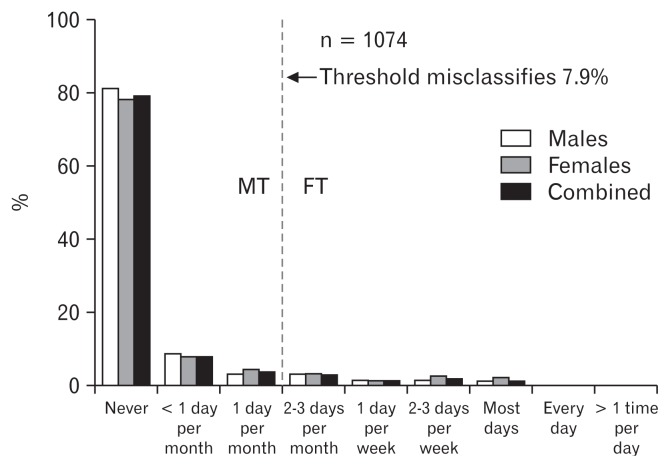
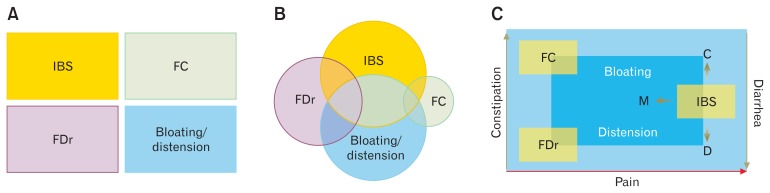
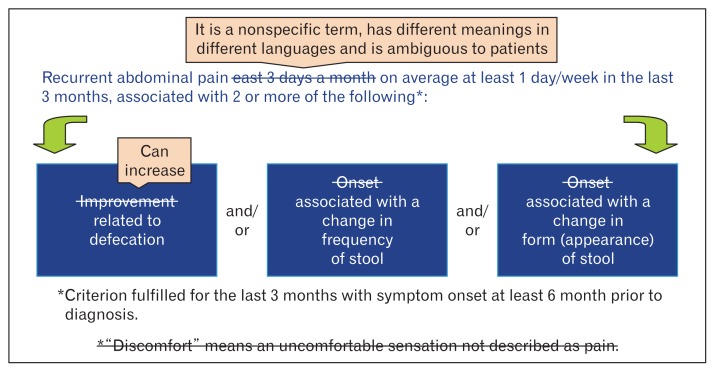
Functional gastrointestinal disorders (FGIDs) are diagnosed and classified using the Rome criteria; the criteria may change over time as new scientific data emerge.The Rome IV was released in May 2016.The aim is to review the main changes in Rome IV.FGIDs are now called disorders of gut-brain interaction (DGBI).Rome IV has a multicultural rather than a Western-culture focus.There are new chapters including multicultural, age-gender-women's health, intestinal microenvironment, biopsychosocial, and centrally mediated disorders.New disorders have been included although not truly FGIDs, but fit the new definition of DGBI including opioidinduced gastrointestinal hyperalgesia, opioid-induced constipation, and cannabinoid hyperemesis.Also, new FGIDs based on available evidence including reflux hypersensitivity and centrally mediated abdominal pain syndrome.Using a normative survey to determine the frequency of normal bowel symptoms in the general population changes in the time frame for diagnosis were introduced.For irritable bowel syndrome (IBS) only pain is required and discomfort was eliminated because it is non-specific, having different meanings in different languages.Pain is now related to bowel movements rather than just improving with bowel movements (ie, can get worse with bowel movement).Functional bowel disorders (functional diarrhea, functional constipation, IBS with predominant diarrhea [IBS-D], IBS with predominant constipation [IBS-C], and IBS with mixed bowel habits) are considered to be on a continuum rather than as independent entities.Clinical applications such as diagnostic algorithms and the Multidimensional Clinical Profile have been updated.The new Rome IV iteration is evidence-based, multicultural oriented and with clinical applications.As new evidence become available, future updates are expected.
Overview
The claims and statistics of this paper haven’t been checked yet.
Free: it reads the open-access text and checks the first 5 claims that cite a source we can check. Create a free account to check every claim.
Integrity signals
Registry
Cites
Statistics
Figures
Verification
Claims the paper makes
The claims and statistics of this paper haven’t been checked yet.
Free: it reads the open-access text and checks the first 5 claims that cite a source we can check. Create a free account to check every claim.
Claims other papers make about this one
Each is checked against this paper’s own text: does it say what the citing paper says it does?
The cited source says what the claim attributes to it.
In the citing paper
“the most recent guidelines suggest that IBS subgroups exist on a spectrum and not as distinct entities (69).”
From Alterations in Heart Rate Variability Associated With Irritable Bowel Syndrome or Inflammatory Bowel Disease: A Systematic Review and Meta-Analysis (2021) · cites this paper as [69]
Self-check
Percentages, sums and reported differences re-computed from the paper’s own numbers.
The self-check needs the paper’s full text.
Citations
Cites
Longstreth, G. F., Thompson, W. G., Chey, W. D., Houghton, L. A., Mearin, F., & Spiller, R. C. (2006) · Gastroenterology · doi:10.1053/j.gastro.2005.11.061 · Cited by 4,856
Lacy, B. E., Mearin, F., Chang, L., Chey, W. D., Lembo, A. J., Simren, M., & Spiller, R. (2016) · Gastroenterology · doi:10.1053/j.gastro.2016.02.031 · Cited by 2,866
Functional Gastrointestinal Disorders: History, Pathophysiology, Clinical Features, and Rome IV
Drossman, D. A. (2016) · Gastroenterology · doi:10.1053/j.gastro.2016.02.032 · Cited by 2,430
Self-citationFunctional Gastroduodenal Disorders
Tack, J., Talley, N. J., Camilleri, M., Holtmann, G., Hu, P., Malagelada, J.-R., & Stanghellini, V. (2006) · Gastroenterology · doi:10.1053/j.gastro.2005.11.059 · Cited by 2,418
Drossman, D. A., Li, Z., Andruzzi, E., Temple, R. D., Talley, N. J., Grant Thompson, W., Whitehead, W. E., Janssens, J., Funch-Jensen, P., Corazziari, E., et al. (1993) · Digestive Diseases and Sciences · doi:10.1007/bf01303162 · Cited by 2,198
Self-citationRome IV—Functional GI Disorders: Disorders of Gut-Brain Interaction
Drossman, D. A., & Hasler, W. L. (2016) · Gastroenterology · doi:10.1053/j.gastro.2016.03.035 · Cited by 1,928 · cited 2×
“Therefore, 28 years after the first Working Team on IBS, and 10 years after the last iteration of the Rome process (Rome III) were published, the Rome IV process and consequently the modified Rome IV classification and criteria have been published in a supplement of Gastroenterology as well as in a collection of books…”
MethodSelf-citationStanghellini, V., Chan, F. K. L., Hasler, W. L., Malagelada, J. R., Suzuki, H., Tack, J., & Talley, N. J. (2016) · Gastroenterology · doi:10.1053/j.gastro.2016.02.011 · Cited by 1,572
Barbara, G., Stanghellini, V., De Giorgio, R., Cremon, C., Cottrell, G. S., Santini, D., Pasquinelli, G., Morselli-Labate, A. M., Grady, E. F., Bunnett, N. W., et al. (2004) · Gastroenterology · doi:10.1053/j.gastro.2003.11.055 · Cited by 1,475
Childhood Functional Gastrointestinal Disorders: Child/Adolescent
Hyams, J. S., Di Lorenzo, C., Saps, M., Shulman, R. J., Staiano, A., & van Tilburg, M. (2016) · Gastroenterology · doi:10.1053/j.gastro.2016.02.015 · Cited by 1,362
Opioids in chronic non-cancer pain: systematic review of efficacy and safety
Kalso, E., Edwards, J. E., Moore, A. R., & McQuay, H. J. (2004) · Pain · doi:10.1016/j.pain.2004.09.019 · Cited by 1,216 · cited 1×
“It has a prevalence of 41% in patients with chronic non-cancer pain, and up to 94% of patients taking opioids for cancer-related pain.(60) Initial treatment of OIC is similar to that of functional constipation including laxatives and lubiprostone has been approved by FDA for patients with OIC in patients with non-canc…”
Background
Research works printed but not linked: 9
- 10.1097/00005176-199007000-00015 · doi:10.1097/00005176-199007000-00015 · Paper page
- Ballard, R (2002). Race, culture and ethnicity. New developments in sociology, Holborn, M, ed. Ormskirk: The Causeway Press
- Quigley, EM, Barbara, G, Feinle-Bisset, C, and The Rome IV Committees (2016). The intestinal microenvironment an functional gastrointestinl disorders. Rome IV functional gastrointestinal disorders – disorders of gut-brain interaction, Drossman, DA, Chang, LC, Kellow, WJ, Tack, J, and Whitehead, WE, ed. Raleigh, NC: The Rome Foundation, pp. 179-247
- Levy, RL, Crowell, MD, Drossman, DA, and The Rome IV Committees (2016). Byopsychosocial aspects of functional gastrointestinl disorders: How central and environmental processes contribute to the development and expression of FGIDs. Rome IV functional gastrointestinal disorders – disorders of gut-brain interaction, Drossman, DA, Chang, LC, Kellow, WJ, Tack, J, and Whitehead, WE, ed. Raleigh, NC: The Rome Foundation, pp. 443-548
- Whorwell, PJ, Keefer, L, Drossman, DA, Guthrie, E, Simrén, M, Tillisch, K, Olden, K, and The Rome IV Committees (2016). Centrally mediated disorders of gastrointestinal pain. Rome IV functional gastrointestinal disorders – disorders of gut-brain interaction, Drossman, DA, Chang, LC, Kellow, WJ, Tack, J, and Whitehead, WE, ed. Raleigh, NC: The Rome Foundation, pp. 1059-1116
- Whitehead, EE, Palsson, OS, MALvT, , Sperber, A, BS, , Tack, J, Walker, LS, YY, , and The Rome IV Committees (2016). Development and validation of the Rome IV diagnostic questionnaires. Rome IV diagnostic questionnaires and tables for investigators and clinicians, Drossman, DA, Chang, LC, Kellow, WJ, Tack, J, and Whitehead, WE, ed. Raleigh, NC: The Rome Foundation, pp. 43-92
- Talley, NJ, Stanghellini, V, Chan, FKL, and The Rome IV Committees (2016). Gastroduodenal Disorders. Rome IV functional gastrointestinal disorders – disorders of gut-brain interaction, Drossman, DA, Chang, LC, Kellow, WJ, Tack, J, and Whitehead, WE, ed. Raleigh, NC: The Rome Foundation, pp. 903-965
- Mearin, F, Lacy, BE, Chang, L, Chey, WD, Lembo, AJ, Simrén, M, Spiller, R, and The Rome IV Committees (2016). Bowel Disorders. Rome IV functional gastrointestinal disorders – disorders of gut-brain interaction, Drossman, DA, Chang, LC, Kellow, WJ, Tack, J, and Whitehead, WE, ed. Raleigh, NC: The Rome Foundation, pp. 967-1057
- 10.1053/j.gastro.2016.02.014 · DOI · Paper page
Cited by
Items 501–600 of 845
Recent advances in the knowledge of the mechanism of reflux hypersensitivity
Ying, L. N., Sun, Y., Cui, L. Y., Zhang, Z. Y., Li, R. F., & Zhang, J. (2024) · Scandinavian Journal of Gastroenterology · doi:10.1080/00365521.2024.2310177 · Cited by 2
“the definition and composition of functional oesophageal diseases have been evolving, and the Rome iv criteria have redefined hypersensitive oesophagus as reflux hypersensitivity (RH) and included it in the category of gut–brain interaction disorders [1] (Figure 1).”
BackgroundA Systematic Review and Meta-Analysis of Kiwifruit’s Impact on Functional Constipation
Cokro, F., Vashti, E., Nurcahyanti, A. D. R., Sumarpo, A., & Malasao, R. (2024) · Biomedical & Pharmacology Journal · doi:10.13005/bpj/2891 · Cited by 2
Aljaaly, E. A., & Khatib, M. A. (2024) · Pakistan Journal of Medical Sciences · doi:10.12669/pjms.40.8.9126 · Cited by 2
“11,12 In 2016, the Rome IV replaced its predecessor, the Rome III.”
BackgroundPhysical and psychological symptoms and survey importance in celiac disease
Ciaccio, E. J., Lee, A. R., Lebovits, J., Wolf, R. L., & Lewis, S. K. (2024) · World Journal of Gastrointestinal Endoscopy · doi:10.4253/wjge.v16.i12.632 · Cited by 2
Neurogastroenterology and motility disorders in patients with cirrhosis
Idalsoaga, F. J., Ayares, G., Blaney, H. L., Cabrera, D., Javier Chahuán, A., Monrroy, H., Matar, A., Halawi, H., Arrese, M. A., Arab, J. P., et al. (2025) · Hepatology Communications · doi:10.1097/hc9.0000000000000622 · Cited by 4
“[1,2] These disorders of the gut-brain interaction (DGBI) are highly prevalent in the general population, affecting up to 40% of individuals worldwide.”
Hashimoto, A., Morioka, Y., Wada, S., Koretaka, Y., & Sonohata, M. (2025) · Scientific Reports · doi:10.1038/s41598-025-01770-0 · Cited by 2
Balmuș, I.-M., Ciobica, A. S., Cojocariu, R. O., Gorgan, L., Stanciu, C., & Trifan, A. V. (2019) · E-Health and Bioengineering Conference (EHB) · doi:10.1109/ehb47216.2019.8970036 · Cited by 2
“Also extensive studies in animal research, including our group’s previous work [2,3], showed that stress is significantly implicated in functional gastrointestinal disorders such as irritable bowel syndrome (IBS), which can be defined as a chronic condition in which cramping, abdominal pain, bloating, gas, and diarrho…”
BackgroundGenetic studies in irritable bowel syndrome-status quo
Popa, S., Dumitrascu, D. L., Vulturar, R., & Niesler, B. (2018) · World Journal of Meta-Analysis · doi:10.13105/wjma.v6.i1.1 · Cited by 2
Zheng, S., Gong, H., Wang, Y.-P., Zhang, Q., Wang, L., Liao, X.-F., Dai-wen, H., & Wu, J. (2018) · BMC Gastroenterology · doi:10.1186/s12876-018-0845-4 · Cited by 3
“These results with IBS of Rome IV diagnosis indexes are mainly composed of the ‘abdominal pain’ in matches [27, 28].”
Bowel Management: Constipation, Obstruction, Diarrhea, and Ascites
Mooney, S. N., Patel, P. R., & Buga, S. (2019) · Oxford University Press eBooks · doi:10.1093/med/9780190862374.003.0014 · Cited by 4
Functional Aerophagia in a Pediatric Patient with Abdominal Distension
İnanç, İ., & Başaran, Ü. N. (2019) · Balkan Medical Journal · doi:10.4274/balkanmedj.galenos.2019.2019.6.66 · Cited by 2
“Notably, the symptoms should be present for at least 2 months and cannot be explained by another medical condition (2).”
BackgroundDisorders of gut–brain interaction and the long-term risks of opioids
Sahota, S., & Fortun, P. (2019) · British Journal of Hospital Medicine · doi:10.12968/hmed.2019.80.10.c150 · Cited by 2
Gastrointestinal disorders-induced pain
Singhal, M., Arora, V., & Im, H. (2019) · Gene Reports · doi:10.1016/j.genrep.2019.100580 · Cited by 2
Adverse Drug Effects Involving the Gastrointestinal System (Pharmacist Perspective)
Goriacko, P., & Veltri, K. T. (2019) · Springer eBooks · doi:10.1007/978-3-319-90761-1_10-1 · Cited by 2
Omagari, K., Kumamoto, R., Koyama, Y., Suzuta, M., Taniguchu, A., Fukuda, A., Iwami, M., Koba, K., Kawaguchi, A., & Otsuka, K. (2020) · OBM Hepatology and Gastroenterology · doi:10.21926/obm.hg.2002048 · Cited by 2
Snisarevskyi, P. P. (2021) · Wiadomości Lekarskie · doi:10.36740/wlek202103101 · Cited by 2
Ilie, O., Boloș, A., Nita, I.-B., Cojocariu, R.-O., Balmuș, I.-M., Ciobica, A., Trus, C., & Doroftei, B. (2021) · The Journal of Nervous and Mental Disease · doi:10.1097/nmd.0000000000001445 · Cited by 2
“Schmulson and Drossman (2017) updated the ROME IV criteria by replacing two parameters with another two that are more appropriate: more precisely, “last month” has been replaced with “more than or equal to 1 day/wk in the last 3 months” for pain occurrence, whereas the “abdominal discomfort”…”
BackgroundBecheanu, C. A., Smadeanu, R. E., & Ţincu, I. F. (2021) · Processes · doi:10.3390/pr9122157 · Cited by 4
Chronic nausea and vomiting: a diagnostic approach
Niriella, M. A., Jayasena, H., Withanage, M., Devanarayana, N. M., & Silva, A. P. D. (2022) · Expert Review of Gastroenterology & Hepatology · doi:10.1080/17474124.2022.2056016 · Cited by 3
“PDS, on the other hand, is defined as having one or both of the following symptoms (at least 3 days of the week): 1: bothersome postprandial fullness (severe enough to impact on usual activities) and 2. bothersome early satiety (severe enough to prevent finishing a regular size meal).”
BackgroundInfluentialEffect of berberine on irritable bowel syndrome: A symptom-based review
Başhan, İ. (2022) · International Journal of Plant Based Pharmaceuticals · doi:10.55484/ijpbp.1084455 · Cited by 2
Bonthi, N., Halland, M., & Katzka, D. A. (2019) · Springer eBooks · doi:10.1007/978-3-030-01117-8_9 · Cited by 2
Current Prospects of Rome Criteria for the Diagnosis of Irritable Bowel Syndrome
Shammout, R. Z., & Ahmad, M. N. (2022) · Jordan Journal of Agricultural Sciences · doi:10.35516/jjas.v18i1.105 · Cited by 2
“Firstly, in Rome IV, the word onset is removed compared to Rome II and III, as the onset of abdominal pain is not concurring with a change in stool frequency or form in all patients (Schmulson and Drossman, 2017).”
BackgroundMethodInfluentialParipati, N., Dugan, C., Nesi, L., Mone, A., Patel, S., Gaughan, J. P., DeSipio, J., & Phadtare, S. (2022) · Clinical Nutrition Open Science · doi:10.1016/j.nutos.2022.10.001 · Cited by 2
Gurram, B. (2022) · Elsevier eBooks · doi:10.1016/b978-0-323-76174-1.00014-6 · Cited by 2
Telehealth for Pediatric Disorders of Gut‐Brain Interaction During the COVID‐19 Pandemic
Winnick, J. B., Chancey, L. P., Buzenski, J., Sukumar, K., Focht, D. R., Kuhn, B. R., Tabani, S., Zahka, N. E., & Williams, S. E. (2022) · Journal of Pediatric Gastroenterology and Nutrition · doi:10.1097/mpg.0000000000003687 · Cited by 2
Gaus, O. V., & Livzan, M. A. (2023) · Russian Journal of Gastroenterology Hepatology Coloproctology · doi:10.22416/1382-4376-2023-33-2-34-44 · Cited by 2
“Irritable bowel syndrome (IBS) is one of the most common functional gastrointestinal disorders (FGID), which is characterized by recurrent abdominal pain associated with disruption of the usual bowel activity, with the exclusion of other causes that can explain these symptoms [1, 2].”
BackgroundPrevalence of Isolated Irritable Bowel Syndrome Among Adults in the Kingdom of Bahrain
Alawi, Z. S., AlMakna, W., Hassan, F., Faisal, M., Matar, H., & Alsayyad, A. (2024) · Cureus · doi:10.7759/cureus.56155 · Cited by 5
“The criteria should have been met in the last three months, and the symptoms should have begun at least six months before diagnosis [4].”
BackgroundChallenges to Unravel Mechanisms of GERD
Shimoyama, S. (2019) · IntechOpen eBooks · doi:10.5772/intechopen.80793 · Cited by 1
Şirin, S. (2019) · Akademik Gastroenteroloji Dergisi · doi:10.17941/agd.617103 · Cited by 1
Gastrointestinal Disorders: Inflammatory Bowel Disease and Irritable Bowel Syndrome
Graff, L. A., & Lackner, J. M. (2021) · Elsevier eBooks · doi:10.1016/b978-0-12-818697-8.00118-7 · Cited by 1
Фоменко, О. Ю., Порядин, Г. В., Morozov, S. V., Salmasi, J. M., Кашников, В. Н., Бирюков, О. М., Козлов, В. А., Reutova, A. A., Румянцев, А. С., & Белоусова, С. В. (2021) · Zhurnal «Patologicheskaia fiziologiia i eksperimental`naia terapiia» · doi:10.25557/0031-2991.2021.02.44-52 · Cited by 1
Efficacy of Peppermint Oil in Irritable Bowel Syndrome
Dehury, S., Das, H. S., Patra, A., & Pradhan, R. (2022) · Journal of Medical Sciences and Health · doi:10.46347/jmsh.v8i1.21.7 · Cited by 1
Abdullah, N., Kueh, Y. C., Kuan, G., Yahaya, F. H., & Lee, Y. Y. (2022) · Malaysian Journal of Medical Sciences · doi:10.21315/mjms2022.29.6.8 · Cited by 2
Lancsek, L., Faber, S. M., Rutledge, C., Maduro, R. S., Morgan, M. K., & Zimbro, K. S. (2023) · Journal of Nursing Care Quality · doi:10.1097/ncq.0000000000000725 · Cited by 1
“The Rome IV criteria 19 were used to diagnose IBS and guide treatment options.”
MethodSindrome do intestino irritável pós-COVID-19: uma revisão integrativa
SILVA, J. T. C., & Neto, O. C. L. D. F. (2023) · Revista do Colégio Brasileiro de Cirurgiões · doi:10.1590/0100-6991e-20233618 · Cited by 1
Assessment of pain intensity and methods of its relief in patients with irritable bowel syndrome
Anokhina, H. A., Харченко, В. В., Korulia, I. A., & Lopukh, I. Y. (2023) · Modern Gastroenterology · doi:10.30978/mg-2023-6-5 · Cited by 1
Position of an expert panel on diagnosis of treatment of irritable bowel syndrome
Babicki, M., Mastalerz–Migas, A., Stolarczyk, M., Waśko−Czopnik, D., & Wichniak, A. (2023) · Family Medicine & Primary Care Review · doi:10.5114/fmpcr.2023.132973 · Cited by 1
A bibliometric analysis of interstitial cells of Cajal research
Li, P., Xiao, Y., Zhou, L., Zhang, X., Xu, Y., Wang, X., Zou, M., & Guo, X. (2024) · Frontiers in Medicine · doi:10.3389/fmed.2024.1391545 · Cited by 1
Ayurvedic management of IBS - A Case Study
Kumari, R., Devarsh, U., & Sharma, M. M. (2024) · Journal of Ayurveda and Integrated Medical Sciences · doi:10.21760/jaims.9.4.50 · Cited by 1
Graham, E., McKeen, S., Lewis, E. D., Evans, M., Li, Z., Henning, S. M., Jopson, N., Gu, J. L., & Rosendale, D. (2024) · Bioactive Carbohydrates and Dietary Fibre · doi:10.1016/j.bcdf.2024.100436 · Cited by 1
Rana, A., Dourlain, J., Miccio, R., Silliman-Cohen, T., Evans, J., Rosoff-Verbit, Z., Erlichman, J., Wang, X., Mascarenhas, M. R., & Benitez, A. (2024) · International Journal of Therapeutic Massage & Bodywork Research Education & Practice · doi:10.3822/ijtmb.v17i4.1035 · Cited by 1
A review of recent developments in the imaging of disorders of gut-brain interaction
Manabe, N., Wada, M., Takeda, T., Bukeo, E., Tsuru, H., Hojo, M., Fujita, M., Ihara, E., Nagahara, A., & Kamiya, T. (2025) · Journal of Smooth Muscle Research · doi:10.1540/jsmr.61.11 · Cited by 1
Taheri, E., Nasri, P., Famori, F., Khademian, M., Saneian, H., Arman, S., Kelishadi, R., & Jalali, A. K. (2025) · Advanced Biomedical Research · doi:10.4103/abr.abr_465_23 · Cited by 1
“[22] All participants signed informed consent.”
Eypasch, E. P., Ebner, M., & Leers, J. M. (2025) · Visceral Medicine · doi:10.1159/000545089 · Cited by 1
“The latter disorders are part of the Rome IV Classi-fi cation of functional disorders meaning disorders without a clearly identi fi able pathophysiological correlation [8].”
Desai, B., & Person, H. (2025) · Advances in Pediatrics · doi:10.1016/j.yapd.2025.03.002 · Cited by 1
Bhattacharya, R., Pratima, K., Preeti, & Ambedkar, S. N. (2025) · Journal of Family Medicine and Primary Care · doi:10.4103/jfmpc.jfmpc_1196_23 · Cited by 1
“[3] Patients with IBS are twice as likely to suffer from non‑gastrointestinal somatic symptoms.”
Madva, E. N., Huffman, J. C., Castillo, C., Harnedy, L. E., Franklin, T., Song, M., Murray, H. B., Healy, B. C., Staller, K. D., Bartels, S., et al. (2025) · Neurogastroenterology & Motility · doi:10.1111/nmo.70146 · Cited by 2
Lim, Y.-S., Son, C., Lee, J.-H., Yang, S., Park, D., Rho, G.-H., Choi, G.-H., & Choi, S.-H. (2025) · Healthcare · doi:10.3390/healthcare13182307 · Cited by 3
Pathogenesis and treatment of irritable bowel syndrome
Jaworowska, A., Dudzińska, E., Zagórska, J., & Koch, W. (2025) · Medical Studies · doi:10.5114/ms.2025.154432 · Cited by 1
Darma, A., Nesa, N. N. M., Sumitro, K. R., Rokhayati, E., Budiyanto, Tallo, K. T., Ariyanti, N. R., Retnaningtyas, L. P., Febryani, D. D. S. M., Malino, I. Y., et al. (2025) · Pediatric Gastroenterology Hepatology & Nutrition · doi:10.5223/pghn.2025.28.5.302 · Cited by 1
“…functional gastrointestinal disorders (FGIDs), are a group of disorders classified by gastrointestinal (GI) symptoms related to any combination of motility disturbances, visceral hypersensitivity, altered mucosal and immune function, gut microbiota, and/or central nervous system processing [1,2].”
Recent advances in diagnosis and management of gastrointestinal disorders
Verma, A., Aparna, Mittal, N., & Malik, A. (2025) · Elsevier eBooks · doi:10.1016/b978-0-443-36372-6.00003-3 · Cited by 1
Laxative use and chronic diarrhoea in older adults living in residential care
O’Brien, L., Wall, C. L., WILKINSON, T. J., Frampton, C., & Gearry, R. B. (2025) · Nutrition & Dietetics · doi:10.1111/1747-0080.70060 · Cited by 1
Lam, E., Ng, W. L., Huang, F., Choi, H. Y., Chan, L. C., Lau, C. T., Ma, T., Ferreira, P. H., Samartzis, D., Karppinen, J. I., et al. (2026) · European Spine Journal · doi:10.1007/s00586-025-09679-y · Cited by 1
“…which define constipa - tion as having at least 25% of bowel movements with Bris-tol stool types 1 or 2 (hard/lumpy stool), less than 25% with Bristol stool types 6 or 7 (fluffy/watery stool), symptoms persisting for at least 3 months, and recurrent abdominal pain at least 1 day per week [28 ].”
Farnesol, the farnesol pathway, and the immune-gut-brain axis
Gates, M., Schumacher, S. M., Doyle, W. J., Sofaly, N., Roullet, J.-B. O., & Ochoa‐Repáraz, J. (2026) · Frontiers in Pharmacology · doi:10.3389/fphar.2026.1718322 · Cited by 1
Peters, L., Matysiak, A., Hübener, S., Lohse, A. W., Löwe, B., & Maehder, K. (2026) · General Hospital Psychiatry · doi:10.1016/j.genhosppsych.2026.03.004 · Cited by 1
Morioka, Y., Hashimoto, A., Koretaka, Y., Wada, S., Sonohata, M., & Drewes, A. M. (2026) · Scientific Reports · doi:10.1038/s41598-026-45169-x · Cited by 1
“The prevalence of constipation symptoms on day 14 was evaluated based on Rome IV diagnostic criteria for OIC 13,14 .”
Ajabnoor, S. M., & Tashkandi, L. (2026) · Saudi Journal of Gastroenterology · doi:10.4103/sjg.sjg_454_25 · Cited by 1
“[9] A comprehensive clinical assessment—comprising medical, surgical, dietary, and psychological history—is essential, with the absence of alarm features such as anemia, rectal bleeding, unintentional weight loss, or a family history of colorectal cancer supporting IBS diagnosis.”
Li, Q., Mo, J., Chen, H.-Q., Chen, M., Ni, X., He, Z., Ou, B.-X., Fang, X.-C., & Yang, X. (2026) · Frontiers in Medicine · doi:10.3389/fmed.2026.1779402 · Cited by 1
Veldman, F., Innocenti, F., Aziz, I., Fikree, A., Bangdiwala, S. I., Pálsson, Ó., Sperber, A. D., & Keszthelyi, D. (2026) · Alimentary Pharmacology & Therapeutics · doi:10.1111/apt.70756 · Cited by 1
Biotic therapies for irritable bowel syndrome: current interventions
Wodarczyk, G., Winte, M. F., Mastellone, D., Singh, T., DeSipio, J., & Phadtare, S. (2026) · Gastroenterology report · doi:10.1093/gastro/goag062 · Cited by 1
Justribó-Manion, C., de Oliveira, J. B. M., van der Meer, H. A., da Silva, J. B., Álvarez, G., Mesa-Jiménez, J. A., Escobar, J. C. Z., Dennett, L., Serrallonga-Bosch, M., & Armijo-Olivo, S. L. (2026) · Dental and Medical Problems · doi:10.17219/dmp/214902 · Cited by 2
An international continence Society (ICS) report on the terminology for male anorectal dysfunction
Schizas, A. M. P., Hainsworth, A. J., Albuquerque, A., Haylen, B. T., Johannessen, H. H., Igualada‐Martinez, P., Ong, E., Santoro, G. A., & Stordahl, A. (2026) · Continence · doi:10.1016/j.cont.2026.102824 · Cited by 2
The Emerging Role of Microbiome–Gut–Brain Axis in Functional Gastrointestinal Disorders
Skonieczna‐Żydecka, K., Łoniewski, I., Koulaouzidis, A., & Marlicz, W. M. (2019) · Elsevier eBooks · doi:10.1016/b978-0-12-815249-2.00026-9 · Cited by 1
Peripheral and Central Mechanisms in Irritable Bowel Syndrome : in search of links
Bednarska, O. (2019) · Linköping University medical dissertations · doi:10.3384/diss.diva-156669 · Cited by 2
Al.qarni, A., Almutairi, M., Bamatraf, M., Alharbi, R. I., & Alsulami, S. (2019) · American journal of nursing research · doi:10.12691/ajnr-7-5-2 · Cited by 1
Assessment and Management of Constipation in Older Adults
Keilman, L. J., & Dontje, K. (2021) · Advances in Family Practice Nursing · doi:10.1016/j.yfpn.2021.01.003 · Cited by 1
Treatments for intractable constipation in childhood
Gordon, M. A., Grafton‐Clarke, C., Rajindrajith, S., Benninga, M. A., Sinopoulou, V., & Akobeng, A. K. (2021) · Cochrane Database of Systematic Reviews · doi:10.1002/14651858.cd014580 · Cited by 1
Factors Predicting Failure in Anorectal Biofeedback
David, L., Farcău, D., Dumitrascu, D. L., & Dumitraşcu, D. I. (2018) · InTech eBooks · doi:10.5772/intechopen.76374 · Cited by 1
Keto, Y., & Kosako, M. (2019) · Folia Pharmacologica Japonica · doi:10.1254/fpj.153.289 · Cited by 1
Ali, A. I., Ibrahim, A.-S. M., Farrag, G. A.-E. A., & Ali, A. A.-A. (2019) · Al-Azhar Medical Journal · doi:10.21608/amj.2019.56681 · Cited by 1
Lee, H. S. (2020) · Journal of Neurogastroenterology and Motility · doi:10.5056/jnm19228 · Cited by 1
Ustaoğlu, T., Tek, N. A., & Yıldırım, A. E. (2019) · Journal of Nutrition and Dietetics · doi:10.33076/2020.bdd.1238 · Cited by 5
“5] at baseline, and median values of the same scales were 120 [0-375], 9 [0-16], 6 [1-13] and 75.”
BackgroundInfluentialMarchi, D. D., Panozzo, M. P., Antico, A., & Tozzoli, R. (2020) · La Rivista Italiana della Medicina di Laboratorio - Italian Journal of Laboratory Medicine · doi:10.23736/s1825-859x.19.00036-7 · Cited by 1
Functional gastrointestinal disorders and pain
Lukáš, K. (2019) · Vnitřní lékařství · doi:10.36290/vnl.2019.117 · Cited by 1
Case Report of 62 Cases of Dyspepsia Classified by Symptom Types
Ha, Y.-B., & Shin, G.-C. (2020) · The Journal of Internal Korean Medicine · doi:10.22246/jikm.2020.41.5.734 · Cited by 1
Niveles séricos y fecales de plomo en niños con distintos trastornos digestivos funcionales
Sevinç, N., Bilici, N., Sevinç, E., & Doğan, E. (2021) · Anales de Pediatría · doi:10.1016/j.anpedi.2020.07.033 · Cited by 1
Chronic Abdominal Pain of Childhood and Adolescence
Lu, P. L., & Saps, M. (2021) · Elsevier eBooks · doi:10.1016/b978-0-323-67293-1.00006-2 · Cited by 1
Association between ABO Blood Groups and Severity of Dyspepsia in Gunungsitoli, Indonesia
Yulizal, O., Siregar, G. A., Zain, L. H., & Dairi, L. B. (2021) · Acta Medica Philippina · doi:10.47895/amp.vi0.1492 · Cited by 1
Prevalence and distribution of pain in children
Stevens, B., & Zempsky, W. T. (2021) · Oxford University Press eBooks · doi:10.1093/med/9780198818762.003.0002 · Cited by 3
Shakernejad, S., Khalatbari, J., & Alilou, M. M. (2021) · Journal of Holistic Nursing and Midwifery · doi:10.32598/jhnm.31.4.2166 · Cited by 1
Chronic constipation: modern view on the problem. A review
Leshchyshyn, I. M., Susak, Y. M., Okhotska, O. I., Byk, P. L., Markulan, L. Y., & Панчук, О. В. (2021) · General Surgery · doi:10.30978/gs-2021-1-67 · Cited by 2
“The authors suggest the application of the 25 % rule (a symptom present in 25 % of stool movements) to all symptoms to facilitate the use of the criteria in the clinical setting [61, 75, 78, 90].”
BackgroundMethodApproach to the Child with a Functional Gastrointestinal Disorder
Hyman, P. E., & Santucci, N. R. (2021) · Elsevier eBooks · doi:10.1016/b978-0-323-67293-1.00007-4 · Cited by 1
Estrogen-gut microbiota interactions and irritable bowel syndrome
Jiang, F.-R., Hang, L., Zhou, Y., Feng, Y., & Yuan, J. (2022) · World Chinese Journal of Digestology · doi:10.11569/wcjd.v30.i12.511 · Cited by 1
Research Status of Acupuncture Therapy for Diarrheal-Type Irritable Bowel Syndrome
曾, 凯. (2022) · Traditional Chinese Medicine · doi:10.12677/tcm.2022.113075 · Cited by 1
Screening for gastrointestinal and pancreatic diseases
Johnson, L. M. (2022) · Advances in clinical chemistry · doi:10.1016/bs.acc.2021.09.008 · Cited by 1
Yetişkin Bireylerde Bağırsak Hastalıkları Sıklığının Belirlenmesi
Dengiz, K. S., Hisar, F., Cingil, D., & Saçıkara, Z. (2022) · Hemşirelik Bilimi Dergisi · doi:10.54189/hbd.1113658 · Cited by 1
Same hit, different gut punches
Kulkarni, S. (2022) · The Journal of Physiology · doi:10.1113/jp283624 · Cited by 1
“Disorders of gut–brain interaction (DGBI) afflict large numbers of people and are associated with gut dysfunctions including gastrointestinal dysmotility and altered stool frequency (Schmulson & Drossman, 2017).”
BackgroundPathophysiology and Clinical Evaluation of Chronic Pelvic Pain
De, E., & Mogica, J. A. P. (2023) · Springer eBooks · doi:10.1007/978-3-030-71112-2_53-1 · Cited by 1
Piza, L. A., Cárdenas-Oña, M., Vásquez-Ojeda, X. P., Miranda, C. V. A., Rosas, E. L., Cuba, F. S., & Espinoza‐Ríos, J. (2023) · Revista de Gastroenterología del Perú · doi:10.47892/rgp.2023.433.1498 · Cited by 1
“Both are diagnosed using the Rome IV criteria; an international consensus that represents an effort to establish, based on updated scientific evidence, diagnostic criteria for functional gastrointestinal disorders also known as alterations of the brain-gut axis (18) .”
MethodGastrointestinal Autonomic Disorders
Bassi, A., Bossa, M., D’Alba, L., Greco, C., Casini, A., Pellicano, C., Simonelli, M., & Zampatti, S. (2023) · Springer eBooks · doi:10.1007/978-3-031-43036-7_8 · Cited by 3
Sacral Nerve Stimulation: Choices vs Non-surgical Care for Fecal Incontinence
Allen, W. E., Jones, A., Simon, H. L., & Farmer, R. W. (2023) · Difficult decisions in surgery: an evidence-based approach · doi:10.1007/978-3-031-42303-1_43 · Cited by 1
Ventral mesh rectopexy. Does a descending perineum impact functional results and quality of life?
Al-Nejar, A., den Broeck, S. V., Smets, Q., Plaeke, P., Spinhoven, M. J., Hubens, G., & Komen, N. (2024) · Langenbeck s Archives of Surgery · doi:10.1007/s00423-024-03236-9 · Cited by 1
“The Rome IV criteria were updated in 2016 and are internationally recognized for the diagnosis of functional gastrointestinal disorders [17].”
Characteristics of constipation screening and assessment tools: a scoping review protocol
Odgaard, L., Rasmussen, A. A., Feo, R., & Kristensen, P. K. (2024) · BMJ Open · doi:10.1136/bmjopen-2023-076978 · Cited by 1
Soheilipour, M., Chermahini, T. G., Tamizifar, B., Kassaian, N., Khorasani, M. R., & Adibi, P. (2024) · Advanced Biomedical Research · doi:10.4103/abr.abr_369_23 · Cited by 1
Fomenko, O. Y., Morozov, S. V., Кашников, В. Н., Mudrov, A. A., Белоусова, С. В., Nekrasov, M. A., & Иванович, А. С. (2024) · Medical alphabet · doi:10.33667/2078-5631-2024-15-44-50 · Cited by 1
Biloshytsky, V. V., & Romanukha, D. M. (2024) · Ukrainian Neurosurgical Journal · doi:10.25305/unj.301385 · Cited by 1
“This can be a debilitating disorder characterized by constant or frequently recurring abdominal pain lasting at least six months, with some loss of daily functioning [13].”
BackgroundPain in the epigastral area: current aspects of differential diagnosis
Трухан, Д. И., & Тарасова, Л. В. (2024) · Meditsinskiy sovet = Medical Council · doi:10.21518/ms2024-365 · Cited by 1
Vitamin D and Irritable Bowel Syndrome
Qiyas, S. A., Saleh, S. T., & Papandreou, D. (2024) · doi:10.2174/9789815305333124010008 · Cited by 1
Risk factors of functional dyspepsia, gastrointestinal reflux disease and non-erosive reflux disease
Malik, A., Din, R. U., Asif, M., Naeem, I., Habib, A., & Khan, A. (2024) · Scripta Medica · doi:10.5937/scriptamed55-53327 · Cited by 1
Novel Insights into Pathophysiology and Treatment of Functional Dyspepsia Management
Kim, S. H. (2025) · Korean Journal of Gastroenterology · doi:10.4166/kjg.2025.024 · Cited by 2
Metadata
- Authors
- Schmulson, M. J., & Drossman, D. A.
- Affiliations
- Hospital General de México (MX)
- University of North Carolina at Chapel Hill (US)
- Corresponding author
- Schmulson, Max J
- Venue
- Journal of Neurogastroenterology and Motility
- Published
- 2017-04-30
- Volume
- 23
- Issue
- 2
- Pages
- 151-163
- ISSN
- 2093-0879 (ISSN-L)
- 2093-0887
- PMC
- PMC5383110
- OpenAlex
- W2594572760
- Cited by
- 788
- References
- 68
- Citations by year
- 2026: 57 · 2025: 88 · 2024: 108 · 2023: 104 · 2022: 100 · 2021: 120 · 2020: 80 · 2019: 74 · 2018: 46 · 2017: 9
- FWCI
- 9.65
- Type
- journal article
- Language
- en
- Open access
- diamond
- doi.org
- Licence
- cc-by-nc
- Locations
- Journal of Neurogastroenterology and Motility (publishedVersion, cc-by-nc)
- PubMed Central (publishedVersion, cc-by-nc)
- PubMed (publishedVersion)
- Carolina Digital Repository (University of North Carolina at Chapel Hill) (submittedVersion)
- UNC Libraries
- Topics
- Health Sciences › Medicine › Gastroenterology › Gastrointestinal motility and disorders
- Health Sciences › Medicine › Gastroenterology › Gastroesophageal reflux and treatments
- Health Sciences › Medicine › Urology › Pelvic floor disorders treatments
- Keywords
- Rome IV criteria, functional gastrointestinal disorders, irritable bowel syndrome, functional bowel disorders, opioid-induced constipation, cannabinoid hyperemesis syndrome, reflux hypersensitivity, diagnostic algorithm, biopsychosocial model, intestinal microenvironment
About these checks
Registry, retraction, Cites and statistics results are computed, not judged, with one exception: a printed reference that no index lists is read once by a model before it counts as a citation error. Claims are extracted by a model and kept only when their quote appears verbatim in the text; each cited source is then checked, with a model’s help, for whether it says what the claim relies on. Those verdicts can be wrong — read the claim’s quote and the cited source before relying on one.
Statistics and arithmetic are recomputed, not judged.
Confidence bands are shown only for fields calibrated on our annotated test set. None is calibrated yet, so no band is shown.
What counts as a claim ›How we measure confidence ›How we check this ›
Are you an author, or do you see a problem with this page? Request a review
Data sources
Bibliographic data: Semantic Scholar, OpenAlex, Crossref.
Contains information from the Semantic Scholar Academic Graph Datasets, made available under the ODC Attribution License (ODC-BY 1.0).
Semantic Scholar’s data is described in: Kinney, R., et al. (2023). The Semantic Scholar Open Data Platform. arXiv:2301.10140.
