

The DOI matches its Crossref record; 60 of the 60 references it cites were found in a registry or an index.
Mechanism of ubiquitin ligation and lysine prioritization by a HECT E3
Open accessAbstract
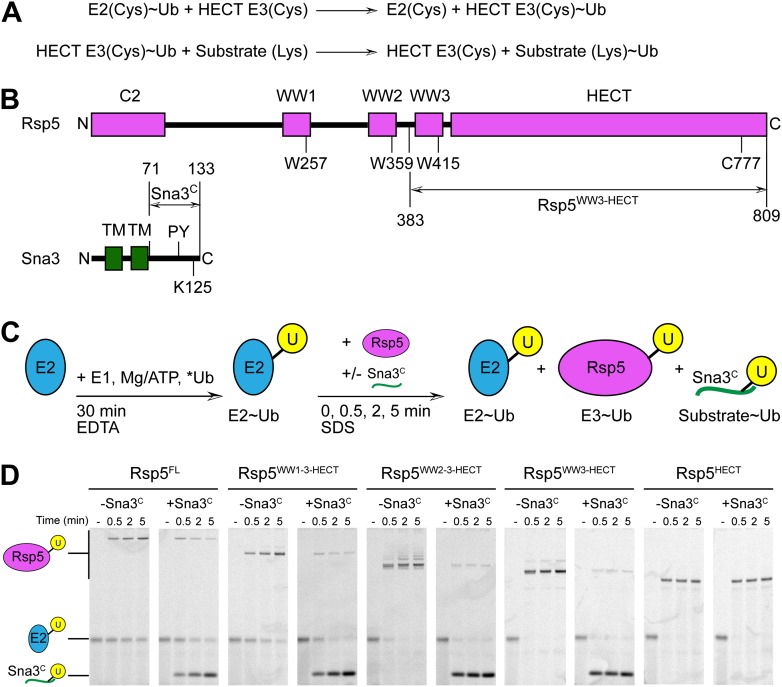
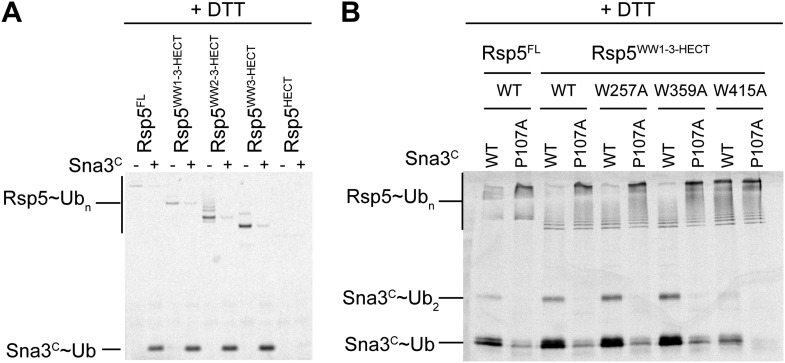
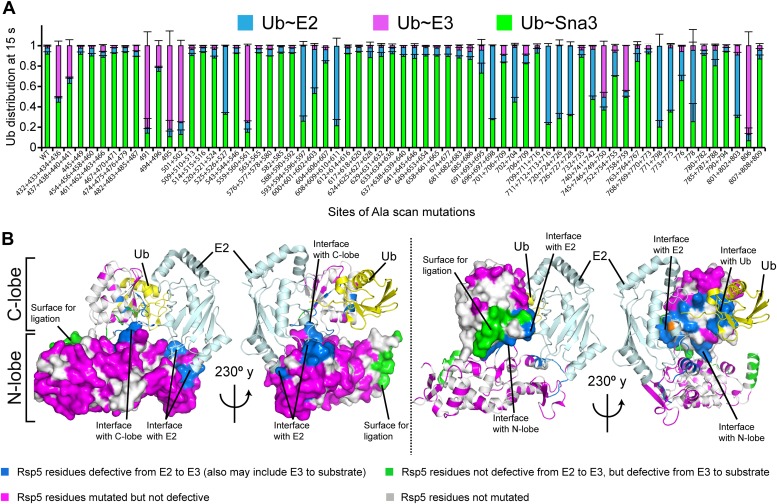
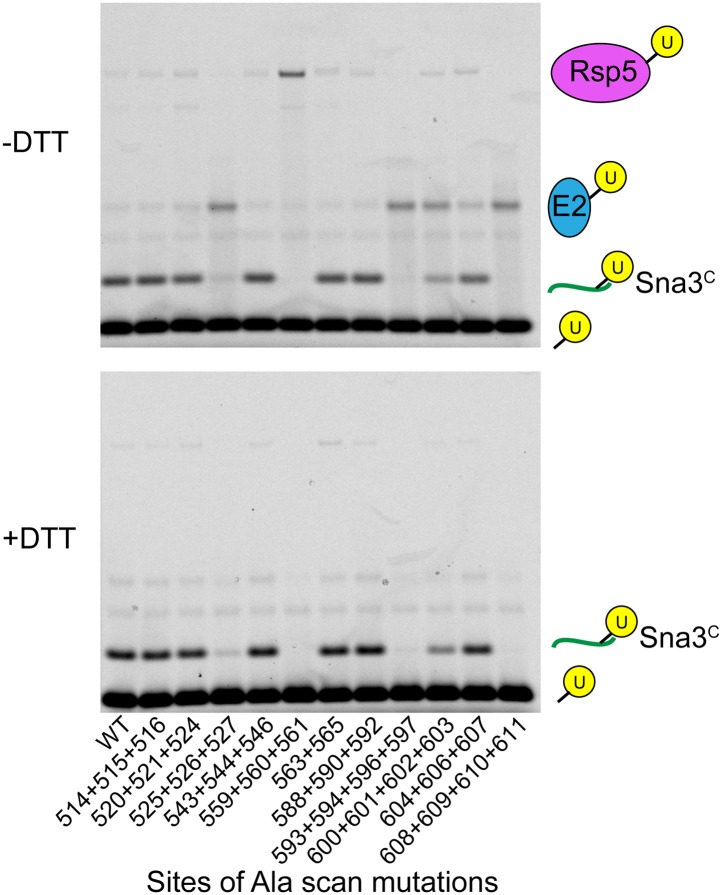
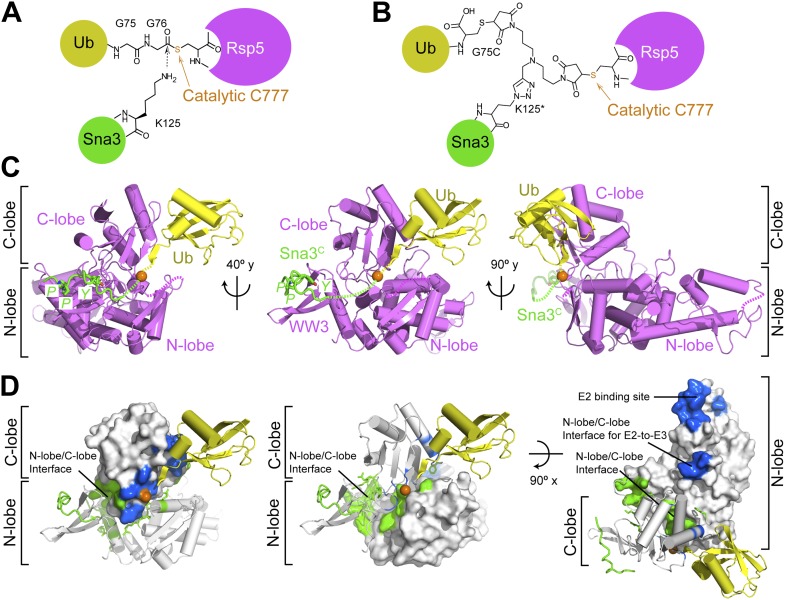
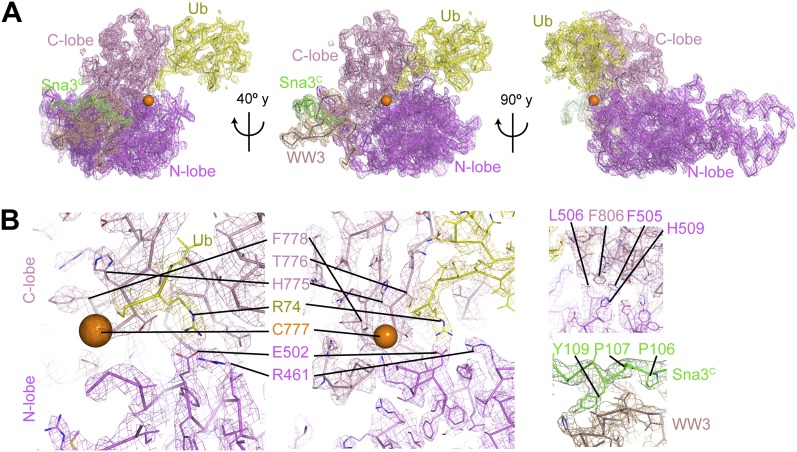
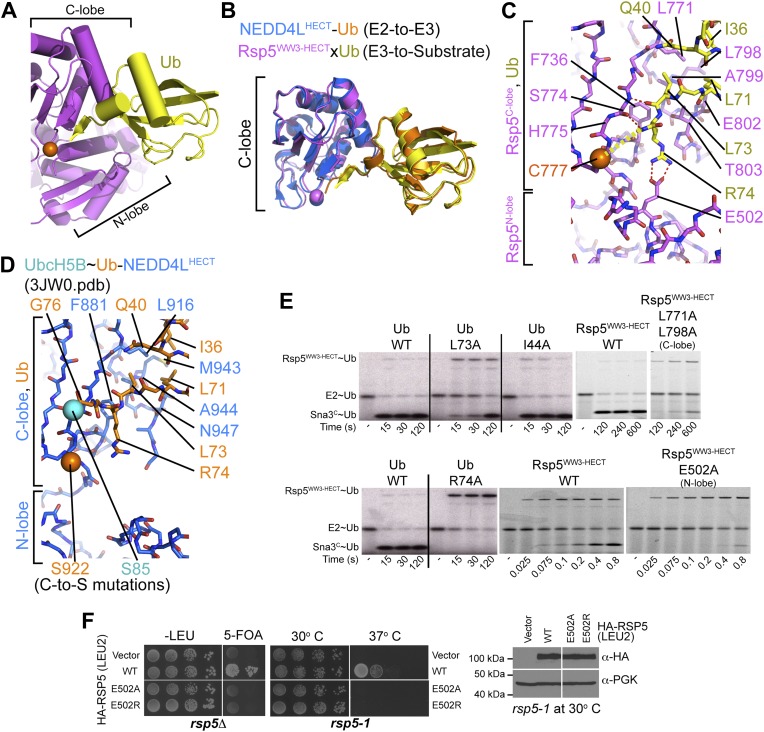
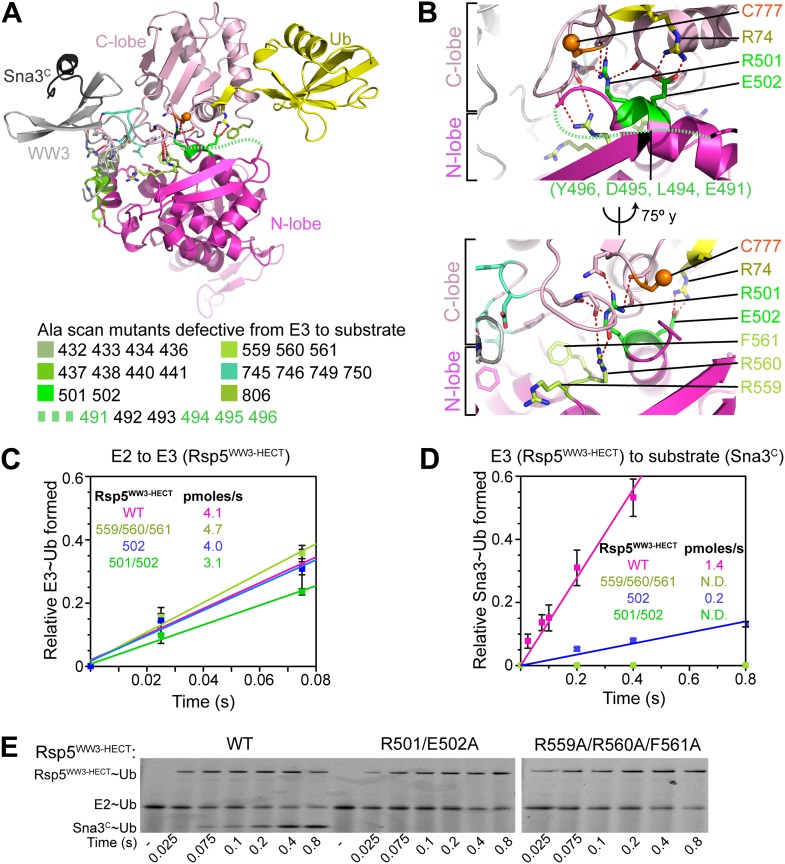
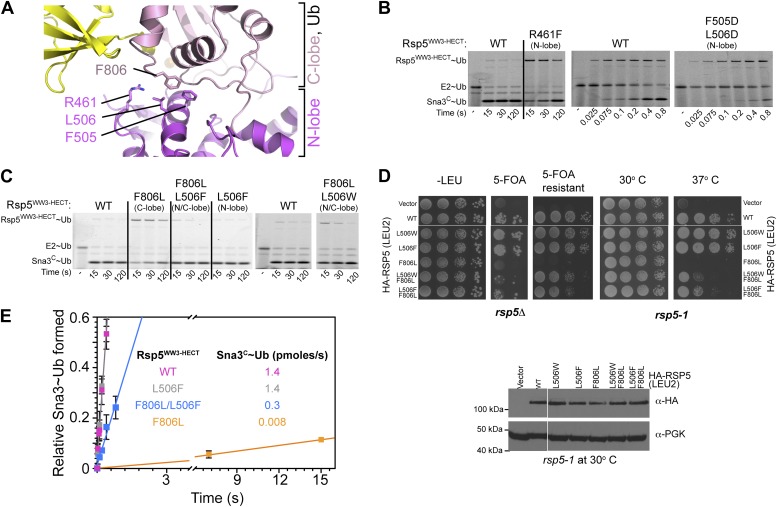
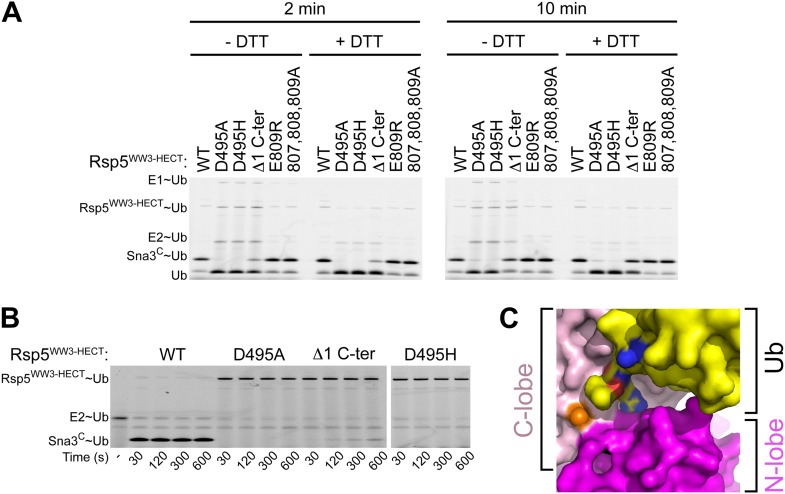
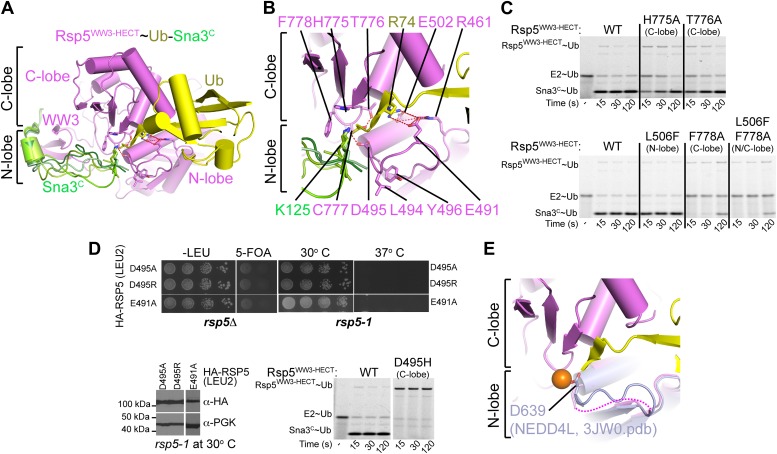
Ubiquitination by HECT E3 enzymes regulates myriad processes, including tumor suppression, transcription, protein trafficking, and degradation. HECT E3s use a two-step mechanism to ligate ubiquitin to target proteins. The first step is guided by interactions between the catalytic HECT domain and the E2∼ubiquitin intermediate, which promote formation of a transient, thioester-bonded HECT∼ubiquitin intermediate. Here we report that the second step of ligation is mediated by a distinct catalytic architecture established by both the HECT E3 and its covalently linked ubiquitin. The structure of a chemically trapped proxy for an E3∼ubiquitin-substrate intermediate reveals three-way interactions between ubiquitin and the bilobal HECT domain orienting the E3∼ubiquitin thioester bond for ligation, and restricting the location of the substrate-binding domain to prioritize target lysines for ubiquitination. The data allow visualization of an E2-to-E3-to-substrate ubiquitin transfer cascade, and show how HECT-specific ubiquitin interactions driving multiple reactions are repurposed by a major E3 conformational change to promote ligation.
Overview
The claims and statistics of this paper haven’t been checked yet.
Run the check — free, no account needed. It reads the open-access text and checks the sources it cites.
Integrity signals
Registry
Cites
Statistics
Figures
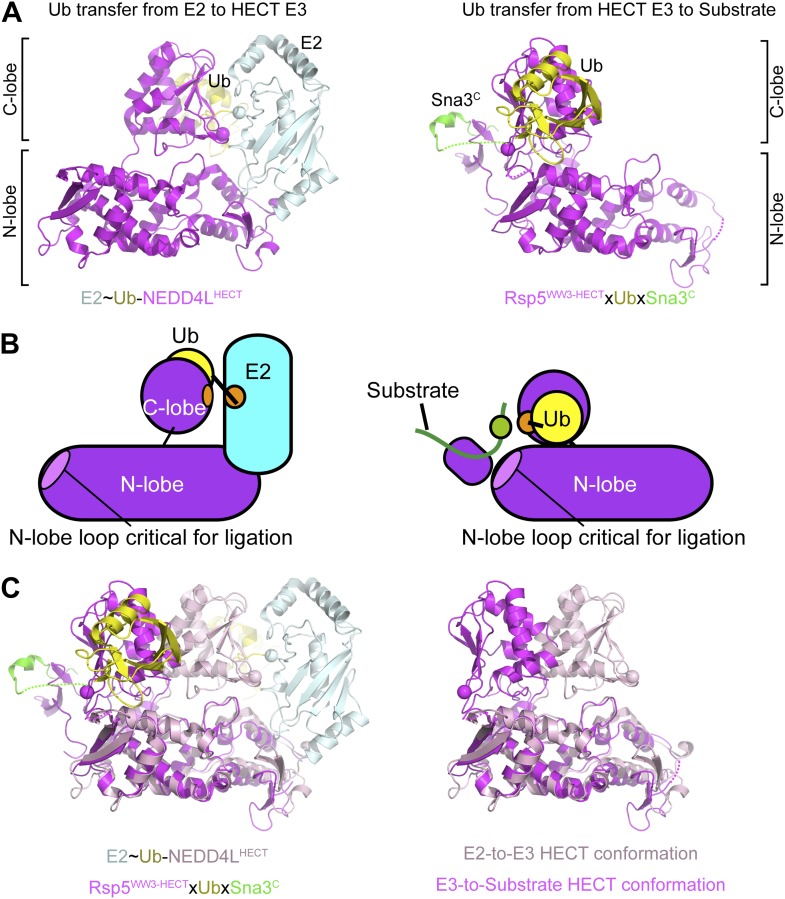
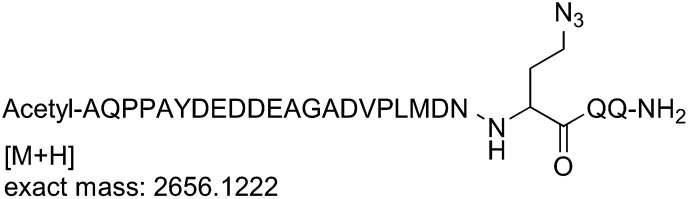
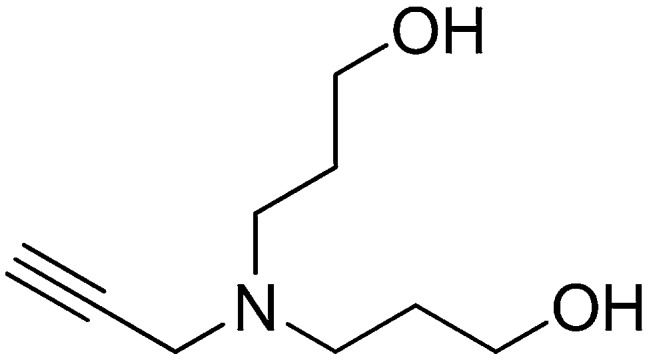
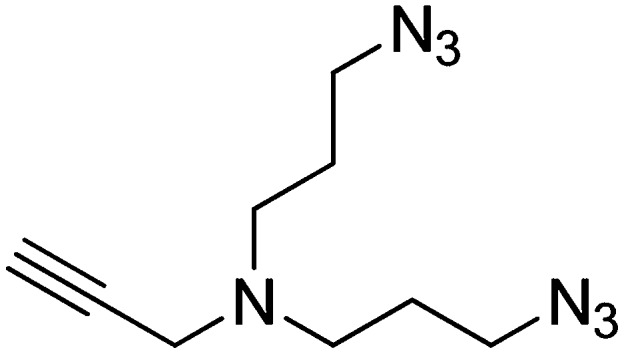
Verification
Claims the paper makes
The claims and statistics of this paper haven’t been checked yet.
Run the check — free, no account needed. It reads the open-access text and checks the sources it cites.
Claims other papers make about this one
Each is checked against this paper’s own text: does it say what the citing paper says it does?
In the citing paper
“The second class, HECT ligases, bind the target then use an intermediate strategy of transferring ubiquitin onto themselves before transferring ubiquitin to the target112,113.”
From PROTAC targeted protein degraders: the past is prologue (2022) · cites this paper as [113]
Self-check
Percentages, sums and reported differences re-computed from the paper’s own numbers.
The self-check needs the paper’s full text.
Citations
Cites
[20] Processing of X-ray diffraction data collected in oscillation mode
Otwinowski, Z., & Minor, W. (1997) · Methods in Enzymology · doi:10.1016/s0076-6879(97)76066-x · Cited by 33,475
Features and development of Coot
Emsley, P., Lohkamp, B., Scott, W. G., & Cowtan, K. (2010) · Acta Crystallographica Section D Biological Crystallography · doi:10.1107/s0907444910007493 · Cited by 29,915
Phaser crystallographic software
McCoy, A. J., Grosse-Kunstleve, R. W., Adams, P. D., Winn, M. D., Storoni, L. C., & Read, R. J. (2007) · Journal of Applied Crystallography · doi:10.1107/s0021889807021206 · Cited by 20,612
Refinement of Macromolecular Structures by the Maximum-Likelihood Method
Murshudov, G. N., Vagin, A. A., & Dodson, E. J. (1997) · Acta Crystallographica Section D Biological Crystallography · doi:10.1107/s0907444996012255 · Cited by 14,796
RING Domain E3 Ubiquitin Ligases
Deshaies, R. J., & Joazeiro, C. A. P. (2009) · Annual Review of Biochemistry · doi:10.1146/annurev.biochem.78.101807.093809 · Cited by 2,679
Leaver-Fay (2011) · doi:10.1016/b978-0-12-381270-4.00019-6 · Cited by 1,904
Self-citationStructure of ubiquitin refined at 1.8 A resolution.
Vijay-Kumar, S., Bugg, C., & Cook, W. (1987) · Journal of Molecular Biology · doi:10.1016/0022-2836(87)90679-6 · Cited by 1,636
Physiological functions of the HECT family of ubiquitin ligases
Rotin, D., & Kumar, S. (2009) · Nature Reviews Molecular Cell Biology · doi:10.1038/nrm2690 · Cited by 1,105
Protein ubiquitination involving an E1–E2–E3 enzyme ubiquitin thioester cascade
Scheffner, M., Nuber, U. A., & Huibregtse, J. M. (1995) · Nature · doi:10.1038/373081a0 · Cited by 1,017
A family of proteins structurally and functionally related to the E6-AP ubiquitin-protein ligase.
Huibregtse, J. M., Scheffner, M., Beaudenon, S. L., & Howley, P. M. (1995) · Proceedings of the National Academy of Sciences · doi:10.1073/pnas.92.7.2563 · Cited by 1,011
Cited by
Sorted by citations
Items 101–163 of 163
Harnessing the ubiquitin code to respond to environmental cues
Orosa‐Puente, B., & Spoel, S. H. (2022) · Essays in Biochemistry · doi:10.1042/ebc20210094 · Cited by 16
Cellular targets and lysine selectivity of the HERC5 ISG15 ligase
Zhao, X. M., Perez, J. M., Faull, P. A., Chan, C., Munting, F. W., Canadeo, L. A., Cenik, C., & Huibregtse, J. M. (2024) · iScience · doi:10.1016/j.isci.2024.108820 · Cited by 15
Protein semisynthesis reveals plasticity in HECT E3 ubiquitin ligase mechanisms
Jiang, H., Miller, B. D., Viennet, T., Kim, H., Lee, K., Arthanari, H., & Cole, P. A. (2024) · Nature Chemistry · doi:10.1038/s41557-024-01576-z · Cited by 15
Insights into the ubiquitin transfer cascade catalyzed by the Legionella effector SidC
Wasilko, D. J., Huang, Q., & Mao, Y. (2018) · eLife · doi:10.7554/elife.36154 · Cited by 15
A heterotypic assembly mechanism regulates CHIP E3 ligase activity
Das, A., Thapa, P. S., Santiago, U., Shanmugam, N., Banasiak, K., Dąbrowska, K., Nolte, H., Szulc, N. A., Gathungu, R. M., Cysewski, D., et al. (2022) · The EMBO Journal · doi:10.15252/embj.2021109566 · Cited by 15
Structure of proteins: Evolution with unsolved mysteries
Upadhyay, A. (2019) · Progress in Biophysics and Molecular Biology · doi:10.1016/j.pbiomolbio.2019.04.007 · Cited by 14
Selective ubiquitination of drug-like small molecules by the ubiquitin ligase HUWE1
Orth, B., Pohl, P., Aust, F., Ji, Y., Seenivasan, A., Dybkov, O., Liang, X. J., Bock, L. V., Leidner, F., Levantovsky, S., et al. (2025) · Nature Communications · doi:10.1038/s41467-025-63442-x · Cited by 13
NEDD4L intramolecular interactions regulate its auto and substrate NaV1.5 ubiquitination
Wright, K. M., Nathan, S., Jiang, H., Xia, W., Kim, H., Chakouri, N., Nwafor, J. N., Fossier, L., Srinivasan, L., Chen, Z., et al. (2024) · Journal of Biological Chemistry · doi:10.1016/j.jbc.2024.105715 · Cited by 13
Regulating the Master Regulator: Controlling Ubiquitination by Thinking Outside the Active Site
Paiva, S.-L., da Silva, S. R., de Araujo, E. D., & Gunning, P. T. (2017) · Journal of Medicinal Chemistry · doi:10.1021/acs.jmedchem.6b01346 · Cited by 13
Fine-tuning the ubiquitin-proteasome system to treat pulmonary fibrosis
Roque, W., Summer, R. S., & Romero, F. (2018) · Connective Tissue Research · doi:10.1080/03008207.2018.1529174 · Cited by 12
Functional analysis of protein ubiquitination
Levy‐Cohen, G., & Blank, M. (2015) · Analytical Biochemistry · doi:10.1016/j.ab.2015.04.040 · Cited by 12
Chemical Tools for Probing the Ub/Ubl Conjugation Cascades
Kochańczyk, T., Fishman, M., & Lima, C. D. (2024) · ChemBioChem · doi:10.1002/cbic.202400659 · Cited by 11
Structural basis for C-degron selectivity across KLHDCX family E3 ubiquitin ligases
Scott, D. C., Chittori, S., Purser, N., King, M. T., Maiwald, S. A., Churion, K. A., Nourse, A., Lee, C., Paulo, J. A., Miller, D. J., et al. (2024) · Nature Communications · doi:10.1038/s41467-024-54126-z · Cited by 11
Self-citationGenome-wide identification and evolution of HECT genes in wheat
Meng, X., Yang, T., Liu, J., Zhao, M., & Wang, J. (2020) · PeerJ · doi:10.7717/peerj.10457 · Cited by 11
ATL Protein Family: Novel Regulators in Plant Response to Environmental Stresses
Wu, M., Musazade, E., Yang, X. J., Yin, L., Zhao, Z., Zhang, Y., Lu, J., & Guo, L. (2023) · Journal of Agricultural and Food Chemistry · doi:10.1021/acs.jafc.3c05603 · Cited by 11
E3 Ubiquitin Ligases: Structures, Biological Functions, Diseases, and Therapy
Wang, H., Peng, J., Li, H., Lan, Y., Guo, J., Qiu, Q., & Huang, X. (2025) · MedComm · doi:10.1002/mco2.70528 · Cited by 13
E3 ubiquitin ligase WWP2 as a promising therapeutic target for diverse human diseases
You, S., Xu, J., Guo, Y., Guo, X., Zhang, Y., Zhang, N., Sun, G., & Sun, Y. (2024) · Molecular Aspects of Medicine · doi:10.1016/j.mam.2024.101257 · Cited by 11
Structural ubiquitin contributes to K48 linkage specificity of the HECT ligase Tom1
Warner, K., Hunkeler, M., Baek, K., Schmoker, A. M., Burman, S. S. R., Overwijn, D., Jin, C. Y., Donovan, K. A., & Fischer, E. S. (2025) · Cell Reports · doi:10.1016/j.celrep.2025.115688 · Cited by 8
UbFluor: A Fluorescent Thioester to Monitor HECT E3 Ligase Catalysis
Krist, D. T., Foote, P. K., & Statsyuk, A. V. (2017) · Current Protocols in Chemical Biology · doi:10.1002/cpch.17 · Cited by 8
Bacterial ligases reveal fundamental principles of polyubiquitin specificity
Franklin, T. G., Brzović, P. S., & Pruneda, J. N. (2023) · Molecular Cell · doi:10.1016/j.molcel.2023.11.017 · Cited by 7
Kenny, S., Iyer, S., Gabel, C. A., Tegenfeldt, N. M., DeMarco, A. G., Hall, M. C., Chang, L., Davisson, V. J., Pol, S. V., & Das, C. (2025) · Structure · doi:10.1016/j.str.2024.12.013 · Cited by 7
Shevel, E. (2021) · PubMed Central · Cited by 7
A review: targeting UBR5 domains to mediate emerging roles and mechanisms – chance or necessity?
Wang, Y., Niu, K., Shi, Y., Zhou, F., Li, X., Li, Y., Chen, T., & Zhang, Y. (2024) · International Journal of Surgery · doi:10.1097/js9.0000000000001541 · Cited by 6
Streich, F. C., & Lima, C. D. (2018) · Methods in molecular biology · doi:10.1007/978-1-4939-8706-1_12 · Cited by 6
Tracking of Ubiquitin Signaling through 3.5 Billion Years of Combinatorial Conjugation
Kaminskaya, A. N., Evpak, A. S., Belogurov, A. A., & Kudriaeva, A. A. (2024) · International Journal of Molecular Sciences · doi:10.3390/ijms25168671 · Cited by 5
Hatstat, A. K., & McCafferty, D. G. (2020) · Protein Expression and Purification · doi:10.1016/j.pep.2020.105649 · Cited by 5
Levin‐Kravets, O., Kordonsky, A., Shusterman, A., Biswas, S., Persaud, A. K., Elias, S., Langut, Y., Florentin, A., Simpson-Lavy, K. J., Yariv, E., et al. (2021) · Journal of Molecular Biology · doi:10.1016/j.jmb.2021.167276 · Cited by 5
Current Advances in Covalent Stabilization of Macromolecular Complexes for Structural Biology
Fauser, J., Itzen, A., & Gulen, B. (2021) · Bioconjugate Chemistry · doi:10.1021/acs.bioconjchem.1c00118 · Cited by 5
Paving the Way to Targeting HECT Ubiquitin Ligases
Zinzalla, G. (2015) · Future Medicinal Chemistry · doi:10.4155/fmc.15.141 · Cited by 5
Fokkens, T. J., Rauh, E. T., Wolter, M., Sebald, H., Mitnacht, M., Ainatzi, S., Sprick, S., Teschke, L., Eisenhuth, N., Huibregtse, J. M., et al. (2025) · Molecular Cell · doi:10.1016/j.molcel.2025.09.002 · Cited by 4
Using Protein Motion to Read, Write, and Erase Ubiquitin Signals
Phillips, A. H., & Corn, J. E. (2015) · Journal of Biological Chemistry · doi:10.1074/jbc.r115.653675 · Cited by 4
Structure and mechanism of the HECT ligase HECTD3
Huber, J., Esposito, D., Maslen, S., Chambers, D., Skehel, M. J., & Rittinger, K. (2026) · Nature Communications · doi:10.1038/s41467-026-69520-y · Cited by 3
HECT-type ubiquitin ligases: Emerging principles in the era of full-length structures
Fokkens, T. J., Baños‐Jaime, B., & Lorenz, S. (2026) · Journal of Biological Chemistry · doi:10.1016/j.jbc.2026.111440 · Cited by 3
Chemical tools for E3 ubiquitin ligase study
Jing, Y., Zuo, C., Du, Y., Mao, J., Ding, R., Zhang, J., Liang, L., & Qu, Q. (2022) · Chinese Chemical Letters · doi:10.1016/j.cclet.2022.107781 · Cited by 3
Application of chemical protein synthesis in the study of protein ubiquitination
Wu, S., Liang, J., Wu, X., Deng, Z., & Liu, L. (2024) · Scientia Sinica Chimica · doi:10.1360/ssc-2024-0225 · Cited by 2
Su, H., Zhang, Y., He, Z., Yang, Y., Ren, Y., Cao, W., Liu, Y., Ren, J., Wang, Y., Wang, G., et al. (2024) · Fish & Shellfish Immunology · doi:10.1016/j.fsi.2024.109495 · Cited by 2
Smith, C. L. C., Hajisadeghian, M., van Noort, G. J. V. D. H., Deery, M. J., Pinto-Fernández, A., Kessler, B. M., & Artavanis‐Tsakonas, K. (2025) · PLoS Pathogens · doi:10.1371/journal.ppat.1013032 · Cited by 2
Jastrzebska, Z., Kamińska, J., Chełstowska, A., Domanska, A., Rzepnikowska, W., Sitkiewicz, E., Cholbinski, P., Gourlay, C. W., Płochocka, D., & Żołądek, T. (2015) · European Journal of Cell Biology · doi:10.1016/j.ejcb.2015.10.005 · Cited by 2
Structure-guided analysis and prediction of human E2–E3 ligase pairing specificityPreprint
Jarboe, B., & Dunbrack, R. L. (2026) · bioRxiv (Cold Spring Harbor Laboratory) · doi:10.64898/2026.02.10.700855 · Cited by 2
The E 3 ligase HUWE 1 interacts with ubiquitin non‐covalently via key residues in the HECT domain
Sun, L., Zhang, H., & Li, Y. (2024) · FEBS Letters · doi:10.1002/1873-3468.15050 · Cited by 1
Roles of E3 ubiquitin ligases and deubiquitinating enzymes in renal cell carcinoma
Jiang, M., Si, W., Huang, S., Qu, S., Zhang, M., & Quan, Y. (2026) · Frontiers in Oncology · doi:10.3389/fonc.2025.1628710 · Cited by 1
Lock, relax, load, and shoot: a molecular perspective on Nedd4 regulation
Janosev, M., Obšil, T., & Obšilová, V. (2026) · FEBS Journal · doi:10.1111/febs.70424 · Cited by 1
Extended motif recognition tunes WW domain affinity in MAGI – IQSEC complexes
Wang, J., Li, Y., Wu, Y., Lin, L., & Zhu, J. (2026) · FEBS Journal · doi:10.1111/febs.70509 · Cited by 1
Andree, G. A., Stier, L. J., Schmiederer, K., Thielen, A. S., Schmid, L., Maiwald, S. A., Gottemukkala, K. V., Du, J., von Gronau, S., Strasser, C., et al. (2026) · Nature Communications · doi:10.1038/s41467-026-72524-3 · Cited by 1
Self-citationSelf‐regulating ubiquitin ligases
Hill, S., & Kleiger, G. (2017) · The EMBO Journal · doi:10.15252/embj.201696154 · Cited by 1
A Billion Ubiquitin Variants to Probe and Modulate the UPS
Canadeo, L. A., & Huibregtse, J. M. (2016) · Molecular Cell · doi:10.1016/j.molcel.2016.03.023 · Cited by 1
Characterization of FBXO7 (PARK15) knockout mice modeling Parkinsonian-Pyramidal Syndrome
Vingill, S. (2017) · doi:10.53846/goediss-6254 · Cited by 1
E3 Ubiquitin Ligases as Molecular Machines and Platforms for Drug Development
Ioris, R. M., Ferris, K., & D’Angiolella, V. (2022) · Wiley eBooks · doi:10.1002/9783527836208.ch3 · Cited by 1
Roles of the HECT-Type Ubiquitin E3 Ligases of the Nedd4 and WWP Subfamilies in Neuronal Development
Hsia, H. (2015) · eDiss (Georg-August-Universität Göttingen) · doi:10.53846/goediss-5079 · Cited by 1
Meyer, H., & Rapé, M. (2013) · eLife · doi:10.7554/elife.01127
Ubiquitin-Ligasen: heiße Targets für die Wirkstoffentwicklung?
Ries, L. K., & Lorenz, S. (2016) · BIOspektrum · doi:10.1007/s12268-016-0679-y
Parkin Misfolding, Dysfunction, and Degradation in Parkinson's Disease
McCarton, A. S. (2016) · Scholarship@Western (Western University)
USP15 regulates SMURF2 kinetics through C-lobe mediated deubiquitination
Eichhorn, P. J. A., Iyengar, P. V., Jaynes, P. W., Lama, D., & Verma, C. S. (2016) · European Journal of Cancer · doi:10.1016/s0959-8049(16)61579-4
E3-mediated Ubiquitin and Ubiquitin-like Protein Ligation: Mechanisms and Chemical Probes
Krist, D. T., & Schulman, B. A. (2020) · Royal Society of Chemistry eBooks · doi:10.1039/9781839160691-00184
Self-citationFaculty Opinions recommendation of Regulating the human HECT E3 ligases.
Hoppe, T. (2020) · Faculty Opinions – Post-Publication Peer Review of the Biomedical Literature · doi:10.3410/f.733367864.793570373
Hoppe, T. (2020) · Faculty Opinions – Post-Publication Peer Review of the Biomedical Literature · doi:10.3410/f.735057412.793570378
Cocrystallization of ubiquitin–deubiquitinase complexes through disulfide linkage
Terón, K. I. N., & Das, C. (2023) · Acta Crystallographica Section D Structural Biology · doi:10.1107/s2059798323008501
Fingerprint of ubiquitin coupled enzyme UBC13 in health and disease
Chen, R.-Y., Liu, Y., Wang, R., Yu, J. X., Shi, J., Yang, G., & Chen, J. (2025) · Bioorganic Chemistry · doi:10.1016/j.bioorg.2025.108524
Ubiquitin-dependent signal amplification in lipid saturation sensingPreprint
Causemann, J., Schmidt, B., Granz, D., Mosler, T., Jung, M., Đikić, I., Rieger, H., & Ernst, R. (2025) · bioRxiv (Cold Spring Harbor Laboratory) · doi:10.1101/2025.11.05.686737
E2 variants for probing E3 ubiquitin ligase activities
Du, J., Andree, G. A., Horn‐Ghetko, D., Stier, L. J., Singh, J., Kostrhon, S., Kiss, L., Mann, M., Sidhu, S. S., & Schulman, B. A. (2026) · Proceedings of the National Academy of Sciences · doi:10.1073/pnas.2524899122
Self-citationKamel, E. M., Khadrawy, S. M., Ali, M. A. M., Ahmed, N. A., Yassin, N. Y. S., Alkhedhairi, S., Alkhayl, F. F. A., & Lamsabhi, A. M. (2026) · Biochemical Pharmacology · doi:10.1016/j.bcp.2026.117951
Nakagawa, T., & Nakagawa, M. (2026) · Genes · doi:10.3390/genes17050553
Metadata
- Authors
- Kamadurai, H. B., Qiu, Y., Deng, A., Harrison, J. S., MacDonald, C., Actis, M., Rodrigues, P., Miller, D. J., Souphron, J., Lewis, S. M., Kurinov, I., Fujii, N., Hammel, M., Piper, R., Kuhlman, B., & Schulman, B. A.
- Affiliations
- St. Jude Children's Research Hospital (US)
- University of North Carolina at Chapel Hill (US)
- University of Iowa (US)
- Centre National de la Recherche Scientifique (FR)
- Cornell University (US)
- Lawrence Berkeley National Laboratory (US)
- Corresponding author
- Kamadurai, Hari B
- Schulman, Brenda A
- ORCID
- Venue
- eLife
- Publisher
- eLife Sciences Publications, Ltd
- Published
- 2013-08-08
- Volume
- 2
- Pages
- e00828-e00828
- ISSN
- 2050-084X (ISSN-L)
- PMC
- PMC3738095
- OpenAlex
- W2037607907
- Cited by
- 165
- References
- 60
- Citations by year
- 2026: 10 · 2025: 10 · 2024: 19 · 2023: 8 · 2022: 8 · 2021: 12 · 2020: 15 · 2019: 7 · 2018: 8 · 2017: 19 · 2016: 17 · 2015: 14 · 2014: 14 · 2013: 4
- FWCI
- 7.31
- Type
- journal article
- Language
- en
- Open access
- gold
- doi.org
- Licence
- Locations
- eLife (publishedVersion, cc-by)
- Europe PMC (PubMed Central) (publishedVersion, cc-by)
- PubMed Central (publishedVersion, cc-by)
- PubMed (publishedVersion)
- Carolina Digital Repository (University of North Carolina at Chapel Hill) (submittedVersion)
- Scholarly Commons (University of the Pacific) (submittedVersion, cc-by)
- DOAJ (DOAJ: Directory of Open Access Journals) (submittedVersion, cc-by-sa)
- OSTI OAI (U.S. Department of Energy Office of Scientific and Technical Information) (submittedVersion)
- UNC Libraries
- Funders
- Howard Hughes Medical Institute (045102)
- National Institutes of Health (R01GM069530, 5P30CA021765, R01GM073960, 5P41RR015301-10, 8P41 GM103403-10, 5R01 GM058202)
- ALSAC
- DOE (DE-AC02-06CH11357)
- American Heart Association
- U.S. Department of Energy (DE-AC02-06CH11357)
- Topics
- Life Sciences › Biochemistry, Genetics and Molecular Biology › Molecular Biology › Ubiquitin and proteasome pathways
- Life Sciences › Biochemistry, Genetics and Molecular Biology › Structural Biology › Enzyme Structure and Function
- Life Sciences › Biochemistry, Genetics and Molecular Biology › Molecular Biology › Protein Degradation and Inhibitors
- Keywords
- HECT E3 ubiquitin ligase, ubiquitination, HECT domain, thioester bond, substrate-binding domain, protein degradation, protein structure
- MeSH terms
- Amino Acid Sequence, Lysine, Molecular Sequence Data, Protein Conformation, Mutagenesis, Sequence Homology, Amino Acid, Catalytic Domain, Ubiquitin, Ubiquitin-Protein Ligases
About these checks
Registry, retraction, Cites and statistics results are computed, not judged, with one exception: a printed reference that no index lists is read once by a model before it counts as a citation error. Claims are extracted by a model and kept only when their quote appears verbatim in the text; each cited source is then checked, with a model’s help, for whether it says what the claim relies on. Those verdicts can be wrong — read the claim’s quote and the cited source before relying on one.
Statistics and arithmetic are recomputed, not judged.
Confidence bands are shown only for fields calibrated on our annotated test set. None is calibrated yet, so no band is shown.
What counts as a claim ›How we measure confidence ›How we check this ›
Are you an author, or do you see a problem with this page? Request a review
