

The DOI matches its Crossref record; 59 of the 59 references it cites were found in a registry or an index; none of the 32 sources its claims cite is checked for support yet.
YTHDC1 mediates nuclear export of N6-methyladenosine methylated mRNAs
Open accessAbstract
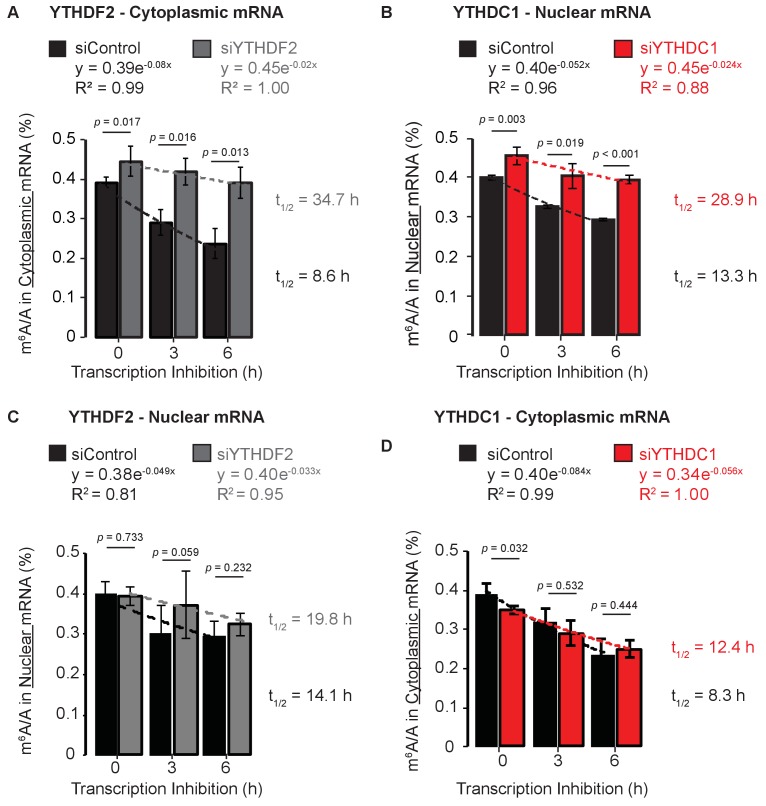
N6-methyladenosine (m6A) is the most abundant internal modification of eukaryotic messenger RNA (mRNA) and plays critical roles in RNA biology. The function of this modification is mediated by m6A-selective ‘reader’ proteins of the YTH family, which incorporate m6A-modified mRNAs into pathways of RNA metabolism. Here, we show that the m6A-binding protein YTHDC1 mediates export of methylated mRNA from the nucleus to the cytoplasm in HeLa cells. Knockdown of YTHDC1 results in an extended residence time for nuclear m6A-containing mRNA, with an accumulation of transcripts in the nucleus and accompanying depletion within the cytoplasm. YTHDC1 interacts with the splicing factor and nuclear export adaptor protein SRSF3, and facilitates RNA binding to both SRSF3 and NXF1. This role for YTHDC1 expands the potential utility of chemical modification of mRNA, and supports an emerging paradigm of m6A as a distinct biochemical entity for selective processing and metabolism of mammalian mRNAs.
Overview
CoChat Summary
TL;DR
YTHDC1, a nuclear m6A reader, mediates nuclear-to-cytoplasmic export of methylated mRNAs in HeLa cells by linking m6A recognition to the export adaptor SRSF3 and the export receptor NXF1. Knockdown of YTHDC1 causes nuclear accumulation and cytoplasmic depletion of its target transcripts, independent of pre-mRNA splicing.
Key findings
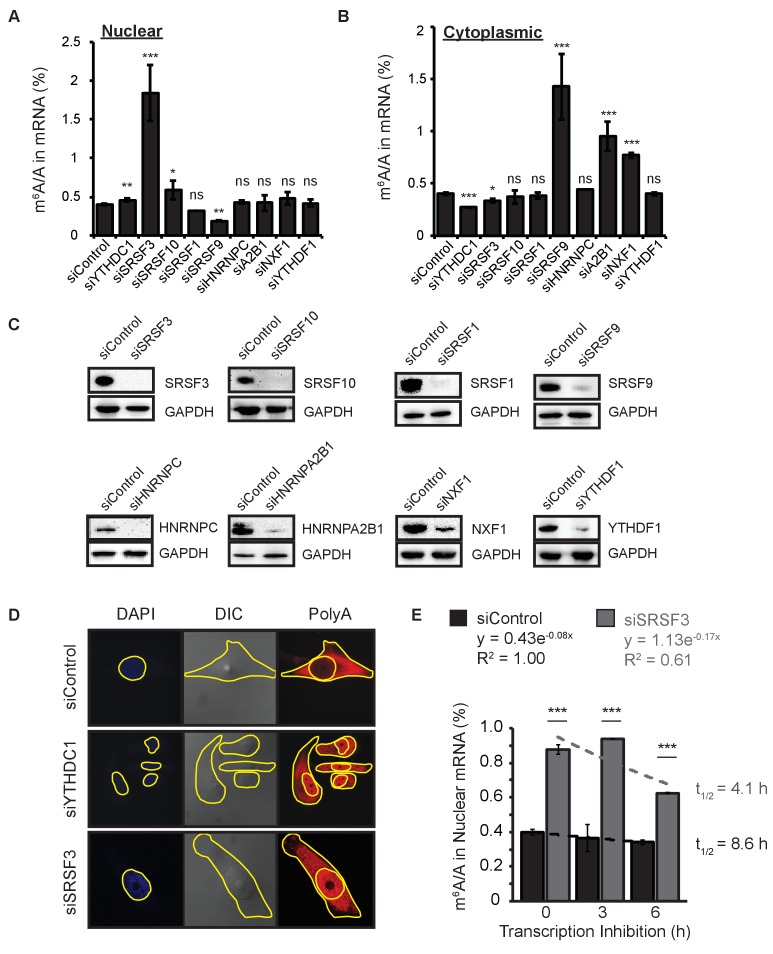
- Knockdown of YTHDC1 increased nuclear m6A levels and extended the apparent half-life of nuclear mRNA methylation more than 2-fold after transcription inhibition; YTHDF2 knockdown extended cytoplasmic m6A apparent half-life by ~4-fold.
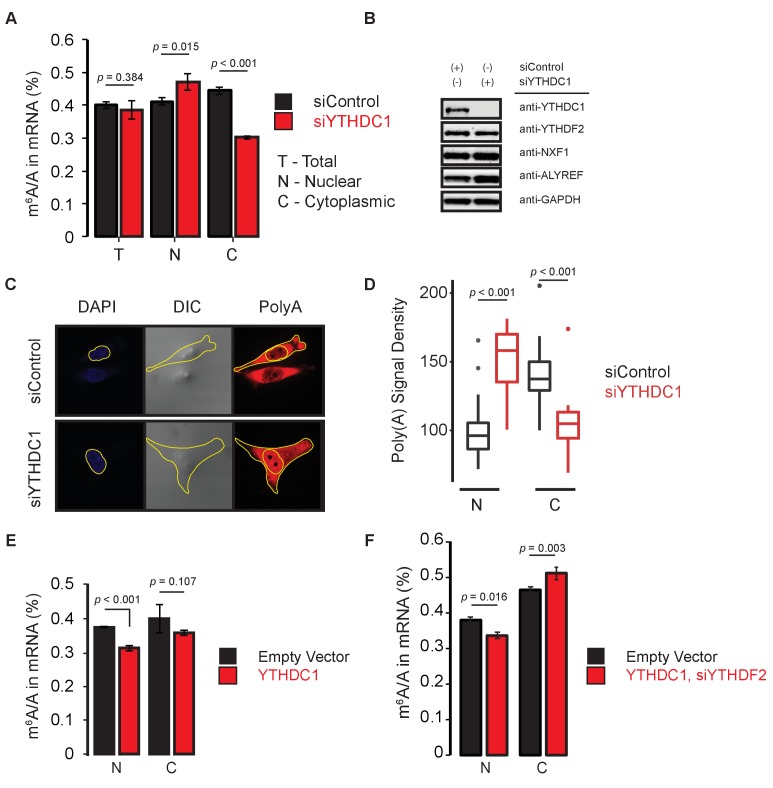
- YTHDC1 knockdown did not change total mRNA m6A/A but caused nuclear accumulation and cytoplasmic depletion of m6A and polyA RNA; overexpression of YTHDC1 after YTHDF2 knockdown increased cytoplasmic m6A.
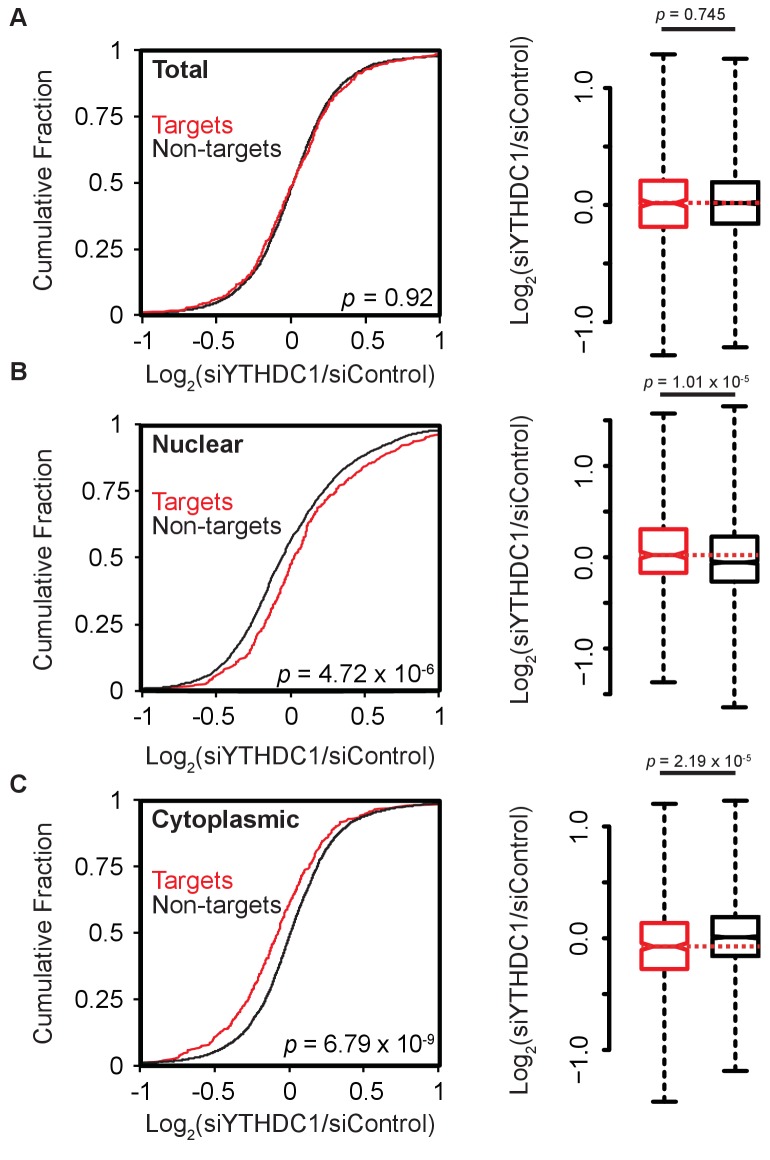
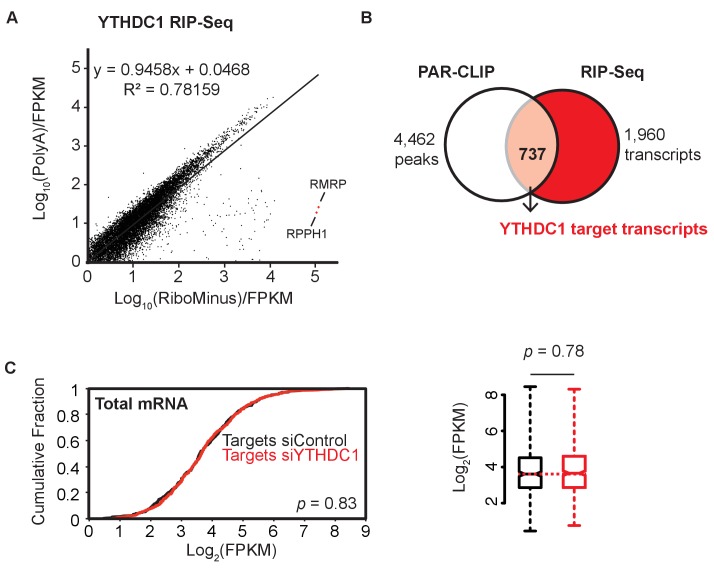
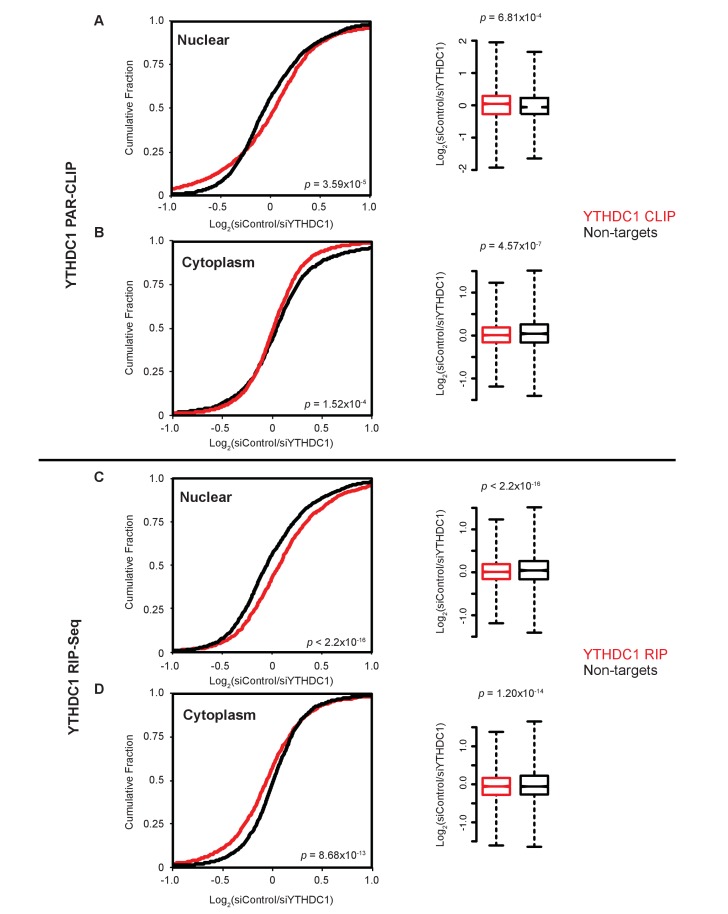
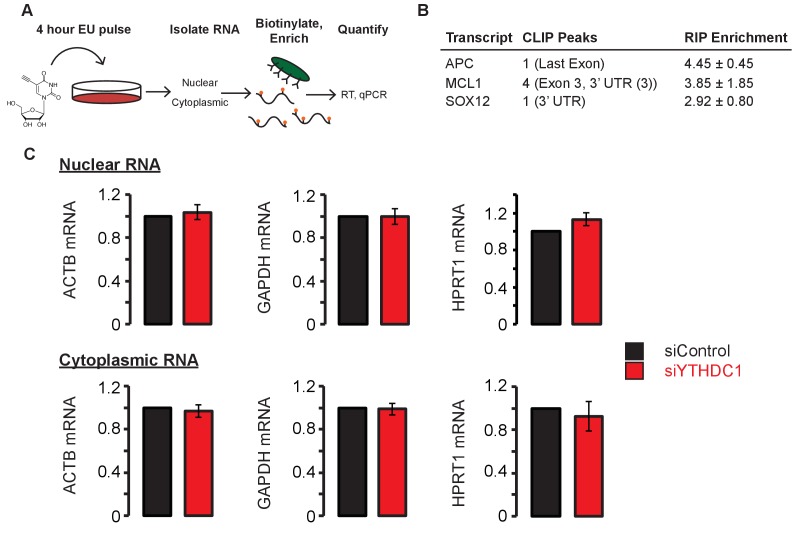
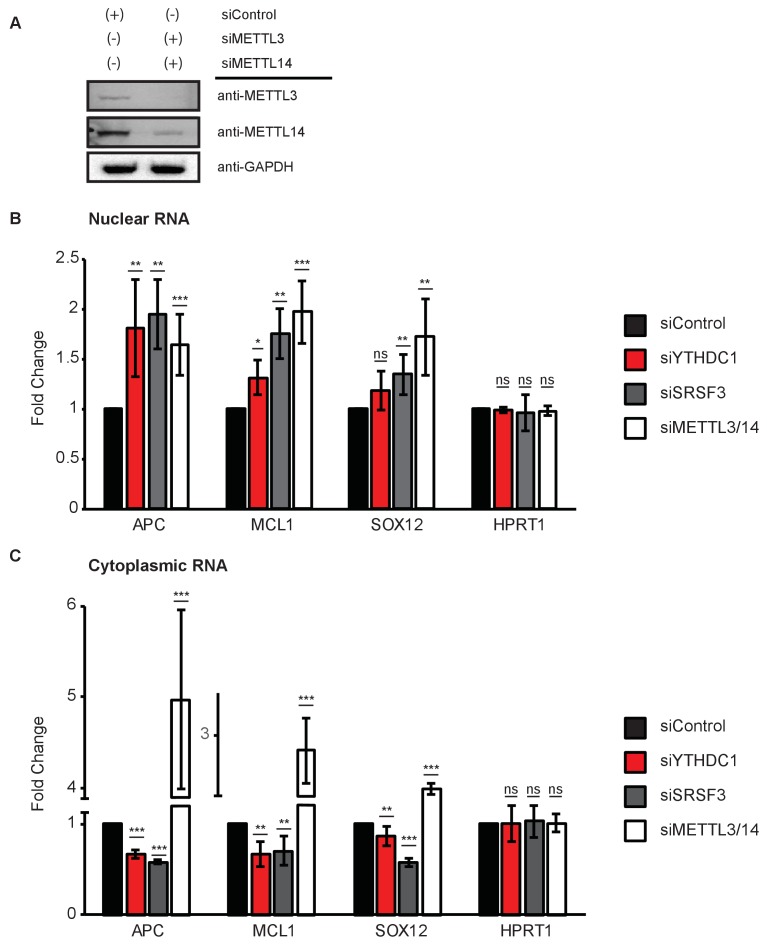
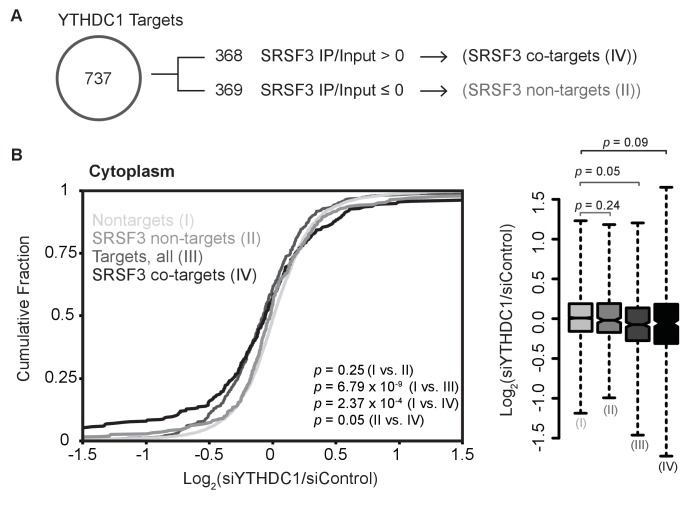
- YTHDC1 targets were defined as transcripts bound in PAR-CLIP and enriched at least 2-fold in RIP-seq, yielding over 700 targets; upon YTHDC1 knockdown, target abundance increased in nuclear RNA and decreased in cytoplasmic RNA, while total target abundance was unchanged.
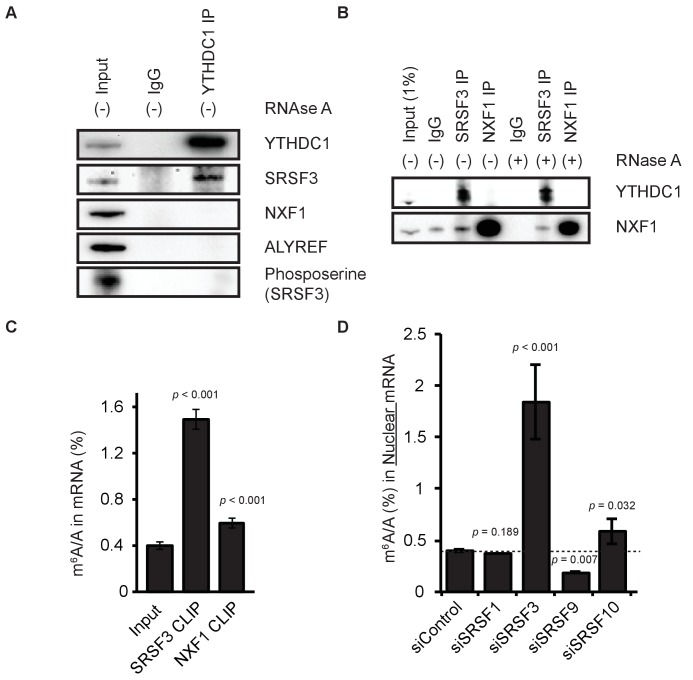
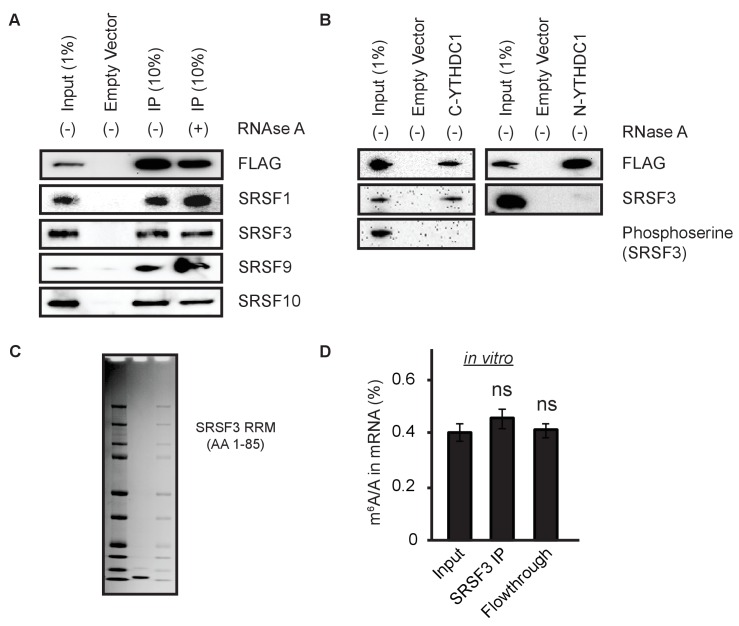
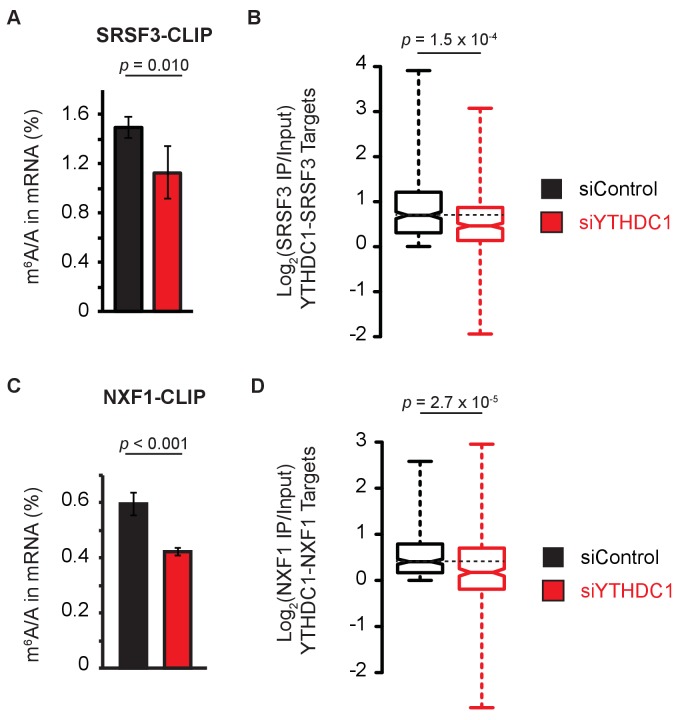
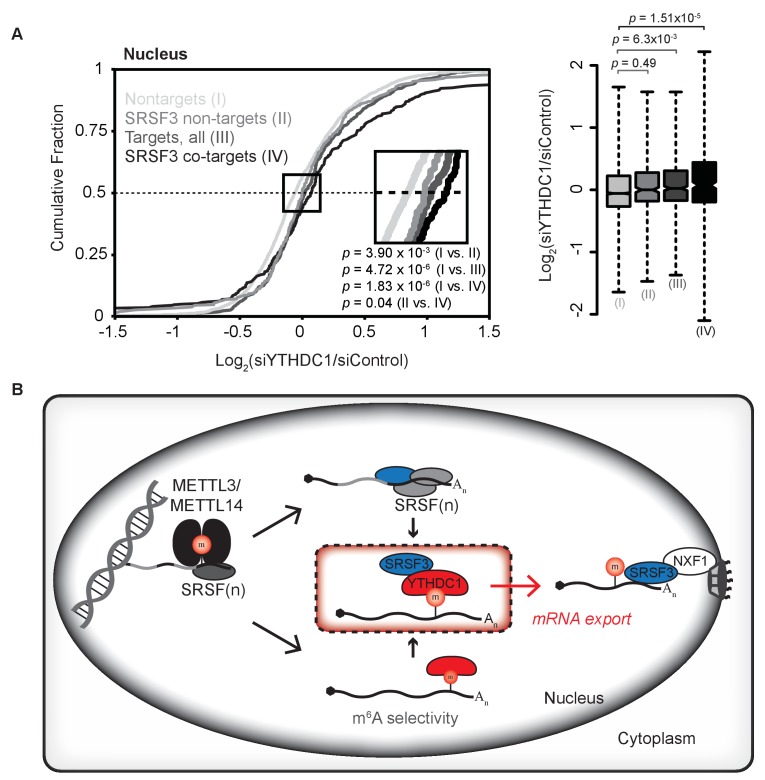
- YTHDC1 interacts with SRSF3, and SRSF3 interacts with NXF1; YTHDC1 knockdown reduced m6A enrichment by SRSF3 and abolished m6A enrichment by NXF1. Only transcripts bound by both YTHDC1 and SRSF3 showed significant nuclear accumulation upon YTHDC1 knockdown.
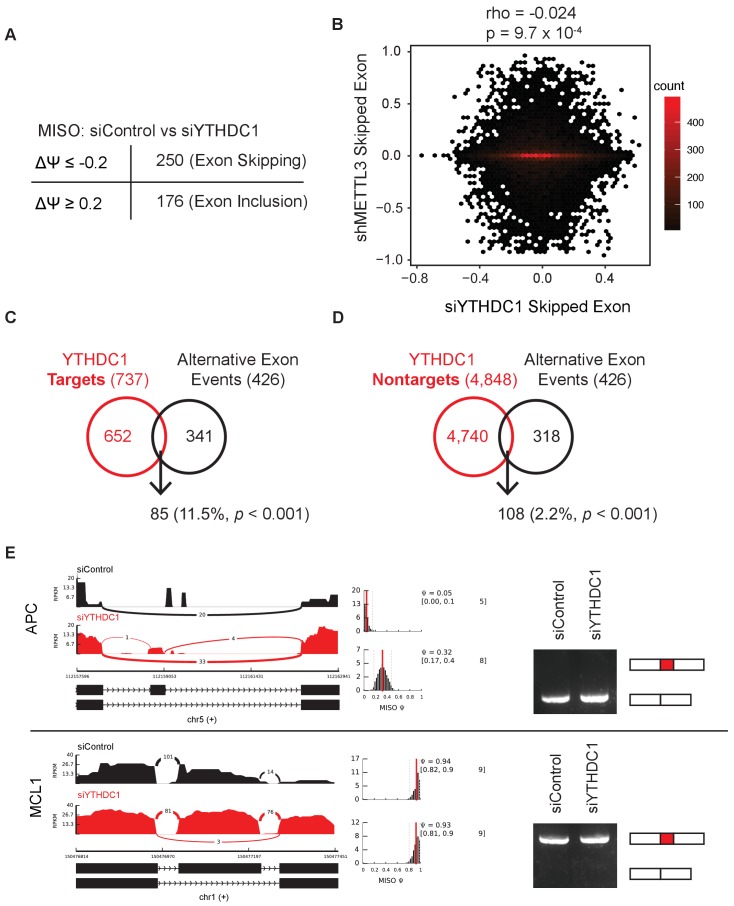
- YTHDC1 knockdown affected alternative splicing, with 426 events at Δpsi ≥0.2; 85/737 (11.5%) occurred in YTHDC1 targets versus 108/4,848 (2.2%) in non-targets, but reporter assays showed export effects independent of splicing and m6A binding.
Methods
- HeLa cells were used for siRNA knockdown, plasmid transfection, cellular fractionation, and RNA isolation; m6A/A was quantified by LC-MS/MS on polyA-selected, ribosomal RNA-depleted mRNA from total, nuclear, and cytoplasmic fractions.
- RNA substrates were identified by YTHDC1 PAR-CLIP and RIP-seq, subcellular transcriptomes by RNA-seq after YTHDC1 knockdown, and binding by SRSF3/NXF1 by CLIP or RIP followed by LC-MS/MS and sequencing.
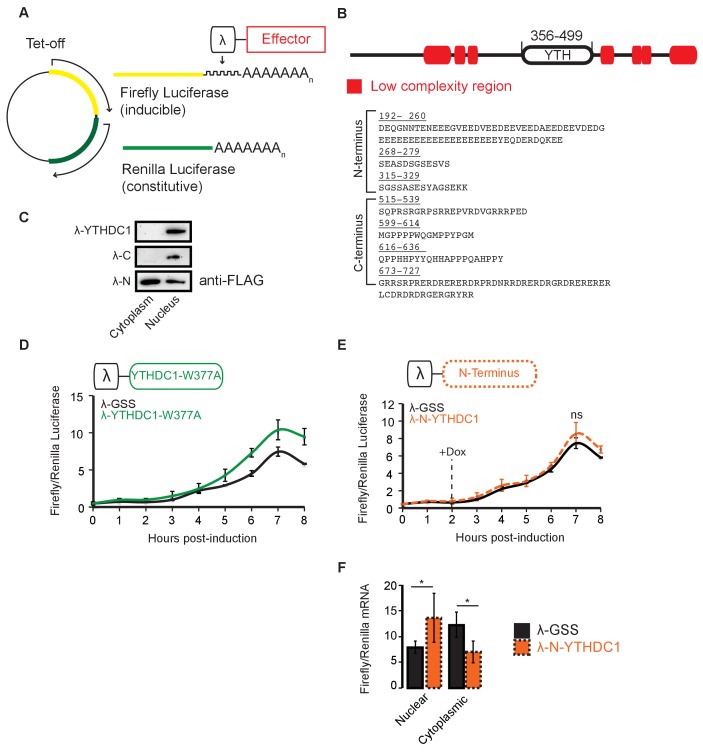
- Mechanistic tests included endogenous and FLAG immunoprecipitation, western blotting, polyA FISH, nascent RNA labeling with 5-ethynyl uridine, RT-qPCR, and a Tet-inducible BoxB-luciferase reporter tethering assay with full-length, N-terminal, C-terminal, and W377A YTHDC1 constructs.
Limitations
- The paper does not include a dedicated limitations section.
- Evident from the text: most experiments are in HeLa cells, so generality to other cell types or organisms is not established.
- The m6A/A measurements are ensemble bulk measurements; the paper notes this allows relative clearance comparisons without determining absolute half-lives of individual mRNAs.
- Export conclusions rely heavily on knockdown/overexpression and tethering assays; the reporter system is splicing-independent and methylation-independent due to BoxB–lambda peptide binding, which the authors present as an advantage but which also means it does not test endogenous m6A-dependent export directly.
Model-written summary. Check it against the paper before relying on it.
Integrity signals
Registry
Cites
Statistics
Figures
Verification
Claims the paper makes
0 Valid · 0 Not valid · 19 Not checked · 124 Own results and interpretations
A result the paper reports from its own data — it cites no other source for it, so there is none to check. The quote shows it is in the paper.
In the paper
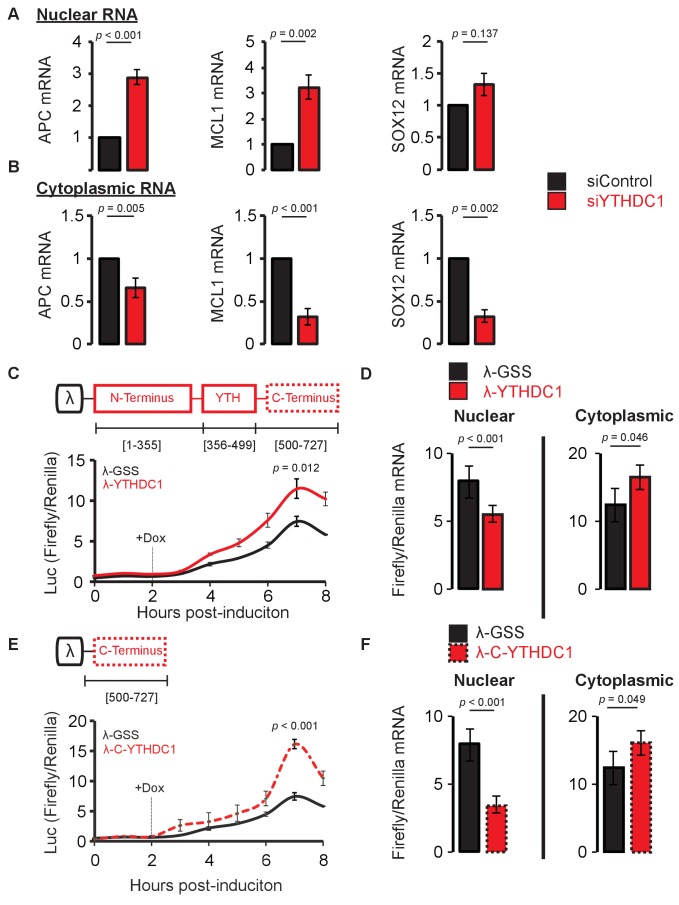
“Upon knockdown of YTHDC1, we observed nuclear accumulation of nascent mRNA for both APC and MCL1 transcripts compared to control, whereas the difference in nuclear SOX12 mRNA abundance was modest and not significant in our assay (Figure 4A).”
§ YTHDC1 mediates nuclear export of N6-methyladenosine methylated mRNAs > Results > YTHDC1 mediates nuclear export of nascent mRNA
plainstates a cause- Asserted: passes — The authors put it forward as true.
- Checkable: passes — It can be checked against evidence.
- Load-bearing: passes — The paper’s conclusions depend on it.
- Based: passes — The paper gives a reason why it holds.
A result the paper reports from its own data — it cites no other source for it, so there is none to check. The quote shows it is in the paper.
In the paper
“We show that upon knockdown of YTHDC1, mature mRNA localization is perturbed independently of a splicing requirement or splicing outcomes.”
§ YTHDC1 mediates nuclear export of N6-methyladenosine methylated mRNAs > Discussion > m6A selectivity in nuclear mRNA processing and export
boostedstates a cause- Asserted: passes — The authors put it forward as true.
- Checkable: passes — It can be checked against evidence.
- Load-bearing: passes — The paper’s conclusions depend on it.
- Based: passes — The paper gives a reason why it holds.
- Rests on an assumption not shown here.
A result the paper reports from its own data — it cites no other source for it, so there is none to check. The quote shows it is in the paper.
In the paper
“We observed enrichment of m6A in mRNA bound by SRSF3 under both conditions.”
§ YTHDC1 mediates nuclear export of N6-methyladenosine methylated mRNAs > Results > YTHDC1 facilitates RNA binding to SRSF3 and NXF1
plainstates an association- Asserted: passes — The authors put it forward as true.
- Checkable: passes — It can be checked against evidence.
- Load-bearing: unclear — It is unclear whether the paper’s conclusions depend on it.
- Based: passes — The paper gives a reason why it holds.
- Rests on 2 assumptions not shown here.
A result the paper reports from its own data — it cites no other source for it, so there is none to check. The quote shows it is in the paper.
In the paper
“Although YTHDC1 interacts with SRSF3, we did not observe any direct interaction between YTHDC1 and the export receptor NXF1, nor did we observe interaction between YTHDC1 and the common mRNA adaptor protein ALYREF (Figure 5A).”
§ YTHDC1 mediates nuclear export of N6-methyladenosine methylated mRNAs > Results > YTHDC1 bridges m6A selectivity to mRNA export via SRSF3
plain- Asserted: passes — The authors put it forward as true.
- Checkable: passes — It can be checked against evidence.
- Load-bearing: passes — The paper’s conclusions depend on it.
- Based: passes — The paper gives a reason why it holds.
A result the paper reports from its own data — it cites no other source for it, so there is none to check. The quote shows it is in the paper.
In the paper
“Knockdown of YTHDC1 does not affect the m6A/A ratio in mRNA transcripts from whole cell lysate, but results in accumulation of m6A in nuclear mRNA and in an accompanying cytoplasmic depletion of m6A levels (Figure 2A).”
§ YTHDC1 mediates nuclear export of N6-methyladenosine methylated mRNAs > Results > YTHDC1 mediates nuclear to cytoplasmic transport of methylated mRNAs
plain- Asserted: passes — The authors put it forward as true.
- Checkable: passes — It can be checked against evidence.
- Load-bearing: passes — The paper’s conclusions depend on it.
- Based: passes — The paper gives a reason why it holds.
82 more claims
Create a free account to see all 143 claims and to verify the 17 references still open.
- Probably not a substantial claim. 26
- It may state two separate claims as one. 35
- The quote only partly states this claim. 1
Citations
Cites
Fiji: an open-source platform for biological-image analysis
Schindelin, J., Arganda-Carreras, I., Frise, E., Kaynig, V., Longair, M., Pietzsch, T., Preibisch, S., Rueden, C., Saalfeld, S., Schmid, B., et al. (2012) · Nature Methods · doi:10.1038/nmeth.2019 · Cited by 66,890
Systematic and integrative analysis of large gene lists using DAVID bioinformatics resources
Huang, D. W., Sherman, B. T., & Lempicki, R. A. (2009) · Nature Protocols · doi:10.1038/nprot.2008.211 · Cited by 35,890
Cutadapt removes adapter sequences from high-throughput sequencing reads
Martin, M. (2011) · EMBnet.journal · doi:10.14806/ej.17.1.200 · Cited by 33,889
BEDTools: a flexible suite of utilities for comparing genomic features
Quinlan, A. R., & Hall, I. M. (2010) · Bioinformatics · doi:10.1093/bioinformatics/btq033 · Cited by 27,437
Heinz, S., Benner, C., Spann, N., Bertolino, E., Lin, Y. C., Laslo, P., Cheng, J. X., Murre, C., Singh, H., & Glass, C. K. (2010) · Molecular Cell · doi:10.1016/j.molcel.2010.05.004 · Cited by 13,382
Kim, D., Pertea, G., Trapnell, C., Pimentel, H., Kelley, R., & Salzberg, S. L. (2013) · Genome Biology · doi:10.1186/gb-2013-14-4-r36 · Cited by 12,668
Trapnell, C., Roberts, A., Goff, L. A., Pertea, G. M., Kim, D., Kelley, D. R., Pimentel, H., Salzberg, S. L., Rinn, J. L., & Pachter, L. S. (2012) · Nature Protocols · doi:10.1038/nprot.2012.016 · Cited by 12,167
Topology of the human and mouse m6A RNA methylomes revealed by m6A-seq
Dominissini, D., Moshitch-Moshkovitz, S., Schwartz, S., Salmon-Divon, M., Ungar, L., Osenberg, S., Cesarkas, K., Jacob-Hirsch, J., Amariglio, N., Kupiec, M., et al. (2012) · Nature · doi:10.1038/nature11112 · Cited by 4,884
N6-methyladenosine-dependent regulation of messenger RNA stability
Wang, X., Lu, Z., Gomez, A., Hon, G. C., Yue, Y., Han, D., Fu, Y., Parisien, M., Dai, Q., Jia, G., et al. (2014) · Nature · doi:10.1038/nature12730 · Cited by 4,558 · cited 5×
“Firefly luciferase was fused to five copies of the BoxB sequence and placed under control of a Tet-off promoter (Wang et al., 2014a).”
BackgroundMethodInfluentialSelf-citationALKBH5 Is a Mammalian RNA Demethylase that Impacts RNA Metabolism and Mouse Fertility
Zheng, G., Dahl, J. A., Niu, Y., Fedorcsak, P., Huang, C.-M., Li, C. J., Vågbø, C. B., Shi, Y., Wang, W.-L., Song, S.-H., et al. (2013) · Molecular Cell · doi:10.1016/j.molcel.2012.10.015 · Cited by 3,550
Self-citationN6-methyladenosine Modulates Messenger RNA Translation Efficiency
Wang, X., Zhao, B. S., Roundtree, I. A., Lu, Z., Han, D., Ma, H., Weng, X., Chen, K., Shi, H., & He, C. (2015) · Cell · doi:10.1016/j.cell.2015.05.014 · Cited by 3,483
Self-citationA METTL3–METTL14 complex mediates mammalian nuclear RNA N6-adenosine methylation
Liu, J., Yue, Y., Han, D., Wang, X., Fu, Y., Zhang, L., Jia, G., Yu, M., Lu, Z., Deng, X., et al. (2014) · Nature Chemical Biology · doi:10.1038/nchembio.1432 · Cited by 3,433
Self-citationDynamic RNA Modifications in Gene Expression Regulation
Roundtree, I. A., Evans, M. E., Pan, T., & He, C. (2017) · Cell · doi:10.1016/j.cell.2017.05.045 · Cited by 3,399
Self-citationNuclear m6A Reader YTHDC1 Regulates mRNA Splicing
Xiao, W., Adhikari, S., Dahal, U., Chen, Y.-S., Hao, Y.-J., Sun, B.-F., Sun, H.-Y., Li, A., Ping, X.-L., Lai, W.-Y., et al. (2016) · Molecular Cell · doi:10.1016/j.molcel.2016.01.012 · Cited by 2,054
Self-citationN6-methyladenosine-dependent RNA structural switches regulate RNA–protein interactions
Liu, N., Dai, Q., Zheng, G., He, C., Parisien, M., & Pan, T. (2015) · Nature · doi:10.1038/nature14234 · Cited by 1,988
Self-citation5′ UTR m6A Promotes Cap-Independent Translation
Meyer, K. D., Patil, D. P., Zhou, J. L., Zinoviev, A., Skabkin, M. A., Elemento, O., Pestova, T. V., Qian, S., & Jaffrey, S. R. (2015) · Cell · doi:10.1016/j.cell.2015.10.012 · Cited by 1,875
m6A RNA methylation promotes XIST-mediated transcriptional repression
Patil, D. P., Chen, C.-K., Pickering, B. F., Chow, A., Jackson, C., Guttman, M., & Jaffrey, S. R. (2016) · Nature · doi:10.1038/nature19342 · Cited by 1,747
SMART: recent updates, new developments and status in 2015
Letunić, I., Doerks, T., & Bork, P. (2014) · Nucleic Acids Research · doi:10.1093/nar/gku949 · Cited by 1,737
Du, H., Zhao, Y., He, J., Zhang, Y., Xi, H., Liu, M., Ma, J., & Wu, L. (2016) · Nature Communications · doi:10.1038/ncomms12626 · Cited by 1,535
m 6 A mRNA methylation facilitates resolution of naïve pluripotency toward differentiation
Geula, S., Moshitch-Moshkovitz, S., Dominissini, D., Mansour, A. A., Kol, N., Salmon-Divon, M., Hershkovitz, V., Peer, E., Mor, N., Manor, Y. S., et al. (2015) · Science · doi:10.1126/science.1261417 · Cited by 1,533
The m(6)A Methyltransferase METTL3 Promotes Translation in Human Cancer Cells
Lin, S., Choe, J., Du, P., Triboulet, R., & Gregory, R. I. (2016) · Molecular Cell · doi:10.1016/j.molcel.2016.03.021 · Cited by 1,531
HNRNPA2B1 Is a Mediator of m6A-Dependent Nuclear RNA Processing Events
Alarcón, C. R., Goodarzi, H., Lee, H., Liu, X., Tavazoie, S., & Tavazoie, S. F. (2015) · Cell · doi:10.1016/j.cell.2015.08.011 · Cited by 1,514
Analysis and design of RNA sequencing experiments for identifying isoform regulation
Katz, Y., Wang, E. T., Airoldi, E. M., & Burge, C. B. (2010) · Nature Methods · doi:10.1038/nmeth.1528 · Cited by 1,353
N6-methyladenosine modification destabilizes developmental regulators in embryonic stem cells
Wang, Y., Li, Y., Toth, J. I., Petroski, M. D., Zhang, Z., & Zhao, J. C. (2014) · Nature Cell Biology · doi:10.1038/ncb2902 · Cited by 1,302
Self-citationDynamic m6A mRNA methylation directs translational control of heat shock response
Zhou, J. L., Wan, J., Gao, X., Zhang, X., Jaffrey, S. R., & Qian, S. (2015) · Nature · doi:10.1038/nature15377 · Cited by 1,264
Schwartz, S., Mumbach, M. R., Jovanović, M., Wang, T., Maciag, K., Bushkin, G. G., Mertins, P., Ter‐Ovanesyan, D., Habib, N., Cacchiarelli, D., et al. (2014) · Cell Reports · doi:10.1016/j.celrep.2014.05.048 · Cited by 1,247
m6A RNA Modification Controls Cell Fate Transition in Mammalian Embryonic Stem Cells
Batista, P. J., Molinie, B., Wang, J., Qu, K., Zhang, J., Li, L., Bouley, D. M., Lujan, E., Haddad, B., Daneshvar, K., et al. (2014) · Cell Stem Cell · doi:10.1016/j.stem.2014.09.019 · Cited by 1,203
RNA-Methylation-Dependent RNA Processing Controls the Speed of the Circadian Clock
Fustin, J., Doi, M., Yamaguchi, Y., Hayashi, H., Nishimura, S., Yoshida, M., Isagawa, T., Morioka, M. S., Kakeya, H., Manabe, I., et al. (2013) · Cell · doi:10.1016/j.cell.2013.10.026 · Cited by 994
Deep proteome and transcriptome mapping of a human cancer cell line
Nagaraj, N., Wisniewski, J. R., Geiger, T., Cox, J., Kircher, M., Kelso, J., Pääbo, S., & Mann, M. (2011) · Molecular Systems Biology · doi:10.1038/msb.2011.81 · Cited by 979
Pre-mRNA Processing Reaches Back toTranscription and Ahead to Translation
Moore, M. J., & Proudfoot, N. J. (2009) · Cell · doi:10.1016/j.cell.2009.02.001 · Cited by 876
Structural imprints in vivo decode RNA regulatory mechanisms
Spitale, R. C., Flynn, R. A., Zhang, Q. C., Crisalli, P., Lee, B., Jung, J., Kuchelmeister, H. Y., Batista, P. J., Torre, E. A., Kool, E. T., et al. (2015) · Nature · doi:10.1038/nature14263 · Cited by 764
Structural basis for selective binding of m6A RNA by the YTHDC1 YTH domain
Xu, C., Wang, X., Liu, K., Roundtree, I. A., Tempel, W., Li, Y., Lu, Z., He, C., & Min, J. (2014) · Nature Chemical Biology · doi:10.1038/nchembio.1654 · Cited by 721
Self-citationm6A potentiates Sxl alternative pre-mRNA splicing for robust Drosophila sex determination
Haussmann, I. U., Bódi, Z., Sánchez‐Morán, E., Mongan, N. P., Archer, N., Fray, R. G., & Soller, M. (2016) · Nature · doi:10.1038/nature20577 · Cited by 617
Ke, S., Pandya‐Jones, A., Saito, Y., Fak, J. J., Vågbø, C. B., Geula, S., Hanna, J. H., Black, D. L., Darnell, J. E., Jr., & Darnell, R. B. (2017) · Genes & Development · doi:10.1101/gad.301036.117 · Cited by 557
m6A modulates neuronal functions and sex determination in Drosophila
Lenče, T., Akhtar, J., Bayer, M., Schmid, K., Spindler, L., Ho, C. H., Kreim, N., Andrade-Navarro, M. A., Poeck, B., Helm, M., et al. (2016) · Nature · doi:10.1038/nature20568 · Cited by 552
The protein Aly links pre-messenger-RNA splicing to nuclear export in metazoans
Zhou, Z., Luo, M., Sträßer, K., Katahira, J., Hurt, E., & Reed, R. (2000) · Nature · doi:10.1038/35030160 · Cited by 517
Interaction profiling identifies the human nuclear exosome targeting complex
Lubas, M., Christensen, M. S., Kristiansen, M. S., Domanski, M., Falkenby, L. G., Lykke-Andersen, S., Andersen, J. S., Dziembowski, A., & Jensen, T. H. (2011) · Molecular Cell · doi:10.1016/j.molcel.2011.06.028 · Cited by 460
Dynamics of the human and viral m6A RNA methylomes during HIV-1 infection of T cells
Lichinchi, G., Gao, S., Saletore, Y., Gonzalez, G. M., Bansal, V., Wang, Y., Mason, C. E., & Rana, T. M. (2016) · Nature Microbiology · doi:10.1038/nmicrobiol.2016.11 · Cited by 458
Beyond Secondary Structure: Primary-Sequence Determinants License Pri-miRNA Hairpins for Processing
Auyeung, V. C., Ulitsky, I., McGeary, S. E., & Bartel, D. P. (2013) · Cell · doi:10.1016/j.cell.2013.01.031 · Cited by 434
SR splicing factors serve as adapter proteins for TAP-dependent mRNA export
Huang, Y., Gattoni, R., Stévenin, J., & Steitz, J. A. (2003) · Molecular Cell · doi:10.1016/s1097-2765(03)00089-3 · Cited by 426
Cracking the RNA polymerase II CTD code
Egloff, S., & Murphy, S. (2008) · Trends in Genetics · doi:10.1016/j.tig.2008.03.008 · Cited by 423
Splicing Factors SRp20 and 9G8 Promote the Nucleocytoplasmic Export of mRNA
Huang, Y., & STEITZ, J. A. (2001) · Molecular Cell · doi:10.1016/s1097-2765(01)00233-7 · Cited by 396
PARalyzer: definition of RNA binding sites from PAR-CLIP short-read sequence data
Corcoran, D. L., Georgiev, S., Mukherjee, N., Gottwein, E., Skalsky, R. L., Keene, J. D., & Ohler, U. (2011) · Genome biology · doi:10.1186/gb-2011-12-8-r79 · Cited by 342
Splicing factor Sub2p is required for nuclear mRNA export through its interaction with Yra1p
Sträßer, K., & Hurt, E. (2001) · Nature · doi:10.1038/35098113 · Cited by 324
SR proteins are NXF1 adaptors that link alternative RNA processing to mRNA export
Müller-McNicoll, M., Botti, V., de Jesus Domingues, A. M., Brandl, H., Schwich, O. D., Steiner, M. C., Curk, T., Poser, I., Zarnack, K., & Neugebauer, K. M. (2016) · Genes & Development · doi:10.1101/gad.276477.115 · Cited by 313
The YTH domain is a novel RNA binding domain
Zhang, Z., Theler, D., Kaminska, K. H., Hiller, M., de la Grange, P., Pudimat, R., Rafalska, I., Heinrich, B., Bujnicki, J. M., Allain, F. H.-T., et al. (2010) · Journal of Biological Chemistry · doi:10.1074/jbc.m110.104711 · Cited by 290
Self-citationmRNA nuclear export at a glance
Carmody, S. R., & Wente, S. R. (2009) · Journal of Cell Science · doi:10.1242/jcs.041236 · Cited by 263
REF proteins mediate the export of spliced and unspliced mRNAs from the nucleus
Rodrigues, J. P., Rode, M., Gatfield, D., Blencowe, B. J., Carmo‐Fonseca, M., & Izaurralde, E. (2001) · Proceedings of the National Academy of Sciences · doi:10.1073/pnas.98.3.1030 · Cited by 250
Splicing promotes rapid and efficient mRNA export in mammalian cells
Valencia, P., Dias, A. P., & Reed, R. (2008) · Proceedings of the National Academy of Sciences · doi:10.1073/pnas.0800250105 · Cited by 248
PeakAnalyzer: Genome-wide annotation of chromatin binding and modification loci
Salmon‐Divon, M., Dvinge, H., Koort, K., & Bertone, P. (2010) · BMC Bioinformatics · doi:10.1186/1471-2105-11-415 · Cited by 244
A molecular link between SR protein dephosphorylation and mRNA export
Huang, Y., Yario, T. A., & Steitz, J. A. (2004) · Proceedings of the National Academy of Sciences · doi:10.1073/pnas.0403533101 · Cited by 243
Immunoprecipitation of mRNA-protein complexes
Peritz, T., Zeng, F., Kannanayakal, T. J., Kilk, K., Eiríksdóttir, E., Langel, Ü., & Eberwine, J. H. (2006) · Nature Protocols · doi:10.1038/nprot.2006.82 · Cited by 240
Control of mammalian gene expression by selective mRNA export
Wickramasinghe, V. O., & Laskey, R. A. (2015) · Nature Reviews Molecular Cell Biology · doi:10.1038/nrm4010 · Cited by 238
Finkel, D., & Groner, Y. (1983) · Virology · doi:10.1016/0042-6822(83)90508-1 · Cited by 103
Moore, M. J. (2002) · Cell · doi:10.1016/s0092-8674(02)00645-1 · Cited by 81
Stoltzfus, C. M., & Dane, R. W. (1982) · Journal of Virology · doi:10.1128/jvi.42.3.918-931.1982 · Cited by 80
The formation of internal 6-methyladenine residues in eucaryotic messenger RNA
Tuck, M. T. (1992) · International Journal of Biochemistry · doi:10.1016/0020-711x(92)90028-y · Cited by 57
The intranuclear localization and function of YT521-B is regulated by tyrosine phosphorylation
Rafalska, I., Zhang, Z., Benderska, N., Wolff, H., Hartmann, A. M., Brack-Werner, R., & Stamm, S. (2004) · Human Molecular Genetics · doi:10.1093/hmg/ddh167 · Cited by 54
Self-citationEffect of undermethylation on mRNA cytoplasmic appearance and half-life
Camper, S. A., Albers, R. J., Coward, J. K., & Rottman, F. M. (1984) · Molecular and Cellular Biology · doi:10.1128/mcb.4.3.538 · Cited by 48
Cited by
Reading, writing and erasing mRNA methylation
Zaccara, S., Ries, R. J., & Jaffrey, S. R. (2019) · Nature Reviews Molecular Cell Biology · doi:10.1038/s41580-019-0168-5 · Cited by 2,597
The role of m6A modification in the biological functions and diseases
Jiang, X., Liu, B., Nie, Z., Duan, L., Xiong, Q., Jin, Z., Yang, C., & Chen, Y. (2021) · Signal Transduction and Targeted Therapy · doi:10.1038/s41392-020-00450-x · Cited by 2,335
Where, When, and How: Context-Dependent Functions of RNA Methylation Writers, Readers, and Erasers
Shi, H., Wei, J., & He, C. (2019) · Molecular Cell · doi:10.1016/j.molcel.2019.04.025 · Cited by 1,969
Self-citationThe expanding regulatory mechanisms and cellular functions of circular RNAs
Chen, L. (2020) · Nature Reviews Molecular Cell Biology · doi:10.1038/s41580-020-0243-y · Cited by 1,753
Dynamic transcriptomic m6A decoration: writers, erasers, readers and functions in RNA metabolism
Yang, Y., Hsu, P. J., Chen, Y.-S., & Yang, Y. (2018) · Cell Research · doi:10.1038/s41422-018-0040-8 · Cited by 1,696
Metadata
- Authors
- Roundtree, I. A., Luo, G.-Z., Zhang, Z., Wang, X., Zhou, T., Cui, Y., Sha, J., Huang, X., Guerrero, L., Xie, P., He, E., Shen, B., & He, C.
- Affiliations
- Howard Hughes Medical Institute (US)
- ShanghaiTech University (CN)
- State Key Laboratory of Reproductive Medicine (CN)
- University of Chicago (US)
- Corresponding author
- Shen, Bin
- He, Chuan
- ORCID
- Venue
- eLife
- Publisher
- eLife Sciences Publications, Ltd
- Published
- 2017-10-06
- Volume
- 6
- ISSN
- 2050-084X (ISSN-L)
- PMC
- PMC5648532
- OpenAlex
- W2764301500
- Cited by
- 1,256
- References
- 59
- Citations by year
- 2026: 99 · 2025: 163 · 2024: 199 · 2023: 198 · 2022: 201 · 2021: 181 · 2020: 114 · 2019: 57 · 2018: 43
- FWCI
- 20.75
- Type
- journal article
- Language
- en
- Open access
- gold
- doi.org
- Licence
- Locations
- eLife (publishedVersion, cc-by)
- PubMed Central (publishedVersion, cc-by)
- Europe PMC (PubMed Central) (publishedVersion, cc-by)
- PubMed (publishedVersion)
- Knowledge@UChicago (University of Chicago) (submittedVersion, cc-by-nc-nd)
- DOAJ (DOAJ: Directory of Open Access Journals) (submittedVersion, cc-by-sa)
- University of Chicago (cc-by)
- Funders
- National Institute of General Medical Sciences (F30GM117646, HG008688, GM113194)
- Howard Hughes Medical Institute
- National Science Foundation (CHE-1048528)
- National Natural Science Foundation of China (31171377, 31471400)
- Topics
- Life Sciences › Biochemistry, Genetics and Molecular Biology › Molecular Biology › RNA modifications and cancer
- Life Sciences › Biochemistry, Genetics and Molecular Biology › Molecular Biology › RNA Research and Splicing
- Life Sciences › Biochemistry, Genetics and Molecular Biology › Molecular Biology › RNA regulation and disease
- Keywords
- YTHDC1, N6-methyladenosine, m6A reader proteins, mRNA export, mRNA splicing, SRSF3, NXF1, mRNA modification, RNA metabolism
- MeSH terms
- Serine-Arginine Splicing Factors, RNA Splicing Factors, Adenosine, HeLa Cells, Humans, Nerve Tissue Proteins, Protein Binding, RNA, Messenger, RNA-Binding Proteins, Active Transport, Cell Nucleus, Nucleocytoplasmic Transport Proteins, Gene Knockdown Techniques
About these checks
Registry, retraction, Cites and statistics results are computed, not judged, with one exception: a printed reference that no index lists is read once by a model before it counts as a citation error. Claims are extracted by a model and kept only when their quote appears verbatim in the text; each cited source is then checked, with a model’s help, for whether it says what the claim relies on. Those verdicts can be wrong — read the claim’s quote and the cited source before relying on one.
A language model drew the claims from the paper on 2026-11-13, under version 3 of the claim definition (model deepseek-v4.1-flash, prompt extract-v3).
A second model labelled each claim on 2026-11-13 (model jev-1.13-20260917, definition revision gold-guideline-v0.2).
Statistics and arithmetic are recomputed, not judged.
Confidence bands are shown only for fields calibrated on our annotated test set. None is calibrated yet, so no band is shown.
What counts as a claim ›How we measure confidence ›How we check this ›
Are you an author, or do you see a problem with this page? Request a review
Data sources
Bibliographic data: Semantic Scholar, OpenAlex, Crossref.
Contains information from the Semantic Scholar Academic Graph Datasets, made available under the ODC Attribution License (ODC-BY 1.0).
Semantic Scholar’s data is described in: Kinney, R., et al. (2023). The Semantic Scholar Open Data Platform. arXiv:2301.10140.
