

The DOI matches its Crossref record; 70 of the 70 references it cites were found in a registry or an index.
miR-33 controls the expression of biliary transporters, and mediates statin- and diet-induced hepatotoxicity
Open accessAbstract
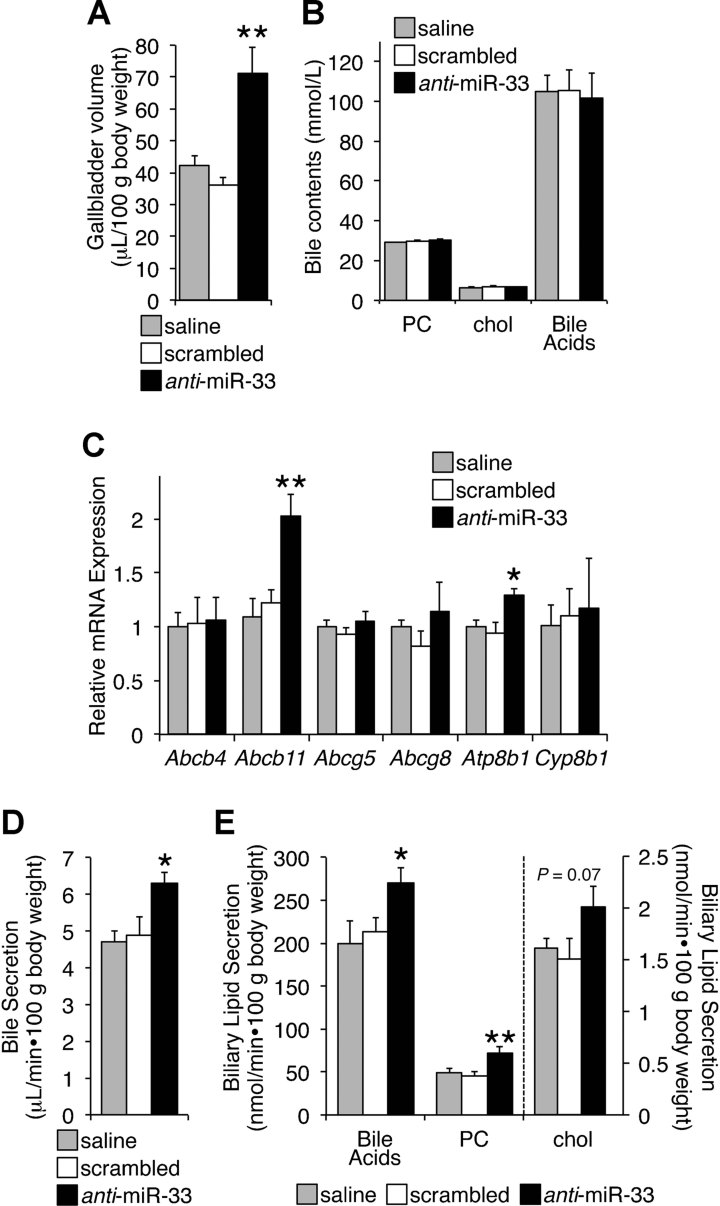
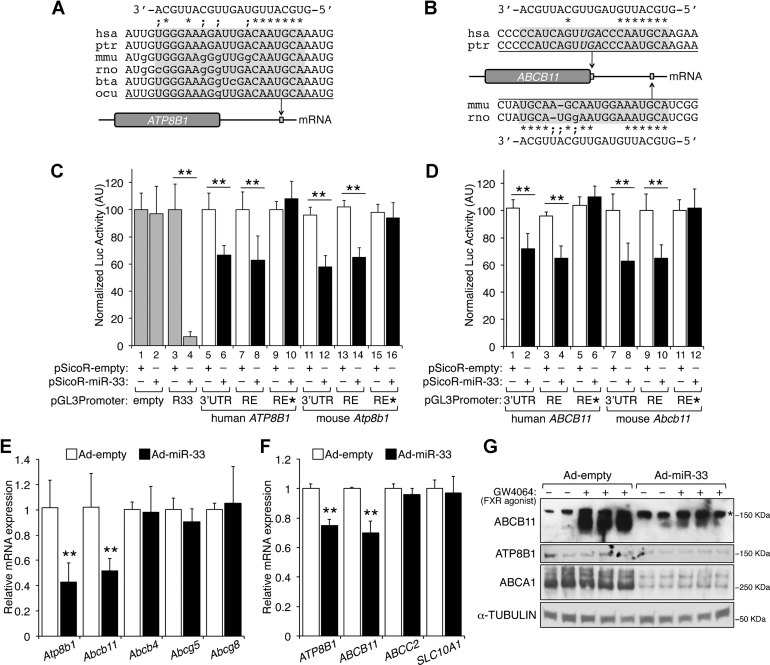
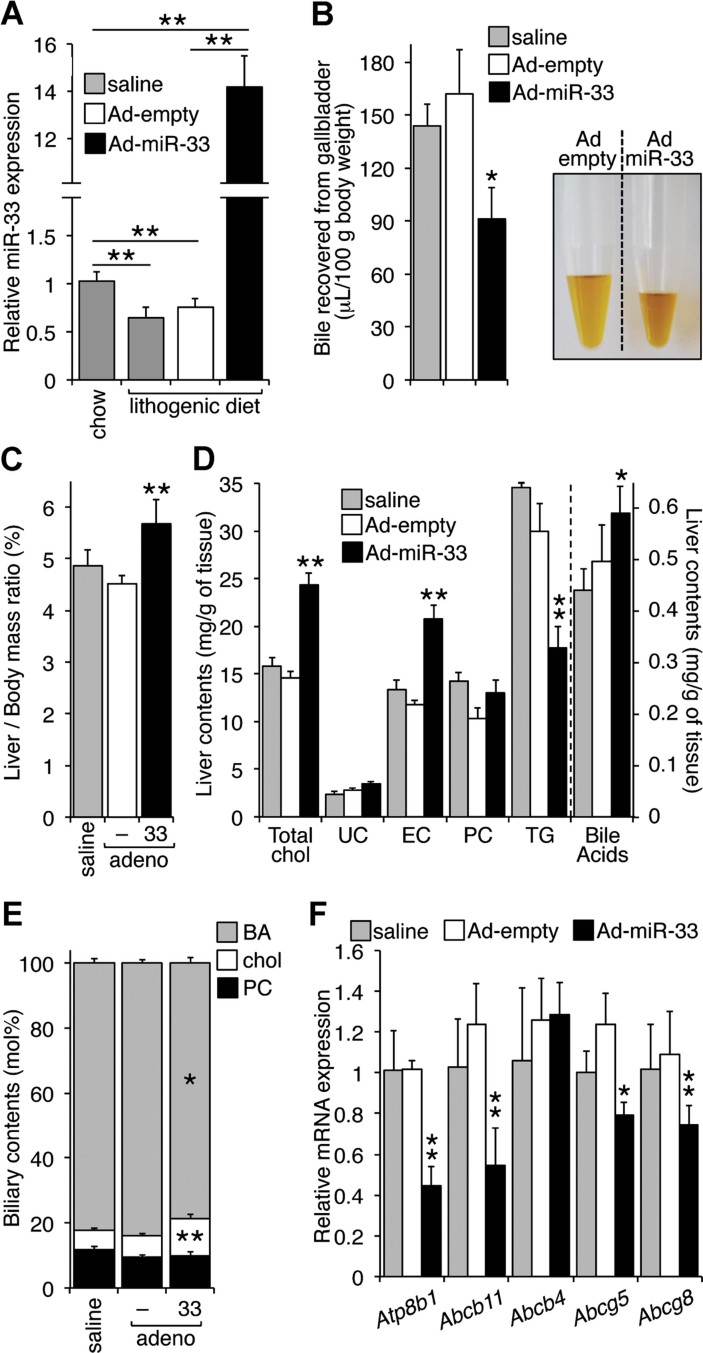
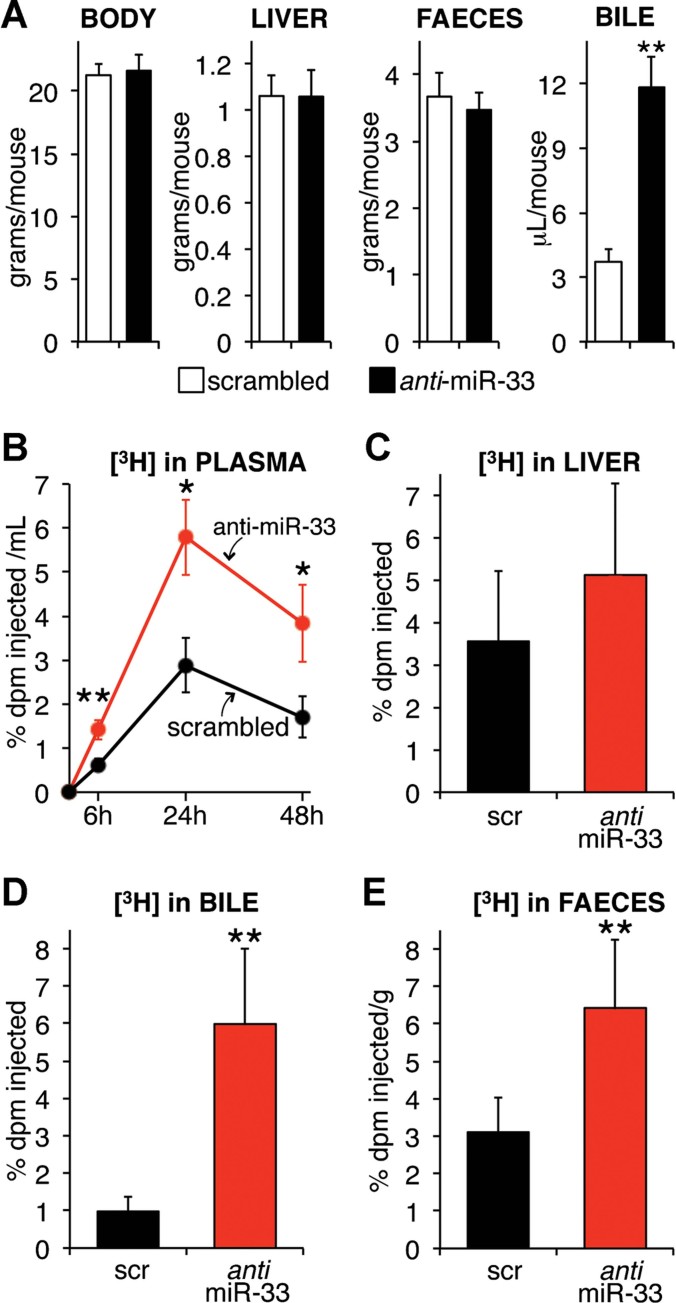
Bile secretion is essential for whole body sterol homeostasis. Loss-of-function mutations in specific canalicular transporters in the hepatocyte disrupt bile flow and result in cholestasis. We show that two of these transporters, ABCB11 and ATP8B1, are functional targets of miR-33, a micro-RNA that is expressed from within an intron of SREBP-2. Consequently, manipulation of miR-33 levels in vivo with adenovirus or with antisense oligonucleotides results in changes in bile secretion and bile recovery from the gallbladder. Using radiolabelled cholesterol, we show that systemic silencing of miR-33 leads to increased sterols in bile and enhanced reverse cholesterol transport in vivo. Finally, we report that simvastatin causes, in a dose-dependent manner, profound hepatotoxicity and lethality in mice fed a lithogenic diet. These latter results are reminiscent of the recurrent cholestasis found in some patients prescribed statins. Importantly, pretreatment of mice with anti-miR-33 oligonucleotides rescues the hepatotoxic phenotype. Therefore, we conclude that miR-33 mediates some of the undesired, hepatotoxic effects of statins.
Overview
The claims and statistics of this paper haven’t been checked yet.
Run the check — free, no account needed. It reads the open-access text and checks the sources it cites.
Integrity signals
Registry
Cites
Statistics
Figures
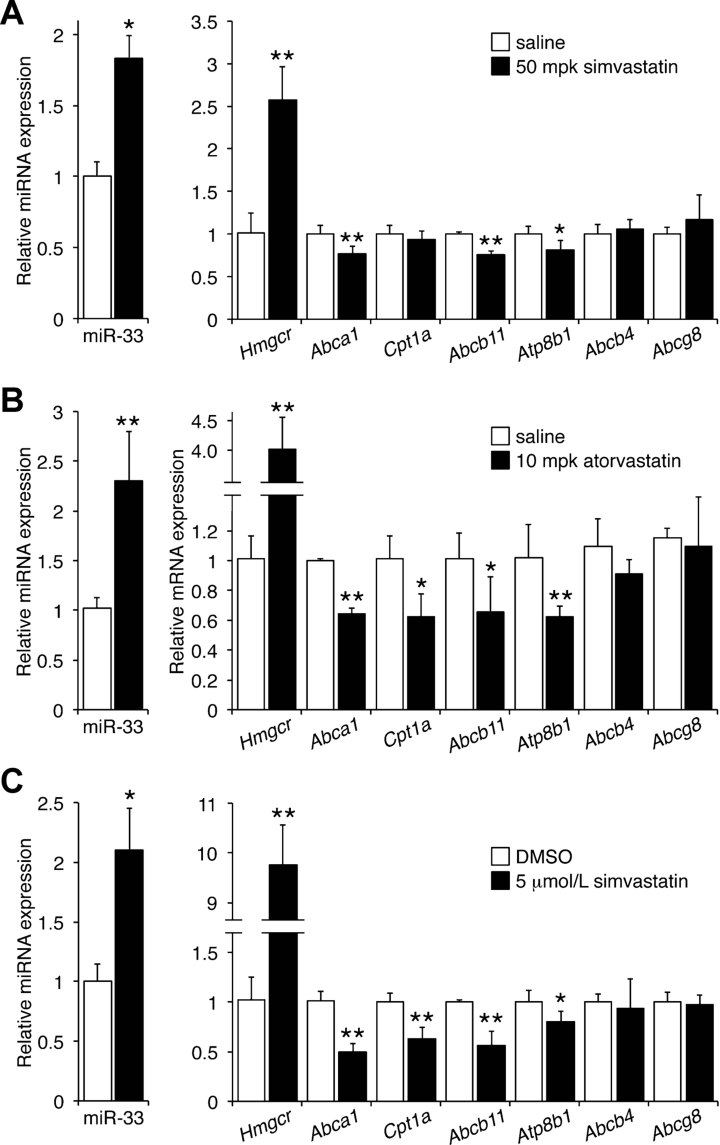
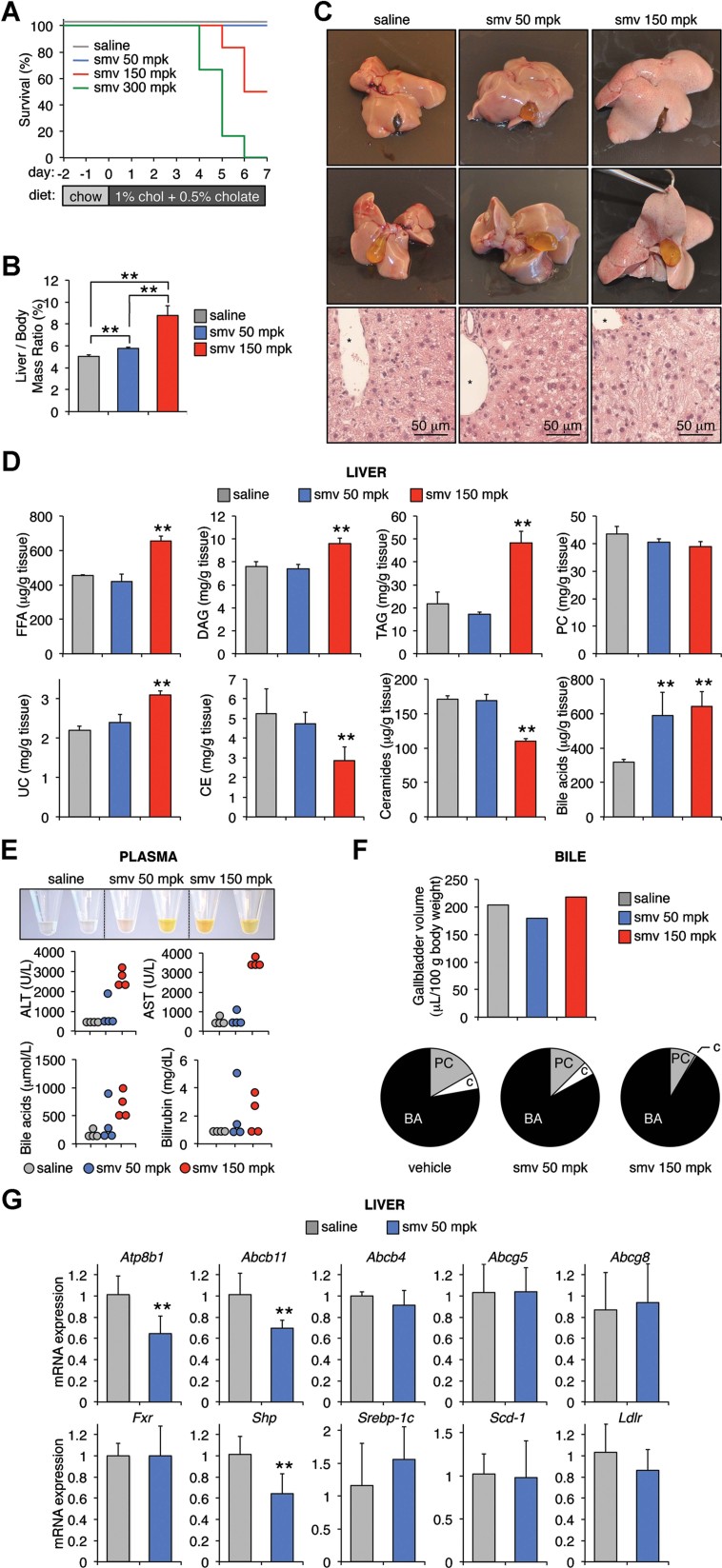
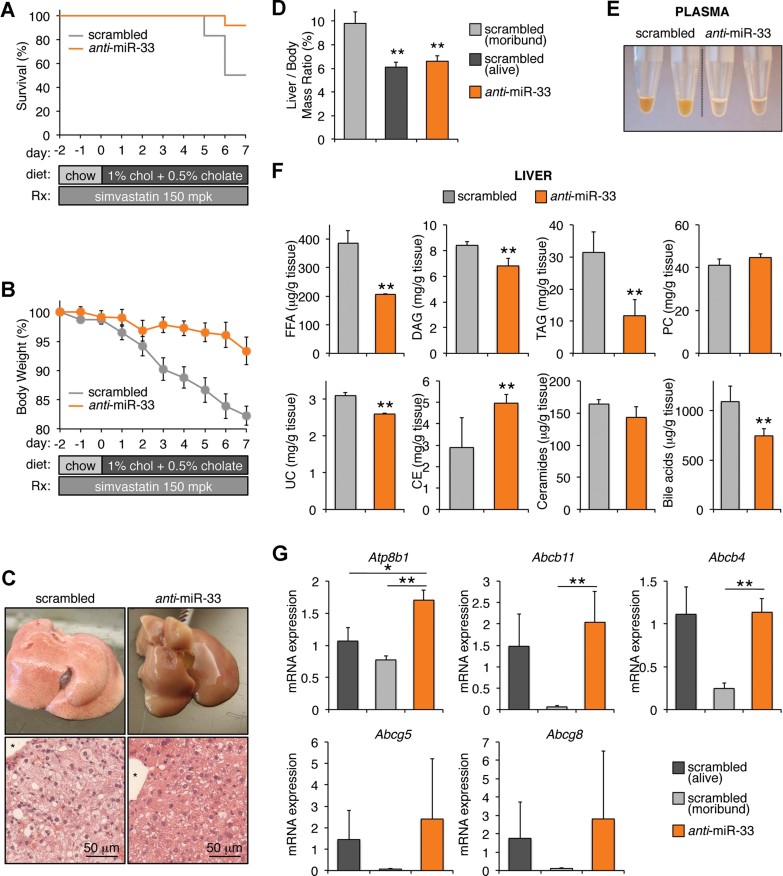
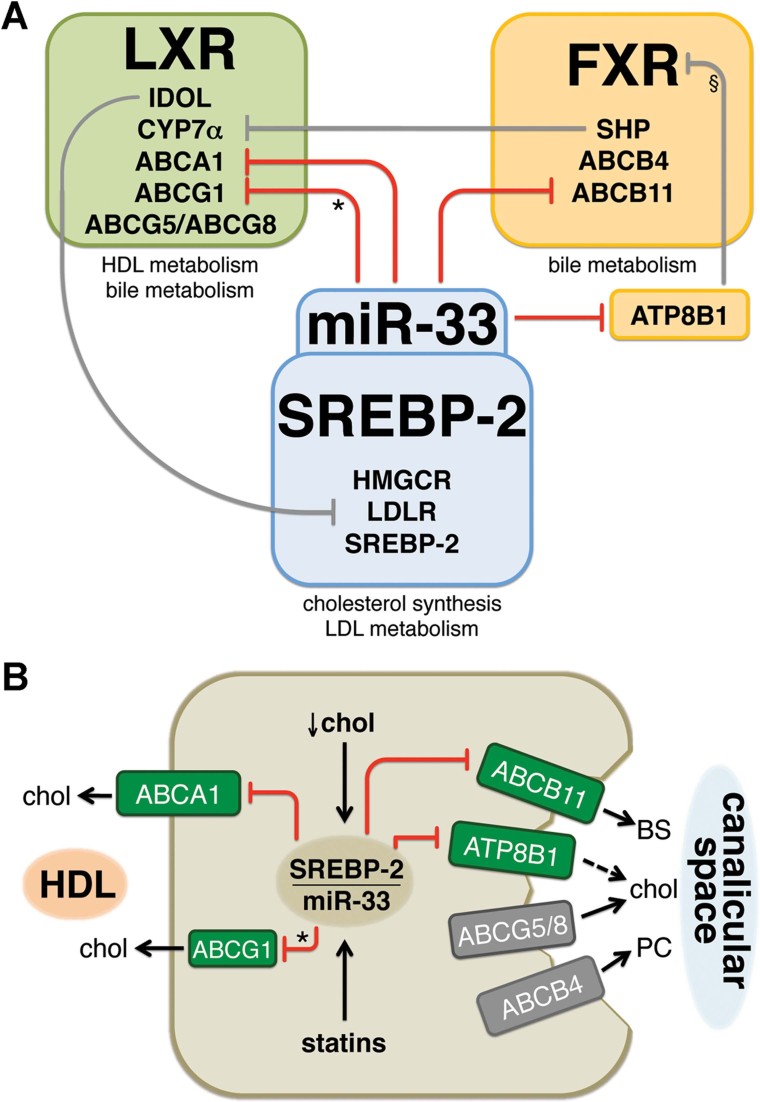
Verification
Claims the paper makes
The claims and statistics of this paper haven’t been checked yet.
Run the check — free, no account needed. It reads the open-access text and checks the sources it cites.
Claims other papers make about this one
Each is checked against this paper’s own text: does it say what the citing paper says it does?
The source backs part of the claim, not all of it — or backs it for a different population, condition or comparison.
In the citing paper
“the miR-33 family prevents lipid depletion in the liver by targeting genes regulating bile acid synthesis and secretion [ATP-binding cassette subfamily B member 11 (ABCB11), amino phospholipid transporter class I type 8B member 1 (ATP8B1), and cytochrome P450 family 7, subfamily A, polypeptide 1 (CYP7A1) (Allen et al., 2012; Li et al., 2013)].”
From Genetic dissection of the impact of miR-33a and miR-33b during the progression of atherosclerosis (2017) · cites this paper as Allen et al., 2012
Experimental — accuracy not yet measured
Self-check
Percentages, sums and reported differences re-computed from the paper’s own numbers.
The self-check needs the paper’s full text.
Citations
Cites
A RAPID METHOD OF TOTAL LIPID EXTRACTION AND PURIFICATION
Bligh, E. G., & Dyer, W. J. (1959) · Canadian Journal of Biochemistry and Physiology · doi:10.1139/o59-099 · Cited by 54,751
MiR-33 Contributes to the Regulation of Cholesterol Homeostasis
Rayner, K. J., Suárez, Y., Dávalos, A., Parathath, S., Fitzgerald, M. L., Tamehiro, N., Fisher, E. A., Moore, K. J., & Fernández-Hernando, C. (2010) · Science · doi:10.1126/science.1189862 · Cited by 1,260
Han, X., & Gross, R. W. (2004) · Mass Spectrometry Reviews · doi:10.1002/mas.20023 · Cited by 1,126
MicroRNA-33 and the SREBP Host Genes Cooperate to Control Cholesterol Homeostasis
Najafi-Shoushtari, S. H., Kristo, F., Li, Y., Shioda, T., Cohen, D. E., Gerszten, R. E., & Näär, A. M. (2010) · Science · doi:10.1126/science.1189123 · Cited by 957 · cited 5×
“…that combines statins and anti-miR-33 oligonucleotides may be useful in hyperlipidemic patients by reversing statin-induced, miR-33-mediated repression of ABCA1, which ultimately would increase plasma HDL (Horie et al, 2010; Marquart et al, 2010; Najafi-Shoushtari et al, 2010; Rayner et al, 2010).”
InfluentialDisruption of Abcg5 and Abcg8 in mice reveals their crucial role in biliary cholesterol secretion
Yu, L., Hammer, R. E., Li-Hawkins, J., von Bergmann, K., Lütjohann, D., Cohen, J. C., & Hobbs, H. H. (2002) · Proceedings of the National Academy of Sciences · doi:10.1073/pnas.252582399 · Cited by 722
Inhibition of miR-33a/b in non-human primates raises plasma HDL and lowers VLDL triglycerides
Rayner, K. J., Esau, C. C., Hussain, F. N., McDaniel, A. L., Marshall, S. M., van Gils, J. M., Ray, T. D., Sheedy, F. J., Goedeke, L., Liu, X., et al. (2011) · Nature · doi:10.1038/nature10486 · Cited by 706
Rayner, K. J., Sheedy, F. J., Esau, C. C., Hussain, F. N., Temel, R. E., Parathath, S., van Gils, J. M., Rayner, A. J., Chang, A. N., Suarez, Y., et al. (2011) · Journal of Clinical Investigation · doi:10.1172/jci57275 · Cited by 690 · cited 2×
“Manipulation of miR-33 levels in vivo results in changes in circulating levels of high-density lipoproteins (HDL) (Horie et al, 2010; Marquart et al, 2010; Najafi-Shoushtari et al, 2010; Rayner et al, 2010, 2011a,b).”
miR-33a/b contribute to the regulation of fatty acid metabolism and insulin signaling
Dávalos, A., Goedeke, L., Smibert, P., Ramírez, C. M., Warrier, N. P., Andreo, U., Cirera-Salinas, D., Rayner, K., Suresh, U., Pastor-Pareja, J. C., et al. (2011) · Proceedings of the National Academy of Sciences · doi:10.1073/pnas.1102281108 · Cited by 670
The role of reverse cholesterol transport in animals and humans and relationship to atherosclerosis
Rader, D. J., Alexander, E. T., Weibel, G. L., Billheimer, J. T., & Rothblat, G. H. (2008) · Journal of Lipid Research · doi:10.1194/jlr.r800088-jlr200 · Cited by 597
Macrophage ABCA1 and ABCG1, but not SR-BI, promote macrophage reverse cholesterol transport in vivo
Wang, X., Collins, H. L., Ranalletta, M., Fuki, I. V., Billheimer, J. T., Rothblat, G. H., Tall, A. R., & Rader, D. J. (2007) · Journal of Clinical Investigation · doi:10.1172/jci32057 · Cited by 593
Cited by
Sorted by citations
Bile acid signaling in metabolic disease and drug therapy
Li, T., & Chiang, J. Y. L. (2014) · Pharmacological Reviews · doi:10.1124/pr.113.008201 · Cited by 935
MicroRNA Regulation of Atherosclerosis
Feinberg, M. W., & Moore, K. J. (2016) · Circulation Research · doi:10.1161/circresaha.115.306300 · Cited by 638
MicroRNA-mediated regulation of glucose and lipid metabolism
Agbu, P., & Carthew, R. W. (2021) · Nature Reviews Molecular Cell Biology · doi:10.1038/s41580-021-00354-w · Cited by 376
MicroRNAs in Metabolic Disease
Fernández-Hernando, C., Ramírez, C. M., Goedeke, L., & Suárez, Y. (2013) · Arteriosclerosis, Thrombosis, and Vascular Biology · doi:10.1161/atvbaha.112.300144 · Cited by 257
MicroRNA-33 regulates sterol regulatory element-binding protein 1 expression in mice
Horie, T., Nishino, T., Baba, O., Kuwabara, Y., Nakao, T., Nishiga, M., Usami, S., Izuhara, M., Sowa, N., Yahagi, N., et al. (2013) · Nature Communications · doi:10.1038/ncomms3883 · Cited by 230
Statin treatment and new-onset diabetes: A review of proposed mechanisms
Brault, M., Ray, J., Sandoval, Y.-H. G., Mantzoros, C. S., & Daskalopoulou, S. S. (2014) · Metabolism · doi:10.1016/j.metabol.2014.02.014 · Cited by 218
microRNA-33 regulates macrophage autophagy in atherosclerosis
Ouimet, M., Ediriweera, H., Afonso, M. S., Ramkhelawon, B., Singaravelu, R., Liao, X., Bandler, R. C., Rahman, K., Fisher, E. A., Rayner, K. J., et al. (2017) · Arteriosclerosis, Thrombosis, and Vascular Biology · doi:10.1161/atvbaha.116.308916 · Cited by 221
MicroRNAs and lipid metabolism
Aryal, B., Singh, A. K., Rotllan, N., Price, N., & Fernández-Hernando, C. (2017) · Current Opinion in Lipidology · doi:10.1097/mol.0000000000000420 · Cited by 191
Karunakaran, D., Thrush, A. B., Nguyen, M.-A., Richards, L., Geoffrion, M., Singaravelu, R., Ramphos, E., Shangari, P., Ouimet, M., Pezacki, J. P., et al. (2015) · Circulation Research · doi:10.1161/circresaha.117.305624 · Cited by 188
Li, T., Ferrell, J. M., Boehme, S., & Chiang, J. Y. L. (2013) · Hepatology · doi:10.1002/hep.26427 · Cited by 163
Nguyen, M.-A., Wyatt, H., Susser, L., Geoffrion, M., Rasheed, A., Duchez, A., Cottee, M. L., Afolayan, E., Farah, E., Kahiel, Z., et al. (2019) · ACS Nano · doi:10.1021/acsnano.8b09679 · Cited by 158
MicroRNAs in the Pathobiology and Therapy of Atherosclerosis
Laffont, B., & Rayner, K. J. (2017) · Canadian Journal of Cardiology · doi:10.1016/j.cjca.2017.01.001 · Cited by 153
Galicia-García, U., Jebari‐Benslaiman, S., Larrea, A., Uribe, K. B., Siddiqi, H. F., Ostolaza, H., Benito‐Vicente, A., & Martín, C. (2020) · International Journal of Molecular Sciences · doi:10.3390/ijms21134725 · Cited by 165
The long noncoding RNA CHROME regulates cholesterol homeostasis in primates
Hennessy, E. J., Solingen, C. V., Scacalossi, K. R., Ouimet, M. I., Afonso, M. S., Prins, J., Koelwyn, G. J., Sharma, M., Ramkhelawon, B., Carpenter, S. B., et al. (2018) · Nature Metabolism · doi:10.1038/s42255-018-0004-9 · Cited by 150
Goedeke, L., Salerno, A., Ramírez, C. M., Guo, L., Allen, R. M., Yin, X., Langley, S. R., Esau, C., Wanschel, A., Fisher, E. A., et al. (2014) · EMBO Molecular Medicine · doi:10.15252/emmm.201404046 · Cited by 145
Self-citationGenetic dissection of the impact of miR-33a and miR-33b during the progression of atherosclerosis
Price, N. L., Rotllan, N., Canfrán-Duque, A., Zhang, X., Pati, P., Arias, N., Moen, J., Mayr, M., Ford, D. A., Baldán, Á., et al. (2017) · Cell reports · doi:10.1016/j.celrep.2017.10.023 · Cited by 129
Self-citationRottiers, V., Obad, S., Petri, A., McGarrah, R., Lindholm, M. W., Black, J. C., Sinha, S., Goody, R. J., Lawrence, M. S., deLemos, A. S., et al. (2013) · Science Translational Medicine · doi:10.1126/scitranslmed.3006840 · Cited by 121
microRNAs in lipoprotein metabolism and cardiometabolic disorders
Rotllan, N., Price, N., Pati, P., Goedeke, L., & Fernández-Hernando, C. (2016) · Atherosclerosis · doi:10.1016/j.atherosclerosis.2016.01.025 · Cited by 100
Marquart, T. J., Wu, J., Lusis, A. J., & Baldán, Á. (2013) · Arteriosclerosis, Thrombosis, and Vascular Biology · doi:10.1161/atvbaha.112.300639 · Cited by 110
Self-citationPrice, N. L., Singh, A. K., Rotllan, N., Goedeke, L., Wing, A., Canfrán-Duque, A., Diaz-Ruiz, A., Araldi, E., Baldán, Á., Camporez, J.-P., et al. (2018) · Cell Reports · doi:10.1016/j.celrep.2018.01.074 · Cited by 110
Self-citationMechanistic Role of MicroRNAs in Coupling Lipid Metabolism and Atherosclerosis
Novák, J., Olejníčková, V., Tkáčová, N., & Santulli, G. (2015) · Advances in Experimental Medicine and Biology · doi:10.1007/978-3-319-22380-3_5 · Cited by 95
MicroRNA 302a Is a Novel Modulator of Cholesterol Homeostasis and Atherosclerosis
Meiler, S. U., Baumer, Y., Toulmin, E., Seng, K., & Boisvert, W. A. (2014) · Arteriosclerosis Thrombosis and Vascular Biology · doi:10.1161/atvbaha.114.304878 · Cited by 111
microRNAs in the onset and development of cardiovascular disease
Vickers, K. C., Rye, K., & Tabet, F. (2013) · Clinical Science · doi:10.1042/cs20130203 · Cited by 102
Price, N. L., Rotllán, N., Zhang, X., Canfrán‐Duque, A., Nottoli, T., Suárez, Y., & Fernandez-Hernando, C. F. (2019) · Circulation Research · doi:10.1161/circresaha.118.314415 · Cited by 97
HDL in CKD—The Devil Is in the Detail
Kronenberg, F. (2018) · Journal of the American Society of Nephrology · doi:10.1681/asn.2017070798 · Cited by 97
MicroRNA Control of High-Density Lipoprotein Metabolism and Function
Rayner, K. J., & Moore, K. J. (2014) · Circulation Research · doi:10.1161/circresaha.114.300645 · Cited by 91
Role of MicroRNAs in NAFLD/NASH
Szabó, G., & Csák, T. (2016) · Digestive Diseases and Sciences · doi:10.1007/s10620-015-4002-4 · Cited by 94
Abdalla, M. A., Deshmukh, H., Atkin, S. L., & Sathyapalan, T. (2020) · Life Sciences · doi:10.1016/j.lfs.2020.118174 · Cited by 88
miRNA Targeting of Oxysterol-Binding Protein-Like 6 Regulates Cholesterol Trafficking and Efflux
Ouimet, M. I., Hennessy, E. J., Solingen, C. V., Koelwyn, G. J., Hussein, M. A., Ramkhelawon, B., Rayner, K. J., Temel, R. E., Matic, L. P., Hedin, U., et al. (2016) · Arteriosclerosis Thrombosis and Vascular Biology · doi:10.1161/atvbaha.116.307282 · Cited by 81
Post-translational Regulation of the Type III Inositol 1,4,5-Trisphosphate Receptor by miRNA-506
Ananthanarayanan, M., Bañales, J. M., Guerra, M. T., Spirlı̀, C., Muñoz-Garrido, P., Mitchell-Richards, K., Tafur, D., Sáez, E., & Nathanson, M. H. (2014) · Journal of Biological Chemistry · doi:10.1074/jbc.m114.587030 · Cited by 77
Self-citationMicro RNA s: the fine modulators of liver development and function
Chen, Y., & Verfaillie, C. M. (2014) · Liver International · doi:10.1111/liv.12496 · Cited by 74
Karunakaran, D., Richards, L. M., Geoffrion, M., Barrette, D., Gotfrit, R., Harper, M., & Rayner, K. J. (2015) · Arteriosclerosis Thrombosis and Vascular Biology · doi:10.1161/atvbaha.115.306404 · Cited by 67
miR-29b represses intestinal mucosal growth by inhibiting translation of cyclin-dependent kinase 2
Xiao, L., Rao, J. N., Zou, T., Liu, L., Cao, S., Martindale, J. L., Su, W., Chung, H. K., Gorospe, M., & Wang, J. (2013) · Molecular Biology of the Cell · doi:10.1091/mbc.e13-05-0287 · Cited by 67
Insulin resistance: a connecting link between Alzheimer's disease and metabolic disorder
Kshirsagar, V., Thingore, C., & Juvekar, A. (2021) · Metabolic Brain Disease · doi:10.1007/s11011-020-00622-2 · Cited by 66
MicroRNA modulation of lipid metabolism and oxidative stress in cardiometabolic diseases
Aranda, J. F., Madrigal‐Matute, J., Rotllán, N., & Fernandez-Hernando, C. F. (2013) · Free Radical Biology and Medicine · doi:10.1016/j.freeradbiomed.2013.07.014 · Cited by 67
Micro-RNAs and High-Density Lipoprotein Metabolism
Canfrán‐Duque, A., Lin, C., Goedeke, L., Suárez, Y., & Fernandez-Hernando, C. F. (2016) · Arteriosclerosis Thrombosis and Vascular Biology · doi:10.1161/atvbaha.116.307028 · Cited by 64
Lai, L., Azzam, K. M., Lin, W.-C., Rai, P., Lowe, J. M., Gabor, K. A., Madenspacher, J. H., Aloor, J. J., Parks, J. S., Näär, A. M., et al. (2016) · Journal of Biological Chemistry · doi:10.1074/jbc.m116.723056 · Cited by 67
MicroRNAs in obesity-associated disorders
Abente, E. J., Subramanian, M., Ramachandran, V., & Najafi-Shoushtari, S. H. (2015) · Archives of Biochemistry and Biophysics · doi:10.1016/j.abb.2015.09.018 · Cited by 63
Ferreira, D. M. S., Simão, A. L., Rodrigues, C. M. P., & Castro, R. E. (2014) · FEBS Journal · doi:10.1111/febs.12806 · Cited by 61
Cholesterol cholelithiasis: part of a systemic metabolic disease, prone to primary prevention
Ciaula, A. D., Wang, D. Q. ‐., & Portincasa, P. (2018) · Expert Review of Gastroenterology & Hepatology · doi:10.1080/17474124.2019.1549988 · Cited by 61
Self-citationFibrotic Events in the Progression of Cholestatic Liver Disease
Wu, H., Chen, C., Ziani, S., Nelson, L. J., Avila, M. A., Nevzorova, Y. A., & Cubero, F. J. (2021) · Cells · doi:10.3390/cells10051107 · Cited by 62
Canfrán‐Duque, A., Ramírez, C. M., Goedeke, L., Lin, C., & Fernandez-Hernando, C. F. (2014) · Cardiovascular Research · doi:10.1093/cvr/cvu140 · Cited by 59
microRNAs in lipoprotein and lipid metabolism: from biological function to clinical application
Desgagné, V., Bouchard, L., & Guérin, R. (2016) · Clinical Chemistry and Laboratory Medicine (CCLM) · doi:10.1515/cclm-2016-0575 · Cited by 57
Posttranscriptional regulation of lipid metabolism by non-coding RNAs and RNA binding proteins
Singh, A. K., Aryal, B. K., Zhang, X., Fan, Y., Price, N. L., Suárez, Y., & Fernandez-Hernando, C. F. (2017) · Seminars in Cell and Developmental Biology · doi:10.1016/j.semcdb.2017.11.026 · Cited by 55
Non-coding RNAs in lipid metabolism
Zhang, X., Price, N. L., & Fernandez-Hernando, C. F. (2018) · Vascular Pharmacology · doi:10.1016/j.vph.2018.06.011 · Cited by 54
High-Density Lipoprotein Function in Cardiovascular Disease and Diabetes Mellitus
He, Y., Kothari, V. M., & Bornfeldt, K. (2018) · Arteriosclerosis Thrombosis and Vascular Biology · doi:10.1161/atvbaha.117.310222 · Cited by 56
Mechanisms of statin‐induced new‐onset diabetes
Paseban, M., Butler, A. E., & Sahebkar, A. (2019) · Journal of Cellular Physiology · doi:10.1002/jcp.28123 · Cited by 54
miR-33 Silencing Reprograms the Immune Cell Landscape in Atherosclerotic Plaques
Afonso, M. S., Sharma, M., Schlegel, M., van Solingen, C., Koelwyn, G. J., Shanley, L. C., Beckett, L., Peled, D., Rahman, K., Giannarelli, C., et al. (2021) · Circulation Research · doi:10.1161/circresaha.120.317914 · Cited by 53
Novák, J., Vašků, J. B., Kára, T., & Novák, M. (2014) · Mediators of Inflammation · doi:10.1155/2014/275867 · Cited by 53
Functions of microRNA-33a/b and microRNA therapeutics
Ono, K. (2015) · Journal of Cardiology · doi:10.1016/j.jjcc.2015.10.017 · Cited by 52
Price, N. L., Zhang, X., Fernández-Tussy, P., Singh, A. K., Burnap, S. A., Rotllan, N., Goedeke, L., Sun, J., Canfrán-Duque, A., Aryal, B., et al. (2021) · Proceedings of the National Academy of Sciences · doi:10.1073/pnas.2006478118 · Cited by 50
Circulating MicroRNAs as Biomarkers in Biliary Tract Cancers
Letelier, P. J., Riquelme, I., Hernández, A., Guzmán, N. H., Farías, J. G., & Roa, J. C. (2016) · International Journal of Molecular Sciences · doi:10.3390/ijms17050791 · Cited by 49
Pharmacogenetic Foundations of Therapeutic Efficacy and Adverse Events of Statins
Arrigoni, E., Re, M. D., Fidilio, L., Fogli, S., Danesi, R., & Paolo, A. D. (2017) · International Journal of Molecular Sciences · doi:10.3390/ijms18010104 · Cited by 52
miRNA regulation of LDL-cholesterol metabolism
Goedeke, L., Wagschal, A., Fernández-Hernando, C., & Näär, A. M. (2016) · Biochimica et Biophysica Acta (BBA) - Molecular and Cell Biology of Lipids · doi:10.1016/j.bbalip.2016.03.007 · Cited by 39
HDL and microRNA therapeutics in cardiovascular disease
Michell, D. L., & Vickers, K. C. (2016) · Pharmacology & Therapeutics · doi:10.1016/j.pharmthera.2016.09.001 · Cited by 45
Pathobiology of biliary epithelia
Cheung, A., Pisarello, M. J. L., & LaRusso, N. F. (2017) · Biochimica et Biophysica Acta (BBA) - Molecular Basis of Disease · doi:10.1016/j.bbadis.2017.06.024 · Cited by 47
MicroRNAs and Circular RNAs in Lipoprotein Metabolism
Fernández‐Tussy, P., Ruz‐Maldonado, I., & Fernandez-Hernando, C. F. (2021) · Current Atherosclerosis Reports · doi:10.1007/s11883-021-00934-3 · Cited by 44
The Regulation of Reverse Cholesterol Transport and Cellular Cholesterol Homeostasis by MicroRNAs
DiMarco, D. M., & Fernández, M. L. (2015) · Biology · doi:10.3390/biology4030494 · Cited by 44
Role of Bile Acids and the Biliary HCO3− Umbrella in the Pathogenesis of Primary Biliary Cholangitis
van Niekerk, J., Kersten, R., & Beuers, U. H. (2018) · Clinics in Liver Disease · doi:10.1016/j.cld.2018.03.013 · Cited by 42
MicroRNAs and cholestatic liver diseases
Marı́n, J. J. G., Bujanda, L., & Bañales, J. M. (2014) · Current Opinion in Gastroenterology · doi:10.1097/mog.0000000000000051 · Cited by 43
Gadde, S., & Rayner, K. J. (2016) · Arteriosclerosis Thrombosis and Vascular Biology · doi:10.1161/atvbaha.116.307481 · Cited by 44
MicroRNA regulation of cholesterol metabolism
Citrin, K. M., Fernandez-Hernando, C. F., & Suárez, Y. (2021) · Annals of the New York Academy of Sciences · doi:10.1111/nyas.14566 · Cited by 45
Regulation of cholesterol biosynthesis and lipid metabolism: A microRNA management perspective
Bhattarai, A., Likos, E., Weyman, C. M., & Shukla, G. C. (2021) · Steroids · doi:10.1016/j.steroids.2021.108878 · Cited by 44
Hu, Y., Jiang, L., Lai, W., Qin, Y., Zhang, T., Wang, S., & Ye, X. (2015) · Journal of General Virology · doi:10.1099/jgv.0.000311 · Cited by 42
miR-183 inhibits invasion of gastric cancer by targeting Ezrin.
Cao, L., Xie, J., Lin, Y., Zheng, C., Li, P., Wang, J.-B., Lin, J.-X., Lü, J., Chen, Q., & Huang, C. (2014) · PubMed Central · Cited by 42
MicroRNAs and lipoproteins: A connection beyond atherosclerosis?
Norata, G. D., Sala, F., Catapano, A. L., & Fernandez-Hernando, C. F. (2012) · Atherosclerosis · doi:10.1016/j.atherosclerosis.2012.11.019 · Cited by 40
HDL—A molecule with a multi-faceted role in coronary artery disease
Arora, S., Patra, S. K., & Saini, R. (2015) · Clinica Chimica Acta · doi:10.1016/j.cca.2015.10.021 · Cited by 43
Noncoding RNA response to xenobiotic exposure: an indicator of toxicity and carcinogenicity
Marrone, A. K., Beland, F. A., & Pogribny, I. P. (2014) · Expert Opinion on Drug Metabolism & Toxicology · doi:10.1517/17425255.2014.954312 · Cited by 39
Roles of Hepatic Drug Transporters in Drug Disposition and Liver Toxicity
Pan, G. (2019) · Advances in experimental medicine and biology · doi:10.1007/978-981-13-7647-4_6 · Cited by 40
Are statins really wonder drugs?
Grover, H. S., Luthra, S., & Maroo, S. (2013) · Journal of the Formosan Medical Association · doi:10.1016/j.jfma.2013.05.016 · Cited by 38
Control of very low-density lipoprotein secretion by N-ethylmaleimide-sensitive factor and miR-33
Allen, R. M., Marquart, T. J., Jesse, J. J., & Baldán, Á. (2014) · Circulation Research · doi:10.1161/circresaha.115.303100 · Cited by 38
Self-citationBile Acids: Key Regulators and Novel Treatment Targets for Type 2 Diabetes
Wu, Y., Zhou, A., Tang, L., Lei, Y., Tang, B., & Zhang, L. (2020) · Journal of Diabetes Research · doi:10.1155/2020/6138438 · Cited by 38
MicroRNA-33 in atherosclerosis etiology and pathophysiology
Chen, W., Zhang, M., Zhao, G., Fu, Y., Zhang, D., Zhu, H., & Tang, C. (2012) · Atherosclerosis · doi:10.1016/j.atherosclerosis.2012.11.025 · Cited by 39
Cholesterol attenuates cytoprotective effects of phosphatidylcholine against bile salts
Ikeda, Y., Morita, S., & Terada, T. (2017) · Scientific Reports · doi:10.1038/s41598-017-00476-2 · Cited by 37
An update on efflux and uptake transporters as determinants of statin response
Rocha, K. C. E., Pereira, B. M. V., & Rodrigues, A. C. (2018) · Expert Opinion on Drug Metabolism & Toxicology · doi:10.1080/17425255.2018.1482276 · Cited by 38
miR‐33 in cardiometabolic diseases: lessons learned from novel animal models and approaches
Price, N. L., Goedeke, L., Suárez, Y., & Fernández‐Hernando, C. (2021) · EMBO Molecular Medicine · doi:10.15252/emmm.202012606 · Cited by 36
“…that miR-33a/b control HDL-C biogenesis by targeting ABCA1 in the liver and are involved in the last stage of RCT by regulating factors involved in the synthesis (CYP7A1) and secretion (ATP8B1 and ABCB11) of bile acids (Rayner et al, 2011b; Allen et al, 2012; Li et al, 2013; Tarling et al, 2015).”
BackgroundZhang, Q., Xie, D., Wang, S., You, C., Monroig, Ó., Tocher, D. R., & Li, Y. (2014) · Biochimica et Biophysica Acta (BBA) - Molecular and Cell Biology of Lipids · doi:10.1016/j.bbalip.2014.03.009 · Cited by 37
Perilipin-5 is regulated by statins and controls triglyceride contents in the hepatocyte
Langhi, C., Marquart, T. J., Allen, R. M., & Baldán, Á. (2014) · Journal of Hepatology · doi:10.1016/j.jhep.2014.04.009 · Cited by 36
Self-citationCho, Y., Moon, P., Lee, J., Singh, T. S. K., Kang, W., Lee, H., Lee, M., Kim, S., & Baek, M. (2013) · PROTEOMICS · doi:10.1002/pmic.201200368 · Cited by 35
MicroRNA-33a/b in Lipid Metabolism
Ono, K., Horie, T., Nishino, T., Baba, O., Kuwabara, Y., Yokode, M., Kita, T., & Kimura, T. (2015) · Circulation Journal · doi:10.1253/circj.cj-14-1252 · Cited by 34
Promises of Nanotherapeutics in Obesity
Ash, G. I., Kim, D., & Choudhury, M. (2019) · Trends in Endocrinology and Metabolism · doi:10.1016/j.tem.2019.04.004 · Cited by 33
Are microRNAs the Molecular Link Between Metabolic Syndrome and Alzheimer’s Disease?
Codocedo, J. F., Ríos, J. A., Godoy, J. A., & Inestrosa, N. C. (2015) · Molecular Neurobiology · doi:10.1007/s12035-015-9201-7 · Cited by 34
Wan, N., Xu, Z., Chi, Q.-R., Hu, X.-Y., Pan, T., Liu, T., & Li, S. (2019) · Journal of Cellular Physiology · doi:10.1002/jcp.28050 · Cited by 33
The effects of micro RNA on the absorption, distribution, metabolism and excretion of drugs
He, Y., Chevillet, J. R., Liu, G., Kim, T. K., & Wang, K. (2014) · British Journal of Pharmacology · doi:10.1111/bph.12968 · Cited by 32
Langhi, C., Arias, N., Rajamoorthi, A., Basta, J. M., Lee, R. G., & Baldán, Á. (2016) · Journal of Lipid Research · doi:10.1194/jlr.m069799 · Cited by 31
Self-citationRajamoorthi, A., Arias, N., Basta, J. M., Lee, R. G., & Baldán, Á. (2017) · Journal of Lipid Research · doi:10.1194/jlr.m077941 · Cited by 31
Self-citationNon-Coding RNAs and Lipid Metabolism
Smolle, E., & Haybaeck, J. (2014) · International Journal of Molecular Sciences · doi:10.3390/ijms150813494 · Cited by 32
Regulation of HDL Genes: Transcriptional, Posttranscriptional, and Posttranslational
Kardassis, D., Gafencu, A. V., Zannis, V. I., & Dávalos, A. (2014) · Handbook of experimental pharmacology · doi:10.1007/978-3-319-09665-0_3 · Cited by 30
MicroRNAs and Lipoprotein Metabolism
Horie, T., Baba, O., Kuwabara, Y., Yokode, M., Kita, T., Kimura, T., & Ono, K. (2014) · Journal of Atherosclerosis and Thrombosis · doi:10.5551/jat.20859 · Cited by 29
Statins: Epidrugs with effects on endothelial health?
Mohammadzadeh, N., Montecucco, F., Carbone, F., Xu, S., Al‐Rasadi, K., & Sahebkar, A. (2020) · European Journal of Clinical Investigation · doi:10.1111/eci.13388 · Cited by 29
Coenzyme Q10 Increases Cholesterol Efflux and Inhibits Atherosclerosis Through MicroRNAs
Allen, R. M., & Vickers, K. C. (2014) · Arteriosclerosis Thrombosis and Vascular Biology · doi:10.1161/atvbaha.114.303741 · Cited by 29
Self-citationFunction and clinical potential of microRNAs in hepatocellular carcinoma
Wang, L., Yue, Y., Wang, X., & Jin, H. (2015) · Oncology Letters · doi:10.3892/ol.2015.3759 · Cited by 27
Fernández-Murga, M. L., Petrov, P., Conde, I., Castell, J. V., Gómez‐Lechón, M. J., & Jover, R. (2018) · Food and Chemical Toxicology · doi:10.1016/j.fct.2018.07.017 · Cited by 29
Pek, S. L., Tavintharan, S., Woon, K., Lin, L., Ong, C. N., Lim, S. C., & Sum, C. F. (2016) · Experimental Biology and Medicine · doi:10.1177/1535370215605588 · Cited by 26
microRNA-33 controls hunger signaling in hypothalamic AgRP neurons
Price, N. L., Fernández-Tussy, P., Varela, L., Cardelo, M. P., Shanabrough, M., Aryal, B., de Cabo, R., Suárez, Y., Horvath, T. L., & Fernández-Hernando, C. (2024) · Nature Communications · doi:10.1038/s41467-024-46427-0 · Cited by 25
Liu, X., Garban, J., Jones, P. J. H., Heuvel, J. V., Lamarche, B., Jenkins, D. J. A., Connelly, P. W., Couture, P., Pu, S., Fleming, J. A., et al. (2018) · Journal of Nutrition · doi:10.1093/jn/nxy040 · Cited by 27
Ouyang, M., Su, W., Xiao, L., Rao, J. N., Jiang, L., Li, Y., Turner, D. J., Gorospe, M., & Wang, J. (2014) · Biochemical Journal · doi:10.1042/bj20141028 · Cited by 25
RetractedAn integrated analysis of differential miRNA and mRNA expressions in human gallstones
Yang, B., Liu, B., Bi, P., Wu, T., Wang, Q., & Zhang, J. (2015) · Molecular BioSystems · doi:10.1039/c4mb00741g · Cited by 25
Zhu, T., Corraze, G. R., Plagnes‐Juan, E., & Cassy, S. (2020) · PLoS ONE · doi:10.1371/journal.pone.0223813 · Cited by 27
MicroRNAs as a Potential Biomarker in the Diagnosis of Cardiovascular Diseases
Kramna, D., Riedlová, P., & Jiřík, V. (2023) · Medicina · doi:10.3390/medicina59071329 · Cited by 19
Metadata
- Authors
- Allen, R. M., Marquart, T. J., Albert, C. J., Suchy, F. J., Wang, D. Q. ‐., Ananthanarayanan, M., Ford, D. A., & Baldán, Á.
- Affiliations
- Saint Louis University (US)
- University of Colorado Anschutz (US)
- Yale University (US)
- Corresponding author
- Baldán, Ángel
- Venue
- EMBO Molecular Medicine
- Published
- 2012-07-05
- Volume
- 4
- Issue
- 9
- Pages
- 882-895
- ISSN
- 1757-4676 (ISSN-L)
- 1757-4684
- PMC
- PMC3491822
- OpenAlex
- W2159167853
- Cited by
- 159
- References
- 70
- Citations by year
- 2026: 1 · 2025: 6 · 2024: 5 · 2023: 5 · 2022: 3 · 2021: 13 · 2020: 9 · 2019: 10 · 2018: 15 · 2017: 12 · 2016: 16 · 2015: 19 · 2014: 24 · 2013: 18 · 2012: 3
- FWCI
- 20.90
- Type
- journal article
- Language
- en
- Open access
- gold
- doi.org
- Licence
- Locations
- EMBO Molecular Medicine (publishedVersion, other-oa)
- Europe PMC (PubMed Central) (publishedVersion, cc-by)
- PubMed Central (publishedVersion, cc-by)
- PubMed (publishedVersion)
- DOAJ (DOAJ: Directory of Open Access Journals) (submittedVersion)
- Funders
- AHA (11SDG5030012)
- NIH (HL107794 (to Á.B.), HL074214, HL098907, RR019232)
- Topics
- Life Sciences › Biochemistry, Genetics and Molecular Biology › Biochemistry › Cholesterol and Lipid Metabolism
- Health Sciences › Medicine › Oncology › Drug Transport and Resistance Mechanisms
- Life Sciences › Biochemistry, Genetics and Molecular Biology › Cancer Research › MicroRNA in disease regulation
- Keywords
- miR-33, ABCB11, ATP8B1, simvastatin, lithogenic diet, cholestasis, bile secretion, sterol homeostasis, reverse cholesterol transport, SREBP2, antisense oligonucleotides, gallbladder
- MeSH terms
- ATP Binding Cassette Transporter, Subfamily B, Member 11, Adenosine Triphosphatases, Animals, Bile, Cells, Cultured, Diet, Gene Expression Regulation, Liver, Male, Mice, Inbred C57BL, Models, Biological, ATP-Binding Cassette Transporters, Simvastatin, Hepatocytes, MicroRNAs, Phospholipid Transfer Proteins, Mice
About these checks
Registry, retraction, Cites and statistics results are computed, not judged, with one exception: a printed reference that no index lists is read once by a model before it counts as a citation error. Claims are extracted by a model and kept only when their quote appears verbatim in the text; each cited source is then checked, with a model’s help, for whether it says what the claim relies on. Those verdicts can be wrong — read the claim’s quote and the cited source before relying on one.
Statistics and arithmetic are recomputed, not judged.
Confidence bands are shown only for fields calibrated on our annotated test set. None is calibrated yet, so no band is shown.
What counts as a claim ›How we measure confidence ›How we check this ›
Are you an author, or do you see a problem with this page? Request a review
