

Prebiotic intake reduces the waking cortisol response and alters emotional bias in healthy volunteers
Open accessThe DOI matches its Crossref record; 66 of the 69 references it cites were found in a registry or an index; 9 of the 64 sources its claims cite were checked for support.
Abstract
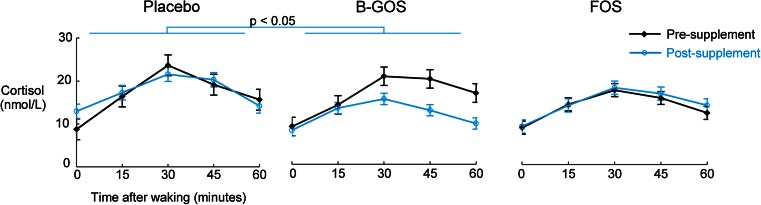
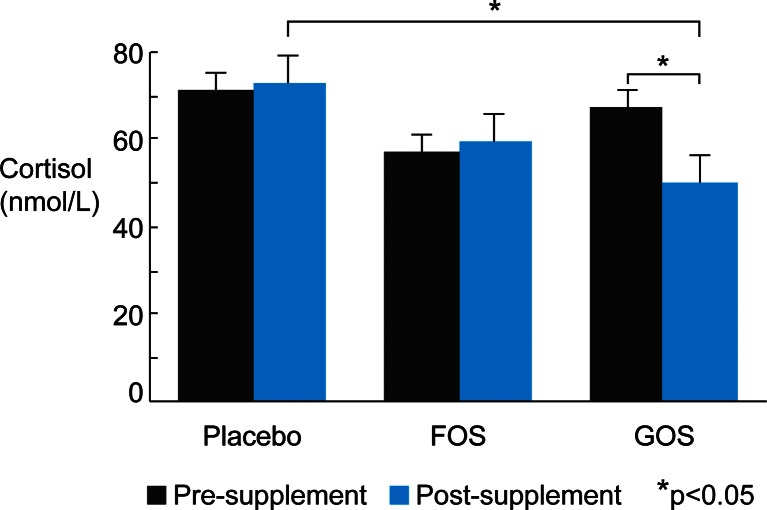
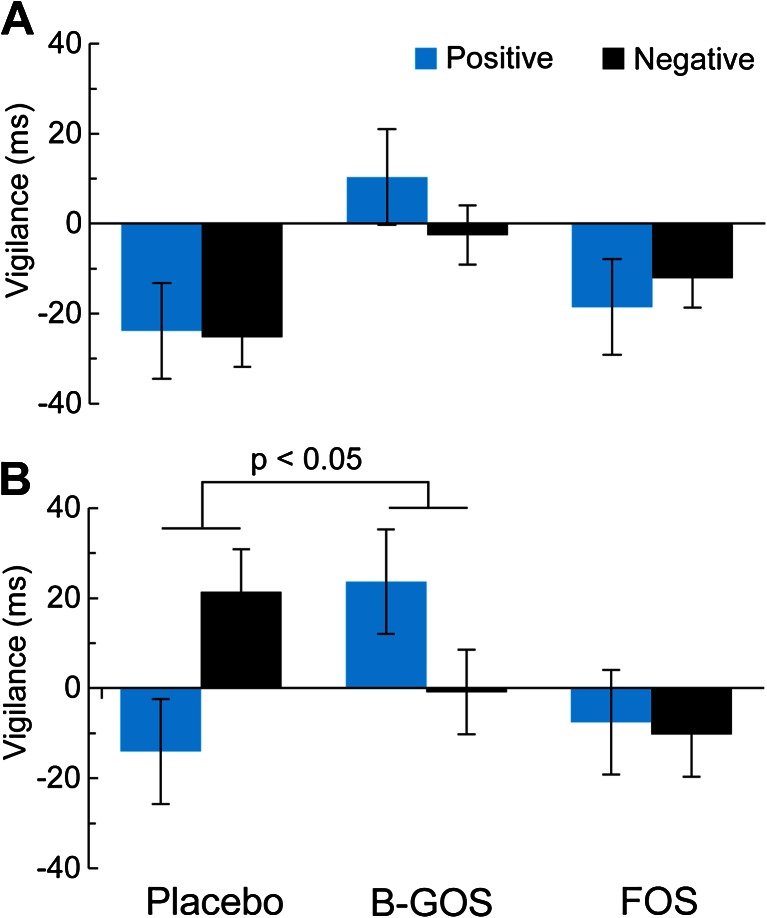
RATIONALE: There is now compelling evidence for a link between enteric microbiota and brain function. The ingestion of probiotics modulates the processing of information that is strongly linked to anxiety and depression, and influences the neuroendocrine stress response. We have recently demonstrated that prebiotics (soluble fibres that augment the growth of indigenous microbiota) have significant neurobiological effects in rats, but their action in humans has not been reported. OBJECTIVES: The present study explored the effects of two prebiotics on the secretion of the stress hormone, cortisol and emotional processing in healthy volunteers. METHODS: Forty-five healthy volunteers received one of two prebiotics (fructooligosaccharides, FOS, or Bimuno®-galactooligosaccharides, B-GOS) or a placebo (maltodextrin) daily for 3 weeks. The salivary cortisol awakening response was sampled before and after prebiotic/placebo administration. On the final day of treatment, participants completed a computerised task battery assessing the processing of emotionally salient information. RESULTS: The salivary cortisol awakening response was significantly lower after B-GOS intake compared with placebo. Participants also showed decreased attentional vigilance to negative versus positive information in a dot-probe task after B-GOS compared to placebo intake. No effects were found after the administration of FOS. CONCLUSION: The suppression of the neuroendocrine stress response and the increase in the processing of positive versus negative attentional vigilance in subjects supplemented with B-GOS are consistent with previous findings of endocrine and anxiolytic effects of microbiota proliferation. Further studies are therefore needed to test the utility of B-GOS supplementation in the treatment of stress-related disorders.
Overview
CoChat Summary
TL;DR
In healthy volunteers, 3 weeks of Bimuno®-galactooligosaccharides (B-GOS) lowered the salivary cortisol awakening response and reduced attentional vigilance to negative versus positive words compared with placebo. Fructooligosaccharides (FOS) showed no such effects.
Key findings
- Salivary cortisol awakening response was significantly lower after B-GOS than placebo: day 21 main effect of group F(2,41)=4.20, p<0.05; placebo vs B-GOS p=0.02. AUC-g analysis showed a day × group interaction F(2,41)=3.52, p=0.039, with post-treatment placebo vs B-GOS p=0.019.
- In the unmasked dot-probe task, B-GOS produced decreased attentional vigilance to negative versus positive information compared with placebo: group × emotion × masking condition F(2,41)=3.14, p=0.05; unmasked valence × group F(2,41)=4.29, p=0.02; B-GOS vs placebo valence × group F(1,27)=6.94, p=0.014.
- FOS did not differ from placebo on cortisol or dot-probe measures (FOS vs placebo valence × group F(1,27)=3.20, n.s.; all other FOS contrasts p>0.1).
- No significant prebiotic effects were found on facial expression recognition, emotional categorisation, recall, recognition, or self-report state anxiety/perceived stress.
Methods
- Double-blind, placebo-controlled randomised study: 45 completers (22 males, 23 females) received FOS (N=15), B-GOS (N=15), or maltodextrin placebo (N=15) at 5.5 g/day orally with breakfast for 3 weeks.
- Salivary cortisol awakening response was sampled at home immediately upon waking and every 15 min for 1 h on day 0 and day 21; emotional processing was assessed on day 21 using the computerised Emotional Test Battery, including an attentional dot-probe task, facial expression recognition task, and emotional categorisation/memory tasks.
- Cortisol values were square-root transformed and analysed with mixed-design ANOVA; behavioural outcomes were analysed with mixed-design ANOVAs with treatment group as between-subjects factor and emotion/task condition as within-subjects factors.
Limitations
- Stated: the study had insufficient power to investigate gender effects; menstrual phase effects on cortisol or attention were not tested due to insufficient power; no effects were found on the remaining Emotional Test Battery tasks or on subjective anxiety/perceived stress; the authors note possible need for longer prebiotic administration and that the young healthy volunteer sample had low subclinical scores and presumably healthy gut microbiota.
- Stated: mechanisms could not be tested directly through characterisation of gut microbiota, and there was no association between cortisol and attentional performance (all p>0.1).
- Evident from the text: each treatment arm had only 15 participants, and the study did not directly measure changes in gut microbiota composition in humans.
Model-written summary. Check it against the paper before relying on it.
Integrity signals
Registry
Cites
Statistics
Figures
Verification
Claims the paper makes
8 Valid · 0 Not valid · 25 Not checked · 30 Own results and interpretations
The cited sources support only part of this claim — read each source’s verdict below.
In the paper
“Notably, the extent to which these biases can be modulated by pharmacological therapies in patients has been found to be indicative of treatment response (Sheline et al. 2001; Pizzagalli 2010)”
§ Prebiotic intake reduces the waking cortisol response and alters emotional bias in healthy volunteers > Introduction
What the sources say
- Not checked yetcites Sheline et al. 2001 matched to “Increased amygdala response to masked emotional faces in depressed subjects resolves with antidepressant treatment: an fMRI study” (2001) source
- Partly supportedcites Pizzagalli 2010 matched to “Frontocingulate Dysfunction in Depression: Toward Biomarkers of Treatment Response” (2011) sourceExperimental — accuracy not yet measured
The Functional neuroimaging studies section reports that heightened rACC responses to sad faces two weeks after antidepressant treatment began predicted poor response later. This links an early treatment-period response to emotional stimuli with outcome, but it does not show that the extent to which emotional biases were modulated by medication indicated treatment response. Page numbers are unavailable in our copy. (LLM, conf=0.82)
plainstates an association- Asserted: passes — The authors put it forward as true.
- Checkable: passes — It can be checked against evidence.
- Load-bearing: passes — The paper’s conclusions depend on it.
- Based: passes — The paper gives a reason why it holds.
The cited sources support only part of this claim — read each source’s verdict below.
In the paper
“Neural and behavioural biases in the processing of emotional information, in particular increased processing of threat-related and negatively valenced stimuli, are core functional markers of anxiety and depression (Beck 2008; Cisler and Koster 2010).”
§ Prebiotic intake reduces the waking cortisol response and alters emotional bias in healthy volunteers > Introduction
What the sources say
- Not checked yetcites Beck 2008 matched to “The Evolution of the Cognitive Model of Depression and Its Neurobiological Correlates” (2008) source
- Partly supportedcites Cisler and Koster 2010 matched to “Mechanisms of attentional biases towards threat in anxiety disorders: An integrative review” (2010) sourceExperimental — accuracy not yet measured
The review’s ‘Brief Overview of Major Findings’ describes attentional bias toward threat as robust across anxious populations, and its ‘Summary and Integration’ links threat detection to amygdala activity. It does not establish the broader claim that neural and behavioural biases toward negatively valenced information are core functional markers of both anxiety and depression; its substantive discussion focuses on threat-related attention in anxiety. The indexed passages do not provide page numbers. (LLM, conf=0.88)
plainstates an association- Asserted: passes — The authors put it forward as true.
- Checkable: passes — It can be checked against evidence.
- Load-bearing: passes — The paper’s conclusions depend on it.
- Based: passes — The paper gives a reason why it holds.
The cited sources support only part of this claim — read each source’s verdict below.
In the paper
“Convincing evidence now exists for a role of the gut microbiota composition in the regulation of the stress hormone corticosterone (cortisol in humans).”
§ Prebiotic intake reduces the waking cortisol response and alters emotional bias in healthy volunteers > Introduction
What the sources say
- Not checked yetcites Crumeyrolle-Arias et al. 2014 matched to “Absence of the gut microbiota enhances anxiety-like behavior and neuroendocrine response to acute stress in rats” (2014) source
- Not checked yetcites Sudo et al. 2004 matched to “Postnatal microbial colonization programs the hypothalamic–pituitary–adrenal system for stress response in mice” (2004) source
- Partly supportedcites Bravo et al. 2011 matched to “Ingestion of Lactobacillus strain regulates emotional behavior and central GABA receptor expression in a mouse via the vagus nerve” (2011) sourceExperimental — accuracy not yet measured
Bravo et al. (2011) do supply the core point for mice: the Results section reports that stress-induced corticosterone was significantly lower in L. rhamnosus (JB-1)-fed stressed mice than in broth-fed controls (P < 0.001), and the Discussion states that 'these data clearly indicate that in the bidirectional communication between the brain and the gut, the HPA axis is a key component that can be affected by changes in the enteric microbiota.' However, our copy contains no human or cortisol data at all — the same Discussion concedes that 'the majority of studies on the microbiome–gut–brain axis are rodent-based, and future validation ... is now warranted,' and it explicitly cautions that 'caution is needed when extrapolating from single timepoint neuroendocrine studies.' So the '(cortisol in humans)' reach and the unqualified 'convincing evidence' framing go beyond what this source demonstrates; its evidence is a single mouse strain (BALB/c males) given one Lactobacillus strain. (LLM, conf=0.70)
boostedstates a cause- Asserted: passes — The authors put it forward as true.
- Checkable: passes — It can be checked against evidence.
- Load-bearing: passes — The paper’s conclusions depend on it.
- Based: passes — The paper gives a reason why it holds.
Every source the paper cites for this claim was checked and supports it.
In the paper
“The study demonstrates that manipulations of the gut microbiota can result in measurable changes in emotional processing in the healthy brain.”
§ Prebiotic intake reduces the waking cortisol response and alters emotional bias in healthy volunteers > Introduction
What the sources say
- Supportedcites Tillisch et al. 2013 matched to “Consumption of fermented milk product with probiotic modulates brain activity” (2013) source
The Abstract (Background/Methods/Results) states the study tested whether 4 weeks of a fermented milk product with probiotic — i.e. an intentional alteration of the gut microbiota — changed brain responses to an emotional faces attention task in healthy women with no GI or psychiatric symptoms, and reports FMPP-associated reduction of a distributed network containing affective, viscerosensory and somatosensory cortices plus altered midbrain resting connectivity. The CLINICAL AT summary states directly that chronic FMPP ingestion 'can modulate the responsiveness of an extensive brain network in healthy women' and is 'the first to demonstrate an effect of FMPP intake on gut-brain communication in humans', which is exactly what the citing sentence attributes. The one qualifier worth noting is that the measured outcome is neural reactivity to emotional stimuli (proof of concept), not behavioural/emotional experience, and the sample is healthy women; the paper also hedges that downstream mood/anxiety effects remain to be established. (LLM, conf=0.85)
boostedstates a cause- Asserted: passes — The authors put it forward as true.
- Checkable: passes — It can be checked against evidence.
- Load-bearing: passes — The paper’s conclusions depend on it.
- Based: passes — The paper gives a reason why it holds.
- Supported
The cited sources support only part of this claim — read each source’s verdict below.
In the paper
“The ingestion of probiotics modulates the processing of information that is strongly linked to anxiety and depression, and influences the neuroendocrine stress response.”
§ Prebiotic intake reduces the waking cortisol response and alters emotional bias in healthy volunteers > Abstract > Rationale
What the sources say
- Not checked yetcites Sudo et al. 2004 matched to “Postnatal microbial colonization programs the hypothalamic–pituitary–adrenal system for stress response in mice” (2004) source
- Partly supportedcites Bravo et al. 2011 matched to “Ingestion of Lactobacillus strain regulates emotional behavior and central GABA receptor expression in a mouse via the vagus nerve” (2011) sourceExperimental — accuracy not yet measured
Our copy supports both clauses at the level of the single strain it tested: the Results section ('Effects of L. rhamnosus (JB-1) Administration on Stress-Induced Corticosterone Levels') reports significantly lower stress-induced corticosterone in JB-1-treated stressed mice, and the Results/Discussion on fear conditioning describe modulated 'cognitive aspects of anxiety behavior' (higher freezing in the recall phase, with the Discussion noting this 'may also be interpreted as increased anxiety behavior'). What the source does not support is the class-wide framing 'the ingestion of probiotics': the Discussion states 'probiotic effects are strain dependent' and calls JB-1 'a potential probiotic' tested in healthy mice, and it adds that 'caution is needed when extrapolating from single timepoint neuroendocrine studies', whereas the citing sentence asserts the neuroendocrine effect unqualified. (LLM, conf=0.72)
plainstates a cause- Asserted: passes — The authors put it forward as true.
- Checkable: passes — It can be checked against evidence.
- Load-bearing: passes — The paper’s conclusions depend on it.
- Based: passes — The paper gives a reason why it holds.
30 more claims
Create a free account to see all 63 claims and to verify the 55 references still open.
- Probably not a substantial claim. 24
- It may state two separate claims as one. 8
Claims other papers make about this one
Each is checked against this paper’s own text: does it say what the citing paper says it does?
The cited source doesn’t support the claim as written.
In the citing paper
“For example, B. longum 1417 modulated resting neural activity as well as neural responses to social stress, while supplementation with β-galactooligosaccharide reduced the salivary cortisol awakening response, a biochemical measure of stress, and improved emotional information processing (329), and an oligofructose-enriched inulin improved memory and mood in healthy volunteers (330).”
From Diet and the Microbiota–Gut–Brain Axis: Sowing the Seeds of Good Mental Health (2021) · cites this paper as [329]
Checked by a reasoning model — may be wrong.
Experimental — accuracy not yet measuredThe cited source says what the claim attributes to it.
In the citing paper
“Such changes were not recorded after fructooligosaccharides administration.”
From The Role of Microbiota-Gut-Brain Axis in Neuropsychiatric and Neurological Disorders (2021) · cites this paper as [158]
The cited source says what the claim attributes to it.
In the citing paper
“Schmidt et al. [391] found that Bimuno galactooligosaccharides intake decreased attentional vigilance to negative versus positive information.”
From Anxiety, depression, and the microbiome: A role for gut peptides (2018) · cites this paper as [391]
The cited source says what the claim attributes to it.
In the citing paper
“In another study, B-GOS supplementation was compared to placebo in healthy participants and found to decrease waking salivary cortisol concentrations and increase the positive processing of information in a dot-probe task (485).”
From Signalling cognition: The gut microbiota and hypothalamic-pituitary-adrenal axis (2023) · cites this paper as [485]
The cited source says what the claim attributes to it.
In the citing paper
“Administration of B-GOS® to individuals induced suppression of the neuroendocrine stress response and an increase in the processing of positive versus negative attentional vigilance, thus resulting in an early anxiolytic-like phenotype (Schmidt et al., 2015).”
From The Microbiota-Gut-Brain Axis (2019) · cites this paper as Schmidt et al., 2015
1 more claim about this paper
Create a free account to see every claim other papers make about this one.
Statistics recomputed
Every reported test result, recomputed from its test statistic and degrees of freedom. A result shows as not adding up only once an independent check has confirmed it.
- ConsistentF(1, 17) = 3.74reported p = .07 · recomputed p = .070
“F(1,17) = 3.74, p = .07”
- ConsistentF(1, 17) = 3.01reported p > .1 · recomputed p = .101
“F(1,17) = 3.01, p > .1”
- ConsistentF(2, 41) = 1.08reported n.s. · recomputed p = .349
“F(2,41) = 1.08, n.s.”
- ConsistentF(2, 41) = 4.2reported p < .05 · recomputed p = .022
“F(2,41) = 4.20, p < .05”
- ConsistentF(2.41, 98.63) = 58.61reported p < .001 · recomputed p < .001
“F(2.41,98.63) = 58.61, p < .001”
18 more recomputed tests
Create a free account to see every test the Stats check recomputed.
Self-check
Percentages, sums and reported differences re-computed from the paper’s own numbers.
Each contradiction between two passages listed here was confirmed by an independent check.
Rated minor: it would not touch a result — a value no result rests on, a p-value that stays on the same side of the significance level, or a conflict that is clerical, resolved elsewhere in the paper, or outside its own findings.
In the paper
§ Prebiotic intake reduces the waking cortisol response and alters emotional bias in healthy volunteers > Results > Emotional Test Battery
“emotion × group interaction F(8.16,773.38) = 1.10, n.s.”
§ Prebiotic intake reduces the waking cortisol response and alters emotional bias in healthy volunteers > Results > Emotional Test Battery
“main effect of group: F(2,42) = 0.53, n.s.”
Citations
Cites
An inventory for measuring depression
BECK, A. T. (1961) · Archives of General Psychiatry · doi:10.1001/archpsyc.1961.01710120031004 · Cited by 38,032 · cited 3×
“2011), subclinical symptoms of depression (Beck Depression Inventory, BDI; Beck et al. 1961) and anxiety (State-Trait Anxiety Inventory, STAI-trait; Spielberger et al.”
BackgroundA Global Measure of Perceived Stress
Cohen, S., Kamarck, T., & Mermelstein, R. (1983) · Journal of Health and Social Behavior · doi:10.2307/2136404 · Cited by 32,807 · cited 3×
“Their potential influence on the mechanisms underlying stress-related disorders such as irritable bowel syndrome (IBS), anxiety and depression is also beginning to be elucidated (Dinan et al. 2006; Rhee et al. 2009; Mayer 2011; Bravo et al. 2012).”
BackgroundDevelopment and validation of brief measures of positive and negative affect: The PANAS scales.
Watson, D., Clark, L. A., & Tellegen, A. (1988) · Journal of Personality and Social Psychology · doi:10.1037/0022-3514.54.6.1063 · Cited by 32,433 · cited 2×
“…and 21, respectively), anxiety (STAI-state) and measures of perceived stress (Perceived Stress Scale, PSS; Cohen et al. 1983) and mood (Visual Analogue Scales, VAS; Bond and Lader 1974; Positive and Negative Affect Schedules, PANAS;Watson et al. 1988) were measured using self-report questionnaires.”
Method(1970) · Cited by 24,983
Scoville, W. B. (1949) · Journal of neurosurgery · doi:10.3171/jns.1949.6.1.0065 · Cited by 7,381
How do you feel — now? The anterior insula and human awareness
(Bud) Craig, A. D. (2009) · Nature Reviews Neuroscience · doi:10.1038/nrn2555 · Cited by 6,657
Mind-altering microorganisms: the impact of the gut microbiota on brain and behaviour
Cryan, J. F., & Dinan, T. G. (2012) · Nature Reviews Neuroscience · doi:10.1038/nrn3346 · Cited by 4,572 · cited 3×
“Overall, novel evidence supports the notion that manipulations of gut microbiota show widespread effects on central functioning and behavioural phenotypes via the HPA axis, as well as the vagus nerve, serotonergic system, and immune system [1].”
BackgroundInfluentialEkman, P. (1976) · Medical Entomology and Zoology · Cited by 4,345
The Structured Clinical Interview for DSM-III-R (SCID): I: History, Rationale, and Description
Spitzer, R. L. (1992) · Archives of General Psychiatry · doi:10.1001/archpsyc.1992.01820080032005 · Cited by 4,336
Bravo, J. A., Forsythe, P., Chew, M. V., Escaravage, E., Savignac, H. M., Dinan, T. G., Bienenstock, J., & Cryan, J. F. (2011) · Proceedings of the National Academy of Sciences · doi:10.1073/pnas.1102999108 · Cited by 3,888 · cited 5×
“2004), an effect replicated in mice subjected to a stress-inducing behavioural paradigm designed to elevate corticosterone levels (Bravo et al. 2011).”
BackgroundInfluential
Research works printed but not linked: 2
- Eysenck H Eysenck S Manual of the Eysenck personality questionnaire 1975 London Hodder & Stoughton
- Nelson H The National Adult Reading Test (NART): test manual 1982 Windsor NFER-Nelson
Cited by
Items 301–400 of 561
Wolever, T. M. S., Rahn, M., Dioum, E. M., Jenkins, A. L., Ezatagha, A., Campbell, J. E., & Chu, Y. (2021) · Nutrients · doi:10.3390/nu13051534 · Cited by 20
“negative attentional vigilance in healthy subjects, although these effects were not seen with fructooligosaccharides [46].”
BackgroundClouard, C., Reimert, I., Fleming, S. A., Koopmans, S. J., Schuurman, T., & Hauser, J. (2021) · Nutritional Neuroscience · doi:10.1080/1028415x.2021.1975877 · Cited by 17
“[67], who demonstrated adult humans provided galactooligosaccharide had a smaller change in waking cortisol than controls.”
BackgroundYang, J., Deng, Y., Cai, Y., Liu, Y., Peng, L., Luo, Z., & Li, D. (2022) · Frontiers in Neuroscience · doi:10.3389/fnins.2022.1048565 · Cited by 19
“After 2015, the main diseases studied were functional gastrointestinal disorders, stress response, ulcerative colitis, prenatal stress, schizophrenia, and mental disorders (Daulatzai, 2015; Schmidt et al., 2015; Davis et al., 2016; Evrensel and Ceylan, 2016; Gur et al., 2017, 2019; AbautretDaly et al., 2018; Jasarevic…”
BackgroundSzala‐Rycaj, J., Szewczyk, A., Zagaja, M. P., Kaczmarczyk‐Ziemba, A., Maj, M., & Andres‐Mach, M. (2023) · Nutrients · doi:10.3390/nu15092041 · Cited by 20
“[17] showed that prebiotics affect the brain and regulate anxiety and emotional processes.”
BackgroundYang, M., Cai, C., Yang, Z., Wang, X., Li, G., Li, J., Liu, J., & Zhang, Z. (2024) · Food & Function · doi:10.1039/d4fo02221a · Cited by 18
Temperament in Early Childhood Is Associated With Gut Microbiota Composition and Diversity
Ueda, E., Matsunaga, M., Fujihara, H., Kajiwara, T., Takeda, A., Watanabe, S., Hagihara, K., & Myowa, M. (2024) · Developmental Psychobiology · doi:10.1002/dev.22542 · Cited by 18
Logan, A. C., & Prescott, S. L. (2017) · Challenges · doi:10.3390/challe8020024 · Cited by 16
Physical properties and sensory analysis of galacto-oligosaccharide glassy confections
Lans, A. M., Frelka, J. C., Paluri, S., & Vodovotz, Y. (2018) · LWT · doi:10.1016/j.lwt.2018.05.056 · Cited by 16
Offor, S. J., Orish, C. N., Frazzoli, C., & Orisakwe, O. E. (2021) · Frontiers in Psychiatry · doi:10.3389/fpsyt.2021.565583 · Cited by 17
Borrego-Ruiz, A., & García, J. J. B. (2024) · Ansiedad y Estrés · doi:10.5093/anyes2024a11 · Cited by 20
Mamun, A. A., Geng, P., Wang, S., Shao, C., & Xiao, J. (2024) · Pharmacological Research · doi:10.1016/j.phrs.2024.107559 · Cited by 16
Takasugi, S., Iimura, S., Yasuda, M., Saito, Y., & Morifuji, M. (2025) · Microorganisms · doi:10.3390/microorganisms13010185 · Cited by 15
Chen, P., Li, X., Yu, Y., Zhang, J., Zhang, Y., Li, C., Li, J., & Li, K. (2023) · Molecular Nutrition & Food Research · doi:10.1002/mnfr.202200566 · Cited by 15
Wang, P.-C., Rajput, D., Wang, X., Huang, C., & Chen, C. (2024) · Scientific Reports · doi:10.1038/s41598-024-57649-z · Cited by 16
Fond, G. B., Chevalier, G., Eberl, G., & Leboyer, M. (2015) · La Presse Médicale · doi:10.1016/j.lpm.2015.10.016 · Cited by 18
Chrobak, A. A., Nowakowski, J., & Dudek, D. (2016) · Archives of Psychiatry and Psychotherapy · doi:10.12740/app/62962 · Cited by 16
“found that treatment with prebiotics, substances promoting the growth of beneficial bacteria, alters the cortisol-awaking response and emotional reaction in healthy human subjects [19].”
BackgroundModels to Evaluate the Prebiotic Potential of Foods
Aquino, J. D. S., Batista, K. S., Menezes, F. N. D. D., Lins, P. P., Gomes, J. A. D. S., & da Silva, L. A. (2017) · InTech eBooks · doi:10.5772/intechopen.69174 · Cited by 18
Prebiotic Intake in Older Adults: Effects on Brain Function and Behavior
Serra, M. C., Nocera, J. R., Kelleher, J. L., & Addison, O. R. (2019) · Current Nutrition Reports · doi:10.1007/s13668-019-0265-2 · Cited by 16
Fernández-López, L., Molina‐Carballo, A., Cubero-Millán, I., Checa-Ros, A., Machado-Casas, I., Blanca-Jover, E., Jerez-Calero, A. E., Madrid-Fernández, Y., Uberos, J., & Muñoz‐Hoyos, A. (2020) · Journal of Child and Adolescent Psychopharmacology · doi:10.1089/cap.2019.0072 · Cited by 15
“A prebiotic supplement can modulate the magnitude of the cortisol increase within the first 30 minutes after awakening (CAR) (Schmidt et al. 2015).”
Elmaliklis, I.-N., Miserli, E., Filipatou, M., Tsikouras, I., Dimou, C., & Koutelidakis, A. Ε. (2020) · Psychiatry International · doi:10.3390/psychiatryint1020014 · Cited by 15
“A systematic review and meta-analysis of randomized controlled trials concluded that probiotics were beneficial for patients with depression [44,45], and scientific data demonstrate the possible positive effect of prebiotics on neuro-inflammation and anxiety [46,47].”
BackgroundNovel prebiotics and next-generation probiotics: opportunities and challenges
Hussein, L. (2021) · Elsevier eBooks · doi:10.1016/b978-0-12-819815-5.00055-0 · Cited by 20
Unveiling probiotic and prebiotic functional dairy foods: a health beneficial outlook
Jena, R., & Choudhury, P. K. (2025) · 3 Biotech · doi:10.1007/s13205-025-04341-2 · Cited by 13
“Similarly, GOS supplementation lessened the neuroendocrine stress response and enhanced emotional attention in healthy volunteers after a period of 3 weeks (Schmidt et al. 2014).”
Mohiuddin, M., Asghar, T., Hameed, H., Din, A. M., Siddique, A., Younas, S., Din, M. M. U., & Ara, R. (2025) · World Journal of Microbiology and Biotechnology · doi:10.1007/s11274-025-04632-z · Cited by 15
“The first investigation in humans to understand the psychophysiological impacts of prebiotics provided inductive evidence that psychobiotics influence emotional assessment (Schmidt et al. 2015).”
Eixo intestino-cérebro: relação entre a microbiota intestinal e desordens mentais
Tonini, I. G. D. O., Vaz, D. S. S., & Mazur, C. E. (2020) · Research Society and Development · doi:10.33448/rsd-v9i7.4303 · Cited by 55
“…relacionados à atenuação dos sintomas de ansiedade, depressão e estresse, fato que se deve à sua capacidade de modular a composição da microbiota intestinal, além de reduzir os níveis de cortisol, promovendo, assim, o bem estar (Lach et al., 2017; Gareau et al., 2011; Schmidt et al., 2015).”
BackgroundThe Gut-Brain Axis: Literature Overview and Psychiatric Applications
Tavakoli, H. (2021) · Federal Practitioner · doi:10.12788/fp.0159 · Cited by 16
Szewczyk, A., Andres‐Mach, M., Zagaja, M. P., Kaczmarczyk‐Ziemba, A., Maj, M., & Szala‐Rycaj, J. (2023) · Current Issues in Molecular Biology · doi:10.3390/cimb45030168 · Cited by 14
Hogenelst, K., Krone, T., Maarse, B. C. E., Warnke, I., Snabel, J. M., van den Broek, T. J., Schuren, F. H. J., Moerland, M., & Hoevenaars, F. P. M. (2024) · Brain Behavior & Immunity - Health · doi:10.1016/j.bbih.2024.100918 · Cited by 13
“On the contrary, one study with three weeks of fructooligosaccharides (FOSs) or galactooligosaccharides (GOSs) as an intervention found no effects on self-rated mood, anxiety, and stress (Schmidt et al., 2015).”
InfluentialMariane Lutz, R., Moya, P. R., Gallorio, S., Ríos, U., & Arancibia, M. (2024) · Nutrients · doi:10.3390/nu16162578 · Cited by 13
“…with dietary supplementation with prebiotic fiber in the form of fructo-oligosaccharides (FOS) or galacto-oligosaccharides (GOS), Schmidt et al. [49] observed that the consumption of GOS produced a lower neuroendocrine response to stress and greater processing of positive responses to emotional…”
BackgroundThe Potential Impact of Selected Bacterial Strains on the Stress Response
Anker-Ladefoged, C., Langkamp, T., & Mueller‐Alcazar, A. (2021) · Healthcare · doi:10.3390/healthcare9050494 · Cited by 12
“However, CAR was significantly lower in subjects of the B-GOS experimental group (p 0.05) and they showed lower emotional alertness to negative stimuli in the dot probe task than the control group (p > 0.01).”
BackgroundMethodInfluentialTherapeutic strategies of small molecules in the microbiota–gut–brain axis for alcohol use disorder
Xie, L., Rungratanawanich, W., Yang, Q., Tong, G., Fu, E., Lu, S., Liu, Y., Akbar, M. D., Song, B., & Wang, X. (2023) · Drug Discovery Today · doi:10.1016/j.drudis.2023.103552 · Cited by 13
Capitão, L. P., Forsyth, J., Thomaidou, M. A., Condon, M. D., Harmer, C. J., & Burnet, P. W. J. (2020) · Journal of Psychopharmacology · doi:10.1177/0269881120908904 · Cited by 14
“This issue might be resolved in future studies by using more sensitive determinations of both ACTH and cortisol in blood as well as saliva, or in investigations of repeated administrations of D-amino acids where the effect of D-alanine on awakening cortisol peaks could be examined (Schmidt et al., 2015).”
BackgroundSelf-citationCzajeczny, D., Kabzińska, K., & Wójciak, R. W. (2020) · Eating and Weight Disorders - Studies on Anorexia Bulimia and Obesity · doi:10.1007/s40519-020-00983-8 · Cited by 13
Microbiome-Based Therapeutics for Insomnia
Li, C., Chen, S., Wang, Y., & Su, Q. (2024) · International Journal of Molecular Sciences · doi:10.3390/ijms252313208 · Cited by 12
“Moreover, many probiotics have been shown to concurrently improve both sleep quality and mental health.”
Khalil, R. A. (2025) · Food Science & Nutrition · doi:10.1002/fsn3.71309 · Cited by 13
Feed your microbiome and improve sleep, stress resilience, and cognition
Chichlowski, M., Cotter, J., Fawkes, N., & Pandey, N. (2022) · Exploration of Medicine · doi:10.37349/emed.2022.00097 · Cited by 13
“5 g/day of GOS, FOS, or maltodextrin (placebo) for three weeks [94].”
BackgroundBester, A., O’Brien, M., Cotter, P. D., Dam, S. A., & Civai, C. (2023) · Foods · doi:10.3390/foods12132480 · Cited by 11
“Previous studies have reported prebiotic fibre amelioration of stress [79], anxiety [80], and depression [81], whereas Johnstone and colleagues observed an improvement in highly anxious participants only [82].”
BackgroundGato, W. E., Posick, C., Williams, A. A., & Mays, C. A. (2017) · Deviant Behavior · doi:10.1080/01639625.2017.1410373 · Cited by 12
“In humans, prebiotics have found success in reducing stress and increasing appropriate emotion regulation (Lee and De La Serre 2015; Schmidt et al. 2015).”
BackgroundCapitão, L. P., Baião, R., Baek, H. K., Kappelmann, N., Sharman, R. L., Harvey, C., Montgomery, P., & Burnet, P. W. J. (2019) · Journal of Psychopharmacology · doi:10.1177/0269881119862534 · Cited by 11
“The supplement, which had previously been used in a study of healthy adults (Schmidt et al., 2015), was given in sachets, and parents were asked to mix the content in the children’s breakfast.”
BackgroundMethodResultInfluentialSelf-citationProbiotics: A potential immunotherapeutic approach for the treatment of schizophrenia
Patil, A., Grover, S., Kaur, A., & Garg, G. (2019) · Journal of Pharmacy And Bioallied Sciences · doi:10.4103/jpbs.jpbs_47_19 · Cited by 11
“It was associated with the reduced attention toward negative versus positive cues.[25] Interestingly, although the usefulness of such approaches can be seen at present, the patients are recommended high-fiber foods with whole grain, essentially prebiotics.”
Zhu, J., Wu, H.-Y., Zi, Y., Xin-bin, X., Xie, M., & Yuan, Z. (2021) · Evidence-based Complementary and Alternative Medicine · doi:10.1155/2021/5554363 · Cited by 11
Modulation of gut-brain axis improves microbiome, metabolism, and mood
Talbott, S. M., Talbott, J. A., Stephens, B. J., & Oddou, M. P. (2020) · Functional Foods in Health and Disease · doi:10.31989/ffhd.v10i1.685 · Cited by 10
“In recognition of the recently demonstrated strain-specific benefits of probiotics and structure-specific benefits of prebi- otics, the Supplement contained research-validated bacterial strains (e.g., Lactobacillus helveticus R0052 for serotonin/depression; Bifidobacterium longum R0175 for GABA/anxiety; and Lacto- bac…”
BackgroundInterino, N., Vitagliano, R., D’Amico, F., Lodi, R., Porru, E., Turroni, S., & Fiori, J. (2025) · Biomolecules · doi:10.3390/biom15020243 · Cited by 10
“Administration of GOS to healthy volunteers for three weeks suppressed the stress response and enhanced the processing of positive versus negative vigilance [46].”
Inflammation as a mediator of stress-related psychiatric disorders
Flux, M. C., & Lowry, C. A. (2022) · Elsevier eBooks · doi:10.1016/b978-0-323-85654-6.00052-6 · Cited by 15
Altering the Gut Microbiome for Cognitive Benefit?
Huynh, K. A., Schneider, M., & Gareau, M. G. (2016) · Elsevier eBooks · doi:10.1016/b978-0-12-802304-4.00015-3 · Cited by 11
Zhang, F., Yung, K. K. L., Chung, S. S. M., & Yeung, C. K. (2017) · Food and Nutrition Sciences · doi:10.4236/fns.2017.82019 · Cited by 10
“Proliferation of beneficial bacteria in the colon has been linked to a number of health benefits, including enhanced defense against pathogens, reduction of toxic metabolites and detrimental enzymes, and prevention of constipation [3], modulation of the immune system [4], and regulation of neuroendocrine stress respon…”
BackgroundEffects of Daily Probiotic Supplementation on Football Player’s Stress and Anxiety
Adikari, A. M. G. C. P., Adikari, A. M. G. C. P., Appukutty, M., & Kuan, G. (2019) · International Conference on Physical Education, Sport, and Health (ACPES) · doi:10.2991/acpes-19.2019.1 · Cited by 12
“Recent studies have found the effectiveness of probiotics on the stress and anxiety using different study samples such as medical students [8,9], petrochemical workers [10], multiple sclerosis patients [11], irrigatable bowel syndrome (IBS) patients [12], major depressive disorder patients [13], healthy volunteers [14…”
BackgroundSayers, B., Wijeyesekera, A., & Gibson, G. R. (2021) · Journal of Functional Foods · doi:10.1016/j.jff.2021.104753 · Cited by 11
Bahmani, M., Mehrtabar, S., Jafarizadeh, A., Zoghi, S., Heravi, F. S., Abbasi, A., Sanaie, S., Rahnemayan, S., & Leylabadlo, H. E. (2024) · Current Pharmaceutical Biotechnology · doi:10.2174/0113892010281892240116081031 · Cited by 10
Prebiotics and the Modulation on the Microbiota-GALT-Brain Axis
Franco‐Robles, E., Ramírez-Emiliano, J., López-Briones, J. S., & Balcón-Pacheco, C. D. (2020) · IntechOpen eBooks · doi:10.5772/intechopen.89690 · Cited by 13
Anxiety disorders and the gut microbiota: a bibliometric and visual analysis
Guo, L., Ding, Q., Li, Q., Zheng, D., Guo, L., Cao, X., & Mou, Q. (2025) · Frontiers in Psychiatry · doi:10.3389/fpsyt.2024.1517508 · Cited by 11
The role of gut microbiota in chronic restraint stress-induced cognitive deficits in mice
Ling, Q., Zhang, J., Zhong, L., Li, X., Sun, T., Xiang, H., Manyande, A., Zhao, G., Shi, Y., & Zhu, Q. (2024) · BMC Microbiology · doi:10.1186/s12866-024-03435-w · Cited by 9
“Probiotics have been found to benefit the gut microbiota and stress-related cognitive deficits [15, 45].”
BackgroundAn Overview of Current Knowledge of the Gut Microbiota and Low-Calorie Sweeteners
Hughes, R., Davis, C. D., Lobach, A. R., & Holscher, H. D. (2021) · Nutrition Today · doi:10.1097/nt.0000000000000481 · Cited by 10
Shu, X., Tong, Y., & Yang, R. (2022) · International Journal of Food Science & Technology · doi:10.1111/ijfs.15745 · Cited by 9
Gut Rhetorics: Toward Experiments in Living with Microbiota
Kalin, J. P., & Gruber, D. (2018) · Rhetoric of Health & Medicine · doi:10.5744/rhm.2018.1014 · Cited by 16
“Sometimes doctors have a say in the process; other times, clinical researchers grade patients based solely on demographics and computational factors (Chakraborti et al., 1996; Schmidt et al., 2015).”
BackgroundEffect of acetate supplementation on traumatic stress-induced behavioral impairments in male rats
Tanelian, A., Nankova, B. B., Hu, F., Sahawneh, J. D., & Sabban, E. L. (2023) · Neurobiology of Stress · doi:10.1016/j.ynstr.2023.100572 · Cited by 8
The regulatory role of gut microbiota in inflammation in depression and anxiety
Vasilyeva, E. F. (2023) · S S Korsakov Journal of Neurology and Psychiatry · doi:10.17116/jnevro202312311133 · Cited by 8
Sasaki, H., Masutomi, H., Nakamura, S., Tanigawa, C., Cui, Y., Ishihara, K., Yanagisawa, M., & Kokubo, T. (2025) · Frontiers in Nutrition · doi:10.3389/fnut.2025.1551313 · Cited by 8
Chen, C., Xiong, B., Tan, W., Tian, Y., Zhang, S., Wu, J., Song, P., & Qin, S. (2025) · NeuroImage · doi:10.1016/j.neuroimage.2025.121251 · Cited by 8
“Schmidt et al. (2015) used prebiotics to pharmacologically manipulate CAR, and in subsequent behavioral tests they found significantly decreased attentional vigilance to negative versus positive information.”
Microbial therapeutic tools for human brain disorders: A current overview
Borrego-Ruiz, A., & Borrego, J. J. (2025) · Brain Disorders · doi:10.1016/j.dscb.2025.100262 · Cited by 8
The development and tendency of depression researches: Viewed from the microbiota-gut-brain axis
Liang, S., Wu, X., Xu, H., Niu, Y., & Jin, F. (2018) · Chinese Science Bulletin (Chinese Version) · doi:10.1360/n972017-01182 · Cited by 9
Gaps to Address in Ecological Studies of Temperament and Physiology
McMahon, E. K., & Cavigelli, S. A. (2021) · Integrative and Comparative Biology · doi:10.1093/icb/icab118 · Cited by 8
“In addition, the microbiome can affect and be affected by other physiological systems (Chu and Mazmanian 2013; Neuman et al. 2015; Schmidt et al. 2015; Fung et al. 2017).”
BackgroundHassan, L. K., Abdel-Wahhab, K. G., & El‐Aziz, M. A. (2021) · Egyptian Journal of Chemistry · doi:10.21608/ejchem.2021.103603.4793 · Cited by 8
Adrenal incidentalomas, cortisol secretion and cancer: is there a real crosstalk?
Herrera-Martínez, A. D., Román, Á. R., Corrales, E. P., Idrobo, C., Ramírez, P. A. P., Rojas, P. M., Lázaro, C. R., & Castro, M. A. (2024) · Frontiers in Endocrinology · doi:10.3389/fendo.2023.1335202 · Cited by 10
Level of clinical evidence of herbal complementary therapies in psychiatric disorders
Özsavcı, D., Özakpınar, Ö. B., Çetin, M., & Arıcıoğlu, F. (2019) · Psychiatry and Clinical Psychopharmacology · doi:10.1080/24750573.2019.1625587 · Cited by 11
“treatment with valerian root and lemon balm extracts in primary school children [34].”
BackgroundSrakaew, W., Wachirapakorn, C., & Wongnen, C. (2021) · Walailak Journal of Science and Technology (WJST) · doi:10.48048/wjst.2021.9217 · Cited by 8
“[27] reported that steers with average initial weight of 320 ± 20 kg consumed diet at about 2.”
BackgroundTungland, B. C. (2018) · Elsevier eBooks · doi:10.1016/b978-0-12-814649-1.00009-0 · Cited by 10
Gut–brain–immune axis implications for mental health and disease
Nasiri, H., Valedkarimi, Z., & Akbari, M. (2025) · Molecular and Cellular Biochemistry · doi:10.1007/s11010-025-05325-9 · Cited by 7
“Prebiotic intake lowers cortisol levels and enhances emotional processing, according to a study on healthy volunteers, implying a stress-reducing action [156].”
Kaur, S., Jangli, A., Giridharan, V. V., & Dandekar, M. P. (2025) · Psychoneuroendocrinology · doi:10.1016/j.psyneuen.2025.107615 · Cited by 9
Freijy, T. M., Cribb, L., Oliver, G., Metri, N., Opie, R., Jacka, F. N., Hawrelak, J. A., Rucklidge, J. J., Ng, C. H., & Sarris, J. J. (2024) · Nutritional Neuroscience · doi:10.1080/1028415x.2024.2425570 · Cited by 7
Huang, A., Lin, B., Hu, T., & Lan, J. X. (2025) · Pathology - Research and Practice · doi:10.1016/j.prp.2025.156118 · Cited by 8
Lai, V. T. T. (2019) · Springer eBooks · doi:10.1007/978-981-13-9302-0_9 · Cited by 12
Zubareva, O. E., & Melik-Kasumov, T. B. (2021) · Journal of Evolutionary Biochemistry and Physiology · doi:10.1134/s0022093021040013 · Cited by 7
Neurosains Spiritual: Hubungan Manusia, Alam, dan Tuhan
Pasiak, T. F. (2023) · Penerbit BRIN eBooks · doi:10.55981/brin.594 · Cited by 11
Uhrin, J. A., & Rizvi, S. S. H. (2024) · Innovative Food Science & Emerging Technologies · doi:10.1016/j.ifset.2024.103667 · Cited by 7
The Dose Response Effects of Partially Hydrolyzed Guar Gum on Gut Microbiome of Healthy Adults
Edelman, M., Wang, Q., Ahnen, R., & Slavin, J. (2024) · Applied Microbiology · doi:10.3390/applmicrobiol4020049 · Cited by 6
Gough, L. A., Weldon, A., Clark, C. C. T., Young, A., Roberts, C. J., Clarke, N. D., Brown, M. A., & Williams, R. (2025) · Nutrients · doi:10.3390/nu17213390 · Cited by 6
“This corroborates the findings of other studies reporting no effects on self-perceived stress and anxiety, such as that by Schmidt et al. [5] but also, more recently, that by Tjoelker et al. [26], who reported that consumption of an intervention containing GOS and 2 ′ -FL had no effect on…”
InfluentialUse of Prebiotics for Addressing Gut Dysbiosis and Achieving Healthy Gut–Brain Axis
Lasrado, L. D., & Rai, A. K. (2022) · Springer eBooks · doi:10.1007/978-981-16-8444-9_11 · Cited by 7
Tenorio, M. L. O., Orrego, D., Klotz-Ceberio, B., Palanca, C., & Tortajada, M. (2022) · JSFA reports · doi:10.1002/jsf2.92 · Cited by 9
Nourishing the gut microbiota: The potential of prebiotics in microbiota-gut-brain axis research
Dalile, B., Verbeke, K., Oudenhove, L. V., & Vervliet, B. (2019) · Behavioral and Brain Sciences · doi:10.1017/s0140525x18002856 · Cited by 7
Prebiotics Mechanism of Action: An Over View
Gowrishankar, S., Kamaladevi, A., & Pandian, S. K. (2021) · Elsevier eBooks · doi:10.1016/b978-0-12-822909-5.00009-5 · Cited by 7
Gut-Brain Axis: Probiotic Interactions and Implications for Human Mental Health
Gayathri, D., Vasudha, M., & Prashantkumar, C. S. (2022) · Springer eBooks · doi:10.1007/978-981-16-1626-6_11 · Cited by 6
Gut Microbiome-Brain Communications Regulate Host Physiology and Behavior
Serre, C. B. D. L. (2015) · Journal of Nutritional Health & Food Science · doi:10.15226/jnhfs.2015.00141 · Cited by 7
“In addition to affecting metabolic outcomes, the daily use of prebiotics for three weeks in humans has been shown to reduce the cortisol stress response and improve emotional processing [171].”
BackgroundGut Microbiota and Interorgan Communication Among the Gut, Brain, and Beyond
Shigehara, A., Kiyohara, H., Teratani, T., Nakamoto, N., Mikami, Y., & Kanai, T. (2025) · Internal Medicine · doi:10.2169/internalmedicine.5318-25 · Cited by 5
“Additionally, prebiotics are thought to improve mental health by enhancing the gut environment via an increase in beneficial bacteria (145).”
Characteristics of synbiotics and lactobionic acid
Goderska, K., & Obey, P. O. (2025) · Journal of Functional Foods · doi:10.1016/j.jff.2025.107058 · Cited by 5
Zhai, J., Li, Y., Liu, J., & Dai, C. (2026) · Clinical and Translational Discovery · doi:10.1002/ctd2.70117 · Cited by 5
Unraveling Alzheimer’s: Exploring the Gut Microbiota–Brain Axis as a New Frontier in Understanding
Rashid, S. M., Razak, R., Tantray, A. K., James, A. W., Showkat, N., Shehjar, F., Jan, F., Ahmad, S. B., Khan, A., & Shah, Z. A. (2024) · Journal of dementia and Alzheimer's disease · doi:10.3390/jdad1010003 · Cited by 5
“Evidence suggests prebiotics’ role in improving neurological disorders in rat models by reducing the raised cortisol response and altered sentimental bias in normal volunteers [170].”
BackgroundRaab, M. (2020) · Elsevier eBooks · doi:10.1016/b978-0-12-823523-2.00001-5 · Cited by 5
Prebiotics, Synbiotics, and Colonic Foods
Hawrelak, J. A. (2020) · Elsevier eBooks · doi:10.1016/b978-0-323-43044-9.00104-7 · Cited by 22
Drugs and bugs: Negative affect, psychostimulant use and withdrawal, and the microbiome
Forouzan, S., McGrew, K., & Kosten, T. A. (2021) · American Journal on Addictions · doi:10.1111/ajad.13210 · Cited by 5
Insect‐Derived Bioactives for Glycemic Control and Gut Health: A Review
Lv, C., Huang, Y., Dabbour, M., Mintah, B. K., He, R., & Ma, H. (2025) · Food Frontiers · doi:10.1002/fft2.70193 · Cited by 4
Ennab, W., Tharwat, M., Mousa, A. A., LIU, H. J., Al-Rabadi, G. J., Baiome, B. A., Alshanbari, F. A., & Cai, D. (2026) · Frontiers in Veterinary Science · doi:10.3389/fvets.2026.1852579 · Cited by 4
“Stimulate the growth of beneficial bacteria Increased BDNF, and reduction of stress, pro-inflammatory cytokines, and corticosterone levels (210, 211) Resveratrol (Polyphenol) Elevates nor epinephrine and 5-HT levels in pre frontal cortex and upregulates BDNF levels ( Improved depression-like…”
Ruciński, J., Kurowska, E., Myślińska, D., Grembecka, B., Piekarczyk, N., Necel, A., Kosznik-Kwaśnicka, K., & Majkutewicz, I. (2025) · International Journal of Molecular Sciences · doi:10.3390/ijms26094353 · Cited by 4
“The anxiolytic properties of GOS have also been confirmed in several human studies [31,33,56].”
InfluentialGut microbiota: a potential influencer of insomnia occurring after COVID-19 infection
Fang, J., Wang, S., Liu, L., Zhang, X., Liu, R., Pang, X., Cui, J., Han, J., & Zhu, X. (2024) · Frontiers in Psychiatry · doi:10.3389/fpsyt.2024.1423715 · Cited by 5
Morrin, S. T., Irwin, J. A., & Hickey, R. M. (2018) · Elsevier eBooks · doi:10.1016/b978-0-12-811440-7.00008-9 · Cited by 4
Role of Nutraceuticals in Modulation of Gut-Brain Axis in Elderly Persons
Enciu, A., Codrici, E., Mihai, S., Manole, E., Pop, S., Codorean, E., Niculite, C. M., Necula, L. G., Ţârcomnicu, I., Gille, E., et al. (2018) · InTech eBooks · doi:10.5772/intechopen.73005 · Cited by 6
“Clinical trial Main objective Status Reference 1 Microbiome and the gut-brain axis To examine the relationship between digestive tract microbes and mental health Completed https://clinicaltrials.gov/ ct2/show/NCT02693327 2 Microbiome and dementia To study the role of gut microbiome composition and gut permeability in…”
BackgroundResultInfluentialWpływ mikrobiomu jelitowego na mózg i psychikę
Żakowicz, J., Bramorska, A., Zarzycka, W., Kovbasiuk, A., Kuć, K., & Brzezicka, A. (2020) · Kosmos · doi:10.36921/kos.2020_2634 · Cited by 6
The gut microbiota–brain axis and role of probiotics
Sound, R. (2020) · Elsevier eBooks · doi:10.1016/b978-0-12-820593-8.00013-6 · Cited by 6
Do common antibiotic treatments influence emotional processing?
Johnson, K. V. ‐., & Steenbergen, L. (2022) · Physiology & Behavior · doi:10.1016/j.physbeh.2022.113900 · Cited by 4
“2 (selectively fermented indigestible carbohydrates such as fructo- and galacto-oligosaccharides which promote the growth and/or activity of certain gut bacteria) have also been found to affect emotional processing, decreasing attentional bias towards negative information [29].”
BackgroundDepressive Störungen in der Adoleszenz: Aktuelle Studienlage zur Mikrobiota-Darm-Hirn-Achse
Kandsperger, S., Brunner, R. M., Rupprecht, R., & Baghai, T. C. (2023) · Zeitschrift für Kinder- und Jugendpsychiatrie und Psychotherapie · doi:10.1024/1422-4917/a000917 · Cited by 4
Bannach‐Brown, A., Tillmann, S., Macleod, M. R., & Wegener, G. (2019) · BMJ Open Science · doi:10.1136/bmjos-2018-000017 · Cited by 4
“10 Prebiotics, defined as substrates that are selectively used by a host organism providing a health benefit,(11) have also been reported to have a positive impact, reducing anxiety and depressive-like phenotypes and stress-related physiology in mice and rats and in humans.(18) 19 Further, prebiotics have been shown t…”
Background
Metadata
- Authors
- Schmidt, K., Cowen, P. J., Harmer, C. J., Tzortzis, G., Errington, S., & Burnet, P. W. J.
- Affiliations
- Warneford Hospital (GB)
- Newcastle University (GB)
- Corresponding author
- Burnet, Philip W. J.
- Venue
- Psychopharmacology
- Published
- 2014-12-03
- Volume
- 232
- Issue
- 10
- Pages
- 1793-1801
- ISSN
- 0033-3158 (ISSN-L)
- 1432-2072
- PMC
- PMC4410136
- OpenAlex
- W2095008866
- Semantic Scholar
- 65b5b76e2c6ca70869f58f439f2cee0c432b3510
- Cited by
- 522
- References
- 69
- Citations by year
- 2026: 24 · 2025: 60 · 2024: 45 · 2023: 43 · 2022: 47 · 2021: 72 · 2020: 52 · 2019: 47 · 2018: 44 · 2017: 39 · 2016: 30 · 2015: 19
- FWCI
- 27.32
- Type
- journal article
- Language
- en
- Open access
- hybrid
- doi.org
- Locations
- Psychopharmacology (publishedVersion, cc-by)
- Europe PMC (PubMed Central) (publishedVersion, cc-by)
- PubMed Central (publishedVersion, cc-by)
- PubMed (publishedVersion)
- Funders
- Wellcome Trust
- Medical Research Council
- Biotechnology and Biological Sciences Research Council
- Topics
- Health Sciences › Nursing › Nutrition and Dietetics › Microbial Metabolites in Food Biotechnology
- Life Sciences › Agricultural and Biological Sciences › Food Science › Probiotics and Fermented Foods
- Life Sciences › Neuroscience › Behavioral Neuroscience › Stress Responses and Cortisol
- Keywords
- prebiotics, galactooligosaccharides, fructooligosaccharides, salivary cortisol, cortisol awakening response, stress response, emotional processing, attentional bias, dot-probe task, gut-brain axis, enteric microbiota, anxiety, depression, stress-related disorders
- MeSH terms
- Adolescent, Adult, Animals, Double-Blind Method, Emotions, Female, Humans, Hydrocortisone, Male, Middle Aged, Oligosaccharides, Photic Stimulation, Saliva, Wakefulness, Dietary Supplements, Rats, Young Adult, Prebiotics, Healthy Volunteers
About these checks
Registry, retraction, Cites and statistics results are computed, not judged, with one exception: a printed reference that no index lists is read once by a model before it counts as a citation error. Claims are extracted by a model and kept only when their quote appears verbatim in the text; each cited source is then checked, with a model’s help, for whether it says what the claim relies on. Those verdicts can be wrong — read the claim’s quote and the cited source before relying on one.
The claim verdicts this report counts are experimental: their accuracy is not yet measured.
A language model drew the claims from the paper on 2026-10-07, under version 3 of the claim definition (model deepseek-v4.1-flash, prompt extract-v3).
A second model labelled each claim on 2026-10-07 (model jev-1.13-20260917, definition revision gold-guideline-v0.2).
Cited sources are checked with a language model’s help (gpt-6-sol and qwen3.8-omni-flash).
Statistics and arithmetic are recomputed, not judged.
Confidence bands are shown only for fields calibrated on our annotated test set. None is calibrated yet, so no band is shown.
What counts as a claim ›How we measure confidence ›How we check this ›
Are you an author, or do you see a problem with this page? Request a review
Data sources
Bibliographic data: Semantic Scholar, OpenAlex, Crossref.
Contains information from the Semantic Scholar Academic Graph Datasets, made available under the ODC Attribution License (ODC-BY 1.0).
Semantic Scholar’s data is described in: Kinney, R., et al. (2023). The Semantic Scholar Open Data Platform. arXiv:2301.10140.
