

Prebiotic intake reduces the waking cortisol response and alters emotional bias in healthy volunteers
Open accessThe DOI matches its Crossref record; 66 of the 69 references it cites were found in a registry or an index; 9 of the 64 sources its claims cite were checked for support.
Abstract
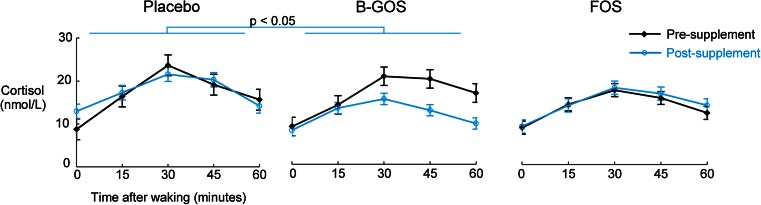
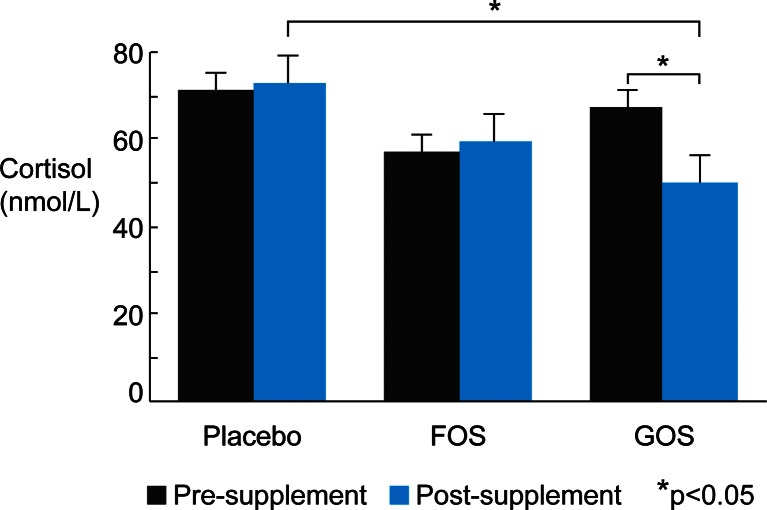
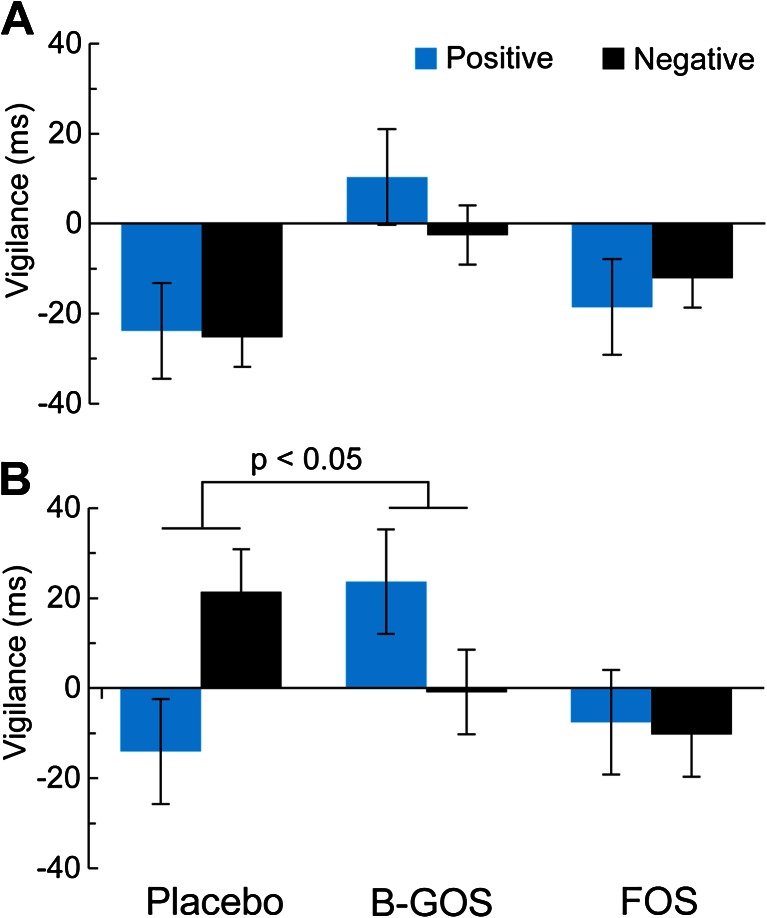
RATIONALE: There is now compelling evidence for a link between enteric microbiota and brain function. The ingestion of probiotics modulates the processing of information that is strongly linked to anxiety and depression, and influences the neuroendocrine stress response. We have recently demonstrated that prebiotics (soluble fibres that augment the growth of indigenous microbiota) have significant neurobiological effects in rats, but their action in humans has not been reported. OBJECTIVES: The present study explored the effects of two prebiotics on the secretion of the stress hormone, cortisol and emotional processing in healthy volunteers. METHODS: Forty-five healthy volunteers received one of two prebiotics (fructooligosaccharides, FOS, or Bimuno®-galactooligosaccharides, B-GOS) or a placebo (maltodextrin) daily for 3 weeks. The salivary cortisol awakening response was sampled before and after prebiotic/placebo administration. On the final day of treatment, participants completed a computerised task battery assessing the processing of emotionally salient information. RESULTS: The salivary cortisol awakening response was significantly lower after B-GOS intake compared with placebo. Participants also showed decreased attentional vigilance to negative versus positive information in a dot-probe task after B-GOS compared to placebo intake. No effects were found after the administration of FOS. CONCLUSION: The suppression of the neuroendocrine stress response and the increase in the processing of positive versus negative attentional vigilance in subjects supplemented with B-GOS are consistent with previous findings of endocrine and anxiolytic effects of microbiota proliferation. Further studies are therefore needed to test the utility of B-GOS supplementation in the treatment of stress-related disorders.
Overview
CoChat Summary
TL;DR
In healthy volunteers, 3 weeks of Bimuno®-galactooligosaccharides (B-GOS) lowered the salivary cortisol awakening response and reduced attentional vigilance to negative versus positive words compared with placebo. Fructooligosaccharides (FOS) showed no such effects.
Key findings
- Salivary cortisol awakening response was significantly lower after B-GOS than placebo: day 21 main effect of group F(2,41)=4.20, p<0.05; placebo vs B-GOS p=0.02. AUC-g analysis showed a day × group interaction F(2,41)=3.52, p=0.039, with post-treatment placebo vs B-GOS p=0.019.
- In the unmasked dot-probe task, B-GOS produced decreased attentional vigilance to negative versus positive information compared with placebo: group × emotion × masking condition F(2,41)=3.14, p=0.05; unmasked valence × group F(2,41)=4.29, p=0.02; B-GOS vs placebo valence × group F(1,27)=6.94, p=0.014.
- FOS did not differ from placebo on cortisol or dot-probe measures (FOS vs placebo valence × group F(1,27)=3.20, n.s.; all other FOS contrasts p>0.1).
- No significant prebiotic effects were found on facial expression recognition, emotional categorisation, recall, recognition, or self-report state anxiety/perceived stress.
Methods
- Double-blind, placebo-controlled randomised study: 45 completers (22 males, 23 females) received FOS (N=15), B-GOS (N=15), or maltodextrin placebo (N=15) at 5.5 g/day orally with breakfast for 3 weeks.
- Salivary cortisol awakening response was sampled at home immediately upon waking and every 15 min for 1 h on day 0 and day 21; emotional processing was assessed on day 21 using the computerised Emotional Test Battery, including an attentional dot-probe task, facial expression recognition task, and emotional categorisation/memory tasks.
- Cortisol values were square-root transformed and analysed with mixed-design ANOVA; behavioural outcomes were analysed with mixed-design ANOVAs with treatment group as between-subjects factor and emotion/task condition as within-subjects factors.
Limitations
- Stated: the study had insufficient power to investigate gender effects; menstrual phase effects on cortisol or attention were not tested due to insufficient power; no effects were found on the remaining Emotional Test Battery tasks or on subjective anxiety/perceived stress; the authors note possible need for longer prebiotic administration and that the young healthy volunteer sample had low subclinical scores and presumably healthy gut microbiota.
- Stated: mechanisms could not be tested directly through characterisation of gut microbiota, and there was no association between cortisol and attentional performance (all p>0.1).
- Evident from the text: each treatment arm had only 15 participants, and the study did not directly measure changes in gut microbiota composition in humans.
Model-written summary. Check it against the paper before relying on it.
Integrity signals
Registry
Cites
Statistics
Figures
Verification
Claims the paper makes
8 Valid · 0 Not valid · 25 Not checked · 30 Own results and interpretations
The cited sources support only part of this claim — read each source’s verdict below.
In the paper
“Notably, the extent to which these biases can be modulated by pharmacological therapies in patients has been found to be indicative of treatment response (Sheline et al. 2001; Pizzagalli 2010)”
§ Prebiotic intake reduces the waking cortisol response and alters emotional bias in healthy volunteers > Introduction
What the sources say
- Not checked yetcites Sheline et al. 2001 matched to “Increased amygdala response to masked emotional faces in depressed subjects resolves with antidepressant treatment: an fMRI study” (2001) source
- Partly supportedcites Pizzagalli 2010 matched to “Frontocingulate Dysfunction in Depression: Toward Biomarkers of Treatment Response” (2011) sourceExperimental — accuracy not yet measured
The Functional neuroimaging studies section reports that heightened rACC responses to sad faces two weeks after antidepressant treatment began predicted poor response later. This links an early treatment-period response to emotional stimuli with outcome, but it does not show that the extent to which emotional biases were modulated by medication indicated treatment response. Page numbers are unavailable in our copy. (LLM, conf=0.82)
plainstates an association- Asserted: passes — The authors put it forward as true.
- Checkable: passes — It can be checked against evidence.
- Load-bearing: passes — The paper’s conclusions depend on it.
- Based: passes — The paper gives a reason why it holds.
The cited sources support only part of this claim — read each source’s verdict below.
In the paper
“Neural and behavioural biases in the processing of emotional information, in particular increased processing of threat-related and negatively valenced stimuli, are core functional markers of anxiety and depression (Beck 2008; Cisler and Koster 2010).”
§ Prebiotic intake reduces the waking cortisol response and alters emotional bias in healthy volunteers > Introduction
What the sources say
- Not checked yetcites Beck 2008 matched to “The Evolution of the Cognitive Model of Depression and Its Neurobiological Correlates” (2008) source
- Partly supportedcites Cisler and Koster 2010 matched to “Mechanisms of attentional biases towards threat in anxiety disorders: An integrative review” (2010) sourceExperimental — accuracy not yet measured
The review’s ‘Brief Overview of Major Findings’ describes attentional bias toward threat as robust across anxious populations, and its ‘Summary and Integration’ links threat detection to amygdala activity. It does not establish the broader claim that neural and behavioural biases toward negatively valenced information are core functional markers of both anxiety and depression; its substantive discussion focuses on threat-related attention in anxiety. The indexed passages do not provide page numbers. (LLM, conf=0.88)
plainstates an association- Asserted: passes — The authors put it forward as true.
- Checkable: passes — It can be checked against evidence.
- Load-bearing: passes — The paper’s conclusions depend on it.
- Based: passes — The paper gives a reason why it holds.
The cited sources support only part of this claim — read each source’s verdict below.
In the paper
“Convincing evidence now exists for a role of the gut microbiota composition in the regulation of the stress hormone corticosterone (cortisol in humans).”
§ Prebiotic intake reduces the waking cortisol response and alters emotional bias in healthy volunteers > Introduction
What the sources say
- Not checked yetcites Crumeyrolle-Arias et al. 2014 matched to “Absence of the gut microbiota enhances anxiety-like behavior and neuroendocrine response to acute stress in rats” (2014) source
- Not checked yetcites Sudo et al. 2004 matched to “Postnatal microbial colonization programs the hypothalamic–pituitary–adrenal system for stress response in mice” (2004) source
- Partly supportedcites Bravo et al. 2011 matched to “Ingestion of Lactobacillus strain regulates emotional behavior and central GABA receptor expression in a mouse via the vagus nerve” (2011) sourceExperimental — accuracy not yet measured
Bravo et al. (2011) do supply the core point for mice: the Results section reports that stress-induced corticosterone was significantly lower in L. rhamnosus (JB-1)-fed stressed mice than in broth-fed controls (P < 0.001), and the Discussion states that 'these data clearly indicate that in the bidirectional communication between the brain and the gut, the HPA axis is a key component that can be affected by changes in the enteric microbiota.' However, our copy contains no human or cortisol data at all — the same Discussion concedes that 'the majority of studies on the microbiome–gut–brain axis are rodent-based, and future validation ... is now warranted,' and it explicitly cautions that 'caution is needed when extrapolating from single timepoint neuroendocrine studies.' So the '(cortisol in humans)' reach and the unqualified 'convincing evidence' framing go beyond what this source demonstrates; its evidence is a single mouse strain (BALB/c males) given one Lactobacillus strain. (LLM, conf=0.70)
boostedstates a cause- Asserted: passes — The authors put it forward as true.
- Checkable: passes — It can be checked against evidence.
- Load-bearing: passes — The paper’s conclusions depend on it.
- Based: passes — The paper gives a reason why it holds.
Every source the paper cites for this claim was checked and supports it.
In the paper
“The study demonstrates that manipulations of the gut microbiota can result in measurable changes in emotional processing in the healthy brain.”
§ Prebiotic intake reduces the waking cortisol response and alters emotional bias in healthy volunteers > Introduction
What the sources say
- Supportedcites Tillisch et al. 2013 matched to “Consumption of fermented milk product with probiotic modulates brain activity” (2013) source
The Abstract (Background/Methods/Results) states the study tested whether 4 weeks of a fermented milk product with probiotic — i.e. an intentional alteration of the gut microbiota — changed brain responses to an emotional faces attention task in healthy women with no GI or psychiatric symptoms, and reports FMPP-associated reduction of a distributed network containing affective, viscerosensory and somatosensory cortices plus altered midbrain resting connectivity. The CLINICAL AT summary states directly that chronic FMPP ingestion 'can modulate the responsiveness of an extensive brain network in healthy women' and is 'the first to demonstrate an effect of FMPP intake on gut-brain communication in humans', which is exactly what the citing sentence attributes. The one qualifier worth noting is that the measured outcome is neural reactivity to emotional stimuli (proof of concept), not behavioural/emotional experience, and the sample is healthy women; the paper also hedges that downstream mood/anxiety effects remain to be established. (LLM, conf=0.85)
boostedstates a cause- Asserted: passes — The authors put it forward as true.
- Checkable: passes — It can be checked against evidence.
- Load-bearing: passes — The paper’s conclusions depend on it.
- Based: passes — The paper gives a reason why it holds.
- Supported
The cited sources support only part of this claim — read each source’s verdict below.
In the paper
“The ingestion of probiotics modulates the processing of information that is strongly linked to anxiety and depression, and influences the neuroendocrine stress response.”
§ Prebiotic intake reduces the waking cortisol response and alters emotional bias in healthy volunteers > Abstract > Rationale
What the sources say
- Not checked yetcites Sudo et al. 2004 matched to “Postnatal microbial colonization programs the hypothalamic–pituitary–adrenal system for stress response in mice” (2004) source
- Partly supportedcites Bravo et al. 2011 matched to “Ingestion of Lactobacillus strain regulates emotional behavior and central GABA receptor expression in a mouse via the vagus nerve” (2011) sourceExperimental — accuracy not yet measured
Our copy supports both clauses at the level of the single strain it tested: the Results section ('Effects of L. rhamnosus (JB-1) Administration on Stress-Induced Corticosterone Levels') reports significantly lower stress-induced corticosterone in JB-1-treated stressed mice, and the Results/Discussion on fear conditioning describe modulated 'cognitive aspects of anxiety behavior' (higher freezing in the recall phase, with the Discussion noting this 'may also be interpreted as increased anxiety behavior'). What the source does not support is the class-wide framing 'the ingestion of probiotics': the Discussion states 'probiotic effects are strain dependent' and calls JB-1 'a potential probiotic' tested in healthy mice, and it adds that 'caution is needed when extrapolating from single timepoint neuroendocrine studies', whereas the citing sentence asserts the neuroendocrine effect unqualified. (LLM, conf=0.72)
plainstates a cause- Asserted: passes — The authors put it forward as true.
- Checkable: passes — It can be checked against evidence.
- Load-bearing: passes — The paper’s conclusions depend on it.
- Based: passes — The paper gives a reason why it holds.
30 more claims
Create a free account to see all 63 claims and to verify the 55 references still open.
- Probably not a substantial claim. 24
- It may state two separate claims as one. 8
Claims other papers make about this one
Each is checked against this paper’s own text: does it say what the citing paper says it does?
The cited source doesn’t support the claim as written.
In the citing paper
“For example, B. longum 1417 modulated resting neural activity as well as neural responses to social stress, while supplementation with β-galactooligosaccharide reduced the salivary cortisol awakening response, a biochemical measure of stress, and improved emotional information processing (329), and an oligofructose-enriched inulin improved memory and mood in healthy volunteers (330).”
From Diet and the Microbiota–Gut–Brain Axis: Sowing the Seeds of Good Mental Health (2021) · cites this paper as [329]
Checked by a reasoning model — may be wrong.
Experimental — accuracy not yet measuredThe cited source says what the claim attributes to it.
In the citing paper
“Such changes were not recorded after fructooligosaccharides administration.”
From The Role of Microbiota-Gut-Brain Axis in Neuropsychiatric and Neurological Disorders (2021) · cites this paper as [158]
The cited source says what the claim attributes to it.
In the citing paper
“Schmidt et al. [391] found that Bimuno galactooligosaccharides intake decreased attentional vigilance to negative versus positive information.”
From Anxiety, depression, and the microbiome: A role for gut peptides (2018) · cites this paper as [391]
The cited source says what the claim attributes to it.
In the citing paper
“In another study, B-GOS supplementation was compared to placebo in healthy participants and found to decrease waking salivary cortisol concentrations and increase the positive processing of information in a dot-probe task (485).”
From Signalling cognition: The gut microbiota and hypothalamic-pituitary-adrenal axis (2023) · cites this paper as [485]
The cited source says what the claim attributes to it.
In the citing paper
“Administration of B-GOS® to individuals induced suppression of the neuroendocrine stress response and an increase in the processing of positive versus negative attentional vigilance, thus resulting in an early anxiolytic-like phenotype (Schmidt et al., 2015).”
From The Microbiota-Gut-Brain Axis (2019) · cites this paper as Schmidt et al., 2015
1 more claim about this paper
Create a free account to see every claim other papers make about this one.
Statistics recomputed
Every reported test result, recomputed from its test statistic and degrees of freedom. A result shows as not adding up only once an independent check has confirmed it.
- ConsistentF(1, 17) = 3.74reported p = .07 · recomputed p = .070
“F(1,17) = 3.74, p = .07”
- ConsistentF(1, 17) = 3.01reported p > .1 · recomputed p = .101
“F(1,17) = 3.01, p > .1”
- ConsistentF(2, 41) = 1.08reported n.s. · recomputed p = .349
“F(2,41) = 1.08, n.s.”
- ConsistentF(2, 41) = 4.2reported p < .05 · recomputed p = .022
“F(2,41) = 4.20, p < .05”
- ConsistentF(2.41, 98.63) = 58.61reported p < .001 · recomputed p < .001
“F(2.41,98.63) = 58.61, p < .001”
18 more recomputed tests
Create a free account to see every test the Stats check recomputed.
Self-check
Percentages, sums and reported differences re-computed from the paper’s own numbers.
Each contradiction between two passages listed here was confirmed by an independent check.
Rated minor: it would not touch a result — a value no result rests on, a p-value that stays on the same side of the significance level, or a conflict that is clerical, resolved elsewhere in the paper, or outside its own findings.
In the paper
§ Prebiotic intake reduces the waking cortisol response and alters emotional bias in healthy volunteers > Results > Emotional Test Battery
“emotion × group interaction F(8.16,773.38) = 1.10, n.s.”
§ Prebiotic intake reduces the waking cortisol response and alters emotional bias in healthy volunteers > Results > Emotional Test Battery
“main effect of group: F(2,42) = 0.53, n.s.”
Citations
Cites
An inventory for measuring depression
BECK, A. T. (1961) · Archives of General Psychiatry · doi:10.1001/archpsyc.1961.01710120031004 · Cited by 38,032 · cited 3×
“2011), subclinical symptoms of depression (Beck Depression Inventory, BDI; Beck et al. 1961) and anxiety (State-Trait Anxiety Inventory, STAI-trait; Spielberger et al.”
BackgroundA Global Measure of Perceived Stress
Cohen, S., Kamarck, T., & Mermelstein, R. (1983) · Journal of Health and Social Behavior · doi:10.2307/2136404 · Cited by 32,807 · cited 3×
“Their potential influence on the mechanisms underlying stress-related disorders such as irritable bowel syndrome (IBS), anxiety and depression is also beginning to be elucidated (Dinan et al. 2006; Rhee et al. 2009; Mayer 2011; Bravo et al. 2012).”
BackgroundDevelopment and validation of brief measures of positive and negative affect: The PANAS scales.
Watson, D., Clark, L. A., & Tellegen, A. (1988) · Journal of Personality and Social Psychology · doi:10.1037/0022-3514.54.6.1063 · Cited by 32,433 · cited 2×
“…and 21, respectively), anxiety (STAI-state) and measures of perceived stress (Perceived Stress Scale, PSS; Cohen et al. 1983) and mood (Visual Analogue Scales, VAS; Bond and Lader 1974; Positive and Negative Affect Schedules, PANAS;Watson et al. 1988) were measured using self-report questionnaires.”
Method(1970) · Cited by 24,983
Scoville, W. B. (1949) · Journal of neurosurgery · doi:10.3171/jns.1949.6.1.0065 · Cited by 7,381
How do you feel — now? The anterior insula and human awareness
(Bud) Craig, A. D. (2009) · Nature Reviews Neuroscience · doi:10.1038/nrn2555 · Cited by 6,657
Mind-altering microorganisms: the impact of the gut microbiota on brain and behaviour
Cryan, J. F., & Dinan, T. G. (2012) · Nature Reviews Neuroscience · doi:10.1038/nrn3346 · Cited by 4,572 · cited 3×
“Overall, novel evidence supports the notion that manipulations of gut microbiota show widespread effects on central functioning and behavioural phenotypes via the HPA axis, as well as the vagus nerve, serotonergic system, and immune system [1].”
BackgroundInfluentialEkman, P. (1976) · Medical Entomology and Zoology · Cited by 4,345
The Structured Clinical Interview for DSM-III-R (SCID): I: History, Rationale, and Description
Spitzer, R. L. (1992) · Archives of General Psychiatry · doi:10.1001/archpsyc.1992.01820080032005 · Cited by 4,336
Bravo, J. A., Forsythe, P., Chew, M. V., Escaravage, E., Savignac, H. M., Dinan, T. G., Bienenstock, J., & Cryan, J. F. (2011) · Proceedings of the National Academy of Sciences · doi:10.1073/pnas.1102999108 · Cited by 3,888 · cited 5×
“2004), an effect replicated in mice subjected to a stress-inducing behavioural paradigm designed to elevate corticosterone levels (Bravo et al. 2011).”
BackgroundInfluential
Research works printed but not linked: 2
- Eysenck H Eysenck S Manual of the Eysenck personality questionnaire 1975 London Hodder & Stoughton
- Nelson H The National Adult Reading Test (NART): test manual 1982 Windsor NFER-Nelson
Cited by
Items 201–300 of 561
Prescott, S. L., Millstein, R. A., Katzman, M. A., & Logan, A. C. (2016) · International Journal of Biodiversity · doi:10.1155/2016/2718275 · Cited by 43
Adikari, A. M. G. C. P., Appukutty, M., & Kuan, G. (2020) · Nutrients · doi:10.3390/nu12071920 · Cited by 41
“A similar approach was taken by the previous researchers to select the study samples similar to the present study [39,44,46].”
ResultKim, Y.-T., & Mills, D. A. (2024) · Food Science and Biotechnology · doi:10.1007/s10068-024-01620-1 · Cited by 50
Pusceddu, M. M., Murray, K. M., & Gareau, M. G. (2018) · Current Pathobiology Reports · doi:10.1007/s40139-018-0160-3 · Cited by 49
Upadhyay, R. P., Taneja, S., Chowdhury, R., Strand, T. A., & Bhandari, N. (2018) · Pediatric Research · doi:10.1038/s41390-018-0211-9 · Cited by 44
Kazemi, A., Noorbala, A. A., & Djafarian, K. (2020) · Journal of Human Nutrition and Dietetics · doi:10.1111/jhn.12675 · Cited by 42
Nguyen, T. T., Zhang, X., Wu, T., Liu, J., Le, C., Tu, X. M., Knight, R. D., & Jeste, D. V. (2021) · Frontiers in Psychiatry · doi:10.3389/fpsyt.2021.648475 · Cited by 46
“Conversely, probiotic and prebiotic interventions targeting the gut microbiome have been shown to reduce cortisol stress response, cognitive reactivity to sadness, and emotional processing bias (71, 72).”
BackgroundSchaafsma, A., Mallee, L., van den Belt, M., Floris, E., Kortman, G. A. M., Veldman, J., van den Ende, D., & Kardinaal, A. F. M. (2021) · Nutrients · doi:10.3390/nu13072204 · Cited by 47
“5 g of GOS (Bimuno-GOS) during a three-week period reduced the salivary cortisol awakening response in healthy people [54], and daily administration of GOS (3.”
Stress, inflammation, microbiome and depression
Medina-Rodriguez, E. M., Cruz, A. A., Abreu, J. C. D., & Beurel, E. (2023) · Pharmacology Biochemistry and Behavior · doi:10.1016/j.pbb.2023.173561 · Cited by 46
Effects of prebiotics on affect and cognition in human intervention studies
Desmedt, O., Broers, V. J. V., Zamariola, G., Pachikian, B., Delzenne, N., & Luminet, O. (2019) · Nutrition Reviews · doi:10.1093/nutrit/nuy052 · Cited by 39
“This result indicates that prebiotics enhanced the capacity to disengage attention from negative stimuli, which has been altered in depression.(60) There was also a significant decrease in salivary cortisol, but this effect was not associated with performance (P< 0.”
BackgroundMethodResultInfluentialMonocyte mobilisation, microbiota & mental illness
van de Wouw, M., Boehme, M., Dinan, T. G., & Cryan, J. F. (2019) · Brain, Behavior, and Immunity · doi:10.1016/j.bbi.2019.07.019 · Cited by 41
Pro-cognitive effect of a prebiotic in psychosis: a double blind placebo controlled cross-over study
Kao, A. C.-C., Safarikova, J., Marquardt, T., Mullins, B., Lennox, B. R., & Burnet, P. W. J. (2019) · Schizophrenia Research · doi:10.1016/j.schres.2019.03.003 · Cited by 40
Self-citationDahiya, D., & Nigam, P. S. (2022) · Microorganisms · doi:10.3390/microorganisms10091687 · Cited by 40
Diet, gut microbiota composition and feeding behavior
Kim, J. S., & de La Serre, C. B. (2018) · Physiology & Behavior · doi:10.1016/j.physbeh.2018.03.026 · Cited by 41
“Similarly, in humans, oligosaccharide supplementation is associated with lower levels of cortisol [84], while probiotic-induced microbiota manipulation reduces psychological distress [85].”
Cuomo, A., Maina, G., Rosso, G., Crescenzi, B. B., Bolognesi, S., Muro, A. D., Giordano, N. G., Goracci, A., Neal, S. M., Nitti, M. P., et al. (2018) · Frontiers in Pharmacology · doi:10.3389/fphar.2018.01040 · Cited by 41
The role of microbiota in autism spectrum disorders
Campion, D., Ponzo, P., Alessandria, C., Saracco, G. M., & Balzola, F. A. (2018) · Minerva Gastroenterologica e Dietologica · doi:10.23736/s1121-421x.18.02493-5 · Cited by 41
“In human healthy volunteers GOS administration has been shown to reduce the cortisol awakening response and to modulate some emotional processes.(73) The cortisol awakening response is a reliable marker of HPA axis activity.”
BackgroundMohammadshahi, M., Haghighat, N., Shayanpour, S., Haghighizadeh, M. H., Rahmdel, S., & Rajaei, M. (2021) · Indian Journal of Nephrology · doi:10.4103/ijn.ijn_341_19 · Cited by 44
“Data from the last three trials failed to indicate the antidepressant effects of prebiotics [16,41,42] ; the antianxiety capacity of prebiotics was only observed in a trial by Silk et al .”
IUPHAR review: Microbiota-gut-brain axis and its role in neuropsychiatric disorders
Lee, S.-H., Han, C., & Shin, C. (2025) · Pharmacological Research · doi:10.1016/j.phrs.2025.107749 · Cited by 42
The gut microbiota and psychiatric illness
MacQUEEN, G. M., Surette, M. G., & Moayyedi, P. (2017) · Journal of Psychiatry and Neuroscience · doi:10.1503/jpn.170028 · Cited by 48
Zhu, J. L., Li, M., Shao, D., Ma, S., & Wei, W. (2021) · Frontiers in Psychiatry · doi:10.3389/fpsyt.2021.757139 · Cited by 40
“In addition, clinical studies found that taking prebiotics daily for 3 weeks reduced the activation of the cortex caused by negative information, thereby reducing anxiety-like and depressive-like behaviors (53).”
BackgroundAge-Related Cognitive Decline and Dementia: Interface of Microbiome–Immune–Neuronal Interactions
Prajapati, S. K., Jain, S., & Yadav, H. (2025) · The Journals of Gerontology Series A · doi:10.1093/gerona/glaf038 · Cited by 37
Toribio-Mateas, M. A. (2018) · Microorganisms · doi:10.3390/microorganisms6020035 · Cited by 41
“[219] measured the cortisol levels of 45 participants as a means to assess their emotional processing, whilst taking either a prebiotic fibre supplement or a placebo for three weeks.”
BackgroundGut microbiome-brain axis and inflammation in temperament, personality and psychopathology
Sumich, A. L., Heym, N., Lenzoni, S., & Hunter, K. A. (2022) · Current Opinion in Behavioral Sciences · doi:10.1016/j.cobeha.2022.101101 · Cited by 42
The gut–brain connection: microbes’ influence on mental health and psychological disorders
Ataei, P., Kalantari, H., Bodnar, T. S., & Turner, R. J. (2026) · Frontiers in Microbiomes · doi:10.3389/frmbi.2025.1701608 · Cited by 41
Bridging the gap: associations between gut microbiota and psychiatric disorders
Ahmed, G. K., Ramadan, H. K., Elbeh, K., & Haridy, N. A. (2024) · Middle East Current Psychiatry · doi:10.1186/s43045-024-00395-9 · Cited by 38
“Prebiotics can improve emotional attention performance in healthy individuals [97], and probiotics can modify brain activity during a comparable test [98].”
Dal, N., & Bilici, S. (2024) · Current Nutrition Reports · doi:10.1007/s13668-024-00520-4 · Cited by 39
“…the impact of diet on mental disorders generally focus on the correlation between dietary habits and the risk of mental disorders among healthy or overweight/obese individuals [109–113], this review examines dietary interventions specifically for individuals with mental disorders (see Table 1).”
BackgroundImmune-Kynurenine Pathways and the Gut Microbiota-Brain Axis in Anxiety Disorders
Evrensel, A., Ünsalver, B. Ö., & Ceylan, M. E. (2020) · Advances in experimental medicine and biology · doi:10.1007/978-981-32-9705-0_10 · Cited by 37
Neuroprotective Potential of Non-Digestible Oligosaccharides: An Overview of Experimental Evidence
Divyashri, G., Sadanandan, B., Murthy, K. N. C., Shetty, K., & Mamta, K. (2021) · Frontiers in Pharmacology · doi:10.3389/fphar.2021.712531 · Cited by 36
From isoniazid to psychobiotics: the gut microbiome as a new antidepressant target
Butler, M. I., Sandhu, K., Cryan, J. F., & Dinan, T. G. (2019) · British Journal of Hospital Medicine · doi:10.12968/hmed.2019.80.3.139 · Cited by 32
International Journal of Current Science Research and Review
Syanya, F. J., & Mathia, W. M. (2020) · International Journal of Current Science Research and Review · doi:10.47191/ijcsrr · Cited by 37
Palmer, J. K., van der Pols, J. C., Sullivan, K. A., Staudacher, H. M., & Byrne, R. (2024) · Journal of Autism and Developmental Disorders · doi:10.1007/s10803-024-06239-z · Cited by 36
Sun, Y., Liang, J., Zhang, Z., Sun, D., Li, H., & Chen, L. (2024) · Food Chemistry · doi:10.1016/j.foodchem.2024.140103 · Cited by 39
Therapeutic Potential of the Microbiome in the Treatment of Neuropsychiatric Disorders
Evrensel, A., Ünsalver, B. Ö., & Ceylan, M. E. (2019) · Medical Sciences · doi:10.3390/medsci7020021 · Cited by 36
“However, it is thought that psychobiotics have other beneficial effects as well [54,55].”
BackgroundGut–Brain Axis: Focus on Neurodegeneration and Mast Cells
Conte, C., Sichetti, M., & Traina, G. (2020) · Applied Sciences · doi:10.3390/app10051828 · Cited by 34
“The intake of specific probiotics and prebiotics seems to prevent the HPA dysregulation in response to stress, and it results in the normalization of corticosterone levels and reduction of intestinal permeability [77].”
BackgroundFleming, S. A., Mudd, A. T., Hauser, J., Yan, J., Métairon, S., Steiner, P., Donovan, S. M., & Dilger, R. N. (2020) · Nutrients · doi:10.3390/nu12072131 · Cited by 36
Prebiotics for depression: how does the gut microbiota play a role?
Yang, Y., Bi, Z., Zhang, S., Si, L., Liu, X., & Li, F. (2023) · Frontiers in Nutrition · doi:10.3389/fnut.2023.1206468 · Cited by 39
Gut‐Brain Axis Impact on Canine Anxiety Disorders: New Challenges for Behavioral Veterinary Medicine
Sacoor, C., Marugg, J. D., Lima, N. R., Empadinhas, N., & Montezinho, L. (2024) · Veterinary Medicine International · doi:10.1155/2024/2856759 · Cited by 36
“Additionally, it appeared to reduce hyperactivation of the HPA [64, 67] and lower tryptophan levels, possibly due to increased bacterial uptake or the production of 5-HT [64].”
BackgroundA gut (microbiome) feeling about addiction: Interactions with stress and social systems
García‐Cabrerizo, R., & Cryan, J. F. (2024) · Neurobiology of Stress · doi:10.1016/j.ynstr.2024.100629 · Cited by 36
“The intake of GOS daily for three weeks notably reduced salivary cortisol awakening response in healthy participants compared to placebo (Schmidt et al., 2015), demonstrating central effects of prebiotics in humans.”
Thomas, J. M., Higgs, S., & Dourish, C. T. (2015) · Journal of Clinical and Experimental Neuropsychology · doi:10.1080/13803395.2015.1121969 · Cited by 39
“In addition, previous work has shown that healthy populations exhibit a positive emotional bias when responding on the ETB (Schmidt et al., 2015).”
BackgroundWhat the Gut Tells the Brain—Is There a Link between Microbiota and Huntington’s Disease?
Wronka, D., Karlik, A., Misiorek, J. O., & Przybył, Ł. (2023) · International Journal of Molecular Sciences · doi:10.3390/ijms24054477 · Cited by 34
Inflammation and the microbiome: implications for depressive disorders
Hayley, S. P., Audet, M., & Anisman, H. (2016) · Current Opinion in Pharmacology · doi:10.1016/j.coph.2016.06.001 · Cited by 34
“Despite the limited clinical data available in this regard, probiotics were reported to diminish psychological distress, and prebiotics similarly modified the cortisol awakening response (which is increased in individuals at risk for depression) and reduced attentional vigilance for negative versus positive stimuli (r…”
BackgroundMicrobiota-Gut-Brain Axis in Major Depression: A New Therapeutic Approach
Kim, I. B., Park, S., & Kim, Y. (2023) · Advances in experimental medicine and biology · doi:10.1007/978-981-19-7376-5_10 · Cited by 33
Lafontaine, G. M. F., Fish, N. M., & Connerton, I. F. (2020) · Nutrients · doi:10.3390/nu12051281 · Cited by 34
“[10] described the reduction of the salivary cortisol awakening response associated with GOS administration, implying suppression of the neuroendocrine stress response.”
BackgroundInfant fecal microbiota composition and attention to emotional faces.
Aatsinki, A., Kataja, E., Munukka, E., Lahti, L., Keskitalo, A., Korja, R., Nolvi, S., Häikiö, T., Tarro, S., Karlsson, H., et al. (2022) · Emotion · doi:10.1037/emo0000924 · Cited by 31
Role of Maternal Microbiota and Nutrition in Early-Life Neurodevelopmental Disorders
Daliry, A., & Pereira, E. N. G. D. S. (2021) · Nutrients · doi:10.3390/nu13103533 · Cited by 34
“The changes in mood may be related to the bifidogenic effects of galactooligosaccharide supplementation [248].”
BackgroundVaried Composition and Underlying Mechanisms of Gut Microbiome in Neuroinflammation
Farooq, R. K., Alamoudi, W., Alhibshi, A., Rehman, S., Sharma, A. R., & Abdulla, F. A. (2022) · Microorganisms · doi:10.3390/microorganisms10040705 · Cited by 34
Sajedi, D., Shabani, R., & Elmieh, A. (2021) · Cytokine · doi:10.1016/j.cyto.2021.155590 · Cited by 35
Chen, H., Kan, Q., Zhao, L., Ye, G., He, X., Tang, H., Shi, F., Zou, Y., Liang, X., Song, X., et al. (2023) · Biomedicine & Pharmacotherapy · doi:10.1016/j.biopha.2023.114525 · Cited by 30
Krishna, G., Divyashri, G., Prapulla, S. G., & ., M. (2015) · Neurochemical Research · doi:10.1007/s11064-015-1687-x · Cited by 31
Microbial Therapeutics in Neurocognitive and Psychiatric Disorders
Alagiakrishnan, K., & Halverson, T. (2021) · Journal of Clinical Medicine Research · doi:10.14740/jocmr4575 · Cited by 34
Lalitsuradej, E., Sirilun, S., Sittiprapaporn, P., Sivamaruthi, B. S., Pintha, K., Tantipaiboonwong, P., Khongtan, S., Fukngoen, P., Peerajan, S., & Chaiyasut, C. (2022) · Foods · doi:10.3390/foods11050759 · Cited by 30
“5 g of GOS or FOS per day for 3 weeks reduced the waking salivary cortisol level in healthy subjects [19].”
BackgroundProbiotic effects on anxiety-like behavior in animal models
Lalonde, R., & Strazielle, C. (2022) · Reviews in the Neurosciences · doi:10.1515/revneuro-2021-0173 · Cited by 30
Microbiota and Alcohol Use Disorder: Are Psychobiotics a Novel Therapeutic Strategy?
Rodríguez‐González, A., & Orío, L. (2020) · Current Pharmaceutical Design · doi:10.2174/1381612826666200122153541 · Cited by 31
Basso, M., Johnstone, N., Knytl, P., Nauta, A., Groeneveld, A., & Cohen Kadosh, K. (2022) · Nutrients · doi:10.3390/nu14030614 · Cited by 28
“, students), either under stress conditions [57–61,63,64,67,71] or normal daily circumstances [55,56,62,68,69].”
BackgroundInfluentialCognition and gut microbiota in schizophrenia spectrum and mood disorders: A systematic review
Frileux, S., Boltri, M., Dore, J. M., Leboyer, M., & Roux, P. (2024) · Neuroscience & Biobehavioral Reviews · doi:10.1016/j.neubiorev.2024.105722 · Cited by 34
The microbiota–gut–brain axis: A novel nutritional therapeutic target for growth retardation
Qi, M., Tan, B., Wang, J., Liao, S., Deng, Y., Ji, P., Song, T., Zha, A., & Yin, Y. (2021) · Critical Reviews in Food Science and Nutrition · doi:10.1080/10408398.2021.1879004 · Cited by 29
y Abreu, A. T. A., Milke-García, M. D. P., Argüello-Arévalo, G. A., de la Barca, A. M. C., Carmona-Sánchez, R., Consuelo‐Sánchez, A., Coss‐Adame, E., Cedillo, M. F. G., Hernández-Rosiles, V., Icaza-Chávez, M. E., et al. (2021) · Revista de Gastroenterología de México · doi:10.1016/j.rgmx.2021.02.004 · Cited by 33
Effect of fermented foods on some neurological diseases, microbiota, behaviors: mini review
Eroğlu, F. E., & Şanlıer, N. (2022) · Critical Reviews in Food Science and Nutrition · doi:10.1080/10408398.2022.2053060 · Cited by 32
“Regarding the evidence for the important role of the gut microbiota in the regulation the HPA axis, corticosterone or cortisol levels have been observed to decrease after probiotic and prebiotic supplementation (Schmidt et al. 2015).”
BackgroundEfficacy of Probiotics on Anxiety: A Meta-analysis of Randomized Controlled Trials
Huang, R., Ning, H., Yang, L., Jia, C., Yang, F., Xu, G., & Tan, H. (2017) · Neuropsychiatry · doi:10.4172/neuropsychiatry.1000291 · Cited by 33
“Eventually, 10 studies [20,28-36] involving 660 human subjects were identified that fulfilled the selection criteria (Table 1).”
BackgroundThe Potential Effects of Radiation on the Gut-Brain Axis
Jones, C. B., Davis, C. M., & Sfanos, K. S. (2020) · Radiation Research · doi:10.1667/rr15493.1 · Cited by 29
“found that prebiotics (specifically Bimunot-galactooligosaccharides) modulate emotional attention performance (102).”
BackgroundProbiotic Escherichia coli Ameliorates Antibiotic-Associated Anxiety Responses in Mice
Park, K., Park, S.-H., Nagappan, A., Ray, N., Kim, J., Yoon, S., & Moon, Y. (2021) · Nutrients · doi:10.3390/nu13030811 · Cited by 29
Kohn, J. N., Kościółek, T., Marotz, C. A., Aleti, G., Guay-Ross, R. N., Hong, S.-H., Hansen, S., Swafford, A. D.-E., Knight, R. D., & Hong, S. (2020) · Brain Behavior and Immunity · doi:10.1016/j.bbi.2020.02.004 · Cited by 28
Redondo-Flórez, L., Fernández‐Lucas, J., & Clemente‐Suárez, V. J. (2020) · Nutrients · doi:10.3390/nu12123644 · Cited by 30
Psychobiotics: Evolution of Novel Antidepressants
Dinan, T. G., Butler, M. I., & Cryan, J. F. (2021) · Modern Trends in Psychiatry · doi:10.1159/000510424 · Cited by 24
Cullen, A. E., Labad, J., Oliver, D., Al‐Diwani, A., Minichino, A., & Fusar‐Poli, P. (2023) · Current Neuropharmacology · doi:10.2174/1570159x21666230322145049 · Cited by 31
“Such findings are in line with those obtained in humans, where probiotics and prebiotics can reduce stress perception and cortisol release in otherwise healthy individuals [241, 242].”
ResultBeyond probiotics, uses of their next‐generation for poultry and humans: A review
Salahi, A., & El‐Ghany, W. A. A. (2024) · Journal of Animal Physiology and Animal Nutrition · doi:10.1111/jpn.13972 · Cited by 27
A Comprehensive Review of Nutritional Influences on the Serotonergic System
Tang, J., Krushelnycky, L., Shaqo, A., & Cho, C. E. (2025) · Advances in Nutrition · doi:10.1016/j.advnut.2025.100524 · Cited by 34
“This modulation of the gut environment may offer new avenues for reducing depression-like behavior and anxiety [128,129].”
Precision Nutrition and Gut–Brain Axis Modulation in the Prevention of Neurodegenerative Diseases
Tuigunov, D. N., Sinyavskiy, Y. A., Nurgozhin, T. S., Zholdassova, Z., Smagul, G., Omarov, Y., Dolmatova, O., Yeshmanova, A., & Omarova, I. (2025) · Nutrients · doi:10.3390/nu17193068 · Cited by 28
“Clinical studies indicate that the use of GOS is associated with a decrease in cortisol levels upon awakening and a modification of patterns of unconscious processing of emotional stimuli [97].”
Talani, G., Biggio, F., Mostallino, M. C., Locci, V., Porcedda, C., Boi, L., Saolini, E., Piras, R., Sanna, E., & Biggio, G. (2019) · Neuropharmacology · doi:10.1016/j.neuropharm.2019.107909 · Cited by 27
Evrensel, A., Ünsalver, B. Ö., & Ceylan, M. E. (2019) · Advances in experimental medicine and biology · doi:10.1007/978-981-32-9721-0_28 · Cited by 32
Gut Feelings: Vagal Stimulation Reduces Emotional Biases
Johnson, K. V. ‐., & Steenbergen, L. (2022) · Neuroscience · doi:10.1016/j.neuroscience.2022.04.026 · Cited by 25
“…played by the gut and its microbial environment, known as the gut microbiome, especially given the evidence that it interacts with the host’s central nervous system, influencing neurochemistry, emotion, cognition and behaviour (Sampson and Mazmanian, 2015; Sharon et al., 2016; Cryan et al., 2019).”
Șchiopu, C. G., Ștefănescu, C., Boloș, A., Diaconescu, S., Gîlcă-Blanariu, G.-E., & Ștefănescu, G. (2022) · Microorganisms · doi:10.3390/microorganisms10112199 · Cited by 31
“As studies have stated, prebiotic (polysaccharides) and probiotic (Lactobacillus) supplementation results in increasing levels of GLP-1 and PPY with further reduction of food intake and insulin resistance [36,37].”
BackgroundZajkowska, I., Niczyporuk, P., Urbaniak, A. D., Tomaszek, N., Modzelewski, S., & Waszkiewicz, N. (2024) · Nutrients · doi:10.3390/nu16142228 · Cited by 24
“Cortisol levels were found to be significantly lower after taking galactooligosaccharides compared to the placebo group [32].”
BackgroundCan prebiotics assist in the management of cognition and weight gain in schizophrenia?
Kao, A. C.-C., Burnet, P. W. J., & Lennox, B. (2018) · Psychoneuroendocrinology · doi:10.1016/j.psyneuen.2018.05.027 · Cited by 24
Self-citationFoundations and Emerging Paradigms for Computing in Living Cells
Ma, K. C., Perli, S. D., & Lu, T. K. (2016) · Journal of Molecular Biology · doi:10.1016/j.jmb.2016.02.018 · Cited by 29
“With respect to human health, understanding and engineering the gut microbiome as an ecosystem of microbial species in particular holds high therapeutic potential; studies have implicated the effect the microbiome has on inflammatory bowel diseases, obesity, asthma, diabetes, neurological disorders, behavior, and the…”
BackgroundSteel, A., Goldenberg, J. Z., Hawrelak, J. A., Foley, H., Gerontakos, S., Harnett, J., Schloss, J. M., & Reid, R. (2020) · Integrative Medicine Research · doi:10.1016/j.imr.2020.100424 · Cited by 23
Йогурт: влияние на здоровье и польза, доказанная учеными
Наталья, Т., & Татьяна, Е. (2022) · Журнал здорового питания и диетологии · doi:10.59316/.vi19.155 · Cited by 23
Davison, K., Lin, S., Tong, H., Kobayashi, K. M., Mora-Almanza, J. G., & Fuller‐Thomson, E. (2020) · International Journal of Environmental Research and Public Health · doi:10.3390/ijerph17051493 · Cited by 24
“The association found between higher odds of anxiety disorder and greater consumption of fiber sources contradicts previous studies which indicate that high fiber intake may be protective against anxiety disorders [31,32].”
The Hypothalamic-Pituitary-Adrenal Axis and Gut Microbiota
Sudo, N. (2016) · Elsevier eBooks · doi:10.1016/b978-0-12-802304-4.00013-x · Cited by 31
Johnstone, N., Dart, S., Knytl, P., Nauta, A., Hart, K. H., & Kadosh, K. C. (2021) · Nutrients · doi:10.3390/nu13124384 · Cited by 23
“Previous research has highlighted the role of prebiotic supplementation in influencing appetite [16] and the potential to disrupt the cycle of emotional eating of excessive unhealthy foods, via decreasing anxiety [11,15].”
BackgroundUntreated Early Childhood Caries and Possible Links with Brain Development
Foláyan, M. O., Femi-Akinlosotu, O. M., Adeoti, B., & Olorunmoteni, O. E. (2023) · BioMed · doi:10.3390/biomed3040035 · Cited by 24
“Dysbiosis triggers an increase in the secretion of pro-inflammatory cytokines, which can have a detrimental impact on the brain [73,74].”
BackgroundHaas, G. S., Wang, W., Saffar, M., Mooney‐Leber, S. M., & Brummelte, S. (2020) · Behavioural Brain Research · doi:10.1016/j.bbr.2020.112718 · Cited by 23
Role of the gut microbiome in psychological symptoms associated with inflammatory bowel diseases
Atanasova, K., Knödler, L.-L., Reindl, W., Ebert, M. P. A., & Thomann, A. (2025) · Seminars in Immunopathology · doi:10.1007/s00281-025-01036-x · Cited by 25
“…addition, prebiotic supplementation (e.g. administration of galactooli-gosaccharide) was also shown to result in decreased waking cortisol levels and thus, to reduced stress perception, having significant positive effects on mental health in both healthy and clinical populations [28, 34, 186, 187].”
Couch, C. E., Neal, W. T., Herron, C. L., Kent, M. L., Schreck, C. B., & Peterson, J. T. (2023) · Scientific Reports · doi:10.1038/s41598-023-29663-0 · Cited by 21
Targeting Cognitive Resilience through Prebiotics: A Focused Perspective
Dalile, B., Boyle, N. B., Ruiz, F. T., Chakrabarti, A., Respondek, F., Dodd, G. F., Kadosh, K. C., Hepsomali, P., Brummer, R. J., McArthur, S., et al. (2024) · Advances in Nutrition · doi:10.1016/j.advnut.2024.100343 · Cited by 23
Mottawea, W., Sultan, S., Landau, K., Bordenave, N., & Hammami, R. (2020) · Nutrients · doi:10.3390/nu12092669 · Cited by 22
“Consumption of B-GOS® has also been shown to lower waking cortisol levels and improve emotional bias in healthy human participants [17].”
BackgroundHall, C. V., Hepsomali, P., Dalile, B., Scapozza, L., & Gurry, T. (2024) · British Journal Of Nutrition · doi:10.1017/s0007114524002186 · Cited by 22
Chan, H. H. Y., Siu, P. L. K., Choy, C. T., Chan, U. K., Zhou, J., Wong, C. H., Lee, Y. W., Chan, H. W., Tsui, J. C. C., Loo, S. K. F., et al. (2023) · Nutrients · doi:10.3390/nu15245037 · Cited by 20
“…not only serves as a nourishing source for Bifidobacterium and Lactobacilli , but also leads to an elevation in BDNF level and NR1 mRNA expression in the hippocampus in animal studies [40] and reduced waking cortisol response [41] with anxiolytic and antidepressant effects in human studies [42].”
BackgroundRanisavljev, M., Štajer, V., Todorović, N., Ostojic, J. N., Cvejić, J., Steinert, R. E., & Ostojić, S. M. (2024) · European Journal of Nutrition · doi:10.1007/s00394-024-03546-0 · Cited by 21
“Moreover, a number of studies in humans report beneficial prebiotic effects involving gut-brain axis signaling with anxiolytic as well as effects on waking cortisol response and emotional bias [19, 20].”
Nikolova, V. L., Cleare, A. J., Young, A. H., & Stone, J. M. (2025) · Journal of Affective Disorders · doi:10.1016/j.jad.2025.01.153 · Cited by 23
Exercise and Prebiotics Produce Stress Resistance
Mika, A., Rumian, N. L., Loughridge, A. B., & Fleshner, M. (2016) · International review of neurobiology · doi:10.1016/bs.irn.2016.08.004 · Cited by 22
Wijesekara, T., & Xu, B. (2025) · Trends in Food Science & Technology · doi:10.1016/j.tifs.2025.105105 · Cited by 21
Zhang, J., Zhu, L., Meng, Q., Wang, Z., & Zhu, H. (2025) · BMC Psychiatry · doi:10.1186/s12888-025-07644-z · Cited by 24
Crosstalk between the Gut and Brain in Ischemic Stroke: Mechanistic Insights and Therapeutic Options
Huang, W., Zhu, L., Song, W., Zhang, M., Teng, L., & Wu, M. (2022) · Mediators of Inflammation · doi:10.1155/2022/6508046 · Cited by 20
“Corticosterone or cortisol levels were lower in preclinical and clinical investigations following probiotic or prebiotic administration [82].”
BackgroundPsycho-Microbiology, a New Frontier for Probiotics: An Exploratory Overview
Accettulli, A., Corbo, M. R., Sinigaglia, M., Speranza, B., Campaniello, D., Racioppo, A., Altieri, C., & Bevilacqua, A. (2022) · Microorganisms · doi:10.3390/microorganisms10112141 · Cited by 20
Johnstone, N., & Kadosh, K. C. (2025) · Brain Behavior and Immunity · doi:10.1016/j.bbi.2025.06.020 · Cited by 19
Microbiota-Gut-Brain Axis and Antidepressant Treatment
Lachmansingh, D. A., Lavelle, A., Cryan, J. F., & Clarke, G. A. (2023) · Current topics in behavioral neurosciences · doi:10.1007/7854_2023_449 · Cited by 18
Dalile, B., Torre, D. L., Kalc, P., Zoppas, F., Roye, C., Loret, C., Lamothe, L. M., Bergonzelli, G. E., Courtin, C. M., Vervliet, B., et al. (2022) · Frontiers in Nutrition · doi:10.3389/fnut.2022.896154 · Cited by 21
“Changes in fecal SCFAs were similar across the groups from pre- to post-intervention [no group × visit interaction effects for acetate (F(1,62) = 0.”
BackgroundResultInfluentialEvaluation of Human Performance Aiding Live Synthetically Engineered Bacteria in a Gut-on-a-Chip
Nelson, M., Coia, H. G., Holt, C., Greenwood, E. S., Narayanan, L., Robinson, P. J., Merrill, E. A., Litteral, V., Goodson, M. S., Saldanha, R., et al. (2022) · ACS Biomaterials Science & Engineering · doi:10.1021/acsbiomaterials.2c00774 · Cited by 19
Probiotics reduce negative mood over time: the value of daily self-reports in detecting effects
Johnson, K. V. ‐., & Steenbergen, L. (2025) · npj Mental Health Research · doi:10.1038/s44184-025-00123-z · Cited by 17
“In addition, the gut microbial community interactswiththebody ’ shormonesandprobioticshavebeenshowntoreduce corticosterone concentration in rodents 18,22 and there is also evidence that probiotics and prebiotics can lower cortisol levels in humans 23,24 .”
Metadata
- Authors
- Schmidt, K., Cowen, P. J., Harmer, C. J., Tzortzis, G., Errington, S., & Burnet, P. W. J.
- Affiliations
- Warneford Hospital (GB)
- Newcastle University (GB)
- Corresponding author
- Burnet, Philip W. J.
- Venue
- Psychopharmacology
- Published
- 2014-12-03
- Volume
- 232
- Issue
- 10
- Pages
- 1793-1801
- ISSN
- 0033-3158 (ISSN-L)
- 1432-2072
- PMC
- PMC4410136
- OpenAlex
- W2095008866
- Semantic Scholar
- 65b5b76e2c6ca70869f58f439f2cee0c432b3510
- Cited by
- 522
- References
- 69
- Citations by year
- 2026: 24 · 2025: 60 · 2024: 45 · 2023: 43 · 2022: 47 · 2021: 72 · 2020: 52 · 2019: 47 · 2018: 44 · 2017: 39 · 2016: 30 · 2015: 19
- FWCI
- 27.32
- Type
- journal article
- Language
- en
- Open access
- hybrid
- doi.org
- Locations
- Psychopharmacology (publishedVersion, cc-by)
- Europe PMC (PubMed Central) (publishedVersion, cc-by)
- PubMed Central (publishedVersion, cc-by)
- PubMed (publishedVersion)
- Funders
- Wellcome Trust
- Medical Research Council
- Biotechnology and Biological Sciences Research Council
- Topics
- Health Sciences › Nursing › Nutrition and Dietetics › Microbial Metabolites in Food Biotechnology
- Life Sciences › Agricultural and Biological Sciences › Food Science › Probiotics and Fermented Foods
- Life Sciences › Neuroscience › Behavioral Neuroscience › Stress Responses and Cortisol
- Keywords
- prebiotics, galactooligosaccharides, fructooligosaccharides, salivary cortisol, cortisol awakening response, stress response, emotional processing, attentional bias, dot-probe task, gut-brain axis, enteric microbiota, anxiety, depression, stress-related disorders
- MeSH terms
- Adolescent, Adult, Animals, Double-Blind Method, Emotions, Female, Humans, Hydrocortisone, Male, Middle Aged, Oligosaccharides, Photic Stimulation, Saliva, Wakefulness, Dietary Supplements, Rats, Young Adult, Prebiotics, Healthy Volunteers
About these checks
Registry, retraction, Cites and statistics results are computed, not judged, with one exception: a printed reference that no index lists is read once by a model before it counts as a citation error. Claims are extracted by a model and kept only when their quote appears verbatim in the text; each cited source is then checked, with a model’s help, for whether it says what the claim relies on. Those verdicts can be wrong — read the claim’s quote and the cited source before relying on one.
The claim verdicts this report counts are experimental: their accuracy is not yet measured.
A language model drew the claims from the paper on 2026-10-07, under version 3 of the claim definition (model deepseek-v4.1-flash, prompt extract-v3).
A second model labelled each claim on 2026-10-07 (model jev-1.13-20260917, definition revision gold-guideline-v0.2).
Cited sources are checked with a language model’s help (gpt-6-sol and qwen3.8-omni-flash).
Statistics and arithmetic are recomputed, not judged.
Confidence bands are shown only for fields calibrated on our annotated test set. None is calibrated yet, so no band is shown.
What counts as a claim ›How we measure confidence ›How we check this ›
Are you an author, or do you see a problem with this page? Request a review
Data sources
Bibliographic data: Semantic Scholar, OpenAlex, Crossref.
Contains information from the Semantic Scholar Academic Graph Datasets, made available under the ODC Attribution License (ODC-BY 1.0).
Semantic Scholar’s data is described in: Kinney, R., et al. (2023). The Semantic Scholar Open Data Platform. arXiv:2301.10140.
