

Prebiotic intake reduces the waking cortisol response and alters emotional bias in healthy volunteers
Open accessThe DOI matches its Crossref record; 66 of the 69 references it cites were found in a registry or an index; 9 of the 64 sources its claims cite were checked for support.
Abstract
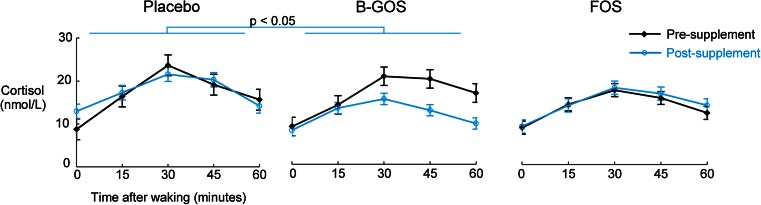
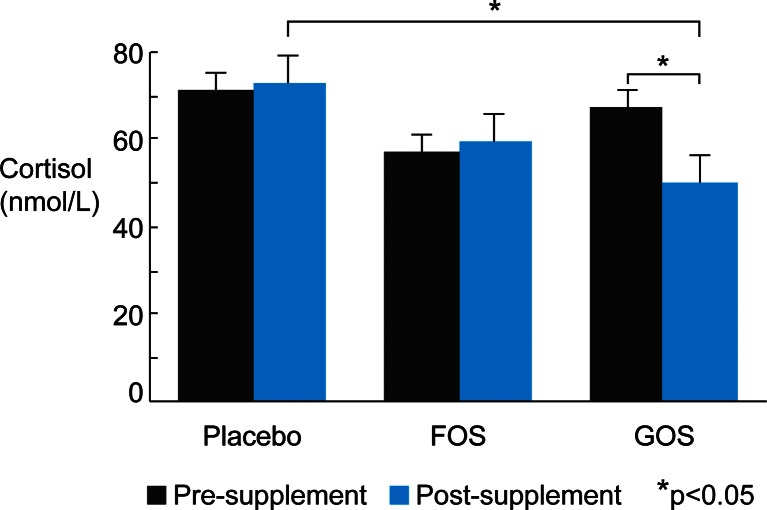
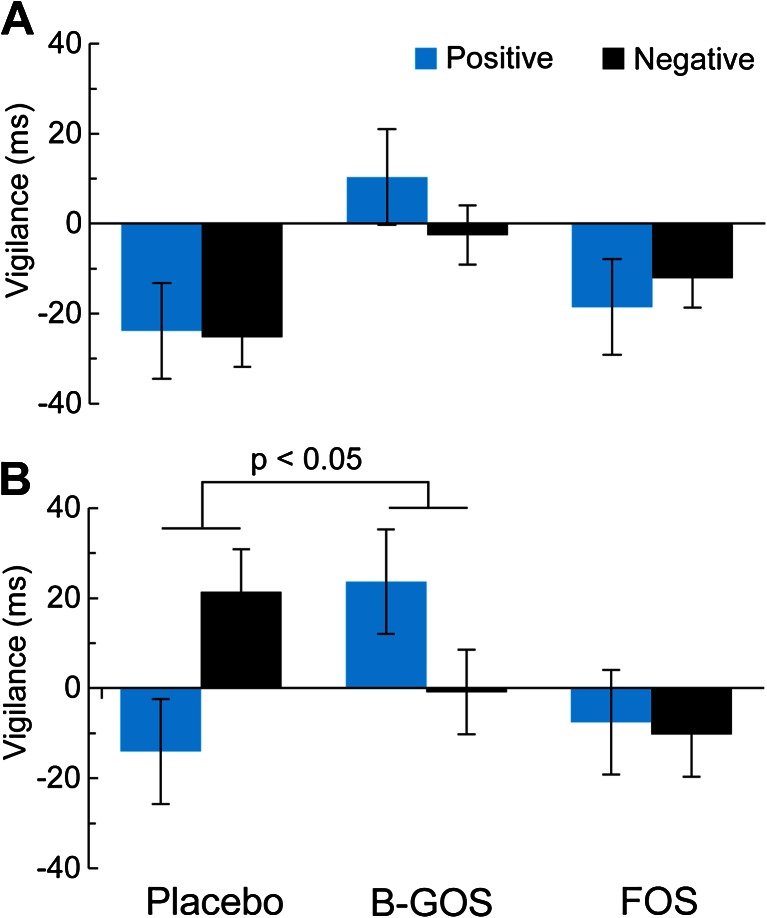
RATIONALE: There is now compelling evidence for a link between enteric microbiota and brain function. The ingestion of probiotics modulates the processing of information that is strongly linked to anxiety and depression, and influences the neuroendocrine stress response. We have recently demonstrated that prebiotics (soluble fibres that augment the growth of indigenous microbiota) have significant neurobiological effects in rats, but their action in humans has not been reported. OBJECTIVES: The present study explored the effects of two prebiotics on the secretion of the stress hormone, cortisol and emotional processing in healthy volunteers. METHODS: Forty-five healthy volunteers received one of two prebiotics (fructooligosaccharides, FOS, or Bimuno®-galactooligosaccharides, B-GOS) or a placebo (maltodextrin) daily for 3 weeks. The salivary cortisol awakening response was sampled before and after prebiotic/placebo administration. On the final day of treatment, participants completed a computerised task battery assessing the processing of emotionally salient information. RESULTS: The salivary cortisol awakening response was significantly lower after B-GOS intake compared with placebo. Participants also showed decreased attentional vigilance to negative versus positive information in a dot-probe task after B-GOS compared to placebo intake. No effects were found after the administration of FOS. CONCLUSION: The suppression of the neuroendocrine stress response and the increase in the processing of positive versus negative attentional vigilance in subjects supplemented with B-GOS are consistent with previous findings of endocrine and anxiolytic effects of microbiota proliferation. Further studies are therefore needed to test the utility of B-GOS supplementation in the treatment of stress-related disorders.
Overview
CoChat Summary
TL;DR
In healthy volunteers, 3 weeks of Bimuno®-galactooligosaccharides (B-GOS) lowered the salivary cortisol awakening response and reduced attentional vigilance to negative versus positive words compared with placebo. Fructooligosaccharides (FOS) showed no such effects.
Key findings
- Salivary cortisol awakening response was significantly lower after B-GOS than placebo: day 21 main effect of group F(2,41)=4.20, p<0.05; placebo vs B-GOS p=0.02. AUC-g analysis showed a day × group interaction F(2,41)=3.52, p=0.039, with post-treatment placebo vs B-GOS p=0.019.
- In the unmasked dot-probe task, B-GOS produced decreased attentional vigilance to negative versus positive information compared with placebo: group × emotion × masking condition F(2,41)=3.14, p=0.05; unmasked valence × group F(2,41)=4.29, p=0.02; B-GOS vs placebo valence × group F(1,27)=6.94, p=0.014.
- FOS did not differ from placebo on cortisol or dot-probe measures (FOS vs placebo valence × group F(1,27)=3.20, n.s.; all other FOS contrasts p>0.1).
- No significant prebiotic effects were found on facial expression recognition, emotional categorisation, recall, recognition, or self-report state anxiety/perceived stress.
Methods
- Double-blind, placebo-controlled randomised study: 45 completers (22 males, 23 females) received FOS (N=15), B-GOS (N=15), or maltodextrin placebo (N=15) at 5.5 g/day orally with breakfast for 3 weeks.
- Salivary cortisol awakening response was sampled at home immediately upon waking and every 15 min for 1 h on day 0 and day 21; emotional processing was assessed on day 21 using the computerised Emotional Test Battery, including an attentional dot-probe task, facial expression recognition task, and emotional categorisation/memory tasks.
- Cortisol values were square-root transformed and analysed with mixed-design ANOVA; behavioural outcomes were analysed with mixed-design ANOVAs with treatment group as between-subjects factor and emotion/task condition as within-subjects factors.
Limitations
- Stated: the study had insufficient power to investigate gender effects; menstrual phase effects on cortisol or attention were not tested due to insufficient power; no effects were found on the remaining Emotional Test Battery tasks or on subjective anxiety/perceived stress; the authors note possible need for longer prebiotic administration and that the young healthy volunteer sample had low subclinical scores and presumably healthy gut microbiota.
- Stated: mechanisms could not be tested directly through characterisation of gut microbiota, and there was no association between cortisol and attentional performance (all p>0.1).
- Evident from the text: each treatment arm had only 15 participants, and the study did not directly measure changes in gut microbiota composition in humans.
Model-written summary. Check it against the paper before relying on it.
Integrity signals
Registry
Cites
Statistics
Figures
Verification
Claims the paper makes
8 Valid · 0 Not valid · 25 Not checked · 30 Own results and interpretations
The cited sources support only part of this claim — read each source’s verdict below.
In the paper
“Notably, the extent to which these biases can be modulated by pharmacological therapies in patients has been found to be indicative of treatment response (Sheline et al. 2001; Pizzagalli 2010)”
§ Prebiotic intake reduces the waking cortisol response and alters emotional bias in healthy volunteers > Introduction
What the sources say
- Not checked yetcites Sheline et al. 2001 matched to “Increased amygdala response to masked emotional faces in depressed subjects resolves with antidepressant treatment: an fMRI study” (2001) source
- Partly supportedcites Pizzagalli 2010 matched to “Frontocingulate Dysfunction in Depression: Toward Biomarkers of Treatment Response” (2011) sourceExperimental — accuracy not yet measured
The Functional neuroimaging studies section reports that heightened rACC responses to sad faces two weeks after antidepressant treatment began predicted poor response later. This links an early treatment-period response to emotional stimuli with outcome, but it does not show that the extent to which emotional biases were modulated by medication indicated treatment response. Page numbers are unavailable in our copy. (LLM, conf=0.82)
plainstates an association- Asserted: passes — The authors put it forward as true.
- Checkable: passes — It can be checked against evidence.
- Load-bearing: passes — The paper’s conclusions depend on it.
- Based: passes — The paper gives a reason why it holds.
The cited sources support only part of this claim — read each source’s verdict below.
In the paper
“Neural and behavioural biases in the processing of emotional information, in particular increased processing of threat-related and negatively valenced stimuli, are core functional markers of anxiety and depression (Beck 2008; Cisler and Koster 2010).”
§ Prebiotic intake reduces the waking cortisol response and alters emotional bias in healthy volunteers > Introduction
What the sources say
- Not checked yetcites Beck 2008 matched to “The Evolution of the Cognitive Model of Depression and Its Neurobiological Correlates” (2008) source
- Partly supportedcites Cisler and Koster 2010 matched to “Mechanisms of attentional biases towards threat in anxiety disorders: An integrative review” (2010) sourceExperimental — accuracy not yet measured
The review’s ‘Brief Overview of Major Findings’ describes attentional bias toward threat as robust across anxious populations, and its ‘Summary and Integration’ links threat detection to amygdala activity. It does not establish the broader claim that neural and behavioural biases toward negatively valenced information are core functional markers of both anxiety and depression; its substantive discussion focuses on threat-related attention in anxiety. The indexed passages do not provide page numbers. (LLM, conf=0.88)
plainstates an association- Asserted: passes — The authors put it forward as true.
- Checkable: passes — It can be checked against evidence.
- Load-bearing: passes — The paper’s conclusions depend on it.
- Based: passes — The paper gives a reason why it holds.
The cited sources support only part of this claim — read each source’s verdict below.
In the paper
“Convincing evidence now exists for a role of the gut microbiota composition in the regulation of the stress hormone corticosterone (cortisol in humans).”
§ Prebiotic intake reduces the waking cortisol response and alters emotional bias in healthy volunteers > Introduction
What the sources say
- Not checked yetcites Crumeyrolle-Arias et al. 2014 matched to “Absence of the gut microbiota enhances anxiety-like behavior and neuroendocrine response to acute stress in rats” (2014) source
- Not checked yetcites Sudo et al. 2004 matched to “Postnatal microbial colonization programs the hypothalamic–pituitary–adrenal system for stress response in mice” (2004) source
- Partly supportedcites Bravo et al. 2011 matched to “Ingestion of Lactobacillus strain regulates emotional behavior and central GABA receptor expression in a mouse via the vagus nerve” (2011) sourceExperimental — accuracy not yet measured
Bravo et al. (2011) do supply the core point for mice: the Results section reports that stress-induced corticosterone was significantly lower in L. rhamnosus (JB-1)-fed stressed mice than in broth-fed controls (P < 0.001), and the Discussion states that 'these data clearly indicate that in the bidirectional communication between the brain and the gut, the HPA axis is a key component that can be affected by changes in the enteric microbiota.' However, our copy contains no human or cortisol data at all — the same Discussion concedes that 'the majority of studies on the microbiome–gut–brain axis are rodent-based, and future validation ... is now warranted,' and it explicitly cautions that 'caution is needed when extrapolating from single timepoint neuroendocrine studies.' So the '(cortisol in humans)' reach and the unqualified 'convincing evidence' framing go beyond what this source demonstrates; its evidence is a single mouse strain (BALB/c males) given one Lactobacillus strain. (LLM, conf=0.70)
boostedstates a cause- Asserted: passes — The authors put it forward as true.
- Checkable: passes — It can be checked against evidence.
- Load-bearing: passes — The paper’s conclusions depend on it.
- Based: passes — The paper gives a reason why it holds.
Every source the paper cites for this claim was checked and supports it.
In the paper
“The study demonstrates that manipulations of the gut microbiota can result in measurable changes in emotional processing in the healthy brain.”
§ Prebiotic intake reduces the waking cortisol response and alters emotional bias in healthy volunteers > Introduction
What the sources say
- Supportedcites Tillisch et al. 2013 matched to “Consumption of fermented milk product with probiotic modulates brain activity” (2013) source
The Abstract (Background/Methods/Results) states the study tested whether 4 weeks of a fermented milk product with probiotic — i.e. an intentional alteration of the gut microbiota — changed brain responses to an emotional faces attention task in healthy women with no GI or psychiatric symptoms, and reports FMPP-associated reduction of a distributed network containing affective, viscerosensory and somatosensory cortices plus altered midbrain resting connectivity. The CLINICAL AT summary states directly that chronic FMPP ingestion 'can modulate the responsiveness of an extensive brain network in healthy women' and is 'the first to demonstrate an effect of FMPP intake on gut-brain communication in humans', which is exactly what the citing sentence attributes. The one qualifier worth noting is that the measured outcome is neural reactivity to emotional stimuli (proof of concept), not behavioural/emotional experience, and the sample is healthy women; the paper also hedges that downstream mood/anxiety effects remain to be established. (LLM, conf=0.85)
boostedstates a cause- Asserted: passes — The authors put it forward as true.
- Checkable: passes — It can be checked against evidence.
- Load-bearing: passes — The paper’s conclusions depend on it.
- Based: passes — The paper gives a reason why it holds.
- Supported
The cited sources support only part of this claim — read each source’s verdict below.
In the paper
“The ingestion of probiotics modulates the processing of information that is strongly linked to anxiety and depression, and influences the neuroendocrine stress response.”
§ Prebiotic intake reduces the waking cortisol response and alters emotional bias in healthy volunteers > Abstract > Rationale
What the sources say
- Not checked yetcites Sudo et al. 2004 matched to “Postnatal microbial colonization programs the hypothalamic–pituitary–adrenal system for stress response in mice” (2004) source
- Partly supportedcites Bravo et al. 2011 matched to “Ingestion of Lactobacillus strain regulates emotional behavior and central GABA receptor expression in a mouse via the vagus nerve” (2011) sourceExperimental — accuracy not yet measured
Our copy supports both clauses at the level of the single strain it tested: the Results section ('Effects of L. rhamnosus (JB-1) Administration on Stress-Induced Corticosterone Levels') reports significantly lower stress-induced corticosterone in JB-1-treated stressed mice, and the Results/Discussion on fear conditioning describe modulated 'cognitive aspects of anxiety behavior' (higher freezing in the recall phase, with the Discussion noting this 'may also be interpreted as increased anxiety behavior'). What the source does not support is the class-wide framing 'the ingestion of probiotics': the Discussion states 'probiotic effects are strain dependent' and calls JB-1 'a potential probiotic' tested in healthy mice, and it adds that 'caution is needed when extrapolating from single timepoint neuroendocrine studies', whereas the citing sentence asserts the neuroendocrine effect unqualified. (LLM, conf=0.72)
plainstates a cause- Asserted: passes — The authors put it forward as true.
- Checkable: passes — It can be checked against evidence.
- Load-bearing: passes — The paper’s conclusions depend on it.
- Based: passes — The paper gives a reason why it holds.
30 more claims
Create a free account to see all 63 claims and to verify the 55 references still open.
- Probably not a substantial claim. 24
- It may state two separate claims as one. 8
Claims other papers make about this one
Each is checked against this paper’s own text: does it say what the citing paper says it does?
The cited source doesn’t support the claim as written.
In the citing paper
“For example, B. longum 1417 modulated resting neural activity as well as neural responses to social stress, while supplementation with β-galactooligosaccharide reduced the salivary cortisol awakening response, a biochemical measure of stress, and improved emotional information processing (329), and an oligofructose-enriched inulin improved memory and mood in healthy volunteers (330).”
From Diet and the Microbiota–Gut–Brain Axis: Sowing the Seeds of Good Mental Health (2021) · cites this paper as [329]
Checked by a reasoning model — may be wrong.
Experimental — accuracy not yet measuredThe cited source says what the claim attributes to it.
In the citing paper
“Such changes were not recorded after fructooligosaccharides administration.”
From The Role of Microbiota-Gut-Brain Axis in Neuropsychiatric and Neurological Disorders (2021) · cites this paper as [158]
The cited source says what the claim attributes to it.
In the citing paper
“Schmidt et al. [391] found that Bimuno galactooligosaccharides intake decreased attentional vigilance to negative versus positive information.”
From Anxiety, depression, and the microbiome: A role for gut peptides (2018) · cites this paper as [391]
The cited source says what the claim attributes to it.
In the citing paper
“In another study, B-GOS supplementation was compared to placebo in healthy participants and found to decrease waking salivary cortisol concentrations and increase the positive processing of information in a dot-probe task (485).”
From Signalling cognition: The gut microbiota and hypothalamic-pituitary-adrenal axis (2023) · cites this paper as [485]
The cited source says what the claim attributes to it.
In the citing paper
“Administration of B-GOS® to individuals induced suppression of the neuroendocrine stress response and an increase in the processing of positive versus negative attentional vigilance, thus resulting in an early anxiolytic-like phenotype (Schmidt et al., 2015).”
From The Microbiota-Gut-Brain Axis (2019) · cites this paper as Schmidt et al., 2015
1 more claim about this paper
Create a free account to see every claim other papers make about this one.
Statistics recomputed
Every reported test result, recomputed from its test statistic and degrees of freedom. A result shows as not adding up only once an independent check has confirmed it.
- ConsistentF(1, 17) = 3.74reported p = .07 · recomputed p = .070
“F(1,17) = 3.74, p = .07”
- ConsistentF(1, 17) = 3.01reported p > .1 · recomputed p = .101
“F(1,17) = 3.01, p > .1”
- ConsistentF(2, 41) = 1.08reported n.s. · recomputed p = .349
“F(2,41) = 1.08, n.s.”
- ConsistentF(2, 41) = 4.2reported p < .05 · recomputed p = .022
“F(2,41) = 4.20, p < .05”
- ConsistentF(2.41, 98.63) = 58.61reported p < .001 · recomputed p < .001
“F(2.41,98.63) = 58.61, p < .001”
18 more recomputed tests
Create a free account to see every test the Stats check recomputed.
Self-check
Percentages, sums and reported differences re-computed from the paper’s own numbers.
Each contradiction between two passages listed here was confirmed by an independent check.
Rated minor: it would not touch a result — a value no result rests on, a p-value that stays on the same side of the significance level, or a conflict that is clerical, resolved elsewhere in the paper, or outside its own findings.
In the paper
§ Prebiotic intake reduces the waking cortisol response and alters emotional bias in healthy volunteers > Results > Emotional Test Battery
“emotion × group interaction F(8.16,773.38) = 1.10, n.s.”
§ Prebiotic intake reduces the waking cortisol response and alters emotional bias in healthy volunteers > Results > Emotional Test Battery
“main effect of group: F(2,42) = 0.53, n.s.”
Citations
Cites
An inventory for measuring depression
BECK, A. T. (1961) · Archives of General Psychiatry · doi:10.1001/archpsyc.1961.01710120031004 · Cited by 38,032 · cited 3×
“2011), subclinical symptoms of depression (Beck Depression Inventory, BDI; Beck et al. 1961) and anxiety (State-Trait Anxiety Inventory, STAI-trait; Spielberger et al.”
BackgroundA Global Measure of Perceived Stress
Cohen, S., Kamarck, T., & Mermelstein, R. (1983) · Journal of Health and Social Behavior · doi:10.2307/2136404 · Cited by 32,807 · cited 3×
“Their potential influence on the mechanisms underlying stress-related disorders such as irritable bowel syndrome (IBS), anxiety and depression is also beginning to be elucidated (Dinan et al. 2006; Rhee et al. 2009; Mayer 2011; Bravo et al. 2012).”
BackgroundDevelopment and validation of brief measures of positive and negative affect: The PANAS scales.
Watson, D., Clark, L. A., & Tellegen, A. (1988) · Journal of Personality and Social Psychology · doi:10.1037/0022-3514.54.6.1063 · Cited by 32,433 · cited 2×
“…and 21, respectively), anxiety (STAI-state) and measures of perceived stress (Perceived Stress Scale, PSS; Cohen et al. 1983) and mood (Visual Analogue Scales, VAS; Bond and Lader 1974; Positive and Negative Affect Schedules, PANAS;Watson et al. 1988) were measured using self-report questionnaires.”
Method(1970) · Cited by 24,983
Scoville, W. B. (1949) · Journal of neurosurgery · doi:10.3171/jns.1949.6.1.0065 · Cited by 7,381
How do you feel — now? The anterior insula and human awareness
(Bud) Craig, A. D. (2009) · Nature Reviews Neuroscience · doi:10.1038/nrn2555 · Cited by 6,657
Mind-altering microorganisms: the impact of the gut microbiota on brain and behaviour
Cryan, J. F., & Dinan, T. G. (2012) · Nature Reviews Neuroscience · doi:10.1038/nrn3346 · Cited by 4,572 · cited 3×
“Overall, novel evidence supports the notion that manipulations of gut microbiota show widespread effects on central functioning and behavioural phenotypes via the HPA axis, as well as the vagus nerve, serotonergic system, and immune system [1].”
BackgroundInfluentialEkman, P. (1976) · Medical Entomology and Zoology · Cited by 4,345
The Structured Clinical Interview for DSM-III-R (SCID): I: History, Rationale, and Description
Spitzer, R. L. (1992) · Archives of General Psychiatry · doi:10.1001/archpsyc.1992.01820080032005 · Cited by 4,336
Bravo, J. A., Forsythe, P., Chew, M. V., Escaravage, E., Savignac, H. M., Dinan, T. G., Bienenstock, J., & Cryan, J. F. (2011) · Proceedings of the National Academy of Sciences · doi:10.1073/pnas.1102999108 · Cited by 3,888 · cited 5×
“2004), an effect replicated in mice subjected to a stress-inducing behavioural paradigm designed to elevate corticosterone levels (Bravo et al. 2011).”
BackgroundInfluential
Research works printed but not linked: 2
- Eysenck H Eysenck S Manual of the Eysenck personality questionnaire 1975 London Hodder & Stoughton
- Nelson H The National Adult Reading Test (NART): test manual 1982 Windsor NFER-Nelson
Cited by
Items 401–500 of 561
Cui, S., Aronno, M., Wong, A. K. Q., & Snodgrass, L. (2025) · Communicative & Integrative Biology · doi:10.1080/19420889.2024.2446332 · Cited by 4
Beckner, M. E., Fagnant, H. S., Niro, P. J., Giles, G. E., Lieberman, H. R., & Karl, J. P. (2025) · Physiological Reports · doi:10.14814/phy2.70541 · Cited by 3
“Polyphenols can also impact mood and cognition independent of the gut microbiota by promoting vasodilation via nitric oxide production (Bell et al., 2015; Fisher et al., 2003) and enhancing parieto-frontal brain connections (Schmidt et al., 2015).”
Estrogenic Effect of Probiotics on Anxiety and Depression: A Narrative Review
Rosas-Sánchez, G. U., Germán-Ponciano, L. J., Rodríguez‐Landa, J. F., Bonilla‐Jaime, H., Limón‐Morales, O., García-Ríos, R. I., Muñoz‐Carrillo, J. L., Gutiérrez-Coronado, O., Villalobos‐Gutiérrez, P. T., & Soria-Fregozo, C. (2025) · International Journal of Molecular Sciences · doi:10.3390/ijms26209948 · Cited by 4
“It is known that hormone fluctuations and cortisol are directly linked to the development of mood disorders and that probiotics can restore hormone and neurochemical concentrations and thus improve mood and emotional health [215].”
Sasikumar, A., Shanmugam, R., Sengottuvelu, S., Saranya, N., & Karukuvelraja, R. (2026) · International Microbiology · doi:10.1007/s10123-025-00763-3 · Cited by 3
Role of Gut Microbiota in Psychiatric Disorders: From Mechanistic Insights to Therapeutic Strategies
Kim, Y. S., Woo, S., Ha, E., Ahn, S., Kim, E., Kim, S. I., Lim, W., & Kim, S. (2026) · Journal of Korean Medical Science · doi:10.3346/jkms.2026.41.e78 · Cited by 3
Targeting gut dysbiosis as a means to enhance recovery from surgical brain injury
Danehower, S. (2021) · Surgical Neurology International · doi:10.25259/sni_72_2021 · Cited by 4
“One study analyzed the microbiota of 178 elderly individuals and found that there was a significantly decreased diversity of bacterial species.[76] Further analysis revealed that the severity of dysbiosis in these patients was dependent on diet.”
BackgroundProbiotics: Production, Characterization, Types, and Health Benefits
Keerthi, R. S. S. (2023) · INTERANTIONAL JOURNAL OF SCIENTIFIC RESEARCH IN ENGINEERING AND MANAGEMENT · doi:10.55041/ijsrem23683 · Cited by 5
DIETARY APPROACHES AND NUTRITIONAL SUPPLEMENTS IN THE MANAGEMENT OF AUTISM SPECTRUM DISORDER
Adıgüzel, E., & Çiçek, B. (2023) · Editora Científica Digital eBooks · doi:10.37885/230613484 · Cited by 5
Autism Spectrum Disorder: Latest Advances in Treatment
Szpernalowska, A., Matshaba, V. I., Mrugała, K., Choinka, M., Kalisiak, J., Mataczyńska, A., & Paprocki, M. (2024) · Quality in Sport · doi:10.12775/qs.2024.22.54744 · Cited by 4
Impact of the Gut Microbiome on Behavior and Emotions
Rivera‐Íñiguez, I., Román, S., Ojeda‐Granados, C., & Arturo, P. (2019) · Elsevier eBooks · doi:10.1016/b978-0-12-815249-2.00040-3 · Cited by 7
Psychobiotics: Biotherapeutics for Positive Mental Health
Mörkl, S., Butler, M., Cichini, F., Cryan, J. F., & Dinan, T. G. (2020) · Oxford University Press eBooks · doi:10.1093/oxfordhb/9780190931544.013.7 · Cited by 3
Therapeutic Potential and Recent Development of Psychobiotics for the Management of Brain Disorders
Thakur, A. K., & Tariq, U. (2019) · Trends in Applied Sciences Research · doi:10.3923/tasr.2019.70.79 · Cited by 4
Wardziukiewicz, W., & Stachowska, E. (2020) · Postępy Higieny i Medycyny Doświadczalnej · doi:10.5604/01.3001.0014.3416 · Cited by 4
“Gut” to grips with the science of the microbiome – a symposium report
Finnegan, Y. E., Neill, H. R., Prpa, E. J., & Pot, B. (2024) · Gut Microbiome · doi:10.1017/gmb.2024.8 · Cited by 3
Chai, H., & Lee, S. (2025) · Current Topic in Lactic Acid Bacteria and Probiotics · doi:10.35732/ctlabp.2025.11.2.50 · Cited by 2
Manzato, M., Hamidabad, N. M., Clark, M. M., Pardo, L. S., Montone, R. A., Lerman, L. O., & Lerman, A. (2026) · Trends in Cardiovascular Medicine · doi:10.1016/j.tcm.2026.01.007 · Cited by 3
Karner, T., Forbes, P., Berry, D., & Wagner, I. C. (2026) · Neurobiology of Stress · doi:10.1016/j.ynstr.2026.100807 · Cited by 2
“…of prebiotics, which are known to increase SCFA-producing bacteria as well as SCFA concentrations (Davani-Davari et al., 2019; Grimaldi et al., 2017) was shown to reduce the cortisol awakening response and partly decreased attentional vigilance to negative information (Schmidt et al., 2015).”
Role of the Gut Flora in Human Nutrition and Gut Health
Alvarado‐Martinez, Z., Filho, S., Mihalik, M., Rha, R., & Snyder, M. (2020) · Springer eBooks · doi:10.1007/978-3-030-47384-6_5 · Cited by 2
Contribution of neuroinflammation, resolution, and neuroprotection in neuropsychiatric diseases
Farooqui, A. A. (2021) · Elsevier eBooks · doi:10.1016/b978-0-323-88460-0.00002-3 · Cited by 3
Liu, H., Liu, Y., Hao, F., Li, B., & Cong, Y. (2023) · Veterinary Medicine and Science · doi:10.1002/vms3.1260 · Cited by 2
“Prebiotic supplementation has shown to reduce waking cortisol and increase vigilance on emotional stimuli in human (Schmidt et al., 2015).”
BackgroundZoratto, F., Pisa, E., Soldati, C., Bartolomeo, M. D., Paglialunga, G., Piccinini, A., Bianco, M. D., Moscatello, S., Proietti, S., Lorenzetti, S., et al. (2025) · Biological Psychiatry Global Open Science · doi:10.1016/j.bpsgos.2025.100520 · Cited by 3
“The CORT-lowering effects of prebiotics have already been reported in different mammalian species ranging from mice (23,92 – 94) to humans (95).”
Czajeczny, D., Kabzińska, K., & Wójciak, R. W. (2020) · Postępy Mikrobiologii - Advancements of Microbiology · doi:10.21307/pm-2020.59.1.001 · Cited by 2
Interplay between probiotics and prebiotics for human nutrition and health
Voss, G. B., Machado, D., Barbosa, J. C., Campos, D. A., Gomes, A., & Pintado, M. (2022) · Elsevier eBooks · doi:10.1016/b978-0-323-89908-6.00027-3 · Cited by 2
Annapure, U. S., & Jadhav, H. B. (2022) · Microorganisms for sustainability · doi:10.1007/978-981-19-5711-6_5 · Cited by 2
Importance of the Microbiota in Early Life and Influence on Future Health
Collins, J. M., Cryan, J. F., & O’Mahony, S. M. (2024) · Elsevier eBooks · doi:10.1016/b978-0-323-99971-7.00017-5 · Cited by 3
Foster, J. A., & Clarke, G. A. (2024) · Elsevier eBooks · doi:10.1016/b978-0-12-814800-6.00001-7 · Cited by 2
Киселева, М. А., Киселева, Т. Л., & Хлебников, Е. В. (2024) · Традиционная медицина · doi:10.54296/18186173_2024_3_17 · Cited by 2
Kleiman, S. C., Bulik‐Sullivan, E. C., Glenny, E. M., Zerwas, S. C., Huh, E. Y., Tsilimigras, M. C. B., Fodor, A. A., Bulik, C. M., & Carroll, I. M. (2019) · PLoS ONE · doi:10.1371/journal.pone.0221724 · Cited by 3
Karley, D., Nayak, K. K., & Kolla, V. (2024) · CRC Press eBooks · doi:10.1201/9781003160663-17 · Cited by 1
The Link Between Gut Microbiota and Depression: Exploring the Correlation
Juśkiewicz, A., Grelewicz, O., Kucy, N., Servaas, E., Haber, M., Kula, P., Czachor, A., & Kotula, A. (2025) · Journal of Education Health and Sport · doi:10.12775/jehs.2025.77.55276 · Cited by 1
Dietary Fibers and Complex Carbohydrates as Functional Food Ingredients
Dutta, L., Saha, A., Ehsan, I., Bhattacharya, S., & Mallick, S. (2025) · Springer eBooks · doi:10.1007/978-981-96-8622-3_4 · Cited by 1
Srivastava, A. K., Singh, A., Yadav, D. P., Nath, G., & Ganju, L. (2025) · Elsevier eBooks · doi:10.1016/b978-0-443-34039-0.00009-3 · Cited by 1
Relationship Between Microbiota and Mental Health: A Holistic View
Kaplan, V., Bilden, A., & Kaplan, Ö. (2026) · Psikiyatride Guncel Yaklasimlar - Current Approaches in Psychiatry · doi:10.18863/pgy.1733271 · Cited by 1
Przerwa, J. (2025) · International Journal of Innovative Technologies in Social Science · doi:10.31435/ijitss.4(48).2025.4431 · Cited by 1
Wazir, F., Mansoor, S., Khan, M. J., Bibi, N., Shafqat, M. D., Gul, W., Meraj, L., Badar, F., Bokhari, S., Gilani, S. S. N., et al. (2026) · SN Comprehensive Clinical Medicine · doi:10.1007/s42399-026-02311-0 · Cited by 1
“Nevertheless, advances in molecular biology and bioinformatics continue to provide important insights, particularly in elucidating how genetic architecture interacts with modifiable environmental exposures [ 5, 15].”
Marano, G., Valle, E. L., Carriero, G., Brisi, C., Traversi, G., Mazza, O., Sani, G., & Mazza, M. (2026) · Nutrients · doi:10.3390/nu18142366 · Cited by 1
“By contrast, FOS did not produce comparable effects, indicating that these responses may depend on the specific prebiotic used rather than reflecting a class effect [68].”
InfluentialAlmarzooqi, S., Yassin, L. K., AlNuaimi, F., Alketbi, S., Skrabulyte-Barbulescu, J., AlAhbabi, N., Alremeithi, D., Almarashda, R., Almazrouei, S., Shehab, S., et al. (2026) · Translational Psychiatry · doi:10.1038/s41398-026-04305-x · Cited by 1
“Similarly, prebiotic supplementation reduced cortisol awakening responses in a small RCT, suggesting that GM manipulation may in fl uence endocrine stress responses [73].”
Jarfan, M. A., Vimaleswaran, K. S., & Wijeyesekera, A. (2026) · Frontiers in Molecular Neuroscience · doi:10.3389/fnmol.2026.1847644 · Cited by 1
“For instance, galactooligosaccharide (GOS) supplementation has been shown to reduce waking cortisol responses and modify attentional bias toward emotional stimuli in healthy individuals (Schmidt et al., 2015).”
Orel, R., & Reberšak, L. V. (2015) · Elsevier eBooks · doi:10.1016/b978-0-12-802189-7.00012-5 · Cited by 1
RETRACTED CHAPTER: Changing Paradigm of Probiotics from Functional Foods to Biotherapeutic Agents
Johnson, E. M., Jung, Y., Jin, Y., Yang, S. H., Jayabalan, R., & Suh, J. W. (2018) · Springer eBooks · doi:10.1007/978-981-10-7140-9_3 · Cited by 1
RetractedLes psychobiotiques contre le stress
Lecerf, J. (2018) · Pratiques en nutrition · doi:10.1016/j.pranut.2018.03.007 · Cited by 1
The Importance of Dietary Fiber on Stress Hormone in Pregnancy: A Literature Review
Fabiani, H., & Tan, H. T. (2021) · Journal of Midwifery · doi:10.25077/jom.5.1.13-19.2020 · Cited by 5
Psychobiotics: A Newer Approach Toward the Treatment of Neurodevelopmental Disorders
Chakraborty, T., Begum, J., Mandal, D., & Sengupta, A. (2021) · Elsevier eBooks · doi:10.1016/b978-0-12-822909-5.00013-7 · Cited by 3
Психобіотики як перспективні засоби для лікування психосоматичних ускладнень при укровому діабеті
Zinich, A. V., Korpachev, V. V., & Vv, K. (2021) · Endokrynologia · doi:10.31793/1680-1466.2021.26-2.152 · Cited by 1
Inflammation, stress, and gut-brain axis as therapeutic targets in bipolar disorder
Vaccariello, E. D., & Nguyen, T. T. (2022) · Elsevier eBooks · doi:10.1016/b978-0-12-821398-8.00008-4 · Cited by 2
Role of Gut Microbiota and Probiotic in Chronic Fatigue Syndrome
Sharma, A., Wakode, S. R., Sharma, S., & Fayaz, F. (2022) · Springer eBooks · doi:10.1007/978-981-16-6760-2_9 · Cited by 2
Shah, F., & Dwivedi, M. (2022) · Springer eBooks · doi:10.1007/978-981-16-6760-2_4 · Cited by 2
Polímeros de frutose: importância para a nutrição e saúde humana
Figueiredo-Ribeiro, R. D. C. L., Pessoni, R. A. B., Itaya, N. M., & Fialho, M. B. (2022) · Evidência · doi:10.18593/eba.27168 · Cited by 2
How do gut microbes influence mental health?
Dinan, T. G. (2022) · Trends in Urology & Men s Health · doi:10.1002/tre.857 · Cited by 1
Recent Advances and Future Trends in Fermented and Functional Foods
Patra, J. K., Shin, H., & Paramithiotis, S. (2022) · MDPI eBooks · doi:10.3390/books978-3-0365-4189-1 · Cited by 2
The Impact of the Human Microbiome on Mental Health: A Systemic Review
-, K. N. V. (2023) · International Journal For Multidisciplinary Research · doi:10.36948/ijfmr.2023.v05i02.1832 · Cited by 2
Effect of Fiber Consumption on Cortisol Levels and HPA Axis in Pregnancy
Dursun Alper, Y., İbrahim Hakki, C., Yıldız, M., Mehmet Salih, Y., & Dege, G. (2024) · Journal of Midwifery and Health Sciences · doi:10.5281/zenodo.10929552 · Cited by 1
Schaepers-Cheu, M., Patel, M., Lien, G., & Arora, A. (2024) · Berkeley Pharma Tech Journal of Medicine · doi:10.52243/bptjm.v4i1.54 · Cited by 1
Role of microbiota-gut-brain axis in Huntington’s disease and possible interventions
Kumar, S., & Yadav, L. (2025) · Elsevier eBooks · doi:10.1016/b978-0-443-21680-0.00004-3 · Cited by 1
A single dose of lamotrigine induces a positive memory bias in healthy volunteers
Zghoul, T., Hortelano, P. A., Kaltenboeck, A., Wright, L. C., Goodwin, G. M., Capitão, L. P., & Harmer, C. J. (2025) · Psychological Medicine · doi:10.1017/s0033291725000777 · Cited by 1
“During the next hour (T3), participants underwent a functional magnetic resonance imaging scan (results reported elsewhere), and were tested with the Oxford ETB (Harmer et al., 2009) (Schmidt et al., 2015).”
Self-citationMajor depressive disorder and the microbiome-gut-brain axis
F. H. Ouriaghli, & Elhaty, I. A. (2025) · The Ukrainian Biochemical Journal · doi:10.15407/ubj97.02.013 · Cited by 1
Dietary Fibers and Complex Carbohydrates as Functional Food Ingredients
Dutta, L., Saha, A., Ehsan, I., Bhattacharya, S., & Mallick, S. (2025) · Springer eBooks · doi:10.1007/978-981-97-9936-7_4-1 · Cited by 2
Wang, Y. (2025) · Theoretical and Natural Science · doi:10.54254/2753-8818/2025.ld26074 · Cited by 1
Ironside, M., & Perlo, S. (2018) · Current Behavioral Neuroscience Reports · doi:10.1007/s40473-018-0138-9 · Cited by 1
Tarro, S. (2020) · UTUPub (University of Turku) · Cited by 2
Rabbia, V., Amer, M., Palma, G. D., Lu, J., Potts, R., James, C., Wolfe, M., Gillard, J., Tersigni, M., Armstrong, H., et al. (2025) · medRxiv · doi:10.1101/2025.09.15.25335180 · Cited by 1
Impacto da microbiota intestinal na saúde mental
Landeiro, J. (2016) · Portuguese National Funding Agency for Science, Research and Technology (RCAAP Project by FCT) · Cited by 41
GH70 dextransucases : Insights on the molecular determinants of dextran molar mass control
Claverie, M. (2017) · theses.fr (ABES) · doi:10.70675/af572029z16aaz4f80z8abbz88f03dd138c9 · Cited by 2
“In that goal, protein expression using marked indole precursor (Schörghuber et al., 2017) will be undertaken and should allow an accurate assignment of the signals.”
BackgroundMethodInfluentialLans, A. M. (2016) · OhioLink ETD Center (Ohio Library and Information Network)
Angsterkrankungen – hat das Mikrobiom hier seine Finger im Spiel?
Häckel, A. (2017) · DNP - Der Neurologe und Psychiater · doi:10.1007/s15202-017-1661-3
Gaffney, M. (2018) · CU Scholar (University of Colorado Boulder) · Cited by 1
Gut Feeling: What the Gut Brain Axis May Reveal About Depressive Symptomatology During Adolescence
Flannery, J. (2020) · Scholars' Bank (University of Oregon)
Therapeutic role and importance of gut microbiota in brain and related disorder: A review
Kundu Smita, S., & Rana, D. G. (2021) · Asian Journal of Pharmacy and Pharmacology · doi:10.31024/ajpp.2021.7.1.6
Gut microbiota and brain function and pathophysiology
Duttaroy, A. K. (2021) · Elsevier eBooks · doi:10.1016/b978-0-12-822405-2.00014-1
Stress Hormones and the Gut Microbiota Composition and Function
Neuman, H. (2021) · Elsevier eBooks · doi:10.1016/b978-0-12-819265-8.00070-x
Bandara, N. (2021) · International Journal of Current Science Research and Review · doi:10.47191/ijcsrr/v4-i10-12 · Cited by 1
PLANO INSTITUCIONAL DE HUMANIZAÇÃO :CUIDADOS PALIATIVOS
da Silva, A. P., Rocha, J. A., Oliveira, M. C. G., Novello, E. C. D. M. M., Barroco, M. D. F. C., & Costa, F. F. D. S. (2021) · Editora Conhecimento Livre eBooks · doi:10.37423/211105033
FATORES INTERVENIENTES NA MELHORIA DA QUALIDADE DE VIDA DO IDOSO
COSTA, J. D. D. S., Sousa, D. F. D. S., SOUZA, E. A. D., SILVA, M. D. F. M. D., & Rodrigues, T. E. G. (2021) · Editora Conhecimento Livre eBooks · doi:10.37423/211104997
Guedes, M. A. S., Fernandes, M. G., & Almeida, A. V. A. C. (2021) · Editora Conhecimento Livre eBooks · doi:10.37423/211105060
PERFIL E RASTREIO DA DOENÇA RENAL CRÔNICA DE IDOSOS HIPERTENSOS E DIABÉTICOS INSTITUCIONALIZADOS
de Brito, A. C. A., de Lima, J. M. O., Lima, A. D. G. T., Belone, J. C. D. S., Marinho, J. D. S., Pereira, J. D. C. N., & Garcia, S. M. D. S. (2021) · Editora Conhecimento Livre eBooks · doi:10.37423/211105024
Gonçalves, E. L., & Oliveira, M. E. (2021) · Editora Conhecimento Livre eBooks · doi:10.37423/211105013
PRATICANDO NUTRIÇÃO NO ÂMBITO DA SAÚDE MENTAL: RELATO DE EXPERIÊNCIA
COSTA, J. D. D. S., & Palmeira, P. D. A. (2021) · Editora Conhecimento Livre eBooks · doi:10.37423/211104993
DIABETES MELLITUS (DM): Um problema de saúde pública
de Almeida, C. M. M., & Furlanetto, M. C. P. D. P. (2021) · Editora Conhecimento Livre eBooks · doi:10.37423/211104998
HPV E O CÂNCER DE COLO DE ÚTERO: Uma análise bibliográfica sobre sua evolução e desenvolvimento.
Pereira, M. A. S., & Santos, H. C. D. A. S. D. (2021) · Editora Conhecimento Livre eBooks · doi:10.37423/211105009
A ASCENSÃO DO PARTO DOMICILIAR E A RELAÇÃO COM AASSISTÊNCIA DE ENFERMAGEM
Araújo, T. L. D. L., dos Reis, D. M., dos Santos, G. A., & da Fonseca, E. N. R. (2021) · Editora Conhecimento Livre eBooks · doi:10.37423/211105011
ABORDAGEM NO DIAGNÓSTICO DIFERENCIAL DA LEUCEMIA LINFOBLÁSTICA AGUDA
SALES, C. S., Alves, H. B., & Júnior, J. G. D. S. (2021) · Editora Conhecimento Livre eBooks · doi:10.37423/211105020
de Farias, F. F. F. F., Gomes, B. F. D., Filho, C. M. M., Pereira, S. P. D. N., & Salerno, P. R. (2021) · Editora Conhecimento Livre eBooks · doi:10.37423/211104991
A Arteterapia no câncer infantojuvenil: revisão integrativa da literatura
Soares, V. R., Valladares-Torres, A. C. A., Lago, D. M. S. K., & Andrade, P. A. (2021) · Editora Conhecimento Livre eBooks · doi:10.37423/211205083
Prebiotics as food supplements
Đorović, D., Maksimović, M., & Radak, Đ. (2018) · Medicinska istrazivanja · doi:10.5937/medist1803014q
“(26) The excessive waking cortisol response is the biomarker of emotional disorders such as depression.”
BackgroundPalmer, J. K. (2022) · Queensland University of Technology · doi:10.5204/thesis.eprints.228686 · Cited by 1
CUIDADOS PALIATIVOS COMO PRÁTICA HUMANIZADORA EM UM HOSPITAL PÚBLICO
da Silva, A. P., Rocha, J. A., Lino, I. R. D. P., de Oliveira, M. C. G., Novello, E. C. D. M. M., Barroco, M. D. F. C., Costa, F. F. D. S., & Bessa, T. R. M. (2021) · Editora Conhecimento Livre eBooks · doi:10.37423/211105014
(2018) · Elsevier eBooks · doi:10.1016/b978-0-12-811351-6.00026-7
Weltens, N., Dalile, B., & Oudenhove, L. V. (2019) · Elsevier eBooks · doi:10.1016/b978-0-12-801238-3.66130-5 · Cited by 1
Nutrition and Microbiome: In Preparation for Pregnancy
Belew, C. (2022) · Springer eBooks · doi:10.1007/978-3-031-06322-0_4 · Cited by 1
Psychobiotics as Modulators of Gut-Brain Influences
Cespuglio, R. (2022) · Biomedical Journal of Scientific & Technical Research · doi:10.26717/bjstr.2022.45.007188
Research Progress of Gut Microbiota’s Function in Neurological and Psychological Diseases
范, 锦. (2023) · Open Journal of Natural Science · doi:10.12677/ojns.2023.113040
Human Microbiome and Autism-Spectrum Disorders
Gupta, R. G., & Raghuvanshi, S. (2023) · Springer eBooks · doi:10.1007/978-981-99-1463-0_18
Mahmud, S., Sharmin, S., Khan, M. A. I., Jahan, R., Masuduzzaman, S. M., Rahman, M., Saha, B. K., & Alam, M. (2023) · American Journal of Pediatrics · doi:10.11648/j.ajp.20230903.15
The Dose Response Effects of Partially Hydrolyzed Guar Gum on Gut Microbiome of Healthy Adults
Edelman, M., Wang, Q., Ahnen, R. T., & Slavin, J. L. (2023) · Journal of the Academy of Nutrition and Dietetics · doi:10.1016/j.jand.2023.06.130
Autismo: uma abordagem multiprofissional
Borges, F. D. S. S., Cavalcante, F. P., Brilhante, F. D. F., Portela, J. G., Costa, L. F. L. D., Fernandes, L. M. C., Fontenele, L. A., Diniz, M. A. N., Sousa, M. D. D. A., Fonseca, M. C. S. D., et al. (2023) · Editora Científica Digital eBooks · doi:10.37885/978-65-5360-414-8
Altering the Gut Microbiome for Cognitive Benefit
Wright, G. M., Huynh, K., Schneider, M., & Gareau, M. G. (2024) · Elsevier eBooks · doi:10.1016/b978-0-323-99971-7.00011-4
Nutrition and lifestyle medicine for neurodevelopmental and psychiatric disorders
(2024) · Frontiers research topics · doi:10.3389/978-2-8325-4378-8
Foster, J. A., & Clarke, G. A. (2024) · Elsevier eBooks · doi:10.1016/b978-0-12-814800-6.00006-6
Metadata
- Authors
- Schmidt, K., Cowen, P. J., Harmer, C. J., Tzortzis, G., Errington, S., & Burnet, P. W. J.
- Affiliations
- Warneford Hospital (GB)
- Newcastle University (GB)
- Corresponding author
- Burnet, Philip W. J.
- Venue
- Psychopharmacology
- Published
- 2014-12-03
- Volume
- 232
- Issue
- 10
- Pages
- 1793-1801
- ISSN
- 0033-3158 (ISSN-L)
- 1432-2072
- PMC
- PMC4410136
- OpenAlex
- W2095008866
- Semantic Scholar
- 65b5b76e2c6ca70869f58f439f2cee0c432b3510
- Cited by
- 522
- References
- 69
- Citations by year
- 2026: 24 · 2025: 60 · 2024: 45 · 2023: 43 · 2022: 47 · 2021: 72 · 2020: 52 · 2019: 47 · 2018: 44 · 2017: 39 · 2016: 30 · 2015: 19
- FWCI
- 27.32
- Type
- journal article
- Language
- en
- Open access
- hybrid
- doi.org
- Locations
- Psychopharmacology (publishedVersion, cc-by)
- Europe PMC (PubMed Central) (publishedVersion, cc-by)
- PubMed Central (publishedVersion, cc-by)
- PubMed (publishedVersion)
- Funders
- Wellcome Trust
- Medical Research Council
- Biotechnology and Biological Sciences Research Council
- Topics
- Health Sciences › Nursing › Nutrition and Dietetics › Microbial Metabolites in Food Biotechnology
- Life Sciences › Agricultural and Biological Sciences › Food Science › Probiotics and Fermented Foods
- Life Sciences › Neuroscience › Behavioral Neuroscience › Stress Responses and Cortisol
- Keywords
- prebiotics, galactooligosaccharides, fructooligosaccharides, salivary cortisol, cortisol awakening response, stress response, emotional processing, attentional bias, dot-probe task, gut-brain axis, enteric microbiota, anxiety, depression, stress-related disorders
- MeSH terms
- Adolescent, Adult, Animals, Double-Blind Method, Emotions, Female, Humans, Hydrocortisone, Male, Middle Aged, Oligosaccharides, Photic Stimulation, Saliva, Wakefulness, Dietary Supplements, Rats, Young Adult, Prebiotics, Healthy Volunteers
About these checks
Registry, retraction, Cites and statistics results are computed, not judged, with one exception: a printed reference that no index lists is read once by a model before it counts as a citation error. Claims are extracted by a model and kept only when their quote appears verbatim in the text; each cited source is then checked, with a model’s help, for whether it says what the claim relies on. Those verdicts can be wrong — read the claim’s quote and the cited source before relying on one.
The claim verdicts this report counts are experimental: their accuracy is not yet measured.
A language model drew the claims from the paper on 2026-10-07, under version 3 of the claim definition (model deepseek-v4.1-flash, prompt extract-v3).
A second model labelled each claim on 2026-10-07 (model jev-1.13-20260917, definition revision gold-guideline-v0.2).
Cited sources are checked with a language model’s help (gpt-6-sol and qwen3.8-omni-flash).
Statistics and arithmetic are recomputed, not judged.
Confidence bands are shown only for fields calibrated on our annotated test set. None is calibrated yet, so no band is shown.
What counts as a claim ›How we measure confidence ›How we check this ›
Are you an author, or do you see a problem with this page? Request a review
Data sources
Bibliographic data: Semantic Scholar, OpenAlex, Crossref.
Contains information from the Semantic Scholar Academic Graph Datasets, made available under the ODC Attribution License (ODC-BY 1.0).
Semantic Scholar’s data is described in: Kinney, R., et al. (2023). The Semantic Scholar Open Data Platform. arXiv:2301.10140.
