

Prebiotic intake reduces the waking cortisol response and alters emotional bias in healthy volunteers
Open accessThe DOI matches its Crossref record; 66 of the 69 references it cites were found in a registry or an index; 9 of the 64 sources its claims cite were checked for support.
Abstract
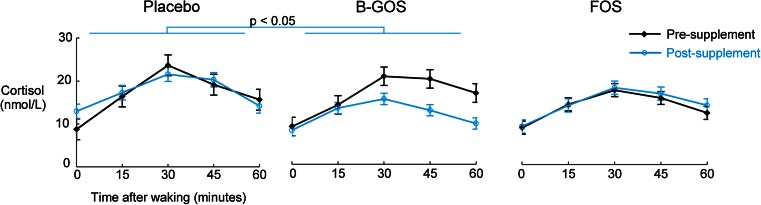
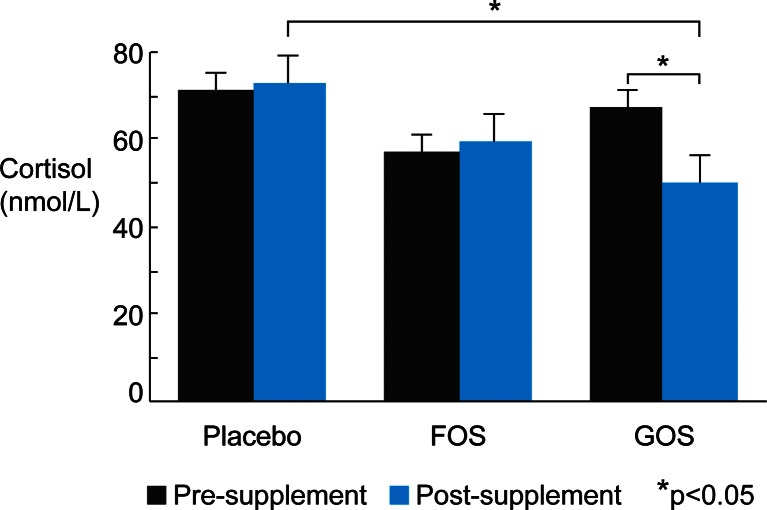
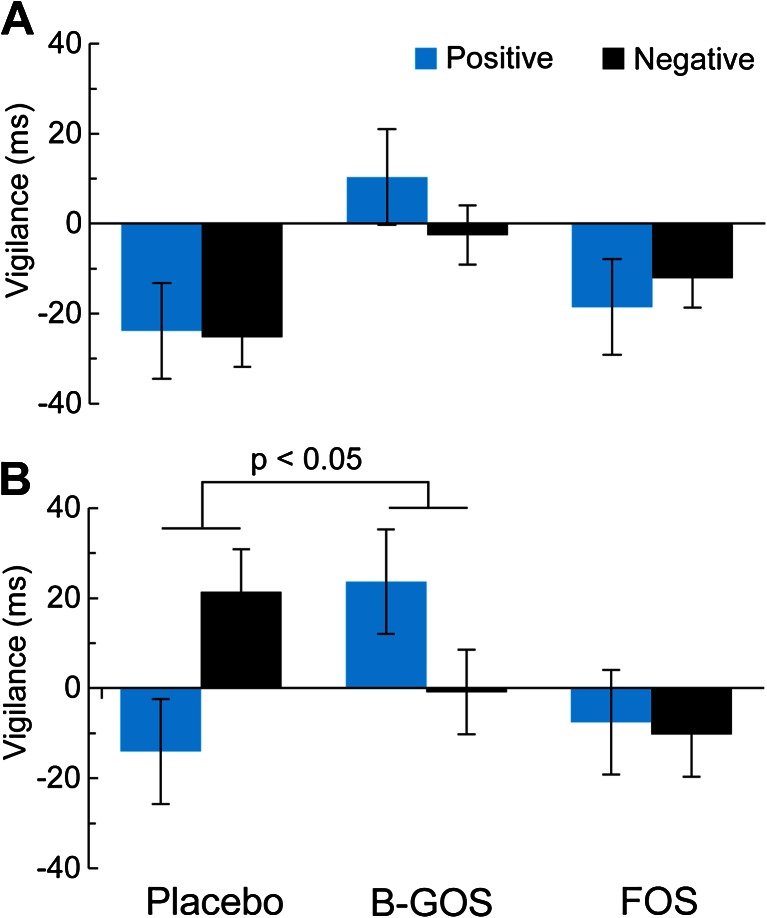
RATIONALE: There is now compelling evidence for a link between enteric microbiota and brain function. The ingestion of probiotics modulates the processing of information that is strongly linked to anxiety and depression, and influences the neuroendocrine stress response. We have recently demonstrated that prebiotics (soluble fibres that augment the growth of indigenous microbiota) have significant neurobiological effects in rats, but their action in humans has not been reported. OBJECTIVES: The present study explored the effects of two prebiotics on the secretion of the stress hormone, cortisol and emotional processing in healthy volunteers. METHODS: Forty-five healthy volunteers received one of two prebiotics (fructooligosaccharides, FOS, or Bimuno®-galactooligosaccharides, B-GOS) or a placebo (maltodextrin) daily for 3 weeks. The salivary cortisol awakening response was sampled before and after prebiotic/placebo administration. On the final day of treatment, participants completed a computerised task battery assessing the processing of emotionally salient information. RESULTS: The salivary cortisol awakening response was significantly lower after B-GOS intake compared with placebo. Participants also showed decreased attentional vigilance to negative versus positive information in a dot-probe task after B-GOS compared to placebo intake. No effects were found after the administration of FOS. CONCLUSION: The suppression of the neuroendocrine stress response and the increase in the processing of positive versus negative attentional vigilance in subjects supplemented with B-GOS are consistent with previous findings of endocrine and anxiolytic effects of microbiota proliferation. Further studies are therefore needed to test the utility of B-GOS supplementation in the treatment of stress-related disorders.
Overview
CoChat Summary
TL;DR
In healthy volunteers, 3 weeks of Bimuno®-galactooligosaccharides (B-GOS) lowered the salivary cortisol awakening response and reduced attentional vigilance to negative versus positive words compared with placebo. Fructooligosaccharides (FOS) showed no such effects.
Key findings
- Salivary cortisol awakening response was significantly lower after B-GOS than placebo: day 21 main effect of group F(2,41)=4.20, p<0.05; placebo vs B-GOS p=0.02. AUC-g analysis showed a day × group interaction F(2,41)=3.52, p=0.039, with post-treatment placebo vs B-GOS p=0.019.
- In the unmasked dot-probe task, B-GOS produced decreased attentional vigilance to negative versus positive information compared with placebo: group × emotion × masking condition F(2,41)=3.14, p=0.05; unmasked valence × group F(2,41)=4.29, p=0.02; B-GOS vs placebo valence × group F(1,27)=6.94, p=0.014.
- FOS did not differ from placebo on cortisol or dot-probe measures (FOS vs placebo valence × group F(1,27)=3.20, n.s.; all other FOS contrasts p>0.1).
- No significant prebiotic effects were found on facial expression recognition, emotional categorisation, recall, recognition, or self-report state anxiety/perceived stress.
Methods
- Double-blind, placebo-controlled randomised study: 45 completers (22 males, 23 females) received FOS (N=15), B-GOS (N=15), or maltodextrin placebo (N=15) at 5.5 g/day orally with breakfast for 3 weeks.
- Salivary cortisol awakening response was sampled at home immediately upon waking and every 15 min for 1 h on day 0 and day 21; emotional processing was assessed on day 21 using the computerised Emotional Test Battery, including an attentional dot-probe task, facial expression recognition task, and emotional categorisation/memory tasks.
- Cortisol values were square-root transformed and analysed with mixed-design ANOVA; behavioural outcomes were analysed with mixed-design ANOVAs with treatment group as between-subjects factor and emotion/task condition as within-subjects factors.
Limitations
- Stated: the study had insufficient power to investigate gender effects; menstrual phase effects on cortisol or attention were not tested due to insufficient power; no effects were found on the remaining Emotional Test Battery tasks or on subjective anxiety/perceived stress; the authors note possible need for longer prebiotic administration and that the young healthy volunteer sample had low subclinical scores and presumably healthy gut microbiota.
- Stated: mechanisms could not be tested directly through characterisation of gut microbiota, and there was no association between cortisol and attentional performance (all p>0.1).
- Evident from the text: each treatment arm had only 15 participants, and the study did not directly measure changes in gut microbiota composition in humans.
Model-written summary. Check it against the paper before relying on it.
Integrity signals
Registry
Cites
Statistics
Figures
Verification
Claims the paper makes
8 Valid · 0 Not valid · 25 Not checked · 30 Own results and interpretations
The cited sources support only part of this claim — read each source’s verdict below.
In the paper
“Notably, the extent to which these biases can be modulated by pharmacological therapies in patients has been found to be indicative of treatment response (Sheline et al. 2001; Pizzagalli 2010)”
§ Prebiotic intake reduces the waking cortisol response and alters emotional bias in healthy volunteers > Introduction
What the sources say
- Not checked yetcites Sheline et al. 2001 matched to “Increased amygdala response to masked emotional faces in depressed subjects resolves with antidepressant treatment: an fMRI study” (2001) source
- Partly supportedcites Pizzagalli 2010 matched to “Frontocingulate Dysfunction in Depression: Toward Biomarkers of Treatment Response” (2011) sourceExperimental — accuracy not yet measured
The Functional neuroimaging studies section reports that heightened rACC responses to sad faces two weeks after antidepressant treatment began predicted poor response later. This links an early treatment-period response to emotional stimuli with outcome, but it does not show that the extent to which emotional biases were modulated by medication indicated treatment response. Page numbers are unavailable in our copy. (LLM, conf=0.82)
plainstates an association- Asserted: passes — The authors put it forward as true.
- Checkable: passes — It can be checked against evidence.
- Load-bearing: passes — The paper’s conclusions depend on it.
- Based: passes — The paper gives a reason why it holds.
The cited sources support only part of this claim — read each source’s verdict below.
In the paper
“Neural and behavioural biases in the processing of emotional information, in particular increased processing of threat-related and negatively valenced stimuli, are core functional markers of anxiety and depression (Beck 2008; Cisler and Koster 2010).”
§ Prebiotic intake reduces the waking cortisol response and alters emotional bias in healthy volunteers > Introduction
What the sources say
- Not checked yetcites Beck 2008 matched to “The Evolution of the Cognitive Model of Depression and Its Neurobiological Correlates” (2008) source
- Partly supportedcites Cisler and Koster 2010 matched to “Mechanisms of attentional biases towards threat in anxiety disorders: An integrative review” (2010) sourceExperimental — accuracy not yet measured
The review’s ‘Brief Overview of Major Findings’ describes attentional bias toward threat as robust across anxious populations, and its ‘Summary and Integration’ links threat detection to amygdala activity. It does not establish the broader claim that neural and behavioural biases toward negatively valenced information are core functional markers of both anxiety and depression; its substantive discussion focuses on threat-related attention in anxiety. The indexed passages do not provide page numbers. (LLM, conf=0.88)
plainstates an association- Asserted: passes — The authors put it forward as true.
- Checkable: passes — It can be checked against evidence.
- Load-bearing: passes — The paper’s conclusions depend on it.
- Based: passes — The paper gives a reason why it holds.
The cited sources support only part of this claim — read each source’s verdict below.
In the paper
“Convincing evidence now exists for a role of the gut microbiota composition in the regulation of the stress hormone corticosterone (cortisol in humans).”
§ Prebiotic intake reduces the waking cortisol response and alters emotional bias in healthy volunteers > Introduction
What the sources say
- Not checked yetcites Crumeyrolle-Arias et al. 2014 matched to “Absence of the gut microbiota enhances anxiety-like behavior and neuroendocrine response to acute stress in rats” (2014) source
- Not checked yetcites Sudo et al. 2004 matched to “Postnatal microbial colonization programs the hypothalamic–pituitary–adrenal system for stress response in mice” (2004) source
- Partly supportedcites Bravo et al. 2011 matched to “Ingestion of Lactobacillus strain regulates emotional behavior and central GABA receptor expression in a mouse via the vagus nerve” (2011) sourceExperimental — accuracy not yet measured
Bravo et al. (2011) do supply the core point for mice: the Results section reports that stress-induced corticosterone was significantly lower in L. rhamnosus (JB-1)-fed stressed mice than in broth-fed controls (P < 0.001), and the Discussion states that 'these data clearly indicate that in the bidirectional communication between the brain and the gut, the HPA axis is a key component that can be affected by changes in the enteric microbiota.' However, our copy contains no human or cortisol data at all — the same Discussion concedes that 'the majority of studies on the microbiome–gut–brain axis are rodent-based, and future validation ... is now warranted,' and it explicitly cautions that 'caution is needed when extrapolating from single timepoint neuroendocrine studies.' So the '(cortisol in humans)' reach and the unqualified 'convincing evidence' framing go beyond what this source demonstrates; its evidence is a single mouse strain (BALB/c males) given one Lactobacillus strain. (LLM, conf=0.70)
boostedstates a cause- Asserted: passes — The authors put it forward as true.
- Checkable: passes — It can be checked against evidence.
- Load-bearing: passes — The paper’s conclusions depend on it.
- Based: passes — The paper gives a reason why it holds.
Every source the paper cites for this claim was checked and supports it.
In the paper
“The study demonstrates that manipulations of the gut microbiota can result in measurable changes in emotional processing in the healthy brain.”
§ Prebiotic intake reduces the waking cortisol response and alters emotional bias in healthy volunteers > Introduction
What the sources say
- Supportedcites Tillisch et al. 2013 matched to “Consumption of fermented milk product with probiotic modulates brain activity” (2013) source
The Abstract (Background/Methods/Results) states the study tested whether 4 weeks of a fermented milk product with probiotic — i.e. an intentional alteration of the gut microbiota — changed brain responses to an emotional faces attention task in healthy women with no GI or psychiatric symptoms, and reports FMPP-associated reduction of a distributed network containing affective, viscerosensory and somatosensory cortices plus altered midbrain resting connectivity. The CLINICAL AT summary states directly that chronic FMPP ingestion 'can modulate the responsiveness of an extensive brain network in healthy women' and is 'the first to demonstrate an effect of FMPP intake on gut-brain communication in humans', which is exactly what the citing sentence attributes. The one qualifier worth noting is that the measured outcome is neural reactivity to emotional stimuli (proof of concept), not behavioural/emotional experience, and the sample is healthy women; the paper also hedges that downstream mood/anxiety effects remain to be established. (LLM, conf=0.85)
boostedstates a cause- Asserted: passes — The authors put it forward as true.
- Checkable: passes — It can be checked against evidence.
- Load-bearing: passes — The paper’s conclusions depend on it.
- Based: passes — The paper gives a reason why it holds.
- Supported
The cited sources support only part of this claim — read each source’s verdict below.
In the paper
“The ingestion of probiotics modulates the processing of information that is strongly linked to anxiety and depression, and influences the neuroendocrine stress response.”
§ Prebiotic intake reduces the waking cortisol response and alters emotional bias in healthy volunteers > Abstract > Rationale
What the sources say
- Not checked yetcites Sudo et al. 2004 matched to “Postnatal microbial colonization programs the hypothalamic–pituitary–adrenal system for stress response in mice” (2004) source
- Partly supportedcites Bravo et al. 2011 matched to “Ingestion of Lactobacillus strain regulates emotional behavior and central GABA receptor expression in a mouse via the vagus nerve” (2011) sourceExperimental — accuracy not yet measured
Our copy supports both clauses at the level of the single strain it tested: the Results section ('Effects of L. rhamnosus (JB-1) Administration on Stress-Induced Corticosterone Levels') reports significantly lower stress-induced corticosterone in JB-1-treated stressed mice, and the Results/Discussion on fear conditioning describe modulated 'cognitive aspects of anxiety behavior' (higher freezing in the recall phase, with the Discussion noting this 'may also be interpreted as increased anxiety behavior'). What the source does not support is the class-wide framing 'the ingestion of probiotics': the Discussion states 'probiotic effects are strain dependent' and calls JB-1 'a potential probiotic' tested in healthy mice, and it adds that 'caution is needed when extrapolating from single timepoint neuroendocrine studies', whereas the citing sentence asserts the neuroendocrine effect unqualified. (LLM, conf=0.72)
plainstates a cause- Asserted: passes — The authors put it forward as true.
- Checkable: passes — It can be checked against evidence.
- Load-bearing: passes — The paper’s conclusions depend on it.
- Based: passes — The paper gives a reason why it holds.
30 more claims
Create a free account to see all 63 claims and to verify the 55 references still open.
- Probably not a substantial claim. 24
- It may state two separate claims as one. 8
Claims other papers make about this one
Each is checked against this paper’s own text: does it say what the citing paper says it does?
The cited source doesn’t support the claim as written.
In the citing paper
“For example, B. longum 1417 modulated resting neural activity as well as neural responses to social stress, while supplementation with β-galactooligosaccharide reduced the salivary cortisol awakening response, a biochemical measure of stress, and improved emotional information processing (329), and an oligofructose-enriched inulin improved memory and mood in healthy volunteers (330).”
From Diet and the Microbiota–Gut–Brain Axis: Sowing the Seeds of Good Mental Health (2021) · cites this paper as [329]
Checked by a reasoning model — may be wrong.
Experimental — accuracy not yet measuredThe cited source says what the claim attributes to it.
In the citing paper
“Such changes were not recorded after fructooligosaccharides administration.”
From The Role of Microbiota-Gut-Brain Axis in Neuropsychiatric and Neurological Disorders (2021) · cites this paper as [158]
The cited source says what the claim attributes to it.
In the citing paper
“Schmidt et al. [391] found that Bimuno galactooligosaccharides intake decreased attentional vigilance to negative versus positive information.”
From Anxiety, depression, and the microbiome: A role for gut peptides (2018) · cites this paper as [391]
The cited source says what the claim attributes to it.
In the citing paper
“In another study, B-GOS supplementation was compared to placebo in healthy participants and found to decrease waking salivary cortisol concentrations and increase the positive processing of information in a dot-probe task (485).”
From Signalling cognition: The gut microbiota and hypothalamic-pituitary-adrenal axis (2023) · cites this paper as [485]
The cited source says what the claim attributes to it.
In the citing paper
“Administration of B-GOS® to individuals induced suppression of the neuroendocrine stress response and an increase in the processing of positive versus negative attentional vigilance, thus resulting in an early anxiolytic-like phenotype (Schmidt et al., 2015).”
From The Microbiota-Gut-Brain Axis (2019) · cites this paper as Schmidt et al., 2015
1 more claim about this paper
Create a free account to see every claim other papers make about this one.
Statistics recomputed
Every reported test result, recomputed from its test statistic and degrees of freedom. A result shows as not adding up only once an independent check has confirmed it.
- ConsistentF(1, 17) = 3.74reported p = .07 · recomputed p = .070
“F(1,17) = 3.74, p = .07”
- ConsistentF(1, 17) = 3.01reported p > .1 · recomputed p = .101
“F(1,17) = 3.01, p > .1”
- ConsistentF(2, 41) = 1.08reported n.s. · recomputed p = .349
“F(2,41) = 1.08, n.s.”
- ConsistentF(2, 41) = 4.2reported p < .05 · recomputed p = .022
“F(2,41) = 4.20, p < .05”
- ConsistentF(2.41, 98.63) = 58.61reported p < .001 · recomputed p < .001
“F(2.41,98.63) = 58.61, p < .001”
18 more recomputed tests
Create a free account to see every test the Stats check recomputed.
Self-check
Percentages, sums and reported differences re-computed from the paper’s own numbers.
Each contradiction between two passages listed here was confirmed by an independent check.
Rated minor: it would not touch a result — a value no result rests on, a p-value that stays on the same side of the significance level, or a conflict that is clerical, resolved elsewhere in the paper, or outside its own findings.
In the paper
§ Prebiotic intake reduces the waking cortisol response and alters emotional bias in healthy volunteers > Results > Emotional Test Battery
“emotion × group interaction F(8.16,773.38) = 1.10, n.s.”
§ Prebiotic intake reduces the waking cortisol response and alters emotional bias in healthy volunteers > Results > Emotional Test Battery
“main effect of group: F(2,42) = 0.53, n.s.”
Citations
Cites
An inventory for measuring depression
BECK, A. T. (1961) · Archives of General Psychiatry · doi:10.1001/archpsyc.1961.01710120031004 · Cited by 38,032 · cited 3×
“2011), subclinical symptoms of depression (Beck Depression Inventory, BDI; Beck et al. 1961) and anxiety (State-Trait Anxiety Inventory, STAI-trait; Spielberger et al.”
BackgroundA Global Measure of Perceived Stress
Cohen, S., Kamarck, T., & Mermelstein, R. (1983) · Journal of Health and Social Behavior · doi:10.2307/2136404 · Cited by 32,807 · cited 3×
“Their potential influence on the mechanisms underlying stress-related disorders such as irritable bowel syndrome (IBS), anxiety and depression is also beginning to be elucidated (Dinan et al. 2006; Rhee et al. 2009; Mayer 2011; Bravo et al. 2012).”
BackgroundDevelopment and validation of brief measures of positive and negative affect: The PANAS scales.
Watson, D., Clark, L. A., & Tellegen, A. (1988) · Journal of Personality and Social Psychology · doi:10.1037/0022-3514.54.6.1063 · Cited by 32,433 · cited 2×
“…and 21, respectively), anxiety (STAI-state) and measures of perceived stress (Perceived Stress Scale, PSS; Cohen et al. 1983) and mood (Visual Analogue Scales, VAS; Bond and Lader 1974; Positive and Negative Affect Schedules, PANAS;Watson et al. 1988) were measured using self-report questionnaires.”
Method(1970) · Cited by 24,983
Scoville, W. B. (1949) · Journal of neurosurgery · doi:10.3171/jns.1949.6.1.0065 · Cited by 7,381
How do you feel — now? The anterior insula and human awareness
(Bud) Craig, A. D. (2009) · Nature Reviews Neuroscience · doi:10.1038/nrn2555 · Cited by 6,657
Mind-altering microorganisms: the impact of the gut microbiota on brain and behaviour
Cryan, J. F., & Dinan, T. G. (2012) · Nature Reviews Neuroscience · doi:10.1038/nrn3346 · Cited by 4,572 · cited 3×
“Overall, novel evidence supports the notion that manipulations of gut microbiota show widespread effects on central functioning and behavioural phenotypes via the HPA axis, as well as the vagus nerve, serotonergic system, and immune system [1].”
BackgroundInfluentialEkman, P. (1976) · Medical Entomology and Zoology · Cited by 4,345
The Structured Clinical Interview for DSM-III-R (SCID): I: History, Rationale, and Description
Spitzer, R. L. (1992) · Archives of General Psychiatry · doi:10.1001/archpsyc.1992.01820080032005 · Cited by 4,336
Bravo, J. A., Forsythe, P., Chew, M. V., Escaravage, E., Savignac, H. M., Dinan, T. G., Bienenstock, J., & Cryan, J. F. (2011) · Proceedings of the National Academy of Sciences · doi:10.1073/pnas.1102999108 · Cited by 3,888 · cited 5×
“2004), an effect replicated in mice subjected to a stress-inducing behavioural paradigm designed to elevate corticosterone levels (Bravo et al. 2011).”
BackgroundInfluential
Research works printed but not linked: 2
- Eysenck H Eysenck S Manual of the Eysenck personality questionnaire 1975 London Hodder & Stoughton
- Nelson H The National Adult Reading Test (NART): test manual 1982 Windsor NFER-Nelson
Cited by
Gibson, G. R., Hutkins, R., Sanders, M. E., Prescott, S. L., Reimer, R. A., Salminen, S. J., Scott, K., Stanton, C., Swanson, K. S., Cani, P. D., et al. (2017) · Nature Reviews Gastroenterology & Hepatology · doi:10.1038/nrgastro.2017.75 · Cited by 5,634
Cryan, J. F., O'Riordan, K. J., Cowan, C. S. M., Sandhu, K. V., Bastiaanssen, T. F. S., Boehme, M., Codagnone, M. G., Cussotto, S., Fulling, C., Golubeva, A. V., et al. (2019) · Physiological Reviews · doi:10.1152/physrev.00018.2018 · Cited by 5,286
Prebiotics: Definition, Types, Sources, Mechanisms, and Clinical Applications
Davani-Davari, D., Negahdaripour, M., Karimzadeh, I., Seifan, M., Mohkam, M., Masoumi, S., Berenjian, A., & Ghasemi, Y. (2019) · Foods · doi:10.3390/foods8030092 · Cited by 1,716
“5 g GOS intake increased the level of cortisol in saliva and enhanced the concentration in adults [156].”
BackgroundKelly, J. R., Borre, Y., O' Brien, C., Patterson, E., El Aidy, S., Deane, J., Kennedy, P. J., Beers, S., Scott, K., Moloney, G., et al. (2016) · Journal of Psychiatric Research · doi:10.1016/j.jpsychires.2016.07.019 · Cited by 1,683
“…of small studies in healthy individuals suggest pre- and probiotic consumption can positively affect aspects of mood and anxiety (Messaoudi et al., 2011; Steenbergen et al., 2015), modulate HPA function (Messaoudi et al., 2011; Schmidt et al., 2015) and alter brain activity (Tillisch et al., 2013).”
BackgroundStress & the gut-brain axis: Regulation by the microbiome
Foster, J. A., Rinaman, L., & Cryan, J. F. (2017) · Neurobiology of Stress · doi:10.1016/j.ynstr.2017.03.001 · Cited by 1,150
“More recently, 3-week supplementation with the prebiotic B-GOS was found to decrease the cortisol awakening response and to increase attentional vigilance towards positive stimuli (Schmidt et al., 2015).”
The microbiome-gut-brain axis in health and disease
Dinan, T. G., & Cryan, J. F. (2017) · Gastroenterology Clinics of North America · doi:10.1016/j.gtc.2016.09.007 · Cited by 1,111
Kelly, J. R., Kennedy, P. J., Cryan, J. F., Dinan, T. G., Clarke, G., & Hyland, N. P. (2015) · Frontiers in Cellular Neuroscience · doi:10.3389/fncel.2015.00392 · Cited by 1,110
Psychobiotics and the manipulation of bacteria–gut–brain signals
Sarkar, A., Lehto, S. M., Harty, S., Dinan, T. G., Cryan, J. F., & Burnet, P. W. J. (2016) · Trends in Neurosciences · doi:10.1016/j.tins.2016.09.002 · Cited by 1,068
“These are reasonable mechanisms for therapeutic benefits in cases of inflammation, stress, or poor gut-barrier function at baseline, but cannot explain the benefits observed in healthy groups where these abnormalities are presumably absent [33,42,44].”
Self-citationFrom gut dysbiosis to altered brain function and mental illness: mechanisms and pathways
Rogers, G. B., Keating, D. J., Young, R. L., Wong, M.-L., Licinio, J., & Wesselingh, S. (2016) · Molecular Psychiatry · doi:10.1038/mp.2016.50 · Cited by 969
Burokas, A., Arboleya, S., Moloney, R. D., Peterson, V. L., Murphy, K., Clarke, G., Stanton, C., Dinan, T. G., & Cryan, J. F. (2017) · Biological Psychiatry · doi:10.1016/j.biopsych.2016.12.031 · Cited by 952
“In a clinical setting, human subjects supplemented with GOS presented suppression of the neuroendocrine stress response and an increase in the processing of positive versus negative attentional vigilance, showing an early anxiolytic-like profile (23).”
The Role of Microbiota-Gut-Brain Axis in Neuropsychiatric and Neurological Disorders
Socała, K., Doboszewska, U., Szopa, A., Serefko, A., Włodarczyk, M., Zielińska, A., Poleszak, E., Fichna, J., & Wlaź, P. (2021) · Pharmacological Research · doi:10.1016/j.phrs.2021.105840 · Cited by 857
Kynurenine pathway metabolism and the microbiota-gut-brain axis
Kennedy, P. J., Cryan, J. F., Dinan, T. G., & Clarke, G. (2017) · Neuropharmacology · doi:10.1016/j.neuropharm.2016.07.002 · Cited by 724
“Preliminary findings in healthy human populations have shown that a prebiotic can modulate emotional attention performance (Schmidt et al., 2015), and a probiotic can alter functional brain activity when performing a similar emotional attention”
BackgroundInfluentialGut microbes and metabolites as modulators of blood-brain barrier integrity and brain health
Parker, A., Fonseca, S., & Carding, S. R. (2020) · Gut Microbes · doi:10.1080/19490976.2019.1638722 · Cited by 702
“One example in healthy adult volunteers described reduced stress response (salivary cortisol awakening response) after GOS intake.(180) In preterm infants, supplementation with different prebiotics showed improvement in brain development when compared to a control group.”
BackgroundGut Microbiota’s Effect on Mental Health: The Gut-Brain Axis
Clapp, M., Aurora, N., Herrera, L., Bhatia, M., Wilen, E., & Wakefield, S. (2017) · Clinics and Practice · doi:10.4081/cp.2017.987 · Cited by 608
“toms and improved HPA-axis functionality as well as Citalopram and Diazepam.(53,54)”
BackgroundAnxiety, depression, and the microbiome: A role for gut peptides
Lach, G., Schellekens, H., Dinan, T. G., & Cryan, J. F. (2018) · Neurotherapeutics · doi:10.1007/s13311-017-0585-0 · Cited by 573
Collective unconscious: How gut microbes shape human behavior
Dinan, T. G., Stilling, R. M., Stanton, C., & Cryan, J. F. (2015) · Journal of Psychiatric Research · doi:10.1016/j.jpsychires.2015.02.021 · Cited by 571
“In support of this suggestion is the recent finding that prebiotic treatment, which is known to increase probiotic levels in the gut, alters the cortisol awaking response and emotional reaction in healthy subjects (Schmidt et al., 2014).”
ResultLiu, R. T., Walsh, R. F. L., & Sheehan, A. E. (2019) · Neuroscience & Biobehavioral Reviews · doi:10.1016/j.neubiorev.2019.03.023 · Cited by 564
The Gut–Brain Axis and the Microbiome: Mechanisms and Clinical Implications
Osadchiy, V., Martin, C. R., & Mayer, E. A. (2019) · Clinical Gastroenterology and Hepatology · doi:10.1016/j.cgh.2018.10.002 · Cited by 555
The microbiome and host behavior
Vuong, H. E., Yano, J. M., Fung, T. C., & Hsiao, E. Y. (2017) · Annual Review of Neuroscience · doi:10.1146/annurev-neuro-072116-031347 · Cited by 537
“Across various paradigms, pre- or probiotic treatment positively affected emotion-related scores and reduced feelings of aggression and rumination (Pärtty et al. 2013, Schmidt et al. 2015, Steenbergen et al. 2015).”
BackgroundKazemi, A., Noorbala, A. A., Azam, K., Eskandari, M. H., & Djafarian, K. (2019) · Clinical Nutrition · doi:10.1016/j.clnu.2018.04.010 · Cited by 534
Allen, A. P., Hutch, W., Borre, Y. E., Kennedy, P. J., Temko, A., Boylan, G., Murphy, E., Cryan, J. F., Dinan, T. G., & Clarke, G. (2016) · Translational Psychiatry · doi:10.1038/tp.2016.191 · Cited by 513
The microbiome: a key regulator of stress and neuroinflammation
Rea, K., Dinan, T. G., & Cryan, J. F. (2016) · Neurobiology of Stress · doi:10.1016/j.ynstr.2016.03.001 · Cited by 508
“, 2011a, 2011b) and galactooligosaccharide prebiotic (Schmidt et al., 2015) were effective”
Feeding the microbiota–gut–brain axis: Diet, microbiome, and neuropsychiatry
Sandhu, K. V., Sherwin, E., Schellekens, H., Stanton, C., Dinan, T. G., & Cryan, J. F. (2017) · Translational Research · doi:10.1016/j.trsl.2016.10.002 · Cited by 491
Autism Spectrum Disorders and the Gut Microbiota
Fattorusso, A., Di Genova, L., Dell’Isola, G., Mencaroni, E., & Esposito, S. (2019) · Nutrients · doi:10.3390/nu11030521 · Cited by 484
“An extended gluten-free and casein-free (GF/CF) diet in patients with ASD seems to reduce urinary peptide levels and improve behaviour [148], but supporting evidence is still weak and limited [149].”
BackgroundGut microbiota and the neuroendocrine system
Farzi, A., Fröhlich, E. E., & Holzer, P. (2018) · Neurotherapeutics · doi:10.1007/s13311-017-0600-5 · Cited by 478
Diet and the Microbiota–Gut–Brain Axis: Sowing the Seeds of Good Mental Health
Berding, K., Vlckova, K., Marx, W., Schellekens, H., Stanton, C., Clarke, G., Jacka, F., Dinan, T. G., & Cryan, J. F. (2021) · Advances in Nutrition · doi:10.1093/advances/nmaa181 · Cited by 451
The role of the microbiome for human health: From basic science to clinical applications
Mohajeri, M. H., Brummer, R. J. M., Rastall, R. A., Weersma, R. K., Harmsen, H. J. M., Faas, M., & Eggersdorfer, M. (2018) · European Journal of Nutrition · doi:10.1007/s00394-018-1703-4 · Cited by 440
“Consumption of the prebiotic B-GOS, but not the prebiotic FOS, by healthy volunteers significantly reduced the salivary cortisol awakening response when compared to placebo [115].”
BackgroundMicrobiota-Gut-Brain Axis: New Therapeutic Opportunities
Long-Smith, C., O'Riordan, K. J., Clarke, G., Stanton, C., Dinan, T. G., & Cryan, J. F. (2020) · Annual Review of Pharmacology and Toxicology · doi:10.1146/annurev-pharmtox-010919-023628 · Cited by 419
Signalling cognition: The gut microbiota and hypothalamic-pituitary-adrenal axis
Rusch, J. A., Layden, B. T., & Dugas, L. R. (2023) · Frontiers in Endocrinology · doi:10.3389/fendo.2023.1130689 · Cited by 415
Recognizing Depression from the Microbiota–Gut–Brain Axis
Liang, S., Wu, X., Hu, X., Wang, T., & Jin, F. (2018) · International Journal of Molecular Sciences · doi:10.3390/ijms19061592 · Cited by 380
Relationship between the gut microbiome and brain function
Mohajeri, M. H., La Fata, G., Steinert, R. E., & Weber, P. (2018) · Nutrition Reviews · doi:10.1093/nutrit/nuy009 · Cited by 376
“No effects were found after the administration of fructooligosaccharides, indicating the specificity of the observed effects.(104) Thus, the above-mentioned studies indicate that the neuroendocrine function of the brain can be affected by the gut microbiome.”
NLRP3 inflammasome-driven pathways in depression: clinical and preclinical findings
Kaufmann, F. N., Costa, A. P., Ghisleni, G., Diaz, A. P., Rodrigues, A. L. S., Peluffo, H., & Kaster, M. P. (2017) · Brain, Behavior, and Immunity · doi:10.1016/j.bbi.2017.03.002 · Cited by 370
“…germ-free and gastrointestinal tract infection models (Gareau, 2014), antibiotic treatment (Fröhlich et al., 2016), dietary manipulation and probiotic treatment (Ohland et al., 2013; Schmidt et al., 2015), have demonstrated that cognitive function is influenced by the gut microbiota composition.”
Thomas, S., Izard, J., Walsh, E., Batich, K., Chongsathidkiet, P., Clarke, G., Sela, D. A., Muller, A. J., Mullin, J. M., Albert, K., et al. (2017) · Cancer Research · doi:10.1158/0008-5472.can-16-2929 · Cited by 367
Kelly, J. R., Allen, A. P., Temko, A., Hutch, W., Kennedy, P. J., Farid, N., Murphy, E., Boylan, G., Bienenstock, J., Cryan, J. F., et al. (2017) · Brain, Behavior, and Immunity · doi:10.1016/j.bbi.2016.11.018 · Cited by 355
The HPA axis dysregulation in severe mental illness: Can we shift the blame to gut microbiota?
Misiak, B., Łoniewski, I., Marlicz, W., Frydecka, D., Szulc, A., Rudzki, L., & Samochowiec, J. (2020) · Progress in Neuro-Psychopharmacology and Biological Psychiatry · doi:10.1016/j.pnpbp.2020.109951 · Cited by 343
Recent developments in understanding the role of the gut microbiota in brain health and disease
Sherwin, E., Dinan, T. G., & Cryan, J. F. (2018) · Annals of the New York Academy of Sciences · doi:10.1111/nyas.13416 · Cited by 338
The gut microbiota-immune-brain axis: therapeutic implications
O’Riordan, K. J., Moloney, G. M., Keane, L., Clarke, G., & Cryan, J. F. (2025) · Cell Reports Medicine · doi:10.1016/j.xcrm.2025.101982 · Cited by 333
“144 Another study found that GOS reduced anxiety scores in patients with IBS, highlighting the potential for prebiotics to alleviate both gut and mood-related symptoms.”
The neuroendocrinology of the microbiota-gut-brain axis: a behavioural perspective
Cussotto, S., Sandhu, K. V., Dinan, T. G., & Cryan, J. F. (2018) · Frontiers in Neuroendocrinology · doi:10.1016/j.yfrne.2018.04.002 · Cited by 326
Brain-Gut-Microbiota Axis and Mental Health
Dinan, T. G., & Cryan, J. F. (2017) · Psychosomatic Medicine · doi:10.1097/psy.0000000000000519 · Cited by 325
Depression's Unholy Trinity: Dysregulated Stress, Immunity, and the Microbiome
Cruz-Pereira, J. S., Rea, K., Nolan, Y. M., O'Leary, O. F., Dinan, T. G., & Cryan, J. F. (2020) · Annual Review of Psychology · doi:10.1146/annurev-psych-122216-011613 · Cited by 320
“…with the probiotics Lactobacillus helveticus R0052 and Bifidobacterium longum R0175 (Messaoudi et al. 2011) and galacto-oligosaccharide prebiotic (Schmidt et al. 2015) resulted in the reduction of cortisol, thus promoting the subject’s resilience to stress and ameliorating emotional responses in…”
BackgroundModulation of Gut Microbiota–Brain Axis by Probiotics, Prebiotics, and Diet
Liu, X., Cao, S., & Zhang, X. (2015) · Journal of Agricultural and Food Chemistry · doi:10.1021/acs.jafc.5b02404 · Cited by 304
Therapeutic Benefits and Dietary Restrictions of Fiber Intake: A State of the Art Review
Ioniță-Mîndrican, C.-B., Ziani, K., Mititelu, M., Oprea, E., Neacșu, S. M., Moroșan, E., Dumitrescu, D.-E., Roșca, A. C., Drăgănescu, D., & Negrei, C. (2022) · Nutrients · doi:10.3390/nu14132641 · Cited by 251
Gut Microbiota Dysbiosis: Pathogenesis, Diseases, Prevention, and Therapy
Shen, Y., Fan, N., Ma, S., Cheng, X., Yang, X., & Wang, G. (2025) · MedComm · doi:10.1002/mco2.70168 · Cited by 301
Microbiota regulation of the mammalian gut-brain axis
Burokas, A., Moloney, R. D., Dinan, T. G., & Cryan, J. F. (2015) · Advances in applied microbiology · doi:10.1016/bs.aambs.2015.02.001 · Cited by 300
Sherwin, E., Sandhu, K. V., Dinan, T. G., & Cryan, J. F. (2016) · CNS Drugs · doi:10.1007/s40263-016-0370-3 · Cited by 295
“More recently, 3-week supplementation with the prebiotic B-GOS decreased the cortisol awakening response and increased attentional vigilance towards positive stimuli [3].”
BackgroundInfluentialGut liver brain axis in diseases: the implications for therapeutic interventions
Yan, M., Man, S., Sun, B., Ma, L., Guo, L., Huang, L., & Gao, W. (2023) · Signal Transduction and Targeted Therapy · doi:10.1038/s41392-023-01673-4 · Cited by 287
“33 Synbiotics as a mixture of prebiotics and probiotics improve multiple gut liver brain axis-related diseases.”
BackgroundSchaub, A.-C., Schneider, E., Vazquez-Castellanos, J. F., Schweinfurth, N., Kettelhack, C., Doll, J. P. K., Yamanbaeva, G., Mählmann, L., Brand, S., Beglinger, C., et al. (2022) · Translational Psychiatry · doi:10.1038/s41398-022-01977-z · Cited by 242
“This interpretation is in line with previous findings that a three-week administration of prebiotics, fibers that promote growth of beneficial gut bacteria, reduces the attentional vigilance to negative compared to positive information in healthy women [73].”
ResultFeeding gut microbes to nourish the brain: unravelling the diet–microbiota–gut–brain axis
Schneider, E., O’Riordan, K. J., Clarke, G., & Cryan, J. F. (2024) · Nature Metabolism · doi:10.1038/s42255-024-01108-6 · Cited by 272
“Importantly, the HPA axis is modifiable by probiotics 210,211 and prebiotics 212 .”
Cross talk: the microbiota and neurodevelopmental disorders
Kelly, J. R., Minuto, C., Cryan, J. F., Clarke, G., & Dinan, T. G. (2017) · Frontiers in Neuroscience · doi:10.3389/fnins.2017.00490 · Cited by 271
Kim, Y.-K., & Shin, C. (2018) · Current Neuropharmacology · doi:10.2174/1570159x15666170915141036 · Cited by 271
“The subjects who ingested B-GOS had significantly lower waking cortisol levels and greater attentional vigilance [151].”
BackgroundEffects of obesity on depression: A role for inflammation and the gut microbiota
Schachter, J., Martel, J., Lin, C.-S., Chang, C.-J., Wu, T.-R., Lu, C.-C., Ko, Y.-F., Lai, H.-C., Ojcius, D. M., & Young, J. D. (2018) · Brain, Behavior, and Immunity · doi:10.1016/j.bbi.2017.08.026 · Cited by 253
“Administration of bimuno-GOS (a GOS preparation treated with galactosidase enzyme isolated from Bifidobacterium bifidum) to healthy volunteers reduces anxiety-like behavior and decreases salivary cortisol levels, suggesting that prebiotics may modulate HPA-associated activity (Schmidt et al., 2015).”
BackgroundChakrabarti, A., Geurts, L., Hoyles, L., Iozzo, P., Kraneveld, A. D., La Fata, G., Miani, M., Patterson, E., Pot, B., Shortt, C., et al. (2022) · Cellular and Molecular Life Sciences · doi:10.1007/s00018-021-04060-w · Cited by 237
Nutritional Aspects of Depression
Lang, U. E., Beglinger, C., Schweinfurth, N., Walter, M., & Borgwardt, S. (2015) · Cellular Physiology and Biochemistry · doi:10.1159/000430229 · Cited by 239
Gut microbiome composition and diversity are related to human personality traits
Johnson, K. V.-A. (2020) · Human Microbiome Journal · doi:10.1016/j.humic.2019.100069 · Cited by 240
“In studies involving prebiotics, healthy humans show a reduction in salivary cortisol levels after three weeks of taking the supplement [37] and patients with irritable bowel syndrome have reported reduced anxiety following one month of prebiotic supplementation [38].”
BackgroundMitrea, L., Nemeş, S.-A., Szabo, K., Teleky, B.-E., & Vodnar, D.-C. (2022) · Frontiers in Medicine · doi:10.3389/fmed.2022.813204 · Cited by 237
“Also, short-chain fructooligosaccharide prebiotics were used to evaluate the effects on patients with anxiety (268), fructooligosaccharides together with galactooligosaccharides to explore the effects on healthy volunteers’ stress hormone, cortisol, and emotional processing ability (269), and oligofructose-enriched in…”
BackgroundMicrobes, immunity, and behavior: psychoneuroimmunology meets the microbiome
Dinan, T. G., & Cryan, J. F. (2017) · Neuropsychopharmacology · doi:10.1038/npp.2016.103 · Cited by 246
Food for thought: The role of nutrition in the microbiota-gut–brain axis
Oriach, C. S., Robertson, R. C., Stanton, C., Cryan, J. F., & Dinan, T. G. (2016) · Clinical Nutrition Experimental · doi:10.1016/j.yclnex.2016.01.003 · Cited by 226
The Microbiome in Psychology and Cognitive Neuroscience
Sarkar, A., Harty, S., Lehto, S. M., Moeller, A. H., Dinan, T. G., Dunbar, R. I. M., Cryan, J. F., & Burnet, P. W. J. (2018) · Trends in Cognitive Sciences · doi:10.1016/j.tics.2018.04.006 · Cited by 232
“Finally, it has also been shown that consuming the prebiotic galactooligosaccharide reduced waking cortisol levels and attenuated emotional vigilance to fearful stimuli[68].”
BackgroundSelf-citationThe role of probiotics and prebiotics in modulating of the gut-brain axis
Ansari, F., Neshat, M., Pourjafar, H., Jafari, S. M., Samakkhah, S. A., & Mirzakhani, E. (2023) · Frontiers in Nutrition · doi:10.3389/fnut.2023.1173660 · Cited by 200
The role of the gut microbiota in dietary interventions for depression and anxiety
Bear, T. L. K., Dalziel, J. E., Coad, J., Roy, N. C., Butts, C. A., & Gopal, P. K. (2020) · Advances in Nutrition · doi:10.1093/advances/nmaa016 · Cited by 229
“In a human study, prebiotic supplementation in healthy volunteers improved results in an emotional bias test with GOS, but not FOS (191).”
BackgroundInfluentialMicrobiome disturbances and autism spectrum disorders
Rosenfeld, C. S. (2015) · Drug Metabolism and Disposition · doi:10.1124/dmd.115.063826 · Cited by 229
Neuroactive compounds in foods: Occurrence, mechanism and potential health effects
Yılmaz, C., & Gökmen, V. (2020) · Food Research International · doi:10.1016/j.foodres.2019.108744 · Cited by 214
Savignac, H. M., Couch, Y., Stratford, M., Bannerman, D. M., Tzortzis, G., Anthony, D. C., & Burnet, P. W. J. (2016) · Brain, Behavior, and Immunity · doi:10.1016/j.bbi.2015.10.007 · Cited by 223
“This was surprising in view of our recent data showing that BGOS administration to healthy human volunteers, improved emotional processing (Schmidt et al., 2015), and that Bifidobacteria probiotics have anxiolytic effects in healthy animals (for review see Cryan and Dinan, 2012).”
Self-citationA gut (microbiome) feeling about the brain
Sherwin, E., Rea, K., Dinan, T. G., & Cryan, J. F. (2016) · Current Opinion in Gastroenterology · doi:10.1097/mog.0000000000000244 · Cited by 206
“For instance, a 3-week supplementation with the prebiotic B-GOS was associated with a decrease in the cortisol awakening response along with an increase in attentional vigilance toward positive stimuli [47].”
BackgroundBrain-gut-microbiota axis: challenges for translation in psychiatry
Kelly, J. R., Clarke, G., Cryan, J. F., & Dinan, T. G. (2016) · Annals of Epidemiology · doi:10.1016/j.annepidem.2016.02.008 · Cited by 198
A review of dietary and microbial connections to depression, anxiety, and stress
Taylor, A. M., & Holscher, H. D. (2020) · Nutritional Neuroscience · doi:10.1080/1028415x.2018.1493808 · Cited by 183
Cohen Kadosh, K., Muhardi, L., Parikh, P., Basso, M., Jan Mohamed, H. J., Prawitasari, T., Samuel, F., Ma, G., & Geurts, J. M. W. (2021) · Nutrients · doi:10.3390/nu13010199 · Cited by 159
Ashique, S., Mohanto, S., Ahmed, M. G., Mishra, N., Garg, A., Chellappan, D. K., Omara, T., Iqbal, S., & Kahwa, I. (2024) · Heliyon · doi:10.1016/j.heliyon.2024.e34092 · Cited by 185
“For instance, butyrate acts as a histone deacetylase blocker, prevents quality articulation of proinflammatory cytokines, upgrades stomach hindrance work, and initiates T-administrative cells [114 – 116].”
BackgroundRetractedEarly-life adversity and brain development: Is the microbiome a missing piece of the puzzle?
O’Mahony, S. M., Clarke, G., Dinan, T. G., & Cryan, J. F. (2017) · Neuroscience · doi:10.1016/j.neuroscience.2015.09.068 · Cited by 203
Dalile, B., Vervliet, B., Bergonzelli, G., Verbeke, K., & Van Oudenhove, L. (2020) · Neuropsychopharmacology · doi:10.1038/s41386-020-0732-x · Cited by 201
Wiley, N. C., Dinan, T. G., Ross, R. P., Stanton, C., Clarke, G., & Cryan, J. F. (2017) · Journal of Animal Science · doi:10.2527/jas.2016.1256 · Cited by 148
Harnessing Gut Microbes for Mental Health: Getting From Here to There
Bruce-Keller, A. J., Salbaum, J. M., & Berthoud, H.-R. (2018) · Biological Psychiatry · doi:10.1016/j.biopsych.2017.08.014 · Cited by 189
Stress and the gut microbiota-brain axis
Molina-Torres, G., Rodriguez-Arrastia, M., Roman, P., Sanchez-Labraca, N., & Cardona, D. (2019) · Behavioural Pharmacology · doi:10.1097/fbp.0000000000000478 · Cited by 179
“Prebiotics Another approach that may yield long-term benefits to the gut microbiota structure is to administer prebiotics in the diet, specifically starting early in life (Schmidt et al., 2015).”
Abautret-Daly, Á., Dempsey, E., Parra-Blanco, A., Medina, C., & Harkin, A. (2018) · Acta Neuropsychiatrica · doi:10.1017/neu.2017.3 · Cited by 180
“In terms of prebiotics (159) administered a 3 week course of galactooligosaccharide (GOS) or fructo-oligosaccharide (FOS) prebiotic to healthy controls.”
BackgroundDo bacteria shape our development? Crosstalk between intestinal microbiota and HPA axis
de Weerth, C. (2017) · Neuroscience & Biobehavioral Reviews · doi:10.1016/j.neubiorev.2017.09.016 · Cited by 181
From Probiotics to Psychobiotics: Live Beneficial Bacteria Which Act on the Brain-Gut Axis
Bermúdez-Humarán, L. G., Salinas, E., Ortiz, G. G., Ramirez-Jirano, L. J., Morales, J. A., & Bitzer-Quintero, O. K. (2019) · Nutrients · doi:10.3390/nu11040890 · Cited by 171
“Based in these experimental results, the same research group developed a clinical study in healthy human volunteers that received FOS, Bimuno® GOS (B-GOS) or placebo daily during 3 weeks [123].”
ResultGut Microbiota in Anxiety and Depression: Unveiling the Relationships and Management Options
Kumar, A., Pramanik, J., Goyal, N., Chauhan, D., Sivamaruthi, B. S., Prajapati, B. G., & Chaiyasut, C. (2023) · Pharmaceuticals · doi:10.3390/ph16040565 · Cited by 154
“They decreased the hypothalamic–pituitary–adrenal axis activation caused by stress [206,242,243].”
BackgroundParkinson’s Disease and the Gastrointestinal Microbiome
Lubomski, M., Tan, A. H., Lim, S.-Y., Holmes, A. J., Davis, R. L., & Sue, C. M. (2020) · Journal of Neurology · doi:10.1007/s00415-019-09320-1 · Cited by 172
“Recent prebiotic studies have shown promising anxiety-modifying effects after consumption of certain dietary soluble fibres [148] and fermented foods [149], suggesting anxiolytic efficacy.”
BackgroundMechanistic Insights into the Link between Gut Dysbiosis and Major Depression: An Extensive Review
Sonali, S., Ray, B., Ahmed Tousif, H., Rathipriya, A. G., Sunanda, T., Mahalakshmi, A. M., Rungratanawanich, W., Essa, M. M., Qoronfleh, M. W., Chidambaram, S. B., et al. (2022) · Cells · doi:10.3390/cells11081362 · Cited by 156
Microbiome therapeutics: exploring the present scenario and challenges
Yadav, M., & Chauhan, N. S. (2021) · Gastroenterology report · doi:10.1093/gastro/goab046 · Cited by 181
“Psychobiotic Effect Target disease Reference 1 Lacticaseibacillus rhamnosus JB-1 Regulation of emotional behavior and central GABA-receptor expression Depression and anxiety [216] 2 Galactooligosaccharide mixture Waking cortisol response Depression [221] 3 Sodium butyrate Central serotonin neurotransmis- sion and brai…”
Peterson, C. T. (2020) · Journal of Evidence-Based Integrative Medicine · doi:10.1177/2515690x20957225 · Cited by 160
“Lactobacillus and Bifidobacteria) can reduce intestinal permeability, abdominal pain, and inflammation as well as reduce HPA axis dysfunction due to stress.(100) In human studies, intestinal permeability is associated with stress-related psychiatric disorders such as depression which underscores the importance of the…”
BackgroundImpact of dietary fats on brain functions
Chianese, R., Coccurello, R., Viggiano, A., Scafuro, M., Fiore, M., Coppola, G., Operto, F. F., Fasano, S., Laye, S., Pierantoni, R., et al. (2018) · Current Neuropharmacology · doi:10.2174/1570159x15666171017102547 · Cited by 159
“In humans, GOS consumption has been observed to be associated with a reduced secretion of salivary cortisol at awakening, thus suggesting an antidepressant potential for GOS supplementation [63].”
BackgroundShort-chain fatty acids-producing probiotics: A novel source of psychobiotics
Cheng, Y., Liu, J., & Ling, Z. (2021) · Critical Reviews in Food Science and Nutrition · doi:10.1080/10408398.2021.1920884 · Cited by 169
Donoso, F., Cryan, J. F., Olavarría‐Ramírez, L., Nolan, Y. M., & Clarke, G. (2023) · Clinical Pharmacology & Therapeutics · doi:10.1002/cpt.2581 · Cited by 142
“Participants also showed decreased attentional vigilance to negative versus positive information, as observed in a dotprobe task in the GOS group, while no changes were detected in the FOS group.(165) These data suggest important therapeutic implications of GOS for stressrelated neuropsychiatric disorders, including a…”
ResultMegur, A., Daliri, E. B., Baltriukienė, D., & Burokas, A. (2022) · International Journal of Molecular Sciences · doi:10.3390/ijms23116097 · Cited by 169
Sun, J., Liu, S., Ling, Z., Wang, F., Ling, Y., Gong, T., Fang, N., Ye, S., Si, J., & Liu, J. (2019) · Journal of Agricultural and Food Chemistry · doi:10.1021/acs.jafc.8b07313 · Cited by 141
Psychobiotics and the gut–brain axis: in the pursuit of happiness
Foster, J., & Zhou, L. (. (2015) · Neuropsychiatric Disease and Treatment · doi:10.2147/ndt.s61997 · Cited by 132
“tional categorization task and in an emotional recognition task.(51) Overall, these studies in healthy individuals provide”
Targeting gut microbiome: a novel and potential therapy for autism
Yang, Y., Tian, J., & Yang, B. (2018) · Life Sciences · doi:10.1016/j.lfs.2017.12.027 · Cited by 140
Gender Differences in Stress‐ and Burnout‐Related Factors of University Professors
Redondo-Flórez, L., Tornero-Aguilera, J. F., Ramos‐Campo, D. J., & Clemente‐Suárez, V. J. (2020) · BioMed Research International · doi:10.1155/2020/6687358 · Cited by 149
Feng, X., Jia, M., Cai, M., Zhu, T., Hashimoto, K., & Yang, J. (2025) · Molecular Psychiatry · doi:10.1038/s41380-025-03085-y · Cited by 156
“Lymphocyte transplantation not only alleviated stress-induced effects but also led to the engraftment of these cells in the choroid plexus and meninges of the stressed recipient mice [58].”
The role of the microbiome in the neurobiology of social behaviour
Sarkar, A., Harty, S., Johnson, K. V. ‐., Moeller, A. H., Carmody, R. N., Lehto, S. M., Erdman, S. E., Dunbar, R. I. M., & Burnet, P. W. J. (2020) · Biological Reviews · doi:10.1111/brv.12603 · Cited by 135
Self-citationGhorbani, Z., Nazari, S., Etesam, F., Nourimajd, S., Ahmadpanah, M., & Razeghi Jahromi, S. (2018) · Archives of Neuroscience · doi:10.5812/archneurosci.60507 · Cited by 127
Nutrition and the ageing brain: Moving towards clinical applications
Flanagan, E. C., Lamport, D. J., Brennan, L., Burnet, P. W. J., Calabrese, V., Cunnane, S. C., de Wilde, M. C., Dye, L., Farrimond, J. A., Lombardo, N. B. E., et al. (2020) · Ageing Research Reviews · doi:10.1016/j.arr.2020.101079 · Cited by 139
“In human studies, B-GOS prebiotics have been shown to increase attentional vigilance to positive stimuli (Schmidt et al., 2015), similar to antidepressants.”
Self-citationHeat-killed lactobacilli alter both microbiota composition and behaviour
Warda, A. K., Rea, K., Fitzgerald, P., Hueston, C., Gonzalez-Tortuero, E., Dinan, T. G., & Hill, C. (2019) · Behavioural Brain Research · doi:10.1016/j.bbr.2018.12.047 · Cited by 122
“Administration of the prebiotic (Bimuno-galactooligosacharides) to healthy volunteers over a 3-week period significantly lowered the waking cortisol levels in saliva [55].”
Thompson, R. S., Roller, R., Mika, A., Greenwood, B. N., Knight, R., Chichlowski, M., Berg, B. M., & Fleshner, M. (2017) · Frontiers in Behavioral Neuroscience · doi:10.3389/fnbeh.2016.00240 · Cited by 116
Gut microbiome patterns depending on children’s psychosocial stress: Reports versus biomarkers
Michels, N., Van de Wiele, T., Fouhy, F., O'Mahony, S., Clarke, G., & Keane, J. (2019) · Brain, Behavior, and Immunity · doi:10.1016/j.bbi.2019.05.024 · Cited by 116
“Probiotic interventions have shown a decrease in salivary or urinary cortisol in humans at baseline (Kato-Kataoka et al., 2016; Messaoudi et al., 2011; Schmidt et al., 2015; Takada et al., 2016), after stress-induction (Allen et al.”
BackgroundRyan, R., Booth, S., Spathis, A., Mollart, S., & Clow, A. (2016) · Annals of Behavioral Medicine · doi:10.1007/s12160-015-9753-9 · Cited by 107
“…al. 2010 [78] Moderate High Moderate Moderate Scherder et al. 2003 [111] Moderate High High High Scherder et al. 2006 [112] Moderate High High High Schmidt et al. 2015 [79] Moderate High High High Schneider et al. 2007 [100] Low High High Moderate Schubert et al. 2011 [80] Moderate High Moderate…”
BackgroundInfluentialTooley, K. L. (2020) · Nutrients · doi:10.3390/nu12103009 · Cited by 110
“[23] performed a RDBPC and assessed two different prebiotic fibres FOS or B-GOS, compared to PLA.”
BackgroundMethodHerpertz-Dahlmann, B., Seitz, J., & Baines, J. (2017) · European Child & Adolescent Psychiatry · doi:10.1007/s00787-017-0945-7 · Cited by 110
“Glucans and polydextrose were shown to reduce anxiety-related behaviour in rats [97] and to attenuate stress response in healthy adult probands [98].”
BackgroundDepressed gut? The microbiota-diet-inflammation trialogue in depression
Koopman, M., & El Aidy, S. (2017) · Current Opinion in Psychiatry · doi:10.1097/yco.0000000000000350 · Cited by 114
“Probiotic supplements, also showed an anxiolytic effect in healthy human study participants (for a comprehensive review see [79], likely mediated by an altered HPA axis response to stress [80].”
Metadata
- Authors
- Schmidt, K., Cowen, P. J., Harmer, C. J., Tzortzis, G., Errington, S., & Burnet, P. W. J.
- Affiliations
- Warneford Hospital (GB)
- Newcastle University (GB)
- Corresponding author
- Burnet, Philip W. J.
- Venue
- Psychopharmacology
- Published
- 2014-12-03
- Volume
- 232
- Issue
- 10
- Pages
- 1793-1801
- ISSN
- 0033-3158 (ISSN-L)
- 1432-2072
- PMC
- PMC4410136
- OpenAlex
- W2095008866
- Semantic Scholar
- 65b5b76e2c6ca70869f58f439f2cee0c432b3510
- Cited by
- 522
- References
- 69
- Citations by year
- 2026: 24 · 2025: 60 · 2024: 45 · 2023: 43 · 2022: 47 · 2021: 72 · 2020: 52 · 2019: 47 · 2018: 44 · 2017: 39 · 2016: 30 · 2015: 19
- FWCI
- 27.32
- Type
- journal article
- Language
- en
- Open access
- hybrid
- doi.org
- Locations
- Psychopharmacology (publishedVersion, cc-by)
- Europe PMC (PubMed Central) (publishedVersion, cc-by)
- PubMed Central (publishedVersion, cc-by)
- PubMed (publishedVersion)
- Funders
- Wellcome Trust
- Medical Research Council
- Biotechnology and Biological Sciences Research Council
- Topics
- Health Sciences › Nursing › Nutrition and Dietetics › Microbial Metabolites in Food Biotechnology
- Life Sciences › Agricultural and Biological Sciences › Food Science › Probiotics and Fermented Foods
- Life Sciences › Neuroscience › Behavioral Neuroscience › Stress Responses and Cortisol
- Keywords
- prebiotics, galactooligosaccharides, fructooligosaccharides, salivary cortisol, cortisol awakening response, stress response, emotional processing, attentional bias, dot-probe task, gut-brain axis, enteric microbiota, anxiety, depression, stress-related disorders
- MeSH terms
- Adolescent, Adult, Animals, Double-Blind Method, Emotions, Female, Humans, Hydrocortisone, Male, Middle Aged, Oligosaccharides, Photic Stimulation, Saliva, Wakefulness, Dietary Supplements, Rats, Young Adult, Prebiotics, Healthy Volunteers
About these checks
Registry, retraction, Cites and statistics results are computed, not judged, with one exception: a printed reference that no index lists is read once by a model before it counts as a citation error. Claims are extracted by a model and kept only when their quote appears verbatim in the text; each cited source is then checked, with a model’s help, for whether it says what the claim relies on. Those verdicts can be wrong — read the claim’s quote and the cited source before relying on one.
The claim verdicts this report counts are experimental: their accuracy is not yet measured.
A language model drew the claims from the paper on 2026-10-07, under version 3 of the claim definition (model deepseek-v4.1-flash, prompt extract-v3).
A second model labelled each claim on 2026-10-07 (model jev-1.13-20260917, definition revision gold-guideline-v0.2).
Cited sources are checked with a language model’s help (gpt-6-sol and qwen3.8-omni-flash).
Statistics and arithmetic are recomputed, not judged.
Confidence bands are shown only for fields calibrated on our annotated test set. None is calibrated yet, so no band is shown.
What counts as a claim ›How we measure confidence ›How we check this ›
Are you an author, or do you see a problem with this page? Request a review
Data sources
Bibliographic data: Semantic Scholar, OpenAlex, Crossref.
Contains information from the Semantic Scholar Academic Graph Datasets, made available under the ODC Attribution License (ODC-BY 1.0).
Semantic Scholar’s data is described in: Kinney, R., et al. (2023). The Semantic Scholar Open Data Platform. arXiv:2301.10140.
