

UTCI—Why another thermal index?
Open accessThe DOI matches its Crossref record; 50 of the 50 references it cites were found in a registry or an index.
Abstract
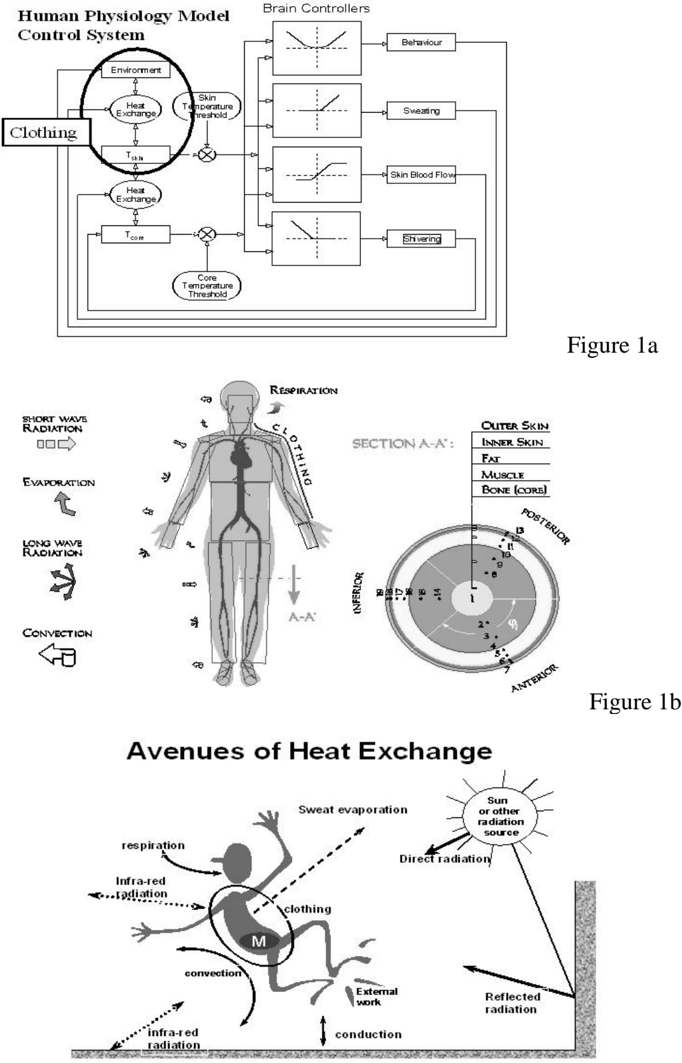
Existing procedures for the assessment of the thermal environment in the fields of public weather services, public health systems, precautionary planning, urban design, tourism and recreation and climate impact research exhibit significant shortcomings. This is most evident for simple (mostly two-parameter) indices, when comparing them to complete heat budget models developed since the 1960s. ISB Commission 6 took up the idea of developing a Universal Thermal Climate Index (UTCI) based on the most advanced multi-node model of thermoregulation representing progress in science within the last three to four decades, both in thermo-physiological and heat exchange theory. Creating the essential research synergies for the development of UTCI required pooling the resources of multidisciplinary experts in the fields of thermal physiology, mathematical modelling, occupational medicine, meteorological data handling (in particular radiation modelling) and application development in a network. It was possible to extend the expertise of ISB Commission 6 substantially by COST (a European programme promoting Cooperation in Science and Technology) Action 730 so that finally over 45 scientists from 23 countries (Australia, Canada, Israel, several Europe countries, New Zealand, and the United States) worked together. The work was performed under the umbrella of the WMO Commission on Climatology (CCl). After extensive evaluations, Fiala's multi-node human physiology and thermal comfort model (FPC) was adopted for this study. The model was validated extensively, applying as yet unused data from other research groups, and extended for the purposes of the project. This model was coupled with a state-of-the-art clothing model taking into consideration behavioural adaptation of clothing insulation by the general urban population in response to actual environmental temperature. UTCI was then derived conceptually as an equivalent temperature (ET). Thus, for any combination of air temperature, wind, radiation, and humidity (stress), UTCI is defined as the isothermal air temperature of the reference condition that would elicit the same dynamic response (strain) of the physiological model. As UTCI is based on contemporary science its use will standardise applications in the major fields of human biometeorology, thus making research results comparable and physiologically relevant.
Overview
The claims and statistics of this paper haven’t been checked yet.
Free: it reads the open-access text and checks the first 5 claims that cite a source we can check. Create a free account to check every claim.
Integrity signals
Registry
Cites
Statistics
Figures

Verification
Claims the paper makes
The claims and statistics of this paper haven’t been checked yet.
Free: it reads the open-access text and checks the first 5 claims that cite a source we can check. Create a free account to check every claim.
Claims other papers make about this one
Each is checked against this paper’s own text: does it say what the citing paper says it does?
The source backs part of the claim, not all of it — or backs it for a different population, condition or comparison.
In the citing paper
“A recently proposed Universal Thermal Climate Index (UTCI) (2009), based on an advanced human thermoregulation model, directly uses meteorological data to predict the impact of outdoor climate on thermal physiological and perceptual responses (Jendritzky et al. 2012; Bröde et al. 2012a, b; Fiala et al. 2012; Havenith et al. 2012; Kampmann et al. 2012; Parsons 2013; Havenith and Fiala 2016).”
From Occupational heat stress assessment and protective strategies in the context of climate change (2018) · cites this paper as Jendritzky et al. 2012
Experimental — accuracy not yet measured
Self-check
Percentages, sums and reported differences re-computed from the paper’s own numbers.
The self-check needs the paper’s full text.
Citations
Cites
Höppe, P. (1999) · International Journal of Biometeorology · doi:10.1007/s004840050118 · Cited by 2,429
Modelling radiation fluxes in simple and complex environments: basics of the RayMan model
Matzarakis, A., Rutz, F., & Mayer, H. (2010) · International Journal of Biometeorology · doi:10.1007/s00484-009-0261-0 · Cited by 1,633
Modelling radiation fluxes in simple and complex environments—application of the RayMan model
Matzarakis, A., Rutz, F., & Mayer, H. (2007) · International Journal of Biometeorology · doi:10.1007/s00484-006-0061-8 · Cited by 1,365
Deriving the operational procedure for the Universal Thermal Climate Index (UTCI)
Bröde, P., Fiala, D., Błażejczyk, K., Holmér, I., Jendritzky, G., Kampmann, B., Tinz, B., & Havenith, G. (2012) · International Journal of Biometeorology · doi:10.1007/s00484-011-0454-1 · Cited by 1,243
Self-citationComparison of UTCI to selected thermal indices
Blazejczyk, K., Epstein, Y., Jendritzky, G., Staiger, H., & Tinz, B. (2012) · International Journal of Biometeorology · doi:10.1007/s00484-011-0453-2 · Cited by 1,129
Self-citationA standard predictive index of human response to the thermal environment
Gagge, A. P., Fobelets, A. P. R., & Berglund, L. G. (1986) · ASHRAE winter conference papers · Cited by 1,053
UTCI-Fiala multi-node model of human heat transfer and temperature regulation
Fiala, D., Havenith, G., Bröde, P., Kampmann, B., & Jendritzky, G. (2012) · International Journal of Biometeorology · doi:10.1007/s00484-011-0424-7 · Cited by 994
Self-citationFiala, D., Lomas, K. J., & Stohrer, M. (1999) · Journal of Applied Physiology · doi:10.1152/jappl.1999.87.5.1957 · Cited by 849
Fiala, D., Lomas, K. J., & Stohrer, M. (2001) · International Journal of Biometeorology · doi:10.1007/s004840100099 · Cited by 754
A model of human physiology and comfort for assessing complex thermal environments
Huizenga, C., Hui, Z., & Arens, E. (2001) · Building and Environment · doi:10.1016/s0360-1323(00)00061-5 · Cited by 585
Research works printed but not linked: 12
- 3. Blazejczyk K, Epstein Y, Jendritzky G, Staiger H, Tinz B (2011) Comparison of UTCI to selected thermal indices. Int J Biometeorol XX; YY-YZ Bröde P, Kampmann B, Havenith G, Jendritzky G (2008) Effiziente Berechnung des klimatischen Belastungs-Index UTCI. In: Gesellschaft für Arbeitswissenschaft (ed.): Produkt-und Produktions-Ergonomie -Aufgabe für Entwickler und Planer, GfA-Press, Dortmund: 271-274.
- 4. Bröde P, Fiala D, Blazejczyk K, Epstein Y, Holmér I, Jendritzky G, Kampmann B, Richards M, Rintamäki H, Shitzer A, Havenith G (2009a) Calculating UTCI Equivalent Temperature. In: Castellani, JW; Endrusick, TL (eds.): Environmental Ergonomics XIII, University of Wollongong, Wollongong: 49-53
- 5. Bröde P, Fiala D, Kampmann B, Havenith G, Jendritzky G (2009b) Der Klimaindex UTCI - Multivariate Analyse der Reaktion eines thermophysiologischen Simulationsmodells. In: Gesellschaft für Arbeitswissenschaft (ed.): Arbeit, Beschäftigungsfähigkeit und Produktivität im 21. Jahrhundert, GfA-Press, Dortmund: 705-708
- 9. Driscoll DM (1992) Thermal Comfort Indexes. Current Uses and Abuses. Nat. Weather Digest, 17, (4): 33-38
- 11. Fanger PO (1970) Thermal Comfort. Analysis and Application in Environmental Engineering. Danish Technical Press, Copenhagen
- 22. Horikoshi T, Tsuchikawa T, Kurazumi Y, Matsubara N (1995): Mathematical expression of combined and separate effect of air temperature, humidity, air velocity and thermal radiation on thermal comfort. Archives of Complex Environmental Studies, 7 (3-4): 9- 12
- 30. Jendritzky G (1990) Bioklimatische Bewertungsgrundlage der Räume am Beispiel von mesoskaligen Bioklimakarten. In: Jendritzky G, Schirmer H, Menz G, Schmidt- Kessen W: Methode zur raumbezogenen Bewertung der thermischen Komponente im Bioklima des Menschen (Fortgeschriebenes Klima-Michel-Modell). Akad Raumforschung Landesplanung, Hannover, Beiträge 114: 7-69
- 31. Jendritzky G, Maarouf A, Fiala D, Staiger H (2002) An Update on the Development of a Universal Thermal Climate Index. 15 th Conf. Biomet. Aerobiol. and 16 th ICB02, 27 Oct -1 Nov 2002, Kansas City, AMS: 129-133
- 33. Kampmann B, Bröde P (2009) Physiological Responses to Temperature and Humidity Compared With Predictions of PHS and WBGT. In: Castellani, JW; Endrusick, TL (eds.): Environmental Ergonomics XIII, University of Wollongong, Wollongong: 54- 58.
- 43. Psikuta A, Fiala D, Richards M (2007) Validation of the Fiala Model of Human Physiology and Comfort for COST 730. In: Mekjavic IB, Kounalakis SN, Taylor NAS (eds.) Proceedings of the 12th International Conference on Environmental Ergonomics XII, Biomed, Ljubljana: 516
- 45. Richards M and Havenith G (2007) Progress towards the final UTCI model. In: Mekjavic IB, Kounalakis SN, Taylor NAS (eds.) Proceedings of the 12th International Conference on Environmental Ergonomics. August 19-24, 2007, Piran Slovenia. Biomed, Ljubljana: 521-524
- 50. Steadman RG (1994): Norms of apparent temperature in Australia. Aust. Met. Mag. 43: 1-16
Cited by
Items 601–700 of 1,000
Components of urban climate analyses for the development of planning recommendation maps
Reinwald, F., Thiel, S., Kainz, A., & Hahn, C. (2024) · Urban Climate · doi:10.1016/j.uclim.2024.102090 · Cited by 15
Rosso-Alvarez, J., Jiménez-Caldera, J., Campo-Daza, G., Hernández-Sabié, R., & Caballero‐Calvo, A. (2025) · Urban Science · doi:10.3390/urbansci9050139 · Cited by 15
Luyao, H., Lü, L., Xinkai, L., & Junfeng, D. (2025) · Scientific Reports · doi:10.1038/s41598-025-95979-8 · Cited by 15
“…spaces, the UTCI is commonly used as an evaluation tool 20 This index is based on the “Fiala” multi-node human physiological model, which simulates the effects of temperature regulation and clothing on outdoor activities and applies to various weather conditions, seasons, and spatial scales 21 .”
Sharafkhani, R., Khanjani, N., Bakhtiari, B., Jahani, Y., Entezarmahdi, R., & Farajzadeh, H. (2020) · Urban Climate · doi:10.1016/j.uclim.2020.100595 · Cited by 15
Urban heat-mitigating building form and façade framework
Loh, N., & Bhiwapurkar, P. (2021) · Architectural Science Review · doi:10.1080/00038628.2021.1924610 · Cited by 15
Changes in Bioclimatic Indices
Kuchcik, M., Błażejczyk, K., & Hałaś, A. (2021) · Springer climate · doi:10.1007/978-3-030-70328-8_19 · Cited by 15
Bal, S., & Matzarakis, A. (2022) · Theoretical and Applied Climatology · doi:10.1007/s00704-022-04010-x · Cited by 16
Rodríguez, M. V., Melgar, S. G., & Andújar, J. M. (2023) · Energy and Buildings · doi:10.1016/j.enbuild.2023.113525 · Cited by 15
Mitigation of pedestrian heat stress using parasols in a humid subtropical region
Watanabe, S., & Ishii, J. (2017) · International Journal of Biometeorology · doi:10.1007/s00484-017-1393-2 · Cited by 15
Tang, P., Li, Q., Lu, X., Peng, H., Mi, J., & Meng, Q. (2023) · Building and Environment · doi:10.1016/j.buildenv.2023.110039 · Cited by 14
Global variation in the preferred temperature for recreational outdoor activity
Linsenmeier, M. (2024) · Journal of Environmental Economics and Management · doi:10.1016/j.jeem.2024.103032 · Cited by 14
A semi-quantitative multi-hazard risk assessment framework for European coastal urban areas
Figueiredo, R., Rangel-Parra, R., Bussi, G., Ceresa, P., Coccia, G., & Martina, M. L. V. (2024) · Geomatics Natural Hazards and Risk · doi:10.1080/19475705.2024.2378994 · Cited by 15
“Accordingly, in this study, the development of a heat wave risk score is based on the universal thermal climate index (UTCI), which is a state-of-the-art bioclimatic index that estimates the thermal stress that the human body undergoes when exposed to outdoor conditions (Jendritzky et al. 2012).”
What is the outdoor thermal comfort (OTC) threshold in Gulangyu, China: An empirical study
Yang, M., Li, Y., Du, Y., Wang, Y., Fei, W., Huang, J., & Liang, J. (2024) · Urban Climate · doi:10.1016/j.uclim.2024.102086 · Cited by 14
Zhen, M., Yuan, X., Gao, L., Xia, W., Nan, K., & Zhang, M. (2024) · Building and Environment · doi:10.1016/j.buildenv.2024.112327 · Cited by 14
Assessing the Deadly Heat Waves Over South Asian Cities: An Insights From UTCI and WBGT Indices
Khan, N., Ahmad, S., & Shahid, S. (2025) · International Journal of Climatology · doi:10.1002/joc.8806 · Cited by 14
Luo, M., Tang, H., Guo, F., Liu, Y., Zhang, H., Dong, J., Zhao, J., & Miao, S. (2025) · Urban Climate · doi:10.1016/j.uclim.2025.102352 · Cited by 14
Lamberti, G., Vista, D. D., Leccese, F., & Salvadori, G. (2025) · Building and Environment · doi:10.1016/j.buildenv.2025.112981 · Cited by 14
Wang, Y., & Gou, Z. (2025) · Energy and Buildings · doi:10.1016/j.enbuild.2025.115950 · Cited by 14
Sixty years of the International Journal of Biometeorology
Sheridan, S. C., & Allen, M. J. (2017) · International Journal of Biometeorology · doi:10.1007/s00484-017-1366-5 · Cited by 14
Thermal benefit of igloos in extremely cold conditions in Harbin, China
Zhen, M., Dong, Q., Xu, M., Liu, Y., Zhang, H., Jia, Y., & Yang, B. (2020) · Building and Environment · doi:10.1016/j.buildenv.2020.107546 · Cited by 14
Cymes, I., Jalali, R., Glińska‐Lewczuk, K., Dragańska, E., Giergielewicz-Januszko, B., & Romaszko, J. (2021) · The Science of The Total Environment · doi:10.1016/j.scitotenv.2021.145376 · Cited by 15
Convolutional Neural Network Model to Predict Outdoor Comfort UTCI Microclimate Map
Zhong, G. (2022) · Atmosphere · doi:10.3390/atmos13111860 · Cited by 14
Nouri, A. S., Algeciras, J. A. R., & Matzarakis, A. (2023) · Urban Climate · doi:10.1016/j.uclim.2023.101456 · Cited by 14
Milićević, S. M., Petrović, M. D., & Radovanovic, M. M. (2023) · International Journal of Biometeorology · doi:10.1007/s00484-023-02456-w · Cited by 14
“5 m/s on 10 m above the ground), RH = 50%, and radiant temperature equal to air temperature (Jendritzky et al. 2012).”
BackgroundSong, B.-G. (2023) · Urban Climate · doi:10.1016/j.uclim.2023.101510 · Cited by 14
Secular changes (1826–2021) of human thermal stress according to UTCI in Kraków (southern Poland)
Błażejczyk, K., & Twardosz, R. (2023) · International Journal of Climatology · doi:10.1002/joc.8083 · Cited by 14
“The UTCI is intended to describe the conditions of thermal stress in specific, individual meteorological conditions (Błażejczyk et al., 2012; Bröde et al., 2012; Jendritzky et al., 2012).”
BackgroundMethodThermal–Acoustic Interaction Impacts on Crowd Behaviors in an Urban Park
Chen, Y., Chen, Z., Lin, S., Lin, X., Li, S., Li, T., & Dong, J. (2023) · Forests · doi:10.3390/f14091758 · Cited by 14
“For thermal environment metrics, the Universal Thermal Climate Index (UTCI) was chosen given the instability of outdoor thermal conditions [40].”
MethodPicone, N., Esposito, A., Emmanuel, R., & Buccolieri, R. (2023) · Sustainability · doi:10.3390/su16010229 · Cited by 14
Knapp, P., Maxwell, J. T., Ortegren, J. T., & Soulé, P. T. (2015) · Annals of the American Association of Geographers · doi:10.1080/00045608.2015.1095058 · Cited by 14
“We considered using several human thermal comfort indexes, such as the universal thermal climate index (Jendritzky, DeDear, and Havenith 2012) and physiological equivalent temperature (Matzarakis, Mayer, and Iziomon 1999), but chose the THI largely because the raw data requirements allowed for the…”
MethodConfort térmico en espacios verdes urbanos de ambientes áridos.
Kurbán, A., & Cúnsulo, M. (2017) · Revista Hábitat Sustentable · Cited by 14
Brown, R. D. (2019) · Sensors · doi:10.3390/s19235085 · Cited by 14
“Humans arguably are neit r square pegs nor sp erical globes, but are more typically cylindric l in shape (Figure 1) and they have been commonly modeled as such [9,12].”
BackgroundInfluentialLokys, H. L., Junk, J., & Krein, A. (2015) · Advances in Meteorology · doi:10.1155/2015/323856 · Cited by 14
“To account for all parameters a large number of human thermal climate indices have been developed [12], whereof we chose two energy balance stress indices, the Physiological Equivalent Temperature (PET) [13] and the Universal Thermal Climate Index (UTCI) [14].”
MethodBillions of people exposed to increasing heat but decreasing greenness from 2000 to 2022
Ye, T., Xu, R., Huang, W., Yang, Z., Yu, P., Yu, W., Liu, Y., Wu, Y., Wen, B., Zhang, Y., et al. (2025) · The Innovation · doi:10.1016/j.xinn.2025.100870 · Cited by 13
UV Parasol, Dry-Mist Spraying, and Street Trees as Tools for Heat Stress Mitigation
Kusaka, H., Nakamura, Y., & ASANO, Y. (2022) · Journal of the Meteorological Society of Japan Ser II · doi:10.2151/jmsj.2022-035 · Cited by 13
“However, UTCI has been universally standardized as it incorporates the parameters of clothing and wind speed (e.g., Jendritzky et al. 2012; Blazejczyk et al. 2012; Potchter et al. 2018; Iwamoto and Ohashi 2021).”
Hotspot movement of compound events on the Europe continent
Doshi, S. C., Lohmann, G., & Ionita-Scholz, M. (2023) · Scientific Reports · doi:10.1038/s41598-023-45067-6 · Cited by 13
Pantavou, K. G., Kotroni, V., & Lagouvardos, K. (2023) · International Journal of Biometeorology · doi:10.1007/s00484-023-02572-7 · Cited by 14
“…such as apparent temperature (AT) (Steadman 1979; BOM 2010), net effective temperature (NET) (Li and Chan 2000), and universal indices such as physiologically equivalent temperature (PET) (Mayer and Höppe 1987; Höppe 1999) and universal thermal climate index (UTCI) (Jendritzky et al. 2012).”
BackgroundLee, H., Park, S., & Mayer, H. (2024) · International Journal of Biometeorology · doi:10.1007/s00484-024-02835-x · Cited by 15
Global Trends in Human Thermal Stress: A Spatiotemporal Analysis from 1940 to 2020
Hamed, M. M., Alasow, A. A., & Shahid, S. (2024) · Earth Systems and Environment · doi:10.1007/s41748-024-00537-3 · Cited by 13
“Various heat stress indices have been used for measuring outdoor thermal stresses to address this need (Eslamirad et al. 2022; Jendritzky et al. 2012; Mahdavinejad et al. 2024; Nalau and Verrall 2021), including Heat Stress Index (HSI), Universal Thermal Climate Index (UTCI), Wet Bulb Globe…”
Schwarz, E., Duffield, R., Lu, D., Fullagar, H. H. K., der Fünten, K. A., Skorski, S., Tröß, T., Hadji, A., & Meyer, T. (2025) · Environmental Epidemiology · doi:10.1097/ee9.0000000000000364 · Cited by 12
“Although more modern and sophisticated thermal indexes exist, 37,38 WBGT remains widely used, especially in sports federation heat policies.”
Cooling Heritage Scenarios: Transforming Historic Squares for Thermal Comfort
Rezaie, P., López-Cabeza, V. P., Sola-Caraballo, J., & Galán-Marín, C. (2025) · Buildings · doi:10.3390/buildings15040564 · Cited by 13
Pandya, P., Llaguno-Munitxa, M., Edwards, M., Lacroix, É., Manoli, G., & Middel, A. (2025) · International Journal of Biometeorology · doi:10.1007/s00484-025-02942-3 · Cited by 13
“…humidity, wind speed, and mean radiant temperature, with certain indices also incorporating metabolic rate and clothing insulation to provide a more comprehensive assessment of thermal comfort (Blazejczyk et al. 2012; de Dear and Brager 1998; Fanger 1970; Höppe 1999; Jendritzky et al. 2012).”
Song, Y., Zhang, W., Deng, Y., Mo, H., & Li, Y. Z. (2025) · Land · doi:10.3390/land14091869 · Cited by 13
An Assessment of Tourism Climate Comfort in the China–Pakistan Economic Corridor
Zeng, D., Wu, J., Mu, Y., Li, H., Deng, M., Wei, Y., & Sun, W. (2020) · Sustainability · doi:10.3390/su12176981 · Cited by 13
“UTCI is defined as the air temperature (Ta) of the reference condition, which causes the same model response as the actual condition [16,28].”
BackgroundWang, S., Zhan, W., Du, H., Wang, C., Li, L., Jiang, S., Fu, H., Miao, S., & Huang, F. (2022) · Sustainable Cities and Society · doi:10.1016/j.scs.2022.103889 · Cited by 13
Kulkarni, K., Schneider, F. A., Gowda, T., Jayasuriya, S., & Middel, A. (2022) · Frontiers in Environmental Science · doi:10.3389/fenvs.2022.866240 · Cited by 13
“MRT is also a crucial input parameter for calculating outdoor human thermal comfort indices such as PET (Höppe, 1999) and UTCI (Jendritzky et al., 2012).”
BackgroundBoutellis, T., & Bouchair, A. (2022) · Journal of Advanced Research in Fluid Mechanics and Thermal Sciences · doi:10.37934/arfmts.98.1.1841 · Cited by 13
A numerical tool for assessing human thermal safety and thermal comfort in cold-weather activities
Chen, F., Fu, M., Li, Y., Shen, S., Yang, J., & Weng, W. (2022) · International Journal of Biometeorology · doi:10.1007/s00484-022-02416-w · Cited by 13
“A more recent index, Universal Thermal Climate Index (UTCI) (Jendritzky et al.”
BackgroundZheng, Z., Dai, K., Zhou, X., Liu, J., Liu, W., Lu, J., & Fang, Z. (2023) · Urban Climate · doi:10.1016/j.uclim.2023.101632 · Cited by 13
Impact of climate change on outdoor thermal comfort in cities in united states
Huang, Y., Lai, D., Liu, Y., & Huang, X. (2020) · E3S Web of Conferences · doi:10.1051/e3sconf/202015801002 · Cited by 13
On the estimation of wind comfort in a building environment by micro-scale simulation
Groß, G. (2014) · Meteorologische Zeitschrift · doi:10.1127/0941-2948/2014/0577 · Cited by 13
Jendritzky, G., & Höppe, P. (2017) · International Journal of Biometeorology · doi:10.1007/s00484-017-1390-5 · Cited by 13
Self-citationTakebayashi, H., & Kyogoku, S. (2018) · Sustainability · doi:10.3390/su10020337 · Cited by 13
“In addition, the recently proposed UTCI (Universal Thermal Climate Index) presents a more complicated heat-budget-based approach and has been increasingly used by bio-meteorological studies [15,16].”
Promoting Citizens’ Quality of Life Through Green Urban Planning
Santos, T. G., Silva, C., & Tenedório, J. A. (2018) · Communications in computer and information science · doi:10.1007/978-3-030-06010-7_10 · Cited by 13
Giannaros, C., Agathangelidis, I., Galanaki, E., Cartalis, C., Kotroni, V., Lagouvardos, K., Giannaros, T. M., & Matzarakis, A. (2024) · Scientific Data · doi:10.1038/s41597-024-02923-y · Cited by 14
Quantification of heat vulnerability using system dynamics
Bayomi, N., & Fernández, J. (2023) · Frontiers in Built Environment · doi:10.3389/fbuil.2023.1025480 · Cited by 12
“UTCI is a bioclimatic index that describes heat stress conditions exposed to the human body by accounting for a combination of meteorological factors, physiological parameters, and clothing requirements (Jendritzky et al., 2012).”
BackgroundLiu, Z., Xu, W., Hu, C., Zhao, C., Yang, T., Xi, T., & Wang, Q. (2023) · Atmosphere · doi:10.3390/atmos14081306 · Cited by 12
Qi, J., Yang, Z., Han, F., He, B., & Ma, X. (2023) · Land · doi:10.3390/land12101864 · Cited by 12
Zheng, G., Xu, H., Liu, F., Lin, X., Wang, S., & Dong, J. (2024) · Sustainability · doi:10.3390/su16114407 · Cited by 12
Milićević, S. M., Micić, J., Денда, С., Stanojević, G. B., Petrović, M. D., & Gajić, T. (2024) · International Journal of Biometeorology · doi:10.1007/s00484-024-02800-8 · Cited by 12
Mitigating urban heat island effects using trees in planters with varied crown shapes
Bajšanski, I. V., Savić, S. M., Dunjić, J., Milošević, D. D., Stojaković, V., & Tepavčević, B. (2024) · Energy and Buildings · doi:10.1016/j.enbuild.2024.115034 · Cited by 13
Wang, Y., Liu, X., Xie, R., Wang, J., Dong, Q., Yao, W., & Lin, D. (2025) · Energy and Buildings · doi:10.1016/j.enbuild.2025.115393 · Cited by 12
Zhang, Y., Feng, S., Liu, J., Mo, Q., Yin, H., & Zhang, J. (2025) · Scientific Reports · doi:10.1038/s41598-025-96651-x · Cited by 12
“There are many other indices viable, such as UTCI (walk speed: 1.1 m/s; work metabolic: 135 W/m 2 ; V a : 0.5 m/s at 10 m 49 ) and SET* (thermally non-conductive; RH = 50%, V a < 1.5 m/s, and MRT = T a50 ).”
InfluentialZou, J., Wang, L., Yang, S., Lacasse, M. A., & Wang, L. L. (2025) · Energy and Buildings · doi:10.1016/j.enbuild.2025.115720 · Cited by 12
Silva, T., Ramusga, R., Matias, M., Amaro, J., Bonifácio, A., Reis, C., Chokhachian, A., Lopes, G., de Almeida, A. N., Frazão, J., et al. (2025) · City and Environment Interactions · doi:10.1016/j.cacint.2025.100212 · Cited by 12
Changes in the thermal stress across Europe between 1940–2023
Mărmureanu, L., Antonescu, B., Ene, D., Andrei, S., & Turcu, R. (2025) · International Journal of Biometeorology · doi:10.1007/s00484-025-03043-x · Cited by 12
“It does so by incorporating factors such as 2m air tempera - ture, relative humidity, wind speed, and mean radiant temperature (Jendritzky et al. 2012 ; Bröde et al. 2013).”
InfluentialAlkhoudiri, A., Navarro, I., Mir, J. M. F., & Alumran, S. (2022) · Urban Climate · doi:10.1016/j.uclim.2022.101300 · Cited by 12
Ghribi, M., & Dahech, S. (2023) · Energies · doi:10.3390/en16020911 · Cited by 12
A city-scale turbulence-resolving model as an essential element of integrated urban services
Esau, I., Belda, M., Miles, V., Geletič, J., Resler, J., Krč, P., Bauerová, P., Bureš, M., Eben, K., Fuka, V., et al. (2024) · Urban Climate · doi:10.1016/j.uclim.2024.102059 · Cited by 12
Aiello, T., Krayenhoff, E. S., Middel, A., & Warland, J. (2024) · Sustainable Cities and Society · doi:10.1016/j.scs.2024.106019 · Cited by 12
Kazman, J. B., Nelson, D. A., Ahmed, A. E., Deuster, P. A., O’Connor, F. G., Mancuso, J. D., & Lewandowski, S. A. (2024) · British Journal of Sports Medicine · doi:10.1136/bjsports-2024-108441 · Cited by 12
Simulation of spectators’ aerodynamic drag using porous models approximation
Mahgoub, A. O., Ghani, S. A., Rashwan, M., Ismail, S. M., & El-Bialy, E. (2020) · Building and Environment · doi:10.1016/j.buildenv.2020.107248 · Cited by 12
Huang, Y., Zhang, X., Zhang, D., Zhang, L., Zhang, W., Ren, C., Pan, T., Chu, Z., & Chen, Y. (2021) · Sustainability · doi:10.3390/su132313056 · Cited by 12
Karakuş, C. B., & Demiroğlu, D. (2022) · Arabian Journal of Geosciences · doi:10.1007/s12517-022-10407-9 · Cited by 12
“005 ) in the field of human biometeorology (Vinogradova 2020; Błażejczyk et al. 2013; Jendritzky et al. 2012).”
BackgroundPan, W. (2023) · Building and Environment · doi:10.1016/j.buildenv.2023.110251 · Cited by 12
Coccia, G., Summa, S., Giuseppe, E. D., D’Orazio, M., Zinzi, M., & Perna, C. D. (2023) · Building and Environment · doi:10.1016/j.buildenv.2023.110456 · Cited by 12
García, F., Shendell, D. G., & Madrigano, J. (2016) · International Journal of Biometeorology · doi:10.1007/s00484-016-1229-5 · Cited by 12
Emergency interventions due to weather‐related hypothermia
Krzyżewska, A., Dobek, M., Domżał‐Drzewicka, R., & Rząca, M. (2017) · Weather · doi:10.1002/wea.2926 · Cited by 13
“For this purpose we used the Universal Thermal Climate Index (UTCI; Jendritzky et al., 2009; 2012).”
MethodRakha, T. (2015) · DSpace@MIT (Massachusetts Institute of Technology) · Cited by 12
Ventilation strategies for improving the indoor environment quality in vehicles
Dancă, P. (2018) · theses.fr (ABES) · doi:10.70675/cf33ed67zc030z485ez99c6z8dd58e5eb1df · Cited by 12
Extremely Cold Climate and Social Vulnerability in Alaska: Problems and Prospects
Grigorieva, E. A., Walsh, J. E., & Alexeev, V. A. (2024) · Climate · doi:10.3390/cli12020020 · Cited by 11
“…poverty status is determined (%);SA—population of working age, or age 15–64 (%); per capita personal income (USD); housing units with five or more bedrooms (%); housing units with three or more vehicles available (%); population 25 years and over that are high school graduates (includes…”
BackgroundBera, M., Das, S., & Nag, P. K. (2024) · Indoor and Built Environment · doi:10.1177/1420326x241259646 · Cited by 11
“…to the studies, the four variables that determine UTCI are air temperature, wind speed, mean radiant temperature and dew point temperature 38,39 This index was applied to this study to evaluate the thermal stress of the residents that corresponds to human physiological responses to the…”
Spatiotemproal changes and hot spots of UTCI index over Iran
Mohammadi, M., & Khoorani, A. (2024) · Urban Climate · doi:10.1016/j.uclim.2024.102031 · Cited by 11
Sarkar, S., & Maity, R. (2024) · Journal of Geophysical Research Atmospheres · doi:10.1029/2024jd041775 · Cited by 11
“Example includes indices such as, Heat Index (HI) (Steadman, 1979) or Apparent Temperature (AT) (Robert G. Steadman, 1984) or the Universal Thermal Climate Index (UTCI) (Bröde et al., 2012; Jendritzky et al., 2012).”
Li, X., Luo, M., Li, J., Wu, S., Zhang, H., Huang, Z., Wang, Q., Cao, W., Tang, Y., & Wang, X. (2025) · Sustainable Cities and Society · doi:10.1016/j.scs.2025.106201 · Cited by 11
Study of Factors Influencing Thermal Comfort at Tram Stations in Guangzhou Based on Machine Learning
Chen, X., Zhao, H., Wang, B., & Xia, B. (2025) · Buildings · doi:10.3390/buildings15060865 · Cited by 11
Milrad, S. M., Ennis, K. E., Knight, D. A., Dello, K. D., Raye, L., & Wodzicki, K. R. (2025) · International Journal of Climatology · doi:10.1002/joc.8837 · Cited by 11
“There is no perfect metric to measure humid heat (Grundstein and Vanos 2021), and thermal energy model metrics such as UTCI have been gaining attention (e.g., Jendritzky et al. 2011).”
Towards Universal Thermal Climate Index Prediction via machine learning approaches
Veisi, O., Tehrani, A. A., Gharaei, B., Du, D. K., & Shakibamanesh, A. (2025) · Renewable and Sustainable Energy Reviews · doi:10.1016/j.rser.2025.115680 · Cited by 11
Personalized heat stress early warning system for an urban area
Kacker, K., Srivastava, P., & Mukherjee, M. (2025) · Environment International · doi:10.1016/j.envint.2025.109507 · Cited by 11
Ma, X., Luo, Q., Yan, F., Lei, Y., Lu, Y., Chen, H., Yang, Y., Feng, H., Zhou, M., Ding, H., et al. (2025) · Buildings · doi:10.3390/buildings15152777 · Cited by 11
Widespread heat stress will become the norm in a warming Southeast Asia
Manimaran, S., Wagenaar, D., Nam, C., Kasmalkar, I., Lierhammer, L., Bouwer, L. M., & Lallemant, D. (2025) · Scientific Reports · doi:10.1038/s41598-025-28817-6 · Cited by 11
“Some indices incorporate physiological modeling of thermoregulation 14 , while others are based on empirical correlations between environmental conditions and physiological responses 15 .”
Lefevre, A., Malet-Damour, B., Boyer, H., & Rivière, G. (2026) · Urban Climate · doi:10.1016/j.uclim.2026.102913 · Cited by 11
Thermal indices for human biometeorology based on Python
Chen, Y. (2023) · Scientific Reports · doi:10.1038/s41598-023-47388-y · Cited by 11
“A previous study 11 proposed that certain rational thermal indices, such as Universal Thermal Climate Index in ◦ C (UTCI) 27,28 , Perceived Temperature in ◦ C (PT) 29 , Physiologically Equivalent Temperature in ◦ C (PET) 30 and Outdoor Standard Effective Temperature in ◦ C (SET*) 31 , are effective…”
BackgroundSpatiotemporal variations of UTCI based discomfort over India
Naskar, P. R., Mohapatra, M., Singh, G. P., & Das, U. (2024) · Journal of Earth System Science · doi:10.1007/s12040-024-02261-y · Cited by 11
“UTCI better represents the temporal variability of thermal conditions than other indices (Jendritzky et al. 2012).”
Ojha, S. K., & Mukherjee, M. (2024) · International Journal of Biometeorology · doi:10.1007/s00484-024-02680-y · Cited by 11
Peri, S. H. P., & Satyanarayana, A. N. V. (2024) · International Journal of Biometeorology · doi:10.1007/s00484-024-02714-5 · Cited by 11
Zhou, X., Tang, T., Feng, X., Gao, N., Yang, Y., & Fang, Z. (2024) · Building Simulation · doi:10.1007/s12273-024-1168-8 · Cited by 11
“In Figure 9, mean UTCI during the daylight hours in Guangzhou from July to August was close to 38 °C, and the maximum UTCI in July reached 48 °C (Figure 9).”
InfluentialModelling in Human Biometeorology: Spatial-Temporal Analysis of Thermal Indices
Matzarakis, A., Gangwisch, M., & Herbert, T. D. (2021) · International Electronic Conference on Atmospheric Sciences (ECAS) · doi:10.3390/ecas2021-10297 · Cited by 11
“2021, 8, 28 2 of 7 used thermal indices, based on the human energy balance [5], are Physiologically Equivalent Temperature [6,7], Perceived Temperature [9], Universal Thermal Climate Index [10] and modified Physiologically Equivalent Temperature [11].”
MethodFoken, T., & Bange, J. (2021) · Springer handbooks · doi:10.1007/978-3-030-52171-4_7 · Cited by 11
Liang, C., & Bi, W. (2017) · IEEE International Conference on Big Data Analysis (ICBDA) · doi:10.1109/icbda.2017.8078773 · Cited by 11
“Therefore, the study of climate comfort has been paid more attention by scholars in the field, they have proposed such as the comprehensive comfort, body temperature, universal thermal climate index and other concepts [6-8].”
BackgroundAssessment of the bioclimatic conditions over some selected stations in Nigeria
Balogun, I. A., Ntekop, A. A., & Daramola, M. T. (2019) · SN Applied Sciences · doi:10.1007/s42452-019-0589-y · Cited by 11
Metadata
- Authors
- Jendritzky, G., de Dear, R., & Havenith, G.
- Affiliations
- University of Freiburg (DE)
- Loughborough University (GB)
- Corresponding author
- Jendritzky, Gerd
- ORCID
- Havenith, George
- Venue
- International Journal of Biometeorology
- Published
- 2011-12-21
- Volume
- 56
- Issue
- 3
- Pages
- 421-428
- ISSN
- 0020-7128 (ISSN-L)
- 1432-1254
- OpenAlex
- W1975324114
- Cited by
- 1,162
- References
- 50
- Citations by year
- 2026: 170 · 2025: 161 · 2024: 131 · 2023: 119 · 2022: 112 · 2021: 105 · 2020: 77 · 2019: 60 · 2018: 37 · 2017: 46 · 2016: 49 · 2015: 36 · 2014: 30 · 2013: 25 · 2012: 3
- FWCI
- 16.44
- Type
- journal article
- Language
- en
- Open access
- green
- figshare.com
- Licence
- cc-by-nc-nd
- www.springer.com/tdm (tdm)
- Locations
- International Journal of Biometeorology (publishedVersion)
- PubMed (publishedVersion)
- Loughborough University Research Repository (Loughborough University) (submittedVersion, cc-by-nc-nd)
- Loughborough University Institutional Repository (Loughborough University) (submittedVersion, cc-by-nc-nd)
- Topics
- Physical Sciences › Environmental Science › Environmental Engineering › Urban Heat Island Mitigation
- Health Sciences › Medicine › Physiology (medical) › Thermoregulation and physiological responses
- Physical Sciences › Environmental Science › Health, Toxicology and Mutagenesis › Climate Change and Health Impacts
- Keywords
- Universal Thermal Climate Index, thermal comfort, human thermoregulation, clothing insulation, equivalent temperature, heat stress, thermal environment evaluation, biometeorology
- MeSH terms
- Body Temperature Regulation, Climate, Humans, Meteorological Concepts, Models, Biological, Thermosensing
About these checks
Registry, retraction, Cites and statistics results are computed, not judged, with one exception: a printed reference that no index lists is read once by a model before it counts as a citation error. Claims are extracted by a model and kept only when their quote appears verbatim in the text; each cited source is then checked, with a model’s help, for whether it says what the claim relies on. Those verdicts can be wrong — read the claim’s quote and the cited source before relying on one.
Statistics and arithmetic are recomputed, not judged.
Confidence bands are shown only for fields calibrated on our annotated test set. None is calibrated yet, so no band is shown.
What counts as a claim ›How we measure confidence ›How we check this ›
Are you an author, or do you see a problem with this page? Request a review
Data sources
Bibliographic data: Semantic Scholar, OpenAlex, Crossref.
Contains information from the Semantic Scholar Academic Graph Datasets, made available under the ODC Attribution License (ODC-BY 1.0).
Semantic Scholar’s data is described in: Kinney, R., et al. (2023). The Semantic Scholar Open Data Platform. arXiv:2301.10140.
