

UTCI—Why another thermal index?
Open accessThe DOI matches its Crossref record; 50 of the 50 references it cites were found in a registry or an index.
Abstract
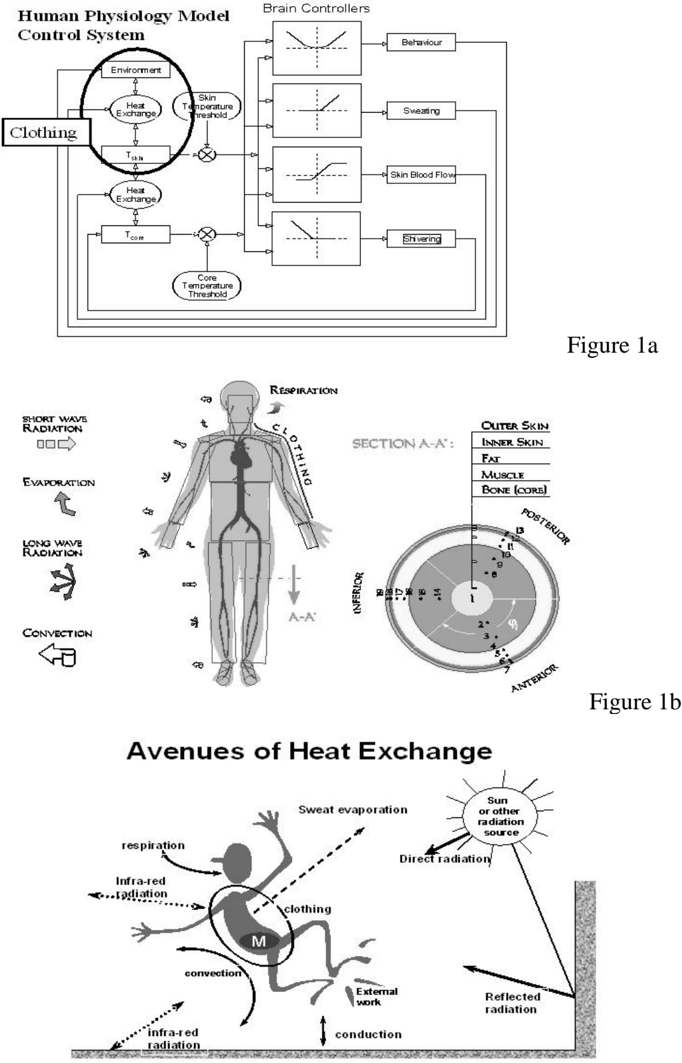
Existing procedures for the assessment of the thermal environment in the fields of public weather services, public health systems, precautionary planning, urban design, tourism and recreation and climate impact research exhibit significant shortcomings. This is most evident for simple (mostly two-parameter) indices, when comparing them to complete heat budget models developed since the 1960s. ISB Commission 6 took up the idea of developing a Universal Thermal Climate Index (UTCI) based on the most advanced multi-node model of thermoregulation representing progress in science within the last three to four decades, both in thermo-physiological and heat exchange theory. Creating the essential research synergies for the development of UTCI required pooling the resources of multidisciplinary experts in the fields of thermal physiology, mathematical modelling, occupational medicine, meteorological data handling (in particular radiation modelling) and application development in a network. It was possible to extend the expertise of ISB Commission 6 substantially by COST (a European programme promoting Cooperation in Science and Technology) Action 730 so that finally over 45 scientists from 23 countries (Australia, Canada, Israel, several Europe countries, New Zealand, and the United States) worked together. The work was performed under the umbrella of the WMO Commission on Climatology (CCl). After extensive evaluations, Fiala's multi-node human physiology and thermal comfort model (FPC) was adopted for this study. The model was validated extensively, applying as yet unused data from other research groups, and extended for the purposes of the project. This model was coupled with a state-of-the-art clothing model taking into consideration behavioural adaptation of clothing insulation by the general urban population in response to actual environmental temperature. UTCI was then derived conceptually as an equivalent temperature (ET). Thus, for any combination of air temperature, wind, radiation, and humidity (stress), UTCI is defined as the isothermal air temperature of the reference condition that would elicit the same dynamic response (strain) of the physiological model. As UTCI is based on contemporary science its use will standardise applications in the major fields of human biometeorology, thus making research results comparable and physiologically relevant.
Overview
The claims and statistics of this paper haven’t been checked yet.
Free: it reads the open-access text and checks the first 5 claims that cite a source we can check. Create a free account to check every claim.
Integrity signals
Registry
Cites
Statistics
Figures

Verification
Claims the paper makes
The claims and statistics of this paper haven’t been checked yet.
Free: it reads the open-access text and checks the first 5 claims that cite a source we can check. Create a free account to check every claim.
Claims other papers make about this one
Each is checked against this paper’s own text: does it say what the citing paper says it does?
The source backs part of the claim, not all of it — or backs it for a different population, condition or comparison.
In the citing paper
“A recently proposed Universal Thermal Climate Index (UTCI) (2009), based on an advanced human thermoregulation model, directly uses meteorological data to predict the impact of outdoor climate on thermal physiological and perceptual responses (Jendritzky et al. 2012; Bröde et al. 2012a, b; Fiala et al. 2012; Havenith et al. 2012; Kampmann et al. 2012; Parsons 2013; Havenith and Fiala 2016).”
From Occupational heat stress assessment and protective strategies in the context of climate change (2018) · cites this paper as Jendritzky et al. 2012
Experimental — accuracy not yet measured
Self-check
Percentages, sums and reported differences re-computed from the paper’s own numbers.
The self-check needs the paper’s full text.
Citations
Cites
Höppe, P. (1999) · International Journal of Biometeorology · doi:10.1007/s004840050118 · Cited by 2,429
Modelling radiation fluxes in simple and complex environments: basics of the RayMan model
Matzarakis, A., Rutz, F., & Mayer, H. (2010) · International Journal of Biometeorology · doi:10.1007/s00484-009-0261-0 · Cited by 1,633
Modelling radiation fluxes in simple and complex environments—application of the RayMan model
Matzarakis, A., Rutz, F., & Mayer, H. (2007) · International Journal of Biometeorology · doi:10.1007/s00484-006-0061-8 · Cited by 1,365
Deriving the operational procedure for the Universal Thermal Climate Index (UTCI)
Bröde, P., Fiala, D., Błażejczyk, K., Holmér, I., Jendritzky, G., Kampmann, B., Tinz, B., & Havenith, G. (2012) · International Journal of Biometeorology · doi:10.1007/s00484-011-0454-1 · Cited by 1,243
Self-citationComparison of UTCI to selected thermal indices
Blazejczyk, K., Epstein, Y., Jendritzky, G., Staiger, H., & Tinz, B. (2012) · International Journal of Biometeorology · doi:10.1007/s00484-011-0453-2 · Cited by 1,129
Self-citationA standard predictive index of human response to the thermal environment
Gagge, A. P., Fobelets, A. P. R., & Berglund, L. G. (1986) · ASHRAE winter conference papers · Cited by 1,053
UTCI-Fiala multi-node model of human heat transfer and temperature regulation
Fiala, D., Havenith, G., Bröde, P., Kampmann, B., & Jendritzky, G. (2012) · International Journal of Biometeorology · doi:10.1007/s00484-011-0424-7 · Cited by 994
Self-citationFiala, D., Lomas, K. J., & Stohrer, M. (1999) · Journal of Applied Physiology · doi:10.1152/jappl.1999.87.5.1957 · Cited by 849
Fiala, D., Lomas, K. J., & Stohrer, M. (2001) · International Journal of Biometeorology · doi:10.1007/s004840100099 · Cited by 754
A model of human physiology and comfort for assessing complex thermal environments
Huizenga, C., Hui, Z., & Arens, E. (2001) · Building and Environment · doi:10.1016/s0360-1323(00)00061-5 · Cited by 585
Research works printed but not linked: 12
- 3. Blazejczyk K, Epstein Y, Jendritzky G, Staiger H, Tinz B (2011) Comparison of UTCI to selected thermal indices. Int J Biometeorol XX; YY-YZ Bröde P, Kampmann B, Havenith G, Jendritzky G (2008) Effiziente Berechnung des klimatischen Belastungs-Index UTCI. In: Gesellschaft für Arbeitswissenschaft (ed.): Produkt-und Produktions-Ergonomie -Aufgabe für Entwickler und Planer, GfA-Press, Dortmund: 271-274.
- 4. Bröde P, Fiala D, Blazejczyk K, Epstein Y, Holmér I, Jendritzky G, Kampmann B, Richards M, Rintamäki H, Shitzer A, Havenith G (2009a) Calculating UTCI Equivalent Temperature. In: Castellani, JW; Endrusick, TL (eds.): Environmental Ergonomics XIII, University of Wollongong, Wollongong: 49-53
- 5. Bröde P, Fiala D, Kampmann B, Havenith G, Jendritzky G (2009b) Der Klimaindex UTCI - Multivariate Analyse der Reaktion eines thermophysiologischen Simulationsmodells. In: Gesellschaft für Arbeitswissenschaft (ed.): Arbeit, Beschäftigungsfähigkeit und Produktivität im 21. Jahrhundert, GfA-Press, Dortmund: 705-708
- 9. Driscoll DM (1992) Thermal Comfort Indexes. Current Uses and Abuses. Nat. Weather Digest, 17, (4): 33-38
- 11. Fanger PO (1970) Thermal Comfort. Analysis and Application in Environmental Engineering. Danish Technical Press, Copenhagen
- 22. Horikoshi T, Tsuchikawa T, Kurazumi Y, Matsubara N (1995): Mathematical expression of combined and separate effect of air temperature, humidity, air velocity and thermal radiation on thermal comfort. Archives of Complex Environmental Studies, 7 (3-4): 9- 12
- 30. Jendritzky G (1990) Bioklimatische Bewertungsgrundlage der Räume am Beispiel von mesoskaligen Bioklimakarten. In: Jendritzky G, Schirmer H, Menz G, Schmidt- Kessen W: Methode zur raumbezogenen Bewertung der thermischen Komponente im Bioklima des Menschen (Fortgeschriebenes Klima-Michel-Modell). Akad Raumforschung Landesplanung, Hannover, Beiträge 114: 7-69
- 31. Jendritzky G, Maarouf A, Fiala D, Staiger H (2002) An Update on the Development of a Universal Thermal Climate Index. 15 th Conf. Biomet. Aerobiol. and 16 th ICB02, 27 Oct -1 Nov 2002, Kansas City, AMS: 129-133
- 33. Kampmann B, Bröde P (2009) Physiological Responses to Temperature and Humidity Compared With Predictions of PHS and WBGT. In: Castellani, JW; Endrusick, TL (eds.): Environmental Ergonomics XIII, University of Wollongong, Wollongong: 54- 58.
- 43. Psikuta A, Fiala D, Richards M (2007) Validation of the Fiala Model of Human Physiology and Comfort for COST 730. In: Mekjavic IB, Kounalakis SN, Taylor NAS (eds.) Proceedings of the 12th International Conference on Environmental Ergonomics XII, Biomed, Ljubljana: 516
- 45. Richards M and Havenith G (2007) Progress towards the final UTCI model. In: Mekjavic IB, Kounalakis SN, Taylor NAS (eds.) Proceedings of the 12th International Conference on Environmental Ergonomics. August 19-24, 2007, Piran Slovenia. Biomed, Ljubljana: 521-524
- 50. Steadman RG (1994): Norms of apparent temperature in Australia. Aust. Met. Mag. 43: 1-16
Cited by
Items 101–200 of 1,000
Lam, C. K. C., Yang, H., Yang, X., Liu, J., Ou, C., Cui, S., Kong, X., & Hang, J. (2020) · Building and Environment · doi:10.1016/j.buildenv.2020.107297 · Cited by 111
The SSC: a decade of climate–health research and future directions
Hondula, D. M., Vanos, J., & Gosling, S. N. (2013) · International Journal of Biometeorology · doi:10.1007/s00484-012-0619-6 · Cited by 109
“…Canada 2012), Apparent Temperature (Steadman 1979), WBGT (Budd 2008), and the Universal Thermal Climate Index (UTCI) (Bröde et al. 2012a, b; Jendritzky et al. 2012) have in the past acknowledged that additional weather elements are important factors in contributing to human thermal comfort.”
BackgroundMethodInfluentialIndirect calorimetry on the metabolic rate of sitting, standing and walking office activities
Zhai, Y., Li, M., Gao, S., Yang, L., Zhang, H., Arens, E. A., & Gao, Y. (2018) · Building and Environment · doi:10.1016/j.buildenv.2018.09.011 · Cited by 107
Lam, C. K. C., & Lau, K. K. (2018) · International Journal of Biometeorology · doi:10.1007/s00484-018-1535-1 · Cited by 107
Outdoor thermal physiology along human pathways: a study using a wearable measurement system
NAKAYOSHI, M., Kanda, M., Shi, R., & de Dear, R. (2014) · International Journal of Biometeorology · doi:10.1007/s00484-014-0864-y · Cited by 106
Investigation of the impacts of microclimate on PV energy efficiency and outdoor thermal comfort
Berardi, U., & Graham, J. (2020) · Sustainable Cities and Society · doi:10.1016/j.scs.2020.102402 · Cited by 106
Antoniadis, D., Katsoulas, N., & Papanastasiou, D. K. (2020) · Atmosphere · doi:10.3390/atmos11111144 · Cited by 107
“The human thermo-physiological perception of thermal conditions encompasses both atmospheric heat exchanges with the body (stress) and the body’s physiological response (strain) [15].”
BackgroundInfluentialHow does weather affect bikeshare use? A comparative analysis of forty cities across climate zones
Bean, R. W., Pojani, D., & Corcoran, J. (2021) · Journal of Transport Geography · doi:10.1016/j.jtrangeo.2021.103155 · Cited by 105
Gómez, F., Cueva, A. P., Valcuende, M., & Matzarakis, A. (2013) · Ecological Engineering · doi:10.1016/j.ecoleng.2013.04.034 · Cited by 107
Thermal impact of a redeveloped area on localized urban microclimate: A case study in Rome
Battista, G., Carnielo, E., & Vollaro, R. D. L. (2016) · Energy and Buildings · doi:10.1016/j.enbuild.2016.10.004 · Cited by 105
Li, Z., Zhou, L., Hong, X., & Qiu, S. (2024) · Building and Environment · doi:10.1016/j.buildenv.2024.111361 · Cited by 103
Τσόκα, Σ., Tsikaloudaki, K., & Theodosiou, T. G. (2017) · Energy and Buildings · doi:10.1016/j.enbuild.2017.09.066 · Cited by 104
Fang, Z., Feng, X., Xu, X., Zhou, X., Lin, Z., & Ji, Y. (2019) · International Journal of Biometeorology · doi:10.1007/s00484-019-01752-8 · Cited by 102
Climate change and thermal comfort in Hong Kong
Cheung, C. S. C., & Hart, M. (2012) · International Journal of Biometeorology · doi:10.1007/s00484-012-0608-9 · Cited by 101
“PET is related more closely to air temperature and OUT_SET* is more sensitive to the cooling effect of wind (Jendritzky et al. 2012).”
BackgroundComparison of different methods for the assessment of the urban heat island in Stuttgart, Germany
Ketterer, C., & Matzarakis, A. (2014) · International Journal of Biometeorology · doi:10.1007/s00484-014-0940-3 · Cited by 98
Berman, A., Horovitz, T., Kaim, M., & Gacitua, H. (2016) · International Journal of Biometeorology · doi:10.1007/s00484-016-1136-9 · Cited by 97
Zhang, S., Zhang, X., Niu, D., Fang, Z., Chang, H., & Lin, Z. (2022) · Building and Environment · doi:10.1016/j.buildenv.2022.109900 · Cited by 97
Ketterer, C., & Matzarakis, A. (2014) · Urban Climate · doi:10.1016/j.uclim.2014.01.003 · Cited by 97
“The meteorological conditions are compared to a reference environment, which has 50% relative humidity, calm air and the mean radiant temperature being equal to the air temperature (Jendritzky et al., 2012).”
BackgroundMethodMaximizing the pedestrian radiative cooling benefit per street tree
Lachapelle, J. A., Krayenhoff, E. S., Middel, A., Coseo, P. J., & Warland, J. (2022) · Landscape and Urban Planning · doi:10.1016/j.landurbplan.2022.104608 · Cited by 98
Commonly used indices disagree about the effect of moisture on heat stress
Simpson, C. H., Brousse, O., Ebi, K. L., & Heaviside, C. (2023) · npj Climate and Atmospheric Science · doi:10.1038/s41612-023-00408-0 · Cited by 95
A high-spatial-resolution dataset of human thermal stress indices over South and East Asia
Yan, Y., Xu, Y., & Yue, S. (2021) · Scientific Data · doi:10.1038/s41597-021-01010-w · Cited by 94
Li, J., Niu, J., Mak, C. M., Huang, T., & Xie, Y. (2019) · Sustainable Cities and Society · doi:10.1016/j.scs.2019.101793 · Cited by 94
Modelling the influence of high-rise urban geometry on outdoor thermal comfort in Singapore
Acero, J. A., Koh, E. J. Y., Ruefenacht, L. A., & Norford, L. K. (2021) · Urban Climate · doi:10.1016/j.uclim.2021.100775 · Cited by 93
Aminipouri, M., Rayner, D. P., Lindberg, F., Thorsson, S., Knudby, A. J., Zickfeld, K., Middel, A., & Krayenhoff, E. S. (2019) · Building and Environment · doi:10.1016/j.buildenv.2019.05.022 · Cited by 93
Thermal range of coastal tourism resort microclimates
Rutty, M., & Scott, D. (2014) · Tourism Geographies · doi:10.1080/14616688.2014.932833 · Cited by 92
“…any combination of air temperature, wind, radiation, and humidity, the temperature provided by the UTCI can be defined as ‘the isothermal air temperature of the reference condition that would elicit the same dynamic response (strain) of the physiological model’ (Jendritzky et al., 2012, p. 421).”
BackgroundWatanabe, S., & Ishii, J. (2015) · Building and Environment · doi:10.1016/j.buildenv.2015.09.015 · Cited by 92
Combined effects of the thermal-acoustic environment on subjective evaluations in urban squares
Jin, Y., Jin, H., & Kang, J. (2019) · Building and Environment · doi:10.1016/j.buildenv.2019.106517 · Cited by 92
“The index combined individual subjective factors and objective environmental parameters taking into account the thermal adaptability of the human body [29-32].”
BackgroundInvestigation of outdoor thermal sensation and comfort evaluation methods in severe cold area
Chen, X., Gao, L., Xue, P., Du, J. L., & Liu, J. (2020) · The Science of The Total Environment · doi:10.1016/j.scitotenv.2020.141520 · Cited by 92
Application and comparison of UTCI and PET in temperate climate conditions
Matzarakis, A., Muthers, S., & Rutz, F. (2015) · Finisterra · doi:10.18055/finis6453 · Cited by 92
“…stations and is easy to apply (Matzarakis et al., 2007, 2010). a more recent thermal index is the Universal thermal Climate index (UtCi, www.utci.org, Jendritzky et al., 2012) developed under the frame work of the international society on Biometeorology (isB) and the COst action 730 (Coope ration…”
BackgroundInfluentialPeng, Z., Bardhan, R., Ellard, C. G., & Steemers, K. (2022) · Building and Environment · doi:10.1016/j.buildenv.2022.109267 · Cited by 93
Regional thermal environment changes: Integration of satellite data and land use/land cover
Ren, J., Yang, J., Wu, F., Sun, W., Xiao, X., & Xia, J. C. (2022) · iScience · doi:10.1016/j.isci.2022.105820 · Cited by 91
“In addition, existing thermal environment assessment procedures are limited to simple (mainly two–parameter) index construction in areas such as public meteorological services, preventive planning, urban design, and climate change.(47,48) Some studies reflect the urban thermal environment quality by simulating outdoor…”
BackgroundThe Impact of Greenspace on Thermal Comfort in a Residential Quarter of Beijing, China
Wu, Z., Kong, F., Wang, Y., Sun, R., & Chen, L. (2016) · International Journal of Environmental Research and Public Health · doi:10.3390/ijerph13121217 · Cited by 92
“Although these models are appropriate for use in any kind of assessment of the thermal environment, none of them is accepted as a fundamental standard, either by researchers or by end-users [37].”
BackgroundManavvi, S., & Rajasekar, E. (2021) · Building and Environment · doi:10.1016/j.buildenv.2021.108659 · Cited by 91
Social inequalities in exposure to heat stress and related adaptive capacity: a systematic review
Slesinski, S. C., Matthies‐Wiesler, F., Breitner, S., Gussmann, G., & Schneider, A. E. (2025) · Environmental Research Letters · doi:10.1088/1748-9326/adb509 · Cited by 91
“LST also does not capture other exposures strongly related to whether or not someone may experience heat stress: solar radiation, wind speed, and humidity (Jendritzky et al 2012).”
Application of UTCI in China from tourism perspective
Ge, Q., Kong, Q., Xi, J., & Zheng, J. (2016) · Theoretical and Applied Climatology · doi:10.1007/s00704-016-1731-z · Cited by 90
“In warm conditions, these parameters are air temperature and humidity; in cold conditions, they are air temperature and wind speed (Jendritzky et al. 2012).”
BackgroundMethodInfluentialHot and bothered: Exploring the effect of heat on pedestrian route choice behavior and accessibility
Basu, R., Colaninno, N., Alhassan, A., & Sevtsuk, A. (2024) · Cities · doi:10.1016/j.cities.2024.105435 · Cited by 91
Provençal, S., Bergeron, O., Leduc, R., & Barrette, N. (2015) · International Journal of Biometeorology · doi:10.1007/s00484-015-1054-2 · Cited by 89
Improved assessment of outdoor thermal comfort: 1-hour acceptable temperature range
Cheung, P. K., & Jim, C. Y. (2019) · Building and Environment · doi:10.1016/j.buildenv.2019.01.057 · Cited by 89
Yang, Y., Zhou, D., Gao, W., Zhang, Z., Chen, W., & Peng, W. (2017) · Sustainable Cities and Society · doi:10.1016/j.scs.2017.09.033 · Cited by 88
Jörwall, J. (2017) · Lund University Publications Student Papers (Lund University) · doi:10.13140/rg.2.2.28014.56640 · Cited by 88
Mortality and thermal environment (UTCI) in Poland—long-term, multi-city study
Kuchcik, M. (2020) · International Journal of Biometeorology · doi:10.1007/s00484-020-01995-w · Cited by 89
Mortality risks during extreme temperature events (ETEs) using a distributed lag non-linear model
Allen, M. J., & Sheridan, S. C. (2015) · International Journal of Biometeorology · doi:10.1007/s00484-015-1117-4 · Cited by 89
Lehnert, M., Brabec, M., Jurek, M., Tokar, V., & Geletič, J. (2020) · Sustainable Cities and Society · doi:10.1016/j.scs.2020.102683 · Cited by 87
Morabito, M., Crisci, A., Messeri, A., Capecchi, V., Modesti, P. A., Gensini, G. F., & Orlandini, S. (2014) · The Scientific World JOURNAL · doi:10.1155/2014/961750 · Cited by 86
“The UTCI represents the efforts of a group of over 45 scientists from 23 countries collaborating together within the COST action 730 [16].”
BackgroundMethodInfluentialSchrijvers, P. J. C., Jonker, H. J. J., de Roode, S. R., & Kenjereš, S. (2016) · Urban Climate · doi:10.1016/j.uclim.2016.02.005 · Cited by 85
Fong, C. S., Aghamohammadi, N., Ramakreshnan, L., Sulaiman, N. M. N., & Mohammadi, P. (2019) · Sustainable Cities and Society · doi:10.1016/j.scs.2019.101428 · Cited by 85
“398 0.023 0.329 0.038 14.061, 0.801a mrt 2 (6) Where, Ta is air temperature, RH is relative humidity, v is wind speed and Tmrt is mean radiant temperature.”
MethodInfluentialChan, S. Y., & Chau, C. K. (2019) · Building and Environment · doi:10.1016/j.buildenv.2019.106364 · Cited by 85
Detached eddy simulation of pedestrian-level wind and gust around an elevated building
Liu, J., Niu, J., Mak, C. M., & Xia, Q. (2017) · Building and Environment · doi:10.1016/j.buildenv.2017.08.031 · Cited by 84
Patterns of outdoor exposure to heat in three South Asian cities
Jacobs, C. M. J., Singh, T., Gorti, G., Iftikhar, U., Dogar, S. S., Syed, A., Abbas, F., Ahmad, B., Bhadwal, S., & Siderius, C. (2019) · The Science of The Total Environment · doi:10.1016/j.scitotenv.2019.04.087 · Cited by 86
“To that end, it considers the relevant meteorological parameters as well as thermo-physiological and clothing parameters (Fiala et al., 2012; Havenith et al., 2012; Jendritzky et al., 2012).”
BackgroundMughal, M. O., Kubilay, A., Fatichi, S., Meili, N., Carmeliet, J., Edwards, P. J., & Burlando, P. (2021) · Urban Climate · doi:10.1016/j.uclim.2021.100939 · Cited by 86
Combining measured thermal parameters and simulated wind velocity to predict outdoor thermal comfort
Liu, J., Niu, J., & Xia, Q. (2016) · Building and Environment · doi:10.1016/j.buildenv.2016.05.038 · Cited by 84
Urban, A., Hanzlíková, H., Kyselý, J., & Plavcová, E. (2017) · International Journal of Environmental Research and Public Health · doi:10.3390/ijerph14121562 · Cited by 85
“While some studies have shown a theoretical advantage of indices combining multiple variables in order to assess human thermal comfort [69] as well as their better performance on mortality data [70,71], the differences between various temperature measures in evaluating heat’s impact on mortality are generally insignif…”
BackgroundYao, J., Yang, F., Zhuang, Z., Shao, Y., & Yuan, P. F. (2018) · Sustainable Cities and Society · doi:10.1016/j.scs.2018.02.025 · Cited by 84
Natanian, J., Kastner, P., Dogan, T., & Auer, T. (2020) · Energy and Buildings · doi:10.1016/j.enbuild.2020.110283 · Cited by 84
Indicators to assess physiological heat strain – Part 1: Systematic review
Ioannou, L. G., Mantzios, K., Tsoutsoubi, L., Notley, S. R., Dinas, P. C., Brearley, M. B., Epstein, Y., Havenith, G., Sawka, M. N., Bröde, P., et al. (2022) · Temperature · doi:10.1080/23328940.2022.2037376 · Cited by 84
“The term “index” is part of the name in 96 out of 340 TSIs; (Tables 1–2 e.g., Universal Thermal Climate Index, Belding-Hatch Index, Discomfort Index, Environmental Stress Index).”
Self-citationPerceptions of thermal comfort in heatwave and non-heatwave conditions in Melbourne, Australia
Lam, C. K. C., Gallant, A., & TAPPER, N. J. (2016) · Urban Climate · doi:10.1016/j.uclim.2016.08.006 · Cited by 84
Labdaoui, K., Mazouz, S., Acidi, A., Cools, M., Moeinaddini, M., & Teller, J. (2021) · Building and Environment · doi:10.1016/j.buildenv.2021.107627 · Cited by 82
“377 [71] K. Błażejczyk et al., ‘Principles of the New Universal Thermal Climate Index (UTCI) and its 378 Application to Bioclimatic Research in European Scale’, Miscellanea Geographica, vol. 14, no. 1, 379 pp. 91–102, Dec. 2010, doi: 10.2478/mgrsd-2010-0009.”
BackgroundInfluentialAssessment of thermal comfort indices in an open air-conditioned stadium in hot and arid environment
Ghani, S. A., Mahgoub, A. O., Bakochristou, F., & El-Bialy, E. (2021) · Journal of Building Engineering · doi:10.1016/j.jobe.2021.102378 · Cited by 82
Forest structure and composition alleviate human thermal stress
Gillerot, L., Landuyt, D., Oh, R. R. Y., Chow, W., Haluza, D., Ponette, Q., Jactel, H., Bruelheide, H., Jaroszewicz, B., Scherer‐Lorenzen, M., et al. (2022) · Global Change Biology · doi:10.1111/gcb.16419 · Cited by 82
Lee, H., & Mayer, H. (2018) · International Journal of Biometeorology · doi:10.1007/s00484-018-1523-5 · Cited by 81
“…temperature (Tmrt) and thermo-physiologically significant assessment indices such as the physiologically equivalent temperature (PET) (Mayer and Höppe 1987; Höppe 1999), index of thermal stress (ITS) (Pearlmutter et al. 2007) or Universal Thermal Climate Index (UTCI) (Jendritzky et al. 2012).”
BackgroundInfluentialRegional and seasonal variations of outdoor thermal comfort in China from 1966 to 2016
Wu, F., Yang, X., & Shen, Z. (2019) · The Science of The Total Environment · doi:10.1016/j.scitotenv.2019.02.190 · Cited by 82
Summer thermal comfort of pedestrians in diverse urban settings: A mobile study
Speak, A. F., & Salbitano, F. (2021) · Building and Environment · doi:10.1016/j.buildenv.2021.108600 · Cited by 80
Mapping combined wildfire and heat stress hazards to improve evidence-based decision making
Vitolo, C., Napoli, C. D., Giuseppe, F. D., Cloke, H., & Pappenberger, F. (2019) · Environment International · doi:10.1016/j.envint.2019.03.008 · Cited by 80
Assessment of human thermal perception in the hot-humid climate of Dar es Salaam, Tanzania
Ndetto, E. L., & Matzarakis, A. (2016) · International Journal of Biometeorology · doi:10.1007/s00484-016-1192-1 · Cited by 78
Dressed for the season: Clothing and outdoor thermal comfort in the Mediterranean population
Salata, F., Golasi, I., Ciancio, V., & Rosso, F. (2018) · Building and Environment · doi:10.1016/j.buildenv.2018.09.041 · Cited by 78
Calculating human thermal comfort and thermal stress in the PALM model system 6.0
Fröhlich, D., & Matzarakis, A. (2020) · Geoscientific model development · doi:10.5194/gmd-13-3055-2020 · Cited by 78
Effects of thermal-olfactory interactions on emotional changes in urban outdoor environments
Chang, J., Du, M., Hong, B., Qu, H., & Chen, H. (2023) · Building and Environment · doi:10.1016/j.buildenv.2023.110049 · Cited by 77
Summer thermal comfort in Czech cities: measured effects of blue and green features in city centres
Lehnert, M., Tokar, V., Jurek, M., & Geletič, J. (2020) · International Journal of Biometeorology · doi:10.1007/s00484-020-02010-y · Cited by 80
Labdaoui, K., Mazouz, S., Moeinaddini, M., Cools, M., & Teller, J. (2021) · The Science of The Total Environment · doi:10.1016/j.scitotenv.2021.148663 · Cited by 76
Assessment of bioclimatic conditions on Crete Island, Greece
Bleta, A., Nastos, P. T., & Matzarakis, A. (2013) · Regional Environmental Change · doi:10.1007/s10113-013-0530-7 · Cited by 76
“…the concept of an equivalent temperature and has been applied in recent human biometeorological studies, such as daily forecasts and extreme weather warnings, bioclimatic mapping, urban and regional planning, environmental epidemiology, and climate impacts research (Jendritzky et al. 2012).”
InfluentialDe, B., & Mukherjee, M. (2017) · Urban Climate · doi:10.1016/j.uclim.2017.11.003 · Cited by 76
PARSONS, K. (2013) · Industrial Health · doi:10.2486/indhealth.2012-0165 · Cited by 74
Optimal heat stress metric for modelling heat‐related mortality varies from country to country
Lo, Y. T. E., Mitchell, D., Buzan, J., Zscheischler, J., Schneider, R., Mistry, M., Kyselý, J., Lavigne, É., Silva, S. P., Royé, D., et al. (2023) · International Journal of Climatology · doi:10.1002/joc.8160 · Cited by 77
“…Heat Index are all derived from mechanistic thermo-physiology models that use a typical person of a certain weight, wearing shorts and a t-shirt and being sedentary in the shade (Buzan et al., 2015) or walking outdoors at 4 km/h (Fiala et al., 2012; Jendritzky et al., 2012) as boundary conditions.”
Nyadanu, S. D., Dunne, J., Tessema, G. A., Mullins, B. J., Kumi-Boateng, B., Bell, M. L., Duko, B., & Pereira, G. F. (2024) · The Science of The Total Environment · doi:10.1016/j.scitotenv.2024.170236 · Cited by 74
Liu, L., Lin, Y., Xiao, Y., Xue, P., Shi, L., Chen, X., & Liu, J. (2018) · Building and Environment · doi:10.1016/j.buildenv.2018.07.019 · Cited by 74
Segura, R., Krayenhoff, E. S., Martilli, A., Badía, A., Estruch, C., Ventura, S., & Villalba, G. (2022) · Urban Climate · doi:10.1016/j.uclim.2022.101288 · Cited by 73
“Human thermal comfort can be estimated by the human heat budget, as many thermophysiological assessment indices do (Mayer and Höppe, 1987; Jendritzky et al., 2012).”
BackgroundLiu, Q., Dong, Q., Zhang, L., & Sun, C. T. (2024) · Building and Environment · doi:10.1016/j.buildenv.2024.111539 · Cited by 73
Regulation of humid heat by urban green space across a climate wetness gradient
Yang, Y., Cao, C., Bogoev, I., Deetman, C., Dietz, G., Hang, J., Howard, L., Huang, X., Kendall, N., Lai, J., et al. (2024) · Nature Cities · doi:10.1038/s44284-024-00157-y · Cited by 73
“The aggregated impact of these factors are measured by compound indices, such as the Universal Thermal Climate Index 38 and the Physiological Equivalent Temperature 39 .”
Basic analysis of climate and urban bioclimate of Dar es Salaam, Tanzania
Ndetto, E. L., & Matzarakis, A. (2013) · Theoretical and Applied Climatology · doi:10.1007/s00704-012-0828-2 · Cited by 73
“Together, with PET, other universal thermal indices include the recently developed Universal Thermal Climate Index (UTCI; Jendritzky et al. 2012), perceived temperature (Staiger et al.”
BackgroundGeletič, J., Lehnert, M., Krč, P., Resler, J., & Krayenhoff, E. S. (2021) · Atmosphere · doi:10.3390/atmos12020175 · Cited by 76
“Among others, the UTCI [13,14] and PET (physiologically equivalent temperature) [18], in particular, are the most frequently used indices in studies addressing thermal comfort in urban areas [2].”
BackgroundIoannou, L. G., Tsoutsoubi, L., Mantzios, K., Vliora, M., Nintou, E., Piil, J. F., Notley, S. R., Dinas, P. C., Gourzoulidis, G. A., Havenith, G., et al. (2022) · Temperature · doi:10.1080/23328940.2022.2044739 · Cited by 72
“The data presented in this series of studies demonstrate that the indoor and outdoor WetBulb Globe Temperature [51], as well as the Universal Thermal Climate Index [54] can support the development of effective occupational heat mitigation strategies in different countries and industries, particularly considering their…”
BackgroundSelf-citationGiannakis, E., Bruggeman, A., Poulou, D., Zoumides, C., & Eliades, M. (2016) · Sustainability · doi:10.3390/su8101023 · Cited by 58
“A future assessment of the newly developed universal thermal climate index (UTCI) [53] could provide more insights of the effects of different kinds of greenery on human thermal comfort.”
BackgroundSadeghi, M., de Dear, R., Morgan, G., Santamouris, M., & Jalaludin, B. B. (2021) · Building and Environment · doi:10.1016/j.buildenv.2021.107947 · Cited by 71
The Extreme Heat Wave of Summer 2021 in Athens (Greece): Cumulative Heat and Exposure to Heat Stress
Founda, D., Katavoutas, G., Pierros, F., & Mihalopoulos, N. (2022) · Sustainability · doi:10.3390/su14137766 · Cited by 72
Nie, T., Lai, D., Liu, K., Lian, Z., Yuan, Y., & Sun, L. (2022) · Urban Climate · doi:10.1016/j.uclim.2022.101304 · Cited by 71
Lam, C. K. C., Cui, S., Liu, J., Kong, X., Ou, C., & Hang, J. (2020) · Energy and Buildings · doi:10.1016/j.enbuild.2020.110541 · Cited by 70
Review of Biometeorology of Heatwaves and Warm Extremes in Europe
Basarin, B., Lukić, T., & Matzarakis, A. (2020) · Atmosphere · doi:10.3390/atmos11121276 · Cited by 72
“[55] emphasized the necessity of the application of the UTCI thermal index in bioclimate studies.”
BackgroundInvestigation of outdoor thermal comfort prediction models in South China: A case study in Guangzhou
Fang, Z., Zheng, Z., Feng, X., Shi, D., Lin, Z., & Gao, Y. (2020) · Building and Environment · doi:10.1016/j.buildenv.2020.107424 · Cited by 69
Integrating CFD-GIS modelling to refine urban heat and thermal comfort assessment
Back, Y., Kumar, P., Bach, P. M., Rauch, W. A., & Kleidorfer, M. (2022) · The Science of The Total Environment · doi:10.1016/j.scitotenv.2022.159729 · Cited by 69
“The UTCI is expressed as equivalent air temperature for a given combination of meteorological parameters (Jendritzky et al., 2012) and is capable of representing bioclimatic conditions based on an assessment scale of ten categories from extreme cold stress to extreme heat stress (Bröde et al.”
Photoluminescent radiative cooling for aesthetic and urban comfort
Fu, Y., Ma, X., Zhang, X.-W., Li, Z., Wang, C., Lin, K., Zhou, Y., Pan, A., Xu, C., Li, X., et al. (2025) · Nature Sustainability · doi:10.1038/s41893-025-01657-y · Cited by 71
“We then calculated the UTCI as a thermal comfort indicator to quantitatively assess people’s perception of thermal stress (Supplementary Note 8 and Supplementary Table 4) 58,59 .”
Chaney, J., Owens, E. H., & Peacock, A. D. (2016) · Energy and Buildings · doi:10.1016/j.enbuild.2016.04.060 · Cited by 69
Oh, W., Ooka, R., Nakano, J., Kikumoto, H., & Ogawa, O. (2019) · Building and Environment · doi:10.1016/j.buildenv.2019.106484 · Cited by 70
Xu, Y., Wu, X., Kumar, R., Barth, M. C., Diao, C., Gao, M. C., Lin, L., Jones, B., & Meehl, G. A. (2020) · AGU Advances · doi:10.1029/2019av000103 · Cited by 71
“Other more complex indices that use factors beyond the relative humidity may be more relevant to health impacts, such as wet‐bulb globe temperature (Liang et al., 2011) or Universal Thermal Climate Index (Jendritzky et al., 2012).”
BackgroundHigh resolution exposure modelling of heat and air pollution and the impact on mortality
Willers, S. M., Jonker, M. F., Klok, L., Keuken, M. P., Odink, J., van den Elshout, S., Sabel, C. E., Mackenbach, J. P., & Burdorf, A. (2016) · Environment International · doi:10.1016/j.envint.2016.01.013 · Cited by 70
“Tables 1 2 O3 0.63 0.70 0.64 -0.12 -0.40 1.00 Tamax: daily maximum air temperature, Tmrtmax: daily maximum mean radiant temperature, UTCImax: daily 3 maximum Universal Thermal Comfort Index, PM10: particulate matter with diameter of 10 micrometers or less, 4 NO2: nitrogendioxide, O3: ozone 5 6 4 5 8.”
BackgroundInfluentialQuantification and assessment of heat and cold waves in Novi Sad, Northern Serbia
Basarin, B., Lukić, T., & Matzarakis, A. (2015) · International Journal of Biometeorology · doi:10.1007/s00484-015-1012-z · Cited by 68
Weerasuriya, A. U., Zhang, X., Lu, B., Tse, K. T., & Liu, C. (2020) · Sustainable Cities and Society · doi:10.1016/j.scs.2020.102146 · Cited by 67
Effect of Landscape Microclimates on Thermal Comfort and Physiological Wellbeing
Liu, B., Lian, Z., & Brown, R. D. (2019) · Sustainability · doi:10.3390/su11195387 · Cited by 66
Zhang, J., Zhang, F., Gou, Z., & Liu, J. (2022) · Urban Climate · doi:10.1016/j.uclim.2022.101134 · Cited by 67
UTCI: validation and practical application to the assessment of urban outdoor thermal comfort
Bröde, P., Krüger, E. L., & Fiala, D. (2013) · Geographia Polonica · doi:10.7163/gpol.2013.2 · Cited by 66
“As the rationale and development of the UTCI have already been reviewed elsewhere (Błażejczyk et al. 2010; Jendritzky et al. 2012), and are indeed described in this very issue (see article in the current issue Błażejczyk et al. 2013), we will here confine ourselves to just a brief summary of the…”
BackgroundMethodInfluentialSteeneveld, G., Klompmaker, J. O., Groen, R. J. A., & Holtslag, A. A. M. (2016) · Resources Conservation and Recycling · doi:10.1016/j.resconrec.2016.12.002 · Cited by 65
Metadata
- Authors
- Jendritzky, G., de Dear, R., & Havenith, G.
- Affiliations
- University of Freiburg (DE)
- Loughborough University (GB)
- Corresponding author
- Jendritzky, Gerd
- ORCID
- Havenith, George
- Venue
- International Journal of Biometeorology
- Published
- 2011-12-21
- Volume
- 56
- Issue
- 3
- Pages
- 421-428
- ISSN
- 0020-7128 (ISSN-L)
- 1432-1254
- OpenAlex
- W1975324114
- Cited by
- 1,162
- References
- 50
- Citations by year
- 2026: 170 · 2025: 161 · 2024: 131 · 2023: 119 · 2022: 112 · 2021: 105 · 2020: 77 · 2019: 60 · 2018: 37 · 2017: 46 · 2016: 49 · 2015: 36 · 2014: 30 · 2013: 25 · 2012: 3
- FWCI
- 16.44
- Type
- journal article
- Language
- en
- Open access
- green
- figshare.com
- Licence
- cc-by-nc-nd
- www.springer.com/tdm (tdm)
- Locations
- International Journal of Biometeorology (publishedVersion)
- PubMed (publishedVersion)
- Loughborough University Research Repository (Loughborough University) (submittedVersion, cc-by-nc-nd)
- Loughborough University Institutional Repository (Loughborough University) (submittedVersion, cc-by-nc-nd)
- Topics
- Physical Sciences › Environmental Science › Environmental Engineering › Urban Heat Island Mitigation
- Health Sciences › Medicine › Physiology (medical) › Thermoregulation and physiological responses
- Physical Sciences › Environmental Science › Health, Toxicology and Mutagenesis › Climate Change and Health Impacts
- Keywords
- Universal Thermal Climate Index, thermal comfort, human thermoregulation, clothing insulation, equivalent temperature, heat stress, thermal environment evaluation, biometeorology
- MeSH terms
- Body Temperature Regulation, Climate, Humans, Meteorological Concepts, Models, Biological, Thermosensing
About these checks
Registry, retraction, Cites and statistics results are computed, not judged, with one exception: a printed reference that no index lists is read once by a model before it counts as a citation error. Claims are extracted by a model and kept only when their quote appears verbatim in the text; each cited source is then checked, with a model’s help, for whether it says what the claim relies on. Those verdicts can be wrong — read the claim’s quote and the cited source before relying on one.
Statistics and arithmetic are recomputed, not judged.
Confidence bands are shown only for fields calibrated on our annotated test set. None is calibrated yet, so no band is shown.
What counts as a claim ›How we measure confidence ›How we check this ›
Are you an author, or do you see a problem with this page? Request a review
Data sources
Bibliographic data: Semantic Scholar, OpenAlex, Crossref.
Contains information from the Semantic Scholar Academic Graph Datasets, made available under the ODC Attribution License (ODC-BY 1.0).
Semantic Scholar’s data is described in: Kinney, R., et al. (2023). The Semantic Scholar Open Data Platform. arXiv:2301.10140.
