

The impact of COVID-19 lockdown on child and adolescent mental health: systematic review
Open accessThe DOI matches its Crossref record; 128 of the 128 references it cites were found in a registry or an index.
Abstract
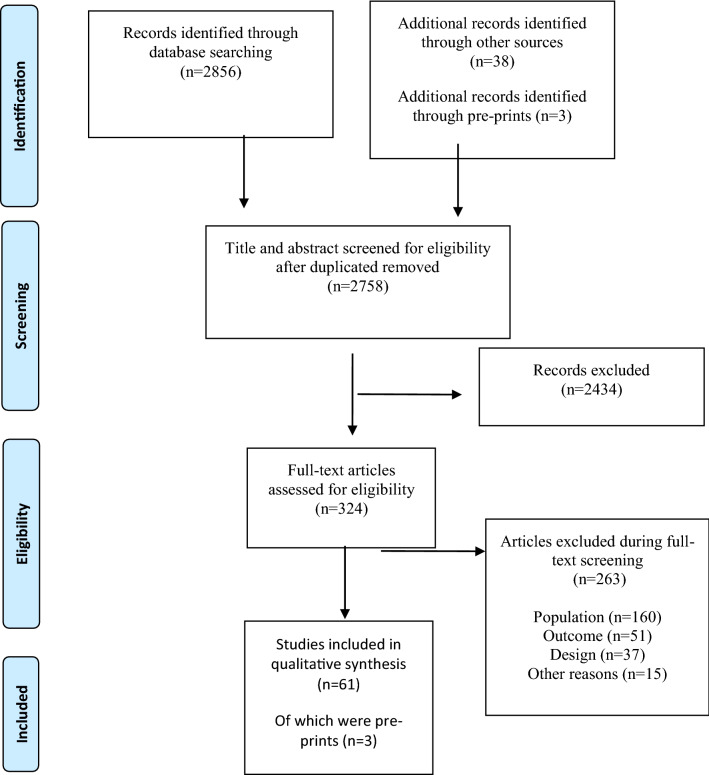
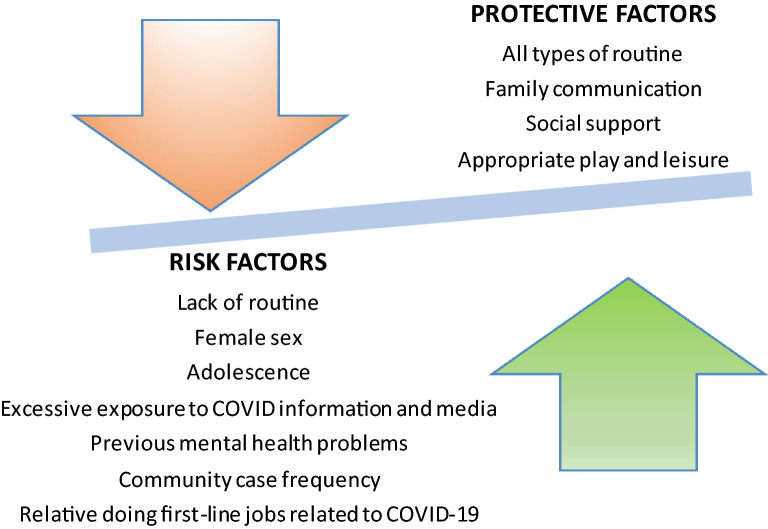
COVID-19 was declared a pandemic in March 2020, resulting in many countries worldwide calling for lockdowns. This study aimed to review the existing literature on the effects of the lockdown measures established as a response to the COVID-19 pandemic on the mental health of children and adolescents. Embase, Ovid, Global Health, PsycINFO, Web of Science, and pre-print databases were searched in this PRISMA-compliant systematic review (PROSPERO: CRD42021225604). We included individual studies reporting on a wide range of mental health outcomes, including risk and protective factors, conducted in children and adolescents (aged ≤ 19 years), exposed to COVID-19 lockdown. Data extraction and quality appraisal were conducted by independent researchers, and results were synthesised by core themes. 61 articles with 54,999 children and adolescents were included (mean age = 11.3 years, 49.7% female). Anxiety symptoms and depression symptoms were common in the included studies and ranged 1.8–49.5% and 2.2–63.8%, respectively. Irritability (range = 16.7–73.2%) and anger (range = 30.0–51.3%), were also frequently reported by children and adolescents. Special needs and the presence of mental disorders before the lockdown, alongside excessive media exposure, were significant risk factors for anxiety. Parent–child communication was protective for anxiety and depression. The COVID-19 lockdown has resulted in psychological distress and highlighted vulnerable groups such as those with previous or current mental health difficulties. Supporting the mental health needs of children and adolescents at risk is key. Clinical guidelines to alleviate the negative effects of COVID-19 lockdown and public health strategies to support this population need to be developed.
Overview
The claims and statistics of this paper haven’t been checked yet.
Free: it reads the open-access text and checks the first 5 claims that cite a source we can check. Create a free account to check every claim.
Integrity signals
Registry
Cites
Statistics
Figures
Verification
Claims the paper makes
The claims and statistics of this paper haven’t been checked yet.
Free: it reads the open-access text and checks the first 5 claims that cite a source we can check. Create a free account to check every claim.
Claims other papers make about this one
Each is checked against this paper’s own text: does it say what the citing paper says it does?
The source backs part of the claim, not all of it — or backs it for a different population, condition or comparison.
In the citing paper
“Overall, the COVID-19 pandemic led to a decrease in children’s and adolescents’ general wellbeing, an increase of mental health problems and psychiatric diagnoses, and a growing demand for (non-specialized and specialized) mental health care.”
From Interventions to build resilience and to ameliorate negative psychosocial effects of the COVID-19 pandemic on children and adolescents: a systematic review and meta-analysis (2024) · cites this paper as [7]
Experimental — accuracy not yet measuredThe source backs part of the claim, not all of it — or backs it for a different population, condition or comparison.
In the citing paper
“Specifically, a rise in depressive symptoms, anxiety, suicidal ideation, loneliness, sleep disturbance, eating disorders, gaming and increased screen time has been reported [4–8].”
From Interventions to build resilience and to ameliorate negative psychosocial effects of the COVID-19 pandemic on children and adolescents: a systematic review and meta-analysis (2024) · cites this paper as [7]
Experimental — accuracy not yet measuredThe source backs part of the claim, not all of it — or backs it for a different population, condition or comparison.
In the citing paper
“A systematic review reported a lockdown-associated increase in anxiety and depressive symptoms in children and adolescents and an increase in sleep disorders; as risk factors, a priori mental illness and high media exposure were identified [16].”
From Effectiveness of Online and Remote Interventions for Mental Health in Children, Adolescents, and Young Adults After the Onset of the COVID-19 Pandemic: Systematic Review and Meta-Analysis (2024) · cites this paper as [16]
Experimental — accuracy not yet measuredThe cited source says what the claim attributes to it.
In the citing paper
“A systematic review reported a lockdown-associated increase in anxiety and depressive symptoms in children and adolescents and an increase in sleep disorders; as risk factors, a priori mental illness and high media exposure were identified [16].”
Self-check
Percentages, sums and reported differences re-computed from the paper’s own numbers.
The self-check needs the paper’s full text.
Citations
Cites
Preferred Reporting Items for Systematic Reviews and Meta-Analyses: the PRISMA statement
Moher, D., Liberati, A., Tetzlaff, J., Altman, D. G., & for the PRISMA Group (2009) · BMJ · doi:10.1136/bmj.b2535 · Cited by 83,823
Preferred reporting items for systematic reviews and meta-analyses: the PRISMA Statement.
(2009) · PubMed Central · Cited by 44,859
The Psychological Impact of Quarantine and How to Reduce It: Rapid Review of the Evidence
Brooks, S. K., Webster, R. K., Smith, L. E., Woodland, L., Wessely, S., Greenberg, N., & Rubin, G. J. (2020) · doi:10.2139/ssrn.3532534 · Cited by 16,394
The psychological impact of quarantine and how to reduce it: Rapid review of the evidence
Brooks, S. K., Webster, R. K., Smith, L. E., Woodland, L., Wessely, S., Greenberg, N., & Rubin, G. J. (2020) · The Lancet · doi:10.1016/s0140-6736(20)30460-8 · Cited by 16,378
WHO Declares COVID-19 a Pandemic.
Cucinotta, D., & Vanelli, M. (2020) · Acta bio-medica dell'Ateneo parmense/Acta biomedica · doi:10.23750/abm.v91i1.9397 · Cited by 7,457
Merikangas, K. R., He, J.-P., Burstein, M., Swanson, S. A., Avenevoli, S., Cui, L., Benjet, C., Georgiades, K., & Swendsen, J. (2010) · Journal of the American Academy of Child & Adolescent Psychiatry · doi:10.1016/j.jaac.2010.05.017 · Cited by 6,278
Impact of COVID-19 pandemic on mental health in the general population: a systematic review
Xiong, J., Lipsitz, O., Nasri, F., Lui, L. M. W., Gill, H., Phan, L., Chen-Li, D., Iacobucci, M., Ho, R., Majeed, A., et al. (2020) · Journal of Affective Disorders · doi:10.1016/j.jad.2020.08.001 · Cited by 5,204
Mental health problems and social media exposure during COVID-19 outbreak
Gao, J., Zheng, P., Jia, Y., Chen, H., Mao, Y., Chen, S., Wang, Y., Fu, H., & Dai, J. (2020) · PLoS ONE · doi:10.1371/journal.pone.0231924 · Cited by 2,830
Mental Health Problems and Social Media Exposure During COVID-19 Outbreak
Gao, J., Zheng, P., Jia, Y., Chen, H., Mao, Y., Chen, S., Wang, Y., Fu, H., & Dai, J. (2020) · SSRN Electronic Journal · doi:10.2139/ssrn.3541120 · Cited by 2,830
Mitigate the effects of home confinement on children during the COVID-19 outbreak
Wang, G., Zhang, Y., Zhao, J., Zhang, J., & Jiang, F. (2020) · The Lancet · doi:10.1016/s0140-6736(20)30547-x · Cited by 2,148
Research works printed but not linked: 1
- Majeed S Ashraf M Psychological impacts of social distancing during COVID-19 pandemic in adolescents of Lahore, Pakistan Ann King Edward Med Univ Lahore Pak 2020 26 165 169
Cited by
Items 101–200 of 998
Li, J., Dou, K., & Liu, Z.-H. (2022) · Child and Adolescent Psychiatry and Mental Health · doi:10.1186/s13034-022-00451-4 · Cited by 24
Tedja, A. M., Shanmugam, M. S., Stathis, S. S., & Middeldorp, C. M. (2022) · Child and Adolescent Mental Health · doi:10.1111/camh.12593 · Cited by 21
“However, the similar increase in ED presentations and recent reviews and meta-analyses indicating higher rates of anxiety, depression, and behavioural problems (Panchal et al., 2021; Racine et al., 2020) suggest that the increase in community CYMHS referrals is partly due to a genuine increase in need.”
Resultvan den Boom, W., Marra, E., van der Vliet, N., Elberse, J., van Dijken, S., van Dijk, M., Euser, S., Derks, M., Leurs, M. T. W., Albers, C. J., et al. (2023) · Public Health Reports · doi:10.1177/00333549231176000 · Cited by 23
Lorthe, E., Richard, V., Dumont, R., Loizeau, A., Perez‐Saez, J., Baysson, H., Zaballa, M.-E., Lamour, J., Pullen, N., Schrempft, S., et al. (2023) · SSM - Population Health · doi:10.1016/j.ssmph.2023.101472 · Cited by 26
“Gender-dependent variations in mental health emerge over time (Martel, 2013; Panchal et al., 2021), in particular during adolescence due to rapid biological and social changes.”
BackgroundSmith, C., Sorsdahl, K. R., & van der Westhuizen, C. (2024) · Comprehensive Psychiatry · doi:10.1016/j.comppsych.2024.152476 · Cited by 28
Nazzari, S., Pili, M. P., Günay, Y., & Provenzi, L. (2024) · Neuroscience & Biobehavioral Reviews · doi:10.1016/j.neubiorev.2024.105723 · Cited by 25
“Accumulating evidence indicates that the onset of the COVID-19 pandemic has contributed to a surge in mental health issues across various age groups, including children, adolescents, and adults (e.g., Frigerio et al., 2022; Panchal et al., 2023; Vindegaard and Benros, 2020).”
COVID-19 Pandemic Quarantines and Mental Health Among Adolescents in Norway
Pettersen, J. H., Hannigan, L. J., Gustavson, K., Lund, I. O., Pearson, R. M., Jensen, P., Nesvåg, R., Brandlistuen, R. E., & Ask, H. (2024) · JAMA Network Open · doi:10.1001/jamanetworkopen.2024.22189 · Cited by 22
Global Research Trends in Pediatric COVID-19: A Bibliometric Analysis
Hu, S., Wang, X., Ma, Y., & Cheng, H. (2022) · Frontiers in Public Health · doi:10.3389/fpubh.2022.798005 · Cited by 20
Shah, I., Doshi, C., Patel, M. M., Tanwar, S., Hong, W., & Sharma, R. (2022) · Medicina · doi:10.3390/medicina58020311 · Cited by 22
“The lack of communication leads to alleviation in anxiety, stress, loneliness, fear, and psychological disturbances, which indirectly lead to physical health deterioration [31].”
BackgroundAge-Related Differences in Psychological Distress during the COVID-19 Pandemic
Rega, A., Nappo, R., Simeoli, R., & Cerasuolo, M. (2022) · International Journal of Environmental Research and Public Health · doi:10.3390/ijerph19095532 · Cited by 23
“In a recent review [20] confirming the high prevalence of psychological distress in children and adolescents, the authors highlighted some sociodemographic risk factors that seem to exacerbate the negative effects of the COVID-19 pandemic on mental health in youth.”
BackgroundKuhlman, K. R., Antici, E. E., Tan, E. N., Tran, M.-L. M., Rodgers, E. L., & Restrepo, N. (2023) · Research on Child and Adolescent Psychopathology · doi:10.1007/s10802-022-01019-8 · Cited by 22
Meyer, D., Sumner, P. J., Tan, E. J., Neill, E., Hielscher, E., Blake, J. A., Scott, J. G., Phillipou, A., Toh, W. L., Rheenen, T. E. V., et al. (2023) · Psychiatry Research · doi:10.1016/j.psychres.2023.115121 · Cited by 19
Warschburger, P., Kamrath, C., Lanzinger, S., Sengler, C., Wiegand, S., Göldel, J. M., Blüher, S., Holl, R. W., & Minden, K. (2023) · BMC Pediatrics · doi:10.1186/s12887-023-03912-7 · Cited by 18
“There is increasing empirical evidence underpinning the negative effects of the pandemic and the associated containment measures on the psychosocial well-being of children [33, 34, 46] and their parents [38, 39] in the general population.”
BackgroundShoychet, G., Kimber, M., Weiss, J. A., Honest, O., & Prime, H. (2023) · Development and Psychopathology · doi:10.1017/s0954579423000767 · Cited by 24
“Many children have experienced heightened mental health problems since the onset of the pandemic (Glynn et al., 2021; Panchal et al., 2021).”
Morgül, E., Kallitsoglou, A., Essau, C. A., & Castro, S. (2022) · Frontiers in Education · doi:10.3389/feduc.2022.838938 · Cited by 22
Mental Health during COVID-19 Pandemic: Qualitative Perceptions among Lithuanian Adolescents
Lukoševičiūtė, J., & Šmigelskas, K. (2022) · International Journal of Environmental Research and Public Health · doi:10.3390/ijerph19127086 · Cited by 20
“[10] revealed risk and protective factors for adolescents’ poor mental health.”
BackgroundGenerational Shifts in Adolescent Mental Health: A Longitudinal Time-Lag Study
Borg, M. E., Heffer, T., & Willoughby, T. (2024) · Journal of Youth and Adolescence · doi:10.1007/s10964-024-02095-3 · Cited by 28
“…are uniquely facing a “ mental health crisis ” (Abbasi, 2023; Aftab & Druss, 2023; American Academy of Pediatrics, 2021; Benton et al., 2021; Duffy et al., 2019; Madigan et al., 2023; Panchal et al., 2023; Racine, Hetherington, et al., 2021; Racine, McArthur, et al., 2021; Shoshani & Kor, 2022).”
Kim, H., Lee, Y. J., & Jung, S. J. (2023) · Journal of Adolescent Health · doi:10.1016/j.jadohealth.2023.02.014 · Cited by 19
“A systematic review of 45 cross-sectional and 16 longitudinal studies conducted around the world including China, the Netherlands, the United States, and Australia concluded that children and adolescents suffered from anxiety, depression, and suicidal ideation during the COVID-19 pandemic [14].”
BackgroundAdolescent coping and social media use moderated anxiety change during the COVID‐19 pandemic
Myruski, S., Pérez‐Edgar, K. E., & Buss, K. A. (2023) · Journal of Adolescence · doi:10.1002/jad.12267 · Cited by 27
González‐Marín, A., & Garrido‐Cumbrera, M. (2024) · Landscape Ecology · doi:10.1007/s10980-024-01833-z · Cited by 19
McGuine, T. A., Biese, K. M., Hetzel, S., Schwarz, A., Reardon, C. L., Bell, D. R., Brooks, A., Dickman, J., & Watson, A. M. (2022) · Journal of Athletic Training · doi:10.4085/1062-6050-0679.21 · Cited by 18
Werling, A. M., Walitza, S., Eliez, S., & Drechsler, R. (2022) · Journal of Neural Transmission · doi:10.1007/s00702-022-02512-6 · Cited by 21
“According to a systematic review on the impact of the pandemic on child and adolescent mental health based on 61 articles (Panchal et al. 2021), anxiety symptoms and depression were among the most frequently reported symptoms, followed by irritability and anger.”
BackgroundResultDror, C., Hertz‐Palmor, N., Barzilai, Y., Saker, T., Kritchmann-Lupo, M., & Bloch, Y. (2022) · International Journal of Environmental Research and Public Health · doi:10.3390/ijerph19158924 · Cited by 20
“One way to make mental healthcare more accessible is telemedicine, which is cheap and available even within the limited resources of public pediatric care and is costeffective [14].”
BackgroundResultInfluentialRubio, I. M., Sánchez-López, P., Ángel, N. G., & Ruíz, N. F. O. (2022) · International Journal of Environmental Research and Public Health · doi:10.3390/ijerph192114171 · Cited by 21
“To prevent suicidal thoughts and behaviors, family and community support, being connected and having access to virtual or face-to-face therapy are essential to counteract suicidal thoughts and behaviors, especially during a crisis such as the COVID-19 pandemic [22,28].”
BackgroundTao, W., Wu, Y., Li, W., & Liu, F. (2022) · Buildings · doi:10.3390/buildings12111873 · Cited by 20
Rachamin, Y., Jäger, L., Schweighoffer, R., Signorell, A., Bähler, C., Huber, C. A., Blozik, E., Seifritz, E., Grischott, T., & Senn, O. (2023) · International Journal of Public Health · doi:10.3389/ijph.2023.1605839 · Cited by 20
Drug self-poisoning in adolescents: A report of 267 cases
Roversi, M., Martini, M., Musolino, A., Pisani, M., Zampini, G., Genuini, L., Bottari, G., Nardo, M. D., Stoppa, F., & Marano, M. (2023) · Toxicology Reports · doi:10.1016/j.toxrep.2023.05.012 · Cited by 22
Anxiety and COVID-19 Anxiety in Positive Youth Development: A Latent Profile Analysis Study
Pivec, T., & Kozina, A. (2023) · Journal of Youth and Adolescence · doi:10.1007/s10964-023-01829-z · Cited by 24
The Predictive Effect of Depression on Self-Injury: Positive Youth Development as a Moderator
Zhu, X., & Shek, D. T. L. (2023) · Applied Research in Quality of Life · doi:10.1007/s11482-023-10211-x · Cited by 20
“…and its related precautionary measures (e.g., school lockdown and sudden shift to online learning) after the first wave of data collection may exert negative influences on students’ mental health status, which has been documented in different studies (Duan et al., 2020; Panchal et al., 2023).”
Roman‐Juan, J., Jensen, M. P., & Miró, J. (2023) · Journal of Pain · doi:10.1016/j.jpain.2023.09.004 · Cited by 20
Tao, S., Reichert, F., Law, N. W. Y., & Rao, N. (2023) · Cyberpsychology Behavior and Social Networking · doi:10.1089/cyber.2023.0048 · Cited by 25
“Although many studies have reported fluctuations in adolescents’ mental health during the pandemic, 24–26 researchers have not examined the robustness of the pathway from digital technology use to mental health through IA and DC in two dramatically different situations – before and during the…”
Baetens, I., Hove, L. V., Azadfar, Z., Heel, M. V., & Soyez, V. (2024) · Journal of Clinical Medicine · doi:10.3390/jcm13071852 · Cited by 31
“Furthermore, some researchers suggest that psychological symptoms, such as depressive and anxiety symptoms, have increased in adolescents compared to pre-pandemic estimates [3–5].”
BackgroundResultBeckstein, A. S., Chollier, M., Kaur, S., & Ghimire, A. R. (2022) · SAGE Open · doi:10.1177/21582440221100455 · Cited by 22
“, fear, guilt, loss of control, and boredom) and the presence of mood, sleep, anxiety, and post-traumatic stress disorders (Chiesa et al., 2021; Hossain et al., 2020; Panchal et al., 2021; Reynolds et al., 2008).”
BackgroundBraksiek, M., Lindemann, U., & Pahmeier, I. (2022) · International Journal of Environmental Research and Public Health · doi:10.3390/ijerph19148274 · Cited by 21
“The items were chosen to ensure comparability with data from the representative MoMo data pre- and during COVID-19 [24,34].”
BackgroundResultInfluentialOrhon, F. Ş., Ergin, A., Topçu, S., Çolak, B., Almış, H., Durmaz, N., Aygün, B., Boran, P., Bag, O. I., Ayçiçek, T., et al. (2022) · Child and Adolescent Mental Health · doi:10.1111/camh.12626 · Cited by 28
Paschke, K., Napp, A.-K., & Thomasius, R. (2023) · Journal of Clinical Medicine · doi:10.3390/jcm12031010 · Cited by 17
“It must be noted that most of the latter prevalence rates were not only based on parental ratings and the COVID-19 pandemic had an impact on adolescent mental health in general with increased stress, anxiety, and depression [91,92].”
BackgroundRodríguez-Rivas, M. E., Alfaro, J., Benavente, M., Varela, J. J., Melipillán, R., & Reyes, F. (2023) · Heliyon · doi:10.1016/j.heliyon.2023.e15001 · Cited by 16
Lee, Y., Blebea, J. S., Janssen, F., & Domoff, S. E. (2023) · Human Behavior and Emerging Technologies · doi:10.1155/2023/3277040 · Cited by 30
“COVID-19 has had far-reaching impacts on all levels of society including in the lives of youth when many turned to a digital world to remain connected during lockdowns [1].”
BackgroundYin, Z., Guo, W., & Wang, Y. (2023) · Psychology Research and Behavior Management · doi:10.2147/prbm.s438998 · Cited by 18
Journault, A., Beaumont, E., & LUPIEN, S. J. (2022) · Stress and Health · doi:10.1002/smi.3183 · Cited by 23
“Although the analyses were adjusted for this age difference, a systematic review found younger youth to be less impacted by the mandatory decrease of social interactions during the onset of the pandemic compared to adolescents (Panchal et al., 2021).”
Joys or Sorrows of Parenting During the COVID-19 Lockdown: A Scoping Review
Fadda, M., Melotto, M., Zufferey, M. C., Puhan, M. A., Frei, A. L., Albanese, E., & Camerini, A.-L. (2023) · Public health reviews · doi:10.3389/phrs.2022.1605263 · Cited by 19
Schröder, D., Müller, F., Heesen, G., Hummers, E., Dopfer-Jablonka, A., Vahldiek, K., Klawonn, F., Steffens, S., Mikuteit, M., Niewolik, J., et al. (2023) · PLoS ONE · doi:10.1371/journal.pone.0286014 · Cited by 12
Klanšček, H. J., & Furman, L. (2023) · International Journal of Environmental Research and Public Health · doi:10.3390/ijerph20136233 · Cited by 26
“In addition, the pandemic caused economic hardship for many families, which may disproportionately affect adolescents’ health [15], mental well-being [6,16,17], relationships [18], and health behaviours [19].”
BackgroundPanchal, U. R., Vaquerizo‐Serrano, J., Conde-Ghigliazza, I., Genç, H. A., Marchini, S., Pociūtė, K., Ocakoğlu, B. K., Sanchez-Roman, S., Őri, D., Catalán, A., et al. (2023) · The European Journal of Psychiatry · doi:10.1016/j.ejpsy.2023.06.003 · Cited by 24
“59 Children seem to cope better with shorter lock-downs 64 and face more mental health dif fi culties with longer lockdowns, 65,66 showing further that resilience in children may have a limit.”
BackgroundSelf-citationDessain, A., Parlatini, V., Singh, A., Bruin, M. D., Cortese, S., Sonuga-Barke, E. J. S., & Vaquerizo‐Serrano, J. (2023) · Neuroscience & Biobehavioral Reviews · doi:10.1016/j.neubiorev.2023.105502 · Cited by 15
“Further, not everyone was affected equally (Panchal et al., 2023; Newlove-Delgado et al., 2023).”
BackgroundCOVID-19 pandemic impact on adolescent mental health: a reassessment accounting for development
Wright, N., Hill, J., Sharp, H. M., Refberg-Brown, M., Crook, D., Kehl, S., & Pickles, A. R. (2024) · European Child & Adolescent Psychiatry · doi:10.1007/s00787-023-02337-y · Cited by 26
Koch-Institut, R. (2024) · PubMed Central · doi:10.25646/11868 · Cited by 21
Ao, L., Cheng, X., An, D., An, Y., & Yuan, G. F. (2024) · Journal of Youth and Adolescence · doi:10.1007/s10964-024-02083-7 · Cited by 24
“In a systematic review of 61 publications surveying psychiatric symptoms, 49.5% of children and adolescents reported anxiety symptoms in the early phase of the pandemic (Panchal et al., 2021).”
InfluentialMateo‐Orcajada, A., Abenza‐Cano, L., Cano-Martínez, A., & Vaquero‐Cristóbal, R. (2022) · Children · doi:10.3390/children9121926 · Cited by 17
“It greatly affected the psychological state of adolescents [37,38], more noticeably and with greater risk for females [39].”
BackgroundKölch, M. G., Reis, O., Ulbrich, L., & Schepker, R. (2023) · Zeitschrift für Kinder- und Jugendpsychiatrie und Psychotherapie · doi:10.1024/1422-4917/a000935 · Cited by 14
Factors Associated With Depression and Anxiety in Korean Adolescents During the COVID-19 Pandemic
Kim, H., Jhon, M., Kim, J., Kang, H., Ryu, S., Kim, J., Lee, J. Y., & Kim, S. (2022) · Psychiatry Investigation · doi:10.30773/pi.2021.0365 · Cited by 18
Factors Associated With Symptoms of Anxiety and Depression in Children Who Stutter
Bernard, R., & Norbury, C. (2023) · Language Speech and Hearing Services in Schools · doi:10.1044/2022_lshss-22-00086 · Cited by 19
Lee, S. S. M., Keng, S., & Hong, R. Y. S. (2023) · Development and Psychopathology · doi:10.1017/s0954579423001116 · Cited by 16
Shoshani, A., Kor, A., & Bar, S. (2024) · European Child & Adolescent Psychiatry · doi:10.1007/s00787-024-02454-2 · Cited by 25
“These find - ings are consistent with previous research indicating an increase in the negative effects of social media as children enter adolescence [57], and a more pronounced impact on media use, providing them with strategies to manage their online time and activities, and encouraging them to…”
Cosma, A. P., Martin, G., de Looze, M. E., Walsh, S. D., Paakkari, L. T., Bilz, L., Gobiņa, I., Page, N., Hulbert, S., Inchley, J., et al. (2024) · Journal of Adolescent Health · doi:10.1016/j.jadohealth.2024.09.028 · Cited by 20
“Studies from different regions of the world conducted at various time points during the COVID-19 pandemic have already provided evidence of an increase in mental health problems among adolescents during the period of the pandemic [1,25,44].”
Matiz, A., Fabbro, F., Paschetto, A., Urgesi, C., Ciucci, E., Baroncelli, A., & Crescentini, C. (2022) · Frontiers in Psychiatry · doi:10.3389/fpsyt.2021.803270 · Cited by 16
“Results of a confirmatory factor analysis using diagonally weighted least squares method on data of our study [χ2(14) = 32.”
MethodIhara, B. P., Lindoso, L., Setoue, D. N. D., Tanigava, N. Y., Helito, A. C., Simon, J. R., Viana, V. S. L., Strabelli, C. A. A., Pedroso, C. A. A., Sieczkowska, S. M., et al. (2022) · Clinical Rheumatology · doi:10.1007/s10067-022-06234-8 · Cited by 14
“Furthermore, a recent systematic review showed that 20% of children and 55% of adolescents reported sleep difficulty, and an increased proportion of sleep disturbances during the lockdown [35].”
BackgroundFürstová, J., Kaščáková, N., Sigmundová, D., Žídková, R., Tavel, P., & Baďura, P. (2022) · Frontiers in Psychology · doi:10.3389/fpsyg.2022.964313 · Cited by 18
“During the lockdown, adolescents were exposed to chronic stress conditions, such as forced isolation from peers due to school closures, social distancing, restrictions in leisure-time activities, loss of a sense of security and safety, and fears about the future (Gruber et al., 2021; Panchal et al., 2021).”
BackgroundResultInfluentialSideropoulos, V., Sokhn, N., Palikara, O., Herwegen, J. V., & Samson, A. C. (2023) · Scientific Reports · doi:10.1038/s41598-023-35176-7 · Cited by 19
Adolescence, Interrupted: A narrative review of the impact of Covid-19 on adolescent wellbeing
Oakley, E. M., Vintges, J., Hamad, B. A. A., Mitu, K., Seager, J. E., Yadete, W., Jones, N., & Baird, S. (2024) · World Development · doi:10.1016/j.worlddev.2024.106786 · Cited by 18
Alonso, R. A., Walsh, K., van Leent, L., & Moran, C. (2023) · Sex Education · doi:10.1080/14681811.2023.2167816 · Cited by 18
“Preventive measures for COVID-19 have altered students’ lives and health (Panchal et al. 2021) changing how students may choose to live their relationships and sexualities.”
BackgroundLeigh, J. P., Moss, S. J., Sriskandarajah, C., McArthur, E., Ahmed, S. B., Birnie, K. A., Halperin, B. A., Halperin, S. A., Harley, M., Hu, J., et al. (2023) · Scientific Reports · doi:10.1038/s41598-023-34544-7 · Cited by 14
Finch, J., Waters, A. M., & Farrell, L. J. (2023) · Child Psychiatry & Human Development · doi:10.1007/s10578-023-01568-z · Cited by 22
“Considering the social, emotional and learning outcomes for youths during the COVID-19 pandemic [e.g., 23, 4 , 24 , 12 ], understanding the impact of the pandemic on mental health symptoms and SWB in adolescent students is an important avenue of inquiry.”
Iannattone, S., Mignemi, G., Pivetta, E., Gatta, M., Sica, C., Cardi, V., Canale, N., Spoto, A., & Bottesi, G. (2024) · PLoS ONE · doi:10.1371/journal.pone.0299229 · Cited by 18
Lozano-Sánchez, A., Aragonès, E., López‐Jiménez, T., Bennett, M., Evangelidou, S., Francisco, E., Garcia, M., Malgosa, E., Codern‐Bové, N., Guzmán-Molina, C., et al. (2024) · Child and Adolescent Psychiatry and Mental Health · doi:10.1186/s13034-024-00849-2 · Cited by 18
“…studies do not cover the timeframe that includes the impact of the COVID-19 pandemic on mental health, which is anticipated to have intensified the negative effects of socioeconomic determinants on mental health, leading to increased emotional distress and a rise in psychiatric symptoms [16, 17].”
Mardini, M., Khalil, G. E., Bai, C., DivaKaran, A. M., & Ray, J. M. (2024) · JMIR Mental Health · doi:10.2196/66665 · Cited by 25
Capturing Teens’ Voice in Designing Supportive Agents
Lopatovska, I., Turpin, O., Davis, J., Connell, E. G., Denney, C., Fournier, H., Ravi, A., Yoon, J. H., & Parasnis, E. (2022) · ACM Conference on Conversational User Interfaces (CUI) · doi:10.1145/3543829.3543838 · Cited by 18
“Multiple studies have also found an increase in feelings of boredom among adolescents since the impositions of lockdowns around the world due to the covid-19 pandemic [30, 48, 61, 71, 87], which is again, similar to our findings.”
ResultSammut, D., Cook, G., Taylor, J. S., Harrold, T., Appleton, J. V., & Bekaert, S. (2022) · International Journal of Environmental Research and Public Health · doi:10.3390/ijerph20010481 · Cited by 14
Sleep as a protective factor of children’s executive functions: A study during COVID-19 confinement
Beaugrand, M., Mühlematter, C., Markovic, A., Camos, V., & Kurth, S. (2023) · PLoS ONE · doi:10.1371/journal.pone.0279034 · Cited by 16
“This strategy dramatically altered daily routines and had a negative impact on mental health, such that the prevalence of depression and anxiety in some countries nearly doubled [4].”
BackgroundGracia-Liso, R., Portella, M. J., Puntí, J., Pujals, E., Ortega, J. T., Llorens, M., Pàmias, M., Fradera, M., Montalvo, I., & Palao, D. J. (2023) · International Journal of Environmental Research and Public Health · doi:10.3390/ijerph20042952 · Cited by 13
“This change in diagnoses could be linked to the increase in anxious and depressive symptoms in the adolescent population described in other studies on the pandemic [37,38].”
ResultDemographic and spatial variables associated with spending time in nature during COVID-19 lockdowns
van Eeden, L. M., Francis, L., Squires, Z. E., Hames, F., Bekessy, S. A., Smith, L. D. G., & Hatty, M. A. (2023) · Urban forestry & urban greening · doi:10.1016/j.ufug.2023.127895 · Cited by 15
von Wirth, E., Meininger, L., Adam, J., Woitecki, K., Treier, A., & Döpfner, M. (2023) · Journal of Telemedicine and Telecare · doi:10.1177/1357633x231157103 · Cited by 12
“Especially those with previous mental health problems were found to be highly vulnerable to experiencing psychological distress and worsening of symptoms during the pandemic.(3) (1)School of Child and Adolescent Cognitive Behavior Therapy (AKiP), Faculty of Medicine and University Hospital Cologne, University of Colog…”
Ciber-rumor y síntomas internalizantes en la adolescencia: efecto mediador de la resiliencia
Bravo, A., Alcaide, F. C., Ruiz, R. O., & Romera, E. M. (2022) · Psychology Society & Education · doi:10.21071/psye.v14i1.14168 · Cited by 17
“Estudios transversales y longitudinales realizados durante el periodo de confinamiento han encontrado un aumento en los niveles de depresión, ansiedad y estrés entre los adolescentes, siendo mayores para las chicas (Magson et al., 2021; Panchal et al., 2021; Tamarit et al., 2020).”
BackgroundTian, H. M., Zhou, Y., Chang, X. L., & Wang, Y. F. (2025) · BMC Psychology · doi:10.1186/s40359-025-03541-y · Cited by 16
Mental health in digital microsystems across three Asian Reddit communities
achuthan, K., Khobragade, S., Kowalski, R. M., & Raman, R. (2026) · Scientific Reports · doi:10.1038/s41598-025-30760-5 · Cited by 13
Effects of school environment on depression among Black and White adolescents
Choi, M. J., Hong, J. S., Travis, R., & Kim, J. (2022) · Journal of Community Psychology · doi:10.1002/jcop.22969 · Cited by 15
Kang, A., Hetrick, S. E., Cargo, T., Hopkins, S. A., Ludin, N. M., Bodmer, S., Stevenson, K., Holt‐Quick, C., & Stasiak, K. (2023) · JMIR Formative Research · doi:10.2196/44556 · Cited by 17
“Social isolation, misinformation, and the unpredictability and seriousness of the virus increased stress and mental health difficulties among the general population [1,2].”
BackgroundPhysical activity and life satisfaction among adolescents before and during the COVID-19 pandemic
Chmelík, F., Frömel, K., Groffik, D., & Mitáš, J. (2023) · Acta Psychologica · doi:10.1016/j.actpsy.2023.104081 · Cited by 21
Building a Sense of Belonging in Dance with Adolescents: A Systematic Review
Sango, P. N., & Pickard, A. (2024) · Adolescents · doi:10.3390/adolescents4030024 · Cited by 18
“…in the UK) could be attributed to various factors such as the recognition and increased awareness of mental health conditions in children and young people (e.g., [13]) as well as the social and psychological impacts of the COVID-19 pandemic [14,15]; however, the prevalence keeps increasing [16,17].”
BackgroundSiddik, M. A. B., Pervin, I., Syfullah, M. K., Ali, A., Mahmud, A., Hasan, M., Hussen, S. M., Manjur, M., Ahmed, Z., & Rahman, M. M. (2024) · Health Science Reports · doi:10.1002/hsr2.2272 · Cited by 17
Kang, S., Jeong, Y., Park, E. H., & Hwang, S.-S. (2022) · Journal of Preventive Medicine and Public Health · doi:10.3961/jpmph.22.241 · Cited by 14
“Positive family relationships have been found to be a protective factor against these negative impacts [13,14], and conflict with parents was found to be a risk factor [15].”
BackgroundThe impact of the COVID-19 pandemic on psychiatric emergency consultations in adolescents
So, P., Wierdsma, A. I., Mulder, C. L., & Vermeiren, R. R. J. M. (2023) · BMC Psychology · doi:10.1186/s40359-023-01085-7 · Cited by 12
“Some studies found no changes in externalizing problems [30, 31] or substance abuse [32], others found pre-existing ADHD symptoms to worsen during the lockdown [33].”
BackgroundMontreuil, M., Camden, C., Genest, C., Gilbert, E., Laberge‐Perrault, E., Piché, G., Rassy, J., Bogossian, A., Gendron‐Cloutier, L., & Barbo, G. (2023) · Journal of Child Health Care · doi:10.1177/13674935231165554 · Cited by 34
“While different reviews have been published studying the impact of the COVID-19 pandemic on C&A mental health (e.g., Elharake et al., 2022; Hossain et al., 2022; Panchal et al., 2021), none have focused principally on vulnerability factors in C&A.”
The Human Superorganism: Using Microbes for Freedom vs. Fear
Dietert, R. R., & Dietert, J. M. (2023) · Applied Microbiology · doi:10.3390/applmicrobiol3030061 · Cited by 14
Repo, J., Herkama, S., Yanagida, T., & Salmivalli, C. (2023) · European Journal of Developmental Psychology · doi:10.1080/17405629.2022.2122434 · Cited by 11
“Firstly, we found an expected yet a small mean-level increase in anxiety symptoms, which was expected and in line with recent meta-analyses among adolescents (Panchal et al., 2021; Racine et al., 2021).”
BackgroundResultA Mixed Method Investigation of Parent-Adolescent Communication About Mental Health
Wecht, S., Hendrixson, M., & Radović, A. (2024) · Journal of Adolescent Health · doi:10.1016/j.jadohealth.2024.07.012 · Cited by 11
“…’ level of communication with their parents about mental health, as previous studies have shown an increase in depression and anxiety symptoms among adolescents during the pandemic when compared to before the pandemic, with parent-adolescent communication acting as a protective factor [40].”
Zhang, Y., & Sun, Q. (2023) · Psychology Research and Behavior Management · doi:10.2147/prbm.s407430 · Cited by 11
“Moreover, a number of studies conducted during the COVID-19 period reported that people who were in lockdown exhibited more negative mental symptoms, such as depressed mood, insomnia, anxiety, and depression.(35,36) In summary, we hypothesize that the COVID-19 lockdown may have a moderating effect on the path of inter…”
BackgroundPredescu, E., Calugar, I., Bibu-Monus, C., & Șipoș, R. (2023) · Children · doi:10.3390/children10050790 · Cited by 16
“Multiple pandemic-related risk factors were identified, such as social isolation and trouble adjusting to online learning, excessive media exposure [14,15], and increased family conflicts and violence [15,16].”
BackgroundGagliano, A., Costanza, C., Bazzoni, M., Falcioni, L., Rizzi, M. M., Abbate, C. S., Vetri, L., Roccella, M., Guglielmi, M., Livio, F., et al. (2023) · Healthcare · doi:10.3390/healthcare11121695 · Cited by 24
“Currently, between 30 and 40 per cent of the school-age population suffer from a psychiatric condition [4,5].”
BackgroundWu, W., Lee, M., & Chang, Y. (2023) · Children and Youth Services Review · doi:10.1016/j.childyouth.2023.107212 · Cited by 12
Oh, Y., Baek, J. H., & Joung, Y. (2023) · Journal of Korean Medical Science · doi:10.3346/jkms.2023.38.e411 · Cited by 16
“7 Despite increasing clinical concerns about excessive media use, there are very few studies on the causal relationship between media exposure and long-term executive function changes.”
BackgroundAntoniou, T., PAJER, K. A., Gardner, W. P., Penner, M., Lunsky, Y., Tadrous, M., Mamdani, M., Gozdyra, P., Juurlink, D. N., & Gomes, T. (2023) · Frontiers in Pediatrics · doi:10.3389/fped.2023.1282845 · Cited by 14
“Similar fi ndings were observed in other systematic reviews comprising predominantly cross-sectional studies (5 – 7).”
ResultLazzarino, A. I., Salkind, J., Amati, F., Robinson, T., Gnani, S., Nicholls, D., & Hargreaves, D. S. (2023) · Journal of Epidemiology & Community Health · doi:10.1136/jech-2023-221223 · Cited by 10
Mobile applications in adolescent psychotherapy during the COVID-19 pandemic: a systematic review
Wüllner, S., Hermenau, K., Krutkova, M., Petras, I.-K., Hecker, T., & Siniatchkin, M. (2024) · Frontiers in Public Health · doi:10.3389/fpubh.2024.1345808 · Cited by 12
Teachers as School Mental Health Professionals and their Daily Practices
Andrade, R. M. R., Zurita, S. A., & Bravo, G. P. (2024) · School Mental Health · doi:10.1007/s12310-024-09664-8 · Cited by 19
“The effects varied, depending on individual school systems and broader ecological circumstances (Panchal et al., 2023).”
Fadlallah, R., El‐Jardali, F., Bou-Karroum, L., Kalach, N., Hoteit, R., Aoun, A., Al‐Hakim, L., Verdugo‐Paiva, F., Rada, G., Fretheim, A., et al. (2024) · Cochrane Evidence Synthesis and Methods · doi:10.1002/cesm.12055 · Cited by 18
“They may also be associated with children experiencing negative emotional symptoms (irritability, inattention, anxiety, depression, fear, boredom) as well as poor sleep (five critically low ‐ confidence reviews) [56, 97, 100 – 102].”
Ching, B. C. F., Downs, J. M., Zhang, S., Cader, H., Penhallow, J., Voraite, E., Popnikolova, T., Wickersham, A., Parlatini, V., & Simonoff, E. A. (2025) · Journal of Child Psychology and Psychiatry · doi:10.1111/jcpp.14117 · Cited by 18
Liu, J., & Wachsmann‐Hogiu, S. (2022) · Biosensors · doi:10.3390/bios12090678 · Cited by 11
“Inevitably, these measure affected people in many ways with regards to quality of life [2], mental health [3], economic situation, and other unintended consequences [4].”
BackgroundMucci, M., Lenzi, F., D’Acunto, G., Gazzillo, M., Accorinti, I., Boldrini, S., Distefano, G., Falcone, F., Fossati, B., Annina, R. G., et al. (2022) · Children · doi:10.3390/children9121921 · Cited by 15
“Not surprisingly, in these studies, individuals with eating disorders reported increased social isolation, rumination about eating, feelings of anxiety and depression, and decreased feelings of control and social support during the COVID-19 pandemic [4,34].”
BackgroundInfluentialCochran, G., Cohen, Z. P., Paulus, M. P., Tsuchiyagaito, A., & Kirlić, N. (2023) · Frontiers in Psychiatry · doi:10.3389/fpsyt.2023.1137842 · Cited by 11
“The DERS measures difficulties in emotion regulations in six domains: (1) nonacceptance of emotional responses reflects a tendency to have a non-accepting reaction to one’s own distress; (2) difficulty engaging in goal-directed behavior reflects difficulty in concentrating or accomplishing tasks when experiencing nega…”
Background
Metadata
- Authors
- Panchal, U., Salazar de Pablo, G., Franco, M., Moreno, C., Parellada, M., Arango, C., & Fusar-Poli, P.
- Affiliations
- Universidad Autónoma de Madrid (ES)
- Hospital General Universitario Gregorio Marañón (ES)
- ORCID
- Venue
- European Child & Adolescent Psychiatry
- Published
- 2021-08-18
- Volume
- 32
- Issue
- 7
- Pages
- 1151-1177
- ISSN
- 1018-8827 (ISSN-L)
- 1435-165X
- PMC
- PMC8371430
- OpenAlex
- W3188471381
- Cited by
- 1,028
- References
- 121
- Citations by year
- 2026: 100 · 2025: 204 · 2024: 290 · 2023: 257 · 2022: 165 · 2021: 11
- FWCI
- 24.00
- Type
- journal article
- Language
- en
- Open access
- hybrid
- doi.org
- Licence
- cc-by
- creativecommons.org/licenses/by/4.0 (tdm)
- creativecommons.org/licenses/by/4.0 (vor)
- Locations
- European Child & Adolescent Psychiatry (publishedVersion, cc-by)
- PubMed Central (publishedVersion, cc-by)
- PubMed (publishedVersion)
- Funders
- Fundación Alicia Koplowitz
- Topics
- Social Sciences › Psychology › Clinical Psychology › COVID-19 and Mental Health
- Social Sciences › Psychology › Clinical Psychology › Child and Adolescent Psychosocial and Emotional Development
- Health Sciences › Medicine › Public Health, Environmental and Occupational Health › Maternal Mental Health During Pregnancy and Postpartum
- Keywords
- COVID-19 lockdown, child mental health, adolescent mental health, anxiety symptoms, depressive symptoms, irritability, anger, risk factors, protective factors, special needs, pre-existing mental disorders, media exposure, parent-child communication, psychological distress
- MeSH terms
- COVID-19, SARS-CoV-2, Adolescent, Anxiety, Child, Communicable Disease Control, Depression, Female, Humans, Male, Mental Health, Pandemics
About these checks
Registry, retraction, Cites and statistics results are computed, not judged, with one exception: a printed reference that no index lists is read once by a model before it counts as a citation error. Claims are extracted by a model and kept only when their quote appears verbatim in the text; each cited source is then checked, with a model’s help, for whether it says what the claim relies on. Those verdicts can be wrong — read the claim’s quote and the cited source before relying on one.
Statistics and arithmetic are recomputed, not judged.
Confidence bands are shown only for fields calibrated on our annotated test set. None is calibrated yet, so no band is shown.
What counts as a claim ›How we measure confidence ›How we check this ›
Are you an author, or do you see a problem with this page? Request a review
Data sources
Bibliographic data: Semantic Scholar, OpenAlex, Crossref.
Contains information from the Semantic Scholar Academic Graph Datasets, made available under the ODC Attribution License (ODC-BY 1.0).
Semantic Scholar’s data is described in: Kinney, R., et al. (2023). The Semantic Scholar Open Data Platform. arXiv:2301.10140.
