

The impact of COVID-19 lockdown on child and adolescent mental health: systematic review
Open accessThe DOI matches its Crossref record; 128 of the 128 references it cites were found in a registry or an index.
Abstract
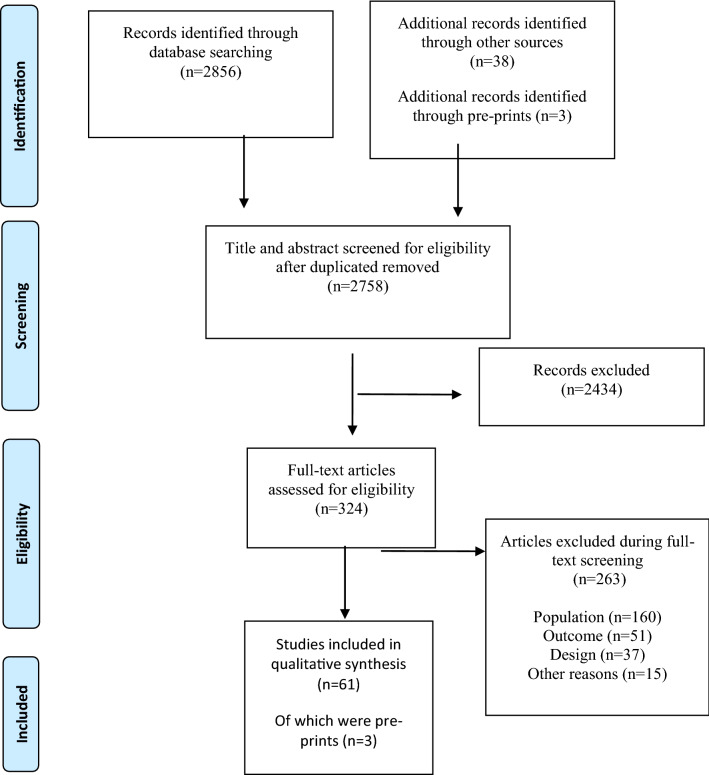
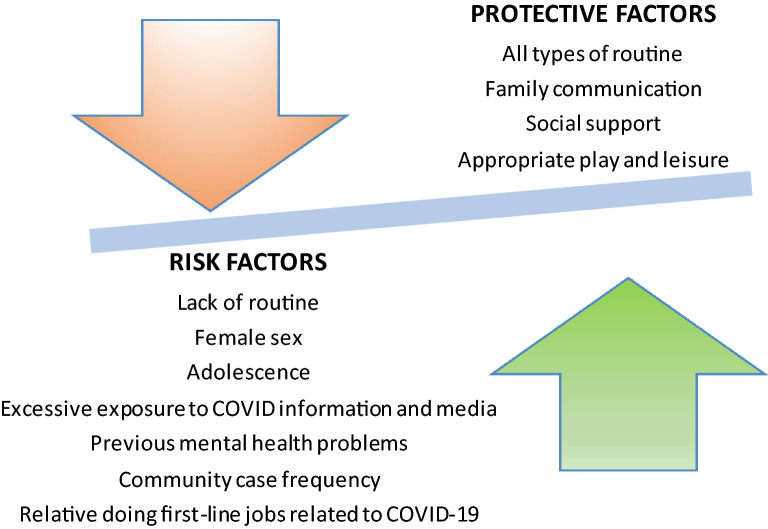
COVID-19 was declared a pandemic in March 2020, resulting in many countries worldwide calling for lockdowns. This study aimed to review the existing literature on the effects of the lockdown measures established as a response to the COVID-19 pandemic on the mental health of children and adolescents. Embase, Ovid, Global Health, PsycINFO, Web of Science, and pre-print databases were searched in this PRISMA-compliant systematic review (PROSPERO: CRD42021225604). We included individual studies reporting on a wide range of mental health outcomes, including risk and protective factors, conducted in children and adolescents (aged ≤ 19 years), exposed to COVID-19 lockdown. Data extraction and quality appraisal were conducted by independent researchers, and results were synthesised by core themes. 61 articles with 54,999 children and adolescents were included (mean age = 11.3 years, 49.7% female). Anxiety symptoms and depression symptoms were common in the included studies and ranged 1.8–49.5% and 2.2–63.8%, respectively. Irritability (range = 16.7–73.2%) and anger (range = 30.0–51.3%), were also frequently reported by children and adolescents. Special needs and the presence of mental disorders before the lockdown, alongside excessive media exposure, were significant risk factors for anxiety. Parent–child communication was protective for anxiety and depression. The COVID-19 lockdown has resulted in psychological distress and highlighted vulnerable groups such as those with previous or current mental health difficulties. Supporting the mental health needs of children and adolescents at risk is key. Clinical guidelines to alleviate the negative effects of COVID-19 lockdown and public health strategies to support this population need to be developed.
Overview
The claims and statistics of this paper haven’t been checked yet.
Free: it reads the open-access text and checks the first 5 claims that cite a source we can check. Create a free account to check every claim.
Integrity signals
Registry
Cites
Statistics
Figures
Verification
Claims the paper makes
The claims and statistics of this paper haven’t been checked yet.
Free: it reads the open-access text and checks the first 5 claims that cite a source we can check. Create a free account to check every claim.
Claims other papers make about this one
Each is checked against this paper’s own text: does it say what the citing paper says it does?
The source backs part of the claim, not all of it — or backs it for a different population, condition or comparison.
In the citing paper
“Overall, the COVID-19 pandemic led to a decrease in children’s and adolescents’ general wellbeing, an increase of mental health problems and psychiatric diagnoses, and a growing demand for (non-specialized and specialized) mental health care.”
From Interventions to build resilience and to ameliorate negative psychosocial effects of the COVID-19 pandemic on children and adolescents: a systematic review and meta-analysis (2024) · cites this paper as [7]
Experimental — accuracy not yet measuredThe source backs part of the claim, not all of it — or backs it for a different population, condition or comparison.
In the citing paper
“Specifically, a rise in depressive symptoms, anxiety, suicidal ideation, loneliness, sleep disturbance, eating disorders, gaming and increased screen time has been reported [4–8].”
From Interventions to build resilience and to ameliorate negative psychosocial effects of the COVID-19 pandemic on children and adolescents: a systematic review and meta-analysis (2024) · cites this paper as [7]
Experimental — accuracy not yet measuredThe source backs part of the claim, not all of it — or backs it for a different population, condition or comparison.
In the citing paper
“A systematic review reported a lockdown-associated increase in anxiety and depressive symptoms in children and adolescents and an increase in sleep disorders; as risk factors, a priori mental illness and high media exposure were identified [16].”
From Effectiveness of Online and Remote Interventions for Mental Health in Children, Adolescents, and Young Adults After the Onset of the COVID-19 Pandemic: Systematic Review and Meta-Analysis (2024) · cites this paper as [16]
Experimental — accuracy not yet measuredThe cited source says what the claim attributes to it.
In the citing paper
“A systematic review reported a lockdown-associated increase in anxiety and depressive symptoms in children and adolescents and an increase in sleep disorders; as risk factors, a priori mental illness and high media exposure were identified [16].”
Self-check
Percentages, sums and reported differences re-computed from the paper’s own numbers.
The self-check needs the paper’s full text.
Citations
Cites
Preferred Reporting Items for Systematic Reviews and Meta-Analyses: the PRISMA statement
Moher, D., Liberati, A., Tetzlaff, J., Altman, D. G., & for the PRISMA Group (2009) · BMJ · doi:10.1136/bmj.b2535 · Cited by 83,823
Preferred reporting items for systematic reviews and meta-analyses: the PRISMA Statement.
(2009) · PubMed Central · Cited by 44,859
The Psychological Impact of Quarantine and How to Reduce It: Rapid Review of the Evidence
Brooks, S. K., Webster, R. K., Smith, L. E., Woodland, L., Wessely, S., Greenberg, N., & Rubin, G. J. (2020) · doi:10.2139/ssrn.3532534 · Cited by 16,394
The psychological impact of quarantine and how to reduce it: Rapid review of the evidence
Brooks, S. K., Webster, R. K., Smith, L. E., Woodland, L., Wessely, S., Greenberg, N., & Rubin, G. J. (2020) · The Lancet · doi:10.1016/s0140-6736(20)30460-8 · Cited by 16,378
WHO Declares COVID-19 a Pandemic.
Cucinotta, D., & Vanelli, M. (2020) · Acta bio-medica dell'Ateneo parmense/Acta biomedica · doi:10.23750/abm.v91i1.9397 · Cited by 7,457
Merikangas, K. R., He, J.-P., Burstein, M., Swanson, S. A., Avenevoli, S., Cui, L., Benjet, C., Georgiades, K., & Swendsen, J. (2010) · Journal of the American Academy of Child & Adolescent Psychiatry · doi:10.1016/j.jaac.2010.05.017 · Cited by 6,278
Impact of COVID-19 pandemic on mental health in the general population: a systematic review
Xiong, J., Lipsitz, O., Nasri, F., Lui, L. M. W., Gill, H., Phan, L., Chen-Li, D., Iacobucci, M., Ho, R., Majeed, A., et al. (2020) · Journal of Affective Disorders · doi:10.1016/j.jad.2020.08.001 · Cited by 5,204
Mental health problems and social media exposure during COVID-19 outbreak
Gao, J., Zheng, P., Jia, Y., Chen, H., Mao, Y., Chen, S., Wang, Y., Fu, H., & Dai, J. (2020) · PLoS ONE · doi:10.1371/journal.pone.0231924 · Cited by 2,830
Mental Health Problems and Social Media Exposure During COVID-19 Outbreak
Gao, J., Zheng, P., Jia, Y., Chen, H., Mao, Y., Chen, S., Wang, Y., Fu, H., & Dai, J. (2020) · SSRN Electronic Journal · doi:10.2139/ssrn.3541120 · Cited by 2,830
Mitigate the effects of home confinement on children during the COVID-19 outbreak
Wang, G., Zhang, Y., Zhao, J., Zhang, J., & Jiang, F. (2020) · The Lancet · doi:10.1016/s0140-6736(20)30547-x · Cited by 2,148
Research works printed but not linked: 1
- Majeed S Ashraf M Psychological impacts of social distancing during COVID-19 pandemic in adolescents of Lahore, Pakistan Ann King Edward Med Univ Lahore Pak 2020 26 165 169
Cited by
Items 401–500 of 998
Digennaro, S., & Iannaccone, A. (2023) · Contemporary Social Science · doi:10.1080/21582041.2022.2162571 · Cited by 11
“Several studies (Bates et al., 2020; Orgilés et al., 2020; Panchal et al., 2021) showed that students attending online school were more inclined to report mental health issues, social anxiety and depression, demotivation to remain physically active and engaged with peers (Nearchou et al., 2020).”
BackgroundWen, P., Tan, F., Wu, M., Cai, Q., Xu, R., Zhang, X., Wang, Y., Li, S., Lei, M., Chen, H., et al. (2023) · Heliyon · doi:10.1016/j.heliyon.2023.e14627 · Cited by 4
Examining a Resilience Mental Health App in Adolescents: Acceptability and Feasibility Study
Elledge, D. K., Lee, S. J. C., Stewart, S. M., Pop, R. B., Trivedi, M. H., & Hughes, J. L. (2023) · JMIR Formative Research · doi:10.2196/38042 · Cited by 4
COVID ‐19: The disease, the vaccine and the heart
Turner, C. (2023) · Journal of Paediatrics and Child Health · doi:10.1111/jpc.16407 · Cited by 4
Radomski, A. D., Cloutier, P., Polihronis, C., Sheridan, N., Sundar, P. D., & Cappelli, M. (2023) · PubMed Central · Cited by 7
Erazo, C. V., Carcelén, A. C. C., Navas, A. M., Suárez, F. C., Caicedo-Gallardo, J. D., Miño, M. A. A., & Moncayo, A. L. (2023) · BMJ Open · doi:10.1136/bmjopen-2022-068761 · Cited by 6
Jang, J., Kim, B., Lee, C.-S., Cha, B., Lee, S.-J., Lee, D., Lee, Y.-J., Lim, E., Kang, N., & Choi, J.-W. (2023) · Journal of korean Academy of Child and Adolescent Psychiatry · doi:10.5765/jkacap.230043 · Cited by 5
“Moreover, restrictions on access to mental health services due to social distancing can also contribute to worsening depression and anxiety [7-9].”
Zhou, X., Bambling, M., Bai, X., Smith, A. C., & Edirippulige, S. (2023) · Frontiers in Psychology · doi:10.3389/fpsyg.2023.1249093 · Cited by 9
The impact of the Covid-19 pandemic on mental health in Danish school children in 5th to 7th grade
Andreasen, S. M., Nielsen, S., Fjorback, L. O., Jensen, T. K., & Juul, L. (2024) · Scandinavian Journal of Public Health · doi:10.1177/14034948241228907 · Cited by 4
Ramos, M. L., Zhou, A. M., Lytle, M. N., Myruski, S., Pérez‐Edgar, K. E., & Buss, K. A. (2024) · Developmental Psychobiology · doi:10.1002/dev.22485 · Cited by 5
COVID-19 Posttraumatic Stress Disorder and Mental Health among Spanish Adolescents: SESSAMO Project
Yárnoz-Goñi, N., Goñi-Sarriés, A., Díez‐Suárez, A., Pírez, G., Morata-Sampaio, L., & Sánchez‐Villegas, A. (2024) · Journal of Clinical Medicine · doi:10.3390/jcm13113114 · Cited by 4
“This greater impact on mental health in female adolescents has also been reported in other samples [7,18], although mostly associated with suffering internalizing symptoms and negative affect [35].”
BackgroundInfluentialDragone, M., Colella, A., Esposito, C., & Bacchini, D. (2024) · Frontiers in Psychology · doi:10.3389/fpsyg.2024.1443054 · Cited by 6
Martino, G. D., Centorbi, M., Buonsenso, A., Fiorilli, G., Valle, C. D., Calcagno, G., Iuliano, E., & di Cagno, A. (2024) · International Journal of Environmental Research and Public Health · doi:10.3390/ijerph21080975 · Cited by 4
“Additionally, irritability and anger are frequently reported, with a percentage of 51.3% among the youth in the examined sample [7].”
BackgroundInfluentialWang, Y., Wu, T., Yan, L., Cui, S.-E., & Li, Y. (2024) · World Journal of Psychiatry · doi:10.5498/wjp.v14.i8.1267 · Cited by 5
Campos, L. B., da Silva, N. S., Novaes, R. A. C. B., & da Rocha, M. M. (2021) · Cadernos de Pós-Graduação em Distúrbios do Desenvolvimento · doi:10.5935/cadernosdisturbios.v21n2p87-108 · Cited by 60
Children and youth mental health: not all equal in the face of the COVID-19 pandemic
Collin‐Vézina, D., Fallon, B., & Caldwell, J. (2022) · Elsevier eBooks · doi:10.1016/b978-0-323-91497-0.00072-2 · Cited by 6
Evidencing practice: re-focusing on children’s flourishing, fulfilment and wellbeing
Pascal, C., & Bertram, T. (2023) · European Early Childhood Education Research Journal · doi:10.1080/1350293x.2023.2214021 · Cited by 7
“These changes shift the nature of childhood and family life and the evidence is that they have impacted more heavily on the young than any other section of society (Pascal et al. 2020; Panchal et al. 2021).”
BackgroundPasi, R., Babu, T. A., Jamir, L., & Ravi, K. S. (2023) · Journal of Family Medicine and Primary Care · doi:10.4103/jfmpc.jfmpc_2267_22 · Cited by 7
“Children are affected in numerous ways by the inability to enjoy outdoor games, sedentary lifestyle, unable to socialize with friends or relatives, an increase in screen time due to online education, and boredom.[2-5] COVID-19 pandemic-related lockdown can cause anger issues, sleep, and behavioral problems in children.”
BackgroundGill, J., Jones, A., Price, K., Goodison, E., & Tyson, P. J. (2024) · Journal of Child and Adolescent Psychiatric Nursing · doi:10.1111/jcap.12459 · Cited by 2
Döpfner, M., von Wirth, E., Adam, J., Goldbeck, C., Schulze-Husmann, K., Herpertz‐Dahlmann, B., Simons, M., Heuer, F. H., Schwendowius, J., Poustka, L., et al. (2024) · European Child & Adolescent Psychiatry · doi:10.1007/s00787-024-02477-9 · Cited by 3
“Especially children and adolescents with previous mental health problems were highly vulnerable to experiencing psychological distress and worsening of symptoms during the pandemic [7 ].”
Lai, W., Wu, H., Yang, L., Chen, R., Huang, G., Wang, W., Lu, C., & Zhang, W. (2025) · European Child & Adolescent Psychiatry · doi:10.1007/s00787-025-02762-1 · Cited by 4
“Lockdowns, social isolation, and pandemic-related uncertainties likely contributed to heightened stress and anxiety [41].”
On–Off Childhood? A Rapid Review of the Impact of Technology on Children’s Health
Borges, D., Pinto, I., Santos, O., Moura, I., Ferreira, I. R., Macedo, A. P., & Taveira, A. (2025) · Healthcare · doi:10.3390/healthcare13141769 · Cited by 17
“Since 2020, with the onset of the COVID-19 pandemic, there has been a global intensification of dependence on mobile devices and digital platforms, especially among children and adolescents, both in educational and recreational contexts [14].”
Fatimah, A. G. S., Hodge, R., & Cobham, V. E. (2025) · Clinical Child and Family Psychology Review · doi:10.1007/s10567-025-00548-0 · Cited by 5
“To begin with, the onset of most EDs occurs before the age of 25 with the peak age of onset decreasing over the years, (Panchal et al., 2021).”
InfluentialPrati, G. (2025) · Behavioral Sciences · doi:10.3390/bs16010036 · Cited by 3
“While the impact of the COVID-19 pandemic on adult mental health was small in magnitude (Prati & Mancini, 2021), young people’s mental health and well-being appear to have been more adversely affected (Deng et al., 2023; Madigan et al., 2023; Panchal et al., 2023).”
Uvelli, A., Floridi, M., Guarino, A., Tonini, B., Prati, G., Casale, S., Masti, A., Gualtieri, G., & Ferretti, F. (2026) · Australian Journal of Psychology · doi:10.1080/00049530.2025.2602973 · Cited by 5
“Anger and irritability were common emotional responses to the frustration and helplessness associated with pandemic lockdowns, with research indicating a significant increase in these symptoms among adolescents when isolated socially (Panchal et al., 2023).”
Clinical Cut Point for the Postconcussion Symptom Inventory Following Adolescent Concussion
Donahue, C. C., Smulligan, K. L., Wingerson, M. J., Kniss, J. R., Wilson, J. C., & Howell, D. R. (2026) · Medicine & Science in Sports & Exercise · doi:10.1249/mss.0000000000003949 · Cited by 3
Feasibility of a secondary school-based mental health intervention: Reprezents’ On The Level
Bisal, N., Miller, J. G., Cox, C., Carey, S., & Levita, L. (2022) · Child and Adolescent Psychiatry and Mental Health · doi:10.1186/s13034-022-00534-2 · Cited by 5
“Mental health support, education, and tools are essential in addressing the potential impact of COVID-19 on young people’s mental health and well-being [29, 42, 50].”
BackgroundA Digital Approach to Mindfulness
Harley, D. (2022) · Springer eBooks · doi:10.1007/978-3-031-19407-8_4 · Cited by 2
Samuels, A., Avital-Magen, A., & Schusheim, G. (2023) · Clinical Pediatrics · doi:10.1177/00099228221150157 · Cited by 3
Letcher, P., Greenwood, C. J., Macdonald, J. A., McIntosh, J. E., Spry, E., Hutchinson, D. M., O’Connor, M., Biden, E. J., Painter, F. L., Olsson, C. M., et al. (2023) · Journal of Affective Disorders · doi:10.1016/j.jad.2023.05.039 · Cited by 3
“Girls and women historically report higher levels of internalised emotional distress which may be explained by socialisation, coping and socioeconomic factors (Kessler, 2003; Kwong et al., 2020; Panchal et al., 2021).”
Intra‐ and interpersonal factors and adolescent wellbeing during COVID‐19 in three countries
Skinner, A. T., Kealy, C., Ranta, M., Benner, A. D., Menesini, E., & Schoon, I. (2023) · Social and Personality Psychology Compass · doi:10.1111/spc3.12821 · Cited by 4
Ergin, D. A., & Akgül, G. (2023) · The Journal of Nervous and Mental Disease · doi:10.1097/nmd.0000000000001699 · Cited by 4
Preschool Emotional Problems in the Post-Pandemic Era between Parental Risk and Protective Factors
Prino, L. E., Arace, A., Zonca, P., Agostini, P., & Scarzello, D. (2023) · Healthcare · doi:10.3390/healthcare11212862 · Cited by 6
A Narrative Exploration of One Teacher’s Storied Experiences of Online Learning during COVID-19
Lim, J. (2023) · Education Sciences · doi:10.3390/educsci13121211 · Cited by 5
Stefánsdóttir, N. Þ., Kirk, J. W., Vestergaard, L., Thøgersen, D. B., Seing, I., Vrangbæk, K., Andersen, O., Nilsén, P., Tjørnhøj‐Thomsen, T., & Karlsson, E. A. (2024) · International Journal of Adolescence and Youth · doi:10.1080/02673843.2024.2312860 · Cited by 3
“…of depression, anxiety, and stress due to the pandemic (de Oliveira et al., 2022; Jones et al., 2021; Kleine et al., 2023; Meherali et al., 2021; Nearchou et al., 2020; Octavius et al., 2020; Panchal et al., 2023; Panda et al., 2021; Samji et al., 2022; Shah et al., 2020; von Soest et al., 2022).”
Tsiachristas, A., Holland, J., Guo, B., Chitsabesan, P., Sayal, K. S., & Pari, A. A. A. (2024) · BJPsych Open · doi:10.1192/bjo.2024.9 · Cited by 6
Using screening data: Educators’ perceptions of a structured data review
Grubb, J., & Young, E. L. (2024) · Frontiers in Education · doi:10.3389/feduc.2024.1306385 · Cited by 3
Askandir, I., Bondzie, E. A., & Tweneboah, G. (2024) · Cogent Social Sciences · doi:10.1080/23311886.2024.2337014 · Cited by 5
“…shows that the COVID-19 pandemic has had significant impacts on human health, economies and global security (Amoah et al., 2023; Kubatko et al., 2023; Lee et al., 2023; Ozili & Arun, 2023; Panchal et al., 2023; Qiu et al., 2017; Sridhar et al., 2023; Ullah, 2023 ; Weaver, 2023; Xu et al., 2023).”
Care Competencies Training Enhances Adolescents’ Well-being: A Randomized Controlled Trial
Nguyen, C.-T. P., Beyers, W., Valcke, M., & Dinh, H. T. (2024) · Psychosocial Intervention · doi:10.5093/pi2024a10 · Cited by 4
Perceived government-expert discord and evaluation of COVID-19 policies in Hong Kong
Lee, F. L. F., & Lee, A. (2024) · Journal of Asian Public Policy · doi:10.1080/17516234.2024.2355778 · Cited by 3
“People’s livelihoods and mental health can suffer (Onyeaka et al., 2021; Panchal et al., 2023).”
Kaser, A. C., Lambe, L. J., Yunus, F. M., Conrod, P., Hadwin, A. F., Keough, M. T., Krank, M. D., Thompson, K., & Stewart, S. H. (2024) · International Journal of Bullying Prevention · doi:10.1007/s42380-024-00257-2 · Cited by 3
“The COVID-19 pandemic only served to exacerbate these links (Panchal et al., 2023) and adversely impacted youth mental health in general (Madigan et al., 2023; King et al., 2023).”
Carney, R., Imran, S., Law, H., Carmichael-Murphy, P., Charlton, L., & Parker, S. (2024) · BMC Psychiatry · doi:10.1186/s12888-024-05858-1 · Cited by 3
“Furthermore, this study took place prior to the covid pandemic, which has resulted in changes to clinical care delivery [40, 41].”
BackgroundKim, K., Zhou, Z., Ren, X., Bu, X., Jia, X., & Shao, Q. (2024) · Open Medicine · doi:10.1515/med-2024-0978 · Cited by 4
Çelik, F., Schäfermeier, E., Stelzmann, D., Arraf, S., Matthies, E., Bremerich, L., Roggenkamp, S., Schneider, S., & Schuck, K. (2024) · Kindheit und Entwicklung · doi:10.1026/0942-5403/a000450 · Cited by 3
Gender and socioeconomic perspectives on students’ emotional well-being during the COVID-19 pandemic
Christensen, J. H. (2024) · Research in Comparative and International Education · doi:10.1177/17454999241265966 · Cited by 5
“Notably, this study does not address gender differences, which is also the case for other recent systematic reviews on student well-being during the pandemic (Farrell et al., 2023; Panchal et al., 2023), yet they emphasize the strong impact of SES.”
Lorenzo, A. D., & Rabaglietti, E. (2024) · Creativity Theories – Research – Applications · doi:10.2478/ctra-2024-0009 · Cited by 6
“To-date To-date, several literature reviews report on the psychological distress and difficulties faced by youth, many of which remain unresolved (Panchal et al., 2021; Samji et al., 2022; Kauhanen et al., 2022).”
Zapata‐Lamana, R., Robles-Campos, A., Reyes‐Molina, D., Rojas-Bravo, J., Salcedo, P., Chávez-Castillo, Y., Aguayo, J. G., Valdebenito-Villalobos, J., Arias, A. M., Sanhueza-Campos, C., et al. (2024) · Frontiers in Physiology · doi:10.3389/fphys.2024.1438555 · Cited by 12
Pinkse-Schepers, A. L., Buil, J. M., Sijtsma, H., Hollarek, M., Walsh, R. J., van Buuren, M., Krabbendam, L., & Lee, N. C. (2024) · Frontiers in Public Health · doi:10.3389/fpubh.2024.1374327 · Cited by 7
An exploratory study on college student pandemic recovery
Vaterlaus, J. M., Brennan, A., Craven, W. W., & Boor, C. (2024) · The Social Science Journal · doi:10.1080/03623319.2024.2399998 · Cited by 4
“During the pandemic, adolescents experienced heightened anxiety and depression (Magson et al., 2021; Panchal et al., 2023), along with decreased life satisfaction (Magson et al., 2021), with girls exhibiting greater vulnerability to these effects.”
Kapukotuwa, S., Grigsby, T. J., & Shen, J. J. (2024) · Cureus · doi:10.7759/cureus.69884 · Cited by 3
“The COVID-19 pandemic has significantly impacted adolescent mental health in the US, introducing a complex array of challenges [13].”
BackgroundOrozco, A. L., Thomas, A. J., Raggatt, M. H., Scott, N., Eddy, S., Douglass, C. H., Wright, C. C. J., Spelman, T. D., & Lim, M. S. C. (2024) · Archives of Public Health · doi:10.1186/s13690-024-01397-z · Cited by 3
“Equally, protective factors identified among youth and adult samples included higher level of education, financial security, being in a relationship [34], physical activity [35], and routine [24].”
BackgroundCampbell, M. L. F., Aggarwal, J., Nguyen, K. T., Rehman, M., & Shendell, D. G. (2024) · Future · doi:10.3390/future2040014 · Cited by 6
“To date, most peer-reviewed published research has been on student well-being and mental health needs or resources provided during the COVID-19 pandemic [7–19].”
Paetzold, I., Gugel, J., Schick, A., Rauschenberg, C., Hirjak, D., Boecking, B., Doi, L., Schwannauer, M., & Reininghaus, U. (2024) · Psychology and Psychotherapy Theory Research and Practice · doi:10.1111/papt.12565 · Cited by 7
“…the COVID-19 pandemic was an important external context factor that impacted on participants in various ways: As indicated in recent publications (Panchal et al., 2021; Rauschenberg, Schick, et al., 2021), some experienced loss of daily structure, loneliness, and their mental health was…”
Shakurun, N., Hinz, T., Adeyinka, D. A., & Muhajarine, N. (2025) · Children · doi:10.3390/children12010079 · Cited by 4
“Several studies conducted during the pandemic revealed heightened mental health symptoms among children and youth [6,7].”
Buchan, M. C., Katapally, T. R., & Bhawra, J. (2025) · JMIR Formative Research · doi:10.2196/53339 · Cited by 5
“Similarly, the ever-changing policies surrounding lockdowns [81,82], vaccine requirements [83,84], and mask mandates [85,86] required the platform’s features to be responsive to shifting guidelines [6].”
Serra, M., Presicci, A., Quaranta, L., Achille, M., Caputo, E., Medicamento, S., Margari, F., Croce, F., & Margari, L. (2022) · PubMed Central · doi:10.2147/ndt.s362536 · Cited by 4
“Social restrictions have been psychologically distressing for anyone who experienced them, but particularly difficult for young people, who rely importantly on social connections for their emotional wellbeing, with an enhanced vulnerability to the adverse effects of social distancing and loneliness.(26,27) It has been…”
BackgroundValladares-Garrido, M. J., Álvarez-Risco, A., Rojas-Alvarado, A. B., Zuniga-Cáceres, J. A., Izarra, N. A. E., Peralta, C. I., Astudillo, D., Díaz-Vélez, C., Failoc‐Rojas, V. E., Del-Aguila-Arcentales, S., et al. (2022) · Sustainability · doi:10.3390/su142214785 · Cited by 4
Palomino-Ruiz, N., Álvarez-Risco, A., Guzman-Loayza, J., Mamani-Benito, O. J., Vilela-Estrada, M. A., Serna-Alarcón, V., Del-Aguila-Arcentales, S., Yáñez, J. A., & Mejia, C. R. (2022) · Sustainability · doi:10.3390/su142214799 · Cited by 6
Smith, K. R., Haliwa, I., Chappell, A., Wilson, J. M., & Strough, J. (2023) · Journal of American College Health · doi:10.1080/07448481.2022.2155059 · Cited by 4
Borsarini, B., Pappaianni, E., & Micali, N. (2023) · Journal of Eating Disorders · doi:10.1186/s40337-023-00792-1 · Cited by 3
“The consequences of COVID-19 lockdowns and closures on mental health (and particularly amongst young people) have been many and have been documented [6, 7, 13, 21].”
BackgroundBabiker, A. M. I., Elbarbary, N. S., Alaqeel, B., Noaim, K. I. A., Al-Yaarubi, S., Al‐Abdulrazzaq, D., Alkandari, H., Alkhayyat, H., Odeh, R., Babiker, O., et al. (2023) · Clinical Medicine Insights Endocrinology and Diabetes · doi:10.1177/11795514231203907 · Cited by 4
Al-Haifi, A. R., Bumaryoum, N. Y., Alawadhi, B., Alammar, F. A., Alkhalaf, B., & Al-Hazzaa, H. M. (2023) · Nutrients · doi:10.3390/nu15224773 · Cited by 5
“Numerous studies have reported a surge in negative emotional states among young adults, including heightened levels of anxiety, loneliness, stress, anger, irritability, psychological distress, and depressive symptoms [7,8].”
BackgroundPontillo, M., Menghini, D., Averna, R., Labonia, M., Lazzaro, G., Tata, M. C., & Vicari, S. (2023) · Children · doi:10.3390/children10121846 · Cited by 3
“Panchal et al. [17], along with another review by Theberath et al. [18], concluded by emphasizing the need for in-depth studies on the effects of lockdown on the mental health of children and adolescents.”
BackgroundCOVID-19 and Psychological Distress in Africa: Communitarian Perspectives
Ndasauka, Y. (2023) · Routledge eBooks · doi:10.4324/9781003425861 · Cited by 5
Yano, F., Nakata, Y., Niitsu, T., & Iyo, M. (2023) · Sports Psychiatry · doi:10.1024/2674-0052/a000063 · Cited by 3
Freeman, J., O’Connor, E., Herren, J. A., Benito, K., Righi, G., Milgram, L., Cain, G. H., Sheehan, K. G., & Kemp, J. J. (2024) · Evidence-Based Practice in Child and Adolescent Mental Health · doi:10.1080/23794925.2023.2297873 · Cited by 4
“Evidence-based delivery models that optimize remote access to care are desperately needed given the ongoing mental health burden of the COVID-19 pandemic (Panchal et al., 2021; Wang et al., 2020).”
The Age of the Expert—COVID-19, Expertise, and Conflicts of Interest in Austrian Media Reporting
Scherling, J., & Foltz, A. (2024) · Journalism and Media · doi:10.3390/journalmedia5010012 · Cited by 4
“All of these recommendations have far-reaching (and mostly negative) implications for people’s social lives and mental well-being (Dale et al. 2021; Panchal et al. 2023; Pieh et al. 2021; Serrano-Alarc ó n et al. 2022).”
BackgroundFernandez-Urbano, R., & Samuel, R. (2024) · Social Indicators Research · doi:10.1007/s11205-024-03307-w · Cited by 4
“…the existing empirical evidence has highlighted that compared to other population groups, youth particularly suffer in adverse macro contexts (Panchal et al., 2023; Polanczyk et al., 2015; Racine et al., 2021), given their vulnerability in entering the labour market and transitioning to…”
Bialy, L. M., Elliott, S. A., Melton, A., Ali, S., Scott, S. D., Knisley, L., & Hartling, L. (2024) · Journal of Child Health Care · doi:10.1177/13674935241238794 · Cited by 7
“This pandemic has had a wide range of impacts on children and adolescents, making it an excellent topic for a scoping review (Panchal et al., 2021).”
Mental Health and Well-Being of Students and Faculty
Deredzai, M., Goronga, P., & Bondai, B. M. (2024) · Advances in higher education and professional development book series · doi:10.4018/979-8-3693-5483-4.ch018 · Cited by 3
Liu, T., Hsiao, R. C.-J., Chou, W., & Yen, C. (2024) · Vaccines · doi:10.3390/vaccines12050450 · Cited by 3
“The pandemic affected their physical health [7], mental health [10,11], educational experiences [12], and family dynamics [13].”
BackgroundDampak Dukungan Emosional Teman Sebaya terhadap Remaja: Kajian Sistematik
Dewi, S., Kurniati, N., & Asmoro, D. S. (2024) · Jurnal Psikologi · doi:10.47134/pjp.v1i4.2562 · Cited by 27
Technology at the Rescue? Online Games, Adolescent Mental Health and the COVID Pandemic
Torres, M. Á. G. (2024) · The American Journal of Psychoanalysis · doi:10.1057/s11231-024-09445-x · Cited by 3
“Adolescents have also suffered, especially in relation to some of the radically restrictive measures that greatly impacted their social contacts and disrupted their daily routines (Hossain et al., 2022; Panchal et al., 2023).”
Child and youth mental health referrals and care planning needs during the pandemic waves
Stewart, S. L., Vasudeva, A. S., & Poss, J. W. (2024) · Developments in environmental science · doi:10.1016/b978-0-443-21948-1.00016-9 · Cited by 4
Maselko, J., Shartle, K., Lansford, J. E., Collins, A. J., Mukherji, A., Vera‐Hernández, M., & Mohanan, M. (2024) · Scientific Reports · doi:10.1038/s41598-024-77411-9 · Cited by 3
Duran, C. S., & Cun, A. (2024) · TESOL Journal · doi:10.1002/tesj.898 · Cited by 3
Treatment Outcomes of an Adolescent Intensive Outpatient Program for Depressed and Suicidal Youth
Bero, K., Teresi, G. I., Porta, G., Poling, K. D., Brent, D. A., & Goldstein, T. R. (2024) · JAACAP Open · doi:10.1016/j.jaacop.2024.10.006 · Cited by 6
Kumra, E., & Patange, A. (2025) · Frontiers in Education · doi:10.3389/feduc.2024.1496137 · Cited by 4
Sun, F., Wang, Y., Li, W., Li, M., Hui, T., & Shi, W. (2025) · BMC Public Health · doi:10.1186/s12889-025-21368-5 · Cited by 6
Franklin, E. V., Mathias, M., Wolfe, R., Nguyen, D. T., Rosales, D. M., Pedroza, S. T., Hergenroeder, A. C., & Wiemann, C. M. (2025) · International Journal of Eating Disorders · doi:10.1002/eat.24534 · Cited by 5
Generations towards COVID-19 Pandemic
Barczykowska, A. E., & Pawełek, K. (2021) · Lubelski Rocznik Pedagogiczny · doi:10.17951/lrp.2021.40.4.25-42 · Cited by 6
Malatesta, S., Pepe, A., Biffi, E., Kritsotakis, G., Koutra, K., & Ratsika, N. (2022) · Children s Geographies · doi:10.1080/14733285.2022.2077092 · Cited by 4
“COVID-19 lockdowns had resulted in general psychological distress especially in vulnerable groups, e.g. children and adolescents (Panchal et al. 2021).”
BackgroundCuéllar‐Flores, I., Martínez, J. C. D., Torres, D. P., Izquierdo, A., Arboleas, A. M. D. S., Soler, C. L., & Pérez, A. M. (2022) · Clínica Contemporánea · doi:10.5093/cc2022a10 · Cited by 3
Domínguez, C., Arranz, E. M., Fernández, J. M., & Díez, Á. (2022) · Revista de Psiquiatría Infanto-Juvenil · doi:10.31766/revpsij.v39n3a4 · Cited by 3
Morgül, E., Kallitsoglou, A., & Essau, C. A. (2023) · Psychological Reports · doi:10.1177/00332941221149183 · Cited by 6
“…lockdown has had an unprecedented impact on the psychological wellbeing of children and young people in both countries (Ad ı belli & Sümen, 2020; Creswell et al., 2021; Panchal et al., 2021), making the identi fi cation of the factors that predict it an important research and policy imperative.”
Citerne, A., Roda, C., Rancière, F., & Momas, I. (2023) · Child and Adolescent Psychiatry and Mental Health · doi:10.1186/s13034-023-00609-8 · Cited by 4
“In contrast, another group of adolescents (19%) reported a moderate to high overall stress level and symptoms of depression: unhappiness, loss of interest, low optimism, low selfesteem, and loss of energy, as found in other studies [5].”
BackgroundResultLei, Q., McWeeny, R., Shinkaruk, C., Baxter, A., Cao, B., Greenshaw, A., Silverstone, P. H., Pazderka, H., & Wei, Y. (2023) · Frontiers in Public Health · doi:10.3389/fpubh.2023.1212297 · Cited by 4
Editorial: Using Technology to Combat Diseases and Help People With Disabilities
García‐Peñalvo, F. J., van der Roest, H. G., & Ottoboni, G. (2022) · Frontiers in Psychology · doi:10.3389/fpsyg.2022.854762 · Cited by 3
Hertz‐Palmor, N., & Gothelf, D. (2024) · European Child & Adolescent Psychiatry · doi:10.1007/s00787-024-02432-8 · Cited by 3
In the mood for odd? The role of affective factors in the evaluation of categorical atypicality
Cudennec, A., & Huynh, C.-W. (2023) · Poetics · doi:10.1016/j.poetic.2023.101838 · Cited by 2
Iyer, K. V., & Siddhartha, A. (2024) · International Journal of Adolescence and Youth · doi:10.1080/02673843.2024.2398037 · Cited by 3
“Townsend (2024) and Panchal et al. (2023) studied the impact of such increased screen time and noted its contribution to increased stress among children, likely having long-lasting effects.”
Li, Y., Zhang, Y., Zhao, J., Du, X., Shi, C., Lai, L., Liu, X., Cai, Z., Chen, A., & Ren, Z. (2024) · Adolescent Research Review · doi:10.1007/s40894-024-00252-0 · Cited by 4
“Additionally, in the context of increased emotional distress during the COVID-19 pandemic (Panchal et al., 2023), one study examined the relationship between distress tolerance and depressive symptoms both before and after the pandemic.”
Smartphone-Based Psychological Sensing: A Large-Scale Study on the Impact of Extreme Isolation
Yuan, Z., Cao, Y., & Chen, Z. (2024) · Information Technology And Control · doi:10.5755/j01.itc.53.4.36565 · Cited by 3
“The COVID-19 pandemic has exacerbated these issues, with students experiencing increased academic burdens, time constraints, and learning difficulties, as well as social isolation due to campus lockdowns, leading to social anxiety, loneliness, helplessness, and depression [29].”
Academic Stress and Students' Mental Health: Insights from Private University Students in Bangladesh
Akter, R., & Barua, D. (2025) · Society & Sustainability · doi:10.38157/ss.v7i1.652 · Cited by 6
Liu, J., & Han, Z. (2025) · Child and Adolescent Social Work Journal · doi:10.1007/s10560-025-01019-9 · Cited by 3
Graziano, F., Toppino, F., Vennettillo, L., Daga, G. A., Concas, D., Mazzone, G., Quarello, P., Teghille, G., Zucchetti, G., & Davico, C. (2025) · International Journal of Environmental Research and Public Health · doi:10.3390/ijerph22040648 · Cited by 2
Tong, M., Paine, A. L., Evans, J., Weaterton, S., & Waters, C. S. (2025) · European Journal of Developmental Psychology · doi:10.1080/17405629.2025.2533160 · Cited by 4
“A systematic review by Panchal et al. (2021) explored the effect of the pandemic on children’s and adolescents’ mental health by synthesizing 61 research papers.”
Eirich, R., McArthur, B. A., Deneault, A., Tough, S., & Madigan, S. L. (2025) · Computers in Human Behavior · doi:10.1016/j.chb.2025.108762 · Cited by 2
Ciardullo, S., Pierannunzio, D., Dalmasso, P., Lazzeri, G., Vieno, A., & Nardone, P. (2025) · Healthcare · doi:10.3390/healthcare13162035 · Cited by 4
“Globally, teenagers have shown higher levels of depression, anxiety, and overall mental health decline due to the pandemic [10].”
Aragonès, E., Lozano-Sánchez, A., López‐Jiménez, T., Bennett, M., Evangelidou, S., Francisco, E., Garcia, M., Malgosa, E., Codern‐Bové, N., Guzmán-Molina, C., et al. (2025) · European Child & Adolescent Psychiatry · doi:10.1007/s00787-025-02840-4 · Cited by 3
Metadata
- Authors
- Panchal, U., Salazar de Pablo, G., Franco, M., Moreno, C., Parellada, M., Arango, C., & Fusar-Poli, P.
- Affiliations
- Universidad Autónoma de Madrid (ES)
- Hospital General Universitario Gregorio Marañón (ES)
- ORCID
- Venue
- European Child & Adolescent Psychiatry
- Published
- 2021-08-18
- Volume
- 32
- Issue
- 7
- Pages
- 1151-1177
- ISSN
- 1018-8827 (ISSN-L)
- 1435-165X
- PMC
- PMC8371430
- OpenAlex
- W3188471381
- Cited by
- 1,028
- References
- 121
- Citations by year
- 2026: 100 · 2025: 204 · 2024: 290 · 2023: 257 · 2022: 165 · 2021: 11
- FWCI
- 24.00
- Type
- journal article
- Language
- en
- Open access
- hybrid
- doi.org
- Licence
- cc-by
- creativecommons.org/licenses/by/4.0 (tdm)
- creativecommons.org/licenses/by/4.0 (vor)
- Locations
- European Child & Adolescent Psychiatry (publishedVersion, cc-by)
- PubMed Central (publishedVersion, cc-by)
- PubMed (publishedVersion)
- Funders
- Fundación Alicia Koplowitz
- Topics
- Social Sciences › Psychology › Clinical Psychology › COVID-19 and Mental Health
- Social Sciences › Psychology › Clinical Psychology › Child and Adolescent Psychosocial and Emotional Development
- Health Sciences › Medicine › Public Health, Environmental and Occupational Health › Maternal Mental Health During Pregnancy and Postpartum
- Keywords
- COVID-19 lockdown, child mental health, adolescent mental health, anxiety symptoms, depressive symptoms, irritability, anger, risk factors, protective factors, special needs, pre-existing mental disorders, media exposure, parent-child communication, psychological distress
- MeSH terms
- COVID-19, SARS-CoV-2, Adolescent, Anxiety, Child, Communicable Disease Control, Depression, Female, Humans, Male, Mental Health, Pandemics
About these checks
Registry, retraction, Cites and statistics results are computed, not judged, with one exception: a printed reference that no index lists is read once by a model before it counts as a citation error. Claims are extracted by a model and kept only when their quote appears verbatim in the text; each cited source is then checked, with a model’s help, for whether it says what the claim relies on. Those verdicts can be wrong — read the claim’s quote and the cited source before relying on one.
Statistics and arithmetic are recomputed, not judged.
Confidence bands are shown only for fields calibrated on our annotated test set. None is calibrated yet, so no band is shown.
What counts as a claim ›How we measure confidence ›How we check this ›
Are you an author, or do you see a problem with this page? Request a review
Data sources
Bibliographic data: Semantic Scholar, OpenAlex, Crossref.
Contains information from the Semantic Scholar Academic Graph Datasets, made available under the ODC Attribution License (ODC-BY 1.0).
Semantic Scholar’s data is described in: Kinney, R., et al. (2023). The Semantic Scholar Open Data Platform. arXiv:2301.10140.
