

The impact of COVID-19 lockdown on child and adolescent mental health: systematic review
Open accessThe DOI matches its Crossref record; 128 of the 128 references it cites were found in a registry or an index.
Abstract
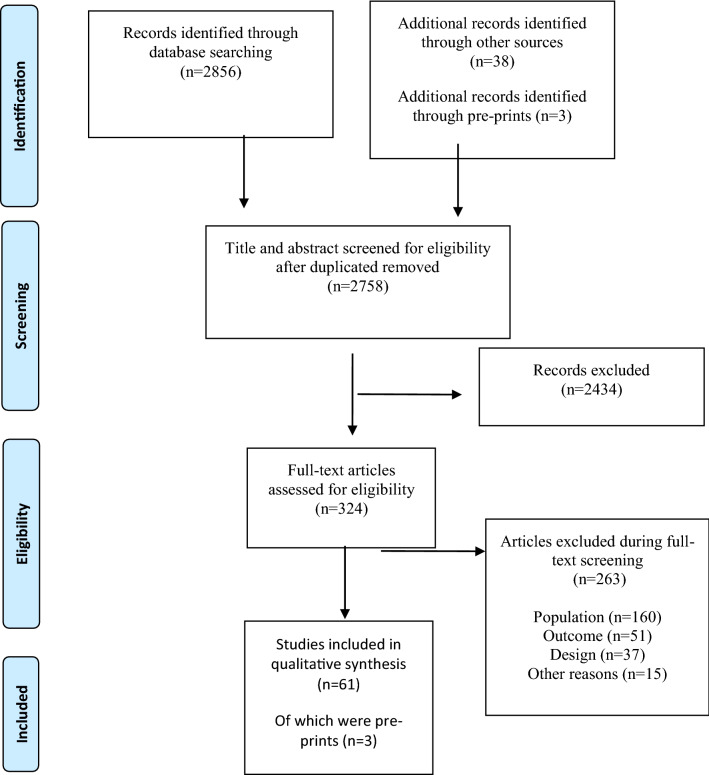
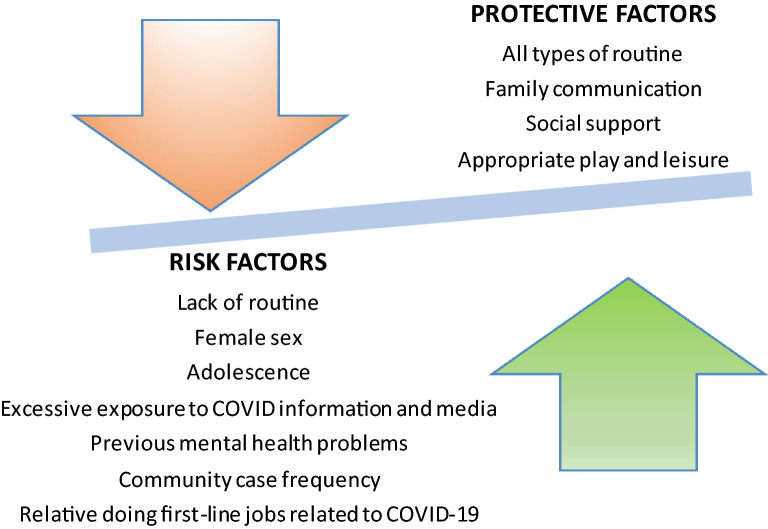
COVID-19 was declared a pandemic in March 2020, resulting in many countries worldwide calling for lockdowns. This study aimed to review the existing literature on the effects of the lockdown measures established as a response to the COVID-19 pandemic on the mental health of children and adolescents. Embase, Ovid, Global Health, PsycINFO, Web of Science, and pre-print databases were searched in this PRISMA-compliant systematic review (PROSPERO: CRD42021225604). We included individual studies reporting on a wide range of mental health outcomes, including risk and protective factors, conducted in children and adolescents (aged ≤ 19 years), exposed to COVID-19 lockdown. Data extraction and quality appraisal were conducted by independent researchers, and results were synthesised by core themes. 61 articles with 54,999 children and adolescents were included (mean age = 11.3 years, 49.7% female). Anxiety symptoms and depression symptoms were common in the included studies and ranged 1.8–49.5% and 2.2–63.8%, respectively. Irritability (range = 16.7–73.2%) and anger (range = 30.0–51.3%), were also frequently reported by children and adolescents. Special needs and the presence of mental disorders before the lockdown, alongside excessive media exposure, were significant risk factors for anxiety. Parent–child communication was protective for anxiety and depression. The COVID-19 lockdown has resulted in psychological distress and highlighted vulnerable groups such as those with previous or current mental health difficulties. Supporting the mental health needs of children and adolescents at risk is key. Clinical guidelines to alleviate the negative effects of COVID-19 lockdown and public health strategies to support this population need to be developed.
Overview
The claims and statistics of this paper haven’t been checked yet.
Free: it reads the open-access text and checks the first 5 claims that cite a source we can check. Create a free account to check every claim.
Integrity signals
Registry
Cites
Statistics
Figures
Verification
Claims the paper makes
The claims and statistics of this paper haven’t been checked yet.
Free: it reads the open-access text and checks the first 5 claims that cite a source we can check. Create a free account to check every claim.
Claims other papers make about this one
Each is checked against this paper’s own text: does it say what the citing paper says it does?
The source backs part of the claim, not all of it — or backs it for a different population, condition or comparison.
In the citing paper
“Overall, the COVID-19 pandemic led to a decrease in children’s and adolescents’ general wellbeing, an increase of mental health problems and psychiatric diagnoses, and a growing demand for (non-specialized and specialized) mental health care.”
From Interventions to build resilience and to ameliorate negative psychosocial effects of the COVID-19 pandemic on children and adolescents: a systematic review and meta-analysis (2024) · cites this paper as [7]
Experimental — accuracy not yet measuredThe source backs part of the claim, not all of it — or backs it for a different population, condition or comparison.
In the citing paper
“Specifically, a rise in depressive symptoms, anxiety, suicidal ideation, loneliness, sleep disturbance, eating disorders, gaming and increased screen time has been reported [4–8].”
From Interventions to build resilience and to ameliorate negative psychosocial effects of the COVID-19 pandemic on children and adolescents: a systematic review and meta-analysis (2024) · cites this paper as [7]
Experimental — accuracy not yet measuredThe source backs part of the claim, not all of it — or backs it for a different population, condition or comparison.
In the citing paper
“A systematic review reported a lockdown-associated increase in anxiety and depressive symptoms in children and adolescents and an increase in sleep disorders; as risk factors, a priori mental illness and high media exposure were identified [16].”
From Effectiveness of Online and Remote Interventions for Mental Health in Children, Adolescents, and Young Adults After the Onset of the COVID-19 Pandemic: Systematic Review and Meta-Analysis (2024) · cites this paper as [16]
Experimental — accuracy not yet measuredThe cited source says what the claim attributes to it.
In the citing paper
“A systematic review reported a lockdown-associated increase in anxiety and depressive symptoms in children and adolescents and an increase in sleep disorders; as risk factors, a priori mental illness and high media exposure were identified [16].”
Self-check
Percentages, sums and reported differences re-computed from the paper’s own numbers.
The self-check needs the paper’s full text.
Citations
Cites
Preferred Reporting Items for Systematic Reviews and Meta-Analyses: the PRISMA statement
Moher, D., Liberati, A., Tetzlaff, J., Altman, D. G., & for the PRISMA Group (2009) · BMJ · doi:10.1136/bmj.b2535 · Cited by 83,823
Preferred reporting items for systematic reviews and meta-analyses: the PRISMA Statement.
(2009) · PubMed Central · Cited by 44,859
The Psychological Impact of Quarantine and How to Reduce It: Rapid Review of the Evidence
Brooks, S. K., Webster, R. K., Smith, L. E., Woodland, L., Wessely, S., Greenberg, N., & Rubin, G. J. (2020) · doi:10.2139/ssrn.3532534 · Cited by 16,394
The psychological impact of quarantine and how to reduce it: Rapid review of the evidence
Brooks, S. K., Webster, R. K., Smith, L. E., Woodland, L., Wessely, S., Greenberg, N., & Rubin, G. J. (2020) · The Lancet · doi:10.1016/s0140-6736(20)30460-8 · Cited by 16,378
WHO Declares COVID-19 a Pandemic.
Cucinotta, D., & Vanelli, M. (2020) · Acta bio-medica dell'Ateneo parmense/Acta biomedica · doi:10.23750/abm.v91i1.9397 · Cited by 7,457
Merikangas, K. R., He, J.-P., Burstein, M., Swanson, S. A., Avenevoli, S., Cui, L., Benjet, C., Georgiades, K., & Swendsen, J. (2010) · Journal of the American Academy of Child & Adolescent Psychiatry · doi:10.1016/j.jaac.2010.05.017 · Cited by 6,278
Impact of COVID-19 pandemic on mental health in the general population: a systematic review
Xiong, J., Lipsitz, O., Nasri, F., Lui, L. M. W., Gill, H., Phan, L., Chen-Li, D., Iacobucci, M., Ho, R., Majeed, A., et al. (2020) · Journal of Affective Disorders · doi:10.1016/j.jad.2020.08.001 · Cited by 5,204
Mental health problems and social media exposure during COVID-19 outbreak
Gao, J., Zheng, P., Jia, Y., Chen, H., Mao, Y., Chen, S., Wang, Y., Fu, H., & Dai, J. (2020) · PLoS ONE · doi:10.1371/journal.pone.0231924 · Cited by 2,830
Mental Health Problems and Social Media Exposure During COVID-19 Outbreak
Gao, J., Zheng, P., Jia, Y., Chen, H., Mao, Y., Chen, S., Wang, Y., Fu, H., & Dai, J. (2020) · SSRN Electronic Journal · doi:10.2139/ssrn.3541120 · Cited by 2,830
Mitigate the effects of home confinement on children during the COVID-19 outbreak
Wang, G., Zhang, Y., Zhao, J., Zhang, J., & Jiang, F. (2020) · The Lancet · doi:10.1016/s0140-6736(20)30547-x · Cited by 2,148
Research works printed but not linked: 1
- Majeed S Ashraf M Psychological impacts of social distancing during COVID-19 pandemic in adolescents of Lahore, Pakistan Ann King Edward Med Univ Lahore Pak 2020 26 165 169
Cited by
Kauhanen, L., Wan Mohd Yunus, W. M. A., Lempinen, L., Peltonen, K., Gyllenberg, D., Mishina, K., Gilbert, S., Bastola, K., Brown, J. S. L., & Sourander, A. (2023) · European Child & Adolescent Psychiatry · doi:10.1007/s00787-022-02060-0 · Cited by 544
Theberath, M., Bauer, D., Chen, W., Salinas, M., Mohabbat, A. B., Yang, J., Chon, T. Y., Bauer, B. A., & Wahner-Roedler, D. L. (2022) · SAGE Open Medicine · doi:10.1177/20503121221086712 · Cited by 244
Scoping review: longitudinal effects of the COVID-19 pandemic on child and adolescent mental health
Wolf, K., & Schmitz, J. (2024) · European Child & Adolescent Psychiatry · doi:10.1007/s00787-023-02206-8 · Cited by 242
Hossain, M. M., Nesa, F., Das, J., Aggad, R., Tasnim, S., Bairwa, M., Ma, P., & Ramirez, G. (2022) · Psychiatry Research · doi:10.1016/j.psychres.2022.114814 · Cited by 177
Linardon, J., Messer, M., Rodgers, R. F., & Fuller‐Tyszkiewicz, M. (2022) · International Journal of Eating Disorders · doi:10.1002/eat.23640 · Cited by 169
“%) reported significant improvements in general mental health and wellbeing (Giel et al., 2021; Pensgaard et al., 2021), but two different studies (50”
BackgroundResultKenđel Jovanović, G., Dragaš Zubalj, N., Klobučar Majanović, S., Rahelić, D., Rahelić, V., Vučak Lončar, J., & Pavičić Žeželj, S. (2021) · Nutrients · doi:10.3390/nu13113788 · Cited by 166
Suicide in Global Mental Health
Lovero, K. L., Dos Santos, P. F., Come, A. X., Wainberg, M. L., & Oquendo, M. A. (2023) · Current Psychiatry Reports · doi:10.1007/s11920-023-01423-x · Cited by 164
Digital Phenotyping: Data-Driven Psychiatry to Redefine Mental Health
Oudin, A., Maatoug, R., Bourla, A., Ferreri, F., Bonnot, O., Millet, B., Schoeller, F., Mouchabac, S., & Adrien, V. (2023) · Journal of Medical Internet Research · doi:10.2196/44502 · Cited by 167
“The COVID-19 pandemic may be a good example of the counterhistorical health trade-off between generations: the sacrifice of liberty on behalf of health, with the collateral damage of poorer mental health among young people [155,156].”
Ludwig‐Walz, H., Dannheim, I., Pfadenhauer, L. M., Fegert, J. M., & Bujard, M. (2022) · Child and Adolescent Psychiatry and Mental Health · doi:10.1186/s13034-022-00546-y · Cited by 181
Wescott, S., Roberts, S., & Zhao, X. (2024) · Gender and Education · doi:10.1080/09540253.2023.2292622 · Cited by 123
Andre, M., Lau, L. S., Pokharel, M. D., Ramelow, J., Owens, F., Souchak, J., Akkaoui, J., Ales, E., Brown, H. H., Shil, R. K., et al. (2023) · Biology · doi:10.3390/biology12091267 · Cited by 147
Newlove‐Delgado, T., Russell, A. E., Mathews, F., Cross, L., Bryant, E., Gudka, R., Ukoumunne, O. C., & Ford, T. J. (2023) · Journal of Child Psychology and Psychiatry · doi:10.1111/jcpp.13716 · Cited by 100
“Other reviews of the literature have reported varying findings in terms of changes over time in those with pre-existing conditions (Panchal et al., 2021).”
Heavy Metal Uptake by Plants and Cyanobacteria
Küpper, H., & Kroneck, P. M. H. (2005) · Metal Ions in Biological Systems · doi:10.1201/9780849346071-5 · Cited by 92
Larivière‐Bastien, D., Aubuchon, O., Blondin, A., Dupont, D., Libenstein, J., Séguin, F., Tremblay, A., Zarglayoun, H., Herba, C. M., & Beauchamp, M. H. (2022) · Child Care Health and Development · doi:10.1111/cch.12998 · Cited by 125
“Several studies already show negative psychological effects on children and families as a result of health restrictions in the context of the pandemic (Brooks et al., 2020; Loades et al., 2020; Panchal et al., 2021).”
BackgroundWang, Q.-C., Liu, X., Jian, I. Y., Zhang, E.-J., Hou, Y., Siu, K. W. M., & Li, Y. (2023) · Sustainable Cities and Society · doi:10.1016/j.scs.2023.104745 · Cited by 97
Anderson, T., Valiauga, R., Tallo, C., Hong, C. B., Manoranjithan, S., Domingo, C. N., Paudel, M., Untaroiu, A., Barr, S., & Goldhaber, K. (2024) · Journal of Child and Adolescent Psychiatric Nursing · doi:10.1111/jcap.70009 · Cited by 140
Xiao, Y., Yip, P. S.-F., Pathak, J., & Mann, J. J. (2022) · JAMA Psychiatry · doi:10.1001/jamapsychiatry.2022.0818 · Cited by 68
Whaley, G. L., & Pfefferbaum, B. J. (2023) · Current Psychiatry Reports · doi:10.1007/s11920-023-01412-0 · Cited by 84
Harrison, L., Carducci, B., Klein, J. D., & Bhutta, Z. A. (2022) · BMJ Global Health · doi:10.1136/bmjgh-2022-010713 · Cited by 75
Scrimin, S., Mastromatteo, L. Y., Hovnanyan, A., Zagni, B., Rubaltelli, E., & Pozzoli, T. (2022) · Journal of Child and Family Studies · doi:10.1007/s10826-022-02339-5 · Cited by 84
“Yet, up to now most, if not all studies, have used convenience sampling and online questionnaires (see Loades et al., 2020; Panchal et al., 2021 for a review).”
BackgroundPrevalence of depression among university students in China: a systematic review and meta-analysis
Lin, Z., Cai, H.-W., Huang, Y.-F., Zhou, L., Yuan, Z.-Y., He, L., & Li, J. (2025) · BMC Psychology · doi:10.1186/s40359-025-02688-y · Cited by 94
Martinsone, B., Stokenberga, I., Damberga, I., Supe, I., Simões, C., Lebre, P., Canha, L., Santos, M. F., Santos, A. C., Fonseca, A. M., et al. (2022) · Frontiers in Psychiatry · doi:10.3389/fpsyt.2022.942692 · Cited by 84
Stracke, M., Heinzl, M., Müller, A. D., Gilbert, K., Thorup, A. A. E., Paul, J. L., & Christiansen, H. (2023) · International Journal of Environmental Research and Public Health · doi:10.3390/ijerph20054485 · Cited by 83
“In line with this, studies revealed that pre-existing mental health problems in adults [9,10], as well as in children and adolescents [11], are a significant risk factor for mental health problems during the COVID-19 pandemic.”
BackgroundResultFarah, R., Rege, S. V., Cole, R. J., & Holstege, C. P. (2023) · MMWR. Morbidity and Mortality Weekly Report · doi:10.15585/mmwr.mm7216a3 · Cited by 55
“As strategies to mitigate the pandemic were implemented, concerns were raised that the containment efforts through quarantine and social distancing practices were negatively affecting the mental and physical health of children and adolescents (2).”
BackgroundDale, R., Jesser, A., Pieh, C., O’Rourke, T., Probst, T., & Humer, E. C. (2022) · European Child & Adolescent Psychiatry · doi:10.1007/s00787-022-02032-4 · Cited by 56
Suicide attempts in adolescents with cystic fibrosis on Elexacaftor/Tezacaftor/Ivacaftor therapy
Arslan, M., Chalmers, S. J., Rentfrow, K., Olson, J. M., Dean, V., Wylam, M. E., & Demirel, N. (2023) · Journal of Cystic Fibrosis · doi:10.1016/j.jcf.2023.01.015 · Cited by 46
Kostev, K., Weber, K., Riedel-Heller, S. G., von Vultée, C., & Bohlken, J. (2021) · European Child & Adolescent Psychiatry · doi:10.1007/s00787-021-01924-1 · Cited by 49
Creswell, C., Taylor, L., Giles, S., Howitt, S., Radley, L., Whitaker, E., Brooks, E., Knight, F., Raymont, V., Hill, C., et al. (2024) · The Lancet Psychiatry · doi:10.1016/s2215-0366(23)00429-7 · Cited by 45
Changes in psychosocial functioning among urban, school-age children during the COVID-19 pandemic
Spencer, A. E., Oblath, R., Dayal, R. R., Loubeau, J. K., Lejeune, J., Sikov, J., Savage, M., Posse, C., Jain, S., Zolli, N., et al. (2021) · Child and Adolescent Psychiatry and Mental Health · doi:10.1186/s13034-021-00419-w · Cited by 53
“Existing literature suggests that repeated exposure to COVID-19 media coverage, increased social media use, and having a family member working on the pandemic front line have contributed to these mental health impacts, which are reported most profoundly in adolescent females [22].”
BackgroundInfluentialAutolesiones y conducta suicida en niños y adolescentes. Lo que la pandemia nos ha desvelado
López, P. V., Pedreira, P. A., Martínez-Sánchez, L., Cruz, J. M. G., de Luna, C. B., Herrero, F. N., Vázquez, A. R. S., Hernández, P. J. R., & Díez‐Suárez, A. (2023) · Anales de Pediatría · doi:10.1016/j.anpedi.2022.11.006 · Cited by 99
Spoelma, M. J., Sicouri, G., Francis, D. A., Songco, A., Daniel, E. K., & Hudson, J. L. (2023) · Archives of Pediatrics and Adolescent Medicine · doi:10.1001/jamapediatrics.2023.3221 · Cited by 56
Wenter, A., Schickl, M., Sevecke, K., Juen, B. H., & Exenberger, S. (2022) · Frontiers in Psychology · doi:10.3389/fpsyg.2022.901205 · Cited by 47
Fischer-Grote, L., Fössing, V., Aigner, M., Fehrmann, E., & Boeckle, M. (2024) · JMIR Mental Health · doi:10.2196/46637 · Cited by 42
“A systematic review reported a lockdown-associated increase in anxiety and depressive symptoms in children and adolescents and an increase in sleep disorders; as risk factors, a priori mental illness and high media exposure were identified [16].”
BackgroundBullying Interrupted: Victimized Students in Remote Schooling During the COVID-19 Pandemic
Repo, J., Herkama, S., & Salmivalli, C. (2022) · International Journal of Bullying Prevention · doi:10.1007/s42380-022-00146-6 · Cited by 57
“According to a recent systematic review covering 61 studies on COVID impact on children and adolescents (Panchal et al., 2021), the pandemic has exacerbated the existing social inequities and affected especially previously vulnerable groups (e.g., those with problems in mental health before the…”
BackgroundCampione‐Barr, N., Skinner, A. T., Moeller, K. N., Cui, L., Kealy, C., & Cookston, J. T. (2024) · Journal of Research on Adolescence · doi:10.1111/jora.12969 · Cited by 63
Mental health symptoms one year after acute COVID-19 infection: Prevalence and risk factors
Colizzi, M., Peghin, M., Martino, M. D., Bontempo, G., Gerussi, V., Palese, A., Isola, M., Tascini, C., & Balestrieri, M. (2022) · Revista de Psiquiatría y Salud Mental · doi:10.1016/j.rpsm.2022.05.008 · Cited by 55
Siblings of Persons with Disabilities: A Systematic Integrative Review of the Empirical Literature
Levante, A., Martis, C., Prete, C. M. D., Martino, P., Primiceri, P., & Lecciso, F. (2024) · Clinical Child and Family Psychology Review · doi:10.1007/s10567-024-00502-6 · Cited by 63
“…and any individuals’ mental health (Alonso-Esteban et al., 2021; Bianco et al., 2021; Colizzi et al., 2020; Levante et al., 2019, 2022, 2024, 2023a, 2023b, 2023c; Panchal et al., 2021; Petrocchi et al., 2020; Quarta et al., 2022, 2023), further research should be conducted on the matter.”
de Pablo, G. S., Pascual-Sánchez, A., Panchal, U. R., Clark, B., & Krebs, G. (2022) · Journal of Affective Disorders · doi:10.1016/j.jad.2022.11.007 · Cited by 42
“, 2020) while maintaining patient access to treatment (Panchal et al., 2021).”
BackgroundSelf-citationImpact of COVID-19 on the mental health of children and young people: an umbrella review
Bevilacqua, L., Fox‐Smith, L., Lewins, A., Jetha, P., Sideri, A., Barton, G., Meiser‐Stedman, R., & Beazley, P. I. (2023) · Journal of Epidemiology & Community Health · doi:10.1136/jech-2022-220259 · Cited by 56
“25 The authors also reported a threefold increase in suicide ideation among Canadian youth in 2020 compared with 2017, and a 49% increase in suicide rates in Japan between July and October 2020.”
BackgroundInfluentialWindarwati, H. D., Lestari, R., Supianto, A. A., Wicaksono, S. A., Ati, N. A. L., Kusumawati, M. W., Humayya, A., & Ekawati, D. (2022) · Journal of Child and Adolescent Psychiatric Nursing · doi:10.1111/jcap.12370 · Cited by 45
Impacts of COVID-19 quarantine and isolation on adolescent social functioning
Breaux, R., Cash, A. R., Lewis, J., Garcia, K. M., Dvorsky, M. R., & Becker, S. P. (2023) · Current Opinion in Psychology · doi:10.1016/j.copsyc.2023.101613 · Cited by 68
“For example, excessive media exposure during the COVID-19 pandemic has been linked to anxiety symptoms [12], and low levels of physical activity were associated with higher levels of mood disturbance [10].”
Understanding adolescent stress during the COVID-19 pandemic
Jost, G. M., Hang, S., Shaikh, U., & Hostinar, C. E. (2023) · Current Opinion in Psychology · doi:10.1016/j.copsyc.2023.101646 · Cited by 48
Marciano, L., Viswanath, K., Morese, R., & Camerini, A.-L. (2022) · Frontiers in Psychiatry · doi:10.3389/fpsyt.2022.981881 · Cited by 36
Anorexia nervosa and the COVID-19 pandemic among young people: a scoping review
Schlissel, A. C., Richmond, T. K., Eliasziw, M., Leonberg, K. E., & Skeer, M. R. (2023) · Journal of Eating Disorders · doi:10.1186/s40337-023-00843-7 · Cited by 69
Connections matter: Adolescent social connectedness profiles and mental well‐being over time
Oberle, E., Ji, X. R., Alkawaja, M., Molyneux, T. M., Kerai, S. M., Thomson, K., Guhn, M., Schonert-Reichl, K. A., & Gadermann, A. (2023) · Journal of Adolescence · doi:10.1002/jad.12250 · Cited by 63
Unified protocol vs trauma-focused cognitive behavioral therapy among adolescents with PTSD
Mohajerin, B., Lynn, S. J., & Cassiello-Robbins, C. (2023) · Behavior Therapy · doi:10.1016/j.beth.2023.03.003 · Cited by 35
“4 UP-A vs TF-CBT for PTSD in Adolescents impairment, especially school failure and dropout and increased risk for aggression (Marsee, 2008); anger and Irritability (Panchal et al., 2021); deliberate self-harm (Viana et al.”
BackgroundLaddu, D., Biggs, E., Kaar, J. L., Khadanga, S., Alman, R., & Arena, R. A. (2022) · Progress in Cardiovascular Diseases · doi:10.1016/j.pcad.2022.11.017 · Cited by 39
“For many racially and ethnically minoritized and lowincome families that relied on such services, pre-existing mental health disparities in these communities widen as the number of children and adolescents reporting symptoms of depression and anxiety soared.(84) During the last two years, studies have reported that ch…”
ÓhAiseadha, C. O., Quinn, G. A., Connolly, R., Wilson, A., Connolly, M., Soon, W., & Hynds, P. D. (2023) · International Journal of Environmental Research and Public Health · doi:10.3390/ijerph20075223 · Cited by 42
“7) after adjusting for age, sex, and race/ethnicity [90], and Boudou et al.”
BackgroundInfluentialSelf-reported changes in sleep patterns and behavior in children and adolescents during COVID-19
Bothe, K., Schabus, M., Eigl, E., Kerbl, R., & Hoedlmoser, K. (2022) · Scientific Reports · doi:10.1038/s41598-022-24509-7 · Cited by 39
Attention-Deficit/Hyperactivity Disorder Diagnoses in Finland During the COVID-19 Pandemic
Auro, K. M., Holopainen, I., Perola, M., Havulinna, A. S., & Raevuori, A. (2024) · JAMA Network Open · doi:10.1001/jamanetworkopen.2024.18204 · Cited by 51
Critical life course interventions for children and adolescents to promote mental health
Laurenzi, C. A., Mamutse, S., Marlow, M., Mawoyo, T. L., Katzen, L. S., Carvajal-Vélez, L., Lai, J., Luitel, N. P., Servili, C., Sinha, M., et al. (2022) · Cambridge Prisms Global Mental Health · doi:10.1017/gmh.2022.58 · Cited by 42
“It is essential to continue to identify ways in which the pandemic has created new needs and also prompted innovative responses around child and adolescent mental health (Panchal et al., 2021).”
BackgroundNostalgia in sport and leisure
Cho, H. (2023) · Current Opinion in Psychology · doi:10.1016/j.copsyc.2022.101551 · Cited by 35
The impact of the COVID-19 pandemic on children and young people
Magklara, K., & Kyriakopoulos, M. (2023) · Psychiatriki · doi:10.22365/jpsych.2023.024 · Cited by 31
Bouza, E., Arango, C., Moreno, C., Gracia, D., Martín, M., Pérez, V., Lázaro, L., Ferre, F., Salazar, G., Tejerina, F., et al. (2023) · Revista Española de Quimioterapia · doi:10.37201/req/018.2023 · Cited by 43
Self-citationCOVID-19-related mental health difficulties among marginalised populations: A literature review
Camara, C., Surkan, P. J., van der Waerden, J. E. B., Tortelli, A., Downes, N., Vuillermoz, C., & Melchior, M. (2022) · Cambridge Prisms Global Mental Health · doi:10.1017/gmh.2022.56 · Cited by 31
Hen, M., Shenaar‐Golan, V., & Yatzker, U. (2022) · Frontiers in Psychiatry · doi:10.3389/fpsyt.2022.865435 · Cited by 47
“, (19, 62)] the more challenging finding is the increase in difficulty in emotional regulation.”
BackgroundResultAdverse childhood experiences and fronto-subcortical structures in the developing brain
Buimer, E. E. L., Brouwer, R. M., Mandl, R. C. W., Pas, P., Schnack, H. G., & Hulshoff Pol, H. E. (2022) · Frontiers in Psychiatry · doi:10.3389/fpsyt.2022.955871 · Cited by 29
Dewa, L. H., Roberts, L. F., Choong, E., Crandell, C., Demkowicz, O., Ashworth, E., Branquinho, C., & Scott, S. (2024) · PLoS ONE · doi:10.1371/journal.pone.0299547 · Cited by 51
“In contrast, to our knowledge, there have been 8 systematic reviews on the impact of Covid-19 on YP’s mental health and wellbeing that collectively found approximately 250 quantitative papers [14, 16–21 ,”
Zielińska, D., Karbowiak, M., & Brzezicka, A. (2022) · International Journal of Environmental Research and Public Health · doi:10.3390/ijerph191711022 · Cited by 31
“What is important, it did not affect all populations equally: women and adolescents seem to be the most affected groups [69,70].”
BackgroundThe study of psychological traits among Chinese college students during the COVID-19 campus lockdown
Xu, H., Wang, Z., Peng, L., Mi, Y., Zeng, P., & Liu, X. (2022) · Frontiers in Psychology · doi:10.3389/fpsyg.2022.1051770 · Cited by 32
“A systematic review, reported that the commonest psychological diseases for adolescents with the COVID-19 lockdown are anxiety and depression (Panchal et al., 2021).”
BackgroundBogaert, L., der Gucht, K. V., Kuppens, P., Kock, M., Schreuder, M. J., Kuyken, W., & Raes, F. (2023) · Behaviour Research and Therapy · doi:10.1016/j.brat.2023.104405 · Cited by 31
“However, no indications of the immediate and short-term impact of the COVID-19 pandemic, like higher levels of stress or anxiety (Cohen et al., 2021; Degenhardt, 2022; Panchal et al., 2021; Samji et al., 2022; Theberath et al., 2022) were found in this study sample.”
BackgroundPeake, E. E., Miller, I., Flannery, J., Chen, L., Lake, J. I., & Padmanabhan, A. (2024) · Journal of Medical Internet Research · doi:10.2196/48467 · Cited by 39
“Barriers in access to mental health treatment and depression incidence rates in adolescents have been exacerbated by the COVID-19 pandemic, necessitating action and new solutions [17-21].”
Physical activity and its benefits on adolescents' mental health through self-esteem
Laurier, C., Pascuzzo, K., Jubinville, V., & Lemieux, A. (2024) · Frontiers in Child and Adolescent Psychiatry · doi:10.3389/frcha.2024.1503920 · Cited by 45
Talamonti, D., Schneider, J., Gibson, B., & Forshaw, M. J. (2023) · Journal of Mental Health · doi:10.1080/09638237.2023.2278104 · Cited by 44
“Previous reviews have demonstrated a negative effect of the COVID-19 pandemic on individuals’ mental health and well-being outcomes (Gibson et al., 2021; Panchal et al., 2023; Schneider et al., 2020, 2023).”
Longitudinal Changes in Youth Mental Health From Before to During the COVID-19 Pandemic
Blackwell, C. K., Wu, G., Chandran, A., Arizaga, J. A., Enlow, M. B., Brennan, P. A., Burton, P., Bush, N. R., Cella, D., Cummins, C., et al. (2024) · JAMA Network Open · doi:10.1001/jamanetworkopen.2024.30198 · Cited by 26
Liu, S. R., Davis, E. P., Palma, A. M., Stern, H. S., Sandman, C. A., & Glynn, L. M. (2023) · Journal of Adolescent Health · doi:10.1016/j.jadohealth.2022.12.020 · Cited by 30
Zijlmans, J., Tieskens, J. M., van Oers, H. A., Alrouh, H., Luijten, M. A. J., de Groot, R., van der Doelen, D. M., Klip, H., van der Lans, R. M., de Meyer, R., et al. (2023) · JCPP Advances · doi:10.1002/jcv2.12150 · Cited by 24
The impact of the COVID-19 pandemic on adolescent mental health across the world
Branje, S. (2023) · Current Opinion in Psychology · doi:10.1016/j.copsyc.2023.101665 · Cited by 29
Ding, W., Zhang, Y., Wang, M., & Wang, S. (2025) · World Journal of Psychiatry · doi:10.5498/wjp.v15.i10.109502 · Cited by 34
Dietvorst, E., Legerstee, J. S., Vreeker, A., Koval, S., Mens, M. M., Keijsers, L., & Hillegers, M. H. J. (2023) · European Child & Adolescent Psychiatry · doi:10.1007/s00787-022-01982-z · Cited by 24
Adolescent Perception of Mental Health: It’s Not Only about Oneself, It’s about Others Too
Lukoševičiūtė, J., Žemaitaitytė, M., Šūmakarienė, V., & Šmigelskas, K. (2023) · Children · doi:10.3390/children10071109 · Cited by 46
“[13] revealed that anxiety and depression symptoms, irritability, and anger were the most common symptoms during the lockdown in children and adolescents.”
BackgroundNguyen, B. L., Lyons, B. H., Forsberg, K., Wilson, R. F., Liu, G. S., Betz, C. J., & Blair, J. M. (2024) · MMWR. Surveillance Summaries · doi:10.15585/mmwr.ss7305a1 · Cited by 24
“Similarly, children and adolescents experienced a significant increase in depression and anxiety symptoms during the lockdown compared with pre-lockdown rates ( 49 ).”
Psychological effects of psychedelics in adolescents
Izmi, N., Carhart-Harris, R. L., & Kettner, H. (2024) · Frontiers in Child and Adolescent Psychiatry · doi:10.3389/frcha.2024.1364617 · Cited by 31
Hossain, M. J., Ahmmed, F., Khandokar, L., Rahman, S. M. A., Hridoy, A., Ripa, F. A., Emran, T. B., Islam, M. R., Mitra, S., & Alam, M. (2022) · PLOS Global Public Health · doi:10.1371/journal.pgph.0000315 · Cited by 26
“Young people are more likely to be more sufferers of psychological disorders than adults, and they are more vulnerable to the adverse effects of social isolation, including educational institution closure [11].”
BackgroundDollberg, D. G., & Hanetz‐Gamliel, K. (2022) · Frontiers in Psychiatry · doi:10.3389/fpsyt.2022.837423 · Cited by 26
Taylor, B. K., Fung, M. H., Frenzel, M. R., Johnson, H. J., Willett, M. P., Badura-Brack, A. S., White, S. F., & Wilson, T. W. (2022) · Research on Child and Adolescent Psychopathology · doi:10.1007/s10802-022-00967-5 · Cited by 27
Resilience and Wellbeing Strategies for Pandemic Fatigue in Times of Covid-19
Zarowsky, Z., & Rashid, T. (2022) · International Journal of Applied Positive Psychology · doi:10.1007/s41042-022-00078-y · Cited by 32
“However, cross-sectional designs in addition to a lack of 1 3 consistent symptom assessment and lockdown duration information hampered a sophisticated understanding of the differential impact of COVID-19 (Panchal et al., 2021).”
BackgroundCarretier, É., Bastide, M., Lachal, J., & Moro, M. R. (2022) · European Child & Adolescent Psychiatry · doi:10.1007/s00787-022-02108-1 · Cited by 27
Cook, G., Appleton, J. V., Bekaert, S., Harrold, T., Taylor, J. S., & Sammut, D. (2022) · Journal of Advanced Nursing · doi:10.1111/jan.15504 · Cited by 23
Self-injury and suicidal behavior in children and youth population: Learning from the pandemic
López, P. V., Pedreira, P. A., Martínez-Sánchez, L., Cruz, J. M. G., de Luna, C. B., Herrero, F. N., Vázquez, A. R. S., Hernández, P. J. R., & Díez‐Suárez, A. (2023) · Anales de Pediatría (English Edition) · doi:10.1016/j.anpede.2022.11.005 · Cited by 45
Carbonell, Á., Georgieva, S., Pérez, J. J. N., & Prades-Caballero, V. (2023) · Adolescent Research Review · doi:10.1007/s40894-023-00227-7 · Cited by 32
“The most recent reviews (Panchal et al., 2021; Samji et al., 2022) state that children and adolescents affirm that their mental health worsened during this period, with figures ranging between 2 and 74%.”
Yan, N., Zhang, C., Wang, Y., Wang, Y., Luo, Y., Wang, Y., Shiferaw, B. D., Mackay, L. E., Wang, J., Tang, J. T., et al. (2025) · BMC Psychology · doi:10.1186/s40359-025-02349-0 · Cited by 26
Increased severity of mental health symptoms among adolescent inpatients during COVID-19
Millner, A. J., Zuromski, K. L., Joyce, V. W., Kelly, F., Richards, C., Buonopane, R. J., & Nash, C. C. (2022) · General Hospital Psychiatry · doi:10.1016/j.genhosppsych.2022.04.004 · Cited by 29
“Reviews suggest that depression and anxiety increased from before to during the pandemic among adolescents in the general population, as did other related outcomes, such as loneliness and stress [7].”
Grasser, L. R., & Marusak, H. A. (2023) · Mental Health Science · doi:10.1002/mhs2.16 · Cited by 31
Sideropoulos, V., Kye, H., Dukes, D., Samson, A. C., Palikara, O., & Van Herwegen, J. (2023) · Journal of Autism and Developmental Disorders · doi:10.1007/s10803-022-05450-0 · Cited by 21
“Though the impact of the COVID-19 pandemic and its restrictions have caused significant elevated rates of mental health to individuals with SEND (Panchal et al., 2021), to our knowledge there is no research on the effects of the pandemic on individuals with Down Syndrome and the challenges and…”
Huff, N. R., Dunderdale, L., Kellogg, A. J., & Isbell, L. M. (2024) · Clinical Psychology Review · doi:10.1016/j.cpr.2024.102504 · Cited by 36
India's policy and programmatic response to mental health of young people: A narrative review
Girase, B., Parikh, R., Vashisht, S., Mullick, A., Ambhore, V., & Maknikar, S. (2022) · SSM - Mental Health · doi:10.1016/j.ssmmh.2022.100145 · Cited by 34
“…COVID-19 pandemic, owing to disruptions in the routine way of life, prolonged home con fi nement, limited access to education, recreation, and peers, uncertainties and concerns about income and family health, enduring losses, and dealing with grief (Panchal et al., 2021; Saurabh and Ranjan, 2020).”
Mental health profiles of Finnish adolescents before and after the peak of the COVID-19 pandemic
Gustafsson, J., Lyyra, N., Jasinskaja‐Lahti, I., Simonsen, N., Lahti, H., Kulmala, M., Ojala, K., & Paakkari, L. T. (2023) · Child and Adolescent Psychiatry and Mental Health · doi:10.1186/s13034-023-00591-1 · Cited by 41
“Our result that girls were more likely than boys to belong to the profiles reporting poorer mental health is in line with that of previous research carried out before and during the pandemic, showing that mental health problems are more common among girls [1, 83, 84].”
ResultNeugebauer, M., Patzina, A., Dietrich, H. W., & Sandner, M. (2023) · European Sociological Review · doi:10.1093/esr/jcad077 · Cited by 35
“These measures were put in place to contain the spread of COVID-19, but in combination with actual illnesses and fear of infection, they may have led to immediate and longer-term well-being challenges for adolescents (e.g., Gruber et al., 2021; The Lancet, 2022; Panchal et al., 2023).”
BackgroundReiß, F., Cosma, A. P., Bersia, M., Erhart, M., Dalmasso, P., Devine, J., Hulbert, S., Catunda, C., Gobiņa, I., Giladi, A., et al. (2024) · Child and Adolescent Psychiatry and Mental Health · doi:10.1186/s13034-024-00779-z · Cited by 27
Haskell, E., Sigmarsdottir, B., Þórisdóttir, I. E., Valborgarson, A., Aparicio, E. B., Kiviruusu, O. H., Suvisaari, J., Chang, Z., Ystrøm, E., Butwicka, A., et al. (2025) · The Lancet Regional Health - Europe · doi:10.1016/j.lanepe.2025.101301 · Cited by 32
“1,7 Given the consistency across age groups, there would be value in investigating changes over time for each birth-year cohort to explore the in fl uence of age of exposure to the pandemic-related stresses.”
Mitigating COVID: Impact of COVID-19 Lockdown and School Closure on Children’s Well-Being
Munir, F. (2021) · Social Sciences · doi:10.3390/socsci10100387 · Cited by 30
“Panchal et al. (2021) found that COVID-19-related lockdown gave rise to psychological distress among children and adolescents, especially those with existing mental health difficulties.”
BackgroundHanetz‐Gamliel, K., & Dollberg, D. G. (2022) · Frontiers in Psychiatry · doi:10.3389/fpsyt.2022.1064915 · Cited by 58
“A particularly vulnerable group are mothers of young children, who exhibited the highest level of depressive and anxiety symptoms (40).”
BackgroundGorfinkel, L., Snell, G., Long, D., del Casal, M., Wu, J., Schonert-Reichl, K. A., Guhn, M., & Samji, H. (2023) · Health Promotion and Chronic Disease Prevention in Canada · doi:10.24095/hpcdp.43.4.03 · Cited by 33
Tran, T. D., Nguyen, H. T., Shochet, I. M., Nguyen, N. T., La, N., Wurfl, A. M., Orr, J. A., Nguyen, H. T. M., Stocker, R., & Fisher, J. (2023) · Cambridge Prisms Global Mental Health · doi:10.1017/gmh.2023.66 · Cited by 23
Grzejszczak, J., Strzelecki, D., Gabryelska, A., & Kotlicka‐Antczak, M. (2024) · Journal of Clinical Medicine · doi:10.3390/jcm13030744 · Cited by 43
“A clearly greater susceptibility to mental health problems was mentioned in children and adolescents with significant psychological or psychiatric problems at the beginning, again emphasizing the importance of support strategies [21].”
BackgroundJesser, A., Schaffler, Y., Gächter, A., Dale, R., Humer, E. C., & Pieh, C. (2022) · Healthcare · doi:10.3390/healthcare10071334 · Cited by 24
Wendel, F., Bender, S., Breitinger, E., Coenen, M., Hummel, J., Immich, G., Kirschneck, M., Klünder, V., Kunzler, A. M., Lieb, K., et al. (2024) · European Child & Adolescent Psychiatry · doi:10.1007/s00787-023-02280-y · Cited by 19
Marín-Gutiérrez, M., Caqueo‐Urízar, A., Castillo-Francino, J., & Escobar-Soler, C. (2024) · BMC Psychology · doi:10.1186/s40359-024-01863-x · Cited by 27
“During this health issues during the COVID-19 pandemic lockdown period [11], where children and adolescents constituted the most affected vulnerable population by preventive measures [12].”
BackgroundValtuille, Z., Trebossen, V., Ouldali, N., Bourmaud, A., Gandré, C., Aupiais, C., Katsahian, S., Delorme, R., Peyre, H., & Kaguelidou, F. (2024) · JAMA Network Open · doi:10.1001/jamanetworkopen.2024.41874 · Cited by 23
Metadata
- Authors
- Panchal, U., Salazar de Pablo, G., Franco, M., Moreno, C., Parellada, M., Arango, C., & Fusar-Poli, P.
- Affiliations
- Universidad Autónoma de Madrid (ES)
- Hospital General Universitario Gregorio Marañón (ES)
- ORCID
- Venue
- European Child & Adolescent Psychiatry
- Published
- 2021-08-18
- Volume
- 32
- Issue
- 7
- Pages
- 1151-1177
- ISSN
- 1018-8827 (ISSN-L)
- 1435-165X
- PMC
- PMC8371430
- OpenAlex
- W3188471381
- Cited by
- 1,028
- References
- 121
- Citations by year
- 2026: 100 · 2025: 204 · 2024: 290 · 2023: 257 · 2022: 165 · 2021: 11
- FWCI
- 24.00
- Type
- journal article
- Language
- en
- Open access
- hybrid
- doi.org
- Licence
- cc-by
- creativecommons.org/licenses/by/4.0 (tdm)
- creativecommons.org/licenses/by/4.0 (vor)
- Locations
- European Child & Adolescent Psychiatry (publishedVersion, cc-by)
- PubMed Central (publishedVersion, cc-by)
- PubMed (publishedVersion)
- Funders
- Fundación Alicia Koplowitz
- Topics
- Social Sciences › Psychology › Clinical Psychology › COVID-19 and Mental Health
- Social Sciences › Psychology › Clinical Psychology › Child and Adolescent Psychosocial and Emotional Development
- Health Sciences › Medicine › Public Health, Environmental and Occupational Health › Maternal Mental Health During Pregnancy and Postpartum
- Keywords
- COVID-19 lockdown, child mental health, adolescent mental health, anxiety symptoms, depressive symptoms, irritability, anger, risk factors, protective factors, special needs, pre-existing mental disorders, media exposure, parent-child communication, psychological distress
- MeSH terms
- COVID-19, SARS-CoV-2, Adolescent, Anxiety, Child, Communicable Disease Control, Depression, Female, Humans, Male, Mental Health, Pandemics
About these checks
Registry, retraction, Cites and statistics results are computed, not judged, with one exception: a printed reference that no index lists is read once by a model before it counts as a citation error. Claims are extracted by a model and kept only when their quote appears verbatim in the text; each cited source is then checked, with a model’s help, for whether it says what the claim relies on. Those verdicts can be wrong — read the claim’s quote and the cited source before relying on one.
Statistics and arithmetic are recomputed, not judged.
Confidence bands are shown only for fields calibrated on our annotated test set. None is calibrated yet, so no band is shown.
What counts as a claim ›How we measure confidence ›How we check this ›
Are you an author, or do you see a problem with this page? Request a review
Data sources
Bibliographic data: Semantic Scholar, OpenAlex, Crossref.
Contains information from the Semantic Scholar Academic Graph Datasets, made available under the ODC Attribution License (ODC-BY 1.0).
Semantic Scholar’s data is described in: Kinney, R., et al. (2023). The Semantic Scholar Open Data Platform. arXiv:2301.10140.
