

The impact of COVID-19 lockdown on child and adolescent mental health: systematic review
Open accessThe DOI matches its Crossref record; 128 of the 128 references it cites were found in a registry or an index.
Abstract
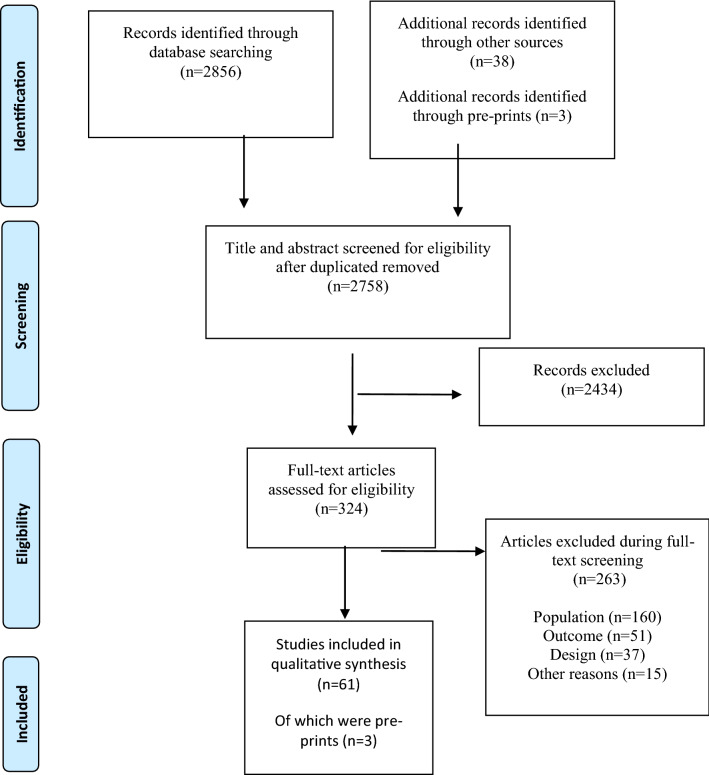
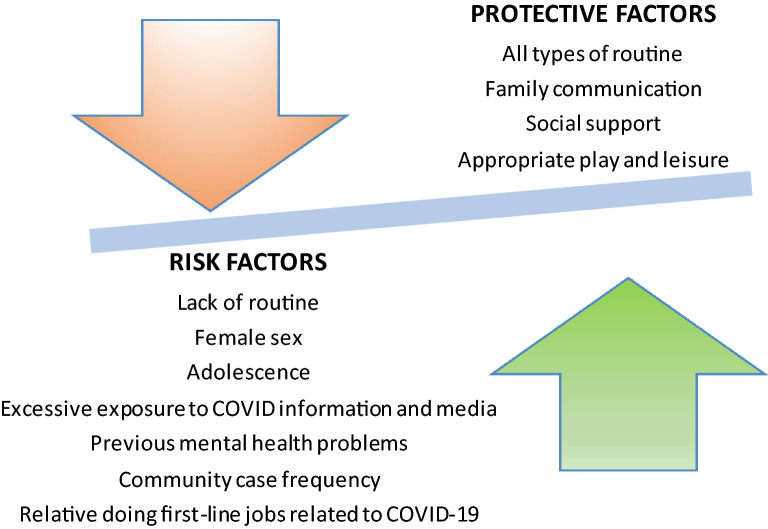
COVID-19 was declared a pandemic in March 2020, resulting in many countries worldwide calling for lockdowns. This study aimed to review the existing literature on the effects of the lockdown measures established as a response to the COVID-19 pandemic on the mental health of children and adolescents. Embase, Ovid, Global Health, PsycINFO, Web of Science, and pre-print databases were searched in this PRISMA-compliant systematic review (PROSPERO: CRD42021225604). We included individual studies reporting on a wide range of mental health outcomes, including risk and protective factors, conducted in children and adolescents (aged ≤ 19 years), exposed to COVID-19 lockdown. Data extraction and quality appraisal were conducted by independent researchers, and results were synthesised by core themes. 61 articles with 54,999 children and adolescents were included (mean age = 11.3 years, 49.7% female). Anxiety symptoms and depression symptoms were common in the included studies and ranged 1.8–49.5% and 2.2–63.8%, respectively. Irritability (range = 16.7–73.2%) and anger (range = 30.0–51.3%), were also frequently reported by children and adolescents. Special needs and the presence of mental disorders before the lockdown, alongside excessive media exposure, were significant risk factors for anxiety. Parent–child communication was protective for anxiety and depression. The COVID-19 lockdown has resulted in psychological distress and highlighted vulnerable groups such as those with previous or current mental health difficulties. Supporting the mental health needs of children and adolescents at risk is key. Clinical guidelines to alleviate the negative effects of COVID-19 lockdown and public health strategies to support this population need to be developed.
Overview
The claims and statistics of this paper haven’t been checked yet.
Free: it reads the open-access text and checks the first 5 claims that cite a source we can check. Create a free account to check every claim.
Integrity signals
Registry
Cites
Statistics
Figures
Verification
Claims the paper makes
The claims and statistics of this paper haven’t been checked yet.
Free: it reads the open-access text and checks the first 5 claims that cite a source we can check. Create a free account to check every claim.
Claims other papers make about this one
Each is checked against this paper’s own text: does it say what the citing paper says it does?
The source backs part of the claim, not all of it — or backs it for a different population, condition or comparison.
In the citing paper
“Overall, the COVID-19 pandemic led to a decrease in children’s and adolescents’ general wellbeing, an increase of mental health problems and psychiatric diagnoses, and a growing demand for (non-specialized and specialized) mental health care.”
From Interventions to build resilience and to ameliorate negative psychosocial effects of the COVID-19 pandemic on children and adolescents: a systematic review and meta-analysis (2024) · cites this paper as [7]
Experimental — accuracy not yet measuredThe source backs part of the claim, not all of it — or backs it for a different population, condition or comparison.
In the citing paper
“Specifically, a rise in depressive symptoms, anxiety, suicidal ideation, loneliness, sleep disturbance, eating disorders, gaming and increased screen time has been reported [4–8].”
From Interventions to build resilience and to ameliorate negative psychosocial effects of the COVID-19 pandemic on children and adolescents: a systematic review and meta-analysis (2024) · cites this paper as [7]
Experimental — accuracy not yet measuredThe source backs part of the claim, not all of it — or backs it for a different population, condition or comparison.
In the citing paper
“A systematic review reported a lockdown-associated increase in anxiety and depressive symptoms in children and adolescents and an increase in sleep disorders; as risk factors, a priori mental illness and high media exposure were identified [16].”
From Effectiveness of Online and Remote Interventions for Mental Health in Children, Adolescents, and Young Adults After the Onset of the COVID-19 Pandemic: Systematic Review and Meta-Analysis (2024) · cites this paper as [16]
Experimental — accuracy not yet measuredThe cited source says what the claim attributes to it.
In the citing paper
“A systematic review reported a lockdown-associated increase in anxiety and depressive symptoms in children and adolescents and an increase in sleep disorders; as risk factors, a priori mental illness and high media exposure were identified [16].”
Self-check
Percentages, sums and reported differences re-computed from the paper’s own numbers.
The self-check needs the paper’s full text.
Citations
Cites
Preferred Reporting Items for Systematic Reviews and Meta-Analyses: the PRISMA statement
Moher, D., Liberati, A., Tetzlaff, J., Altman, D. G., & for the PRISMA Group (2009) · BMJ · doi:10.1136/bmj.b2535 · Cited by 83,823
Preferred reporting items for systematic reviews and meta-analyses: the PRISMA Statement.
(2009) · PubMed Central · Cited by 44,859
The Psychological Impact of Quarantine and How to Reduce It: Rapid Review of the Evidence
Brooks, S. K., Webster, R. K., Smith, L. E., Woodland, L., Wessely, S., Greenberg, N., & Rubin, G. J. (2020) · doi:10.2139/ssrn.3532534 · Cited by 16,394
The psychological impact of quarantine and how to reduce it: Rapid review of the evidence
Brooks, S. K., Webster, R. K., Smith, L. E., Woodland, L., Wessely, S., Greenberg, N., & Rubin, G. J. (2020) · The Lancet · doi:10.1016/s0140-6736(20)30460-8 · Cited by 16,378
WHO Declares COVID-19 a Pandemic.
Cucinotta, D., & Vanelli, M. (2020) · Acta bio-medica dell'Ateneo parmense/Acta biomedica · doi:10.23750/abm.v91i1.9397 · Cited by 7,457
Merikangas, K. R., He, J.-P., Burstein, M., Swanson, S. A., Avenevoli, S., Cui, L., Benjet, C., Georgiades, K., & Swendsen, J. (2010) · Journal of the American Academy of Child & Adolescent Psychiatry · doi:10.1016/j.jaac.2010.05.017 · Cited by 6,278
Impact of COVID-19 pandemic on mental health in the general population: a systematic review
Xiong, J., Lipsitz, O., Nasri, F., Lui, L. M. W., Gill, H., Phan, L., Chen-Li, D., Iacobucci, M., Ho, R., Majeed, A., et al. (2020) · Journal of Affective Disorders · doi:10.1016/j.jad.2020.08.001 · Cited by 5,204
Mental health problems and social media exposure during COVID-19 outbreak
Gao, J., Zheng, P., Jia, Y., Chen, H., Mao, Y., Chen, S., Wang, Y., Fu, H., & Dai, J. (2020) · PLoS ONE · doi:10.1371/journal.pone.0231924 · Cited by 2,830
Mental Health Problems and Social Media Exposure During COVID-19 Outbreak
Gao, J., Zheng, P., Jia, Y., Chen, H., Mao, Y., Chen, S., Wang, Y., Fu, H., & Dai, J. (2020) · SSRN Electronic Journal · doi:10.2139/ssrn.3541120 · Cited by 2,830
Mitigate the effects of home confinement on children during the COVID-19 outbreak
Wang, G., Zhang, Y., Zhao, J., Zhang, J., & Jiang, F. (2020) · The Lancet · doi:10.1016/s0140-6736(20)30547-x · Cited by 2,148
Research works printed but not linked: 1
- Majeed S Ashraf M Psychological impacts of social distancing during COVID-19 pandemic in adolescents of Lahore, Pakistan Ann King Edward Med Univ Lahore Pak 2020 26 165 169
Cited by
Items 501–600 of 998
Parallel Increase in Childhood Anorexia Nervosa and Early Puberty During the COVID ‐19 Pandemic
Herpertz‐Dahlmann, B., Dempfle, A., Eckardt, S., Neulen, J., & Klump, K. L. (2025) · International Journal of Eating Disorders · doi:10.1002/eat.24556 · Cited by 2
Tate, C., Hashmi, S. M., O’Kane, N., & Hunter, R. F. (2025) · Cities · doi:10.1016/j.cities.2025.106554 · Cited by 2
The Psychiatric Burden in Alopecia Areata: A Propensity-Matched Cohort Study
Łuczak, K., Sójka, A., Ludwig, R. J., Corralo, D. S., Szepietowski, J. C., & Krajewski, P. K. (2025) · Dermatology and Therapy · doi:10.1007/s13555-025-01576-y · Cited by 3
Alhakami, A., Alenzi, E. O., Algariri, N. A., Assiri, R. A., & Alqahtani, H. M. (2025) · Healthcare · doi:10.3390/healthcare13222875 · Cited by 2
“The implemented restrictions during the COVID-19 Lockdown (e.g., closed schools, and social isolation) negatively impacted children’s mental and social health, physical activity, and lifestyle behaviors [9–11].”
Frajerman, A., Cevoli, F., & Leboyer, M. (2025) · Psychiatry Research · doi:10.1016/j.psychres.2025.116848 · Cited by 2
Agorastos, A., Thompson, T., Solmi, M., Cortese, S., Estradé, A., Raduà, J., Dragioti, E., Vancampfort, D., Thygesen, L. C., Aschauer, H. N., et al. (2025) · European Neuropsychopharmacology · doi:10.1016/j.euroneuro.2025.112741 · Cited by 5
Self-citationSaldanha, A. B., Ferreira, M. A. D., Araújo, L. F., Magalhães, K. D. N., Albuquerque, P. L. M. M., & Correia, L. L. (2025) · Ciência & Saúde Coletiva · doi:10.1590/1413-812320253010.09562025en · Cited by 2
Essig, C., Latus‐Olaifa, O., Monaco, D., Tocco, J. U., Ault-Brutus, A., Kubow, S., Badrinath, T., Adelman, N. E., Sapra, M., Young, J. Q., et al. (2025) · Journal of Poverty · doi:10.1080/10875549.2025.2610607 · Cited by 2
Brogan, D., Prabhu, P. S., Deng, L., Sharma, K., Dunn, A., Sharp, E. G., David, C., Leacey, L., Sterling, K., Hooker, A. L., et al. (2026) · Vaccine · doi:10.1016/j.vaccine.2026.128352 · Cited by 2
Kang, H., He, X., Diao, L., Ji, T., Kong, X., Li, D., He, X., & Xu, B. (2026) · Frontiers in Public Health · doi:10.3389/fpubh.2026.1753377 · Cited by 2
Madera, F., Nicodemo, G., Guasco, S., Ciulli, T., & Cardinali, P. (2026) · European Psychologist · doi:10.1027/1016-9040/a000580 · Cited by 2
Zhu, J., Gao, W., Hu, L., Hao, J., Chen, Y., Wang, Y., Li, P., Chen, W., Ban, P., Yang, L., et al. (2026) · BMC Psychology · doi:10.1186/s40359-026-04439-z · Cited by 2
“Global events such as the COVID-19 pandemic have created prolonged and collective psycho-social stressors for adolescents [17, 18], emphasizing the importance of examining how established risk and protective associations manifest.”
Chiang, S., & Chen, W. (2022) · Current Psychology · doi:10.1007/s12144-022-03602-0 · Cited by 3
Wiener, R. C. (2023) · PLOS Global Public Health · doi:10.1371/journal.pgph.0001540 · Cited by 2
“Researchers indicated that the impact of the COVID19 lockdowns and isolation created increases in anxiety, depression, anger, and other healthcare needs among children [3].”
BackgroundLakshmi, R. K. R. R., Oinam, E., & Devi, K. G. (2023) · Pastoral Psychology · doi:10.1007/s11089-023-01061-3 · Cited by 3
“Hence, their mental health has been adversely affected dur - ing the pandemic (Panchal et al., 2021).”
BackgroundMilašiūtė, E., Leskauskas, D., Bakutytė, M., & Jocys, V. (2023) · Pediatrics & Neonatology · doi:10.1016/j.pedneo.2022.12.017 · Cited by 4
Creating a digital culture of care: COVID-19 and digital teaching
Adams, M., Rodríguez, S., & Ramírez, K. (2023) · Cogent Education · doi:10.1080/2331186x.2023.2208941 · Cited by 4
“Panchal et al. (2021) report that “quarantines and lockdowns are states of isolation that are psychologically distressing.”
BackgroundEarly executive control buffers risk for adolescent psychopathology during the COVID‐19 pandemic
Laifer, L. M., Tomaso, C. C., Chang, O. D., Phillips, E. M., James, T. D., Nelson, J. M., Espy, K. A., Mason, W. A., & Nelson, T. D. (2023) · Journal of Adolescence · doi:10.1002/jad.12195 · Cited by 2
Scattoni, M. L., Micai, M., Caruso, A., Gila, L., Fulceri, F., Galati, G., Costantino, M. A., Molteni, M., Petralia, P., Lanari, M., et al. (2023) · Journal of Clinical Medicine · doi:10.3390/jcm12134270 · Cited by 3
Raile, P. (2023) · F1000Research · doi:10.12688/f1000research.139879.1 · Cited by 5
Gottert, A., Vieitez, I., Nevárez, R., Austrian, K., Muluve, E., Patel, S. K., Saggurti, N., Bajracharya, A., DeMulder, J., Soler‐Hampejsek, E., et al. (2023) · Journal of Adolescent Health · doi:10.1016/j.jadohealth.2023.06.016 · Cited by 3
“Older age has emerged in several COVID-19 era studies among youth as correlating with a range of adverse effects, particularly on mental health [4 e 6].”
BackgroundDecolonizing School Social Work Practice: The Delicate Dance Around Power, Privilege and Oppression
Mak, C. (2023) · Smith College Studies in Social Work · doi:10.1080/00377317.2023.2268169 · Cited by 3
“We are only now stepping in to understand the impacts on students, academically and social-emotionally (Panchal et al., 2021).”
BackgroundThe Impact of the COVID-19 Pandemic on Concussion Symptoms and Recovery Times in Adolescents
Ugalde, V. (2023) · Journal of Pediatrics & Neonatology · doi:10.33425/2689-1085.1058 · Cited by 2
“In the context of the pandemic, an important protective factor for all adolescents was access to daily activity and leisure [12].”
BackgroundTsoukalis-Chaikalis, N., Kipoulas, E., Chaniotis, D. I., Carayanni, V., Stamatopoulou, A., Stamatopoulou, E., & Χανιώτης, Φ. Ι. (2023) · Review of Clinical Pharmacology and Pharmacokinetics - International Edition · doi:10.61873/zium1367 · Cited by 2
Kim, J., & Scott, R. (2024) · Healthcare · doi:10.3390/healthcare12020279 · Cited by 2
“While most negative mood changes among adolescents are not necessarily indicative of severe mental health issues, some reported symptoms may be suggestive of depression or anxiety [49,50].”
BackgroundUsing the life course health development model to address pediatric mental health disparities
Smith, L. H., Nist, M. D., Fortney, C. A., Warren, B. J., Harrison, T. M., Gillespie, S. L., Herbell, K., Militello, L. K., Anderson, C. M., Tucker, S., et al. (2024) · Journal of Child and Adolescent Psychiatric Nursing · doi:10.1111/jcap.12452 · Cited by 2
Impact of the COVID-19 Pandemic Era on Adolescent Mental Health
Hasni, D., Caesarian, R. A., Maulana, I., Febrianto, B. Y., & Anissa, M. (2024) · Journal of Health Science and Medical Therapy · doi:10.59653/jhsmt.v2i02.636 · Cited by 5
Can, N., Çalışır, Ö. M., Öksüz, E. E., & Yalçın, S. (2024) · International Journal for the Advancement of Counselling · doi:10.1007/s10447-024-09544-5 · Cited by 3
“According to a systematic review study which includes 54,999 children and adolescents in 61 studies exposure to COVID-19 lockdown, it was shown that the prevalence of depression symptoms was 2.2–63.8% and anxiety symptoms’ prevalence was 1.8–49.5% (Panchal et al., 2021).”
InfluentialSobotka, M., Kern, T., Haider, K., Dale, R., Wöhrer, V., Pieh, C., Probst, T., Humer, E. C., & Jesser, A. (2024) · Frontiers in Public Health · doi:10.3389/fpubh.2024.1327999 · Cited by 4
Adolescent sleep and mental health in times of COVID-19
Kater, M., Werner, A., & Lohaus, A. (2024) · Somnologie - Schlafforschung und Schlafmedizin · doi:10.1007/s11818-024-00446-7 · Cited by 3
Children’s perceptions of animals in animal assisted interventions: a thematic synthesis
Peterson, L. M., & Putney, J. M. (2024) · Qualitative Research in Psychology · doi:10.1080/14780887.2024.2328040 · Cited by 2
Reisenhofer, C., & Gruber, A. R. (2024) · Verlag Julius Klinkhardt eBooks · doi:10.35468/6073-05 · Cited by 1
Istvan, M., Duval, M., Hodel, K., Aquizerate, A., Chaslerie, A., Artarit, P., Laforgue, E., & Victorri‐Vigneau, C. (2024) · European Archives of Psychiatry and Clinical Neuroscience · doi:10.1007/s00406-024-01774-3 · Cited by 6
“These factors contributed to the increase in the appearance of "new illnesses," particularly among women, children, teenagers, students, and the elderly, but also to the decompensation of pre-existing psychiatric pathologies [1, 2, 31–36] .”
Cohen, L. J., Liang, Y., Peterkin, D., McGibbon, K., Rappa, F., Rogers, M. L., You, S., Chistopolskaya, K. A., Enikolopov, S. N., Barzilay, S., et al. (2024) · Disaster Medicine and Public Health Preparedness · doi:10.1017/dmp.2023.235 · Cited by 2
Jonsson, L., Hertting, K., Lindgren, E.-C., & Johnson, U. (2024) · European Journal for Sport and Society · doi:10.1080/16138171.2024.2354549 · Cited by 3
“The significance of maintaining social connections (cf. Panchal et al., 2021) and exchanging ideas on how to conduct remote teaching and collaborating with others emerged as essential lessons, which contributed to their meaningfulness and manage-ability.”
Koet, L. B. M., Velek, P., Bindels, P., Bohnen, A. M., de Schepper, E. I. T., & Gerger, H. (2024) · European Journal of General Practice · doi:10.1080/13814788.2024.2357780 · Cited by 2
Müller–Godeffroy, E., Schmid, S., Reinauer, C., Galler, A., Hilgard, D., Marshall, L., Kapellen, T. M., Lilienthal, E., Mönkemöller, K., Brosig, B., et al. (2024) · Journal of Pediatric Endocrinology and Metabolism · doi:10.1515/jpem-2024-0129 · Cited by 3
Peres, M., Moreira-Rosário, A., Padeira, G., Silva, P. G., Correia, C., Nunes, A., Garcia, E., Faria, A., Teixeira, D., Calhau, C., et al. (2024) · Nutrients · doi:10.3390/nu16132170 · Cited by 2
Cultural contexts of adolescent anxiety: Paradox, ambivalence, and disjuncture
Atkinson, S. (2024) · Social Sciences & Humanities Open · doi:10.1016/j.ssaho.2024.101081 · Cited by 4
Haugland, B. S. M., Hysing, M., Danielsen, Y. S., Compas, B. E., Flygel, L. H. K., Håland, Å. T., & Wergeland, G. J. (2024) · Current Psychology · doi:10.1007/s12144-024-06490-8 · Cited by 2
“During the pandemic, an increase in youth mental health problems was demonstrated worldwide (Bera et al., 2022; Hussong et al., 2021; Kostev et al., 2023; Panchal et al., 2023; Racine et al., 2021; Revet et al., 2021), followed by a rise in referrals to mental health services (Revet et al., 2021).”
Hwang, J. J. (2024) · Wetlands · doi:10.1007/s13157-024-01838-z · Cited by 2
Díaz-Andrade, E., Rodríguez-Bolaños, R., Carmona, A. R., Ramírez‐Palacios, P., Santillán, E. J. A., Barrientos‐Gutiérrez, I., Vidaña‐Pérez, D., & Thrasher, J. F. (2024) · Salud Mental · doi:10.17711/sm.0185-3325.2024.029 · Cited by 9
Lannon, C., Schuler, C. L., Thomas, L., Gehring, E., Mann, K. J., & Leslie, L. K. (2024) · Pediatric Quality and Safety · doi:10.1097/pq9.0000000000000768 · Cited by 4
Werkmeister, B. J., Haase, A. M., Fleming, T. M., & Officer, T. N. (2024) · International Journal of Telemedicine and Applications · doi:10.1155/2024/8835933 · Cited by 6
“COVID-19 and lockdowns had a signi fi cant psychological impact internationally [79, 80] and on the NZ population [81 – 84].”
BackgroundChoi, N. G., Longley, M., Smith, K. A., Goldstein, L., Corum, A., Poonawala, R., & Fingerman, K. L. (2023) · Children and Youth Services Review · doi:10.1016/j.childyouth.2024.107940 · Cited by 3
Camacho‐Rubio, J., Ulloa, Á., Parellada, M., Pina‐Camacho, L., Díaz‐Caneja, C. M., Sevilla‐Cermeño, L., Arrieta, M., Cerón, B., Vidal, J., & Arango, C. (2024) · International Review of Psychiatry · doi:10.1080/09540261.2024.2409187 · Cited by 6
“In the last decades, the prevalence of adolescent mental health problems has risen (Armitage et al., 2023) and after the COVID-19 pandemic, both the incidence and awareness noticeably increased (Panchal et al., 2021; Solerdelcoll et al., 2021; Trafford et al., 2023).”
Self-citationGillis, B. T., Shimizu, M., Brigham, E. F., Hinnant, J. B., & El‐Sheikh, M. (2024) · Behavioral Sleep Medicine · doi:10.1080/15402002.2024.2412331 · Cited by 4
“Such an investigation is timely given that both sleep (Rocha & Fuligni, 2023) and mental health (Panchal et al., 2023) declined globally in the wake of the COVID-19 pandemic, highlighting the need for clear evidence of which sleep behaviors youth can target to promote their mental health.”
Lockdown Limbo: Reviving Marx’s ‘Dead Labor’ for Queer and Trans Mental Distress During COVID-19
Klitgård, M. (2024) · Forum for Social Economics · doi:10.1080/07360932.2024.2414215 · Cited by 3
“Furthermore, closing schools and most in-person leisure activities caused a mental health epidemic among teenagers and young adults (Panchal et al., 2021; Viner et al., 2022), and many elderly people experienced mental hardship from only having interpersonal contact with care workers.”
Drysdale, R. E., Mvelase, S., Kane, J. C., Gruver, R. S., Desmond, C., & Davidson, L. L. (2025) · Journal of Adolescent Health · doi:10.1016/j.jadohealth.2024.11.240 · Cited by 3
Mantler, T., Yates, J., Davidson, C. A., Burke, S. M., & Orchard, T. R. (2025) · The Family Journal · doi:10.1177/10664807251321514 · Cited by 3
Lorthe, E., Dumont, R., Richard, V., Loizeau, A., Rohner, G. B., Schrempft, S., Baysson, H., Zaballa, M.-E., Lamour, J., Eigenmann, P., et al. (2025) · The Journal of Pediatrics · doi:10.1016/j.jpeds.2025.114528 · Cited by 2
Руслановна, М. Е., Касумовна, Х. М., Ushakova, A. Y., Евгеньевна, Ц. Е., & Алексеевна, Г. Л. (2025) · Journal of microbiology epidemiology immunobiology · doi:10.36233/0372-9311-617 · Cited by 2
Marchetto, C., Criscuolo, M., Croci, I., Bucci, M. E., Caramadre, A. M., Castiglioni, M. C., Vicari, S., & Zanna, V. (2025) · Eating and Weight Disorders - Studies on Anorexia Bulimia and Obesity · doi:10.1007/s40519-025-01749-w · Cited by 2
“A review of 61 studies on the impact of lockdowns reported considerable variability in anxiety and depression symptoms, along with increased irritability and anger [24].”
Cahyono, M. Y. M., & Adiawaty, S. (2025) · Sinergi International Journal of Psychology · doi:10.61194/psychology.v2i3.523 · Cited by 6
“Studies in South Africa revealed that young women experienced increased feelings of loneliness due to economic hardships and systemic discrimination (Duby et al., 2022; Panchal et al., 2021).”
The impact of COVID-19 on secondary school Students: Insights from photo-elicitation interviews
Ismail, R., Zhang, J., Kamaruddin, A. Y., & Ramadan, K. (2025) · Social Sciences & Humanities Open · doi:10.1016/j.ssaho.2025.101505 · Cited by 3
Dey, M., Volken, T., Altwicker-Hámori, S., von Rhein, M., Seiler, M., Laasner, U., Wieber, F., & Dratva, J. (2025) · Swiss Medical Weekly · doi:10.57187/s.3899 · Cited by 1
GÖNÜLTAŞ, B. M., Öztürk, M., Başcıllar, M., AYDEMİR, İ., Temiz, S., Erkoç, B. H., Ervüz, C., & Türk, A. (2025) · Psychiatry · doi:10.1080/00332747.2025.2503005 · Cited by 4
Schlesinger, Y., Paz, Y., Rousseau, S., Atzaba‐Poria, N., & Frenkel, T. I. (2025) · Child Development · doi:10.1111/cdev.14250 · Cited by 3
“The present findings are in line with an increased number of studies evidencing the negative impact of pandemic-related stressors on both children's mental health and their caregivers (Nearchou et al. 2020; Panchal et al. 2021; Racine et al. 2022).”
Stability of Danish Population Health Preferences Over Time
Jensen, C. E., Sørensen, S. S., Gudex, C. M., & Roudijk, B. (2025) · Value in Health · doi:10.1016/j.jval.2025.05.014 · Cited by 2
Validation of the ecological momentary well-being instrument (EMOWI) in Canadian adolescents
Buzzi, M., Patte, K. A., Kestens, Y., Moullec, G., Minary, L., O’Loughlin, J. L., Leatherdale, S. T., Agrinier, N., & Epstein, J. (2025) · Quality of Life Research · doi:10.1007/s11136-025-04001-1 · Cited by 3
“The COVID-19 pandemic has underscored a critical need to promote and protect mental health in vulnerable populations [1 , 2 ].”
Natale, R., Kenworthy, T., Pan, Y., Howe, E., Agosto, Y., Bulotsky‐Shearer, R. J., George, S. M. S., Rahman, T., Velasquez, C., & Jent, J. F. (2025) · Children · doi:10.3390/children12070812 · Cited by 4
“Efforts to promote young children’s positive social–emotional development have become even more critical post-COVID-19 [20,21].”
Renick, J., Hasselle, A. J., Gales, J. R., Moss, B. J., & Eslwick, S. E. (2025) · Youth & Society · doi:10.1177/0044118x251356623 · Cited by 2
“The COVID-19 pandemic appears to have worsened adolescent well-being (Panchal et al., 2023), with some labeling the current state of adolescent mental health a “global crisis” (Benton et al., 2021).”
Let Them Draw: Israeli Adolescents’ Doodle Notebooks Amid Terror and War
Wexler, L., & Goldner, L. (2025) · Journal of Loss and Trauma · doi:10.1080/15325024.2025.2524058 · Cited by 2
“The impact on adolescents remains of particular concern, whose distress has been compounded by the recent memory of the COVID-19 lockdowns, a period marked by rising addiction rates and pervasive mental health challenges, including anxiety and depression (Panchal et al., 2023; Shoshani & Kor, 2024).”
Luisa Schonhaut, B., Zepeda, A., & Paula Rojas, B. (2022) · Andes pediatrica · doi:10.32641/andespediatr.v93i6.4539 · Cited by 3
The Implication of the COVID-19 Lockdown and Quarantine on Child Psychology
Zhang, B. (2023) · Journal of Education Humanities and Social Sciences · doi:10.54097/ehss.v7i.4080 · Cited by 3
Tani, Y., Isumi, A., Doi, S. K., & Fujiwara, T. (2023) · Nutrients · doi:10.3390/nu15051091 · Cited by 3
“A recent systematic review evaluating the effect of COVID-19 lockdowns on children’s mental health reported a substantial increase in mental disorders after the lockdowns compared with before the lockdowns [4].”
BackgroundFaucher, J., Khanafer, N. L., Chauliac, N., Essadek, A., Galia, P., Mamimoué, É., Leroux, M.-L., Pollet, M.-P., Imler-Weber, F., Gillet, Y., et al. (2023) · International Journal of Environmental Research and Public Health · doi:10.3390/ijerph20054667 · Cited by 4
“This also happened when children and adolescents received good support within the family, were engaged in activities together, and were able to communicate and share their emotions [17,18].”
BackgroundBahrami, G., Takaffoli, M., & Vameghi, M. (2022) · Iranian Journal of Psychiatry and Clinical Psychology · doi:10.32598/ijpcp.28.3.3976.1 · Cited by 4
Bloch, E. A., Carbó, A. G., Martínez, J. V. B., Pérez-Porcuna, T. M., Juncosa, O. S., Gimeno, E. F., & Garcia, P. Á. (2023) · Anales de Pediatría · doi:10.1016/j.anpedi.2023.03.010 · Cited by 6
Bloch, E. A., Carbó, A. G., Martínez, J. V. B., Pérez-Porcuna, T. M., Juncosa, O. S., Gimeno, E. F., & Garcia, P. Á. (2023) · Anales de Pediatría (English Edition) · doi:10.1016/j.anpede.2023.06.001 · Cited by 2
Bulut, G. Ç., Gökçe, S., & Gümüştaş, F. (2023) · Konuralp Tıp Dergisi · doi:10.18521/ktd.1334880 · Cited by 2
Leisure Activity Type and Sustainable Health Status in Late Adolescents
Ayhan, C., Gümüş, H., Marcén, C., & ÇAĞLAYAN, B. (2023) · İnsan ve Sosyal Bilimler Dergisi · doi:10.53048/johass.1372057 · Cited by 4
Lee, M., Jeong, S., Kim, C.-S., & Yang, Y. J. (2023) · Journal of Nutrition and Health · doi:10.4163/jnh.2023.56.6.667 · Cited by 3
Aerobic training effect on mental health and biological indicators in Post-COVID-19 patients
Olivares, L. A. F., Villa-García, E. N., Sánchez-Márquez, Y., Salazar-Enríquez, V. M., Salais-Chaparro, A. D. J., & del Castillo, L. A. E. (2024) · Retos · doi:10.47197/retos.v52.101983 · Cited by 4
DALDAŞ, A. Ö., & Erturan, G. (2024) · Gazi Beden Eğitimi ve Spor Bilimleri Dergisi · doi:10.53434/gbesbd.1370504 · Cited by 2
Hendriksen, P. A., Tan, S., van Oostrom, E. C., Merlo, A., Bardakçı, H., Aksoy, N., Garssen, J., Bruce, G., & Verster, J. C. (2024) · Data · doi:10.3390/data9020035 · Cited by 2
Wu, G., Zhang, W., Wu, W., Wang, P., Huang, Z., Wu, Y., Li, J., Zhang, W., Du, Z., & Hao, Y. (2024) · Frontiers in Public Health · doi:10.3389/fpubh.2024.1343950 · Cited by 4
Miconi, D., Levinsson, A., Kafi, M. A. H., Ngov, C., Santavicca, T., & Rousseau, C. (2024) · Transcultural Psychiatry · doi:10.1177/13634615241296293 · Cited by 2
Wong, K. K., Loke, K., & Melville, K. M. K.-L. (2022) · doi:10.14324/111.444/000119.v2 · Cited by 2
Rapid increase in depression within the first month of the Shanghai Covid lockdown in 2022Preprint
Ma, X., He, X., Wu, M., Kuang, Y., Zeng, S., Zhao, B., Wang, L., Li, Y., Xue, M., Sang, H., et al. (2022) · PsyArXiv (OSF Preprints) · doi:10.31234/osf.io/mwge8 · Cited by 2
Rahmon, I. J., Bosmans, M. W. G., Baliatsas, C., Hooiveld, M., Marra, E., & Dückers, M. (2023) · doi:10.2196/preprints.53368 · Cited by 2
Neugebauer, M., Patzina, A., Dietrich, H. W., & Sandner, M. (2023) · SSRN Electronic Journal · doi:10.2139/ssrn.4651057 · Cited by 3
Richard, V., Lorthe, E., Dumont, R., Bovio, N., Fernandez, N., Nehme, M., Barbe, R., Posfay-Barbe, K. M., Guessous, I., Stringhini, S., et al. (2025) · medRxiv · doi:10.64898/2025.11.30.25340982 · Cited by 2
Suryaratri, R. D., Zakiah, E., & Oktoriva, A. S. (2021) · International Journal of Research in Counseling and Education · doi:10.24036/00457za0002 · Cited by 4
Nightlife and COVID Vaccinations: A Field Study on an Italian Sample of Party Youth in summer 2021
Contino, A., Codarin, M., & Blas, L. D. (2022) · Psihologijske teme · doi:10.31820/pt.31.3.7 · Cited by 1
“…socialization and well-being among young people, who generally suffer from low social connectedness (Hall-Lande et al., 2007; Lampraki et al., 2022) and have reported various psychological difficulties, since the COVID pandemic was declared worldwide (Panchal et al., 2021; Preston & Rew, 2022).”
Arbour, S., Paul, S., & Rice, M. (2023) · Journal of Child and Adolescent Psychiatric Nursing · doi:10.1111/jcap.12430 · Cited by 2
Hareven, O., Kron, T., Roe, D., & Koren, D. (2023) · Mental Health and Social Inclusion · doi:10.1108/mhsi-05-2023-0055 · Cited by 4
Youth and caregiver asthma functioning and quality of life throughout the COVID-19 pandemic
Sinisterra, M., Sweenie, R., Ezmigna, D. R., & Fedele, D. A. (2023) · Frontiers in Allergy · doi:10.3389/falgy.2023.1268112 · Cited by 1
Stevenson, J. (2023) · Springer eBooks · doi:10.1007/978-3-031-45787-6_7 · Cited by 1
Miller, E., & Withers, M. D. (2023) · Frontiers in Education · doi:10.3389/feduc.2023.1177033 · Cited by 1
The subjective treatment effects of COVID-19 on child well-being: evidence from Luxembourg
Andreoli, F., Kirsch, C., Peluso, E., & Prete, V. (2024) · International Review of Economics · doi:10.1007/s12232-024-00453-y · Cited by 1
“Female and older adolescents are also at higher risk of suffering from mental health problems (Gilsbach et al. 2021; Panchal et al. 2021), as well as adolescents from disadvantaged backgrounds or ethnic minority groups receiving mental health services exclusively in school environments (Golberstein…”
Yang, Z., Luo, Y., Chen, F., Qi, M., Luo, R., Li, Y., & Wang, Y. (2024) · Current Psychology · doi:10.1007/s12144-024-06057-7 · Cited by 3
“Research has shown that factors such as the risk of infection and various prevention and control measures can cause stress, leading to problems such as depressive symptoms, anxiety, loneliness, and academic difficulties among adolescents (Guessoum et al., 2020; Panchal et al., 2023).”
McKerracher, L., Kennedy, K. M., Chin, J., Maio, J. D., Weeraratne, T., Bouchard, M., Malhotra, D., Bhopa, S., Oliver, K., Dickinson, S., et al. (2024) · International Journal of Play · doi:10.1080/21594937.2024.2388955 · Cited by 1
“The health-related correlates of play that we explored here were disrupted and recon fi - gured for young people during the pandemic in all countries for which there are data (Panchal et al., 2023).”
Powell, T. M., Wetzel, G., & Cardoso, J. B. (2024) · Children & Schools · doi:10.1093/cs/cdae020 · Cited by 2
Wang, Z., Hong, B., Su, Y., Li, M., Zou, K., Wang, L., Zhao, L., Jia, P., & Song, G.-Y. (2024) · Scientific Reports · doi:10.1038/s41598-024-72461-5 · Cited by 3
College Course About Flourishing and Students’ Mental Health During SARS-CoV-2
Hirshberg, M. J., Colaianne, B. A., Greenberg, M. T., Inkelas, K. K., Davidson, R. J., Germano, D., Dunne, J. D., & Roeser, R. W. (2024) · JAMA Network Open · doi:10.1001/jamanetworkopen.2024.44845 · Cited by 1
The impact of distance learning on the health in schoolchildren (literature review)
Bobrisheva-Pushkina, N. D., Kuznetsova, L. Y., & Онищенко, Г. Г. (2024) · Hygiene and Sanitation · doi:10.47470/0016-9900-2024-103-10-1207-1211 · Cited by 1
Alkhawashki, S. H., Altuwariqi, M. H., Almadani, A. H., Almarshedi, A. A., Alasiri, R., Mobeireek, N. A., Alrashoud, M. R., Abouammoh, N. A., Alshahrani, F. S., AlFattani, A. A. G., et al. (2024) · Children · doi:10.3390/children11121551 · Cited by 2
“For instance, Panchal U. et al. [15] conducted a systematic review study aiming to review the literature on the effects of the lockdown during the COVID-19 pandemic on mental health among children and adolescents.”
Bozbayındır, F., & Akalın, T. Ç. (2025) · Journal of Theoretical Social Psychology · doi:10.1155/jts5/6791135 · Cited by 2
Ai-ping, X., & Zhang, Y. (2025) · BMC Psychology · doi:10.1186/s40359-025-02360-5 · Cited by 1
Metadata
- Authors
- Panchal, U., Salazar de Pablo, G., Franco, M., Moreno, C., Parellada, M., Arango, C., & Fusar-Poli, P.
- Affiliations
- Universidad Autónoma de Madrid (ES)
- Hospital General Universitario Gregorio Marañón (ES)
- ORCID
- Venue
- European Child & Adolescent Psychiatry
- Published
- 2021-08-18
- Volume
- 32
- Issue
- 7
- Pages
- 1151-1177
- ISSN
- 1018-8827 (ISSN-L)
- 1435-165X
- PMC
- PMC8371430
- OpenAlex
- W3188471381
- Cited by
- 1,028
- References
- 121
- Citations by year
- 2026: 100 · 2025: 204 · 2024: 290 · 2023: 257 · 2022: 165 · 2021: 11
- FWCI
- 24.00
- Type
- journal article
- Language
- en
- Open access
- hybrid
- doi.org
- Licence
- cc-by
- creativecommons.org/licenses/by/4.0 (tdm)
- creativecommons.org/licenses/by/4.0 (vor)
- Locations
- European Child & Adolescent Psychiatry (publishedVersion, cc-by)
- PubMed Central (publishedVersion, cc-by)
- PubMed (publishedVersion)
- Funders
- Fundación Alicia Koplowitz
- Topics
- Social Sciences › Psychology › Clinical Psychology › COVID-19 and Mental Health
- Social Sciences › Psychology › Clinical Psychology › Child and Adolescent Psychosocial and Emotional Development
- Health Sciences › Medicine › Public Health, Environmental and Occupational Health › Maternal Mental Health During Pregnancy and Postpartum
- Keywords
- COVID-19 lockdown, child mental health, adolescent mental health, anxiety symptoms, depressive symptoms, irritability, anger, risk factors, protective factors, special needs, pre-existing mental disorders, media exposure, parent-child communication, psychological distress
- MeSH terms
- COVID-19, SARS-CoV-2, Adolescent, Anxiety, Child, Communicable Disease Control, Depression, Female, Humans, Male, Mental Health, Pandemics
About these checks
Registry, retraction, Cites and statistics results are computed, not judged, with one exception: a printed reference that no index lists is read once by a model before it counts as a citation error. Claims are extracted by a model and kept only when their quote appears verbatim in the text; each cited source is then checked, with a model’s help, for whether it says what the claim relies on. Those verdicts can be wrong — read the claim’s quote and the cited source before relying on one.
Statistics and arithmetic are recomputed, not judged.
Confidence bands are shown only for fields calibrated on our annotated test set. None is calibrated yet, so no band is shown.
What counts as a claim ›How we measure confidence ›How we check this ›
Are you an author, or do you see a problem with this page? Request a review
Data sources
Bibliographic data: Semantic Scholar, OpenAlex, Crossref.
Contains information from the Semantic Scholar Academic Graph Datasets, made available under the ODC Attribution License (ODC-BY 1.0).
Semantic Scholar’s data is described in: Kinney, R., et al. (2023). The Semantic Scholar Open Data Platform. arXiv:2301.10140.
