

The impact of COVID-19 lockdown on child and adolescent mental health: systematic review
Open accessThe DOI matches its Crossref record; 128 of the 128 references it cites were found in a registry or an index.
Abstract
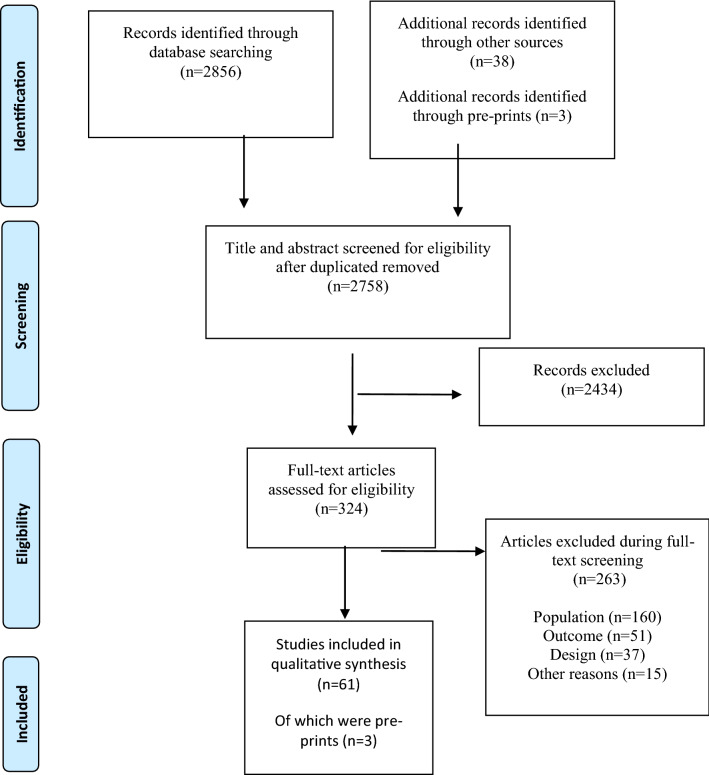
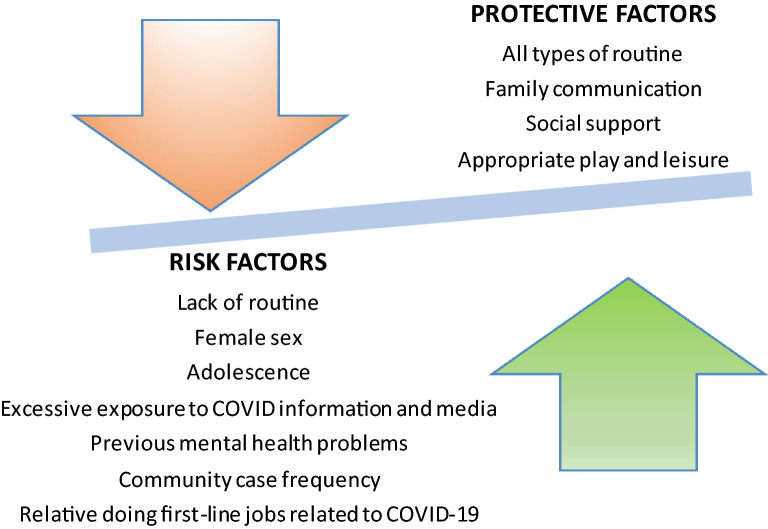
COVID-19 was declared a pandemic in March 2020, resulting in many countries worldwide calling for lockdowns. This study aimed to review the existing literature on the effects of the lockdown measures established as a response to the COVID-19 pandemic on the mental health of children and adolescents. Embase, Ovid, Global Health, PsycINFO, Web of Science, and pre-print databases were searched in this PRISMA-compliant systematic review (PROSPERO: CRD42021225604). We included individual studies reporting on a wide range of mental health outcomes, including risk and protective factors, conducted in children and adolescents (aged ≤ 19 years), exposed to COVID-19 lockdown. Data extraction and quality appraisal were conducted by independent researchers, and results were synthesised by core themes. 61 articles with 54,999 children and adolescents were included (mean age = 11.3 years, 49.7% female). Anxiety symptoms and depression symptoms were common in the included studies and ranged 1.8–49.5% and 2.2–63.8%, respectively. Irritability (range = 16.7–73.2%) and anger (range = 30.0–51.3%), were also frequently reported by children and adolescents. Special needs and the presence of mental disorders before the lockdown, alongside excessive media exposure, were significant risk factors for anxiety. Parent–child communication was protective for anxiety and depression. The COVID-19 lockdown has resulted in psychological distress and highlighted vulnerable groups such as those with previous or current mental health difficulties. Supporting the mental health needs of children and adolescents at risk is key. Clinical guidelines to alleviate the negative effects of COVID-19 lockdown and public health strategies to support this population need to be developed.
Overview
The claims and statistics of this paper haven’t been checked yet.
Free: it reads the open-access text and checks the first 5 claims that cite a source we can check. Create a free account to check every claim.
Integrity signals
Registry
Cites
Statistics
Figures
Verification
Claims the paper makes
The claims and statistics of this paper haven’t been checked yet.
Free: it reads the open-access text and checks the first 5 claims that cite a source we can check. Create a free account to check every claim.
Claims other papers make about this one
Each is checked against this paper’s own text: does it say what the citing paper says it does?
The source backs part of the claim, not all of it — or backs it for a different population, condition or comparison.
In the citing paper
“Overall, the COVID-19 pandemic led to a decrease in children’s and adolescents’ general wellbeing, an increase of mental health problems and psychiatric diagnoses, and a growing demand for (non-specialized and specialized) mental health care.”
From Interventions to build resilience and to ameliorate negative psychosocial effects of the COVID-19 pandemic on children and adolescents: a systematic review and meta-analysis (2024) · cites this paper as [7]
Experimental — accuracy not yet measuredThe source backs part of the claim, not all of it — or backs it for a different population, condition or comparison.
In the citing paper
“Specifically, a rise in depressive symptoms, anxiety, suicidal ideation, loneliness, sleep disturbance, eating disorders, gaming and increased screen time has been reported [4–8].”
From Interventions to build resilience and to ameliorate negative psychosocial effects of the COVID-19 pandemic on children and adolescents: a systematic review and meta-analysis (2024) · cites this paper as [7]
Experimental — accuracy not yet measuredThe source backs part of the claim, not all of it — or backs it for a different population, condition or comparison.
In the citing paper
“A systematic review reported a lockdown-associated increase in anxiety and depressive symptoms in children and adolescents and an increase in sleep disorders; as risk factors, a priori mental illness and high media exposure were identified [16].”
From Effectiveness of Online and Remote Interventions for Mental Health in Children, Adolescents, and Young Adults After the Onset of the COVID-19 Pandemic: Systematic Review and Meta-Analysis (2024) · cites this paper as [16]
Experimental — accuracy not yet measuredThe cited source says what the claim attributes to it.
In the citing paper
“A systematic review reported a lockdown-associated increase in anxiety and depressive symptoms in children and adolescents and an increase in sleep disorders; as risk factors, a priori mental illness and high media exposure were identified [16].”
Self-check
Percentages, sums and reported differences re-computed from the paper’s own numbers.
The self-check needs the paper’s full text.
Citations
Cites
Preferred Reporting Items for Systematic Reviews and Meta-Analyses: the PRISMA statement
Moher, D., Liberati, A., Tetzlaff, J., Altman, D. G., & for the PRISMA Group (2009) · BMJ · doi:10.1136/bmj.b2535 · Cited by 83,823
Preferred reporting items for systematic reviews and meta-analyses: the PRISMA Statement.
(2009) · PubMed Central · Cited by 44,859
The Psychological Impact of Quarantine and How to Reduce It: Rapid Review of the Evidence
Brooks, S. K., Webster, R. K., Smith, L. E., Woodland, L., Wessely, S., Greenberg, N., & Rubin, G. J. (2020) · doi:10.2139/ssrn.3532534 · Cited by 16,394
The psychological impact of quarantine and how to reduce it: Rapid review of the evidence
Brooks, S. K., Webster, R. K., Smith, L. E., Woodland, L., Wessely, S., Greenberg, N., & Rubin, G. J. (2020) · The Lancet · doi:10.1016/s0140-6736(20)30460-8 · Cited by 16,378
WHO Declares COVID-19 a Pandemic.
Cucinotta, D., & Vanelli, M. (2020) · Acta bio-medica dell'Ateneo parmense/Acta biomedica · doi:10.23750/abm.v91i1.9397 · Cited by 7,457
Merikangas, K. R., He, J.-P., Burstein, M., Swanson, S. A., Avenevoli, S., Cui, L., Benjet, C., Georgiades, K., & Swendsen, J. (2010) · Journal of the American Academy of Child & Adolescent Psychiatry · doi:10.1016/j.jaac.2010.05.017 · Cited by 6,278
Impact of COVID-19 pandemic on mental health in the general population: a systematic review
Xiong, J., Lipsitz, O., Nasri, F., Lui, L. M. W., Gill, H., Phan, L., Chen-Li, D., Iacobucci, M., Ho, R., Majeed, A., et al. (2020) · Journal of Affective Disorders · doi:10.1016/j.jad.2020.08.001 · Cited by 5,204
Mental health problems and social media exposure during COVID-19 outbreak
Gao, J., Zheng, P., Jia, Y., Chen, H., Mao, Y., Chen, S., Wang, Y., Fu, H., & Dai, J. (2020) · PLoS ONE · doi:10.1371/journal.pone.0231924 · Cited by 2,830
Mental Health Problems and Social Media Exposure During COVID-19 Outbreak
Gao, J., Zheng, P., Jia, Y., Chen, H., Mao, Y., Chen, S., Wang, Y., Fu, H., & Dai, J. (2020) · SSRN Electronic Journal · doi:10.2139/ssrn.3541120 · Cited by 2,830
Mitigate the effects of home confinement on children during the COVID-19 outbreak
Wang, G., Zhang, Y., Zhao, J., Zhang, J., & Jiang, F. (2020) · The Lancet · doi:10.1016/s0140-6736(20)30547-x · Cited by 2,148
Research works printed but not linked: 1
- Majeed S Ashraf M Psychological impacts of social distancing during COVID-19 pandemic in adolescents of Lahore, Pakistan Ann King Edward Med Univ Lahore Pak 2020 26 165 169
Cited by
Items 301–400 of 998
Berchialla, P., Canale, N., Kilibarda, B., Comoretto, R. I., Alexandrova‐Karamanova, A., Baška, T., ter Bogt, T., Vieno, A., & Charrier, L. (2024) · Addictive Behaviors · doi:10.1016/j.addbeh.2024.108238 · Cited by 6
Doyle, A. E., Colvin, M. K., Beery, C. S., Koven, M. R., Vuijk, P. J., & Braaten, E. B. (2022) · Child and Adolescent Psychiatry and Mental Health · doi:10.1186/s13034-022-00441-6 · Cited by 9
“In a review of studies, Panchal and colleagues [15] concluded that youth with prior mental health concerns may be at increased risk for anxiety.”
BackgroundAl-Shareef, A. S., AL-Jabarti, A., Babkair, K. A., Jamjoom, M., Bakhsh, A., & Aga, S. S. (2022) · Emergency Medicine International · doi:10.1155/2022/2715647 · Cited by 11
“In the United States, Panchal et al. [18] found that 4 out of 10 people were reporting increased symptoms of depression and anxiety, with a negative impact on mental health and well-being.”
BackgroundReali, L., Nijman, R., Hadjipanayis, A., del Torso, S., Calamita, P., Rafele, I., Katz, M., Barak, S., & Grossman, Z. (2022) · Frontiers in Pediatrics · doi:10.3389/fped.2022.1006596 · Cited by 6
Hammad, S. S., Alzhrani, M. D., & Almulla, H. A. (2023) · International Journal of Nursing Sciences · doi:10.1016/j.ijnss.2023.03.008 · Cited by 9
“218 support, and allotting appropriate time to play and leisure [49].”
Yeung, T. Y.-C. (2023) · Humanities and Social Sciences Communications · doi:10.1057/s41599-023-01614-0 · Cited by 7
“The degree of social isolation caused by lockdowns was exceptional, with adverse effects on mental health (Banks and Xu, 2020; Elmer et al., 2020; Panchal et al., 2021; Pieh et al., 2021) and impacts on human behaviours.”
BackgroundJang, Y., Cho, H.-M., Mok, Y. E., Chi, S., Han, C., Yi, H.-S., & Lee, M. (2023) · Journal of korean Academy of Child and Adolescent Psychiatry · doi:10.5765/jkacap.220036 · Cited by 7
de Maat, D. A., der Hallen, R. V., de Nijs, P. F. A., Visser, K., Bastiaansen, D., Truijens, F. L., van Rijen, E. H. M., Ester, W. A., Prinzie, P., Jansen, P. W., et al. (2023) · Journal of Autism and Developmental Disorders · doi:10.1007/s10803-022-05846-y · Cited by 11
Zhang, T., Zhang, X., Meng, X., Huang, Y., Zhang, W., Gong, H.-H., Chan, S. K. W., Chen, X.-C., Gao, R., Lewis‐Fernández, R., et al. (2023) · Frontiers in Psychiatry · doi:10.3389/fpsyt.2023.1170540 · Cited by 8
“Although children and adolescents have experienced severe mental health problems during the COVID-19 pandemic (25), few studies have focused on COVID-19-related stigmatization in this vulnerable group.”
BackgroundGarcia, F. F., Casarin, M., Silva, F. H., & Muniz, F. W. M. G. (2023) · Journal of Dental Education · doi:10.1002/jdd.13333 · Cited by 7
School‐Based Mental Health Service Utilization Through the COVID‐19 Pandemic and Beyond
Stuenkel, M., Koob, C., Richardson, E., Griffin, S. F., & Sease, K. K. (2023) · Journal of School Health · doi:10.1111/josh.13384 · Cited by 6
Riazi, N. A., Goddard, J. A., Lappin, S., Michaelson, V. E., Wade, T. J., & Patte, K. A. (2023) · International Journal of Adolescence and Youth · doi:10.1080/02673843.2023.2239327 · Cited by 5
“…depression, anxiety, fatigue, psychological distress, irrit-ability, and anger in adolescents (Elharake et al., 2022; Guessoum et al., 2020; Panchal et al., 2021; Samji et al., 2022; Sifat et al., 2022), with disproportionate impacts among certain populations (e.g. students who are female,…”
BackgroundKamrath, C., Tittel, S. R., Buchal, G., Brämswig, S., Preiss, E., Göldel, J. M., Wiegand, S., Minden, K., Warschburger, P., Stahl‐Pehe, A., et al. (2024) · Journal of Adolescent Health · doi:10.1016/j.jadohealth.2023.12.004 · Cited by 7
Chung, G. K.-K., Liu, X., Massar, K., Schelleman‐Offermans, K., Bosma, H., Chan, Y.-H., Chan, S., Chen, J., Wong, H., & Chung, R. Y. (2024) · Social Psychiatry and Psychiatric Epidemiology · doi:10.1007/s00127-024-02649-7 · Cited by 6
“Although adolescents are not particularly vulnerable to the SARS-CoV-2 virus itself, an extensive body of research revealed deterioration in their mental health and psychosocial well-being under partial or full lockdowns and other stringent containment measures [1].”
BackgroundChoi, N. G., Marti, C. N., & Choi, B. Y. (2024) · Children and Youth Services Review · doi:10.1016/j.childyouth.2024.107665 · Cited by 6
Alhazmi, A. A. (2022) · Psychology in the Schools · doi:10.1002/pits.22763 · Cited by 7
“…a serious emotional and behavioral impact on young people, including increased restlessness, hyperactivity, inattentiveness, and difficulty concentrating (Panchal et al., 2021; Viner et al., 2022), and increase the risk for anxiety and depressive symptoms (Panchal et al., 2021; Viner et al., 2022).”
BackgroundWong, K. K., Loke, K., & Melville, K. M. K.-L. (2022) · UCL Open Environment · doi:10.14324/111.444/ucloe.000041 · Cited by 7
“Pandemic policies, restrictions, and repeated lockdowns – though varying in length and severity by country – have undoubtedly impacted people’s livelihoods and outlook on life, some for the short-term, others for much longer (Carollo et al., 2021a; 2021b; Panchal et al., 2021; Singh et al., 2020; Wang et al., 2021).”
BackgroundNitsche, N., & Lee, D. S. (2022) · doi:10.4054/mpidr-wp-2022-020 · Cited by 6
Meiri, Y. K., Kosher, H., & Gross‐Manos, D. (2024) · Children and Youth Services Review · doi:10.1016/j.childyouth.2024.107615 · Cited by 5
Doyle, N. J., Cumming, F., Thompson, R. N., & Tildesley, M. J. (2024) · PLoS Computational Biology · doi:10.1371/journal.pcbi.1012010 · Cited by 5
Stewart, S. L., Brock, B., Manis, J., Vasudeva, A. S., & Poss, J. W. (2024) · Child Protection and Practice · doi:10.1016/j.chipro.2024.100061 · Cited by 7
Lieber, I., & Werneke, U. (2024) · International Review of Psychiatry · doi:10.1080/09540261.2024.2435985 · Cited by 6
“Specific vulnerable groups could include some ethnic minorities, socio-economically disadvantaged populations, and children and adolescents (Brenner & Bhugra, 2020, Panchal et al., 2023).”
Kornfield, R., Popowski, S. A., Tack, E., Svoboda, J., Herrera, M. A., Nguyen, T., Knapp, A. A., Mohr, D. C., & Meyerhoff, J. (2025) · JMIR Formative Research · doi:10.2196/68950 · Cited by 9
“In addition, adolescent mental health has been affected by recent trends and events, including increases in screen time and social media use and the COVID-19 pandemic and related lockdowns [6,7].”
Vines, E., Abraczinskas, M., Kennedy, H., & Chávez, N. R. (2025) · Journal of Participatory Research Methods · doi:10.35844/001c.137269 · Cited by 5
Basilici, M. C., Palladino, B. E., Upadyaya, K., Luca, L. D., Salmela‐Aro, K., & Menesini, E. (2023) · International Journal of Bullying Prevention · doi:10.1007/s42380-023-00197-3 · Cited by 5
“Indeed, a greater impact of the COVID-19 pandemic on youths’ mental health has been suggested for vulnerable adolescents with previous or current mental health difficulties (Panchal et al., 2021), and those from marginalized contexts (Hussong et al., 2021).”
Ntakolia, C., Priftis, D., Kotsis, K. T., Magklara, K., Charakopoulou-Travlou, M., Rannou, I., Ladopoulou, K., Koullourou, I., Tsalamanios, E., Lazaratou, E., et al. (2022) · BioMedInformatics · doi:10.3390/biomedinformatics3040062 · Cited by 6
Hippocampal Structures Among Japanese Adolescents Before and After the COVID-19 Pandemic
Cai, L., Maikusa, N., Zhu, Y., Nishida, A., Ando, S., Okada, N., Kasai, K., Nakamura, Y., & Koike, S. (2024) · JAMA Network Open · doi:10.1001/jamanetworkopen.2023.55292 · Cited by 6
Zimmermann, E., & Tomczyk, S. (2024) · JMIR Research Protocols · doi:10.2196/51085 · Cited by 9
Mandić, S., Ricijaš, N., & Dodig, D. (2024) · Psychiatry International · doi:10.3390/psychiatryint5020011 · Cited by 10
“The above results are in line with trends observed in studies worldwide, confirming that COVID-19 resulted in psychological distress and highlighted vulnerable groups [95,96].”
ResultMarcotullio, C., Attanasi, M., Porreca, A., Filippo, P. D., Matricardi, S., Venanzi, A., Schiavo, M., Paone, A., Rossi, N., Chiarelli, F., et al. (2024) · Children · doi:10.3390/children11050532 · Cited by 6
“Numerous studies have shed light on the profound effects of the pandemic on pediatric populations, highlighting the rise in pain-related complaints and heightened stress levels [26,85,86].”
BackgroundBallester‐Arnal, R., García-Barba, M., Elipe‐Miravet, M., Castro‐Calvo, J., & Gil‐Llario, M. D. (2024) · Sexuality Research and Social Policy · doi:10.1007/s13178-024-00987-4 · Cited by 6
“The pandemic caused by the SARS-CoV-2 virus and the measures used to stop its spread have had a significant impact on our lives (Ballester-Arnal & Gil-Llario, 2020; Cheval et al., 2021; Halder et al., 2020; McPherson et al., 2021; Panchal et al., 2021; Serafini et al., 2020; Xiong et al., 2020).”
Sleep well, worry less: A co-design study for the development of the SMILE app
Cormier, M., Orr, M., Käser, A., MacDonald, H., Chorney, J. M. L., & Meier, S. M. (2024) · Digital Health · doi:10.1177/20552076241283242 · Cited by 8
Kim, Y., Park, H., Bhan, Y., Lee, D., Oh, C., Lee, W., & Park, B. (2024) · Journal of Adolescent Health · doi:10.1016/j.jadohealth.2024.07.032 · Cited by 8
Students engagement in a forced distance learning: the relation to personality characteristics
Gazit, T., & Eden, S. (2024) · Educational Media International · doi:10.1080/09523987.2024.2441140 · Cited by 5
“This result aligns with previous research indicating increased levels of anxiety, stress, anger, and irritation among adolescents during the pandemic (e.g., Panchal et al., 2023).”
Zhou, W. Y., & Franzini, L. (2025) · PLOS mental health. · doi:10.1371/journal.pmen.0000213 · Cited by 7
de Bruijn, A. G. M., Ehren, M., Meeter, M., & Kortekaas-Rijlaarsdam, A. F. (2025) · Frontiers in Education · doi:10.3389/feduc.2025.1514895 · Cited by 10
Adolescents’ school experiences: Understanding the needs of young people post COVID-19
Patrick, P., & Pamflett, S. (2025) · Journal of Child and Adolescent Mental Health · doi:10.2989/17280583.2025.2490646 · Cited by 9
“Of further concern were consistent reports of heightened anxiety and depressive symptoms in (Panchal et al., 2023).”
Goreis, A., Pfeffer, B., Zesch, H. E., Klinger, D., Reiner, T., Bock, M. M., Ohmann, S., Sackl‐Pammer, P., Werneck‐Rohrer, S., Eder, H., et al. (2023) · Child and Adolescent Psychiatry and Mental Health · doi:10.1186/s13034-022-00554-y · Cited by 6
FitzPatrick, P., Antczak, K., Lynch, F., Lynch, S. A., & McNicholas, F. (2023) · Irish Journal of Psychological Medicine · doi:10.1017/ipm.2023.13 · Cited by 5
Shahali, A., Hajhosseini, M., & Jahromi, R. G. (2023) · Journal of korean Academy of Child and Adolescent Psychiatry · doi:10.5765/jkacap.220033 · Cited by 9
Vargas, B., Martínez, P., Mac‐Ginty, S., Hoffmann, T., & Martínez, V. (2023) · PLoS ONE · doi:10.1371/journal.pone.0284431 · Cited by 9
“Adolescent suicidal behavior remains a global public health concern [1], especially in the uncertain territory of the COVID-19 pandemic and its consequences on mental health [2].”
BackgroundWiglesworth, A., Klimes‐Dougan, B., & Prinstein, M. J. (2023) · Journal of Clinical Child & Adolescent Psychology · doi:10.1080/15374416.2023.2222408 · Cited by 9
“…prior to the onset of the Covid−19 pandemic, which has disproportionately affected Black/African American, Native American, and Hispanic/Latinx communities in the U.S. (Yellow Horse & Huyser, 2022) and had broad impacts on adolescent mental health (Bridge et al., 2023; Panchal et al., 2021).”
Steinmayr, R., Lazarides, R., Wirthwein, L., & Christiansen, H. (2023) · Zeitschrift für Psychologie · doi:10.1027/2151-2604/a000528 · Cited by 5
Women Educators’ Satisfaction while Working from Home During Covid-19
Kumar, S. P., & Selvam, V. (2023) · Journal of Law and Sustainable Development · doi:10.55908/sdgs.v11i4.1002 · Cited by 5
Wu, X., Lau, E. Y. H., Li, J., & Chan, D. K. C. (2023) · Child Psychiatry & Human Development · doi:10.1007/s10578-023-01609-7 · Cited by 7
Update on Central Nervous System Effects of the Intersection of HIV-1 and SARS-CoV-2
Ocampo, F. F., Promsena, P., & Chan, P. (2023) · Current HIV/AIDS Reports · doi:10.1007/s11904-023-00676-8 · Cited by 5
Alah, M. A., Abdeen, S., Bougmiza, I. M., & Selim, N. A. A. (2024) · Journal of Public Health · doi:10.1093/pubmed/fdad287 · Cited by 5
Unraveling the complexities of adolescent depression: A call for action
Zhang, Y., Hei, M., Wang, M., Zhang, J., & Wang, S. (2024) · World Journal of Psychiatry · doi:10.5498/wjp.v14.i11.1772 · Cited by 9
Chen, H., Wang, Q., Zhu, J., Zhu, Y., Yang, F., Hui, J., Tang, X., & Zhang, T. (2025) · Journal of Affective Disorders · doi:10.1016/j.jad.2025.01.029 · Cited by 8
Rebuilding the workplace to promote young workers' mental health
Parry, S. L., Carr, N., Staniford, L. J., & Walker, L. (2022) · International Journal of Workplace Health Management · doi:10.1108/ijwhm-10-2021-0188 · Cited by 15
Clavenna, A., Zanini, A., Pelucchi, M., Bersani, C., Canevini, M. P., Sala, D., Albizzati, A., Biondi, A., & Bonati, M. R. (2022) · Pediatric Emergency Care · doi:10.1097/pec.0000000000002686 · Cited by 5
Ястребов, Г. А., & Maskileyson, D. (2022) · Social Science & Medicine · doi:10.1016/j.socscimed.2022.115445 · Cited by 9
“…Science & Medicine 314 (2022) 115445 alarmist claims regarding the large mental health cost of the government measures aiming to contain the spread of the COVID-19 pandemic (Luo et al., 2020; Salari et al., 2020; Singh et al., 2020; Vindegaard and Benros, 2020; Panchal et al., 2021).”
Adjustment to preschool after COVID-19 in Turkey: teachers’ perspectives
Saraç, S., Ogelman, H. G., & Kalaba-Yıldırım, Ö. (2023) · Early Years Journal of International Research and Development · doi:10.1080/09575146.2023.2169663 · Cited by 5
“These findings are consistent with research showing that children affected by the pandemic suffer developmental issues in emotional, social, and physical development (see Panchal et al. 2021; Viner et al. 2020, for reviews).”
ResultJanssen, C., Kövér, I., Kyratsis, Y., Kop, M., Boland, M., Boersma, K., & Cremers, A. L. (2023) · International Journal of Disaster Risk Reduction · doi:10.1016/j.ijdrr.2023.103608 · Cited by 5
“Different mitigation strategies to halt the spread of the coronavirus in secondary schools, such as mask mandates, school closures, and distance learning [3] put tremendous pressure on students to adapt quickly and be mentally resilient [4].”
Kranenbarg, M. W., & Weerman, F. M. (2022) · Tijdschrift voor Criminologie · doi:10.5553/tvc/0165182x2022064004004 · Cited by 5
Mental Health and Physical Activity during and after the COVID-19 Pandemic: A Review
Ahsan, M., & Abualait, T. (2024) · Retos · doi:10.47197/retos.v56.104572 · Cited by 19
“%) were common among adolescents and children (Panchal et al., 2023).”
BackgroundInfluentialCOVID-19 and Psychological Impact
Guerra, N. B. (2022) · Encyclopedia · doi:10.3390/encyclopedia2010024 · Cited by 7
“Moreover, even when at a general level the psychological impact of lockdowns was low, for certain vulnerable sectors of population it was severe, such as children and adolescents [11], subjects with autism spectrum [12], pregnant women [13], homeless people [14], people in poverty, migrants and refugees [13], to name…”
BackgroundBarn, R., Fattore, T., & Fegter, S. (2023) · International Journal on Child Maltreatment Research Policy and Practice · doi:10.1007/s42448-023-00169-6 · Cited by 7
“Systematic reviews demonstrated an increase in the prevalence of anxiety and depressive symptoms compared to pre-pandemic levels (Panchal et al., 2021; Samji et al., 2021) and concerns were expressed about the suppression of children’s rights because of lockdowns (Munir, 2021).”
BackgroundTan, H., & Xiao, W. (2025) · PLoS ONE · doi:10.1371/journal.pone.0317310 · Cited by 4
Orgilés, M., Amorós-Reche, V., Delvecchio, E., Francisco, R., Mazzeschi, C., Godinho, C. I. A., Pedro, M. F., Espada, J. P., & Morales, A. (2025) · Development and Psychopathology · doi:10.1017/s0954579425000136 · Cited by 4
Myopia and daylight—A combination of factors
Hobday, R. A., Aarts, M. M., Cajochen, C., Maierová, L., Münch, M. Y., Osterhaus, W., Stefani, O., & Wulff, K. (2025) · Frontiers in Medicine · doi:10.3389/fmed.2025.1481209 · Cited by 7
Sourander, A., Zhang, X., Dadras, O., Abio, A., Mishina, K. E., Ståhlberg, T., Mori, Y., Gilbert, S., Heinonen, E., & Gyllenberg, D. (2025) · Child and Adolescent Mental Health · doi:10.1111/camh.70040 · Cited by 6
“…loved ones, restrictions on social and physical activities due to lockdowns, isolation, family con fl icts, and excessive exposure to media, are widely considered key contributors (Cheng, Wang, Wang, Zou, & Qu, 2023; Keyes & Platt, 2024; Panchal et al., 2021; Peng et al., 2023; Wiguna et al., 2024).”
Shek, D. T. L. (2025) · International Journal of Environmental Research and Public Health · doi:10.3390/ijerph22101574 · Cited by 11
Radomski, A. D., Polihronis, C., Cloutier, P., Song, C. S., Beaudin, K., Menear, M., Saunders, N. R., Ashcroft, R., & Cappelli, M. (2025) · BMC Public Health · doi:10.1186/s12889-025-25136-3 · Cited by 4
Schoeps, K., Postigo‐Zegarra, S., Signorelli, A., Morganti, A., Lozano-Quilis, J. A., & Hoferichter, F. (2025) · BMC Psychology · doi:10.1186/s40359-025-03678-w · Cited by 4
Gil‐Juliá, B., Murgui, S., Andreu, Y., Serrano, C., Picazo, C., & Soto-Rubio, A. L. (2025) · Behavioral Psychology/Psicología Conductual · doi:10.31083/bp47864 · Cited by 5
Ramiro, B. M.-F., González-Domínguez, S., & González‐Sanguino, C. (2024) · Clínica y Salud · doi:10.5093/clysa2024a8 · Cited by 8
Junger, N., & Hirsch, O. (2024) · Cureus · doi:10.7759/cureus.57960 · Cited by 13
“A partial lockdown is to be replaced by a hard lockdown, which will also have serious consequences [252-254].”
BackgroundHu, L., & Stamoulis, C. (2024) · Cerebral Cortex · doi:10.1093/cercor/bhae164 · Cited by 10
Rahmon, I. J., Bosmans, M. W. G., Baliatsas, C., Hooiveld, M., Marra, E., & Dückers, M. (2024) · JMIR Public Health and Surveillance · doi:10.2196/53368 · Cited by 5
“…systematic literature reviews on the health consequences of COVID-19 support these findings, as they report an increase in the prevalence of mental health symptoms (ie, depressive feelings, anxiety, stress, and suicide and self-harm behaviors) in youth during and after the pandemic [44-51].”
Cimino, S. (2024) · Nutrients · doi:10.3390/nu16132162 · Cited by 5
“A systematic review by Panchal et al. [1] noted that anxiety and depression symptoms were notably prevalent, affecting a significant percentage of children during the lockdown periods.”
BackgroundZeng, Y., Song, J., Zhang, Y., Guo, X., Xu, X., Fan, L., Zhao, L., Song, H., & Jiang, L. (2024) · European Child & Adolescent Psychiatry · doi:10.1007/s00787-024-02533-4 · Cited by 6
“Individuals, including children and adolescents, who were experiencing social distancing, isolation or lockdown may suffer from anxiety, depression, suicidal ideation, posttraumatic stress syndrome, and eating disorders [2–4].”
Vossoughi, M., Kharazi, M., Mani, A., Safari, F., Habibi, P., Zarei, L., Sarikhani, Y., Heydari, S. T., & Lankarani, K. B. (2024) · BMC Psychology · doi:10.1186/s40359-024-01945-w · Cited by 5
Liu, Z., Yang, X., Zhen, R., Xiao, Y., & Zhou, X. (2024) · Child Abuse & Neglect · doi:10.1016/j.chiabu.2024.107087 · Cited by 4
Adolescents' meaning making of salient emotional experiences during the COVID‐19 pandemic
Peplak, J., Taffe, R., & Klemfuss, J. Z. (2024) · Journal of Adolescence · doi:10.1002/jad.12440 · Cited by 5
“While research has shown that the pandemic has negatively a ff ected youths' mental health on average (e.g., Salmon, 2021; Panchal et al. 2023), little is known about the ways in which the pandemic might have also prompted psychological growth in youth.”
Bao, L., Kristen, A., Liu, H., Dys, S. P., Gao, Y., Wu, Q., Xiao, B., Xu, J.-J., Zhang, H., Zhang, W., et al. (2025) · Family Process · doi:10.1111/famp.70040 · Cited by 4
“Moreover, our findings are especially promising given that data collection occurred during COVID-19, a period of exacerbated mental health problems (Panchal et al. 2023).”
Haider, K., Humer, E. C., Pieh, C., Plener, P. L., & Jesser, A. (2022) · Healthcare · doi:10.3390/healthcare10112206 · Cited by 5
COVID ‐19: Impact on children living in out‐of‐home care and their carers
Townsend, M. L., Tarren‐Sweeney, M., Hopkins, J., Paxman, M., Dey, P., & Katz, I. (2022) · Australian Journal of Social Issues · doi:10.1002/ajs4.244 · Cited by 4
Nearchou, F. (2022) · Journal of Child & Adolescent Trauma · doi:10.1007/s40653-022-00511-z · Cited by 8
“The impact of COVID-19 on the mental health of emerging adults has been well documented by multiple studies and reviews (e.g., Panchal et al., 2021; Racine et al., 2021; Zhen & Zhou, 2022).”
BackgroundMille, C., Boudailliez, B., & Rivière, S. G. D. L. (2023) · Neuropsychiatrie de l Enfance et de l Adolescence · doi:10.1016/j.neurenf.2023.03.001 · Cited by 6
Hong, C. (2023) · Social Work in Mental Health · doi:10.1080/15332985.2023.2196361 · Cited by 4
“…that the pandemic and associated measures have exacerbated mental health disparities among vulnerable populations, including adolescents and youth, sexual and gender minorities, people living with chronic illnesses, etc. (Hong, Yu, Xue, Zhang, & Mi, 2022; Panchal et al., 2021; Wu et al., 2021).”
BackgroundSmout, A., Chandrasekara, D., Wu, L., Melvin, G. A., Seguin, J. P., Olivier, P. L., Cardamone-Breen, M. C., Bartindale, T., McNaney, R., & Yap, M. B. H. (2023) · CHI Conference on Human Factors in Computing Systems · doi:10.1145/3544548.3581312 · Cited by 7
“In particular, recent studies show that adolescent depression, anxiety and sleep problems, which are known risk factors for school refusal, have increased significantly following COVID-19 lockdowns [44, 46].”
BackgroundFehkührer, S., Humer, E. C., Kaltschik, S., Pieh, C., Probst, T., Diestler, G., & Jesser, A. (2023) · Healthcare · doi:10.3390/healthcare11162242 · Cited by 7
“Based on data from Statistics Austria [48] a representative sample of 500 adolescents was stratified and proportionally weighted by gender and migration background, as numerous studies have demonstrated that adolescent mental health is significantly moderated by these two variables [1,5,9,15,16].”
MethodCampbell, M. L. F., Aggarwal, J., & Shendell, D. G. (2023) · Medical Research Archives · doi:10.18103/mra.v12i1.4923 · Cited by 5
Schneider, P. S., Pantis, M., Preiser, C., Hagmann, D., Barth, G. M., Renner, T. J., & Allgaier, K. (2024) · International Journal of Environmental Research and Public Health · doi:10.3390/ijerph21020216 · Cited by 4
“Our results are consistent with previous research on the utilization of emergency care [6–8, Regarding the ages of the patients presenting with emergencies during the time periods we analyzed, we found that the patients tended to be older than in previous non-pandemic periods.”
BackgroundResultInfluentialUsami, M., Satake, N., Katsuyama, H., Okudera, K., Uchiyama, Y., Imamura, M., Hayakawa, T., Yanai, H., & Aoyanagi, N. (2024) · Psychiatry and Clinical Neurosciences Reports · doi:10.1002/pcn5.175 · Cited by 4
Wurtz, H. M., Mason, K. A., & Willen, S. S. (2024) · Culture Medicine and Psychiatry · doi:10.1007/s11013-024-09848-6 · Cited by 4
“…many students struggled with depression, anxiety, and other mental health symptoms (Brausch et al., 2023; Elharake et al., 2022; Erden & Aliyev, 2023; Newlove ‐ Delgado et al., 2023; Panchal et al., 2021; Rauschenberg et al., 2021; Samji et al., 2022; Washio et al., 2022; Yeasmin et al., 2020).”
Gallinella, F., Trotta, F., & Fortinguerra, F. (2024) · The Italian Journal of Pediatrics/Italian journal of pediatrics · doi:10.1186/s13052-024-01670-5 · Cited by 8
“…studies suggested a negative psychological impact of the COVID-19 pandemic quarantines on mental health of the paediatric population worldwide, with an increasing number of the reported new diagnosis of mental disorders in children and adolescents over time since the outbreak in March 2020 [5–11].”
BackgroundRadville, K. M., Pfeiffer, D. L., Sheranian, K., Wolter, J. A., Ricketts, J., & Hogan, T. P. (2024) · Language Speech and Hearing Services in Schools · doi:10.1044/2024_lshss-23-00181 · Cited by 6
Maccarone, M. C., Barzizza, E., Contessa, P., Biancato, A., Caregnato, A., Fontana, R. P., Ceccato, R., Salmaso, L., & Masiero, S. (2024) · European Journal of Translational Myology · doi:10.4081/ejtm.2024.12859 · Cited by 8
Espinoza, C., Canessa, F., van der Veek, S., Alink, L. R. A., & van der Voort, A. (2024) · Child and Adolescent Psychiatry and Mental Health · doi:10.1186/s13034-024-00808-x · Cited by 5
“Consistent with the extensive global literature detailing the negative impact of the pandemic [15, 18, 49], our results point to a clear emotional toll on Chilean adolescents.”
BackgroundKatzman, D. K., Dimitropoulos, G., Vyver, E., Singh, M., Austin, A., Marcoux, G., & Patten, S. B. (2024) · Journal of Adolescent Health · doi:10.1016/j.jadohealth.2024.09.027 · Cited by 4
Differential Effects of Pandemic-Related Stressors on Mental Health by Age and Sex
Borja, J. B., & Patten, S. B. (2025) · Healthcare · doi:10.3390/healthcare13030224 · Cited by 5
Yang, X., Zhang, L.-B., Wang, L.-L., Hu, D., Li, Y., Zhao, R.-J., Xu, J.-Y., Yang, Y., & Zhou, S. (2025) · BMC Public Health · doi:10.1186/s12889-025-21650-6 · Cited by 14
“A recent systematic review [26] reported anxiety and depressive symptom rates of 1.8–49.5% and 2.2–63.8%, respectively.”
InfluentialAmorós-Reche, V., Morales, A., Francisco, R., Delvecchio, E., Mazzeschi, C., Godinho, C. I. A., Pedro, M. F., Molina-Torres, J., Espada, J. P., & Orgilés, M. (2025) · The Spanish Journal of Psychology · doi:10.1017/sjp.2025.8 · Cited by 5
“…spaces such as gardens or terraces (Francisco et al., 2020), parental stress (Orgilés et al., 2020b), pre-existing psychological difficulties (Panchal et al., 2023), parental psychopathology, and dysfunctional family environments (Wolf & Schmitz, 2024) have all been shown to influence…”
Shockey, T. M., & Silver, S. R. (2025) · Substance Use & Misuse · doi:10.1080/10826084.2025.2481318 · Cited by 4
“The disruptions adversely affected their health and well-being, with studies finding increases in the number of mentally unhealthy days and depression and anxiety symptoms (Hertz et al., 2022; Panchal et al., 2023; Temple et al., 2022; Wang et al., 2021).”
White, J. M., Goodfellow, C. L., Adeleke, A. O., Awde, F. P., Chua, Y. W., Jovic, A., & Scott, E. (2025) · Public Health in Practice · doi:10.1016/j.puhip.2025.100636 · Cited by 5
“The remaining study found that children ’ s exter-nalising problems were negatively affected by their age, with pre-school children showing a significantly greater increase than school-aged children [16].”
Spaggiari, S., Forlini, V., Carraro, S., Ferraro, V. A., Zanconato, S., Montanaro, M., Cecinati, V., Zaffani, S., Maffeis, C., & Riso, D. D. (2022) · International Journal of Environmental Research and Public Health · doi:10.3390/ijerph192114126 · Cited by 5
“A significant increase in anxiety and depression was mainly reported, alongside PTSD symptoms, boredom, stress, anger, irritability, and fear both for children, adolescents, and their parents [20,21].”
BackgroundConradi, L., Hazen, A. L., & Covert, J. (2022) · Global Implementation Research and Applications · doi:10.1007/s43477-022-00065-0 · Cited by 4
Gutiérrez, L. C. M., Mesa, M. P. Q., Rodríguez, L. Y. V., Escobar, I. C. F., & Briceño, J. I. C. (2022) · Revista Latino-Americana de Enfermagem · doi:10.1590/1518-8345.6240.3807 · Cited by 4
Metadata
- Authors
- Panchal, U., Salazar de Pablo, G., Franco, M., Moreno, C., Parellada, M., Arango, C., & Fusar-Poli, P.
- Affiliations
- Universidad Autónoma de Madrid (ES)
- Hospital General Universitario Gregorio Marañón (ES)
- ORCID
- Venue
- European Child & Adolescent Psychiatry
- Published
- 2021-08-18
- Volume
- 32
- Issue
- 7
- Pages
- 1151-1177
- ISSN
- 1018-8827 (ISSN-L)
- 1435-165X
- PMC
- PMC8371430
- OpenAlex
- W3188471381
- Cited by
- 1,028
- References
- 121
- Citations by year
- 2026: 100 · 2025: 204 · 2024: 290 · 2023: 257 · 2022: 165 · 2021: 11
- FWCI
- 24.00
- Type
- journal article
- Language
- en
- Open access
- hybrid
- doi.org
- Licence
- cc-by
- creativecommons.org/licenses/by/4.0 (tdm)
- creativecommons.org/licenses/by/4.0 (vor)
- Locations
- European Child & Adolescent Psychiatry (publishedVersion, cc-by)
- PubMed Central (publishedVersion, cc-by)
- PubMed (publishedVersion)
- Funders
- Fundación Alicia Koplowitz
- Topics
- Social Sciences › Psychology › Clinical Psychology › COVID-19 and Mental Health
- Social Sciences › Psychology › Clinical Psychology › Child and Adolescent Psychosocial and Emotional Development
- Health Sciences › Medicine › Public Health, Environmental and Occupational Health › Maternal Mental Health During Pregnancy and Postpartum
- Keywords
- COVID-19 lockdown, child mental health, adolescent mental health, anxiety symptoms, depressive symptoms, irritability, anger, risk factors, protective factors, special needs, pre-existing mental disorders, media exposure, parent-child communication, psychological distress
- MeSH terms
- COVID-19, SARS-CoV-2, Adolescent, Anxiety, Child, Communicable Disease Control, Depression, Female, Humans, Male, Mental Health, Pandemics
About these checks
Registry, retraction, Cites and statistics results are computed, not judged, with one exception: a printed reference that no index lists is read once by a model before it counts as a citation error. Claims are extracted by a model and kept only when their quote appears verbatim in the text; each cited source is then checked, with a model’s help, for whether it says what the claim relies on. Those verdicts can be wrong — read the claim’s quote and the cited source before relying on one.
Statistics and arithmetic are recomputed, not judged.
Confidence bands are shown only for fields calibrated on our annotated test set. None is calibrated yet, so no band is shown.
What counts as a claim ›How we measure confidence ›How we check this ›
Are you an author, or do you see a problem with this page? Request a review
Data sources
Bibliographic data: Semantic Scholar, OpenAlex, Crossref.
Contains information from the Semantic Scholar Academic Graph Datasets, made available under the ODC Attribution License (ODC-BY 1.0).
Semantic Scholar’s data is described in: Kinney, R., et al. (2023). The Semantic Scholar Open Data Platform. arXiv:2301.10140.
