

The impact of COVID-19 lockdown on child and adolescent mental health: systematic review
Open accessThe DOI matches its Crossref record; 128 of the 128 references it cites were found in a registry or an index.
Abstract
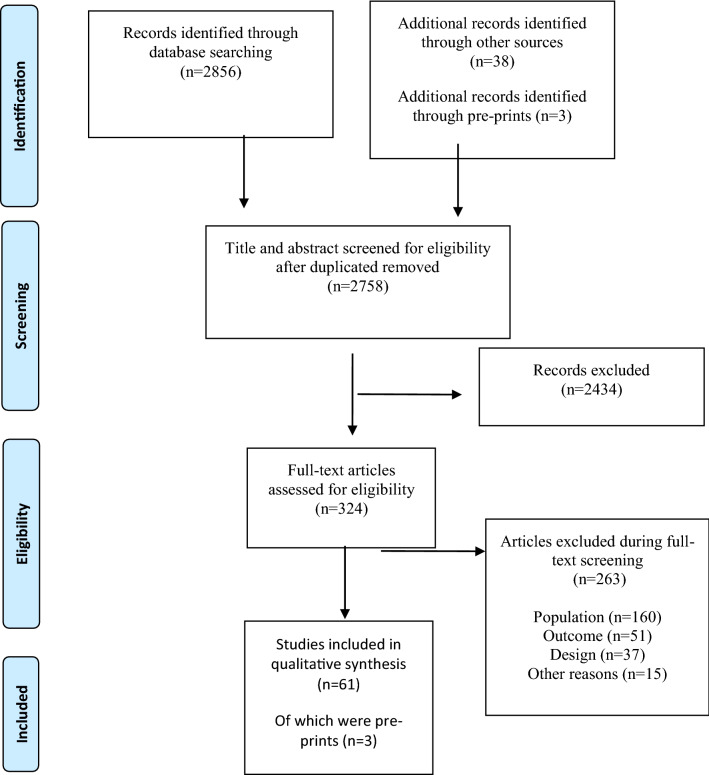
COVID-19 was declared a pandemic in March 2020, resulting in many countries worldwide calling for lockdowns. This study aimed to review the existing literature on the effects of the lockdown measures established as a response to the COVID-19 pandemic on the mental health of children and adolescents. Embase, Ovid, Global Health, PsycINFO, Web of Science, and pre-print databases were searched in this PRISMA-compliant systematic review (PROSPERO: CRD42021225604). We included individual studies reporting on a wide range of mental health outcomes, including risk and protective factors, conducted in children and adolescents (aged ≤ 19 years), exposed to COVID-19 lockdown. Data extraction and quality appraisal were conducted by independent researchers, and results were synthesised by core themes. 61 articles with 54,999 children and adolescents were included (mean age = 11.3 years, 49.7% female). Anxiety symptoms and depression symptoms were common in the included studies and ranged 1.8–49.5% and 2.2–63.8%, respectively. Irritability (range = 16.7–73.2%) and anger (range = 30.0–51.3%), were also frequently reported by children and adolescents. Special needs and the presence of mental disorders before the lockdown, alongside excessive media exposure, were significant risk factors for anxiety. Parent–child communication was protective for anxiety and depression. The COVID-19 lockdown has resulted in psychological distress and highlighted vulnerable groups such as those with previous or current mental health difficulties. Supporting the mental health needs of children and adolescents at risk is key. Clinical guidelines to alleviate the negative effects of COVID-19 lockdown and public health strategies to support this population need to be developed.
Overview
The claims and statistics of this paper haven’t been checked yet.
Free: it reads the open-access text and checks the first 5 claims that cite a source we can check. Create a free account to check every claim.
Integrity signals
Registry
Cites
Statistics
Figures
Verification
Claims the paper makes
The claims and statistics of this paper haven’t been checked yet.
Free: it reads the open-access text and checks the first 5 claims that cite a source we can check. Create a free account to check every claim.
Claims other papers make about this one
Each is checked against this paper’s own text: does it say what the citing paper says it does?
The source backs part of the claim, not all of it — or backs it for a different population, condition or comparison.
In the citing paper
“Overall, the COVID-19 pandemic led to a decrease in children’s and adolescents’ general wellbeing, an increase of mental health problems and psychiatric diagnoses, and a growing demand for (non-specialized and specialized) mental health care.”
From Interventions to build resilience and to ameliorate negative psychosocial effects of the COVID-19 pandemic on children and adolescents: a systematic review and meta-analysis (2024) · cites this paper as [7]
Experimental — accuracy not yet measuredThe source backs part of the claim, not all of it — or backs it for a different population, condition or comparison.
In the citing paper
“Specifically, a rise in depressive symptoms, anxiety, suicidal ideation, loneliness, sleep disturbance, eating disorders, gaming and increased screen time has been reported [4–8].”
From Interventions to build resilience and to ameliorate negative psychosocial effects of the COVID-19 pandemic on children and adolescents: a systematic review and meta-analysis (2024) · cites this paper as [7]
Experimental — accuracy not yet measuredThe source backs part of the claim, not all of it — or backs it for a different population, condition or comparison.
In the citing paper
“A systematic review reported a lockdown-associated increase in anxiety and depressive symptoms in children and adolescents and an increase in sleep disorders; as risk factors, a priori mental illness and high media exposure were identified [16].”
From Effectiveness of Online and Remote Interventions for Mental Health in Children, Adolescents, and Young Adults After the Onset of the COVID-19 Pandemic: Systematic Review and Meta-Analysis (2024) · cites this paper as [16]
Experimental — accuracy not yet measuredThe cited source says what the claim attributes to it.
In the citing paper
“A systematic review reported a lockdown-associated increase in anxiety and depressive symptoms in children and adolescents and an increase in sleep disorders; as risk factors, a priori mental illness and high media exposure were identified [16].”
Self-check
Percentages, sums and reported differences re-computed from the paper’s own numbers.
The self-check needs the paper’s full text.
Citations
Cites
Preferred Reporting Items for Systematic Reviews and Meta-Analyses: the PRISMA statement
Moher, D., Liberati, A., Tetzlaff, J., Altman, D. G., & for the PRISMA Group (2009) · BMJ · doi:10.1136/bmj.b2535 · Cited by 83,823
Preferred reporting items for systematic reviews and meta-analyses: the PRISMA Statement.
(2009) · PubMed Central · Cited by 44,859
The Psychological Impact of Quarantine and How to Reduce It: Rapid Review of the Evidence
Brooks, S. K., Webster, R. K., Smith, L. E., Woodland, L., Wessely, S., Greenberg, N., & Rubin, G. J. (2020) · doi:10.2139/ssrn.3532534 · Cited by 16,394
The psychological impact of quarantine and how to reduce it: Rapid review of the evidence
Brooks, S. K., Webster, R. K., Smith, L. E., Woodland, L., Wessely, S., Greenberg, N., & Rubin, G. J. (2020) · The Lancet · doi:10.1016/s0140-6736(20)30460-8 · Cited by 16,378
WHO Declares COVID-19 a Pandemic.
Cucinotta, D., & Vanelli, M. (2020) · Acta bio-medica dell'Ateneo parmense/Acta biomedica · doi:10.23750/abm.v91i1.9397 · Cited by 7,457
Merikangas, K. R., He, J.-P., Burstein, M., Swanson, S. A., Avenevoli, S., Cui, L., Benjet, C., Georgiades, K., & Swendsen, J. (2010) · Journal of the American Academy of Child & Adolescent Psychiatry · doi:10.1016/j.jaac.2010.05.017 · Cited by 6,278
Impact of COVID-19 pandemic on mental health in the general population: a systematic review
Xiong, J., Lipsitz, O., Nasri, F., Lui, L. M. W., Gill, H., Phan, L., Chen-Li, D., Iacobucci, M., Ho, R., Majeed, A., et al. (2020) · Journal of Affective Disorders · doi:10.1016/j.jad.2020.08.001 · Cited by 5,204
Mental health problems and social media exposure during COVID-19 outbreak
Gao, J., Zheng, P., Jia, Y., Chen, H., Mao, Y., Chen, S., Wang, Y., Fu, H., & Dai, J. (2020) · PLoS ONE · doi:10.1371/journal.pone.0231924 · Cited by 2,830
Mental Health Problems and Social Media Exposure During COVID-19 Outbreak
Gao, J., Zheng, P., Jia, Y., Chen, H., Mao, Y., Chen, S., Wang, Y., Fu, H., & Dai, J. (2020) · SSRN Electronic Journal · doi:10.2139/ssrn.3541120 · Cited by 2,830
Mitigate the effects of home confinement on children during the COVID-19 outbreak
Wang, G., Zhang, Y., Zhao, J., Zhang, J., & Jiang, F. (2020) · The Lancet · doi:10.1016/s0140-6736(20)30547-x · Cited by 2,148
Research works printed but not linked: 1
- Majeed S Ashraf M Psychological impacts of social distancing during COVID-19 pandemic in adolescents of Lahore, Pakistan Ann King Edward Med Univ Lahore Pak 2020 26 165 169
Cited by
Items 201–300 of 998
Lampis, V., Mascheretti, S., Cantiani, C., Riva, V., Lorusso, M. L., Lecce, S., Molteni, M., Antonietti, A., & Giorgetti, M. (2023) · Children · doi:10.3390/children10040656 · Cited by 14
“While there are several studies addressing the effects of the COVID-19 pandemic on children’s and adolescents’ mental health and family well-being [37,40,41], very little is known regarding the effects that changes in family routines, social life, and daily activities have had on children’s language and emotional–beha…”
BackgroundPhysicians’ mental health and coping during the COVID-19 pandemic: One year exploration
Adams, G. C., Le, T., Alaverdashvili, M., & Adams, S. (2023) · Heliyon · doi:10.1016/j.heliyon.2023.e15762 · Cited by 13
“Evidence from across the world has documented an alarming increase in acute physical and mental health symptoms, particularly during the first and second pandemic waves [10 – 16].”
InfluentialResilience in adolescence during the COVID-19 crisis in Canada
Chin, J., Maio, J. D., Weeraratne, T., Kennedy, K. M., Oliver, L. K., Bouchard, M., Malhotra, D., Habashy, J., Ding, J., Bhopa, S., et al. (2023) · BMC Public Health · doi:10.1186/s12889-023-15813-6 · Cited by 16
The association between social capital indicators and psychological distress in Catalan adolescents
Álvarez, E. C., Andrés, A., Romaní, J. R., Novak, D., Rodríguez‐Monforte, M., Costa‐Tutusaus, L., & Guerra-Balic, M. (2022) · Frontiers in Psychology · doi:10.3389/fpsyg.2022.964689 · Cited by 12
“The COVID pandemic has taken an additional toll on youth mental health (Panchal et al., 2021; Racine et al., 2021).”
BackgroundTönis, K. J. M., Kraiss, J. T., Drossaert, C. H. C., Karreman, J., Oostinga, M. S. D., Kloos, N., Austin, J., & Bohlmeijer, E. T. (2024) · Journal of Happiness Studies · doi:10.1007/s10902-024-00793-0 · Cited by 9
“Literature reviews have shown showed increased levels of psychological distress among the general population (e.g. Xiong et al., 2020 ), children and adolescents (e.g. Panchal et al., 2023; Wolf & Schmitz, 2023 ) during the pandemic.”
The COVID-19 pandemic and measurement of preschoolers’ executive functions.
Perry, K. J., Perhamus, G. R., Lent, M. C., Murray-Close, D. K., & Ostrov, J. M. (2023) · Psychological Assessment · doi:10.1037/pas0001250 · Cited by 14
“These disruptions appear to have had far-reaching implications for youth development and adjustment, including learning loss (e.g., Engzell et al., 2021) and mental health dif fi culties (e.g., Panchal et al., 2021).”
BackgroundWipfli, H. L., Guy, K., Kim, A., Tumuhimbise, P., Odur, K., Ambassadors, L. Y. P. H., Susan, A., Stephen, A., Rebecca, A., Nancy, A., et al. (2023) · Conflict and Health · doi:10.1186/s13031-023-00549-2 · Cited by 13
“Findings are consistent with previous literature noting significant increases in feelings of loneliness, psychological distress, and fear among adolescents throughout COVID lock-downs [12].”
ResultLinhui, H., Yuan, X., Chen, Q., & Wang, X. (2023) · BMC Public Health · doi:10.1186/s12889-023-17133-1 · Cited by 11
Suh, B. C., Gallaway, M. S., & Celaya, M. F. (2024) · Children · doi:10.3390/children11020161 · Cited by 17
“This is consistent with the literature, as the protective role of supportive relationships is well documented by past studies [29].”
BackgroundResultMocho, H., Martins, C. S., Santos, R., & Nunes, C. (2024) · Children · doi:10.3390/children11040440 · Cited by 14
“…the beginning of the pandemic, children experienced high levels of stress, caused mainly by fear [33], anxiety, and depression (the most common symptoms in children during the COVID-19 lockdown), but also loneliness, psychological distress, anger, irritability, boredom, and eating disorders [34].”
BackgroundMaciá-Casas, A., de la Iglesia-Larrad, J. I., García-Ullán, L., Matellán, B. R., Cossio, C. M., Díaz-Trejo, S., Berdión-Marcos, V., Calama-Martín, J., Roncero, C., & Pérez, J. (2024) · Healthcare · doi:10.3390/healthcare12100977 · Cited by 12
“…scenario gradually raised psychological distress, or worsened previous mental health problems, in our communities, especially among children and young people [4], which eventually triggered suicide thoughts and self-harm behaviours that required urgent attention by medical emergency services [5].”
BackgroundWinkler, P., Kunc, B., Guerrero, Z., Mohr, P., Schomerus, G., & Mladá, K. (2024) · SSM - Mental Health · doi:10.1016/j.ssmmh.2024.100369 · Cited by 10
Jiang, F., Lu, C., Zeng, Z., Sun, Z., & Qiu, Y. (2025) · Journal of Orthopaedic Surgery and Research · doi:10.1186/s13018-025-05580-y · Cited by 12
“The COVID-19 pandemic has highlighted the vulnerability of the elderly population, and its potential long-term effects on musculoskeletal health need to be better understood [27, 28].”
Sleep and Health-Related Characteristics among Adolescents during COVID-19: An Update
Albrecht, J. N., Werner, H., Rieger, N., Jenni, O. G., & Huber, R. (2022) · International Journal of Environmental Research and Public Health · doi:10.3390/ijerph19095078 · Cited by 14
“Negative consequences of lockdown procedures on mental health were repeatedly demonstrated [1,2].”
BackgroundPrimary and middle-school children’s drawings of the lockdown in Italy
Capurso, M., Buratta, L., & Mazzeschi, C. (2022) · Frontiers in Psychology · doi:10.3389/fpsyg.2022.982654 · Cited by 10
“Most clinical studies of children’s reaction to the lockdown (Panchal et al., 2021) were based on a bio-medical model of “deviations from the norm → diagnosis” (Engel, 1977).”
BackgroundMitchell, B. J., Gawlik, E. A., Baugher, B. J., George, R. L., MUAKKASSA, F. F., Mallat, A. F., Gunstad, J., Delahanty, D. L., & Coifman, K. G. (2022) · Frontiers in Psychology · doi:10.3389/fpsyg.2022.1061621 · Cited by 11
“In addition to the threat posed by the virus itself, individuals have experienced disruptions to daily living on a massive scale, including changes in work or employment status, economic difficulties, and other financial hardships (Panchal et al., 2021).”
BackgroundMigrants vs. stayers in the pandemic – A sentiment analysis of Twitter content
Czeranowska, O., Chlasta, K., Miłkowski, P., Grabowska, I., Kocoń, J., Hwaszcz, K., Wieczorek, J. S., & Jastrzębowska, A. (2023) · Telematics and Informatics Reports · doi:10.1016/j.teler.2023.100059 · Cited by 11
Saha, I., Majumder, J., Bagepally, B. S., Ray, S., Saha, A., & Chakrabarti, A. (2023) · Asian Journal of Psychiatry · doi:10.1016/j.ajp.2023.103790 · Cited by 11
Vansteenkiste, M., Waterschoot, J., Morbée, S., Oost, P. V., Schmitz, M., Klein, O., Luminet, O., Yzerbyt, V. Y., & den Bergh, O. V. (2023) · Social Issues and Policy Review · doi:10.1111/sipr.12101 · Cited by 9
“People’s mental health was under threat at different moments during the SARS-CoV-2 pandemic (e.g., Hansen et al., 2021), with especially teenagers and young adults reporting greater ill-being throughout the pandemic (Panchal et al., 2023).”
BackgroundColizzi, M., Comacchio, C., Martino, M. D., Peghin, M., Bontempo, G., Chiappinotto, S., Fonda, F., Isola, M., Tascini, C., Balestrieri, M., et al. (2024) · Irish Journal of Psychological Medicine · doi:10.1017/ipm.2023.53 · Cited by 10
Zaidi, R., Veroba, M., Morina, M., & Palmer, C. (2024) · Jeunesse Young People Texts Cultures · doi:10.3138/jeunesse-2022-0042 · Cited by 11
Ratliff, G. A., Sousa, C., Graaf, G., Akesson, B., & Kemp, S. P. (2022) · Socio-Ecological Practice Research · doi:10.1007/s42532-022-00111-z · Cited by 8
Hossain, B., Bent, S., Parenteau, C. I., Widjaja, F., Davis, M., & Hendren, R. L. (2022) · Journal of Attention Disorders · doi:10.1177/10870547221085493 · Cited by 14
“Indeed, multiple studies since the start of the pandemic have consistently shown that children and adolescents have faced higher rates of anxiety and depression (Deolmi & Pisani, 2020; Marques de Miranda et al., 2020; Panchal et al., 2021; Panda et al., 2021; Pfefferbaum, 2021; Śniadach et al., 2021), as well as incre…”
BackgroundInfluentialGentile, A., Alesi, M., & Caci, B. (2022) · Sustainability · doi:10.3390/su15010752 · Cited by 9
Santoro, S. L., Baker, S., Blake, J. M., Cabrera, M. J., Caughman, K., Chung, J. A., Cullen, S., Gallagher, M., Haugen, K. L., Hoke‐Chandler, R., et al. (2023) · American Journal of Medical Genetics Part A · doi:10.1002/ajmg.a.63233 · Cited by 11
“…on mental health from the pandemic as well as from isolation and quarantine (Scapaticci et al., 2022), including anxiety, depression, sleep problems, anger, and post-traumatic stress disorder (Imran et al., 2020; Panchal et al., 2021; Panda et al., 2021; Racine et al., 2021; Sprang & Silman, 2013).”
Liverpool, S., Prescod, J., Pereira, B., & Trotman, C. (2023) · Discover Mental Health · doi:10.1007/s44192-023-00037-2 · Cited by 12
“Similarly, there is global evidence suggesting that CYP’s mental health was negatively affected by the Covid-19 pandemic [88].”
BackgroundEducar en las emociones en tiempos de crisis
Cassà, È. L., & Alzina, R. B. (2024) · RELIEVE - Revista Electrónica de Investigación y Evaluación Educativa · doi:10.30827/relieve.v30i1.30381 · Cited by 35
Wong, W., Zhang, D., Hu, J., & Chao, U. (2024) · Child & Family Social Work · doi:10.1111/cfs.13223 · Cited by 13
Swedo, E. A., Anderson, K. N., Okwori, G., DePadilla, L. M., Clayton, H. B., Villaveces, A., Ray, C. M., Niolon, P. H., & Massetti, G. M. (2024) · Journal of Adolescent Health · doi:10.1016/j.jadohealth.2024.07.030 · Cited by 9
Oh, J., Mun, W.-L., Lee, Y.-E., Roh, S.-Y., & Kim, G. (2025) · Nutrients · doi:10.3390/nu17020253 · Cited by 12
“Moreover, adolescent obesity is significantly associated with an increased likelihood of mental health issues such as depression, anxiety, and low self-esteem [15].”
Lorenzo, R. D., Latella, E., Gualtieri, F., Adriani, A., Ferri, P., & Filippini, T. (2025) · Healthcare · doi:10.3390/healthcare13030244 · Cited by 8
“In particular, interest in ADHD in adults has increased following the COVID-19 pandemic, due to the increasingly more frequent occurrence of this diagnosis [38,39].”
InfluentialHallberg, A., Aakjær, M., Aaltonen, K., Andersen, M. T., Pedersen, E., Hajiebrahimi, M., Nordeng, H., Nyberg, F., Samuelsen, P., & Wettermark, B. (2025) · Archives of Public Health · doi:10.1186/s13690-025-01531-5 · Cited by 10
Sibling Aggression and Abuse: Invisible and Widespread Public Health Problems
Tucker, C. J., Whitworth, T. R., & Perkins, N. H. (2025) · American Journal of Public Health · doi:10.2105/ajph.2024.307983 · Cited by 8
α7 nicotinic acetylcholine receptor and depression: Mechanistic insights and therapeutic prospects
Wang, C., Gan, D., Hong, Z., Feng, H., Wu, Y., Xu, G., Xun, T., & Yang, X. (2025) · Neurobiology of Disease · doi:10.1016/j.nbd.2025.107122 · Cited by 8
The Impact of Lockdown during COVID-19 Pandemic on Physical and Mental Health of Adolescents
Charatcharoenwitthaya, K., & Niltwat, S. (2022) · Siriraj Medical Journal/San Sirirat · doi:10.33192/smj.2022.105 · Cited by 8
Santos, M. F., Simões, C., Santos, A. C., Lebre, P., & Grazzani, I. (2022) · International Journal of Environmental Research and Public Health · doi:10.3390/ijerph192416990 · Cited by 9
“These results (except for self-regulation in older students) might be related to a higher impact of lockdown on adolescents, who suffered more compared to children, and therefore had higher impacts on their mental health [11,14,58], or to the program itself since, according to Yeager [69], these programs tend to show…”
BackgroundResultTroncone, A., Cascella, C., Chianese, A., Zanfardino, A., Pizzini, B., & Iafusco, D. (2023) · Journal of Psychosomatic Research · doi:10.1016/j.jpsychores.2023.111206 · Cited by 8
“9%) ([2, 3, 58, 59], data from Asia, Europe, China, Spain, Italy, Iran, the US, Turkey, Nepal, Denmark etc.”
Werkmeister, B. J., Haase, A. M., Fleming, T. M., & Officer, T. N. (2023) · JMIR Formative Research · doi:10.2196/50486 · Cited by 9
On the max–min influence spread problem: A multi-objective optimization approach
Riquelme, F., Muñoz, F., & Olivares, R. (2024) · Applied Soft Computing · doi:10.1016/j.asoc.2024.111343 · Cited by 8
Patrono, A., Renzetti, S., Guerini, C., Macgowan, M. J., Moncada, S. M., Placidi, D., Memo, M., & Lucchini, R. G. (2024) · BMC Public Health · doi:10.1186/s12889-024-18064-1 · Cited by 9
“Considering how other studies have investigated the repercussions of more structured lockdown and the effects on the well-being of individuals [15, 16], this study can help to better understand the relationship between the intensity and modalities of the lockdown measure and the effect on mental…”
BackgroundHong, C., & Skiba, B. (2024) · Journal of Psychiatric Research · doi:10.1016/j.jpsychires.2024.12.037 · Cited by 14
Cerbara, L., Ciancimino, G., Corsetti, G., & Tintori, A. (2025) · Scientific Reports · doi:10.1038/s41598-024-84187-5 · Cited by 14
Taner, H. A., Sarı, B. A., & Kaba, D. (2022) · Clinical Child Psychology and Psychiatry · doi:10.1177/13591045221095657 · Cited by 10
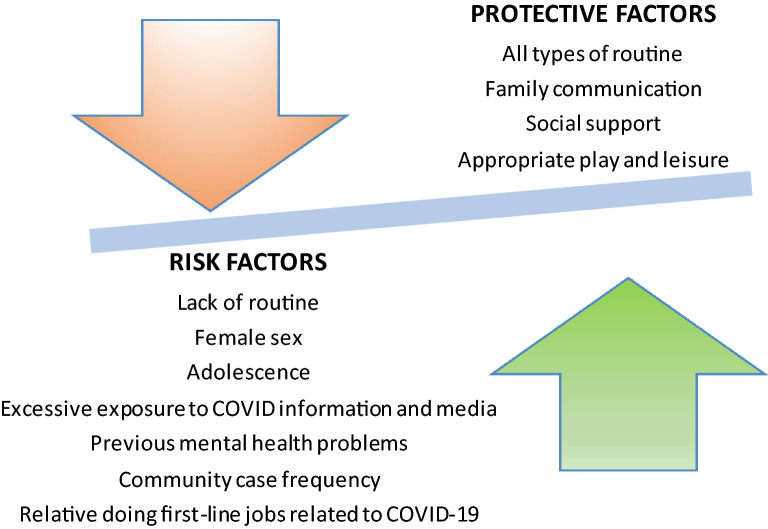
“…an adolescent, being exposed to excessive information about COVID-19, loss of routine, having a previous mental health problem, having close relatives with COVID-19, and living in areas with high numbers of COVID-19 cases were risk factors for anxiety and mood disorders (Panchal et al., 2021).”
BackgroundDumont, R., Richard, V., Baysson, H., Lorthe, E., Piumatti, G., Schrempft, S., Wisniak, A., Barbe, R., Posfay-Barbe, K. M., Guessous, I., et al. (2022) · PLoS ONE · doi:10.1371/journal.pone.0272925 · Cited by 13
Johnson, U., Hertting, K., Ivarsson, A., & Lindgren, E. (2022) · International Journal of Environmental Research and Public Health · doi:10.3390/ijerph191912512 · Cited by 10
“Higher levels of mental health problems and lower levels of well-being have, for example, been found in different sub-populations, such as young people [4] and young athletes [5].”
BackgroundPsychopathology, Protective Factors, and COVID-19 among Adolescents: A Structural Equation Model
Scheiner, C., Seis, C., Kleindienst, N., & Buerger, A. (2023) · International Journal of Environmental Research and Public Health · doi:10.3390/ijerph20032493 · Cited by 11
“Longitudinal research has demonstrated a rise in anxiety and depressive symptoms compared to before the lockdowns, with longer lockdowns having a significantly greater impact on mental health in at-risk groups [12].”
BackgroundMethodHua, J., & Zhou, Y. (2023) · Frontiers in Psychology · doi:10.3389/fpsyg.2023.1097068 · Cited by 14
Schillok, H., Coenen, M., Rehfuess, E. A., Kuhlmann, P. H., Matl, S., Kindermann, H., Maison, N., Eckert, J., von Both, U., Behrends, U., et al. (2023) · Frontiers in Pediatrics · doi:10.3389/fped.2023.1135415 · Cited by 12
Child and adolescent psychiatry meets its challenges
Degenhardt, F. (2022) · European Child & Adolescent Psychiatry · doi:10.1007/s00787-022-02000-y · Cited by 8
Sideropoulos, V., Van Herwegen, J., Meuleman, B., Alessandri, M., Alnemary, F. M., Rad, J. A., Lavenex, P. A. B., Bolshakov, N., Bölte, S., Buffle, P., et al. (2023) · Journal of Global Health · doi:10.7189/jogh.13.04081 · Cited by 7
Santos, S. C., Parnell, R., Kanon, H. A., Pattinson, E. M., Pitsikali, A., & Sarhan, H. (2024) · Children s Geographies · doi:10.1080/14733285.2024.2310566 · Cited by 21
“A rise in anxiety and depression among children was attributed to school shut downs, lack of social interaction and excessive media exposure (Panchal et al. 2023).”
Trotta, E., Serio, G., Monacis, L., Carlucci, L., Marinelli, C. V., Petito, A., Celia, G., Bonvino, A., Calvio, A., Stallone, R., et al. (2024) · PLoS ONE · doi:10.1371/journal.pone.0303991 · Cited by 11
George, S. M. S., Velez, C. V., Ahn, Y. A., Phillips, D. A., Pulgarón, E. R., & Ehrenreich, J. T. (2024) · School Mental Health · doi:10.1007/s12310-024-09686-2 · Cited by 12
“…adolescents have been especially vulnerable to declines in mental health, with at least one in three high school students reporting persistent feelings of sadness or hopelessness during the lockdown period, an increase of 40% since 2009 (Office of the Surgeon General, 2021; Panchal et al., 2023).”
Assessing communicative-pragmatic ability in telehealth: e-ABaCo in autistic individuals
Traetta, I., Gabbatore, I., Aimar, A., Arduino, G. M., & Bosco, F. M. (2025) · Frontiers in Psychiatry · doi:10.3389/fpsyt.2025.1568108 · Cited by 7
Oveson, A., Girvan, M., & Gumel, A. B. (2025) · Infectious Disease Modelling · doi:10.1016/j.idm.2025.05.001 · Cited by 8
Hugh-Jones, S., & Munford, L. A. (2025) · Social Science & Medicine · doi:10.1016/j.socscimed.2025.118343 · Cited by 8
Krause, A., Rogers, M., Jiang, Y., Climie, E. A., Corkum, P. V., Mah, J. W. T., McBrearty, N., Smith, J. D., & Whitley, J. (2025) · Frontiers in Child and Adolescent Psychiatry · doi:10.3389/frcha.2025.1604431 · Cited by 13
de Faria, S. R., Pedras, S., Inman, R. A., Lopes, J. C., & Moreira, P. (2023) · Journal of Research on Adolescence · doi:10.1111/jora.12853 · Cited by 13
Francis-Oliviero, F., Loubières, C., Grové, C., Marinucci, A., Shankland, R., Salamon, R., Perez, E., Garancher, L., Galéra, C., Gaillard, E., et al. (2023) · JMIR Research Protocols · doi:10.2196/51096 · Cited by 11
“Statistics report that levels of anxiety and depression in preadolescents increased by 57.4% and 39.3%, respectively [6].”
InfluentialXavier, A., Vagos, P., Palmeira, L., Menezes, P. J., Patrão, B., Mendes, S. A., & Tavares, M. (2023) · Frontiers in Psychology · doi:10.3389/fpsyg.2023.1196457 · Cited by 17
Gaspar, T., Carvalho, M., Guedes, F. B., Cerqueira, A., & de Matos, M. G. (2023) · Child Indicators Research · doi:10.1007/s12187-023-10092-4 · Cited by 11
“%) were also frequently reported by children and adolescents (Panchal et al., 2021).”
InfluentialGram, L., & Mau, A. (2024) · PLOS Global Public Health · doi:10.1371/journal.pgph.0002016 · Cited by 10
Fearing, G. (2024) · Children and Youth Services Review · doi:10.1016/j.childyouth.2024.107479 · Cited by 11
Gracia-Liso, R., Portella, M. J., Pujals, E., Puntí, J., Llorens, M., Pàmias, M., Fradera, M., Montalvo, I., & Palao, D. J. (2024) · BMC Psychiatry · doi:10.1186/s12888-024-05823-y · Cited by 9
“…of social isolation measures decreed by governments to prevent the spread of the COVID-19 on mental health of the population [1, 2] specially in adolescents [3], incrementing the prevalence of mental disorders, particularly anxiety and depression [4–6], but also of suicidal behaviors [7].”
BackgroundResultUniversal online self-help ACT interventions for youth: A systematic review
Morey, A., Samuel, V. M., & Williams, M. O. (2024) · Behaviour Research and Therapy · doi:10.1016/j.brat.2024.104576 · Cited by 12
Re-Evaluating Recommended Optimal Sleep Duration: A Perspective on Sleep Literacy
Kohyama, J. (2024) · Children · doi:10.3390/children11091098 · Cited by 9
“Panchal et al. [75] reported a prevalence of 55.9% for sleep disorders among adolescents.”
BackgroundInfluentialAnders, R., Lecuelle, F., Perrin, C., Ruyter, S., Franco, P., Huguelet, S., & Putois, B. (2021) · International Journal of Environmental Research and Public Health · doi:10.3390/ijerph182312503 · Cited by 9
“, income, housing, education level, work constraints), leading to different risk profiles as previously noted in [31], and the specific lockdown conditions that, although generally induce anxiety and fear [20,37,38], crucially vary by country, leading to different psychological impacts [9,12].”
BackgroundBailhache, M., Monnier, M., Moulin, F., Thierry, X., Vandentorren, S., Côté, S. M., Falissard, B., Simeon, T., Geay, B., Marchand‐Martin, L., et al. (2022) · Pediatric Research · doi:10.1038/s41390-022-02037-4 · Cited by 8
“Ethical approval and written informed consent were obtained from each participant before enrolment in the original cohort.”
Jin, X., Dong, Y., & Du, W. (2022) · Sustainability · doi:10.3390/su14127202 · Cited by 8
Crandal, B. R., Hazen, A. L., Dickson, K. S., Tsai, C.-Y. K., Trask, E. V., & Aarons, G. A. (2022) · Child and Adolescent Psychiatry and Mental Health · doi:10.1186/s13034-022-00511-9 · Cited by 7
Laet, H. D., Verhavert, Y., Martelaer, K. D., Zinzen, E., Deliens, T., & Hoof, E. V. (2022) · Frontiers in Public Health · doi:10.3389/fpubh.2022.1046435 · Cited by 11
Forresi, B., Giani, L., Scaini, S., Nicolais, G., & Caputi, M. (2023) · International Journal of Environmental Research and Public Health · doi:10.3390/ijerph20031957 · Cited by 11
Dueñas-Espín, I., Jacques‐Aviñó, C., Egas-Reyes, V., Larrea, S., Torres-Castillo, A. L., Montalvo, P. S. T., & Peralta, A. (2023) · PLoS ONE · doi:10.1371/journal.pone.0275698 · Cited by 9
“As other researchers have shown [7, 8], being a woman was a risk factor for increased mental distress during lockdown.”
BackgroundAksoy, D., Simões, C., & Favre, C. A. (2023) · International Journal of Environmental Research and Public Health · doi:10.3390/ijerph20095676 · Cited by 10
Seal, E., Vu, J., Winfield, A., & Fenesi, B. (2023) · Brain Sciences · doi:10.3390/brainsci13060887 · Cited by 7
“During the COVID-19 pandemic, children with ADHD experienced a further decline in their physical activity participation [13–16], as public health restrictions limited access to school-based activities, extracurriculars, and outdoor play [17,18].”
BackgroundCOVID-19 Lockdown Effects on Mood: Impact of Sex, Age, and Underlying Disease
Kiani, P., Hendriksen, P. A., Balikji, J., Severeijns, N. R., Sips, A. S. M., Bruce, G., Garssen, J., & Verster, J. C. (2023) · Psychiatry International · doi:10.3390/psychiatryint4040030 · Cited by 7
Diagnostic certainty during in‐person and telehealth autism evaluations
Ludwig, N. N., Holingue, C., Hong, J. S., Kalb, L. G., Pfeiffer, D. L., Reetzke, R., Menon, D. U., & Landa, R. J. (2023) · JCPP Advances · doi:10.1002/jcv2.12201 · Cited by 6
History of trauma and COVID-19-related psychological distress and PTSD
Hébert, M., Jean-Thorn, A., & Fortin, L. (2022) · Psychiatry Research Communications · doi:10.1016/j.psycom.2022.100092 · Cited by 12
“While the pandemic appears to be associated with a negative impact on a large number of youth, it appears to some may adapt well and continue to function normally (Chen & Bonanno, 2020; Panchal et al., 2021).”
BackgroundMicali, N. (2022) · European Child & Adolescent Psychiatry · doi:10.1007/s00787-022-02098-0 · Cited by 9
“Lastly, given the clear effects of the COVID-19 pandemic on prevalence and incidence of eating disorders, as well as other mental health disorders [9, 10] it remains to be seen what the global burden of eating disorders will look like some years down the line.”
BackgroundKeinonen, K., Lappalainen, P., Puolakanaho, A., Kaipainen, K., Lappalainen, R., & Kiuru, N. (2024) · Children and Youth Services Review · doi:10.1016/j.childyouth.2024.107671 · Cited by 6
A greening theory of change: How neighborhood greening impacts adolescent health disparities
Kondo, M. C., Locke, D. H., Hazer, M., Mendelson, T., Fix, R. L., Joshi, A., Latshaw, M. W., Fry, D., & Mmari, K. (2024) · American Journal of Community Psychology · doi:10.1002/ajcp.12735 · Cited by 7
Donker, M. H., Mastrotheodoros, S., Yanagida, T., & Branje, S. (2024) · Journal of Youth and Adolescence · doi:10.1007/s10964-024-02048-w · Cited by 9
Lee, H., Fosco, G. M., & Feinberg, M. E. (2024) · Child Development · doi:10.1111/cdev.14179 · Cited by 9
Eating Problems Among Adolescent Boys and Girls Before and During the Covid‐19 Pandemic
Pettersen, J., Hegemann, L., Gustavson, K., Lund, I., Jensen, P., Bulik, C., Andreassen, O., Havdahl, A., Brandlistuen, R., Hannigan, L., et al. (2024) · International Journal of Eating Disorders · doi:10.1002/eat.24314 · Cited by 5
Tsakona, P., Kitsatis, I., Apostolou, T. S., Papadopoulou, O., & Hristara-Papadopoulou, A. (2025) · Children · doi:10.3390/children12010059 · Cited by 15
“The presence of a family routine and good parent–child communication were considered as protective factors [29].”
InfluentialWalsh, S. D., Elgar, F. J., Craig, W., Cosma, A. P., Donnelly, P., Harel‐Fisch, Y., Molcho, M., Malinowska-Cieślik, M., Ng, K., & Pickett, W. (2025) · International Journal of Bullying Prevention · doi:10.1007/s42380-025-00296-3 · Cited by 7
Dray, J., & Symons, D. (2025) · Current Developmental Disorders Reports · doi:10.1007/s40474-025-00328-z · Cited by 10
“The COVID-19 pandemic and associated lockdowns and social distancing has further exacerbated these issues, with prolonged isolation, disrupted routines, and heightened stress leading to a subsequent surge in mental health problems [2, 3, 4, 5].”
Effect of acceptance and commitment therapy for adolescent depression: a meta-analysis
Yu, X., Zhao, B. T., Yin, T., Qu, H., Zhang, J., Cheng, X., & Xu, C. (2025) · Frontiers in Psychiatry · doi:10.3389/fpsyt.2025.1506822 · Cited by 11
Shek, D. T. L. (2025) · Applied Research in Quality of Life · doi:10.1007/s11482-025-10475-5 · Cited by 10
“Based on a review of 61 studies ( N = 54,999 children and adolescents), Panchal et al. ( 2023 ) showed that different prevalence rates of depression and anxiety symp - toms had been reported, with depression and anxiety symptoms as high as 63.8% and 49.5%, respectively.”
InfluentialNon-suicidal self-injury in adolescent depression: A bibliometric study and visualization analysis
Liu, P., Zhang, Y., Li, J., Yang, N., Du, J., & Dong, Q. (2025) · Acta Psychologica · doi:10.1016/j.actpsy.2025.105306 · Cited by 8
Adolescent Depressive Symptom Trajectories From Before to After the COVID-19 Pandemic
Gataviņš, M. M., Tran, K. T., Visoki, E., Moore, T. M., Hoffman, K. W., Shilton, T., Schultz, L. M., Almasy, L. A., Mancini, A. D., & Barzilay, R. (2025) · JAMA Network Open · doi:10.1001/jamanetworkopen.2025.45987 · Cited by 10
Impact of the COVID-19 pandemic on long-term trends in youth depression and anxiety
Bosmans, M. W. G., Mahon, M. D. V.-M., Penders, J. A. C., Rahmon, I. J., Marra, E., Inja, B., van der Marel, T., & Dückers, M. (2025) · Discover Mental Health · doi:10.1007/s44192-025-00311-5 · Cited by 12
Woodland, L., Hodson, A., Webster, R., Amlôt, R., Smith, L., & Rubin, G. J. (2022) · PLoS ONE · doi:10.1371/journal.pone.0279355 · Cited by 7
“In addition, feeling connected with caregivers has been found to predict child happiness [51], with good communication between parents and children being a protective factor for child mental health [52].”
BackgroundThe Effects of COVID-19 Lockdown on the Sleep Quality of Children
López-Iracheta, R., Moreno‐Galarraga, L., Villares, J. M. M., Asfura, O. E. B., Martínez‐González, M. Á., & Martín‐Calvo, N. (2023) · Children · doi:10.3390/children10060944 · Cited by 6
“Public health strategies are needed to prevent this type of consequence through a multidisciplinary approach that helps children better manage and control stress and anxiety [42].”
BackgroundGambin, M., Wnuk, A., Oleksy, T., Sekowski, M. M., Kubicka, K., Woźniak‐Prus, M., Sharp, C., & Bonanno, G. A. (2023) · Development and Psychopathology · doi:10.1017/s095457942300130x · Cited by 20
Linking parental self-efficacy, parenting behaviour and mental health of Malaysian early adolescents
Schaff, A. R. D., Zulkefly, N. S., Ismail, S. I. F., & Nazan, A. I. N. M. (2024) · Current Psychology · doi:10.1007/s12144-024-05878-w · Cited by 10
Fujimoto, H., Heywood, A. E., Maston, K., Brown, L., Bartholomew, A., Werner‐Seidler, A., Christensen, H. M., & Batterham, P. J. (2024) · Child and Adolescent Psychiatry and Mental Health · doi:10.1186/s13034-024-00759-3 · Cited by 7
“Contrary to public concerns about the toll of prolonged lockdowns on mental health [1, 2, 47, 48], and despite large differences in lockdown durations between participants ( < 150 days, 150–200 days and > 200 days), longer lockdowns were not associated with a deterioration in wellbeing, nor with an…”
BackgroundThomas, S. A., Thompson, E. C., Peters, J. R., Micalizzi, L., Meisel, S. N., Maron, M. M., Ryan, S. K., & Wolff, J. C. (2024) · Child Psychiatry & Human Development · doi:10.1007/s10578-024-01731-0 · Cited by 6
Chaufan, C., Hemsing, N., Heredia, C., & McDonald, J. L. (2024) · COVID · doi:10.3390/covid4090101 · Cited by 11
“…social, emotional, and health impacts of the panoply of official Covid policies, such as enforced lockdowns, mass quarantining of healthy people, and mass masking, especially of children and youth [118–120], or the lack of scientific evidence for the much touted “6-foot-social distance” rule [121].”
Brief psychodynamic psychotherapy for adolescents and their families in crisis: a pilot study
Papadima, M., Campbell, C., Tzikas, N., & Nanji‐Rowe, F. (2024) · Journal of Child Psychotherapy · doi:10.1080/0075417x.2024.2414736 · Cited by 8
“…practical challenges we faced in recent years within our NHS adolescent crisis team, made worse by the destabilising effects of the Covid-19 pandemic (Bouter et al., 2023; Panchal et al., 2023; Wolf & Schmitz, 2024) and years of economic austerity measures in the UK (Cummins, 2018; Hunter, 2018).”
Metadata
- Authors
- Panchal, U., Salazar de Pablo, G., Franco, M., Moreno, C., Parellada, M., Arango, C., & Fusar-Poli, P.
- Affiliations
- Universidad Autónoma de Madrid (ES)
- Hospital General Universitario Gregorio Marañón (ES)
- ORCID
- Venue
- European Child & Adolescent Psychiatry
- Published
- 2021-08-18
- Volume
- 32
- Issue
- 7
- Pages
- 1151-1177
- ISSN
- 1018-8827 (ISSN-L)
- 1435-165X
- PMC
- PMC8371430
- OpenAlex
- W3188471381
- Cited by
- 1,028
- References
- 121
- Citations by year
- 2026: 100 · 2025: 204 · 2024: 290 · 2023: 257 · 2022: 165 · 2021: 11
- FWCI
- 24.00
- Type
- journal article
- Language
- en
- Open access
- hybrid
- doi.org
- Licence
- cc-by
- creativecommons.org/licenses/by/4.0 (tdm)
- creativecommons.org/licenses/by/4.0 (vor)
- Locations
- European Child & Adolescent Psychiatry (publishedVersion, cc-by)
- PubMed Central (publishedVersion, cc-by)
- PubMed (publishedVersion)
- Funders
- Fundación Alicia Koplowitz
- Topics
- Social Sciences › Psychology › Clinical Psychology › COVID-19 and Mental Health
- Social Sciences › Psychology › Clinical Psychology › Child and Adolescent Psychosocial and Emotional Development
- Health Sciences › Medicine › Public Health, Environmental and Occupational Health › Maternal Mental Health During Pregnancy and Postpartum
- Keywords
- COVID-19 lockdown, child mental health, adolescent mental health, anxiety symptoms, depressive symptoms, irritability, anger, risk factors, protective factors, special needs, pre-existing mental disorders, media exposure, parent-child communication, psychological distress
- MeSH terms
- COVID-19, SARS-CoV-2, Adolescent, Anxiety, Child, Communicable Disease Control, Depression, Female, Humans, Male, Mental Health, Pandemics
About these checks
Registry, retraction, Cites and statistics results are computed, not judged, with one exception: a printed reference that no index lists is read once by a model before it counts as a citation error. Claims are extracted by a model and kept only when their quote appears verbatim in the text; each cited source is then checked, with a model’s help, for whether it says what the claim relies on. Those verdicts can be wrong — read the claim’s quote and the cited source before relying on one.
Statistics and arithmetic are recomputed, not judged.
Confidence bands are shown only for fields calibrated on our annotated test set. None is calibrated yet, so no band is shown.
What counts as a claim ›How we measure confidence ›How we check this ›
Are you an author, or do you see a problem with this page? Request a review
Data sources
Bibliographic data: Semantic Scholar, OpenAlex, Crossref.
Contains information from the Semantic Scholar Academic Graph Datasets, made available under the ODC Attribution License (ODC-BY 1.0).
Semantic Scholar’s data is described in: Kinney, R., et al. (2023). The Semantic Scholar Open Data Platform. arXiv:2301.10140.
