

The impact of COVID-19 lockdown on child and adolescent mental health: systematic review
Open accessThe DOI matches its Crossref record; 128 of the 128 references it cites were found in a registry or an index.
Abstract
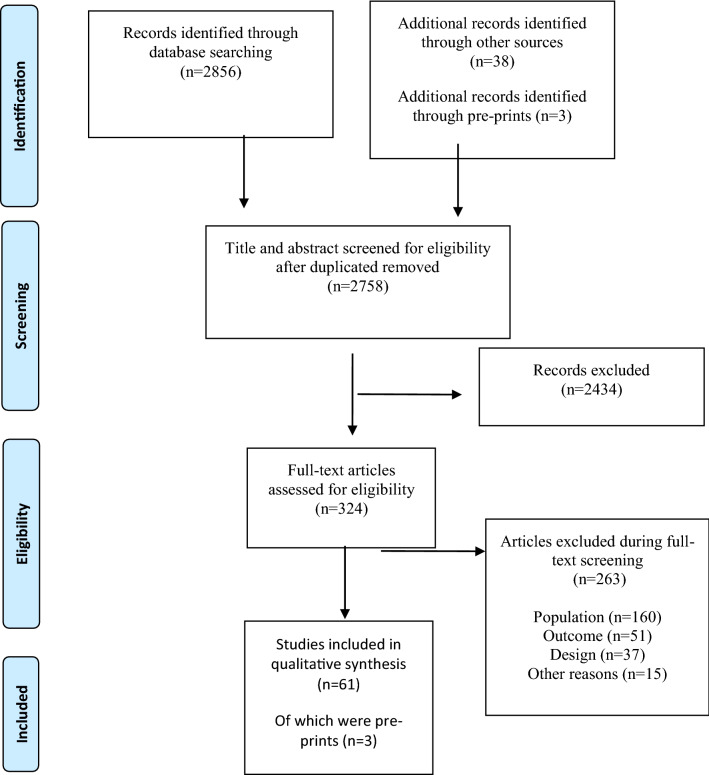
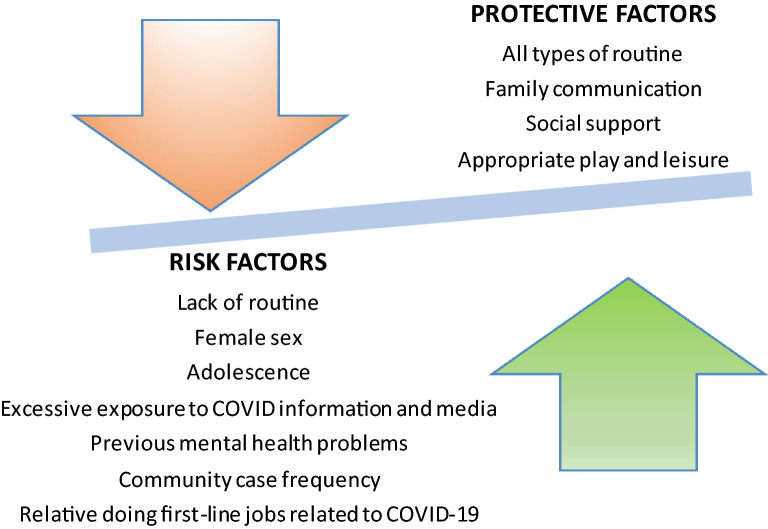
COVID-19 was declared a pandemic in March 2020, resulting in many countries worldwide calling for lockdowns. This study aimed to review the existing literature on the effects of the lockdown measures established as a response to the COVID-19 pandemic on the mental health of children and adolescents. Embase, Ovid, Global Health, PsycINFO, Web of Science, and pre-print databases were searched in this PRISMA-compliant systematic review (PROSPERO: CRD42021225604). We included individual studies reporting on a wide range of mental health outcomes, including risk and protective factors, conducted in children and adolescents (aged ≤ 19 years), exposed to COVID-19 lockdown. Data extraction and quality appraisal were conducted by independent researchers, and results were synthesised by core themes. 61 articles with 54,999 children and adolescents were included (mean age = 11.3 years, 49.7% female). Anxiety symptoms and depression symptoms were common in the included studies and ranged 1.8–49.5% and 2.2–63.8%, respectively. Irritability (range = 16.7–73.2%) and anger (range = 30.0–51.3%), were also frequently reported by children and adolescents. Special needs and the presence of mental disorders before the lockdown, alongside excessive media exposure, were significant risk factors for anxiety. Parent–child communication was protective for anxiety and depression. The COVID-19 lockdown has resulted in psychological distress and highlighted vulnerable groups such as those with previous or current mental health difficulties. Supporting the mental health needs of children and adolescents at risk is key. Clinical guidelines to alleviate the negative effects of COVID-19 lockdown and public health strategies to support this population need to be developed.
Overview
The claims and statistics of this paper haven’t been checked yet.
Free: it reads the open-access text and checks the first 5 claims that cite a source we can check. Create a free account to check every claim.
Integrity signals
Registry
Cites
Statistics
Figures
Verification
Claims the paper makes
The claims and statistics of this paper haven’t been checked yet.
Free: it reads the open-access text and checks the first 5 claims that cite a source we can check. Create a free account to check every claim.
Claims other papers make about this one
Each is checked against this paper’s own text: does it say what the citing paper says it does?
The source backs part of the claim, not all of it — or backs it for a different population, condition or comparison.
In the citing paper
“Overall, the COVID-19 pandemic led to a decrease in children’s and adolescents’ general wellbeing, an increase of mental health problems and psychiatric diagnoses, and a growing demand for (non-specialized and specialized) mental health care.”
From Interventions to build resilience and to ameliorate negative psychosocial effects of the COVID-19 pandemic on children and adolescents: a systematic review and meta-analysis (2024) · cites this paper as [7]
Experimental — accuracy not yet measuredThe source backs part of the claim, not all of it — or backs it for a different population, condition or comparison.
In the citing paper
“Specifically, a rise in depressive symptoms, anxiety, suicidal ideation, loneliness, sleep disturbance, eating disorders, gaming and increased screen time has been reported [4–8].”
From Interventions to build resilience and to ameliorate negative psychosocial effects of the COVID-19 pandemic on children and adolescents: a systematic review and meta-analysis (2024) · cites this paper as [7]
Experimental — accuracy not yet measuredThe source backs part of the claim, not all of it — or backs it for a different population, condition or comparison.
In the citing paper
“A systematic review reported a lockdown-associated increase in anxiety and depressive symptoms in children and adolescents and an increase in sleep disorders; as risk factors, a priori mental illness and high media exposure were identified [16].”
From Effectiveness of Online and Remote Interventions for Mental Health in Children, Adolescents, and Young Adults After the Onset of the COVID-19 Pandemic: Systematic Review and Meta-Analysis (2024) · cites this paper as [16]
Experimental — accuracy not yet measuredThe cited source says what the claim attributes to it.
In the citing paper
“A systematic review reported a lockdown-associated increase in anxiety and depressive symptoms in children and adolescents and an increase in sleep disorders; as risk factors, a priori mental illness and high media exposure were identified [16].”
Self-check
Percentages, sums and reported differences re-computed from the paper’s own numbers.
The self-check needs the paper’s full text.
Citations
Cites
Preferred Reporting Items for Systematic Reviews and Meta-Analyses: the PRISMA statement
Moher, D., Liberati, A., Tetzlaff, J., Altman, D. G., & for the PRISMA Group (2009) · BMJ · doi:10.1136/bmj.b2535 · Cited by 83,823
Preferred reporting items for systematic reviews and meta-analyses: the PRISMA Statement.
(2009) · PubMed Central · Cited by 44,859
The Psychological Impact of Quarantine and How to Reduce It: Rapid Review of the Evidence
Brooks, S. K., Webster, R. K., Smith, L. E., Woodland, L., Wessely, S., Greenberg, N., & Rubin, G. J. (2020) · doi:10.2139/ssrn.3532534 · Cited by 16,394
The psychological impact of quarantine and how to reduce it: Rapid review of the evidence
Brooks, S. K., Webster, R. K., Smith, L. E., Woodland, L., Wessely, S., Greenberg, N., & Rubin, G. J. (2020) · The Lancet · doi:10.1016/s0140-6736(20)30460-8 · Cited by 16,378
WHO Declares COVID-19 a Pandemic.
Cucinotta, D., & Vanelli, M. (2020) · Acta bio-medica dell'Ateneo parmense/Acta biomedica · doi:10.23750/abm.v91i1.9397 · Cited by 7,457
Merikangas, K. R., He, J.-P., Burstein, M., Swanson, S. A., Avenevoli, S., Cui, L., Benjet, C., Georgiades, K., & Swendsen, J. (2010) · Journal of the American Academy of Child & Adolescent Psychiatry · doi:10.1016/j.jaac.2010.05.017 · Cited by 6,278
Impact of COVID-19 pandemic on mental health in the general population: a systematic review
Xiong, J., Lipsitz, O., Nasri, F., Lui, L. M. W., Gill, H., Phan, L., Chen-Li, D., Iacobucci, M., Ho, R., Majeed, A., et al. (2020) · Journal of Affective Disorders · doi:10.1016/j.jad.2020.08.001 · Cited by 5,204
Mental health problems and social media exposure during COVID-19 outbreak
Gao, J., Zheng, P., Jia, Y., Chen, H., Mao, Y., Chen, S., Wang, Y., Fu, H., & Dai, J. (2020) · PLoS ONE · doi:10.1371/journal.pone.0231924 · Cited by 2,830
Mental Health Problems and Social Media Exposure During COVID-19 Outbreak
Gao, J., Zheng, P., Jia, Y., Chen, H., Mao, Y., Chen, S., Wang, Y., Fu, H., & Dai, J. (2020) · SSRN Electronic Journal · doi:10.2139/ssrn.3541120 · Cited by 2,830
Mitigate the effects of home confinement on children during the COVID-19 outbreak
Wang, G., Zhang, Y., Zhao, J., Zhang, J., & Jiang, F. (2020) · The Lancet · doi:10.1016/s0140-6736(20)30547-x · Cited by 2,148
Research works printed but not linked: 1
- Majeed S Ashraf M Psychological impacts of social distancing during COVID-19 pandemic in adolescents of Lahore, Pakistan Ann King Edward Med Univ Lahore Pak 2020 26 165 169
Cited by
Items 601–700 of 998
Identifying Caregiving Youth and Associated Mental Health Concerns in a Medical Clinic Setting
Pulgarón, E. R., Llano, G., Guevara, G., Kenworthy, T., Wurm, G., Gwynn, L. A., Siskowski, C., & Belkowitz, J. (2025) · Healthcare · doi:10.3390/healthcare13030255 · Cited by 1
Melvin, E., Onyeaso, O. O., Giacco, D., & Hackett, S. (2025) · The Arts in Psychotherapy · doi:10.1016/j.aip.2025.102258 · Cited by 6
Mohanam, B., Khoodoruth, M. A. S., Saini, P., & Al-Nuaimi, S. K. (2025) · Middle East Current Psychiatry · doi:10.1186/s43045-025-00515-z · Cited by 2
“Multiple systematic reviews have shown that the mental health status of children and youth deteriorated due to the COVID-19 pandemic with higher rates of depression, anxiety, stress, behavioral, and emotional problems [2–5].”
Meissel, K., Grant, M., Peterson, E. R., Walker, C. G., Evans, R., Fenaughty, J., Napier, C. E., Bullen, P., Dubey, N., & Morton, S. (2025) · British Educational Research Journal · doi:10.1002/berj.4145 · Cited by 1
Kleeberg‐Niepage, A., Degen, J. L., Kleijberg, M., Rullander, A., Goitiandia, S. W., & Tishelman, C. (2025) · Children & Society · doi:10.1111/chso.12959 · Cited by 1
Nega, R., Walfisch, R., Taler, M., Efron, M., Bar, N. E., Gavze, R. P., Lev-Shalem, L., Bodenheimer, G., Bilu, Y., & Gothelf, D. (2025) · European Child & Adolescent Psychiatry · doi:10.1007/s00787-025-02691-z · Cited by 1
FABI, R. E., Campagna, C. D., Aljabbarin, N., Olojakpoke, E., Alghazeer, N., Alamarie, S., Alamarie, W., Rubinstein, R. A., Saletsky, R., & Shaw, A. (2025) · Discover Mental Health · doi:10.1007/s44192-025-00182-w · Cited by 2
Yan, R., Portengen, C. M., Chaku, N., & Beltz, A. M. (2025) · Journal of Youth and Adolescence · doi:10.1007/s10964-025-02184-x · Cited by 1
“This was a unique time in the development of youth, with increases in depression (Panchal et al., 2023).”
Kao, Y.-Y., Wang, S., & Lee, C. (2025) · Medicina · doi:10.3390/medicina61040770 · Cited by 2
“During the lengthy period of two and a half years spent in quar-antine, patients who were hospitalized faced significant emotional turmoil stemming from their social isolation, which obstructed their capacity to share their anxieties with loved ones and friends [16–18].”
Morris, R. D. (2025) · Journal of Public Health Policy · doi:10.1057/s41271-025-00570-0 · Cited by 1
Youth mental health crisis: A translational view of the COVID-19 pandemic
Halldorsdottir, T. (2025) · Neurobiology of Stress · doi:10.1016/j.ynstr.2025.100738 · Cited by 6
Hussey, L. J., Kontopantelis, E., Kapur, N., Williams, R., Mok, P. L. H., Ashcroft, D. M., Garg, S., Chew-Graham, C. A., Lovell, K., & Webb, R. T. (2025) · BMJ Mental Health · doi:10.1136/bmjment-2025-301615 · Cited by 1
Kwok, C., Lister, N., House, E., Baur, L., Garnett, S., & Jebeile, H. (2025) · Childhood Obesity · doi:10.1089/chi.2025.0023 · Cited by 3
Franklin, E. V., Mathias, M., Nguyen, D. T., Hergenroeder, A. C., & Wiemann, C. M. (2025) · Journal of Eating Disorders · doi:10.1186/s40337-025-01315-w · Cited by 1
“Patients require critical ongoing outpatient treatment following discharge, yet resources available to support transition to outpatient care have not kept pace with this increasing demand [10–13].”
Heritability of generalized anxiety stability: a longitudinal twin study among young adults
Funk, J., Morneau‐Vaillancourt, G., Palaiologou, E., & Eley, T. C. (2025) · Psychological Medicine · doi:10.1017/s0033291725100640 · Cited by 4
Machine Learning for Mental Health: Assessing Teen Depression and Anxiety Risk Factors
Koushal, H., Kaur, R., & Dhaliwal, C. K. (2025) · Cureus Journal of Computer Science. · doi:10.7759/s44389-025-05123-w · Cited by 1
“Anxiety and depression were shielded by parent-child communication [13].”
Howarth, M. L., Feather, J., Allen, E., Kaehne, A., & Carreon, P. (2025) · Health & Social Care in the Community · doi:10.1155/hsc/3939345 · Cited by 1
Inclusive national policies in Europe supported LGBTQ+ youth mental health during COVID-19
Graziano, G., Costa, S., Russell, S. T., & Ioverno, S. (2025) · Public Health · doi:10.1016/j.puhe.2025.105890 · Cited by 2
Zhou, W. Y., Franzini, L., & Bustamante, A. V. (2025) · Frontiers in Public Health · doi:10.3389/fpubh.2025.1559511 · Cited by 1
Shinno, K., Ishitsuka, K., Piedvache, A., & Morisaki, N. (2025) · European Journal of Pediatrics · doi:10.1007/s00431-025-06399-9 · Cited by 1
“Although the timing of data collection was not deliberately chosen, the psychological stress and somatic complaints in adolescents exacerbated by the pandemic [2, 7–11] could have influenced the observed associations.”
Weybright, E. H., Hampilos, K. E., White, A., Grinstead, C., Fees, J., Greer, M., Doering, E. L., & Graham, L. M. (2025) · American Journal of Community Psychology · doi:10.1002/ajcp.70001 · Cited by 1
“During this period, youth nationally and globally reported greater psychological distress (Gotlib et al., 2023; Panchal et al., 2023).”
Occupational Therapy Interventions in Mental Health During Lockdown: A Scoping Review
Gabucio, L. M. C., Moreno-Morente, G., Collado, L. T., & de la Hera, M. G. (2025) · Healthcare · doi:10.3390/healthcare13172136 · Cited by 1
“These findings align with the scientific literature, which provides robust evidence showing that anxiety and depression were adversely affected during the pandemic, mainly as a result of isolation and lack of socialization [9,19,21,44–48].”
Managing adolescents with externalizing disorders during COVID-19 pandemic; caregiving experiences
Paul, M., Vijayasagar, J., & Thomas, B. (2025) · Geopsychiatry · doi:10.1016/j.geopsy.2025.100017 · Cited by 1
The Impacts of COVID-19 Vaccines on Mental Health Outcomes
Agrawal, V., Cantor, J., Sood, N., & Whaley, C. (2025) · American Journal of Health Economics · doi:10.1086/738494 · Cited by 1
Gimpel, C., Schaefer, S., & Schaefer, F. S. (2025) · Pediatric Nephrology · doi:10.1007/s00467-025-06795-1 · Cited by 2
“…data-acquisition phase of the study, and the huge emotional and social impact of social restrictions on children and adolescents became evident [11–13], recruitment to the study was delayed until a control group of healthy children living under similar pandemic restrictions could be included in…”
Hamouda, A. B., Hamza, M., Daoud, M., Bourgou, S., Charfi, F., Harizi, C., Fakhfakh, R., & Belhadj, A. (2025) · Consortium Psychiatricum · doi:10.17816/cp15612 · Cited by 1
“The COVID-19 pandemic has had a significant effect on the mental health of both adults and children [4].”
InfluentialMoura, C. D. C., Toledo, L. V., Boscarol, G. T., Chaves, R. L., Nogueira, D. A., Marinho, C. A. D. C., Alves, B. D. O., Lourenço, B. G., Chaves, É. D. C. L., & Chianca, T. C. M. (2025) · Revista Latino-Americana de Enfermagem · doi:10.1590/1518-8345.7741.4671 · Cited by 2
Natale, R., Pan, Y., Agosto, Y., Velasquez, C., Mansoor, E., Bulotsky‐Shearer, R. J., Messiah, S. E., & Jent, J. F. (2025) · Behavioral Sciences · doi:10.3390/bs15111497 · Cited by 4
“Studies have documented elevated rates of both externalizing (e.g., aggression, defiance, and tantrums) and internalizing behaviors (e.g., anxiety, withdrawal, and emotional dysregulation) compared to pre-pandemic levels (Jing et al., 2024; Panchal et al., 2021).”
Thacher, J. D., Vilhelmsson, A., Tøttenborg, S. S., Bonde, J. P., Petersen, K. U., Flachs, E. M., Nielsen, C., Jakobsson, K., Nilsson, K., Begtrup, L. M., et al. (2025) · PLoS ONE · doi:10.1371/journal.pone.0335662 · Cited by 1
“Our findings support the argument that perhaps primary school closures should be carefully considered and possibly avoided in certain contexts, particularly, due to the negative impacts on children’s mental health due to closures [25].”
Predicting The Severity of Anxiety in Adolescents Through Passively Sensed Behaviors
Zhang, E., Clark, M., & Doryab, A. (2025) · IEEE/ACM Conference on Connected Health: Applications, Systems and Engineering Technologies · doi:10.1145/3721201.3721389 · Cited by 1
Leigh, J. P., Moss, S. J., Mizen, S. J., Brown, H., Sriskandarajah, C., Stelfox, M., Halperin, B. A., Halperin, S. A., Ahmed, S. B., Lorenzetti, D., et al. (2025) · BMC Public Health · doi:10.1186/s12889-025-24244-4 · Cited by 2
“The social distancing policies and online education mandates described by youth-parent dyads in our sample were similar to mandated policies reported by other Canadian and global child development research groups [27–29] and heavily limited activities both at school and within the wider community.”
Alfaro, J., Benavente, M., Chuecas, M. J., Bedin, L. M., Galdames, A., Ditzel, A. L., Alexandra Obach, K., & Cabieses, B. (2025) · School Psychology Review · doi:10.1080/2372966x.2025.2592295 · Cited by 3
Leitão, C., Lopes, A., Ribeiro, B. A., Nunes, U., & Carona, C. (2025) · Current Psychology · doi:10.1007/s12144-025-08902-9 · Cited by 1
“Studies on interventions with soothing breathing exercises often used a combination of strategies Although anxiety levels have been on the rise over the last decade among school-aged children, access to trained mental health providers has been limited (Panchal et al., 2023).”
Byrne, G., & Sherlock, C. (2025) · Journal of Contextual Behavioral Science · doi:10.1016/j.jcbs.2025.100973 · Cited by 1
Child and Adolescent Counseling Best Practices
Jacoby, R. P., Clark, C., Russ, B. R., Leggett, M. E. S., Vaughn, K. M., Woodliff, T. A., & Tobin, G. K. (2026) · Journal of Child and Adolescent Counseling · doi:10.1080/23727810.2025.2599064 · Cited by 2
“The COVID-19 pandemic further intensified these concerns, amplifying the demand for specialized counseling services (Ford et al., 2021; Panchal et al., 2023; Wolf & Schmitz, 2024).”
Sánchez-Castro, J. C., Romero, N. E. C., González, L. P., Stock, C., & Heinrichs, K. (2026) · BMC Public Health · doi:10.1186/s12889-026-26293-9 · Cited by 1
“These dramatic changes significantly affected adolescents’ mental health, intensifying existing challenges and generating new stressors within both the home and the broader social environment [25].”
Dou, L., Ma, M., Qi, W., Ren, H., Zhao, G., & Sun, P. (2026) · Frontiers in Public Health · doi:10.3389/fpubh.2026.1692392 · Cited by 2
Sacchini, F., Biondini, F., Cangelosi, G., Palomares, S. M., Mancin, S., Parozzi, M., Caggianelli, G., Russotto, S., Masini, A., Lopane, D., et al. (2026) · Psychiatry International · doi:10.3390/psychiatryint7010024 · Cited by 1
Student and Staff Mental Health in a Post-COVID Era: Perspectives of Secondary Educators
Ormiston, H. E., McPherson, E. C., Serratos, C. B., Bailey, N. I., & Kassab, H. D. (2026) · Contemporary School Psychology · doi:10.1007/s40688-025-00578-z · Cited by 1
“This finding was expected considering the increasing rates of mental health challenges among youth and adolescents during and after the COVID-19 lockdowns (McPherson et al., 2025; Panchal et al., 2023 ; Stewart et al., 2022 ).”
Madan, J. J., Valliere, N. D., Yap, M. B. H., Birchwood, M. J., Bouliotis, G., Cardamone-Breen, M. C., Khan, K., Melvin, G. A., Michelet, F., Olivier, P. L., et al. (2026) · BMC Medical Research Methodology · doi:10.1186/s12874-026-02764-w · Cited by 1
“We believe this reflected a combination of circumstances; in particular, the COVID-19 pandemic which increased mental health symptoms in adolescents [14] and the lack of capacity in clinical services such as Child and Adolescent Mental Health Services (CAMHS) or other support services to provide…”
Toenders, Y. J., Green, K. H., Brinke, L. T., Sweijen, S., van de Groep, S., Fakkel, M., Remmerswaal, D., & Crone, E. A. (2026) · Scientific Reports · doi:10.1038/s41598-026-39808-6 · Cited by 1
Insufficient quality of mental health information on German-speaking TikTok: A content analysis
Mross, A. L., Takahashi, H., Koelkebeck, K., & Langenbach, B. P. (2026) · Clinical Psychology in Europe · doi:10.32872/cpe.17279 · Cited by 3
“With mostly young viewers, these videos potentially reach an audience that has already been distressed by the COVID-19 pandemic (Blackwell et al., 2022; Jones et al., 2021; Panchal et al., 2023).”
Opara, I., Weerakoon, S. M., Saeed, G. J., Duran-Becerra, B., & Pagan, C. (2026) · Journal of Clinical Child & Adolescent Psychology · doi:10.1080/15374416.2026.2617211 · Cited by 2
“Evidence also demonstrates that the onset of the recent COVID-19 pandemic has significantly worsened mental health problems and substance use among youth (Craig et al., 2022; Imran et al., 2020; Panchal et al., 2021; Zolopa et al., 2022).”
de Pablo, G. S., Aymerich, C., Burke, L., Collier, S., Torres-Cortes, J., Cronin, M., Lin-Li, C., Maceiras, G., Osis, H., Patel, E., et al. (2026) · Journal of Child and Adolescent Psychopharmacology · doi:10.1177/10445463261425913 · Cited by 1
The effect of the COVID-19 pandemic on young children's biological ageing
Sperber, J. F., Miller, M., Bellatin, A., Dettmer, A. M., Champagne, F. A., & Noble, K. G. (2026) · Child Development · doi:10.1093/chidev/aacag034 · Cited by 1
Syndemics of complex risk factors in adolescents: findings from the youth risk behavior survey, 2021
Hill, A. V., Grant, M. J., Blake, J. J., & Gilreath, T. D. (2026) · npj Mental Health Research · doi:10.1038/s44184-026-00203-8 · Cited by 1
“The COVID-19 pandemic signi fi cantly in fl uenced mental health, social connectedness, and in fl uenced drastic changes and signi fi cant disruptions to resources and available services for adolescents 31 – 34 .”
Rajalingam, R. M., & West‐Oram, P. G. N. (2026) · Medical Humanities · doi:10.1136/medhum-2025-013392 · Cited by 2
Yang, Y., Zhao, W., Wu, X., Tarimo, C. S., Feng, H., Gao, Y., & Wu, J. (2026) · BMC Psychology · doi:10.1186/s40359-026-04648-6 · Cited by 1
“Furthermore, the overuse of Internet and social media was a risk factor of adolescent mental health during the COVID-19 pandemic [27, 28], and these behaviors continue to impact adolescent mental health in the post-epidemic era [29].”
Yang, L., Jiang, M., Zhang, J., Xu, L., Zhang, X., Zhang, Y., & Yang, H. (2026) · BMC Psychiatry · doi:10.1186/s12888-026-08214-7 · Cited by 1
Richard, V., Lorthe, E., Dumont, R., Bovio, N., Fernandez, N. B., Nehme, M., Barbe, R., Posfay-Barbe, K. M., Guessous, I., Stringhini, S., et al. (2026) · Child and Adolescent Psychiatry and Mental Health · doi:10.1186/s13034-026-01121-5 · Cited by 2
Ostaszewski, K., Bielawska, A., Borucka, A., Greń, J., Haletska, I., Herasym, H. Z., Klymanska, L. D., Markiewicz, M., Mirchuk, I., Pisarska, A., et al. (2026) · Child and Adolescent Psychiatry and Mental Health · doi:10.1186/s13034-026-01126-0 · Cited by 1
“The mental health of adolescents has deteriorated worldwide following the Covid-19 pandemic, which has increased children’s and young people’s exposure to traumatic events, social isolation, and affective disorders [41].”
Why has youth mental health worsened and what can be done: The role of parenting interventions
Kehoe, C. E., Kirby, G., Mazzucchelli, T. G., Higgins, D. J., Havighurst, S. S., Doyle, F. L., Rowe, S. L., Campbell, S., Toumbourou, J. W., Ryan, K. M., et al. (2026) · Mental Health & Prevention · doi:10.1016/j.mhp.2026.200553 · Cited by 1
Poulain, T., Meigen, C., Kieß, W., & Vogel, M. (2022) · Acta Paediatrica · doi:10.1111/apa.16435 · Cited by 1
Asbrand, J., & Brinkmann, F. (2022) · Kindheit und Entwicklung · doi:10.1026/0942-5403/a000372 · Cited by 1
Breaking the Silence: Therapeutic Uses of Music and the Wellbeing of Adolescents
Klichowska, A. (2022) · Dzieciństwo Literatura i Kultura · doi:10.32798/dlk.949 · Cited by 1
Shimamoto, K., McElroy, E., & Ibuka, Y. (2022) · SSM - Population Health · doi:10.1016/j.ssmph.2022.101269 · Cited by 1
“Evidence of the adverse mental health impact of the COVID-19 pandemic on vulnerable population groups exists globally, and its disproportionate impact among children and adolescents, for instance, is of major concern (Meherali et al., 2021; Panchal et al., 2021; Patel et al., 2022; Samji et al., 2021).”
Gutiérrez, L. C. M., Mesa, M. P. Q., Rodríguez, L. Y. V., Escobar, I. C. F., & Briceño, J. I. C. (2022) · Revista Latino-Americana de Enfermagem · doi:10.1590/1518-8345.6240.3808 · Cited by 1
Connelly, M. A., Dilts, J. J., Boorigie, M. E., & Gerson, T. (2023) · Children · doi:10.3390/children10020184 · Cited by 2
Busch, J., Haehner, P., Spierling, S. K., & Leyendecker, B. (2023) · Stress and Health · doi:10.1002/smi.3238 · Cited by 5
Engelke, L., Winter, S., Renneberg, B., & Calvano, C. (2023) · Praxis der Kinderpsychologie und Kinderpsychiatrie · doi:10.13109/prkk.2023.72.4.287 · Cited by 2
Richardson, M. K., Fedewa, A. L., & Tischner, C. M. (2023) · Physical Activity and Health · doi:10.5334/paah.249 · Cited by 2
The Review of Parent-child Communication and Adolescent Depression
Yang, R., & Zeng, T. (2023) · Lecture Notes in Education Psychology and Public Media · doi:10.54254/2753-7048/6/20220611 · Cited by 2
Krayter, S. (2023) · Zeitschrift für Sozialreform · doi:10.1515/zsr-2022-0103 · Cited by 1
Sun, Z., Hadaya, L., Leoni, M., Dazzan, P., Simonoff, E. A., Counsell, S. J., Edwards, A. D., Nosarti, C., & Vanes, L. D. (2023) · Frontiers in Child and Adolescent Psychiatry · doi:10.3389/frcha.2023.1193258 · Cited by 1
Bai, C., Mo, Q. L., & Bai, B. (2023) · Current Psychology · doi:10.1007/s12144-023-04952-z · Cited by 1
“Several studies have noted that adolescents’ mental health has dete - riorated during the COVID-19 epidemic (Figueired et al., 2021 , Hu et al., 2021 ; Panchal et al., 2021 ).”
Quality of life in adolescents. A longitudinal study of the impact of the COVID-19 pandemic
Morales-Ortiz, J., Muñoz-Martínez, S., Martínez-Sánchez, A., & García, J. J. L. (2023) · Anales de Psicología · doi:10.6018/analesps.554511 · Cited by 5
Paterson, E., Kent, L., O’Reilly, D., O’Hagan, D., O’Neill, S. M., & Maguire, A. (2023) · The British Journal of Psychiatry · doi:10.1192/bjp.2023.76 · Cited by 5
Hamdan, Q. U. A., Nizami, A. T., Umar, Z., Afzal, S., Mazhar, M., & Yasir, S. (2023) · Pakistan Armed Forces Medical Journal · doi:10.51253/pafmj.v73i3.8661 · Cited by 2
Pandit, M., Margaret, B. E., & Yashoda, S. (2023) · Clinical Epidemiology and Global Health · doi:10.1016/j.cegh.2023.101452 · Cited by 3
Mental Health of Children: The Dire Global Picture of a Core Human Right
Vaghri, Z., Ghorbani, A., Freeze, S. M., & Campbell, M. A. (2023) · Canadian Journal of Children s Rights / Revue canadienne des droits des enfants · doi:10.22215/cjcr.v10i2.4225 · Cited by 2
Overcoming Isolation: Teenagers' Connectedness to Others During the COVID-19 Pandemic
Meltzer, G., Dinh, T., Campbell, N. M., Fothergill, A., & Gibb, C. (2023) · Children Youth and Environments · doi:10.1353/cye.2023.a915433 · Cited by 2
“The pandemic illuminated significant barriers to accessing mental health care, including breaks in care, limited access to telehealth resources, mental health professional shortages, and societal stigma (Panchal et al., 2021).”
BackgroundNatali, L., Cardi, V., Lunghi, M., Ferrara, R., Marconi, L., & Bottesi, G. (2023) · Children · doi:10.3390/children11010038 · Cited by 9
Feasibility of Primary Care Family-Centered Mental Health Treatment Engagement Intervention
Weissinger, G., Mensinger, J. L., & Arun, R. (2024) · The Journal for Nurse Practitioners · doi:10.1016/j.nurpra.2023.104890 · Cited by 1
COVID-19 and Family and Peer Dynamics in Emerging Adults
Lassiter, R., Kiang, L., Buchanan, C. M., Alvarez, D. L., & Alexanian, M. (2024) · Youth · doi:10.3390/youth4010009 · Cited by 1
Miller, M. L., Timko, C. A., & Hormes, J. M. (2024) · Eating Behaviors · doi:10.1016/j.eatbeh.2024.101847 · Cited by 1
Persönlichkeitsbildung in Zeiten von Digitalisierung
:null (2024) · Verlag Julius Klinkhardt eBooks · doi:10.35468/6073 · Cited by 1
Lippert, M. W., Schoppmann, J., Kranhold, A.-L., Marks, J., Liedtke, L. M., Margraf, J., & Schneider, S. (2024) · Kindheit und Entwicklung · doi:10.1026/0942-5403/a000439 · Cited by 2
"COVID-19 Pandemic Impact on Children and Adolescent’s Mental Health: A Review of Current Research"
Mikhail, M. (2024) · Biomedical Journal of Scientific & Technical Research · doi:10.26717/bjstr.2024.55.008742
Sun, L., & Fredrick, S. S. (2024) · Child Indicators Research · doi:10.1007/s12187-024-10123-8 · Cited by 2
“Even though our results did not support our hypothesis that older adolescents would report more negative emotions compared to younger youth (Ellis et al., 2020; Panchal et al., 2021), these results were consistent with theory on emotions.”
InfluentialThe Three Rs of Fear Messaging in a Global Pandemic: Recommendations, Ramifications and Remediation
Dodsworth, L., Ahearne, G., Dingwall, R. W. J., Easthope, L., Riordan, M., & Townsend, E. (2024) · Clinical Psychology & Psychotherapy · doi:10.1002/cpp.2972 · Cited by 2
Urban safety and psychological distress during the pandemic: the results of a longitudinal study
Ferretti, F., Gualtieri, G., Masti, A., & Uvelli, A. (2024) · Frontiers in Psychology · doi:10.3389/fpsyg.2024.1343585 · Cited by 2
Muñoz, A. C., Mondragón, M. D. C. O., Rodríguez-Caballero, A., Velasco-Rojano, Á. E., Pérez, N. P. G., Rangel, R. V. V., Peralta, V. A. A., González, I. S. B., & Ortega, D. L. S. (2024) · Acta Pediátrica de México · doi:10.18233/apm.v45i1s.2837
Letcher, P., Greenwood, C. J., Macdonald, J. A., Ryan, J. L., O’Connor, M., Thomson, K., Biden, E. J., Painter, F. L., Olsson, C. M., Edwards, B., et al. (2024) · Journal of Child Psychology and Psychiatry · doi:10.1111/jcpp.13995 · Cited by 2
Pediatric chronic pain and exposure to bullying as perpetrator or victim
Long-Mills, E., & Tumin, D. (2024) · Pain · doi:10.1097/j.pain.0000000000003232 · Cited by 1
Swamy, A. M. (2024) · Pediatric Clinics of North America · doi:10.1016/j.pcl.2024.04.007 · Cited by 1
Ghasemi, P., Eslami, A. A., & Mazaheri, M. A. (2024) · International Journal of Adolescence and Youth · doi:10.1080/02673843.2024.2365880 · Cited by 1
“The disruption of a regular school routine and limitations on physical activities impacted their lifestyle, including their sleep patterns 2021, 2022 (Scapaticci et al., 2022; Xiang et al., 2020; Panchal et al., 2023).”
IMPACTOS DA PANDEMIA DE COVID-19 NA SAÚDE MENTAL DAS CRIANÇAS E ADOLESCENTES
Souza, D. D. S. C., & dos Santos, C. O. (2024) · Revista Ibero-Americana de Humanidades, Ciências e Educação · doi:10.51891/rease.v10i6.14081 · Cited by 2
Nanda, D. A. (2024) · Asian Journal of Education and Social Studies · doi:10.9734/ajess/2024/v50i71453 · Cited by 1
COVID-19 Policy Response Analysis: A Canadian Perspective
Klein, A., & Begen, M. A. (2024) · International Journal of Environmental Research and Public Health · doi:10.3390/ijerph21060787 · Cited by 1
“Beyond the economic implications [31], COVID-19 had detrimental effects on mental-health [32,33].”
BackgroundUsing the universal design for learning framework to improve child and adolescent mental health
Pereira, L. C., & Ith, D. A. (2024) · Psychology in the Schools · doi:10.1002/pits.23252 · Cited by 4
Education Research in ‘Interesting Times’
Muijs, D. (2024) · Education Sciences · doi:10.3390/educsci14070717 · Cited by 2
Síntomas depresivos en niños y adolescentes de un hospital de Tlaxcala durante la pandemia Covid-19
Sánchez, O. C., & Soqui, J. C. (2024) · Pediatría · doi:10.14295/rp.v57i1.455 · Cited by 1
Winter, E. L., Maharjan, S., Micali, E., Stillman, C., Mason, C., & Gordon, P. (2024) · Children and Youth Services Review · doi:10.1016/j.childyouth.2024.107880 · Cited by 1
Fadlyana, E., Rusmil, K., Putra, M. G. D., Fulendry, F. P., Somantri, N. K., Putri, A. D., Sari, R. M., Puspita, M., & Dewi, G. P. (2024) · Vaccines · doi:10.3390/vaccines12080938 · Cited by 2
“Significant decreases in physical activity, increases in sedentary behavior, and disruptions in schedules and sleep quality in children and adolescents have been reported by several studies during the pandemic [13,14].”
BackgroundSsentumbwe, V., Namuli, F., Kizito, S., Namuwonge, F., Namatovu, P., Nabunya, P., Nabayinda, J., Kiyingi, J., Brathwaite, R., Magorokosho, N. K., et al. (2024) · Global Social Welfare · doi:10.1007/s40609-024-00350-w · Cited by 1
“Adolescence is a crucial development phase when considering the psychological wellbeing in the context of COVID-19—given the significant physical, cognitive, and psychological changes during this stage (Panchal et al., 2023).”
Navarro, M. C., Galesne, C., Bailhache, M., Moulin, F., Davisse‐Paturet, C., Falissard, B., Vandentorren, S., Warszawski, J., Vuillermoz, C., Descarpenty, A., et al. (2024) · Journal of Adolescent Health · doi:10.1016/j.jadohealth.2024.07.018 · Cited by 1
Olfactory Epithelium Infection by SARS-CoV-2: Possible Neuroinflammatory Consequences of COVID-19
Gutiérrez‐García, A. G., & Contreras, C. M. (2024) · Complex Psychiatry · doi:10.1159/000540982 · Cited by 3
“Other studies indicated a much higher prevalence of behavioral alterations, including posttraumatic stress disorder and suicidal ideation, reaching more than two-thirds [75, 76].”
Impact of healthy lifestyles on mental health indicators in adolescents after the COVID-19 pandemic
Carrizales, L. M., Vilca, L. W., Santiago-Vizcarra, C., Fernández, Y. S., & Caycho‐Rodríguez, T. (2024) · Mental Health & Prevention · doi:10.1016/j.mhp.2024.200371 · Cited by 4
Muhajarine, N., & Ramamoorthy, S. (2024) · Current Psychology · doi:10.1007/s12144-024-07009-x · Cited by 1
“Previous studies have suggested that school closures for in-person activities likely contrib - ute to the decline of many children and adolescents’ mental health due to changes in daily routines and due to reduced peer interaction (Larsen et al., 2022 ; Lee, 2020 ; Panchal et al., 2023 ).”
InfluentialPatten, S. B. (2024) · COVID · doi:10.3390/covid4120131 · Cited by 2
Metadata
- Authors
- Panchal, U., Salazar de Pablo, G., Franco, M., Moreno, C., Parellada, M., Arango, C., & Fusar-Poli, P.
- Affiliations
- Universidad Autónoma de Madrid (ES)
- Hospital General Universitario Gregorio Marañón (ES)
- ORCID
- Venue
- European Child & Adolescent Psychiatry
- Published
- 2021-08-18
- Volume
- 32
- Issue
- 7
- Pages
- 1151-1177
- ISSN
- 1018-8827 (ISSN-L)
- 1435-165X
- PMC
- PMC8371430
- OpenAlex
- W3188471381
- Cited by
- 1,028
- References
- 121
- Citations by year
- 2026: 100 · 2025: 204 · 2024: 290 · 2023: 257 · 2022: 165 · 2021: 11
- FWCI
- 24.00
- Type
- journal article
- Language
- en
- Open access
- hybrid
- doi.org
- Licence
- cc-by
- creativecommons.org/licenses/by/4.0 (tdm)
- creativecommons.org/licenses/by/4.0 (vor)
- Locations
- European Child & Adolescent Psychiatry (publishedVersion, cc-by)
- PubMed Central (publishedVersion, cc-by)
- PubMed (publishedVersion)
- Funders
- Fundación Alicia Koplowitz
- Topics
- Social Sciences › Psychology › Clinical Psychology › COVID-19 and Mental Health
- Social Sciences › Psychology › Clinical Psychology › Child and Adolescent Psychosocial and Emotional Development
- Health Sciences › Medicine › Public Health, Environmental and Occupational Health › Maternal Mental Health During Pregnancy and Postpartum
- Keywords
- COVID-19 lockdown, child mental health, adolescent mental health, anxiety symptoms, depressive symptoms, irritability, anger, risk factors, protective factors, special needs, pre-existing mental disorders, media exposure, parent-child communication, psychological distress
- MeSH terms
- COVID-19, SARS-CoV-2, Adolescent, Anxiety, Child, Communicable Disease Control, Depression, Female, Humans, Male, Mental Health, Pandemics
About these checks
Registry, retraction, Cites and statistics results are computed, not judged, with one exception: a printed reference that no index lists is read once by a model before it counts as a citation error. Claims are extracted by a model and kept only when their quote appears verbatim in the text; each cited source is then checked, with a model’s help, for whether it says what the claim relies on. Those verdicts can be wrong — read the claim’s quote and the cited source before relying on one.
Statistics and arithmetic are recomputed, not judged.
Confidence bands are shown only for fields calibrated on our annotated test set. None is calibrated yet, so no band is shown.
What counts as a claim ›How we measure confidence ›How we check this ›
Are you an author, or do you see a problem with this page? Request a review
Data sources
Bibliographic data: Semantic Scholar, OpenAlex, Crossref.
Contains information from the Semantic Scholar Academic Graph Datasets, made available under the ODC Attribution License (ODC-BY 1.0).
Semantic Scholar’s data is described in: Kinney, R., et al. (2023). The Semantic Scholar Open Data Platform. arXiv:2301.10140.
