

Mediators of outcome in adolescent psychotherapy and their implications for theories and mechanisms of change: a systematic review
Open accessThe DOI matches its Crossref record; 93 of the 95 references it cites were found in a registry or an index; 20 of the 43 sources its claims cite were checked for support.
Abstract
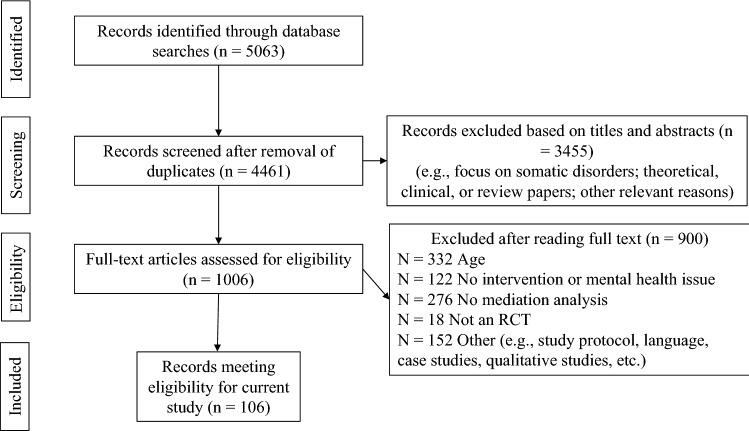
Psychotherapeutic treatment of adolescents requires age-specific approaches and thus plausibly also involves different change mechanisms than adult psychotherapy. To guide further research and improve therapeutic outcomes for adolescents, we reviewed all RCTs investigating mechanisms of change in the psychological treatment of adolescents to identify the most promising age-, disorder- or treatment-specific mediators. Following the preferred reporting items for systematic reviews (PRISMA), 106 studies were included that reported 252 statistical mediation tests assessed with 181 different measures. Most often studied and significant mediators were cognitive, followed by family-related, and behavioral variables. Several mediators were identified to be promising for future investigations: changes in negative thoughts, dysfunctional beliefs and metacognitive skills; family functioning and parenting skills; as well as successful engagement in therapy activities and increased impulse control. Symptom change during therapy was least often a mediator for other therapeutic changes. Relational and emotional mediators were largely understudied, whereas peer-influence appeared a promising mediator for intervention outcomes. Adolescence-specific mediators were most commonly investigated. Majority of studied mediators were not disorder-specific. There was a tendency to mainly test change mechanisms of specific theoretical models without considering other possible change theories. Further, virtually no studies fulfilled all criteria for rigorously investigating mediation and only nine were classified with an overall good study quality. While bearing in mind the current limitations in study designs, methodological rigor and reporting, there appears to be substantial evidence for transdiagnostic age-specific change models in the psychological treatment of adolescents. For future research, need for consensus on a core set of transdiagnostic and transtheoretical mediators and measures is highlighted. These should address likely core mechanisms of change, as well as take into account age-relevant developmental challenges and biological markers.
Overview
CoChat Summary
TL;DR
This systematic review of 106 RCTs and 252 mediation tests in adolescent psychotherapy found cognitive, family-related, and behavioral mediators most often studied and significant, with promising candidates including negative thoughts, dysfunctional beliefs, metacognitive skills, family functioning, parenting skills, therapy engagement, and impulse control. Evidence was mostly moderate or insufficient, relational and emotional mediators were understudied, and few studies met rigorous mediation criteria.
Key findings
- Across 106 RCTs, 252 mediation tests, and 181 different measures, the most frequently studied and significant mediators were cognitive, followed by family-related and behavioral variables; symptom change during therapy was least often a mediator for other therapeutic changes.
- Promising mediators for future research were changes in negative thoughts, dysfunctional beliefs, and metacognitive skills; family functioning and parenting skills; and successful engagement in therapy activities and increased impulse control.
- Relational and emotional mediators were largely understudied, although peer influence appeared promising; adolescence-specific mediators were most commonly investigated, and the majority of studied mediators were not disorder-specific.
- No mediator category had strong evidence; moderate evidence varied by diagnosis, and only 9 of 106 studies (8.8%) were classified as having both relatively low risk of bias and proper mediation-testing rigor.
Methods
- PRISMA systematic review registered in Prospero (CRD42020177535), searching MEDLINE and PsycINFO from inception to March 23, 2022, for RCTs of psychosocial or psychotherapeutic interventions in adolescents aged 10–19 with mental disorders or psychological difficulties and a formal statistical mediation test.
- 106 studies were included; data were extracted on setting, population, intervention/comparator, outcomes, mediators, mediation analysis type, and risk of bias.
- Mediators were categorized by qualitative content analysis into cognitive, family-related, behavioral, therapy-related, relational, and emotional domains; evidence was graded using an adapted Best Evidence Synthesis Rating System, and study quality used Kazdin/Lemmens criteria plus the Mixed Methods Appraisal Tool.
Limitations
- Stated by the authors: studies were primarily from Western industrialized countries, limiting representativity; gender balance was good but gender-specific mediator conclusions could not be drawn; heterogeneity and no agreed mediation effect size prevented aggregated effect-size estimation and funnel-plot/publication-bias testing, and the file-drawer problem was difficult to evaluate.
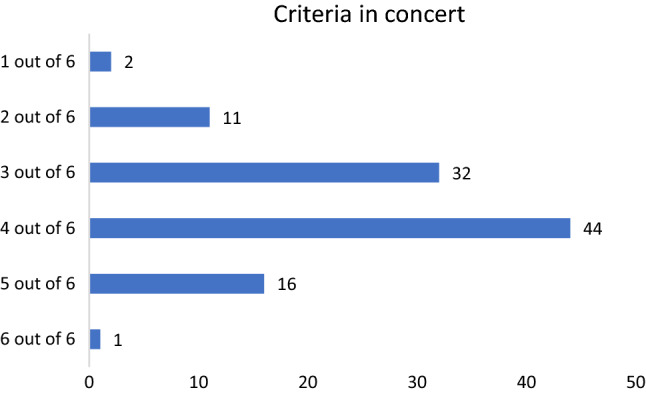
- Stated by the authors: virtually all studies had shortcomings against Kazdin’s criteria; only one study fulfilled all six criteria, 64.7% violated the temporal criterion, 33 studies did not report a specific indirect-effect estimation method, and measures were mostly self-report and highly heterogeneous.
- Evident from the text: no biological mediator was identified; IPT, third-wave therapies, and psychodynamic therapy were strikingly understudied; many mediator categories had too few studies for strong conclusions, and findings were likely confounded by researchers mainly testing mediators aligned with their own therapeutic models.
Model-written summary. Check it against the paper before relying on it.
Integrity signals
Registry
Cites
Statistics
Figures
Verification
Claims the paper makes
17 Valid · 2 Not valid · 15 Not checked · 106 Own results and interpretations
Every source the paper cites for this claim was checked and supports it.
In the paper
“However, even in CBT the evidence base is inconclusive”
§ Mediators of outcome in adolescent psychotherapy and their implications for theories and mechanisms of change: a systematic review > Introduction > Diagnosis-specific mediators in children and adolescents
What the sources say
- Supportedcites [28] Lemmens LHJM, Müller VNLS, Arntz A, Huibers MJH (2016) Mechanisms of change in psychotherapy for depression: An empirical update and evaluation of research aimed at identifying psychological mediators. Clin Psychol Rev 50:95–107. 10.1016/j.cpr.2016.09.004 27770716 source
The Study characteristics and results section reports support for partial mediation in 63.3% of cases examining CBT-specific mediators, rather than consistent support. The Discussion says none of the identified studies met all requirements for testing treatment mediation, supporting the characterization of the mechanisms-of-change evidence as inconclusive. (LLM, conf=0.91)
plain- Asserted: passes — The authors put it forward as true.
- Checkable: passes — It can be checked against evidence.
- Load-bearing: passes — The paper’s conclusions depend on it.
- Based: passes — The paper gives a reason why it holds.
- Supported
The cited sources support only part of this claim — read each source’s verdict below.
In the paper
“and it appears only one original study from 21 reviews directly manipulated a mediator variable in an experimental design so far [37].”
§ Mediators of outcome in adolescent psychotherapy and their implications for theories and mechanisms of change: a systematic review > Introduction > Diagnosis-specific mediators in children and adolescents
What the sources say
- Partly supportedcites [37] Hirsch CR, Krahé C, Whyte J, Loizou S, Bridge L, Norton S, Mathews A (2018) Interpretation training to target repetitive negative thinking in generalized anxiety disorder and depression. J Consult Clin Psychol 86(12):1017–1030. 10.1037/ccp0000310 30507227 sourceExperimental — accuracy not yet measured
The Design section describes an original experiment using interpretation-bias training, and the mediation-results section reports that measured interpretation bias partially mediated several outcomes. The paper does not establish that this was the only such study among 21 reviews; that count and exclusivity are unsupported by our copy. (LLM, conf=0.87)
hedged- Asserted: passes — The authors put it forward as true.
- Checkable: passes — It can be checked against evidence.
- Load-bearing: passes — The paper’s conclusions depend on it.
- Based: passes — The paper gives a reason why it holds.
- Partly supported
The cited sources support only part of this claim — read each source’s verdict below.
In the paper
“yet the evidence base is even smaller in psychotherapy for children and adolescents.”
§ Mediators of outcome in adolescent psychotherapy and their implications for theories and mechanisms of change: a systematic review > Introduction
What the sources say
- Partly supportedcites [14] Cuijpers P, Reijnders M, Huibers MJH (2019) The role of common factors in psychotherapy outcomes. Annu Rev Clin Psychol 15:207–231. 10.1146/annurev-clinpsy-050718-095424 30550721 sourceExperimental — accuracy not yet measured
The Introduction (page unavailable) says scientific knowledge about psychotherapy’s mechanisms of change is limited, and Recommendations for Future Research (page unavailable) says few studies use the methods needed to establish how those mechanisms work. The paper does not say that the evidence base is even smaller for children and adolescents than for other populations; searches for those terms found no relevant discussion. (LLM, conf=0.83)
plain- Asserted: passes — The authors put it forward as true.
- Checkable: passes — It can be checked against evidence.
- Load-bearing: passes — The paper’s conclusions depend on it.
- Based: passes — The paper gives a reason why it holds.
- Partly supported
Every source the paper cites for this claim was checked and supports it.
In the paper
“a recent review on brain-related functional mediators in adult psychotherapy failing to identify any studies on them [89]”
§ Mediators of outcome in adolescent psychotherapy and their implications for theories and mechanisms of change: a systematic review > Discussion
What the sources say
- Supportedcites [89] Carey TA, Griffiths R, Dixon JE, Hines S (2020) Identifying functional mechanisms in psychotherapy: a scoping systematic review. Front Psych 11:291. 10.3389/fpsyt.2020.00291 PMC7180170 32362848 source
The Discussion says the review sought functional mechanisms connected to known neurobiological brain processes and found no studies meeting that question. The Results report that no studies were retained after full-text review. This supports the claim about studies of brain-related functional mediators, not a broader claim that no brain-related psychotherapy studies exist. (LLM, conf=0.92)
plain- Asserted: passes — The authors put it forward as true.
- Checkable: passes — It can be checked against evidence.
- Load-bearing: passes — The paper’s conclusions depend on it.
- Based: passes — The paper gives a reason why it holds.
- Supported
The cited sources support only part of this claim — read each source’s verdict below.
In the paper
“The main limitation shared by virtually all the studies in terms of study design was a lack of clear experimental manipulation of the mediator [75].”
§ Mediators of outcome in adolescent psychotherapy and their implications for theories and mechanisms of change: a systematic review > Discussion
What the sources say
- Partly supportedcites [75] Pirlott AG, MacKinnon DP (2016) Design approaches to experimental mediation. J Exp Soc Psychol 66:29–38. 10.1016/j.jesp.2015.09.012 27570259 PMC4999253 sourceExperimental — accuracy not yet measured
The Abstract says studies commonly measure rather than experimentally manipulate the mediator, and the Discussion identifies the resulting inability to establish its causal effect as a major shortcoming. The paper does not assess the citing authors’ set of studies or establish that virtually all of them share this limitation. (LLM, conf=0.86)
plain- Asserted: passes — The authors put it forward as true.
- Checkable: passes — It can be checked against evidence.
- Load-bearing: passes — The paper’s conclusions depend on it.
- Based: passes — The paper gives a reason why it holds.
- Partly supported
57 more claims · 2 with their cited sources checked
Create a free account to see all 140 claims and to verify the 1 reference still open.
- Probably not a substantial claim. 45
- It may state two separate claims as one. 53
- The quote only partly states this claim. 1
Claims other papers make about this one
Each is checked against this paper’s own text: does it say what the citing paper says it does?
The cited source says what the claim attributes to it.
In the citing paper
“First, there is still no consensus on the most relevant transdiagnostic mechanisms in psychological interventions in adolescents [188].”
From Efficacy of a transdiagnostic Internet prevention approach in adolescents (EMPATIA study): study protocol of a randomized controlled trial (2024) · cites this paper as [188]
Self-check
Percentages, sums and reported differences re-computed from the paper’s own numbers.
Each contradiction between two passages listed here was confirmed by an independent check.
Rated major: it would touch a result — a value a result rests on, reported and recomputed p-values on opposite sides of the significance level, two passages that conflict with no sign which is right, or a cited work retracted before this paper was published.
In the paper
§ Mediators of outcome in adolescent psychotherapy and their implications for theories and mechanisms of change: a systematic review > Results > Qualitative synthesis of mediators
“we classified the 106 studies into k = 12 good study quality, k = 26 satisfactory study quality and k = 68 unsatisfactory study quality.”
§ Mediators of outcome in adolescent psychotherapy and their implications for theories and mechanisms of change: a systematic review > Abstract
“only nine were classified with an overall good study quality.”
Rated major: it would touch a result — a value a result rests on, reported and recomputed p-values on opposite sides of the significance level, two passages that conflict with no sign which is right, or a cited work retracted before this paper was published.
In the paper
§ Mediators of outcome in adolescent psychotherapy and their implications for theories and mechanisms of change: a systematic review > Results > Qualitative synthesis of mediators
“For anxiety disorders, moderate evidence emerged only for cognitive mediators”
§ Mediators of outcome in adolescent psychotherapy and their implications for theories and mechanisms of change: a systematic review > Results > Qualitative synthesis of mediators
“| Behavioral | 6 (10) | – | 2 (3) | 3 | Moderate |”
Rated major: it would touch a result — a value a result rests on, reported and recomputed p-values on opposite sides of the significance level, two passages that conflict with no sign which is right, or a cited work retracted before this paper was published.
In the paper
“| Total (252) | Total (252) | Total (252) | 160 | 82 |”
§ Mediators of outcome in adolescent psychotherapy and their implications for theories and mechanisms of change: a systematic review > Results > Qualitative synthesis of mediators
Reported 252 · recomputed 242
Rated minor: it would not touch a result — a value no result rests on, a p-value that stays on the same side of the significance level, or a conflict that is clerical, resolved elsewhere in the paper, or outside its own findings.
In the paper
§ Mediators of outcome in adolescent psychotherapy and their implications for theories and mechanisms of change: a systematic review > Results > Qualitative synthesis of mediators
“Finally, emotional mediators were used in 20 analyses”
§ Mediators of outcome in adolescent psychotherapy and their implications for theories and mechanisms of change: a systematic review > Results > Qualitative synthesis of mediators
“| Emotional (13) | Emotional (13) | Emotional (13) | 8 | 5 |”
Rated minor: it would not touch a result — a value no result rests on, a p-value that stays on the same side of the significance level, or a conflict that is clerical, resolved elsewhere in the paper, or outside its own findings.
In the paper
“structural equation modeling (SEM) (k = 20, 19.6%)”
§ Mediators of outcome in adolescent psychotherapy and their implications for theories and mechanisms of change: a systematic review > Results
Reported 19.6 · recomputed 18.867925
3 more findings
Create a free account to see every finding of this check.
Citations
Cites
The PRISMA 2020 statement: An updated guideline for reporting systematic reviews
Page, M. J., McKenzie, J. E., Bossuyt, P. M., Boutron, I., Hoffmann, T. C., Mulrow, C. D., Shamseer, L., Tetzlaff, J. M., Akl, E. A., Brennan, S. E., et al. (2021) · BMJ · doi:10.1136/bmj.n71 · Cited by 108,283
Baron, R. M., & Kenny, D. A. (1986) · Journal of Personality and Social Psychology · doi:10.1037/0022-3514.51.6.1173 · Cited by 91,532
Preacher, K. J., & Hayes, A. F. (2008) · Behavior Research Methods · doi:10.3758/brm.40.3.879 · Cited by 34,117
Cochrane Handbook for Systematic Reviews of Interventions
(2019) · doi:10.1002/9781119536604 · Cited by 14,828
Addressing Moderated Mediation Hypotheses: Theory, Methods, and Prescriptions
Preacher, K. J., Rucker, D. D., & Hayes, A. F. (2007) · Multivariate Behavioral Research · doi:10.1080/00273170701341316 · Cited by 9,973
A comparison of methods to test mediation and other intervening variable effects
MacKinnon, D. P., Lockwood, C. M., Hoffman, J. M., West, S. G., & Sheets, V. (2002) · Psychological Methods · doi:10.1037/1082-989x.7.1.83 · Cited by 9,406 · cited 1×
“However, the limitations of this approach include low power and overly low Type I error rates, unless the mediated effect or sample size is large [43].”
Confidence Limits for the Indirect Effect: Distribution of the Product and Resampling Methods
MacKinnon, D. P., Lockwood, C. M., & Williams, J. (2004) · Multivariate Behavioral Research · doi:10.1207/s15327906mbr3901_4 · Cited by 7,806 · cited 1×
“Yet, often neither of these two conditions is met nor the related assumption that the distribution of the mediated effect is normal [44].”
The environment and disease: association or causation?
Hill, A. B. (2015) · Journal of the Royal Society of Medicine · doi:10.1177/0141076814562718 · Cited by 7,285
Cumpston, M., Li, T., Page, M. J., Chandler, J., Welch, V. A., Higgins, J. P., & Thomas, J. (2019) · Cochrane Database of Systematic Reviews · doi:10.1002/14651858.ed000142 · Cited by 7,218
Insel, T., Cuthbert, B., Garvey, M., Heinssen, R., Pine, D. S., Quinn, K., Sanislow, C., & Wang, P. (2010) · American Journal of Psychiatry · doi:10.1176/appi.ajp.2010.09091379 · Cited by 7,067 · cited 1×
“A similar approach has already been advocated e.g., by the National Institute of Mental Health’s Research Domain Criteria [92], recommending a dimensional rather than categorical approach to understanding mental illness and its early determinants on various levels, from the neural to the behavioral.”
The Environment and Disease: Association or Causation?
Hill, A. B. (1965) · Proceedings of the Royal Society of Medicine · doi:10.1177/003591576505800503 · Cited by 6,974 · cited 1×
“As noted already long ago [79], but discussed more recently also by Kazdin [80] and others (e.g., [81, 82]), causality can reasonably be inferred even in the absence of randomization—and, in some cases, has to be.”
MacKinnon, D. P., Fairchild, A. J., & Fritz, M. S. (2007) · Annual Review of Psychology · doi:10.1146/annurev.psych.58.110405.085542 · Cited by 5,688
Introduction to Statistical Mediation Analysis
MacKinnon, D. P. (2012) · doi:10.4324/9780203809556 · Cited by 5,618
The Mixed Methods Appraisal Tool (MMAT) version 2018 for information professionals and researchers
Hong, Q. N., Fàbregues, S., Bartlett, G., Boardman, F., Cargo, M., Dagenais, P., Gagnon, M.-P., Griffiths, F., Nicolau, B., O’Cathain, A., et al. (2018) · Education for Information · doi:10.3233/efi-180221 · Cited by 4,737 · cited 1×
“To further limit risks of bias, a formal risk of bias assessment tool (ROB-tool), the Mixed Methods Appraisal Tool [52], was used to evaluate the overall study quality.”
Network Analysis in the Social Sciences
Borgatti, S. P., Mehra, A., Brass, D. J., & Labianca, G. (2009) · Science · doi:10.1126/science.1165821 · Cited by 4,254
Our future: a Lancet commission on adolescent health and wellbeing
Patton, G. C., Sawyer, S. M., Santelli, J. S., Ross, D. A., Afifi, R., Allen, N. B., Arora, M., Azzopardi, P., Baldwin, W., Bonell, C., et al. (2016) · The Lancet · doi:10.1016/s0140-6736(16)00579-1 · Cited by 3,785
Kotov, R., Krueger, R. F., Watson, D., Achenbach, T. M., Althoff, R. R., Bagby, R. M., Brown, T. A., Carpenter, W. T., Caspi, A., Clark, L. A., et al. (2017) · Journal of Abnormal Psychology · doi:10.1037/abn0000258 · Cited by 3,335 · cited 1×
“…numerous change mechanisms [14], and diagnostic categories may be at the same time too narrow and too broad when looking at change mechanisms [90, 91], a transtheoretical and transdiagnostic turn to investigating more concrete and specific mechanisms of change across diagnostic categories is…”
Mediators and Moderators of Treatment Effects in Randomized Clinical Trials
Kraemer, H. C., Wilson, G. T., Fairburn, C. G., & Agras, W. S. (2002) · Archives of General Psychiatry · doi:10.1001/archpsyc.59.10.877 · Cited by 2,562
Mediators and Mechanisms of Change in Psychotherapy Research
Kazdin, A. E. (2007) · Annual Review of Clinical Psychology · doi:10.1146/annurev.clinpsy.3.022806.091432 · Cited by 2,504 · cited 4×
“Although no standard form for evaluating mediation studies has been established, studies were independently and again in pairs checked for general criteria for identifying mediators of psychosocial interventions in research, such as summarized by Kazdin [13] and Lemmens et al. [28].”
InfluentialThe p Factor: One General Psychopathology Factor in the Structure of Psychiatric Disorders?
Caspi, A., Houts, R. M., Belsky, D. W., Goldman-Mellor, S. J., Harrington, H., Israel, S., Meier, M. H., Ramrakha, S., Shalev, I., Poulton, R., et al. (2014) · Clinical Psychological Science · doi:10.1177/2167702613497473 · Cited by 2,449
Hayes, A. F., & Scharkow, M. (2013) · Psychological Science · doi:10.1177/0956797613480187 · Cited by 2,387
Taylor, S., Zvolensky, M. J., Cox, B. J., Deacon, B., Heimberg, R. G., Ledley, D. R., Abramowitz, J. S., Holaway, R. M., Sandin, B., Stewart, S. H., et al. (2007) · Psychological Assessment · doi:10.1037/1040-3590.19.2.176 · Cited by 1,866 · cited 1×
“Identical mediator measures were very seldom employed across different studies; exceptions with at least three different mediation analyses using the same measure were the following: Anxiety Sensitivity Index-3 (ASI-3, [56], Children’s Post-Traumatic Cognitions Inventory (CPTCI; [57]).”
Gu, J., Strauss, C., Bond, R., & Cavanagh, K. (2015) · Clinical Psychology Review · doi:10.1016/j.cpr.2015.01.006 · Cited by 1,712 · cited 2×
“Yet others examined proof for theory-driven change mechanisms in specific therapeutic approaches, e.g., Mindfulness-Based Cognitive Therapy [23], Motivational Interviewing [24] or Accept-ance and Commitment Therapy [25].”
Bauer, D. J., Preacher, K. J., & Gil, K. M. (2006) · Psychological Methods · doi:10.1037/1082-989x.11.2.142 · Cited by 1,704
Resampling and Distribution of the Product Methods for Testing Indirect Effects in Complex Models
Williams, J., & MacKinnon, D. P. (2008) · Structural Equation Modeling: A Multidisciplinary Journal · doi:10.1080/10705510701758166 · Cited by 1,240
Avenevoli, S. (2012) · Archives of General Psychiatry · doi:10.1001/archgenpsychiatry.2011.160 · Cited by 1,149
The Corsini encyclopedia of psychology
(2010) · Choice Reviews Online · doi:10.5860/choice.47-6008 · Cited by 1,082
Popper, K. R., & Hudson, G. E. (1963) · Physics Today · doi:10.1063/1.3050617 · Cited by 1,071
Weisz, J. R., Kuppens, S., Ng, M. Y., Eckshtain, D., Ugueto, A. M., Vaughn-Coaxum, R., Jensen-Doss, A., Hawley, K. M., Krumholz Marchette, L. S., Chu, B. C., et al. (2017) · American Psychologist · doi:10.1037/a0040360 · Cited by 862 · cited 1×
“However, effect sizes are smaller when treating adolescents as opposed to adults, especially in the case of multiple simultaneous problems (e.g., comorbidity and social problems) [5].”
Persuasion and Healing: A Comparative Study of Psychotherapy
Kubie, L. S., & Frank, J. D. (1961) · The Journal of Nervous and Mental Disease · doi:10.1097/00005053-196112000-00018 · Cited by 755
The Role of Common Factors in Psychotherapy Outcomes
Cuijpers, P., Reijnders, M., & Huibers, M. J. H. (2019) · Annual Review of Clinical Psychology · doi:10.1146/annurev-clinpsy-050718-095424 · Cited by 748 · cited 3×
“The practical implication would be that these different approaches might benefit from further investigating mediators that are not restricted to their particular change theory, in order to clarify the prevalent specific vs. common factors debate [14].”
InfluentialHandbook of emotion regulation
Giombini, L. (2015) · Advances in Eating Disorders · doi:10.1080/21662630.2014.953321 · Cited by 676
Caspi, A., Houts, R. M., Ambler, A., Danese, A., Elliott, M. L., Hariri, A., Harrington, H., Hogan, S., Poulton, R., Ramrakha, S., et al. (2020) · JAMA Network Open · doi:10.1001/jamanetworkopen.2020.3221 · Cited by 633 · cited 1×
“…numerous change mechanisms [14], and diagnostic categories may be at the same time too narrow and too broad when looking at change mechanisms [90, 91], a transtheoretical and transdiagnostic turn to investigating more concrete and specific mechanisms of change across diagnostic categories is…”
Design approaches to experimental mediation
Pirlott, A. G., & MacKinnon, D. P. (2016) · Journal of Experimental Social Psychology · doi:10.1016/j.jesp.2015.09.012 · Cited by 575 · cited 2×
“The main limitation shared by virtually all the studies in terms of study design was a lack of clear experimental manipulation of the mediator [75].”
Lee, H., Cashin, A. G., Lamb, S. E., Hopewell, S., Vansteelandt, S., VanderWeele, T. J., MacKinnon, D. P., Mansell, G., Collins, G. S., Golub, R. M., et al. (2021) · JAMA · doi:10.1001/jama.2021.14075 · Cited by 548
Emotion-regulation skills as a treatment target in psychotherapy
Berking, M., Wupperman, P., Reichardt, A., Pejic, T., Dippel, A., & Znoj, H. (2008) · Behaviour Research and Therapy · doi:10.1016/j.brat.2008.08.005 · Cited by 532 · cited 1×
“Given the generally accepted importance of improved emotion regulation for successful therapies (e.g. [63, 64]), and how critical emotion regulation skills become during the sometimes tumultuous years of adolescence [65], the relatively small percentage of studies investigating emotional mediators…”
Derogatis, L. R., & Unger, R. (2010) · The Corsini Encyclopedia of Psychology · doi:10.1002/9780470479216.corpsy0970 · Cited by 488 · cited 1×
“Symptom-Check-List (SCL-90, [58]), and Therapeutic Alliance Scale for Children (TASC-C/T, [59]).”
Psychotherapy for Children and Adolescents
Kazdin, A. E. (2003) · Annual Review of Psychology · doi:10.1146/annurev.psych.54.101601.145105 · Cited by 462
Nielsen, L., Riddle, M., King, J. W., Aklin, W. M., Chen, W., Clark, D., Collier, E., Czajkowski, S., Esposito, L., Ferrer, R., et al. (2018) · Behaviour Research and Therapy · doi:10.1016/j.brat.2017.07.002 · Cited by 446 · cited 1×
“…behavioral health problems (e.g., smoking, alcohol, substance abuse, poor diet, lack of exercise) has underlined the need to establish a core set of measures going beyond treatment-specific change theories and gauging various developmental challenges and observational perspectives [94].”
Therapeutic alliance as a mediator of change: A systematic review and evaluation of research
Baier, A. L., Kline, A. C., & Feeny, N. C. (2020) · Clinical Psychology Review · doi:10.1016/j.cpr.2020.101921 · Cited by 441 · cited 1×
“Last, some reviews focused on specific mediators irrespective of diagnoses or treatment approaches, such as alliance [34] and insight [35].”
Shirk, S. R., & Saiz, C. C. (1992) · Development and Psychopathology · doi:10.1017/s0954579400004946 · Cited by 392
Psychotherapy change process research: Realizing the promise
Elliott, R. (2010) · Psychotherapy Research · doi:10.1080/10503300903470743 · Cited by 367 · cited 1×
“A mechanism of change explains how an intervention translates into a process that leads to an outcome, e.g., change in symptoms [12].”
Heterogeneity in psychiatric diagnostic classification
Allsopp, K., Read, J., Corcoran, R., & Kinderman, P. (2019) · Psychiatry Research · doi:10.1016/j.psychres.2019.07.005 · Cited by 323 · cited 1×
“…transdiagnostic factors that lead to positive therapeutic change are in line with a dimensional approach to diagnosis and psychopathology, which has been gaining attention (e.g. Caspi et al. [86]), as categorical approaches such as the DSM have come under severe scrutiny and criticism (e.g. [87]).”
Magill, M., Ray, L., Kiluk, B., Hoadley, A., Bernstein, M., Tonigan, J. S., & Carroll, K. (2019) · Journal of Consulting and Clinical Psychology · doi:10.1037/ccp0000447 · Cited by 315 · cited 1×
“Other reviews investigated several mediators with one specific therapy model related to one specific disorder, e.g., CBT for drug use disorder [20], CBT for insomnia [21], and CBT for irritable bowel syndrome [22].”
MacKinnon, D. P., & Pirlott, A. G. (2015) · Personality and Social Psychology Review · doi:10.1177/1088868314542878 · Cited by 255
Topper, M., Emmelkamp, P. M. G., Watkins, E., & Ehring, T. (2017) · Behaviour Research and Therapy · doi:10.1016/j.brat.2016.12.015 · Cited by 254 · cited 1×
“Two studies were dedicated to both depression and anxiety equally [54, 55] and were thus counted for both diagnoses.”
Compas, B. E., Champion, J. E., Forehand, R., Cole, D. A., Reeslund, K. L., Fear, J., Hardcastle, E. J., Keller, G., Rakow, A., Garai, E., et al. (2010) · Journal of Consulting and Clinical Psychology · doi:10.1037/a0020459 · Cited by 217
Lemmens, L. H. J. M., Müller, V. N. L. S., Arntz, A., & Huibers, M. J. H. (2016) · Clinical Psychology Review · doi:10.1016/j.cpr.2016.09.004 · Cited by 211
Moyers, T., Martin, T., Catley, D., Harris, K. J., & Ahluwalia, J. S. (2003) · Behavioural and Cognitive Psychotherapy · doi:10.1017/s1352465803002054 · Cited by 204
Stockton, D., Kellett, S., Berrios, R., Sirois, F., Wilkinson, N., & Miles, G. (2019) · Behavioural and Cognitive Psychotherapy · doi:10.1017/s1352465818000553 · Cited by 193 · cited 2×
“…et al. [27], six in Radu et al. [22], three out of 33 in Fentz et al. [18], 17 out of 30 in Breuninger et al. [17], six of 12 in Stockton et al. [25], T h e r a p e u ti c a lli a n ce a s a pu t a ti v e m ec h a n i s m o f c h a ng e ( t r a n s d i a gno s ti c ) ( R e v i e w ) 37 RC T s ,…”
Development and validation of the Child Post‐Traumatic Cognitions Inventory (CPTCI)
Meiser‐Stedman, R., Smith, P., Bryant, R., Salmon, K., Yule, W., Dalgleish, T., & Nixon, R. D. V. (2009) · Journal of Child Psychology and Psychiatry · doi:10.1111/j.1469-7610.2008.01995.x · Cited by 186
Spinhoven, P., Klein, N., Kennis, M., Cramer, A. O. J., Siegle, G., Cuijpers, P., Ormel, J., Hollon, S. D., & Bockting, C. L. (2018) · Behaviour Research and Therapy · doi:10.1016/j.brat.2018.04.002 · Cited by 185 · cited 1×
“…one specific change mechanism in one specific treat-ment model for one specific disorder, e.g., repetitive negative thinking in CBT for depression [15]; threat reappraisal [16], cognitive changes [17], or panic efficacy [18] in CBT for anxiety disorders; as well as mindfulness-based interventions…”
Association Between Insight and Outcome of Psychotherapy: Systematic Review and Meta-Analysis
Jennissen, S., Huber, J., Ehrenthal, J. C., Schauenburg, H., & Dinger, U. (2018) · American Journal of Psychiatry · doi:10.1176/appi.ajp.2018.17080847 · Cited by 180
Mediators of change for multisystemic therapy with juvenile sexual offenders.
Henggeler, S. W., Letourneau, E. J., Chapman, J. E., Borduin, C. M., Schewe, P. A., & McCart, M. R. (2009) · Journal of Consulting and Clinical Psychology · doi:10.1037/a0013971 · Cited by 175
Persuasion and Healing: A Comparative Study of Psychotherapy.
Ruesch, J. (1961) · Archives of General Psychiatry · doi:10.1001/archpsyc.1961.01710140108018 · Cited by 166
Smits, J. A. J., Julian, K., Rosenfield, D., & Powers, M. B. (2012) · Journal of Consulting and Clinical Psychology · doi:10.1037/a0028957 · Cited by 162
Stice, E., Presnell, K., Gau, J., & Shaw, H. (2007) · Journal of Consulting and Clinical Psychology · doi:10.1037/0022-006x.75.1.20 · Cited by 159
Perestelo-Perez, L., Barraca, J., Peñate, W., Rivero-Santana, A., & Alvarez-Perez, Y. (2017) · International Journal of Clinical and Health Psychology · doi:10.1016/j.ijchp.2017.07.004 · Cited by 154 · cited 1×
“…model for one specific disorder, e.g., repetitive negative thinking in CBT for depression [15]; threat reappraisal [16], cognitive changes [17], or panic efficacy [18] in CBT for anxiety disorders; as well as mindfulness-based interventions for the treatment of depressive rumination [19].”
Karver, M., Shirk, S., Handelsman, J. B., Fields, S., Crisp, H., Gudmundsen, G., & McMakin, D. (2008) · Journal of Emotional and Behavioral Disorders · doi:10.1177/1063426607312536 · Cited by 141 · cited 1×
“…teachers, social workers, etc.); and they more likely have fewer shared interests and differ more in both age and value-systems with their therapists; all of which can compromise agreeing on therapy tasks and goals and achieving a good therapeutic alliance and, subsequently, outcomes [8, 9].”
Cristea, I. A., Huibers, M. J. H., David, D., Hollon, S. D., Andersson, G., & Cuijpers, P. (2015) · Clinical Psychology Review · doi:10.1016/j.cpr.2015.08.003 · Cited by 135 · cited 1×
“The main body of research still focuses on the question of whether the presumed mediator is changed by the intervention—which indeed is the first step in establishing causation, but does not solve the question of therapy or mediator specificity (e.g., Cristea et al. [36]).”
Midgley, N., Ansaldo, F., & Target, M. (2014) · Psychotherapy · doi:10.1037/a0034179 · Cited by 128 · cited 1×
“Furthermore, multiple alternative designs and methods can be useful in shedding light on mechanisms of change, such as single-case experimental studies [80] and qualitative work embedded in RCTs (e.g., [83]).”
The role of causal criteria in causal inferences: Bradford Hill's "aspects of association"
Ward, A. C. (2009) · Epidemiologic Perspectives & Innovations · doi:10.1186/1742-5573-6-2 · Cited by 120 · cited 1×
“As noted already long ago [79], but discussed more recently also by Kazdin [80] and others (e.g., [81, 82]), causality can reasonably be inferred even in the absence of randomization—and, in some cases, has to be.”
Cuijpers, P., Karyotaki, E., Ciharova, M., Miguel, C., Noma, H., Stikkelbroek, Y., Weisz, J. R., & Furukawa, T. A. (2023) · European Child & Adolescent Psychiatry · doi:10.1007/s00787-021-01884-6 · Cited by 118 · cited 1×
“Psychological treatment is one of the important keys for the promotion of youth mental health, given the extensive evidence on the general effectiveness of psychotherapy for treating mental disorders in adolescence [3, 4].”
Within-intervention change: Mediators of intervention effects during multisystemic therapy.
Deković, M., Asscher, J. J., Manders, W. A., Prins, P. J. M., & van der Laan, P. (2012) · Journal of Consulting and Clinical Psychology · doi:10.1037/a0028482 · Cited by 109
Hirsch, C. R., Krahé, C., Whyte, J., Loizou, S., Bridge, L., Norton, S., & Mathews, A. (2018) · Journal of Consulting and Clinical Psychology · doi:10.1037/ccp0000310 · Cited by 108 · cited 1×
“…the temporal criterion in mediation analysis (i.e., the mediator has to change before the outcome) as follows: only a minority of studies have accomplished this, and it appears only one original study from 21 reviews directly manipulated a mediator variable in an experimental design so far [37].”
Domhardt, M., Steubl, L., Boettcher, J., Buntrock, C., Karyotaki, E., Ebert, D. D., Cuijpers, P., & Baumeister, H. (2021) · Clinical Psychology Review · doi:10.1016/j.cpr.2020.101953 · Cited by 106 · cited 3×
“With the exception of the IBI review on depression [26], the original studies were mainly underpowered.”
InfluentialVo, T., Superchi, C., Boutron, I., & Vansteelandt, S. (2019) · Journal of Clinical Epidemiology · doi:10.1016/j.jclinepi.2019.10.001 · Cited by 105
Fentz, H. N., Arendt, M. C. B. B., O’Toole, M. S., Hoffart, A., & Hougaard, E. (2014) · Behaviour Research and Therapy · doi:10.1016/j.brat.2014.06.003 · Cited by 104
Romano, M., & Peters, L. (2015) · Clinical Psychology Review · doi:10.1016/j.cpr.2015.02.008 · Cited by 95
The therapeutic alliance: Adolescent perspectives
Everall, R. D., & Paulson, B. L. (2002) · Counselling and Psychotherapy Research · doi:10.1080/14733140212331384857 · Cited by 84 · cited 1×
“…teachers, social workers, etc.); and they more likely have fewer shared interests and differ more in both age and value-systems with their therapists; all of which can compromise agreeing on therapy tasks and goals and achieving a good therapeutic alliance and, subsequently, outcomes [8, 9].”
Zhou, X., Zhang, Y., Furukawa, T. A., Cuijpers, P., Pu, J., Weisz, J. R., Yang, L., Hetrick, S. E., Del Giovane, C., Cohen, D., et al. (2019) · JAMA Psychiatry · doi:10.1001/jamapsychiatry.2018.3070 · Cited by 80 · cited 1×
“Psychological treatment is one of the important keys for the promotion of youth mental health, given the extensive evidence on the general effectiveness of psychotherapy for treating mental disorders in adolescence [3, 4].”
Parsons, C. E., Zachariae, R., Landberger, C., & Young, K. S. (2021) · Clinical Psychology Review · doi:10.1016/j.cpr.2021.102027 · Cited by 73
Resilience, Defense Mechanisms, and Implicit Emotion Regulation in Psychodynamic Child Psychotherapy
Prout, T. A., Malone, A., Rice, T., & Hoffman, L. (2019) · Journal of Contemporary Psychotherapy · doi:10.1007/s10879-019-09423-w · Cited by 70
Yap, M. B. H., Cardamone-Breen, M. C., Rapee, R. M., Lawrence, K. A., Mackinnon, A. J., Mahtani, S., & Jorm, A. F. (2019) · Journal of Medical Internet Research · doi:10.2196/13628 · Cited by 68 · cited 1×
“Two studies were dedicated to both depression and anxiety equally [54, 55] and were thus counted for both diagnoses.”
Courtney, D. B., Watson, P., Krause, K. R., Chan, B. W. C., Bennett, K., Gunlicks-Stoessel, M., Rodak, T., Neprily, K., Zentner, T., & Szatmari, P. (2022) · JAMA Network Open · doi:10.1001/jamanetworkopen.2021.46331 · Cited by 63 · cited 3×
“Future advances in establishing such standards might nevertheless also provide more nuance to the current findings and there is a high need for consensus guidelines in reporting and planning of mediation studies overall [33, 69].”
Effects of standard and modular psychotherapies in the treatment of youth with severe irritability.
Evans, S. C., The Research Network on Youth Mental Health, Weisz, J. R., Carvalho, A. C., Garibaldi, P. M., Bearman, S. K., & Chorpita, B. F. (2020) · Journal of Consulting and Clinical Psychology · doi:10.1037/ccp0000456 · Cited by 57
Bonnert, M., Olén, O., Bjureberg, J., Lalouni, M., Hedman-Lagerlöf, E., Serlachius, E., & Ljótsson, B. (2018) · Behaviour Research and Therapy · doi:10.1016/j.brat.2018.03.006 · Cited by 53 · cited 1×
“…there was only a small number of studies showing specific and robust associations between mediator and outcome in the intervention group only (i.e. [70–74])—although in these studies the overall evidence was slightly less strong, in terms of either experimentally manipulating the mediator or…”
Identifying Functional Mechanisms in Psychotherapy: A Scoping Systematic Review
Carey, T. A., Griffiths, R., Dixon, J. E., & Hines, S. (2020) · Frontiers in Psychiatry · doi:10.3389/fpsyt.2020.00291 · Cited by 53 · cited 1×
“…to adolescence research, with a recent review on brain-related functional mediators in adult psychotherapy failing to identify any studies on them [89], studying biological change mechanisms in adolescents’ psychotherapy could be particularly informative as adolescence is a time of rapid and…”
Fossum, S., Handegård, B. H., Adolfsen, F., Vis, S. A., & Wynn, R. (2015) · Journal of Child and Family Studies · doi:10.1007/s10826-015-0221-8 · Cited by 53
Heinonen, E., & Orlinsky, D. E. (2013) · Psychotherapy Research · doi:10.1080/10503307.2013.814926 · Cited by 52 · cited 1×
“Regarding knowledge on therapeutic change mechanisms for adolescents, we found there is a striking lack of RCT mediator studies for IPT, third-wave therapies and above all—in view of their prevalence [62]—for psychodynamic therapies.”
Self-citationMoreno-Peral, P., Bellón, J. Á., Huibers, M. J. H., Mestre, J. M., García-López, L. J., Taubner, S., Rodríguez-Morejón, A., Bolinski, F., Sales, C. M. D., & Conejo-Cerón, S. (2020) · Clinical Psychology Review · doi:10.1016/j.cpr.2020.101813 · Cited by 51 · cited 4×
“In order to draw narrative conclusions from our findings, we used the adaptation of the Best Evidence Synthesis Rating System (BESRS) that was presented by Moreno-Peral et al. [29].”
InfluentialSelf-citationSteubl, L., Sachser, C., Baumeister, H., & Domhardt, M. (2021) · European Journal of Psychotraumatology · doi:10.1080/20008198.2021.1879551 · Cited by 46
Breuninger, C., Tuschen‐Caffier, B., & Svaldi, J. (2019) · Behaviour Research and Therapy · doi:10.1016/j.brat.2019.103443 · Cited by 35
Norr, A. M., Gibby, B. A., & Schmidt, N. B. (2017) · Journal of Affective Disorders · doi:10.1016/j.jad.2017.01.032 · Cited by 34
Radu, M., Moldovan, R., Pintea, S., Băban, A., & Dumitrascu, D. L. (2018) · Journal of Gastrointestinal and Liver Diseases · doi:10.15403/jgld.2014.1121.273.bab · Cited by 31
Ng, M. Y., DiVasto, K. A., Cootner, S., Gonzalez, N.-A.-R., & Weisz, J. R. (2023) · Clinical Psychology: Science and Practice · doi:10.1111/cpsp.12367 · Cited by 25 · cited 4×
“Ng et al. [31] concentrated on change mechanisms in the treatment of youth anxiety and depression.”
InfluentialDevelopment of A Guideline for Reporting Mediation Analyses (AGReMA)
Cashin, A. G., McAuley, J. H., Lamb, S. E., Hopewell, S., Kamper, S. J., Williams, C. M., Henschke, N., & Lee, H. (2020) · BMC Medical Research Methodology · doi:10.1186/s12874-020-0915-5 · Cited by 25
Youth Cognitive-Behavioral Depression Prevention: Testing Theory in a Randomized Controlled Trial
Brunwasser, S. M., Freres, D. R., & Gillham, J. E. (2018) · Cognitive Therapy and Research · doi:10.1007/s10608-018-9897-6 · Cited by 19
Luo, A., & McAloon, J. (2020) · Depression and Anxiety · doi:10.1002/da.23116 · Cited by 17
Drawing causal inferences from randomized controlled trials in psychotherapy research
Kazdin, A. E. (2023) · Psychotherapy Research · doi:10.1080/10503307.2022.2130112 · Cited by 16 · cited 2×
“Furthermore, multiple alternative designs and methods can be useful in shedding light on mechanisms of change, such as single-case experimental studies [80] and qualitative work embedded in RCTs (e.g., [83]).”
Atzil–Slonim, D., Wiseman, H., & Tishby, O. (2016) · Psychotherapy Research · doi:10.1080/10503307.2015.1010627 · Cited by 9 · cited 1×
“They may also present with age-specific symptoms, diagnoses, and target complaints [7]; their treat-ment more likely involves third parties (such as guardians, teachers, social workers, etc.); and they more likely have fewer shared interests and differ more in both age and value-systems with their…”
Negative mood regulation as a mechanism of change in cognitive therapy for depression.
Areas, M., Penedo, J. M. G., Alalú, N., Babl, A. M., Roussos, A., & grosse Holtforth, M. (2021) · Psychotherapy · doi:10.1037/pst0000373 · Cited by 4
The Precautionary Principle Meets the Hill Criteria of Causation
Steel, D., & Yu, J. (2019) · Ethics, Policy & Environment · doi:10.1080/21550085.2019.1581420 · Cited by 4 · cited 1×
“As noted already long ago [79], but discussed more recently also by Kazdin [80] and others (e.g., [81, 82]), causality can reasonably be inferred even in the absence of randomization—and, in some cases, has to be.”
Mediators and theories of change in psychotherapy with adolescents: a systematic review protocol
Taubner, S., Saliba, A., Heinonen, E. O., Protić, S., Volkert, J., Adler, A., Barkauskienė, R., Cerón, S. C., Giacomo, D. D., Ioannou, Y., et al. (2021) · BMJ Open · doi:10.1136/bmjopen-2020-042411 · Cited by 2
Self-citationTraining for counselling young people – What is added by a child and adolescent specialism?
Kegerreis, S. (2020) · European Journal of Psychotherapy & Counselling · doi:10.1080/13642537.2020.1814373 · Cited by 2
Research works printed but not linked: 2
- Briggs NE (2006) Estimation of the standard error and confidence interval of the indirect effect in multiple mediator models [Dissertation]. Ohio State University, Ohio. http://rave.ohiolink.edu/etdc/view?acc_num=osu1158693880
- Popper KR (1963) Science as falsification. Karl Popper, conjectures and refutations. Routledge and Keagan Paul, London
Cited by
Luyten, P., Campbell, C., Moser, M., & Fonagy, P. (2024) · Clinical Psychology Review · doi:10.1016/j.cpr.2024.102380 · Cited by 105
Parental Involvement in Adolescent Psychological Interventions: A Meta-analysis
Pine, A. E., Baumann, M. G., Modugno, G., & Compas, B. E. (2024) · Clinical Child and Family Psychology Review · doi:10.1007/s10567-024-00481-8 · Cited by 65
“Research on treatment mechanisms for adolescent therapy more broadly, let alone with parent-involved interventions, remains preliminary (e.g., Kazdin, 2007; Taubner et al., 2023).”
BackgroundFalkenström, F. (2024) · Clinical Psychology Review · doi:10.1016/j.cpr.2024.102435 · Cited by 39
A systematic review of protective and promotive factors in refugee mental health
Nickerson, A., Mai, V., Keegan, D., Willoughby, C., Humphreys, K., Im, J. J. Y., Sundram, S., Procter, N. G., Seidler, Z. E., Scharpf, F., et al. (2024) · Nature Mental Health · doi:10.1038/s44220-024-00336-9 · Cited by 28
Defense mechanisms in individuals with depressive and anxiety symptoms: a network analysis
Giuseppe, M. D., Buglio, G. L., Cerasti, E., Boldrini, T., Conversano, C., Lingiardi, V., & Tanzilli, A. (2024) · Frontiers in Psychology · doi:10.3389/fpsyg.2024.1465164 · Cited by 31
Metadata
- Authors
- Taubner, S., Ioannou, Y., Saliba, A., Sales, C. M. D., Volkert, J., Protić, S., Adler, A., Barkauskiene, R., Conejo-Cerón, S., Di Giacomo, D., Mestre, J. M., Moreno-Peral, P., Vieira, F. M., Mota, C. P., Henriques, M. I. R. S., Røssberg, J. I., Perdih, T. S., Schmidt, S. J., Zettl, M., Ulberg, R., & Heinonen, E.
- Affiliations
- Heidelberg University (DE)
- University of Nicosia (CY)
- University of Malta (MT)
- Universidade do Porto (PT)
- International Psychoanalytic University Berlin (DE)
- Vilnius University (LT)
- University of Trás-os-Montes and Alto Douro (PT)
- Oslo University Hospital (NO)
- University of Bern (CH)
- University of Oslo (NO)
- Finnish Institute for Health and Welfare (FI)
- Corresponding author
- Taubner, Svenja
- ORCID
- Venue
- European Child & Adolescent Psychiatry
- Published
- 2023-03-15
- Volume
- 33
- Issue
- 10
- Pages
- 3321-3358
- ISSN
- 1018-8827 (ISSN-L)
- 1435-165X
- PMC
- PMC11564358
- OpenAlex
- W4324305984
- Semantic Scholar
- 2117d02951e2bed80b41e16a761a35a76eef18b0
- Cited by
- 36
- References
- 93
- Citations by year
- 2026: 11 · 2025: 10 · 2024: 13 · 2023: 2
- FWCI
- 1.83
- Type
- journal article
- Language
- en
- Open access
- hybrid
- doi.org
- Licence
- cc-by
- creativecommons.org/licenses/by/4.0 (tdm)
- creativecommons.org/licenses/by/4.0 (vor)
- Locations
- European Child & Adolescent Psychiatry (publishedVersion, cc-by)
- PubMed Central (publishedVersion, cc-by)
- PubMed (publishedVersion)
- OAR@UM (University of Malta) (submittedVersion, other-oa)
- PUBLISSO (German National Library of Medicine) (submittedVersion, cc-by)
- Portuguese National Funding Agency for Science, Research and Technology (RCAAP Project by FCT) (submittedVersion, other-oa)
- Archivio Istituzionale della Ricerca - Università degli Studi dell Aquila (submittedVersion, cc-by-nc-nd)
- RODIN (Universidad de Cádiz) (submittedVersion, cc-by)
- Bern Open Repository and Information System (University of Bern) (submittedVersion, cc-by)
- Työväentutkimus Vuosikirja (submittedVersion)
- NORA - Norwegian Open Research Archives (submittedVersion, other-oa)
- STM:n Hallinnonalan avoin julkaisuarkisto (Julkari) (submittedVersion)
- Open Access CRIS of the University of Bern
- Funders
- Ruprecht-Karls-Universität Heidelberg
- Topics
- Social Sciences › Psychology › Clinical Psychology › Psychotherapy Techniques and Applications
- Social Sciences › Psychology › Clinical Psychology › Personality Disorders and Psychopathology
- Social Sciences › Psychology › Experimental and Cognitive Psychology › Anxiety, Depression, Psychometrics, Treatment, Cognitive Processes
- Keywords
- adolescent psychotherapy, mechanisms of change, cognitive mediators, family functioning, parenting skills, metacognitive skills, dysfunctional attitudes, peer influence, impulse control, treatment engagement
- MeSH terms
- Adolescent, Mental Disorders, Humans, Psychotherapy
About these checks
Registry, retraction, Cites and statistics results are computed, not judged, with one exception: a printed reference that no index lists is read once by a model before it counts as a citation error. Claims are extracted by a model and kept only when their quote appears verbatim in the text; each cited source is then checked, with a model’s help, for whether it says what the claim relies on. Those verdicts can be wrong — read the claim’s quote and the cited source before relying on one.
The claim verdicts this report counts are experimental: their accuracy is not yet measured.
A language model drew the claims from the paper on 2026-10-03, under version 3 of the claim definition (model deepseek-v4.1-flash, prompt extract-v3).
A second model labelled each claim on 2026-10-03 (model jev-1.13-20260917, definition revision gold-guideline-v0.2).
Cited sources are checked with a language model’s help (gpt-6-sol).
Statistics and arithmetic are recomputed, not judged.
Confidence bands are shown only for fields calibrated on our annotated test set. None is calibrated yet, so no band is shown.
What counts as a claim ›How we measure confidence ›How we check this ›
Are you an author, or do you see a problem with this page? Request a review
Data sources
Bibliographic data: Semantic Scholar, OpenAlex, Crossref.
Contains information from the Semantic Scholar Academic Graph Datasets, made available under the ODC Attribution License (ODC-BY 1.0).
Semantic Scholar’s data is described in: Kinney, R., et al. (2023). The Semantic Scholar Open Data Platform. arXiv:2301.10140.
