

Understanding Social Anxiety Disorder in Adolescents and Improving Treatment Outcomes: Applying the Cognitive Model of Clark and Wells (1995)
Open accessThe DOI matches its Crossref record; 192 of the 192 references it cites were found in a registry or an index.
Abstract
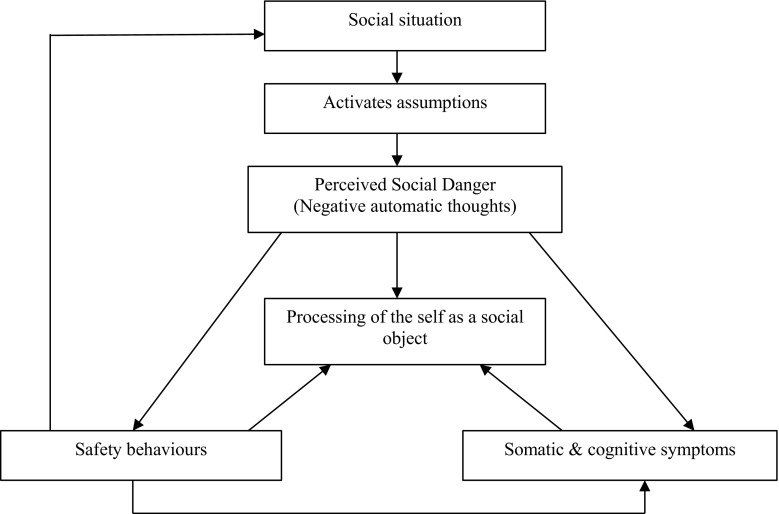
Social anxiety disorder is a condition characterised by a marked and persistent fear of being humiliated or scrutinised by others. Age-of-onset data point to adolescence as a developmentally sensitive period for the emergence of the condition, at a time when the peer group becomes increasingly important. Social anxiety in adolescence is associated with considerable impairment that persists through to adulthood. There are clear potential benefits to delivering effective interventions during adolescence. However, there is limited evidence on the specific efficacy of available therapies. This is in contrast to adults, for whom we have interventions with very specific treatment effects. One such treatment is individual cognitive therapy. Cognitive therapy is based on the cognitive model of social anxiety proposed by Clark and Wells (in: Heimberg, Leibowitz, Hope, Scheiber (eds) Social phobia: diagnosis, assessment and treatment, The Guilford Press, New York, 1995). The present review examines the potential application of this adult cognitive model to the understanding of adolescent social anxiety and considers additional adolescent-specific factors that need to be accommodated. It is suggested that a developmentally sensitive adoption of the cognitive model of social anxiety disorder (Clark and Wells 1995) for adolescents may lead to better treatment outcomes.
Overview
The claims and statistics of this paper haven’t been checked yet.
Free: it reads the open-access text and checks the first 5 claims that cite a source we can check. Create a free account to check every claim.
Integrity signals
Registry
Cites
Statistics
Figures
Verification
Claims the paper makes
The claims and statistics of this paper haven’t been checked yet.
Free: it reads the open-access text and checks the first 5 claims that cite a source we can check. Create a free account to check every claim.
Claims other papers make about this one
Each is checked against this paper’s own text: does it say what the citing paper says it does?
The source backs part of the claim, not all of it — or backs it for a different population, condition or comparison.
In the citing paper
“The factors involved in the cognitive models seem applicable to children and adolescents (Chapman, Halldorsson, and Creswell 2020;Leigh and Clark 2018).”
From Negative Flashforward Imagery in Adolescent Social Anxiety Disorder: A Pilot Study of Imagery Reports and a Short EMDR Intervention. (2024) · cites this paper as Leigh and Clark 2018
Experimental — accuracy not yet measuredThe check wasn’t confident either way, so it gives no verdict — never disputed.
In the citing paper
“Given that the amygdala is believed to play a role in attentional bias processes [12], it is therefore expected that SSRIs may positively influence the intrapersonal processes related to SAD.”
From The risks versus the benefits of pharmacological intervention in social anxiety disorder in children (2025) · cites this paper as [12]
Experimental — accuracy not yet measured
Self-check
Percentages, sums and reported differences re-computed from the paper’s own numbers.
The self-check needs the paper’s full text.
Citations
Cites
Diagnostic and Statistical Manual of Mental Disorders
American Psychiatric Association (2013) · doi:10.1176/appi.books.9780890425596 · Cited by 116,369
Statistical Power Analysis for the Behavioral Sciences
Muller, K. (1989) · Technometrics · doi:10.1080/00401706.1989.10488618 · Cited by 99,167
Statistical power analysis for the behavioral sciences
(1990) · Computers, Environment and Urban Systems · doi:10.1016/0198-9715(90)90050-4 · Cited by 65,269
Home visits: a strategy to improve newborn survival - Authors' reply
(2008) · Americanae (AECID Library) · doi:10.1016/s0140 · Cited by 22,524
Kessler, R. C., Berglund, P., Demler, O., Jin, R., Merikangas, K. R., & Walters, E. E. (2005) · Archives of General Psychiatry · doi:10.1001/archpsyc.62.6.593 · Cited by 20,391 · cited 2×
“1999b), with incidence increasing through the adolescent years and a median age of onset of 13 years (Kessler et al. 2005).”
BackgroundAn inventory for measuring clinical anxiety: Psychometric properties.
Beck, A. T., Epstein, N., Brown, G., & Steer, R. A. (1988) · Journal of Consulting and Clinical Psychology · doi:10.1037/0022-006x.56.6.893 · Cited by 14,407 · cited 3×
“SAD and high social anxiety adolescents both endorsed elevated self-reported arousal (measured on a subscale of items from the on Beck Anxiety Inventory (BAI) (Beck et al. 1988) compared to controls (SAD vs.”
MethodInfluentialMerikangas, K. R., He, J.-P., Burstein, M., Swanson, S. A., Avenevoli, S., Cui, L., Benjet, C., Georgiades, K., & Swendsen, J. (2010) · Journal of the American Academy of Child & Adolescent Psychiatry · doi:10.1016/j.jaac.2010.05.017 · Cited by 6,278
Cyberbullying: Its nature and impact in secondary school pupils
Smith, P. K., Mahdavi, J., Carvalho, M., Fisher, S., Russell, S., & Tippett, N. (2008) · Journal of Child Psychology and Psychiatry · doi:10.1111/j.1469-7610.2007.01846.x · Cited by 3,639
A cognitive-behavioral model of anxiety in social phobia
Rapee, R. M., & Heimberg, R. G. (1997) · Behaviour Research and Therapy · doi:10.1016/s0005-7967(97)00022-3 · Cited by 2,987 · cited 5×
“We note that quite a few of the maintenance processes that we discuss are highlighted in other prominent models, particularly the model of Rapee and Heimberg (1997), but those models also emphasise some other processes that are not included in this review.”
BackgroundMethodInfluentialA cognitive model of social phobia
Adrian Wells, A. (1995) · Research Explorer (The University of Manchester) · Cited by 2,701
Research works printed but not linked: 7
- Cicchetti D Cohen D Developmental psychopathology: Theory and method 2006 New York Wiley
- Kendall PC Choudhury M Hudson JL Webb A “The C.A.T. Project” manual for the cognitive-behavioral treatment of anxious adolescents 2002 Ardmore, PA Workbook Publishing
- Kendall PC Hedtke K Cognitive-behavioral therapy for anxious children: Therapist manual 2006 3 Ardmore, PA Workbook Publishing
- Lenhart A Teen, social media and technology overview 2015 2015 Washington, DC Pew Internet & American Life Project
- National Institute for Health and Care Excellence. (2013). Social anxiety disorder: Recognition, assessment and treatment of social anxiety disorder. (Clinical guideline 159). 31869048
- Schreiber F Stangier U Steil R Fragebogen zur Erfassung von Vorstellungsbildern bei Sozialer Phobie 2009 Frankfurt am Main Goethe-University
- World Health Organization The ICD-10 classification of mental and behavioural disorders: Clinical descriptions and diagnostic guidelines 1992 Geneva World Health Organization
Cited by
Social anxiety in young people: A prevalence study in seven countries
Jefferies, P., & Ungar, M. (2020) · PLOS ONE · doi:10.1371/journal.pone.0239133 · Cited by 316
“Leigh and Clark [30] have explored the higher incidence of social anxiety in younger individuals, suggesting that moving from a reliance on the family unit to peer interactions and the development of neurocognitive abilities including public self-consciousness may present a period of greater vulnerability to social an…”
BackgroundInfluentialAnxiety disorders in children and adolescents: A summary and overview of the literature
Rapee, R. M., Creswell, C., Kendall, P. C., Pine, D. S., & Waters, A. M. (2023) · Behaviour Research and Therapy · doi:10.1016/j.brat.2023.104376 · Cited by 174
Phan, M. L., Renshaw, T. L., Caramanico, J., Greeson, J. M., Mackenzie, E., Atkinson‐Diaz, Z., Doppelt, N., Tai, H., Mandell, D. S., & Nuske, H. J. (2022) · Mindfulness · doi:10.1007/s12671-022-01885-9 · Cited by 251
Chiu, K., Clark, D. M., & Leigh, E. (2021) · Journal of Affective Disorders · doi:10.1016/j.jad.2020.10.055 · Cited by 155
Self-citationPractitioner Review: Anxiety disorders in children and young people – assessment and treatment
Creswell, C., Waite, P., & Hudson, J. (2020) · Journal of Child Psychology and Psychiatry · doi:10.1111/jcpp.13186 · Cited by 140
“…experimental studies to test causal and maintaining processes in children and young people are needed, that can take account of children and young people’s cognitive maturity and social context, in order to develop specific developmentally tailored interventions (e.g., Leigh & Clark, 2018).”
Simegn, W., Dagnew, B., Yeshaw, Y., Yitayih, S., Woldegerima, B., & Dagne, H. (2021) · PLoS ONE · doi:10.1371/journal.pone.0251670 · Cited by 110
“The possible explanation might be due to developmental challenges during adolescence that may provoke more anxiety among younger aged adults [68, 69].”
BackgroundPilot randomized trial of self-guided virtual reality exposure therapy for social anxiety disorder
Zainal, N. H., Chan, W. W., Saxena, A. P., Taylor, C. B., & Newman, M. G. (2021) · Behaviour Research and Therapy · doi:10.1016/j.brat.2021.103984 · Cited by 84
Namaziandost, E., Razmi, M. H., Tilwani, S. A., & Gilakjani, A. P. (2021) · Reading & Writing Quarterly · doi:10.1080/10573569.2021.1892001 · Cited by 140
“Evaluating the reading comprehension of a foreign language, Leigh and Clark (2018) found participants with self-reported high anxiety levels to be able to remember significantly less information compared to those with low anxiety levels.”
BackgroundLiu, J., Ning, W., Zhang, N., Zhu, B., & Mao, Y. (2024) · Healthcare · doi:10.3390/healthcare12171721 · Cited by 117
“School bullying, difficulties in managing studies, worries related to weight and appearance, difficulty making friends, and poor family relationships were associated factors [60].”
BackgroundNegative social self-cognitions: How shyness may lead to social anxiety
Blöte, A. W., Miers, A. C., van den Bos, E., & Westenberg, P. M. (2019) · Journal of Applied Developmental Psychology · doi:10.1016/j.appdev.2019.05.003 · Cited by 79
Bas-Hoogendam, J. M., van Steenbergen, H., Tissier, R. L. M., Houwing-Duistermaat, J. J., Westenberg, P. M., & van der Wee, N. J. A. (2018) · EBioMedicine · doi:10.1016/j.ebiom.2018.08.048 · Cited by 47
Evans, R., Clark, D. M., & Leigh, E. (2021) · Behavioural and Cognitive Psychotherapy · doi:10.1017/s135246582000079x · Cited by 52
“A recent review identified empirical studies supporting the applicability of the Clark and Wells (1995) model to adolescent social anxiety (Leigh and Clark, 2018) and there is emerging evidence of the effectiveness of cognitive therapy for adolescent SoAD based on this model (Ingul et al., 2014;…”
BackgroundInfluentialSelf-citationSocial Anxiety and Suicidality in Youth: A Systematic Review and Meta-analysis
Leigh, E., Chiu, K., & Ballard, E. D. (2023) · Research on Child and Adolescent Psychopathology · doi:10.1007/s10802-022-00996-0 · Cited by 51
Self-citationEffectiveness and User Experience of Virtual Reality for Social Anxiety Disorder: Systematic Review
Shahid, S., Kelson, J. N., & Saliba, A. J. (2023) · JMIR Mental Health · doi:10.2196/48916 · Cited by 58
Leigh, E., Chiu, K., & Clark, D. M. (2021) · PLoS ONE · doi:10.1371/journal.pone.0247703 · Cited by 66
“However, it cannot be assumed that the maintenance processes in adult and adolescent social anxiety are the same, due to reasons such as ongoing cognitive maturation [20], the changing social environment, and heightened sensitivity to social reward [21] during adolescence [10].”
BackgroundInfluentialSelf-citationMiers, A. C., Weeda, W. D., Blöte, A. W., Cramer, A. O. J., Borsboom, D., & Westenberg, P. M. (2020) · Journal of Abnormal Psychology · doi:10.1037/abn0000484 · Cited by 55
Yu, M., Zhou, H., Wang, M., & Tang, X. (2020) · Journal of Affective Disorders · doi:10.1016/j.jad.2020.06.003 · Cited by 51
Lei, J., Leigh, E., Charman, T., Russell, A., & Hollocks, M. J. (2023) · Journal of Child Psychology and Psychiatry · doi:10.1111/jcpp.13884 · Cited by 51
Self-citationSafety behaviours in social anxiety: An examination across adolescence
Evans, R. C., Chiu, K., Clark, D. M., Waite, P., & Leigh, E. (2021) · Behaviour Research and Therapy · doi:10.1016/j.brat.2021.103931 · Cited by 59
Self-citationFears and fear-related cognitions in children with selective mutism
Vogel, F., Gensthaler, A., Stahl, J., & Schwenck, C. (2019) · European Child & Adolescent Psychiatry · doi:10.1007/s00787-019-01281-0 · Cited by 47
Is concentration an indirect link between social anxiety and educational achievement in adolescents?
Leigh, E., Chiu, K., & Clark, D. M. (2021) · PLoS ONE · doi:10.1371/journal.pone.0249952 · Cited by 61
“Conceptualization: Eleanor Leigh, David M. Clark.”
BackgroundInfluentialSelf-citationTao, Y., Tang, Q., Wang, S., Zou, X., Ma, Z., Zhang, L., Liu, G., & Liu, X. (2024) · Journal of Behavioral Addictions · doi:10.1556/2006.2023.00081 · Cited by 49
“Indeed, social anxiety shares an association with factors such as negative social beliefs and fears of negative evaluation (Leigh & Clark, 2018; Teale Sapach, Carleton, Mulvogue, Weeks, & Heimberg, 2015).”
BackgroundCognitive predictors of adolescent social anxiety
Chiu, K., Clark, D. M., & Leigh, E. (2021) · Behaviour Research and Therapy · doi:10.1016/j.brat.2020.103801 · Cited by 36
Self-citationMiers, A. C., Sumter, S. R., Clark, D. M., & Leigh, E. (2020) · Cognitive Therapy and Research · doi:10.1007/s10608-020-10097-1 · Cited by 43
Self-citationThe effects of modifying mental imagery in adolescent social anxiety
Leigh, E., Chiu, K., & Clark, D. M. (2020) · PLoS ONE · doi:10.1371/journal.pone.0230826 · Cited by 37
“Conceptualization: Eleanor Leigh, David M. Clark.”
BackgroundInfluentialSelf-citationSahimi, H. M. S., Norzan, M. H., Jaafar, N. R. N., Sharip, S., Ashraf, A., Shanmugam, K., Bistamam, N. S., Arrif, N. E. M., Kumar, S., & Midin, M. (2022) · Frontiers in Psychiatry · doi:10.3389/fpsyt.2022.956168 · Cited by 40
Miller, M. K., Dechant, M., & Mandryk, R. L. (2021) · CHI Conference on Human Factors in Computing Systems · doi:10.1145/3411764.3445664 · Cited by 48
“responses include shifting to an internal focus of attention, using internal information to infer how one appears to others, engaging safety behaviours [54], and worrying before and after socializing [61].”
BackgroundA brain model of altered self-appraisal in social anxiety disorder
Jamieson, A. J., Harrison, B. J., Delahoy, R., Schmaal, L., Felmingham, K. L., Phillips, L., & Davey, C. G. (2023) · Translational Psychiatry · doi:10.1038/s41398-023-02644-7 · Cited by 28
Zhang, Y., Chen, J., Gao, W., Chen, W., Xiao, Z., Qi, Y., Turel, O., & He, Q. (2022) · International Journal of Clinical and Health Psychology · doi:10.1016/j.ijchp.2022.100345 · Cited by 28
“Thus, research exploring the risk factors of social anxiety in young adults with different levels of social anxiety symptoms can help to better understand this condition (Hur et al., 2020; Leigh& Clark, 2018; Ruscio, 2010).”
BackgroundLiu, Z., Hu, Y., Zhang, Y., Liu, W., Zhang, L., Wang, Y., Yang, H., Wu, J., Cheng, W., & Yang, Z. (2020) · Psychological Medicine · doi:10.1017/s0033291720000495 · Cited by 26
Moving beyond more: towards a healthy balance of daily behaviours
Dumuid, D., Olds, T., & Sawyer, S. M. (2021) · The Lancet · doi:10.1016/s0140-6736(21)01600-7 · Cited by 26
Ciavolino, E., Ferrante, L., Sternativo, G. A., Cheah, J., Rollo, S., Marinaci, T., & Venuleo, C. (2021) · Behaviormetrika · doi:10.1007/s41237-021-00151-x · Cited by 31
“1996; Leigh and Clark 2018; McElhaney et al.”
Labrenz, F., Woud, M. L., Elsenbruch, S., & Icenhour, A. (2022) · Frontiers in Psychiatry · doi:10.3389/fpsyt.2022.841734 · Cited by 27
“These should integrate behavioral approaches based on associative learning with cognitive theories of avoidance beliefs and schemas (139, 140).”
BackgroundThe Management of Anxiety and Depression in Pediatrics
Pettitt, R., Brown, E. A., Delashmitt, J. C., & Pizzo, M. N. (2022) · Cureus · doi:10.7759/cureus.30231 · Cited by 39
Cruz, S., Sousa, M., Marchante, M., & Coelho, V. A. (2023) · Scientific Reports · doi:10.1038/s41598-023-43497-w · Cited by 58
Cheng, Q., Shi, C., Yan, C., Ren, Z., Chan, S. H.-W., Xiong, S., Zhang, T., & Zheng, H. (2022) · Anxiety, Stress, & Coping · doi:10.1080/10615806.2021.1955864 · Cited by 24
Cognitive Variables in Social Anxiety Disorder in Children and Adolescents: A Network Analysis
Vogel, F., Reichert, J., Hartmann, D., & Schwenck, C. (2021) · Child Psychiatry & Human Development · doi:10.1007/s10578-021-01273-9 · Cited by 24
Virtual reality exposure therapy for reducing school anxiety in adolescents: Pilot study
Beele, G., Liesong, P., Bojanowski, S., Hildebrand, K., Weingart, M., Asbrand, J., Correll, C. U., Morina, N., & Uhlhaas, P. J. (2024) · JMIR Mental Health · doi:10.2196/56235 · Cited by 20
“In SAD and school anxiety, the cognitive component may play a greater role than in specific phobias, partly because of interpretation biases, indicating the need for cognitive interventions alongside exposure therapy [5,90,91].”
BackgroundSadath, A., Kavalidou, K., McMahon, E. M., Malone, K. M., & McLoughlin, A. (2024) · PLoS ONE · doi:10.1371/journal.pone.0292691 · Cited by 32
Rapee, R. M., McLellan, L. F., Carl, T., Trompeter, N., Hudson, J. L., Jones, M. P., & Wuthrich, V. M. (2023) · Journal of the American Academy of Child & Adolescent Psychiatry · doi:10.1016/j.jaac.2022.08.003 · Cited by 20
Abend, R., Naim, R., Pergamin‐Hight, L., Fox, N. A., Pine, D. S., & Bar‐Haim, Y. (2018) · Research on Child and Adolescent Psychopathology · doi:10.1007/s10802-018-0494-7 · Cited by 26
“SAD is associated with reduced quality of life and negative outcomes even when compared to other psychiatric disorders (Leigh and Clark 2018; Stein and Kean 2000).”
Cognitive therapy compared with CBT for social anxiety disorder in adolescents: a feasibility study
Creswell, C., Leigh, E., Larkin, M., Stephens, G., Violato, M., Brooks, E., Pearcey, S., Taylor, L. M. W., Stallard, P. N., Waite, P., et al. (2021) · Health Technology Assessment · doi:10.3310/hta25200 · Cited by 26
Self-citationWhen is more really more? The effect of brands on choice overload in adolescents
Misuraca, R., Ceresia, F., Nixon, A. E., & Abbate, C. S. (2021) · Journal of Consumer Marketing · doi:10.1108/jcm-08-2020-4021 · Cited by 20
Walder, N., Frey, A., Berger, T., & Schmidt, S. J. (2025) · Journal of Medical Internet Research · doi:10.2196/67067 · Cited by 37
“Empirical evidence remains limited regarding whether these components are specifically important for young people with SAD [21].”
Young people’s experiences of social fears
Yli-Länttä, H. (2020) · International Journal of Adolescence and Youth · doi:10.1080/02673843.2020.1828110 · Cited by 19
Polack, R. G., Bronstein, M. V., Questel, M., Edelman, A., Vinogradov, S., Kober, H., Joormann, J., & Everaert, J. (2023) · Development and Psychopathology · doi:10.1017/s0954579423000834 · Cited by 22
“Adolescents with depression or anxiety select more negative interpretations and fewer positive ones, across several different tasks (Haller et al., 2016; Lau & Waters, 2017; Leigh & Clark, 2018; Mobach et al., 2019; Oliver et al., 2019; Sfärlea et al., 2021; Stuijfzand et al., 2018).”
Social Anxiety Symptoms in Survivors of Childhood and Adolescent Cancer
Schilstra, C. E., Fardell, J. E., Ellis, S. J., Jones, K. M., Anazodo, A. C., Trahair, T. N., Lah, S. S., Cohn, R. J., Wakefield, C. E., & Sansom‐Daly, U. M. (2021) · Journal of Adolescent and Young Adult Oncology · doi:10.1089/jayao.2021.0050 · Cited by 19
“40 SAD symptoms are also likely to play into avoidance of help seeking as that requires meeting someone new, 39 as evidenced by the low rate of help seeking (20”
Prevalence and Associated Factors of Social Anxiety Among Lebanese Adolescents
Haddad, C., Chidiac, J., Sacre, H., Salameh, P., Hallit, R. R., Obeïd, S., Soufia, M., & Hallit, S. R. (2022) · The Primary Care Companion For CNS Disorders · doi:10.4088/pcc.21m03061 · Cited by 24
Familial Factors in the Development of Social Anxiety Disorder
Olson, C. M. (2021) · Journal of Psychosocial Nursing and Mental Health Services · doi:10.3928/02793695-20210219-01 · Cited by 28
Hagström, J., Ander, M., Cernvall, M., Ljótsson, B., Wiman, H., von Essén, L., & Woodford, J. (2020) · PeerJ · doi:10.7717/peerj.8714 · Cited by 16
Ko, K. Y., Jones, A., Francis, D. A., Robidoux, S., & McArthur, G. M. (2024) · Stress and Health · doi:10.1002/smi.3388 · Cited by 24
Deng, J., Liu, J., Luo, J., Pi, Y., Pan, J., Fu, Z., & Tang, X. (2024) · Child Abuse & Neglect · doi:10.1016/j.chiabu.2024.107052 · Cited by 18
Sun, L., Dai, X., Zhu, S., Liu, Z., & Zhongming, Z. (2025) · Journal of Affective Disorders · doi:10.1016/j.jad.2025.02.092 · Cited by 18
Woody, M. L., Kaurin, A., McKone, K. M. P., Ladouceur, C. D., & Silk, J. S. (2021) · Journal of Child Psychology and Psychiatry · doi:10.1111/jcpp.13530 · Cited by 21
Characterising Negative Mental Imagery in Adolescent Social Anxiety
Chiu, K., Clark, D. M., & Leigh, E. (2022) · Cognitive Therapy and Research · doi:10.1007/s10608-022-10316-x · Cited by 17
“However, all the studies examining image perspective and vividness were limited by a crosssectional design and therefore one cannot draw inferences about the relevance of these characteristics to the persistence 1 3 of adolescent social anxiety (Chapman et al., 2020; Leigh & Clark, 2018).”
BackgroundSelf-citationWalder, N., Berger, T., & Schmidt, S. J. (2023) · JMIR Research Protocols · doi:10.2196/44346 · Cited by 18
“In correlational and experimental studies, these factors were positively associated with a higher level of social anxiety [44-47].”
Social Anxiety in Autistic People: Does the Clark and Wells Model fit?
Wilson, A. C., & Gullon-Scott, F. (2023) · Journal of Autism and Developmental Disorders · doi:10.1007/s10803-023-06108-1 · Cited by 19
“However, Clark and Wells (1995) maintain that reduced social skills are not central to social anxiety, and therefore social skills training is not part of therapy.”
BackgroundSousa, M., Cruz, S., Inman, R. A., Marchante, M., & Coelho, V. A. (2024) · Aggressive Behavior · doi:10.1002/ab.22170 · Cited by 17
Li, Y., Tang, H., Dong, W., Lu, G., & Chen, C. (2024) · Child Abuse & Neglect · doi:10.1016/j.chiabu.2024.107109 · Cited by 21
Development and Preliminary Validation of the Child & Adolescent Social Cognitions Questionnaire
Leigh, E., & Clark, D. M. (2021) · Child Psychiatry & Human Development · doi:10.1007/s10578-021-01163-0 · Cited by 13
“Recent research indicates that in young people as in adults, negative social anxiety-related cognitions are associated with social anxiety and appear to be relevant to development and maintenance [12–14].”
Self-citationExposure therapy for children and adolescents with social anxiety disorder
Radtke, S. R., Strege, M. V., & Ollendick, T. H. (2020) · Elsevier eBooks · doi:10.1016/b978-0-12-815915-6.00009-3 · Cited by 16
Asbrand, J., Schulz, A., Heinrichs, N., & Tuschen‐Caffier, B. (2020) · Clinical Psychology in Europe · doi:10.32872/cpe.v2i2.2691 · Cited by 11
Cawthorne, T., Käll, A., Bennett, S. D., Baker, E., Andersson, G., & Shafran, R. (2023) · Behavioural and Cognitive Psychotherapy · doi:10.1017/s1352465823000231 · Cited by 14
“…2009), Groups4Health (Haslam et al., 2016), PEERS social skills training (Laugeson et al., 2012), CBT for Social Anxiety Disorder for adolescence (Leigh and Clark, 2018) and the literature implicating social camouflaging in mental health difficulties for those on the autism spectrum (Cook et…”
BackgroundWang, Y., Yan, X., Liu, L., Lu, X., Luo, L., & Ding, X. (2024) · International Journal of Mental Health Promotion · doi:10.32604/ijmhp.2024.050445 · Cited by 25
Leigh, E., & Clark, D. M. (2019) · Trials · doi:10.1186/s13063-019-3651-6 · Cited by 15
“Taken together, it seems that Cognitive Therapy based on the Clark and Wells model may hold promise as an effective treatment for adolescent SAD [23].”
BackgroundSelf-citationTaylor, L. M. W., Creswell, C., Pearcey, S., Brooks, E., Leigh, E., Stallard, P. N., Waite, P., Clark, D. M., Stephens, G., & Larkin, M. (2021) · Behavioural and Cognitive Psychotherapy · doi:10.1017/s1352465821000047 · Cited by 14
“Recent evidence suggests that the same psychological mechanisms maintain SAD in adolescents (Hodson et al ., 2008; Leigh and Clark, 2018; Parr and Cartwright-Hatton, 2009; Schreiber et al ., 2012).”
InfluentialSelf-citationLiang, C., Huang, Y., & Hung, F. (2021) · Journal of Behavior Therapy and Experimental Psychiatry · doi:10.1016/j.jbtep.2021.101668 · Cited by 14
McLoughlin, A., Sadath, A., McMahon, E. M., Kavalidou, K., & Malone, K. M. (2022) · PLoS ONE · doi:10.1371/journal.pone.0278122 · Cited by 18
“Persistent fear of being humiliated or scrutinised by others are common in social anxiety disorder [15], while suffering severe public humiliation can lead to major depression [16,17], hopelessness, and helplessness [18], and is associated with suicidal ideation or acts [19].”
BackgroundPrieto-Fidalgo, Á., & Calvete, E. (2023) · Behavioural and Cognitive Psychotherapy · doi:10.1017/s1352465823000358 · Cited by 10
“Interpretation bias is one of the cognitive vulnerabilities that has been the focus in several SA models (Clark and Wells, 1995; Heimberg et al ., 2014).”
BackgroundMethodResultInfluentialDuradoni, M., Colombini, G., Barucci, C., Zagaglia, V., & Guazzini, A. (2025) · European Journal of Investigation in Health Psychology and Education · doi:10.3390/ejihpe15070136 · Cited by 16
“The absence of immediate, visible feedback (Leigh & Clark, 2018) can help regulate negative affectivity and reduce emotional lability (Liu & Campbell, 2017).”
Miers, A. C. (2021) · Behaviour Change · doi:10.1017/bec.2021.8 · Cited by 14
Ganho-Ávila, A., Vieira Figueiredo, D., & Vagos, P. (2022) · Clinical Case Studies · doi:10.1177/15346501221091519 · Cited by 9
“…factor discussed by Clark and Wells’ model and convey the set of behaviors intended to prevent or minimize the feared outcomes (e.g., avoiding eye contact) and to ensure that a good impression is conveyed (e.g., planning what to say next), offering temporary relief (Leigh & Clark, 2018a).”
BackgroundInfluentialPestana‐Santos, M., Pestana‐Santos, A., Santos, M. R., & Lomba, L. (2021) · Scandinavian Journal of Caring Sciences · doi:10.1111/scs.13046 · Cited by 10
Cognitive and behavioural processes in adolescents with social anxiety disorder
Leigh, E., Percy, R., Clark, D. M., Creswell, C., & Waite, P. (2023) · Behaviour Research and Therapy · doi:10.1016/j.brat.2023.104416 · Cited by 18
“There is substantial empirical support for the model in adult SAD (see Leigh and Clark (2018) for a summary).”
BackgroundInfluentialSelf-citationXia, T., Xu, X., & Ding, S. (2023) · Frontiers in Psychology · doi:10.3389/fpsyg.2023.1287115 · Cited by 13
Xian, J., Zhang, Y., & Jiang, B. (2024) · Journal of Affective Disorders · doi:10.1016/j.jad.2024.08.097 · Cited by 13
Lidle, L. R., & Schmitz, J. (2021) · Research on Child and Adolescent Psychopathology · doi:10.1007/s10802-021-00837-6 · Cited by 13
Gagliardi, M. (2024) · Frontiers in Psychology · doi:10.3389/fpsyg.2023.1259415 · Cited by 10
Halldorsson, B., Waite, P., Harvey, K., Pearcey, S., & Creswell, C. (2022) · British Journal of Clinical Psychology · doi:10.1111/bjc.12393 · Cited by 15
Dr. Loades and Prof. Reynolds Reply
Loades, M. E., & Reynolds, S. A. (2020) · Journal of the American Academy of Child & Adolescent Psychiatry · doi:10.1016/j.jaac.2020.08.437 · Cited by 9
Li, X., Wang, Q., Wang, Z., Jin, Z., & Jia, J. (2024) · CHI Conference Extended Abstracts on Human Factors in Computing Systems (CHI EA) · doi:10.1145/3613905.3650822 · Cited by 10
Wang, L., Zhang, X., & Xie, A. (2024) · Buildings · doi:10.3390/buildings14103284 · Cited by 11
Lei, J., Mason, C., Russell, A., Hollocks, M. J., & Leigh, E. (2024) · Clinical Child and Family Psychology Review · doi:10.1007/s10567-024-00509-z · Cited by 12
Self-citationMiers, A. C., & Warner, C. M. (2023) · Elsevier eBooks · doi:10.1016/b978-0-323-85757-4.00042-0 · Cited by 10
Individual differences in emotion regulation and face recognition
Megreya, A. M., & Latzman, R. D. (2020) · PLoS ONE · doi:10.1371/journal.pone.0243209 · Cited by 8
“Catastrophizing is one of most related ER strategies to anxiety disorders generally [82] and social anxiety disorder specifically as socially anxious adults tend to interpret ambiguous events in a negative way and appraise mildly negative events catastrophically [83, 84].”
BackgroundEbrahimi, S., Moheb, N., & Alivani Vafa, M. (2024) · Practice in Clinical Psychology · doi:10.32598/jpcp.12.1.922.1 · Cited by 7
Ji, X., Feng, N., & Cui, L. (2024) · Current Psychology · doi:10.1007/s12144-024-06109-y · Cited by 9
“Social anxiety is characterized by a persistent fear of negative evaluation in social situations (Leigh & Clark, 2018 ).”
Seibel, L. F., Harris, K. M., López, R., Wolff, J. C., Spirito, A., & Esposito-Smythers, C. L. (2024) · Suicide and Life-Threatening Behavior · doi:10.1111/sltb.13094 · Cited by 12
“SAD and GAD are associated with high levels of impairment among youth, which may continue into adulthood if untreated in adolescence (Leigh & Clark, 2018).”
Coyle, S., Escobar, M., Wimmer, J., Lindsey, M. A., Thompson, J., & Warner, C. M. (2024) · Bulletin of the Menninger Clinic · doi:10.1521/bumc.2024.88.2.171 · Cited by 10
Neuropsychological Disorders and their Nanocarriers
Sharma, S., & Dang, S. (2020) · Current Pharmaceutical Design · doi:10.2174/1381612826666200224111241 · Cited by 7
Teachers’ strategies for managing shy students’ anxiety at school
Nyborg, G., Mjelve, L. H., Arnesen, A., Crozier, W. R., Bjørnebekk, G., & Coplan, R. J. (2022) · Nordic Psychology · doi:10.1080/19012276.2022.2058072 · Cited by 13
Zha, Y., Tang, Q., Jin, X., Cai, X., Wen, G., Shao, Y., & Weng, X. (2023) · Frontiers in Psychology · doi:10.3389/fpsyg.2023.1080099 · Cited by 13
“A longitudinal study of participants with social anxiety, with an average age of 19, showed that only 37% of them recovered in the next 12 years (Eleanor and David, 2018).”
BackgroundThunnissen, M. R., de Jong, P. J., Weijermans, J., Vet, L. J. J., Rijkeboer, M. M., & Nauta, M. H. (2024) · Clinical Psychology & Psychotherapy · doi:10.1002/cpp.3063 · Cited by 6
Rapee, R. M., McLellan, L. F., Carl, T., Hudson, J. L., Parker, E., Trompeter, N., & Wuthrich, V. M. (2024) · Behaviour Research and Therapy · doi:10.1016/j.brat.2024.104638 · Cited by 7
Polack, R. G., Zabag, R., Bronstein, M. V., Joormann, J., & Everaert, J. (2025) · Behaviour Research and Therapy · doi:10.1016/j.brat.2025.104840 · Cited by 7
“…empirical findings show that depression is cross-sectionally associated with more negative and fewer positive interpretations (Gadassi-Polack, Bronstein et al., 2023; Haller et al., 2016; Lau & Waters, 2017; Leigh & Clark, 2018; Mobach et al., 2019; Oliver et al., 2019; Stuijfzand et al., 2018).”
Jin, Y., Warmenhoven, H., Xu, S., Feng, Y., & Wang, Y. Y. (2023) · Current Psychology · doi:10.1007/s12144-023-04711-0 · Cited by 11
“Adults who experienced childhood abuse have a higher risk of social anxiety disorder (SAD) (Dye, 2018; Leigh & Clark, 2018).”
Raimondi, G., Clementi, R., Balsamo, M., Lester, D., Imperatori, C., & Innamorati, M. (2023) · Quality & Quantity · doi:10.1007/s11135-023-01690-z · Cited by 6
“…interpretations for positive events (Laposa et al. 2010), and have self-focused attention, which could lead to overthinking and negatively judging one’s own actions, thereby preventing opportunities for disconfirming one’s own negative expectations (Clark and Wells 1995; Leigh and Clark 2018 ).”
Sleep-wake patterns of fencing athletes: a long-term wearable device study
Dai, J., Xu, X., Chen, G., Lv, J., & Xiao, Y. (2025) · PeerJ · doi:10.7717/peerj.18812 · Cited by 9
“This may be because low-level athletes are in the late stages of adolescence or the early stages of adulthood, during which social and psychosocial factors can lead to more irregular sleep-wake patterns ( Carskadon, 2011 ; Leigh & Clark, 2018 ).”
Implicit assumptions and interpretation bias in youth with severe, chronic social phobia
Krömer, L., Jarczok, T. A., Althen, H., Mühlherr, A. M., Howland, V., Jungmann, S. M., & Freitag, C. M. (2021) · European Child & Adolescent Psychiatry · doi:10.1007/s00787-021-01879-3 · Cited by 9
Putting on your best face: investigating social anxiety in Instagram users
Toh, L.-A., Millear, P. M. R., Allen, A., & Kannis‐Dymand, L. (2022) · Australian Psychologist · doi:10.1080/00050067.2022.2061328 · Cited by 7
“Social anxiety on social media platforms Clark and Wells (1995) cognitive model of SAD has been extensively used as a theoretical framework for studies investigating the effects of SAD regarding face-to-face social interactions (Leigh & Clark, 2018).”
Background
Metadata
- Authors
- Leigh, E., & Clark, D. M.
- Affiliations
- University of Oxford (GB)
- Corresponding author
- Leigh, Eleanor
- Venue
- Clinical Child and Family Psychology Review
- Published
- 2018-04-13
- Volume
- 21
- Issue
- 3
- Pages
- 388-414
- ISSN
- 1096-4037 (ISSN-L)
- 1573-2827
- PMC
- PMC6447508
- OpenAlex
- W2797570234
- Cited by
- 260
- References
- 191
- Citations by year
- 2026: 45 · 2025: 41 · 2024: 46 · 2023: 29 · 2022: 36 · 2021: 33 · 2020: 24 · 2019: 4 · 2018: 2
- FWCI
- 2.51
- Type
- journal article
- Language
- en
- Open access
- hybrid
- doi.org
- Locations
- Clinical Child and Family Psychology Review (publishedVersion, cc-by)
- PubMed Central (publishedVersion, cc-by)
- PubMed (publishedVersion)
- Funders
- Wellcome Trust (102176/Z/13/Z, WT069777)
- National Institute for Health Research (NF-SI-0512-10132)
- Topics
- Social Sciences › Psychology › Experimental and Cognitive Psychology › Anxiety, Depression, Psychometrics, Treatment, Cognitive Processes
- Social Sciences › Psychology › Clinical Psychology › Child and Adolescent Psychosocial and Emotional Development
- Social Sciences › Psychology › Clinical Psychology › Psychological Treatments and Assessments
- Keywords
- social anxiety disorder, adolescents, cognitive therapy, treatment outcomes, age of onset, peer groups, developmental factors
- MeSH terms
- Phobia, Social, Adolescent, Humans, Models, Psychological, Cognitive Behavioral Therapy
About these checks
Registry, retraction, Cites and statistics results are computed, not judged, with one exception: a printed reference that no index lists is read once by a model before it counts as a citation error. Claims are extracted by a model and kept only when their quote appears verbatim in the text; each cited source is then checked, with a model’s help, for whether it says what the claim relies on. Those verdicts can be wrong — read the claim’s quote and the cited source before relying on one.
Statistics and arithmetic are recomputed, not judged.
Confidence bands are shown only for fields calibrated on our annotated test set. None is calibrated yet, so no band is shown.
What counts as a claim ›How we measure confidence ›How we check this ›
Are you an author, or do you see a problem with this page? Request a review
Data sources
Bibliographic data: Semantic Scholar, OpenAlex, Crossref.
Contains information from the Semantic Scholar Academic Graph Datasets, made available under the ODC Attribution License (ODC-BY 1.0).
Semantic Scholar’s data is described in: Kinney, R., et al. (2023). The Semantic Scholar Open Data Platform. arXiv:2301.10140.
