

Just-in-Time Adaptive Interventions (JITAIs) in Mobile Health: Key Components and Design Principles for Ongoing Health Behavior Support
Open accessThe DOI matches its Crossref record; 140 of the 142 references it cites were found in a registry or an index.
Abstract
Background: The just-in-time adaptive intervention (JITAI) is an intervention design aiming to provide the right type/amount of support, at the right time, by adapting to an individual’s changing internal and contextual state. The availability of increasingly powerful mobile and sensing technologies underpins the use of JITAIs to support health behavior, as in such a setting an individual’s state can change rapidly, unexpectedly, and in his/her natural environment. Purpose: Despite the increasing use and appeal of JITAIs, a major gap exists between the growing technological capabilities for delivering JITAIs and research on the development and evaluation of these interventions. Many JITAIs have been developed with minimal use of empirical evidence, theory, or accepted treatment guidelines. Here, we take an essential first step towards bridging this gap. Methods: Building on health behavior theories and the extant literature on JITAIs, we clarify the scientific motivation for JITAIs, define their fundamental components, and highlight design principles related to these components. Examples of JITAIs from various domains of health behavior research are used for illustration. Conclusions: As we enter a new era of technological capacity for delivering JITAIs, it is critical that researchers develop sophisticated and nuanced health behavior theories capable of guiding the construction of such interventions. Particular attention has to be given to better understanding the implications of providing timely and ecologically sound support for intervention adherence and retention
Overview
The claims and statistics of this paper haven’t been checked yet.
Free: it reads the open-access text and checks the first 5 claims that cite a source we can check. Create a free account to check every claim.
Integrity signals
Registry
Cites
Statistics
Figures
Verification
Claims the paper makes
The claims and statistics of this paper haven’t been checked yet.
Free: it reads the open-access text and checks the first 5 claims that cite a source we can check. Create a free account to check every claim.
Claims other papers make about this one
Each is checked against this paper’s own text: does it say what the citing paper says it does?
The source backs part of the claim, not all of it — or backs it for a different population, condition or comparison.
In the citing paper
“Multivariable prognostic models may aid in better prediction of relapse and remission of depression at the individual patient level, which in turn can support precision medicine and allow resources to be better targeted toward relapse prevention”
From Digital health technologies and major depressive disorder (2023) · cites this paper as [139]
Experimental — accuracy not yet measuredThe source backs part of the claim, not all of it — or backs it for a different population, condition or comparison.
In the citing paper
“In addition, regular reminders that appear directly on the end device could increase activity and participation (61).”
From Improving mental well-being in psychocardiology—a feasibility trial for a non-blended web application as a brief metacognitive-based intervention in cardiovascular disease patients (2023) · cites this paper as [61]
Experimental — accuracy not yet measuredThe source backs part of the claim, not all of it — or backs it for a different population, condition or comparison.
In the citing paper
“The use of the JITAI framework to inform intervention design, evaluation, and reporting has potential to enable high-quality evidence for future app-based mHealth interventions for mental illness [13,24].”
From Effectiveness and Minimum Effective Dose of App-Based Mobile Health Interventions for Anxiety and Depression Symptom Reduction: Systematic Review and Meta-Analysis (2022) · cites this paper as [13]
Experimental — accuracy not yet measuredThe cited source says what the claim attributes to it.
In the citing paper
“Smartphone-based, just-in-time adaptive interventions (JITAIs) offer a promising alternative for delivering personalized behavioral support when individuals need it [19]”
The cited source says what the claim attributes to it.
In the citing paper
“Just-in-time adaptive intervention (JITAI) has been introduced in the mHealth domain to facilitate behavior changes; it proposes the use of ongoing information (individuals’ changing status) to adapt the delivery of the intervention in its type, timing, or amount (intensity) [13].”
3 more claims about this paper
Create a free account to see every claim other papers make about this one.
Self-check
Percentages, sums and reported differences re-computed from the paper’s own numbers.
The self-check needs the paper’s full text.
Citations
Cites
Preacher, K. J., & Hayes, A. F. (2008) · Behavior Research Methods · doi:10.3758/brm.40.3.879 · Cited by 34,117 · cited 1×
“In many cases, there are multiple pathways through which the intervention can impact the distal outcome [81].”
BackgroundThe need to belong: Desire for interpersonal attachments as a fundamental human motivation.
Baumeister, R. F., & Leary, M. R. (1995) · Psychological Bulletin · doi:10.1037//0033-2909.117.3.497 · Cited by 23,245
Health Promotion by Social Cognitive Means
Bandura, A. (2004) · Health Education & Behavior · doi:10.1177/1090198104263660 · Cited by 7,238 · cited 2×
“break long-term health behavior goals into short-term, specific, and achievable sub-goals; monitor progress; and provide relevant, timely feedback and guidance [35, 42].”
BackgroundThe Behavior of Organisms: An Experimental Analysis
Jones, F. N., & Skinner, B. F. (1939) · The American Journal of Psychology · doi:10.2307/1416495 · Cited by 4,398
Clinical Psychology: Science and Practice
(2021) · Clinical Psychology Science and Practice · doi:10.1111/(issn)1468-2850 · Cited by 3,672
Folkman, S., & Moskowitz, J. T. (2004) · Annual Review of Psychology · doi:10.1146/annurev.psych.55.090902.141456 · Cited by 3,485 · cited 1×
“behavior maintenance perspectives emphasize the importance of anticipatory coping [40]—a dynamic process involving ongoing anticipation of difficulties and timely execution of the”
BackgroundCrawford, E. R., LePine, J. A., & Rich, B. L. (2010) · Journal of Applied Psychology · doi:10.1037/a0019364 · Cited by 2,922
Deci, E. L. (1975) · doi:10.1007/978-1-4613-4446-9 · Cited by 2,911
Reality mining: sensing complex social systems
Eagle, N., & (Sandy) Pentland, A. (2006) · Personal and Ubiquitous Computing · doi:10.1007/s00779-005-0046-3 · Cited by 2,772
A taxonomy of behavior change techniques used in interventions
Abraham, C., & Michie, S. (2008) · Health Psychology · doi:10.1037/0278-6133.27.3.379 · Cited by 2,525 · cited 1×
“, healthy eating, physical activity) [33, 34].”
Research works printed but not linked: 4
- McCuaig J, Cordick A. Scaffolding for experts: Trial not error. Paper presented at: Proceedings of World Conference on E-Learning in Corporate, Government, Healthcare, and Higher Education. 2007.
- Rummel N, Weinberger A, Wecker C, et al. New challenges in CSCL: Towards adaptive script support. Paper presented at: Proceedings of the 8th International Conference on International Conference for the Learning Sciences. Vol. 3. 2008.
- Kommers P, Hooreman RW. Mobile phones for real-time teacher coaching. J Res Innov Teach. 2009; 2(1): 80- 90.
- Rahman MM, Ali AA, Plarre K, al’Absi M, Ertin E, Kumar S. mconverse: Inferring conversation episodes from respiratory measurements collected in the field. Paper presented at: Proceedings of the 2nd Conference on Wireless Health. 2011.
Cited by
Items 501–600 of 1,007
Bejarano, C. M., Cushing, C. C., & Crick, C. (2018) · Psychology of sport and exercise · doi:10.1016/j.psychsport.2018.05.008 · Cited by 31
“These findings improve on the current literature and plans for future work in JITAIs (Nahum-Shani et al., 2016) in that they propose the importance of contextual variables that may provide effective intervention points.”
BackgroundBidirectional association between stress and physical activity in adults with overweight and obesity
Brockmann, A. N., & Ross, K. M. (2020) · Journal of Behavioral Medicine · doi:10.1007/s10865-020-00145-2 · Cited by 31
Digital Health for Assessment and Intervention Targeting Tobacco and Cannabis Co-Use
Nguyen, N. P. T., Nguyễn, C. H., & Thrul, J. (2020) · Current Addiction Reports · doi:10.1007/s40429-020-00317-9 · Cited by 24
Developing Behavior Change Interventions
Hankonen, N. E., & Hardeman, W. (2020) · Cambridge University Press eBooks · doi:10.1017/9781108677318.021 · Cited by 38
Rodman, A. M., Bustamante, C. M. V., Dennison, M., Flournoy, J. C., Coppersmith, D. D. L., Nook, E. C., Worthington, S., Mair, P., & McLaughlin, K. A. (2021) · Clinical Psychological Science · doi:10.1177/2167702621991804 · Cited by 30
Personalized HeartSteps: A Reinforcement Learning Algorithm for Optimizing Physical ActivityPreprint
Liao, P., Greenewald, K. H., Klasnja, P., & Murphy, S. A. (2019) · arXiv (Cornell University) · doi:10.48550/arxiv.1909.03539 · Cited by 24
“We then briefly review RL and identify key challenges in applying RL to optimize JITAI treatment policies in mobile health.”
BackgroundInfluentialSelf-citationLevin, M. E., Navarro, C., Cruz, R. A., & Haeger, J. (2019) · Cognitive Behaviour Therapy · doi:10.1080/16506073.2018.1503706 · Cited by 21
Gewirtz, A., & Minen, M. (2019) · Current Pain and Headache Reports · doi:10.1007/s11916-019-0739-3 · Cited by 22
The mobile assistance for regulating smoking (MARS) micro-randomized trial design protocol
Nahum-Shani, I., Potter, L. N., Lam, C. Y., Yap, J., Moreno, A., Stoffel, R., Wu, Z., Wan, N., Dempsey, W., Kumar, S., et al. (2021) · Contemporary Clinical Trials · doi:10.1016/j.cct.2021.106513 · Cited by 23
Self-citationPerski, O., Kale, D., Leppin, C., Okpako, T., Simons, D., Goldstein, S. P., Hekler, E. B., & Brown, J. (2024) · PLOS Digital Health · doi:10.1371/journal.pdig.0000594 · Cited by 29
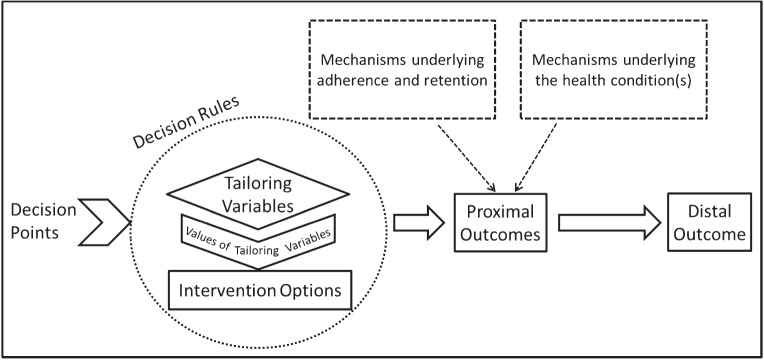
“…variables (i.e., variables which provide information about when and how to intervene), iii) intervention options (i.e., change strategies or delivery options for consideration), and iv) decision rules (i.e., algorithms that link decision points, tailoring variables and intervention options) [15].”
A Bayesian time-varying effect model for behavioral mHealth data
Koslovsky, M. D., Hébert, E. T., Businelle, M. S., & Vannucci, M. (2020) · The Annals of Applied Statistics · doi:10.1214/20-aoas1402 · Cited by 22
“based on their mood, affect, and socio-environmental context (Heron and Smyth, 2010; Nahum-Shani et al., 2017).”
BackgroundPsihogios, A. M., Li, Y., Ahmed, A., Huang, J. Y., Kersun, L. S., Schwartz, L. A., & Barakat, L. P. (2020) · Pediatric Blood & Cancer · doi:10.1002/pbc.28767 · Cited by 24
Fleming, C. B., Duckworth, J. C., Rhew, I. C., Abdallah, D. A., Guttmannova, K., Patrick, M. E., & Lee, C. M. (2021) · Addictive Behaviors · doi:10.1016/j.addbeh.2021.107079 · Cited by 27
Qin, Y., Wang, X., & Namkoong, K. (2021) · Mobile Media & Communication · doi:10.1177/20501579211054929 · Cited by 23
“Research suggests that the technology through which BCTs are delivered may influence the success of their effectiveness for the interventions (Nahum-Shani et al., 2017).”
BackgroundBurgermaster, M., & Rodriguez, V. A. (2022) · Annals of Behavioral Medicine · doi:10.1093/abm/kaac012 · Cited by 28
“, [53,54]) to broaden the personal and contextual characteristics addressed in these interventions and to facilitate matching individuals to intervention strategies best aligned to the psychosocialbehavioral phenotype(s) that best represent their context.”
Yu, J., Fairbairn, C. E., Gurrieri, L., & Caumiant, E. P. (2022) · Addiction · doi:10.1111/add.15953 · Cited by 26
“In addition to their existing application as abstinence monitors in the criminal justice system [12, 13], a range of additional uses have been proposed for transdermal sensors, including as relapse-detecting monitors capable of prompting ‘just-in-time’ addiction intervention [14, 15], as drinking risk-level indicators…”
BackgroundBae, S. W., Suffoletto, B. P., Zhang, T., Chung, T. A., Ozolcer, M., Islam, R., & Dey, A. K. (2023) · JMIR Formative Research · doi:10.2196/39862 · Cited by 33
“The prediction model of BDEs combines ML and XAI toward the ultimate goal of supporting JITAIs to prevent BDEs [2,32-34].”
BackgroundMethodKullgren, J. T., Cliff, B. Q., Krenz, C. D., Levy, H. G., West, B. T., Fendrick, A. M., So, J., & Fagerlin, A. (2019) · Health Affairs · doi:10.1377/hlthaff.2018.05018 · Cited by 23
Rothman, A. J., Klein, W. M. P., & Sheeran, P. (2020) · Cambridge University Press eBooks · doi:10.1017/9781108677318.020 · Cited by 30
Sobolev, M., Vitale, R., Wen, H., Kizer, J., Leeman, R. F., Pollak, J., Baumel, A., Vadhan, N. P., Estrin, D. L., & Muench, F. J. (2021) · JMIR mhealth and uhealth · doi:10.2196/25018 · Cited by 25
“Contextual factors can also be used to design more precise behavior change and digital health interventions with mobile technology [88,90-93].”
BackgroundMyers, R. E., Karazsia, B. T., Kim, E.-J., Jackman, M. M., McPherson, C. L., & Singh, N. N. (2018) · Advances in Neurodevelopmental Disorders · doi:10.1007/s41252-018-0060-x · Cited by 25
Ditton, E., Knott, B., Hodyl, N., Horton, G., Oldmeadow, C., Walker, F. R., & Nilsson, M. (2023) · JMIR Mental Health · doi:10.2196/42566 · Cited by 22
Nicholas, J. K., & Bresin, K. (2024) · Archives of Sexual Behavior · doi:10.1007/s10508-023-02779-0 · Cited by 34
Wunsch, K., Fiedler, J., Hubenschmid, S., Reiterer, H., Renner, B., & Wöll, A. (2024) · JMIR mhealth and uhealth · doi:10.2196/51201 · Cited by 31
“This knowledge can be used for just-in-time adaptive interventions, which aim to support in the exact moment when support is needed and behavior change is realistic [50,111].”
BackgroundBonar, E. E., Cunningham, R. M., Collins, R. L., Cranford, J. A., Chermack, S. T., Zimmerman, M. A., Blow, F. C., & Walton, M. A. (2017) · Addiction Research & Theory · doi:10.1080/16066359.2017.1310205 · Cited by 25
“Consistent with precision medicine approaches, understanding these factors can inform the development of just-in-time interventions (Nahum-Shani et al. 2016) that are tailored to the unique contextual factors of the individual in real time.”
BackgroundRobertson, M. C., Green, C. E., Liao, Y., Durand, C. P., & Basen‐Engquist, K. (2020) · Cancer Epidemiology Biomarkers & Prevention · doi:10.1158/1055-9965.epi-19-0907 · Cited by 30
Jahnel, T., & Schüz, B. (2020) · Bundesgesundheitsblatt - Gesundheitsforschung - Gesundheitsschutz · doi:10.1007/s00103-019-03082-x · Cited by 30
ReVibe: A Context-assisted Evening Recall Approach to Improve Self-report Adherence
Rabbi, M., Li, K. T., Yan, H. Y., Dahl, K. L., Klasnja, P., & Murphy, S. A. (2019) · Proceedings of the ACM on Interactive Mobile Wearable and Ubiquitous Technologies · doi:10.1145/3369806 · Cited by 32
Self-citationEaton, C. K., Comer, M., Pruette, C. S., Psoter, K. J., & Riekert, K. A. (2020) · Journal of Medical Internet Research · doi:10.2196/19861 · Cited by 24
“These major themes focused on behavioral components of the intervention and adherence and are suggestive of a just-in-time adaptive intervention (JITAI), which provides in-the-moment intervention exactly when AYAs need it most [35].”
BackgroundLeveraging Daily Social Experiences to Motivate Healthy Aging
Charles, S. T., Röcke, C., Zadeh, R. S., Martin, M., Boker, S., & Scholz, U. (2021) · The Journals of Gerontology Series B · doi:10.1093/geronb/gbab028 · Cited by 29
Coughlin, L. N., Nahum-Shani, I. B., Bonar, E. E., Philyaw-Kotov, M. L., Rabbi, M., Klasnja, P., & Walton, M. A. (2021) · Substance Use & Misuse · doi:10.1080/10826084.2021.1972314 · Cited by 27
Self-citationTorkamaan, H., & Ziegler, J. (2021) · ACM International Joint Conference on Pervasive and Ubiquitous Computing (UbiComp) · doi:10.1145/3460418.3479330 · Cited by 31
“[23] further called for the development of advanced health behavior theories for mobile interventions focusing on adherence and just-in-time interventions.”
BackgroundMcKone, K. M. P., & Silk, J. S. (2022) · Clinical Child and Family Psychology Review · doi:10.1007/s10567-022-00382-8 · Cited by 30
Building a Life Course Intervention Research Framework
Russ, S. A., Hotez, E., Berghaus, M., Hoover, C. G., Verbiest, S., Schor, E. L., & Halfon, N. (2022) · PEDIATRICS · doi:10.1542/peds.2021-053509e · Cited by 24
Aziz, M., Erbad, A., Almourad, M. B., Altuwairiqi, M., McAlaney, J., & Ali, R. (2022) · Life · doi:10.3390/life12081266 · Cited by 28
“This means that these apps fail to retain users for extended periods and may need to adopt a just-in-time intervention technique [40] to increase user engagement.”
BackgroundDesigning daily-life research combining experience sampling method with parallel data
Velozo, J. D. C., Habets, J., George, S. V., Niemeijer, K., Minaeva, O., Hagemann, N., Herff, C., Kuppens, P., Rintala, A., Vaessen, T., et al. (2022) · Psychological Medicine · doi:10.1017/s0033291722002367 · Cited by 29
“JITAIs are personalized interventions that are provided directly in daily-life, at the right time, and adapted to the patient’s needs (Nahum-Shani et al., 2016; Sharmin et al., 2015).”
BackgroundExamining the Bidirectional Nature of Loneliness and Anxiety Among Older Adults in Daily Life
Bogart, K. V., Scott, S., Harrington, K., Felt, J. M., Sliwinski, M. J., & Graham‐Engeland, J. E. (2023) · The Journals of Gerontology Series B · doi:10.1093/geronb/gbad105 · Cited by 25
Lu, T., Zheng, H., Zhang, T., Xu, X., & Guo, A. (2024) · CHI Conference on Human Factors in Computing Systems · doi:10.1145/3613904.3642317 · Cited by 36
“Since InteractOut mainly focuses on the input aspect, it could serve as a valuable addition to other intervention strategies.”
High‐risk social drinkers and heavy drinkers display similar rates of alcohol consumption
Sloan, M. E., Gowin, J. L., Janakiraman, R., Ester, C. D., Stoddard, J., Stangl, B. L., & Ramchandani, V. A. (2019) · Addiction Biology · doi:10.1111/adb.12734 · Cited by 28
“These technologies may prove useful in stratifying clinical risk and providing individually tailored interventions.(40) This study has several limitations.”
BackgroundRemotely Delivered Interventions for Obesity Treatment
Bradley, L. E., Smith-Mason, C. E., Corsica, J. A., Kelly, M. C., & Hood, M. M. (2019) · Current Obesity Reports · doi:10.1007/s13679-019-00356-y · Cited by 23
Imagery, Visualization, and Mental Simulation Interventions
Hagger, M. S., & Conroy, D. (2020) · Cambridge University Press eBooks · doi:10.1017/9781108677318.033 · Cited by 25
Changing Behavior Using the Common-Sense Model of Self-Regulation
Cameron, L. D., Fleszar‐Pavlović, S. E., & Khachikian, T. (2020) · Cambridge University Press eBooks · doi:10.1017/9781108677318.005 · Cited by 32
Schwartz, S. J., Martínez, C. R., Meca, A., Szabó, Á., Ward, C. A., Cobb, C. L., Cano, M. Á., Unger, J. B., & Salas‐Wright, C. P. (2020) · Journal of Clinical Psychology · doi:10.1002/jclp.23009 · Cited by 46
Rahmani, A. M., Lai, J., Jafarlou, S., Azimi, I., Yunusova, A., Rivera, A. P., Labbaf, S., Anzanpour, A., Dutt, N. D., Jain, R., et al. (2022) · Frontiers in Digital Health · doi:10.3389/fdgth.2022.933587 · Cited by 30
Choudhury, A., Asan, O., & Alelyani, T. (2022) · IEEE Journal of Biomedical and Health Informatics · doi:10.1109/jbhi.2021.3087083 · Cited by 21
Effects of Actissist, a digital health intervention for early psychosis: A randomized clinical trial
Bucci, S., Berry, N., Ainsworth, J. D., Berry, K., Edge, D., Eisner, E., Emsley, R., Forbes, G., Hassan, L., Lewis, S. W., et al. (2024) · Psychiatry Research · doi:10.1016/j.psychres.2024.116025 · Cited by 28
Delobelle, J., Lebuf, E., Dyck, D. V., Compernolle, S., Janek, M., Backere, F. D., & Větrovský, T. (2024) · Digital Health · doi:10.1177/20552076241262710 · Cited by 32
“15 Speci fi cally, JITAIs can respond effectively when individual-level determinants (e.g. self-ef fi cacy) are at optimal levels by identifying fl uc-tuations in these determinants before prompting the intervention.”
BackgroundFrom precision interventions to precision health
Schork, N. J., & Goetz, L. H. (2025) · Nature Communications · doi:10.1038/s41467-025-60395-z · Cited by 37
“…for example, individualized nutritional plans or probiotics for In fl amma-tory Bowel Disease, metabolic syndrome, and cardiometabolic conditions 7 , just-in-time adaptive interventions (JITAIs) in behavioral health 45 , and individualized digital therapeutics for the treatment of addictions 8 .”
Predicting the first smoking lapse during a quit attempt: A machine learning approach
Hébert, E. T., Suchting, R., Ra, C. K., Alexander, A. C., Kendzor, D. E., Vidrine, D. J., & Businelle, M. S. (2020) · Drug and Alcohol Dependence · doi:10.1016/j.drugalcdep.2020.108340 · Cited by 23
“Emerging strategies such as just-in-time adaptive interventions (JITAI), aim to prevent smoking lapse using tailored support delivered via mobile technology in the moments when it is most needed.(Nahum-Shani et al., 2016) Effective smoking cessation JITAI rely on the development of accurate decision rules that determi…”
BackgroundKowatsch, T., & Fleisch, E. (2021) · Springer eBooks · doi:10.1007/978-3-030-76897-3_4 · Cited by 23
Schwartz, S. J., Waterman, A. S., Cobb, C. L., Cano, M. Á., Scaramutti, C., Meca, A., Ozer, S., Ward, C. A., Puente-Durán, S., Lorenzo‐Blanco, E. I., et al. (2022) · Journal of Counseling Psychology · doi:10.1037/cou0000604 · Cited by 48
Perski, O., Kwaśnicka, D., Kale, D., Schneider, V., Szinay, D., ten Hoor, G. A., Asiamah-Asare, B. K. Y., Verboon, P., Powell, D., Naughton, F., et al. (2023) · Addiction · doi:10.1111/add.16173 · Cited by 25
Naughton, F., Hope, A., Brown, C., Grant, K., Barton, G., Notley, C. J., Mascolo, C., Coleman, T. J., Shepstone, L., Sutton, S. R., et al. (2023) · Nicotine & Tobacco Research · doi:10.1093/ntr/ntad032 · Cited by 26
Hasselman, F. (2023) · Development and Psychopathology · doi:10.1017/s0954579423001281 · Cited by 36
“…will have profound consequences for the design of diagnostic tools and intervention methods as well as the evaluation of the current empirical record (see e.g., Hardeman et al., 2019; Lichtwarck-Aschoff et al., 2012; Nahum-Shani et al., 2017; Olthof et al., 2019; Schiepek, Aichhorn, et al., 2016).”
MethodChen, Y.-P., Woodward, J., Bista, D., Zhang, X., Singh, I., Obajemu, O., Shankar, M. N., Ross, K. M., Ruiz, J., & Anthony, L. (2024) · CHI Conference on Human Factors in Computing Systems · doi:10.1145/3613904.3641993 · Cited by 32
“…addresses the unreliability and recall bias of human memory [42]; and (3) the accurate logging of real-time data holds potential for efective real-time health interventions and the development of predictive machine learning models, enabling timely, adaptive, and personalized health services [68].”
BackgroundMethodHerbeć, A., Perski, O., Shahab, L., & West, R. (2018) · International Journal of Environmental Research and Public Health · doi:10.3390/ijerph15020288 · Cited by 22
“Features (3) and (4) could be delivered through Just-in-Time Adaptive Intervention (JITAIs) designs, which aim to offer timely and relevant support that is informed by users’ states and circumstances assessed through active or passive data collection via the app [55].”
BackgroundShrestha, R., Altice, F. L., DiDomizio, E. E., Sibilio, B., Ranjit, Y. S., & Copenhaver, M. M. (2020) · Patient Preference and Adherence · doi:10.2147/ppa.s236794 · Cited by 25
“As the field moves closer toward precision medicine, understanding contextual factors can guide the development of just-intime interventions (JITAI) that are tailored to each individual’s unique behavioral and contextual needs in real time.(48,49)”
BackgroundElliston, K. G., Schüz, B., Albion, T., & Ferguson, S. G. (2020) · JMIR mhealth and uhealth · doi:10.2196/15948 · Cited by 23
“For example, when entering environments known to trigger health risk behaviors, mobile health (mHealth) technology could generate interventions and support to individuals [5], thereby minimizing the risk of engaging in health-damaging behaviors [6].”
BackgroundGarcía, L., Hunter, R. F., de la Haye, K., Economos, C. D., & King, A. C. (2021) · Obesity Reviews · doi:10.1111/obr.13241 · Cited by 23
“, the type, timing, intensity) as conditions and contexts change, delivering support at the moment and in the context that it is most needed or is most likely to be receptive.(15) Network analysis: set of methods and techniques to describe and analyze networks, i.”
MethodKünzler, F., Kramer, J.-N., & Kowatsch, T. (2017) · IEEE International Conference on Wireless and Mobile Computing, Networking and Communications (WiMob) · doi:10.1109/wimob.2017.8115839 · Cited by 27
Duckworth, C., Cliffe, B., Pickering, B., Ainsworth, B., Blythin, A. M., Kirk, A., Wilkinson, T. M. A., & Boniface, M. (2024) · npj Digital Medicine · doi:10.1038/s41746-024-01063-2 · Cited by 31
“…the gami fi cation of self-management 7 . mHealth apps also have the potential to provide early-warnings of increased risk of poor outcomes from chronic diseases (i.e., Just-in-Time Adaptive Interventions (JITAI)) by making use of clinical data in tandem with self-reported data captured in-app 8,9 .”
MethodXia, Y., Liu, Z., Wang, S., Huang, C., & Zhao, W. (2024) · Journal of the Knowledge Economy · doi:10.1007/s13132-024-02153-y · Cited by 26
RetractedIntensive Longitudinal Methods: Toward a Psychological Science of Daily Life
Laurenceau, J., DiGiovanni, A. M., & Bolger, N. P. (2025) · Annual Review of Psychology · doi:10.1146/annurev-psych-040325-025418 · Cited by 35
Friel, C. P., & Garber, C. E. (2020) · American Journal of Health Promotion · doi:10.1177/0890117120919366 · Cited by 23
“33 Social media and social networks have been identified as having a significant impact on health behaviors including PA. 34,35 Wearable activity trackers offer users the opportunity to share the data gathered by their device across various med-iums (e.g. social media or email), but a large…”
BackgroundDaily Mood Reactivity to Stress during Childhood Predicts Internalizing Problems Three Years Later
Bai, S., Robles, T. F., Reynolds, B. M., & Repetti, R. L. (2020) · Research on Child and Adolescent Psychopathology · doi:10.1007/s10802-020-00650-7 · Cited by 24
Temporal dynamics of sitting behavior at work
ten Broeke, P., Olthof, M., Beckers, D. G. J., Hopkins, N. D., Graves, L., Carter, S. E., Cochrane, M., Gavin, D., Morris, A. S., Lichtwarck‐Aschoff, A., et al. (2020) · Proceedings of the National Academy of Sciences · doi:10.1073/pnas.2001284117 · Cited by 25
Engagement of Stakeholders in the Design, Evaluation, and Implementation of Complex Interventions
Hudson, J. L., Moon, Z., Hughes, L. D., & Moss-Morris, R. E. (2020) · Cambridge University Press eBooks · doi:10.1017/9781108677318.024 · Cited by 29
Goodday, S., Karlin, E., Alfarano, A., Brooks, A., Chapman, C., Desille, R., Rangwala, S., Karlin, D. R., Emami, H., Woods, N. F., et al. (2021) · JMIR Formative Research · doi:10.2196/32165 · Cited by 25
“The use of smartphones makes personalized rewards and reminders possible [13].”
Kornfield, R., Mohr, D. C., Ranney, R. M., Lattie, E. G., Meyerhoff, J., Williams, J. J., & Reddy, M. C. (2022) · Proceedings of the ACM on Human-Computer Interaction · doi:10.1145/3512946 · Cited by 21
“…include just-in time adaptive interventions that alter the content or timing of messages based on data about a user’s context or behavior [57,84]; reinforcement learning approaches, where a user’s responses to content (e.g., ratings) are used to optimize future content selections [4]; and…”
BackgroundSood, E., Gramszlo, C., Ramirez, A. P., Braley, K. T., Butler, S., Davis, J. A., Divanovic, A. A., Edwards, L. A., Kasparian, N. A., Kelly, S. L., et al. (2022) · Journal of Patient Experience · doi:10.1177/23743735221092488 · Cited by 22
“Just-in-time adaptive intervention designs, which aim to provide the right type and amount of support at the right time by adapting to the individual (44), may be particularly well suited to address the individualized needs of families affected by chronic disease.”
Brombacher, H., Houben, S., & Vos, S. B. (2022) · Designing Interactive Systems Conference · doi:10.1145/3532106.3533473 · Cited by 22
“However, these interventions are designed for the traditional ways of working with fxed working positions and hours, developed solely for the ofce environment and working hours [43, 69].”
BackgroundAdvances and challenges in sensor-based research in mobility, health, and place
Kim, E., Conrow, L., Röcke, C., Chaix, B., Weibel, R., & Perchoux, C. (2023) · Health & Place · doi:10.1016/j.healthplace.2023.102972 · Cited by 23
Standardized Effect Sizes for Preventive Mobile Health Interventions in Micro-randomized Trials
Luers, B., Klasnja, P., & Murphy, S. A. (2018) · Prevention Science · doi:10.1007/s11121-017-0862-5 · Cited by 21
“Ideally, then, push components should be delivered with precision, at moments when they are most needed by the individual and when the individual is receptive to treatment (Nahum-Shani et al. 2016).”
BackgroundSelf-citationA New Era of HIV Risk: It's Not What You Know, It's Who You Know (and How Infectious)
Cortopassi, A. C., Driver, R., Eaton, L. A., & Kalichman, S. C. (2018) · Annual Review of Psychology · doi:10.1146/annurev-psych-010418-102927 · Cited by 21
Context-Aware Systems for Chronic Disease Patients: Scoping Review
Yin, K., Laranjo, L., Tong, H. L., Lau, A. Y. S., Kocaballi, A. B., Martin, P. B., Vagholkar, S., & Coiera, E. W. (2019) · Journal of Medical Internet Research · doi:10.2196/10896 · Cited by 24
“This sort of “just-in-time” support [19] has the potential to facilitate patient work and improve the self-management of chronic conditions, by providing the advice patients need to make health management decisions at the right time, on a daily basis.”
BackgroundThe NESTORE e-coach: accompanying older adults through a personalized pathway to wellbeing
Angelini, L., Mugellini, E., Khaled, O. A., Röcke, C., Guye, S., Porcelli, S., Mastropietro, A., Rizzo, G., Boqué, N., Bas-Prior, J. M. D., et al. (2019) · International Conference on PErvasive Technologies Related to Assistive Environments (PETRA) · doi:10.1145/3316782.3322763 · Cited by 23
“These messages will be personalized based on contextual and other person-specific information so that the BCT messages will come at the time and in the form needed by each individual (see also Nahum-Shani et al. [17]).”
BackgroundEntropy Learning for Dynamic Treatment Regimes
Jiang, B., Song, R., Li, J., & Zeng, D. (2018) · Statistica Sinica · doi:10.5705/ss.202018.0076 · Cited by 35
D'Alfonso, S., Phillips, J., Valentine, L., Gleeson, J., & Alvarez-Jimenez, M. (2019) · JMIR Mental Health · doi:10.2196/14866 · Cited by 20
“To remove these online to offline barriers and facilitate Action engagement, a new Action delivery system in the spirit of just-in-time adaptive interventions is in development [45].”
Disease-directed engineering for physiology-driven treatment interventions in neurological disorders
Wood, T. R., & Nance, E. A. (2019) · APL Bioengineering · doi:10.1063/1.5117299 · Cited by 21
Chaix, B. (2019) · Health & Place · doi:10.1016/j.healthplace.2019.102241 · Cited by 20
Gneezy, U., Kajackaite, A., & Meier, S. (2020) · Cambridge University Press eBooks · doi:10.1017/9781108677318.036 · Cited by 28
An Overview of Smartphone Apps
Wells, C., & Spry, C. (2022) · Canadian Journal of Health Technologies · doi:10.51731/cjht.2022.269 · Cited by 28
Razi, A., Seberger, J. S., Alsoubai, A., Naher, N., Choudhury, M. D., & Wiśniewski, P. (2024) · Proceedings of the ACM on Human-Computer Interaction · doi:10.1145/3637411 · Cited by 30
“In the mental health space, researchers [44, 61] research shows that aside from supporting mental health, self-reflections could be helpful for youth online risk behavior.”
BackgroundGarety, P. A., Ward, T., Emsley, R., Greenwood, K., Freeman, D. H., Fowler, D. G., Kuipers, E., Bebbington, P., Dunn, G., & Hardy, A. (2021) · Efficacy and Mechanism Evaluation · doi:10.3310/eme08110 · Cited by 25
Jeganathan, V. S. E., Golbus, J. R., Gupta, K., Luff, E., Dempsey, W., Boyden, T. F., Rubenfire, M., Mukherjee, B., Klasnja, P., Kheterpal, S., et al. (2022) · American Heart Journal · doi:10.1016/j.ahj.2022.02.012 · Cited by 20
Al‐Dajani, N., & Czyz, E. K. (2022) · Journal of Clinical Child & Adolescent Psychology · doi:10.1080/15374416.2022.2051525 · Cited by 29
“Just-in-time adaptive interventions (Nahum-Shani et al., 2018) that have the capacity to address in-the-moment difficulties, such as those informed by intensively measured dynamic processes, could be used to address feelings of connected-ness when needed most.”
Domin, A., Uslu, A. S., Schulz, A., Ouzzahra, Y., & Vögele, C. (2022) · JMIR Formative Research · doi:10.2196/35118 · Cited by 25
“Such just-in-time adaptive interventions (JITAIs) can facilitate health behavior change at times of both need for behavior support and receptivity [7].”
BackgroundSmart Sensing Enhanced Diagnostic Expert Systems
Terhorst, Y., Knauer, J., & Baumeister, H. (2022) · Studies in neuroscience, psychology and behavioral economics · doi:10.1007/978-3-030-98546-2_24 · Cited by 22
Sporrel, K., Wang, S., Ettema, D., Nibbeling, N., Kröse, B., Deutekom, M. D. L. F., Boer, R. D., & Simons, M. (2022) · JMIR Formative Research · doi:10.2196/35268 · Cited by 22
Grey, W., Harris, E. A., & Griffiths, S. (2022) · Body Image · doi:10.1016/j.bodyim.2022.07.001 · Cited by 24
Lau, S. C. L., Connor, L. T., Skidmore, E. R., King, A. A., Lee, J., & Baum, C. M. (2022) · Archives of Physical Medicine and Rehabilitation · doi:10.1016/j.apmr.2022.11.012 · Cited by 20
Autonomic complexity dynamically indexes affect regulation in everyday life.
Stange, J. P., Li, J., Xu, E. P., Ye, Z., Zapetis, S. L., Phanord, C. S., Wu, J., Sellery, P., Keefe, K., Forbes, E. E., et al. (2023) · Journal of Psychopathology and Clinical Science · doi:10.1037/abn0000849 · Cited by 19
Ollier, J., Suryapalli, P., Fleisch, E., von Wangenheim, F., Mair, J. L., Salamanca-Sanabria, A., & Kowatsch, T. (2023) · Frontiers in Public Health · doi:10.3389/fpubh.2023.1185702 · Cited by 25
Suffoletto, B. P., Yanta, J. H., Kurtz, R., Cochran, G., Douaihy, A. B., & Chung, T. A. (2017) · Journal of Addiction Medicine · doi:10.1097/adm.0000000000000351 · Cited by 18
“…treatment initiation are needed (Larimer et al., 1992), Mobile technology (a.k.a. mHealth) behavioral interventions may be able to assist in this process by providing support in real-world contexts, at times and in situations when it may be most needed (‘‘just-in-time’’) (Nahum-Shani et al., 2016).”
BackgroundPractical Considerations for Data Collection and Management in Mobile Health Micro-randomized Trials
Seewald, N. J., Smith, S. N., Lee, A. J., Klasnja, P., & Murphy, S. A. (2019) · Statistics in Biosciences · doi:10.1007/s12561-018-09228-w · Cited by 23
“A key motivation for building and optimizing JITAIs is the ability to tailor both the content and the delivery of treatment to individuals and their immediate contexts [13, 1].”
InfluentialSelf-citationKowitt, S. D., & Lipperman‐Kreda, S. (2019) · Nicotine & Tobacco Research · doi:10.1093/ntr/ntz088 · Cited by 20
National Institutes of Health Support of Digital Health Behavior Research
Riley, W. T., Oh, A., Aklin, W. M., & Wolff‐Hughes, D. L. (2019) · Health Education & Behavior · doi:10.1177/1090198119866644 · Cited by 19
Burgermaster, M., Son, J. H., Davidson, P. G., Smaldone, A. M., Kuperman, G. J., Feller, D. J., Burt, K. G., Levine, M. E., Albers, D. J., Weng, C., et al. (2020) · International Journal of Medical Informatics · doi:10.1016/j.ijmedinf.2020.104158 · Cited by 26
Harnessing Phones to Target Pediatric Populations with Socially Complex Needs: Systematic Review
Stiles‐Shields, C., Potthoff, L. M., Bounds, D. T., Burns, M. T. S., Draxler, J. M., Otwell, C. H., Wolodiger, E. D., Westrick, J. C., & Karnik, N. S. (2020) · JMIR Pediatrics and Parenting · doi:10.2196/19269 · Cited by 18
“Further, phones are now equipped with multiple access capabilities, such as the ability to provide context sensing and just-in-time interventions (ie, acting when youth are most likely to be in need of in-the-moment intervention) [49,50].”
BackgroundLentferink, A., Noordzij, M. L., Burgler, A., Klaassen, R., Derks, Y. P. M. J., Oldenhuis, H. K. E., Velthuijsen, H., & van Gemert‐Pijnen, J. E. W. C. (2021) · Behaviour and Information Technology · doi:10.1080/0144929x.2021.1876764 · Cited by 23
“…strategy (saying ‘no’), can eliminate a dysfunctional stress reaction at an early stage and, therefore, disrupt the process towards a prolonged stress reaction and prevent stress from harming the employees’ health and wellbeing (Nahum-Shani, Hekler, and Spruijt-Metz 2015; Nahum-Shani et al. 2018).”
BackgroundInfluential
Metadata
- Authors
- Nahum-Shani, I., Smith, S. N., Spring, B. J., Collins, L. M., Witkiewitz, K., Tewari, A., & Murphy, S. A.
- Affiliations
- University of Michigan (US)
- Northwestern University (US)
- Pennsylvania State University (US)
- University of New Mexico (US)
- Corresponding author
- Nahum-Shani, Inbal
- ORCID
- Venue
- Annals of Behavioral Medicine
- Publisher
- Oxford University Press (OUP)
- Published
- 2017-12-12
- Volume
- 52
- Issue
- 6
- Pages
- 446-462
- ISSN
- 0742-5554 (ISSN-L)
- 0883-6612
- 1532-4796
- PMC
- PMC5364076
- OpenAlex
- W2523153599
- Cited by
- 2,171
- References
- 142
- Citations by year
- 2026: 370 · 2025: 319 · 2024: 256 · 2023: 266 · 2022: 244 · 2021: 250 · 2020: 211 · 2019: 133 · 2018: 71 · 2017: 39
- FWCI
- 154.61
- Type
- journal article
- Language
- en
- Open access
- hybrid
- doi.org
- Licence
- Locations
- Annals of Behavioral Medicine (publishedVersion, cc-by-nc)
- PubMed Central (publishedVersion, cc-by-nc)
- PubMed (publishedVersion)
- Funders
- National Institutes of Health (R01 DA039901, R01 AA022113, R01 HD073975, R21 AA018336, R01 AA023187, R01 HL125440, U54 EB020404, R01 DK108678, R01 DK097364, P50 DA039838, P01 CA180945, R01 AA022931)
- NIH (R01 DA039901, R01 AA022113, R01 HD073975, R21 AA018336, R01 AA023187, R01 HL125440, U54 EB020404, R01 DK108678, R01 DK097364, P50 DA039838, P01 CA180945, R01 AA022931)
- National Science Foundation (IIS-1452099, IIS-1545751)
- Topics
- Health Sciences › Health Professions › General Health Professions › Mobile Health and mHealth Applications
- Social Sciences › Psychology › Applied Psychology › Digital Mental Health Interventions
- Social Sciences › Psychology › Applied Psychology › Behavioral Health and Interventions
- Keywords
- just-in-time adaptive interventions, mobile health, health behavior change, health behavior theory, intervention adherence, intervention retention, ecological validity, sensor technology
- MeSH terms
- Behavioral Medicine, Humans, Patient Compliance, Research Design, Health Behavior, Telemedicine
About these checks
Registry, retraction, Cites and statistics results are computed, not judged, with one exception: a printed reference that no index lists is read once by a model before it counts as a citation error. Claims are extracted by a model and kept only when their quote appears verbatim in the text; each cited source is then checked, with a model’s help, for whether it says what the claim relies on. Those verdicts can be wrong — read the claim’s quote and the cited source before relying on one.
Statistics and arithmetic are recomputed, not judged.
Confidence bands are shown only for fields calibrated on our annotated test set. None is calibrated yet, so no band is shown.
What counts as a claim ›How we measure confidence ›How we check this ›
Are you an author, or do you see a problem with this page? Request a review
Data sources
Bibliographic data: Semantic Scholar, OpenAlex, Crossref.
Contains information from the Semantic Scholar Academic Graph Datasets, made available under the ODC Attribution License (ODC-BY 1.0).
Semantic Scholar’s data is described in: Kinney, R., et al. (2023). The Semantic Scholar Open Data Platform. arXiv:2301.10140.
