

Just-in-Time Adaptive Interventions (JITAIs) in Mobile Health: Key Components and Design Principles for Ongoing Health Behavior Support
Open accessThe DOI matches its Crossref record; 140 of the 142 references it cites were found in a registry or an index.
Abstract
Background: The just-in-time adaptive intervention (JITAI) is an intervention design aiming to provide the right type/amount of support, at the right time, by adapting to an individual’s changing internal and contextual state. The availability of increasingly powerful mobile and sensing technologies underpins the use of JITAIs to support health behavior, as in such a setting an individual’s state can change rapidly, unexpectedly, and in his/her natural environment. Purpose: Despite the increasing use and appeal of JITAIs, a major gap exists between the growing technological capabilities for delivering JITAIs and research on the development and evaluation of these interventions. Many JITAIs have been developed with minimal use of empirical evidence, theory, or accepted treatment guidelines. Here, we take an essential first step towards bridging this gap. Methods: Building on health behavior theories and the extant literature on JITAIs, we clarify the scientific motivation for JITAIs, define their fundamental components, and highlight design principles related to these components. Examples of JITAIs from various domains of health behavior research are used for illustration. Conclusions: As we enter a new era of technological capacity for delivering JITAIs, it is critical that researchers develop sophisticated and nuanced health behavior theories capable of guiding the construction of such interventions. Particular attention has to be given to better understanding the implications of providing timely and ecologically sound support for intervention adherence and retention
Overview
The claims and statistics of this paper haven’t been checked yet.
Free: it reads the open-access text and checks the first 5 claims that cite a source we can check. Create a free account to check every claim.
Integrity signals
Registry
Cites
Statistics
Figures
Verification
Claims the paper makes
The claims and statistics of this paper haven’t been checked yet.
Free: it reads the open-access text and checks the first 5 claims that cite a source we can check. Create a free account to check every claim.
Claims other papers make about this one
Each is checked against this paper’s own text: does it say what the citing paper says it does?
The source backs part of the claim, not all of it — or backs it for a different population, condition or comparison.
In the citing paper
“Multivariable prognostic models may aid in better prediction of relapse and remission of depression at the individual patient level, which in turn can support precision medicine and allow resources to be better targeted toward relapse prevention”
From Digital health technologies and major depressive disorder (2023) · cites this paper as [139]
Experimental — accuracy not yet measuredThe source backs part of the claim, not all of it — or backs it for a different population, condition or comparison.
In the citing paper
“In addition, regular reminders that appear directly on the end device could increase activity and participation (61).”
From Improving mental well-being in psychocardiology—a feasibility trial for a non-blended web application as a brief metacognitive-based intervention in cardiovascular disease patients (2023) · cites this paper as [61]
Experimental — accuracy not yet measuredThe source backs part of the claim, not all of it — or backs it for a different population, condition or comparison.
In the citing paper
“The use of the JITAI framework to inform intervention design, evaluation, and reporting has potential to enable high-quality evidence for future app-based mHealth interventions for mental illness [13,24].”
From Effectiveness and Minimum Effective Dose of App-Based Mobile Health Interventions for Anxiety and Depression Symptom Reduction: Systematic Review and Meta-Analysis (2022) · cites this paper as [13]
Experimental — accuracy not yet measuredThe cited source says what the claim attributes to it.
In the citing paper
“Smartphone-based, just-in-time adaptive interventions (JITAIs) offer a promising alternative for delivering personalized behavioral support when individuals need it [19]”
The cited source says what the claim attributes to it.
In the citing paper
“Just-in-time adaptive intervention (JITAI) has been introduced in the mHealth domain to facilitate behavior changes; it proposes the use of ongoing information (individuals’ changing status) to adapt the delivery of the intervention in its type, timing, or amount (intensity) [13].”
3 more claims about this paper
Create a free account to see every claim other papers make about this one.
Self-check
Percentages, sums and reported differences re-computed from the paper’s own numbers.
The self-check needs the paper’s full text.
Citations
Cites
Preacher, K. J., & Hayes, A. F. (2008) · Behavior Research Methods · doi:10.3758/brm.40.3.879 · Cited by 34,117 · cited 1×
“In many cases, there are multiple pathways through which the intervention can impact the distal outcome [81].”
BackgroundThe need to belong: Desire for interpersonal attachments as a fundamental human motivation.
Baumeister, R. F., & Leary, M. R. (1995) · Psychological Bulletin · doi:10.1037//0033-2909.117.3.497 · Cited by 23,245
Health Promotion by Social Cognitive Means
Bandura, A. (2004) · Health Education & Behavior · doi:10.1177/1090198104263660 · Cited by 7,238 · cited 2×
“break long-term health behavior goals into short-term, specific, and achievable sub-goals; monitor progress; and provide relevant, timely feedback and guidance [35, 42].”
BackgroundThe Behavior of Organisms: An Experimental Analysis
Jones, F. N., & Skinner, B. F. (1939) · The American Journal of Psychology · doi:10.2307/1416495 · Cited by 4,398
Clinical Psychology: Science and Practice
(2021) · Clinical Psychology Science and Practice · doi:10.1111/(issn)1468-2850 · Cited by 3,672
Folkman, S., & Moskowitz, J. T. (2004) · Annual Review of Psychology · doi:10.1146/annurev.psych.55.090902.141456 · Cited by 3,485 · cited 1×
“behavior maintenance perspectives emphasize the importance of anticipatory coping [40]—a dynamic process involving ongoing anticipation of difficulties and timely execution of the”
BackgroundCrawford, E. R., LePine, J. A., & Rich, B. L. (2010) · Journal of Applied Psychology · doi:10.1037/a0019364 · Cited by 2,922
Deci, E. L. (1975) · doi:10.1007/978-1-4613-4446-9 · Cited by 2,911
Reality mining: sensing complex social systems
Eagle, N., & (Sandy) Pentland, A. (2006) · Personal and Ubiquitous Computing · doi:10.1007/s00779-005-0046-3 · Cited by 2,772
A taxonomy of behavior change techniques used in interventions
Abraham, C., & Michie, S. (2008) · Health Psychology · doi:10.1037/0278-6133.27.3.379 · Cited by 2,525 · cited 1×
“, healthy eating, physical activity) [33, 34].”
Research works printed but not linked: 4
- McCuaig J, Cordick A. Scaffolding for experts: Trial not error. Paper presented at: Proceedings of World Conference on E-Learning in Corporate, Government, Healthcare, and Higher Education. 2007.
- Rummel N, Weinberger A, Wecker C, et al. New challenges in CSCL: Towards adaptive script support. Paper presented at: Proceedings of the 8th International Conference on International Conference for the Learning Sciences. Vol. 3. 2008.
- Kommers P, Hooreman RW. Mobile phones for real-time teacher coaching. J Res Innov Teach. 2009; 2(1): 80- 90.
- Rahman MM, Ali AA, Plarre K, al’Absi M, Ertin E, Kumar S. mconverse: Inferring conversation episodes from respiratory measurements collected in the field. Paper presented at: Proceedings of the 2nd Conference on Wireless Health. 2011.
Cited by
Items 101–200 of 1,007
Recommender systems for mental health apps: advantages and ethical challenges
Valentine, L., D’Alfonso, S., & Lederman, R. (2023) · AI & SOCIETY · doi:10.1007/s00146-021-01322-w · Cited by 92
A systematic review on automated clinical depression diagnosis
Mao, K., Wu, Y., & Chen, J. (2023) · npj Mental Health Research · doi:10.1038/s44184-023-00040-z · Cited by 127
Screenomics: a new approach for observing and studying individuals’ digital lives.
Ram, N., Yang, X., Cho, M.-J., Brinberg, M., Muirhead, F., Reeves, B., & Robinson, T. N. (2020) · Journal of Adolescent Research · doi:10.1177/0743558419883362 · Cited by 83
“…for dashboards that provide summary information from intensive longitudinal data streams (such as might be obtained from monitors and wearables), and interpretations that might eventually become part of practitioner’s regular workflow (Nahum-Shani et al., 2017; Shneiderman et al., 2016).”
BackgroundNock, M. K., Kleiman, E. M., Abraham, M., Bentley, K. H., Brent, D. A., Buonopane, R. J., Castro‐Ramirez, F., Cha, C. B., Dempsey, W., Draper, J., et al. (2021) · Psychiatric Research and Clinical Practice · doi:10.1176/appi.prcp.20200029 · Cited by 88
“The newfound ability to monitor people's thoughts, affect, and behavior in real‐time has the potential to significantly advance the understanding of potentially harmful behaviors that occur episodically in natural environments and to develop new just‐in‐time adaptive interventions (1) to help mitigate them.”
BackgroundWearable Devices: Current Status and Opportunities in Pain Assessment and Management
Leroux, A., Lynn, R. R., Crainiceanu, C., & Sharma, T. (2021) · Digital Biomarkers · doi:10.1159/000515576 · Cited by 105
Scale-up of Digital Innovations in Health Care: Expert Commentary on Enablers and Barriers
Schlieter, H., Marsch, L. A., Whitehouse, D., Otto, L., Londral, A. R., Teepe, G. W., Benedict, M., Ollier, J., Ulmer, T., Gasser, N., et al. (2022) · Journal of Medical Internet Research · doi:10.2196/24582 · Cited by 88
“These digital health services may be able to intervene with the right type of support, at the right time, while including contextual factors that offer a distinct contribution outside of human-delivered care [22].”
BackgroundHowe, E. S., Suh, J., Morshed, M. B., McDuff, D., Rowan, K., Hernandez, J., Abdin, M., Ramos, G., Tran, T., & Czerwinski, M. P. (2022) · CHI Conference on Human Factors in Computing Systems · doi:10.1145/3491102.3502027 · Cited by 123
“…of stress interventions can also be influenced by individual characteristics as well as situational factors surrounding the user’s current stress level [47], current receptivity to interventions [42], and other mediators of change (e.g., acceptance of undesirable thoughts and feelings [4]).”
BackgroundInfluentialWhen vegetarians eat meat: Why vegetarians violate their diets and how they feel about doing so
Rosenfeld, D. L., & Tomiyama, A. J. (2019) · Appetite · doi:10.1016/j.appet.2019.104417 · Cited by 98
“tive-interventions (JITAIs; Nahum-Shani et al., 2017) and sequential multiple assessment randomized trial (SMART) designs (Lei, NahumShani, Lynch, Oslin, & Murphy, 2012)—in order to track dietary behavior when individuals are in situations that present high risks of eating meat.”
BackgroundFuller-Tyszkiewicz, M., Richardson, B., Lewis, V., Linardon, J., Mills, J., Juknaitis, K., Lewis, C., Coulson, K., O'Donnell, R., Arulkadacham, L., et al. (2019) · Computers in Human Behavior · doi:10.1016/j.chb.2019.01.028 · Cited by 85
“This has the potential dual function of training participants when to use the treatment content, whilst also attempting to shift the trajectory of negative experiences as they occur in daily life (Nahum-Shani et al., 2018).”
BackgroundHennemann, S., Farnsteiner, S., & Sander, L. (2018) · Internet Interventions · doi:10.1016/j.invent.2018.09.001 · Cited by 93
Daily associations between cannabis motives and consumption in emerging adults
Bonar, E. E., Goldstick, J. E., Collins, R. L., Cranford, J. A., Cunningham, R. M., Chermack, S. T., Blow, F. C., & Walton, M. A. (2017) · Drug and Alcohol Dependence · doi:10.1016/j.drugalcdep.2017.05.006 · Cited by 101
“Such data may prove useful in developing personalized, tailored, and/or just-in-time adaptive interventions (Nahum-Shani et al., 2016) to reduce cannabis consumption and negative consequences.”
The Potential Role of Digital Health in Obesity Care
Hinchliffe, N., Capehorn, M., Bewick, M., & Feenie, J. (2022) · Advances in Therapy · doi:10.1007/s12325-022-02265-4 · Cited by 110
“approach based on an individual’s changing behaviour in real time [50].”
BackgroundThe Effortless Assessment of Risk States (EARS) Tool: An Interpersonal Approach to Mobile Sensing
Lind, M. N., Byrne, M. L., Wicks, G., Smidt, A. M., & Allen, N. B. (2018) · JMIR Mental Health · doi:10.2196/10334 · Cited by 84
“Just-in-time adaptive interventions, delivered via mobile health apps and tailored to a person’s environment and internal state, headline a host of exciting developments in low-intensity, high-impact interventions [9].”
BackgroundAcceptability of mHealth augmentation of Collaborative Care: A mixed methods pilot study
Bauer, A. M., Iles-Shih, M., Ghomi, R. H., Rue, T., Grover, T., Kincler, N., Miller, M., & Katon, W. J. (2018) · General Hospital Psychiatry · doi:10.1016/j.genhosppsych.2017.11.010 · Cited by 84
Digital Behavior Change Intervention Designs for Habit Formation: Systematic Review
Zhu, Y., Long, Y., Wang, H., Lee, K. P., Zhang, L., & Wang, S. J. (2024) · Journal of Medical Internet Research · doi:10.2196/54375 · Cited by 84
“The characteristics of the PI category are (1) [20,94].”
BackgroundLee, U., Han, K., Cho, H., Chung, K.-M., Hong, H., Lee, S.-J., Noh, Y., Park, S., & Carroll, J. M. (2019) · Ad Hoc Networks · doi:10.1016/j.adhoc.2018.08.021 · Cited by 83
Co-design in mHealth Systems Development: Insights From a Systematic Literature Review
Noorbergen, T. J., Adam, M. T. P., Roxburgh, M., & Teubner, T. (2021) · AIS Transactions on Human-Computer Interaction · doi:10.17705/1thci.00147 · Cited by 92
Adaptive Interventions in Child and Adolescent Mental Health
Almirall, D., & Chronis-Tuscano, A. (2016) · Journal of Clinical Child & Adolescent Psychology · doi:10.1080/15374416.2016.1152555 · Cited by 82
Detecting Drinking Episodes in Young Adults Using Smartphone-based Sensors
Bae, S. W., Ferreira, D., Suffoletto, B. P., Puyana, J. C., Kurtz, R., Chung, T. A., & Dey, A. K. (2017) · Proceedings of the ACM on Interactive Mobile Wearable and Ubiquitous Technologies · doi:10.1145/3090051 · Cited by 105
“This has motivated our work in understanding how the combination of machine learning and sensor data from commodity mobile phones can be used to detect drinking episodes, particularly to support delivery of messages for just-in-time and post hoc intervention [39,40].”
BackgroundMeyerhoff, J., Liu, T., Kording, K. P., Ungar, L. H., Kaiser, S. M., Karr, C. J., & Mohr, D. C. (2021) · Journal of Medical Internet Research · doi:10.2196/22844 · Cited by 82
“Just-in-time adaptive interventions [46,47] use individualized data to predict risk and deliver context-aware intervention material that is adaptive.”
Detecting Receptivity for mHealth Interventions in the Natural Environment
Mishra, V., Künzler, F., Kramer, J.-N., Fleisch, E., Kowatsch, T., & Kotz, D. F. (2021) · Proceedings of the ACM on Interactive Mobile Wearable and Ubiquitous Technologies · doi:10.1145/3463492 · Cited by 105
“In the domain of JITAIs and mHealth interventions, receptivity is defined as the person’s ability to receive, process, and use the support (intervention) provided [32].”
BackgroundInfluentialBai, S., Elavsky, S., Kishida, M., Dvořáková, K., & Greenberg, M. T. (2020) · Mindfulness · doi:10.1007/s12671-020-01358-x · Cited by 79
Anomaly detection to predict relapse risk in schizophrenia
Henson, P., D’Mello, R., Vaidyam, A., Keshavan, M., & Torous, J. (2021) · Translational Psychiatry · doi:10.1038/s41398-020-01123-7 · Cited by 80
Automated vs. Human Health Coaching: Exploring Participant and Practitioner Experiences
Mitchell, E. G., Maimone, R., Cassells, A. N., Tobin, J. N., Davidson, P., Smaldone, A. M., & Mamykina, L. (2021) · Proceedings of the ACM on Human-Computer Interaction · doi:10.1145/3449173 · Cited by 89
“On the other extreme, automated coaching also contrasts with remote monitoring interventions, or behavioral interventions that primarily push information to users [74,100].”
BackgroundXAIR: A Framework of Explainable AI in Augmented Reality
Xu, X., Yu, A., Jonker, T. R., Todi, K., Lu, F., Qian, X., Belo, J. M. E., Wang, T., Li, M., Mun, A., et al. (2023) · CHI Conference on Human Factors in Computing Systems · doi:10.1145/3544548.3581500 · Cited by 110
“, just-in-time recommendations [105, 148] and just-in-time interventions [159, 189, 232]) have suggested that automatically delivering explanations at the right time based on user intent and need (as detected via AR sensing that identifies a user’s state and context) can provide a better user experience [32, 152].”
BackgroundMethodHébert, E. T., Stevens, E. M., Frank, S. G., Kendzor, D. E., Wetter, D. W., Zvolensky, M. J., Buckner, J. D., & Businelle, M. S. (2018) · Addictive Behaviors · doi:10.1016/j.addbeh.2017.10.026 · Cited by 79
Exploring the State-of-Receptivity for mHealth Interventions
Künzler, F., Mishra, V., Kramer, J.-N., Kotz, D., Fleisch, E., & Kowatsch, T. (2019) · Proceedings of the ACM on Interactive, Mobile, Wearable and Ubiquitous Technologies · doi:10.1145/3369805 · Cited by 79
Marsch, L. A., Campbell, A. N. C., Campbell, C. I., Chen-Ritzo, C.-H., Ertin, E., Ghitza, U. E., Lambert-Harris, C. A., Hassanpour, S., Holtyn, A. F., Hser, Y., et al. (2020) · Journal of Substance Abuse Treatment · doi:10.1016/j.jsat.2020.02.005 · Cited by 91
“And, they can help us understand when individuals may be most receptive to interventions (Nahum-Shani, Hekler, & Spruijt-Metz, 2015), with a goal of providing the right type/amount of therapeutic support at the right time by adapting to an individual's changing internal and contextual state (Goldstein et al., 2017; Na…”
BackgroundNaegelin, M., Weibel, R. P., Kerr, J. I., Schinazi, V. R., Marca, R. L., von Wangenheim, F., Hölscher, C., & Ferrario, A. (2023) · Journal of Biomedical Informatics · doi:10.1016/j.jbi.2023.104299 · Cited by 118
What Is the Current and Future Status of Digital Mental Health Interventions?
Baños, R. M., Herrero, R., & Vara, M. D. (2022) · The Spanish Journal of Psychology · doi:10.1017/sjp.2022.2 · Cited by 82
Elavsky, S., Knapova, L., Klocek, A., & Smahel, D. (2019) · Journal of Aging and Physical Activity · doi:10.1123/japa.2017-0410 · Cited by 76
“With respect to mobile intervention components, an exciting area of intervention development concerns the use of microrandomized controlled designs such as just-in-time adaptive interventions (Moller et al., 2017; Nahum-Shani et al., 2018).”
BackgroundSharmin, M., Raij, A., Epstien, D., Nahum-Shani, I., Beck, J. G., Vhaduri, S., Preston, K., & Kumar, S. (2015) · Proceedings of the 2015 ACM International Joint Conference on Pervasive and Ubiquitous Computing · doi:10.1145/2750858.2807537 · Cited by 75
Self-citationApplications and Techniques for Fast Machine Learning in Science
Deiana, A. M., Tran, N., Agar, J., Blott, M., Di Guglielmo, G., Duarte, J., Harris, P., Hauck, S., Liu, M., Neubauer, M. S., et al. (2022) · Frontiers in Big Data · doi:10.3389/fdata.2022.787421 · Cited by 63
Personality Change Through Digital-Coaching Interventions
Allemand, M., & Flückiger, C. (2022) · Current Directions in Psychological Science · doi:10.1177/09637214211067782 · Cited by 90
Ebert, D. D., Harrer, M., Apolinário-Hagen, J., & Baumeister, H. (2019) · Advances in Experimental Medicine and Biology · doi:10.1007/978-981-32-9721-0_29 · Cited by 76
Mair, J. L., Hayes, L. D., Campbell, A. K., Buchan, D. S., Easton, C., & Sculthorpe, N. F. (2022) · JMIR Formative Research · doi:10.2196/34662 · Cited by 90
“The JitaBug app was designed to run in the background with minimal user input to reduce user burden and limit intervention fatigue [17].”
BackgroundMethodInfluentialReichenberger, J., Pannicke, B., Arend, A., Petrowski, K., & Blechert, J. (2020) · Psychology and Health · doi:10.1080/08870446.2020.1781122 · Cited by 88
Harris, C., Tang, Y., Birnbaum, E., Cherian, C., Mendhe, D., & Chen, M. H. (2024) · Archives of Clinical Neuropsychology · doi:10.1093/arclin/acae016 · Cited by 95
Carter, D. D., Robinson, K., Forbes, J., & Hayes, S. (2018) · PLOS ONE · doi:10.1371/journal.pone.0208759 · Cited by 75
A common factors perspective on mindfulness-based interventions
Goldberg, S. B. (2022) · Nature Reviews Psychology · doi:10.1038/s44159-022-00090-8 · Cited by 75
Kramer, J.-N., Künzler, F., Mishra, V., Presset, B., Kotz, D., Smith, S., Scholz, U., & Kowatsch, T. (2019) · JMIR Research Protocols · doi:10.2196/11540 · Cited by 74
“mHealth apps that utilize this kind of dynamic tailoring are referred to as just-in-time adaptive interventions (JITAIs) [3].”
BackgroundSelf-citationVarma, N., Cygankiewicz, I., Turakhia, M. P., Heidbuchel, H., Hu, Y.-F., Chen, L. Y., Couderc, J.-P., Cronin, E. M., Estep, J. D., Grieten, L., et al. (2021) · Circulation: Arrhythmia and Electrophysiology · doi:10.1161/circep.120.009204 · Cited by 74
eHealth and mHealth psychosocial interventions for youths with chronic illnesses: systematic review
Lau, N., Waldbaum, S., Parigoris, R., O'Daffer, A., Walsh, C., Colt, S. F., Yi-Frazier, J. P., Palermo, T. M., McCauley, E., & Rosenberg, A. R. (2020) · JMIR Pediatrics and Parenting · doi:10.2196/22329 · Cited by 68
“Indeed, JITAIs use causal modeling to identify the appropriate type and dose of intervention at the optimal point in time by measuring and responding to an individual’s changing health states [76,77].”
MethodPartridge, S. R., & Redfern, J. (2018) · Healthcare · doi:10.3390/healthcare6030070 · Cited by 71
“Just-in-time adaptive interventions are a form of personalized interventions that provide support relevant to an individual’s changing behaviors and contexts over time [71].”
BackgroundEvent‐Level Correlates of Drinking Events Characterized by Alcohol‐Induced Blackouts
Merrill, J. E., Boyle, H. K., Jackson, K. M., & Carey, K. B. (2019) · Alcoholism Clinical and Experimental Research · doi:10.1111/acer.14204 · Cited by 82
Conroy, D. E., Hojjatinia, S., Lagoa, C. M., Yang, C.-H., Lanza, S. T., & Smyth, J. M. (2019) · Psychology of Sport and Exercise · doi:10.1016/j.psychsport.2018.06.011 · Cited by 71
“Whereas just-in-time adaptive interventions specify a fixed decision rule for using participant data to guide treatment delivery (Nahum-Shani et al., 2016), the piecewise affine model reported here included sub-models for these different contexts to provide the basis for personalized, context-specific decision rules.”
Intervention Optimization: A Paradigm Shift and Its Potential Implications for Clinical Psychology
Collins, L. M., Nahum-Shani, I. B., Guastaferro, K., Strayhorn, J. C., Vanness, D. J., & Murphy, S. A. (2024) · Annual Review of Clinical Psychology · doi:10.1146/annurev-clinpsy-080822-051119 · Cited by 86
Self-citationStieger, M., Nißen, M., Rüegger, D., Kowatsch, T., Flückiger, C., & Allemand, M. (2018) · BMC Psychology · doi:10.1186/s40359-018-0257-9 · Cited by 71
“, the look and feel of the app with various conversational agents) but also to use sensor data from smartphones and/or other connected devices to deliver just in time adaptive interventions based on end users’ states of receptivity and vulnerability [79, 80].”
BackgroundMorshed, A. (2020) · Asian Journal of Accounting Research · doi:10.1108/ajar-04-2020-0023 · Cited by 71
Battalio, S. L., Conroy, D. E., Dempsey, W., Liao, P., Menictas, M., Murphy, S., Nahum-Shani, I., Qian, T., Kumar, S., & Spring, B. (2021) · Contemporary Clinical Trials · doi:10.1016/j.cct.2021.106534 · Cited by 70
Self-citationTong, H. L., Coiera, E., & Laranjo, L. (2018) · Journal of Medical Internet Research · doi:10.2196/11439 · Cited by 68
“By identifying users’ behavioral patterns and preferences, researchers can design and deliver interventions at the right time, using the right channel and tone, and the most relevant content or services [55,56].”
Gardner, B., Rebar, A. L., & Lally, P. J. (2020) · Cambridge University Press eBooks · doi:10.1017/9781108677318.041 · Cited by 82
Kleiman, E. M., Glenn, C. R., & Liu, R. T. (2019) · Journal of Clinical Child & Adolescent Psychology · doi:10.1080/15374416.2019.1666400 · Cited by 68
“, wearable monitor, prior smartphone responses) in a way that is specific to the individual (Fisher & Boswell, 2016) delivered just in time when the intervention is needed (i.e., using just-in-time adaptive interventions; Nahum-Shani et al., 2018).”
BackgroundOptimizing Digital Integrated Care via Micro‐Randomized Trials
Walton, A., Nahum‐Shani, I., Crosby, L., Klasnja, P., & Murphy, S. (2018) · Clinical Pharmacology & Therapeutics · doi:10.1002/cpt.1079 · Cited by 66
Self-citationSocial Comparison Features in Physical Activity Promotion Apps: Scoping Meta-Review
Arigo, D., Brown, M. M., Pasko, K., & Suls, J. (2020) · Journal of Medical Internet Research · doi:10.2196/15642 · Cited by 66
“The adaptive capabilities of many existing apps and those under development may lend themselves to such tailoring [73].”
BackgroundPsychiatry in the Digital Age: A Blessing or a Curse?
Roth, C. B., Papassotiropoulos, A., Brühl, A. B., Lang, U. E., & Huber, C. G. (2021) · International Journal of Environmental Research and Public Health · doi:10.3390/ijerph18168302 · Cited by 83
“Just-in-time adaptive interventions (JITAI) go one step further by integrating real-time data [63,74,75].”
BackgroundPrevention of internalizing disorders and suicide via adolescent sleep interventions
Blake, M. J., & Allen, N. B. (2019) · Current Opinion in Psychology · doi:10.1016/j.copsyc.2019.08.027 · Cited by 74
Vinci, C. (2020) · Current Oncology Reports · doi:10.1007/s11912-020-00915-w · Cited by 82
Goal-setting And Achievement In Activity Tracking Apps: A Case Study Of MyFitnessPal
Gordon, M., Althoff, T., & Leskovec, J. (2019) · The World Wide Web Conference · doi:10.1145/3308558.3313432 · Cited by 52
“This could potentially be considered a “just-in-time intervention” [33].”
BackgroundPotential benefits of integrating ecological momentary assessment data into mHealth care systems
Kim, J., Marcusson‐Clavertz, D., Yoshiuchi, K., & Smyth, J. M. (2019) · BioPsychoSocial Medicine · doi:10.1186/s13030-019-0160-5 · Cited by 67
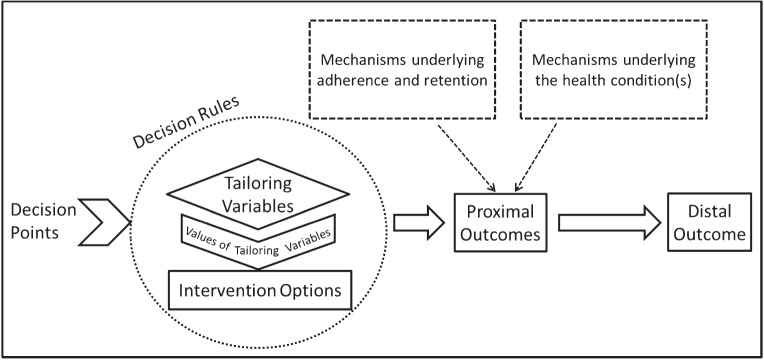
“These decision rules can be based on dynamic computational models derived from EMA data according to the target health-related variables [16].”
BackgroundChikersal, P., Belgrave, D., Doherty, G., Enrique, A., Palacios, J. E., Richards, D., & Thieme, A. (2020) · Proceedings of the 2020 CHI Conference on Human Factors in Computing Systems · doi:10.1145/3313831.3376341 · Cited by 63
“Other recent trends include the development of just-in-time adaptive interventions (JITAIs) that utilize algorithms to provide the right type or amount of support, at the right time, in response to an individuals’ internal and contextual state [60].”
MethodThe relationship between text message sentiment and self-reported depression
Liu, T., Meyerhoff, J., Eichstaedt, J. C., Karr, C. J., Kaiser, S. M., Kording, K. P., Mohr, D. C., & Ungar, L. (2021) · Journal of Affective Disorders · doi:10.1016/j.jad.2021.12.048 · Cited by 84
“Additionally, using text messages as a passive data source opens up new possibilities for just-in-time-adaptive-interventions (Nahum-Shani et al., 2016, 2014) and micro-interventions (Baumel et al., 2020).”
MethodBody image states in everyday life: Evidence from ecological momentary assessment methodology
Fuller‐Tyszkiewicz, M. (2019) · Body Image · doi:10.1016/j.bodyim.2019.02.010 · Cited by 77
Digital Interventions to Reduce Sedentary Behaviors of Office Workers: Scoping Review
Huang, Y., Benford, S., & Blake, H. (2019) · Journal of Medical Internet Research · doi:10.2196/11079 · Cited by 83
Kornfield, R., Zhang, R., Nicholas, J., Schueller, S. M., Cambo, S. A., Mohr, D. C., & Reddy, M. (2020) · Proceedings of the 2020 CHI Conference on Human Factors in Computing Systems · doi:10.1145/3313831.3376309 · Cited by 64
“Recent work has begun to accommodate the dynamic nature of depression through context-aware and “just-in-time” interventions [32,79], but this work is at an early stage and has largely emphasized overcoming technical hurdles in detecting depression-related contexts and states and in modeling risk [104].”
BackgroundVandelanotte, C., Trost, S., Hodgetts, D., Imam, T., Rashid, M., To, Q. G., & Maher, C. (2023) · Journal of Biomedical Informatics · doi:10.1016/j.jbi.2023.104435 · Cited by 62
Czyz, E. K., King, C. A., Al‐Dajani, N., Zimmermann, L., Hong, V., & Nahum-Shani, I. B. (2023) · JAMA Network Open · doi:10.1001/jamanetworkopen.2023.28005 · Cited by 100
Self-citationRauschenberg, C., Boecking, B., Paetzold, I., Schruers, K., Schick, A., van Amelsvoort, T., & Reininghaus, U. (2021) · JMIR Mental Health · doi:10.2196/25650 · Cited by 63
“More recently, some authors have started to use the term just-in-time adaptive interventions, which emphasize EMI’s capability of adapting the delivery of intervention components to person and context based on experience sampling or other, for example, sensing data [47,48].”
BackgroundDorsch, M. P., Cornellier, M. L., Poggi, A. D., Bilgen, F., Chen, P., Wu, C., An, L. C., & Hummel, S. L. (2020) · JMIR mHealth and uHealth · doi:10.2196/16696 · Cited by 62
“Just-in-time adaptive interventions have the potential to dramatically improve patient behaviors in a variety of clinical settings [11].”
Daily social interactions related to daily performance on mobile cognitive tests among older adults
Zhaoyang, R., Scott, S., Martire, L. M., & Sliwinski, M. J. (2021) · PLoS ONE · doi:10.1371/journal.pone.0256583 · Cited by 79
“Using novel mobile technology, older adults’ daily social interactions and cognitive function could be closely monitored and enhanced by just-in-time adaptive interventions [37], which are designed to deliver highly personalized treatments in real time and in one’s natural environment [38, 39].”
BackgroundSmyth, J. M., Zawadzki, M. J., Marcusson‐Clavertz, D., Scott, S., Johnson, J. A., Kim, J., Toledo, M. J. L., Stawski, R. S., Sliwinski, M. J., & Almeida, D. M. (2022) · Perspectives on Psychological Science · doi:10.1177/17456916221082108 · Cited by 85
Multi-Stage Receptivity Model for Mobile Just-In-Time Health Intervention
Choi, W., Park, S., Kim, D., Lim, Y.-K., & Lee, U. (2019) · Proceedings of the ACM on Interactive Mobile Wearable and Ubiquitous Technologies · doi:10.1145/3328910 · Cited by 77
“This enables just-in-time (JIT) health intervention, which aims to provide the right type of support at the right time [53].”
BackgroundInfluentialMarciniak, M. A., Shanahan, L., Rohde, J., Schulz, A., Wackerhagen, C., Kobylińska, D., Tuescher, O., Binder, H., Walter, H., Kalisch, R., et al. (2020) · JMIR mhealth and uhealth · doi:10.2196/19836 · Cited by 67
“This just-in-time adaptive intervention (JITAI) aims to provide the right type or amount of support, at the right time, by adapting to an individual's changing internal and contextual state [59].”
BackgroundPhysician attitudes towards—and adoption of—mobile health
Kong, T. Y., Scott, M. M., Li, Y., & Wichelman, C. (2020) · Digital Health · doi:10.1177/2055207620907187 · Cited by 75
Context and craving during stressful events in the daily lives of drug-dependent patients
Preston, K. L., Kowalczyk, W. J., Phillips, K. A., Jobes, M. L., Vahabzadeh, M., Lin, J.-L., Mezghanni, M., & Epstein, D. H. (2017) · Psychopharmacology · doi:10.1007/s00213-017-4663-0 · Cited by 61
“2014) are becoming mobile—adapted for delivery when and where they are needed (Lindhiem et al. 2015; Nahum-Shani et al. 2016).”
BackgroundPrediction of stress and drug craving ninety minutes in the future with passively collected GPS data
Epstein, D. H., Tyburski, M., Kowalczyk, W. J., Burgess-Hull, A. J., Phillips, K. A., Curtis, B. L., & Preston, K. L. (2020) · npj Digital Medicine · doi:10.1038/s41746-020-0234-6 · Cited by 61
““Digital medicine” has many meanings, but one of the most exciting is the prospect of treating chronic disorders with just-intime adaptive interventions (JITAIs).(1,2) JITAIs, which currently exist in various stages of development and validation, are mobile treatments that learn to deliver therapeutic content exactly…”
BackgroundTowards clinically actionable digital phenotyping targets in schizophrenia
Henson, P., Barnett, I., Keshavan, M. S., & Torous, J. B. (2020) · Schizophrenia · doi:10.1038/s41537-020-0100-1 · Cited by 68
Spring, B., Pfammatter, A. F., Marchese, S. H., Stump, T., Pellegrini, C., McFadden, H. G., Hedeker, D., Siddique, J., Jordan, N., & Collins, L. M. (2020) · Obesity · doi:10.1002/oby.22915 · Cited by 61
Self-citationFrom Personalized Medicine to Population Health: A Survey of mHealth Sensing Techniques
Wang, Z., Xiong, H., Zhang, J., Yang, S., Boukhechba, M., Zhang, D., Barnes, L. E., & Dou, D. (2022) · IEEE Internet of Things Journal · doi:10.1109/jiot.2022.3161046 · Cited by 78
“Specifically, the precision above lies on precise intervention timing, measures, and intensity, which leads to justin-time and adaptive mHealth supports [17], [243].”
BackgroundChanging Behavior Using Social Cognitive Theory
Łuszczyńska, A., & Schwarzer, R. (2020) · Cambridge University Press eBooks · doi:10.1017/9781108677318.003 · Cited by 105
Extending the Passive-Sensing Toolbox: Using Smart-Home Technology in Psychological Science
Nelson, B. W., & Allen, N. B. (2018) · Perspectives on Psychological Science · doi:10.1177/1745691618776008 · Cited by 60
“…highlight how the timing of an intervention can be as important as the specific type of intervention used (Nahum-Shani, Hekler, & Spruijt-Metz, 2015; Nahum-Shani et al., 2018), and smart-home technology may be able to be used to trigger certain interventions at the time of greatest need or…”
BackgroundLevin, M. E., Haeger, J., & Cruz, R. A. (2019) · Mindfulness · doi:10.1007/s12671-018-1004-2 · Cited by 59
“Furthermore, the decision to provide an intervention or not through an app and the type of intervention provided can be tailored based on in-the-moment variables to further enhance interventions (i.e., just-in-time adaptive interventions [JITAI]; Nahum-Shani et al. 2018).”
BackgroundMethodInfluentialFernández-Álvarez, J., Díaz-García, A., González-Robles, A., Baños, R., García-Palacios, A., & Botella, C. (2017) · Internet Interventions · doi:10.1016/j.invent.2017.09.001 · Cited by 60
Advancing Artificial Intelligence in Health Settings Outside the Hospital and Clinic
Aggarwal, N., Ahmed, M., Basu, S., Curtin, J. J., Evans, B. J., Matheny, M. E., Nundy, S., Sendak, M. P., Shachar, C., Shah, R. U., et al. (2020) · NAM Perspectives · doi:10.31478/202011f · Cited by 59
Teepe, G. W., Fonseca, A. D., Kleim, B., Jacobson, N. C., Salamanca-Sanabria, A., Car, L. T., Fleisch, E., & Kowatsch, T. (2021) · Journal of Medical Internet Research · doi:10.2196/29412 · Cited by 74
“We determined the degree to which the apps could be considered JITAIs by reviewing whether, and to what degree, the relevant features derived from the JITAI concept described in the study by Nahum-Shani et al [22] had been implemented.”
Influentialvan Genugten, C., Thong, M. S. Y., van Ballegooijen, W., Kleiboer, A. M., Spruijt‐Metz, D., Smit, A. C., Sprangers, M. A. G., Terhorst, Y., & Riper, H. M. (2025) · Frontiers in Digital Health · doi:10.3389/fdgth.2025.1460167 · Cited by 81
Zawadzki, M. J., Scott, S., Almeida, D. M., Lanza, S. T., Conroy, D. E., Sliwinski, M. J., Kim, J., Marcusson‐Clavertz, D., Stawski, R. S., Green, P. M., et al. (2019) · Journal of Behavioral Medicine · doi:10.1007/s10865-018-00008-x · Cited by 71
Fairbairn, C. E., Kang, D., & Bosch, N. (2020) · Drug and Alcohol Dependence · doi:10.1016/j.drugalcdep.2020.108205 · Cited by 62
Coughlin, L. N., Nahum-Shani, I. B., Philyaw-Kotov, M. L., Bonar, E. E., Rabbi, M., Klasnja, P., Murphy, S. A., & Walton, M. A. (2021) · JMIR mhealth and uhealth · doi:10.2196/24424 · Cited by 66
“A form of personalized medicine, just-in-time adaptive interventions (JITAIs) operationalize the use of real-time data collection in individualizing content and delivery of intervention strategies [1,2].”
BackgroundSelf-citationCompernolle, E. L., Finch, L. E., Hawkley, L. C., & Cagney, K. A. (2021) · Social Science & Medicine · doi:10.1016/j.socscimed.2021.114307 · Cited by 65
Understanding the etiology of adolescent substance use through developmental perspectives
Trucco, E. M., & Hartmann, S. A. (2021) · Child Development Perspectives · doi:10.1111/cdep.12426 · Cited by 72
Restoring the missing person to personalized medicine and precision psychiatry
Gómez-Carrillo, A., Paquin, V., Dumas, G., & Kirmayer, L. J. (2023) · Frontiers in Neuroscience · doi:10.3389/fnins.2023.1041433 · Cited by 72
“, as identified by personalized predictive models that anticipate a person’s deterioration) (Nahum-Shani et al., 2018).”
BackgroundGong, J., Huang, Y., Chow, P. I., Fua, K., Gerber, M. S., Teachman, B. A., & Barnes, L. E. (2018) · Information Fusion · doi:10.1016/j.inffus.2018.09.002 · Cited by 68
Raj, S., Toporski, K., Garrity, A., Lee, J. M., & Newman, M. W. (2019) · Proceedings of the 2019 CHI Conference on Human Factors in Computing Systems · doi:10.1145/3290605.3300349 · Cited by 56
“simple mobile health interventions in improving health outcomes [47] has triggered the development of more sophisticated approaches to support management, such as justin-time adaptive interventions (JITAIs) [25] and anticipatory computing [31], to guide health-related behavior.”
BackgroundInfluentialHigh-resolution, field approaches for assessing pain: Ecological Momentary Assessment
Stone, A. A., Obbarius, A., Junghaenel, D. U., Wen, C. K. F., & Schneider, S. (2020) · Pain · doi:10.1097/j.pain.0000000000002049 · Cited by 70
Gönül, S., Namlı, T., Coşar, A., & Toroslu, İ. H. (2021) · Artificial Intelligence in Medicine · doi:10.1016/j.artmed.2021.102062 · Cited by 56
Ferguson, T., Curtis, R., Fraysse, F., Olds, T., Dumuid, D., Brown, W. J., Esterman, A., & Maher, C. A. (2023) · International Journal of Behavioral Nutrition and Physical Activity · doi:10.1186/s12966-023-01414-4 · Cited by 71
“These are study designs that adapt the amount of intervention to the individual’s context [42].”
BackgroundMüller, A. M., BLANDFORD, A. E., & Yardley, L. (2017) · mHealth · doi:10.21037/mhealth.2017.08.05 · Cited by 71
“The choice of tailoring variables needs to be in line with theoretical and empirical evidence while also considering practical aspects (43).”
BackgroundInfluentialGonul, S., Namli, T., Huisman, S., Laleci Erturkmen, G. B., Toroslu, I. H., & Cosar, A. (2019) · Journal of the American Medical Informatics Association · doi:10.1093/jamia/ocy160 · Cited by 56
“Nahum-Shani et al. 3 have introduced 2 additional concepts, namely, distal outcome and proximal outcome to represent goals to be achieved by care receivers with the support of JITAIs.”
BackgroundKönig, L. M., & Renner, B. (2019) · BMC Public Health · doi:10.1186/s12889-019-7306-z · Cited by 74
Metadata
- Authors
- Nahum-Shani, I., Smith, S. N., Spring, B. J., Collins, L. M., Witkiewitz, K., Tewari, A., & Murphy, S. A.
- Affiliations
- University of Michigan (US)
- Northwestern University (US)
- Pennsylvania State University (US)
- University of New Mexico (US)
- Corresponding author
- Nahum-Shani, Inbal
- ORCID
- Venue
- Annals of Behavioral Medicine
- Publisher
- Oxford University Press (OUP)
- Published
- 2017-12-12
- Volume
- 52
- Issue
- 6
- Pages
- 446-462
- ISSN
- 0742-5554 (ISSN-L)
- 0883-6612
- 1532-4796
- PMC
- PMC5364076
- OpenAlex
- W2523153599
- Cited by
- 2,171
- References
- 142
- Citations by year
- 2026: 370 · 2025: 319 · 2024: 256 · 2023: 266 · 2022: 244 · 2021: 250 · 2020: 211 · 2019: 133 · 2018: 71 · 2017: 39
- FWCI
- 154.61
- Type
- journal article
- Language
- en
- Open access
- hybrid
- doi.org
- Licence
- Locations
- Annals of Behavioral Medicine (publishedVersion, cc-by-nc)
- PubMed Central (publishedVersion, cc-by-nc)
- PubMed (publishedVersion)
- Funders
- National Institutes of Health (R01 DA039901, R01 AA022113, R01 HD073975, R21 AA018336, R01 AA023187, R01 HL125440, U54 EB020404, R01 DK108678, R01 DK097364, P50 DA039838, P01 CA180945, R01 AA022931)
- NIH (R01 DA039901, R01 AA022113, R01 HD073975, R21 AA018336, R01 AA023187, R01 HL125440, U54 EB020404, R01 DK108678, R01 DK097364, P50 DA039838, P01 CA180945, R01 AA022931)
- National Science Foundation (IIS-1452099, IIS-1545751)
- Topics
- Health Sciences › Health Professions › General Health Professions › Mobile Health and mHealth Applications
- Social Sciences › Psychology › Applied Psychology › Digital Mental Health Interventions
- Social Sciences › Psychology › Applied Psychology › Behavioral Health and Interventions
- Keywords
- just-in-time adaptive interventions, mobile health, health behavior change, health behavior theory, intervention adherence, intervention retention, ecological validity, sensor technology
- MeSH terms
- Behavioral Medicine, Humans, Patient Compliance, Research Design, Health Behavior, Telemedicine
About these checks
Registry, retraction, Cites and statistics results are computed, not judged, with one exception: a printed reference that no index lists is read once by a model before it counts as a citation error. Claims are extracted by a model and kept only when their quote appears verbatim in the text; each cited source is then checked, with a model’s help, for whether it says what the claim relies on. Those verdicts can be wrong — read the claim’s quote and the cited source before relying on one.
Statistics and arithmetic are recomputed, not judged.
Confidence bands are shown only for fields calibrated on our annotated test set. None is calibrated yet, so no band is shown.
What counts as a claim ›How we measure confidence ›How we check this ›
Are you an author, or do you see a problem with this page? Request a review
Data sources
Bibliographic data: Semantic Scholar, OpenAlex, Crossref.
Contains information from the Semantic Scholar Academic Graph Datasets, made available under the ODC Attribution License (ODC-BY 1.0).
Semantic Scholar’s data is described in: Kinney, R., et al. (2023). The Semantic Scholar Open Data Platform. arXiv:2301.10140.
