

Exercise interventions for the prevention and treatment of sarcopenia. A systematic umbrella review.
Open accessThe DOI matches its Crossref record; 40 of the 40 references it cites were found in a registry or an index.
Abstract
OBJECTIVES: The aim of this systematic review is to provide an overview of the efficacy of different exercise interventions to counter sarcopenia in older adults. This review will allow the Belgian Society of Gerontology and Geriatrics and other scientific societies to formulate specific exercise recommendations in their Clinical Guidelines for Sarcopenia. DESIGN: We used the method of a systematic umbrella-review. Based on the level of evidence, we formulated specific recommendations for clinical practice. METHODS: Two databases (Pubmed and Web Of Science) were searched systematically and methodological quality of the reviews was assessed. Extracted data was than mapped to an exercise category and an overall synthesis (bottom line statements) was formulated for each of these exercise categories. Subsequently, we assigned a rating of the quality of the evidence supporting each bottom line statement. RESULTS: We identified 14 systematic reviews or meta-analyses, encompassing four exercise categories: resistance training, resistance training + nutritional supplementation, multimodal exercise programmes and bloodflow restriction training. Importantly, very few systematic reviews or meta-analyses clearly mentioned baseline sarcopenia status. There is high quality evidence for a positive and significant effect of resistance training on muscle mass, muscle strength, and physical performance. The added effect of nutritional supplementation for resistance training on muscle function appears limited. Blood flow restriction training is a novel training method that has a significant impact on muscle strength. CONCLUSION: Since sarcopenia is affecting all skeletal muscles in the body, we recommend training the large muscle groups in a total body approach. Although low-intensity resistance training (≤50% 1RM) is sufficient to induce strength gains, we recommend a high-intensity resistance training program (i.e. 80% 1RM) to obtain maximal strength gains. Multimodal exercises and blood flow restriction resistance training may be considered as well.
Overview
The claims and statistics of this paper haven’t been checked yet.
Free: it reads the open-access text and checks the first 5 claims that cite a source we can check. Create a free account to check every claim.
Integrity signals
Registry
Cites
Statistics
Figures
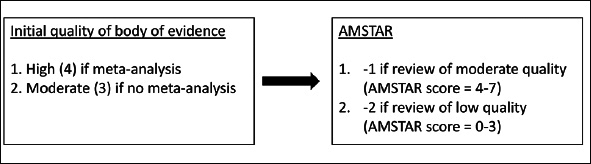
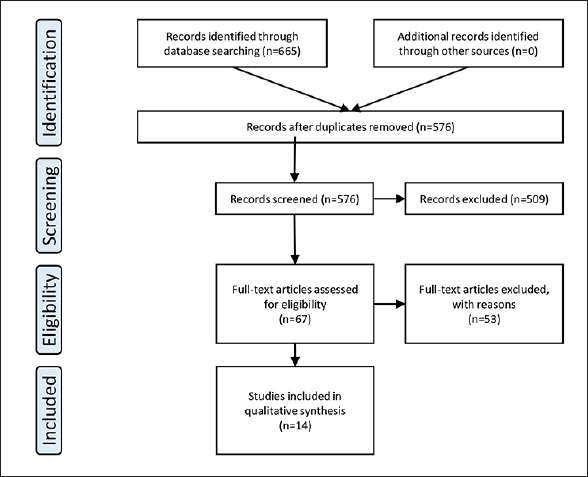
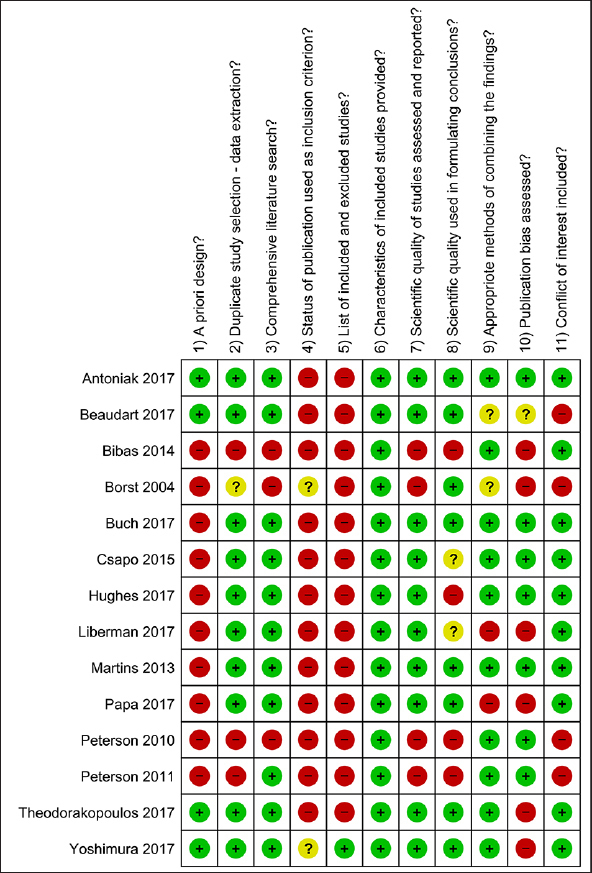
Verification
Claims the paper makes
The claims and statistics of this paper haven’t been checked yet.
Free: it reads the open-access text and checks the first 5 claims that cite a source we can check. Create a free account to check every claim.
Claims other papers make about this one
Each is checked against this paper’s own text: does it say what the citing paper says it does?
The source backs part of the claim, not all of it — or backs it for a different population, condition or comparison.
In the citing paper
“Compared with no exercise (control), RT significantly improved muscle strength, size (hypertrophy), power, endurance, contraction velocity, gait speed, balance, and multiple physical function outcomes.”
From American College of Sports Medicine Position Stand. Resistance Training Prescription for Muscle Function, Hypertrophy, and Physical Performance in Healthy Adults: An Overview of Reviews (2026) · cites this paper as [42]
Experimental — accuracy not yet measuredThe source backs part of the claim, not all of it — or backs it for a different population, condition or comparison.
In the citing paper
“Compared with CTRL, multicomponent function was impacted by standard RT (17,24,42,45,159), elastic band RT (60,61), and home-based RT (64).”
From American College of Sports Medicine Position Stand. Resistance Training Prescription for Muscle Function, Hypertrophy, and Physical Performance in Healthy Adults: An Overview of Reviews (2026) · cites this paper as [42]
Experimental — accuracy not yet measuredThe cited source says what the claim attributes to it.
In the citing paper
“Compared with CTRL, muscle hypertrophy was positively affected by standard RT (17,24,30,32,33,37,38,40,42–47,50,127), circuit RT (57,58), and elastic band RT (60,62).”
The cited source says what the claim attributes to it.
In the citing paper
“However, the same review also stated that a low certainty of evidence exists against using a combination of resistance training and nutritional supplementation, such as increased protein intake [30].”
From Effects of nutrition and exercise interventions on persons with sarcopenic obesity: an umbrella review of meta-analyses of randomised controlled trials (2023) · cites this paper as [30]
In the citing paper
“Additionally, an umbrella review conducted in 2019 provides high-quality evidence that resistance training in older adults with diagnosed sarcopenia significantly enhances muscle strength, mass and performance.”
From Effects of nutrition and exercise interventions on persons with sarcopenic obesity: an umbrella review of meta-analyses of randomised controlled trials (2023) · cites this paper as [30]
Self-check
Percentages, sums and reported differences re-computed from the paper’s own numbers.
The self-check needs the paper’s full text.
Citations
Cites
Preferred Reporting Items for Systematic Reviews and Meta-Analyses: the PRISMA statement
Moher, D., Liberati, A., Tetzlaff, J., Altman, D. G., & for the PRISMA Group (2009) · BMJ · doi:10.1136/bmj.b2535 · Cited by 83,823
Preferred Reporting Items for Systematic Reviews and Meta-Analyses: The PRISMA Statement
Moher, D., Liberati, A., Tetzlaff, J., Altman, D. G., & The PRISMA Group (2009) · PLoS Medicine · doi:10.1371/journal.pmed.1000097 · Cited by 64,042
Preferred reporting items for systematic reviews and meta-analyses: the PRISMA Statement.
(2009) · PubMed Central · Cited by 44,859
Liberati, A., Altman, D. G., Tetzlaff, J., Mulrow, C., Gøtzsche, P. C., Ioannidis, J. P. A., Clarke, M., Devereaux, P. J., Kleijnen, J., & Moher, D. (2009) · PLoS Medicine · doi:10.1371/journal.pmed.1000100 · Cited by 28,164
Rayyan-a web and mobile app for systematic reviews.
Ouzzani, M., Hammady, H., Fedorowicz, Z., & Elmagarmid, A. (2016) · Systematic Reviews · doi:10.1186/s13643-016-0384-4 · Cited by 26,092
Wang, G., Ma, R., Qiao, G., Wada, K., Aizawa, Y., & Satoh, T. (2015) · Integrative Medicine International · doi:10.1159/000368408 · Cited by 18,657
Liberati, A., Altman, D. G., Tetzlaff, J., Mulrow, C., Gotzsche, P. C., Ioannidis, J. P. A., Clarke, M., Devereaux, P. J., Kleijnen, J., & Moher, D. (2009) · BMJ · doi:10.1136/bmj.b2700 · Cited by 17,648
Sarcopenia: revised European consensus on definition and diagnosis
Cruz-Jentoft, A. J., Bahat, G., Bauer, J., Boirie, Y., Bruyère, O., Cederholm, T., Cooper, C., Landi, F., Rolland, Y., Sayer, A. A., et al. (2019) · Age and Ageing · doi:10.1093/ageing/afy169 · Cited by 13,818 · cited 2×
“The consequences of sarcopenia in older people are serious and life-changing: it has an impact on morbidity, disability, health care costs and mortality (3, 5).”
Self-citationSarcopenia: European consensus on definition and diagnosis
Cruz-Jentoft, A. J., Baeyens, J. P., Bauer, J. M., Boirie, Y., Cederholm, T., Landi, F., Martin, F. C., Michel, J.-P., Rolland, Y., Schneider, S. M., et al. (2010) · Age and Ageing · doi:10.1093/ageing/afq034 · Cited by 11,601
Cochrane Handbook for Systematic Reviews of Interventions Version 5.0.1. The Cochrane Collaboration
Higgins, J. P. T., Green, S. R., & Higgins, J. P. T. (2008) · Cited by 7,261
Research works printed but not linked: 13
- De Spiegeleer A Pharmacological Interventions to Improve Muscle Mass, Muscle Strength and Physical Performance in Older People: An Umbrella Review of Systematic Reviews and Meta-analyses Drugs Aging 35 8 2018 719 734 PubMed PMID: 30047068 10.1007/s40266-018-0566-y 30047068 · DOI · Paper page
- Liberman, K., et al., The effects of exercise on muscle strength, body composition, physical functioning and the inflammatory profile of older adults: a systematic review. Current Opinion in Clinical Nutrition and Metabolic Care. 20(1): p. 30–53. 27755209
- Buch, A., et al., Circuit resistance training is an effective means to enhance muscle strength in older and middle aged adults A systematic review and meta-analysis. Ageing Research Reviews. 37: p. 16–27. 28457933 · DOI
- Csapo, R. and L.M. Alegre, Effects of resistance training with moderate vs heavy loads on muscle mass and strength in the elderly: A meta-analysis. Scand J Med Sci Sports. 26(9): p. 995–1006. 26302881 · DOI · Paper page
- Theodorakopoulos, C., et al., Effectiveness of nutritional and exercise interventions to improve body composition and muscle strength or function in sarcopenic obese older adults: A systematic review. Nutrition Research. 43: p. 3–15. 28739051 · DOI · Paper page
- Yoshimura, Y., et al., Interventions for Treating Sarcopenia: A Systematic Review and Meta-Analysis of Randomized Controlled Studies. Journal of the American Medical Directors Association. 18(6). 28549707 · DOI · Paper page
- Borst SE Interventions for sarcopenia and muscle weakness in older people Age Ageing 33 6 2004 548 555 PubMed PMID: 15385272 10.1093/ageing/afh201 15385272 · DOI · Paper page
- Peterson MD Resistance exercise for muscular strength in older adults: a meta-analysis Ageing Res Rev 9 3 2010 226 237 PubMed PMID: 20385254, PMCID 2892859 10.1016/j.arr.2010.03.004 20385254 PMC2892859 · DOI · Paper page
- Papa EV Dong XY Hassan M Resistance training for activity limitations in older adults with skeletal muscle function deficits: a systematic review Clinical Interventions in Aging 12 2017 955 961 PubMed PMID: 28670114, PMCID 5479297 10.2147/CIA.S104674 28670114 PMC5479297 · DOI · Paper page
- Beaudart, C., et al., Nutrition and physical activity in the prevention and treatment of sarcopenia: systematic review. Osteoporosis International. 28(6): p. 1817–1833. PMC5457808 28251287 · DOI · Paper page
- Antoniak, A.E. and C.A. Greig, The effect of combined resistance exercise training and vitamin D-3 supplementation on musculoskeletal health and function in older adults: a systematic review and meta-analysis. Bmj Open. 7(7). PMC5541589 28729308 · DOI · Paper page
- Liberman K The effects of exercise on muscle strength, body composition, physical functioning and the inflammatory profile of older adults: a systematic review Curr Opin Clin Nutr Metab Care 20 1 2017 30 53 PubMed PMID: 27755209 10.1097/MCO.0000000000000335 27755209 · DOI · Paper page
- Hughes, L., et al., Blood flow restriction training in clinical musculoskeletal rehabilitation: a systematic review and meta-analysis. Br J Sports Med. 51(13): p. 1003–1011. 28259850 · DOI · Paper page
Cited by
Items 201–300 of 360
Nakade, T., Maeda, D., Matsue, Y., Kagiyama, N., Fujimoto, Y., Sunayama, T., Dotare, T., Jujo, K., Saito, K., Kamiya, K., et al. (2024) · Canadian Journal of Cardiology · doi:10.1016/j.cjca.2024.07.031 · Cited by 10
Sarcopenia: Is It Preventable?
Vandewoude, M. F. J., & Bautmans, I. (2012) · Wiley eBooks · doi:10.1002/9781118338032.ch21 · Cited by 7
Self-citationTop-Down and Bottom-Up Mechanisms of Motor Recovery Poststroke
Raghavan, P. (2023) · Physical Medicine and Rehabilitation Clinics of North America · doi:10.1016/j.pmr.2023.07.006 · Cited by 4
Polo-Ferrero, L., Cruz-Jentoft, A. J., Martín-Vallejo, J., Puente-González, A. S., Sánchez-Sánchez, M. C., Iglesias, F. J. B., & Sánchez, R. M. (2025) · The Journals of Gerontology Series A · doi:10.1093/gerona/glaf211 · Cited by 5
Alessandro de, S. I. R. E., Marotta, N., Prestifilippo, E., Curci, C., Lippi, L., Zito, R., Pisani, F., Invernizzi, M., Ammendolia, A., & Mezian, K. (2025) · Disability and Rehabilitation · doi:10.1080/09638288.2025.2578987 · Cited by 4
Current perspectives on sarcopenia: diagnosis and therapeutic approaches
Choi, J., Kim, K., & Choi, C.-H. (2025) · The Korean Journal of Internal Medicine · doi:10.3904/kjim.2025.057 · Cited by 5
Sönmez, M., Alemdaroğlu, E., Ata, A. M., Kafes, H., Ergüder, B. İ., Nojadeh, J. N., & Gökkaya, N. K. O. (2026) · Acta cardiologica. Supplementum · doi:10.1080/00015385.2026.2677223 · Cited by 4
“Exercise is considered a first-line recommendation in the prevention and treatment of sarcopenia [3].”
Welford, A. E., Lanham-New, S. A., Lord, J. M., Doyle, A., Robinson, J., Nightingale, P., Gittoes, N. J. L., & Greig, C. A. (2020) · BMJ Open · doi:10.1136/bmjopen-2019-033824 · Cited by 6
Yoshimoto, T., Hasegawa, Y., Furihata, M., Yoshihara, A., Shiramizu, M., Maria, M. T. S., Hori, S., Morikawa, M., Marito, P., Kaneko, N., et al. (2022) · International Journal of Environmental Research and Public Health · doi:10.3390/ijerph192114465 · Cited by 4
“In the current situation, a program to improve musculoskeletal function in frailty prevention is one of the most important intervention methods to prevent and improve sarcopenia and extend healthy life expectancy [5,6].”
BackgroundExercise Interventions for the Management of Sarcopenia: Possibilities and Challenges
Edwards, H., Jones, H. S., Moseley, J., Marshall, T., El‐Khamisy, S. F., Aung, M. N., & Farrow, M. (2023) · Physical & Occupational Therapy In Geriatrics · doi:10.1080/02703181.2023.2220738 · Cited by 5
“78 However, high intensity RT is unlikely to be suitable for the majority of the sarco-penic population and may only be advisable for pre-sarcopenic individuals with the physical capability for this type of training.”
BackgroundLoop Diuretics and Sarcopenia: A Potential Association
Karakousis, N. D., & Georgakopoulos, P. N. (2023) · Muscles · doi:10.3390/muscles2040024 · Cited by 4
“In addition, multimodal exercises and blood flow restriction resistance training could be advisable [20].”
Zhou, H., Yang, J., Li, N., Li, J., Ran, J., Zheng, Y., Long, Y., Fang, C. R., & Liao, Y. (2025) · PLoS ONE · doi:10.1371/journal.pone.0333343 · Cited by 4
“However, studies in elderly populations have consistently reported that education-only interventions do not result in significant improvements in muscle strength, skeletal muscle mass, or functional outcomes [55,56].”
Combined Effects of Exercise and Phytoanabolic Extracts in Castrated Male and Female Mice
Martins, J. P., Silva, L. C., Nunes, M. S., Rübensam, G., de Oliveira, J. R., Silva, R. B. M., & Campos, M. M. (2021) · Nutrients · doi:10.3390/nu13041177 · Cited by 6
“results in the management of sarcopenia and has been widely indicated for sarcopenic patients [8].”
BackgroundIkeda, T., Suzuki, S., Aimoto, K., Kamono, A., Matsunaga, Y., Noguchi, Y., Jinno, T., & Kanzaki, K. (2023) · Health Science Reports · doi:10.1002/hsr2.1316 · Cited by 4
Ashraf, M. J., Tipparaju, S. M., Kim, J. W., & Xuan, W. (2023) · Cells · doi:10.3390/cells12141837 · Cited by 5
Research Progress on Patients of Esophageal Cancer Complicated with Sarcopenia
Fu, P., & Xiao, X. (2024) · British Journal of Hospital Medicine · doi:10.12968/hmed.2024.0281 · Cited by 7
St-Pierre, J., Tankel, J., Ferri, L., Carli, F., Wu, W., Scheede‐Bergdahl, C., & Wobith, M. (2025) · European Journal of Surgical Oncology · doi:10.1016/j.ejso.2025.110059 · Cited by 4
Factors Affecting Masticatory Performance of Older Adults Are Sex-Dependent: A Cross-Sectional Study
Kim, H., Wallace, J. P., & Sohn, W. (2022) · International Journal of Environmental Research and Public Health · doi:10.3390/ijerph192315742 · Cited by 4
“Interestingly, it has recently been proposed that sarcopenia is a whole-body process that may also affect muscles involved in chewing and swallowing [19].”
BackgroundZhang, X., Chen, D., Xie, X., Zhang, J.-E., Zeng, Y., & Cheng, A. S. K. (2020) · Research Square · doi:10.21203/rs.3.rs-107337/v1 · Cited by 4
Tsubota‐Utsugi, M., Sasaki, R., Suzuki, R., Tanno, K., Kuno, J., Shimoda, H., & Sakata, K. (2024) · Geriatrics and gerontology international/Geriatrics & gerontology international · doi:10.1111/ggi.14882 · Cited by 3
“48,49 Further research is needed to determine the effects of speci fi c and optimal PA programs, including measuring the frequency, intensity, type, and duration of exercise, as well as simple assessment methods such as measurements of muscle weakness and pedometers.”
Correlation study and risk assessment of lower back pain and sarcopenia
Hu, W., Wu, C., Xiao, L., Wei, Q., & Wang, H. (2025) · Medicine · doi:10.1097/md.0000000000042469 · Cited by 4
“[25,26] This is the key to preventing and delaying the occurrence and development of sarcopenia, curbing the occurrence and progression of sarcopenia in the elderly, improving the quality of life of the elderly, and improving the quality of life of the elderly.”
Coiro, M., Zurfluh, A., Lehmann, U., Brun, P., Scheel‐Sailer, A., Tschanz, H., van Hoof, A., Wilhelm, M., & Marcin, T. (2025) · Chronic Respiratory Disease · doi:10.1177/14799731251350692 · Cited by 4
Liu, Y., Qi, Y., Wang, H., Zhao, X., Zhang, M., Y, L., Huang, L. F., & Dong, Q. (2025) · Frontiers in Medicine · doi:10.3389/fmed.2025.1640410 · Cited by 4
“Individuals with low pSMI should be prioritized for early intervention, including nutritional support with 1.2–2.0 g /kg/day of protein and regular resistance training, as recommended by current guidelines (1, 7, 33, 34).”
InfluentialJang, E.-H., & Lee, S. (2025) · Nutrients · doi:10.3390/nu17183008 · Cited by 3
“Healthy diet pattern, such as a Mediterranean diet, and resistance training have been shown to be helpful in maintenance of muscle health [10–13].”
Association Between Sarcopenia and the Long‐Term Risk of Intervertebral Disc Degeneration
Chen, J., Liang, T., Hu, W., Liao, N., Zhang, Z., Shi, H., Liu, S., Liang, J., Chen, Y., Lin, Y., et al. (2025) · Journal of Cachexia Sarcopenia and Muscle · doi:10.1002/jcsm.70086 · Cited by 3
Gentreau, M., SAKR, M. D. K. A. E.-G. L. K., Mohammad, S., Alsehli, A. M., Titova, O. E., Rukh, G., & Schiöth, H. B. (2025) · Journal of Cachexia Sarcopenia and Muscle · doi:10.1002/jcsm.70132 · Cited by 4
“Supporting healthy aging through lifestyle factors such as diet and physical activity may mitigate the metabolic disturbances through which statins contribute to muscle decline [34, 35].”
Yuenyongchaiwat, K., Chitjamnogchai, C., Sermsinsaithong, N., Tavonudomgit, W., Mahawong, L., Buranapuntalug, S., Songsorn, P., & Thanawattano, C. (2025) · Archives of Gerontology and Geriatrics · doi:10.1016/j.archger.2025.106108 · Cited by 6
Zhao, Y., Ying, L., Gao, X., Tang, L., Zhang, Y., Pan, W., Tian, W., Liu, Y., & Feng, X. (2026) · Frontiers in Nutrition · doi:10.3389/fnut.2025.1671720 · Cited by 4
Wang, H., Wang, J., Zhao, L., & Zhu, Y. (2026) · Frontiers in Public Health · doi:10.3389/fpubh.2026.1766438 · Cited by 4
Integrated Measurement and Management System for Sarcopenia Diagnosis
Accetta, L., Addante, F., Caroppo, A., Ciliberti, F., Giusto, F., Leone, A., Patrono, L., Rescio, G., Sergi, I., & Sancarlo, D. (2022) · Lecture notes in electrical engineering · doi:10.1007/978-3-031-08838-4_18 · Cited by 3
Kuang, Q., Ni, Y., & Liu, Y. (2025) · Aging Medicine · doi:10.1002/agm2.70011 · Cited by 4
Unsupervised Frailty Intervention by Digitalized Exercise Coaching: A Feasibility Study
Lee, C., Lee, J., Jeong, H., Lee, H., Wang, E., Baek, G., Shin, H., & Yoon, S. (2025) · Sensors · doi:10.3390/s25123674 · Cited by 3
Hip fracture and sarcopenia: the need for a new paradigm in drug trials for older adults?
Witham, M. D., & Dodds, R. M. (2021) · The Lancet Healthy Longevity · doi:10.1016/s2666-7568(21)00091-x · Cited by 3
An Analysis on Distribution of Handgrip Strength and Associated Factors in Korean Adults
Jung, J. W., Park, S. Y., & Kim, H. (2021) · Korean Journal of Clinical Pharmacy · doi:10.24304/kjcp.2021.31.3.231 · Cited by 3
Preoperative Considerations for the Frail Patient
McCarthy, L., Haran, E., Ahern, D. P., McDonnell, J. M., & Butler, J. S. (2021) · Clinical Spine Surgery A Spine Publication · doi:10.1097/bsd.0000000000001283 · Cited by 3
Linking Biomarkers with Causes, Lifestyle Factors, and Management of Sarcopenia
Papadopoulou, S. Κ., Voulgaridou, G., Papadimitriou, K., & Koidou, E. (2022) · Biomarkers in disease · doi:10.1007/978-3-030-81304-8_64-1 · Cited by 3
Nakamura, N., Kanemura, N., Matsumoto, T., Nakamura, H., Shibata, Y., Yamaguchi, K., Kitagawa, J., Ikoma, Y., Suzaki, T., Kaneda, Y., et al. (2024) · Nutrients · doi:10.3390/nu16162653 · Cited by 3
“Prospective studies are necessary to confirm the current findings and investigate the potential benefits of vitamin D therapy and its administration for the prevention or treatment of sarcopenia in DLBCL patients.”
BackgroundKurmaev, D. P., Bulgakova, S. V., Treneva, E. V., Kosareva, O. V., Merzlova, P. Y., Sharonova, L. A., & Dolgikh, Y. A. (2025) · Экспериментальная и клиническая гастроэнтерология · doi:10.31146/1682-8658-ecg-228-8-226-241 · Cited by 5
El ejercicio físico y la sarcopenia en el adulto mayor
Robles, E. (2025) · MENTOR revista de investigación educativa y deportiva · doi:10.56200/mried.v4i11.9467 · Cited by 3
Sarcopenia em idosos: A importância do treinamento resistido no tratamento e na prevenção
Belichar, V. G. D. O., Júnior, I. R. C. P., Viana, J. A., & Pinto, A. A. (2023) · Research Society and Development · doi:10.33448/rsd-v12i13.44213 · Cited by 2
Haranaki, M. R., Kazemi, S. S., & Afif, A. H. (2024) · Salmand · doi:10.32598/sija.2024.3806.1 · Cited by 2
Zhang, H., Liu, S., Mao, Z., Niu, K., Li, X., Yin, T., Wang, F., & Wang, L. (2025) · Clinical Interventions in Aging · doi:10.2147/cia.s520775 · Cited by 2
Muscle Composition as a Novel Prognostic Tool for Pain, Frailty, and Sarcopenia
Masnoon, N., Cornwall, J., Elliott, J. M., Glare, P. A., Hilmer, S. N., McKay, M. J., Walton, D. M., Weber, K. A., II, & Wesselink, E. O. (2025) · Clinics in Geriatric Medicine · doi:10.1016/j.cger.2025.08.012 · Cited by 3
Effectiveness of physical exercise on osteosarcopenia in older adults: A systematic review
Silveira, É. A., Souza, G. V. E., Rodrigues, L. P., Rezende, A. T. D. O., Romeiro, A. M. D. S., Noll, M., & de Oliveira, C. M. (2026) · Geriatric Nursing · doi:10.1016/j.gerinurse.2026.103878 · Cited by 3
Lan, L., Liu, C., & Wu, W. (2026) · Experimental Gerontology · doi:10.1016/j.exger.2026.113085 · Cited by 2
The Role of Mitochondria in Age‐Related Sarcopenia
Ferrucci, L., Zampino, M., Coen, P. M., & Goodpaster, B. H. (2021) · Wiley eBooks · doi:10.1002/9781119597896.ch3 · Cited by 3
Córdova, L. R. Á., Arteaga-Pazmiño, C. L., Martínez, D. M. S., Quintana, J. V. A., Sánchez-Briones, M., Pérez, D. M. F., & Frías-Toral, E. (2022) · Revista de Nutrición Clínica y Metabolismo · doi:10.35454/rncm.v5n1.366 · Cited by 4
Weiwei, Wang, S., Hou, D., & Zhan, L. (2023) · Frontiers in Endocrinology · doi:10.3389/fendo.2023.1228937 · Cited by 4
Lu, J., Liu, J., Chen, Y., Sheng, Y., Chen, L., He, F., Chen, W., & Yu, B. (2025) · BMC Geriatrics · doi:10.1186/s12877-025-06251-7 · Cited by 2
“A systematic umbrella review concluded that high-intensity resistance is the optimal training protocol to increase muscle strength, but low-intensity resistance is sufficient to induce strength gains [38].”
Thompson, L. V. (2025) · Advances in experimental medicine and biology · doi:10.1007/978-3-031-88361-3_15 · Cited by 2
Therapeutic Exercise for Hospitalized Sarcopenic Patients: A Systematic Review and Meta-Analysis
Chan-Fook, O., Núñez, J. M., Raya-Benítez, J., Navas‐Otero, A., Martos, I. C., Valenza, M. C., & Ciuró, A. H. (2025) · Sports · doi:10.3390/sports13090326 · Cited by 2
“This frequency and intensity of exercise have proved to optimize functional gains while minimize the risk of falls, an essential objective in managing sar-copenia [14,15].”
InfluentialTanaka, F., & Kuzuya, M. (2021) · Geriatrics and gerontology international/Geriatrics & gerontology international · doi:10.1111/ggi.14310 · Cited by 2
Stocker, R., Shaw, J., Taylor, G., Witham, M. D., & West, D. J. (2021) · BMJ Open · doi:10.1136/bmjopen-2021-048932 · Cited by 3
KEMMLER, W. K., & von Stengel, S. (2022) · B&G Bewegungstherapie und Gesundheitssport · doi:10.1055/a-1871-0029 · Cited by 1
A EFICÁCIA DE EXERCÍCIOS RESISTIDOS EM IDOSOS COM SARCOPENIA: UMA REVISÃO INTEGRATIVA
de Azevedo, A. F., Cortez, E. N., Sousa, K. J., & Araújo, M. F. S. (2023) · Revista Ibero-Americana de Humanidades, Ciências e Educação · doi:10.51891/rease.v9i10.11618 · Cited by 1
Harada, K., Masumoto, K., & Okada, S. (2024) · Archives of Gerontology and Geriatrics · doi:10.1016/j.archger.2024.105534 · Cited by 1
Sarcopenia and Pleural Effusions: Exploring a Potential Link
Barkas, G. I., Karakousis, N. D., Daniil, Z., Gourgoulianis, K. I., & Kotsiou, O. S. (2024) · Muscles · doi:10.3390/muscles3030017 · Cited by 2
Sakita, M., Isobe, W., Nonaka, K., Murakami, S., Miyachi, R., Tsuji, M., Tsujimoto, H., Nomura, H., & Honda, A. (2024) · Comparative Exercise Physiology · doi:10.1163/17552559-00001038 · Cited by 1
Physical exercise and sarcopenia in older people: an OrtoMed position paper
Moretti, A., Tomaino, F., Paoletta, M., Liguori, S., Migliaccio, S., Iorio, A. D., Pellegrino, R., Donnarumma, D., Nunzio, D. D., Toro, G., et al. (2025) · International Journal of Bone Fragility · doi:10.57582/ijbf.240403.080 · Cited by 1
Lee, B. C., Lee, J. H., Cho, K. H., & Moon, C.-W. (2025) · BMC Geriatrics · doi:10.1186/s12877-025-06908-3 · Cited by 1
“…tools such as the finger-ring test, when combined with HRQoL assessments, may help identify early functional deterioration before it becomes apparent on conventional performance-based evaluations and support timely exercise or rehabilitation interventions to prevent further decline [23, 24].”
Szarzyńska, Z., BARCZAK, I., Giermek, K., Garczyk, A., Mardas, M., & Stelmach-Mardas, M. (2025) · Reports of Practical Oncology & Radiotherapy · doi:10.5603/rpor.108010 · Cited by 2
“Resistance exercise has been shown to be an effective way to counterbalance some of the adverse effects associated with ADT, such as decrease in LBM and inferior mobility among older people affected with sarcopenia [36–38].”
Zhu, Q., Zhang, P., Cui, T., Yang, M., Lu, M., & Pu, X. (2026) · Nutrition in Clinical Practice · doi:10.1002/ncp.70083 · Cited by 1
“8 Among them, BFR implies applying pressure to the proximal part of the limb using a bandage to obstruct venous blood return and partially hinder arterial blood flow, ultimately attaining the objective of augmenting local metabolic pressure within the body.”
Lin, T., Liao, H., Su, L., Xu, P., Tu, X., Dai, L., Luo, J., Xiang, Q., Ge, N., & Yue, J. (2026) · Frontiers in Public Health · doi:10.3389/fpubh.2026.1751954 · Cited by 1
Stene, G. B., Lequerica, M. J., Stensvold, D., Balstad, T. R., Lydersen, S., Wisløff, U., & Helbostad, J. L. (2026) · Journal of Cachexia Sarcopenia and Muscle · doi:10.1002/jcsm.70279 · Cited by 1
“Systematic reviews [21–24] further support the benefits of multimodal interventions, including aerobic exercise.”
Shi, Y., Ye, Y., Stanmore, E., Gu, C., & Todd, C. J. (2026) · European Review of Aging and Physical Activity · doi:10.1186/s11556-026-00409-x · Cited by 4
de Pablos‐Rodríguez, P., de Armas‐Castellano, A., Infante‐Ventura, D., del Pino‐Sedeño, T., Domínguez, A. R., Martín, P. B. P., Calbet, J. A. L., de Pablos-Velasco, P. L., & Trujillo‐Martín, M. M. (2026) · Journal of Cachexia Sarcopenia and Muscle · doi:10.1002/jcsm.70290 · Cited by 1
“These programmes have been shown to have beneficial impacts on muscle mass, muscle strength and physical performance in both healthy and sarcopenic older adults [13, 14].”
Regular Daily Exercise Improves Sarcopenia in Elderly Patients
Zheng, J., Luo, H., Zheng, Z., Wang, S., Mo, T., & Ma, Y. (2026) · Rejuvenation Research · doi:10.1177/15491684261449707 · Cited by 1
“17,22 Previous randomized controlled trials and meta-analyses have shown that exercise, particularly resistance training and multicomponent interventions, improves muscle strength, muscle mass, and physical performance in older adults with sarcopenia.”
Dai, D., Xie, F., Cui, J., Wang, S., Cai, J., Wang, G. Q., & Yao, F. (2026) · Journal of Global Health · doi:10.7189/jogh.16.04095 · Cited by 1
“As a cost-effective strategy for combatting age-related muscle weakness [ 27 ], PA is crucial for preventing physical decline and disability caused by muscle atrophy and for ensuring the elderly’s ability to live independently [ 28 ].”
Zeng, X., Ding, H., Li, Z., Wang, Q., Guan, P., Wang, T., Wang, J., Fu, Y., Chen, L., & Qin, H. (2026) · Aging Cell · doi:10.1111/acel.70651 · Cited by 1
Dual‐Tasking Exacerbates Force and Neural Control Unsteadiness in Older Adults With Sarcopenia
Orssatto, L. B. R., Clark, B. C., Scott, D. S., Cabral, H. V., Fernandes, G., & Daly, R. M. (2026) · Journal of Cachexia Sarcopenia and Muscle · doi:10.1002/jcsm.70397 · Cited by 2
Locquet, M., & Beaudart, C. (2021) · Practical issues in geriatrics · doi:10.1007/978-3-030-80038-3_5 · Cited by 1
Self-citationEffect of Sarcopenia on Myocardial Mass in Patients with Chronic Heart Failure
王, 媚. (2020) · Advances in Clinical Medicine · doi:10.12677/acm.2020.106149 · Cited by 1
Costa, R. R., Reichert, T. L., & Kruel, L. F. M. (2021) · Estudos Interdisciplinares sobre o Envelhecimento · doi:10.22456/2316-2171.76610 · Cited by 6
Exercise Interventions to Prevent and Improve Sarcopenia
Peterson, M. D., & Rexach, J. A. S. (2021) · Wiley eBooks · doi:10.1002/9781119597896.ch22 · Cited by 3
Recomendações de exercício físico após adoecimento por COVID-19: revisão de escopo
Prado, A. K. G., Alves, J. C. D. A., Gurginski, R. N. M., Mendonça, T. M., Zata, D., Albuquerque, P. L. M. D. S., & de Oliveira, J. R. G. (2022) · Revista Brasileira de Atividade Física & Saúde · doi:10.12820/rbafs.27e0243 · Cited by 8
Linking Biomarkers with Causes, Lifestyle Factors, and Management of Sarcopenia
Papadopoulou, S. Κ., Voulgaridou, G., Papadimitriou, K., & Koidou, E. (2022) · Biomarkers in disease · doi:10.1007/978-3-031-07389-2_64 · Cited by 3
Li, M., Kor, P. P. K., Zhang, Z., & Liu, J. Y. W. (2024) · PLoS ONE · doi:10.1371/journal.pone.0302235 · Cited by 1
Τσεκούρα, Μ., Matzaroglou, C., Xergia, S. A., Dionyssiotis, Y., Tsepis, E., Sakellari, V., & Billis, E. V. (2024) · Journal of Frailty Sarcopenia and Falls · doi:10.22540/jfsf-09-089 · Cited by 2
“Although exercise is a key intervention for older adults with sarcopenia 7,8 research findings on fall prevention regarding motor control exercises in these patients are limited.”
BackgroundEfeitos causados pelo treinamento intervalado de alta intensidade em idosos sarcopenicos
Souza, R. D. S., de Mesquita, F. W. P., dos Santos, F. F., Viana, J. A., & Boaventura, A. B. C. D. F. (2024) · Research Society and Development · doi:10.33448/rsd-v13i12.47699 · Cited by 1
Therapeutic Exercise in Sarcopenia
Senda, M., Hamada, M., Katayama, Y., Ise, M., Hongo, M., & Hamasaki, H. (2021) · リハビリテーション医学 : 日本リハビリテーション医学会誌 · doi:10.2490/jjrmc.58.605
Use it or Lose it – Sarcopenia and Physical Activity
Rudra, S. (2021) · Journal of The Indian Academy of Geriatrics · doi:10.4103/jiag.jiag_24_21
Perkisas, S., Liberman, K., Bautmans, I., & Vandewoude, M. F. J. (2021) · Wiley eBooks · doi:10.1002/9781119597896.ch26
Self-citationBautmans, I. (2022) · Bohn Stafleu van Loghum eBooks · doi:10.1007/978-90-368-2783-6_5
Self-citationWeight Loss in Older Overweight Persons – Effects on Body Composition and Physical Function
Nilsen, K. L., & Rosendahl-Riise, H. (2022) · Norsk tidsskrift for ernæring · doi:10.18261/ntfe.20.4.2
Sarcopenia: From clinical aspects to therapeutic possibilities
Stefanović, K., Mihajlović, G., & Despotović, N. (2022) · Srpski medicinski casopis Lekarske komore · doi:10.5937/smclk3-41007 · Cited by 3
Laurenti, R., Fioretti, M., Martin, L. S. M., Tanzini, F., Marotto, D., Gubinelli, E., & Migliore, A. (2023) · Journal of Pharmacy and Nutrition Sciences · doi:10.29169/1927-5951.2023.13.03
Intervention for Treating Sarcopenia Among Older Residents in a Skilled Nursing Facility
Hernandez, D. A., Hueck, S. E., & Lanton, D.-M. P. (2023) · Journal of Social Behavioral and Health Sciences · doi:10.5590/jsbhs.2023.17.1.11
Nichtmedikamentöse Behandlung alter Menschen mit Diabetes: Schulung, Ernährung, Bewegung
Hauner, H. (2023) · Die Diabetologie · doi:10.1007/s11428-023-01098-1
Exercise training in prostate cancer patients on androgen deprivation therapy
Houben, L. H. P. (2024) · Research Publications (Maastricht University) · doi:10.26481/dis.20240111lh
Ikeda, T., Ninomiya, K., Koto, S., & Nanjo, K. (2024) · IntechOpen eBooks · doi:10.5772/intechopen.1004085
Polo-Ferrero, L. (2023) · Gredos (University of Salamanca) · doi:10.14201/gredos.155732 · Cited by 1
Dupont, J., Dejaeger, M., Laurent, M. R., & Gielen, E. (2024) · Elsevier eBooks · doi:10.1016/b978-0-443-13825-6.00010-8
Wolfram, S., & Bauer, R. (2024) · Springer eBooks · doi:10.1007/978-3-662-69586-9_3
Sá, C. A. D., Grossl, F. S., Vasconcelos, A. B. S., Copatti, S. L., Corbellini, F., & Corralo, V. D. S. (2024) · Revista FisiSenectus · doi:10.22298/rfs.2024.v12.n1.8225
Exercise Therapy for Patients with Chronic Liver Disease:Liver Rehabilitation
Matsuse, H., Hashida, R., & Kawaguchi, T. (2024) · リハビリテーション医学 : 日本リハビリテーション医学会誌 · doi:10.2490/jjrmc.61.404
(Osteo)Sarcopenia & Sarcopenic Obesity, volume II
Dionyssiotis, Y., & Kostoglou-Athanassiou, I. (2024) · Frontiers research topics · doi:10.3389/978-2-8325-5827-0
Metadata
- Authors
- Beckwée, D., Delaere, A., Aelbrecht, S., Baert, V., Beaudart, C., Bruyere, O., de Saint-Hubert, M., & Bautmans, I.
- Affiliations
- Vrije Universiteit Brussel (BE)
- University of Liège (BE)
- Corresponding author
- Bautmans, Ivan
- Venue
- The Journal of nutrition, health and aging
- Publisher
- Elsevier BV
- Published
- 2019-06
- Volume
- 23
- Issue
- 6
- Pages
- 494-502
- ISSN
- 1279-7707 (ISSN-L)
- PMC
- PMC12280365
- OpenAlex
- W2941075934
- Cited by
- 330
- References
- 39
- Citations by year
- 2026: 35 · 2025: 59 · 2024: 40 · 2023: 51 · 2022: 58 · 2021: 54 · 2020: 24 · 2019: 8
- FWCI
- 4.27
- Type
- journal article
- Language
- en
- Open access
- hybrid
- doi.org
- Licence
- cc-by-nc-nd
- www.elsevier.com/tdm/userlicense/1.0/ (tdm)
- www.elsevier.com/legal/tdmrep-license (tdm)
- creativecommons.org/licenses/by-nc-nd/4.0/ (vor, 1648 d)
- Locations
- The journal of nutrition health & aging (publishedVersion, cc-by-nc-nd)
- Europe PMC (PubMed Central) (publishedVersion, cc-by-nc-nd)
- PubMed Central (publishedVersion, cc-by-nc-nd)
- PubMed (publishedVersion)
- Ghent University Academic Bibliography (Ghent University) (submittedVersion, cc-by-nc-nd)
- Lirias (KU Leuven) (submittedVersion, cc-by-nc-nd)
- DIAL (Catholic University of Leuven) (submittedVersion, other-oa)
- ORBi (University of Liège) (submittedVersion)
- VUBIR (Vrije Universiteit Brussel) (submittedVersion)
- Topics
- Health Sciences › Medicine › Physiology (medical) › Nutrition and Health in Aging
- Health Sciences › Nursing › Nutrition and Dietetics › Muscle metabolism and nutrition
- Life Sciences › Biochemistry, Genetics and Molecular Biology › Molecular Biology › Muscle Physiology and Disorders
- Keywords
- sarcopenia, exercise intervention, older adults, resistance training, dietary supplementation, multimodal training, blood flow restriction training, muscle strength, muscle mass, physical performance, clinical guidelines
- MeSH terms
- Aged, Exercise Therapy, Humans, Exercise, Sarcopenia
About these checks
Registry, retraction, Cites and statistics results are computed, not judged, with one exception: a printed reference that no index lists is read once by a model before it counts as a citation error. Claims are extracted by a model and kept only when their quote appears verbatim in the text; each cited source is then checked, with a model’s help, for whether it says what the claim relies on. Those verdicts can be wrong — read the claim’s quote and the cited source before relying on one.
Statistics and arithmetic are recomputed, not judged.
Confidence bands are shown only for fields calibrated on our annotated test set. None is calibrated yet, so no band is shown.
What counts as a claim ›How we measure confidence ›How we check this ›
Are you an author, or do you see a problem with this page? Request a review
Data sources
Bibliographic data: Semantic Scholar, OpenAlex, Crossref.
Contains information from the Semantic Scholar Academic Graph Datasets, made available under the ODC Attribution License (ODC-BY 1.0).
Semantic Scholar’s data is described in: Kinney, R., et al. (2023). The Semantic Scholar Open Data Platform. arXiv:2301.10140.
