

Exercise interventions for the prevention and treatment of sarcopenia. A systematic umbrella review.
Open accessThe DOI matches its Crossref record; 40 of the 40 references it cites were found in a registry or an index.
Abstract
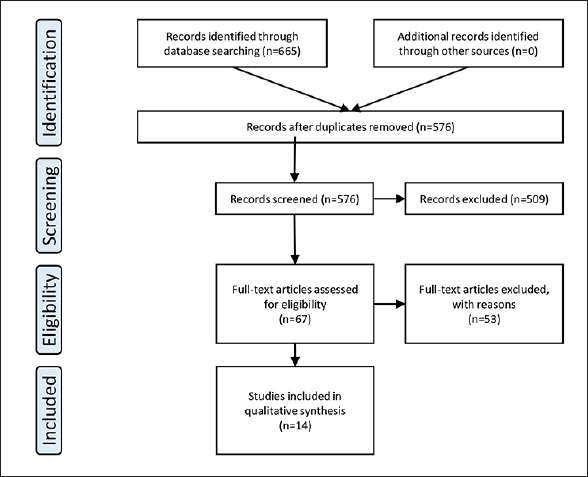
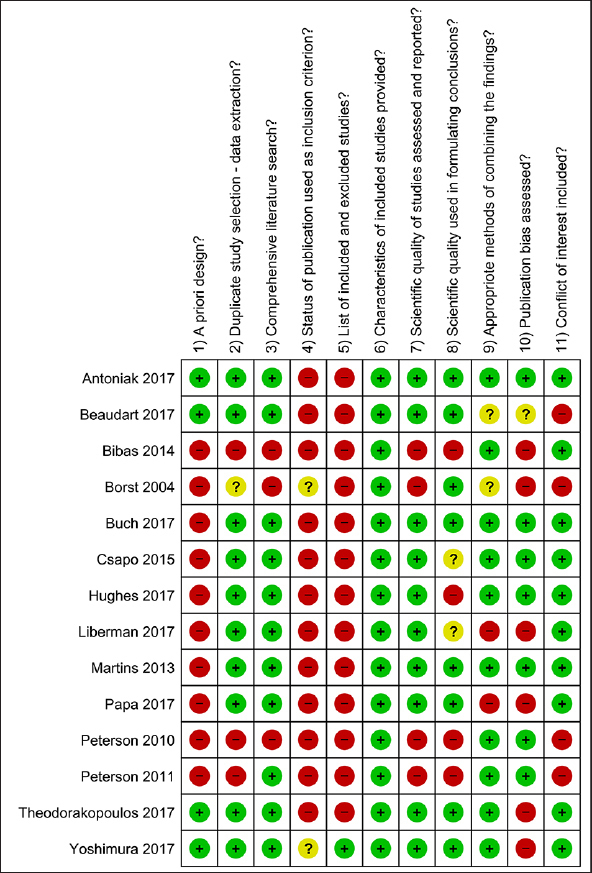
OBJECTIVES: The aim of this systematic review is to provide an overview of the efficacy of different exercise interventions to counter sarcopenia in older adults. This review will allow the Belgian Society of Gerontology and Geriatrics and other scientific societies to formulate specific exercise recommendations in their Clinical Guidelines for Sarcopenia. DESIGN: We used the method of a systematic umbrella-review. Based on the level of evidence, we formulated specific recommendations for clinical practice. METHODS: Two databases (Pubmed and Web Of Science) were searched systematically and methodological quality of the reviews was assessed. Extracted data was than mapped to an exercise category and an overall synthesis (bottom line statements) was formulated for each of these exercise categories. Subsequently, we assigned a rating of the quality of the evidence supporting each bottom line statement. RESULTS: We identified 14 systematic reviews or meta-analyses, encompassing four exercise categories: resistance training, resistance training + nutritional supplementation, multimodal exercise programmes and bloodflow restriction training. Importantly, very few systematic reviews or meta-analyses clearly mentioned baseline sarcopenia status. There is high quality evidence for a positive and significant effect of resistance training on muscle mass, muscle strength, and physical performance. The added effect of nutritional supplementation for resistance training on muscle function appears limited. Blood flow restriction training is a novel training method that has a significant impact on muscle strength. CONCLUSION: Since sarcopenia is affecting all skeletal muscles in the body, we recommend training the large muscle groups in a total body approach. Although low-intensity resistance training (≤50% 1RM) is sufficient to induce strength gains, we recommend a high-intensity resistance training program (i.e. 80% 1RM) to obtain maximal strength gains. Multimodal exercises and blood flow restriction resistance training may be considered as well.
Overview
The claims and statistics of this paper haven’t been checked yet.
Free: it reads the open-access text and checks the first 5 claims that cite a source we can check. Create a free account to check every claim.
Integrity signals
Registry
Cites
Statistics
Figures
Verification
Claims the paper makes
The claims and statistics of this paper haven’t been checked yet.
Free: it reads the open-access text and checks the first 5 claims that cite a source we can check. Create a free account to check every claim.
Claims other papers make about this one
Each is checked against this paper’s own text: does it say what the citing paper says it does?
The source backs part of the claim, not all of it — or backs it for a different population, condition or comparison.
In the citing paper
“Compared with no exercise (control), RT significantly improved muscle strength, size (hypertrophy), power, endurance, contraction velocity, gait speed, balance, and multiple physical function outcomes.”
From American College of Sports Medicine Position Stand. Resistance Training Prescription for Muscle Function, Hypertrophy, and Physical Performance in Healthy Adults: An Overview of Reviews (2026) · cites this paper as [42]
Experimental — accuracy not yet measuredThe source backs part of the claim, not all of it — or backs it for a different population, condition or comparison.
In the citing paper
“Compared with CTRL, multicomponent function was impacted by standard RT (17,24,42,45,159), elastic band RT (60,61), and home-based RT (64).”
From American College of Sports Medicine Position Stand. Resistance Training Prescription for Muscle Function, Hypertrophy, and Physical Performance in Healthy Adults: An Overview of Reviews (2026) · cites this paper as [42]
Experimental — accuracy not yet measuredThe cited source says what the claim attributes to it.
In the citing paper
“Compared with CTRL, muscle hypertrophy was positively affected by standard RT (17,24,30,32,33,37,38,40,42–47,50,127), circuit RT (57,58), and elastic band RT (60,62).”
The cited source says what the claim attributes to it.
In the citing paper
“However, the same review also stated that a low certainty of evidence exists against using a combination of resistance training and nutritional supplementation, such as increased protein intake [30].”
From Effects of nutrition and exercise interventions on persons with sarcopenic obesity: an umbrella review of meta-analyses of randomised controlled trials (2023) · cites this paper as [30]
In the citing paper
“Additionally, an umbrella review conducted in 2019 provides high-quality evidence that resistance training in older adults with diagnosed sarcopenia significantly enhances muscle strength, mass and performance.”
From Effects of nutrition and exercise interventions on persons with sarcopenic obesity: an umbrella review of meta-analyses of randomised controlled trials (2023) · cites this paper as [30]
Self-check
Percentages, sums and reported differences re-computed from the paper’s own numbers.
The self-check needs the paper’s full text.
Citations
Cites
Preferred Reporting Items for Systematic Reviews and Meta-Analyses: the PRISMA statement
Moher, D., Liberati, A., Tetzlaff, J., Altman, D. G., & for the PRISMA Group (2009) · BMJ · doi:10.1136/bmj.b2535 · Cited by 83,823
Preferred Reporting Items for Systematic Reviews and Meta-Analyses: The PRISMA Statement
Moher, D., Liberati, A., Tetzlaff, J., Altman, D. G., & The PRISMA Group (2009) · PLoS Medicine · doi:10.1371/journal.pmed.1000097 · Cited by 64,042
Preferred reporting items for systematic reviews and meta-analyses: the PRISMA Statement.
(2009) · PubMed Central · Cited by 44,859
Liberati, A., Altman, D. G., Tetzlaff, J., Mulrow, C., Gøtzsche, P. C., Ioannidis, J. P. A., Clarke, M., Devereaux, P. J., Kleijnen, J., & Moher, D. (2009) · PLoS Medicine · doi:10.1371/journal.pmed.1000100 · Cited by 28,164
Rayyan-a web and mobile app for systematic reviews.
Ouzzani, M., Hammady, H., Fedorowicz, Z., & Elmagarmid, A. (2016) · Systematic Reviews · doi:10.1186/s13643-016-0384-4 · Cited by 26,092
Wang, G., Ma, R., Qiao, G., Wada, K., Aizawa, Y., & Satoh, T. (2015) · Integrative Medicine International · doi:10.1159/000368408 · Cited by 18,657
Liberati, A., Altman, D. G., Tetzlaff, J., Mulrow, C., Gotzsche, P. C., Ioannidis, J. P. A., Clarke, M., Devereaux, P. J., Kleijnen, J., & Moher, D. (2009) · BMJ · doi:10.1136/bmj.b2700 · Cited by 17,648
Sarcopenia: revised European consensus on definition and diagnosis
Cruz-Jentoft, A. J., Bahat, G., Bauer, J., Boirie, Y., Bruyère, O., Cederholm, T., Cooper, C., Landi, F., Rolland, Y., Sayer, A. A., et al. (2019) · Age and Ageing · doi:10.1093/ageing/afy169 · Cited by 13,818 · cited 2×
“The consequences of sarcopenia in older people are serious and life-changing: it has an impact on morbidity, disability, health care costs and mortality (3, 5).”
Self-citationSarcopenia: European consensus on definition and diagnosis
Cruz-Jentoft, A. J., Baeyens, J. P., Bauer, J. M., Boirie, Y., Cederholm, T., Landi, F., Martin, F. C., Michel, J.-P., Rolland, Y., Schneider, S. M., et al. (2010) · Age and Ageing · doi:10.1093/ageing/afq034 · Cited by 11,601
Cochrane Handbook for Systematic Reviews of Interventions Version 5.0.1. The Cochrane Collaboration
Higgins, J. P. T., Green, S. R., & Higgins, J. P. T. (2008) · Cited by 7,247
Research works printed but not linked: 13
- De Spiegeleer A Pharmacological Interventions to Improve Muscle Mass, Muscle Strength and Physical Performance in Older People: An Umbrella Review of Systematic Reviews and Meta-analyses Drugs Aging 35 8 2018 719 734 PubMed PMID: 30047068 10.1007/s40266-018-0566-y 30047068 · DOI · Paper page
- Liberman, K., et al., The effects of exercise on muscle strength, body composition, physical functioning and the inflammatory profile of older adults: a systematic review. Current Opinion in Clinical Nutrition and Metabolic Care. 20(1): p. 30–53. 27755209
- Buch, A., et al., Circuit resistance training is an effective means to enhance muscle strength in older and middle aged adults A systematic review and meta-analysis. Ageing Research Reviews. 37: p. 16–27. 28457933 · DOI
- Csapo, R. and L.M. Alegre, Effects of resistance training with moderate vs heavy loads on muscle mass and strength in the elderly: A meta-analysis. Scand J Med Sci Sports. 26(9): p. 995–1006. 26302881 · DOI · Paper page
- Theodorakopoulos, C., et al., Effectiveness of nutritional and exercise interventions to improve body composition and muscle strength or function in sarcopenic obese older adults: A systematic review. Nutrition Research. 43: p. 3–15. 28739051 · DOI · Paper page
- Yoshimura, Y., et al., Interventions for Treating Sarcopenia: A Systematic Review and Meta-Analysis of Randomized Controlled Studies. Journal of the American Medical Directors Association. 18(6). 28549707 · DOI · Paper page
- Borst SE Interventions for sarcopenia and muscle weakness in older people Age Ageing 33 6 2004 548 555 PubMed PMID: 15385272 10.1093/ageing/afh201 15385272 · DOI · Paper page
- Peterson MD Resistance exercise for muscular strength in older adults: a meta-analysis Ageing Res Rev 9 3 2010 226 237 PubMed PMID: 20385254, PMCID 2892859 10.1016/j.arr.2010.03.004 20385254 PMC2892859 · DOI · Paper page
- Papa EV Dong XY Hassan M Resistance training for activity limitations in older adults with skeletal muscle function deficits: a systematic review Clinical Interventions in Aging 12 2017 955 961 PubMed PMID: 28670114, PMCID 5479297 10.2147/CIA.S104674 28670114 PMC5479297 · DOI · Paper page
- Beaudart, C., et al., Nutrition and physical activity in the prevention and treatment of sarcopenia: systematic review. Osteoporosis International. 28(6): p. 1817–1833. PMC5457808 28251287 · DOI · Paper page
- Antoniak, A.E. and C.A. Greig, The effect of combined resistance exercise training and vitamin D-3 supplementation on musculoskeletal health and function in older adults: a systematic review and meta-analysis. Bmj Open. 7(7). PMC5541589 28729308 · DOI · Paper page
- Liberman K The effects of exercise on muscle strength, body composition, physical functioning and the inflammatory profile of older adults: a systematic review Curr Opin Clin Nutr Metab Care 20 1 2017 30 53 PubMed PMID: 27755209 10.1097/MCO.0000000000000335 27755209 · DOI · Paper page
- Hughes, L., et al., Blood flow restriction training in clinical musculoskeletal rehabilitation: a systematic review and meta-analysis. Br J Sports Med. 51(13): p. 1003–1011. 28259850 · DOI · Paper page
Cited by
Items 101–200 of 360
KEMMLER, W. K., Kohl, M., Fröhlich, M., Engelke, K., von Stengel, S., & Schoene, D. (2020) · Frontiers in Physiology · doi:10.3389/fphys.2020.01014 · Cited by 23
“Furthermore, the intervention period of studies focusing on people with sarcopenia or SO averages between 10 and 26 weeks (Csapo and Alegre, 2016; Liao et al., 2017b; Martinez-Amat et al., 2018; Vlietstra et al., 2018; Beckwee et al., 2019; Hsu et al., 2019), i.”
BackgroundArgillander, T. E., Spek, D., van der Zaag–Loonen, H. J., van Raamt, A. F., van Duijvendijk, P., & Munster, B. C. V. (2021) · Journal of Geriatric Oncology · doi:10.1016/j.jgo.2021.04.004 · Cited by 23
Morley, J. E., & Sanford, A. M. (2019) · The journal of nutrition health & aging · doi:10.1007/s12603-019-1259-x · Cited by 22
Kamiya, M., Ihira, H., Taniguchi, Y., Matsumoto, D., Ishigaki, T., Okamae, A., Ogawa, T., Misu, S., Miyashita, T., Ohnuma, T., et al. (2023) · Experimental Gerontology · doi:10.1016/j.exger.2022.112041 · Cited by 18
Chong, E. K. C., Zhu, B., Ng, S. H.-X., Tan, H., Goh, E. F., Molina, J. D. C., Pereira, M. J., Kaur, P., Baldevarona-Llego, J., Chia, J. Q., et al. (2021) · Age and Ageing · doi:10.1093/ageing/afab251 · Cited by 20
Jansen, J., Marshall, P. W., Benatar, J. R., Cross, R. L., Lindbom, T. K., & Kingsley, M. (2024) · Journal of Clinical Medicine · doi:10.3390/jcm13237338 · Cited by 20
Peripheral Blood T Cell Gene Expression Responses to Exercise and HMB in Sarcopenia
Ma, S. L., Wu, J., Zhu, L.-Y., Chan, R., Wang, X., Huang, D., Tang, N. L. S., & Woo, J. (2021) · Nutrients · doi:10.3390/nu13072313 · Cited by 21
“Resistance training has a significant effect on the improvement of muscle mass, muscle strength, and physical performance [6].”
BackgroundTuan, S., Chang, L., Sun, S., Lin, K., & Tsai, Y. (2022) · Frontiers in Medicine · doi:10.3389/fmed.2022.1071409 · Cited by 18
Lee, B. C., Cho, K. H., & Moon, C.-W. (2023) · BMC Geriatrics · doi:10.1186/s12877-023-04121-8 · Cited by 18
Park, S., & Lee, H. S. (2023) · Research in Gerontological Nursing · doi:10.3928/19404921-20230817-03 · Cited by 22
Singh, A., Buckholz, A. P., Kumar, S. R., & Newberry, C. A. (2024) · Nutrients · doi:10.3390/nu16050658 · Cited by 20
“Multimodal regimens have been shown to be beneficial for muscle strength and physical performance [76,77].”
BackgroundThe Effects of Exercise in Patients with Sarcopenia
Τσεκούρα, Μ., Billis, E. V., Kastrinis, A., Katsoulaki, M., Fousekis, K., Tsepis, E., Konstantoudaki, X., & Gliatis, J. (2021) · Advances in experimental medicine and biology · doi:10.1007/978-3-030-78771-4_31 · Cited by 18
Beckwée, D., Lefeber, N., Bautmans, I., Cuypers, L., Keersmaecker, E. D., Raedt, S. D., Kerckhofs, E., Nagels, G., Njemini, R., Perkisas, S., et al. (2020) · Topics in Stroke Rehabilitation · doi:10.1080/10749357.2020.1783916 · Cited by 20
Self-citationExploring the Intricate Nexus of Sarcopenia and Cognitive Impairment
Xing, Y., Li, X., & Ma, L. (2023) · Aging and Disease · doi:10.14336/ad.2023.1013 · Cited by 30
Peng, D., Zhang, Y., Wang, L., & Zhang, S. (2024) · Geriatric Nursing · doi:10.1016/j.gerinurse.2024.09.016 · Cited by 16
Targeted Non-Pharmacological Interventions for People Living with Frailty and Chronic Kidney Disease
Mayes, J., Young, H. M. L., Blacklock, R. M., Lightfoot, C. J., Chilcot, J., & Nixon, A. C. (2022) · Kidney and Dialysis · doi:10.3390/kidneydial2020025 · Cited by 17
Smith, L., Sánchez, G. F. L., Veronese, N., Soysal, P., Kostev, K., Jacob, L., Oh, H. Y., Tully, M. A., Butler, L., Parsa, A. D., et al. (2022) · Aging Clinical and Experimental Research · doi:10.1007/s40520-022-02231-8 · Cited by 18
Che, S., Meng, M., Jiang, Y., Ye, X. Y., & Xie, C. (2022) · BMC Geriatrics · doi:10.1186/s12877-022-03519-0 · Cited by 20
An Integrated Nutritional and Physical Activity Approach for Osteosarcopenia
Mocini, E., Cardinali, L., Vincenzo, O. D., Moretti, A., Baldari, C., Iolascon, G., & Migliaccio, S. (2025) · Nutrients · doi:10.3390/nu17172842 · Cited by 16
A Surface Electromyography (sEMG) System Applied for Grip Force Monitoring
Wu, D., Tian, P., Zhang, S., Wang, Q., Yu, K., Wang, Y., Gao, Z., Huang, L., Li, X., Zhai, X., et al. (2024) · Sensors · doi:10.3390/s24123818 · Cited by 17
Sarcopenia and Tuberculosis: Is There Any Connection?
Karakousis, N. D., Gourgoulianis, K. I., & Kotsiou, O. S. (2023) · Journal of Personalized Medicine · doi:10.3390/jpm13071102 · Cited by 16
Colloca, G. F., Bellieni, A., Capua, B. D., Iervolino, M., Bracci, S., Fusco, D., Tagliaferri, L., Landi, F., & Valentini, V. (2023) · Cancers · doi:10.3390/cancers15184600 · Cited by 18
“Resistance exercise should involve all major muscle groups with a total-body approach [59].”
BackgroundZeng, Y., He, X., Peng, X., Zhao, L., Yin, C., & Mao, S. (2024) · International Journal of General Medicine · doi:10.2147/ijgm.s462594 · Cited by 14
“84 Indeed, the findings regarding the effects of RT on sarcopenia have been somewhat inconsistent.”
BackgroundCornelissen, V., Hanssen, H., Hurst, C., Knaier, R., Marqués‐Sulé, E., Moholdt, T. T., Neunhäeuserer, D., Norman, K., Pedretti, R. F. E., Salzwedel, A., et al. (2025) · European Journal of Preventive Cardiology · doi:10.1093/eurjpc/zwaf432 · Cited by 17
Polo-Ferrero, L., Navarro-López, V., Fuentes, M., Lacal, J., Cancelas-Felgueras, M. D., Santos-Blázquez, N., Méndez-Sánchez, R., & Sánchez-González, J. L. (2025) · Nursing Reports · doi:10.3390/nursrep15030089 · Cited by 13
Tan, Z., Jiang, Y., Candow, D. G., Castagna, C., Wang, X., & Zheng, H. (2026) · European Review of Aging and Physical Activity · doi:10.1186/s11556-025-00399-2 · Cited by 14
“Meta-analyses by Peterson et al. (2011) [16] reported significant increase in LM (1.1 kg, 95% CI 1.0–1.2) and reductions in fat mass (FM) (1.0 kg, 95% CI 0.7–1.3) after 18–20 weeks, corroborated by Beckwée et al. (2019) [24] and Liao et al. (2017) [25].”
InfluentialVeen, J., Rojas, D. M., Kadi, F., & Nilsson, A. E. (2022) · Biology · doi:10.3390/biology11010111 · Cited by 18
Alajlouni, D. A., Bliuc, D., Tran, T. S., Blank, R. D., Cawthon, P. M., Ensrud, K. E., Lane, N. E., ORWOLL, E. S., Cauley, J. A., & Jacqueline R Center (2020) · Journal of Bone and Mineral Research · doi:10.1002/jbmr.4619 · Cited by 14
“Future interventions should be evaluated to identify who may benefit from exercise interventions designed to improve muscle strength and physical performance after fracture.((52,53)) However, it remains to be seen whether improvement in these parameters can reduce fracture associated mortality.”
Bramato, G., Barone, R., Barulli, M. R., Zecca, C., Tortelli, R., Filardi, M., & Logroscino, G. (2022) · BMC Geriatrics · doi:10.1186/s12877-022-03441-5 · Cited by 14
“Therefore, the development and validation of a reliable tool for sarcopenia detection in AD would be highly recommended, considering that individuals with cognitive decline are at increased risk of developing sarcopenia [30] and that this condition is potentially reversible through appropriate lifestyle changing inter…”
MethodXiaoting, X., Xiang, S., Hua, L., Sun, Q., & Wang, R. (2023) · Archives of Gerontology and Geriatrics · doi:10.1016/j.archger.2023.105169 · Cited by 15
Ghasemikaram, M., Engelke, K., Kohl, M., von Stengel, S., & KEMMLER, W. K. (2021) · Nutrients · doi:10.3390/nu13051528 · Cited by 14
“, [1,2]), might be the most effective agent to affect age-related sarcopenia [3].”
BackgroundLiberman, K., Njemini, R., Forti, L. N., Cools, W., Debacq‐Chainiaux, F., Kooijman, R., Beyer, I., & Bautmans, I. (2022) · Cells · doi:10.3390/cells11030531 · Cited by 13
Self-citationResearch hotspots and trends of exercise for sarcopenia: A bibliometric analysis
Xiang, Q., Hu, Y., Zheng, J., Liu, W., & Tao, J. (2023) · Frontiers in Public Health · doi:10.3389/fpubh.2023.1106458 · Cited by 17
“The top five authors were VAN LOON LJC (53), PHILLIPS SM (37), EMANUELE MARZETTI (36), VON HAEHLING S (35), and ANKER SD (34).”
BackgroundAnsari, E., Ganry, L., Cann, E. M. V., & de Bree, R. (2023) · Oral Oncology · doi:10.1016/j.oraloncology.2023.106598 · Cited by 12
Exploring the Potential of Treating Sarcopenia through Dietary Interventions
Srivastava, S., Pandey, V. K., Singh, A. K., & Dar, A. H. (2024) · Journal of Food Biochemistry · doi:10.1155/2024/3018760 · Cited by 17
“By blocking the action of ACE, these drugs can help to reduce the amount of angiotensin II, a hormone that causes blood vessels to constrict and can contribute to muscle loss [68].”
BackgroundThe diagnosis and treatment of sarcopenia and sarcopenic obesity
Habboub, B., Speer, R., Gosch, M., & Singler, K. (2025) · Deutsches Ärzteblatt international · doi:10.3238/arztebl.m2025.0004 · Cited by 30
S3-Leitlinie Klinische Ernährung und Hydrierung im Alter
Volkert, D., Bauer, J. M., Benzinger, P., Eglseer, D., Frühwald, T., Gehrke, I., Kiesswetter, E., Lenzen-Großimlinghaus, R., Wirth, R., & (DGG), I. Z. M. D. F. W. F. A. K. E. (. F. K. E. D. S. (. G. F. G. E. V. (2025) · Aktuelle Ernährungsmedizin · doi:10.1055/a-2548-7209 · Cited by 13
Sarcopenia and microvascular free flap reconstruction
Chen, J., Dennis, S. K., & Abouyared, M. (2021) · Current Opinion in Otolaryngology & Head & Neck Surgery · doi:10.1097/moo.0000000000000756 · Cited by 12
“Physical activity remains the mainstay approach to address sarcopenia, as studies have reported a positive effect of exercise on muscle mass, strength, and physical performance [23,24].”
BackgroundPhysical Activity and Aging: Exploring Motivations of Masters Swimmers
Brilliant, S. L., Claver, M. L., LaPlace, P., & Schlesinger, C. (2021) · Gerontology and Geriatric Medicine · doi:10.1177/23337214211044658 · Cited by 12
“Beckw´ee et al. (2019) recommended resistance training of the large muscle groups in a total body approach to improve muscle function.”
Shi, L., Zhou, X., Gao, Y., Li, X., Fang, R., & Deng, X. (2023) · Frontiers in Psychiatry · doi:10.3389/fpsyt.2023.1193072 · Cited by 12
Hernández-Arciga, U., Hernández-Álvarez, D., López-Cervantes, S. P., López‐Díazguerrero, N. E., Alarcón‐Aguilar, A., Luna‐López, A., & Königsberg, M. (2020) · Biogerontology · doi:10.1007/s10522-020-09894-8 · Cited by 13
Functional capacity, sarcopenia, and bone health
Laskou, F., Patel, H. P., Cooper, C. C., & Dennison, E. M. (2022) · Best Practice & Research Clinical Rheumatology · doi:10.1016/j.berh.2022.101756 · Cited by 17
Sarcopenia in Inflammatory Bowel Diseases: Reviewing Past Work to Pave the Path for the Future
Faye, A. S., Khan, T., Cautha, S., & Kochar, B. D. (2022) · Current Treatment Options in Gastroenterology · doi:10.1007/s11938-022-00389-8 · Cited by 14
Fuentes-Abolafio, I. J., Ricci, M., Bernal-López, M. R., Gómez‐Huelgas, R., Vargas, A. I. C., & Perez-Belmonte, L. M. (2022) · Aging Clinical and Experimental Research · doi:10.1007/s40520-022-02189-7 · Cited by 13
“To improve muscle mass, older adults with HFpEF should perform extended resistance exercise programmes or higher doses and intensities of resistance exercise [56, 59, 60].”
BackgroundChaovarin, C., Chaiprasert, A., Satirapoj, B., Nata, N., Kaewput, W., Tangwonglert, T., Varothai, N., Thimachai, P., Tasanavipas, P., Inkong, P., et al. (2023) · Therapeutic Apheresis and Dialysis · doi:10.1111/1744-9987.14076 · Cited by 15
“An exercise intervention for the prevention and treat-ment of sarcopenia from a recent systematic umbrella review showed a positive and significant effect of a resistance training exercise on muscle mass, muscle strength, and physical performance in elderly patients [10].”
BackgroundLin, T., Liang, R., Song, Q., Liao, H., Dai, M., Jiang, T., Tu, X., Shu, X., Huang, X., Ge, N., et al. (2024) · Journal of the American Medical Directors Association · doi:10.1016/j.jamda.2024.105128 · Cited by 12
Polo-Ferrero, L., Recio-Rodriguez, J. I., González‐Manzano, S., Sáez-Gutiérrez, S., Iglesias, F. J. B., & Sánchez, R. M. (2024) · Geriatric Nursing · doi:10.1016/j.gerinurse.2024.09.018 · Cited by 13
Stuck, A. K., Molino, C. D. G. R. C., Freystaetter, G., Vellas, B. J., Kanis, J. А., Rizzoli, R., Kressig, R. W., Armbrecht, G., da Silva, J. A. P., Dawson-Hughes, B. F., et al. (2024) · Journal of the American Geriatrics Society · doi:10.1111/jgs.19266 · Cited by 11
Correlates of Skeletal Muscle Mass and Differences Between Novel Subtypes in Recent-Onset Diabetes
Herder, C., Maalmi, H., Saatmann, N., Zaharia, O., Straßburger, K., Burkart, V., Norman, K., & Roden, M. (2023) · The Journal of Clinical Endocrinology & Metabolism · doi:10.1210/clinem/dgad605 · Cited by 11
Fabero‐Garrido, R., Gragera-Vela, M., del Corral, T., Hernández-Martín, M. M., Plaza‐Manzano, G., & López‐de‐Uralde‐Villanueva, I. (2024) · Life · doi:10.3390/life14030411 · Cited by 13
“The intensity of training emerges as a pivotal factor, finding more pronounced neuromuscular and biochemical adaptations through high-load (HL) training in comparison with low-load (LL) training in older adults [15].”
BackgroundSarcopenia in rheumatic disorders: what the radiologist and rheumatologist should know
Manzano, W., Lenchik, L., Chaudhari, A. S., Yao, L., Gupta, S., & Boutin, R. D. (2021) · Skeletal Radiology · doi:10.1007/s00256-021-03863-z · Cited by 12
Nunes, E. A., D'Souza, A. C., Steen, J. P., & Phillips, S. M. (2025) · Clinical Nutrition ESPEN · doi:10.1016/j.clnesp.2025.03.012 · Cited by 10
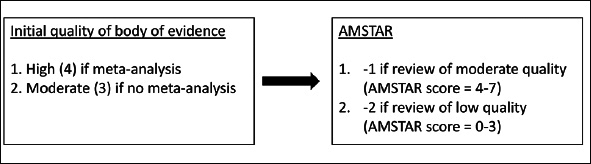
“The AMSTAR1 tool, which generates a score, has been used to establish an overall effectiveness statement and assess the quality of nutritional supplements [15,16,64] and drugs for sarcopenia [65].”
Ohbayashi, H., Ariga, M., Ohta, K., Kudo, S., Furuta, O., & Yamamoto, A. (2024) · International Journal of COPD · doi:10.2147/copd.s441767 · Cited by 11
“8 However, the debate about the optimal volume of PRT according to the degree of aging is ongoing.”
BackgroundLow urine pH associated with sarcopenia in the elderly: A multi-center observational study
Saitsu, A., Iwazu, Y., Matsushita, H., Hayashi, H., Mizuhashi, Y., & Kotani, K. (2021) · Medicine · doi:10.1097/md.0000000000026114 · Cited by 11
“The change of urine pH should be further examined by not only pharmacological interventions [38–40] but also nonpharmacological treatments including exercise (even at a lowintensity resistance level).([30,31]) Third, exercise habit was selfreported and the report did not include the intensity and duration of exercise.”
BackgroundSkoglund, E., Lundberg, T. R., Rullman, E., Fielding, R. A., Kirn, D. R., Englund, D. A., von Berens, Å., Koochek, A., Cederholm, T., Berg, H. E., et al. (2021) · Experimental Gerontology · doi:10.1016/j.exger.2021.111631 · Cited by 13
Fuentes-Abolafio, I. J., Bernal-López, M. R., Gómez‐Huelgas, R., Ricci, M., Vargas, A. I. C., & Perez-Belmonte, L. M. (2022) · Scientific Reports · doi:10.1038/s41598-022-26064-7 · Cited by 12
Fazekas‐Pongor, V., Major, D., Varga, J. T., Lehoczki, A., Varga, P., Jarecsny, T., Lipécz, Á., Csípő, T., Szappanos, Á., Matiscsák, A., et al. (2026) · Nutrients · doi:10.3390/nu18050788 · Cited by 11
Gülçiçek, S., & Seyahi, N. (2023) · Medical Science Monitor · doi:10.12659/msm.939457 · Cited by 13
Ding, K., Jiang, W., Li, D., Lei, C., Xiong, C., & Lei, M. (2023) · Journal of Clinical Densitometry · doi:10.1016/j.jocd.2023.101381 · Cited by 11
Uchio, Y., Ishijima, M., Ikeuchi, M., Ikegawa, S., Ishibashi, Y., Omori, G., Shiba, N. N., Takeuchi, R., Tanaka, S., Tsumura, H., et al. (2024) · Journal of Orthopaedic Science · doi:10.1016/j.jos.2024.06.013 · Cited by 10
Sarcopenia: an Aging Perspective and Management Options
Teixeira, A. M., Nosrani, S. E., Parvani, M., Viola, J., & Mohammadi, S. (2025) · International Journal of Sports Medicine · doi:10.1055/a-2577-2577 · Cited by 10
Li, W., Hu, M., Yin, Q., Liu, Y., Chen, L., Ru, Q., Xu, G., & Wu, Y. (2025) · Frontiers in Physiology · doi:10.3389/fphys.2025.1616874 · Cited by 9
Fang, T., Xue, Z., Zhang, J., Yang, H., Zhou, F., & Liu, H. (2025) · The Spine Journal · doi:10.1016/j.spinee.2025.10.004 · Cited by 11
Immune aging: biological mechanisms, clinical symptoms, and management in lung transplant recipients
Kapse, B., Budev, M. M., Singer, J. P., & Greenland, J. R. (2024) · Frontiers in Transplantation · doi:10.3389/frtra.2024.1356948 · Cited by 10
Verstraeten, L. M. G., van Wijngaarden, J. P., Tol-Schilder, M. M. R., Meskers, C. G. M., & Maier, A. B. (2022) · BMJ Open · doi:10.1136/bmjopen-2021-054950 · Cited by 10
Polo-Ferrero, L., Sáez-Gutiérrez, S., Dávila-Marcos, A., Barbero-Iglesias, F. J., Sánchez-Sánchez, M. C., Puente-González, A. S., & Méndez-Sánchez, R. (2025) · PLOS ONE · doi:10.1371/journal.pone.0313072 · Cited by 7
“Scientific evidence has shown that exercise is currently the main intervention available to combat sarcopenia [20].”
Effects of Leucine Supplementation in Older Adults with Sarcopenia: A Meta-Analysis
Huang, C., & Hsieh, M.-H. (2025) · Nutrients · doi:10.3390/nu17152413 · Cited by 7
Sepúlveda‐Loyola, W., Maciel, R. P. T., Teixeira, D. D. C., Araya‐Quintanilla, F., da Silva, R. A., Álvarez‐Bustos, A., Smaili, S. M., Rodríguez-Mañas, L., Valenzuela‐Fuenzalida, J. J., & Probst, V. S. (2025) · Retos · doi:10.47197/retos.v63.110528 · Cited by 8
Tian, H., Qiao, W., & Wen, X. (2025) · Journal of Nutrition · doi:10.1016/j.tjnut.2025.01.017 · Cited by 8
Arıcı, H., Tor, Y. B., Altınkaynak, M., Erten, N., Saka, B., Bayramlar, O. F., Karakuş, Z. N., & Akpınar, T. S. (2025) · Nutrients · doi:10.3390/nu17040675 · Cited by 8
Yoshimura, Y., Nagano, F., Matsumoto, A., Shimazu, S., Shiraishi, A., Kido, Y., Bise, T., Hamada, T., & Yoneda, K. (2025) · Nutrients · doi:10.3390/nu17091599 · Cited by 8
Ferraz, S. P., & Batista, M. S. S. (2021) · Research Society and Development · doi:10.33448/rsd-v10i15.23362 · Cited by 7
Lopes, K. G., de Souza, M. D. G. C., Bezerra, M. D. C. T., Bessa, L. M., Farinatti, P., Bouskela, E., Madeira, M., & Kraemer‐Aguiar, L. G. (2022) · Trials · doi:10.1186/s13063-022-06677-z · Cited by 8
“Strategies to attenuate bone frailty and muscle atrophy in post-bariatric patients are needed, and a resistance training (RT) program can induce positive adaptations in the musculoskeletal system [20, 21], as well as in the stimulus of osteogenic response with preserved BMD in clinical studies [22–24].”
BackgroundAhn, S. H., Kim, H., Kim, H. I., Yun, B. H., Shin, H. J., Roh, Y. H., Chon, S. J., & Seo, S. K. (2022) · Menopause The Journal of The North American Menopause Society · doi:10.1097/gme.0000000000002036 · Cited by 7
Burton, I. (2022) · Rheumato · doi:10.3390/rheumato3010003 · Cited by 12
“evidence includes RCT evidence of potential efficacy for a plethora of musculoskeletal conditions including, polymyositis and dermatomyositis [157], osteoarthritis [158–163], pre and post-operative ACL reconstruction [164–169], patellofemoral pain [170–172], post knee arthroscopy [173], rheumatoid arthritis [174,175],…”
Mahajan, A., Goyal, D., Agarwal, U., Patil, V., Shukla, S., Noronha, V., Joshi, A., Menon, N. S., & Prabhash, K. (2023) · Exploration of Targeted Anti-tumor Therapy · doi:10.37349/etat.2023.00172 · Cited by 8
Impact of Sarcopenia on Outcome of Exercise Therapy in Older Non-Hodgkin Lymphoma Patients
Kasahara, R., Fujita, T., Jinbo, R., Kubota, J., Takano, A., Takahashi, S., Ohashi, Y., Jinbo, K., Yamamoto, Y., Kai, T., et al. (2023) · Integrative Cancer Therapies · doi:10.1177/15347354231210775 · Cited by 8
“A systematic review by Beckwee et al 36 reported that resistance training for sar-copenia is sufficient for muscle strengthening even at low intensities ( ≤ 50% 1RM) and the recommended frequency is 7 to 9 times per set, 3 times per week, for 2 to 3 sets.”
BackgroundZieschang, T., Otto‐Sobotka, F., Shakoor, A., Lau, S., Hackbarth, M., & Koschate, J. (2023) · Frontiers in Public Health · doi:10.3389/fpubh.2023.1099392 · Cited by 7
Ecarnot, F., Rogoli, D., & Maggi, S. (2021) · Practical issues in geriatrics · doi:10.1007/978-3-030-80038-3_1 · Cited by 10
López-Cervantes, S. P., Sánchez, N. S., Calahorra, M., Mena‐Montes, B., Pedraza-Vázquez, G., Hernández-Álvarez, D., Esparza-Perusquía, M., Peña, A., López‐Díazguerrero, N. E., Alarcón‐Aguilar, A., et al. (2022) · Archives of Gerontology and Geriatrics · doi:10.1016/j.archger.2022.104717 · Cited by 7
Validity of repetitions in reserve for prescribing resistance exercise in older adults
Gómez-Redondo, P., Alcázar, J., Valenzuela, P. L., Ara, I., Alegre, L. M., & Mañas, A. (2025) · Experimental Gerontology · doi:10.1016/j.exger.2025.112884 · Cited by 6
Systematic review and meta-analysis of the effects of exercise in older adults with sarcopenia
Lucio, M. C. F., de Oliveira, R. G., de Almeida, L. I. M., & de Oliveira, L. C. (2026) · Scientific Reports · doi:10.1038/s41598-026-55850-w · Cited by 8
Houben, L. H. P., Beelen, M., van Loon, L. J. C., & Beijer, S. (2023) · International Journal of Sport Nutrition and Exercise Metabolism · doi:10.1123/ijsnem.2023-0075 · Cited by 8
“In older adults suffering from sarcopenia, RET can prevent the age-related loss of skeletal muscle mass (Cruz-Jentoft & Sayer, 2019), and can even increase muscle mass (Peterson et al., 2011), muscle strength (Peterson et al., 2010), and physical performance (Beckwée et al., 2019).”
BackgroundFuentes-Abolafio, I. J., Ricci, M., Bernal-López, M. R., Gómez‐Huelgas, R., Vargas, A. I. C., & Perez-Belmonte, L. M. (2024) · Experimental Gerontology · doi:10.1016/j.exger.2024.112412 · Cited by 7
“…thickness, body fat mass, and intramuscular and intermuscular fat infiltration, improve muscle echo-intensity, and improve muscle echo-texture, above all when performing a therapeutic exercise program of > 12 weeks progressing toward high intensity (Radaelli et al., 2021; Beckwe ´ e et al., 2019).”
BackgroundAlessandro de, S. I. R. E., Moggio, L., Marotta, N., Curci, C., Lippi, L., Invernizzi, M., Mezian, K., & Ammendolia, A. (2023) · Neurorehabilitation · doi:10.3233/nre-220277 · Cited by 6
“In this context, rehabilitation might play a key role in the clinical management of these subjects to improve muscle mass and function (Beckwée et al., 2019).”
Tian, S., Guo, L., Song, Y., Jinxin, M., Peng, M., Fang, X., Bai, M., & Miao, M. (2023) · Functional & Integrative Genomics · doi:10.1007/s10142-023-01154-5 · Cited by 7
RODRÍGUEZ-LUMBRERAS, L., Ruiz-Cárdenas, J. D., & Murcia-González, M. A. (2024) · European Journal of Physical and Rehabilitation Medicine · doi:10.23736/s1973-9087.24.08348-5 · Cited by 8
Kadhim, I. F., Banarjee, C., Fu, J., Choudhury, R., Mangum, L. C., Fukuda, D. H., Stout, J. R., Cramer, J. T., & Park, J. (2024) · IEEE Transactions on Neural Systems and Rehabilitation Engineering · doi:10.1109/tnsre.2024.3435798 · Cited by 6
“Muscle atrophy is a largely preventable condition that can be mitigated through physical activity and resistance/strength training [12], [13].”
BackgroundHosoi, Y., Kawakami, M., Ito, D., Kamimoto, T., Kamimura, H., Kawaguchi, T., Terai, S., & Tsuji, T. (2025) · BMC Gastroenterology · doi:10.1186/s12876-025-03881-4 · Cited by 7
Kurose, S., Matsubara, Y., Yoshino, S., Nakayama, K., Yamashita, S., Morisaki, K., Furuyama, T., & Mori, M. (2020) · Annals of Vascular Surgery · doi:10.1016/j.avsg.2020.10.024 · Cited by 6
Sosowska, N., Pigłowska, M., Guligowska, A., Sołtysik, B. K., & Kostka, T. (2021) · The Journal of Frailty & Aging · doi:10.14283/jfa.2021.13 · Cited by 8
“Exercise intervention, especially resistance training, is the best established method of the prevention and treatment of sarcopenia (8).”
MethodMorley, J. E. (2021) · The journal of nutrition health & aging · doi:10.1007/s12603-020-1583-1 · Cited by 7
Muscle or Heart? Functional Impact of Sarcopenia and Heart Failure in Geriatric Inpatients
Donca, V., Crișan, D., Coadǎ, C. A., Stoicescu, L., Buzdugan, E., Grosu, A. I., Lupu, M., & Avram, L. (2025) · Journal of Clinical Medicine · doi:10.3390/jcm14124288 · Cited by 7
“…move from risk-avoidant to proactive rehabilitation strategies, knowing that promoting movement is essential not only for muscle health but also for cardiovascular conditioning and overall quality of life [36,37], especially in this population of patients already prone to generalized muscle loss.”
Kalan, J. J., Varghese, L. N., & Katare, R. (2025) · Frontiers in Bioscience-Landmark · doi:10.31083/fbl38106 · Cited by 10
“When combined with nutritional supplementation also shows promise, though to a lesser extent [36,37].”
Semań, T., Krupa, S., Szczupak, M., Kobak, J., & Widenka, K. (2025) · Nutrients · doi:10.3390/nu17193088 · Cited by 5
Lu, L., He, X., Ma, L., Liu, Y., & Chen, N. (2022) · Frontiers in Aging Neuroscience · doi:10.3389/fnagi.2022.905460 · Cited by 8
“Currently, one of the most commonly used exercise trainings for older people with sarcopenia is resistance training (RT) (Beckwée et al., 2019).”
BackgroundUeda, Y., Seshimo, A., & Okamoto, T. (2023) · Molecular and Clinical Oncology · doi:10.3892/mco.2023.2655 · Cited by 5
“Besides, exercise therapy could have beneficial effects on patients' QOL as well as their skeletal muscle mass (42,43).”
BackgroundMeza-Valderrama, D., Sánchez‐Rodríguez, D., Curbelo, Y. G., Ramírez-Fuentes, C., Muñoz-Redondo, E., Morgado-Pérez, A., Agurto, N. O., Paola, F. G., & Marco, E. (2024) · Nutrients · doi:10.3390/nu16183053 · Cited by 5
“Beyond physical activity [3–8], current guidelines strongly recommend progressive resistance training for the prevention and treatment of sarcopenia [7,9].”
BackgroundResultInfluentialIkebuchi, K., Matsuda, Y., Takeda, M., Takeda, M., Abe, T., Tominaga, K., Yano, S., Isomura, M., Nabika, T., & Kanno, T. (2021) · Healthcare · doi:10.3390/healthcare9070845 · Cited by 7
“However, in recent years, it has become clear that sarcopenia is a state affecting the entire body, not only the lower limbs [16].”
BackgroundWitham, M. D., Adamson, S., Avenell, A., Band, M. M., Bashir, T., Donnan, P. T., Casella, G., Hapca, A., Hume, C., Kemp, P. R., et al. (2022) · Efficacy and Mechanism Evaluation · doi:10.3310/llbx6901 · Cited by 6
Metadata
- Authors
- Beckwée, D., Delaere, A., Aelbrecht, S., Baert, V., Beaudart, C., Bruyere, O., de Saint-Hubert, M., & Bautmans, I.
- Affiliations
- Vrije Universiteit Brussel (BE)
- University of Liège (BE)
- Corresponding author
- Bautmans, Ivan
- Venue
- The Journal of nutrition, health and aging
- Publisher
- Elsevier BV
- Published
- 2019-06
- Volume
- 23
- Issue
- 6
- Pages
- 494-502
- ISSN
- 1279-7707 (ISSN-L)
- PMC
- PMC12280365
- OpenAlex
- W2941075934
- Cited by
- 330
- References
- 39
- Citations by year
- 2026: 35 · 2025: 59 · 2024: 40 · 2023: 51 · 2022: 58 · 2021: 54 · 2020: 24 · 2019: 8
- FWCI
- 4.27
- Type
- journal article
- Language
- en
- Open access
- hybrid
- doi.org
- Licence
- cc-by-nc-nd
- www.elsevier.com/tdm/userlicense/1.0/ (tdm)
- www.elsevier.com/legal/tdmrep-license (tdm)
- creativecommons.org/licenses/by-nc-nd/4.0/ (vor, 1648 d)
- Locations
- The journal of nutrition health & aging (publishedVersion, cc-by-nc-nd)
- Europe PMC (PubMed Central) (publishedVersion, cc-by-nc-nd)
- PubMed Central (publishedVersion, cc-by-nc-nd)
- PubMed (publishedVersion)
- Ghent University Academic Bibliography (Ghent University) (submittedVersion, cc-by-nc-nd)
- Lirias (KU Leuven) (submittedVersion, cc-by-nc-nd)
- DIAL (Catholic University of Leuven) (submittedVersion, other-oa)
- ORBi (University of Liège) (submittedVersion)
- VUBIR (Vrije Universiteit Brussel) (submittedVersion)
- Topics
- Health Sciences › Medicine › Physiology (medical) › Nutrition and Health in Aging
- Health Sciences › Nursing › Nutrition and Dietetics › Muscle metabolism and nutrition
- Life Sciences › Biochemistry, Genetics and Molecular Biology › Molecular Biology › Muscle Physiology and Disorders
- Keywords
- sarcopenia, exercise intervention, older adults, resistance training, dietary supplementation, multimodal training, blood flow restriction training, muscle strength, muscle mass, physical performance, clinical guidelines
- MeSH terms
- Aged, Exercise Therapy, Humans, Exercise, Sarcopenia
About these checks
Registry, retraction, Cites and statistics results are computed, not judged, with one exception: a printed reference that no index lists is read once by a model before it counts as a citation error. Claims are extracted by a model and kept only when their quote appears verbatim in the text; each cited source is then checked, with a model’s help, for whether it says what the claim relies on. Those verdicts can be wrong — read the claim’s quote and the cited source before relying on one.
Statistics and arithmetic are recomputed, not judged.
Confidence bands are shown only for fields calibrated on our annotated test set. None is calibrated yet, so no band is shown.
What counts as a claim ›How we measure confidence ›How we check this ›
Are you an author, or do you see a problem with this page? Request a review
Data sources
Bibliographic data: Semantic Scholar, OpenAlex, Crossref.
Contains information from the Semantic Scholar Academic Graph Datasets, made available under the ODC Attribution License (ODC-BY 1.0).
Semantic Scholar’s data is described in: Kinney, R., et al. (2023). The Semantic Scholar Open Data Platform. arXiv:2301.10140.
