

Exercise interventions for the prevention and treatment of sarcopenia. A systematic umbrella review.
Open accessThe DOI matches its Crossref record; 40 of the 40 references it cites were found in a registry or an index.
Abstract
OBJECTIVES: The aim of this systematic review is to provide an overview of the efficacy of different exercise interventions to counter sarcopenia in older adults. This review will allow the Belgian Society of Gerontology and Geriatrics and other scientific societies to formulate specific exercise recommendations in their Clinical Guidelines for Sarcopenia. DESIGN: We used the method of a systematic umbrella-review. Based on the level of evidence, we formulated specific recommendations for clinical practice. METHODS: Two databases (Pubmed and Web Of Science) were searched systematically and methodological quality of the reviews was assessed. Extracted data was than mapped to an exercise category and an overall synthesis (bottom line statements) was formulated for each of these exercise categories. Subsequently, we assigned a rating of the quality of the evidence supporting each bottom line statement. RESULTS: We identified 14 systematic reviews or meta-analyses, encompassing four exercise categories: resistance training, resistance training + nutritional supplementation, multimodal exercise programmes and bloodflow restriction training. Importantly, very few systematic reviews or meta-analyses clearly mentioned baseline sarcopenia status. There is high quality evidence for a positive and significant effect of resistance training on muscle mass, muscle strength, and physical performance. The added effect of nutritional supplementation for resistance training on muscle function appears limited. Blood flow restriction training is a novel training method that has a significant impact on muscle strength. CONCLUSION: Since sarcopenia is affecting all skeletal muscles in the body, we recommend training the large muscle groups in a total body approach. Although low-intensity resistance training (≤50% 1RM) is sufficient to induce strength gains, we recommend a high-intensity resistance training program (i.e. 80% 1RM) to obtain maximal strength gains. Multimodal exercises and blood flow restriction resistance training may be considered as well.
Overview
The claims and statistics of this paper haven’t been checked yet.
Free: it reads the open-access text and checks the first 5 claims that cite a source we can check. Create a free account to check every claim.
Integrity signals
Registry
Cites
Statistics
Figures
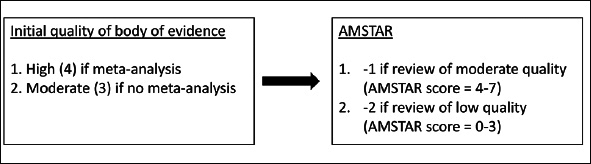
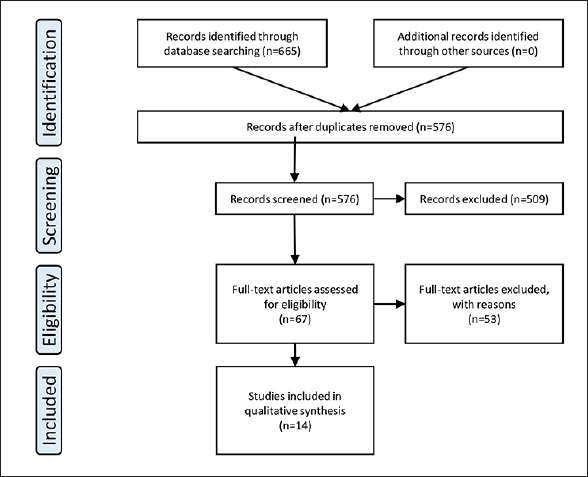
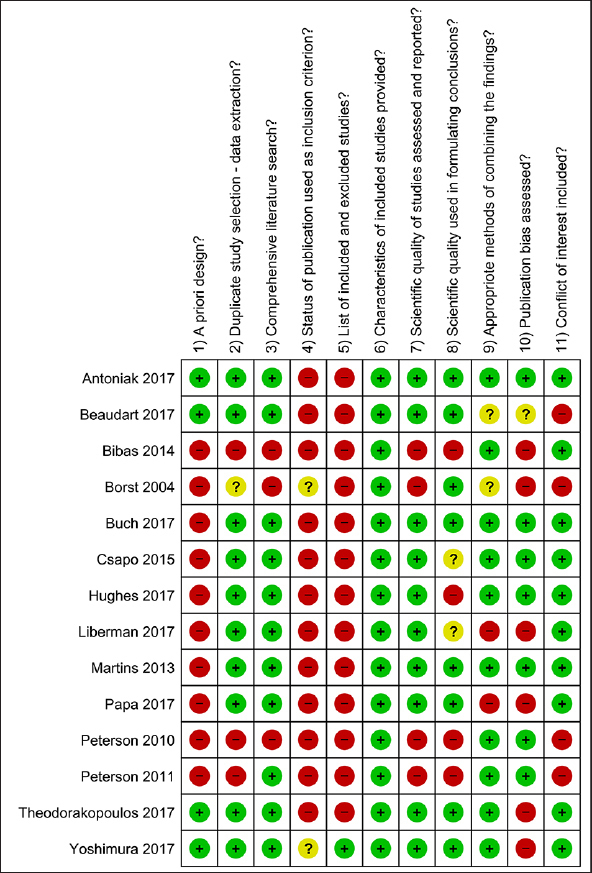
Verification
Claims the paper makes
The claims and statistics of this paper haven’t been checked yet.
Free: it reads the open-access text and checks the first 5 claims that cite a source we can check. Create a free account to check every claim.
Claims other papers make about this one
Each is checked against this paper’s own text: does it say what the citing paper says it does?
The source backs part of the claim, not all of it — or backs it for a different population, condition or comparison.
In the citing paper
“Compared with no exercise (control), RT significantly improved muscle strength, size (hypertrophy), power, endurance, contraction velocity, gait speed, balance, and multiple physical function outcomes.”
From American College of Sports Medicine Position Stand. Resistance Training Prescription for Muscle Function, Hypertrophy, and Physical Performance in Healthy Adults: An Overview of Reviews (2026) · cites this paper as [42]
Experimental — accuracy not yet measuredThe source backs part of the claim, not all of it — or backs it for a different population, condition or comparison.
In the citing paper
“Compared with CTRL, multicomponent function was impacted by standard RT (17,24,42,45,159), elastic band RT (60,61), and home-based RT (64).”
From American College of Sports Medicine Position Stand. Resistance Training Prescription for Muscle Function, Hypertrophy, and Physical Performance in Healthy Adults: An Overview of Reviews (2026) · cites this paper as [42]
Experimental — accuracy not yet measuredThe cited source says what the claim attributes to it.
In the citing paper
“Compared with CTRL, muscle hypertrophy was positively affected by standard RT (17,24,30,32,33,37,38,40,42–47,50,127), circuit RT (57,58), and elastic band RT (60,62).”
The cited source says what the claim attributes to it.
In the citing paper
“However, the same review also stated that a low certainty of evidence exists against using a combination of resistance training and nutritional supplementation, such as increased protein intake [30].”
From Effects of nutrition and exercise interventions on persons with sarcopenic obesity: an umbrella review of meta-analyses of randomised controlled trials (2023) · cites this paper as [30]
In the citing paper
“Additionally, an umbrella review conducted in 2019 provides high-quality evidence that resistance training in older adults with diagnosed sarcopenia significantly enhances muscle strength, mass and performance.”
From Effects of nutrition and exercise interventions on persons with sarcopenic obesity: an umbrella review of meta-analyses of randomised controlled trials (2023) · cites this paper as [30]
Self-check
Percentages, sums and reported differences re-computed from the paper’s own numbers.
The self-check needs the paper’s full text.
Citations
Cites
Preferred Reporting Items for Systematic Reviews and Meta-Analyses: the PRISMA statement
Moher, D., Liberati, A., Tetzlaff, J., Altman, D. G., & for the PRISMA Group (2009) · BMJ · doi:10.1136/bmj.b2535 · Cited by 83,823
Preferred Reporting Items for Systematic Reviews and Meta-Analyses: The PRISMA Statement
Moher, D., Liberati, A., Tetzlaff, J., Altman, D. G., & The PRISMA Group (2009) · PLoS Medicine · doi:10.1371/journal.pmed.1000097 · Cited by 64,042
Preferred reporting items for systematic reviews and meta-analyses: the PRISMA Statement.
(2009) · PubMed Central · Cited by 44,859
Liberati, A., Altman, D. G., Tetzlaff, J., Mulrow, C., Gøtzsche, P. C., Ioannidis, J. P. A., Clarke, M., Devereaux, P. J., Kleijnen, J., & Moher, D. (2009) · PLoS Medicine · doi:10.1371/journal.pmed.1000100 · Cited by 28,164
Rayyan-a web and mobile app for systematic reviews.
Ouzzani, M., Hammady, H., Fedorowicz, Z., & Elmagarmid, A. (2016) · Systematic Reviews · doi:10.1186/s13643-016-0384-4 · Cited by 26,092
Wang, G., Ma, R., Qiao, G., Wada, K., Aizawa, Y., & Satoh, T. (2015) · Integrative Medicine International · doi:10.1159/000368408 · Cited by 18,657
Liberati, A., Altman, D. G., Tetzlaff, J., Mulrow, C., Gotzsche, P. C., Ioannidis, J. P. A., Clarke, M., Devereaux, P. J., Kleijnen, J., & Moher, D. (2009) · BMJ · doi:10.1136/bmj.b2700 · Cited by 17,648
Sarcopenia: revised European consensus on definition and diagnosis
Cruz-Jentoft, A. J., Bahat, G., Bauer, J., Boirie, Y., Bruyère, O., Cederholm, T., Cooper, C., Landi, F., Rolland, Y., Sayer, A. A., et al. (2019) · Age and Ageing · doi:10.1093/ageing/afy169 · Cited by 13,818 · cited 2×
“The consequences of sarcopenia in older people are serious and life-changing: it has an impact on morbidity, disability, health care costs and mortality (3, 5).”
Self-citationSarcopenia: European consensus on definition and diagnosis
Cruz-Jentoft, A. J., Baeyens, J. P., Bauer, J. M., Boirie, Y., Cederholm, T., Landi, F., Martin, F. C., Michel, J.-P., Rolland, Y., Schneider, S. M., et al. (2010) · Age and Ageing · doi:10.1093/ageing/afq034 · Cited by 11,601
Cochrane Handbook for Systematic Reviews of Interventions Version 5.0.1. The Cochrane Collaboration
Higgins, J. P. T., Green, S. R., & Higgins, J. P. T. (2008) · Cited by 7,261
Research works printed but not linked: 13
- De Spiegeleer A Pharmacological Interventions to Improve Muscle Mass, Muscle Strength and Physical Performance in Older People: An Umbrella Review of Systematic Reviews and Meta-analyses Drugs Aging 35 8 2018 719 734 PubMed PMID: 30047068 10.1007/s40266-018-0566-y 30047068 · DOI · Paper page
- Liberman, K., et al., The effects of exercise on muscle strength, body composition, physical functioning and the inflammatory profile of older adults: a systematic review. Current Opinion in Clinical Nutrition and Metabolic Care. 20(1): p. 30–53. 27755209
- Buch, A., et al., Circuit resistance training is an effective means to enhance muscle strength in older and middle aged adults A systematic review and meta-analysis. Ageing Research Reviews. 37: p. 16–27. 28457933 · DOI
- Csapo, R. and L.M. Alegre, Effects of resistance training with moderate vs heavy loads on muscle mass and strength in the elderly: A meta-analysis. Scand J Med Sci Sports. 26(9): p. 995–1006. 26302881 · DOI · Paper page
- Theodorakopoulos, C., et al., Effectiveness of nutritional and exercise interventions to improve body composition and muscle strength or function in sarcopenic obese older adults: A systematic review. Nutrition Research. 43: p. 3–15. 28739051 · DOI · Paper page
- Yoshimura, Y., et al., Interventions for Treating Sarcopenia: A Systematic Review and Meta-Analysis of Randomized Controlled Studies. Journal of the American Medical Directors Association. 18(6). 28549707 · DOI · Paper page
- Borst SE Interventions for sarcopenia and muscle weakness in older people Age Ageing 33 6 2004 548 555 PubMed PMID: 15385272 10.1093/ageing/afh201 15385272 · DOI · Paper page
- Peterson MD Resistance exercise for muscular strength in older adults: a meta-analysis Ageing Res Rev 9 3 2010 226 237 PubMed PMID: 20385254, PMCID 2892859 10.1016/j.arr.2010.03.004 20385254 PMC2892859 · DOI · Paper page
- Papa EV Dong XY Hassan M Resistance training for activity limitations in older adults with skeletal muscle function deficits: a systematic review Clinical Interventions in Aging 12 2017 955 961 PubMed PMID: 28670114, PMCID 5479297 10.2147/CIA.S104674 28670114 PMC5479297 · DOI · Paper page
- Beaudart, C., et al., Nutrition and physical activity in the prevention and treatment of sarcopenia: systematic review. Osteoporosis International. 28(6): p. 1817–1833. PMC5457808 28251287 · DOI · Paper page
- Antoniak, A.E. and C.A. Greig, The effect of combined resistance exercise training and vitamin D-3 supplementation on musculoskeletal health and function in older adults: a systematic review and meta-analysis. Bmj Open. 7(7). PMC5541589 28729308 · DOI · Paper page
- Liberman K The effects of exercise on muscle strength, body composition, physical functioning and the inflammatory profile of older adults: a systematic review Curr Opin Clin Nutr Metab Care 20 1 2017 30 53 PubMed PMID: 27755209 10.1097/MCO.0000000000000335 27755209 · DOI · Paper page
- Hughes, L., et al., Blood flow restriction training in clinical musculoskeletal rehabilitation: a systematic review and meta-analysis. Br J Sports Med. 51(13): p. 1003–1011. 28259850 · DOI · Paper page
Cited by
Items 301–360 of 360
Wolfram, S., & Bauer, R. (2025) · Springer eBooks · doi:10.1007/978-3-662-70774-6_3
Carrillo, B., Rubinos-Cuadrado, M., Parellada-Martin, J., Palacios-López, A., Carrillo-Rubinos, B., Canillas, F., Cortés, J. J. B., & Gómez‐Pavón, J. (2025) · JMIR Formative Research · doi:10.2196/75215
Anwer, L. H., & Reddy, K. V. (2025) · doi:10.56984/8zg00e1chd8
Kim, C.-Y., & Byun, Y.-H. (2025) · Exercise Science · doi:10.15857/ksep.2025.00108
Orsi, E., Arosio, B., Gaglio, A., Resi, V., Locatelli, E., & Volpato, S. (2025) · il Diabete · doi:10.30682/ildia2502a
Buurman, B. M. (2025) · doi:10.1007/978-90-368-3136-9_6
Yang, X., Wang, H., Wang, Y., Cai, Z., Liao, L., & Zhang, Q. (2025) · BMC Musculoskeletal Disorders · doi:10.1186/s12891-025-09203-9
“Research by Beckwée et al. [64] demonstrated that high-intensity resistance training programs are the optimal exercise regimen for patients with muscle wasting, while low-intensity resistance training may suffice to induce strength gains.”
Dai, X., Wu, Y., Yuan, Y., Lu, B., Wang, X., Xu, G., & Zhuang, J. (2025) · Frontiers in Global Women s Health · doi:10.3389/fgwh.2025.1681138
Hasegawa, A., & Ichinoseki‐Sekine, N. (2025) · Exercise Sport and Movement · doi:10.1249/esm.0000000000000058
Zhang, X.-M., Chen, D., Xie, X.-H., Zhang, J.-E., Zeng, Y., & Cheng, A. S. (2021) · Figshare · doi:10.6084/m9.figshare.14721671
Zhang, X.-M., Chen, D., Xie, X.-H., Zhang, J.-E., Zeng, Y., & Cheng, A. S. (2021) · Figshare · doi:10.6084/m9.figshare.14721668
Zhang, X.-M., Chen, D., Xie, X.-H., Zhang, J.-E., Zeng, Y., & Cheng, A. S. (2021) · Figshare · doi:10.6084/m9.figshare.14721665
Bramato, G., Barone, R., Barulli, M. R., Zecca, C., Tortelli, R., Filardi, M., & Logroscino, G. (2022) · Figshare · doi:10.6084/m9.figshare.21151118
Chen, N., He, X., Feng, Y., Ainsworth, B. E., & Liu, Y. (2021) · Figshare · doi:10.6084/m9.figshare.16994180
Lopes, K. G., das Graças Coelho de Souza, M., da Costa Tavares Bezerra, M., Bessa, L. M., Farinatti, P., Bouskela, E., Madeira, M., & Kraemer‐Aguiar, L. G. (2022) · Figshare · doi:10.6084/m9.figshare.20861182
Liu, H., Hou, Y., Li, H., & Lin, J. (2023) · Figshare · doi:10.6084/m9.figshare.22613437
Lopes, K. G., das Graças Coelho de Souza, M., da Costa Tavares Bezerra, M., Bessa, L. M., Farinatti, P., Bouskela, E., Madeira, M., & Kraemer‐Aguiar, L. G. (2022) · Figshare · doi:10.6084/m9.figshare.20861179
Multimodal prehabilitation: program considerations for patients with esophageal cancer
St-Pierre, J. (2025) · eScholarship@McGill (McGill) · doi:10.82308/51477
Boutet, C. (2021) · RIUVic (UVic-UCC)
Pearson, A. G. (2023) · Durham e-Theses (Durham University) · Cited by 2
Structural, molecular, and functional effects of exercise in the brain of healthy older adults
Κορομηλά, Γ. Ι., & Κορομηλά, Γ. Ι. (2024) · University of Thessaly Institutional Repository (University of Thessaly)
Epigeneettisen ikääntymisnopeuden yhteys sarkopeniaa määrittäviin tekijöihin
Pollari, A. (2023) · Jyväskylä University Digital Archive (University of Jyväskylä) · Cited by 1
Kristoving, H. (2025) · DSpace repository (University of Tartu)
The Road to Sarcopenia Management: Causes and Therapeutic Options
Gwon, D. Y., Kim, H. S., & Lee, J. W. (2025) · The Journal of the Korean Orthopaedic Association · doi:10.4055/jkoa.2025.60.4.286
Ilie, A. C., Pîslaru, A. I., Albişteanu, S.-M., & Alexa, I. D. (2025) · Springer eBooks · doi:10.1007/978-3-032-11445-7_14
Research Progress on the Correlation between Body Composition and Frailty in the Elderly
程, 圣. (2026) · Advances in Clinical Medicine · doi:10.12677/acm.2026.161138
Aktivitas Fisik Rutin sebagai Anti-Aging dan Pencegahan Sarkopenia pada Wanita
Dewi, A. Y., & Dewi, N. N. A. (2026) · Cermin Dunia Kedokteran · doi:10.55175/cdk.v53i01.1982
Hua, N., Harris, R. G., Ahuja, S., Tan, X., Chua, K., Mo, Y., & Fitzpatrick, J. (2026) · GeroScience · doi:10.1007/s11357-025-02072-z
“Physical activity is an effective non-pharmacological intervention in the prevention and treatment of sarcopenia [8, 9].”
Sarcopenia: Current evidence, advances in assessment, clinical implementation and future directions
Tan, L. F., Koh, F. H.-X., Lim, W. S., Wang, Y., Woo, J., Arai, H., & Merchant, R. A. (2026) · Annals of the Academy of Medicine Singapore · doi:10.47102/annals-acadmedsg.2025287 · Cited by 1
Tratamiento no farmacológico de la sarcopenia. Revisión narrativa
Gómez-Martínez, G., & Vaquero‐Barbosa, N. (2025) · Casos y Revisiones de Salud · doi:10.22201/fesz.26831422e.2025.7.2.6
Afonso, I. D. R. (2022) · Portuguese National Funding Agency for Science, Research and Technology (RCAAP Project by FCT)
Levin, O., Just, I., Klepochová, R., Helsper, S., Vints, W. A. J., Silva, A. F., Langeard, A., Shalom, S. B., Karatzaferi, C., Ziaei, M., et al. (2026) · Experimental Gerontology · doi:10.1016/j.exger.2026.113082
Moldovan, D. T., Kacsó, I. M., Bondor, C. I., Avram, L., Crișan, D., Condor, A., Rusu, C. C., Potra, A. R., Tirinescu, D. C., Ţicală, M., et al. (2026) · Journal of Clinical Medicine · doi:10.3390/jcm15051782
“Conversely, evidence supports combined lifestyle strategies, including resistance exercise and targeted nutritional interventions, to improve sarcopenia-related outcomes in CKD [38–41].”
Exercise and Menopause: Benefits, Challenges and the Transition to Optimal Management
Roberts, K. A., Low, D. A., O’Donnell, E., & Hartley, C. (2026) · Frontiers research topics · doi:10.3389/978-2-8325-7639-7
Feasibility of social media health education plus exercise in older adults with possible sarcopenia
Shi, Y., Stanmore, E., McGarrigle, L., Wang, X. H., Gu, C., Ye, Y., & Todd, C. J. (2026) · International Journal of Nursing Studies · doi:10.1016/j.ijnurstu.2026.105467 · Cited by 2
Su, S. C., Chen, Z., Xu, T., Wu, H., Ma, X., Peng, Z., Lin, M., Xu, X., Huang, R., Zhong, C. C., et al. (2026) · BMC Cardiovascular Disorders · doi:10.1186/s12872-026-05803-y · Cited by 1
Ilchenko, L. Y., Ахмедов, В. А., Vinnitskaya, E. V., Иванович, Д. Е., Myazin, R. G., Nikitin, I. G., Tikhomirova, A. S., Khoroshilov, I., Myazin, R. G., Александровна, Э. О., et al. (2026) · Экспериментальная и клиническая гастроэнтерология · doi:10.31146/1682-8658-ecg-236-4-3-36
Luna, A. F. H., Cedeño, C. S. S., & Velázquez, E. M. (2026) · ASCE MAGAZINE · doi:10.70577/asce.v5i2.815
Narkbunnam, R., Chareancholvanich, K., Achawakulthep, C., Awirotananon, K., & Pornrattanamaneewong, C. (2026) · BMC Geriatrics · doi:10.1186/s12877-026-07657-7
“…upregulation of brain-derived neurotrophic factor (BDNF), may further support balance control and gait automaticity [29], while anti-inflammatory effects of habitual walking may attenuate the low-grade systemic inflammation that drives sar-copenia and functional decline in aging populations [30].”
Tømmerdal, K. H., Nauman, J., Madssen, E., Laukkanen, J. A., Tjønna, A. E., Wisløff, U., & Berg, J. (2026) · BMC Geriatrics · doi:10.1186/s12877-026-07747-6
“Randomized controlled trials have further established that resistance training improves muscle strength and physical function in older adults [12–15], and resistance training is consequently recommended as the primary exercise modality in international sarcopenia management guidelines [16].”
Shang, Y., & Shang, Y. (2026) · Frontiers in Medicine · doi:10.3389/fmed.2026.1819905 · Cited by 1
“Substantial evidence demonstrates that appropriately prescribed exercise can enhance muscle mass and strength and may also improve the course of sarcopenia by regulating immune and inflammatory responses (4, 5).”
Dose-response relationship between physical activity and sarcopenia in peritoneal dialysis patients
Xiong, Y., Huang, J., Wu, Y., Xu, X., Zheng, Y., Liu, H., Lang, C., Zhang, X., Sun, X. Y., Wu, K., et al. (2026) · Renal Failure · doi:10.1080/0886022x.2026.2686047
Wang, C., Liu, X. Y., Liang, Y., Song, Q., Liu, H., Xu, Z., & Liu, X. (2026) · BMC Geriatrics · doi:10.1186/s12877-026-07872-2
“For sarcopenic individuals, high-intensity resistance exercise, often defined as 80% of a one-repe-tition maximum (1RM), is specifically recommended as the optimal strategy for maximizing muscular strength [17].”
Barotsis, N., Oral, A., Kiekens, C., Négrini, S., Michail, X., Christodoulou, N., Dinçer, F., Quittan, M., Branco, C. A., & Zampolini, M. (2026) · European Journal of Physical and Rehabilitation Medicine · doi:10.23736/s1973-9087.26.09224-5
Wang, J., & Li, J. (2026) · Biochemical Genetics · doi:10.1007/s10528-026-11418-x
“…I: oxidative genes; Type II: hypertrophic programs), re-storing protein synthesis, mitochondrial function, and muscle quality etic aging as measured by DNA methylation clocks (Beckwée et al. 2019; Gensous et al. 2019 ) It is important to acknowledge the limitations of the current human literature.”
Nanotechnological Strategies to Promote Skeletal Muscle Regeneration in Aging
Carton, F., & Malatesta, M. (2026) · International Journal of Molecular Sciences · doi:10.3390/ijms27146167
“…exercise is a widely used non-pharmacological approach to counteract sar-copenia since it has been proven to influence many age-related features [39,40], e.g., by promoting the expansion and functionality of satellite cells [41–43], improving mitochondrial activity [44,45], stimulating myonuclear…”
Jelen, M., Zupančič, M. O., & Šarabon, N. (2026) · European Review of Aging and Physical Activity · doi:10.1186/s11556-026-00425-x
“…and heart failure, including improvements in skeletal muscle strength, endurance, exercise tolerance, and functional performance [18], while reviews in sarcopenia suggest positive effects of resistance exercise and potential benefits of BFRE for muscle strength and physical performance [19, 20].”
Inoue, K., Noda, H., Aizawa, H., Endo, Y., Mizusawa, Y., Matsuzawa, N., Watanabe, F., Kato, T., & Rikiyama, T. (2026) · Clinical Nutrition ESPEN · doi:10.1016/j.clnesp.2026.103600
Bright, K. L., Langridge, N., & Gerasch, F. (2026) · Working with Older People · doi:10.1108/wwop-06-2026-0051
Xu, W., Xu, F., Fan, M., Liu, Y., & Song, Z. (2026) · Orthopaedic Surgery · doi:10.1111/os.70375
“Training parameters typically include two to three sessions per week, each consisting of one to four sets per exercise, with eight to fifteen repetitions per set [118].”
Hämäläinen, O. (2026) · Jyväskylä University Digital Archive (University of Jyväskylä)
Hernández, O. C., & Espinosa, P. R. (2026) · TITULA
Vasilachi-Lulache, A.-I., Filip, P. V., Ciora, C. A., Georgescu, E. F., Diaconu, L. S., BĂLEANU, A. R., & Pop, C. S. (2026) · Life · doi:10.3390/life16091451
“…muscle mass, strength and physical performance across systematic reviews, and is mechanistically compelling because it activates anabolic signaling [81]; adherence, however, may be limited by fatigue, pain, flares and psychological barriers, which are the same barriers patients with IBD report as…”
Iolascon, G., Moretti, A., & Rondanelli, M. (2024) · Giornale Italiano di Ortopedia e Traumatologia
La fisioterapia frente a la sarcopenia en el adulto mayor. Una descripción de métodos y técnicas
Copa, F. F. P., Soto, M. A. A., & Quispe, J. Q. (2025) · Current opinion nursing & research.
Evaluating the Role of microRNAs in Ageing Skeletal Muscle
Kalan, J. J. (2024) · Otago University Research Archive (University of Otago) · Cited by 1
Liu, Y., Gu, S., & Tang, S. (2026) · Frontiers in Public Health · doi:10.3389/fpubh.2026.1925532
Metadata
- Authors
- Beckwée, D., Delaere, A., Aelbrecht, S., Baert, V., Beaudart, C., Bruyere, O., de Saint-Hubert, M., & Bautmans, I.
- Affiliations
- Vrije Universiteit Brussel (BE)
- University of Liège (BE)
- Corresponding author
- Bautmans, Ivan
- Venue
- The Journal of nutrition, health and aging
- Publisher
- Elsevier BV
- Published
- 2019-06
- Volume
- 23
- Issue
- 6
- Pages
- 494-502
- ISSN
- 1279-7707 (ISSN-L)
- PMC
- PMC12280365
- OpenAlex
- W2941075934
- Cited by
- 330
- References
- 39
- Citations by year
- 2026: 35 · 2025: 59 · 2024: 40 · 2023: 51 · 2022: 58 · 2021: 54 · 2020: 24 · 2019: 8
- FWCI
- 4.27
- Type
- journal article
- Language
- en
- Open access
- hybrid
- doi.org
- Licence
- cc-by-nc-nd
- www.elsevier.com/tdm/userlicense/1.0/ (tdm)
- www.elsevier.com/legal/tdmrep-license (tdm)
- creativecommons.org/licenses/by-nc-nd/4.0/ (vor, 1648 d)
- Locations
- The journal of nutrition health & aging (publishedVersion, cc-by-nc-nd)
- Europe PMC (PubMed Central) (publishedVersion, cc-by-nc-nd)
- PubMed Central (publishedVersion, cc-by-nc-nd)
- PubMed (publishedVersion)
- Ghent University Academic Bibliography (Ghent University) (submittedVersion, cc-by-nc-nd)
- Lirias (KU Leuven) (submittedVersion, cc-by-nc-nd)
- DIAL (Catholic University of Leuven) (submittedVersion, other-oa)
- ORBi (University of Liège) (submittedVersion)
- VUBIR (Vrije Universiteit Brussel) (submittedVersion)
- Topics
- Health Sciences › Medicine › Physiology (medical) › Nutrition and Health in Aging
- Health Sciences › Nursing › Nutrition and Dietetics › Muscle metabolism and nutrition
- Life Sciences › Biochemistry, Genetics and Molecular Biology › Molecular Biology › Muscle Physiology and Disorders
- Keywords
- sarcopenia, exercise intervention, older adults, resistance training, dietary supplementation, multimodal training, blood flow restriction training, muscle strength, muscle mass, physical performance, clinical guidelines
- MeSH terms
- Aged, Exercise Therapy, Humans, Exercise, Sarcopenia
About these checks
Registry, retraction, Cites and statistics results are computed, not judged, with one exception: a printed reference that no index lists is read once by a model before it counts as a citation error. Claims are extracted by a model and kept only when their quote appears verbatim in the text; each cited source is then checked, with a model’s help, for whether it says what the claim relies on. Those verdicts can be wrong — read the claim’s quote and the cited source before relying on one.
Statistics and arithmetic are recomputed, not judged.
Confidence bands are shown only for fields calibrated on our annotated test set. None is calibrated yet, so no band is shown.
What counts as a claim ›How we measure confidence ›How we check this ›
Are you an author, or do you see a problem with this page? Request a review
Data sources
Bibliographic data: Semantic Scholar, OpenAlex, Crossref.
Contains information from the Semantic Scholar Academic Graph Datasets, made available under the ODC Attribution License (ODC-BY 1.0).
Semantic Scholar’s data is described in: Kinney, R., et al. (2023). The Semantic Scholar Open Data Platform. arXiv:2301.10140.
