

Exercise interventions for the prevention and treatment of sarcopenia. A systematic umbrella review.
Open accessThe DOI matches its Crossref record; 40 of the 40 references it cites were found in a registry or an index.
Abstract
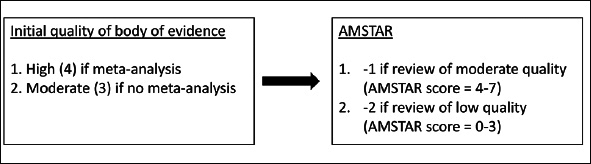
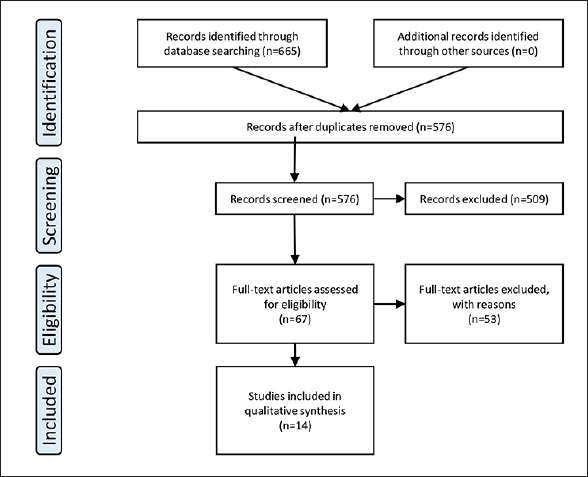
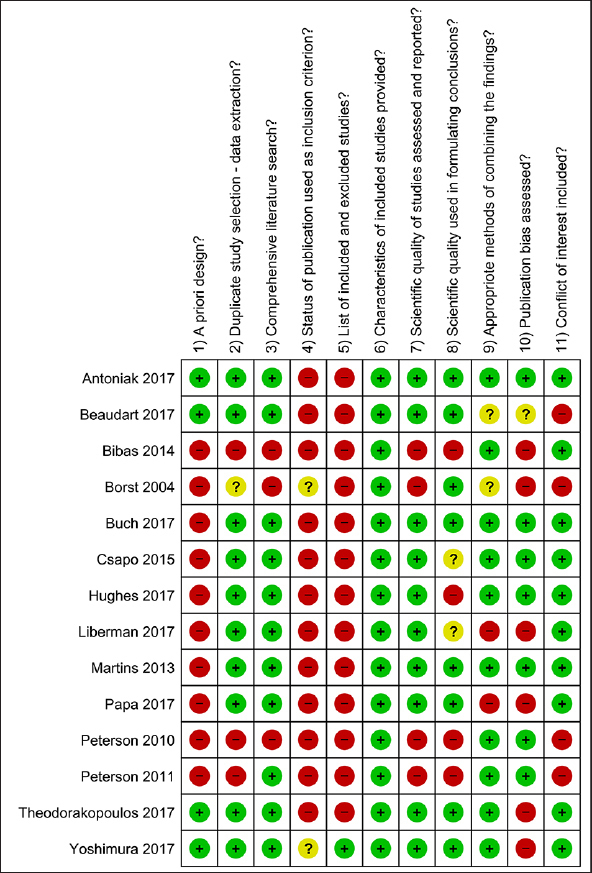
OBJECTIVES: The aim of this systematic review is to provide an overview of the efficacy of different exercise interventions to counter sarcopenia in older adults. This review will allow the Belgian Society of Gerontology and Geriatrics and other scientific societies to formulate specific exercise recommendations in their Clinical Guidelines for Sarcopenia. DESIGN: We used the method of a systematic umbrella-review. Based on the level of evidence, we formulated specific recommendations for clinical practice. METHODS: Two databases (Pubmed and Web Of Science) were searched systematically and methodological quality of the reviews was assessed. Extracted data was than mapped to an exercise category and an overall synthesis (bottom line statements) was formulated for each of these exercise categories. Subsequently, we assigned a rating of the quality of the evidence supporting each bottom line statement. RESULTS: We identified 14 systematic reviews or meta-analyses, encompassing four exercise categories: resistance training, resistance training + nutritional supplementation, multimodal exercise programmes and bloodflow restriction training. Importantly, very few systematic reviews or meta-analyses clearly mentioned baseline sarcopenia status. There is high quality evidence for a positive and significant effect of resistance training on muscle mass, muscle strength, and physical performance. The added effect of nutritional supplementation for resistance training on muscle function appears limited. Blood flow restriction training is a novel training method that has a significant impact on muscle strength. CONCLUSION: Since sarcopenia is affecting all skeletal muscles in the body, we recommend training the large muscle groups in a total body approach. Although low-intensity resistance training (≤50% 1RM) is sufficient to induce strength gains, we recommend a high-intensity resistance training program (i.e. 80% 1RM) to obtain maximal strength gains. Multimodal exercises and blood flow restriction resistance training may be considered as well.
Overview
The claims and statistics of this paper haven’t been checked yet.
Free: it reads the open-access text and checks the first 5 claims that cite a source we can check. Create a free account to check every claim.
Integrity signals
Registry
Cites
Statistics
Figures
Verification
Claims the paper makes
The claims and statistics of this paper haven’t been checked yet.
Free: it reads the open-access text and checks the first 5 claims that cite a source we can check. Create a free account to check every claim.
Claims other papers make about this one
Each is checked against this paper’s own text: does it say what the citing paper says it does?
The source backs part of the claim, not all of it — or backs it for a different population, condition or comparison.
In the citing paper
“Compared with no exercise (control), RT significantly improved muscle strength, size (hypertrophy), power, endurance, contraction velocity, gait speed, balance, and multiple physical function outcomes.”
From American College of Sports Medicine Position Stand. Resistance Training Prescription for Muscle Function, Hypertrophy, and Physical Performance in Healthy Adults: An Overview of Reviews (2026) · cites this paper as [42]
Experimental — accuracy not yet measuredThe source backs part of the claim, not all of it — or backs it for a different population, condition or comparison.
In the citing paper
“Compared with CTRL, multicomponent function was impacted by standard RT (17,24,42,45,159), elastic band RT (60,61), and home-based RT (64).”
From American College of Sports Medicine Position Stand. Resistance Training Prescription for Muscle Function, Hypertrophy, and Physical Performance in Healthy Adults: An Overview of Reviews (2026) · cites this paper as [42]
Experimental — accuracy not yet measuredThe cited source says what the claim attributes to it.
In the citing paper
“Compared with CTRL, muscle hypertrophy was positively affected by standard RT (17,24,30,32,33,37,38,40,42–47,50,127), circuit RT (57,58), and elastic band RT (60,62).”
The cited source says what the claim attributes to it.
In the citing paper
“However, the same review also stated that a low certainty of evidence exists against using a combination of resistance training and nutritional supplementation, such as increased protein intake [30].”
From Effects of nutrition and exercise interventions on persons with sarcopenic obesity: an umbrella review of meta-analyses of randomised controlled trials (2023) · cites this paper as [30]
In the citing paper
“Additionally, an umbrella review conducted in 2019 provides high-quality evidence that resistance training in older adults with diagnosed sarcopenia significantly enhances muscle strength, mass and performance.”
From Effects of nutrition and exercise interventions on persons with sarcopenic obesity: an umbrella review of meta-analyses of randomised controlled trials (2023) · cites this paper as [30]
Self-check
Percentages, sums and reported differences re-computed from the paper’s own numbers.
The self-check needs the paper’s full text.
Citations
Cites
Preferred Reporting Items for Systematic Reviews and Meta-Analyses: the PRISMA statement
Moher, D., Liberati, A., Tetzlaff, J., Altman, D. G., & for the PRISMA Group (2009) · BMJ · doi:10.1136/bmj.b2535 · Cited by 83,823
Preferred Reporting Items for Systematic Reviews and Meta-Analyses: The PRISMA Statement
Moher, D., Liberati, A., Tetzlaff, J., Altman, D. G., & The PRISMA Group (2009) · PLoS Medicine · doi:10.1371/journal.pmed.1000097 · Cited by 64,042
Preferred reporting items for systematic reviews and meta-analyses: the PRISMA Statement.
(2009) · PubMed Central · Cited by 44,859
Liberati, A., Altman, D. G., Tetzlaff, J., Mulrow, C., Gøtzsche, P. C., Ioannidis, J. P. A., Clarke, M., Devereaux, P. J., Kleijnen, J., & Moher, D. (2009) · PLoS Medicine · doi:10.1371/journal.pmed.1000100 · Cited by 28,164
Rayyan-a web and mobile app for systematic reviews.
Ouzzani, M., Hammady, H., Fedorowicz, Z., & Elmagarmid, A. (2016) · Systematic Reviews · doi:10.1186/s13643-016-0384-4 · Cited by 26,092
Wang, G., Ma, R., Qiao, G., Wada, K., Aizawa, Y., & Satoh, T. (2015) · Integrative Medicine International · doi:10.1159/000368408 · Cited by 18,657
Liberati, A., Altman, D. G., Tetzlaff, J., Mulrow, C., Gotzsche, P. C., Ioannidis, J. P. A., Clarke, M., Devereaux, P. J., Kleijnen, J., & Moher, D. (2009) · BMJ · doi:10.1136/bmj.b2700 · Cited by 17,648
Sarcopenia: revised European consensus on definition and diagnosis
Cruz-Jentoft, A. J., Bahat, G., Bauer, J., Boirie, Y., Bruyère, O., Cederholm, T., Cooper, C., Landi, F., Rolland, Y., Sayer, A. A., et al. (2019) · Age and Ageing · doi:10.1093/ageing/afy169 · Cited by 13,818 · cited 2×
“The consequences of sarcopenia in older people are serious and life-changing: it has an impact on morbidity, disability, health care costs and mortality (3, 5).”
Self-citationSarcopenia: European consensus on definition and diagnosis
Cruz-Jentoft, A. J., Baeyens, J. P., Bauer, J. M., Boirie, Y., Cederholm, T., Landi, F., Martin, F. C., Michel, J.-P., Rolland, Y., Schneider, S. M., et al. (2010) · Age and Ageing · doi:10.1093/ageing/afq034 · Cited by 11,601
Cochrane Handbook for Systematic Reviews of Interventions Version 5.0.1. The Cochrane Collaboration
Higgins, J. P. T., Green, S. R., & Higgins, J. P. T. (2008) · Cited by 7,261
Research works printed but not linked: 13
- De Spiegeleer A Pharmacological Interventions to Improve Muscle Mass, Muscle Strength and Physical Performance in Older People: An Umbrella Review of Systematic Reviews and Meta-analyses Drugs Aging 35 8 2018 719 734 PubMed PMID: 30047068 10.1007/s40266-018-0566-y 30047068 · DOI · Paper page
- Liberman, K., et al., The effects of exercise on muscle strength, body composition, physical functioning and the inflammatory profile of older adults: a systematic review. Current Opinion in Clinical Nutrition and Metabolic Care. 20(1): p. 30–53. 27755209
- Buch, A., et al., Circuit resistance training is an effective means to enhance muscle strength in older and middle aged adults A systematic review and meta-analysis. Ageing Research Reviews. 37: p. 16–27. 28457933 · DOI
- Csapo, R. and L.M. Alegre, Effects of resistance training with moderate vs heavy loads on muscle mass and strength in the elderly: A meta-analysis. Scand J Med Sci Sports. 26(9): p. 995–1006. 26302881 · DOI · Paper page
- Theodorakopoulos, C., et al., Effectiveness of nutritional and exercise interventions to improve body composition and muscle strength or function in sarcopenic obese older adults: A systematic review. Nutrition Research. 43: p. 3–15. 28739051 · DOI · Paper page
- Yoshimura, Y., et al., Interventions for Treating Sarcopenia: A Systematic Review and Meta-Analysis of Randomized Controlled Studies. Journal of the American Medical Directors Association. 18(6). 28549707 · DOI · Paper page
- Borst SE Interventions for sarcopenia and muscle weakness in older people Age Ageing 33 6 2004 548 555 PubMed PMID: 15385272 10.1093/ageing/afh201 15385272 · DOI · Paper page
- Peterson MD Resistance exercise for muscular strength in older adults: a meta-analysis Ageing Res Rev 9 3 2010 226 237 PubMed PMID: 20385254, PMCID 2892859 10.1016/j.arr.2010.03.004 20385254 PMC2892859 · DOI · Paper page
- Papa EV Dong XY Hassan M Resistance training for activity limitations in older adults with skeletal muscle function deficits: a systematic review Clinical Interventions in Aging 12 2017 955 961 PubMed PMID: 28670114, PMCID 5479297 10.2147/CIA.S104674 28670114 PMC5479297 · DOI · Paper page
- Beaudart, C., et al., Nutrition and physical activity in the prevention and treatment of sarcopenia: systematic review. Osteoporosis International. 28(6): p. 1817–1833. PMC5457808 28251287 · DOI · Paper page
- Antoniak, A.E. and C.A. Greig, The effect of combined resistance exercise training and vitamin D-3 supplementation on musculoskeletal health and function in older adults: a systematic review and meta-analysis. Bmj Open. 7(7). PMC5541589 28729308 · DOI · Paper page
- Liberman K The effects of exercise on muscle strength, body composition, physical functioning and the inflammatory profile of older adults: a systematic review Curr Opin Clin Nutr Metab Care 20 1 2017 30 53 PubMed PMID: 27755209 10.1097/MCO.0000000000000335 27755209 · DOI · Paper page
- Hughes, L., et al., Blood flow restriction training in clinical musculoskeletal rehabilitation: a systematic review and meta-analysis. Br J Sports Med. 51(13): p. 1003–1011. 28259850 · DOI · Paper page
Cited by
Sarcopenia: A Contemporary Health Problem among Older Adult Populations
Papadopoulou, S. (2020) · Nutrients · doi:10.3390/nu12051293 · Cited by 588
“Additionally, they recommend the following training parameters: 1–4 sets of 8–15 repetitions during 2–3 training moments a week [96].”
BackgroundEl Assar, M., Álvarez-Bustos, A., Sosa, P., Angulo, J., & Rodríguez-Mañas, L. (2022) · International Journal of Molecular Sciences · doi:10.3390/ijms23158713 · Cited by 371
Xia, L., Zhao, R., Wan, Q., Wu, Y., Zhou, Y., Wang, Y., Cui, Y., Shen, X., & Wu, X. (2020) · Cancer Medicine · doi:10.1002/cam4.3428 · Cited by 321
Poor Oral Health as a Determinant of Malnutrition and Sarcopenia
Azzolino, D., Passarelli, P. C., De Angelis, P., Piccirillo, G. B., D’Addona, A., & Cesari, M. (2019) · Nutrients · doi:10.3390/nu11122898 · Cited by 289
“Furthermore, since sarcopenia is a systemic process [15,21], it has been recommended to perform a holistic training involving all muscle groups [15].”
BackgroundLu, L., Mao, L., Feng, Y., Ainsworth, B. E., Liu, Y., & Chen, N. (2021) · BMC Geriatrics · doi:10.1186/s12877-021-02642-8 · Cited by 252
“Two reviews showed that RT can improve muscle strength and physical performance [24, 25] and that MT can increase physical performance [26].”
BackgroundSarcopenia, osteoporosis and frailty
Gielen, E., Dupont, J., Dejaeger, M., & Laurent, M. R. (2023) · Metabolism · doi:10.1016/j.metabol.2023.155638 · Cited by 258
Gielen, E., Beckwée, D., Delaere, A., De Breucker, S., Vandewoude, M., Bautmans, I., the Sarcopenia Guidelines Development Group of the Belgian Society of Gerontology and Geriatrics (BSGG), Bautmans, I., Beaudart, C., Beckwée, D., et al. (2021) · Nutrition Reviews · doi:10.1093/nutrit/nuaa011 · Cited by 269
Self-citationBilski, J., Pierzchalski, P., Szczepanik, M., Bonior, J., & Zoladz, J. (2022) · Cells · doi:10.3390/cells11010160 · Cited by 251
“Existing research, albeit still in its infancy, appears to back up these assertions [216,235].”
BackgroundHsu, K.-J., Liao, C.-D., Tsai, M.-W., & Chen, C.-N. (2019) · Nutrients · doi:10.3390/nu11092163 · Cited by 258
“The explanation for the preferential effects of RE on physical performance is that obesity exacerbates the physical capacity of individuals with sarcopenia [36], and since RE is the optimal exercise type to increase muscle strength [37], physical performance (e.”
BackgroundPapadopoulou, S. K., Papadimitriou, K., Voulgaridou, G., Georgaki, E., Tsotidou, E., Zantidou, O., & Papandreou, D. (2021) · Nutrients · doi:10.3390/nu13124499 · Cited by 231
“suggested a high intensity resistance training program in order to achieve maximum strength gains, while a low intensity resistance training program is adequate to cause an increase in strength [53].”
BackgroundMalnutrition as a strong predictor of the onset of sarcopenia
Beaudart, C., Sanchez-Rodriguez, D., Locquet, M., Reginster, J.-Y., Lengelé, L., & Bruyère, O. (2019) · Nutrients · doi:10.3390/nu11122883 · Cited by 226
“The therapeutic interventions for malnutrition have been recently revisited and updated in the ESPEN guidelines of clinical nutrition and hydration in geriatrics [6] and are mostly based on food fortification [6], which is more feasible to be administered in older people than the recommended management of sarcopenia […”
BackgroundMethodSelf-citationChen, N., He, X., Feng, Y., Ainsworth, B. E., & Liu, Y. (2021) · European Review of Aging and Physical Activity · doi:10.1186/s11556-021-00277-7 · Cited by 178
“First, an inconsistency of diagnostic criteria and indicators for measuring sarcopenia makes it difficult to study sarcopenia studied in systematic reviews [18, 19].”
BackgroundInfluentialMcleod, J. C., Currier, B. S., Lowisz, C. V., & Phillips, S. M. (2024) · Journal of Sport and Health Science · doi:10.1016/j.jshs.2023.06.005 · Cited by 176
“Four reviews 15,16,18,31 ranging from low QoE (Level 2) to high QoE (Level 4) provided some 16,18 or sufficient 15,31 evidence that RT increases skeletal muscle mass compared to non-exercising controls (Table 3).”
BackgroundResultInfluentialWu, P.-Y., Huang, K.-S., Chen, K.-M., Chou, C.-P., & Tu, Y.-K. (2021) · Maturitas · doi:10.1016/j.maturitas.2020.12.009 · Cited by 168
Value-Added Opportunistic CT: Insights Into Osteoporosis and Sarcopenia
Boutin, R. D., & Lenchik, L. (2020) · American Journal of Roentgenology · doi:10.2214/ajr.20.22874 · Cited by 169
Liu, D., Wang, S., Liu, S., Wang, Q., Che, X., & Wu, G. (2024) · Molecular Aspects of Medicine · doi:10.1016/j.mam.2024.101270 · Cited by 168
Kemmler, W., Kohl, M., Fröhlich, M., Jakob, F., Engelke, K., von Stengel, S., & Schoene, D. (2020) · Journal of Bone and Mineral Research · doi:10.1002/jbmr.4027 · Cited by 139
The Prevalence of Sarcopenia in Chinese Older Adults: Meta-Analysis and Meta-Regression
Chen, Z., Li, W., Ho, M. M., & Chau, P. H. (2021) · Nutrients · doi:10.3390/nu13051441 · Cited by 155
“An umbrella review concluded that exercise training, especially resistance training, had a significant effect on the improvement of muscle mass, muscle strength, and physical performance [7].”
BackgroundExercise, Aging and Frailty: Guidelines for Increasing Function
Merchant, R. A., Morley, J. E., & Izquierdo, M. (2021) · The Journal of nutrition, health and aging · doi:10.1007/s12603-021-1590-x · Cited by 122
Exercise-mediated reinnervation of skeletal muscle in elderly people: An update
Coletti, C., Acosta, G. F., Keslacy, S., & Coletti, D. (2022) · European Journal of Translational Myology · doi:10.4081/ejtm.2022.10416 · Cited by 153
Biological basis and treatment of frailty and sarcopenia
Sato, R., Vatic, M., da Fonseca, G. W. P., Anker, S. D., & von Haehling, S. (2024) · Cardiovascular Research · doi:10.1093/cvr/cvae073 · Cited by 147
Zhang, X., Chen, D., Xie, X., Zhang, J., Zeng, Y., & Cheng, A. S. K. (2021) · BMC Geriatrics · doi:10.1186/s12877-021-02276-w · Cited by 149
The role of nutrition in the prevention of sarcopenia
Robinson, S. M., Granic, A., Cruz-Jentoft, A. J., & Sayer, A. A. (2023) · American Journal of Clinical Nutrition · doi:10.1016/j.ajcnut.2023.08.015 · Cited by 123
“However, the bene fi ts of resistance exercise training are well known [9 – 11]; the International Clinical Practice Guidelines for Sarcopenia (ICFSR) recommend the prescription of resistance exercise training as a principal management strategy for sarcopenia [12].”
BackgroundSarcopenia and Diabetes: A Detrimental Liaison of Advancing Age
Lisco, G., Disoteo, O. E., De Tullio, A., De Geronimo, V., Giagulli, V. A., Monzani, F., Jirillo, E., Cozzi, R., Guastamacchia, E., De Pergola, G., et al. (2023) · Nutrients · doi:10.3390/nu16010063 · Cited by 101
CURRIER, B. S., D’SOUZA, A. C., SINGH, M. A. F., LOWISZ, C. V., RAWSON, E. S., SCHOENFELD, B. J., SMITH-RYAN, A. E., STEEN, J. P., THOMAS, G. A., TRIPLETT, N. T., et al. (2026) · Medicine & Science in Sports & Exercise · doi:10.1249/mss.0000000000003897 · Cited by 105
“Compared with CTRL, multicomponent function was impacted by standard RT (17,24,42,45,159), elastic band RT (60,61), and home-based RT (64).”
ESPEN guideline on nutritional support for polymorbid medical inpatients
Wunderle, C., Gomes, F., Schuetz, P., Stumpf, F., Austin, P., Ballesteros-Pomar, M. D., Cederholm, T., Fletcher, J., Laviano, A., Norman, K., et al. (2023) · Clinical Nutrition · doi:10.1016/j.clnu.2023.06.023 · Cited by 138
Lichtenberg, T., von Stengel, S., Sieber, C. C., & KEMMLER, W. K. (2019) · Clinical Interventions in Aging · doi:10.2147/cia.s225618 · Cited by 119
“This assumption is in linewith a recent umbrella reviewbyBeckwée et al stating that more significant improvements in outcomes correlate with higher training intensities.(22) The data by Giessing et al(23) about higher muscular performance and mass gain from HI-RT in comparison to traditional high-volume resistance tra…”
ResultNutrition and Muscle Strength, As the Key Component of Sarcopenia: An Overview of Current Evidence
Robinson, S., Granic, A., & Sayer, A. A. (2019) · Nutrients · doi:10.3390/nu11122942 · Cited by 93
“The importance of exercise and physical activity [5,6] as well as nutrition [7,8], as modifiable influences on muscle health and function, has long been known.”
BackgroundMolecular insights of exercise therapy in disease prevention and treatment
Walzik, D., Chirino, T. Y. W., Zimmer, P., & Joisten, N. (2024) · Signal Transduction and Targeted Therapy · doi:10.1038/s41392-024-01841-0 · Cited by 108
“327,328 Some evidence suggests that similar effects are possible in cancer cachexia, with the regulation of myotube homeostasis via COP9 signalo-some complex subunit 2 (COPS2) as a potential mechanism through which exercise training serves as adjuvant therapy.”
BackgroundCornish, S. M., Cordingley, D. M., Shaw, K. A., Forbes, S. C., Leonhardt, T., Bristol, A., Candow, D. G., & Chilibeck, P. D. (2022) · Nutrients · doi:10.3390/nu14112221 · Cited by 79
Kemmler, W., Kohl, M., Jakob, F., Engelke, K., & von Stengel, S. (2020) · Nutrients · doi:10.3390/nu12082341 · Cited by 81
“On the other hand, the additional effect of protein supplementation to resistance exercise on muscle mass and/or function in older people with [49,84,85] or without sarcopenia/SO [69,85] is still under discussion.”
BackgroundInflammatory Bowel Disease and Sarcopenia: Its Mechanism and Clinical Importance
Nishikawa, H., Nakamura, S., Miyazaki, T., Kakimoto, K., Fukunishi, S., Asai, A., Nishiguchi, S., & Higuchi, K. (2021) · Journal of Clinical Medicine · doi:10.3390/jcm10184214 · Cited by 97
Reginster, J.-Y., Beaudart, C., Al-Daghri, N., Avouac, B., Bauer, J., Bere, N., Bruyère, O., Cerreta, F., Cesari, M., Rosa, M. M., et al. (2021) · Aging Clinical and Experimental Research · doi:10.1007/s40520-020-01663-4 · Cited by 79
Self-citationAn Integrated Approach to Skeletal Muscle Health in Aging
Agostini, D., Gervasi, M., Ferrini, F., Bartolacci, A., Stranieri, A., Piccoli, G., Barbieri, E., Sestili, P., Patti, A., Stocchi, V., et al. (2023) · Nutrients · doi:10.3390/nu15081802 · Cited by 90
Sarcopenia: What Is the Origin of This Aging-Induced Disorder?
Gustafsson, T. P., & Ulfhake, B. (2021) · Frontiers in Genetics · doi:10.3389/fgene.2021.688526 · Cited by 81
Houben, L. H. P., Overkamp, M., KRAAIJ, P. V., Trommelen, J., van Roermund, J. G. H., de Vries, P. W., de Laet, K., van der Meer, S., Mikkelsen, U. R., Verdijk, L. B., et al. (2022) · Medicine & Science in Sports & Exercise · doi:10.1249/mss.0000000000003095 · Cited by 79
Damanti, S., Azzolino, D., Roncaglione, C., Arosio, B., Rossi, P. D., & Cesari, M. (2019) · Nutrients · doi:10.3390/nu11091991 · Cited by 91
“Since sarcopenia involves muscles in the whole-body [7,192,193] it has been recently recommended to perform an holistic training involving all muscle groups [192].”
BackgroundMusculoskeletal Changes Across the Lifespan: Nutrition and the Life-Course Approach to Prevention
Azzolino, D., Spolidoro, G. C. I., Saporiti, E., Luchetti, C., Agostoni, C. V., & Cesari, M. (2021) · Frontiers in Medicine · doi:10.3389/fmed.2021.697954 · Cited by 86
Moug, S. J., Barry, S., Maguire, S., Johns, N., Dolan, D. R., Steele, R. J., Buchan, C., MacKay, G. J., Anderson, A. S., & Mutrie, N. (2020) · Techniques in Coloproctology · doi:10.1007/s10151-020-02262-1 · Cited by 70
Piotrowicz, K., Głuszewska, A., Czesak, J., Fedyk‐Łukasik, M., Klimek, E., Sánchez‐Rodríguez, D., Skalska, A., Gryglewska, B., Grodzicki, T. K., & Gąsowski, J. (2021) · Aging Clinical and Experimental Research · doi:10.1007/s40520-020-01782-y · Cited by 68
“Sarcopenia is amenable to therapy, mainly rehabilitation and proper nutrition [7, 8].”
BackgroundChu, S.-F., Liou, T.-H., Chen, H.-C., Huang, S.-W., & Liao, C.-D. (2021) · Nutrients · doi:10.3390/nu13061992 · Cited by 22
“Second, previous systemic review studies have indicated that muscle strength training, especially RET, augments muscle mass gain in older people with sarcopenia [99,100], individuals with obesity and OA [101], and older adults with OA [24].”
BackgroundEffect of Exercise on Sarcopenia among Cancer Survivors: A Systematic Review
Cao, A., Ferrucci, L. M., Caan, B. J., & Irwin, M. L. (2022) · Cancers · doi:10.3390/cancers14030786 · Cited by 68
Chair-Stand Exercise Improves Sarcopenia in Rehabilitation Patients after Stroke
Yoshimura, Y., Wakabayashi, H., Nagano, F., Bise, T., Shimazu, S., Shiraishi, A., Kido, Y., & Matsumoto, A. (2022) · Nutrients · doi:10.3390/nu14030461 · Cited by 62
The LACE study group, Achison, M., Adamson, S., Akpan, A., Aspray, T., Avenell, A., Band, M. M., Bashir, T., Burton, L. A., Cvoro, V., et al. (2022) · Journal of Cachexia, Sarcopenia and Muscle · doi:10.1002/jcsm.12934 · Cited by 51
“7 Resistance training is the intervention with the most evidence to prevent or reverse sarcopenia 6,8,9 ; however, not all older people with sarcopenia are either willing or able to un-dertake resistance training.”
Whaikid, P., & Piaseu, N. (2024) · Epidemiology and Health · doi:10.4178/epih.e2024030 · Cited by 52
“Contrary to previous studies, our findings showed similarities between the 2 methods, and Beckwée et al. [49] also recommended the use of resistance exercise alone.”
ResultIncreasing Muscle Mass in Elders through Diet and Exercise: A Literature Review of Recent RCTs
Voulgaridou, G., Παπαδοπούλου, Σ., Spanoudaki, M., Kondyli, F. S., Αλεξανδροπούλου, Ι., Michailidou, S., Zarogoulidis, P., Matthaios, D., Giannakidis, D., Romanidou, M., et al. (2023) · Foods · doi:10.3390/foods12061218 · Cited by 97
Peng, L., Cheng, Y., Yu, P.-C., Lee, W., Lin, M.-H., & Chen, L. (2021) · The journal of nutrition health & aging · doi:10.1007/s12603-021-1621-7 · Cited by 58
Zhang, Y., Zou, L., Chen, S.-T., Bae, J. H., Kim, D. Y., Liu, X., & Song, W. (2021) · Frontiers in Medicine · doi:10.3389/fmed.2021.649748 · Cited by 48
“concluded that exercise contributed to improving muscle strength, muscle mass and physical performance of sarcopenic adults (21).”
BackgroundYe, C., Zheng, X., Aihemaitijiang, S., Wang, R., Halimulati, M., Huang, X., & Zhang, Z. (2022) · Journal of Cachexia Sarcopenia and Muscle · doi:10.1002/jcsm.12997 · Cited by 52
The effect of resistance exercise on the immune cell function in humans: A systematic review
Salimans, L., Liberman, K., Njemini, R., Krohn, I. K., Gutermuth, J., & Bautmans, I. (2022) · Experimental Gerontology · doi:10.1016/j.exger.2022.111822 · Cited by 53
Self-citationOrssatto, L. B. R., Bezerra, E. D. S., SHIELD, A. J., & Trajano, G. S. (2020) · Applied Physiology, Nutrition, and Metabolism · doi:10.1139/apnm-2020-0021 · Cited by 52
“Resistance training is considered the gold-standard treatment to increase or maintain muscle mass and counteract the age-related muscle wastage (Steib et al. 2010; Peterson et al. 2011; Borde et al. 2015; Csapo and Alegre 2015; Lopez et al. 2018; Orssatto et al. 2018; Beckwée et al. 2019).”
BackgroundFlor-Rufino, C., Barrachina-Igual, J., Pérez‐Ros, P., Pablos, A., & Martínez‐Arnau, F. M. (2022) · Archives of Gerontology and Geriatrics · doi:10.1016/j.archger.2022.104799 · Cited by 52
Muscle–Brain crosstalk in cognitive impairment
Han, X., Ashraf, M., Tipparaju, S. M., & Xuan, W. (2023) · Frontiers in Aging Neuroscience · doi:10.3389/fnagi.2023.1221653 · Cited by 48
“Drug treatments provided for both Alzheimer’s Disease and sarcopenia remain ineffective; however, exercise has been proven to be highly effective in maintaining muscle mass and cognitive health (Beckwee et al., 2019; Huang et al., 2022).”
BackgroundTuan, S., Chang, L.-H., Sun, S., Li, C.-H., Chen, G., & Tsai, Y. (2024) · Journal of Medical Internet Research · doi:10.2196/59468 · Cited by 56
“This evidence highlights their effectiveness in increasing muscle mass, strength, and physical performance in older adults with frailty and sarcopenia [14,15].”
Sadoyu, S., Tanni, K. A., Punrum, N., Paengtrai, S., Kategaew, W., Promchit, N., Lai, N. M., Thakkinstian, A., Ngorsuraches, S., Bangpan, M., et al. (2022) · PLOS ONE · doi:10.1371/journal.pone.0269009 · Cited by 40
Tsai, C.-J., Wang, P.-C., Hsiung, T., Fan, Y.-H., Wu, J.-T., Kan, W., & Shiao, C. (2025) · Biomedicines · doi:10.3390/biomedicines13020352 · Cited by 52
“Additionally, aerobic exercises like walking and cycling improve cardiovascular health and overall physical function [99].”
InfluentialKEMMLER, W. K., Weineck, M., Kohl, M., von Stengel, S., Gießing, J., Fröhlich, M., & Schoene, D. (2020) · Frontiers in Sports and Active Living · doi:10.3389/fspor.2020.00004 · Cited by 41
Losa, J. A. M., Díaz-Martínez, M. D. P., Ceylan, H. İ., Moreno-Vecino, B., Bragazzi, N. L., & MONTILLA, J. A. P. (2024) · Journal of Clinical Medicine · doi:10.3390/jcm13051299 · Cited by 42
Non-Pharmacological Interventions in Osteosarcopenia: A Systematic Review
Atlihan, R., Kirk, B., & Duque, G. (2020) · The journal of nutrition health & aging · doi:10.1007/s12603-020-1537-7 · Cited by 43
Liu, H., Hou, Y., Li, H., & Lin, J. (2022) · BMC Public Health · doi:10.1186/s12889-022-14753-x · Cited by 46
“concluded that exercise contributed to improving muscle strength [56].”
BackgroundUpdated concept of sarcopenia based on muscle–bone relationship
Yakabe, M., Hosoi, T., Akishita, M., & Ogawa, S. (2019) · Journal of Bone and Mineral Metabolism · doi:10.1007/s00774-019-01048-2 · Cited by 40
Reiter, L., Bauer, S., Traxler, M., Schoufour, J. D., Weijs, P. J. M., Cruz-Jentoft, A., Topinková, E., & Eglseer, D. (2023) · Current Obesity Reports · doi:10.1007/s13679-023-00509-0 · Cited by 35
Labata‐Lezaun, N., Llurda-Almuzara, L., González-Rueda, V., López-de–Celis, C., Cedeño-Bermúdez, S. A., Bañuelos-Pago, J., & Pérez‐Bellmunt, A. (2022) · Archives of Physical Medicine and Rehabilitation · doi:10.1016/j.apmr.2021.12.015 · Cited by 39
Zhang, X., Xie, W., Chen, L., Xu, G., Wu, L., Li, Y., & Wu, Y. (2022) · Frontiers in Medicine · doi:10.3389/fmed.2022.894996 · Cited by 40
“muscle strength compared to low intensity training alone (92) No nervous system adaptations that result in enhanced muscle”
BackgroundMethodMullen, M. T., Williams, K. B., LaRocca, T. J., Duke, V. R., Hambright, W. S., Ravuri, S. K., Bahney, C. S., Ehrhart, N. P., & Huard, J. (2022) · Journal of Orthopaedic Research® · doi:10.1002/jor.25467 · Cited by 38
Xu, D., Lü, Y., Yang, X., Pan, D., Wang, Y., Yin, S., Wang, S., & Sun, G. (2022) · Age and Ageing · doi:10.1093/ageing/afac274 · Cited by 39
Geng, Q., Zhai, H., Wang, L., Wei, H., & Hou, S. (2023) · Medicine · doi:10.1097/md.0000000000034254 · Cited by 33
“Resistance exercise has a greater gain on muscle strength, quality, and mobility than aerobic exercise and complex exercise, which is consistent with the conclusion of previous systematic review.[78] Table 3 Ranking list of different interventions.”
ResultAraújo, L. P., Godoy, A. C. F., Frota, F. F., Lamas, C. B., Quesada, K. R., Detregiachi, C. R. P., Araújo, A. C., Miglino, M. A., Guiguer, É. L., Haber, R. S. D. A., et al. (2025) · International Journal of Molecular Sciences · doi:10.3390/ijms262412147 · Cited by 41
“It is also necessary to reduce the pro-inflammatory state in this population group through physical exercise, preferably resistance training, in combination with long-term nutritional support that emphasizes protein intake [202,203].”
Witham, M. D., Chawner, M., Biase, S. D., Offord, N., Todd, O. M., Clegg, A. P., & Sayer, A. A. (2020) · Journal of Frailty Sarcopenia and Falls · doi:10.22540/jfsf-05-017 · Cited by 34
Chew, S. T. H., Kayambu, G., Lew, C. C. H., Ng, T. P., Ong, F., Tan, J. J., Tan, N. C., & Tham, S.-L. (2021) · BMC Geriatrics · doi:10.1186/s12877-021-02240-8 · Cited by 36
“5% increase in strength is expected [96, 99, 100].”
Sarcopenia and perioperative management of elderly surgical patients
Shi, Y., Zhou, L., Yan, E., Ling, Y., Yang, C., & Liu, C. (2021) · Frontiers in Bioscience-Landmark · doi:10.52586/4995 · Cited by 37
Meza-Valderrama, D., Sánchez‐Rodríguez, D., Messaggi-Sartor, M., Muñoz-Redondo, E., Morgado-Pérez, A., Tejero-Sánchez, M., Gil, E. D. J., Bañuelos, N. L., & Marco, E. (2023) · Archives of Gerontology and Geriatrics · doi:10.1016/j.archger.2023.105323 · Cited by 34
Welch, C., Majid, Z., Greig, C. A., Gladman, J. R. F., Masud, T., & Jackson, T. (2020) · Age and Ageing · doi:10.1093/ageing/afaa209 · Cited by 35
“Resistance training improves muscle quantity, strength and physical performance in community-dwelling populations [7].”
BackgroundMicronutrients and sarcopenia: current perspectives
Robinson, S. M., Granic, A., & Sayer, A. A. (2021) · Proceedings of The Nutrition Society · doi:10.1017/s0029665121001956 · Cited by 36
“The benefits of progressive resistance exercise training, to increase muscle strength and mass, are clearly established, either alone((9)) or in combination with nutritional supplementation((10)).”
BackgroundSarcopenia versus cancer cachexia: the muscle wasting continuum in healthy and diseased aging
Moreira‐Pais, A., Ferreira, R. M., Oliveira, P. A., & Duarte, J. A. (2021) · Biogerontology · doi:10.1007/s10522-021-09932-z · Cited by 34
Devries, M. C., & Giangregorio, L. (2022) · Bone · doi:10.1016/j.bone.2022.116573 · Cited by 39
Caparrós-Manosalva, C., Garrido-Muñoz, N., Alvear-Constanzo, B., Sanzana-Laurié, S., Artigas-Arias, M., Alegría-Molina, A., Vidal-Seguel, N., Espinoza-Araneda, J., Huard, N., Pagnussat, A. S., et al. (2023) · Frontiers in Physiology · doi:10.3389/fphys.2023.1223069 · Cited by 37
“Although resistance exercise training is the most recommended type of training to maintain and increase skeletal muscle mass and strength condition (Dent et al., 2018; Beckwée et al., 2019), recent research has shown that power and explosive strength training are also associated with an improvement in functional capac…”
BackgroundValdiviesso, R., Sousa‐Santos, A. R., Azevedo, L. F., Moreira, E., do Amaral, T. F., Silva‐Cardoso, J., & Borges, N. (2022) · BMC Cardiovascular Disorders · doi:10.1186/s12872-022-02804-5 · Cited by 34
“Similarly, combination exercise has the best prevention and therapeutic effects on sarcopenia [43].”
BackgroundWilke, J., Stricker, V., & Usedly, S. (2020) · Brain Sciences · doi:10.3390/brainsci10100702 · Cited by 34
“For instance, RE has been shown to counteract age-related sarcopenia [1], reduce arterial blood pressure [2], improve recovery from musculoskeletal disorders [3] and increase sports-related motor performance [4,5].”
BackgroundCahalin, L. P., Formiga, M. F., Owens, J. G., Anderson, B., & Hughes, L. (2022) · Frontiers in Physiology · doi:10.3389/fphys.2022.924557 · Cited by 30
Stoodley, I. L., Williams, L. M., & Wood, L. G. (2023) · Nutrients · doi:10.3390/nu15184060 · Cited by 32
“Increasing protein and physical activity, especially resistance training, are the main strategies available for prevention and treatment of the condition [3,5,8].”
BackgroundAdipokines in Rheumatoid Arthritis: Emerging Biomarkers and Therapeutic Targets
Bilski, J., Schramm‐Luc, A., Szczepanik, M., Mazur-Biały, A. I., Bonior, J., Luc, K., Zawojska, K., & Szklarczyk, J. (2023) · Biomedicines · doi:10.3390/biomedicines11112998 · Cited by 34
Invernizzi, M., Alessandro de, S. I. R. E., & Fusco, N. (2021) · Current Opinion in Pharmacology · doi:10.1016/j.coph.2021.02.003 · Cited by 27
Feng, L., Li, B., Yong, S. S., Wu, X., & Tian, Z. (2024) · Sports Medicine and Health Science · doi:10.1016/j.smhs.2024.02.004 · Cited by 28
Liu, X., Xu, X., Cheung, D. S. T., Chau, P. H., Ho, M., Takemura, N., & Lin, C. (2023) · Journal of Cancer Survivorship · doi:10.1007/s11764-023-01396-z · Cited by 30
Blankemeier, L., Yao, L., Long, J., Reis, E. P., Lenchik, L., Chaudhari, A. S., & Boutin, R. D. (2023) · American Journal of Roentgenology · doi:10.2214/ajr.23.29889 · Cited by 28
Physical exercise for primary sarcopenia: an expert opinion
Moretti, A., Tomaino, F., Paoletta, M., Liguori, S., Migliaccio, S., Rondanelli, M., Iorio, A. D., Pellegrino, R., Donnarumma, D., Nunzio, D. D., et al. (2025) · Frontiers in Rehabilitation Sciences · doi:10.3389/fresc.2025.1538336 · Cited by 28
Ni, H.-J., Hsu, T., Chen, L., Chou, H., Tung, H., Chow, L., & Chen, Y. (2021) · Archives of Gerontology and Geriatrics · doi:10.1016/j.archger.2021.104605 · Cited by 26
Wong, H. J., Harith, S., Lua, P. L., & Ibrahim, K. A. (2022) · Annals of Geriatric Medicine and Research · doi:10.4235/agmr.22.0033 · Cited by 26
Sarcopenia and osteosarcopenia among patients undergoing hemodialysis
Xiang, T., Fu, P., & Zhou, L. (2023) · Frontiers in Endocrinology · doi:10.3389/fendo.2023.1181139 · Cited by 26
Shen, Y., Liu, D., Li, S., He, Y., Tan, F., Sun, X., Li, D., Xia, X., & Hao, Q. (2022) · Frontiers in Medicine · doi:10.3389/fmed.2022.811746 · Cited by 23
“A previous systematic umbrella review supports that resistance training or multimodal exercise therapy (includes a combination of resistance training, aerobic training, balance training, walking, and other types of training) can improve muscle mass, muscle strength, and physical performance in patients with sarcopenia…”
BackgroundCahalin, L. P., Formiga, M. F., Anderson, B., Cipriano, G., Hernández-Álvarez, E. D., Owens, J. G., & Hughes, L. (2022) · Frontiers in Physiology · doi:10.3389/fphys.2022.924614 · Cited by 26
“Several review articles have presented the rationale for BFR being an effective nonpharmacological treatment of sarcopenia, (Beckwée et al., 2019; Conceição and Ugrinowitsch, 2019) but research focused on the effects of BFR training in patients with sarcopenia is lacking and thus identifies the need for future investi…”
BackgroundMethodFeng, J., Liu, X., & Liu, Y. (2025) · Frontiers in Endocrinology · doi:10.3389/fendo.2025.1551100 · Cited by 28
Meigh, N. J., Keogh, J., Schram, B. L., Hing, W. A., & Rathbone, E. N. (2022) · BMC Geriatrics · doi:10.1186/s12877-022-02958-z · Cited by 29
“Predicted 1RM deadlift High intensity (> 80% 1RM) resistance training programs are recommended to counter sarcopenia and osteopenia in older adults [125, 126].”
BackgroundPark, S., & Roh, Y. (2022) · Mechanisms of Ageing and Development · doi:10.1016/j.mad.2022.111773 · Cited by 27
Rao, A. R., Bhagwasia, M., Singh, V., Bajpai, S., Singhal, S., Chatterjee, P., Chakrawarty, A., Dey, S., & Dey, A. B. (2025) · Journal of the American Geriatrics Society · doi:10.1111/jgs.19373 · Cited by 21
“Preventive strategies such as dietary intervention, promoting physical activity, and regular screening in high-risk groups could mitigate the burden of sar-copenia [22, 23].”
Ramos‐Campo, D. J., Pérez-Piñero, S., Muñoz-Carrillo, J. C., López-Román, F. J., García-Sánchez, E., & Ávila-Gandía, V. (2021) · Biology · doi:10.3390/biology10030213 · Cited by 23
“aspect of the treatment of pathological skeletal muscle mass reduction [2]; it is wellaccepted that physical exercise is one of the cornerstones for the prevention and treatment of sarcopenia [4], with resistance training being the most common treatment due to compelling evidence showing that it improves muscle mass,…”
BackgroundKitamura, M., Takazono, T., Yamaguchi, K., Notomi, S., Sawase, K., Harada, T., Funakoshi, S., Mukae, H., & Nishino, T. (2021) · Scientific Reports · doi:10.1038/s41598-021-01581-z · Cited by 21
Ceballos-Sánchez, J. L., Gallardo‐Gómez, D., Alfonso‐Rosa, R. M., Cruz, B. D. P., Ramos-Munell, J., & del Pozo-Cruz, J. (2025) · Geriatric Nursing · doi:10.1016/j.gerinurse.2025.04.019 · Cited by 23
Das, C., Das, P. P., & Kambhampati, S. B. S. (2023) · Indian Journal of Orthopaedics · doi:10.1007/s43465-023-01022-1 · Cited by 23
“It promotes muscle protein synthesis and enhances muscle strength and mass [8, 15, 17].”
Metadata
- Authors
- Beckwée, D., Delaere, A., Aelbrecht, S., Baert, V., Beaudart, C., Bruyere, O., de Saint-Hubert, M., & Bautmans, I.
- Affiliations
- Vrije Universiteit Brussel (BE)
- University of Liège (BE)
- Corresponding author
- Bautmans, Ivan
- Venue
- The Journal of nutrition, health and aging
- Publisher
- Elsevier BV
- Published
- 2019-06
- Volume
- 23
- Issue
- 6
- Pages
- 494-502
- ISSN
- 1279-7707 (ISSN-L)
- PMC
- PMC12280365
- OpenAlex
- W2941075934
- Cited by
- 330
- References
- 39
- Citations by year
- 2026: 35 · 2025: 59 · 2024: 40 · 2023: 51 · 2022: 58 · 2021: 54 · 2020: 24 · 2019: 8
- FWCI
- 4.27
- Type
- journal article
- Language
- en
- Open access
- hybrid
- doi.org
- Licence
- cc-by-nc-nd
- www.elsevier.com/tdm/userlicense/1.0/ (tdm)
- www.elsevier.com/legal/tdmrep-license (tdm)
- creativecommons.org/licenses/by-nc-nd/4.0/ (vor, 1648 d)
- Locations
- The journal of nutrition health & aging (publishedVersion, cc-by-nc-nd)
- Europe PMC (PubMed Central) (publishedVersion, cc-by-nc-nd)
- PubMed Central (publishedVersion, cc-by-nc-nd)
- PubMed (publishedVersion)
- Ghent University Academic Bibliography (Ghent University) (submittedVersion, cc-by-nc-nd)
- Lirias (KU Leuven) (submittedVersion, cc-by-nc-nd)
- DIAL (Catholic University of Leuven) (submittedVersion, other-oa)
- ORBi (University of Liège) (submittedVersion)
- VUBIR (Vrije Universiteit Brussel) (submittedVersion)
- Topics
- Health Sciences › Medicine › Physiology (medical) › Nutrition and Health in Aging
- Health Sciences › Nursing › Nutrition and Dietetics › Muscle metabolism and nutrition
- Life Sciences › Biochemistry, Genetics and Molecular Biology › Molecular Biology › Muscle Physiology and Disorders
- Keywords
- sarcopenia, exercise intervention, older adults, resistance training, dietary supplementation, multimodal training, blood flow restriction training, muscle strength, muscle mass, physical performance, clinical guidelines
- MeSH terms
- Aged, Exercise Therapy, Humans, Exercise, Sarcopenia
About these checks
Registry, retraction, Cites and statistics results are computed, not judged, with one exception: a printed reference that no index lists is read once by a model before it counts as a citation error. Claims are extracted by a model and kept only when their quote appears verbatim in the text; each cited source is then checked, with a model’s help, for whether it says what the claim relies on. Those verdicts can be wrong — read the claim’s quote and the cited source before relying on one.
Statistics and arithmetic are recomputed, not judged.
Confidence bands are shown only for fields calibrated on our annotated test set. None is calibrated yet, so no band is shown.
What counts as a claim ›How we measure confidence ›How we check this ›
Are you an author, or do you see a problem with this page? Request a review
Data sources
Bibliographic data: Semantic Scholar, OpenAlex, Crossref.
Contains information from the Semantic Scholar Academic Graph Datasets, made available under the ODC Attribution License (ODC-BY 1.0).
Semantic Scholar’s data is described in: Kinney, R., et al. (2023). The Semantic Scholar Open Data Platform. arXiv:2301.10140.
