

Textile dye wastewater characteristics and constituents of synthetic effluents: a critical review
Open accessThe DOI matches its Crossref record; 97 of the 97 references it cites were found in a registry or an index.
Abstract
Textile industries are responsible for one of the major environmental pollution problems in the world, because they release undesirable dye effluents. Textile wastewater contains dyes mixed with various contaminants at a variety of ranges. Therefore, environmental legislation commonly obligates textile factories to treat these effluents before discharge into the receiving watercourses. The treatment efficiency of any pilot-scale study can be examined by feeding the system either with real textile effluents or with artificial wastewater having characteristics, which match typical textile factory discharges. This paper presents a critical review of the currently available literature regarding typical and real characteristics of the textile effluents, and also constituents including chemicals used for preparing simulated textile wastewater containing dye, as well as the treatments applied for treating the prepared effluents. This review collects the scattered information relating to artificial textile wastewater constituents and organises it to help researchers who are required to prepare synthetic wastewater. These ingredients are also evaluated based on the typical characteristics of textile wastewater, and special constituents to simulate these characteristics are recommended. The processes carried out during textile manufacturing and the chemicals corresponding to each process are also discussed.
Overview
The claims and statistics of this paper haven’t been checked yet.
Free: it reads the open-access text and checks the first 5 claims that cite a source we can check. Create a free account to check every claim.
Integrity signals
Registry
Cites
Statistics
Figures
Verification
Claims the paper makes
The claims and statistics of this paper haven’t been checked yet.
Free: it reads the open-access text and checks the first 5 claims that cite a source we can check. Create a free account to check every claim.
Claims other papers make about this one
Each is checked against this paper’s own text: does it say what the citing paper says it does?
In the citing paper
“According to Gong et al., these hybrids are more efficient for the adsorption of organic contaminants compared to even activated carbon.70”
From Recent advances on the removal of dyes from wastewater using various adsorbents: a critical review (2021) · cites this paper as [70]
Self-check
Percentages, sums and reported differences re-computed from the paper’s own numbers.
The self-check needs the paper’s full text.
Citations
Cites
A Critical Review on Textile Wastewater Treatments: Possible Approaches
Holkar, C. R., Jadhav, A. J., Pinjari, D. V., Mahamuni, N. M., & Pandit, A. B. (2016) · Journal of Environmental Management · doi:10.1016/j.jenvman.2016.07.090 · Cited by 1,927 · cited 1×
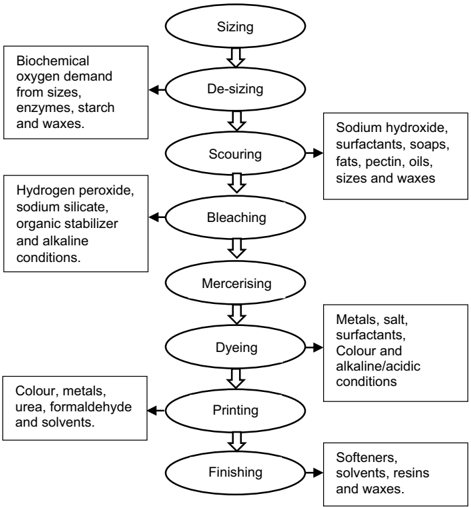
“1 The main pollutants discharged from each step of textile wet processing (after Holkar et al. (2016))”
dos Santos, A. B., Cervantes, F. J., & van Lier, J. B. (2007) · Bioresource Technology · doi:10.1016/j.biortech.2006.11.013 · Cited by 1,155
Vandevivere, P. C., Bianchi, R., & Verstraete, W. (1998) · Journal of Chemical Technology & Biotechnology · doi:10.1002/(sici)1097-4660(199808)72:4<289::aid-jctb905>3.0.co;2-# · Cited by 1,050
Colour in textile effluents - sources, measurement, discharge consents and simulation: a review
O’Neill, C., Hawkes, F. R., Hawkes, D. L., Lourenço, N. D., Pinheiro, H. M., & Delée, W. (1999) · Journal of Chemical Technology & Biotechnology · doi:10.1002/(sici)1097-4660(199911)74:11<1009::aid-jctb153>3.0.co;2-n · Cited by 905
Production, Characterization and Treatment of Textile Effluents: A Critical Review
R Ananthashankar, A. G. (2013) · Journal of Chemical Engineering & Process Technology · doi:10.4172/2157-7048.1000182 · Cited by 754 · cited 4×
“This amount of water is required when chemicals are applied on the fabrics and during the rinsing process of the final products (Ghaly et al. 2014).”
Influential(2012) · doi:10.5772/32373 · Cited by 640
Use of Chlorella vulgaris for bioremediation of textile wastewater
Lim, S.-L., Chu, W.-L., & Phang, S.-M. (2010) · Bioresource Technology · doi:10.1016/j.biortech.2010.04.092 · Cited by 541
Alaton, I. A., Balcioglu, I. A., & Bahnemann, D. W. (2002) · Water Research · doi:10.1016/s0043-1354(01)00335-9 · Cited by 518
Cotton Textile Processing: Waste Generation and Effluent Treatment
Babu, B. R., Parande, A. K., Raghu, S., & Kumar, T. P. (2007) · The journal of cotton science/Journal of cotton science · Cited by 433
Garrote, G., Domínguez, H., & Parajó, J. C. (1999) · Journal of Chemical Technology & Biotechnology · doi:10.1002/(sici)1097-4660(199911)74:11<1101::aid-jctb146>3.0.co;2-m · Cited by 400
Research works printed but not linked: 10
- Adinew B (2012) Textile effluent treatment and decolorization tech- niques-a review. Chem Bulg J Sci Educ 21:434-456
- Bradbury MJ, Collishaw PS, Moorhouse S (2000) Controlled rinsing: a stepchange in reactive dye application technology. Colour J India Ann 5:73-80
- Cumnan S, Yimrattanabovorn J (2012) The use of constructed wet- land for azo dye textile wastewater. Int J Civil Eng Build Mater 2:150-158
- Hussain J, Hussain I, Arif M (2004) Characterization of textile waste- water. J Ind Pollut Control 20:137-144
- Joshi VJ, Santani DD (2012) Physicochemical characterization and heavy metal concentration in effluent of textile industry. Univ J Environ Res Technol 2:93-96
- Kaur H, Sharma G (2015) Removal of dyes from textile industry efflu- ent: a review. Int J Humanit Soc Sci 2(4):59-63
- Nopkhuntod S, Dararat S, Yimrattanabovorn J (2012) Removal of reactive dyes from wastewater by shale. Songklanakarin J Sci Technol 34:117-123
- Shelley TR (1994) Dye pollution clean-up by synthetic mineral. Int Dyer 79:26-31
- Upadhye VB, Joshi SS (2012) Advances in wastewater treatment-a review. Int J Chem Sci Appl 3:264-268
- Uysal Y, Aktas D, Caglar Y (2014) Determination of colour removal effciency of Lemna minor L. from industrial effluents. J Environ Prot Ecol 15:1718-1726
Cited by
Items 901–1,000 of 1,000
Study of Methylene Blue Adsorption by Modified Kaolinite by Dimethyl Sulfoxide
Lellou, S., Kadi, S., Guemou, L., Schott, J., & Benhebal, H. (2020) · Ecological Chemistry and Engineering S · doi:10.2478/eces-2020-0015 · Cited by 14
Namjoufar, M., Farzi, A., & Karimi, A. (2021) · Water Science & Technology · doi:10.2166/wst.2021.070 · Cited by 14
Influence of typical electrolytes on electrooxidation of bio-refractory reactive dye
Yao, Y., Chen, Q., & Zhou, J. (2021) · International Journal of Environmental Science and Technology · doi:10.1007/s13762-021-03184-7 · Cited by 14
“Dyeing wastewaters discharged into environment have disastrous impacts on living organisms due to the potentially toxic, teratogenic, mutagenic and carcinogenic effects of bio-refractory reactive dyes (Moreira et al. 2017; Roozbahani et al. 2009; Yaseen and Scholz 2019).”
Effectivity of Indonesian Rice Husk as an Adsorbent for Removing Congo Red from Aqueous Solutions
Paapla, N. R., Normah, N., Taher, T., Mohadi, R., Rachmat, A., & Lesbani, A. (2021) · Environment and Natural Resources Journal · doi:10.32526/ennrj/19/2020232 · Cited by 14
“The presence of dyes in aquatic systems can cause severe environmental problems (Saini, 2017; Vinsiah et al., 2017; Malik et al., 2020) These dyes are carcinogenic, nonbiodegradable, and toxic to humans and biota in environmental systems (Hassaan and Nemr, 2017; Yaseen and Scholz, 2019).”
BackgroundLee, J., Seong, S., Jin, S., Kim, J., Jeong, Y., & Noh, J. (2022) · Nanomaterials · doi:10.3390/nano12142361 · Cited by 14
“Photocatalysis driven by inexhaustible solar energy may be well-suited to the issue of wastewater purification in the textile industry through an eco-friendly and efficient method [1,2].”
BackgroundYadav, V. K., Singh, B., Gacem, A., Yadav, K. K., Gnanamoorthy, G., Alsufyani, T. A., Hussein, H. S., Awwad, N. S., Verma, R., Inwati, G. K., et al. (2022) · Water · doi:10.3390/w14233871 · Cited by 14
Messaoudi, O., Mabrouki, A. E., Mansouri, M., Alfhaid, L. H. K., Azhary, A., & Elgharbi, S. (2021) · Journal of Materials Science Materials in Electronics · doi:10.1007/s10854-021-06734-4 · Cited by 14
Saha, P., & Rao, K. V. B. (2023) · Biodegradation · doi:10.1007/s10532-023-10047-0 · Cited by 13
“The composition of textile industry effluent includes a concoction of dyes, metals, and other pollutants (Yaseen and Scholz 2019).”
Eco Printing as an Environmentally Friendly Effort in Malaysia
Laili, U., Rohmawati, R., Hasina, S. N., Septianingrum, Y., & Rahayu, E. P. (2024) · Amalee Indonesian Journal of Community Research and Engagement · doi:10.37680/amalee.v5i1.3986 · Cited by 13
Santos, E. T., Power, N. P., Krishnamurthy, S., Bertuol, D. A., & Tanabe, E. H. (2024) · Journal of environmental chemical engineering · doi:10.1016/j.jece.2024.113952 · Cited by 13
Water Pollution: Transportation, Fate and Its Hazardous Impacts on the Biosphere
Bharani, A., Papitha, P., Ravi, R., & Shanmugam, N. (2024) · Springer eBooks · doi:10.1007/978-3-031-74636-9_1 · Cited by 13
Agro-waste derived rGO/CaCO3 hybrid nanostructure as green adsorbent for waste water treatment
Nallasamy, P., Al‐Ansari, M. M., Manikam, P., & Suganthy, N. (2024) · Journal of the Taiwan Institute of Chemical Engineers · doi:10.1016/j.jtice.2024.105925 · Cited by 13
Nanomaterials and their derivative biocomposites for dye adsorption
Bayode, A. A., Emmanuel, S. S., & Koko, D. T. (2025) · Elsevier eBooks · doi:10.1016/b978-0-443-29877-6.00019-6 · Cited by 14
Peng, F., Li, S., You, W.-D., Wang, X., Feng, X.-J., Yang, B., & Ying, G. (2025) · The Science of The Total Environment · doi:10.1016/j.scitotenv.2025.178766 · Cited by 13
Design of (MnO2/GO) for removal organic compounds from wastewater using digital baffle batch reactor
Nawaf, A. T., & Hassan, A. A. (2025) · International Journal of Environmental Science and Technology · doi:10.1007/s13762-025-06414-4 · Cited by 13
“The pH of the average is mostly responsible for the greatness of electrostatic custodies conveyed between the ionized pollutants substance and the functional groups on the produced catalyst surface (Yaseen and Scholz 2019).”
Sustainable acid dye removal: A biocatalytic approach using glyoxal-immobilized oxidase enzymes
Hoang, A. T., & Kim, K. (2025) · Journal of environmental chemical engineering · doi:10.1016/j.jece.2025.116236 · Cited by 13
Mubarak, M. F., Yousef, T. A., Salim, S. A., Khairy, M., Kamoun, E. A., & Mahmoud, T. (2025) · Inorganic Chemistry Communications · doi:10.1016/j.inoche.2025.114647 · Cited by 13
Nandal, K., & Jindal, R. (2025) · Polymer Bulletin · doi:10.1007/s00289-025-05815-2 · Cited by 13
Lessa, E. F., Gerhardt, R., Arabidian, V. D. C., da Silva, K. A., Junior, N. D. S., Jaeschke, D. P., Cadaval, T. R. S., & Pinto, L. A. D. A. (2025) · ACS Omega · doi:10.1021/acsomega.5c03164 · Cited by 13
Shahriar, M. F., Kamal, T., & Rahman, R. (2025) · Discover Civil Engineering · doi:10.1007/s44290-025-00349-y · Cited by 13
“Over the past decade, Dhaka’s industrial areas and also Gazipur, Savar, Narayanganj have seen a proliferation of textile dyeing, washing, and printing factories along the Burig-anga, Turag, and Shitalakkhya riverbanks [58].”
Sherif, S., Aboelnaga, A., Elshemy, N. S., El‐Abbady, S. A., & Ramadan, S. K. (2026) · RSC Advances · doi:10.1039/d5ra09499b · Cited by 13
Chen, J., Zhang, J., Chen, X., Zhu, Y., Liu, X., Ma, S., 黄爱霞, Wu, Y., Lin, F., & Zhou, Y. (2026) · Results in Engineering · doi:10.1016/j.rineng.2026.111294 · Cited by 13
Abdullah, H. A., & Jaeel, A. J. (2019) · IOP Conference Series Materials Science and Engineering · doi:10.1088/1757-899x/584/1/012036 · Cited by 13
Yuan, T., Zhang, S., Chen, Y., Zhang, R., Chen, L., Ruan, X., Zhang, S., & Zhang, F. (2021) · Frontiers in Microbiology · doi:10.3389/fmicb.2021.644679 · Cited by 13
Cadenbach, T., Santillan, P., Morales, A. L., Benitez, M. J., Moncada, F., Lascano, L., Vera, C. C., Ochoa‐Herrera, V., Vizuete, K. S., & Debut, A. (2021) · Journal of Photochemistry and Photobiology A Chemistry · doi:10.1016/j.jphotochem.2021.113334 · Cited by 13
Doan, T. H. Y., Pham, H. A., Nguyen, N. H., Le, T. D., Nguyen, T.-B., & Lê, T. S. (2022) · Journal of Analytical Methods in Chemistry · doi:10.1155/2022/9425334 · Cited by 13
“Moreover, the effluents from these industries often contain a large dye amount of 10–200mg L [2, 3], which is likely dangerous to the ecosystem and human health, causing biohazard risks such as bioaccumulation and mutagenesis inducing genetical diseases, congenital malformations, or cancer [4–6].”
BackgroundPrado, E. S. P., Miranda, F., de Araujo, L. G., Fernandes, G. L., Pereira, A. L. J., Gomes, M. C., Sobrinho, A. S. D. S., Baldan, M. R., & Filho, G. P. (2022) · Ozone Science and Engineering · doi:10.1080/01919512.2022.2088470 · Cited by 13
“Several recent review studies have reported the use of various techniques and systems for the treatment of TW (Alvares, Diaper, Parsons 2001; Behera, Nayak, Banerjee, Chakrabortty, Tripathy 2021; Holkar, Jadhav, Pinjari, Mahamuni, Pandit 2016; Ananthashankar, 2013; Samsami, Mohamadi, Sarrafzadeh, Rene, Firoozbahr 2020…”
MethodA photoelectrochemical reactor for ion separation and hydrogen production
Aydın, M. İ., Selçuk, H., & Dinçer, İ. (2022) · Energy · doi:10.1016/j.energy.2022.124641 · Cited by 13
Jóźwiak, T., Filipkowska, U., & Walczak, P. (2022) · Energies · doi:10.3390/en15176257 · Cited by 13
Pandey, B., & Singh, P. (2023) · Applied Organometallic Chemistry · doi:10.1002/aoc.7072 · Cited by 13
Hoang, N. T.-T., & Nguyen, D. D. (2023) · Sustainability · doi:10.3390/su15086979 · Cited by 13
Kalnake, R. P., Raval, R., Murthy, D. V. R., Vanzara, P. B., & Raval, K. (2023) · Bioresource Technology Reports · doi:10.1016/j.biteb.2023.101449 · Cited by 13
Sorghum-grown fungal biocatalysts for synthetic dye degradation
Gao, Y., Croze, B., Birch, Q. T., Nadagouda, M. N., & Mahendra, S. (2023) · Water Research X · doi:10.1016/j.wroa.2023.100181 · Cited by 13
Jebali, S., Meftah, M., Mejri, C., Amara, A. B. H., & Oueslati, W. (2023) · ChemEngineering · doi:10.3390/chemengineering7030043 · Cited by 13
“The textile industry contributes to substantial environmental problems due to the effluent flows that contain dyes [6].”
BackgroundPark, S., Yoo, S., Cho, S.-M., Kelley, S. S., & Park, S. (2023) · International Journal of Biological Macromolecules · doi:10.1016/j.ijbiomac.2023.125085 · Cited by 13
Yeast-driven valorization of agro-industrial wastewater: an overview
Ndubuisi, I. A., Chukwuemeka, E. S., Nnabuife, O. O., & Chukwuma, O. J. (2023) · Environmental Monitoring and Assessment · doi:10.1007/s10661-023-11863-w · Cited by 13
“Generally, the textile effluent is heavily polluted due to presence of mixture of reactive dyes, metals, and other pollutants (Holkar et al., 2016; Yaseen & Scholz, 2019).”
BackgroundTang, A. Y. L., Lee, C. H., Wang, Y., & Kan, C. W. (2023) · Fibers and Polymers · doi:10.1007/s12221-023-00371-w · Cited by 13
Veni, K. K., Kavitha, R., Fatimah, I., Sagadevan, S., & Nehru, L. C. (2023) · Inorganic Chemistry Communications · doi:10.1016/j.inoche.2023.111719 · Cited by 13
Zulfiqar, R., Munir, R., Bashir, M. Z., Albasher, G. I., Samreen, T., Hafiz, I., Murtaza, M. A., & Noreen, S. (2023) · Catalysis Surveys from Asia · doi:10.1007/s10563-023-09415-w · Cited by 13
“Any of these dyes and chemicals become part of the textile sector effluents after finishing when the product is made [6].”
Mansour, M., Guergueb, M., Missaoui, N., Castillo‐Blas, C., Gutiérrez‐Puebla, E., Ayed, B., Barhoumi, H., Demirci, U. B., & Kahri, H. (2024) · ChemistrySelect · doi:10.1002/slct.202400487 · Cited by 13
Role of surfactants in the degradation and sustainable dyeing for reactive dyeing wastewater
Han, B., Shu, D., Cao, S., Lian, Z., An, F., Li, W., & Bai, S. (2024) · Journal of Molecular Liquids · doi:10.1016/j.molliq.2024.125657 · Cited by 13
Venu, D., & Alappat, B. J. (2024) · Diamond and Related Materials · doi:10.1016/j.diamond.2024.111452 · Cited by 13
Tan, L., Wong, V.-L., & Phang, S. J. (2021) · Elsevier eBooks · doi:10.1016/b978-0-12-821506-7.00002-8 · Cited by 13
Mathew, A. T., & Saravanakumar, M. P. (2021) · Journal of Hazardous Toxic and Radioactive Waste · doi:10.1061/(asce)hz.2153-5515.0000600 · Cited by 13
Yanagi, G., Furukawa, M., Tateishi, I., Katsumata, H., & Kaneco, S. (2021) · Separation Science and Technology · doi:10.1080/01496395.2021.1896550 · Cited by 13
Liu, Y., Li, Z., Zhang, Y., Burns, K., & Zhao, N. (2022) · Journal of Power Sources · doi:10.1016/j.jpowsour.2022.231212 · Cited by 13
Textile Industry Wastewater Treatment Using Eco-Friendly Techniques
Yadav, S., Pipil, H., Chawla, H., Taneja, S., Kumar, S., & Haritash, A. K. (2022) · Springer eBooks · doi:10.1007/978-3-030-93936-6_6 · Cited by 13
Kraithep, C., Sajomsang, W., Minami, H., Busabok, C., Tangboriboonrat, P., Chaiyasat, P., & Chaiyasat, A. (2023) · Surfaces and Interfaces · doi:10.1016/j.surfin.2023.102738 · Cited by 13
Ma, Y., Jiang, X., Liu, Z., Geng, L., Zhang, X. L., Niu, P., Zhang, X., Zhang, Y., Zhang, D., Hu, H., et al. (2023) · Polyhedron · doi:10.1016/j.poly.2023.116430 · Cited by 13
Khayyami, D., Ensafi, A. A., Kazemifard, N., & Rezaei, B. (2020) · Environmental Science and Pollution Research · doi:10.1007/s11356-019-07564-y · Cited by 13
“This concentration depends on the type of factory, type of dying process, the nature of the effluent, and other parameters (Yaseen and Scholz 2019).”
BackgroundSustainable approaches in effluent treatment
Sondhi, S. (2020) · Sustainable Technologies for Fashion and Textiles · doi:10.1016/b978-0-08-102867-4.00014-1 · Cited by 12
Zhu, Z., Wang, S., Zhong, Y. L., You, Q., Gao, J. Z., Cui, S., & Shen, X. (2023) · Materials · doi:10.3390/ma16062292 · Cited by 12
“Dyes in wastewater can destroy the self-purifying function of water bodies, since they can reduce water clarity, consume oxygen in the water, and hinder photosynthesis in plants [3].”
BackgroundMota, H. P., Quadrado, R. F. N., & Fajardo, A. R. (2023) · European Polymer Journal · doi:10.1016/j.eurpolymj.2023.112487 · Cited by 12
Azo dye anaerobic treatment in anaerobic reactors coupled with PVA/Fe/Starch gel bead
Nguyen, T. H., Vo, T. T., Watari, T., Hatamoto, M., Setiadi, T., & Yamaguchi, T. (2024) · Bioresource Technology · doi:10.1016/j.biortech.2024.131102 · Cited by 12
Adıgüzel, A. O., Yabalak, E., Cilmeli, S., Durgun, R. T., & Kaya, N. G. (2024) · International Journal of Biological Macromolecules · doi:10.1016/j.ijbiomac.2024.134525 · Cited by 12
Kim, J. Y., Kim, H.-B., Kwon, D., Tsang, Y. F., Nam, I.-H., & Kwon, E. E. (2024) · Environmental Research · doi:10.1016/j.envres.2024.119987 · Cited by 12
Optimizing Dye Wastewater Purification: Ultrasonic and Flotation With Ozonation Synergy
Romanovski, V., Пилипенко, М. В., Дубина, А. В., Likhavitski, V., Volodko, S., Moskovskikh, D., & Romanovskaia, E. (2024) · Engineering Reports · doi:10.1002/eng2.13044 · Cited by 12
Mukherjee, A., & Dhak, D. (2024) · Elsevier eBooks · doi:10.1016/b978-0-443-21801-9.00016-1 · Cited by 12
Ameen, K., Javaid, A., Imran, M., Zulfiqar, A., Ibrahim, S. M., AlDamen, M. A., Ibragimov, A. B., Mateen, M., & Akhtar, M. N. (2025) · Journal of Molecular Structure · doi:10.1016/j.molstruc.2025.142580 · Cited by 12
Gautam, S., Rasool, T., & Kumar, V. (2025) · Next Materials · doi:10.1016/j.nxmate.2025.100861 · Cited by 12
Woldesenbet, D. T., Muhammed, J. J., Negedu, S. D., Henriques, J., & Bekele, E. A. (2025) · Scientific Reports · doi:10.1038/s41598-025-98019-7 · Cited by 12
“The need for environmentally friendly energy-building materials has led to extensive research into alternative materials that can mitigate the environmental impact of cement 4–6 .”
CatBoost-Optimized Hyperspectral Modeling for Accurate Prediction of Wood Dyeing Formulations
Guan, X., Xue, R., He, Z., Chen, S., & Chen, X. (2025) · Forests · doi:10.3390/f16081279 · Cited by 12
Surti, P. V., Kailasa, S. K., Jadhav, D. A., & Mungray, A. K. (2025) · Reviews in Environmental Science and Bio/Technology · doi:10.1007/s11157-025-09749-z · Cited by 12
“…dispersing dyes; heavy metals (Cr, Cu, Pb, Cd, Ni, As) used in metal-complex dyes; bleaching and fixation agents (NaOH, H 2 O 2 , urea) that alters the pH and alkalinity; and sizing agents like starch, PVA and phosphates that push the COD to 5000 mg/L (Holkar et al. 2016; Yaseen and Scholz 2019).”
Panahimehr, M., Asghari, S., Hosseini, M., & Mojaddami, A. (2025) · Journal of Molecular Structure · doi:10.1016/j.molstruc.2025.143339 · Cited by 12
A case study of the wastewater treatment system modification in denim textile industry
Zhang, L., Lei, M., Feng, T., Chang, W., Ye, A., Yi, H., & Yi, C. (2020) · Journal of the Textile Institute · doi:10.1080/00405000.2020.1835155 · Cited by 12
Morphological and Behavioral Effects in Zebrafish Embryos after Exposure to Smoke Dyes
To, K. T., Mary, L. S., Wooley, A. H., Wilbanks, M. S., Bednar, A. J., Perkins, E. J., Truong, L., Tanguay, R. L., & García‐Reyero, N. (2021) · Toxics · doi:10.3390/toxics9010009 · Cited by 12
“Dyes have been detected in industrial effluents at varying concentrations, with general reports of 10–50 mg/L of dyes detected in effluents and reports of up to 300 mg/L from textile effluents [4,5].”
BackgroundZhang, P., Zhu, Y., Zhang, Y., Lü, T., & Ye, P. (2021) · Applied Physics A · doi:10.1007/s00339-021-04485-x · Cited by 12
Mahdi, A. B., Aljeboree, A. M., & Alkaim, A. F. (2021) · Journal of chemical health risks · doi:10.22034/jchr.2021.682032 · Cited by 12
Bridging Structure, Dynamics, and Thermodynamics: An Example Study on Aqueous Potassium Halides
Laurent, H., Baker, D. L., Soper, A. K., Ries, M. E., & Dougan, L. (2021) · The Journal of Physical Chemistry B · doi:10.1021/acs.jpcb.1c06728 · Cited by 12
Mayilsami, C., Kannan, S., Palanichamy, J., & Thankappan, S. (2022) · Journal of Applied Biology & Biotechnology · doi:10.7324/jabb.2022.10s211 · Cited by 12
“However, the chemical stability of dyestuffs in the effluent and high operational cost makes the conventional treatment methods ineffective [7].”
BackgroundSudiana, I. K., Sastrawidana, I. D. K., & Sukarta, I. N. (2022) · Ecological Engineering & Environmental Technology · doi:10.12912/27197050/151628 · Cited by 12
Alkali-activated materials as adsorbents for water and wastewater treatment
Novais, R. M., & Labrincha, J. A. (2022) · Elsevier eBooks · doi:10.1016/b978-0-323-88438-9.00003-x · Cited by 12
Biossorção: uma revisão sobre métodos alternativos promissores no tratamento de águas residuais
Ribas, F. B. T., & da Silva, W. L. (2022) · Matéria (Rio de Janeiro) · doi:10.1590/s1517-707620220002.1312 · Cited by 13
Pramono, E. P., Sejati, G. P. W., Wahyuningsih, S., & Purnawan, C. (2023) · Indonesian Journal of Chemistry · doi:10.22146/ijc.78979 · Cited by 12
Lazarova, S., Tonev, R., Dimitrova, S., Dimova, G., & Mihailova, I. (2023) · Processes · doi:10.3390/pr11082291 · Cited by 12
Photo-modulated regeneration of hypercrosslinked polymer adsorbents for water treatment
Liu, A., Wei, X., Lin, S., Ding, L., Huang, Y., Fan, X., Li, P., & Lau, C. H. (2023) · Separation and Purification Technology · doi:10.1016/j.seppur.2023.125142 · Cited by 12
Cifuentes-Cabezas, M., García-Suarez, L., Soler-Cabezas, J. L., Cuartas-Uribe, B., Álvarez‐Blanco, S., Mendoza‐Roca, J. A., & Vincent‐Vela, M. (2023) · Membranes · doi:10.3390/membranes13120911 · Cited by 12
“Yaseen et al. [35] reported a NaCl concentration of 300 m g · L − 1 , a similar value to the 500 m g · L − 1 used in this paper.”
MethodTian, H., Zhu, Z., Ma, F., Li, J., Li, J., Li, Y., & Yang, P. (2023) · Reactive and Functional Polymers · doi:10.1016/j.reactfunctpolym.2023.105812 · Cited by 12
Kaplaner, E., Çinar, A., Çakan, A., & Akbay, E. (2024) · Optical Materials · doi:10.1016/j.optmat.2023.114816 · Cited by 12
An, X., Ming, S., Xiang, Y., He, J., Zhang, K., Luo, H., Fan, L., Chen, W., Ma, D., & Cheng, L. (2024) · Applied Surface Science · doi:10.1016/j.apsusc.2024.160732 · Cited by 12
Adarsh, S., & Priya, K. L. (2019) · International Journal of Environmental Science and Technology · doi:10.1007/s13762-019-02396-2 · Cited by 12
Preparation and characterization of a novel ACF-TpPa-1 composite for dye adsorption
Han, Y., Li, J., He, B., & Li, L. (2021) · Journal of Engineered Fibers and Fabrics · doi:10.1177/15589250211015898 · Cited by 12
“By using equation (1) to analyze the adsorption capacity qt (mg/g) of ACF-TpPa-1 on the dyes at time t, the adsorption kinetic curves of acid fuchsin and reactive blue 19 are obtained, respectively (Supplemental Figure S4).”
García-Carvajal, C., Rocha, J. V., de Souza, V. C., & Sapag, K. (2022) · Environmental Science and Pollution Research · doi:10.1007/s11356-022-18569-5 · Cited by 12
Global scenario and technologies for the treatment of textile wastewater
Kurade, M. B., Jadhav, U. U., Phugare, S. S., Kalyani, D. C., & Govindwar, S. P. (2023) · Elsevier eBooks · doi:10.1016/b978-0-323-91235-8.00018-8 · Cited by 12
Luty–Błocho, M., Podborska, A., Musielak, B., & Hessel, V. (2021) · Journal of Molecular Liquids · doi:10.1016/j.molliq.2021.116884 · Cited by 12
Nuid, M., Aris, A., Krishnen, R., Chelliapan, S., & Muda, K. (2023) · Journal of Environmental Management · doi:10.1016/j.jenvman.2023.118501 · Cited by 11
Goyat, R., Singh, J., Umar, A., Saharan, Y., Kumar, V., Ibrahim, A. A., Akbar, S. A., & Baskoutas, S. (2024) · Polymer Engineering and Science · doi:10.1002/pen.26839 · Cited by 11
Sarani, M., Darroudi, M., Barani, M., Khakbaz, F., Sabouri, Z., Sadrmohammadi, M., & Jazi, M. E. (2024) · Journal of the Indian Chemical Society · doi:10.1016/j.jics.2024.101350 · Cited by 11
Esmati, F., Holliday, M. C., Zein, S. H. S., Jabbar, K. J., Tan, S. H., & Putranto, A. (2024) · International Journal of Environmental Science and Technology · doi:10.1007/s13762-024-05958-1 · Cited by 11
“Textile industries, major water and chemical consumers, use 2–200 L of water per kilogram of fibre/fabric, with many neglecting waste management (Dawodu et al. 2020; Johanto et al. 2014; Yaseen et al. 2019).”
Hossain, M. F., Akther, N., Lu, J. J., Duan, C., Khan, M. T., Munyaneza, J., & Zhou, Y. (2025) · International Journal of Environmental Science and Technology · doi:10.1007/s13762-024-06265-5 · Cited by 11
“For example, the dye concentration in textile dyeing effluent might range from 10 mg/L to 200 mg/L or more, depending on the dye-ing procedure, fabric type, and treatment efficiency (Yaseen and Scholz 2019).”
Impacts of dye-contaminated effluents on the environment
Kocaman, S. (2025) · Elsevier eBooks · doi:10.1016/b978-0-443-29877-6.00002-0 · Cited by 11
Anang, S., Ibrahim, M. G. E., & Nasr, M. (2025) · Journal of environmental chemical engineering · doi:10.1016/j.jece.2025.115944 · Cited by 11
Janakiraman, V., Varun, M., Uthayakumar, G. S., Loganathan, V., Kalpanadevi, G., & Navarajan, J. (2025) · Ionics · doi:10.1007/s11581-025-06232-1 · Cited by 11
“These dyes, due to their complex aromatic structures, are extremely durable and resistant to natural degradation, resulting in long-term poisoning of water bodies [1, 2].”
Ikhlaq, A., Nawab, H., Yasar, A., Naeem, A., Akram, A., Qazi, U. Y., Qi, F., & Javaid, R. (2025) · Process Safety and Environmental Protection · doi:10.1016/j.psep.2025.107248 · Cited by 11
Ren, S., Wen, X., Lu, T., Zhang, H., Lou, Z., Xu, X., Li, J., & Yu, J. (2025) · Chemical Engineering Journal · doi:10.1016/j.cej.2025.163323 · Cited by 11
Li, T., Liu, R. Y. F., Liu, S., Xu, J., Yu, J., Guo, L., & Li, F. (2025) · Journal of Membrane Science · doi:10.1016/j.memsci.2025.124470 · Cited by 11
Turetta, M., Briani, F., & Barbera, E. (2025) · Separation and Purification Technology · doi:10.1016/j.seppur.2025.135571 · Cited by 11
Co-substrates' influence on bioelectricity production in an azo dye-based microbial fuel cell
Ravinuthala, S., Nair, A. V., Sharma, N., Lokesh, S., Madhusudhan, M. C., & Das, S. P. (2022) · Bioresource Technology Reports · doi:10.1016/j.biteb.2022.101012 · Cited by 11
Ćurić, I., & Dolar, D. (2022) · Membranes · doi:10.3390/membranes12050449 · Cited by 11
“[24] for typical textile effluents from different sources and countries.”
BackgroundDawadi, S., Gyawali, K., Katuwal, S., Gupta, A., Lamichhane, G., Khadka, S., Koirala, A. R., & Parajuli, N. (2022) · Journal of Nanomaterials · doi:10.1155/2022/3405066 · Cited by 11
“Effluents from the textile industries essentially contain synthetic dyes that contaminate the abiotic as well as biotic components of an ecosystem and so forth causing major environmental problems [1].”
Background
Metadata
- Authors
- Yaseen, D. A., & Scholz, M.
- Affiliations
- University of Salford (GB)
- Lund University (SE)
- Corresponding author
- Scholz, M.
- Venue
- International Journal of Environmental Science and Technology
- Published
- 2018-11-27
- Volume
- 16
- Issue
- 2
- Pages
- 1193-1226
- ISSN
- 1735-1472 (ISSN-L)
- 1735-2630
- OpenAlex
- W2901997077
- Semantic Scholar
- 3011c780608bf0435a046bc215c6c0b9b481d222
- Cited by
- 2,052
- References
- 96
- Citations by year
- 2026: 255 · 2025: 292 · 2024: 320 · 2023: 343 · 2022: 341 · 2021: 300 · 2020: 167 · 2019: 31
- FWCI
- 54.46
- Type
- journal article
- Language
- en
- Open access
- hybrid
- doi.org
- Licence
- cc-by
- creativecommons.org/licenses/by/4.0 (tdm)
- Locations
- International Journal of Environmental Science and Technology (publishedVersion, cc-by)
- University of Salford Institutional Repository (University of Salford) (submittedVersion, cc-by)
- Lund University Publications (Lund University) (submittedVersion)
- Funders
- Government of Iraq
- Topics
- Physical Sciences › Environmental Science › Water Science and Technology › Coagulation and Flocculation Studies
- Physical Sciences › Materials Science › Polymers and Plastics › Dyeing and Modifying Textile Fibers
- Physical Sciences › Environmental Science › Water Science and Technology › Adsorption and biosorption for pollutant removal
- Keywords
- dyeing wastewater, synthetic wastewater, dye effluents, wastewater treatment, textile industry pollution
About these checks
Registry, retraction, Cites and statistics results are computed, not judged, with one exception: a printed reference that no index lists is read once by a model before it counts as a citation error. Claims are extracted by a model and kept only when their quote appears verbatim in the text; each cited source is then checked, with a model’s help, for whether it says what the claim relies on. Those verdicts can be wrong — read the claim’s quote and the cited source before relying on one.
Statistics and arithmetic are recomputed, not judged.
Confidence bands are shown only for fields calibrated on our annotated test set. None is calibrated yet, so no band is shown.
What counts as a claim ›How we measure confidence ›How we check this ›
Are you an author, or do you see a problem with this page? Request a review
Data sources
Bibliographic data: Semantic Scholar, OpenAlex, Crossref.
Contains information from the Semantic Scholar Academic Graph Datasets, made available under the ODC Attribution License (ODC-BY 1.0).
Semantic Scholar’s data is described in: Kinney, R., et al. (2023). The Semantic Scholar Open Data Platform. arXiv:2301.10140.
