

Textile dye wastewater characteristics and constituents of synthetic effluents: a critical review
Open accessThe DOI matches its Crossref record; 97 of the 97 references it cites were found in a registry or an index.
Abstract
Textile industries are responsible for one of the major environmental pollution problems in the world, because they release undesirable dye effluents. Textile wastewater contains dyes mixed with various contaminants at a variety of ranges. Therefore, environmental legislation commonly obligates textile factories to treat these effluents before discharge into the receiving watercourses. The treatment efficiency of any pilot-scale study can be examined by feeding the system either with real textile effluents or with artificial wastewater having characteristics, which match typical textile factory discharges. This paper presents a critical review of the currently available literature regarding typical and real characteristics of the textile effluents, and also constituents including chemicals used for preparing simulated textile wastewater containing dye, as well as the treatments applied for treating the prepared effluents. This review collects the scattered information relating to artificial textile wastewater constituents and organises it to help researchers who are required to prepare synthetic wastewater. These ingredients are also evaluated based on the typical characteristics of textile wastewater, and special constituents to simulate these characteristics are recommended. The processes carried out during textile manufacturing and the chemicals corresponding to each process are also discussed.
Overview
The claims and statistics of this paper haven’t been checked yet.
Free: it reads the open-access text and checks the first 5 claims that cite a source we can check. Create a free account to check every claim.
Integrity signals
Registry
Cites
Statistics
Figures
Verification
Claims the paper makes
The claims and statistics of this paper haven’t been checked yet.
Free: it reads the open-access text and checks the first 5 claims that cite a source we can check. Create a free account to check every claim.
Claims other papers make about this one
Each is checked against this paper’s own text: does it say what the citing paper says it does?
In the citing paper
“According to Gong et al., these hybrids are more efficient for the adsorption of organic contaminants compared to even activated carbon.70”
From Recent advances on the removal of dyes from wastewater using various adsorbents: a critical review (2021) · cites this paper as [70]
Self-check
Percentages, sums and reported differences re-computed from the paper’s own numbers.
The self-check needs the paper’s full text.
Citations
Cites
A Critical Review on Textile Wastewater Treatments: Possible Approaches
Holkar, C. R., Jadhav, A. J., Pinjari, D. V., Mahamuni, N. M., & Pandit, A. B. (2016) · Journal of Environmental Management · doi:10.1016/j.jenvman.2016.07.090 · Cited by 1,927 · cited 1×
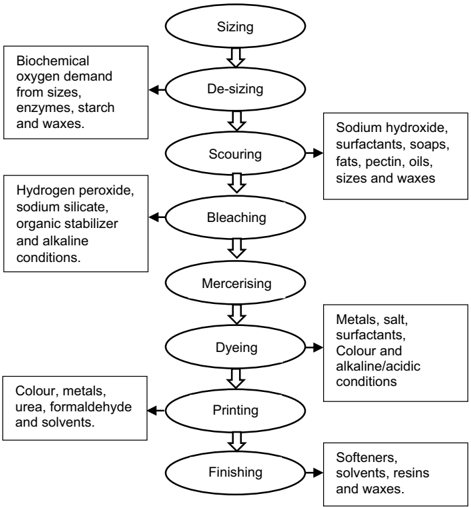
“1 The main pollutants discharged from each step of textile wet processing (after Holkar et al. (2016))”
dos Santos, A. B., Cervantes, F. J., & van Lier, J. B. (2007) · Bioresource Technology · doi:10.1016/j.biortech.2006.11.013 · Cited by 1,155
Vandevivere, P. C., Bianchi, R., & Verstraete, W. (1998) · Journal of Chemical Technology & Biotechnology · doi:10.1002/(sici)1097-4660(199808)72:4<289::aid-jctb905>3.0.co;2-# · Cited by 1,050
Colour in textile effluents - sources, measurement, discharge consents and simulation: a review
O’Neill, C., Hawkes, F. R., Hawkes, D. L., Lourenço, N. D., Pinheiro, H. M., & Delée, W. (1999) · Journal of Chemical Technology & Biotechnology · doi:10.1002/(sici)1097-4660(199911)74:11<1009::aid-jctb153>3.0.co;2-n · Cited by 905
Production, Characterization and Treatment of Textile Effluents: A Critical Review
R Ananthashankar, A. G. (2013) · Journal of Chemical Engineering & Process Technology · doi:10.4172/2157-7048.1000182 · Cited by 754 · cited 4×
“This amount of water is required when chemicals are applied on the fabrics and during the rinsing process of the final products (Ghaly et al. 2014).”
Influential(2012) · doi:10.5772/32373 · Cited by 640
Use of Chlorella vulgaris for bioremediation of textile wastewater
Lim, S.-L., Chu, W.-L., & Phang, S.-M. (2010) · Bioresource Technology · doi:10.1016/j.biortech.2010.04.092 · Cited by 541
Alaton, I. A., Balcioglu, I. A., & Bahnemann, D. W. (2002) · Water Research · doi:10.1016/s0043-1354(01)00335-9 · Cited by 518
Cotton Textile Processing: Waste Generation and Effluent Treatment
Babu, B. R., Parande, A. K., Raghu, S., & Kumar, T. P. (2007) · The journal of cotton science/Journal of cotton science · Cited by 433
Garrote, G., Domínguez, H., & Parajó, J. C. (1999) · Journal of Chemical Technology & Biotechnology · doi:10.1002/(sici)1097-4660(199911)74:11<1101::aid-jctb146>3.0.co;2-m · Cited by 400
Research works printed but not linked: 10
- Adinew B (2012) Textile effluent treatment and decolorization tech- niques-a review. Chem Bulg J Sci Educ 21:434-456
- Bradbury MJ, Collishaw PS, Moorhouse S (2000) Controlled rinsing: a stepchange in reactive dye application technology. Colour J India Ann 5:73-80
- Cumnan S, Yimrattanabovorn J (2012) The use of constructed wet- land for azo dye textile wastewater. Int J Civil Eng Build Mater 2:150-158
- Hussain J, Hussain I, Arif M (2004) Characterization of textile waste- water. J Ind Pollut Control 20:137-144
- Joshi VJ, Santani DD (2012) Physicochemical characterization and heavy metal concentration in effluent of textile industry. Univ J Environ Res Technol 2:93-96
- Kaur H, Sharma G (2015) Removal of dyes from textile industry efflu- ent: a review. Int J Humanit Soc Sci 2(4):59-63
- Nopkhuntod S, Dararat S, Yimrattanabovorn J (2012) Removal of reactive dyes from wastewater by shale. Songklanakarin J Sci Technol 34:117-123
- Shelley TR (1994) Dye pollution clean-up by synthetic mineral. Int Dyer 79:26-31
- Upadhye VB, Joshi SS (2012) Advances in wastewater treatment-a review. Int J Chem Sci Appl 3:264-268
- Uysal Y, Aktas D, Caglar Y (2014) Determination of colour removal effciency of Lemna minor L. from industrial effluents. J Environ Prot Ecol 15:1718-1726
Cited by
Items 801–900 of 1,000
Metal‐Organic Framework MIL‐68(In)‐NH2 on the Membrane Test Bench for Dye Removal and Carbon Capture
Monjezi, B. H., Sapotta, B., Moulai, S., Zhang, J., Oestreich, R., Ladewig, B. P., Müller‐Buschbaum, K., Janiak, C., Hashem, T., & Knebel, A. (2022) · Chemie Ingenieur Technik · doi:10.1002/cite.202100117 · Cited by 17
Manzar, M. S., Alshabib, M., Alam, U., Nawaz, M., Zubair, M., da Silva, A. F., Mu’azu, N. D., Meili, L., Çevik, E., & Alqahtani, H. A. (2022) · Colloids and Surfaces A Physicochemical and Engineering Aspects · doi:10.1016/j.colsurfa.2022.128828 · Cited by 17
Biosorption Potential of Sargassum for Removal of Aqueous Dye Solutions
Nielsen, B. V., Maneein, S., Anghan, J. D., Anghan, R. M., Farid, M. M. A., & Milledge, J. J. (2022) · Applied Sciences · doi:10.3390/app12094173 · Cited by 17
“Synthetic dyes are found in the wastewater streams of many industries and can be highly resistant to conventional biological wastewater treatments, leaving behind highly coloured and toxic effluents [30,31].”
BackgroundNamasivayam, S. K. R., Srinivasan, S., Kavisri, M., Kumar, J. A., Samrat, K., Bharani, R. S. A., & Naveen, S. (2022) · Biomass Conversion and Biorefinery · doi:10.1007/s13399-022-03216-3 · Cited by 17
Wang, S., Ruan, Y., Yi, L., Liu, D., Wang, J., Fang, D., & Zhang, Z. (2022) · Journal of environmental chemical engineering · doi:10.1016/j.jece.2022.108544 · Cited by 17
El‐Liethy, M. A., Hemdan, B. A., & El‐Taweel, G. E. (2022) · Acta Tropica · doi:10.1016/j.actatropica.2022.106806 · Cited by 17
Nikookar, M., Brake, N. A., Adesina, M., Rahman, A., & Selvaratnam, T. (2023) · Cleaner Materials · doi:10.1016/j.clema.2023.100203 · Cited by 17
Vaishna, V. R., Sam, J., Nair, R. R., Akhina, M. K., Haritha, K., & Prathish, K. P. (2023) · Journal of environmental chemical engineering · doi:10.1016/j.jece.2023.111495 · Cited by 17
Le, T. M., & Nguyen, T. D. (2024) · Results in Engineering · doi:10.1016/j.rineng.2024.102500 · Cited by 17
Loose Nanofiltration Membranes for the Treatment of Textile Wastewater: A Review
Jin, P., Zheng, J., Gao, Q., An, A. K., Zhu, J., & der Bruggen, B. V. (2022) · CityUHK Scholars · doi:10.22079/jmsr.2022.538529.1492 · Cited by 17
Environmentally Friendly Wastewater Treatment Methods for the Textile Industry
Sachidhanandham, A., & Periyasamy, A. P. (2020) · Springer eBooks · doi:10.1007/978-3-030-11155-7_54-1 · Cited by 17
Majhi, P. K., Kothari, R., Arora, N. K., Pandey, V. C., & Tyagi, V. V. (2021) · Bulletin of Environmental Contamination and Toxicology · doi:10.1007/s00128-021-03208-5 · Cited by 17
“Statistically, it is esti‐ mated that the consumption of total dyes in global sector is more than 10,000 tonnes/year and approximately 100 tonnes/ year of dyes are being released into water bodies (Jegathee‐ san et al. 2016; Yaseen and Scholz 2018; Lellis et al. 2019).”
BackgroundBößl, F., Brandani, S., Menzel, V. C., Rhodes, M., Tovar-Oliva, M. S., Kirk, C. A., & Tudela, I. (2023) · Ultrasonics Sonochemistry · doi:10.1016/j.ultsonch.2023.106602 · Cited by 16
“complex organic contaminant mixtures [28,29] that can have a significant impact on water bodies, even at low concentrations [30,31].”
BackgroundMicrobial communities drive flux of acid orange 7 and crystal violet dyes in water-sediment system
Mukherjee, P., Sharma, R. S., Rawat, D., Sharma, U., Karmakar, S., Yadav, A., & Mishra, V. (2023) · Journal of Environmental Management · doi:10.1016/j.jenvman.2023.119699 · Cited by 16
Hosseini, B. H., Paszkiewicz‐Gawron, M., Varma, R. S., Xu, Y., Hsu, H., & Colmenares, J. C. (2024) · Applied Catalysis O Open · doi:10.1016/j.apcato.2024.206973 · Cited by 16
Limsakul, S., Thanachayanont, C., Siyasukh, A., Jaideekard, M., Yimklan, S., Kijjanapanich, P., & Chimupala, Y. (2024) · Environmental Research · doi:10.1016/j.envres.2024.119627 · Cited by 16
Imad, H. U., Mahar, R. B., Pathan, A. A., & Khatri, A. (2024) · International Journal of Environmental Science and Technology · doi:10.1007/s13762-024-05888-y · Cited by 16
“Authors could not find the removal of indigo dye by this method, though (Yaseen and Scholz 2019; Yaseen and Scholz 2016, 2017, 2018) have used constructed wetland systems for the removal of various other dyes.”
Sequential electro‐coagulation and electro‐Fenton processes for the treatment of textile wastewater
Agarwal, P., Sangal, V. K., & Mathur, S. (2024) · Water Environment Research · doi:10.1002/wer.11118 · Cited by 16
“The textile wastewater was prepared in the laboratory by mixing various chemicals listed in Table 1 in tap water (Yaseen & Scholz, 2019).”
Lương, H. V. T., Ho, H. L., Lê, P. P., Thiều, Q. Q. V., Nguyen, T. N. Y., & Nguyen, T. N. Y. (2024) · Heliyon · doi:10.1016/j.heliyon.2024.e37860 · Cited by 16
“The amount of wastewater in the textile dyeing and bleaching stages in most textile factories contains a lot of toxic substances such as metals, dyes, high alkalinity, and high color [1,2].”
Background3D printed photopolymer derived carbon catalysts for enhanced wet peroxide oxidation
Silva, A. S., de Tuesta, J. L. D., Henrique, A., Roman, F. F., Omralinov, D., Steldinger, H., Gläsel, J., Etzold, B. J. M., Silva, J. A. C., T, S. A. M., et al. (2024) · Chemical Engineering Journal · doi:10.1016/j.cej.2024.156574 · Cited by 16
Afonso, C., Sousa, C. Y., Farinon, D. M., Lopes, A. M. C., & Fernandes, A. (2024) · Textiles · doi:10.3390/textiles4040030 · Cited by 16
“The TW’s low BOD 5 /COD ratio is ascribed to synthetic organic dyes, among other chemicals, that present high resistance to microbial attack [20].”
Oyetade, J. A., Hulle, S. W. H. V., Machunda, R. L., Hilonga, A. H., & Buysser, K. D. (2024) · Journal of Molecular Structure · doi:10.1016/j.molstruc.2024.140818 · Cited by 16
Gupta, A., & Dey, P. (2025) · International Journal of Biological Macromolecules · doi:10.1016/j.ijbiomac.2025.141109 · Cited by 16
Modi, A., Baranda, P., Thakor, R., Thacker, D., Trivedi, J. N., & Bariya, H. (2025) · Journal of Hazardous Materials Advances · doi:10.1016/j.hazadv.2025.100705 · Cited by 16
Treatment of Dye Wastewater from Batik Industry by Coconut Shell Activated Carbon Adsorption
Qisti, A., Utomo, Y., & Rokhim, D. A. (2021) · Fullerene Journal of Chemistry · doi:10.37033/fjc.v6i1.213 · Cited by 16
Herbert, A., & Kumar, U. (2021) · International Journal of Environmental & Analytical Chemistry · doi:10.1080/03067319.2021.1940987 · Cited by 16
Plant extract mediated ZnO-NPs as photocatalyst for dye degradation: An overview
Tanwar, N., Dhiman, V., Kumar, S., & Kondal, N. (2021) · Materials Today Proceedings · doi:10.1016/j.matpr.2021.09.186 · Cited by 16
Yan, X., Wang, Y., Kang, B., Li, Z., & Niu, Y. (2021) · Crystals · doi:10.3390/cryst11111373 · Cited by 16
Modkovski, T. A., Maciel, G. M., Brugnari, T., Bortolini, D. G., Bergamasco, R., Treichel, H., & Haminiuk, C. W. I. (2021) · Water Air & Soil Pollution · doi:10.1007/s11270-021-05451-2 · Cited by 16
Hamza, M. F., Goda, A. E. ‐., Ning, S., Mira, H. I., Abdel‐Rahman, A. A. ‐., Wei, Y., Fujita, T., Amer, H. H., Alotaibi, S. H., & Fouda, A. (2022) · Catalysts · doi:10.3390/catal12030330 · Cited by 16
Huang, J., Puyang, C., & Guo, H. (2022) · Catalysts · doi:10.3390/catal12070681 · Cited by 16
Synchronized Dyeing and Finishing of Natural Silk Fabrics with Mulberry Leaves Extract
Haggag, K., El-Hawary, N. S., Mashaly, H., Elshemy, N., & El‐Sayed, H. (2023) · Egyptian Journal of Chemistry · doi:10.21608/ejchem.2023.157077.6811 · Cited by 16
Almulhem, N. K., Awada, C., & Shaalan, N. M. (2023) · Separations · doi:10.3390/separations10030162 · Cited by 16
Advanced photocatalysis mediated by TiO2/Ag/TiO2 nanoparticles modified cotton fabric
Milošević, M., Radoičić, M. B., Ohara, S., Abe, H., Spasojevic, J. P., Mančić, L. T., & Šaponjić, Z. V. (2023) · Cellulose · doi:10.1007/s10570-023-05165-0 · Cited by 16
“NPs Nanoparticles CO control Control cotton fabric CO + TiO2 TiO2 NPs modified cotton fabric sample CO + TiO2/Ag TiO2/Ag NPs modified cotton fabric composite CO + TiO2/Ag/TiO2 TiO2/Ag/TiO2 NPs modified cotton fabric composite RB Rhodamine B AO7 Acid Orange 7 MR Methyl Red TEM Transmission electron microscopy FESEM Fie…”
BackgroundInfluentialBiodecolorization of anthraquinone and azo dyes by dark septate endophytic fungi
Melati, I., Rahayu, G., Surono, S., Effendi, H., Henny, C., & Yanto, D. H. Y. (2023) · Bioresource Technology Reports · doi:10.1016/j.biteb.2023.101427 · Cited by 16
Photocatalytic Degradation of Acidic and Basic Dye by ZnS and Tin-Doped ZnS Nanocatalysts
Shah, U., Jan, F. A., Ullah, R., Wajidullah, W., Ullah, N., & Ahmad, M. (2023) · Iranian Journal of Science · doi:10.1007/s40995-023-01462-2 · Cited by 16
“Wastewater can be treated using various techniques, such as adsorption, chemical coagulation, advanced oxidation, and photocatalysis (Miao et al. 2014; Yaseen and Scholz 2019).”
BackgroundMethodLiang, J., Zhang, W., Xie, W., Feng, Z., Chen, Y., Zhao, W., Xiong, G., & Liu, Z. (2023) · Journal of Physics and Chemistry of Solids · doi:10.1016/j.jpcs.2023.111432 · Cited by 16
Eze, E., Omer, A. M., Hassanin, A. H., Eltaweil, A. S., & El‐Khouly, M. E. (2023) · Biomass Conversion and Biorefinery · doi:10.1007/s13399-023-04342-2 · Cited by 17
Prinith, N. S., & Manjunatha, J. G. (2023) · Sensing Technology · doi:10.1080/28361466.2023.2218877 · Cited by 16
From Water for Water: PEDOT:PSS-Chitosan Beads for Sustainable Dyes Adsorption
Vassalini, I., Maddaloni, M., Depedro, M., Villi, A. D., Ferroni, M., & Alessandri, I. (2023) · Gels · doi:10.3390/gels10010037 · Cited by 16
“Unfortunately, the concentration of organic dyes in textile wastewater can be as high as 250 mg/L [4], posing a serious hazard to the environment.”
BackgroundQi, Z., Xiang, G., & Xiong, D. (2019) · Applied Sciences · doi:10.3390/app9101974 · Cited by 16
Sustainable colorants for protective textiles
Ibrahim, N. A., Eid, B. M., & Kafafy, H. H. A. M. (2020) · Elsevier eBooks · doi:10.1016/b978-0-12-820257-9.00021-7 · Cited by 16
Bellucci, M., Marazzi, F., Musatti, A., Fornaroli, R., Turolla, A., Visigalli, S., Bargna, M., Bergna, G., Canziani, R., Mezzanotte, V., et al. (2021) · PLoS ONE · doi:10.1371/journal.pone.0247452 · Cited by 17
“08 mg L) were within the expected range for this type of wastewater [2,53].”
BackgroundBIODEGRADATION OF METHYLENE BLUE BY BACTERIA STRAINS ISOLATED FROM CONTAMINATED SOIL
ARIFFIN, F., & ANUAR, N. E. M. C. (2022) · Malaysian Applied Biology · doi:10.55230/mabjournal.v51i3.2190 · Cited by 15
Application of Organic-Inorganic Nanohybrids in Wastewater Treatment
Rehman, A. A., Babar, Z. B., Munir, S., Urfi, M., Kanwal, S., Ashraf, M. N., & Rızwan, K. (2022) · Materials horizons · doi:10.1007/978-981-19-4538-0_12 · Cited by 15
Hassan, H. H. A. M., & Fattah, M. A. (2023) · Functional Composite Materials · doi:10.1186/s42252-023-00038-y · Cited by 15
“Introduction Water pollution due to the dyeing of textile fibers, paper, leathers, plastics, and pharmaceuticals is one of the most challenging problems in industrial waste management because of its complexity, which directly influences drinking water [1, 2].”
BackgroundTextile Wastewater Treated by Constructed Wetlands – A Critical Review
Hussein, A. (2023) · Journal of Ecological Engineering · doi:10.12911/22998993/161764 · Cited by 15
“The textile industry sector is one of the most critical and largest industrial sectors in many countries; India (Sivakumar et al., 2013), Turkey (Yalcuk and Dogdu, 2014), European countries, and the USA (Yaseen and Scholz, 2019).”
BackgroundMugaishudeen, G., Harish, M. T., & gopal, R. S. (2024) · Desalination and Water Treatment · doi:10.1016/j.dwt.2024.100471 · Cited by 15
Nhi, N. T. T., Thơ, N. T. M., & Anh, N. T. H. (2024) · Green Chemistry Letters and Reviews · doi:10.1080/17518253.2024.2377555 · Cited by 15
“The textile sector is a particularly significant contributor to industrial wastewater ( 1,2 ).”
Handoko, B., Iqbal, R., & Notodarmojo, S. (2024) · Results in Engineering · doi:10.1016/j.rineng.2024.102597 · Cited by 15
Ren, W.-L., Gao, W.-J., Zhou, Q., Jin, J.-X., & Huang, Y. (2024) · Inorganic Chemistry Communications · doi:10.1016/j.inoche.2024.112919 · Cited by 15
Khao, T., Gembo, R. O., Odisitse, S., & King’ondu, C. K. (2024) · Next Materials · doi:10.1016/j.nxmate.2024.100366 · Cited by 15
Łagiewka, J., Witt, K., Gierszewska, M., & Zawierucha, I. (2024) · Journal of Water Process Engineering · doi:10.1016/j.jwpe.2024.106306 · Cited by 15
Astuti, I. Y., Suratman, A., Lal, B., Hosseini–Bandegharaei, A., Zango, Z. U., Adamu, H., & Siswanta, D. (2025) · Desalination and Water Treatment · doi:10.1016/j.dwt.2025.101092 · Cited by 15
Sustainable transition to circular textile practices in Indian textile industries: a review
Kanmani, S. (2025) · Clean Technologies and Environmental Policy · doi:10.1007/s10098-025-03193-x · Cited by 15
“This process requires energy-intensive boiling and excessive water for rinsing and neutralising which leads to the generation of effluents with high COD level (Yaseen and Scholz 2019; Lu et al. 2022).”
Hamad, M. T. M. H. (2025) · BMC Chemistry · doi:10.1186/s13065-025-01542-x · Cited by 15
Adsorption of Acid Blue 25 on peach seed powder: Isotherm, kinetic and thermodynamic studies
Kul, A. R., Aldemır, A., & Elik, H. (2019) · Environmental Research and Technology · doi:10.35208/ert.650398 · Cited by 15
“These dyes used in ground water tracing for the determination of specific surface area of the activated sludge sewage and wastewater treatment as well [7-9].”
BackgroundEnzymatic Bioremediation of Dyes from Textile Industry Effluents
Souza, A. G. V., Maria, T. C., Saran, L. M., & Alves, L. M. C. (2022) · IntechOpen eBooks · doi:10.5772/intechopen.103064 · Cited by 15
Removal of Methylene Blue by Metal Oxides Supported by Oily Sludge Pyrolysis Residues
Li, J., Han, L., Zhang, T., Qu, C., Yu, T., & Yang, B. (2022) · Applied Sciences · doi:10.3390/app12094725 · Cited by 15
Sonmez, B., Baser, E., & Gel, O. Y. (2022) · Microporous and Mesoporous Materials · doi:10.1016/j.micromeso.2022.112001 · Cited by 15
Tabaraki, R., Zadkhast, S., Najafi, A., & Moghaddam, V. R. (2022) · Biomass Conversion and Biorefinery · doi:10.1007/s13399-022-02809-2 · Cited by 15
“A wide range of values (10–250 and 600–800 ppm) was reported for dye concentrations in waste-water [15].”
Brindha, R., Rajeswari, S., Debora, J. J., & Rajaguru, P. (2022) · Journal of Environmental Management · doi:10.1016/j.jenvman.2022.115600 · Cited by 15
Ikram, M., Haider, A., Naz, S., Bari, M. A., Haider, J., Ul‐Hamid, A., Nabgan, W., Imran, M., Nazir, G., & Ali, S. (2022) · International Journal of Biological Macromolecules · doi:10.1016/j.ijbiomac.2022.10.179 · Cited by 15
Kamenická, B., Švec, P., & Weidlich, T. (2023) · International Journal of Molecular Sciences · doi:10.3390/ijms241512235 · Cited by 15
“These experiments were performed using model solutions of MB9 simulating industrial wastewater from the production of acid azo dyes [27,28].”
MethodChen, D., Geng, H., Hou, P., Li, Y., Long, S., Yin, M., Wang, X., & Zhao, L. (2023) · Journal of Water Process Engineering · doi:10.1016/j.jwpe.2023.104357 · Cited by 15
Efficient Decontamination: Caffeine/Triclosan Removal using Rice Husk in Batch and Fixed-Bed Columns
Almeida‐Naranjo, C. E., Cuestas, J., Guerrero, V. H., & Villamar-Ayala, C. A. (2024) · Water · doi:10.3390/w16020197 · Cited by 15
“The results of these tests are interesting since parameters/variables can be determined and used with real wastewater [29].”
BackgroundSolmaz, A., Turna, T., & Baran, A. (2024) · The Canadian Journal of Chemical Engineering · doi:10.1002/cjce.25179 · Cited by 15
Armaković, S. J., Savanović, M. M., Šiljegović, M. V., Kisic, M. G., Šćepanović, M. J., Grujić‐Brojčin, M., Simić, N., Gavanski, L., & Armaković, S. (2024) · Inorganics · doi:10.3390/inorganics12010035 · Cited by 15
“Effluents containing dyes are high in color, suspended solids, pH [4], biochemical and chemical oxygen demand, metals, and salts [5].”
BackgroundTitanium Carbide (Ti 3 C 2 T x ) MXene for Sequestration of Aquatic Pollutants
Madhu, S., MacKenzie, J., Grewal, K. S., Farooque, A. A., Koleilat, G. I., & Selopal, G. S. (2024) · ChemSusChem · doi:10.1002/cssc.202400421 · Cited by 15
Tummino, M. L., Nisticò, R., Riedo, C., Fabbri, D., Cerruti, M., & Magnacca, G. (2020) · Chemistry - A European Journal · doi:10.1002/chem.202003250 · Cited by 15
Ebrahimian, J., Mohsennia, M., & Khayatkashani, M. (2021) · Research on Chemical Intermediates · doi:10.1007/s11164-021-04546-z · Cited by 15
Removal of acid yellow dye 17 from aqueous solutions using an activated bone char
Kerie, E., & Alemu, A. (2022) · Water Quality Research Journal · doi:10.2166/wqrj.2022.016 · Cited by 15
Irshad, M. A., Humayoun, M. A., Al‐Hussain, S. A., Nawaz, R., Arshad, M. A., Irfan, A., & Zaki, M. E. A. (2022) · Sustainability · doi:10.3390/su15010081 · Cited by 15
Chambers, C., Saha, S., Grimes, S., Calhoun, J., & Reza, M. T. (2024) · Biomass Conversion and Biorefinery · doi:10.1007/s13399-023-04326-2 · Cited by 14
“Textile industries are one of the main contributors to dye pollution to wastewater streams [32] thus the mitigation of these toxic pollutants in these waste streams are imperative.”
Wang, Y., Kang, Y., & Liu, X. (2022) · Journal of Materials Science Materials in Electronics · doi:10.1007/s10854-022-08796-4 · Cited by 14
Quinto, M. L., Khan, S., Vega‐Chacón, J., Mortari, B., Wong, A., Sotomayor, M. D. P. T., & Picasso, G. (2023) · Polymers · doi:10.3390/polym15183709 · Cited by 14
TiO2 and ZnO as Advanced Photocatalysts for Effective Dye Degradation in Textile Wastewater
Simončić, B., & Glažar, D. (2023) · Tekstilec · doi:10.14502/tekstilec.66.2023045 · Cited by 14
Yadav, S., Chander, S., & Gupta, A. (2024) · ChemistrySelect · doi:10.1002/slct.202303507 · Cited by 14
Chakraborty, T., Yadav, D., Bedar, A., Joshi, R., Pandey, M. K., Saxena, S., & Shukla, S. (2024) · Separation and Purification Technology · doi:10.1016/j.seppur.2024.129725 · Cited by 14
He, M., Zhao, L., Hu, H., Yao, L., Guo, Y., Hou, C., Gao, S., & Li, R. (2024) · Environmental Research · doi:10.1016/j.envres.2024.120193 · Cited by 14
Sun, Z. J., Qiu, H., Kang, X., Zhou, W., Yan, W., Chen, F., Xu, J., Wu, D., Xu, D., & Zhu, X. (2024) · Separation and Purification Technology · doi:10.1016/j.seppur.2024.130520 · Cited by 14
Sonocatalytic degradation of RB-5 dye using ZnO nanoparticles doped with transition metals
Rodríguez-Flores, T., Hernández-Pérez, I., de la Huerta-Hernández, G. E., Suárez, R., & Pérez, C. E. H. (2024) · Environmental Science and Pollution Research · doi:10.1007/s11356-024-35776-4 · Cited by 14
Fındık, S. (2025) · International Journal of Biological Macromolecules · doi:10.1016/j.ijbiomac.2025.142193 · Cited by 15
Shrivastav, H., Kaur, H., Kumar, S., Sur, D. H., Sadaf, S., Kaur, R., Kumar, C., Patial, P., Awad, M., & Alam, M. W. (2026) · Catalysis Today · doi:10.1016/j.cattod.2026.115679 · Cited by 14
Kumar, D. P., Nollen, L.-M., Rangappa, A. P., & Kim, T. K. (2021) · Environmental Research · doi:10.1016/j.envres.2021.112362 · Cited by 14
Lyu, W., Yu, M., Li, J., Feng, J., & Yan, W. (2022) · Colloids and Surfaces A Physicochemical and Engineering Aspects · doi:10.1016/j.colsurfa.2022.129203 · Cited by 14
Zhou, X., Li, X., Xu, C., Yang, L., Yang, G., & Guo, L. (2022) · Journal of Environmental Management · doi:10.1016/j.jenvman.2022.116054 · Cited by 14
Wastewater effluents analysis from sustainable algae-based blue dyeing with phycocyanin
Moldovan, S., Bou-Belda, E., Franco, E., Ferrándiz, M., Gisbert-Payá, J., Diaz-García, P., Pascual, J., & Bonet-Aracil, M. (2022) · Textile Research Journal · doi:10.1177/00405175221119419 · Cited by 14
“Nevertheless, with reduced oxygen demand and favorable values, the optimum conditions are justified, as it has been demonstrated that there is high stability of phycocyanin at 65 C, in pH1⁄4 5 conditions.(20,21) Thus, the optimum conditions, do reveal the lowest negative impact on wastewater effluents resulting from w…”
BackgroundInfluentialHabyarimana, J. L., Ma, J., Nyiransengiyumva, C., Qing, T. W., qi, C. Y., Twagirayezu, G., & Ying, D. (2022) · Biocatalysis and Agricultural Biotechnology · doi:10.1016/j.bcab.2022.102484 · Cited by 14
Zhai, L., Hu, Y., Xu, S., Guo, H.-Y., Sun, M., Yu, J., & Wang, Y. (2023) · Journal of Environmental Management · doi:10.1016/j.jenvman.2023.117843 · Cited by 14
Kuchtová, G., Hojová, L., Staňová, A. V., Marton, M., Vrška, M., Behúl, M., Michniak, P., Vojs, M., & Dušek, L. (2023) · Electrochimica Acta · doi:10.1016/j.electacta.2023.142924 · Cited by 14
Ibrahiem, H., Ismail, G. S. M., Migahid, M. M., Ghazy, M. A., & Nasr, M. (2023) · International Journal of Phytoremediation · doi:10.1080/15226514.2023.2253915 · Cited by 14
“The wastewater medium used in the phytoremediation experiments was synthesized, as previously reported (Yaseen and Scholz 2019).”
MethodPAN/PVP/CD-MOF composite beads for the removal of Crystal Violet and Brilliant Blue G in water
Lopez, E. C. R., & Perez, J. V. D. (2023) · Materials Today Proceedings · doi:10.1016/j.matpr.2023.09.178 · Cited by 14
Clematis, D., Skolotneva, E., Cademartori, D., & Panizza, M. (2023) · Chemosphere · doi:10.1016/j.chemosphere.2023.140408 · Cited by 14
NaOH-Activated Natural Glauconite for Low-Cost Adsorption of Congo Red Dye
Hamd, A., Salah, D., Alyafei, H. F., Soliman, N. K., El‐Reedy, A. A. M., Elzanaty, A. M., Al‐Saeedi, S. I., Al‐Ghamdi, A. A., Shaban, M., El‐Sayed, R., et al. (2023) · Water · doi:10.3390/w15213753 · Cited by 14
El‐Shafie, A. S., Karamshahi, F., & El‐Azazy, M. (2023) · Environmental Science and Pollution Research · doi:10.1007/s11356-023-30538-0 · Cited by 14
“Dyes are among these pollutants that are hard to remediate using traditional treatment techniques (Modi et al. 2022, Rafatullah et al. 2010, Yaseen &Scholz 2019).”
MethodSu, Y., Liang, X., Liu, S., Zhang, Y., Zeng, J., Bai, J., Zhu, X., & Li, J. (2023) · Journal of Sol-Gel Science and Technology · doi:10.1007/s10971-023-06253-0 · Cited by 14
“With the rapid development of industrialization, the generation and discharge of dye wastewater have shown an explosive growth [1 – 3].”
Momin, R. F., & Gogate, P. R. (2023) · Journal of Environmental Management · doi:10.1016/j.jenvman.2023.119642 · Cited by 14
Aftab, R. A., Zaidi, S., Khan, A. A. P., Usman, M. A., Khan, A. Y., Danish, M., Ansari, K. B., Danish, M., & Asiri, A. M. (2023) · Arabian Journal for Science and Engineering · doi:10.1007/s13369-023-08604-z · Cited by 14
“Environmental regulation worldwide requiring factories to treat their effluents before discharging them into streams and rivers has galvanized action to try other methods for cleaning polluted water [20].”
Patil, S. S., Anbalagan, A. C., Sukhdev, A., & Chandrasekaran, S. (2024) · Surfaces and Interfaces · doi:10.1016/j.surfin.2024.104255 · Cited by 14
Metadata
- Authors
- Yaseen, D. A., & Scholz, M.
- Affiliations
- University of Salford (GB)
- Lund University (SE)
- Corresponding author
- Scholz, M.
- Venue
- International Journal of Environmental Science and Technology
- Published
- 2018-11-27
- Volume
- 16
- Issue
- 2
- Pages
- 1193-1226
- ISSN
- 1735-1472 (ISSN-L)
- 1735-2630
- OpenAlex
- W2901997077
- Semantic Scholar
- 3011c780608bf0435a046bc215c6c0b9b481d222
- Cited by
- 2,052
- References
- 96
- Citations by year
- 2026: 255 · 2025: 292 · 2024: 320 · 2023: 343 · 2022: 341 · 2021: 300 · 2020: 167 · 2019: 31
- FWCI
- 54.46
- Type
- journal article
- Language
- en
- Open access
- hybrid
- doi.org
- Licence
- cc-by
- creativecommons.org/licenses/by/4.0 (tdm)
- Locations
- International Journal of Environmental Science and Technology (publishedVersion, cc-by)
- University of Salford Institutional Repository (University of Salford) (submittedVersion, cc-by)
- Lund University Publications (Lund University) (submittedVersion)
- Funders
- Government of Iraq
- Topics
- Physical Sciences › Environmental Science › Water Science and Technology › Coagulation and Flocculation Studies
- Physical Sciences › Materials Science › Polymers and Plastics › Dyeing and Modifying Textile Fibers
- Physical Sciences › Environmental Science › Water Science and Technology › Adsorption and biosorption for pollutant removal
- Keywords
- dyeing wastewater, synthetic wastewater, dye effluents, wastewater treatment, textile industry pollution
About these checks
Registry, retraction, Cites and statistics results are computed, not judged, with one exception: a printed reference that no index lists is read once by a model before it counts as a citation error. Claims are extracted by a model and kept only when their quote appears verbatim in the text; each cited source is then checked, with a model’s help, for whether it says what the claim relies on. Those verdicts can be wrong — read the claim’s quote and the cited source before relying on one.
Statistics and arithmetic are recomputed, not judged.
Confidence bands are shown only for fields calibrated on our annotated test set. None is calibrated yet, so no band is shown.
What counts as a claim ›How we measure confidence ›How we check this ›
Are you an author, or do you see a problem with this page? Request a review
Data sources
Bibliographic data: Semantic Scholar, OpenAlex, Crossref.
Contains information from the Semantic Scholar Academic Graph Datasets, made available under the ODC Attribution License (ODC-BY 1.0).
Semantic Scholar’s data is described in: Kinney, R., et al. (2023). The Semantic Scholar Open Data Platform. arXiv:2301.10140.
