

Textile dye wastewater characteristics and constituents of synthetic effluents: a critical review
Open accessThe DOI matches its Crossref record; 97 of the 97 references it cites were found in a registry or an index.
Abstract
Textile industries are responsible for one of the major environmental pollution problems in the world, because they release undesirable dye effluents. Textile wastewater contains dyes mixed with various contaminants at a variety of ranges. Therefore, environmental legislation commonly obligates textile factories to treat these effluents before discharge into the receiving watercourses. The treatment efficiency of any pilot-scale study can be examined by feeding the system either with real textile effluents or with artificial wastewater having characteristics, which match typical textile factory discharges. This paper presents a critical review of the currently available literature regarding typical and real characteristics of the textile effluents, and also constituents including chemicals used for preparing simulated textile wastewater containing dye, as well as the treatments applied for treating the prepared effluents. This review collects the scattered information relating to artificial textile wastewater constituents and organises it to help researchers who are required to prepare synthetic wastewater. These ingredients are also evaluated based on the typical characteristics of textile wastewater, and special constituents to simulate these characteristics are recommended. The processes carried out during textile manufacturing and the chemicals corresponding to each process are also discussed.
Overview
The claims and statistics of this paper haven’t been checked yet.
Free: it reads the open-access text and checks the first 5 claims that cite a source we can check. Create a free account to check every claim.
Integrity signals
Registry
Cites
Statistics
Figures
Verification
Claims the paper makes
The claims and statistics of this paper haven’t been checked yet.
Free: it reads the open-access text and checks the first 5 claims that cite a source we can check. Create a free account to check every claim.
Claims other papers make about this one
Each is checked against this paper’s own text: does it say what the citing paper says it does?
In the citing paper
“According to Gong et al., these hybrids are more efficient for the adsorption of organic contaminants compared to even activated carbon.70”
From Recent advances on the removal of dyes from wastewater using various adsorbents: a critical review (2021) · cites this paper as [70]
Self-check
Percentages, sums and reported differences re-computed from the paper’s own numbers.
The self-check needs the paper’s full text.
Citations
Cites
A Critical Review on Textile Wastewater Treatments: Possible Approaches
Holkar, C. R., Jadhav, A. J., Pinjari, D. V., Mahamuni, N. M., & Pandit, A. B. (2016) · Journal of Environmental Management · doi:10.1016/j.jenvman.2016.07.090 · Cited by 1,927 · cited 1×
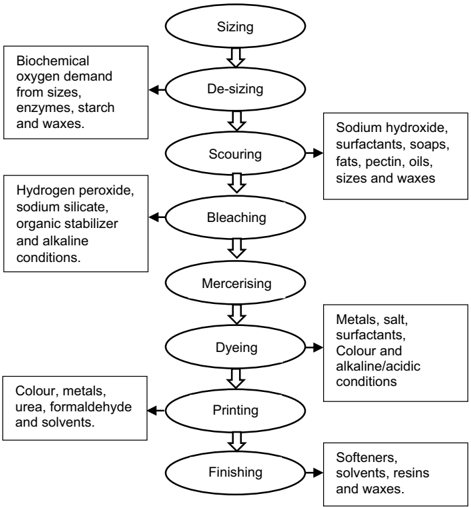
“1 The main pollutants discharged from each step of textile wet processing (after Holkar et al. (2016))”
dos Santos, A. B., Cervantes, F. J., & van Lier, J. B. (2007) · Bioresource Technology · doi:10.1016/j.biortech.2006.11.013 · Cited by 1,155
Vandevivere, P. C., Bianchi, R., & Verstraete, W. (1998) · Journal of Chemical Technology & Biotechnology · doi:10.1002/(sici)1097-4660(199808)72:4<289::aid-jctb905>3.0.co;2-# · Cited by 1,050
Colour in textile effluents - sources, measurement, discharge consents and simulation: a review
O’Neill, C., Hawkes, F. R., Hawkes, D. L., Lourenço, N. D., Pinheiro, H. M., & Delée, W. (1999) · Journal of Chemical Technology & Biotechnology · doi:10.1002/(sici)1097-4660(199911)74:11<1009::aid-jctb153>3.0.co;2-n · Cited by 905
Production, Characterization and Treatment of Textile Effluents: A Critical Review
R Ananthashankar, A. G. (2013) · Journal of Chemical Engineering & Process Technology · doi:10.4172/2157-7048.1000182 · Cited by 754 · cited 4×
“This amount of water is required when chemicals are applied on the fabrics and during the rinsing process of the final products (Ghaly et al. 2014).”
Influential(2012) · doi:10.5772/32373 · Cited by 640
Use of Chlorella vulgaris for bioremediation of textile wastewater
Lim, S.-L., Chu, W.-L., & Phang, S.-M. (2010) · Bioresource Technology · doi:10.1016/j.biortech.2010.04.092 · Cited by 541
Alaton, I. A., Balcioglu, I. A., & Bahnemann, D. W. (2002) · Water Research · doi:10.1016/s0043-1354(01)00335-9 · Cited by 518
Cotton Textile Processing: Waste Generation and Effluent Treatment
Babu, B. R., Parande, A. K., Raghu, S., & Kumar, T. P. (2007) · The journal of cotton science/Journal of cotton science · Cited by 433
Garrote, G., Domínguez, H., & Parajó, J. C. (1999) · Journal of Chemical Technology & Biotechnology · doi:10.1002/(sici)1097-4660(199911)74:11<1101::aid-jctb146>3.0.co;2-m · Cited by 400
Research works printed but not linked: 10
- Adinew B (2012) Textile effluent treatment and decolorization tech- niques-a review. Chem Bulg J Sci Educ 21:434-456
- Bradbury MJ, Collishaw PS, Moorhouse S (2000) Controlled rinsing: a stepchange in reactive dye application technology. Colour J India Ann 5:73-80
- Cumnan S, Yimrattanabovorn J (2012) The use of constructed wet- land for azo dye textile wastewater. Int J Civil Eng Build Mater 2:150-158
- Hussain J, Hussain I, Arif M (2004) Characterization of textile waste- water. J Ind Pollut Control 20:137-144
- Joshi VJ, Santani DD (2012) Physicochemical characterization and heavy metal concentration in effluent of textile industry. Univ J Environ Res Technol 2:93-96
- Kaur H, Sharma G (2015) Removal of dyes from textile industry efflu- ent: a review. Int J Humanit Soc Sci 2(4):59-63
- Nopkhuntod S, Dararat S, Yimrattanabovorn J (2012) Removal of reactive dyes from wastewater by shale. Songklanakarin J Sci Technol 34:117-123
- Shelley TR (1994) Dye pollution clean-up by synthetic mineral. Int Dyer 79:26-31
- Upadhye VB, Joshi SS (2012) Advances in wastewater treatment-a review. Int J Chem Sci Appl 3:264-268
- Uysal Y, Aktas D, Caglar Y (2014) Determination of colour removal effciency of Lemna minor L. from industrial effluents. J Environ Prot Ecol 15:1718-1726
Cited by
Items 301–400 of 1,000
Ouakouak, A., Messameh, A., Barhoumi, T., Chahinez, H.-O., Grabi, H., Hamdi, N., Syafiuddin, A., & Boopathy, R. (2021) · Applied Sciences · doi:10.3390/app112210722 · Cited by 50
“The textile industry discharges wastewater containing toxic dyes, and around 2–20% are directly rejected as liquid effluents into the environment [2].”
BackgroundTang, K., Zheng, H. Y., Du, P., & Zhou, K. (2022) · Environmental Science & Technology · doi:10.1021/acs.est.2c00982 · Cited by 50
Sivaselvam, S., Selvakumar, R., Viswanathan, C., & Ponpandian, N. (2021) · Chemosphere · doi:10.1016/j.chemosphere.2021.130061 · Cited by 50
Soni, I., Kumar, P., Sharma, S., & Jayaprakash, G. K. (2021) · Electrochem · doi:10.3390/electrochem2020020 · Cited by 49
Biogenic sulfide for azo dye decolorization from textile dyeing wastewater
Zeng, Q., Wang, Y., Zan, F., Khanal, S. K., & Hao, T. (2021) · Chemosphere · doi:10.1016/j.chemosphere.2021.131158 · Cited by 49
Yadav, V. K., Gnanamoorthy, G., Ali, D., Bera, S. P., Roy, A., Kumar, G., Choudhary, N., Kalasariya, H. S., & Basnet, A. (2022) · Journal of Nanomaterials · doi:10.1155/2022/5949595 · Cited by 49
Synthetic Dye Application in Textiles: A Review on the Efficacies and Toxicities Involved
Fobiri, G. K. (2022) · Textile & Leather Review · doi:10.31881/tlr.2022.22 · Cited by 49
Wu, Y., Zhang, N., Yuen, G., & de Lannoy, C. (2022) · Chemical Engineering Journal · doi:10.1016/j.cej.2022.140624 · Cited by 49
Alav, I., & Buckner, M. M. C. (2023) · Critical Reviews in Microbiology · doi:10.1080/1040841x.2023.2233603 · Cited by 50
“…as o -xylene, can still leach into the environment and have been detected at concentrations of up to 6.8 µg/l in surface waters (Duan et al. 2017; yaseen and Scholz 2019). engineered nanomaterials, such as nanoalumina, have a diverse range of applications including drug delivery, materials…”
BackgroundInfluentialGonçalves, A. H. A., Siciliano, P. H. C., Alves, O. C., César, D. V., Henriques, C. A., & Gaspar, A. B. (2020) · Topics in Catalysis · doi:10.1007/s11244-020-01277-0 · Cited by 49
Trends in Biological Nutrient Removal for the Treatment of Low Strength Organic Wastewaters
Banu, J. R., Merrylin, J., Kavitha, S. K., Kannah, R. Y., Periyasamy, S., Gopikumar, S., Sivashanmugam, P., Do, K., & Kumar, G. (2020) · Current Pollution Reports · doi:10.1007/s40726-020-00169-x · Cited by 49
Silva, R. D. S., Ramlow, H., Santos, B. D. C., Madalosso, H. B., Machado, R. A. F., & Marangoni, C. (2021) · Journal of Water Process Engineering · doi:10.1016/j.jwpe.2021.102339 · Cited by 49
Al-Ajji, M. A., & Al-Ghouti, M. A. (2021) · Journal of Water Process Engineering · doi:10.1016/j.jwpe.2021.102354 · Cited by 49
Liu, M., Lv, J., Qin, C., Zhang, H., Wu, L., Guo, W. H., Guo, C., & Xu, J. F. (2022) · The Science of The Total Environment · doi:10.1016/j.scitotenv.2022.156399 · Cited by 49
Auramine O UV Photocatalytic Degradation on TiO2 Nanoparticles in a Heterogeneous Aqueous Solution
Kong, C. P. Y., Suhaimi, N. A. A., Shahri, N. N. M., Lim, J. W., Nur, M., Hobley, J., & Usman, A. (2022) · Catalysts · doi:10.3390/catal12090975 · Cited by 49
A review on adsorbents for the remediation of wastewater: Antibacterial and adsorption study
Aryee, A. A., Mpatani, F. M., Han, R., Shi, X., & Qu, L. (2021) · Journal of environmental chemical engineering · doi:10.1016/j.jece.2021.106907 · Cited by 48
Gao, Y., Wang, M., Shah, K., Kalra, S. S., Rome, L. H., & Mahendra, S. (2022) · Bioresource Technology · doi:10.1016/j.biortech.2022.127040 · Cited by 48
Eddy, N. O., Ukpe, R. A., Ameh, P. O., Ogbodo, R., Garg, R., & Garg, R. (2022) · Environmental Science and Pollution Research · doi:10.1007/s11356-022-22747-w · Cited by 48
“The textile, leather, tanning, automobile, and other industries (using dye or pigment-rich materials) have been marked as one of the major sources of water contaminants because of the adverse impact of dye on the environment including to the aquatic system, light obstruction, interaction to generate enhanced stronger…”
BackgroundMunawar, T., Sardar, S., Mukhtar, F., Nadeem, M. S., Manzoor, S., Ashiq, M. N., Khan, S. A., Koç, M., & Iqbal, F. (2023) · Physical Chemistry Chemical Physics · doi:10.1039/d2cp05357h · Cited by 48
Antimony-complexed heavy metal wastewater in antimony mining areas: Source, risk and treatment
Deng, S., Ren, B., Hou, B., Deng, R., & Cheng, S. (2023) · Environmental Technology & Innovation · doi:10.1016/j.eti.2023.103355 · Cited by 48
Pompeu, L. D., Druzian, D. M., Oviedo, L. R., Viana, A. R., Mortari, S. R., Pavoski, G., Espinosa, D. C. R., Vizzotto, B. S., Fernandes, L. S., & da Silva, W. L. (2023) · Inorganic Chemistry Communications · doi:10.1016/j.inoche.2023.111509 · Cited by 48
Bogale, F. M., Teffera, B., & Aragaw, T. A. (2024) · Journal of Hazardous Materials Advances · doi:10.1016/j.hazadv.2024.100438 · Cited by 48
Alsalhi, M. S., Devanesan, S., Asemi, N. N., & Aldawsari, M. (2023) · Environmental Research · doi:10.1016/j.envres.2023.115370 · Cited by 48
Yang, J., Wang, J., Zhang, X., Chen, M., Tian, B., Wang, N., Huang, X., & Hao, H. (2021) · Microporous and Mesoporous Materials · doi:10.1016/j.micromeso.2021.111624 · Cited by 47
Agarwal, S., Singh, A. P., & Mathur, S. (2023) · Environmental Science and Pollution Research · doi:10.1007/s11356-022-25066-2 · Cited by 47
“These pollutants are carcinogenic and pose a severe risk of biomagnification on their improper disposal (Yaseen and Scholz 2019).”
BackgroundSingh, A. K., Iqbal, H. M. N., Cardullo, N., Muccilli, V., Fernández‐Lucas, J., Schmidt, J. E., Jesionowski, T., & Bilal, M. (2023) · International Journal of Biological Macromolecules · doi:10.1016/j.ijbiomac.2023.124968 · Cited by 47
Venkatraman, Y., Arunkumar, P., Kumar, N. S., Osman, A. I., Muruganandam, M., Al-Fatesh, A. S., & Koduru, J. R. (2023) · ACS Omega · doi:10.1021/acsomega.3c04271 · Cited by 47
Bencheikh, I., Azoulay, K., Mabrouki, J., Hajjaji, S. E., Dahchour, A., Moufti, A., & Dhiba, D. (2020) · Scientific African · doi:10.1016/j.sciaf.2020.e00509 · Cited by 47
Technological and biochemical features of lignin-degrading enzymes: a brief review
Cagide, C., & Castro‐Sowinski, S. (2020) · Environmental Sustainability · doi:10.1007/s42398-020-00140-y · Cited by 47
Zawadzki, P., & Deska, M. (2021) · Catalysts · doi:10.3390/catal11080974 · Cited by 47
“have been determined at varying levels, usually from about 10 to 200 mg/L, however concentrations between 600 and 7000 mg/L was also reported [19].”
BackgroundEnfrin, M., Hachemi, C., Callahan, D. L., Lee, J., & Dumée, L. F. (2021) · Separation and Purification Technology · doi:10.1016/j.seppur.2021.119592 · Cited by 47
Vairavel, P., Jeppu, G. P., & Rampal, N. (2021) · Polymers · doi:10.3390/polym14010054 · Cited by 47
“Among all the pollutants in the wastewater, the most important components were COD, BOD, pH, oil, nitrogen, phosphorus, sulfate, and suspended and dissolved solids [62].”
BackgroundMembrane distillation for the recovery textile wastewater: Influence of dye concentration
Filho, C. M. T., Silva, R. D. S., Cavalcanti, C. D. Á. K., Granato, M. A., Machado, R. A. F., & Marangoni, C. (2022) · Journal of Water Process Engineering · doi:10.1016/j.jwpe.2022.102611 · Cited by 47
Yang, Y., Nguyen, T. N. P., Van, H. T., Nguyen, T. H., Nguyen, T. B. L., Nguyen, T. B. L., Hoang, L. P., Thành, Đ. V., Nguyễn, T. V., Quảng, N. V., et al. (2022) · Materials Science in Semiconductor Processing · doi:10.1016/j.mssp.2022.106960 · Cited by 47
Balarabe, B. Y., & Maity, P. (2022) · Colloids and Surfaces A Physicochemical and Engineering Aspects · doi:10.1016/j.colsurfa.2022.130247 · Cited by 47
Eniola, J. O., Sızırıcı, B., Khaleel, A. A., & Yıldız, İ. (2023) · Journal of Water Process Engineering · doi:10.1016/j.jwpe.2023.104046 · Cited by 47
Rouahna, N., Salem, D. B., Bouchareb, I., Nouioua, A., Ouakouak, A., Fadel, A., Hamdi, N., & Boopathy, R. (2023) · Water Air & Soil Pollution · doi:10.1007/s11270-023-06338-0 · Cited by 46
“The textile industry releases wastewater containing toxic dyes, and around 2 to 20% is discharged directly into the environment as liquid effluents (Yaseen and Scholz, 2019).”
BackgroundIntharaksa, O., Nanan, S., Patdhanagul, N., Panphojan, T., Srikakul, T., Tantisuwichwong, N., Tantisuwichwong, N., & Dulyasucharit, R. (2023) · Journal of Physics and Chemistry of Solids · doi:10.1016/j.jpcs.2023.111577 · Cited by 46
Mapukata, S., Ntsendwana, B., Mokhena, T. C., & Sikhwivhilu, L. M. (2023) · Frontiers in Chemistry · doi:10.3389/fchem.2023.1252191 · Cited by 46
“Textile industries are the major contributors to water and general environmental pollution as they release undesirable dye effluents (Yaseen and Scholz, 2019).”
BackgroundTiO2-NPs/ZnO-NPs@Co3O4 nanocomposite from natural extracts for the Rhodamine 6 G photodegradation
Wouters, R. D., Druzian, D. M., Muraro, P. C. L., da Silva, M. D. C. R., dos Santos, C., Ruiz, Y. P. M., Galembeck, A., Pavoski, G., Espinosa, D. C. R., & da Silva, W. L. (2024) · Surfaces and Interfaces · doi:10.1016/j.surfin.2024.104282 · Cited by 46
Oviedo, L. R., Durzian, D. M., Montagner, G. E., Ruiz, Y. P. M., Galembeck, A., Pavoski, G., Espinosa, D. C. R., Nora, L. D. D., & da Silva, W. L. (2024) · Journal of Molecular Liquids · doi:10.1016/j.molliq.2024.124763 · Cited by 46
Quintero-Arias, J.-D., García, M. Á. G., & Dobrosz‐Gómez, I. (2024) · Results in Engineering · doi:10.1016/j.rineng.2024.102676 · Cited by 46
Mazarji, M., Mahmoodi, N. M., Bidhendi, G. N., Li, A., Li, M., James, A., Mahmoodi, B., & Pan, J. (2024) · Journal of Alloys and Compounds · doi:10.1016/j.jallcom.2024.177999 · Cited by 46
Amine Modification of Silica Aerogels/Xerogels for Removal of Relevant Environmental Pollutants
Lamy-Mendes, A. C., Torres, R. B., Vareda, J. P., Lopes, D., Ferreira, M., Valente, V., Girao, A. V., Valente, A. J. M., & Durães, L. M. R. (2019) · Molecules · doi:10.3390/molecules24203701 · Cited by 46
“In the equilibrium tests, the initial concentrations of the solutions varied between 10–200 mg/L for benzene and phenol [63,84]; 10–500 mg/L for copper and lead [24]; and 10–100 mg/L for MB and Rubi Levafix CA solutions [85].”
BackgroundGadow, S. I., & Li, Y. (2020) · Bioresource Technology Reports · doi:10.1016/j.biteb.2020.100388 · Cited by 46
Gürbüz, M. U., Elmacı, G., & Ertürk, A. S. (2021) · Applied Organometallic Chemistry · doi:10.1002/aoc.6284 · Cited by 46
Patra, C. C., Suganya, E., Sivaprakasam, S., Krishnamoorthy, G., & Narayanasamy, S. (2021) · Chemosphere · doi:10.1016/j.chemosphere.2021.130706 · Cited by 46
Fatima, S., Munawar, T., Nadeem, M. S., Mukhtar, F., Khan, S. A., Koç, M., & Iqbal, F. (2023) · Optical Materials · doi:10.1016/j.optmat.2022.113397 · Cited by 46
Sellam, M., Azizi, S., Bouras, D., Fellah, M., Obrosov, A., & El-Hiti, G. A.-R. (2024) · Optical Materials · doi:10.1016/j.optmat.2024.115316 · Cited by 45
Tummino, M. L., Magnacca, G., Cimino, D., Laurenti, E., & Nisticò, R. (2020) · International Journal of Molecular Sciences · doi:10.3390/ijms21020550 · Cited by 45
Padhiyar, H., Thanki, A. A., Singh, N. K., Pandey, S., Yadav, M. K., & Yadav, T. C. (2020) · Journal of Water Process Engineering · doi:10.1016/j.jwpe.2020.101159 · Cited by 46
Degradation Pattern of Textile Effluent by Using Bio and Sono Chemical Reactor
Al-Sakkaf, B. M., Nasreen, S., & Ejaz, N. (2020) · Journal of Chemistry · doi:10.1155/2020/8965627 · Cited by 45
“Released wastewater in the textile industry and the chemical dyes can be considered as an important environmental concern, as about 200 L of water is used for every 1 kg of textile production [2].”
BackgroundTextile wastewater reusability in knitted fabric washing process using UF membrane technology
Ćurić, I., Dolar, D., & Karadakić, K. (2021) · Journal of Cleaner Production · doi:10.1016/j.jclepro.2021.126899 · Cited by 45
Copper(II)-Doped Carbon Dots as Catalyst for Ozone Degradation of Textile Dyes
Cardoso, R. M. F., Cardoso, I. M. F., da Silva, L. P., & da Silva, J. C. G. E. (2022) · Nanomaterials · doi:10.3390/nano12071211 · Cited by 45
“Industrial sewers are major sources of water contamination, with textiles being an example of an activity causing water pollution, particularly with dye substances [2].”
BackgroundAsbollah, M. A., Sahid, M. S. M., Shahrin, E. W. E. S., Narudin, N. A. H., Kusrini, E., Shahri, N. N. M., Hobley, J., & Usman, A. (2022) · Environmental Monitoring and Assessment · doi:10.1007/s10661-022-10332-0 · Cited by 45
Tabatabaeinejad, S. M., Amiri, O., Ghanbari, M., & Salavati‐Niasari, M. (2021) · Journal of Molecular Liquids · doi:10.1016/j.molliq.2021.117883 · Cited by 44
Mansha, M. S., Kazi, I. W., Manzar, M. S., Ahmed, T., Waheed, A., Ullah, N., & Blaisi, N. I. (2020) · International Journal of Environmental & Analytical Chemistry · doi:10.1080/03067319.2020.1858072 · Cited by 44
Geetha, K., Vijayakumar, K., Sundarrajan, A. P., Kim, H., & Kathalingam, A. (2021) · Optik · doi:10.1016/j.ijleo.2021.166671 · Cited by 44
Polyoxometalates for bifunctional applications: Catalytic dye degradation and anticancer activity
Ong, B. C., Lim, H. K., Tay, C. Y., Lim, T., & Dong, Z. (2021) · Chemosphere · doi:10.1016/j.chemosphere.2021.131869 · Cited by 44
Pipil, H., Yadav, S., Chawla, H., Taneja, S., Verma, M., Singla, N., & Haritash, A. K. (2022) · RENDICONTI LINCEI · doi:10.1007/s12210-021-01040-x · Cited by 44
“As per an estimate, about 2 million litres of water are consumed to fabricate 10 tonnes of textiles (Yaseen and Scholz 2019).”
BackgroundSwedha, M., Okla, M. K., Al-amri, S. S., Alaraidh, I. A., Al-ghamdi, A. A., Mohebaldin, A., Abdel-Maksoud, M. A., Aufy, M., Studenik, C. R., Thomas, A. M., et al. (2022) · Chemosphere · doi:10.1016/j.chemosphere.2022.135225 · Cited by 44
Husna, M. Y. N., Chong, C. H., Wong, V.-L., Cheah, K. H., & Wan, Y. K. (2022) · Journal of environmental chemical engineering · doi:10.1016/j.jece.2022.108581 · Cited by 44
“However, the undesirable dye wastewater containing various impurities is a significant problem in textile wastewater and has become a major environmental problem [1].”
BackgroundKaryab, H., Ghasemi, M., Ghotbinia, F., & Nazeri, N. (2023) · International Journal of Biological Macromolecules · doi:10.1016/j.ijbiomac.2023.125977 · Cited by 43
Jadaa, W. (2024) · Clean Technologies · doi:10.3390/cleantechnol6010013 · Cited by 44
Rathour, R. K., Sharma, D., Ullah, S., Mahmoud, E.-H. M., Sharma, N. K., Kumar, P., Bhatt, A. K., Ahmad, I., & Bhatia, R. K. (2024) · Biotechnology for the Environment · doi:10.1186/s44314-024-00005-2 · Cited by 46
CTAB-crafted ZnO nanostructures for environmental remediation and pathogen control
Gaur, J., Kumar, S., Zineddine, M., Kaur, H., Pal, M., Bala, K., Kumar, V., Lotey, G. S., Musa, M., & Outassi, O. E. (2024) · Scientific Reports · doi:10.1038/s41598-024-65783-x · Cited by 43
Geraldino, H. C. L., Freitas, T. K. F. S., Manholer, D. D., França, F., de Oliveira, J. H., Volnistem, E. A., Lima, A. R. F., Bertotti, M., Girotto, E. M., & Garcia, J. C. (2020) · Journal of Water Process Engineering · doi:10.1016/j.jwpe.2020.101377 · Cited by 43
Nadeem, M. S., Munawar, T., Mukhtar, F., Batool, S., Hasan, M., Akbar, U. A., Hakeem, A. S., & Iqbal, F. (2022) · Environmental Science and Pollution Research · doi:10.1007/s11356-022-19271-2 · Cited by 43
“Different researchers reported that the textile wastewater contains dye concentrations within a broad range of values, i.e., textile effluent 10–50 mg/l, cotton factories 60 mg/l, 100–200 mg/l, 600–800 mg/l, 7000 mg/l, etc. (Yaseen and Scholz 2019).”
BackgroundPhotocatalytic degradation of methyl red using seaweed mediated zinc oxide nanoparticles
Anjali, K. P., Raghunathan, R., Devi, G., & Dutta, S. (2022) · Biocatalysis and Agricultural Biotechnology · doi:10.1016/j.bcab.2022.102384 · Cited by 44
Huang, Y., Yin, W., Zhao, T.-L., Liu, M., Yao, Q., & Zhou, G. (2023) · Nanomaterials · doi:10.3390/nano13071145 · Cited by 43
“At present, a challenge for the wastewater treatment is that different types of pollutants usually coexist together, significantly increasing the treatment difficulty and cost [4,5].”
BackgroundTejashwini, D. M., Harini, H. V., Nagaswarupa, H. P., Naik, R., Harlapur, S. F., & Basavaraju, N. (2023) · Results in Chemistry · doi:10.1016/j.rechem.2023.101247 · Cited by 42
Future trends and innovations in the treatment of industrial effluent
Messaoudi, N. E., Miyah, Y., Georgin, J., Huerta‐Ángeles, G., Ansari, K., Said, H. A., Algethami, F. K., Kaur, P., & Meili, L. (2024) · Advances in chemical pollution, environmental management and protection · doi:10.1016/bs.apmp.2024.10.008 · Cited by 42
Rahman, M. M., Hossain, M. I., Ghos, B. C., Uddin, J., Knani, S., & Waliullah (2025) · Journal of environmental chemical engineering · doi:10.1016/j.jece.2025.115908 · Cited by 42
Gan, J. Y., Chong, W. C., Sim, L. C., Koo, C. H., Pang, Y. L., Mahmoudi, E., & Mohammad, A. W. (2020) · Membranes · doi:10.3390/membranes10080175 · Cited by 42
“It is evident that tartrazine is one of the root causes of asthma, urticaria and angioedema [2,5].”
BackgroundKatoch, V., Sharma, N., Sharma, M., Baghoria, M., Panda, J. J., Singh, M. P., & Prakash, B. (2021) · Environmental Science and Pollution Research · doi:10.1007/s11356-020-11711-1 · Cited by 42
“Industrial effluents like organic dyes from various textile industries are one of the major sources of natural water contamination, thus leading to environmental (water and soil) pollution (Lellis et al. 2019; Pervez et al. 2020; Yaseen and Scholz 2018).”
BackgroundHydrothermally Reduced Graphene Hydrogel Intercalated with Divalent Ions for Dye Adsorption Studies
Zheng, A. L. T., Boonyuen, S., Ohno, T., & Andou, Y. (2021) · Processes · doi:10.3390/pr9010169 · Cited by 42
Solar-Powered Photodegradation of Pollutant Dyes Using Silver-Embedded Porous TiO2 Nanofibers
Heng, J. Z. X., Tang, K. Y., Regulacio, M. D., Lin, M., Loh, X. J., Li, Z., & Ye, E. (2021) · Nanomaterials · doi:10.3390/nano11040856 · Cited by 42
“A few case studies of dye concentrations in textile wastewater were performed, with typical dye concentrations reported in ranges between 10 and 250 mg/L [5,6].”
BackgroundNguyen, L. H., Van, H. T., Ngo, Q. N., Thái, V. N., Hoang, V. H., & Hải, N. T. T. (2021) · Environmental Technology & Innovation · doi:10.1016/j.eti.2021.101582 · Cited by 42
Sarkar, S., Echeverría-Vega, A., Banerjee, A., & Bandopadhyay, R. (2021) · Sustainability · doi:10.3390/su131910850 · Cited by 42
“Environmental legislation mandates that textile factories treat effluents before discharge into receiving water bodies [7].”
BackgroundMokhena, T. C., Matabola, K. P., Mokhothu, T. H., Mtibe, A., Mochane, M. J., Ndlovu, G., & Andrew, J. (2022) · Separation and Purification Technology · doi:10.1016/j.seppur.2022.120666 · Cited by 42
Bryan, M. Y. K., Chai, P. V., Law, J. Y., & Mahmoudi, E. (2022) · Materials Today Proceedings · doi:10.1016/j.matpr.2022.03.092 · Cited by 42
George, J., Anand, S. S., Kumar, P. S., Saravanan, P., Lenin, R., Rajendran, D. S., Venkataraman, S., Vaidyanathan, V. K., & Vo, D. N. (2022) · Environmental Chemistry Letters · doi:10.1007/s10311-022-01413-0 · Cited by 42
Khan, J., Singh, R., Upreti, P., & Yadav, R. K. (2022) · Environmental Technology & Innovation · doi:10.1016/j.eti.2022.102646 · Cited by 42
Nd doped ZrO 2 photocatalyst for organic pollutants degradation in wastewater
Keerthana, S., Yuvakkumar, R., Kumar, P. S., Ravi, G., & Velauthapillai, D. (2022) · Environmental Technology & Innovation · doi:10.1016/j.eti.2022.102851 · Cited by 42
Ahsan, H., Shahid, M., Imran, M., Mahmood, F., Siddique, M. H., Ali, H. M., Niazi, M. B. K., Hussain, S., Shahbaz, M., Ayyub, M., et al. (2022) · PeerJ · doi:10.7717/peerj.14358 · Cited by 42
Electrochemical degradation and mineralisation of organic dyes in aqueous nitrate solutions
Sarfo, D. K., Kaur, A., Marshall, D. L., & O'Mullane, A. P. (2023) · Chemosphere · doi:10.1016/j.chemosphere.2023.137821 · Cited by 42
Carboxymethylcellulose magnetic composite for adsorptive removal of cationic toluidine blue dye
Brandão, W. Q., Maciel, B. G., Lima, E. M. D. A., Mojica-Sánchez, L. C., da Silva, R. J., & de Melo, C. P. (2023) · Materials Chemistry and Physics · doi:10.1016/j.matchemphys.2023.127782 · Cited by 41
Nahar, N., Haque, M. S., & Haque, S. E. (2024) · Water Resources and Industry · doi:10.1016/j.wri.2024.100249 · Cited by 41
Raval, N. P., Mukherjee, S., Shah, N. K., Gikas, P., & Kumar, M. (2020) · Journal of Environmental Management · doi:10.1016/j.jenvman.2020.111680 · Cited by 41
Chandarana, H., Suganya, S., Kumar, P. S., & Kumar, M. A. (2021) · Chemosphere · doi:10.1016/j.chemosphere.2021.130136 · Cited by 41
Automatic classification of textile visual pollutants using deep learning networks
Tasnim, N. H., Afrin, S., Biswas, B., Anye, A. A., & Khan, R. (2022) · Alexandria Engineering Journal · doi:10.1016/j.aej.2022.07.039 · Cited by 41
Alghanmi, R. M., & Abdelrahman, E. A. (2024) · Inorganic Chemistry Communications · doi:10.1016/j.inoche.2024.112137 · Cited by 42
Critical Analysis of the Characteristics of Industrial Effluents from the Textile Sector in Brazil
Ramos, M. D. N., Claudio, C. C., Rezende, P. H. V., Cabral, L. P., Santos, L. A., da Costa, G. G., Mesquita, P. D. L., & Aguiar, A. (2020) · Revista Virtual de Química · doi:10.21577/1984-6835.20200073 · Cited by 40
Advances from conventional to biochar enhanced biotreatment of dyeing wastewater: A critical review
Lin, X., Zhou, Q., Xu, H., Chen, H., & Xue, G. (2023) · The Science of The Total Environment · doi:10.1016/j.scitotenv.2023.167975 · Cited by 41
Yakout, S. M. (2019) · Journal of Materials Science Materials in Electronics · doi:10.1007/s10854-019-02052-y · Cited by 40
Iervolino, G., Vaiano, V., Pepe, G., Campiglia, P., & Palma, V. (2020) · Catalysts · doi:10.3390/catal10080888 · Cited by 40
“The dye is added to the fibers but during this phase some dyes are poured into the industrial wastewater [1].”
BackgroundSalomón, Y. L. D. O., Georgin, J., Franco, D. S. P., Netto, M. S., Foletto, E. L., Allasia, D., & Dotto, G. L. (2020) · Environmental Science and Pollution Research · doi:10.1007/s11356-020-10635-0 · Cited by 40
Suppaso, C., Pongkan, N., Intachai, S., Ogawa, M., & Khaorapapong, N. (2021) · Applied Clay Science · doi:10.1016/j.clay.2021.106115 · Cited by 40
Ouni, S., Mohamed, N. B. H., Bouzidi, M., Bonilla‐Petriciolet, A., & Haouari, M. (2021) · Journal of environmental chemical engineering · doi:10.1016/j.jece.2021.105915 · Cited by 40
Photocatalytic degradation of persistent brilliant green dye in water using CeO2/ZnO nanospheres
Jeyaraj, M., Atchudan, R., Pitchaimuthu, S., Edison, T. N. J. I., & Sennu, P. (2021) · Process Safety and Environmental Protection · doi:10.1016/j.psep.2021.10.033 · Cited by 40
Metadata
- Authors
- Yaseen, D. A., & Scholz, M.
- Affiliations
- University of Salford (GB)
- Lund University (SE)
- Corresponding author
- Scholz, M.
- Venue
- International Journal of Environmental Science and Technology
- Published
- 2018-11-27
- Volume
- 16
- Issue
- 2
- Pages
- 1193-1226
- ISSN
- 1735-1472 (ISSN-L)
- 1735-2630
- OpenAlex
- W2901997077
- Semantic Scholar
- 3011c780608bf0435a046bc215c6c0b9b481d222
- Cited by
- 2,052
- References
- 96
- Citations by year
- 2026: 255 · 2025: 292 · 2024: 320 · 2023: 343 · 2022: 341 · 2021: 300 · 2020: 167 · 2019: 31
- FWCI
- 54.46
- Type
- journal article
- Language
- en
- Open access
- hybrid
- doi.org
- Licence
- cc-by
- creativecommons.org/licenses/by/4.0 (tdm)
- Locations
- International Journal of Environmental Science and Technology (publishedVersion, cc-by)
- University of Salford Institutional Repository (University of Salford) (submittedVersion, cc-by)
- Lund University Publications (Lund University) (submittedVersion)
- Funders
- Government of Iraq
- Topics
- Physical Sciences › Environmental Science › Water Science and Technology › Coagulation and Flocculation Studies
- Physical Sciences › Materials Science › Polymers and Plastics › Dyeing and Modifying Textile Fibers
- Physical Sciences › Environmental Science › Water Science and Technology › Adsorption and biosorption for pollutant removal
- Keywords
- dyeing wastewater, synthetic wastewater, dye effluents, wastewater treatment, textile industry pollution
About these checks
Registry, retraction, Cites and statistics results are computed, not judged, with one exception: a printed reference that no index lists is read once by a model before it counts as a citation error. Claims are extracted by a model and kept only when their quote appears verbatim in the text; each cited source is then checked, with a model’s help, for whether it says what the claim relies on. Those verdicts can be wrong — read the claim’s quote and the cited source before relying on one.
Statistics and arithmetic are recomputed, not judged.
Confidence bands are shown only for fields calibrated on our annotated test set. None is calibrated yet, so no band is shown.
What counts as a claim ›How we measure confidence ›How we check this ›
Are you an author, or do you see a problem with this page? Request a review
Data sources
Bibliographic data: Semantic Scholar, OpenAlex, Crossref.
Contains information from the Semantic Scholar Academic Graph Datasets, made available under the ODC Attribution License (ODC-BY 1.0).
Semantic Scholar’s data is described in: Kinney, R., et al. (2023). The Semantic Scholar Open Data Platform. arXiv:2301.10140.
