

Textile dye wastewater characteristics and constituents of synthetic effluents: a critical review
Open accessThe DOI matches its Crossref record; 97 of the 97 references it cites were found in a registry or an index.
Abstract
Textile industries are responsible for one of the major environmental pollution problems in the world, because they release undesirable dye effluents. Textile wastewater contains dyes mixed with various contaminants at a variety of ranges. Therefore, environmental legislation commonly obligates textile factories to treat these effluents before discharge into the receiving watercourses. The treatment efficiency of any pilot-scale study can be examined by feeding the system either with real textile effluents or with artificial wastewater having characteristics, which match typical textile factory discharges. This paper presents a critical review of the currently available literature regarding typical and real characteristics of the textile effluents, and also constituents including chemicals used for preparing simulated textile wastewater containing dye, as well as the treatments applied for treating the prepared effluents. This review collects the scattered information relating to artificial textile wastewater constituents and organises it to help researchers who are required to prepare synthetic wastewater. These ingredients are also evaluated based on the typical characteristics of textile wastewater, and special constituents to simulate these characteristics are recommended. The processes carried out during textile manufacturing and the chemicals corresponding to each process are also discussed.
Overview
The claims and statistics of this paper haven’t been checked yet.
Free: it reads the open-access text and checks the first 5 claims that cite a source we can check. Create a free account to check every claim.
Integrity signals
Registry
Cites
Statistics
Figures
Verification
Claims the paper makes
The claims and statistics of this paper haven’t been checked yet.
Free: it reads the open-access text and checks the first 5 claims that cite a source we can check. Create a free account to check every claim.
Claims other papers make about this one
Each is checked against this paper’s own text: does it say what the citing paper says it does?
In the citing paper
“According to Gong et al., these hybrids are more efficient for the adsorption of organic contaminants compared to even activated carbon.70”
From Recent advances on the removal of dyes from wastewater using various adsorbents: a critical review (2021) · cites this paper as [70]
Self-check
Percentages, sums and reported differences re-computed from the paper’s own numbers.
The self-check needs the paper’s full text.
Citations
Cites
A Critical Review on Textile Wastewater Treatments: Possible Approaches
Holkar, C. R., Jadhav, A. J., Pinjari, D. V., Mahamuni, N. M., & Pandit, A. B. (2016) · Journal of Environmental Management · doi:10.1016/j.jenvman.2016.07.090 · Cited by 1,927 · cited 1×
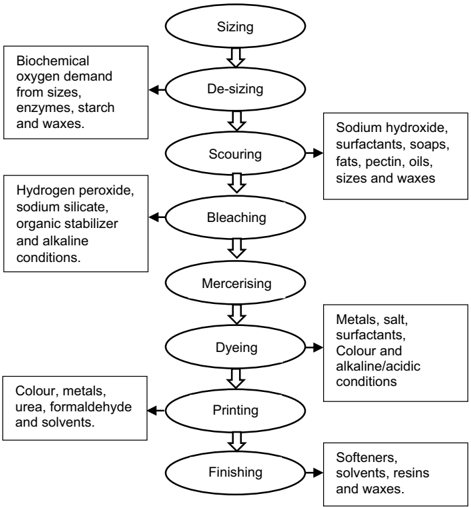
“1 The main pollutants discharged from each step of textile wet processing (after Holkar et al. (2016))”
dos Santos, A. B., Cervantes, F. J., & van Lier, J. B. (2007) · Bioresource Technology · doi:10.1016/j.biortech.2006.11.013 · Cited by 1,155
Vandevivere, P. C., Bianchi, R., & Verstraete, W. (1998) · Journal of Chemical Technology & Biotechnology · doi:10.1002/(sici)1097-4660(199808)72:4<289::aid-jctb905>3.0.co;2-# · Cited by 1,050
Colour in textile effluents - sources, measurement, discharge consents and simulation: a review
O’Neill, C., Hawkes, F. R., Hawkes, D. L., Lourenço, N. D., Pinheiro, H. M., & Delée, W. (1999) · Journal of Chemical Technology & Biotechnology · doi:10.1002/(sici)1097-4660(199911)74:11<1009::aid-jctb153>3.0.co;2-n · Cited by 905
Production, Characterization and Treatment of Textile Effluents: A Critical Review
R Ananthashankar, A. G. (2013) · Journal of Chemical Engineering & Process Technology · doi:10.4172/2157-7048.1000182 · Cited by 754 · cited 4×
“This amount of water is required when chemicals are applied on the fabrics and during the rinsing process of the final products (Ghaly et al. 2014).”
Influential(2012) · doi:10.5772/32373 · Cited by 640
Use of Chlorella vulgaris for bioremediation of textile wastewater
Lim, S.-L., Chu, W.-L., & Phang, S.-M. (2010) · Bioresource Technology · doi:10.1016/j.biortech.2010.04.092 · Cited by 541
Alaton, I. A., Balcioglu, I. A., & Bahnemann, D. W. (2002) · Water Research · doi:10.1016/s0043-1354(01)00335-9 · Cited by 518
Cotton Textile Processing: Waste Generation and Effluent Treatment
Babu, B. R., Parande, A. K., Raghu, S., & Kumar, T. P. (2007) · The journal of cotton science/Journal of cotton science · Cited by 433
Garrote, G., Domínguez, H., & Parajó, J. C. (1999) · Journal of Chemical Technology & Biotechnology · doi:10.1002/(sici)1097-4660(199911)74:11<1101::aid-jctb146>3.0.co;2-m · Cited by 400
Research works printed but not linked: 10
- Adinew B (2012) Textile effluent treatment and decolorization tech- niques-a review. Chem Bulg J Sci Educ 21:434-456
- Bradbury MJ, Collishaw PS, Moorhouse S (2000) Controlled rinsing: a stepchange in reactive dye application technology. Colour J India Ann 5:73-80
- Cumnan S, Yimrattanabovorn J (2012) The use of constructed wet- land for azo dye textile wastewater. Int J Civil Eng Build Mater 2:150-158
- Hussain J, Hussain I, Arif M (2004) Characterization of textile waste- water. J Ind Pollut Control 20:137-144
- Joshi VJ, Santani DD (2012) Physicochemical characterization and heavy metal concentration in effluent of textile industry. Univ J Environ Res Technol 2:93-96
- Kaur H, Sharma G (2015) Removal of dyes from textile industry efflu- ent: a review. Int J Humanit Soc Sci 2(4):59-63
- Nopkhuntod S, Dararat S, Yimrattanabovorn J (2012) Removal of reactive dyes from wastewater by shale. Songklanakarin J Sci Technol 34:117-123
- Shelley TR (1994) Dye pollution clean-up by synthetic mineral. Int Dyer 79:26-31
- Upadhye VB, Joshi SS (2012) Advances in wastewater treatment-a review. Int J Chem Sci Appl 3:264-268
- Uysal Y, Aktas D, Caglar Y (2014) Determination of colour removal effciency of Lemna minor L. from industrial effluents. J Environ Prot Ecol 15:1718-1726
Cited by
Items 501–600 of 1,000
İLERİ, B., & Doğu, İ. (2021) · Journal of Environmental Management · doi:10.1016/j.jenvman.2021.114200 · Cited by 32
Shishkin, A., Aguedal, H., Goel, G., Peculeviča, J., Newport, D. J., & Ozoliņš, J. (2020) · Journal of Cleaner Production · doi:10.1016/j.jclepro.2020.124546 · Cited by 31
Urban wetlands of Delhi, India: water quality and pollution status
Joshi, P., Siddaiah, N. S., & Dixit, A. (2020) · Chemistry and Ecology · doi:10.1080/02757540.2020.1836164 · Cited by 31
Xu, N., Han, J., Yan, F., & Xiao, C. (2021) · Journal of Membrane Science · doi:10.1016/j.memsci.2021.119935 · Cited by 31
Eco-friendly approach towards isolation of colorant from Esfand for bio-mordanted silk dyeing
Adeel, S., Habib, N., Batool, F., Rahman, A., Ahmad, T., & Amin, N. (2021) · Environmental Science and Pollution Research · doi:10.1007/s11356-021-16679-0 · Cited by 31
Asbollah, M. A., Sahid, M. S. M., Padmosoedarso, K. M., Mahadi, A. H., Kusrini, E., Hobley, J., & Usman, A. (2022) · Arabian Journal for Science and Engineering · doi:10.1007/s13369-021-06498-3 · Cited by 31
“These two synthetic dyes were chosen because of their extensive use in the production of colored fabric materials [24].”
Yang, J., Huang, R., Wang, L., Luo, D., & Wang, C. (2022) · Journal of environmental chemical engineering · doi:10.1016/j.jece.2022.107606 · Cited by 31
Wang, Z., Kang, S. B., & Won, S. W. (2022) · Colloids and Surfaces A Physicochemical and Engineering Aspects · doi:10.1016/j.colsurfa.2022.128983 · Cited by 31
Ramzan, U., Shakoori, F. R., Zahid, M. T., Majeed, W., Zahra, I., Abbas, S. Z., Hedfi, A., Hassan, S., Shakoori, A. R., & Mutery, A. A. (2022) · Water · doi:10.3390/w14213553 · Cited by 31
Shi, C., Zhao, Z., Zhao, L., Kushwaha, A., Kumar, A., Wang, J., Pan, Y. H., Muddassir, M., & Qian, L. (2023) · Inorganic Chemistry Communications · doi:10.1016/j.inoche.2023.110920 · Cited by 31
The Potential of Electrospun Membranes in the Treatment of Textile Wastewater: A Review
Rocha, J. M., Sousa, R. P. C. L., Fangueiro, R. M. E. S., & Ferreira, D. P. (2024) · Polymers · doi:10.3390/polym16060801 · Cited by 31
“Textile wastewater comprises several types of contaminants, with textile dyes being particularly problematic given their xenobiotic properties [20].”
BackgroundPal, P., Corpuz, A. G., Hasan, S. W., Sillanpää, M. E. T., & BANAT, F. A. (2020) · Separation and Purification Technology · doi:10.1016/j.seppur.2020.117684 · Cited by 31
El-Gendy, A. H., Augustyniak, M., Toto, N. A., Farraj, S. A. A., & El‐Samad, L. M. (2020) · Environmental Pollution · doi:10.1016/j.envpol.2020.115661 · Cited by 32
Shahzad, H. M. A., Khan, S. J., Zeshan, Jamal, Y., & Habib, Z. (2021) · Biochemical Engineering Journal · doi:10.1016/j.bej.2021.108123 · Cited by 31
Nuñez, N., Lima, E., Mansilla, M. V., Goya, G. F., Gallo‐Córdova, Á., Morales, M. P., & Winkler, E. L. (2024) · Applied Surface Science · doi:10.1016/j.apsusc.2024.159655 · Cited by 30
Oxidative ligninolytic enzymes and their role in textile dye biodegradation: a comprehensive review
Aragaw, T. A., Bogale, F. M., & Tesfaye, E. L. (2024) · Water Practice & Technology · doi:10.2166/wpt.2024.229 · Cited by 31
Aqueous Phase Textile Dye Degradation by Microbes and Nanoparticles: A Review
Khongthaw, B., Chauhan, P. K., Chishty, N., Kumar, D., Velmurugan, A., Singh, A., Bhtoya, R., Devi, N., Nene, A., Sadeghzade, S., et al. (2024) · Advances in Materials Science and Engineering · doi:10.1155/2024/8845873 · Cited by 31
“[40] reported that the most commonly used reactive dyes based on their reactivity include tri-chloropyrimidine > aminocholoro-s-traazine > sulfatoethyls ufhone > dichloroquinoxaline > aminofuro-s-triazine > dif urochloropyrimide > dichlorotrazin.”
Saadallah, K., Ad, C., Djedid, M., Batool, M., Benalia, M., Saadallah, S., & Hamamda, S. (2024) · Journal of Dispersion Science and Technology · doi:10.1080/01932691.2024.2425957 · Cited by 30
Łagiewka, J., Pajdak, A., & Zawierucha, I. (2025) · Carbohydrate Polymers · doi:10.1016/j.carbpol.2025.123297 · Cited by 30
Kaur, J., Bhatti, S. S., Bhat, S. A., Nagpal, A. K., Kaur, V., & Kaur, J. K. (2021) · Soil Systems · doi:10.3390/soilsystems5040063 · Cited by 31
“during the manufacturing processes [57].”
Obulapuram, P. K., Arfin, T., Mohammad, F., Kumari, K., Khiste, S., Al‐Lohedan, H. A., & Chavali, M. S. (2021) · ACS Omega · doi:10.1021/acsomega.1c04490 · Cited by 30
Environment pollutants removal with non-thermal plasma technology
Chen, B., Wang, Y., Li, S., Xu, N.-J., & Fu, Y. (2022) · International Journal of Low-Carbon Technologies · doi:10.1093/ijlct/ctac016 · Cited by 30
Akter, S., & Islam, M. S. (2022) · Heliyon · doi:10.1016/j.heliyon.2022.e10176 · Cited by 30
Ahmed, H. R., Salihi, K., Kaufhold, S., Aziz, B. K., Radha, M. H., Karim, L., & Nooralddin, H. (2023) · Adsorption Science & Technology · doi:10.1155/2023/4672622 · Cited by 30
“In addition to their effect on increasing the biochemical oxygen demand by preventing light penetration in aquatic systems which is essential for photosynthesis, most synthetic dyes are toxic [3], mutagenic, and carcinogenic [4] and cause detrimental effects on the water environment if not removed from effluents befor…”
BackgroundMendis, A., Thambiliyagodage, C. J., Ekanayake, G., Liyanaarachchi, H., Jayanetti, M., & Vigneswaran, S. (2023) · Molecules · doi:10.3390/molecules28073154 · Cited by 30
“In addition to their unappealing appearance and toxic effects after breakdown, these dyes and chemicals may contaminate the surrounding soil, sediment and surface water, posing a serious threat to global environmental pollution [31].”
BackgroundInfluentialIndustrial wastewater treatment using floating wetlands: a review
Mao, J., Hu, G., Deng, W., Zhao, M., & Li, J. (2023) · Environmental Science and Pollution Research · doi:10.1007/s11356-023-31507-3 · Cited by 30
“Without sufficient treatment, the effluents are highly toxic to the aquatic eco-systems (Yaseen and Scholz 2019).”
Natural deep eutectic solvent: A novel and green mordant for the natural dye
Jiang, Z., Zheng, G., Cui, Y., Wang, W., Shang, X., Wei, Y., Zhou, M., Wang, P., Yu, Y., & Wang, Q. (2023) · Chemical Engineering Journal · doi:10.1016/j.cej.2023.148319 · Cited by 30
Glycine-A bio-capping agent for the bioinspired synthesis of nano-zinc oxide photocatalyst
Basnet, P., Samanta, D., Chanu, T. I., Jha, S., & Chatterjee, S. (2020) · Journal of Materials Science Materials in Electronics · doi:10.1007/s10854-019-02839-z · Cited by 31
Electrospun biosystems made of nylon 6 and laccase and its application in dyes removal
Jankowska, K., Grzywaczyk, A., Piasecki, A., Kijeńska‐Gawrońska, E., Nguyen, L. N., Zdarta, J., Nghiem, L. D., Pinelo, M., & Jesionowski, T. (2020) · Environmental Technology & Innovation · doi:10.1016/j.eti.2020.101332 · Cited by 30
Zhou, Y., Chen, T., Zhang, X., Chen, R., Zhu, N., Li, L., Zhao, L., Li, Z., Wang, Y., & Jiang, G. (2024) · Environmental Science & Technology · doi:10.1021/acs.est.4c07888 · Cited by 29
Rahman, M. M., Adhikary, S. R., Rabby, M. M. R., Hassan, M. M., Knani, S., Akhfer, S. H., & Zuhanee, M. K. A. (2025) · Journal of Cleaner Production · doi:10.1016/j.jclepro.2025.145883 · Cited by 30
Zhang, J., Mirza, N. R., Huang, Z., Du, E., Peng, M., Shan, G., Wang, Y., Pan, Z., Ling, L., & Xie, Z. (2020) · Journal of Water Process Engineering · doi:10.1016/j.jwpe.2020.101789 · Cited by 29
Synthesis, Characterization and Applications of GO–TiO2 Nanocomposites in Textile Dye Remediation
Keerthana, V., Girigoswami, A., Jothika, S., Kavitha, D. E., Agraharam, G., Somanathan, T., & Girigoswami, K. (2022) · Iranian Journal of Science and Technology Transactions A Science · doi:10.1007/s40995-022-01337-y · Cited by 29
Application of Rice Husk-Based Biomaterial in Textile Wastewater Treatment
Onu, C. E., Ohale, P. E., Obiora-Okafo, I. A., Asadu, C. O., Okoye, C. C., Ojukwu, E. V., & Ezennajiego, E. E. (2022) · Sustainable textiles · doi:10.1007/978-981-19-2852-9_12 · Cited by 29
Kang, D., Yun, D., Cho, K. H., Baek, S., & Jeon, J. (2024) · Chemosphere · doi:10.1016/j.chemosphere.2024.141402 · Cited by 30
Labiadh, L., & Kamali, A. R. (2020) · Diamond and Related Materials · doi:10.1016/j.diamond.2020.107698 · Cited by 29
Zaghloul, D. N., Elmaaty, T. A., Nakamura, K., Tabata, I., Hori, T., & Hirogaki, K. (2021) · The Journal of Supercritical Fluids · doi:10.1016/j.supflu.2021.105243 · Cited by 29
Abdu, M., Worku, A., Babaee, S., Diale, P. P., Msagati, T. A. M., & Fito, J. (2025) · Surfaces and Interfaces · doi:10.1016/j.surfin.2025.106156 · Cited by 28
Kumar, V., Kaushal, A., Shah, M. P., & Singh, K. K. (2020) · Elsevier eBooks · doi:10.1016/b978-0-12-820318-7.00016-2 · Cited by 29
Kumar, D., Patel, Z. Z., Pandit, P. R., Pandit, R. J., Patel, A. K., Joshi, M. N., & Joshi, C. G. (2021) · Frontiers in Environmental Science · doi:10.3389/fenvs.2021.720707 · Cited by 28
“Azo dyes are the largest class of synthetic dyes, which are characterized by the presence of azo (-N N-) groups in their structure (Verma et al., 2012; Yaseen and Scholz, 2019).”
BackgroundMohamed, R. M., Ismail, A. A., Basaleh, A. S., & Bawazir, H. A. (2022) · Journal of Photochemistry and Photobiology A Chemistry · doi:10.1016/j.jphotochem.2022.113859 · Cited by 28
Enhanced photo-fenton and photoelectrochemical activities in nitrogen doped brownmillerite KBiFe2O5
Vavilapalli, D. S., Behara, S., Peri, R., Thomas, T., Muthuraaman, B., Rao, M. S. R., & Singh, S. (2022) · Scientific Reports · doi:10.1038/s41598-022-08966-8 · Cited by 28
A systematic study of cellulose-reactive anionic dye removal using a sustainable bioadsorbent
Teshager, F. M., Habtu, N. G., & Mequanint, K. (2022) · Chemosphere · doi:10.1016/j.chemosphere.2022.135024 · Cited by 28
Lestari, D. I., Yuliansyah, A. T., & Budiman, A. T. (2022) · Communications in Science and Technology · doi:10.21924/cst.7.1.2022.669 · Cited by 30
Influence of flake size and electrolyte conditions on graphene oxide adsorption of ionic dyes
Exley, J. M., Hunter, T. N., Pugh, T., & Tillotson, M. R. (2023) · Powder Technology · doi:10.1016/j.powtec.2023.118387 · Cited by 30
Removal of anthraquinone dye from wastewaters by hybrid modified activated carbons
Tolkou, A. K., Mitrοpoulos, A. C., & Kyzas, G. Z. (2023) · Environmental Science and Pollution Research · doi:10.1007/s11356-023-27550-9 · Cited by 28
“Various types of dyes, used in industries (Yaseen and Scholz 2019), such as leather, food, cosmetic, paper, textile, and printing, are transferred to the effluents discharged from these industries (Arya et al.”
BackgroundAli, K., Zeidan, H., & Amar, R. B. (2023) · Desalination and Water Treatment · doi:10.5004/dwt.2023.29725 · Cited by 29
Jayapal, M., Jagadeesan, H., Krishnasamy, V., Shanmugam, G., Muniyappan, V., Chidambaram, D., & Krishnamurthy, S. (2022) · Environmental Pollution · doi:10.1016/j.envpol.2022.119009 · Cited by 28
Sharma, N. D., & Leung, I. K. H. (2021) · International Journal of Biological Macromolecules · doi:10.1016/j.ijbiomac.2021.09.003 · Cited by 27
Gecchele, E., Negri, S., Cauzzi, A., Cuccurullo, A., Commisso, M., Patrucco, A., Anceschi, A., Zaffani, G., & Avesani, L. (2021) · Molecules · doi:10.3390/molecules26226775 · Cited by 27
Biodegradation of Reactive Red 198 by textile effluent adapted microbial strains
Thangaraj, S., Bankole, P. O., Sadasivam, S. K., & Kumarvel, V. (2021) · Archives of Microbiology · doi:10.1007/s00203-021-02608-9 · Cited by 27
“The continuous disposal of textile effluents into water bodies disrupts the water quality, its aesthetic value, prevents sunlight penetration, decreases oxygen level thus subsequently affecting photosynthesis and the aquatic ecosystem (Madhav et al. 2018; Yaseen and Scholz 2019; Tkaczyk et al. 2020).”
BackgroundAraújo, S. P., Damianovic, M. H. R. Z., Foresti, E., Florêncio, L., Kato, M. T., & Gavazza, S. (2022) · Water Science & Technology · doi:10.2166/wst.2022.141 · Cited by 27
Norfarhana, A. S., Ilyas, R. A., Ngadi, N., Sharma, S. K., Sayed, M., El-Shafay, A. S., & Nordin, A. H. (2022) · Polymers · doi:10.3390/polym14122432 · Cited by 27
Açıkyıldız, M., Gürses, A., Güneş, K., & Sahin, E. M. (2023) · Frontiers in Chemistry · doi:10.3389/fchem.2023.1156457 · Cited by 27
“Large amount of water used in the pretreatment, dyeing, printing and finishing stages in the textile industries is polluted with dyes and released into the environment (Hussain and Wahab, 2018; Yaseen and Scholz, 2019).”
BackgroundKumar, D., & Gupta, S. K. (2023) · Environmental Pollution · doi:10.1016/j.envpol.2023.122559 · Cited by 27
Abomostafa, H. M., Isawi, H., Abulyazied, D. E., & Abouhaswa, A. S. (2023) · Surfaces and Interfaces · doi:10.1016/j.surfin.2023.103402 · Cited by 27
UV light assisted degradation of acid orange azo dye by ZVI-ZnS and effluent toxicity effects
Cardito, A., Carotenuto, M., Sacco, O., Albarano, L., Vaiano, V., Iannece, P., Libralato, G., Spica, V. R., & Lofrano, G. (2023) · Environmental Pollution · doi:10.1016/j.envpol.2023.123226 · Cited by 27
Ahmed, T., Khan, M. H. R. B., Ahsan, A., Islam, N., Elsergany, M., Shafiquzzaman, M., Imteaz, M. A., & Al-Ansari, N. A. (2024) · Environmental Sciences Europe · doi:10.1186/s12302-024-00896-8 · Cited by 27
“This industry alone is responsible for one-third of all chemical emissions into the environment and makes significant contributions of toxic waste to soil, air, and water [14, 44, 55].”
BackgroundKaur, L., Rishi, M. S., & Arora, N. K. (2021) · Environmental Monitoring and Assessment · doi:10.1007/s10661-020-08832-y · Cited by 27
“…the drains as textile industry uses bleaching agents, sodium hypochlorite, calcium chloride anhydride, dye ingradients, sodium sulfate anhydride, sodium hydroxide, various surfactants, and sodium phosphate used in mercerizing of fabric (Paul et al. 2012; Bhatia et al. 2018; Yaseen and Scholz 2019).”
BackgroundSarkar, P., Roy, D., Bera, B., De, S., & Neogi, S. (2022) · Environmental Science and Pollution Research · doi:10.1007/s11356-022-18944-2 · Cited by 27
“Dyes and pigments are extensively used in many industries, like textile, paper and pulp, and paint for the bright colour and ease of processing (Yaseen and Scholz 2019).”
BackgroundRetractedYadav, A., Patel, R. V., Awasthi, P., Sinha, N., & Labhasetwar, P. (2022) · Colloids and Surfaces A Physicochemical and Engineering Aspects · doi:10.1016/j.colsurfa.2022.129955 · Cited by 27
Brine valorization through resource mining and CO2 utilization in the Middle East – A perspective
Kumari, P., Chang, Y. S., Witkamp, G., Vrouwenvelder, J. S., Vega, L. F., & Dumée, L. F. (2024) · Desalination · doi:10.1016/j.desal.2024.117598 · Cited by 26
Pandey, A., Kumar, S., Bithel, N., Kumar, S., & Mir, M. A. (2025) · World Journal of Microbiology and Biotechnology · doi:10.1007/s11274-025-04251-8 · Cited by 26
“…process of dyeing, printing, washing, and finishing, a large amount of effluent containing MG and other toxic dyes, is generated and released into the water bodies that adversely affects and pollute water, thereby endangering environmental integrity and human well-being (Yaseen and Scholz 2019).”
Mishra, A., Kaur, L., Sharma, M., Sharma, P., Murab, S., Ojha, H., Pandey, J., & Pathak, M. (2025) · Journal of Molecular Structure · doi:10.1016/j.molstruc.2025.142657 · Cited by 26
Sompalli, N. K., Mohanty, A., Mohan, A. M., & Deivasigamani, P. (2020) · Journal of environmental chemical engineering · doi:10.1016/j.jece.2020.104846 · Cited by 26
Modelling of basic blue-9 dye sorption onto hydrolyzed polyacrylonitrile grafted starch composite
Aniagor, C. O., Afifi, M. A., & Hashem, A. (2021) · Carbohydrate Polymer Technologies and Applications · doi:10.1016/j.carpta.2021.100141 · Cited by 26
Titchou, F. E., Zazou, H., Afanga, H., Gaayda, J. E., Akbour, R. A., Lesage, G., Rivallin, M., Cretin, M., & Hamdani, M. (2021) · Separation Science and Technology · doi:10.1080/01496395.2021.1982978 · Cited by 26
“a minimum of supporting electrolyte that promotes the easy following of discoloration kinetics and prevents side reactions and ohmic drop.([59,60]) The amount”
BackgroundInfluentialKhapre, M. A., & Jugade, R. (2021) · Chemistry Africa · doi:10.1007/s42250-021-00281-5 · Cited by 26
Ghaedi, S., Seifpanahi-Shabani, K., & Sillanpää, M. E. T. (2021) · Chemosphere · doi:10.1016/j.chemosphere.2021.133412 · Cited by 26
Lin, Y.-H., & Tseng, W. J. (2022) · Ceramics International · doi:10.1016/j.ceramint.2022.01.275 · Cited by 26
Krishnappa, P. B., Kodoth, A. K., Kulal, P., & Badalamoole, V. (2022) · Polymer Bulletin · doi:10.1007/s00289-022-04169-3 · Cited by 26
“The dyes dissolved in water increase the biological oxygen demand and chemical oxygen demand and decrease aquatic photosynthetic activity by blocking the sunlight from entering the water [11].”
BackgroundAdvanced Oxidation Processes Based Emerging Technologies for Dye Wastewater Treatment
Будаевич, И. А., & Magomedova, A. G. (2022) · Moscow University Chemistry Bulletin · doi:10.3103/s0027131422040046 · Cited by 26
Wang, C., Guo, G., Zhu, C., Li, Y., Jin, Y., Zou, B., He, H., & Wang, A. (2022) · Nanomaterials · doi:10.3390/nano12183151 · Cited by 26
“The rapid development of modern industry has led to a large number of new organic pollutants that are difficult to degrade into water bodies, which pose a significant potential threat to human, animal and environmental health [1].”
BackgroundHaro-Mares, N. B., Meza-Contreras, J. C., López-Dellamary, F. A., Richaud, A., Méndez, F., Curiel-Olague, B. G., Buntkowsky, G., & Manríquez‐González, R. (2022) · Surfaces and Interfaces · doi:10.1016/j.surfin.2022.102412 · Cited by 26
Saha, P., Sivaramakrishna, A., & Rao, K. V. B. (2022) · Environmental Science and Pollution Research · doi:10.1007/s11356-022-24501-8 · Cited by 26
Xuejiao, A., Cheng, Y., Li, N., Shulin, Z., Liuwei, W., & Qinghua, Z. (2023) · Process Biochemistry · doi:10.1016/j.procbio.2023.03.037 · Cited by 26
Abilaji, S., Sathishkumar, K., Narenkumar, J., AlSalhi, M. S., Devanesan, S., Parthipan, P., Balakrishnan, M., & Rajasekar, A. (2023) · Chemosphere · doi:10.1016/j.chemosphere.2023.138816 · Cited by 27
Banoo, M., Kaur, J., Sah, A. K., Roy, R. S., Bhakar, M., Kommula, B., Sheet, G., & Gautam, U. K. (2023) · ACS Applied Materials & Interfaces · doi:10.1021/acsami.3c04959 · Cited by 26
Alhawtali, S., El‐Harbawi, M., Al‐Awadi, A. S., Blidi, L. E., Alrashed, M. M., & Yin, C. (2023) · Coatings · doi:10.3390/coatings13071287 · Cited by 26
“Dye concentrations in textile effluents have been reported in a wide range of values (10–800 mg/L) [28].”
BackgroundLi, Z., Deng, S., An, Q., Zhao, B., Yang, Z., Xu, B., & Zhang, W. (2024) · Journal of Environmental Management · doi:10.1016/j.jenvman.2024.120181 · Cited by 26
Patel, D., Tripathi, K. M., & Sonwani, R. K. (2024) · ACS Omega · doi:10.1021/acsomega.4c03570 · Cited by 26
Keshmiri-Naqab, R., & Taghavijeloudar, M. (2024) · Environmental Research · doi:10.1016/j.envres.2024.119966 · Cited by 26
Biosorption of chromium (VI) from textile waste water using luffa cylindrica activated carbon
Nwosu‐Obieogu, K., & Okolo, B. I. (2020) · Environmental Quality Management · doi:10.1002/tqem.21687 · Cited by 26
de Moraes, N. F. S., Santana, R. M. R., Gomes, R. K. M., Júnior, S. G. S., de Lucena, A. L. A., Zaidan, L. E. M. C., & Napoleão, D. C. (2020) · Chemical Papers · doi:10.1007/s11696-020-01325-9 · Cited by 26
Zafiu, C., Part, F., Ehmoser, E.-K., & Kähkönen, M. A. (2021) · Ecotoxicology and Environmental Safety · doi:10.1016/j.ecoenv.2021.112093 · Cited by 26
Mkilima, T., Meiramkulova, K., Ubaidulayeva, N., Zandybay, A., Khussainov, M., Nurmukhanbetova, N. N., Tastanova, L., Mashan, T., & Meirbekov, A. (2021) · Molecules · doi:10.3390/molecules26227030 · Cited by 26
“Figure 6 provides a summary of the general production processes of a textile industry [56].”
BackgroundDas, R. K., & Date, A. (2025) · Desalination · doi:10.1016/j.desal.2025.118687 · Cited by 25
Zhao, P., Zhao, Y., Guo, Y., Guo, R. F., Tian, Y., & Zhao, W. (2021) · Journal of Cleaner Production · doi:10.1016/j.jclepro.2021.129624 · Cited by 25
Kızıltaş, H. (2022) · International Journal of Environmental & Analytical Chemistry · doi:10.1080/03067319.2022.2047181 · Cited by 25
Ji, X., Zhao, Z., Ren, Y., Xu, F., & Liu, J. (2023) · Molecules · doi:10.3390/molecules28052220 · Cited by 25
Altıntığ, E., Özçelik, T. Ö., Aydemır, Z., Bozdag, D., Kilic, E., & Yalçıner, A. Y. (2023) · International Journal of Phytoremediation · doi:10.1080/15226514.2023.2188424 · Cited by 25
“2014; Yaseen and Scholz 2019; Ghaedi and Vafaei 2017).”
BackgroundMunir, N., Tariq, R., Abideen, Z., Hasnain, M., Hussain, M. I., & Haq, R. (2023) · Environmental Science and Pollution Research · doi:10.1007/s11356-023-26795-8 · Cited by 25
“In order to ensure sustainable maintenance of environment around us and to make successful recycling of effluents for further use in agriculture or recycling, removal of pollutants from waste water is an essential process (Yaseen and Scholz 2019).”
BackgroundLohrentz, L., Bhaumik, M., & Brink, H. G. (2023) · Journal of Molecular Liquids · doi:10.1016/j.molliq.2023.122931 · Cited by 25
Zubair, M., Manzar, M. S., El‐Qanni, A., Haroon, H., Alqahtani, H. A., Al‐Ejji, M., Mu’azu, N. D., AlGhamdi, J. M., Haladu, S. A., Al-Hashim, D., et al. (2023) · Environmental Science and Pollution Research · doi:10.1007/s11356-023-29954-z · Cited by 25
Barboza, J. A. T., Penido, E. S., & Ferreira, G. M. D. (2023) · Colloids and Surfaces A Physicochemical and Engineering Aspects · doi:10.1016/j.colsurfa.2023.132650 · Cited by 25
Hossain, M. S., Sarkar, S., Tarannum, S., Tuntun, S. M., Mahmud, M., Mobarak, M. B., & Ahmed, S. (2023) · Journal of Saudi Chemical Society · doi:10.1016/j.jscs.2023.101769 · Cited by 25
“All over the world, nearly 1,000,000 tons of different types of dyes are used for various types of industries such as food, tanneries, textile, medicinal sectors, and cosmetics [19]. fibers which causes severe pollution [20].”
Treatment of textile wastewater using the Co(II)/NaHCO3/H2O2 oxidation system
Ariza-Pineda, F. J., Macías-Quiroga, I. F., Hinojosa-Zambrano, D. F., Rivera-Giraldo, J. D., Serna, D. M. O., & González, N. R. S. (2023) · Heliyon · doi:10.1016/j.heliyon.2023.e22444 · Cited by 25
“Co units [73 – 75], after coagulation-flocculation, a greater than 98 % removal of AB ‒ 194 dye and a decrease in apparent color of more than 94 % was achieved.”
BackgroundInfluentialKumari, N., Arya, S., Behera, M., Seth, C. S., & Singh, R. (2023) · Environmental Research · doi:10.1016/j.envres.2023.118041 · Cited by 25
Premathilake, D. S., Colombi, F., Botelho, A. B., Tenório, J. A. S., Espinosa, D. C. R., & Vaccari, M. (2024) · Results in Engineering · doi:10.1016/j.rineng.2024.102232 · Cited by 25
Priyadharsini, N., Manikandan, J., Jayachandran, V., Elango, M., Prasannan, A., Alshgari, R. A., Mohammad, S., & Sangaraju, S. (2024) · Journal of Alloys and Compounds · doi:10.1016/j.jallcom.2024.175393 · Cited by 25
Metadata
- Authors
- Yaseen, D. A., & Scholz, M.
- Affiliations
- University of Salford (GB)
- Lund University (SE)
- Corresponding author
- Scholz, M.
- Venue
- International Journal of Environmental Science and Technology
- Published
- 2018-11-27
- Volume
- 16
- Issue
- 2
- Pages
- 1193-1226
- ISSN
- 1735-1472 (ISSN-L)
- 1735-2630
- OpenAlex
- W2901997077
- Semantic Scholar
- 3011c780608bf0435a046bc215c6c0b9b481d222
- Cited by
- 2,052
- References
- 96
- Citations by year
- 2026: 255 · 2025: 292 · 2024: 320 · 2023: 343 · 2022: 341 · 2021: 300 · 2020: 167 · 2019: 31
- FWCI
- 54.46
- Type
- journal article
- Language
- en
- Open access
- hybrid
- doi.org
- Licence
- cc-by
- creativecommons.org/licenses/by/4.0 (tdm)
- Locations
- International Journal of Environmental Science and Technology (publishedVersion, cc-by)
- University of Salford Institutional Repository (University of Salford) (submittedVersion, cc-by)
- Lund University Publications (Lund University) (submittedVersion)
- Funders
- Government of Iraq
- Topics
- Physical Sciences › Environmental Science › Water Science and Technology › Coagulation and Flocculation Studies
- Physical Sciences › Materials Science › Polymers and Plastics › Dyeing and Modifying Textile Fibers
- Physical Sciences › Environmental Science › Water Science and Technology › Adsorption and biosorption for pollutant removal
- Keywords
- dyeing wastewater, synthetic wastewater, dye effluents, wastewater treatment, textile industry pollution
About these checks
Registry, retraction, Cites and statistics results are computed, not judged, with one exception: a printed reference that no index lists is read once by a model before it counts as a citation error. Claims are extracted by a model and kept only when their quote appears verbatim in the text; each cited source is then checked, with a model’s help, for whether it says what the claim relies on. Those verdicts can be wrong — read the claim’s quote and the cited source before relying on one.
Statistics and arithmetic are recomputed, not judged.
Confidence bands are shown only for fields calibrated on our annotated test set. None is calibrated yet, so no band is shown.
What counts as a claim ›How we measure confidence ›How we check this ›
Are you an author, or do you see a problem with this page? Request a review
Data sources
Bibliographic data: Semantic Scholar, OpenAlex, Crossref.
Contains information from the Semantic Scholar Academic Graph Datasets, made available under the ODC Attribution License (ODC-BY 1.0).
Semantic Scholar’s data is described in: Kinney, R., et al. (2023). The Semantic Scholar Open Data Platform. arXiv:2301.10140.
