

Textile dye wastewater characteristics and constituents of synthetic effluents: a critical review
Open accessThe DOI matches its Crossref record; 97 of the 97 references it cites were found in a registry or an index.
Abstract
Textile industries are responsible for one of the major environmental pollution problems in the world, because they release undesirable dye effluents. Textile wastewater contains dyes mixed with various contaminants at a variety of ranges. Therefore, environmental legislation commonly obligates textile factories to treat these effluents before discharge into the receiving watercourses. The treatment efficiency of any pilot-scale study can be examined by feeding the system either with real textile effluents or with artificial wastewater having characteristics, which match typical textile factory discharges. This paper presents a critical review of the currently available literature regarding typical and real characteristics of the textile effluents, and also constituents including chemicals used for preparing simulated textile wastewater containing dye, as well as the treatments applied for treating the prepared effluents. This review collects the scattered information relating to artificial textile wastewater constituents and organises it to help researchers who are required to prepare synthetic wastewater. These ingredients are also evaluated based on the typical characteristics of textile wastewater, and special constituents to simulate these characteristics are recommended. The processes carried out during textile manufacturing and the chemicals corresponding to each process are also discussed.
Overview
The claims and statistics of this paper haven’t been checked yet.
Free: it reads the open-access text and checks the first 5 claims that cite a source we can check. Create a free account to check every claim.
Integrity signals
Registry
Cites
Statistics
Figures
Verification
Claims the paper makes
The claims and statistics of this paper haven’t been checked yet.
Free: it reads the open-access text and checks the first 5 claims that cite a source we can check. Create a free account to check every claim.
Claims other papers make about this one
Each is checked against this paper’s own text: does it say what the citing paper says it does?
In the citing paper
“According to Gong et al., these hybrids are more efficient for the adsorption of organic contaminants compared to even activated carbon.70”
From Recent advances on the removal of dyes from wastewater using various adsorbents: a critical review (2021) · cites this paper as [70]
Self-check
Percentages, sums and reported differences re-computed from the paper’s own numbers.
The self-check needs the paper’s full text.
Citations
Cites
A Critical Review on Textile Wastewater Treatments: Possible Approaches
Holkar, C. R., Jadhav, A. J., Pinjari, D. V., Mahamuni, N. M., & Pandit, A. B. (2016) · Journal of Environmental Management · doi:10.1016/j.jenvman.2016.07.090 · Cited by 1,927 · cited 1×
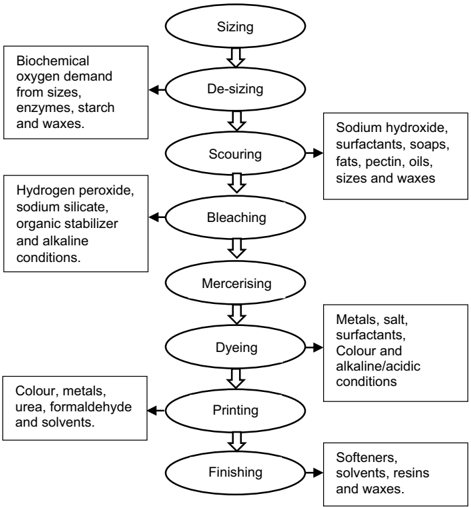
“1 The main pollutants discharged from each step of textile wet processing (after Holkar et al. (2016))”
dos Santos, A. B., Cervantes, F. J., & van Lier, J. B. (2007) · Bioresource Technology · doi:10.1016/j.biortech.2006.11.013 · Cited by 1,155
Vandevivere, P. C., Bianchi, R., & Verstraete, W. (1998) · Journal of Chemical Technology & Biotechnology · doi:10.1002/(sici)1097-4660(199808)72:4<289::aid-jctb905>3.0.co;2-# · Cited by 1,050
Colour in textile effluents - sources, measurement, discharge consents and simulation: a review
O’Neill, C., Hawkes, F. R., Hawkes, D. L., Lourenço, N. D., Pinheiro, H. M., & Delée, W. (1999) · Journal of Chemical Technology & Biotechnology · doi:10.1002/(sici)1097-4660(199911)74:11<1009::aid-jctb153>3.0.co;2-n · Cited by 905
Production, Characterization and Treatment of Textile Effluents: A Critical Review
R Ananthashankar, A. G. (2013) · Journal of Chemical Engineering & Process Technology · doi:10.4172/2157-7048.1000182 · Cited by 754 · cited 4×
“This amount of water is required when chemicals are applied on the fabrics and during the rinsing process of the final products (Ghaly et al. 2014).”
Influential(2012) · doi:10.5772/32373 · Cited by 640
Use of Chlorella vulgaris for bioremediation of textile wastewater
Lim, S.-L., Chu, W.-L., & Phang, S.-M. (2010) · Bioresource Technology · doi:10.1016/j.biortech.2010.04.092 · Cited by 541
Alaton, I. A., Balcioglu, I. A., & Bahnemann, D. W. (2002) · Water Research · doi:10.1016/s0043-1354(01)00335-9 · Cited by 518
Cotton Textile Processing: Waste Generation and Effluent Treatment
Babu, B. R., Parande, A. K., Raghu, S., & Kumar, T. P. (2007) · The journal of cotton science/Journal of cotton science · Cited by 433
Garrote, G., Domínguez, H., & Parajó, J. C. (1999) · Journal of Chemical Technology & Biotechnology · doi:10.1002/(sici)1097-4660(199911)74:11<1101::aid-jctb146>3.0.co;2-m · Cited by 400
Research works printed but not linked: 10
- Adinew B (2012) Textile effluent treatment and decolorization tech- niques-a review. Chem Bulg J Sci Educ 21:434-456
- Bradbury MJ, Collishaw PS, Moorhouse S (2000) Controlled rinsing: a stepchange in reactive dye application technology. Colour J India Ann 5:73-80
- Cumnan S, Yimrattanabovorn J (2012) The use of constructed wet- land for azo dye textile wastewater. Int J Civil Eng Build Mater 2:150-158
- Hussain J, Hussain I, Arif M (2004) Characterization of textile waste- water. J Ind Pollut Control 20:137-144
- Joshi VJ, Santani DD (2012) Physicochemical characterization and heavy metal concentration in effluent of textile industry. Univ J Environ Res Technol 2:93-96
- Kaur H, Sharma G (2015) Removal of dyes from textile industry efflu- ent: a review. Int J Humanit Soc Sci 2(4):59-63
- Nopkhuntod S, Dararat S, Yimrattanabovorn J (2012) Removal of reactive dyes from wastewater by shale. Songklanakarin J Sci Technol 34:117-123
- Shelley TR (1994) Dye pollution clean-up by synthetic mineral. Int Dyer 79:26-31
- Upadhye VB, Joshi SS (2012) Advances in wastewater treatment-a review. Int J Chem Sci Appl 3:264-268
- Uysal Y, Aktas D, Caglar Y (2014) Determination of colour removal effciency of Lemna minor L. from industrial effluents. J Environ Prot Ecol 15:1718-1726
Cited by
Items 201–300 of 1,000
Kausar, A., Shahzad, R., Asim, S., Bibi, S., Iqbal, J., Muhammad, N., Sillanpää, M. E. T., & Din, I. U. (2020) · Journal of Molecular Liquids · doi:10.1016/j.molliq.2020.115165 · Cited by 67
Yadav, A., Kumar, P., Rawat, D., Garg, S., Mukherjee, P., Farooqi, F., Roy, A., Sundaram, S., Sharma, R. S., & Mishra, V. (2022) · The Science of The Total Environment · doi:10.1016/j.scitotenv.2022.154038 · Cited by 67
Uko, C. A., Tijani, J. O., Abdulkareem, S. A., Mustapha, S., Egbosiuba, T. C., & Muzenda, E. (2022) · Process Safety and Environmental Protection · doi:10.1016/j.psep.2022.04.057 · Cited by 67
Gałązka, A., Jankiewicz, U., & Szczepkowski, A. (2023) · Applied Sciences · doi:10.3390/app13074394 · Cited by 67
El‐Naggar, N. E., & Rabei, N. H. (2020) · Scientific Reports · doi:10.1038/s41598-020-74389-y · Cited by 67
Zhang, L., Huang, D., Zhao, P., Yue, G., Yang, L., & Dan, W. (2022) · Separation and Purification Technology · doi:10.1016/j.seppur.2022.120718 · Cited by 66
Rawat, D., Sharma, U., Poria, P., Finlan, A., Parker, B. M., Sharma, R. S., & Mishra, V. (2022) · ISME Communications · doi:10.1038/s43705-022-00161-0 · Cited by 67
“Although abundant in the environment, iron remains unavailable to algae due to its presence as insoluble ferric (Fe) or oxyhydroxides complexes and precipitation in alkaline pH [33, 34], which is also a characteristic feature of textile wastewater [35].”
BackgroundAlsulmi, A., Mohammed, N. N., Hassan, M. M., Eltawil, M. A., Amin, A. E., Abdel-Messih, M. F., Sultan, A., & Ahmed, M. A. (2024) · Colloids and Surfaces A Physicochemical and Engineering Aspects · doi:10.1016/j.colsurfa.2024.133683 · Cited by 66
A review on progresses in reactive dye-containing wastewater treatment
Kamati, S. N., Yan, J., & Fan, J. (2024) · Water Practice & Technology · doi:10.2166/wpt.2024.142 · Cited by 67
Ilgın, P., Özay, H., & Özay, Ö. (2019) · Reactive and Functional Polymers · doi:10.1016/j.reactfunctpolym.2019.06.018 · Cited by 66
Alves, A. D. A., Silva, W. E., Belian, M. F., Lins, L. S. G., & Galembeck, A. (2020) · International Journal of Environmental Science and Technology · doi:10.1007/s13762-020-02746-5 · Cited by 66
Mechanical strength and cationic dye adsorption ability of metakaolin-based geopolymer spheres
Medri, V., Papa, E., Mor, M., Vaccari, A., Murri, A. N., Piotte, L., Melandri, C., & Landi, E. (2020) · Applied Clay Science · doi:10.1016/j.clay.2020.105678 · Cited by 66
He, X., Qi, Z., Gao, J., Huang, K., Li, M., Springael, D., & Zhang, X. (2020) · Water Research · doi:10.1016/j.watres.2020.116137 · Cited by 66
Nath, H. P., Saikia, A., Goutam, P. J., Saikia, B. K., & Saikia, N. (2021) · Bioresource Technology Reports · doi:10.1016/j.biteb.2021.100689 · Cited by 66
Pirsaheb, M., & Moradi, N. (2021) · Journal of Water Process Engineering · doi:10.1016/j.jwpe.2021.102314 · Cited by 66
Lawchoochaisakul, S., Monvisade, P., & Siriphannon, P. (2020) · Carbohydrate Polymers · doi:10.1016/j.carbpol.2020.117230 · Cited by 66
Kong, H., Chen, Y., Yang, G., Liu, B., Guo, L., Wang, Y., Zhou, X. M., & Wei, G. (2022) · Nanoscale Horizons · doi:10.1039/d1nh00633a · Cited by 68
Raza, N. O., Rizwan, M., & Mujtaba, G. (2022) · Biomass Conversion and Biorefinery · doi:10.1007/s13399-022-03214-5 · Cited by 68
“To prevent algal blooms in water bodies, these potential nutri-ents should be removed from wastewater [18–20].”
Macías-Quiroga, I. F., Henao-Aguirre, P. A., Marín-Flórez, A., Arredondo-López, S. M., & González, N. R. S. (2020) · Environmental Science and Pollution Research · doi:10.1007/s11356-020-11333-7 · Cited by 67
“In the case of textile dyes, almost 2–20% of the total world production of dyes is wasted during the dyeing process, then discharged in the textile effluents (Yaseen and Scholz 2019).”
BackgroundLuo, M., Wang, M., Pang, H., Zhang, R., Huang, J., Liang, K., Chen, P., Sun, P., & Kong, B. (2021) · Chinese Chemical Letters · doi:10.1016/j.cclet.2021.03.024 · Cited by 65
Flocculation of combined contaminants of dye and heavy metal by nano-chitosan flocculants
Sun, Y., Deng, L., Lu, X. N., Sheng, J., Zheng, X., & Xiao, X. (2021) · Journal of Environmental Management · doi:10.1016/j.jenvman.2021.113589 · Cited by 65
Mukhtar, F., Munawar, T., Nadeem, M. S., Khan, S. A., Koç, M., Batool, S., Hasan, M., & Iqbal, F. (2022) · Advanced Powder Technology · doi:10.1016/j.apt.2022.103708 · Cited by 64
Druzian, D. M., Oviedo, L. R., Loureiro, S. N., Wouters, R. D., Vizzotto, B. S., Pinto, E. D. O., de Vasconcellos, N. J. S., Ruiz, Y. P. M., Galembeck, A., Pavoski, G., et al. (2023) · Journal of Photochemistry and Photobiology A Chemistry · doi:10.1016/j.jphotochem.2023.114773 · Cited by 64
Vijayakumar, T. P., Benoy, M. D., Duraimurugan, J., Kumar, G. S., Shkir, M., Maadeswaran, P., Kumar, A., & Kumar, K. A. R. (2021) · Diamond and Related Materials · doi:10.1016/j.diamond.2021.108735 · Cited by 63
Ahmed, H. R., Hama Aziz, K. H., Agha, N. N. M., Mustafa, F. S., & Hinder, S. J. (2023) · RSC Advances · doi:10.1039/d3ra04566h · Cited by 62
Luo, R., Wang, C., Yao, Y., Qi, J., & Li, J. (2022) · Environmental Science Water Research & Technology · doi:10.1039/d1ew00731a · Cited by 62
Mukherjee, A., Goswami, N., & Dhak, D. (2022) · Chemistry Africa · doi:10.1007/s42250-022-00467-5 · Cited by 63
“The dye effluents are released from most of the industries into the waterbodies without treatment [8] containing high pH, suspended solids, chemical oxygen demand (COD), biochemical oxygen demand (BOD) [9], metals [10], etc.”
BackgroundSuhaimi, N. A. A., Kong, C. P. Y., Shahri, N. N. M., Nur, M., Hobley, J., & Usman, A. (2022) · Catalysts · doi:10.3390/catal12101254 · Cited by 62
“Therefore, the removal of them from wastewater before discharging them into the water systems is imperative [8–11], and removing the dye effluents from wastewater could protect the water systems from harmful pollution, and could recycling the spent water in the dyeing processes [11].”
BackgroundThamer, B. M., Aldalbahi, A. K., Abdulhameed, M. M., & El-Newehy, M. H. (2020) · Polymers · doi:10.3390/polym12123002 · Cited by 63
“Because the pH of the textile wastewater ranges from 5 to 12, the CT-g-PAA/O-ECNFs has the ability to remove cationic dyes with high efficiency in a wide pH range [2].”
BackgroundRatnasari, A., Syafiuddin, A., Zaidi, N. S., Kueh, A. B. H., Hadibarata, T., Prastyo, D. D., Ravikumar, R., & Sathishkumar, P. (2021) · Environmental Pollution · doi:10.1016/j.envpol.2021.118474 · Cited by 62
Saleem, M. A., Pei, L., Saleem, M. F., Shahid, S., & Wang, J. (2020) · Journal of Cleaner Production · doi:10.1016/j.jclepro.2020.123480 · Cited by 60
da Silva, M. P., de Souza, Z. S. B., Cavalcanti, J. V. F. L., Fraga, T. J. M., Sobrinho, M. A. D. M., & Ghislandi, M. G. (2020) · Environmental Science and Pollution Research · doi:10.1007/s11356-020-10926-6 · Cited by 59
“The presence of dyes in the environmental may be toxic with mutagenic and carcinogenic effects in organisms (Hussain and Wahab 2018; Paździor et al. 2019; Sandin and Peters 2018; Yaseen and Scholz 2019).”
BackgroundElashery, S. E. A., Ibrahim, I., Gomaa, H., Bouraie, M. M. E., Moneam, I. A., fekry, S. S., & Mohamed, G. G. (2023) · Magnetochemistry · doi:10.3390/magnetochemistry9020056 · Cited by 59
Batik Effluent Treatment and Decolorization—A Review
Zakaria, N., Rohani, R., Mohtar, W. H. M. W., Purwadi, R., Sumampouw, G. A., & Indarto, A. (2023) · Water · doi:10.3390/w15071339 · Cited by 59
Zhao, Y., Liao, Y. C., Lai, G. S., Yin, Y., & Wang, R. (2023) · Journal of Membrane Science · doi:10.1016/j.memsci.2023.121908 · Cited by 59
Nair, A., Kumawat, Y. K., Choudhary, S., Nath, J., Sharma, K., Rasool, T., Sharma, V., & Kumar, V. (2023) · Journal of Molecular Structure · doi:10.1016/j.molstruc.2023.136671 · Cited by 59
Georgin, J., Franco, D. S. P., Netto, M. S., Allasia, D., Oliveira, M. L. S., & Dotto, G. L. (2020) · Environmental Science and Pollution Research · doi:10.1007/s11356-020-08496-8 · Cited by 61
“Total color removal was calculated from the difference between the areas under the spectral curves, before and after the treatment (Georgin et al. 2019a; Yaseen and Scholz 2019).”
MethodOsman, A. M., Hendi, A., & Saleh, T. A. (2020) · Journal of Molecular Liquids · doi:10.1016/j.molliq.2020.113640 · Cited by 59
Pham, X. N., Nguyen, H. T., Pham, T. N., Nguyen, T.-T.-B., Nguyen, M. B., Tran, V. T.-T., & Doan, H. V. (2020) · Journal of the Taiwan Institute of Chemical Engineers · doi:10.1016/j.jtice.2020.09.018 · Cited by 60
Huang, S., Hu, B., Zhao, S., Zhang, S., Wang, M., Jia, Q., He, L., Zhang, Z., & Du, M. (2021) · Chemical Engineering Journal · doi:10.1016/j.cej.2021.132933 · Cited by 59
Integrating Microalgae into Textile Wastewater Treatment Processes: Advancements and Opportunities
Mishra, V., Mudgal, N., Rawat, D., Poria, P., Mukherjee, P., Sharma, U., Kumria, P., Pani, B., Singh, M., Yadav, A., et al. (2023) · Journal of Water Process Engineering · doi:10.1016/j.jwpe.2023.104128 · Cited by 58
Yadav, A., Patel, R. V., Labhasetwar, P., & Shahi, V. K. (2021) · Journal of Water Process Engineering · doi:10.1016/j.jwpe.2021.102317 · Cited by 58
Yadav, A., Dindorkar, S. S., Ramisetti, S. B., & Sinha, N. (2022) · Journal of Water Process Engineering · doi:10.1016/j.jwpe.2022.102653 · Cited by 58
Abdu, M., Babaee, S., Worku, A., Msagati, T. A. M., & Fito, J. (2024) · Scientific Reports · doi:10.1038/s41598-024-67997-5 · Cited by 59
Recent advances in ZnO based photocatalysts for industrial dye degradation
Aina, A. R. N., Patel, H., Aich, S., Roy, B. K., Samanta, N. S., & Pal, B. (2025) · Discover Applied Sciences · doi:10.1007/s42452-025-07530-z · Cited by 58
“India is a global leader in textile production that contributes 7% to its manufacturing sector from textiles and is the largest producer of jute and cotton in the world which makes it a key hub for the textile industry [95].”
Nguyen, T. H., Watari, T., Hatamoto, M., Sutani, D., Setiadi, T., & Yamaguchi, T. (2020) · Environmental Technology & Innovation · doi:10.1016/j.eti.2020.100913 · Cited by 57
Leontieş, A. R., Răducan, A., Culita, D. C., Alexandrescu, E., Moroşan, A., Mihăiescu, D. E., & Aricov, L. (2022) · Chemical Engineering Journal · doi:10.1016/j.cej.2022.135654 · Cited by 57
Paraguay‐Delgado, F., Hermida-Montero, L. A., Morales-Mendoza, J. E., Duran-Barradas, Z., Mtz-Enriquez, A. I., & Pariona, N. (2022) · RSC Advances · doi:10.1039/d2ra00863g · Cited by 57
Visible-light degradation of azo dyes by imine-linked covalent organic frameworks
Xue, H., Xiong, S., Mi, K., & Wang, Y. (2021) · Green Energy & Environment · doi:10.1016/j.gee.2020.09.010 · Cited by 56
The role of crystalline Nb2O5 nanoparticles for enhanced dye adsorption and photodegradation
Gomes, G. H. M., Olusegun, S. J., Filho, J. B. G., Costa, R. C. V., & Mohallem, N. D. S. (2022) · Ceramics International · doi:10.1016/j.ceramint.2022.10.126 · Cited by 57
Talaiekhozani, A., Mosayebi, M. R., Fulazzaky, M. A., Eskandari, Z., & Sanayee, R. (2020) · Alexandria Engineering Journal · doi:10.1016/j.aej.2020.01.052 · Cited by 56
Erkan, H. S., Çağlak, A., Soysaloglu, A., Takatas, B., & Engin, G. Ö. (2020) · Journal of Water Process Engineering · doi:10.1016/j.jwpe.2020.101631 · Cited by 56
Nguyễn, Đ. Đ. Đ., Quang, H. H. P., Xuan, H. N., & Nguyễn, T. P. (2021) · RSC Advances · doi:10.1039/d1ra04049a · Cited by 56
Gao, Y., Shah, K., Kwok, I. Y., Wang, M., Rome, L. H., & Mahendra, S. (2022) · Biotechnology Advances · doi:10.1016/j.biotechadv.2022.107936 · Cited by 57
Leng, Q., Xu, S., Wu, X., Wang, S., Jin, D., Wang, P., Wu, D., & Dong, F. (2022) · Environmental Research · doi:10.1016/j.envres.2022.114064 · Cited by 55
Abu-Hussien, S. H., Hemdan, B. A., Alzahrani, O. M., Alswat, A. S., Alatawi, F. A., Alenezi, M. A., Darwish, D. B. E., Bafhaid, H. S., Mahmoud, S. F., Ibrahim, M. F. M., et al. (2022) · Molecules · doi:10.3390/molecules27196456 · Cited by 55
Bagade, A. V., Pund, S. N., Nagwade, P. A., Kumar, B., Deshmukh, S. U., & Kanagare, A. B. (2023) · Catalysis Communications · doi:10.1016/j.catcom.2023.106719 · Cited by 55
Dyes and heavy metals: removal, recovery and wastewater reuse—a review
Date, M., & Jaspal, D. K. (2024) · Sustainable Water Resources Management · doi:10.1007/s40899-024-01073-8 · Cited by 56
Pandey, A., Pathak, V. M., Navneet, & Rajput, M. (2024) · Heliyon · doi:10.1016/j.heliyon.2024.e32339 · Cited by 55
“During the textile manufacturing process of dyeing, printing, washing, and finishing, a large amount of effluent containing toxic chemicals, dyes, heavy metals, etc., is generated, which can harm the environment and human health if not treated appropriately [59].”
BackgroundThe Efficient Removal of Methylene Blue Dye Using CuO/PET Nanocomposite in Aqueous Solutions
Yasin, S. A., Zeebaree, S. Y. S., Zeebaree, A. Y. S., Zebari, O. I. H., & Saeed, I. A. (2021) · Catalysts · doi:10.3390/catal11020241 · Cited by 55
“They are undegradable by microorganisms and have a noticeable toxic influence on the organisms and the aquatic system [23,24].”
BackgroundAhangarnokolaei, M. A., Attarian, P., Ayati, B., Ganjidoust, H., & Rizzo, L. (2021) · Journal of environmental chemical engineering · doi:10.1016/j.jece.2021.106251 · Cited by 55
Ravichandran, S. R., Venkatachalam, C. D., Sengottian, M., Sekar, S., Ramasamy, B. S. S., Narayanan, M., Gopalakrishnan, A. V., Kandasamy, S., & Raja, R. (2022) · Chemosphere · doi:10.1016/j.chemosphere.2022.135629 · Cited by 54
Potential of Adsorption of Diverse Environmental Contaminants onto Microplastics
Lim, C., Kim, N., Lee, J., & Yoon, Y. (2022) · Water · doi:10.3390/w14244086 · Cited by 55
“Dye wastewater discharged from various industries contain several contaminants, including anion/cation synthetic dyes [17].”
BackgroundBhardwaj, D., & Bharadvaja, N. (2021) · Journal of Water Process Engineering · doi:10.1016/j.jwpe.2021.102080 · Cited by 54
Herath, A., Navarathna, C. M., Warren, S., Perez, F. A., Pittman, C. U., & Mlsna, T. (2022) · Journal of Colloid and Interface Science · doi:10.1016/j.jcis.2022.01.067 · Cited by 54
Adsorption of Rhodamine B from Simulated Waste Water onto Kaolin-Bentonite Composites
He, H., Chai, K., Wu, T., Qiu, Z., Wang, S., & Hong, J. (2022) · Materials · doi:10.3390/ma15124058 · Cited by 53
Sensor to Electronics Applications of Graphene Oxide through AZO Grafting
Sagadevan, S., Rahman, M. Z., Léonard, E., Lošić, D., & Hessel, V. (2023) · Nanomaterials · doi:10.3390/nano13050846 · Cited by 53
Tiwari, N., Chakrabortty, S., Samal, K., Moulick, S., Mohapatra, B. G., Samanta, S. R., Mohapatra, P., Sanjay, K., Nayak, J., Banerjee, S., et al. (2023) · Journal of the Taiwan Institute of Chemical Engineers · doi:10.1016/j.jtice.2023.104800 · Cited by 53
Farahbakhsh, J., Najafi, M., Golgoli, M., Asif, A. H., Khiadani, M., Razmjou, A., & Zargar, M. (2024) · Chemosphere · doi:10.1016/j.chemosphere.2024.143170 · Cited by 53
Meng, K., Dong, Y., Liu, J., Xie, J., Jin, Q., Lu, Y., & Lin, H. (2025) · Journal of environmental chemical engineering · doi:10.1016/j.jece.2025.116099 · Cited by 55
New Trends in Preparation and Use of Hydrogels for Water Treatment
Sandu, T., Chiriac, A.-L., Zaharia, A., Iordache, T., & Sârbu, A. (2025) · Gels · doi:10.3390/gels11040238 · Cited by 53
A comprehensive review on application of bioreactor for industrial wastewater treatment
Meena, M., Yadav, G., Sonigra, P., & Shah, M. P. (2021) · Letters in Applied Microbiology · doi:10.1111/lam.13557 · Cited by 53
“In another study, it was noticed that textile industries generate waste water with an average of 150–30,000 mg l 1 of COD and 80– 6000 mg l 1 of BOD (Yaseen and Scholz 2019).”
BackgroundAl-husseiny, R. A., & Ebrahim, S. E. (2022) · Inorganic Chemistry Communications · doi:10.1016/j.inoche.2022.109318 · Cited by 53
Hasani, K., Moradi, M., Mokhtari, S. A., Sadeghi, H., Dargahi, A., & Vosoughi, M. (2021) · International Journal of Chemical Reactor Engineering · doi:10.1515/ijcre-2020-0226 · Cited by 52
Mariyam, A., Mittal, J., Sakina, F., Baker, R. T., & Sharma, A. K. (2021) · Desalination and Water Treatment · doi:10.5004/dwt.2021.27147 · Cited by 52
“As far as the composition of textile effluents is concerned, its major part is constituted by synthetic organic dyes [6,7].”
BackgroundAdeoye, J. B., Lau, S. Y., Tan, Y. H., Tan, Y. Y., Chiong, T., Mubarak, N. M., Anbuchezhiyan, G., Khalid, M., & Ng, J. T. W. (2025) · Discover Applied Sciences · doi:10.1007/s42452-025-07250-4 · Cited by 52
“The dye effluents have high biochemical oxygen demand (BOD), chemical oxygen demand (COD), suspended solids (SS), pH, colour, metals, and salt levels [108, 109].”
Yadav, S., Chauhan, M., Mathur, D., Jain, A., & Malhotra, P. (2020) · Environment Development and Sustainability · doi:10.1007/s10668-020-00664-7 · Cited by 52
“Wastewater containing toxic organic dyes emerging from various industrial effluents from textiles, paper, plastics, leather, cosmetics and food is a serious menace to the environment and human health (Yaseen and Scholz 2018; Parvez et al. 2019).”
BackgroundTextile effluent toxicity trend: A scientometric review
Vasconcelos, M. W., Gonçalves, S., de Oliveira, E. C., Rubert, S., & Ghisi, N. D. C. (2022) · Journal of Cleaner Production · doi:10.1016/j.jclepro.2022.132756 · Cited by 52
Mulla, B., Ioannou, K. I., Kotanidis, G., Ioannidis, I., Constantinides, G., Baker, M., Hinder, S. J., Mitterer, C., Pashalidis, I., Kostoglou, N., et al. (2024) · C – Journal of Carbon Research · doi:10.3390/c10010019 · Cited by 51
“Synthetic dyes, which are being released by these industries into the environment in concentrations ranging from 10 to 200 mg/L, can be categorized as cationic, anionic and non-ionic dyes [5,6].”
BackgroundTsouko, E., Pilafidis, S., Kourmentza, K., Gomes, H. I., Sarris, G., Korallı, P., Papagiannopoulos, A., Pispas, S., & Sarris, D. (2024) · Biotechnology for Biofuels and Bioproducts · doi:10.1186/s13068-024-02488-3 · Cited by 51
Holistic insight mechanism of ozone-based oxidation process for wastewater treatment
Jamali, G. A., Devrajani, S. K., Memon, S., Qureshi, S. S., Anbuchezhiyan, G., Mubarak, N. M., Shamshuddin, S. Z. M., & Siddiqui, M. T. H. (2024) · Chemosphere · doi:10.1016/j.chemosphere.2024.142303 · Cited by 51
Fang, W., Zhou, Y., Cheng, M., Zhang, L., Zhou, T., Cen, Q., Li, B., & Liu, Z. (2024) · Journal of Molecular Liquids · doi:10.1016/j.molliq.2024.125171 · Cited by 51
Akinyemi, A. F., Agboola, O., Alagbe, E. E., & Igbokwe, E. C. (2024) · Desalination and Water Treatment · doi:10.1016/j.dwt.2024.100780 · Cited by 52
Nanofiltration as an advanced wastewater treatment technique: a comprehensive review
Namla, D., Oves, M., Al‐Shaeri, M., Al-Maaqar, S. M., Issa, H. N. Y., & Mangse, G. (2025) · Discover Applied Sciences · doi:10.1007/s42452-025-06576-3 · Cited by 51
“Nanofiltration serves as a contemporary solution to efficiently remove contaminants, ensuring that discharged water meets environmental standards and safeguards against the detrimental effects of untreated wastewater on ecosystems and human health [21].”
Chauhan, A. K., & Choudhury, B. (2021) · Chemosphere · doi:10.1016/j.chemosphere.2021.129671 · Cited by 51
Chen, Q., Yao, Y., Zhao, Z., Zhou, J., & Chen, Z. (2021) · Journal of environmental chemical engineering · doi:10.1016/j.jece.2021.105730 · Cited by 51
Castor Leaves-Based Biochar for Adsorption of Safranin from Textile Wastewater
Suleman, M., Zafar, M., Ahmed, A., Rashid, M. U., Hussain, S., Razzaq, A., Mohidem, N. A., Fazal, T., Haider, B., & Park, Y. (2021) · Sustainability · doi:10.3390/su13126926 · Cited by 51
Suhaimi, N. A. A., Shahri, N. N. M., Samat, J. H., Kusrini, E., Lim, J. W., Hobley, J., & Usman, A. (2021) · Reaction Kinetics Mechanisms and Catalysis · doi:10.1007/s11144-021-02098-2 · Cited by 51
“However, as real wastewaters generally contain many different synthetic dyes [33], their simultaneous photocatalytic degradation in multi-component systems needs to be fully understood.”
BackgroundKumar, S., Tewari, C., Sahoo, N. G., & Philip, L. (2022) · Journal of Hazardous Materials · doi:10.1016/j.jhazmat.2022.128956 · Cited by 51
Removal of Methylene Blue from Aqueous Solution Using Black Tea Wastes: Used as Efficient Adsorbent
Ullah, A., Zahoor, M., Din, W. U., Muhammad, M., Khan, F. A., Sohail, A., Ullah, R., Ali, E. A., & Murthy, H. C. A. (2022) · Adsorption Science & Technology · doi:10.1155/2022/5713077 · Cited by 50
“A lot of studies have been reported on various low-cost adsorbent for dye removal from water [8 – 19].”
BackgroundRetractedAragaw, T. A., Bogale, F. M., & Gessesse, A. (2022) · Frontiers in Physiology · doi:10.3389/fphys.2022.908370 · Cited by 50
“On the other hand, different kinds of synthetic dyes can be produced as required from intermediates widely available in the chemical industry and are widely used by the textile industry (Khan and Malik, 2014; Yaseen and Scholz, 2019).”
BackgroundSynthetic dyes: A mass spectrometry approach and applications
Millbern, Z., Trettin, A., Wu, R., Demmler, M., & Vinueza, N. R. (2022) · Mass Spectrometry Reviews · doi:10.1002/mas.21818 · Cited by 50
Ravindiran, G., Sundaram, H., Ezhilkumar, M. R., Ramasamy, S., Nabil, A. E. A., & Boshaala, A. M. A. (2023) · Urban Climate · doi:10.1016/j.uclim.2023.101502 · Cited by 50
Biosorptive removal of organic dyes using natural gums-based materials: A comprehensive review
Ahmadian, M., Derakhshankhah, H., & Jaymand, M. (2023) · Journal of Industrial and Engineering Chemistry · doi:10.1016/j.jiec.2023.05.002 · Cited by 50
Mukwevho, N., Mafa, P. J., Kefeni, K. K., Mishra, A. K., Mishra, S. B., & Kuvarega, A. T. (2024) · Journal of Water Process Engineering · doi:10.1016/j.jwpe.2024.105882 · Cited by 51
In-situ crosslinked SPPO/PVA composite membranes for alkali recovery via diffusion dialysis
Ji, W., Afsar, N. U., Wu, B., Sheng, F., Shehzad, M. A., Ge, L., & Xu, T. (2019) · Journal of Membrane Science · doi:10.1016/j.memsci.2019.117267 · Cited by 50
Sadeghzadeh‐Attar, A. (2020) · Journal of Asian Ceramic Societies · doi:10.1080/21870764.2020.1773621 · Cited by 50
Nanofiltration membranes for salt and dye filtration: effect of membrane properties on performances
Ağtaş, M., Ormancı-Acar, T., Keskin, B., Türken, T., & Koyuncu, İ. (2021) · Water Science & Technology · doi:10.2166/wst.2021.125 · Cited by 50
Ćurić, I., Dolar, D., & Bošnjak, J. (2021) · Journal of Environmental Management · doi:10.1016/j.jenvman.2021.113133 · Cited by 50
Olivito, F., Algieri, V., Jiritano, A., Tallarida, M. A., Tursi, A., Costanzo, P., Maiuolo, L., & Nino, A. D. (2021) · RSC Advances · doi:10.1039/d1ra05464c · Cited by 50
Metadata
- Authors
- Yaseen, D. A., & Scholz, M.
- Affiliations
- University of Salford (GB)
- Lund University (SE)
- Corresponding author
- Scholz, M.
- Venue
- International Journal of Environmental Science and Technology
- Published
- 2018-11-27
- Volume
- 16
- Issue
- 2
- Pages
- 1193-1226
- ISSN
- 1735-1472 (ISSN-L)
- 1735-2630
- OpenAlex
- W2901997077
- Semantic Scholar
- 3011c780608bf0435a046bc215c6c0b9b481d222
- Cited by
- 2,052
- References
- 96
- Citations by year
- 2026: 255 · 2025: 292 · 2024: 320 · 2023: 343 · 2022: 341 · 2021: 300 · 2020: 167 · 2019: 31
- FWCI
- 54.46
- Type
- journal article
- Language
- en
- Open access
- hybrid
- doi.org
- Licence
- cc-by
- creativecommons.org/licenses/by/4.0 (tdm)
- Locations
- International Journal of Environmental Science and Technology (publishedVersion, cc-by)
- University of Salford Institutional Repository (University of Salford) (submittedVersion, cc-by)
- Lund University Publications (Lund University) (submittedVersion)
- Funders
- Government of Iraq
- Topics
- Physical Sciences › Environmental Science › Water Science and Technology › Coagulation and Flocculation Studies
- Physical Sciences › Materials Science › Polymers and Plastics › Dyeing and Modifying Textile Fibers
- Physical Sciences › Environmental Science › Water Science and Technology › Adsorption and biosorption for pollutant removal
- Keywords
- dyeing wastewater, synthetic wastewater, dye effluents, wastewater treatment, textile industry pollution
About these checks
Registry, retraction, Cites and statistics results are computed, not judged, with one exception: a printed reference that no index lists is read once by a model before it counts as a citation error. Claims are extracted by a model and kept only when their quote appears verbatim in the text; each cited source is then checked, with a model’s help, for whether it says what the claim relies on. Those verdicts can be wrong — read the claim’s quote and the cited source before relying on one.
Statistics and arithmetic are recomputed, not judged.
Confidence bands are shown only for fields calibrated on our annotated test set. None is calibrated yet, so no band is shown.
What counts as a claim ›How we measure confidence ›How we check this ›
Are you an author, or do you see a problem with this page? Request a review
Data sources
Bibliographic data: Semantic Scholar, OpenAlex, Crossref.
Contains information from the Semantic Scholar Academic Graph Datasets, made available under the ODC Attribution License (ODC-BY 1.0).
Semantic Scholar’s data is described in: Kinney, R., et al. (2023). The Semantic Scholar Open Data Platform. arXiv:2301.10140.
