

Textile dye wastewater characteristics and constituents of synthetic effluents: a critical review
Open accessThe DOI matches its Crossref record; 97 of the 97 references it cites were found in a registry or an index.
Abstract
Textile industries are responsible for one of the major environmental pollution problems in the world, because they release undesirable dye effluents. Textile wastewater contains dyes mixed with various contaminants at a variety of ranges. Therefore, environmental legislation commonly obligates textile factories to treat these effluents before discharge into the receiving watercourses. The treatment efficiency of any pilot-scale study can be examined by feeding the system either with real textile effluents or with artificial wastewater having characteristics, which match typical textile factory discharges. This paper presents a critical review of the currently available literature regarding typical and real characteristics of the textile effluents, and also constituents including chemicals used for preparing simulated textile wastewater containing dye, as well as the treatments applied for treating the prepared effluents. This review collects the scattered information relating to artificial textile wastewater constituents and organises it to help researchers who are required to prepare synthetic wastewater. These ingredients are also evaluated based on the typical characteristics of textile wastewater, and special constituents to simulate these characteristics are recommended. The processes carried out during textile manufacturing and the chemicals corresponding to each process are also discussed.
Overview
The claims and statistics of this paper haven’t been checked yet.
Free: it reads the open-access text and checks the first 5 claims that cite a source we can check. Create a free account to check every claim.
Integrity signals
Registry
Cites
Statistics
Figures
Verification
Claims the paper makes
The claims and statistics of this paper haven’t been checked yet.
Free: it reads the open-access text and checks the first 5 claims that cite a source we can check. Create a free account to check every claim.
Claims other papers make about this one
Each is checked against this paper’s own text: does it say what the citing paper says it does?
In the citing paper
“According to Gong et al., these hybrids are more efficient for the adsorption of organic contaminants compared to even activated carbon.70”
From Recent advances on the removal of dyes from wastewater using various adsorbents: a critical review (2021) · cites this paper as [70]
Self-check
Percentages, sums and reported differences re-computed from the paper’s own numbers.
The self-check needs the paper’s full text.
Citations
Cites
A Critical Review on Textile Wastewater Treatments: Possible Approaches
Holkar, C. R., Jadhav, A. J., Pinjari, D. V., Mahamuni, N. M., & Pandit, A. B. (2016) · Journal of Environmental Management · doi:10.1016/j.jenvman.2016.07.090 · Cited by 1,927 · cited 1×
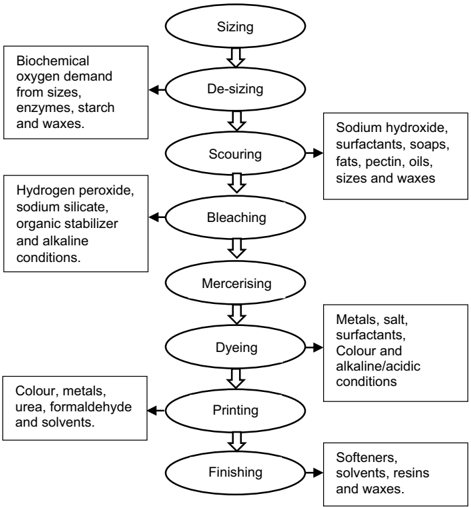
“1 The main pollutants discharged from each step of textile wet processing (after Holkar et al. (2016))”
dos Santos, A. B., Cervantes, F. J., & van Lier, J. B. (2007) · Bioresource Technology · doi:10.1016/j.biortech.2006.11.013 · Cited by 1,155
Vandevivere, P. C., Bianchi, R., & Verstraete, W. (1998) · Journal of Chemical Technology & Biotechnology · doi:10.1002/(sici)1097-4660(199808)72:4<289::aid-jctb905>3.0.co;2-# · Cited by 1,050
Colour in textile effluents - sources, measurement, discharge consents and simulation: a review
O’Neill, C., Hawkes, F. R., Hawkes, D. L., Lourenço, N. D., Pinheiro, H. M., & Delée, W. (1999) · Journal of Chemical Technology & Biotechnology · doi:10.1002/(sici)1097-4660(199911)74:11<1009::aid-jctb153>3.0.co;2-n · Cited by 905
Production, Characterization and Treatment of Textile Effluents: A Critical Review
R Ananthashankar, A. G. (2013) · Journal of Chemical Engineering & Process Technology · doi:10.4172/2157-7048.1000182 · Cited by 754 · cited 4×
“This amount of water is required when chemicals are applied on the fabrics and during the rinsing process of the final products (Ghaly et al. 2014).”
Influential(2012) · doi:10.5772/32373 · Cited by 640
Use of Chlorella vulgaris for bioremediation of textile wastewater
Lim, S.-L., Chu, W.-L., & Phang, S.-M. (2010) · Bioresource Technology · doi:10.1016/j.biortech.2010.04.092 · Cited by 541
Alaton, I. A., Balcioglu, I. A., & Bahnemann, D. W. (2002) · Water Research · doi:10.1016/s0043-1354(01)00335-9 · Cited by 518
Cotton Textile Processing: Waste Generation and Effluent Treatment
Babu, B. R., Parande, A. K., Raghu, S., & Kumar, T. P. (2007) · The journal of cotton science/Journal of cotton science · Cited by 433
Garrote, G., Domínguez, H., & Parajó, J. C. (1999) · Journal of Chemical Technology & Biotechnology · doi:10.1002/(sici)1097-4660(199911)74:11<1101::aid-jctb146>3.0.co;2-m · Cited by 400
Research works printed but not linked: 10
- Adinew B (2012) Textile effluent treatment and decolorization tech- niques-a review. Chem Bulg J Sci Educ 21:434-456
- Bradbury MJ, Collishaw PS, Moorhouse S (2000) Controlled rinsing: a stepchange in reactive dye application technology. Colour J India Ann 5:73-80
- Cumnan S, Yimrattanabovorn J (2012) The use of constructed wet- land for azo dye textile wastewater. Int J Civil Eng Build Mater 2:150-158
- Hussain J, Hussain I, Arif M (2004) Characterization of textile waste- water. J Ind Pollut Control 20:137-144
- Joshi VJ, Santani DD (2012) Physicochemical characterization and heavy metal concentration in effluent of textile industry. Univ J Environ Res Technol 2:93-96
- Kaur H, Sharma G (2015) Removal of dyes from textile industry efflu- ent: a review. Int J Humanit Soc Sci 2(4):59-63
- Nopkhuntod S, Dararat S, Yimrattanabovorn J (2012) Removal of reactive dyes from wastewater by shale. Songklanakarin J Sci Technol 34:117-123
- Shelley TR (1994) Dye pollution clean-up by synthetic mineral. Int Dyer 79:26-31
- Upadhye VB, Joshi SS (2012) Advances in wastewater treatment-a review. Int J Chem Sci Appl 3:264-268
- Uysal Y, Aktas D, Caglar Y (2014) Determination of colour removal effciency of Lemna minor L. from industrial effluents. J Environ Prot Ecol 15:1718-1726
Cited by
Giannakis, S., Lin, K.-Y. A., & Ghanbari, F. (2021) · Chemical Engineering Journal · doi:10.1016/j.cej.2020.127083 · Cited by 1,340
Recent advances on the removal of dyes from wastewater using various adsorbents: a critical review
Dutta, S., Gupta, B., Srivastava, S. K., & Gupta, A. K. (2021) · Materials Advances · doi:10.1039/d1ma00354b · Cited by 1,296
Samsami, S., Mohamadizaniani, M., Sarrafzadeh, M.-H., Rene, E. R., & Firoozbahr, M. (2020) · Process Safety and Environmental Protection · doi:10.1016/j.psep.2020.05.034 · Cited by 1,006
Critical review of advanced oxidation processes in organic wastewater treatment
Ma, D., Yi, H., Lai, C., Liu, X., Huo, X., An, Z., Li, L., Fu, Y., Li, B., Zhang, M., et al. (2021) · Chemosphere · doi:10.1016/j.chemosphere.2021.130104 · Cited by 943
Recent Developments of Carboxymethyl Cellulose
Rahman, M. S., Hasan, M. S., Nitai, A. S., Nam, S., Karmakar, A. K., Ahsan, M. S., Shiddiky, M. J. A., & Ahmed, M. B. (2021) · Polymers · doi:10.3390/polym13081345 · Cited by 882
Diversity of Synthetic Dyes from Textile Industries, Discharge Impacts and Treatment Methods
Slama, H. B., Chenari Bouket, A., Pourhassan, Z., Alenezi, F. N., Silini, A., Cherif-Silini, H., Oszako, T., Luptakova, L., Golińska, P., & Belbahri, L. (2021) · Applied Sciences · doi:10.3390/app11146255 · Cited by 874
Dutta, S., Adhikary, S., Bhattacharya, S., Roy, D., Chatterjee, S., Chakraborty, A., Banerjee, D., Ganguly, A., Nanda, S., & Rajak, P. (2024) · Journal of Environmental Management · doi:10.1016/j.jenvman.2024.120103 · Cited by 796
Shindhal, T., Rakholiya, P., Varjani, S., Pandey, A., Ngo, H. H., Guo, W., Ng, H. Y., & Taherzadeh, M. J. (2021) · Bioengineered · doi:10.1080/21655979.2020.1863034 · Cited by 728
“This type of waste is highly polluted and contains high COD and BOD levels, color pigments, pH, high salt concentration, etc [39,40].”
BackgroundPerformance evaluation of dye wastewater treatment technologies: A review
Solayman, H. M., Hossen, M. A., Abd Aziz, A., Yahya, N. Y., Leong, K. H., Sim, L. C., Monir, M. U., & Zoh, K.-D. (2023) · Journal of Environmental Chemical Engineering · doi:10.1016/j.jece.2023.109610 · Cited by 658
Selvaraj, V., Swarna Karthika, T., Mansiya, C., & Alagar, M. (2021) · Journal of Molecular Structure · doi:10.1016/j.molstruc.2020.129195 · Cited by 627
A review on advanced physico-chemical and biological textile dye wastewater treatment techniques
Donkadokula, N. Y., Kola, A. K., Naz, I., & Saroj, D. (2020) · Reviews in Environmental Science and Bio/Technology · doi:10.1007/s11157-020-09543-z · Cited by 523
“In the process of fiber conversion to yarn, yarn to fabric, dyeing, and finishing the textile industries use a large volume of water, numerous chemicals, auxiliary chemicals, dyes, and sizing materials (Yaseen and Scholz 2019).”
BackgroundRápó, E., & Tonk, S. (2021) · Molecules · doi:10.3390/molecules26175419 · Cited by 490
Recent Advances in Adsorption Kinetic Models: Their Application to Dye Types
Benjelloun, M., Miyah, Y., Akdemir Evrendilek, G., Zerrouq, F., & Lairini, S. (2021) · Arabian Journal of Chemistry · doi:10.1016/j.arabjc.2021.103031 · Cited by 428
Sustainable approaches for removing Rhodamine B dye using agricultural waste adsorbents: A review
Al-Gheethi, A. A., Azhar, Q. M., Senthil Kumar, P., Yusuf, A. A., Al-Buriahi, A. K., Radin Mohamed, R. M. S., & Al-shaibani, M. M. (2022) · Chemosphere · doi:10.1016/j.chemosphere.2021.132080 · Cited by 408
Industrial wastewater treatment: Current trends, bottlenecks, and best practices
Dutta, D., Arya, S., & Kumar, S. (2021) · Chemosphere · doi:10.1016/j.chemosphere.2021.131245 · Cited by 398
Hasan, M. M., Shenashen, M. A., Hasan, M. N., Znad, H., Salman, M. S., & Awual, M. R. (2021) · Journal of Molecular Liquids · doi:10.1016/j.molliq.2020.114587 · Cited by 394
Textile effluent treatment methods and eco-friendly resolution of textile wastewater
Azanaw, A., Birlie, B., Teshome, B., & Jemberie, M. (2022) · Case Studies in Chemical and Environmental Engineering · doi:10.1016/j.cscee.2022.100230 · Cited by 384
Khan, M. D., Singh, A., Khan, M. Z., Tabraiz, S., & Sheikh, J. (2023) · Journal of Water Process Engineering · doi:10.1016/j.jwpe.2023.103579 · Cited by 384
Behera, M., Nayak, J., Banerjee, S., Chakrabortty, S., & Tripathy, S. K. (2021) · Journal of Environmental Chemical Engineering · doi:10.1016/j.jece.2021.105277 · Cited by 365
Comprehensive review of industrial wastewater treatment techniques
Kato, S., & Kansha, Y. (2024) · Environmental Science and Pollution Research · doi:10.1007/s11356-024-34584-0 · Cited by 345
“The wet processes require a large quantity of water and generate highly polluted wastewater (Yaseen and Scholz 2019).”
BackgroundLedakowicz, S., & Paździor, K. (2021) · Molecules · doi:10.3390/molecules26040870 · Cited by 321
Pereira, A. G. B., Rodrigues, F. H. A., Paulino, A. T., Martins, A. F., & Fajardo, A. R. (2021) · Journal of Cleaner Production · doi:10.1016/j.jclepro.2020.124703 · Cited by 315
A review on treatment technologies for printing and dyeing wastewater (PDW)
Ewuzie, U., Saliu, O. D., Dulta, K., Ogunniyi, S., Bajeh, A. O., Iwuozor, K. O., & Ighalo, J. O. (2022) · Journal of Water Process Engineering · doi:10.1016/j.jwpe.2022.103273 · Cited by 313
Wastewater based microalgal biorefinery for bioenergy production: Progress and challenges
Bhatia, S. K., Mehariya, S., Bhatia, R. K., Kumar, M., Pugazhendhi, A., Awasthi, M. K., Atabani, A. E., Kumar, G., Kim, W., Seo, S.-O., et al. (2021) · Science of The Total Environment · doi:10.1016/j.scitotenv.2020.141599 · Cited by 308
Fouda, A., Hassan, S. E., Saied, E., & Hamza, M. F. (2021) · Journal of environmental chemical engineering · doi:10.1016/j.jece.2021.105346 · Cited by 297
Khan, W. U., Ahmed, S., Dhoble, Y., & Madhav, S. (2023) · Journal of the Indian Chemical Society · doi:10.1016/j.jics.2022.100829 · Cited by 289
Novel approach for effective removal of methylene blue dye from water using fava bean peel waste
Bayomie, O. S., Kandeel, H., Shoeib, T., Yang, H., Youssef, N., & El-Sayed, M. M. H. (2020) · Scientific Reports · doi:10.1038/s41598-020-64727-5 · Cited by 284
Green polymeric nanomaterials for the photocatalytic degradation of dyes: a review
Sarkar, S., Torres-Ponce, N., Banerjee, A., Bandopadhyay, R., Rajendran, S., & Lichtfouse, É. (2020) · Environmental Chemistry Letters · doi:10.1007/s10311-020-01021-w · Cited by 283
“2013) and salts (Yaseen and Scholz 2019).”
BackgroundAl-Buriahi, A. K., Al-Gheethi, A. A., Senthil Kumar, P., Radin Mohamed, R. M. S., Yusof, H., Alshalif, A. F., & Khalifa, N. A. (2022) · Chemosphere · doi:10.1016/j.chemosphere.2021.132162 · Cited by 253
Sudarshan, S., Harikrishnan, S., RathiBhuvaneswari, G., Alamelu, V., Aanand, S., Rajasekar, A., & Govarthanan, M. (2023) · Journal of Applied Microbiology · doi:10.1093/jambio/lxac064 · Cited by 248
Sirajudheen, P., Poovathumkuzhi, N. C., Vigneshwaran, S., Chelaveettil, B. M., & Meenakshi, S. (2021) · Carbohydrate Polymers · doi:10.1016/j.carbpol.2021.118604 · Cited by 242
Bioremediation of dyes: Current status and prospects
Ihsanullah, I., Jamal, A., Ilyas, M., Zubair, M., Khan, G., & Atieh, M. A. (2020) · Journal of Water Process Engineering · doi:10.1016/j.jwpe.2020.101680 · Cited by 240
Membrane technology: A versatile tool for saline wastewater treatment and resource recovery
Goh, P. S., Wong, K. C., & Ismail, A. F. (2021) · Desalination · doi:10.1016/j.desal.2021.115377 · Cited by 236
Krishnan, A., Swarnalal, A., Das, D., Krishnan, M., Saji, V. S., & Shibli, S. M. A. (2024) · Journal of Environmental Sciences · doi:10.1016/j.jes.2023.02.051 · Cited by 234
Dye Pollution in Water and Wastewater
Maheshwari, K., Agrawal, M., & Gupta, A. B. (2021) · Sustainable textiles · doi:10.1007/978-981-16-2892-4_1 · Cited by 231
Li, J., Yang, L., Lai, B., Liu, C., He, Y., Yao, G., & Li, N. (2021) · Chemical Engineering Journal · doi:10.1016/j.cej.2021.128674 · Cited by 227
Kolya, H., & Kang, C.-W. (2024) · Toxics · doi:10.3390/toxics12020111 · Cited by 223
Islam, M. M., Aidid, A. R., Mohshin, J. N., Mondal, H., Ganguli, S., & Chakraborty, A. K. (2025) · Cleaner Chemical Engineering · doi:10.1016/j.clce.2025.100165 · Cited by 214
Badawi, A. K., & Zaher, K. (2021) · Journal of Water Process Engineering · doi:10.1016/j.jwpe.2021.101963 · Cited by 211
Tocmo, R., Pena‐Fronteras, J., Calumba, K. F., Mendoza, M., & Johnson, J. J. (2020) · Comprehensive Reviews in Food Science and Food Safety · doi:10.1111/1541-4337.12561 · Cited by 208
Kumar, N., Pandey, A., Rosy, & Sharma, Y. C. (2023) · Journal of Water Process Engineering · doi:10.1016/j.jwpe.2023.104054 · Cited by 208
Kang, Y., Jang, J., Kim, S., Lim, J., Lee, Y., & Kim, I. S. (2020) · ACS Applied Materials & Interfaces · doi:10.1021/acsami.0c09510 · Cited by 203
Zhao, G., Zou, J., Chen, X., Liu, L., Wang, Y., Zhou, S., Long, X., Yu, J., & Jiao, F. (2021) · Chemical Engineering Journal · doi:10.1016/j.cej.2020.127845 · Cited by 197
Srivastava, A., Parida, V. K., Majumder, A., Gupta, B., & Gupta, A. K. (2021) · Journal of Environmental Chemical Engineering · doi:10.1016/j.jece.2021.105775 · Cited by 197
Jorge, A. M. S., Athira, K. K., Alves, M. B., Gardas, R. L., & Pereira, J. F. B. (2023) · Journal of Water Process Engineering · doi:10.1016/j.jwpe.2023.104125 · Cited by 195
El-Gaayda, J., Titchou, F. E., Oukhrib, R., Yap, P.-S., Liu, T., Hamdani, M., & Ait Akbour, R. (2021) · Journal of Environmental Chemical Engineering · doi:10.1016/j.jece.2021.106060 · Cited by 189
Mohod, A. V., Momotko, M., Shah, N. S., Marchel, M., Imran, M., Kong, L., & Boczkaj, G. (2023) · Water Resources and Industry · doi:10.1016/j.wri.2023.100220 · Cited by 188
Fenton‐Like Reaction: Recent Advances and New Trends
Xiao, J., Guo, S., Wang, D., & An, Q. (2024) · Chemistry – A European Journal · doi:10.1002/chem.202304337 · Cited by 181
Kallawar, G. A., & Bhanvase, B. A. (2023) · Environmental Science and Pollution Research · doi:10.1007/s11356-023-31175-3 · Cited by 183
Johnston, A.-L., Lester, E. H., Williams, O. S. A., & Gomes, R. L. (2021) · Journal of environmental chemical engineering · doi:10.1016/j.jece.2021.105197 · Cited by 180
Aragaw, T. A. (2024) · Journal of Hazardous Materials Advances · doi:10.1016/j.hazadv.2024.100493 · Cited by 180
Conductive polymers in water treatment: A review
Taghizadeh, A., Taghizadeh, M., Jouyandeh, M., Yazdi, M. K., Zarrintaj, P., Saeb, M. R., Lima, E. C., & Gupta, V. K. (2020) · Journal of Molecular Liquids · doi:10.1016/j.molliq.2020.113447 · Cited by 177
A comparative review on clean hydrogen production from wastewaters
Aydin, M. I., Karaca, A. E., Qureshy, A. M. M. I., & Dincer, I. (2021) · Journal of Environmental Management · doi:10.1016/j.jenvman.2020.111793 · Cited by 175
Chahinez, H.-O., Abdelkader, O., Leila, Y., & Tran, H. N. (2020) · Environmental Technology & Innovation · doi:10.1016/j.eti.2020.100872 · Cited by 172
Yusuf, T. L., Orimolade, B. O., Masekela, D., Mamba, B., & Mabuba, N. (2022) · RSC Advances · doi:10.1039/d2ra04236c · Cited by 172
Potential use of fungal-bacterial co-cultures for the removal of organic pollutants
Espinosa-Ortiz, E. J., Rene, E. R., & Gerlach, R. (2022) · Critical Reviews in Biotechnology · doi:10.1080/07388551.2021.1940831 · Cited by 151
“Some bacterial strains have achieved complete mineralization of anthraquinone textile dyes [112].”
BackgroundA critical review of textile industry wastewater: green technologies for the removal of indigo dyes
Castillo-Suárez, L. A., Sierra-Sánchez, A. G., Linares-Hernández, I., Martínez-Miranda, V., & Teutli-Sequeira, E. A. (2023) · International Journal of Environmental Science and Technology · doi:10.1007/s13762-023-04810-2 · Cited by 171
Research Progress of High-Salinity Wastewater Treatment Technology
Guo, L., Xie, Y., Sun, W., Xu, Y., & Sun, Y. (2023) · Water · doi:10.3390/w15040684 · Cited by 171
Fried, R., Oprea, I., Fleck, K., & Rudroff, F. (2022) · Green Chemistry · doi:10.1039/d1gc02968a · Cited by 170
Taghavi, R., Rostamnia, S., Farajzadeh, M., Karimi-Maleh, H., Wang, J., Kim, D., Jang, H. W., Luque, R., Varma, R. S., & Shokouhimehr, M. (2022) · Inorganic Chemistry · doi:10.1021/acs.inorgchem.2c01939 · Cited by 170
Jain, R., Mendiratta, S., Kumar, L., & Srivastava, A. (2021) · Current Research in Green and Sustainable Chemistry · doi:10.1016/j.crgsc.2021.100086 · Cited by 168
Removal of Dyes Using Graphene Oxide (GO) Mixed Matrix Membranes
Kadhim, R. J., Al-Ani, F. H., Al-shaeli, M., Alsalhy, Q. F., & Figoli, A. (2020) · Membranes · doi:10.3390/membranes10120366 · Cited by 166
“Therefore, these methods have been applied in many industries, including waste treatment [7], pharmaceutical synthesis [8], food manufacturing, dyestuff industry [9], brackish water treatment, and desalination [10].”
MethodPeramune, D., Manatunga, D. C., Dassanayake, R. S., Premalal, V., Liyanage, R. N., Gunathilake, C. A., & Abidi, N. (2022) · Environmental Research · doi:10.1016/j.envres.2022.114242 · Cited by 166
Piri, F., Mollahosseini, A., khadir, A., & Milani Hosseini, M. (2019) · Journal of Environmental Chemical Engineering · doi:10.1016/j.jece.2019.103338 · Cited by 163
Jin, P., Chergaoui, S., Zheng, J., Volodin, A., Zhang, X., Liu, Z., Luis, P., & der Bruggen, B. V. (2021) · Journal of Hazardous Materials · doi:10.1016/j.jhazmat.2021.126716 · Cited by 161
Advancing life cycle sustainability of textiles through technological innovations
Zhang, L., Leung, M. Y., Boriskina, S. V., & Tao, X. (2022) · Nature Sustainability · doi:10.1038/s41893-022-01004-5 · Cited by 156
Nguyen, N. T. T., Nguyen, L. M., Nguyen, T. T. T., Liew, R. K., Nguyen, D. T. C., & Tran, T. V. (2022) · The Science of The Total Environment · doi:10.1016/j.scitotenv.2022.154160 · Cited by 155
Banerjee, D., Eng, T., Lau, A. K., Sasaki, Y., Wang, B., Chen, Y., Prahl, J.-P., Singan, V. R., Herbert, R. A., Liu, Y., et al. (2020) · Nature Communications · doi:10.1038/s41467-020-19171-4 · Cited by 139
Use of Bacterial Isolates in the Treatment of Textile Dye Wastewater: A Review
Moyo, S., Makhanya, B. P., & Zwane, P. E. (2022) · Heliyon · doi:10.1016/j.heliyon.2022.e09632 · Cited by 148
Tuning photoactive metal–organic frameworks for luminescence and photocatalytic applications
Whelan, É., Steuber, F. W., Gunnlaugsson, T., & Schmitt, W. (2021) · Coordination Chemistry Reviews · doi:10.1016/j.ccr.2020.213757 · Cited by 147
“of many industrial processes, and many are toxic to humans and to plant and animal life.[186,187] The ability to degrade organic pollutants into less toxic or even harmless compounds is essential for wastewater treatment technologies.”
BackgroundJahan, N., Tahmid, M., Shoronika, A. Z., Fariha, A., Roy, H., Pervez, M. N., Cai, Y., Naddeo, V., & Islam, M. S. (2022) · Sustainability · doi:10.3390/su142215398 · Cited by 143
“A typical textile mill produces around 60,000 square meters of fabric per year, and the wastewater that is released from the mill includes roughly 750 kg of sizing material [28].”
BackgroundKaram, A., Bakhoum, E. S., & Zaher, K. (2020) · International Journal of Sustainable Engineering · doi:10.1080/19397038.2020.1842547 · Cited by 142
Fouda, A., Hassan, S. E., Abdel‐Rahman, M. A., Farag, M. M. S., Shehal-deen, A., Mohamed, A. A., Alsharif, S. M., Saied, E., Moghanim, S. A., & Azab, M. S. (2021) · Current Research in Biotechnology · doi:10.1016/j.crbiot.2021.01.004 · Cited by 142
Kamran, U., Bhatti, H. N., Noreen, S., Tahir, M. A., & Park, S. (2021) · Chemosphere · doi:10.1016/j.chemosphere.2021.132796 · Cited by 141
Aragaw, T. A., & Bogale, F. M. (2023) · Frontiers in Environmental Science · doi:10.3389/fenvs.2023.1142227 · Cited by 142
“Although the pollutants’ composition and concentration in textile and dyeing industries are varied significantly, it depends on the chemicals used in different unit processes, dye colors, alkaline pH, high suspended solids (SS), total dissolved solids (TDS), chemical oxygen demand (COD), biological matters (microorgan…”
BackgroundZaharia, C., Mustereț, C. P., & Afrasinei, M. A. (2024) · Applied Sciences · doi:10.3390/app14052184 · Cited by 140
“2024 , 14 , 2184 2 of 36 to sunlight penetration being blocked [3] and resistance to photochemical reactions [4,5] or carcinogenic and mutagenic potential effects for all kinds of water consumers (aquatic flora, fauna, and even humans) [4–6]. water bodies due to sunlight penetration being blocked…”
BackgroundInfluentialShao, C., Yu, X., Ji, Y., Xu, J., Yan, Y., Hu, Y., Li, Y., Huang, W., & Li, Y. (2024) · Nature Communications · doi:10.1038/s41467-024-52405-3 · Cited by 137
International journal of the environment
(1977) · Ceramurgia International · doi:10.1016/0390-5519(77)90077-1 · Cited by 133
Beyan, S. M., Prabhu, S. V., Tedla, T. S., & Getahun, A. A. (2021) · Bioresource Technology Reports · doi:10.1016/j.biteb.2021.100664 · Cited by 134
Enhanced Wastewater Treatment by Immobilized Enzymes
Zdarta, J., Jankowska, K., Bachosz, K., Degórska, O., Kaźmierczak, K., Nguyen, L. N., Nghiem, L. D., & Jesionowski, T. (2021) · Current Pollution Reports · doi:10.1007/s40726-021-00183-7 · Cited by 131
Saravanakumar, K., Silva, S. D., Santosh, S. S., Sathiyaseelan, A., Ganeshalingam, A., Jamla, M., Sankaranarayanan, A., Veeraraghavan, V. P., MubarakAli, D., Lee, J., et al. (2022) · Chemosphere · doi:10.1016/j.chemosphere.2022.135593 · Cited by 129
Rajagopal, S., Paramasivam, B., & Muniyasamy, K. (2020) · Separation and Purification Technology · doi:10.1016/j.seppur.2020.117444 · Cited by 127
Senguttuvan, S., Senthilkumar, P., Janaki, V., & Kamala‐Kannan, S. (2020) · Chemosphere · doi:10.1016/j.chemosphere.2020.129201 · Cited by 127
Lyu, W., Li, J., Trchová, M., Wang, G., Liao, Y., Bober, P., & Stejskal, J. (2022) · Journal of Hazardous Materials · doi:10.1016/j.jhazmat.2022.129004 · Cited by 123
A review of bioremediation of textile dye containing wastewater
Periyasamy, A. P. (2025) · Cleaner Water · doi:10.1016/j.clwat.2025.100092 · Cited by 124
Suhan, M. B. K., Shuchi, S. B., Anis, A., Haque, Z., & Islam, M. S. (2020) · Environmental Nanotechnology Monitoring & Management · doi:10.1016/j.enmm.2020.100335 · Cited by 122
Brack, W., Cullerés, D. B. I., Boxall, A. B. A., Budzinski, H., Castiglioni, S., Covaci, A., Dulio, V., Escher, B. I., Fantke, P., Kandie, F. J., et al. (2022) · Environmental Sciences Europe · doi:10.1186/s12302-022-00602-6 · Cited by 126
“Particularly high concentrations of hazardous chemicals are emitted from pesticide [37], textile [38] and drug [39] production.”
BackgroundImmobilization of enzymes for bioremediation: A future remedial and mitigating strategy
Somu, P., Narayanasamy, S., Gomez, L. A., Rajendran, S., Lee, Y. R., & Deepanraj, B. (2022) · Environmental Research · doi:10.1016/j.envres.2022.113411 · Cited by 122
Patel, D. D., & Bhatt, S. (2022) · Biotechnology and Genetic Engineering Reviews · doi:10.1080/02648725.2022.2048434 · Cited by 121
“The effluent generated from a textile mill is highly colored and contains several organic and inorganic constituents (Annamalai et al., 2014; Yaseen & Scholz, 2018, 2019).”
BackgroundJan, S., Mishra, A. K., Bhat, M. A., Bhat, M. A., & Jan, A. T. (2023) · Environmental Science and Pollution Research · doi:10.1007/s11356-023-30302-4 · Cited by 123
“Due to poor degradability of synthetic dyes, they exert effects such as change in pH, COD, and BOD, besides having a direct impact on the aquatic life (Yaseen and Scholz 2019).”
BackgroundSustainable Wastewater Treatment via Dye–Surfactant Interaction: A Critical Review
Rashid, T. U., Kabir, S. M. F., Biswas, M. C., & Bhuiyan, M. A. R. (2020) · Industrial & Engineering Chemistry Research · doi:10.1021/acs.iecr.0c00676 · Cited by 120
Zhang, X. (2021) · Journal of Membrane Science · doi:10.1016/j.memsci.2021.120052 · Cited by 118
Tanveer, R., Yasar, A., Tabinda, A.-U.-B., Ikhlaq, A., Nissar, H., & Nizami, A. (2022) · Journal of Water Process Engineering · doi:10.1016/j.jwpe.2021.102547 · Cited by 119
Li, M., Zhao, H., & Lu, Z. (2019) · Microporous and Mesoporous Materials · doi:10.1016/j.micromeso.2019.109774 · Cited by 117
Zhang, Z., Fan, K., Liu, Y., & Xia, S. (2022) · The Science of The Total Environment · doi:10.1016/j.scitotenv.2022.159922 · Cited by 117
Wu, Y., Xue, K., Ma, Q.-L., Ma, T., Ma, Y., Sun, Y., & Ji, W. (2020) · Microporous and Mesoporous Materials · doi:10.1016/j.micromeso.2020.110742 · Cited by 116
Modi, S., Yadav, V. K., Gacem, A., Ali, I. H., Dave, D., Khan, S. H., Yadav, K. K., Rather, S., Ahn, Y., Son, C. T., et al. (2022) · Water · doi:10.3390/w14111749 · Cited by 117
Liu, Y., Chen, J., Duan, D., Zhang, Z., Liu, C., Cai, W., & Zhao, Z. (2024) · Sustainability · doi:10.3390/su162410867 · Cited by 117
Aljuaid, A., Almehmadi, M. M., Alsaiari, A. A., Allahyani, M. A., Abdulaziz, O., Alsharif, A., Alsaiari, J. A., Saih, M., Alotaibi, R. T., & Khan, I. (2023) · Molecules · doi:10.3390/molecules28073199 · Cited by 115
“The concentrations of reactive dyes in cotton factories are reported as 60 mg/l, as well as between 100 and 200 mg/l [9].”
BackgroundDecoding dye degradation: Microbial remediation of textile industry effluents
Das, S., Cherwoo, L., & Singh, R. (2023) · Biotechnology Notes · doi:10.1016/j.biotno.2023.10.001 · Cited by 114
“The optimum pH for laccase activity generally ranges between 4 and 7, depending on the specific laccase and the dye being targeted.”
Background
Metadata
- Authors
- Yaseen, D. A., & Scholz, M.
- Affiliations
- University of Salford (GB)
- Lund University (SE)
- Corresponding author
- Scholz, M.
- Venue
- International Journal of Environmental Science and Technology
- Published
- 2018-11-27
- Volume
- 16
- Issue
- 2
- Pages
- 1193-1226
- ISSN
- 1735-1472 (ISSN-L)
- 1735-2630
- OpenAlex
- W2901997077
- Semantic Scholar
- 3011c780608bf0435a046bc215c6c0b9b481d222
- Cited by
- 2,052
- References
- 96
- Citations by year
- 2026: 255 · 2025: 292 · 2024: 320 · 2023: 343 · 2022: 341 · 2021: 300 · 2020: 167 · 2019: 31
- FWCI
- 54.46
- Type
- journal article
- Language
- en
- Open access
- hybrid
- doi.org
- Licence
- cc-by
- creativecommons.org/licenses/by/4.0 (tdm)
- Locations
- International Journal of Environmental Science and Technology (publishedVersion, cc-by)
- University of Salford Institutional Repository (University of Salford) (submittedVersion, cc-by)
- Lund University Publications (Lund University) (submittedVersion)
- Funders
- Government of Iraq
- Topics
- Physical Sciences › Environmental Science › Water Science and Technology › Coagulation and Flocculation Studies
- Physical Sciences › Materials Science › Polymers and Plastics › Dyeing and Modifying Textile Fibers
- Physical Sciences › Environmental Science › Water Science and Technology › Adsorption and biosorption for pollutant removal
- Keywords
- dyeing wastewater, synthetic wastewater, dye effluents, wastewater treatment, textile industry pollution
About these checks
Registry, retraction, Cites and statistics results are computed, not judged, with one exception: a printed reference that no index lists is read once by a model before it counts as a citation error. Claims are extracted by a model and kept only when their quote appears verbatim in the text; each cited source is then checked, with a model’s help, for whether it says what the claim relies on. Those verdicts can be wrong — read the claim’s quote and the cited source before relying on one.
Statistics and arithmetic are recomputed, not judged.
Confidence bands are shown only for fields calibrated on our annotated test set. None is calibrated yet, so no band is shown.
What counts as a claim ›How we measure confidence ›How we check this ›
Are you an author, or do you see a problem with this page? Request a review
Data sources
Bibliographic data: Semantic Scholar, OpenAlex, Crossref.
Contains information from the Semantic Scholar Academic Graph Datasets, made available under the ODC Attribution License (ODC-BY 1.0).
Semantic Scholar’s data is described in: Kinney, R., et al. (2023). The Semantic Scholar Open Data Platform. arXiv:2301.10140.
