

Re-Examining High-Fat Diets for Sports Performance: Did We Call the ‘Nail in the Coffin’ Too Soon?
Open accessThe DOI matches its Crossref record; 66 of the 66 references it cites were found in a registry or an index.
Abstract
During the period 1985-2005, studies examined the proposal that adaptation to a low-carbohydrate (<25 % energy), high-fat (>60 % energy) diet (LCHF) to increase muscle fat utilization during exercise could enhance performance in trained individuals by reducing reliance on muscle glycogen. As little as 5 days of training with LCHF retools the muscle to enhance fat-burning capacity with robust changes that persist despite acute strategies to restore carbohydrate availability (e.g., glycogen supercompensation, carbohydrate intake during exercise). Furthermore, a 2- to 3-week exposure to minimal carbohydrate (<20 g/day) intake achieves adaptation to high blood ketone concentrations. However, the failure to detect clear performance benefits during endurance/ultra-endurance protocols, combined with evidence of impaired performance of high-intensity exercise via a down-regulation of carbohydrate metabolism led this author to dismiss the use of such fat-adaptation strategies by competitive athletes in conventional sports. Recent re-emergence of interest in LCHF diets, coupled with anecdotes of improved performance by sportspeople who follow them, has created a need to re-examine the potential benefits of this eating style. Unfortunately, the absence of new data prevents a different conclusion from being made. Notwithstanding the outcomes of future research, there is a need for better recognition of current sports nutrition guidelines that promote an individualized and periodized approach to fuel availability during training, allowing the athlete to prepare for competition performance with metabolic flexibility and optimal utilization of all muscle substrates. Nevertheless, there may be a few scenarios where LCHF diets are of benefit, or at least are not detrimental, for sports performance.
Overview
The claims and statistics of this paper haven’t been checked yet.
Free: it reads the open-access text and checks the first 5 claims that cite a source we can check. Create a free account to check every claim.
Integrity signals
Registry
Cites
Statistics
Figures
Verification
Claims the paper makes
The claims and statistics of this paper haven’t been checked yet.
Free: it reads the open-access text and checks the first 5 claims that cite a source we can check. Create a free account to check every claim.
Claims other papers make about this one
Each is checked against this paper’s own text: does it say what the citing paper says it does?
The source backs part of the claim, not all of it — or backs it for a different population, condition or comparison.
In the citing paper
“The deleterious cellular adaptation of reduced PDH activity due to high fat diets has been found to compromise high intensity exercise performance potential [35, 63, 67].”
From Understanding the factors that effect maximal fat oxidation. (2018) · cites this paper as [63]
Experimental — accuracy not yet measuredThe source backs part of the claim, not all of it — or backs it for a different population, condition or comparison.
In the citing paper
“For years, high-fat diets have been used by athletes with the majority of evidence showing no ergogenic benefit and consistent gastrointestinal challenges [112].”
From ISSN exercise & sports nutrition review update: research & recommendations (2018) · cites this paper as [112]
Experimental — accuracy not yet measuredThe cited source says what the claim attributes to it.
In the citing paper
“However, definitive conclusions regarding pre-exercise macronutrient dominant diets and exercise performance improvements are contingent on specific exercise applications [62] that are directed by exercise duration and intensity [63–65].”
From Understanding the factors that effect maximal fat oxidation. (2018) · cites this paper as [63]
The cited source says what the claim attributes to it.
In the citing paper
“While intramuscular adaptations result that may theoretically impact performance [113, 114], no consistent, favorable impact on performance has been documented [112, 115].”
From ISSN exercise & sports nutrition review update: research & recommendations (2018) · cites this paper as [112]
The cited source says what the claim attributes to it.
In the citing paper
“However, again, these investigations failed to find evidence of universal performance benefits, but uncovered mechanisms to explain metabolic changes in the muscle as well as information on scenarios in which fat adaptation might be useful/benign and those in which it would, in fact, impair sports performance [73].”
From New strategies in sport nutrition to increase exercise performance (2016) · cites this paper as [73]
4 more claims about this paper
Create a free account to see every claim other papers make about this one.
Self-check
Percentages, sums and reported differences re-computed from the paper’s own numbers.
The self-check needs the paper’s full text.
Citations
Cites
Making Meaningful Inferences About Magnitudes
Batterham, A. M., & Hopkins, W. G. (2006) · International Journal of Sports Physiology and Performance · doi:10.1123/ijspp.1.1.50 · Cited by 2,183 · cited 1×
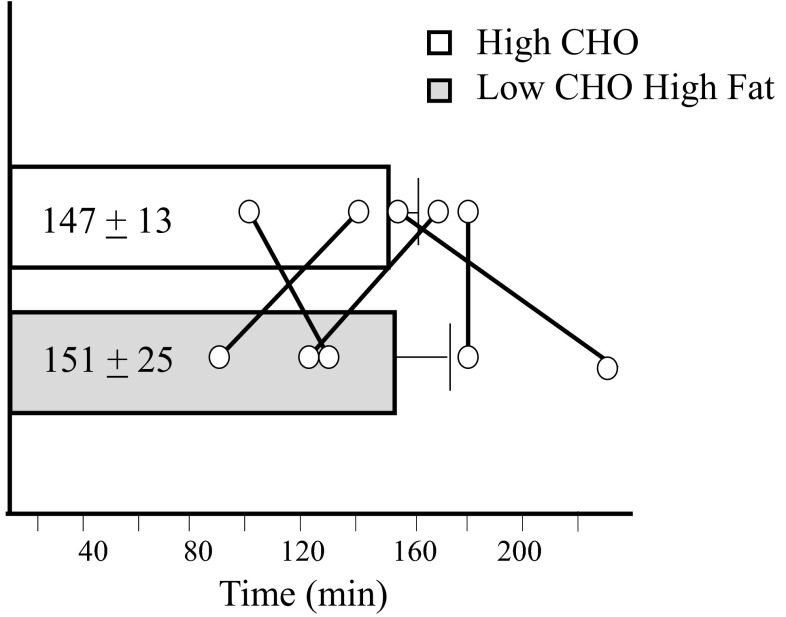
“magnitude-based inferences approach [32] reveals an unclear outcome, with the chances of a substantially positive, trivial, and substantially negative outcome being 32, 32, and 36 %, respectively (Stellingwerff, personal communication).”
BackgroundCarbohydrates for training and competition
Burke, L. M., Hawley, J. A., Wong, S. H. S., & Jeukendrup, A. E. (2011) · Journal of Sports Sciences · doi:10.1080/02640414.2011.585473 · Cited by 985 · cited 10×
“Recommended protocol [53]: 36–48 h @ 10–12 g/kg/day CHO ? taper”
BackgroundInfluentialSelf-citationNordmann, A. J., Nordmann, A., Briel, M., Keller, U., Yancy, W. S., Brehm, B. J., & Bucher, H. C. (2006) · Archives of Internal Medicine · doi:10.1001/archinte.166.3.285 · Cited by 973 · cited 1×
“Peer-reviewed publications from the key scientific protagonists of the LCHF movement [3, 5, 6] generally show measured and thoughtful insights, based on a reexamination of previously conducted studies, personal experiences, anecdotal observations from the sports world, and the general interest in tackling modern healt…”
BackgroundFeinman, R. D., Pogozelski, W. K., Astrup, A., Bernstein, R. K., Fine, E. J., Westman, E. C., Accurso, A., Frassetto, L., Gower, B. A., McFarlane, S. I., et al. (2015) · Nutrition · doi:10.1016/j.nut.2014.06.011 · Cited by 912 · cited 1×
“Peer-reviewed publications from the key scientific protagonists of the LCHF movement [3, 5, 6] generally show measured and thoughtful insights, based on a reexamination of previously conducted studies, personal experiences, anecdotal observations from the sports world, and the general interest in tackling modern healt…”
BackgroundDesign and analysis of research on sport performance enhancement
HOPKINS, W. G., HAWLEY, J. A., & BURKE, L. M. (1999) · Medicine & Science in Sports & Exercise · doi:10.1097/00005768-199903000-00018 · Cited by 708 · cited 1×
“In addition, although the examination of current evidence is primarily based on peerreviewed literature involving well-controlled scientific trials in trained individuals [12], consideration will be given to anecdotal accounts provided via lay sources to guide future research efforts or identify scenarios in which LCH…”
BackgroundSelf-citationThe selfish brain: Competition for energy resources
Peters, A., Schweiger, U., Pellerin, L., Hubold, C., Oltmanns, K. M., Conrad, M., Schultes, B., Born, J., & Fehm, H. L. (2004) · Neuroscience & Biobehavioral Reviews · doi:10.1016/j.neubiorev.2004.03.002 · Cited by 489
Phinney, S. D., Bistrian, B. R., Evans, W. J., Gervino, E., & Blackburn, G. L. (1983) · Metabolism · doi:10.1016/0026-0495(83)90106-3 · Cited by 422 · cited 3×
“[30] CHO carbohydrate High-Fat Diets and Sports Performance”
BackgroundMethodNew Insights into the Interaction of Carbohydrate and Fat Metabolism During Exercise
Spriet, L. L. (2014) · Sports Medicine · doi:10.1007/s40279-014-0154-1 · Cited by 271 · cited 3×
“Although endurance training is known to enhance an athlete’s capacity for fat oxidation during exercise [16], a large body of research over the past 3 decades has been dedicated to exploring ways in which this can be further up-regulated to enhance exercise capacity and sports performance by reducing the reliance on t…”
BackgroundCarbohydrate-Loading and Exercise Performance: An Update
Hawley, J. A., Schabort, E. J., Noakes, T. D., & Dennis, S. C. (1997) · Sports Medicine · doi:10.2165/00007256-199724020-00001 · Cited by 263
Rethinking fat as a fuel for endurance exercise
Volek, J. S., Noakes, T., & Phinney, S. D. (2015) · European Journal of Sport Science · doi:10.1080/17461391.2014.959564 · Cited by 261 · cited 6×
“Discussion generally targets the potential for ‘‘some’’ [5] athletes to respond to this different dietary approach, with this being promoted to ‘‘individuals’’, ‘‘ultra-endurance athletes’’, and ‘‘athletes involved in submaximal endurance exercise’’ [6] while being discouraged for use by athletes involved in ‘‘anaerob…”
BackgroundInfluentialStellingwerff, T., & Cox, G. R. (2014) · Applied Physiology, Nutrition, and Metabolism · doi:10.1139/apnm-2014-0027 · Cited by 246 · cited 1×
“May also address CNS impairment in events or individuals in which reductions in blood glucose concentrations occur [24, 66]”
BackgroundCarbohydrate availability and exercise training adaptation: Too much of a good thing?
Bartlett, J. D., Hawley, J. A., & Morton, J. P. (2015) · European Journal of Sport Science · doi:10.1080/17461391.2014.920926 · Cited by 230 · cited 2×
“Deliberately manipulating diet/training to exercise with low CHO availability can enhance the adaptive response to the training stimulus, and may be periodized into the training program according to individual goals and experience [14, 59]”
BackgroundLambert, E. V., Speechly, D. P., Dennis, S. C., & Noakes, T. D. (1994) · European Journal of Applied Physiology and Occupational Physiology · doi:10.1007/bf00392032 · Cited by 219 · cited 4×
“• Type II statistical error: failure to detect small but important changes in performance due to small sample sizes [34], individual responses [42, 45], and poor reliability of the performance protocol.”
BackgroundInfluentialHealthy strategies for successful weight loss and weight maintenance: a systematic review
Ramage, S., Farmer, A., Apps Eccles, K., & McCargar, L. (2014) · Applied Physiology, Nutrition, and Metabolism · doi:10.1139/apnm-2013-0026 · Cited by 207
Nutritional modulation of training-induced skeletal muscle adaptations
Hawley, J. A., Burke, L. M., Phillips, S. M., & Spriet, L. L. (2011) · Journal of Applied Physiology · doi:10.1152/japplphysiol.00949.2010 · Cited by 205 · cited 1×
“The role of training is to accumulate adaptations in the muscle and other body organs/systems to achieve specific characteristics that underpin success in the athlete’s event via a series of systematic and periodized stimuli involving the interaction of nutrition and exercise [13].”
BackgroundSelf-citationThe Kardashian index: a measure of discrepant social media profile for scientists
Hall, N. (2014) · Genome Biology · doi:10.1186/s13059-014-0424-0 · Cited by 201 · cited 1×
“While the inclusion of the latter sources in a scientific review may be considered unconventional, it is now recognized that many scientists actively use social media to promote their views [10] and even conduct research [11], albeit involving nontraditional methodologies.”
BackgroundStellingwerff, T., Spriet, L. L., Watt, M. J., Kimber, N. E., Hargreaves, M., Hawley, J. A., & Burke, L. M. (2006) · American Journal of Physiology-Endocrinology and Metabolism · doi:10.1152/ajpendo.00268.2005 · Cited by 195 · cited 2×
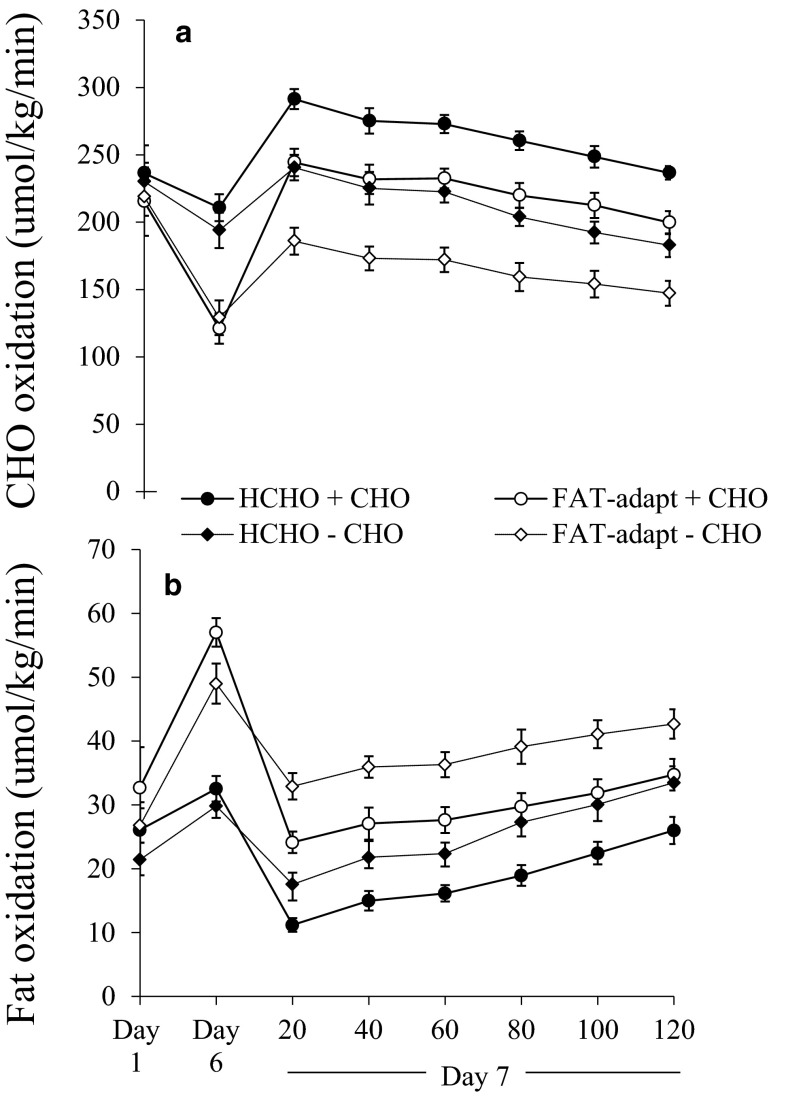
“The reduction in glycogen use persists in the face of glycogen supercompensation [45] and high-intensity exercise [46], noting that it is robust and independent of substrate availability.”
BackgroundSelf-citationSpecific Aspects of Contemporary Triathlon: Implications for Physiological Analysis and Performance
Bentley, D. J., Millet, G. P., Vleck, V. E., & McNaughton, L. R. (2002) · Sports Medicine · doi:10.2165/00007256-200232060-00001 · Cited by 195
Burke, L. M., Angus, D. J., Cox, G. R., Cummings, N. K., Febbraio, M. A., Gawthorn, K., Hawley, J. A., Minehan, M., Martin, D. T., & Hargreaves, M. (2000) · Journal of Applied Physiology · doi:10.1152/jappl.2000.89.6.2413 · Cited by 190 · cited 7×
“The reduction in glycogen use persists in the face of glycogen supercompensation [45] and high-intensity exercise [46], noting that it is robust and independent of substrate availability.”
BackgroundInfluentialSelf-citationThe Effects of a Ketogenic Diet on Exercise Metabolism and Physical Performance in Off-Road Cyclists
Zajac, A., Poprzecki, S., Maszczyk, A., Czuba, M., Michalczyk, M., & Zydek, G. (2014) · Nutrients · doi:10.3390/nu6072493 · Cited by 184 · cited 2×
“Yet, to the knowledge of this author, only two new investigations of LCHF diets in athletes have appeared in the peerreviewed literature since 2006 [49, 50].”
BackgroundCoyle, E. F. (1991) · Journal of Sports Sciences · doi:10.1080/02640419108729865 · Cited by 184 · cited 1×
“Increase in muscle/liver glycogen in hours prior to event: pre-event meal Prolonged sustained or intermittent sports (usually[45 min), especially where pre-exercise muscle/liver glycogen are not optimized by other strategies Likely to be effective if intake increases CHO availability (increase in liver/muscle glycogen…”
BackgroundDoes dietary creatine supplementation play a role in skeletal muscle metabolism and performance?
Casey, A., & Greenhaff, P. L. (2000) · The American Journal of Clinical Nutrition · doi:10.1093/ajcn/72.2.607s · Cited by 173
Phinney, S. D., Bistrian, B. R., Wolfe, R. R., & Blackburn, G. L. (1983) · Metabolism · doi:10.1016/0026-0495(83)90105-1 · Cited by 172 · cited 1×
“According to recent reviews [5, 6], historical observations of considerable exercise stamina in explorers who followed traditional Inuit diets almost devoid of carbohydrate (energy contribution: 85 % fat, 15 % protein) led to a laboratory investigation of this phenomenon in the 1980s [30, 31].”
BackgroundEffects of diet on muscle triglyceride and endurance performance
Starling, R. D., Trappe, T. A., Parcell, A. C., Kerr, C. G., Fink, W. J., & Costill, D. L. (1997) · Journal of Applied Physiology · doi:10.1152/jappl.1997.82.4.1185 · Cited by 165 · cited 1×
“In contrast to short-term exposure to an LCHF diet, which reduces exercise capacity by depleting liver and muscle stores of glycogen without producing a compensatory increase in fat oxidation [27, 28], longer-term adherence to this dietary regimen causes a range of adaptations to enhance the breakdown, transport, and…”
BackgroundFat adaptation followed by carbohydrate loading compromises high-intensity sprint performance
Havemann, L., West, S. J., Goedecke, J. H., Macdonald, I. A., St Clair Gibson, A., Noakes, T. D., & Lambert, E. V. (2006) · Journal of Applied Physiology · doi:10.1152/japplphysiol.00813.2005 · Cited by 165 · cited 7×
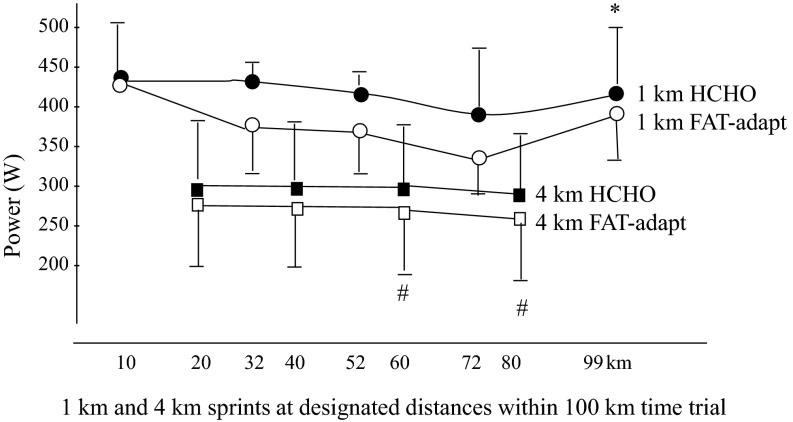
“This study [1], which prompted the 2006 editorial about which this review revolves, merits special reflection before a general summary of the literature is provided.”
BackgroundMethodInfluentialKetogenic diet does not affect strength performance in elite artistic gymnasts
Paoli, A., Grimaldi, K., D’Agostino, D., Cenci, L., Moro, T., Bianco, A., & Palma, A. (2012) · Journal of the International Society of Sports Nutrition · doi:10.1186/1550-2783-9-34 · Cited by 154 · cited 1×
“Yet, to the knowledge of this author, only two new investigations of LCHF diets in athletes have appeared in the peerreviewed literature since 2006 [49, 50].”
BackgroundPeters, S. J., Harris, R. A., Wu, P., Pehleman, T. L., Heigenhauser, G. J. F., & Spriet, L. L. (2001) · American Journal of Physiology-Endocrinology and Metabolism · doi:10.1152/ajpendo.2001.281.6.e1151 · Cited by 154 · cited 1×
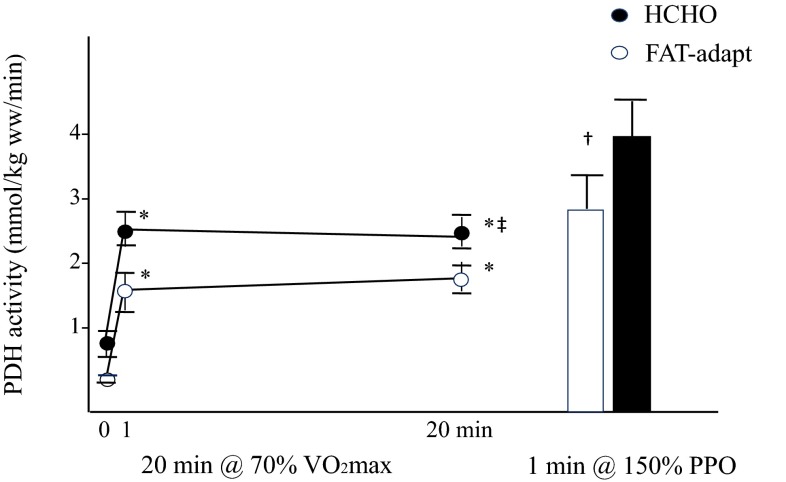
“Explanations for the down-regulated activity of this enzyme complex responsible for linking the glycolytic pathway with the citric acid cycle included the observed post-sprint decrease in concentrations of free adenosine monophosphate (AMP) and adenosine diphosphate (ADP) and potentially an up-regulation of PDH kinase…”
BackgroundMetabolic adaptations to a high-fat diet in endurance cyclists
Goedecke, J. H., Christie, C., Wilson, G., Dennis, S. C., Noakes, T. D., Hopkins, W. G., & Lambert, E. V. (1999) · Metabolism · doi:10.1016/s0026-0495(99)90238-x · Cited by 153
Intensity of exercise during road race pro-cycling competition
FERNÁNDEZ-GARCÍA, B., PÉREZ-LANDALUCE, J., RODRÍGUEZ-ALONSO, M., & TERRADOS, N. (2000) · Medicine & Science in Sports & Exercise · doi:10.1097/00005768-200005000-00019 · Cited by 150 · cited 1×
“, breakaways, hill climbs, surges, sprint finishes) are conducted at higher and often near maximal pace [17–19].”
BackgroundEffects of fat adaptation and carbohydrate restoration on prolonged endurance exercise
Carey, A. L., Staudacher, H. M., Cummings, N. K., Stepto, N. K., Nikolopoulos, V., Burke, L. M., & Hawley, J. A. (2001) · Journal of Applied Physiology · doi:10.1152/jappl.2001.91.1.115 · Cited by 136 · cited 5×
“Indeed, studies that directly compared fuel utilization during submaximal exercise under controlled conditions after the fat adaptation protocol and then again after carbohydrate restoration practices [41, 42, 45] showed that the muscle re-tooling was robust enough to maintain an increase in fat utilization during exe…”
BackgroundInfluentialSelf-citationBURKE, L. M., HAWLEY, J. A., ANGUS, D. J., COX, G. R., CLARK, S. A., CUMMINGS, N. K., DESBROW, B., & HARGREAVES, M. (2002) · Medicine & Science in Sports & Exercise · doi:10.1097/00005768-200201000-00014 · Cited by 131 · cited 3×
“Indeed, studies that directly compared fuel utilization during submaximal exercise under controlled conditions after the fat adaptation protocol and then again after carbohydrate restoration practices [41, 42, 45] showed that the muscle re-tooling was robust enough to maintain an increase in fat utilization during exe…”
BackgroundSelf-citationEffect of dietary fat on metabolic adjustments to maximal &OV0312;O2 and endurance in runners
MUOIO, D. M., LEDDY, J. J., HORVATH, P. J., AW, A. B., & PENDERGAST, D. R. (1994) · Medicine & Science in Sports & Exercise · doi:10.1249/00005768-199401000-00014 · Cited by 125 · cited 1×
“Two studies in which carbohydrate and fat intake was manipulated in trained populations have not been included in this summary since the dietary changes were not sufficient to meet the criteria of[60 % fat intake or \25 % carbohydrate intake [38, 39].”
BackgroundKetogenic diets and physical performance
Phinney, S. D. (2004) · Nutrition & Metabolism · doi:10.1186/1743-7075-1-2 · Cited by 122 · cited 8×
“Discussion generally targets the potential for ‘‘some’’ [5] athletes to respond to this different dietary approach, with this being promoted to ‘‘individuals’’, ‘‘ultra-endurance athletes’’, and ‘‘athletes involved in submaximal endurance exercise’’ [6] while being discouraged for use by athletes involved in ‘‘anaerob…”
BackgroundInfluentialEffects of Dietary Fat on Muscle Substrates, Metabolism, and Performance in Athletes
VOGT, M., PUNTSCHART, A., HOWALD, H., MUELLER, B., MANNHART, C., GFELLER-TUESCHER, L., MULLIS, P., & HOPPELER, H. (2003) · Medicine & Science in Sports & Exercise · doi:10.1249/01.mss.0000069336.30649.bd · Cited by 120 · cited 4×
“The summarized literature (Table 3) includes one study that focused on titrating the carbohydrate content of the diet in modestly trained female cyclists [33] and four studies that specifically set out to adapt their subjects to a high-fat diet [34–37], although in one case, the smaller degree of carbohydrate restrict…”
BackgroundInfluentialCase study: Nutrition and training periodization in three elite marathon runners
Stellingwerff, T. (2012) · International Journal of Sport Nutrition and Exercise Metabolism · doi:10.1123/ijsnem.22.5.392 · Cited by 119
Brain glycogen decreases during prolonged exercise
Matsui, T., Soya, S., Okamoto, M., Ichitani, Y., Kawanaka, K., & Soya, H. (2011) · The Journal of Physiology · doi:10.1113/jphysiol.2010.203570 · Cited by 118 · cited 1×
“Here, the main substrates are blood glucose and glycogen stored in the astrocytes [21, 22], although under certain conditions where blood concentrations of ketone bodies are high, they may provide an additional fuel source [23].”
BackgroundFat adaptation in well-trained athletes: effects on cell metabolism
Yeo, W. K., Carey, A. L., Burke, L., Spriet, L. L., & Hawley, J. A. (2011) · Applied Physiology, Nutrition, and Metabolism · doi:10.1139/h10-089 · Cited by 118 · cited 1×
“In contrast to short-term exposure to an LCHF diet, which reduces exercise capacity by depleting liver and muscle stores of glycogen without producing a compensatory increase in fat oxidation [27, 28], longer-term adherence to this dietary regimen causes a range of adaptations to enhance the breakdown, transport, and…”
BackgroundSelf-citationMujika, I., & Padilla, S. (1997) · International Journal of Sports Medicine · doi:10.1055/s-2007-972670 · Cited by 117 · cited 1×
“, team sports, racket sports Likely to be effective in sports/positions in which gradual depletion of phosphocreatine stores is limiting to movement patterns [62]”
BackgroundThe two-hour marathon: who and when?
Joyner, M. J., Ruiz, J. R., & Lucia, A. (2011) · Journal of Applied Physiology · doi:10.1152/japplphysiol.00563.2010 · Cited by 112 · cited 1×
“In addition, for such athletes, even the ‘background’ pace from which these brief spurts are performed in endurance sports such as the marathon requires high exercise economy and a sustained use of very high percentage of maximal aerobic intensity [20].”
BackgroundEffects of high-fat and high-carbohydrate diets on metabolism and performance in cycling
ROWLANDS, D. S., & Hopkins, W. G. (2002) · Metabolism · doi:10.1053/meta.2002.32723 · Cited by 111
Effects of short-term fat adaptation on metabolism and performance of prolonged exercise
BURKE, L. M., & HAWLEY, J. A. (2002) · Medicine & Science in Sports & Exercise · doi:10.1097/00005768-200209000-00015 · Cited by 109 · cited 2×
“The experience of athletes, at least in the short-term exposure to LCHF diets, is of a reduction in training capacity and increase in perceived effort, heart rate, and other monitoring characteristics, particularly in relation to high-intensity/quality training, which plays a core role in a periodized training program…”
BackgroundSelf-citationJeukendrup, A., Thielen, J., Wagenmakers, A., Brouns, F., & Saris, W. (1998) · The American Journal of Clinical Nutrition · doi:10.1093/ajcn/67.3.397 · Cited by 105
Carbohydrate Administration and Exercise Performance: What Are the Potential Mechanisms Involved?
Karelis, A. D., Smith, J. W., Passe, D. H., & Péronnet, F. (2010) · Sports Medicine · doi:10.2165/11533080-000000000-00000 · Cited by 101
Burke, L. M. (2007) · Cited by 96
Self-citationPitsiladis, Y. P., & Maughan, R. J. (1999) · The Journal of Physiology · doi:10.1111/j.1469-7793.1999.0919s.x · Cited by 93 · cited 1×
“In contrast to short-term exposure to an LCHF diet, which reduces exercise capacity by depleting liver and muscle stores of glycogen without producing a compensatory increase in fat oxidation [27, 28], longer-term adherence to this dietary regimen causes a range of adaptations to enhance the breakdown, transport, and…”
Background"Fat adaptation" for athletic performance: the nail in the coffin?
Burke, L. M., & Kiens, B. (2006) · Journal of Applied Physiology · doi:10.1152/japplphysiol.01238.2005 · Cited by 92 · cited 2×
“However, those at the coal face of sports nutrition can delete ‘fat loading’ and high-fat diets from their list of genuine ergogenic aids for endurance and ultra-endurance sports— at least for the conventional events within these categories’’ [2].”
BackgroundSelf-citationFat Metabolism During Exercise: A Review. Part III: Effects of Nutritional Interventions
Jeukendrup, A., Saris, W., & Wagenmakers, A. (1998) · International Journal of Sports Medicine · doi:10.1055/s-2007-971932 · Cited by 85 · cited 1×
“As summarized in Table 2 and in several reviews [25, 26], acute tactics to increase free fatty availability by increasing fat intake in the hours or days prior to exercise, or consuming fat during exercise have proved unsuccessful or impractical.”
BackgroundLambert, E. V., Goedecke, J. H., van Zyl, C., Murphy, K., Hawley, J. A., Dennis, S. C., & Noakes, T. D. (2001) · International Journal of Sport Nutrition and Exercise Metabolism · doi:10.1123/ijsnem.11.2.209 · Cited by 85 · cited 1×
“Trained cyclists and triathletes [44] (n = 5 M)”
BackgroundThe Governor has a sweet tooth – Mouth sensing of nutrients to enhance sports performance
Burke, L. M., & Maughan, R. J. (2015) · European Journal of Sport Science · doi:10.1080/17461391.2014.971880 · Cited by 76 · cited 2×
“, cycling time trial, half marathon Likely to be effective in enhancing pacing strategy via effect on ‘reward centers’ in brain [61, 67]”
BackgroundSelf-citationLow-carbohydrate diets for athletes: what evidence?
Noakes, T., Volek, J. S., & Phinney, S. D. (2014) · British Journal of Sports Medicine · doi:10.1136/bjsports-2014-093824 · Cited by 74 · cited 2×
“‘‘Exercise scientists teach that since muscle glycogen utilization occurs at high rates (during high-intensity exercise in CHO-adapted athletes), all athletes must be advised to ingest large amounts of CHO before and during exercise’’ [3].”
BackgroundEffect of increased fat availability on metabolism and exercise capacity
HAWLEY, J. A. (2002) · Medicine & Science in Sports & Exercise · doi:10.1097/00005768-200209000-00014 · Cited by 67 · cited 1×
“As summarized in Table 2 and in several reviews [25, 26], acute tactics to increase free fatty availability by increasing fat intake in the hours or days prior to exercise, or consuming fat during exercise have proved unsuccessful or impractical.”
BackgroundEffect of High-Fat or High-Carbohydrate Diets on Endurance Exercise: A Meta-Analysis
Erlenbusch, M., Haub, M., Munoz, K., MacConnie, S., & Stillwell, B. (2005) · International Journal of Sport Nutrition and Exercise Metabolism · doi:10.1123/ijsnem.15.1.1 · Cited by 53 · cited 1×
“A meta-analysis published about the same time on the effect of the carbohydrate and fat content of athletic diets on endurance performance [48] summarized that the heterogeneity around their findings that high-carbohydrate diets (defined as[50 % of energy from carbohydrate) have a moderate (effect size 0.”
BackgroundMuscle Structure with Low- and High-Fat Diets in Well-Trained Male Runners
Hoppeler, Billeter, Horvath, Leddy, & Pendergast (1999) · International Journal of Sports Medicine · doi:10.1055/s-1999-8838 · Cited by 52 · cited 1×
“Two studies in which carbohydrate and fat intake was manipulated in trained populations have not been included in this summary since the dietary changes were not sufficient to meet the criteria of[60 % fat intake or \25 % carbohydrate intake [38, 39].”
BackgroundShaw, G., Boyd, K. T., Burke, L. M., & Koivisto, A. (2014) · International Journal of Sport Nutrition and Exercise Metabolism · doi:10.1123/ijsnem.2014-0015 · Cited by 51
Self-citationOral Carbohydrate Rinse: Placebo or Beneficial?
Jeukendrup, A. E. (2013) · Current Sports Medicine Reports · doi:10.1249/jsr.0b013e31829a6caa · Cited by 46 · cited 1×
“, cycling time trial, half marathon Likely to be effective in enhancing pacing strategy via effect on ‘reward centers’ in brain [61, 67]”
BackgroundLow-carbohydrate and high-fat intake can manage obesity and associated conditions: Occasional survey
Noakes, T. D. (2013) · South African Medical Journal · doi:10.7196/samj.7302 · Cited by 46 · cited 1×
“While the inclusion of the latter sources in a scientific review may be considered unconventional, it is now recognized that many scientists actively use social media to promote their views [10] and even conduct research [11], albeit involving nontraditional methodologies.”
BackgroundDietary carbohydrate intake and endurance exercise performance of trained female cyclists
Keeffe, K. A. O., Keith, R. E., Wilson, G. D., & Blessing, D. L. (1989) · Nutrition Research · doi:10.1016/s0271-5317(89)80027-2 · Cited by 44 · cited 3×
“Moderately trained cyclists [33] (n = 7 F)”
BackgroundNutrition Considerations for Open-Water Swimming
Shaw, G., Koivisto, A., Gerrard, D., & Burke, L. M. (2014) · International Journal of Sport Nutrition and Exercise Metabolism · doi:10.1123/ijsnem.2014-0018 · Cited by 42
Self-citationContemporary Nutrition Approaches to Optimize Elite Marathon Performance
Stellingwerff, T. (2013) · International Journal of Sports Physiology and Performance · doi:10.1123/ijspp.8.5.573 · Cited by 38 · cited 2×
“Fueling strategies during this period should also be periodized [14] according to the demands of the session and the relative priorities of training with high intensity/quality, practicing competition nutrition and promoting the adaptive response to the training stimulus (see Table 1).”
BackgroundCole, M., Coleman, D., Hopker, J., & Wiles, J. (2013) · International Journal of Sports Medicine · doi:10.1055/s-0033-1348254 · Cited by 36 · cited 1×
“However, we also recognize that the benefits of carbohydrate as a substrate for exercise across the full range of exercise intensities via separate pathways [16], the better economy of carbohydrate oxidation versus fat oxidation (ATP produced per L of oxygen combusted) [60], and the potential CNS benefits of mouth sen…”
BackgroundNutrition for Recovery in Aquatic Sports
Burke, L. M., & Mujika, I. (2014) · International Journal of Sport Nutrition and Exercise Metabolism · doi:10.1123/ijsnem.2014-0022 · Cited by 35
Self-citationContribution of Brain Glucose and Ketone Bodies to Oxidative Metabolism
Zhang, Y., Kuang, Y., LaManna, J. C., & Puchowicz, M. A. (2012) · Advances in experimental medicine and biology · doi:10.1007/978-1-4614-4989-8_51 · Cited by 22 · cited 1×
“Here, the main substrates are blood glucose and glycogen stored in the astrocytes [21, 22], although under certain conditions where blood concentrations of ketone bodies are high, they may provide an additional fuel source [23].”
BackgroundAltering Endogenous Carbohydrate Availability to Support Training Adaptations
Philp, A., Burke, L. M., & Baar, K. (2011) · Nestlé Nutrition Institute Workshop Series · doi:10.1159/000329279 · Cited by 20
Self-citationBrukner, P. (2013) · British Journal of Sports Medicine · doi:10.1136/bjsports-2013-092440 · Cited by 12 · cited 1×
“Indeed, although there is a continual cry to rid sports nutrition of ‘dogma’ [4], it would seem counterproductive if new ideas were as dogmatic as the old beliefs they seek to replace.”
BackgroundNoakes, T. D. (2013) · South African Medical Journal · doi:10.7196/samj.7343 · Cited by 11
Fat adaptation and prolonged exercise performance
Noakes, T. D. (2004) · Journal of Applied Physiology · doi:10.1152/japplphysiol.01232.2003 · Cited by 3 · cited 2×
“Highly-trained cyclists and triathletes [43] (n = 7 M)”
Background
Cited by
Thomas, D. T., Erdman, K. A., & Burke, L. M. (2016) · Journal of the Academy of Nutrition and Dietetics · doi:10.1016/j.jand.2015.12.006 · Cited by 1,359
Self-citationNutrition and Athletic Performance
(2016) · Medicine & Science in Sports & Exercise · doi:10.1249/mss.0000000000000852 · Cited by 1,305
“Therefore, competitive athletes would be unwise to sacrifice their ability to undertake high-quality training or high-intensity efforts during competition that could determine the outcome.(68)”
ISSN exercise & sports nutrition review update: research & recommendations
Kerksick, C. M., Wilborn, C. D., Roberts, M. D., Smith-Ryan, A., Kleiner, S. M., Jäger, R., Collins, R., Cooke, M., Davis, J. N., Galvan, E., et al. (2018) · Journal of the International Society of Sports Nutrition · doi:10.1186/s12970-018-0242-y · Cited by 945
“In other words, the total carbohydrate consumption and timing of carbohydrate consumption should be individualized to each athlete’s needs according to the goals of the training cycle and bout [112].”
BackgroundKANALEY, J. A., COLBERG, S. R., CORCORAN, M. H., MALIN, S. K., RODRIGUEZ, N. R., CRESPO, C. J., KIRWAN, J. P., & ZIERATH, J. R. (2022) · Medicine & Science in Sports & Exercise · doi:10.1249/mss.0000000000002800 · Cited by 931
Exercise management in type 1 diabetes: a consensus statement
Riddell, M. C., Gallen, I. W., Smart, C. E., Taplin, C. E., Adolfsson, P., Lumb, A. N., Kowalski, A., Rabasa-Lhoret, R., McCrimmon, R. J., Hume, C., et al. (2017) · The Lancet Diabetes & Endocrinology · doi:10.1016/s2213-8587(17)30014-1 · Cited by 903
Metadata
- Authors
- Burke, L. M.
- Affiliations
- Australian Catholic University (AU)
- Corresponding author
- Burke, Louise M.
- ORCID
- Burke, Louise M.
- Venue
- Sports Medicine
- Published
- 2015-11
- Volume
- 45
- Issue
- S1
- Pages
- 33-49
- ISSN
- 0112-1642 (ISSN-L)
- 1179-2035
- PMC
- PMC4672014
- OpenAlex
- W2096311835
- Cited by
- 201
- References
- 66
- Citations by year
- 2026: 10 · 2025: 11 · 2024: 19 · 2023: 11 · 2022: 14 · 2021: 18 · 2020: 32 · 2019: 22 · 2018: 31 · 2017: 18 · 2016: 13 · 2015: 1
- FWCI
- 2.57
- Type
- journal article
- Language
- en
- Open access
- hybrid
- doi.org
- Locations
- Sports Medicine (publishedVersion, cc-by)
- Europe PMC (PubMed Central) (publishedVersion, cc-by)
- PubMed Central (publishedVersion, cc-by)
- PubMed (publishedVersion)
- Funders
- PepsiCo
- Kellogg's
- Gran Sasso Science Institute
- Australian Institute of Sport
- Topics
- Health Sciences › Medicine › Physiology (medical) › Diet and metabolism studies
- Health Sciences › Nursing › Nutrition and Dietetics › Muscle metabolism and nutrition
- Health Sciences › Medicine › Orthopedics and Sports Medicine › Sports Performance and Training
- Keywords
- low-carbohydrate high-fat diet, athletic performance, glycogen supercompensation, ketosis, metabolic flexibility, endurance performance, high-intensity exercise, carbohydrate metabolism
- MeSH terms
- Dietary Carbohydrates, Dietary Fats, Energy Metabolism, Glycogen, Humans, Exercise, Muscle, Skeletal, Diet, Carbohydrate-Restricted, Athletic Performance, Diet, Ketogenic, Diet, High-Fat, Sports Nutritional Physiological Phenomena
About these checks
Registry, retraction, Cites and statistics results are computed, not judged, with one exception: a printed reference that no index lists is read once by a model before it counts as a citation error. Claims are extracted by a model and kept only when their quote appears verbatim in the text; each cited source is then checked, with a model’s help, for whether it says what the claim relies on. Those verdicts can be wrong — read the claim’s quote and the cited source before relying on one.
Statistics and arithmetic are recomputed, not judged.
Confidence bands are shown only for fields calibrated on our annotated test set. None is calibrated yet, so no band is shown.
What counts as a claim ›How we measure confidence ›How we check this ›
Are you an author, or do you see a problem with this page? Request a review
Data sources
Bibliographic data: Semantic Scholar, OpenAlex, Crossref.
Contains information from the Semantic Scholar Academic Graph Datasets, made available under the ODC Attribution License (ODC-BY 1.0).
Semantic Scholar’s data is described in: Kinney, R., et al. (2023). The Semantic Scholar Open Data Platform. arXiv:2301.10140.
