

Re-Examining High-Fat Diets for Sports Performance: Did We Call the ‘Nail in the Coffin’ Too Soon?
Open accessThe DOI matches its Crossref record; 66 of the 66 references it cites were found in a registry or an index.
Abstract
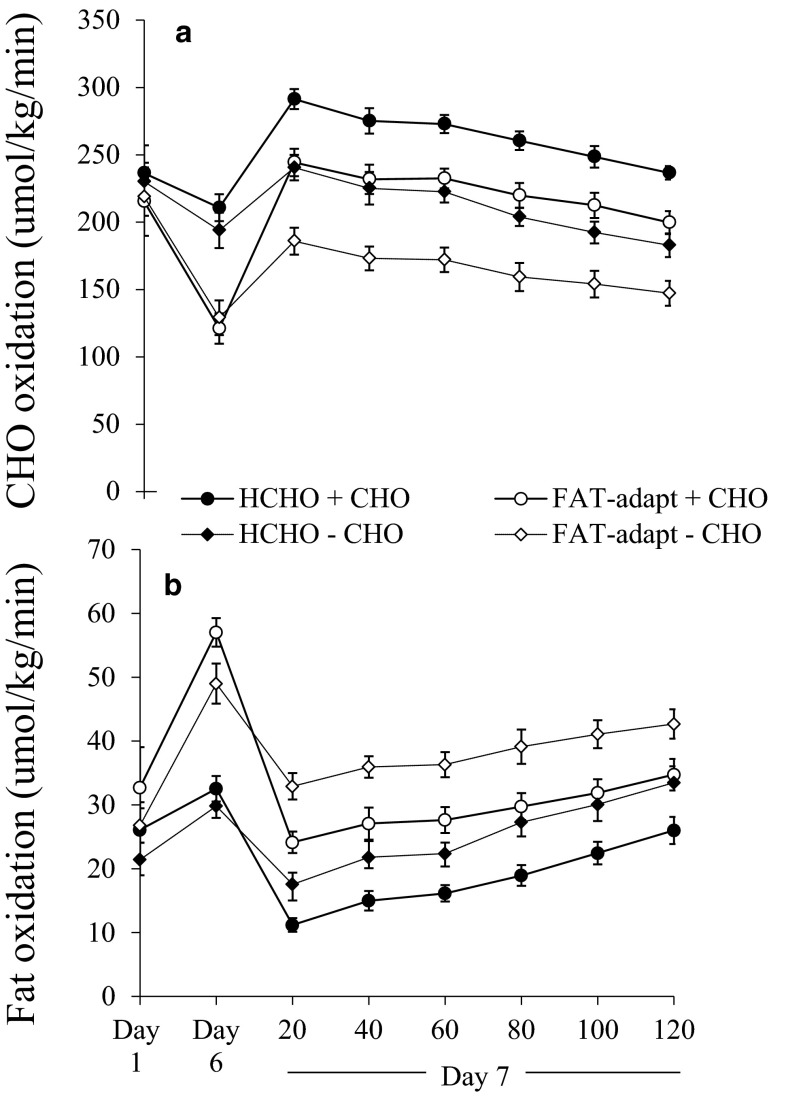
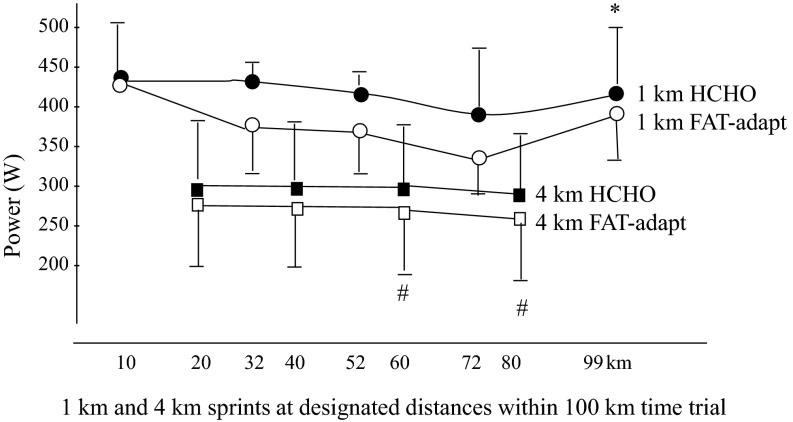
During the period 1985-2005, studies examined the proposal that adaptation to a low-carbohydrate (<25 % energy), high-fat (>60 % energy) diet (LCHF) to increase muscle fat utilization during exercise could enhance performance in trained individuals by reducing reliance on muscle glycogen. As little as 5 days of training with LCHF retools the muscle to enhance fat-burning capacity with robust changes that persist despite acute strategies to restore carbohydrate availability (e.g., glycogen supercompensation, carbohydrate intake during exercise). Furthermore, a 2- to 3-week exposure to minimal carbohydrate (<20 g/day) intake achieves adaptation to high blood ketone concentrations. However, the failure to detect clear performance benefits during endurance/ultra-endurance protocols, combined with evidence of impaired performance of high-intensity exercise via a down-regulation of carbohydrate metabolism led this author to dismiss the use of such fat-adaptation strategies by competitive athletes in conventional sports. Recent re-emergence of interest in LCHF diets, coupled with anecdotes of improved performance by sportspeople who follow them, has created a need to re-examine the potential benefits of this eating style. Unfortunately, the absence of new data prevents a different conclusion from being made. Notwithstanding the outcomes of future research, there is a need for better recognition of current sports nutrition guidelines that promote an individualized and periodized approach to fuel availability during training, allowing the athlete to prepare for competition performance with metabolic flexibility and optimal utilization of all muscle substrates. Nevertheless, there may be a few scenarios where LCHF diets are of benefit, or at least are not detrimental, for sports performance.
Overview
The claims and statistics of this paper haven’t been checked yet.
Free: it reads the open-access text and checks the first 5 claims that cite a source we can check. Create a free account to check every claim.
Integrity signals
Registry
Cites
Statistics
Figures
Verification
Claims the paper makes
The claims and statistics of this paper haven’t been checked yet.
Free: it reads the open-access text and checks the first 5 claims that cite a source we can check. Create a free account to check every claim.
Claims other papers make about this one
Each is checked against this paper’s own text: does it say what the citing paper says it does?
The source backs part of the claim, not all of it — or backs it for a different population, condition or comparison.
In the citing paper
“The deleterious cellular adaptation of reduced PDH activity due to high fat diets has been found to compromise high intensity exercise performance potential [35, 63, 67].”
From Understanding the factors that effect maximal fat oxidation. (2018) · cites this paper as [63]
Experimental — accuracy not yet measuredThe source backs part of the claim, not all of it — or backs it for a different population, condition or comparison.
In the citing paper
“For years, high-fat diets have been used by athletes with the majority of evidence showing no ergogenic benefit and consistent gastrointestinal challenges [112].”
From ISSN exercise & sports nutrition review update: research & recommendations (2018) · cites this paper as [112]
Experimental — accuracy not yet measuredThe cited source says what the claim attributes to it.
In the citing paper
“However, definitive conclusions regarding pre-exercise macronutrient dominant diets and exercise performance improvements are contingent on specific exercise applications [62] that are directed by exercise duration and intensity [63–65].”
From Understanding the factors that effect maximal fat oxidation. (2018) · cites this paper as [63]
The cited source says what the claim attributes to it.
In the citing paper
“While intramuscular adaptations result that may theoretically impact performance [113, 114], no consistent, favorable impact on performance has been documented [112, 115].”
From ISSN exercise & sports nutrition review update: research & recommendations (2018) · cites this paper as [112]
The cited source says what the claim attributes to it.
In the citing paper
“However, again, these investigations failed to find evidence of universal performance benefits, but uncovered mechanisms to explain metabolic changes in the muscle as well as information on scenarios in which fat adaptation might be useful/benign and those in which it would, in fact, impair sports performance [73].”
From New strategies in sport nutrition to increase exercise performance (2016) · cites this paper as [73]
4 more claims about this paper
Create a free account to see every claim other papers make about this one.
Self-check
Percentages, sums and reported differences re-computed from the paper’s own numbers.
The self-check needs the paper’s full text.
Citations
Cites
Making Meaningful Inferences About Magnitudes
Batterham, A. M., & Hopkins, W. G. (2006) · International Journal of Sports Physiology and Performance · doi:10.1123/ijspp.1.1.50 · Cited by 2,183 · cited 1×
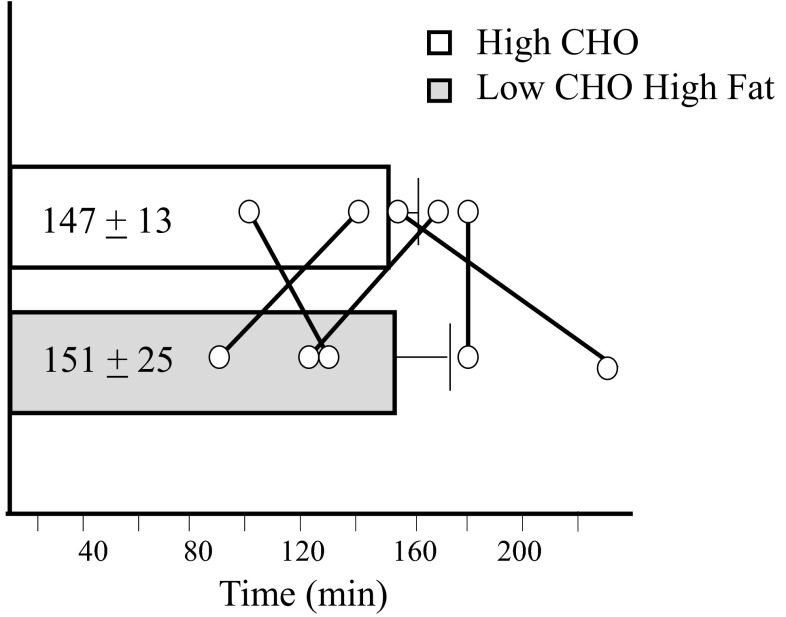
“magnitude-based inferences approach [32] reveals an unclear outcome, with the chances of a substantially positive, trivial, and substantially negative outcome being 32, 32, and 36 %, respectively (Stellingwerff, personal communication).”
BackgroundCarbohydrates for training and competition
Burke, L. M., Hawley, J. A., Wong, S. H. S., & Jeukendrup, A. E. (2011) · Journal of Sports Sciences · doi:10.1080/02640414.2011.585473 · Cited by 985 · cited 10×
“Recommended protocol [53]: 36–48 h @ 10–12 g/kg/day CHO ? taper”
BackgroundInfluentialSelf-citationNordmann, A. J., Nordmann, A., Briel, M., Keller, U., Yancy, W. S., Brehm, B. J., & Bucher, H. C. (2006) · Archives of Internal Medicine · doi:10.1001/archinte.166.3.285 · Cited by 973 · cited 1×
“Peer-reviewed publications from the key scientific protagonists of the LCHF movement [3, 5, 6] generally show measured and thoughtful insights, based on a reexamination of previously conducted studies, personal experiences, anecdotal observations from the sports world, and the general interest in tackling modern healt…”
BackgroundFeinman, R. D., Pogozelski, W. K., Astrup, A., Bernstein, R. K., Fine, E. J., Westman, E. C., Accurso, A., Frassetto, L., Gower, B. A., McFarlane, S. I., et al. (2015) · Nutrition · doi:10.1016/j.nut.2014.06.011 · Cited by 912 · cited 1×
“Peer-reviewed publications from the key scientific protagonists of the LCHF movement [3, 5, 6] generally show measured and thoughtful insights, based on a reexamination of previously conducted studies, personal experiences, anecdotal observations from the sports world, and the general interest in tackling modern healt…”
BackgroundDesign and analysis of research on sport performance enhancement
HOPKINS, W. G., HAWLEY, J. A., & BURKE, L. M. (1999) · Medicine & Science in Sports & Exercise · doi:10.1097/00005768-199903000-00018 · Cited by 708 · cited 1×
“In addition, although the examination of current evidence is primarily based on peerreviewed literature involving well-controlled scientific trials in trained individuals [12], consideration will be given to anecdotal accounts provided via lay sources to guide future research efforts or identify scenarios in which LCH…”
BackgroundSelf-citationThe selfish brain: Competition for energy resources
Peters, A., Schweiger, U., Pellerin, L., Hubold, C., Oltmanns, K. M., Conrad, M., Schultes, B., Born, J., & Fehm, H. L. (2004) · Neuroscience & Biobehavioral Reviews · doi:10.1016/j.neubiorev.2004.03.002 · Cited by 489
Phinney, S. D., Bistrian, B. R., Evans, W. J., Gervino, E., & Blackburn, G. L. (1983) · Metabolism · doi:10.1016/0026-0495(83)90106-3 · Cited by 422 · cited 3×
“[30] CHO carbohydrate High-Fat Diets and Sports Performance”
BackgroundMethodNew Insights into the Interaction of Carbohydrate and Fat Metabolism During Exercise
Spriet, L. L. (2014) · Sports Medicine · doi:10.1007/s40279-014-0154-1 · Cited by 271 · cited 3×
“Although endurance training is known to enhance an athlete’s capacity for fat oxidation during exercise [16], a large body of research over the past 3 decades has been dedicated to exploring ways in which this can be further up-regulated to enhance exercise capacity and sports performance by reducing the reliance on t…”
BackgroundCarbohydrate-Loading and Exercise Performance: An Update
Hawley, J. A., Schabort, E. J., Noakes, T. D., & Dennis, S. C. (1997) · Sports Medicine · doi:10.2165/00007256-199724020-00001 · Cited by 263
Rethinking fat as a fuel for endurance exercise
Volek, J. S., Noakes, T., & Phinney, S. D. (2015) · European Journal of Sport Science · doi:10.1080/17461391.2014.959564 · Cited by 261 · cited 6×
“Discussion generally targets the potential for ‘‘some’’ [5] athletes to respond to this different dietary approach, with this being promoted to ‘‘individuals’’, ‘‘ultra-endurance athletes’’, and ‘‘athletes involved in submaximal endurance exercise’’ [6] while being discouraged for use by athletes involved in ‘‘anaerob…”
BackgroundInfluential
Cited by
Thomas, D. T., Erdman, K. A., & Burke, L. M. (2016) · Journal of the Academy of Nutrition and Dietetics · doi:10.1016/j.jand.2015.12.006 · Cited by 1,359
Self-citationNutrition and Athletic Performance
(2016) · Medicine & Science in Sports & Exercise · doi:10.1249/mss.0000000000000852 · Cited by 1,305
“Therefore, competitive athletes would be unwise to sacrifice their ability to undertake high-quality training or high-intensity efforts during competition that could determine the outcome.(68)”
ISSN exercise & sports nutrition review update: research & recommendations
Kerksick, C. M., Wilborn, C. D., Roberts, M. D., Smith-Ryan, A., Kleiner, S. M., Jäger, R., Collins, R., Cooke, M., Davis, J. N., Galvan, E., et al. (2018) · Journal of the International Society of Sports Nutrition · doi:10.1186/s12970-018-0242-y · Cited by 945
“In other words, the total carbohydrate consumption and timing of carbohydrate consumption should be individualized to each athlete’s needs according to the goals of the training cycle and bout [112].”
BackgroundKANALEY, J. A., COLBERG, S. R., CORCORAN, M. H., MALIN, S. K., RODRIGUEZ, N. R., CRESPO, C. J., KIRWAN, J. P., & ZIERATH, J. R. (2022) · Medicine & Science in Sports & Exercise · doi:10.1249/mss.0000000000002800 · Cited by 931
Exercise management in type 1 diabetes: a consensus statement
Riddell, M. C., Gallen, I. W., Smart, C. E., Taplin, C. E., Adolfsson, P., Lumb, A. N., Kowalski, A., Rabasa-Lhoret, R., McCrimmon, R. J., Hume, C., et al. (2017) · The Lancet Diabetes & Endocrinology · doi:10.1016/s2213-8587(17)30014-1 · Cited by 903
Mujika, I., Halson, S., Burke, L. M., Balagué, G., & Farrow, D. (2018) · International Journal of Sports Physiology and Performance · doi:10.1123/ijspp.2018-0093 · Cited by 464
Self-citationEvans, M., Cogan, K. E., & Egan, B. (2017) · The Journal of Physiology · doi:10.1113/jp273185 · Cited by 414
“This is analogous to the lack of performance benefits for most athletes undertaking low CHO, high fat diets (Burke, 2015).”
BackgroundMethodInfluentialBurke, L. M., Ross, M. L., Garvican‐Lewis, L. A., Welvaert, M., Heikura, I. A., Forbes, S. G., Mirtschin, J. G., Cato, L. E., Strobel, N., Sharma, A. P., et al. (2017) · The Journal of Physiology · doi:10.1113/jp273230 · Cited by 407
“Diets high in fat upregulate the release, transport, uptake and utilisation of fat in the muscle, even in endurance athletes whose training would have been expected to maximise such adaptations (Spriet, 2014; Burke, 2015).”
BackgroundInfluentialSelf-citationInternational society of sports nutrition position stand: diets and body composition
Aragon, A. A., Schoenfeld, B. J., Wildman, R., Kleiner, S., VanDusseldorp, T., Taylor, L., Earnest, C. P., Arciero, P. J., Wilborn, C., Kalman, D. S., et al. (2017) · Journal of the International Society of Sports Nutrition · doi:10.1186/s12970-017-0174-y · Cited by 301
“physiological shift toward increased fat oxidation and decreased glycogen utilization [62].”
BackgroundResultUnderstanding the factors that effect maximal fat oxidation.
Purdom, T., Kravitz, L., Dokladny, K., & Mermier, C. (2018) · Journal of the International Society of Sports Nutrition · doi:10.1186/s12970-018-0207-1 · Cited by 247
Vegan diets: practical advice for athletes and exercisers
Rogerson, D. (2017) · Journal of the International Society of Sports Nutrition · doi:10.1186/s12970-017-0192-9 · Cited by 228
“Indeed, in some cases, high-fat diets have even been promoted [55].”
New strategies in sport nutrition to increase exercise performance
Close, G. L., Hamilton, D. L., Philp, A., Burke, L. M., & Morton, J. P. (2016) · Free Radical Biology and Medicine · doi:10.1016/j.freeradbiomed.2016.01.016 · Cited by 221
“Models have included moderate (<20% of energy) to extreme (< 50 g/d) carbohydrate restriction, with fat increasing to ~65% or ~80% of energy respectively [73].”
BackgroundInfluentialSelf-citationHealthy strategies for successful weight loss and weight maintenance: a systematic review
Ramage, S., Farmer, A., Apps Eccles, K., & McCargar, L. (2014) · Applied Physiology, Nutrition, and Metabolism · doi:10.1139/apnm-2013-0026 · Cited by 207
The Limits of Exercise Physiology: From Performance to Health
Gabriel, B. M., & Zierath, J. R. (2017) · Cell Metabolism · doi:10.1016/j.cmet.2017.04.018 · Cited by 184
“Understanding how different diets affect work performance is a long-standing and evolving area of research in the field (Burke, 2015).”
BackgroundCarbohydrate Dependence During Prolonged, Intense Endurance Exercise
Hawley, J. A., & Leckey, J. J. (2015) · Sports Medicine · doi:10.1007/s40279-015-0400-1 · Cited by 172
McSwiney, F. T., Wardrop, B., Hyde, P. N., Lafountain, R. A., Volek, J. S., & Doyle, L. (2018) · Metabolism · doi:10.1016/j.metabol.2017.10.010 · Cited by 172
“This pronounced shift in fuel utilization is a hallmark of ketoadaptation [3,8,9,37].”
Novel ketone diet enhances physical and cognitive performance
Murray, A. J., Knight, N. S., Cole, M. A., Cochlin, L. E., Carter, E., Tchabanenko, K., Pichulik, T., Gulston, M. K., Atherton, H. J., Schroeder, M. A., et al. (2016) · The FASEB Journal · doi:10.1096/fj.201600773r · Cited by 165
Ketogenic low-CHO, high-fat diet: The future of elite endurance sport?
Burke, L. M. (2021) · The Journal of Physiology · doi:10.1113/jp278928 · Cited by 133
“Re-emergence of interest: supernova studies In 2012, social and lay media commenced enthusiastic promotion of K-LCHF for endurance performance, despite the absence of further scientific investigations of the claims and hypotheses (Burke, 2015).”
BackgroundResultSelf-citationBurke, L. M., Hawley, J. A., Jeukendrup, A., Morton, J. P., Stellingwerff, T., & Maughan, R. J. (2018) · International Journal of Sport Nutrition and Exercise Metabolism · doi:10.1123/ijsnem.2018-0289 · Cited by 132
Self-citationThe Current State of Weight-Cutting in Combat Sports
Barley, O. R., Chapman, D. W., & Abbiss, C. R. (2019) · Sports · doi:10.3390/sports7050123 · Cited by 184
“Indeed, prolonged periods of low carbohydrate intake will increase the body’s reliance on ketones as an energy source and potentially downregulate enzymes associated with anaerobic glycolysis [41,42], which could impair high-intensity exercise performance [28].”
BackgroundSwifter, higher, stronger: What’s on the menu?
Burke, L. M., & Hawley, J. A. (2018) · Science · doi:10.1126/science.aau2093 · Cited by 122
Self-citationA Framework for Periodized Nutrition for Athletics
Stellingwerff, T., Morton, J. P., & Burke, L. M. (2019) · International Journal of Sport Nutrition and Exercise Metabolism · doi:10.1123/ijsnem.2018-0305 · Cited by 123
“By itself, however, chronic adaptation to a NK-LCHF does not translate into clear improvements in endurance performance, except in specific scenarios or individuals (Burke, 2015).”
BackgroundSelf-citationNutrition for Ultramarathon Running: Trail, Track, and Road
Costa, R. J. S., Knechtle, B., Tarnopolsky, M., & Hoffman, M. D. (2019) · International Journal of Sport Nutrition and Exercise Metabolism · doi:10.1123/ijsnem.2018-0255 · Cited by 118
“…is considerable debate about whether an ultramarathon runner might have a performance benefit from dietary carbohydrate or fat manipulations, ketogenic adaptation, or simply training in a glycogen depleted state to enhance fat oxidation (Burke, 2015; Impey et al., 2016; Pinckaers et al., 2017).”
BackgroundIntermittent Running and Cognitive Performance after Ketone Ester Ingestion
EVANS, M., & EGAN, B. (2018) · Medicine & Science in Sports & Exercise · doi:10.1249/mss.0000000000001700 · Cited by 116
Burke, L. M., Whitfield, J., Heikura, I. A., Ross, M. L. R., Tee, N., Forbes, S. F., Hall, R., McKay, A. K. A., Wallett, A. M., & Sharma, A. P. (2021) · The Journal of Physiology · doi:10.1113/jp280221 · Cited by 110
“The current model of interest, involving chronic adherence to a ketogenic version of the diet (<50 g day−1 CHO, 15–20% energy from protein and 75–80% fat) has been enthusiastically proposed via social, lay and peer-reviewed media to provide universal benefits to the performance of endurance and ultra-endurance sports…”
BackgroundSelf-citationNew Horizons in Carbohydrate Research and Application for Endurance Athletes
Podlogar, T., & Wallis, G. A. (2022) · Sports Medicine · doi:10.1007/s40279-022-01757-1 · Cited by 109
“Thus, strategies have been proposed to circumvent this issue, such as increasing carbohydrate storage before the start of competition [24]—also known as carbohydrate or glycogen loading, increasing exogenous carbohydrate availability by carbohydrate feeding during exercise [25] and/ or reducing reliance on endogenousl…”
BackgroundCardiac ketone body metabolism
Kadir, A. A., Clarke, K., & Evans, R. D. (2020) · Biochimica et Biophysica Acta (BBA) - Molecular Basis of Disease · doi:10.1016/j.bbadis.2020.165739 · Cited by 121
Effects of Rapid Weight Loss on Judo Athletes: A Systematic Review
Lakičević, N., Roklicer, R., Bianco, A., Mani, D., Paoli, A., Trivić, T., Ostojić, S. M., Milovančev, A., Maksimović, N., & Drid, P. (2020) · Nutrients · doi:10.3390/nu12051220 · Cited by 131
“This could negatively impact enzymes related to anaerobic glycolysis [40,41], which could undermine high-intensity exercise performance [37,42], as seen in judo [43].”
BackgroundBurén, J., Ericsson, M., Damasceno, N., & Sjödin, A. (2021) · Nutrients · doi:10.3390/nu13030814 · Cited by 104
“In the light of the foregoing, and the increasing interest in ketogenic LCHF diets in new and widely different areas such as exercise [17], cognitive function [18] and gut microbiota [19], it is not surprising that the diet has also become popular among healthy, normal-weight individuals.”
Vargas, S., Romance, R., Petro, J. L., Bonilla, D. A., Galancho, I., Espinar, S., Kreider, R. B., & Benítez-Porres, J. (2018) · Journal of the International Society of Sports Nutrition · doi:10.1186/s12970-018-0236-9 · Cited by 99
Nutritional Ketosis with Ketogenic Diets or Exogenous Ketones: Features, Convergence, and Divergence
Poff, A. M., Koutnik, A. P., & Egan, B. (2020) · Current Sports Medicine Reports · doi:10.1249/jsr.0000000000000732 · Cited by 110
Effect of a four-week ketogenic diet on exercise metabolism in CrossFit-trained athletes
Durkalec-Michalski, K., Nowaczyk, P. M., & Siedzik, K. (2019) · Journal of the International Society of Sports Nutrition · doi:10.1186/s12970-019-0284-9 · Cited by 74
Archer, E., Lavie, C. J., & Hill, J. O. (2018) · Progress in Cardiovascular Diseases · doi:10.1016/j.pcad.2018.06.002 · Cited by 86
Nutrition and Supplementation in Soccer
Oliveira, C., Ferreira, D., Caetano, C., Granja, D., Pinto, R., Mendes, B., & Sousa, M. (2017) · Sports · doi:10.3390/sports5020028 · Cited by 72
“Although the benefits of fat for exercise performance are equivocal [119], fat intake is essential for health and a diet too low on fat has the potential to compromise it, as it reduces the absorption of fat-soluble vitamins and glycogen storage in the muscle [12,13].”
BackgroundPeriodization of carbohydrate intake: short-term effect on performance
Marquet, L.-A., Hausswirth, C., Molle, O., Hawley, J., Burke, L., Tiollier, E., & Brisswalter, J. (2016) · Nutrients · doi:10.3390/nu8120755 · Cited by 70
Self-citationLow-Carbohydrate-High-Fat Diet: Can it Help Exercise Performance?
Chang, C.-K., Borer, K., & Lin, P.-J. (2017) · Journal of Human Kinetics · doi:10.1515/hukin-2017-0025 · Cited by 69
“These results have raised the awareness that a reexamination of LCHF diets for sport performance is necessary (Burke, 2015).”
BackgroundFueling Performance: Ketones Enter the Mix
Egan, B., & D’Agostino, D. P. (2016) · Cell Metabolism · doi:10.1016/j.cmet.2016.08.021 · Cited by 78
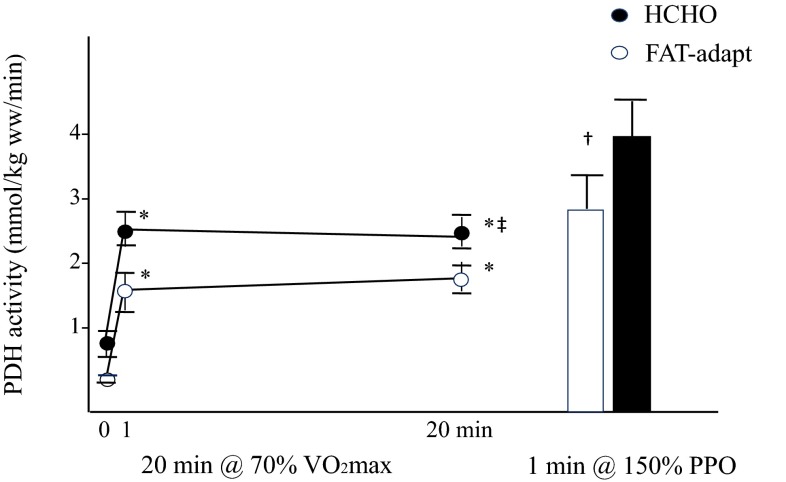
“For example, when athletes undertake KDs and variants, impaired performance during intermittent high-intensity efforts can occur and may be explained by sustained attenuation of pyruvate dehydrogenase (PDH) activity (Burke, 2015).”
BackgroundInteractions of Gut Microbiota, Endotoxemia, Immune Function, and Diet in Exertional Heatstroke
Armstrong, L. E., Lee, E. C., & Armstrong, E. M. (2018) · Journal of Sports Medicine · doi:10.1155/2018/5724575 · Cited by 72
Effects of a ketogenic diet on body composition and strength in trained women
Vargas-Molina, S., Petro, J. L., Romance, R., Kreider, R. B., Schoenfeld, B. J., Bonilla, D. A., & Benítez-Porres, J. (2020) · Journal of the International Society of Sports Nutrition · doi:10.1186/s12970-020-00348-7 · Cited by 61
Paoli, A., Mancin, L., Caprio, M., Monti, E., Narici, M. V., Cenci, L., Piccini, F., Pincella, M., Grigoletto, D., & Marcolin, G. (2021) · Journal of the International Society of Sports Nutrition · doi:10.1186/s12970-021-00459-9 · Cited by 75
Limits of Ultra: Towards an Interdisciplinary Understanding of Ultra-Endurance Running Performance
BERGER, N. J. A., Best, R., Best, A. W., Lane, A. M., Millet, G. Y., Barwood, M. J., Marcora, S., Wilson, P. B., & Bearden, S. E. (2023) · Sports Medicine · doi:10.1007/s40279-023-01936-8 · Cited by 79
“At present, evidence supporting chronic high-fat diets to improve prolonged exercise performance (> 2–3 h) is lacking [134].”
Cao, J., Lei, S., Wang, X., & Cheng, S. (2021) · Nutrients · doi:10.3390/nu13082896 · Cited by 44
“One study from Burke examined the LCHF diet’s acute effect and found that it took just five days for muscles to adapt [20].”
BackgroundNutritional implications for ultra-endurance walking and running events
Williamson, E. (2016) · Extreme Physiology & Medicine · doi:10.1186/s13728-016-0054-0 · Cited by 53
“Strategies employed to attain this include consuming a very low carbohydrate (<50 g/day) high fat (>70% of energy consumption) diet for either scheduled periods or permanently [56].”
BackgroundWardenaar, F., Brinkmans, N., Ceelen, I., Van Rooij, B., Mensink, M., Witkamp, R., & De Vries, J. (2017) · Nutrients · doi:10.3390/nu9020119 · Cited by 51
“However, whether a low carbohydrate intake, both basal and during exercise, negatively affects direct and long term athletic performance, is currently under debate [39,40].”
BackgroundEvans, M., Patchett, E., Nally, R., Kearns, R., Larney, M., & Egan, B. (2018) · European Journal of Sport Science · doi:10.1080/17461391.2017.1421711 · Cited by 52
“Many sports nutrition strategies are based around optimizing carbohydrate provision before and during performance (Burke, 2015), but there is increasing interest in alternative fuelling strategies, particularly in endurance sports, including low carbohydrate and ketogenic diets, and the use of…”
BackgroundInfluentialNutritional approaches to counter performance constraints in high‐level sports competition
Burke, L. M. (2021) · Experimental Physiology · doi:10.1113/ep088188 · Cited by 51
“Despite this, benefits to endurance performance from short (5–10-day) to medium (∼4-week) term exposure to non-ketogenic and ketogenic versions of LCHF diets have been, at best, limited to specific scenarios or individuals (Burke, 2015).”
BackgroundSelf-citationImpact Of Ketogenic Diet On Athletes: Current Insights
McSwiney, F. T., Doyle, L., Plews, D. J., & Zinn, C. (2019) · Open Access Journal of Sports Medicine · doi:10.2147/oajsm.s180409 · Cited by 50
“8–11 g⋅kg CHO for 1–3 days) does not decrement endurance performance.(10) Conversely, there is strong evidence demonstrating that such an approach is associated with a reduction in glycogenolysis during Dovepress McSwiney et al”
BackgroundInfluentialAn 8-Week Ketogenic Low Carbohydrate, High Fat Diet Enhanced Exhaustive Exercise Capacity in Mice
Ma, S., Huang, Q., Yada, K., Liu, C., & Suzuki, K. (2018) · Nutrients · doi:10.3390/nu10060673 · Cited by 54
“suggested that it was important to have another look at this topic [17].”
BackgroundPrins, P., Noakes, T. D., Welton, G. L., Haley, S., Esbenshade, N., Atwell, A. D., Scott, K., Abraham, J., Raabe, A., Buxton, J. D., et al. (2019) · PubMed Central · Cited by 70
Brun, J.-F., Myzia, J., Varlet-Marie, E., Raynaud de Mauverger, E., & Mercier, J. (2022) · Nutrients · doi:10.3390/nu14081605 · Cited by 48
“In fact, this fat-diet-induced shift in substrate oxidation has been shown to impair endurance exercise metabolism and performance despite enhanced glycogen availability, and thus has little effect on athletes [186].”
BackgroundShaw, D. M., Mérien, F., Braakhuis, A. J., Maunder, E., & Dulson, D. K. (2019) · Sports Medicine · doi:10.1007/s40279-019-01246-y · Cited by 60
Ketogenic diets and Ketone suplementation: A strategy for therapeutic intervention
Saris, C. G. J., & Timmers, S. (2022) · Frontiers in Nutrition · doi:10.3389/fnut.2022.947567 · Cited by 52
Substrate Metabolism During Ironman Triathlon: Different Horses on the Same Courses
Maunder, E., Kilding, A. E., & Plews, D. J. (2018) · Sports Medicine · doi:10.1007/s40279-018-0938-9 · Cited by 55
Margolis, L. M., Wilson, M. A., Whitney, C. C., Carrigan, C. T., Murphy, N. E., Hatch, A. M., Montain, S. J., & Pasiakos, S. M. (2019) · Metabolism · doi:10.1016/j.metabol.2019.05.003 · Cited by 43
Pasiakos, S. M. (2020) · Annual Review of Nutrition · doi:10.1146/annurev-nutr-011720-122637 · Cited by 48
Durkalec-Michalski, K., Nowaczyk, P. M., Główka, N., Ziobrowska, A., & Podgórski, T. (2021) · Nutrients · doi:10.3390/nu13030864 · Cited by 43
Effects of a 4-Week Very Low-Carbohydrate Diet on High-Intensity Interval Training Responses.
Cipryan, L., Plews, D. J., Ferretti, A., Maffetone, P. B., & Laursen, P. B. (2018) · Europe PMC (PubMed Central) · Cited by 51
High-Fat Ketogenic Diets and Physical Performance: A Systematic Review
Murphy, N. E., Carrigan, C. T., & Margolis, L. M. (2021) · Advances in Nutrition · doi:10.1093/advances/nmaa101 · Cited by 38
“2 g protein · kg body mass−1 · d−1) have recently re-emerged as a potential intervention to “spare” glycogen during exercise (8, 9).”
BackgroundMichalczyk, M. M., Chycki, J., Zajac, A., Maszczyk, A., Zydek, G., & Langfort, J. (2019) · Nutrients · doi:10.3390/nu11040778 · Cited by 39
Ergogenic Properties of Ketogenic Diets in Normal-Weight Individuals: A Systematic Review
Kang, J., Ratamess, N. A., Faigenbaum, A. D., & Bush, J. A. (2020) · Journal of the American College of Nutrition · doi:10.1080/07315724.2020.1725686 · Cited by 37
Nutrient Timing: A Garage Door of Opportunity?
Arent, S. M., Cintineo, H. P., McFadden, B. A., Chandler, A. J., & Arent, M. A. (2020) · Nutrients · doi:10.3390/nu12071948 · Cited by 60
“FFA availability is seldom the limiting factor in exercise performance as humans have substantial stores of this substrate in adipose tissue [30].”
BackgroundLow-carbohydrate diets: Effects on metabolism and exercise – A comprehensive literature review
Macedo, R. C. O., Santos, H. O., Tinsley, G. M., & Reischak-Oliveira, Á. (2020) · Clinical Nutrition ESPEN · doi:10.1016/j.clnesp.2020.07.022 · Cited by 42
Valenzuela, P. L., Morales, J. S., Castillo‐García, A., & Lucía, A. (2020) · International Journal of Sports Physiology and Performance · doi:10.1123/ijspp.2019-0918 · Cited by 43
Brown, D., Warner, A., Deb, S. K., Gough, L. A., Sparks, S. A., & McNaughton, L. R. (2020) · Journal of science and medicine in sport · doi:10.1016/j.jsams.2020.06.017 · Cited by 39
Dietary Fuels in Athletic Performance
Fritzen, A. M., Lundsgaard, A.-M., & Kiens, B. (2019) · Annual Review of Nutrition · doi:10.1146/annurev-nutr-082018-124337 · Cited by 35
Dostal, T., Plews, D. J., Hofmann, P., Laursen, P. B., & Cipryan, L. (2019) · Frontiers in Physiology · doi:10.3389/fphys.2019.00912 · Cited by 35
“, 2015), however, studies still suggest that CHO may be the more critical substrate needed for high-intensity exercise performance (Burke, 2015; Burke et al., 2017).”
BackgroundSjödin, A., Hellström, F., Sehlstedt, E., Svensson, M., & Burén, J. (2020) · Nutrients · doi:10.3390/nu12040955 · Cited by 35
Fernández-Verdejo, R., Bajpeyi, S., Ravussin, E., & Galgani, J. E. (2018) · American Journal of Physiology-Endocrinology and Metabolism · doi:10.1152/ajpendo.00126.2018 · Cited by 34
“We used an isoenergetic low-carbohydrate (CHO; 25%), high-fat (67%) diet, with the intention of promoting exercise-induced lipid oxidation (4).”
MethodGejl, K. D., & Nybo, L. (2021) · Journal of the International Society of Sports Nutrition · doi:10.1186/s12970-021-00435-3 · Cited by 33
“However, and as recently reviewed by Burke [5], prolonged periods with chronic CHO restriction (i.”
BackgroundResultInfluentialLow carbohydrate high fat ketogenic diets on the exercise crossover point and glucose homeostasis
Noakes, T. D., Prins, P. J., Volek, J. S., D’Agostino, D. P., & Koutnik, A. P. (2023) · Frontiers in Physiology · doi:10.3389/fphys.2023.1150265 · Cited by 33
“…1997; Brooks, 1998; Brooks and Mercier, 1985; Brooks and Trimmer, 1985; Kolodziej and O’Halloran, 2021; Kenney et al., 2021; Ghanassia et al., 2006; Burke, 2015; Hargreaves and Spriet, 2020; Chrzanowski-Smith et al., 2020; Chrzanowski-Smith et al., 2021; Maunder et al., 2018; Hawley and Leckey,…”
BackgroundInfluentialNoakes, T. D. (2022) · Nutrients · doi:10.3390/nu14040862 · Cited by 42
Mirtschin, J. G., Forbes, S. F., Cato, L. E., Heikura, I. A., Strobel, N., Hall, R., & Burke, L. M. (2018) · International Journal of Sport Nutrition and Exercise Metabolism · doi:10.1123/ijsnem.2017-0249 · Cited by 32
“…low-CHO, highfat [LCHF] diet), noting that these seem to be misunderstood across the scientific literature, social media, and lay practice (Burke, 2015); (b) to describe the process of implementing strict dietary control and monitoring of participant compliance with a nutrition-training…”
BackgroundSelf-citationKysel, P., Haluzíková, D., Doležalová, R. P., Laňková, I., Lacinová, Z., Kasperová, B. J., Trnovská, J., Hrádková, V., Mráz, M., Vilikus, Z., et al. (2020) · Nutrients · doi:10.3390/nu12092832 · Cited by 30
Intermittent Dieting: Theoretical Considerations for the Athlete
Peos, J., Norton, L., Helms, E., Galpin, A., & Fournier, P. (2019) · Sports · doi:10.3390/sports7010022 · Cited by 31
“However—as reviewed previously—research suggests that a high fat diet may impair an athlete’s ability to perform optimally during training and competitive efforts [179].”
BackgroundWebster, C. C., Swart, J., Noakes, T. D., & Smith, J. A. (2018) · International Journal of Sports Physiology and Performance · doi:10.1123/ijspp.2017-0392 · Cited by 30
Postexercise High-Fat Feeding Suppresses p70S6K1 Activity in Human Skeletal Muscle
HAMMOND, K. M., IMPEY, S. G., CURRELL, K., MITCHELL, N., SHEPHERD, S. O., JEROMSON, S., HAWLEY, J. A., CLOSE, G. L., HAMILTON, L. D., SHARPLES, A. P., et al. (2016) · Medicine & Science in Sports & Exercise · doi:10.1249/mss.0000000000001009 · Cited by 30
“exercise following “fat adaptation” protocols (10).”
Escobar, K. A., VanDusseldorp, T. A., & Kerksick, C. M. (2016) · British Journal of Nutrition · doi:10.1017/s0007114516003949 · Cited by 29
“It is worth noting that despite a lack of evidence demonstrating an ergogenic benefit(19–22) in addition to literature suggesting an increased risk of impaired high-intensity exercise capacity(16,18), the appeal of a low-CHO diet for endurance performance has not subsided, attesting to the fervour surrounding this top…”
BackgroundMujika, I. (2019) · International Journal of Sport Nutrition and Exercise Metabolism · doi:10.1123/ijsnem.2018-0124 · Cited by 28
Skartun, O., Smith, C. R., Laupsa-Borge, J., & Dankel, S. N. (2025) · Frontiers in Nutrition · doi:10.3389/fnut.2025.1538266 · Cited by 28
Howard, E. E., & Margolis, L. M. (2020) · Nutrients · doi:10.3390/nu12092496 · Cited by 26
“, plasma FFA, IMTGs) as a fuel source to spare limited muscle glycogen stores during prolonged exercise and delay the onset of fatigue [1,30].”
BackgroundFukazawa, A., Koike, A., Karasawa, T., Tsutsui, M., Kondo, S., & Terada, S. (2020) · Nutrients · doi:10.3390/nu12051269 · Cited by 26
“A major concern associated with ketogenic diet intake in athletes is its effects on carbohydrate metabolism in skeletal muscle [22].”
BackgroundValsdottir, T. D., Henriksen, C., Odden, N., Nellemann, B., Jeppesen, P. B., Hisdal, J., Westerberg, A. C., & Jensen, J. (2019) · Frontiers in Physiology · doi:10.3389/fphys.2019.01499 · Cited by 26
Manipulation of Dietary Intake on Changes in Circulating Testosterone Concentrations
Zamir, A., Ben‐Zeev, T., & Hoffman, J. R. (2021) · Nutrients · doi:10.3390/nu13103375 · Cited by 29
Performance Nutrition for the Adolescent Athlete: A Realistic Approach
Berg, E. K. (2019) · Clinical Journal of Sport Medicine · doi:10.1097/jsm.0000000000000744 · Cited by 23
Carbohydrate supplementation: A critical review of recent innovations
Baur, D. A., & Saunders, M. J. (2021) · European Journal of Applied Physiology · doi:10.1007/s00421-020-04534-y · Cited by 22
Nutrient Adequacy in Endurance Athletes
Moss, K., Kreutzer, A., Graybeal, A. J., Zhang, Y., Braun-Trocchio, R., Porter, R. R., & Shah, M. (2023) · International Journal of Environmental Research and Public Health · doi:10.3390/ijerph20085469 · Cited by 21
Pilis, K., Pilis, A., Stec, K., Pilis, W., Langfort, J., Letkiewicz, S., Michalski, C., Czuba, M., Zych, M., & Chalimoniuk, M. (2018) · Nutrients · doi:10.3390/nu10121914 · Cited by 23
“According to data obtained from lean body endurance-trained athletes, it follows that the low-carbohydrate diet causes further increased utilization of fats over values induced by the training process [23].”
BackgroundResultLeiva-Valderrama, J. M., Montes‐de‐Oca‐García, A., Opazo‐Díaz, E., Ponce‐González, J. G., Molina‐Torres, G., Velázquez‐Díaz, D., & Galán-Mercant, A. (2021) · International Journal of Environmental Research and Public Health · doi:10.3390/ijerph182312644 · Cited by 24
“The low-carbohydrate high-fat diet is a re-emerged dietary approach, which is characterized by a decreased carbohydrate intake and high levels of fat consumption with adequate protein provided [61].”
BackgroundMcSwiney, F. T., Fusco, B., McCabe, L., Lombard, A., Crowley, P., Walsh, J., Hone, M., & Egan, B. (2020) · Biology of Sport · doi:10.5114/biolsport.2020.98448 · Cited by 22
Stubbs, B. J., Koutnik, A. P., Volek, J. S., & Newman, J. C. (2020) · GeroScience · doi:10.1007/s11357-020-00277-y · Cited by 23
Monedero, J., Duff, C., & Egan, B. (2022) · The Journal of Strength and Conditioning Research · doi:10.1519/jsc.0000000000004317 · Cited by 32
Perspective: Ketone Supplementation in Sports—Does It Work?
Valenzuela, P. L., Castillo‐García, A., Morales, J. S., & Lucía, A. (2020) · Advances in Nutrition · doi:10.1093/advances/nmaa130 · Cited by 25
“, low-carbohydrate, high-fat diets) have failed to provide clear benefits on competitive performance, and might reduce the capacity to sustain high-intensity exercise (28).”
BackgroundNosaka, N., Suzuki, Y., Suemitsu, H., Kasai, M., Kato, K., & Taguchi, M. (2018) · Journal of Oleo Science · doi:10.5650/jos.ess18112 · Cited by 24
Ketogenic Diet: from the Historical Records to Use in Elite Athletes
Kaspar, M. B., Austin, K. E., Huecker, M. R., & Sarav, M. (2019) · Current Nutrition Reports · doi:10.1007/s13668-019-00294-0 · Cited by 19
Dietary Fat and Sports Performance
Puglisi, M. (2019) · Nutrition and Enhanced Sports Performance · doi:10.1016/b978-0-12-813922-6.00047-3 · Cited by 10
Metabolic adaptations to endurance training and nutrition strategies influencing performance
Earnest, C. P., Rothschild, J. A., Harnish, C., & Naderi, A. (2018) · Research in Sports Medicine · doi:10.1080/15438627.2018.1544134 · Cited by 19
“and liver glycogen and increase CHO availability during exercise (Burke, 2015).”
BackgroundEffects of a low-carbohydrate ketogenic diet on health parameters in resistance-trained women
Vargas-Molina, S., Carbone, L., Romance, R., Petro, J. L., Schoenfeld, B. J., Kreider, R. B., Bonilla, D. A., & Benítez‐Porres, J. (2021) · European Journal of Applied Physiology · doi:10.1007/s00421-021-04707-3 · Cited by 19
“Research shows that dietary manipulation in conjunction with regimented physical exercise is an effective tool for improving body composition, health, and athletic performance (Burke 2015; Bartlett et al.”
BackgroundDeterminants of Peak Fat Oxidation Rates During Cycling in Healthy Men and Women
Chrzanowski‐Smith, O. J., Edinburgh, R. M., THOMAS, M. P., Hengist, A., Williams, S., Betts, J. A., & Gonzalez, J. T. (2021) · International Journal of Sport Nutrition and Exercise Metabolism · doi:10.1123/ijsnem.2020-0262 · Cited by 18
Zdzieblik, D., Friesenborg, H., Gollhofer, A., & König, D. (2022) · Frontiers in Nutrition · doi:10.3389/fnut.2022.802374 · Cited by 17
“Taking metabolic adaptations to HFLC diets under consideration, 5 days might be insufficient for a LGI diet to have an impact on the metabolic response (9, 10).”
BackgroundMethodInfluentialChanges in Pain and Nutritional Intake Modulate Ultra-Running Performance: A Case Report
Best, R., Barwick, B., Best, A., BERGER, N. J. A., Harrison, C., Wright, M., & Sparrow, J. (2018) · Sports · doi:10.3390/sports6040111 · Cited by 18
“carbohydrate high fat diet is currently in vogue in ultra-endurance sports [37,39].”
Background
Metadata
- Authors
- Burke, L. M.
- Affiliations
- Australian Catholic University (AU)
- Corresponding author
- Burke, Louise M.
- ORCID
- Burke, Louise M.
- Venue
- Sports Medicine
- Published
- 2015-11
- Volume
- 45
- Issue
- S1
- Pages
- 33-49
- ISSN
- 0112-1642 (ISSN-L)
- 1179-2035
- PMC
- PMC4672014
- OpenAlex
- W2096311835
- Cited by
- 201
- References
- 66
- Citations by year
- 2026: 10 · 2025: 11 · 2024: 19 · 2023: 11 · 2022: 14 · 2021: 18 · 2020: 32 · 2019: 22 · 2018: 31 · 2017: 18 · 2016: 13 · 2015: 1
- FWCI
- 2.57
- Type
- journal article
- Language
- en
- Open access
- hybrid
- doi.org
- Locations
- Sports Medicine (publishedVersion, cc-by)
- Europe PMC (PubMed Central) (publishedVersion, cc-by)
- PubMed Central (publishedVersion, cc-by)
- PubMed (publishedVersion)
- Funders
- PepsiCo
- Kellogg's
- Gran Sasso Science Institute
- Australian Institute of Sport
- Topics
- Health Sciences › Medicine › Physiology (medical) › Diet and metabolism studies
- Health Sciences › Nursing › Nutrition and Dietetics › Muscle metabolism and nutrition
- Health Sciences › Medicine › Orthopedics and Sports Medicine › Sports Performance and Training
- Keywords
- low-carbohydrate high-fat diet, athletic performance, glycogen supercompensation, ketosis, metabolic flexibility, endurance performance, high-intensity exercise, carbohydrate metabolism
- MeSH terms
- Dietary Carbohydrates, Dietary Fats, Energy Metabolism, Glycogen, Humans, Exercise, Muscle, Skeletal, Diet, Carbohydrate-Restricted, Athletic Performance, Diet, Ketogenic, Diet, High-Fat, Sports Nutritional Physiological Phenomena
About these checks
Registry, retraction, Cites and statistics results are computed, not judged, with one exception: a printed reference that no index lists is read once by a model before it counts as a citation error. Claims are extracted by a model and kept only when their quote appears verbatim in the text; each cited source is then checked, with a model’s help, for whether it says what the claim relies on. Those verdicts can be wrong — read the claim’s quote and the cited source before relying on one.
Statistics and arithmetic are recomputed, not judged.
Confidence bands are shown only for fields calibrated on our annotated test set. None is calibrated yet, so no band is shown.
What counts as a claim ›How we measure confidence ›How we check this ›
Are you an author, or do you see a problem with this page? Request a review
Data sources
Bibliographic data: Semantic Scholar, OpenAlex, Crossref.
Contains information from the Semantic Scholar Academic Graph Datasets, made available under the ODC Attribution License (ODC-BY 1.0).
Semantic Scholar’s data is described in: Kinney, R., et al. (2023). The Semantic Scholar Open Data Platform. arXiv:2301.10140.
