

The DOI matches its Crossref record; 110 of the 110 references it cites were found in a registry or an index.
The Mental Health of Elite Athletes: A Narrative Systematic Review
Open accessAbstract
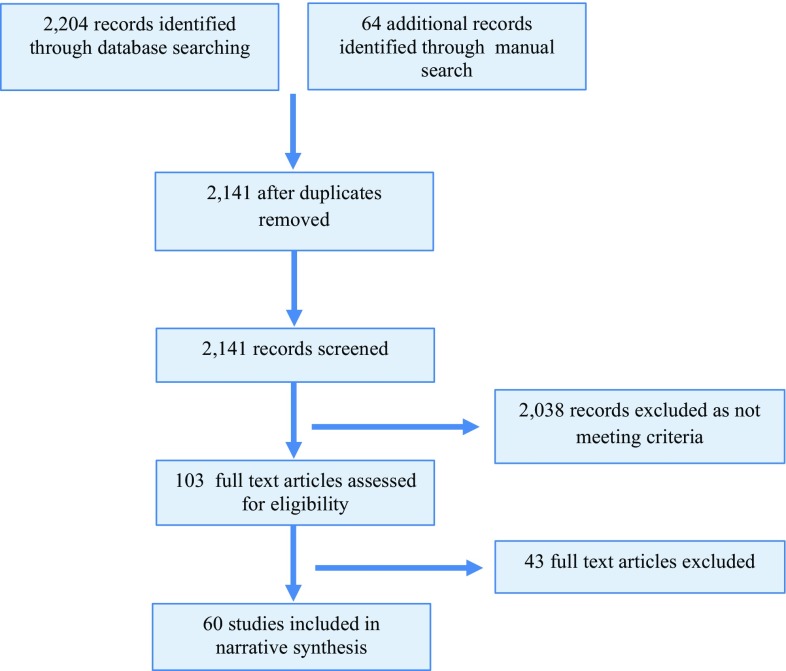
BACKGROUND: The physical impacts of elite sport participation have been well documented; however, there is comparatively less research on the mental health and psychological wellbeing of elite athletes. OBJECTIVE: This review appraises the evidence base regarding the mental health and wellbeing of elite-level athletes, including the incidence and/or nature of mental ill-health and substance use. METHODS: A systematic search of the PubMed, EMBASE, SPORTDiscus, PsycINFO, Cochrane and Google Scholar databases, up to and including May 2015, was conducted. RESULTS: The search yielded a total of 2279 records. Following double screening, 60 studies were included. The findings suggested that elite athletes experience a broadly comparable risk of high-prevalence mental disorders (i.e. anxiety, depression) relative to the general population. Evidence regarding other mental health domains (i.e. eating disorders, substance use, stress and coping) is less consistent. These results are prefaced, however, by the outcome of the quality assessment of the included studies, which demonstrated that relatively few studies (25 %) were well reported or methodologically rigorous. Furthermore, there is a lack of intervention-based research on this topic. CONCLUSION: The evidence base regarding the mental health and wellbeing of elite athletes is limited by a paucity of high-quality, systematic studies. Nonetheless, the research demonstrates that this population is vulnerable to a range of mental health problems (including substance misuse), which may be related to both sporting factors (e.g. injury, overtraining and burnout) and non-sporting factors. More high-quality epidemiological and intervention studies are needed to inform optimal strategies to identify and respond to player mental health needs.
Overview
The claims and statistics of this paper haven’t been checked yet.
Run the check — free, no account needed. It reads the open-access text and checks the sources it cites.
Integrity signals
Registry
Cites
Statistics
Figures
Verification
Claims the paper makes
The claims and statistics of this paper haven’t been checked yet.
Run the check — free, no account needed. It reads the open-access text and checks the sources it cites.
Claims other papers make about this one
Each is checked against this paper’s own text: does it say what the citing paper says it does?
The cited source says what the claim attributes to it.
In the citing paper
“To date, research has primarily examined the mental health outcomes of elite athletes [15–18], with comparatively less research focusing on understanding these psychological experiences among coaches [19].”
From The Mental Health of Elite-Level Coaches: A Systematic Scoping Review (2024) · cites this paper as [17]
Self-check
Percentages, sums and reported differences re-computed from the paper’s own numbers.
The self-check needs the paper’s full text.
Citations
Cites
The prevalence and correlates of eating disorders in the National Comorbidity Survey Replication
Hudson, J. I., Hiripi, E., Pope, H. G., & Kessler, R. C. (2007) · Biological Psychiatry · doi:10.1016/j.biopsych.2006.03.040 · Cited by 4,973 · cited 1×
“However, there was a tendency for higher vulnerability to these conditions in athletes involved in sports requiring a particularly lean body shape [21, 35, 38– 40] and in female athletes [41–43]—the latter being consistent with the findings of general population studies [87].”
Mental health of young people: A global public-health challenge
Patel, V., Flisher, A. J., Hetrick, S., & McGorry, P. (2007) · The Lancet · doi:10.1016/s0140-6736(07)60368-7 · Cited by 3,126 · cited 1×
“Such models should capitalise on an early-intervention framework [102–104], ensuring early detection and prompt access to high-quality, evidence-based interventions.”
Self-citationYoung People’s Help-Seeking for Mental Health Problems
Rickwood, D., Deane, F. P., Wilson, C. J., & Ciarrochi, J. (2005) · Australian e-Journal for the Advancement of Mental Health · doi:10.5172/jamh.4.3.218 · Cited by 1,619 · cited 1×
“Importantly, the mental health of hard-to-engage populations, such as young men [107] and older men [108, 109], could be targeted.”
How Emotions Influence Performance in Competitive Sports
Lazarus, R. S. (2000) · The Sport Psychologist · doi:10.1123/tsp.14.3.229 · Cited by 1,085 · cited 1×
“The ways by which athletes appraise and cope with these stressors can be a powerful determinant of the impact the stressors have on both their mental health and their sporting success [18].”
Prevalence of Eating Disorders in Elite Athletes Is Higher Than in the General Population
Sundgot-Borgen, J. K., & Torstveit, M. K. (2004) · Clinical Journal of Sport Medicine · doi:10.1097/00042752-200401000-00005 · Cited by 1,077 · cited 2×
“Three reported a higher incidence of eating disorder or body dissatisfaction in elite athletes relative to controls [36], especially in sports emphasising leanness or lower body weight [21, 35].”
Defining elite athletes: Issues in the study of expert performance in sport psychology
Swann, C., Moran, A., & Piggott, D. (2015) · Psychology of Sport and Exercise · doi:10.1016/j.psychsport.2014.07.004 · Cited by 998 · cited 1×
“While the included studies focused specifically on elite-level competition at the national or international level, differences between the included sports in terms of training, remuneration, media pressure and other salient variables must be considered [89].”
PHYSICAL ACTIVITY AND MENTAL HEALTH: THE ASSOCIATION BETWEEN EXERCISE AND MOOD
Peluso, M. A. M., & Andrade, L. H. (2005) · Clinics · doi:10.1590/s1807-59322005000100012 · Cited by 804 · cited 1×
“…that physical activity has a positive effect on mental health [6, 7], a review has found that intense physical activity performed at the elite athlete level might instead compromise mental wellbeing, increasing symptoms of anxiety and depression through overtraining, injury and burnout [8].”
Psychology of the elite athlete: An exploratory study
Mahoney, M. J., & Avener, M. (1977) · Cognitive Therapy and Research · doi:10.1007/bf01173634 · Cited by 615 · cited 1×
“Mahoney and Avener [80] Quantitative; crosssectional, observational Psychological factors and cognitive strategies 12 (12:0) Gymnastics; USA Self-verbalisations and certain forms of mental imagery differentiated Olympic-level and nonOlympic-level gymnasts.”
Gulliver, A., Griffiths, K. M., & Christensen, H. (2012) · BMC Psychiatry · doi:10.1186/1471-244x-12-157 · Cited by 611 · cited 3×
“Given that stigma, poor mental health literacy and negative past experiences of mental health help seeking are key barriers for elite athletes [12], more welldesigned studies, drawing on larger samples, are needed.”
Coping in sport: A systematic review
Nicholls, A. R., & Polman, R. C. J. (2006) · Journal of Sports Sciences · doi:10.1080/02640410600630654 · Cited by 575 · cited 1×
“Such an understanding is required to provide guidance for sport practitioners—including coaches, medical staff and sport psychologists—in developing the coping abilities of elite athletes and, in turn, improving their emotional wellbeing [20].”
Research works printed but not linked: 3
- Maestu J, Jurimae J, Jurimae T. Psychological and biochemical markers of heavy training stress in highly trained male rowers. Med dello Sport. 2003;56(2):95–101.
- Hainline B. Mind, body and sport: understanding and supporting student-athlete mental wellness. Indianapolis: National Collegiate Athletic Association; 2014.
- Thompson R, Sherman R. Managing student-athletes’ mental health issues. Indianapolis: National Collegiate Athletic Association; 2007.
Cited by
Sorted by citations
Items 101–200 of 1,000
Learning From Elite Athletes’ Experience of Depression
Lebrun, F., MacNamara, Á., Rodgers, S., & Collins, D. J. (2018) · Frontiers in Psychology · doi:10.3389/fpsyg.2018.02062 · Cited by 47
“Although high-profile performers are increasingly open to talking about their experience of mental health issues (MHIs) (Arvinen-Barrow, 2016), suffering from MHIs is still stigmatized in many sports (Bär and Markser, 2013; Rice et al., 2016; Roberts et al., 2016; Sebbens et al., 2016).”
Mental health and well-being of elite youth athletes: a scoping review
Gwyther, K., Pilkington, V., Bailey, A. P., Mountjoy, M. L., Bergeron, M. F., Rice, S., & Purcell, R. (2024) · British Journal of Sports Medicine · doi:10.1136/bjsports-2024-108244 · Cited by 56
“Elite athletes report mental health symptoms at rates consistent with or higher than the general community, 1–3 with levels differing according to mental health symptomatology (eg, depression, disordered eating, substance misuse), type of sport (eg, individual vs team) and sex.”
Self-citationWang, W., Schweickle, M. J., Arnold, E. R., & Vella, S. A. (2025) · Sports Medicine · doi:10.1007/s40279-024-02173-3 · Cited by 75
“The level-based eligibility criteria have been widely used in other systematic reviews of elite athletes [22, 27, 36].”
Borducchi, D. M. M., Gomes, J. S., Akiba, H. T., Cordeiro, Q., Borducchi, J. H. M., Valentin, L. S. S., Borducchi, G., & Dias, Á. M. (2016) · Frontiers in Psychiatry · doi:10.3389/fpsyt.2016.00183 · Cited by 46
“According to the current literature (24), high performance athletes are more vulnerable than the general population to mental disorders, especially anxiety and depression.”
BackgroundSheehan, R. B., Herring, M. P., & Campbell, M. J. (2018) · Psychology of sport and exercise · doi:10.1016/j.psychsport.2018.03.005 · Cited by 45
Turner, M. J., Aspin, G., & Gillman, J. C. (2019) · Psychology of sport and exercise · doi:10.1016/j.psychsport.2019.04.015 · Cited by 54
Schinke, R. J., Giffin, C. E., Cosh, S., Douglas, K., Rhind, D. J. A., Harwood, C., Si, G., & Papaiounnou, A. (2021) · International Journal of Sport and Exercise Psychology · doi:10.1080/1612197x.2021.1992857 · Cited by 60
“Collaborative efforts between sport staff and mental health professionals would be beneficial (Purcell et al., 2019; Rice et al., 2016).”
BackgroundInfluentialYoung Pacific Male Rugby Players’ Perceptions and Experiences of Mental Wellbeing
Marsters, C. P. E., & Tiatia‐Seath, J. (2019) · Sports · doi:10.3390/sports7040083 · Cited by 47
“In the context of mental wellbeing, this finding is important, as personal development has been associated to reduced depressive moods and improved self-esteem and self-confidence for young males and young athletes alike [22,94,95].”
BackgroundCannabis use in active athletes: Behaviors related to subjective effects
Zeiger, J. S., Silvers, W. S., Fleegler, E. M., & Zeiger, R. S. (2019) · PLoS ONE · doi:10.1371/journal.pone.0218998 · Cited by 46
An Umbrella Review of Body Image Concerns, Disordered Eating, and Eating Disorders in Elite Athletes
Fatt, S. J., George, E. S., Hay, P., JEACOCKE, N. A., Gotkiewicz, E., & Mitchison, D. (2024) · Journal of Clinical Medicine · doi:10.3390/jcm13144171 · Cited by 49
“Three systematic reviews indicated that higher disordered eating was associated with greater risk of injury in elite athletes, although few studies were included in each of these reviews (elite athletes [34]; dancers [36]; retired elite athletes [37]).”
BackgroundMethodInfluentialSiefken, K., Junge, A., & Lämmle, L. (2019) · Human Movement · doi:10.5114/hm.2019.78539 · Cited by 54
“Whilst a body of research findings regarding mental health in elite athletes is available [13, 14], few empirical observations exist for recreational athletes.”
BackgroundBuckley, G., Hall, L. B., Lassemillante, A. M., & Belski, R. (2021) · Journal of Eating Disorders · doi:10.1186/s40337-021-00427-3 · Cited by 43
“Current athletes experiencing injury, illness, social/relationship issues, illness of family members, burnout and loss of a coach have responded similarly to former athletes and are particularly at risk for DE development at these transitioning times [45, 48].”
BackgroundFemale Sports Officials and Mental Health: The Overlooked Problem
Tingle, J. K., Jacobs, B. L., Ridinger, L. L., & Warner, S. M. (2021) · Journal of Sport Management · doi:10.1123/jsm.2020-0443 · Cited by 47
“While there can be positive benefits, elite participants may experience stressors and challenges that are unique to the sporting context (Rice et al., 2016).”
InfluentialThe Biopsychosocial Factors That Impact eSports Players’ Well-Being: A Systematic Review
Shulze, J., Marquez, M., & Ruvalcaba, O. (2021) · Journal of Global Sport Management · doi:10.1080/24704067.2021.1991828 · Cited by 43
“Previous research with traditional sports athletes has shown the importance of understanding risk factors associated with the development of mental illness (Rice et al., 2016; Beable et al., 2017) and physical injury (Ivarsson et al., 2017; Tooth et al., 2020).”
BackgroundInfluentialMental Health in the Specialized Athlete
Daley, M., Shoop, J., & Christino, M. A. (2023) · Current Reviews in Musculoskeletal Medicine · doi:10.1007/s12178-023-09851-1 · Cited by 57
Perfectionism, Burnout, and Depression in Youth Soccer Players: A Longitudinal Study
Smith, E. P., Hill, A. P., & Hall, H. (2018) · Journal of Clinical Sport Psychology · doi:10.1123/jcsp.2017-0015 · Cited by 42
“Three recent reviews of research have identified risk factors of depression in athletes (Frank, Nixdorf, & Beckmann, 2015; Rice et al., 2016; Wolanin, Gross, & Hong, 2015).”
BackgroundStorying sports injury experiences of elite track athletes: A narrative analysis
Everard, C., Wadey, R., & Howells, K. (2021) · Psychology of sport and exercise · doi:10.1016/j.psychsport.2021.102007 · Cited by 42
Furie, K. S., Park, A. L., & Wong, S. E. (2023) · Current Reviews in Musculoskeletal Medicine · doi:10.1007/s12178-023-09830-6 · Cited by 41
Fransen, K., Haslam, S. A., Steffens, N. K., Mallett, C. J., Peters, K., & Boen, F. (2019) · European Journal of Sport Science · doi:10.1080/17461391.2019.1680736 · Cited by 45
“by reducing or buffering against burnout) (Rice et al., 2016).”
BackgroundInfluentialHong, H. J., & Fraser, I. A. (2021) · Journal of risk and financial management · doi:10.3390/jrfm14070324 · Cited by 49
“2021, 14, 324. https://doi.org/10.3390/jrfm14070324 https://www.mdpi.com/journal/jrfm (Rice et al. 2016) and may experience depression and anxiety (Gouttebarge et al. 2015, 2016; Schuring et al. 2017), leading some to take their lives post-retirement (Coverdale 2020; Hong 2018).”
BackgroundInfluentialLiang, D., Chen, S., Zhang, W., Xu, K., Li, Y., Li, D., Cheng, H., Xiao, J., Wan, L., & Liu, C. (2021) · Frontiers in Psychology · doi:10.3389/fpsyg.2020.617541 · Cited by 49
Prior, E., Papathomas, A., & Rhind, D. J. A. (2022) · International Review of Sport and Exercise Psychology · doi:10.1080/1750984x.2022.2095659 · Cited by 52
“Despite a small number of reviews of athlete mental health research (e.g. Breslin et al., 2017; Liddle et al., 2017; Rice et al., 2016; Vella et al., 2021), no study to date has included grey literature alongside peer-reviewed empirical research.”
Olympic and Paralympic athletes’ perceptions of the Canadian sport environment and mental health
Poucher, Z. A., Tamminen, K. A., & Kerr, G. A. (2023) · Qualitative Research in Sport Exercise and Health · doi:10.1080/2159676x.2023.2187443 · Cited by 55
“A surge in research exploring the mental health of elite athletes has shown that they are as likely, and in some cases more likely, to experience poor mental(1) health than their non-athlete peers (Moesch et al. 2018; Rice et al. 2016).”
BackgroundInfluentialThe Prevalence of Mental Ill Health in Elite Counter-Strike Athletes
Birch, P. D. J., Smith, M. J., Arumuham, A., de Gortari, A. B. O., & Sharpe, B. T. (2024) · Journal of Electronic Gaming and Esports · doi:10.1123/jege.2024-0006 · Cited by 40
The Face of Mental Health: Kevin Love and Hegemonic Masculinity in the NBA
Lavelle, K. L. (2020) · Communication & Sport · doi:10.1177/2167479520922182 · Cited by 40
“Additionally, athletes feel stigmatized coming forward with a mental illness diagnosis (Rice et al., 2016; Souter et al., 2018; Uphill et al., 2016).”
BackgroundSun, G., Zhao, J., Tian, S., Zhang, L., & Jia, C.-X. (2020) · International Journal of Environmental Research and Public Health · doi:10.3390/ijerph17218087 · Cited by 47
“Research on the mental health of athletes has grown rapidly in recent years [1,2].”
BackgroundMental health interventions in non-elite sport: a systematic review and meta-analysis
Sutcliffe, J., Graupensperger, S. A., Schweickle, M. J., Rice, S., Swann, C., & Vella, S. A. (2021) · International Review of Sport and Exercise Psychology · doi:10.1080/1750984x.2021.2001839 · Cited by 40
“However, one may look to a recent systematic review and meta-analysis of anxiety in elite athletes for preliminary guidance (Rice et al., 2016).”
BackgroundSelf-citationPsychiatric disorders: The psychiatrist’s contribution to sport
Currie, A., & Johnston, A. (2016) · International Review of Psychiatry · doi:10.1080/09540261.2016.1197188 · Cited by 39
“Athletes may attach stigma to the acknowledgement of mental health problems (Reardon & Factor, 2010; Rice et al., 2016).”
BackgroundOblinger-Peters, V., & Krenn, B. (2020) · Frontiers in Psychology · doi:10.3389/fpsyg.2020.610856 · Cited by 41
Vinberg, M., Durbeej, N., & Rosendahl, I. (2020) · International Gambling Studies · doi:10.1080/14459795.2020.1726990 · Cited by 39
“Gambling has not been a prime concern so far, but there is rising concern within the sports community about mental health problems among athletes, and strategies for approaching such problems have recently been formulated (Foskett & Longstaff, 2018; Moesch et al., 2018; Rice et al., 2016).”
BackgroundBird, M. D., Simons, E. E., & Jackman, P. C. (2021) · Journal of Clinical Sport Psychology · doi:10.1123/jcsp.2020-0043 · Cited by 38
Makdissi, M., Critchley, M. L., Cantu, R. C., Caron, J. G., Davis, G. A., Echemendía, R. J., Frémont, P., Hayden, A., Herring, S. A., Hinds, S. R., et al. (2023) · British Journal of Sports Medicine · doi:10.1136/bjsports-2023-106815 · Cited by 44
Exercise Addiction in the Sports Context: What Is Known and What Is Yet to Be Known
Godoy‐Izquierdo, D., Navarrón, E., López-Mora, C., & Hernández, J. G. (2021) · International Journal of Mental Health and Addiction · doi:10.1007/s11469-021-00641-9 · Cited by 46
“Athletes experience an elevated risk of high-prevalence mental disorders such as depression, anxiety, eating disturbances, and substance abuse; in addition, it seems that there is a positive association among athletic participation and EA, as well as among all the abovementioned conditions and psychological distress,…”
BackgroundBelz, J., Kleinert, J., Ohlert, J., Rau, T., & Allroggen, M. (2018) · Journal of Clinical Sport Psychology · doi:10.1123/jcsp.2016-0024 · Cited by 37
The Level of Mental Health Literacy Among Athletic Staff in Intercollegiate Sport
Sullivan, P., Murphy, J., & Blacker, M. (2018) · Journal of Clinical Sport Psychology · doi:10.1123/jcsp.2018-0052 · Cited by 36
Parm, Ü., Aluoja, A., Tomingas, T., & Tamm, A. (2021) · International Journal of Environmental Research and Public Health · doi:10.3390/ijerph18084317 · Cited by 36
“The information about mental health and wellbeing of elite athletes is limited by a paucity of high-quality, systematic studies; nevertheless, athletes are probably vulnerable to a range of mental health problems [13].”
BackgroundOLIVE, L. S., Rice, S., Butterworth, M., Clements, M., & Purcell, R. (2021) · Sports Medicine - Open · doi:10.1186/s40798-021-00352-4 · Cited by 45
“To date, meta-analyses that estimate the prevalence of mental health symptoms in elite athletes, ranging from 19% for general psychological distress and/or alcohol misuse, through to 34% for anxiety/ depression [2, 3], have mostly involved athletes from non-para-sports (e.”
BackgroundSelf-citationThe relationship between resilience, anxiety, and depression in Chinese collegiate athletes
Lyu, C., Ma, R., Hager, R. L., & Porter, D. (2022) · Frontiers in Psychology · doi:10.3389/fpsyg.2022.921419 · Cited by 36
“Like any other athletes, Chinese collegiate athletes are also vulnerable to anxiety, depression, and other psychological distress (Hong, 2004; Lu et al., 2016; Rice et al., 2016; Sun et al., 2020).”
BackgroundKegelaers, J. J., & Oudejans, R. R. D. (2022) · International Journal of Sport and Exercise Psychology · doi:10.1080/1612197x.2022.2134436 · Cited by 36
“…others, stress can have subsequent detrimental e ff ects on athletes ’ (visuomotor) performance (Nieu-wenhuys & Oudejans, 2017; Vine et al., 2016), personal and athletic development (Ber-geron et al., 2015; Wylleman & Lavallee, 2004), and mental wellbeing (Kegelaers et al., 2022; Rice et al., 2016).”
BackgroundDigital media and mental health in adolescent athletes.
Fiedler, R., Heidari, J., Birnkraut, T., & Kellmann, M. (2023) · Psychology of Sport And Exercise · doi:10.1016/j.psychsport.2023.102421 · Cited by 32
Junge, A., & Hauschild, A. (2023) · Sports Medicine - Open · doi:10.1186/s40798-023-00638-9 · Cited by 39
“While most reviews concluded that the prevalence of mental health problems of elite athletes is similar to non-athletes or the general population [1, 5–9], studies have also shown that the prevalence of depression, anxiety disorders and eating disorders varies substantially between different types…”
BackgroundResultCosh, S., McNeil, D. G., & Tully, P. J. (2020) · Qualitative Research in Sport Exercise and Health · doi:10.1080/2159676x.2020.1765852 · Cited by 45
“Dissemination of mental health information would also be valuable amongst a range of stakeholders - including coaching and administration staff, and families - and not just individuals; consistent with calls for including a broader range of stakeholder into athlete support programmes (Rice et al. 2016; Torregrosa, Reg…”
BackgroundInfluentialHelp-Seeking for Mental Health Issues in Professional Rugby League Players
Kola, S., Lewis, K., Rodriguez, A., & Kola-Palmer, D. (2020) · Frontiers in Psychology · doi:10.3389/fpsyg.2020.570690 · Cited by 44
Mental Health in Athletes: Where Are the Treatment Studies?
Ekelund, R., Holmström, S., & Stenling, A. (2022) · Frontiers in Psychology · doi:10.3389/fpsyg.2022.781177 · Cited by 44
Neurodiversity in elite sport: a systematic scoping review
Hoare, E., Reyes, J., OLIVE, L. S., Willmott, C., Steer, E., Berk, M., & Hall, K. (2023) · BMJ Open Sport & Exercise Medicine · doi:10.1136/bmjsem-2023-001575 · Cited by 41
“⇒ There is community and scholarly shift towards understanding neurodiversity from a strengths-based approach, which recognises differences in cognition, social learning and other behaviours as variations in the context of human neurodevelopment.”
BackgroundUnderstanding and Improving Athlete Mental Health: A Social Identity Approach
Stevens, M. R., Cruwys, T., OLIVE, L. S., & Rice, S. (2024) · Sports Medicine · doi:10.1007/s40279-024-01996-4 · Cited by 51
“A recent meta-analysis estimated that 34% of current elite athletes experience depression or anxiety, 26% experience sleep disturbance and 20% experience psychological distress [8]—prevalence rates that are at least comparable to those in the general population (see also [5, 9, 10]).”
BackgroundInfluentialSelf-citationLindgren, E., & Barker‐Ruchti, N. (2017) · International Journal of Qualitative Studies on Health and Well-Being · doi:10.1080/17482631.2017.1358580 · Cited by 37
“Research does indeed show that elite athletes’ experiences of high expectations and competitive pressure increase their vulnerability to burnout, poor mental health, and risk-taking behaviours (Gustafsson, Hassmén, Kenttä, & Johansson, 2008; Hughes & Leavey, 2012; Rice et al., 2016; Safai, Baker, & FraserThomas, 2014).”
BackgroundMental health and psychological well-being among professional rugby league players from the UK
Nicholls, A. R., Madigan, D. J., Fairs, L. R. W., & Bailey, R. P. (2020) · BMJ Open Sport & Exercise Medicine · doi:10.1136/bmjsem-2019-000711 · Cited by 43
Bean, C. N., McFadden, T., Fortier, M., & Forneris, T. (2019) · International Journal of Sport and Exercise Psychology · doi:10.1080/1612197x.2019.1655774 · Cited by 44
“…frameworks, such as those involving mental health awareness, may lead to the prevention and early detection of mental disorders in youth, and thus may be important to consider incorporating into youth sport programmes to facilitate mental health (Hurley et al., 2018; Rice et al., 2016).”
BackgroundEpidemiology of mental health conditions in incoming division I collegiate athletes
Sarac, N. J., Sarac, B. A., Pedroza, A. D., & Borchers, J. R. (2018) · The Physician and Sportsmedicine · doi:10.1080/00913847.2018.1427412 · Cited by 33
“Multiple studies have found a similar prevalence of mental health conditions in elite athletes as compared to the general population [21,22].”
BackgroundEmpirical Development of a Screening Method to Assist Mental Health Referrals in Collegiate Athletes
Donohue, B. C., Galante, M., Maietta, J. E., Lee, B. G., Paul, N. B., Perry, J. E., Corey, A., & Allen, D. N. (2019) · Journal of Clinical Sport Psychology · doi:10.1123/jcsp.2018-0070 · Cited by 33
“However, recent evidence suggests athletes experience rates of mental illness comparable to, or higher than, their non-athlete peers (see Donohue et al., 2018; Reardon & Factor, 2010; Rice et al., 2016), who between the ages of 18-36 years have a 30% annual incidence of mental health issues (U.”
BackgroundMental Health in the Youth Athlete
Daley, M., & Reardon, C. L. (2023) · Clinics in Sports Medicine · doi:10.1016/j.csm.2023.06.003 · Cited by 36
Exploring the mental health and wellbeing of professional academy footballers in England
Sothern, N. A., & O’Gorman, J. (2021) · Soccer and Society · doi:10.1080/14660970.2021.1952693 · Cited by 32
Jacobs, E., & Keegan, R. J. (2022) · Frontiers in Psychology · doi:10.3389/fpsyg.2022.891585 · Cited by 42
“Furthermore, research outlines that both occupations experience significant mental health concerns including depression, anxiety, burnout, and post-traumatic stress disorder (PTSD), and these conditions directly interfere with their ability to perform and execute their occupational responsibilities (Rice et al., 2016;…”
BackgroundIs Elite Sport (Really) Bad for You? Can We Answer the Question?
Lebrun, F., & Collins, D. J. (2017) · Frontiers in Psychology · doi:10.3389/fpsyg.2017.00324 · Cited by 33
“In the absence of such a specific focus (Reardon and Factor, 2010; Markser, 2011; Bär and Markser, 2013; Rice et al., 2016), the prevalence and nature of mental health issues faced cannot yet be precisely estimated (Doherty et al., 2016; Roberts et al., 2016).”
BackgroundInfluentialDepressive Symptoms and Burnout in Football Players: A Systematic Review
Sarmento, H., Frontini, R., Marques, A., Peralta, M., Ordoñez-Saavedra, N., Duarte, J. P., Figueiredo, A. J., Campos, M. J., & Clemente, F. M. (2021) · Brain Sciences · doi:10.3390/brainsci11101351 · Cited by 31
“Although there have been important systematic reviews regarding the physical health of football players, little research has been devoted to their mental health [25].”
BackgroundEsports Players Are Less Extroverted and Conscientious than Athletes
Behnke, M., Stefańczyk, M., Żurek, G., & Sorokowski, P. (2022) · Cyberpsychology Behavior and Social Networking · doi:10.1089/cyber.2022.0067 · Cited by 31
“disturbances(17) and musculoskeletal pain(18)—issues that traditional sports professionals share, too.(19) However, unlike esports players (except for a study on differences among League of Legends players),(20) athletes as members of a distinct social/vocational group are relatively well studied.”
The psychology of elite cycling: a systematic review
Spindler, D. J., Allen, M. S., Vella, S. A., & Swann, C. (2018) · Journal of Sports Sciences · doi:10.1080/02640414.2018.1426978 · Cited by 34
“, anxiety, depression) relative to the general population (Rice et al., 2016).”
BackgroundInfluentialNien, J., Gill, D. L., Chou, T.-Y., Liu, C.-S., Geng, X., Hung, T., & Chang, Y. (2023) · Psychology of sport and exercise · doi:10.1016/j.psychsport.2023.102422 · Cited by 40
Reardon, C. L., Gorczynski, P. F., Hainline, B. W., Hitchcock, M., & Rice, S. (2023) · Clinics in Sports Medicine · doi:10.1016/j.csm.2023.06.002 · Cited by 42
Self-citationMaltreatment experiences and mental health indicators among elite athletes
Willson, E., Buono, S., Kerr, G. A., & Stirling, A. E. (2023) · Psychology of sport and exercise · doi:10.1016/j.psychsport.2023.102493 · Cited by 30
Editorial: Mental Health Challenges in Elite Sport: Balancing Risk with Reward
Macintyre, T. E., Jones, M. V., Brewer, B. W., Raalte, J. V., O’Shea, D. E., & McCarthy, P. J. (2017) · Frontiers in Psychology · doi:10.3389/fpsyg.2017.01892 · Cited by 30
“…parallel with articles published in this research topic, recent research has advanced our knowledge of the prevalence of psychological disorders in elite sport, highlighting mental health issues among elite sport performers (e.g., Rice et al., 2016; Gouttebarge et al., 2017; Hagiwara et al., 2017).”
Baceviciene, M., Jankauskiene, R., & Rutkauskaite, R. (2023) · Nutrients · doi:10.3390/nu15122724 · Cited by 48
Clarifying concepts: “Well-being” in sport
Trainor, L. R., & Bundon, A. (2023) · Frontiers in Sports and Active Living · doi:10.3389/fspor.2023.1256490 · Cited by 34
Organizational Systems in British Sport and Their Impact on Athlete Development and Mental Health
Poucher, Z. A., Tamminen, K. A., & Wagstaff, C. R. D. (2021) · The Sport Psychologist · doi:10.1123/tsp.2020-0146 · Cited by 29
Effect of yoga and mindfulness on psychological correlates in young athletes: A meta-analysis
Kanaujia, S., Saraswati, P., Anshu, Singh, N., Singh, S., Kataria, N., & Yadav, P. (2023) · Journal of Ayurveda and Integrative Medicine · doi:10.1016/j.jaim.2023.100725 · Cited by 29
“org/lice 35% of elite athletes suffer from psychological issues (disordered eating, burnout, depression, or anxiety) [3].”
BackgroundCharacteristics and Extent of Mental Health Issues in Contemporary Dance Students
van Winden, D., van Rijn, R., Savelsbergh, G., Oudejans, R., & Stubbe, J. (2020) · Medical Problems of Performing Artists · doi:10.21091/mppa.2020.3019 · Cited by 35
A longitudinal examination of changes in mental health among elite Canadian athletes
Poucher, Z. A., Tamminen, K. A., Sabiston, C. M., & Cairney, J. (2021) · Journal of Sports Sciences · doi:10.1080/02640414.2021.2015908 · Cited by 28
“Some athletes, such as those experiencing an injury, may be at an increased risk of experiencing symptoms of a mental disorder than nonathletes (Rice et al., 2016).”
BackgroundResultRoderick, M., & Allen‐Collinson, J. (2020) · Sociology of Sport Journal · doi:10.1123/ssj.2019-0135 · Cited by 28
“20 In a study of celebrity, Rockwell and Giles (2008) refer to the notion of ‘character splitting’ as a defense mechanism, a psycho-social strategy to explain how celebrities present an image of themselves that can be contrasted to a more ‘authentic’ understanding of who they ‘really’ are, and how they actually feel.…”
BackgroundMarathon running improves mood and negative affect
Roeh, A., Lembeck, M., Papazova, I., Pross, B., Hansbauer, M., Schoenfeld, J., Haller, B., Halle, M., Falkai, P., Scherr, J., et al. (2020) · Journal of Psychiatric Research · doi:10.1016/j.jpsychires.2020.08.005 · Cited by 29
Rens, F. V., & Heritage, B. (2021) · Psychology of sport and exercise · doi:10.1016/j.psychsport.2020.101850 · Cited by 24
Gaining perspectives: A scoping review of research assessing depressive symptoms in athletes
Tahtinen, R. E., Shelley, J., & Morris, R. (2021) · Psychology of sport and exercise · doi:10.1016/j.psychsport.2021.101905 · Cited by 35
Martins, F., Przednówek, K., França, C., Lopes, H., Nascimento, M. D. M., Sarmento, H., Marques, A., Ihle, A., Henriques, R., & Gouveia, É. R. (2022) · Journal of Clinical Medicine · doi:10.3390/jcm11164923 · Cited by 27
“Football is known for its fast-paced and powerful actions [2,3], which might contribute to players’ increased risk of injuries [4].”
BackgroundThe effects of physical activity on glutamate neurotransmission in neuropsychiatric disorders
Baskerville, R., McGrath, T., & Castell, L. M. (2023) · Frontiers in Sports and Active Living · doi:10.3389/fspor.2023.1147384 · Cited by 29
“In a negative context, the importance of environment is illustrated by the increasing incidence of mental health disorders in professional athletes, illustrating the power of environmental stress factors to override the antidepressant effects of even large quantities of physical activity (97).”
BackgroundMental health symptoms in German elite athletes: a network analysis
Geiger, S., Jahre, L. M., Aufderlandwehr, J., Krakowczyk, J. B., Esser, A. J., Mühlbauer, T., Skoda, E., Teufel, M., & Bäuerle, A. (2023) · Frontiers in Psychology · doi:10.3389/fpsyg.2023.1243804 · Cited by 31
Jowett, S. (2025) · Psychology of sport and exercise · doi:10.1016/j.psychsport.2025.102909 · Cited by 27
Perfectionism and motivation in sport: The mediating role of mental toughness
Cowden, R. G., Crust, L., Jackman, P. C., & Duckett, T. R. (2019) · South African Journal of Science · doi:10.17159/sajs.2019/5271 · Cited by 27
Lebrun, F., MacNamara, Á., Collins, D. J., & Rodgers, S. (2020) · The Sport Psychologist · doi:10.1123/tsp.2019-0081 · Cited by 36
“68 As a parallel issue, while interest in (elite) athletes’ mental health and its impact on 69 performance and wellbeing has rapidly grown (Rice et al., 2016; Schaal et al., 2011), less 70 attention has been paid to young and developing athletes (Hill, MacNamara, Collins, & 71 Rodgers, 2016).”
BackgroundInfluentialExamining Negative Emotional Symptoms and Psychological Wellbeing of Australian Sport Officials
Carson, F., Dynon, N., Santoro, J., & Kremer, P. J. (2020) · International Journal of Environmental Research and Public Health · doi:10.3390/ijerph17218265 · Cited by 33
“This research has focused on specific sporting groups, primarily athletes [35] and coaches [36], with minimal attention to others from the wider sport workforce and in particular sport officials.”
BackgroundReflections on the Field of Mental Health in Sport: Critical Issues and Ways of Moving Forward
Vella, S. A., Swann, C., & Tamminen, K. A. (2020) · Journal of Applied Sport Psychology · doi:10.1080/10413200.2020.1854898 · Cited by 31
van Winden, D., van Rijn, R. M., Savelsbergh, G. J. P., Oudejans, R. R. D., & Stubbe, J. H. (2021) · Frontiers in Psychology · doi:10.3389/fpsyg.2021.770494 · Cited by 27
Mental health and wellbeing of jockeys
Losty, C., Warrington, G. D., McGoldrick, A., Murphy, C. P., Burrows, E., & Cullen, S. (2018) · Journal of Human Sport and Exercise · doi:10.14198/jhse.2019.141.12 · Cited by 27
“While it has been previously indicated that high-performance athletes are at risk for mental health problems (Rice et al., 2016), the incidence of jockeys displaying depressive symptoms, in particular professional jockeys, appear to be substantially higher than what is seen in other athletes…”
BackgroundRisk and protective factors for mental ill-health in elite para- and non-para athletes
Olive, L. S., Rice, S. M., Gao, C., Pilkington, V., Walton, C. C., Butterworth, M., Abbott, L., Cross, G., Clements, M., & Purcell, R. (2022) · Frontiers in Psychology · doi:10.3389/fpsyg.2022.939087 · Cited by 26
“There is growing interest in elite athlete mental health, which is reflected in a rapidly developing evidence-base (Rice et al., 2016; Gouttebarge et al., 2019; Reardon et al., 2019; Kuettel and Larsen, 2020; Poucher et al., 2021).”
BackgroundSelf-citationPrevalence of anxiety and depression in former elite athletes: a systematic review and meta-analysis
Runacres, A., & Marshall, Z. A. (2024) · BMJ Open Sport & Exercise Medicine · doi:10.1136/bmjsem-2023-001867 · Cited by 36
Haraldsen, H. M., Solstad, B. E., Ivarsson, A., Halvari, H., & Abrahamsen, F. E. (2019) · Scandinavian Journal of Medicine and Science in Sports · doi:10.1111/sms.13614 · Cited by 37
Simms, M., Arnold, R., Turner, J. E., & Hays, K. (2020) · Journal of Sports Sciences · doi:10.1080/02640414.2020.1804801 · Cited by 25
Bertollo, M., Forzini, F., Biondi, S., Liborio, M. D., Vaccaro, M. G., Georgiadis, E. M., & Conti, C. (2021) · Frontiers in Psychology · doi:10.3389/fpsyg.2021.607152 · Cited by 27
“, family issues) that potentially increase athletes’ risk for mental illness (Sarkar and Fletcher, 2014; Rice et al., 2016).”
BackgroundKaishian, J. E., & Kaishian, R. M. (2021) · Journal of Clinical Sport Psychology · doi:10.1123/jcsp.2020-0066 · Cited by 32
Habelt, L., Kemmler, G., Defrancesco, M., Spanier, B., Henningsen, P., Halle, M., Sperner‐Unterweger, B., & Hüfner, K. (2022) · European Archives of Psychiatry and Clinical Neuroscience · doi:10.1007/s00406-022-01476-8 · Cited by 32
“The increased risk-taking behaviour can also interact with one’s regular life, leading to negative effects on mental health [29, 42] and could also reflect personality traits of individuals with addiction to mountaineering.”
BackgroundPolysubstance use practices among women using anabolic-androgenic steroids (AAS)
Piatkowski, T. M., Robertson, J., & Dunn, M. (2023) · Performance Enhancement & Health · doi:10.1016/j.peh.2023.100248 · Cited by 25
Effect of media on the mental health of elite athletes
Faustin, M., Burton, M. S., Callender, S. S., Watkins, R. A., & Chang, C. (2022) · British Journal of Sports Medicine · doi:10.1136/bjsports-2021-105094 · Cited by 30
Interventions for improving mental health in athletes: a scoping review
Ekelund, R., Holmström, S., Gustafsson, H., Ivarsson, A., Lundqvist, C., & Stenling, A. (2023) · International Review of Sport and Exercise Psychology · doi:10.1080/1750984x.2023.2258383 · Cited by 33
“…lists from the included studies in the current study and we also examined studies included in previously published reviews focused on mental health in athletes (i.e. Breslin et al., 2022; Kegelaers et al., 2022; Prior et al., 2022; Rice et al., 2016; Stillman et al., 2019; Sutcli ff e et al., 2021).”
Mansell, P. C., Sparks, K. V., Wright, J. L., Roe, L., Carrington, S., Lock, J., & Slater, M. (2023) · Journal of Applied Sport Psychology · doi:10.1080/10413200.2023.2296900 · Cited by 31
“The multitude of performance-related stressors, such as internal and external demands to achieve success coupled with stressors such as injury, inter-personal relationships, and fatigue may exacerbate poor mental health in athletes (Rice et al., 2016).”
BackgroundLin, W., Cen, Z., & Chen, Y. (2025) · Frontiers in Public Health · doi:10.3389/fpubh.2024.1452769 · Cited by 47
Fernandes, G., Parekh, S. M., Moses, J. P., Fuller, C. W., Scammell, B. E., Batt, M. E., Zhang, W., & Doherty, M. (2019) · BMJ Open · doi:10.1136/bmjopen-2019-030056 · Cited by 26
“There is a noted stigma about reporting mental health symptoms in both ex-footballer and general population samples, which may result in choosing to suppress, ignore and not seek further help when needed.(6) 35 40 Furthermore, when compared with another general population study, the prevalence of depression (7%–9%) an…”
BackgroundResultSokić, J., Popov, S., Dinić, B. M., & Rastović, J. (2021) · Frontiers in Psychology · doi:10.3389/fpsyg.2021.624035 · Cited by 27
Variations in the Mood States during the Different Phases of COVID-19’s Lockdown in Young Athletes
Batalla-Gavaldà, A., Cecília-Gallego, P., Revillas-Ortega, F., & Beltrán-Garrido, J. V. (2021) · International Journal of Environmental Research and Public Health · doi:10.3390/ijerph18179326 · Cited by 24
“Additionally, the environment of athletes may affect mood states [20].”
BackgroundUK professional male cricketers’ mental health and support experiences: A qualitative exploration
Ogden, D. J., Coates, J. K., Plateau, C. R., & Barker, J. B. (2022) · Journal of Applied Sport Psychology · doi:10.1080/10413200.2022.2040652 · Cited by 24
“…on mental health in professional sport and has found that professional athletes are just as likely as the general population to develop mental health issues, with an elevated risk for those facing injury, retirement, or performance failure (e.g., Castaldelli-Maia et al., 2019; Rice et al., 2016).”
BackgroundEffects of Psychological Capital and Sport Anxiety on Sport Performance in Collegiate Judo Athletes
Lee, T.-I., Wang, M.-Y., Huang, B.-R., Hsu, C.-Y., & Chien, C.-Y. (2022) · American Journal of Health Behavior · doi:10.5993/ajhb.46.2.9 · Cited by 34
Exercise as medicine to be prescribed in osteoarthriti
Ravalli, S., Castrogiovanni, P., & Musumeci, G. (2019) · World Journal of Orthopedics · doi:10.5312/wjo.v10.i7.262 · Cited by 23
Metadata
- Authors
- Rice, S. M., Purcell, R., De Silva, S., Mawren, D., McGorry, P. D., & Parker, A. G.
- Affiliations
- The University of Melbourne (AU)
- Orygen (AU)
- Corresponding author
- Rice, Simon M.
- Venue
- Sports Medicine
- Published
- 2016-02-20
- Volume
- 46
- Issue
- 9
- Pages
- 1333-1353
- ISSN
- 0112-1642 (ISSN-L)
- 1179-2035
- PMC
- PMC4996886
- OpenAlex
- W2278084024
- Cited by
- 1,205
- References
- 110
- Citations by year
- 2026: 175 · 2025: 161 · 2024: 157 · 2023: 148 · 2022: 155 · 2021: 129 · 2020: 105 · 2019: 74 · 2018: 64 · 2017: 27 · 2016: 10
- FWCI
- 10.78
- Type
- journal article
- Language
- en
- Open access
- hybrid
- doi.org
- Locations
- Sports Medicine (publishedVersion, cc-by)
- PubMed Central (publishedVersion, cc-by)
- PubMed (publishedVersion)
- Victoria University Research Repository (Victoria University) (submittedVersion, cc-by)
- Minerva Access (University of Melbourne) (submittedVersion, cc-by)
- Swinburne figshare (Swinburne University of Technology) (submittedVersion, cc-by)
- Funders
- Society for Mental Health Research (Early Career Fellowship)
- Topics
- Social Sciences › Psychology › Developmental and Educational Psychology › Sport Psychology and Performance
- Social Sciences › Psychology › Clinical Psychology › Psychological Treatments and Assessments
- Social Sciences › Psychology › Clinical Psychology › COVID-19 and Mental Health
- Keywords
- elite athletes, mental health, psychological well-being, anxiety, depression, eating disorders, substance use, stress coping, burnout, overtraining, injuries, mental health interventions
- MeSH terms
- Adaptation, Psychological, Anxiety, Feeding and Eating Disorders, Competitive Behavior, Depression, Humans, Mental Health, Risk Factors, Stress, Psychological, Incidence, Substance-Related Disorders, Athletes
About these checks
Registry, retraction, Cites and statistics results are computed, not judged, with one exception: a printed reference that no index lists is read once by a model before it counts as a citation error. Claims are extracted by a model and kept only when their quote appears verbatim in the text; each cited source is then checked, with a model’s help, for whether it says what the claim relies on. Those verdicts can be wrong — read the claim’s quote and the cited source before relying on one.
Statistics and arithmetic are recomputed, not judged.
Confidence bands are shown only for fields calibrated on our annotated test set. None is calibrated yet, so no band is shown.
What counts as a claim ›How we measure confidence ›How we check this ›
Are you an author, or do you see a problem with this page? Request a review
