

The DOI matches its Crossref record; 110 of the 110 references it cites were found in a registry or an index.
The Mental Health of Elite Athletes: A Narrative Systematic Review
Open accessAbstract
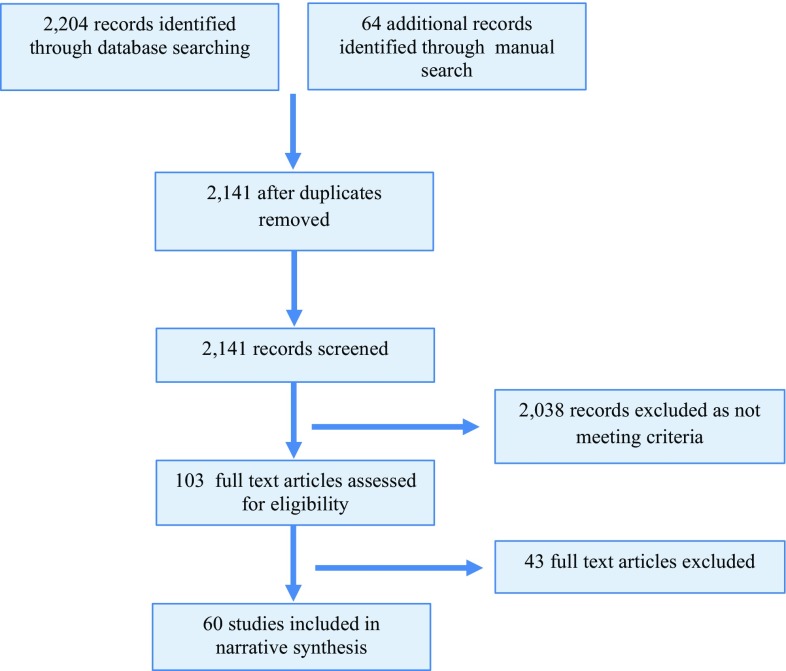
BACKGROUND: The physical impacts of elite sport participation have been well documented; however, there is comparatively less research on the mental health and psychological wellbeing of elite athletes. OBJECTIVE: This review appraises the evidence base regarding the mental health and wellbeing of elite-level athletes, including the incidence and/or nature of mental ill-health and substance use. METHODS: A systematic search of the PubMed, EMBASE, SPORTDiscus, PsycINFO, Cochrane and Google Scholar databases, up to and including May 2015, was conducted. RESULTS: The search yielded a total of 2279 records. Following double screening, 60 studies were included. The findings suggested that elite athletes experience a broadly comparable risk of high-prevalence mental disorders (i.e. anxiety, depression) relative to the general population. Evidence regarding other mental health domains (i.e. eating disorders, substance use, stress and coping) is less consistent. These results are prefaced, however, by the outcome of the quality assessment of the included studies, which demonstrated that relatively few studies (25 %) were well reported or methodologically rigorous. Furthermore, there is a lack of intervention-based research on this topic. CONCLUSION: The evidence base regarding the mental health and wellbeing of elite athletes is limited by a paucity of high-quality, systematic studies. Nonetheless, the research demonstrates that this population is vulnerable to a range of mental health problems (including substance misuse), which may be related to both sporting factors (e.g. injury, overtraining and burnout) and non-sporting factors. More high-quality epidemiological and intervention studies are needed to inform optimal strategies to identify and respond to player mental health needs.
Overview
The claims and statistics of this paper haven’t been checked yet.
Run the check — free, no account needed. It reads the open-access text and checks the sources it cites.
Integrity signals
Registry
Cites
Statistics
Figures
Verification
Claims the paper makes
The claims and statistics of this paper haven’t been checked yet.
Run the check — free, no account needed. It reads the open-access text and checks the sources it cites.
Claims other papers make about this one
Each is checked against this paper’s own text: does it say what the citing paper says it does?
The cited source says what the claim attributes to it.
In the citing paper
“To date, research has primarily examined the mental health outcomes of elite athletes [15–18], with comparatively less research focusing on understanding these psychological experiences among coaches [19].”
From The Mental Health of Elite-Level Coaches: A Systematic Scoping Review (2024) · cites this paper as [17]
Self-check
Percentages, sums and reported differences re-computed from the paper’s own numbers.
The self-check needs the paper’s full text.
Citations
Cites
The prevalence and correlates of eating disorders in the National Comorbidity Survey Replication
Hudson, J. I., Hiripi, E., Pope, H. G., & Kessler, R. C. (2007) · Biological Psychiatry · doi:10.1016/j.biopsych.2006.03.040 · Cited by 4,973 · cited 1×
“However, there was a tendency for higher vulnerability to these conditions in athletes involved in sports requiring a particularly lean body shape [21, 35, 38– 40] and in female athletes [41–43]—the latter being consistent with the findings of general population studies [87].”
Mental health of young people: A global public-health challenge
Patel, V., Flisher, A. J., Hetrick, S., & McGorry, P. (2007) · The Lancet · doi:10.1016/s0140-6736(07)60368-7 · Cited by 3,126 · cited 1×
“Such models should capitalise on an early-intervention framework [102–104], ensuring early detection and prompt access to high-quality, evidence-based interventions.”
Self-citationYoung People’s Help-Seeking for Mental Health Problems
Rickwood, D., Deane, F. P., Wilson, C. J., & Ciarrochi, J. (2005) · Australian e-Journal for the Advancement of Mental Health · doi:10.5172/jamh.4.3.218 · Cited by 1,619 · cited 1×
“Importantly, the mental health of hard-to-engage populations, such as young men [107] and older men [108, 109], could be targeted.”
How Emotions Influence Performance in Competitive Sports
Lazarus, R. S. (2000) · The Sport Psychologist · doi:10.1123/tsp.14.3.229 · Cited by 1,085 · cited 1×
“The ways by which athletes appraise and cope with these stressors can be a powerful determinant of the impact the stressors have on both their mental health and their sporting success [18].”
Prevalence of Eating Disorders in Elite Athletes Is Higher Than in the General Population
Sundgot-Borgen, J. K., & Torstveit, M. K. (2004) · Clinical Journal of Sport Medicine · doi:10.1097/00042752-200401000-00005 · Cited by 1,077 · cited 2×
“Three reported a higher incidence of eating disorder or body dissatisfaction in elite athletes relative to controls [36], especially in sports emphasising leanness or lower body weight [21, 35].”
Defining elite athletes: Issues in the study of expert performance in sport psychology
Swann, C., Moran, A., & Piggott, D. (2015) · Psychology of Sport and Exercise · doi:10.1016/j.psychsport.2014.07.004 · Cited by 998 · cited 1×
“While the included studies focused specifically on elite-level competition at the national or international level, differences between the included sports in terms of training, remuneration, media pressure and other salient variables must be considered [89].”
PHYSICAL ACTIVITY AND MENTAL HEALTH: THE ASSOCIATION BETWEEN EXERCISE AND MOOD
Peluso, M. A. M., & Andrade, L. H. (2005) · Clinics · doi:10.1590/s1807-59322005000100012 · Cited by 804 · cited 1×
“…that physical activity has a positive effect on mental health [6, 7], a review has found that intense physical activity performed at the elite athlete level might instead compromise mental wellbeing, increasing symptoms of anxiety and depression through overtraining, injury and burnout [8].”
Psychology of the elite athlete: An exploratory study
Mahoney, M. J., & Avener, M. (1977) · Cognitive Therapy and Research · doi:10.1007/bf01173634 · Cited by 615 · cited 1×
“Mahoney and Avener [80] Quantitative; crosssectional, observational Psychological factors and cognitive strategies 12 (12:0) Gymnastics; USA Self-verbalisations and certain forms of mental imagery differentiated Olympic-level and nonOlympic-level gymnasts.”
Gulliver, A., Griffiths, K. M., & Christensen, H. (2012) · BMC Psychiatry · doi:10.1186/1471-244x-12-157 · Cited by 611 · cited 3×
“Given that stigma, poor mental health literacy and negative past experiences of mental health help seeking are key barriers for elite athletes [12], more welldesigned studies, drawing on larger samples, are needed.”
Coping in sport: A systematic review
Nicholls, A. R., & Polman, R. C. J. (2006) · Journal of Sports Sciences · doi:10.1080/02640410600630654 · Cited by 575 · cited 1×
“Such an understanding is required to provide guidance for sport practitioners—including coaches, medical staff and sport psychologists—in developing the coping abilities of elite athletes and, in turn, improving their emotional wellbeing [20].”
Research works printed but not linked: 3
- Maestu J, Jurimae J, Jurimae T. Psychological and biochemical markers of heavy training stress in highly trained male rowers. Med dello Sport. 2003;56(2):95–101.
- Hainline B. Mind, body and sport: understanding and supporting student-athlete mental wellness. Indianapolis: National Collegiate Athletic Association; 2014.
- Thompson R, Sherman R. Managing student-athletes’ mental health issues. Indianapolis: National Collegiate Athletic Association; 2007.
Cited by
Sorted by citations
Items 501–600 of 1,000
Santi, G., Williams, T., Mellalieu, S. D., Wadey, R., & Carraro, A. (2024) · Psychology of sport and exercise · doi:10.1016/j.psychsport.2024.102656 · Cited by 8
The Impact of Yoga on Athletes' Mental Well-Being: An Experimental Study
Saraswati, P., Kanujia, S., & Kapri, B. C. (2024) · Cureus · doi:10.7759/cureus.66044 · Cited by 11
“Anxiety, eating disorders, drug use disorders, sadness, and psychological anguish are some of the mental stressors and problems that arise from athletic culture [2,3].”
BackgroundGao, Y., & Wang, L. (2024) · Frontiers in Nutrition · doi:10.3389/fnut.2024.1382068 · Cited by 7
Prevalence of Disordered Eating Risk Attitudes in Youth Elite Male and Female Football Players
Vásquez-Díaz, F., Muela, Á. D. C. A., Radesca, K., Andradas, G. M., & Domínguez-Balmaseda, D. (2024) · Journal of Clinical Medicine · doi:10.3390/jcm13206178 · Cited by 6
“It has been suggested that athletes who compete in disciplines where low weight is important have a higher risk of presenting an ED than athletes from other disciplines [2,13].”
BackgroundOne-to-One Support With a Professional Rugby League Player: A Case for Referral?
Wadsworth, N., Paszkowec, B., & Eubank, M. R. (2019) · Case Studies in Sport and Exercise Psychology · doi:10.1123/cssep.2019-0012 · Cited by 6
“The environment of professional sport can often cause or exacerbate existing mental health disorders (Roberts et al., 2016), and athletes are generally at higher risk of developing mental health disorders while experiencing performance failure (Rice et al., 2016), as was the case with C.T.”
BackgroundŽivković, D., Nedeljković, J., Veljković, B., Đošić, A., Bojanić, Ž., Bratić, M., & Pantelić, S. (2022) · Frontiers in Psychology · doi:10.3389/fpsyg.2021.820045 · Cited by 8
Gervis, M., Pickford, H., Nygârd, H., & Goldman, A. (2022) · Journal of Clinical Sport Psychology · doi:10.1123/jcsp.2021-0048 · Cited by 6
Hoare, E., Couston, N., & Hall, K. (2022) · Frontiers in Psychology · doi:10.3389/fpsyg.2022.856241 · Cited by 9
“Mental health researchers are largely in agreement that an athlete’s mental health needs are paramount to physical wellbeing, and that it is both physical and mental wellbeing that are likely to contribute to optimizing athletic performance (Rice et al., 2016; Reardon et al., 2019).”
BackgroundBienestar psicológico de deportistas adolescentes mexicanos confinados por la pandemia del COVID-19
Reche-García, C., Hernández Morante, J. J., Trujillo, J. L., Cisneros, C., Romero, J., & Ortín Montero, F. J. (2022) · Cultura Ciencia y Deporte · doi:10.12800/ccd.v17i52.1681 · Cited by 10
Shokri, F., Taheri, M., Irandoust, K., & Mirmoezzi, M. (2022) · Zahedan Journal of Research in Medical Sciences · doi:10.5812/zjrms-120049 · Cited by 6
“Evidence supports the hypothesis that athletes can be more resilient than nonathletes (13, 14).”
BackgroundDevey, A., Turner, M. J., Artiran, M. K., & Hobson, J. A. (2022) · Journal of Rational-Emotive & Cognitive-Behavior Therapy · doi:10.1007/s10942-022-00464-0 · Cited by 6
“For example, the psychological impacts of injury, overtraining and burnout, intense public and media scrutiny, and managing ongoing competitive pressure (Rice et al., 2016).”
BackgroundHendricks, S., Armino, N., Wyk, J. V., Gouttebarge, V., Mellalieu, S. D., & Schlebusch, R. (2022) · Research in Sports Medicine · doi:10.1080/15438627.2022.2139619 · Cited by 7
“…mental health is not protected, the athlete may be at risk of developing mental health symptoms and subsequent disorders, which may lead to injury, poor performance, early retirement, and potential risk of harm to self and others (Purcell et al., 2019; Reardon et al., 2019; Rice et al., 2016).”
BackgroundParrott, S. (2023) · International Journal of Sport Communication · doi:10.1123/ijsc.2023-0075 · Cited by 6
Hong, H. J., & Hong, S. H. (2023) · Frontiers in Psychology · doi:10.3389/fpsyg.2023.1269174 · Cited by 6
“Notably, top-tier athletes are prone to a spectrum of mental health challenges (Rice et al., 2016), which could appear as anxiety, depression (Gouttebarge et al., 2016; Schuring et al., 2017), or, in severe cases, even lead to suicides (Hong, 2018).”
BackgroundElite but Struggling: Mediated Narratives of Women Athletes and Mental Health Disclosures
Bissell, K. L., Chou, S., & Dirks, E. J. (2024) · Journalism & Communication Monographs · doi:10.1177/15226379231222732 · Cited by 8
Depression Related to COVID-19, Coping, and Hopelessness in Sports Students
Giurgiu, L. R., Damian, G. C., SABĂU, A. M., Caciora, T. I., & Călin, M. F. (2024) · Brain Sciences · doi:10.3390/brainsci14060563 · Cited by 6
“In times of normality, the causes of depressive symptoms could be the loss of devotion and commitment to competition following an injury or retirement from sports [22,23].”
BackgroundInfluentialAndersson, M. J., Kenttä, G., Claesdotter‐Knutsson, E., & Håkansson, A. (2024) · BMC Sports Science Medicine and Rehabilitation · doi:10.1186/s13102-024-00989-0 · Cited by 7
“These findings align with studies reporting heavy alcohol use among elite athletes but contrast other studies suggesting mental health symptoms are equally prevalent in elite athletes and the general population [3, 10–12].”
BackgroundResultSantos, F., & Callary, B. (2018) · Sports Coaching Review · doi:10.1080/21640629.2018.1558897 · Cited by 6
“High-performance sport, in particular, has been linked to negative outcomes such as anxiety, depression, and stress (e.g. Rice et al., 2016).”
BackgroundHalvarsson, B., & Rosen, P. (2019) · Physical Therapy in Sport · doi:10.1016/j.ptsp.2019.09.010 · Cited by 6
Clima motivacional na natação esportiva: uma revisão narrativa
Brum, F., & dos Santos, D. D. C. (2020) · Revista Brasileira de Psicologia do Esporte · doi:10.31501/rbpe.v9i3.10411 · Cited by 6
Depression in Athletes: Incidence, Prevalence, and Comparisons with the Nonathletic Population
Wolanin, A. T. (2020) · Springer eBooks · doi:10.1007/978-3-030-44754-0_3 · Cited by 6
Advancing elite athlete mental health treatment with psychedelic-assisted psychotherapy
Walton, C. C., & Liknaitzky, P. (2020) · Journal of Applied Sport Psychology · doi:10.1080/10413200.2020.1848941 · Cited by 6
“Current evidence indicates similar rates of mental health problems in athletes compared with the general population (Gouttebarge et al., 2019; Reardon et al., 2019; Rice et al., 2016).”
BackgroundTahtinen, R. E., Kristjánsdóttir, H., Ólason, D. Þ., & Morris, R. (2021) · Journal of Clinical Sport Psychology · doi:10.1123/jcsp.2020-0040 · Cited by 17
“We did not, however, assess other factors that could have explained the observed differences, such as injury or concussion (Rice et al., 2016), overtraining (Peluso & Andrade, 2005), or burnout (Gerber et al.”
BackgroundResultInfluentialHacia una Psicología Social y Crítica del deporte
Soto, R., Pozo-Gómez, L., & Romero-Álvarez, P. (2020) · Quaderns de Psicologia · doi:10.5565/rev/qpsicologia.1558 · Cited by 6
“…mentales en el deporte (Bär y Markser, 2013; Gorczynski et al., 2016; Gouttebarge et al., 2016) y la identificación de condiciones e indicadores de “normalidad” o salud mental en los deportistas (Rice et al., 2016), mediante el uso de conceptos como la resiliencia (Asma Hosseini y Besharata, 2010).”
BackgroundState of mood, motivation, and impulsivity of young athletes: a cross-sectional study
Costa, K. M., de Lira, C. A. B., Penna, E. M., Andrade, M. S., Fonseca, F. D. S., de Lima-Júnior, D. R. A. A., Gentil, P., Filho, A. S. S., & Costa, G. D. C. T. (2022) · Human Movement · doi:10.5114/hm.2023.115860 · Cited by 6
A Survey of the Mental Health of UK Olympic and Paralympic Sport Athletes
Leyland, S., Currie, A., Elizabeth Board, Mistry, A., Jaques, R., & Ranson, C. (2022) · Journal of Athlete Development and Experience · doi:10.25035/jade.04.02.03 · Cited by 7
“Susceptibility to MHDs in elite athletes is multidimensional with contributions from both sport-specific and non-sport-specific factors (Hughes & Leavey 2012; Rice et al., 2016).”
BackgroundResultThe mental health of elite athletes in developing nations of the greater Oceania region
Neumann, D. L., Piatkowski, T. M., Moffitt, R. L., & MINAHAN, C. L. (2022) · Australian Psychologist · doi:10.1080/00050067.2022.2130027 · Cited by 8
“Eating disorders were the most prevalent mental health symptom in the present sample (Rice et al., 2016).”
BackgroundMethodInfluentialMartin, S. J., & Anderson, T. (2019) · Journal of Clinical Sport Psychology · doi:10.1123/jcsp.2018-0098 · Cited by 8
Nunes, E. L. G., Ciampolini, V., Santos, F., Palheta, C. E., do Nascimento, J. V., & Milistetd, M. (2021) · Journal of Sports Sciences · doi:10.1080/02640414.2021.1951054 · Cited by 10
“The systematic review conducted by Rice et al. (2016) demonstrated that HP athletes are vulnerable to mental health disorders connected with inappropriate training loads, high psychological demands, and injuries.”
BackgroundZhang, X., Chang, Z., Zhao, S., & Ning, Z. (2025) · Frontiers in Psychology · doi:10.3389/fpsyg.2025.1662868 · Cited by 5
“…has demonstrated a significant positive correlation between optimal mental states and athletic performance, wherein effective regulation of emotional reactivity and anxiety enhances decision making and attentional control-key determinants of athletic success (Raglin, 2001; Rice et al., 2016).”
Burnout and overtraining in elite athletes: Unresolved issues and avenues for future research
Gerber, M., Bianchi, R., Madigan, D. J., Jónsdóttir, I. H., Claussen, M. C., & Gustafsson, H. (2024) · Sports Psychiatry · doi:10.1024/2674-0052/a000073 · Cited by 10
“Interest in the mental health of elite athletes has rapidly grown during the past years [ 1 , 2 ].”
BackgroundGarcia, B. L., Borrajo, E., Muñoz‐Pérez, I., Urquijo, I., Garcia-Rodríguez, A., & Etxarri, A. A. (2024) · Journal of Eating Disorders · doi:10.1186/s40337-024-01033-9 · Cited by 5
“Our finding is consistent with other studies that have found that female athletes with ED symptoms score higher on the weight pressure scale than those without ED symptoms [28, 63–65].”
ResultOptimism and resilience: the Golden Path to sportive performance?
Malán-Ernst, E., de Álvaro, J. I., Brandão, M. R. F., Reyes-Bossio, M. A., Pereira, H., Delgado-Campusano, M., Montero, F. J. O., García‐Mas, A., & Vallarino, V. T. (2024) · Retos · doi:10.47197/retos.v63.110056 · Cited by 5
“Competitive sport, even sometimes from an early age, subjects the athlete to great pressure that takes him away from the center of something that should be the essence of the practice of any sport: his health (Hoare, et al., 2022; Rice et al., 2016; Santana et al., 2023; Williams et al., 2020).”
Lundqvist, C., & Meyer, T. (2025) · Journal of science and medicine in sport · doi:10.1016/j.jsams.2025.02.004 · Cited by 13
McKeen, M., & Stevinson, C. D. (2025) · Sports Medicine · doi:10.1007/s40279-025-02216-3 · Cited by 7
Schröder, S. (2025) · Journal of Human Sport and Exercise · doi:10.55860/5r1wxz97 · Cited by 5
Prevalence of mental health symptoms in Singapore elite athletes
Li, J. Z., Lim, H. B. T., Lou, S. S., Tun, M. H., & Lai, S. F. F. (2025) · Singapore Medical Journal · doi:10.4103/singaporemedj.smj-2024-253 · Cited by 6
Jean-Bindley, G., Sauriol-Gauthier, A., Corbin‐Berrigan, L., & Girard, S. (2025) · Frontiers in Psychology · doi:10.3389/fpsyg.2025.1619802 · Cited by 7
“This increasing prevalence highlights mental health challenges as a growing area of concern in the field of sport (Rice et al., 2016).”
Frost, J., Walton, C. C., Rice, S. M., Davey, C., & Purcell, R. (2025) · International Journal of Sport and Exercise Psychology · doi:10.1080/1612197x.2025.2547365 · Cited by 4
Self-citationGao, Z., Pa, W. A. M. W., & Nazarudin, M. N. (2026) · Frontiers in Psychology · doi:10.3389/fpsyg.2025.1730060 · Cited by 6
“Conversely, avoidant coping—characterized by withdrawal, denial, or disengagement—has been strongly linked to burnout risk and diminished resilience over time (Rice et al., 2016).”
Oliveira, S., Cunha, M. I. V. A., Rosado, A. F. B., & Ferreira, C. (2022) · Current Psychology · doi:10.1007/s12144-022-03040-y · Cited by 5
Wang, X., Liang, W., Liu, J., Zhang, C., Duan, Y., Si, G., Bu, D., & Zhao, D. (2022) · International Journal of Environmental Research and Public Health · doi:10.3390/ijerph191912620 · Cited by 6
“Regarding elite athletes, as we mentioned before, there are various sport-specific factors such as overtraining, burnout, injuries, and retirement that could lead to athletes’ mental health disorders [10].”
BackgroundHooper, N. R., Reiber, C., & Cheatham, S. A. (2023) · The Journal of Sports Medicine and Physical Fitness · doi:10.23736/s0022-4707.23.14565-8 · Cited by 5
Monsonís, O. B., Balsiger, P., Verhagen, E. A. L. M., Gouttebarge, V., Spörri, J., & Bolling, C. S. (2024) · Sports Medicine · doi:10.1007/s40279-024-02106-0 · Cited by 5
“Sports psychologist [40].”
Are endurance runners at higher risk of depression? Screening for depression and risk factors
Scheer, V., Valero, D., Thuany, M., Knechtle, B., Viljoen, C. T., Ruescas, E., & Burgos, E. V. (2024) · International Journal of Sports Medicine · doi:10.1055/a-2495-1757 · Cited by 6
Pilkington, V., Walton, C. C., Gwyther, K., Rice, S., Butterworth, M., Burattin, N., Boland, S., Cross, G., & Purcell, R. (2025) · Journal of Applied Sport Psychology · doi:10.1080/10413200.2025.2467267 · Cited by 7
“…given participants were located across states and territories and based on the research team’s knowledge surrounding key demands of elite sporting roles, including frequent national and international travel and scheduling difficulties (Frost et al., 2024; Moesch et al., 2018; Rice et al., 2016).”
Self-citationSigvartsen, K. K., & Tjønndal, A. (2025) · International Review for the Sociology of Sport · doi:10.1177/10126902251345348 · Cited by 5
“…on athlete wellbeing, including excessive use of painkillers (Overbye, 2021), burnout (Gustafsson et al., 2017; Hilpisch et al., 2024), injury mismanagement (Law and Bloyce, 2019; Murphy and Waddington, 2007), disordered eating and mental health issues (Fatt et al., 2024; Rice et al., 2016).”
Behind the mask: demedicalising race and mental health in professional football
Bennett, M. (2020) · The Lancet Psychiatry · doi:10.1016/s2215-0366(20)30418-1 · Cited by 5
Just keep swimming: setting the stage for disrupting the sports coaching épistémè
Harvey, S. D. L., Gearity, B. T., & Kuklick, C. R. (2020) · Sports Coaching Review · doi:10.1080/21640629.2020.1848330 · Cited by 8
“…continuous competitive pressures to perform have shaped athletes’ self-identities and self-worth towards increasing their susceptibility to mental illness, including the risk of depression and suicidal behaviour (Rao et al., 2015; Rice et al., 2016; Roberts, Baker, Reeves, Jones, & Cronin, 2018).”
BackgroundYARDIMCI, F. B., & Külünkoğlu, B. A. (2022) · Gazi Beden Eğitimi ve Spor Bilimleri Dergisi · doi:10.53434/gbesbd.987452 · Cited by 5
Case Studies in Sports Psychiatry
Runswick, O. R. (2020) · Cambridge University Press eBooks · doi:10.1017/9781108767187 · Cited by 5
“Athletes experience mental health problems through a combination of generic and sports-specific factors (2,9).”
BackgroundTamm, A., Parm, Ü., Aluoja, A., & Tomingas, T. (2022) · Sports · doi:10.3390/sports10050076 · Cited by 5
“As the restrictions in the COVID-19 pandemic situation varied from country to country, the situations of athletes in each country were not the same nor comparable [21].”
BackgroundCosh, S., Crabb, S., McNeil, D. G., & Tully, P. J. (2022) · Qualitative Research in Sport Exercise and Health · doi:10.1080/2159676x.2022.2086165 · Cited by 6
McLellan, M., Heffernan, C., Xu, J., Billimek, J., & Kim, B. Y. (2022) · Cureus · doi:10.7759/cureus.29836 · Cited by 5
“This finding of female sex as a risk factor for mental health issues in the NCAA Division I athlete population has been mirrored in the general population during the pandemic [2,3], corroborating previous research showing that athletes’ susceptibility to mental health is similar to the larger population [13,14].”
ResultStillman, M. A., Manocchio, A. M., & Glick, I. D. (2023) · Sports Psychiatry · doi:10.1024/2674-0052/a000056 · Cited by 6
McCabe, E., DeSordi, S., Piepmeier, A. T., & Hall, E. E. (2023) · American Journal of Undergraduate Research · doi:10.33697/ajur.2023.083 · Cited by 5
Lane, S. H. (2024) · Social Work With Groups · doi:10.1080/01609513.2024.2341441 · Cited by 5
“…over-representation of mental health issues among elite athletes, their predisposition to social isolation during periods of injury, and the short-termed, transient, and insecure nature of careers at the elite level (Dessauvagie, 2018; Du Preez et al., 2017; Lane et al., 2020; Rice et al., 2016).”
HOOPER, N. R., REIBER, C., & CHEATHAM, S. A. (2022) · The Journal of Sports Medicine and Physical Fitness · doi:10.23736/s0022-4707.21.12206-6 · Cited by 5
Role separation’s impact on student-athlete well-being
Watson, J., Crowell, N. A., & Riley, J. B. (2021) · Journal for the Study of Sports and Athletes in Education · doi:10.1080/19357397.2021.1916308 · Cited by 5
“This significant developmental period in combination with the stressors and adversities that are specific to student-athletes, amplifies their risk for mental health problems (Gucciardi et al., 2017; Rice et al., 2016).”
BackgroundSzathmári, A. (2021) · Vezetéstudomány / Budapest Management Review · doi:10.14267/veztud.2021.05.06 · Cited by 5
Jaiyeoba, O. M., & Ogunsanya, J. O. (2021) · European Journal of Physical Education and Sport Science · doi:10.46827/ejpe.v7i3.3986 · Cited by 5
A Systematic Review of the Prevalence of Mental Health Symptoms and Disorders in Rugby Players
Oftadeh-Moghadam, S., & Gorczynski, P. F. (2022) · Journal of Clinical Sport Psychology · doi:10.1123/jcsp.2021-0027 · Cited by 5
Kaski, S., Arvinen‐Barrow, M., Kinnunen, U. M., & Parkkari, J. P. (2022) · Journal of Clinical Sport Psychology · doi:10.1123/jcsp.2021-0083 · Cited by 10
Gavrilova, E., Donohue, B. C., Kalita, J., Paul, M., Pharr, J. R., & Allen, D. N. (2022) · Sport Social Work Journal · doi:10.33043/sswj.1.1.1-12 · Cited by 5
“, 2017), coaches (Donovan et al., 2002; Ferguson et al., 2018; Rice et al., 2016; Vaughan et al., 2004; Zourbanos et al., 2010), and teammates (Dams-O'Connor et al.”
BackgroundMajor Depressive Disorder and Depressive Symptoms
Gorczynski, P. F. (2022) · Springer eBooks · doi:10.1007/978-3-031-08364-8_6 · Cited by 5
Schüler, J., Stähler, J., & Wolff, W. (2023) · Psychology of sport and exercise · doi:10.1016/j.psychsport.2023.102462 · Cited by 6
Competence in Sports Pharmacy among Pharmacy Students in Norway
Dabrowska, N., Malmberg, L., Nejati, H., Volle, C. B., Witzø, M. R., Yaman, H., & Gazerani, P. (2023) · Pharmacy · doi:10.3390/pharmacy12010003 · Cited by 5
“These negative impacts are more frequent in elite athletes who are expected to perform at a high level in competitions [5–7].”
BackgroundGender Differences in Subjective Quality of Life of Elite and Competitive Sports Games Players
Nemček, J. (2020) · Acta Facultatis Educationis Physicae Universitatis Comenianae · doi:10.2478/afepuc-2020-0009 · Cited by 5
“These results can be caused by the findings of Rice et al. (2016) who suggested that elite athletes experience a broadly comparable risk of high-prevalence mental disorders (i.e. anxiety, depression) relative to the general population.”
BackgroundResultPast physical activity and its influence on female functioning during perimenopause
Szuścik-Niewiadomy, K., Plinta, R., Niewiadomy, P., & Knapik, A. (2021) · Ginekologia Polska · doi:10.5603/gp.a2021.0028 · Cited by 5
“ity at the life stage most conducive to having a child, and finishing with concerns about changing the body image during pregnancy (where the body is sometimes considered a model), and losing certain control over it [28, 29].”
BackgroundCYRANKA, K. M., Dudek, D., Malecki, M. T., & Klupa, T. (2021) · Diabetology International · doi:10.1007/s13340-020-00488-w · Cited by 5
“Key factors include the psychological impacts of injury, overtraining and burnout; intense public and media scrutiny; and managing ongoing competitive pressures to perform [19].”
BackgroundMale professional footballers’ use of mental skills training and counselling: Dilemma or conundrum?
Abela, D., Falzon, R. V., & Muscat, A. (2021) · Counselling and Psychotherapy Research · doi:10.1002/capr.12449 · Cited by 5
de Oliveira, S. M. S., Cunha, M. I. V. A., Rosado, A. F. B., Saraiva, M., & Ferreira, C. R. C. (2025) · Journal of Clinical Sport Psychology · doi:10.1123/jcsp.2023-0041 · Cited by 4
Dorfling, T., & Fulcher, M. L. (2024) · BMJ Open Sport & Exercise Medicine · doi:10.1136/bmjsem-2024-002002 · Cited by 6
Prevalence and Factors Associated with Mental Health Complaints in Japanese Collegiate Athletes
Kimura, T., Mącznik, A. K., Kinoda, A., Yamada, Y., Muramoto, Y., Katsumata, Y., & Sato, K. (2024) · Sports · doi:10.3390/sports12090240 · Cited by 7
“Sensible investigations into the prevalence of mental health complaints are immediately needed to guide the efforts of prevention, early diagnosis, and effective management of mental health complaints in athletes [6].”
BackgroundNorouzi, E., & Shojaei, B. (2025) · BMC Psychology · doi:10.1186/s40359-025-03118-9 · Cited by 6
“Despite the possibility that regular physical activity might confer mental health benefits to athletes [45], current evidence is inconclusive regarding whether adolescent athletes are consistently at lower risk for specific mental disorders compared to their non-athlete peers [46, 47].”
MacGabhann, S., Newman, P., Witchalls, J. B., Dowse, R. A., Waddington, G. S., & Cobley, S. P. (2025) · Sports Medicine · doi:10.1007/s40279-025-02267-6 · Cited by 4
“Similarly, understanding the individual factors and processes (e.g. coaching relationships) that contribute to maintaining overall mental health and well-being in highly demanding sports contexts has gained significance [30–32].”
Beffagna, G., Sanchis‐Gomar, F., Ribichini, F. L., & Lippi, G. (2025) · Seminars in Thrombosis and Hemostasis · doi:10.1055/a-2664-0950 · Cited by 4
McCluskey, T., Stevens, M. R., Cruwys, T., Murray, K., & Freeman, H. (2025) · International Review of Sport and Exercise Psychology · doi:10.1080/1750984x.2025.2556389 · Cited by 4
Iordan, D. A., Tupu, A. E., Onu, I., Postelnicu, M. G., Stan, A. M., Gurau, T. V., Gurau, G., & Mușat, C. L. (2025) · Balneo and PRM Research Journal · doi:10.12680/balneo.2025.886 · Cited by 6
Whelan, B. M., Astley, C., Paladino, L. K., Wainwright, K. F., Taylor, D. J., Huskey, A., Kim, K. N., & Harmon, K. G. (2025) · British Journal of Sports Medicine · doi:10.1136/bjsports-2025-110185 · Cited by 4
Yu, J., Nien, J., Chu, M.-Y., Yang, Y.-Z., Ko, Y.-C., Chen, Y.-H., Chen, N., & Chang, Y. (2026) · Psychology of sport and exercise · doi:10.1016/j.psychsport.2026.103080 · Cited by 6
International Validity of the Athlete Psychological Strain Questionnaire (APSQ): A Scoping Review
Drăgoiu, T. S., Furtunescu, F., Caramoci, A., & Runswick, O. R. (2026) · Diagnostics · doi:10.3390/diagnostics16030486 · Cited by 4
“There is a need for sports medicine practitioners, psychiatrists, and psychologists to have specific screening tools that can be used to monitor the health of athletes while accounting for these unique stressors [5,11,16–18].”
InfluentialLeduc, J. G., Boucher, F., Marques, D. L., & Brunelle, É. (2024) · Frontiers in Sports and Active Living · doi:10.3389/fspor.2024.1342995 · Cited by 6
The impact of physical activity on depressive and anxiety disorders: A literature review
Woźniak, K., Woźniak, A., & Stasiak, M. (2024) · Quality in Sport · doi:10.12775/qs.2024.36.56456 · Cited by 6
“Running in particular can help athletes self-treat their depression symptoms, but in some cases, the severity of the depressive episode or risk factors outweigh the benefits of aerobic exercise (Rice et al., 2016).”
Henderson, H., Shipway, R., Nicholson, R., & Marmion, V. (2025) · Leisure Studies · doi:10.1080/02614367.2025.2481564 · Cited by 4
Elite Ice Hockey Players’ Well-Being: A Scoping Review
Veillette, P.-L., Girard, S., D’Amours, J., Pelletier, V. H., & Miquelon, P. (2025) · Sports · doi:10.3390/sports13070225 · Cited by 4
“The elite sports environment exposes athletes to unique stressors, including performance expectations, organizational challenges (e.g., frequent travel, homesickness), and personal issues (e.g., family conflicts) [50,51].”
Anderson, T., Bartley, J. D., Post, E. G., Triplett, A. N., Donaldson, A. T., Finnoff, J. T., & Adams, W. M. (2025) · BMJ Open Sport & Exercise Medicine · doi:10.1136/bmjsem-2025-002758 · Cited by 4
Athlete’s Mood State before Artistic Gymnastics Competitions
Verardi, C. E. L., Hirota, V. B., Rinaldi, I. M., Battaglini, M. P., Luciano, A. R. M. B., Vanzelli, S. R. C. B., Silva, F. S. C., Silva, T. F. R., & de Moraes, M. G. (2018) · Psychology · doi:10.4236/psych.2018.914165 · Cited by 4
“Thus, more epidemiological studies and intervention are required to adopt optimal coping strategies in order to respond to the mental health needs of athletes (Gulliver et al., 2015; Rice et al., 2016).”
BackgroundOliveira, S., Cunha, M. I. V. A., Rosado, A. F. B., Gomes, B. B., & Ferreira, C. (2022) · Análise Psicológica · doi:10.14417/ap.1913 · Cited by 4
“In fact, athletes’ mental health and well-being has received increased attention in the sports community (Chang et al., 2020; Giles et al., 2020; Oliveira et al., 2022; Rice et al., 2016), and literature has highlighted that it is important to explore factors that may influence their mental health, well-being and perf…”
BackgroundPsychopathologie ehemaliger DDR-Leistungssportler*innen im Vergleich zur Allgemeinbevölkerung
Buhrmann, S., Klauer, T., Buhrmann, J., & Grabe, H. J. (2023) · Psychiatrische Praxis · doi:10.1055/a-2093-3122 · Cited by 4
“Eine systematische Übersichtsarbeit, welche 60 Studienergebnisse verglich und zusammenfasste, kam zu dem Ergebnis, dass Leistungssportler*innen im Vergleich zur Allgemeinbevölkerung häufiger Angst- und depressive Symptome aufweisen [7].”
BackgroundInfluentialExploring the Intersection of Athletic Psychology and Emerging Technologies
Li, Q., Li, X., Chui, K. T., & Arya, V. (2023) · International Journal on Semantic Web and Information Systems · doi:10.4018/ijswis.329168 · Cited by 5
Incorporating Mental Health Literacy Into the Sport Management Curriculum
Beasley, L., Cox, A. E., & Hardin, R. L. (2023) · Sport Management Education Journal · doi:10.1123/smej.2022-0036 · Cited by 4
The relationship between physical activity and mental health: Is more always better?
Popov, S., Volarov, M., & Rakočević, N. (2023) · Primenjena psihologija · doi:10.19090/pp.v16i3.2461 · Cited by 6
Boobani, B., Grants, J., Litwiniuk, A., Boge, I., & Glaskova‐Kuzmina, T. (2024) · Journal of Kinesiology and Exercise Sciences · doi:10.5604/01.3001.0054.4456 · Cited by 8
Azadi, H., Meshkati, Z., & Rice, S. (2024) · Apunts Sports Medicine · doi:10.1016/j.apunsm.2024.100437 · Cited by 5
“The results of other studies also indicated that non-professional and professional sportspersons have the same signs of psychological distress [4].”
BackgroundResultSelf-citationPractice and relevance of sports psychiatry in promoting athletes’ mental health in Japan
Yamaguchi, T. (2024) · Sports Psychiatry · doi:10.1024/2674-0052/a000077 · Cited by 5
Overtraining and Burnout: The Hidden Toll of Professional Sports on Athlete Health
Grzelak, A., & Langner, S. (2024) · Quality in Sport · doi:10.12775/qs.2024.25.56740 · Cited by 7
Beebe, K. E., & Petrie, T. A. (2025) · Journal of Applied Sport Psychology · doi:10.1080/10413200.2025.2463590 · Cited by 4
“…high demand conditions), academic (e.g., maintaining academic eligibility to be able to compete), physical (e.g., training load, risk of injury), and athletic (e.g., pressure/expectation to always perform at the highest level; Arnold & Fletcher, 2012; Gouttebarge et al., 2019; Rice et al., 2016).”
Powell, A., & Gaffiero, D. (2025) · Cogent Psychology · doi:10.1080/23311908.2025.2537216 · Cited by 4
“…understanding across genders, particularly as female footballers may experience and navigate mental health stigma differently (Perry et al., 2022; Rice et al., 2016). as outlined by Prinz et al. (2016) career-time prevalence of depressive symptoms was 32.3% among elite female footballers, with…”
InfluentialMentalGestärkt – Psychische Gesundheit im Leistungssport
Sulprizio, M., Heese, A., Herrmann, E., Kellmann, M., Liesenfeld, M., Weidig, T., & Kleinert, J. (2020) · Zeitschrift für Sportpsychologie · doi:10.1026/1612-5010/a000295 · Cited by 4
Metadata
- Authors
- Rice, S. M., Purcell, R., De Silva, S., Mawren, D., McGorry, P. D., & Parker, A. G.
- Affiliations
- The University of Melbourne (AU)
- Orygen (AU)
- Corresponding author
- Rice, Simon M.
- Venue
- Sports Medicine
- Published
- 2016-02-20
- Volume
- 46
- Issue
- 9
- Pages
- 1333-1353
- ISSN
- 0112-1642 (ISSN-L)
- 1179-2035
- PMC
- PMC4996886
- OpenAlex
- W2278084024
- Cited by
- 1,205
- References
- 110
- Citations by year
- 2026: 175 · 2025: 161 · 2024: 157 · 2023: 148 · 2022: 155 · 2021: 129 · 2020: 105 · 2019: 74 · 2018: 64 · 2017: 27 · 2016: 10
- FWCI
- 10.78
- Type
- journal article
- Language
- en
- Open access
- hybrid
- doi.org
- Locations
- Sports Medicine (publishedVersion, cc-by)
- PubMed Central (publishedVersion, cc-by)
- PubMed (publishedVersion)
- Victoria University Research Repository (Victoria University) (submittedVersion, cc-by)
- Minerva Access (University of Melbourne) (submittedVersion, cc-by)
- Swinburne figshare (Swinburne University of Technology) (submittedVersion, cc-by)
- Funders
- Society for Mental Health Research (Early Career Fellowship)
- Topics
- Social Sciences › Psychology › Developmental and Educational Psychology › Sport Psychology and Performance
- Social Sciences › Psychology › Clinical Psychology › Psychological Treatments and Assessments
- Social Sciences › Psychology › Clinical Psychology › COVID-19 and Mental Health
- Keywords
- elite athletes, mental health, psychological well-being, anxiety, depression, eating disorders, substance use, stress coping, burnout, overtraining, injuries, mental health interventions
- MeSH terms
- Adaptation, Psychological, Anxiety, Feeding and Eating Disorders, Competitive Behavior, Depression, Humans, Mental Health, Risk Factors, Stress, Psychological, Incidence, Substance-Related Disorders, Athletes
About these checks
Registry, retraction, Cites and statistics results are computed, not judged, with one exception: a printed reference that no index lists is read once by a model before it counts as a citation error. Claims are extracted by a model and kept only when their quote appears verbatim in the text; each cited source is then checked, with a model’s help, for whether it says what the claim relies on. Those verdicts can be wrong — read the claim’s quote and the cited source before relying on one.
Statistics and arithmetic are recomputed, not judged.
Confidence bands are shown only for fields calibrated on our annotated test set. None is calibrated yet, so no band is shown.
What counts as a claim ›How we measure confidence ›How we check this ›
Are you an author, or do you see a problem with this page? Request a review
