

The DOI matches its Crossref record; 110 of the 110 references it cites were found in a registry or an index.
The Mental Health of Elite Athletes: A Narrative Systematic Review
Open accessAbstract
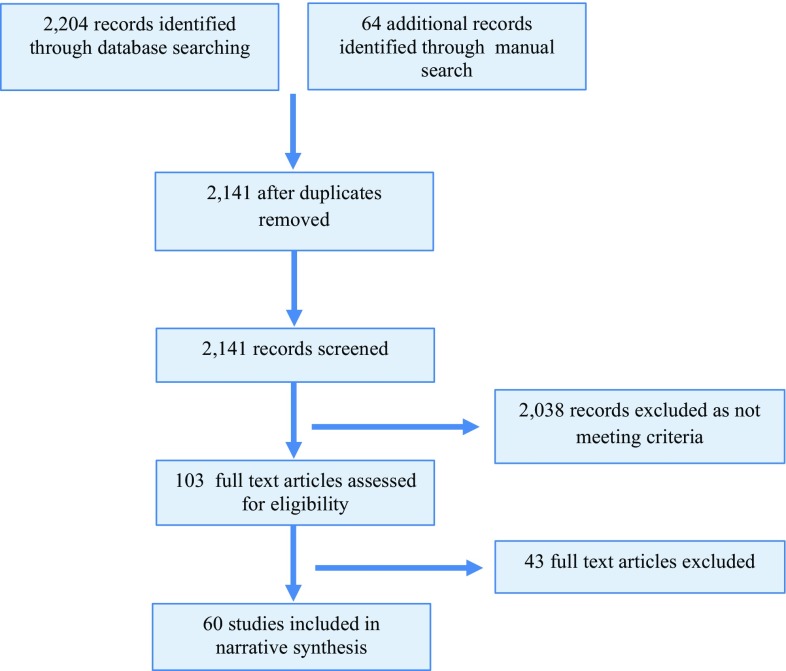
BACKGROUND: The physical impacts of elite sport participation have been well documented; however, there is comparatively less research on the mental health and psychological wellbeing of elite athletes. OBJECTIVE: This review appraises the evidence base regarding the mental health and wellbeing of elite-level athletes, including the incidence and/or nature of mental ill-health and substance use. METHODS: A systematic search of the PubMed, EMBASE, SPORTDiscus, PsycINFO, Cochrane and Google Scholar databases, up to and including May 2015, was conducted. RESULTS: The search yielded a total of 2279 records. Following double screening, 60 studies were included. The findings suggested that elite athletes experience a broadly comparable risk of high-prevalence mental disorders (i.e. anxiety, depression) relative to the general population. Evidence regarding other mental health domains (i.e. eating disorders, substance use, stress and coping) is less consistent. These results are prefaced, however, by the outcome of the quality assessment of the included studies, which demonstrated that relatively few studies (25 %) were well reported or methodologically rigorous. Furthermore, there is a lack of intervention-based research on this topic. CONCLUSION: The evidence base regarding the mental health and wellbeing of elite athletes is limited by a paucity of high-quality, systematic studies. Nonetheless, the research demonstrates that this population is vulnerable to a range of mental health problems (including substance misuse), which may be related to both sporting factors (e.g. injury, overtraining and burnout) and non-sporting factors. More high-quality epidemiological and intervention studies are needed to inform optimal strategies to identify and respond to player mental health needs.
Overview
The claims and statistics of this paper haven’t been checked yet.
Run the check — free, no account needed. It reads the open-access text and checks the sources it cites.
Integrity signals
Registry
Cites
Statistics
Figures
Verification
Claims the paper makes
The claims and statistics of this paper haven’t been checked yet.
Run the check — free, no account needed. It reads the open-access text and checks the sources it cites.
Claims other papers make about this one
Each is checked against this paper’s own text: does it say what the citing paper says it does?
The cited source says what the claim attributes to it.
In the citing paper
“To date, research has primarily examined the mental health outcomes of elite athletes [15–18], with comparatively less research focusing on understanding these psychological experiences among coaches [19].”
From The Mental Health of Elite-Level Coaches: A Systematic Scoping Review (2024) · cites this paper as [17]
Self-check
Percentages, sums and reported differences re-computed from the paper’s own numbers.
The self-check needs the paper’s full text.
Citations
Cites
The prevalence and correlates of eating disorders in the National Comorbidity Survey Replication
Hudson, J. I., Hiripi, E., Pope, H. G., & Kessler, R. C. (2007) · Biological Psychiatry · doi:10.1016/j.biopsych.2006.03.040 · Cited by 4,973 · cited 1×
“However, there was a tendency for higher vulnerability to these conditions in athletes involved in sports requiring a particularly lean body shape [21, 35, 38– 40] and in female athletes [41–43]—the latter being consistent with the findings of general population studies [87].”
Mental health of young people: A global public-health challenge
Patel, V., Flisher, A. J., Hetrick, S., & McGorry, P. (2007) · The Lancet · doi:10.1016/s0140-6736(07)60368-7 · Cited by 3,126 · cited 1×
“Such models should capitalise on an early-intervention framework [102–104], ensuring early detection and prompt access to high-quality, evidence-based interventions.”
Self-citationYoung People’s Help-Seeking for Mental Health Problems
Rickwood, D., Deane, F. P., Wilson, C. J., & Ciarrochi, J. (2005) · Australian e-Journal for the Advancement of Mental Health · doi:10.5172/jamh.4.3.218 · Cited by 1,619 · cited 1×
“Importantly, the mental health of hard-to-engage populations, such as young men [107] and older men [108, 109], could be targeted.”
How Emotions Influence Performance in Competitive Sports
Lazarus, R. S. (2000) · The Sport Psychologist · doi:10.1123/tsp.14.3.229 · Cited by 1,085 · cited 1×
“The ways by which athletes appraise and cope with these stressors can be a powerful determinant of the impact the stressors have on both their mental health and their sporting success [18].”
Prevalence of Eating Disorders in Elite Athletes Is Higher Than in the General Population
Sundgot-Borgen, J. K., & Torstveit, M. K. (2004) · Clinical Journal of Sport Medicine · doi:10.1097/00042752-200401000-00005 · Cited by 1,077 · cited 2×
“Three reported a higher incidence of eating disorder or body dissatisfaction in elite athletes relative to controls [36], especially in sports emphasising leanness or lower body weight [21, 35].”
Defining elite athletes: Issues in the study of expert performance in sport psychology
Swann, C., Moran, A., & Piggott, D. (2015) · Psychology of Sport and Exercise · doi:10.1016/j.psychsport.2014.07.004 · Cited by 998 · cited 1×
“While the included studies focused specifically on elite-level competition at the national or international level, differences between the included sports in terms of training, remuneration, media pressure and other salient variables must be considered [89].”
PHYSICAL ACTIVITY AND MENTAL HEALTH: THE ASSOCIATION BETWEEN EXERCISE AND MOOD
Peluso, M. A. M., & Andrade, L. H. (2005) · Clinics · doi:10.1590/s1807-59322005000100012 · Cited by 804 · cited 1×
“…that physical activity has a positive effect on mental health [6, 7], a review has found that intense physical activity performed at the elite athlete level might instead compromise mental wellbeing, increasing symptoms of anxiety and depression through overtraining, injury and burnout [8].”
Psychology of the elite athlete: An exploratory study
Mahoney, M. J., & Avener, M. (1977) · Cognitive Therapy and Research · doi:10.1007/bf01173634 · Cited by 615 · cited 1×
“Mahoney and Avener [80] Quantitative; crosssectional, observational Psychological factors and cognitive strategies 12 (12:0) Gymnastics; USA Self-verbalisations and certain forms of mental imagery differentiated Olympic-level and nonOlympic-level gymnasts.”
Gulliver, A., Griffiths, K. M., & Christensen, H. (2012) · BMC Psychiatry · doi:10.1186/1471-244x-12-157 · Cited by 611 · cited 3×
“Given that stigma, poor mental health literacy and negative past experiences of mental health help seeking are key barriers for elite athletes [12], more welldesigned studies, drawing on larger samples, are needed.”
Coping in sport: A systematic review
Nicholls, A. R., & Polman, R. C. J. (2006) · Journal of Sports Sciences · doi:10.1080/02640410600630654 · Cited by 575 · cited 1×
“Such an understanding is required to provide guidance for sport practitioners—including coaches, medical staff and sport psychologists—in developing the coping abilities of elite athletes and, in turn, improving their emotional wellbeing [20].”
Research works printed but not linked: 3
- Maestu J, Jurimae J, Jurimae T. Psychological and biochemical markers of heavy training stress in highly trained male rowers. Med dello Sport. 2003;56(2):95–101.
- Hainline B. Mind, body and sport: understanding and supporting student-athlete mental wellness. Indianapolis: National Collegiate Athletic Association; 2014.
- Thompson R, Sherman R. Managing student-athletes’ mental health issues. Indianapolis: National Collegiate Athletic Association; 2007.
Cited by
Sorted by citations
Items 301–400 of 1,000
Sportpsychiatrie und -psychotherapie
Ströhle, A., Bendau, A., Augustin, N., Esch, A. D., Große, J., Kaminski, J., Petzold, M. B., Plag, J., Schmidt, M., Schütte, M., et al. (2022) · Der Nervenarzt · doi:10.1007/s00115-022-01342-x · Cited by 18
Brownrigg, A., Burr, V., Bridger, A. J., & Locke, A. (2017) · Qualitative Research in Sport Exercise and Health · doi:10.1080/2159676x.2017.1396557 · Cited by 17
Rørth, M., Tjørnhøj‐Thomsen, T., Cormie, P., Oliffe, J. L., & Midtgaard, J. (2018) · Journal of Aging and Physical Activity · doi:10.1123/japa.2018-0089 · Cited by 15
“…prostate cancer may not suffer the negative consequences of sports injuries to the degree assumed in the existing literature (Covassin et al., 2015; Rice et al., 2016; Young, 2004), Nixon (1996) and Young (2004), who are critical of the sociology of injuries, believe that striving for masculine…”
BackgroundMuir, I. L., & Munroe‐Chandler, K. J. (2020) · Journal of Sport Psychology in Action · doi:10.1080/21520704.2020.1738607 · Cited by 15
Duncombe, S. L., Tanaka, H., Larochelambert, Q. D., Schipman, J., Toussaint, J., & Antero, J. (2020) · British Journal of Sports Medicine · doi:10.1136/bjsports-2020-102624 · Cited by 16
Altamura, M., Iuso, S., D’Andrea, G., D’Urso, F., Piccininni, C., Angelini, E., Sessa, F., Margaglione, M., Padulo, C., Fairfield, B., et al. (2018) · bioRxiv (Cold Spring Harbor Laboratory) · doi:10.1101/493320 · Cited by 16
The impact of Covid-19 on the mental health of professional footballers
Souter, G., Tonge, A., & Culvin, A. (2021) · Managing Sport and Leisure · doi:10.1080/23750472.2021.1877569 · Cited by 15
“These demands may increase susceptibility to © 2021 Informa UK Limited, trading as Taylor & Francis Group CONTACT Gary Souter gs316@leicester.ac.uk, @garysouter3 mental health issues and risk-taking behaviours (Rice et al., 2016).”
BackgroundNing, J.-H., Hao, Q.-W., & Huang, D.-C. (2022) · Frontiers in Psychology · doi:10.3389/fpsyg.2022.799103 · Cited by 14
RetractedStress and its impact on elite athletes' wellbeing and mental health—a mini narrative review
Nuetzel, B. (2025) · Frontiers in Sports and Active Living · doi:10.3389/fspor.2025.1630784 · Cited by 24
Mental Health Symptoms of Amateur Association Football Referees: A Cross-Sectional Study
Lima, Y., Devran, S., Webb, T., & Bayraktar, B. (2022) · Journal of Clinical Sport Psychology · doi:10.1123/jcsp.2022-0018 · Cited by 14
Mansell, P. C., & Turner, M. J. (2022) · Psychology of sport and exercise · doi:10.1016/j.psychsport.2022.102284 · Cited by 22
Puce, L., Biz, C., Cerchiaro, M., Scapinello, D., Giarrizzo, L., Trompetto, C., Marinelli, L., Trabelsi, K., Samanipour, M. H., Bragazzi, N. L., et al. (2023) · Frontiers in Psychology · doi:10.3389/fpsyg.2023.1176595 · Cited by 14
“On the other hand, besides success, they can experience failure, and they have to undergo heavy training programs, and nutritional restrictions daily with the risk of incurring overtraining, injury, and burnout (Rice et al., 2016).”
BackgroundMental health considerations for athlete removal from play and return to play planning
Edwards, C. D. (2023) · Sports Psychiatry · doi:10.1024/2674-0052/a000058 · Cited by 14
Shanmugaratnam, A., McLaren, C. D., Schertzinger, M., & Bruner, M. W. (2024) · International Journal of Sports Science & Coaching · doi:10.1177/17479541241278602 · Cited by 18
“6 For instance, Gosai and colleagues 14 found that coach trans-formational leadership as an antecedent to psychological safety played a signi fi cant role in predicting athletes ’ feelings of positive emotion and functioning both psychologically and socially (i.e., fl ourishing).”
Mackinnon, A.-L., Jackson, K., Kuznik, K., Turner, A., Hill, J., Davies, M. A. M., Jones, M. E., Delmestri, A., Sanchez-Santos, M. T., & Newton, J. L. (2019) · International Journal of Sports Medicine · doi:10.1055/a-0902-8601 · Cited by 15
“Regular exercise has also been shown to have positive effects on mental health in the general population [3, 4]; however, it is known that professional athletes may be subject to unique stresses, such as when injured or underperforming, which may increase their predisposition to mental health problems [5].”
Champigny, C. M., Rawana, J. S., Iverson, G. L., Maxwell, B., Berkner, P. D., & Wojtowicz, M. A. (2020) · Journal of Neurotrauma · doi:10.1089/neu.2020.7079 · Cited by 16
Understanding and recognizing high-performance swimmers’ well-being.
Uzzell, K. S., Knight, C. J., & Hill, D. M. (2021) · Sport Exercise and Performance Psychology · doi:10.1037/spy0000284 · Cited by 14
Park, S., Jeon, J.-W., ahn, H.-K., Yang, Y.-K., & So, W.-Y. (2022) · Sustainability · doi:10.3390/su14010477 · Cited by 14
Brooks, T., Bradstreet, T. C., & Partridge, J. A. (2022) · Frontiers in Psychology · doi:10.3389/fpsyg.2022.929487 · Cited by 14
“The underpinnings of this difference are multivariate and complex, however, most would suggest that (at least until recently) the “warrior mentality” so prevalent in competitive sport has served to stigmatize seeking help for mental health and psychological concerns by the athlete (Glick et al., 2009; Rice et al., 201…”
BackgroundArmino, N., Gouttebarge, V., Mellalieu, S. D., Schlebusch, R., Wyk, J. V., & Hendricks, S. (2021) · South African Journal of Sports Medicine · doi:10.17159/2078-516x/2021/v33i1a10679 · Cited by 17
The Role of Psychologists in Sport Medicine Practice
Jasser, J., Patel, D. R., & Beenen, K. T. (2022) · Pediatric Clinics of North America · doi:10.1016/j.pcl.2022.05.010 · Cited by 13
Méndez-Aguado, C., Cangas, A. J., Aguilar-Parra, J. M., & Lirola, M. J. (2023) · Healthcare · doi:10.3390/healthcare11091215 · Cited by 13
“[51] emphasise that proposals should not be rigid but should favour spontaneity so that the risk of failure is not high and does not negatively influence adherence.”
BackgroundSolmaz, S. (2025) · SAGE Open · doi:10.1177/21582440251323673 · Cited by 15
“…research has predominantly focused on various sample groups, studies targeting young professional athletes are quite limited; particularly, during the post-adolescent period, when athletes are likely to encounter various psychological challenges (Bauman, 2016; Rice et al., 2016; Stambulova, 2017).”
Navigating neurodiversity in elite sport: lived experiences of neurodivergent athletes
Wood, S., Marshall, B., Kaiseler, M., & Wood, G. (2025) · Qualitative Research in Sport Exercise and Health · doi:10.1080/2159676x.2025.2534896 · Cited by 14
“Despite growing awareness of mental health in elite sport (Reardon et al. 2019; Rice et al. 2016), there remains limited understanding of how conditions such as ADHD and/or ASD impact performance and wellbeing (Barra et al. 2021; Mantzalas, Richdale, and Dissanayake 2022).”
Work Demands, Responses, and Coping Strategies for Staff in High-Performance Sport: A Scoping Review
Mercer, R. A. J., Russell, J. L., Strack, D. S., Coutts, A. J., & McLean, B. D. (2025) · Sports Medicine · doi:10.1007/s40279-025-02324-0 · Cited by 15
Drew, M., Petrie, T. A., & Palmateer, T. M. (2021) · Journal of Clinical Sport Psychology · doi:10.1123/jcsp.2021-0036 · Cited by 17
Psychological Distress in Elite Sambo and Recreational Athletes
Tubić, T., Živanović, B., Lakičević, N., Zenić, N., Gilić, B., Rudas, E., Eliseev, S., Trivić, T., Bianco, A., & Drid, P. (2022) · Frontiers in Psychology · doi:10.3389/fpsyg.2022.781880 · Cited by 13
“However, it is being neglected that the athletic environment often includes unique stressors caused by high-pressure circumstances, constant mental efforts, demands, and limitations which may negatively impact mental health (Rice et al., 2016).”
BackgroundMakaracı, Y., Makaracı, M., Zorba, E., & Lautenbach, F. (2023) · Applied Psychophysiology and Biofeedback · doi:10.1007/s10484-023-09589-z · Cited by 19
“Factors such as pressure created by success-oriented sports, high demand, and intense training periods can adversely affect the mental health of elite athletes (Rice et al., 2016).”
BackgroundUnderstanding the role of coaches in supporting the mental health of elite athletes
Sankey, C., Wallace, L., & Caperchione, C. M. (2023) · Journal of science and medicine in sport · doi:10.1016/j.jsams.2023.06.012 · Cited by 19
Mental Health in Elite Coaches
Baumann, L., Schneeberger, A. R., Currie, A., Iff, S., Seifritz, E., & Claussen, M. C. (2024) · Sports Health A Multidisciplinary Approach · doi:10.1177/19417381231223472 · Cited by 19
Junge, A., Hauschild, A., Stubbe, J. H., & van Rijn, R. M. (2024) · Sports Medicine - Open · doi:10.1186/s40798-024-00753-1 · Cited by 13
“A higher prevalence of mental health symptoms in women than in men has been reported for general populations [34, 35], elite athletes [36, 37] and in professional dancers [38].”
BackgroundExplicit and indirect, latency-based measure of aggression in striking combat sports
Predoiu, R., Piotrowski, A., Stan, E. A., Ciolacu, M. V., Bitang, A., Croitoru, D., & Cosma, G. (2024) · Frontiers in Psychology · doi:10.3389/fpsyg.2024.1451244 · Cited by 13
“Stressors, in sport, often impact the way athletes feel, think, and behave in athletic field (Fraser-Thomas and Côté, 2009; Rice et al., 2016).”
BackgroundAalto, E. P., Pons, J., Alcaraz, S., Zamora‐Solé, R., & Ramis, Y. (2024) · European Journal of Sport Science · doi:10.1002/ejsc.12218 · Cited by 29
Emotion dysregulation, performance concerns, and mental health among Canadian athletes
Tamminen, K. A., Bonk, D., Milne, M. J., & Watson, J. C. (2025) · Scientific Reports · doi:10.1038/s41598-025-86195-5 · Cited by 18
Kola, S., Buckley, S., Kingston, G., Stephen, J., Rodriguez, A., Sherretts, N., & Lewis, K. (2018) · Journal of Clinical Sport Psychology · doi:10.1123/jcsp.2018-0041 · Cited by 13
Breslin, G., Shannon, S., Haughey, T. J., Sarju, N., Neill, D., Leavey, G., & Lawlor, M. P. (2019) · Journal of Applied Sport Psychology · doi:10.1080/10413200.2019.1629547 · Cited by 14
Jewett, R., Kerr, G. A., & Dionne, M. M. (2020) · Psychology of sport and exercise · doi:10.1016/j.psychsport.2020.101849 · Cited by 18
Competing against COVID-19: what about the mental health problems of athletes with disabilities?
Denerel, N., & Lima, Y. (2021) · The Physician and Sportsmedicine · doi:10.1080/00913847.2021.2022967 · Cited by 17
“[3,4], the COVID-19 pandemic created new stressors (e.”
BackgroundYavuz, L. I. M. A., Denerel, N., DEVRAN, S., Günver, M. G., BAYRAKTAR, B., & Simon, R. I. C. E. (2022) · The Journal of Sports Medicine and Physical Fitness · doi:10.23736/s0022-4707.22.13493-6 · Cited by 15
Self-citationThe Influence of Athletic Identity on Mental Health Symptoms During Retirement From Sport
Roberts, K., Kuhlman, K., Byrd, M. M., & Hunt, T. N. (2023) · Journal of Sport Rehabilitation · doi:10.1123/jsr.2022-0362 · Cited by 13
Putting the Athlete First: a Comprehensive Assessment of Elite Para Athlete Well-Being
Macdougall, H., O’Halloran, P., Sherry, E., & Shields, N. (2017) · Journal of Well-Being Assessment · doi:10.1007/s41543-017-0003-8 · Cited by 13
“A comprehensive understanding of athlete well-being, through accurate assessment, is important for advancing models of support and management of elite Para and Olympic athletes (Rice et al. 2016).”
BackgroundHiraoka, H., Hanaoka, Y., Jesmin, S., Kimura, F., Matsuish, Y., Shimizu, K., & Watanabe, K. (2019) · Journal of Clinical Medicine Research · doi:10.14740/jocmr3998 · Cited by 13
“There are a general conception and image that elite athletes have a healthy mind, but a recent study provided a vulnerability picture of mental health disturbance among these sports athletes [44, 45].”
Young Pacific Male Athletes’ Experiences of Mental Wellbeing in Elite Rugby Union and Rugby League
Marsters, C. P. E., & Tiatia‐Seath, J. (2019) · ANU Press eBooks · doi:10.22459/py.2019.11 · Cited by 12
“Other studies, however, have found that the prevalence of mental illness among elite athletes is comparable to the general population (Gulliver et al. 2015; Markser 2011; Rice et al. 2016; Schaal et al. 2011).”
BackgroundResultInfluentialMartin, S. J., Saulnier, K. G., Horvath, S. A., & Anderson, T. (2020) · Psychology of sport and exercise · doi:10.1016/j.psychsport.2020.101731 · Cited by 14
Facer‐Childs, E. R., Mascaro, L., HOFFMAN, D., MANSFIELD, D., DRUMMOND, S. P. A., & Rajaratnam, S. M. W. (2021) · Medicine & Science in Sports & Exercise · doi:10.1249/mss.0000000000002825 · Cited by 14
“A PP LI ED SC IE N C ES to that of the general population (15), and yet, there seems to be a greater stigma around disclosure, acceptance of diagnoses, treatment, and management in elite athletes (12).”
BackgroundOliveira, S., Cunha, M. I. V. A., Rosado, A. F. B., Mexia, M., Manuel, J., & Ferreira, C. (2022) · International Journal of Sport and Exercise Psychology · doi:10.1080/1612197x.2022.2161001 · Cited by 12
“Mental health, well-being and quality of life have received greater attention from the sports community, especially when the focus is athletes (Chang et al., 2020; Nowak et al., 2021; Poucher et al., 2021; Rice et al., 2016).”
BackgroundStudent athlete well-being framework: an empirical examination of elite college student athletes
Sato, S., Kinoshita, K., Kondo, M., Yabunaka, Y., Yamada, Y., & Tsuchiya, H. (2023) · Frontiers in Psychology · doi:10.3389/fpsyg.2023.1171309 · Cited by 19
“Student athletes thereby experience a variety of stressors both on and off the fields, which may affect their well-being (Rice et al., 2016; Sallen et al., 2018).”
BackgroundInitial examination of the mental health disorders: screening instrument for athletes
Donohue, B. C., Scott, J., Goodwin, G. J., Barchard, K. A., Bohall, G., & Allen, D. N. (2023) · Frontiers in Psychology · doi:10.3389/fpsyg.2023.1029229 · Cited by 12
“However, some findings suggest athletes may be particularly susceptible to these two disorders (Rice et al., 2016).”
Mitchell, J., Tilbrook, M., Kiropoulos, L. A., & Krug, I. (2023) · Body Image · doi:10.1016/j.bodyim.2023.101670 · Cited by 16
On the Frontline of Athlete Mental Health: The Mental Health Literacy of NCAA Coaches
Beebe, K. E., & Petrie, T. A. (2024) · The Sport Psychologist · doi:10.1123/tsp.2023-0007 · Cited by 12
Brockett, C., Stansen, C., Bourke, M., Pascoe, M. C., Clements, M., & Parker, A. G. (2024) · BMJ Open Sport & Exercise Medicine · doi:10.1136/bmjsem-2024-001991 · Cited by 12
Self-citationO’Connor, E. J., Crozier, A. J., Murphy, A., & Immink, M. A. (2022) · Perceptual and Motor Skills · doi:10.1177/00315125221087523 · Cited by 12
“However, this area of literature requires further investigation, particularly in athlete populations, who experience unique sport-related stressors (Reardon et al., 2019; Rice et al., 2016).”
BackgroundInfluentialSalles, J. I., Silva, C., Wolff, A., Orwert, L., Ribeiro, P. F. M., Velasques, B., & Morrissey, D. (2022) · Psicologia Reflexão e Crítica · doi:10.1186/s41155-022-00233-z · Cited by 12
“…the nature of the sport career such as contracts with clubs and sponsors, economic volatility, musculoskeletal injuries, fear of failure in competition, and the constant mental effort required to succeed at the international level (Grupe & Nitschke, 2013; Nixdorf et al., 2016; Rice et al., 2016).”
BackgroundMacIntosh, E. W., Kinoshita, K., & Sotiriadou, P. (2020) · Journal of Sport Management · doi:10.1123/jsm.2019-0186 · Cited by 13
Badenhorst, M., Runciman, P., Brown, J. C., Swartz, L. M., & Derman, W. E. (2021) · Journal of science and medicine in sport · doi:10.1016/j.jsams.2020.12.013 · Cited by 15
Guo, T., Ni, Y., Li, Q., & Hong, H. (2019) · Frontiers in Psychology · doi:10.3389/fpsyg.2019.01565 · Cited by 11
Reich, A. L., Milroy, J. J., Wyrick, D. L., & Hebard, S. P. (2021) · Journal of College Counseling · doi:10.1002/jocc.12178 · Cited by 11
A mixed-methods examination of a mental health awareness program in elite ice hockey
Lefebvre, J. S., Henderson, S., Salomie, A., Heath, N. L., & Bloom, G. A. (2022) · International Journal of Sport and Exercise Psychology · doi:10.1080/1612197x.2022.2066705 · Cited by 11
“Individuals experiencing symptoms of mental illness that do not meet the criteria for a specific diagnosis are on the rise (Rice et al., 2016; Shapiro et al., 2016; Sullivan et al., 2019).”
BackgroundMcLoughlin, E., Fletcher, D., Graham, H. L., Arnold, R., Madigan, D. J., Slavich, G. M., & Moore, L. J. (2022) · International Journal of Sport and Exercise Psychology · doi:10.1080/1612197x.2022.2153203 · Cited by 14
“…findings might be useful in helping practitioners (e.g., coaches, sport psychologists) and sporting organisations better identify elite athletes who may be at elevated risk of physical and mental health problems and might benefit from timely intervention and adequate support (Rice et al., 2016).”
BackgroundINFLUENCE OF ATHLETES’ ANXIETY ON COMPETITION RESULTS
Zhang, L. (2023) · Revista Brasileira de Medicina do Esporte · doi:10.1590/1517-8692202329012022_0551 · Cited by 11
Richard, V., Cairney, J., & Woods, C. T. (2023) · Frontiers in Psychology · doi:10.3389/fpsyg.2023.1089264 · Cited by 13
“While the incidence of mental health issues within the athletic population is similar to the one found in the general population (Gulliver et al., 2015; Rice et al., 2016), some elements of elite sport participation, such as overtraining and performance pressures, have been shown to increase an athlete susceptibility…”
BackgroundMental health help-seeking preferences and behaviour in elite male rugby players
Oguro, S., Ojio, Y., Matsunaga, A., Shiozawa, T., Kawamura, S., Yoshitani, G., Horiguchi, M., & Fujii, C. (2023) · BMJ Open Sport & Exercise Medicine · doi:10.1136/bmjsem-2023-001586 · Cited by 12
Mental health in athletes: Does authentic leadership matter?
Kavussanu, M., Zhang, S., Tang, Q., Cumming, J., & Mackman, T. (2024) · Psychology of sport and exercise · doi:10.1016/j.psychsport.2024.102617 · Cited by 15
Leprince, C., Maurin, M., & Carling, C. (2024) · Sports Medicine · doi:10.1007/s40279-024-02044-x · Cited by 14
“Concerns relating to mental health and well-being in sport have received wide attention in recent years although scientific research has arguably focused upon athletes [1, 2].”
BackgroundBarbeau, A., Héroux, I., Ryan, G., & Thouin-Poppe, L.-É. (2024) · Frontiers in Psychology · doi:10.3389/fpsyg.2024.1386229 · Cited by 12
“A meta-analysis comprising 60 studies on elite or semi-elite athletes revealed that factors such as overtraining, injuries, pressure, and the distinctive experiences encountered by athletes seem to influence the potential benefits derived from engaging in sports (Rice et al., 2016).”
BackgroundClaussen, M. C., Burger, J. W., Menon, R., Nishida, M., Koh, E. B. Y., Nahman, C., Whitehead, J., Edwards, C. D., Baron, D. A., & Glick, I. D. (2024) · Scandinavian Journal of Medicine and Science in Sports · doi:10.1111/sms.14697 · Cited by 13
Fatt, S. J., George, E. S., Hay, P., JEACOCKE, N. A., & Mitchison, D. (2024) · Sports Medicine - Open · doi:10.1186/s40798-024-00791-9 · Cited by 11
Werner, K. (2024) · Frontiers in Sports and Active Living · doi:10.3389/fspor.2024.1505372 · Cited by 13
Ojio, Y., Amemiya, R., Oliffe, J. L., & Rice, S. (2025) · BMJ Open Sport & Exercise Medicine · doi:10.1136/bmjsem-2024-002275 · Cited by 11
Self-citationMcGreary, M., Birch, P. D. J., Eubank, M. R., & Whitehead, A. E. (2020) · Qualitative Research in Sport Exercise and Health · doi:10.1080/2159676x.2020.1829013 · Cited by 11
“This is primarily due to the potential negative impact of stressors on athlete well-being and performance (Rice et al. 2016; Swettenham et al. 2018).”
BackgroundMental Health Prevalence in NCAA Division III Collegiate Athletes
Valster, K., Cochrane-Snyman, K. C., Jones, K., & Smith, D. (2022) · Journal of Athlete Development and Experience · doi:10.25035/jade.04.01.04 · Cited by 11
Psychological characteristics of athletes in regional training center
Prasetiyo, R., Bayu, W. I., & Darisman, E. K. (2022) · JOURNAL SPORT AREA · doi:10.25299/sportarea.2022.vol7(2).7323 · Cited by 11
“family problems), which have the potential to increase the risk of mental decline in athletes (Rice et al., 2016).”
BackgroundInfluentialMental Health in Youth Elite Athletes
Walton, C. C., Rice, S., & Purcell, R. (2022) · Springer eBooks · doi:10.1007/978-3-031-08364-8_22 · Cited by 11
Self-citationDepressive Disorders in Athletes
Beable, S. (2023) · Clinics in Sports Medicine · doi:10.1016/j.csm.2023.06.011 · Cited by 15
Elsey, C. (2019) · Qualitative Research in Sport Exercise and Health · doi:10.1080/2159676x.2018.1564691 · Cited by 11
“The prevalence of mental health issues within elite sporting environments has received a great deal of attention with some research indicating that prevalence is comparable with that of the general population (Rice et al. 2016; Junge and Feddermann-Demont 2016).”
BackgroundPeraita‐Costa, I., González, A. L., Marí-Bauset, S., Marí-Sanchis, A., Marí-Sanchis, S., & Morales‐Suárez‐Varela, M. (2020) · International Journal of Environmental Research and Public Health · doi:10.3390/ijerph17030929 · Cited by 13
“As a consequence, the presence of certain risk factors such as addiction to exercise, substance abuse [14], injuries, eating disorders [15] and burnout syndrome [16] is not infrequent [17–19].”
BackgroundProblem Gambling in the Fitness World—A General Population Web Survey
Håkansson, A., Entezarjou, A., Kenttä, G., Fernández‐Aranda, F., Jiménez‐Múrcia, S., & Gunnarsson, B. (2020) · International Journal of Environmental Research and Public Health · doi:10.3390/ijerph17041342 · Cited by 11
“While these groups may seem to have a health-oriented lifestyle, an increasing attention has been paid to psychological distress and mental disease in sports athletes [46], which likely has implications also for individuals who are on a sub-athlete level but still with a high degree of involvement in physical exercise…”
BackgroundLi, B., Ding, C., Fan, F., Shi, H., Guo, L., & Yang, F. (2020) · Frontiers in Psychology · doi:10.3389/fpsyg.2020.00822 · Cited by 11
Donohue, B. C., Gavrilova, E., Danlag, A., Perry, J. E., Kuhn, C., Allen, D. N., & Benning, S. D. (2020) · Psychology in the Schools · doi:10.1002/pits.22458 · Cited by 16
“…extant study results usually indicate slightly higher or about the same psychiatric symptom severity for athletes as compared with non-athletes (Gorczynski et al., 2017; Gulliver et al., 2015; Martens et al., 2006; Reardon & Factor, 2010; Rice et al., 2016; Sundgot-Borgen & Torstveit, 2004).”
ResultConceptualizing the Dissolution of a Social Marketing Sponsorship
Dickson, G., O’Reilly, N., & Walker, M. (2018) · Journal of Global Sport Management · doi:10.1080/24704067.2018.1441738 · Cited by 11
“Elite athletes are identifiable as role models or ambassadors (Rice et al., 2016), and their actions and words are capable of influencing consumer behaviors (Lee & Koo, 2015; Tzoumaka, Tsiotsou, & Siomkos, 2016).”
BackgroundSocial Media Usage Among Elite Athletes: An exploration of athlete usage during major events
Hayes, M. (2019) · Griffith Research Online · doi:10.25904/1912/3836 · Cited by 12
Mascaro, L., Drummond, S. P. A., Leota, J., Boardman, J. M., Hoffman, D., Rajaratnam, S. M. W., Aidman, E., & Facer-Childs, E. R. (2023) · Frontiers in Physiology · doi:10.3389/fphys.2023.1118822 · Cited by 10
“health support (amongst other resources) for women athletes throughout their career (Rice et al., 2016; Walton et al., 2021).”
BackgroundMental health literacy and psychological outcomes in dual-career athletes
Usenik, J., & Kranjec, E. (2025) · Frontiers in Sports and Active Living · doi:10.3389/fspor.2025.1609042 · Cited by 15
Advancements in research on psychological and emotional aspects of student-athletes
Mao, Z. (2025) · Frontiers in Psychology · doi:10.3389/fpsyg.2025.1645177 · Cited by 26
“Moreover, research by Rice et al. (2016) indicated that performance stress, injury stress, coach behavior, team dynamics, and public expectations could all contribute to emotional distress in student athletes.”
Athletes’ psychological strain, negative emotions, and suicidal ideation: a mixed methods study
Hu, C., Huang, W., Zhang, W. W., Qin, J., & Zhang, J. (2026) · BMC Psychiatry · doi:10.1186/s12888-026-08099-6 · Cited by 10
“Previous research has shown that adverse life events experienced by athletes, such as competition failure and injury-related distress, can directly lead to psychological strain [71–73].”
Kuok, A. C. H., Chio, D. K. I., & Pun, A. C. H. (2021) · Health Psychology Report · doi:10.5114/hpr.2021.107073 · Cited by 18
“Rice et al. (2016) claimed that there was less research but increasing concern for the mental health/well-being of elite-level athletes.”
BackgroundMcGinty-Minister, K., Champ, F. M., Eubank, M. R., Littlewood, M. A., & Whitehead, A. E. (2023) · Managing Sport and Leisure · doi:10.1080/23750472.2023.2239259 · Cited by 10
“That the only method of enhancing clubs’ MHL is through research demonstrating that mental health can positively impact performance despite the overwhelming evidence of mental illness in elite athletes (Kuettel & Larsen, 2019; Rice et al., 2016) indicates practitioners are fighting an uphill battle.”
Beebe, K. E., Petrie, T. A., Kiefer, H. R., Slavin, L. E., & Arnold, M. L. (2023) · Journal of Clinical Sport Psychology · doi:10.1123/jcsp.2022-0047 · Cited by 12
Chyi, T., Lu, F. J. H., Hsieh, Y.-C., Hsu, Y.-W., Gill, D. L., & Fang, B.-B. (2023) · Perceptual and Motor Skills · doi:10.1177/00315125231216329 · Cited by 13
“…and coaching (Arnold et al., 2013) as well as burnout (Lin et al., 2022), substance abuse (de Grace et al., 2017), and mental health concerns (Rice et al., 2016), practitioners, coaches, and sports professionals must manage athletes ’ stressors to help athletes train and compete in a safe…”
BackgroundPsychological Aspects of Training Highly Qualified Athletes in Kazakh Kuresi Wrestling
Bekbossynov, D. A., Tazabayeva, K. A., Silybaeva, B. M., Akzhalov, B. T., & Кокораевна, А. А. (2023) · Retos · doi:10.47197/retos.v52.100508 · Cited by 10
“…be present, but dubiousness and disbelief in one's own achievements and capabilities should be eliminated since this lowers self-confidence and desire to win, which are very important for a highly qualified athlete and are the main indicators of their readiness for competition (Rice et al., 2016).”
BackgroundSport Psychology: Principles and Practices for Sports Medicine Physicians
Grunberg, N. E., Doorley, J. D., & Barry, E. S. (2024) · Current Sports Medicine Reports · doi:10.1249/jsr.0000000000001167 · Cited by 11
Navigating athlete mental health: Perspectives from performance directors within elite sport
Prior, E., Papathomas, A., & Rhind, D. J. A. (2024) · Psychology of sport and exercise · doi:10.1016/j.psychsport.2024.102661 · Cited by 10
Fiedler, R., Geber, J., Reichert, M., & Kellmann, M. (2024) · Scientific Reports · doi:10.1038/s41598-024-77418-2 · Cited by 20
A systematic review of sport-based adolescent mental health awareness programmes
Sullivan, N., Breslin, G., McLaughlin, M., Shannon, S., Leavey, G., & Dempster, M. (2025) · PLoS ONE · doi:10.1371/journal.pone.0315315 · Cited by 13
“Other systematic reviews have been conducted on sport and mental health, mostly focused on elite athletes, with similar messages that mental health awareness can be incorporated into sport settings [18–21].”
Sustainable Elite Youth Sports: A Systematic Scoping Review of the Social Dimensions
Schubring, A., Bergentoft, H., Zachrisson, A. L., Jaczina, K., Lundvall, S., Jacobsson, J., Barker‐Ruchti, N., Gojanovic, B., Lindsey, I., Loland, S., et al. (2025) · Sustainable Development · doi:10.1002/sd.3526 · Cited by 10
Jia, H., Kim, D., & Kim, K. R. (2025) · Behavioral Sciences · doi:10.3390/bs15081019 · Cited by 22
“However, this competitive nature may also induce anxiety and psychological stress, potentially leading to negative mental states among athletes (Rice et al., 2016).”
Edwards, C. D. (2021) · Psychiatric Clinics of North America · doi:10.1016/j.psc.2021.04.011 · Cited by 10
Fernández, X., Priego-Ojeda, M., Ros‐Morente, A., & Mora, C. A. (2022) · Retos · doi:10.47197/retos.v44i0.91642 · Cited by 23
“Some studies (Gorczynski, Coyle & Gibson, 2017; Rice et al., 2016) show that elite athletes have an increased risk of suffering from mental health problems and experiencing depression and anxiety.”
BackgroundKosirnik, C., Philippe, R. A., & Pomini, V. (2022) · Frontiers in Psychology · doi:10.3389/fpsyg.2022.887099 · Cited by 16
Wu, C., & Liu, G. (2022) · Frontiers in Psychology · doi:10.3389/fpsyg.2022.963155 · Cited by 10
“It shows that physical education has a positive role in promoting mental health (Mcardle et al., 2007; Carson et al., 2016; Fisher et al., 2016; Rice et al., 2016; Chen et al., 2021).”
Background
Metadata
- Authors
- Rice, S. M., Purcell, R., De Silva, S., Mawren, D., McGorry, P. D., & Parker, A. G.
- Affiliations
- The University of Melbourne (AU)
- Orygen (AU)
- Corresponding author
- Rice, Simon M.
- Venue
- Sports Medicine
- Published
- 2016-02-20
- Volume
- 46
- Issue
- 9
- Pages
- 1333-1353
- ISSN
- 0112-1642 (ISSN-L)
- 1179-2035
- PMC
- PMC4996886
- OpenAlex
- W2278084024
- Cited by
- 1,205
- References
- 110
- Citations by year
- 2026: 175 · 2025: 161 · 2024: 157 · 2023: 148 · 2022: 155 · 2021: 129 · 2020: 105 · 2019: 74 · 2018: 64 · 2017: 27 · 2016: 10
- FWCI
- 10.78
- Type
- journal article
- Language
- en
- Open access
- hybrid
- doi.org
- Locations
- Sports Medicine (publishedVersion, cc-by)
- PubMed Central (publishedVersion, cc-by)
- PubMed (publishedVersion)
- Victoria University Research Repository (Victoria University) (submittedVersion, cc-by)
- Minerva Access (University of Melbourne) (submittedVersion, cc-by)
- Swinburne figshare (Swinburne University of Technology) (submittedVersion, cc-by)
- Funders
- Society for Mental Health Research (Early Career Fellowship)
- Topics
- Social Sciences › Psychology › Developmental and Educational Psychology › Sport Psychology and Performance
- Social Sciences › Psychology › Clinical Psychology › Psychological Treatments and Assessments
- Social Sciences › Psychology › Clinical Psychology › COVID-19 and Mental Health
- Keywords
- elite athletes, mental health, psychological well-being, anxiety, depression, eating disorders, substance use, stress coping, burnout, overtraining, injuries, mental health interventions
- MeSH terms
- Adaptation, Psychological, Anxiety, Feeding and Eating Disorders, Competitive Behavior, Depression, Humans, Mental Health, Risk Factors, Stress, Psychological, Incidence, Substance-Related Disorders, Athletes
About these checks
Registry, retraction, Cites and statistics results are computed, not judged, with one exception: a printed reference that no index lists is read once by a model before it counts as a citation error. Claims are extracted by a model and kept only when their quote appears verbatim in the text; each cited source is then checked, with a model’s help, for whether it says what the claim relies on. Those verdicts can be wrong — read the claim’s quote and the cited source before relying on one.
Statistics and arithmetic are recomputed, not judged.
Confidence bands are shown only for fields calibrated on our annotated test set. None is calibrated yet, so no band is shown.
What counts as a claim ›How we measure confidence ›How we check this ›
Are you an author, or do you see a problem with this page? Request a review
