

The DOI matches its Crossref record; 110 of the 110 references it cites were found in a registry or an index.
The Mental Health of Elite Athletes: A Narrative Systematic Review
Open accessAbstract
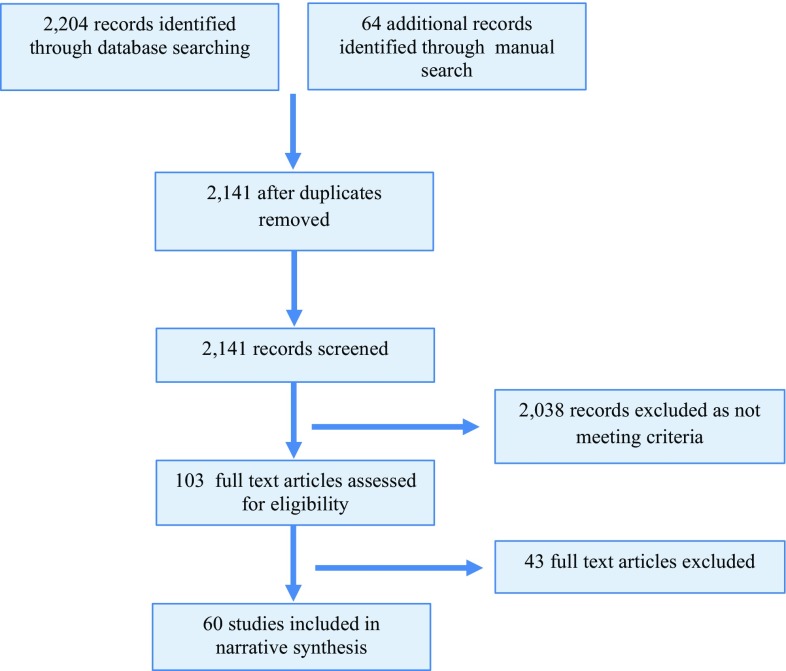
BACKGROUND: The physical impacts of elite sport participation have been well documented; however, there is comparatively less research on the mental health and psychological wellbeing of elite athletes. OBJECTIVE: This review appraises the evidence base regarding the mental health and wellbeing of elite-level athletes, including the incidence and/or nature of mental ill-health and substance use. METHODS: A systematic search of the PubMed, EMBASE, SPORTDiscus, PsycINFO, Cochrane and Google Scholar databases, up to and including May 2015, was conducted. RESULTS: The search yielded a total of 2279 records. Following double screening, 60 studies were included. The findings suggested that elite athletes experience a broadly comparable risk of high-prevalence mental disorders (i.e. anxiety, depression) relative to the general population. Evidence regarding other mental health domains (i.e. eating disorders, substance use, stress and coping) is less consistent. These results are prefaced, however, by the outcome of the quality assessment of the included studies, which demonstrated that relatively few studies (25 %) were well reported or methodologically rigorous. Furthermore, there is a lack of intervention-based research on this topic. CONCLUSION: The evidence base regarding the mental health and wellbeing of elite athletes is limited by a paucity of high-quality, systematic studies. Nonetheless, the research demonstrates that this population is vulnerable to a range of mental health problems (including substance misuse), which may be related to both sporting factors (e.g. injury, overtraining and burnout) and non-sporting factors. More high-quality epidemiological and intervention studies are needed to inform optimal strategies to identify and respond to player mental health needs.
Overview
The claims and statistics of this paper haven’t been checked yet.
Run the check — free, no account needed. It reads the open-access text and checks the sources it cites.
Integrity signals
Registry
Cites
Statistics
Figures
Verification
Claims the paper makes
The claims and statistics of this paper haven’t been checked yet.
Run the check — free, no account needed. It reads the open-access text and checks the sources it cites.
Claims other papers make about this one
Each is checked against this paper’s own text: does it say what the citing paper says it does?
The cited source says what the claim attributes to it.
In the citing paper
“To date, research has primarily examined the mental health outcomes of elite athletes [15–18], with comparatively less research focusing on understanding these psychological experiences among coaches [19].”
From The Mental Health of Elite-Level Coaches: A Systematic Scoping Review (2024) · cites this paper as [17]
Self-check
Percentages, sums and reported differences re-computed from the paper’s own numbers.
The self-check needs the paper’s full text.
Citations
Cites
The prevalence and correlates of eating disorders in the National Comorbidity Survey Replication
Hudson, J. I., Hiripi, E., Pope, H. G., & Kessler, R. C. (2007) · Biological Psychiatry · doi:10.1016/j.biopsych.2006.03.040 · Cited by 4,973 · cited 1×
“However, there was a tendency for higher vulnerability to these conditions in athletes involved in sports requiring a particularly lean body shape [21, 35, 38– 40] and in female athletes [41–43]—the latter being consistent with the findings of general population studies [87].”
Mental health of young people: A global public-health challenge
Patel, V., Flisher, A. J., Hetrick, S., & McGorry, P. (2007) · The Lancet · doi:10.1016/s0140-6736(07)60368-7 · Cited by 3,126 · cited 1×
“Such models should capitalise on an early-intervention framework [102–104], ensuring early detection and prompt access to high-quality, evidence-based interventions.”
Self-citationYoung People’s Help-Seeking for Mental Health Problems
Rickwood, D., Deane, F. P., Wilson, C. J., & Ciarrochi, J. (2005) · Australian e-Journal for the Advancement of Mental Health · doi:10.5172/jamh.4.3.218 · Cited by 1,619 · cited 1×
“Importantly, the mental health of hard-to-engage populations, such as young men [107] and older men [108, 109], could be targeted.”
How Emotions Influence Performance in Competitive Sports
Lazarus, R. S. (2000) · The Sport Psychologist · doi:10.1123/tsp.14.3.229 · Cited by 1,085 · cited 1×
“The ways by which athletes appraise and cope with these stressors can be a powerful determinant of the impact the stressors have on both their mental health and their sporting success [18].”
Prevalence of Eating Disorders in Elite Athletes Is Higher Than in the General Population
Sundgot-Borgen, J. K., & Torstveit, M. K. (2004) · Clinical Journal of Sport Medicine · doi:10.1097/00042752-200401000-00005 · Cited by 1,077 · cited 2×
“Three reported a higher incidence of eating disorder or body dissatisfaction in elite athletes relative to controls [36], especially in sports emphasising leanness or lower body weight [21, 35].”
Defining elite athletes: Issues in the study of expert performance in sport psychology
Swann, C., Moran, A., & Piggott, D. (2015) · Psychology of Sport and Exercise · doi:10.1016/j.psychsport.2014.07.004 · Cited by 998 · cited 1×
“While the included studies focused specifically on elite-level competition at the national or international level, differences between the included sports in terms of training, remuneration, media pressure and other salient variables must be considered [89].”
PHYSICAL ACTIVITY AND MENTAL HEALTH: THE ASSOCIATION BETWEEN EXERCISE AND MOOD
Peluso, M. A. M., & Andrade, L. H. (2005) · Clinics · doi:10.1590/s1807-59322005000100012 · Cited by 804 · cited 1×
“…that physical activity has a positive effect on mental health [6, 7], a review has found that intense physical activity performed at the elite athlete level might instead compromise mental wellbeing, increasing symptoms of anxiety and depression through overtraining, injury and burnout [8].”
Psychology of the elite athlete: An exploratory study
Mahoney, M. J., & Avener, M. (1977) · Cognitive Therapy and Research · doi:10.1007/bf01173634 · Cited by 615 · cited 1×
“Mahoney and Avener [80] Quantitative; crosssectional, observational Psychological factors and cognitive strategies 12 (12:0) Gymnastics; USA Self-verbalisations and certain forms of mental imagery differentiated Olympic-level and nonOlympic-level gymnasts.”
Gulliver, A., Griffiths, K. M., & Christensen, H. (2012) · BMC Psychiatry · doi:10.1186/1471-244x-12-157 · Cited by 611 · cited 3×
“Given that stigma, poor mental health literacy and negative past experiences of mental health help seeking are key barriers for elite athletes [12], more welldesigned studies, drawing on larger samples, are needed.”
Coping in sport: A systematic review
Nicholls, A. R., & Polman, R. C. J. (2006) · Journal of Sports Sciences · doi:10.1080/02640410600630654 · Cited by 575 · cited 1×
“Such an understanding is required to provide guidance for sport practitioners—including coaches, medical staff and sport psychologists—in developing the coping abilities of elite athletes and, in turn, improving their emotional wellbeing [20].”
Research works printed but not linked: 3
- Maestu J, Jurimae J, Jurimae T. Psychological and biochemical markers of heavy training stress in highly trained male rowers. Med dello Sport. 2003;56(2):95–101.
- Hainline B. Mind, body and sport: understanding and supporting student-athlete mental wellness. Indianapolis: National Collegiate Athletic Association; 2014.
- Thompson R, Sherman R. Managing student-athletes’ mental health issues. Indianapolis: National Collegiate Athletic Association; 2007.
Cited by
Sorted by citations
Items 201–300 of 1,000
Recreational Screen Time and Anxiety among College Athletes: Findings from Shanghai
Gao, Y., Fu, N., Mao, Y., & Shi, L. (2021) · International Journal of Environmental Research and Public Health · doi:10.3390/ijerph18147470 · Cited by 19
“Numerous studies conducted in different countries yielded consistent results that elite athletes experience a higher risk of mental disorders such as anxiety and depression [5].”
BackgroundResultInfluentialSupporting The Mental Health Of Elite‐Level Coaches Through Early Intervention
Frost, J., Walton, C. C., Purcell, R., & Rice, S. (2023) · Arthroscopy Sports Medicine and Rehabilitation · doi:10.1016/j.asmr.2023.04.017 · Cited by 28
Self-citationUsing Gratitude to Promote Sport Injury–Related Growth
Salim, J., & Wadey, R. (2019) · Journal of Applied Sport Psychology · doi:10.1080/10413200.2019.1626515 · Cited by 24
“Given the increased research attention on athletes’ well-being (Henriksen et al., 2019; Rice et al., 2016), we believe this study to be timely.”
BackgroundWagemans, J., Catteeuw, P., Vandenhouten, J., Jansen, J., de Corte, X., Ceusters, C., & Vissers, D. K. (2021) · Frontiers in Sports and Active Living · doi:10.3389/fspor.2021.803130 · Cited by 23
“Additional to physical performance, elite athletes need mental resilience to cope with training loads, performance demands and constant pressure from their environment, such as media, teammates, fans and family (Rice et al., 2016).”
BackgroundReversal theory-based sport and exercise research: A systematic/narrative review
Hudson, J., Males, J. R., & Kerr, J. (2016) · Psychology of sport and exercise · doi:10.1016/j.psychsport.2016.08.008 · Cited by 23
The high-performance sport environment: laying the foundation for a new research topic
Schlawe, A., Christiansen, A. V., & Henriksen, K. (2025) · Frontiers in Sports and Active Living · doi:10.3389/fspor.2025.1503199 · Cited by 31
“While elite athletes experience psychological distress at rates comparable to the general population, they also face unique stressors associated with high-performance sport (28).”
O’Keeffe, S., Chéilleachair, N. N., Campbell, M. J., & O’Connor, S. (2021) · Research Quarterly for Exercise and Sport · doi:10.1080/02701367.2020.1865517 · Cited by 28
“Injury is regarded as a noteworthy stressor that can exacerbate mental health issues in athletes (Ardern et al., 2013; Gulliver et al., 2015; Nixdorf et al., 2013; Rice et al., 2016; Sarkar & Fletcher, 2014; Walker et al., 2007).”
BackgroundOliveira, S., Cunha, M. I. V. A., Rosado, A. F. B., & Ferreira, C. (2021) · Journal of Clinical Sport Psychology · doi:10.1123/jcsp.2020-0058 · Cited by 23
“1 Unauthenticated | Downloaded 04/05/22 06:22 AM UTC Athletes’ mental health has received increased attention in the sports community (Chang et al., 2020; Rice et al., 2016).”
BackgroundInfluentialBentzen, M., Kenttä, G., Karls, T., & Fagher, K. (2022) · Frontiers in Sports and Active Living · doi:10.3389/fspor.2022.945073 · Cited by 28
“Overall, there is a paucity in the literature concerning the epidemiology of mental distress in elite Para athletes (33), and an improved understanding would allow us to better develop and implement preventive measures targeting Para athletes.”
BackgroundTelemedicine-Rehabilitation and Virtual Reality in Orthopaedics and Sports Medicine
Lal, H., Mohanta, S., Kumar, J., Patralekh, M. K., Lall, L., Katariya, H., & Arya, R. K. (2022) · Indian Journal of Orthopaedics · doi:10.1007/s43465-022-00766-6 · Cited by 26
Lundqvist, C., Schary, D. P., Jacobsson, J., Korhonen, L., & Timpka, T. (2024) · Journal of science and medicine in sport · doi:10.1016/j.jsams.2024.05.001 · Cited by 27
Coach Support of High School Student-Athletes Struggling With Anxiety or Depression
Kroshus, E., Chrisman, S. P. D., Coppel, D. B., & Herring, S. A. (2018) · Journal of Clinical Sport Psychology · doi:10.1123/jcsp.2018-0004 · Cited by 22
Sport Psychology Consultants’ Perspectives on Facilitating Sport-Injury-Related Growth
Wadey, R., Roy-Davis, K., Evans, L., Howells, K., Salim, J., & Diss, C. E. (2019) · The Sport Psychologist · doi:10.1123/tsp.2018-0110 · Cited by 22
Abbott, W., Brownlee, T. E., Harper, L. D., Naughton, R. J., Richardson, A., & Clifford, T. (2019) · European Journal of Sport Science · doi:10.1080/17461391.2019.1600586 · Cited by 22
“…and career transitions are the main risk factors for developing mental health problems in elite athletes (Schinke, Stambulova, Si, & Moore, 2017; Rice et al., 2016; Junge & Prinz, 2018; Junge & Feddermann-Demont, 2016; Gouttebarge, Aoki, et al., 2015, Gouttebarge, Frings-Dresen, et al., 2015).”
BackgroundTorrontegui‐Duarte, M., Gijón-Noguerón, G., Perez-Frias, J. C., Morales‐Asencio, J. M., & Luque-Suárez, A. (2019) · Physical Therapy in Sport · doi:10.1016/j.ptsp.2019.11.008 · Cited by 22
Bullock, G. S., Collins, P. G. S., Peirce, N., Arden, N., & Filbay, S. R. (2020) · Health and Quality of Life Outcomes · doi:10.1186/s12955-020-01301-7 · Cited by 28
Rice, S., Butterworth, M., Clements, M., Josifovski, D., Arnold, S., Schwab, C., Pennell, K., & Purcell, R. (2020) · Case Studies in Sport and Exercise Psychology · doi:10.1123/cssep.2019-0016 · Cited by 26
Self-citationBenau, E. M., Wiatrowski, R., & Timko, C. A. (2020) · Frontiers in Psychology · doi:10.3389/fpsyg.2020.01646 · Cited by 25
“Although published studies including male athletes are less common, men and boys may be at greater risk of disordered eating than women and girls when the type of sport, social environment of teams, assessment used, and specific disordered eating behaviors are examined (Baum, 2006; Papathomas and Lavallee, 2012; Papat…”
BackgroundCollegiate Student-Athlete Psychological Distress and Counseling Utilization During COVID-19
Slavin, L. E., Palmateer, T. M., Petrie, T. A., & Moore, E. W. G. (2022) · Journal of Clinical Sport Psychology · doi:10.1123/jcsp.2021-0091 · Cited by 26
Hernández, J. G., Capilla-Díaz, C., & López, M. G. (2019) · Frontiers in Psychology · doi:10.3389/fpsyg.2019.01605 · Cited by 28
“In contrast, dysfunctional impulsiveness processes have been described when there is low emotional quality (De Silva et al., 2016; MacKillop et al., 2016), lack of impulse control (Smillie and Jackson, 2006; Donovan et al., 2014; Harden et al., 2017) and disruptive behavior (Renee-Renda et al.,…”
BackgroundMcLoughlin, E., Arnold, R., Fletcher, D., Spahr, C. M., Slavich, G. M., & Moore, L. J. (2021) · Psychology of sport and exercise · doi:10.1016/j.psychsport.2021.102078 · Cited by 24
“poor health—namely, overtraining; excessive external pressure to perform; underperformance; non-selection; training while injured; injury; coach-athlete relationship difficulties; and bullying (Rice et al., 2016).”
BackgroundTerres-Barcala, L., Albaladejo-Blázquez, N., Aparicio‐Ugarriza, R., Ruiz‐Robledillo, N., Zaragoza-Martí, A., & Ferrer‐Cascales, R. (2022) · International Journal of Environmental Research and Public Health · doi:10.3390/ijerph19063223 · Cited by 27
The impact of mental health literacy initiatives on youth elite athletes: A systematic review
Diamond, S., Wallace, L., English, M., & Caperchione, C. M. (2022) · Performance Enhancement & Health · doi:10.1016/j.peh.2022.100226 · Cited by 28
Mansell, P. C., & Turner, M. J. (2023) · Frontiers in Psychology · doi:10.3389/fpsyg.2023.1140790 · Cited by 30
“This may include organisational stressors (e.g., disrupted sleep patterns) and personal stressors (e.g., maintenance of relationships; Rice et al., 2016), but it is competitive stressors that may particularly increase their experience of stress.”
BackgroundPersonality traits and sporting level of athletes
Piepiora, P. A. (2024) · Physical Education of Students · doi:10.15561/20755279.2024.0302 · Cited by 21
“Therefore, it should be noted that these emotional states can become habitual and ingrained in the athlete [42].”
BackgroundEarly Sports Specialization: An International Perspective
Smith, A. D., Alleyne, J., Pitsiladis, Y. P., Schneider, C., Kenihan, M., Constantinou, D., & Webborn, N. (2017) · Current Sports Medicine Reports · doi:10.1249/jsr.0000000000000425 · Cited by 21
“Although a study of adult elite athletes suggests they have similar incidence of depression to non-athletes (32), a similar study of young athletes is just beginning (10).”
ResultSelf-Efficacy and Depression in Boxers: A Mediation Model
Chen, X., Nan, Q., Chen, C., Wang, D., Zhang, G., & Zhai, L. (2020) · Frontiers in Psychiatry · doi:10.3389/fpsyt.2020.00791 · Cited by 25
“While the exact prevalence of depression among elite athletes is still unclear (2, 3) and often underestimated (8), the extent to which depressive symptoms occur among them is currently considered comparable (9, 10) or higher (11) to that among the general population.”
BackgroundCompulsive exercise and mental health challenges in fitness instructors; presence and interactions
Gjestvang, C., Bratland‐Sanda, S., & Mathisen, T. F. (2021) · Journal of Eating Disorders · doi:10.1186/s40337-021-00446-0 · Cited by 20
“16 to 22%) [20] and somewhat higher than former research among elite athletes, yet error estimates require caution with conclusion of differences between instructors and athletes [21, 22].”
ResultWalton, C. C., Purcell, R., & Rice, S. (2019) · Early Intervention in Psychiatry · doi:10.1111/eip.12857 · Cited by 25
Self-citationŞenel, E., Küttel, A., Adiloğulları, İ., & Jowett, S. (2025) · Psychology of sport and exercise · doi:10.1016/j.psychsport.2025.102850 · Cited by 27
Gambling at Work: A Qualitative Study of Swedish Elite Athletes, Coaches, and Managers
Vinberg, M., Wetterborg, D., & Enebrink, P. (2021) · Journal of Gambling Studies · doi:10.1007/s10899-021-10007-4 · Cited by 21
Use of psychotropic substances among elite athletes – a narrative review
Exner, J., Bitar, R., Berg, X., Pichler, E. M., Herdener, M., Seifritz, E., & Claussen, M. C. (2021) · Swiss Medical Weekly · doi:10.4414/smw.2021.20412 · Cited by 25
Training load monitoring in team sports: a practical approach to addressing missing data
Griffin, A., Kenny, I., Comyns, T., Purtill, H., Tiernan, C., O'Shaughnessy, E., & Lyons, M. (2021) · Jurnal sport science · doi:10.1080/02640414.2021.1923205 · Cited by 17
“Injury has known detrimental effects on player welfare (Gouttebarge et al., 2016; Manley et al., 2017; McCrory et al., 2017; Rice et al., 2016) and team and individual athletic performance (Drew et al.”
Grasdalsmoen, M., Clarsen, B. M., & Sivertsen, B. (2022) · Frontiers in Sports and Active Living · doi:10.3389/fspor.2022.817757 · Cited by 22
“While some studies have reported prevalence rates of mental disorders and substance use disorder to be higher or comparable to the general population (Schaal et al., 2011; Rice et al., 2016; Gouttebarge et al., 2019; Akesdotter et al., 2020; Purcell et al., 2020), other studies have found lower suicide rates when comp…”
ResultWhat do we know about the effects of mental training applied to combat sports? A systematic review
Andreato, L. V., dos Santos, M. G., & Andrade, A. (2022) · Psychology of sport and exercise · doi:10.1016/j.psychsport.2022.102267 · Cited by 20
Hilpisch, C., Krüger, K., Raab, M., Wiese, L., Zentgraf, K., & Mutz, M. (2024) · International Review for the Sociology of Sport · doi:10.1177/10126902241248767 · Cited by 31
“In line with previous research (Goodger et al., 2007; Gustafsson et al., 2017; Rice et al., 2016; Röthlin et al., 2023; Woods et al., 2022), our fi ndings add to the literature on the protective nature of social support, suggesting that the perceived emotional, motivational and practical support…”
Depression in Ultra-endurance Athletes, A Review and Recommendations
Onate, J. (2018) · Sports Medicine and Arthroscopy Review · doi:10.1097/jsa.0000000000000233 · Cited by 20
The Talent Paradox: Disenchantment, Disengagement, and Damage Through Sport
Massey, W. V., & Whitley, M. A. (2020) · Sociology of Sport Journal · doi:10.1123/ssj.2019-0159 · Cited by 19
Anonymous vs. non-anonymous administration of depression scales in elite athletes: a meta-analysis
Harenberg, S., Ouellet-Pizer, C. M., Nieto, M., Kuo, L., Vosloo, J., Keenan, L., & Wilson, S. E. (2022) · International Review of Sport and Exercise Psychology · doi:10.1080/1750984x.2022.2095658 · Cited by 19
“Regardless of the magnitude of prevalence, the consensus has been that athlete status is likely not a protective factor against depressive symptoms (Bar & Markser, 2013; Rice et al., 2016).”
A Systems Theory of Mental Health in Recreational Sport
Vella, S. A., Schweickle, M. J., Sutcliffe, J., Liddelow, C., & Swann, C. (2022) · International Journal of Environmental Research and Public Health · doi:10.3390/ijerph192114244 · Cited by 28
“the mental health of elite athletes [8]; mental health interventions in non-elite sport [9]; psychotherapy for mental health symptoms and disorders in elite athletes [10]; mental health literacy interventions in sport [11]; and associations between depression and anxiety symptoms and participation in youth sports [12].”
BackgroundAre eSports players comparable to traditional athletes? A cross-sectional study
Carrani, L. M., Baena-Riera, A., Altarriba-Bartés, A., Gil-Puga, B., Piedra, A., Piniés-Penadés, G., Casals, M., & Peña, J. (2022) · Aloma: revista de psicologia, ciències de l'educació i de l'esport Blanquerna · doi:10.51698/aloma.2022.40.2.83-92 · Cited by 19
“Additionally, elite athletes may be exposed to specific sporting and non-sporting stressors that could increase their vulnerability to mental health problems (Palanichamy et al., 2020; Rice et al., 2016).”
Athletes are not at greater risk for death by suicide: A review
Pichler, E. M., Ewers, S. M., Ajdacic‐Gross, V., Deutschmann, M., Exner, J., Kawohl, W., Seifritz, E., & Claussen, M. C. (2023) · Scandinavian Journal of Medicine and Science in Sports · doi:10.1111/sms.14316 · Cited by 23
Singh, A., Arora, M. K., & Boruah, B. (2024) · Scientific Reports · doi:10.1038/s41598-024-53065-5 · Cited by 19
Mental Health Symptoms Related to Body Shape Idealization in Female Fitness Physique Athletes
Mathisen, T. F., & Sundgot-Borgen, J. K. (2019) · Sports · doi:10.3390/sports7110236 · Cited by 27
“Furthermore, athletes competing in aesthetic sports seem to be more likely to report mental health symptoms or disorders compared to other athletes [8].”
BackgroundHernández, J. G., López-Mora, C., Yüce, A., López, A. N., & Tovar-Gálvez, M. I. (2021) · Frontiers in Psychology · doi:10.3389/fpsyg.2021.622529 · Cited by 21
Ojio, Y., Kawamura, S., Horiguchi, M., & Gouttebarge, V. (2023) · Sports Psychiatry · doi:10.1024/2674-0052/a000059 · Cited by 20
Slingerland, K. J. V., Durand‐Bush, N., & Kenttä, G. (2019) · Journal of Applied Sport Psychology · doi:10.1080/10413200.2019.1704938 · Cited by 23
Si, G., Li, X., Huang, Z., Wang, D., Wang, Y., Liu, J., Liu, H., Zhao, D., Bu, D., & Zhang, C. (2021) · International Journal of Sport and Exercise Psychology · doi:10.1080/1612197x.2021.1907769 · Cited by 20
“Indeed, there are several sport-specific issues such as injuries, overtraining, burnout, and retirement that might lead athletes more susceptible to mental health disorders (Rice et al., 2016).”
Problem Gambling and Problem Gaming in Elite Athletes: a Literature Review
Håkansson, A., Durand‐Bush, N., & Kenttä, G. (2021) · International Journal of Mental Health and Addiction · doi:10.1007/s11469-021-00692-y · Cited by 26
“However, in line with the increased attention on mental health in elite athletes (Reardon & Factor, 2010; Reardon et al., 2019; Rice et al., 2016; Schinke et al., 2018), it remains to be fully understood how prevalent problem gambling is among athletes at the elite level.”
BackgroundPsychological Vulnerability Associated With Stress Coping Strategies in Japanese University Athletes
Yamaguchi, S., Kawata, Y., Murofushi, Y., Shibata, N., & Ota, T. (2022) · Journal of Clinical Sport Psychology · doi:10.1123/jcsp.2021-0084 · Cited by 18
“Athletes have increased mental health risk factors compared with nonathlete populations, which can be attributed to high training loads, tough competition, and stressful lifestyles (Gorczynski et al., 2017; Rice et al., 2016).”
BackgroundLima, Y., Denerel, N., Devran, S., Rice, S., & Bayraktar, B. (2022) · Research in Sports Medicine · doi:10.1080/15438627.2022.2102917 · Cited by 17
“Thus, in recent years, there has been a growing interest in athletes’ MH. Studies show that elite athletes suffer from various MH problems such as depression, anxiety, and stress at similar or slightly more rates to the general population (Rice et al., 2016).”
BackgroundSelf-citationMcGraw, S. A., Deubert, C., Lynch, H. F., Nozzolillo, A. A., Taylor, L., & Cohen, I. G. (2018) · Journal of Clinical Sport Psychology · doi:10.1123/jcsp.2017-0051 · Cited by 18
Tahtinen, R. E., & Kristjánsdóttir, H. (2018) · Journal of Clinical Sport Psychology · doi:10.1123/jcsp.2017-0028 · Cited by 18
Mental Health Services for Canadian University Student-Athletes: An Exploratory Survey
Giovannetti, S., Robertson, J. R. G., Colquhoun, H. L., & Malachowski, C. (2018) · Journal of Clinical Sport Psychology · doi:10.1123/jcsp.2018-0048 · Cited by 18
Sullivan, P., Murphy, J., & Blacker, M. (2019) · Journal of Applied Sport Psychology · doi:10.1080/10413200.2019.1702119 · Cited by 18
“…awareness of mental health has increased, so too has the interest in the mental health of athletes (Henriksen et al., 2019; Moesch et al., 2018; Rice et al., 2016; National Collegiate Athletic Association (NCAA), 2017) and student athletes (Davoren & Hwang, 2014; L opez & Levy, 2013; Miller &…”
BackgroundKonietzny, K., Chehadi, O., Levenig, C. G., Kellmann, M., Kleinert, J., Mierswa, T., & Hasenbring, M. I. (2019) · European Journal of Pain · doi:10.1002/ejp.1387 · Cited by 20
“Furthermore, athletes are likely to experience a high number of exercise‐ and career‐related as well as everyday stressors (Heidari, Hasenbring, Kleinert, & Kellmann, 2017; Heidari et al., 2018; Rao & Hong, 2016; Rice et al., 2016).”
BackgroundInfluentialTraining Load Monitoring in Amateur Rugby Union: A Survey of Current Practices
Griffin, A., Kenny, I., Comyns, T., & Lyons, M. (2020) · Journal of Strength and Conditioning Research · doi:10.1519/jsc.0000000000003637 · Cited by 18
“Injury has a detrimental effect on player welfare, health, and lifestyle, including an increased risk of distress, anxiety, sleep disturbance, depression (35), cognitive impairment (30), and financial cost due to loss of employment (20).”
BackgroundLiu, X., Yang, X., Hou, Z., Ma, M., Jiang, W., Wang, C., Zhang, Y., & Yuan, Y. (2018) · Brain Imaging and Behavior · doi:10.1007/s11682-018-9948-3 · Cited by 17
Alejo, A. A., Aidar, F. J., de Matos, D. G., dos Santos, M. D., Silva, D. D. S., de Souza, R. F., dos Santos, J. L., Souza, L. M. V., Costa, C. F. T., & Nunes-Silva, A. (2020) · Revista Brasileira de Medicina do Esporte · doi:10.1590/1517-869220202602218943 · Cited by 17
Diverse paradigms and stories: mapping ‘mental illness’ in athletes through meta-study
Vargas, M. L. F. P., Papathomas, A., Williams, T. L., Kinnafick, F., & Rhodes, P. (2021) · International Review of Sport and Exercise Psychology · doi:10.1080/1750984x.2021.2001840 · Cited by 17
“Rice et al. (2016) reviewed primarily prevalence and risk factor studies on mental health in athletes, with the major fi nding, again, being elite athletes experience a comparable risk of mental illness to general populations.”
BackgroundMethodInfluentialMental health difficulties among professional footballers
Woods, G., McCabe, T., & Mistry, A. (2022) · Sports Psychiatry · doi:10.1024/2674-0052/a000010 · Cited by 21
“Reviews of previous studies of athlete groups have identified key transition points, chiefly injury and retirement, as vulnerable periods for the development of psychological morbidity [ 61 , 62 ].”
BackgroundYear-round longitudinal health surveillance in UK Olympic Summer Sport Athletes 2016–2019
Ranson, C., Wootten, M., Biswas, A., Herrington, L. C., Gallimore, D., Jackson, P. D., Taylor, A., Spencer, S., Hull, J. H., & McCaig, S. (2023) · British Journal of Sports Medicine · doi:10.1136/bjsports-2022-105992 · Cited by 17
Moseid, N. F. H., Lemyre, P. N., Roberts, G. C., Fagerland, M. W., Moseid, C. H., & Bahr, R. (2023) · BMJ Open Sport & Exercise Medicine · doi:10.1136/bmjsem-2022-001514 · Cited by 17
Davies, R. M., Knoll, M. A., & Kyranides, M. N. (2023) · Psychology of sport and exercise · doi:10.1016/j.psychsport.2023.102560 · Cited by 20
The Team Denmark applied model of athlete mental health
Henriksen, K., Diment, G. M., & Küttel, A. (2023) · International Journal of Sport and Exercise Psychology · doi:10.1080/1612197x.2023.2281525 · Cited by 26
“Despite methodological and conceptual di ffi culties (Lundqvist and Andersson 2021), there is consensus that athletes su ff er from common mental disorders at rates that are broadly comparable to their non-sporting peers (Gouttebarge et al. 2019; Rice et al. 2016; Tahtinen, Shelley, and Morris 2021).”
Bento, T., Vitorino, A., Cid, L., Monteiro, D., & Couto, N. (2024) · Sports · doi:10.3390/sports12100279 · Cited by 22
“Effectively, factors related to both sporting factors and non-sporting factors can compromise mental health and well-being [8].”
BackgroundHealth promotion by International Olympic Sport Federations: priorities and barriers
Mountjoy, M. L., Junge, A., Budgett, R., Doerr, D., Léglise, M., Miller, S., Moran, J., & Foster, J. (2019) · British Journal of Sports Medicine · doi:10.1136/bjsports-2018-100202 · Cited by 17
Tahtinen, R. E., McDougall, M., Feddersen, N. B., Tikkanen, O., Morris, R., & Ronkainen, N. J. (2019) · Journal of Clinical Sport Psychology · doi:10.1123/jcsp.2019-0039 · Cited by 18
“…Rosen, & Leitenberg, 1988), it is not until recently that 25 literature reviews on the topic have emerged (Armstrong, Burcin, Bjerke, & Early, 2015; 26 Frank, Nixdorf, & Beckmann, 2015; Gorczynski, Coyle, & Gibson, 2017; Gouttebarge et al., 27 2019; Rice et al., 2016; Wolanin, Gross, & Hong, 2015).”
BackgroundCommon mental disorders among Irish jockeys: prevalence and risk factors
King, L., Cullen, S., O’Connor, S., McGoldrick, A., Pugh, J., Warrington, G. D., Woods, G., Nevill, A. M., & Losty, C. (2020) · The Physician and Sportsmedicine · doi:10.1080/00913847.2020.1808435 · Cited by 17
“susceptibility of elite athletes to CMDs [9], with athletes placed under intense physiological and psychological pressure, competing at an age when the incidence of CMDs is most likely to occur [10].”
BackgroundMethodA Comparative Study of Sleep and Mood Between Young Elite Athletes and Age-Matched Controls
Harris, A., Gundersen, H. S., Andreassen, P. M., Thun, E., Bjorvatn, B., & Pallesen, S. (2017) · Journal of Physical Activity and Health · doi:10.1123/jpah.2016-0513 · Cited by 17
A Review of the Sport-Injury and -Rehabilitation Literature: From Abstraction to Application
Hess, C. W., Gnacinski, S. L., & Meyer, B. B. (2018) · The Sport Psychologist · doi:10.1123/tsp.2018-0043 · Cited by 18
Pacific Youth: Local and Global Futures
Lee, H. (2019) · ANU Press eBooks · doi:10.22459/py.2019 · Cited by 17
Ma, Y., & Mumtaz, S. (2025) · Frontiers in Psychiatry · doi:10.3389/fpsyt.2025.1678367 · Cited by 48
“Furthermore, inadequate psychological support during rehabilitation often leads to poor coping strategies, including substance use or training avoidance (8).”
InfluentialShannon, S., Prentice, G., & Breslin, G. (2021) · Journal of Sport and Exercise Psychology · doi:10.1123/jsep.2019-0295 · Cited by 20
“…(e.g., playing through injury, intense physical training), personal matters (e.g., constrained friendship or family life), and organisational issues (e.g., travel, finance) manifest in both elite (Rice et al., 2016), and non-14 elite athletes (Breslin, Shannon, Haughey, Donnelly & Leavey, 2017).”
BackgroundAnxiety and Depression during COVID-19 in Elite Rugby Players: The Role of Mindfulness Skills
Myall, K., Montero‐Marín, J., & Kuyken, W. (2021) · International Journal of Environmental Research and Public Health · doi:10.3390/ijerph182211940 · Cited by 16
“During times of increased stress, athletes have been shown to have higher rates of mental health disorders than the general population [7].”
BackgroundSports Injuries of a Portuguese Professional Football Team during Three Consecutive Seasons
Martins, F., França, C., Marques, A., Iglésias, B., Sarmento, H., Henriques, R., Ihle, A., Lopes, H., Ornelas, R., & Gouveia, É. R. (2022) · International Journal of Environmental Research and Public Health · doi:10.3390/ijerph191912582 · Cited by 16
“Football is known for its fast-paced and intensive activities from a professional standpoint [1,2], which certainly contributes to a higher injury risk during the season [3].”
BackgroundLewis, K. J., Walton, C. C., Slemp, G. R., & Osborne, M. S. (2022) · Mindfulness · doi:10.1007/s12671-022-01990-9 · Cited by 24
“In competitive sport, there are multiple external and internal stressors that can obstruct peak performance and well-being, including competitive and selection pressures, injuries, burnout, and maladaptive perfectionism (Reardon et al., 2019; Rice et al., 2016; Walton et al., 2021).”
BackgroundBody composition variations between injured and non-injured professional soccer players
Martins, F., França, C., Henriques, R., Ihle, A., Przednówek, K., Marques, A., Lopes, H., Sarmento, H., & Gouveia, É. R. (2022) · Scientific Reports · doi:10.1038/s41598-022-24609-4 · Cited by 17
Aldanyowi, S. N., & Aloraini, L. I. (2024) · Orthopedic Research and Reviews · doi:10.2147/orr.s460748 · Cited by 24
Sport anxiety and subjective happiness of college athletes: a self-determination theory perspective
Zhang, Z., Chen, X., Xu, L., Qin, X., & Veloo, A. (2024) · Frontiers in Psychology · doi:10.3389/fpsyg.2024.1400094 · Cited by 16
“Elite athletes also demonstrate increased susceptibility to depression and anxiety during times of heightened stress (Rice et al., 2016).”
BackgroundRäikkönen, T., & Hedman, J. (2024) · International Journal of Sport Policy and Politics · doi:10.1080/19406940.2024.2396836 · Cited by 19
“2015, Rice et al .”
Gervis, M., Pickford, H., & Hau, T. (2018) · Journal of Clinical Sport Psychology · doi:10.1123/jcsp.2018-0049 · Cited by 16
Farrugia, M. A., Garf, S. L., Chierici, A. P., Piche, T., Gual, P., Iannelli, A., & Anty, R. (2023) · Metabolites · doi:10.3390/metabo13030330 · Cited by 16
“, increasing the secretion of antioxidant species and the activation of enzymes involved in the antioxidant response [21]) and thereby neutralizes reactive oxygen species.”
BackgroundStansen, C., & Chambers, T. P. (2017) · Qualitative Research in Sport Exercise and Health · doi:10.1080/2159676x.2017.1397540 · Cited by 16
Hegarty, E., Weight, E. A., & Register‐Mihalik, J. K. (2018) · BMJ Open Sport & Exercise Medicine · doi:10.1136/bmjsem-2018-000339 · Cited by 16
Seo, E., Kim, H., Sim, Y., Ha, M.-S., Kim, U., & Kim, H. (2022) · International Journal of Environmental Research and Public Health · doi:10.3390/ijerph19105912 · Cited by 15
“Under such profit-oriented leadership, athletes are often exhausted by intense physical and mental demands and are stressed by having to deal with public scrutiny, abrasive group dynamics, and the constant exposure to career-terminating or life-altering injury risks [6].”
BackgroundZhong, Z., Jiang, H., Wang, H., & Liu, Y. (2025) · Behavioral Sciences · doi:10.3390/bs15030298 · Cited by 28
“Athletes who remain in these negative psychological and physical states are at a much higher risk of engaging in extreme behaviors, such as suicide or self-harm, which can lead to the premature end of their careers (Baum, 2005; Rice et al., 2016).”
Yi, S., Zhao, Y., & Yang, J. (2025) · Frontiers in Psychology · doi:10.3389/fpsyg.2025.1565998 · Cited by 22
“…which may be attributed to several key factors: (1) while positive emotions are often directly triggered by success experiences, negative emotions can stem from multiple sources, including fear of failure, social comparison pressure, and unrealistic expectations (Hanin, 2007; Rice et al., 2016).”
Reardon, C. L., Gorczynski, P. F., Hainline, B. W., Hitchcock, M., Purcell, R., Rice, S., & Walton, C. C. (2021) · Advances in Psychiatry and Behavioral Health · doi:10.1016/j.ypsc.2021.05.010 · Cited by 19
Self-citationLifestyle challenges and mental health of professional tennis players: an exploratory case study
Shrom, S. J., Cumming, J., & Fenton, S. (2022) · International Journal of Sport and Exercise Psychology · doi:10.1080/1612197x.2022.2099947 · Cited by 18
“…having been undertaken to attempt to quantify and classify the nature and prevalence of mental illness within sport (Gorczynski et al., 2017; Rice et al., 2016), Henriksen et al. (2020a) recently argued for the importance of focusing on mental health in addition to mental illness and…”
BackgroundEverard, C., Wadey, R., Howells, K., & Day, M. C. (2022) · Journal of Applied Sport Psychology · doi:10.1080/10413200.2022.2140225 · Cited by 15
“athletic career potential can be devastating (Rice et al., 2016).”
Najafabadi, M. G., Shariat, A., Anastasio, A. T., Khah, A. S., Shaw, I., & Kavianpour, M. (2023) · Journal of Exercise Rehabilitation · doi:10.12965/jer.2346216.108 · Cited by 15
Driller, M. W., & Leabeater, A. J. (2023) · Sports · doi:10.3390/sports11110213 · Cited by 15
“Given the high prevalence of mental health problems in elite athletes and growing awareness of the role that psychological wellbeing plays in long-term sporting success, this may be a pertinent area for future research [91].”
BackgroundGill, V. S., Sullivan, G. R., Stearns, H., Tummala, S. V., Haglin, J. M., Economopoulos, K. J., Marks, L. A., & Chauhan, M. (2024) · Sports Medicine · doi:10.1007/s40279-024-01998-2 · Cited by 22
“A different systematic review found major depressive disorder to be no more likely in athletes than non-athletes [22], while another systematic review found comparable levels of anxiety between elite athletes and the general population [48].”
Boldi, A., Rapp, A., & Birk, M. (2024) · International journal of human computer interactions · doi:10.1080/10447318.2024.2423343 · Cited by 16
“On the other hand, as emphasized by research in both traditional sports (e.g., Rice et al., 2016) and esports (Freeman & Wohn, 2019; Himmelstein et al., 2017; Kou & Gui, 2020) a positive organizational climate, fostered by coaches and teams, can help athletes manage competitive pressures.”
Eating Disturbances in Competitive Lightweight and Heavyweight Rowers
Kraus, U., Holtmann, S. C., & Legenbauer, T. (2018) · Journal of Clinical Sport Psychology · doi:10.1123/jcsp.2016-0042 · Cited by 15
Archers’ experiences of target panic: an interpretative phenomenological analysis
Prior, E., & Coates, J. K. (2019) · Qualitative Research in Sport Exercise and Health · doi:10.1080/2159676x.2019.1599061 · Cited by 15
“Elite athletes execute well-practiced skills with minimal attention or conscious effort (Bennett et al. 2015); however, they experience significant demands which can impact their personal and professional well-being (Rice et al. 2016).”
BackgroundChambers, T. P., Harangozo, G., & Mallett, C. J. (2019) · Qualitative Research in Sport Exercise and Health · doi:10.1080/2159676x.2019.1605404 · Cited by 15
“Given that the age range for athletic peak performance coincides with the peak age for the greatest risk of the onset of mental health issues, it is appropriate to provide athletes with wellbeing support (Rice et al. 2016).”
BackgroundTypes of Cognitive Appraisal and Undertaken Coping Strategies during Sport Competitions
Litwic-Kamińska, K. (2020) · International Journal of Environmental Research and Public Health · doi:10.3390/ijerph17186522 · Cited by 15
The Athlete’s Paradox: Adaptable Depression
Foryś, W. J., & Tokuhama‐Espinosa, T. (2022) · Sports · doi:10.3390/sports10070105 · Cited by 20
“Last but not least, social stigma around depression, especially in athletic culture, could lead to under-reporting and not prioritizing this issue [87].”
BackgroundInfluential
Metadata
- Authors
- Rice, S. M., Purcell, R., De Silva, S., Mawren, D., McGorry, P. D., & Parker, A. G.
- Affiliations
- The University of Melbourne (AU)
- Orygen (AU)
- Corresponding author
- Rice, Simon M.
- Venue
- Sports Medicine
- Published
- 2016-02-20
- Volume
- 46
- Issue
- 9
- Pages
- 1333-1353
- ISSN
- 0112-1642 (ISSN-L)
- 1179-2035
- PMC
- PMC4996886
- OpenAlex
- W2278084024
- Cited by
- 1,205
- References
- 110
- Citations by year
- 2026: 175 · 2025: 161 · 2024: 157 · 2023: 148 · 2022: 155 · 2021: 129 · 2020: 105 · 2019: 74 · 2018: 64 · 2017: 27 · 2016: 10
- FWCI
- 10.78
- Type
- journal article
- Language
- en
- Open access
- hybrid
- doi.org
- Locations
- Sports Medicine (publishedVersion, cc-by)
- PubMed Central (publishedVersion, cc-by)
- PubMed (publishedVersion)
- Victoria University Research Repository (Victoria University) (submittedVersion, cc-by)
- Minerva Access (University of Melbourne) (submittedVersion, cc-by)
- Swinburne figshare (Swinburne University of Technology) (submittedVersion, cc-by)
- Funders
- Society for Mental Health Research (Early Career Fellowship)
- Topics
- Social Sciences › Psychology › Developmental and Educational Psychology › Sport Psychology and Performance
- Social Sciences › Psychology › Clinical Psychology › Psychological Treatments and Assessments
- Social Sciences › Psychology › Clinical Psychology › COVID-19 and Mental Health
- Keywords
- elite athletes, mental health, psychological well-being, anxiety, depression, eating disorders, substance use, stress coping, burnout, overtraining, injuries, mental health interventions
- MeSH terms
- Adaptation, Psychological, Anxiety, Feeding and Eating Disorders, Competitive Behavior, Depression, Humans, Mental Health, Risk Factors, Stress, Psychological, Incidence, Substance-Related Disorders, Athletes
About these checks
Registry, retraction, Cites and statistics results are computed, not judged, with one exception: a printed reference that no index lists is read once by a model before it counts as a citation error. Claims are extracted by a model and kept only when their quote appears verbatim in the text; each cited source is then checked, with a model’s help, for whether it says what the claim relies on. Those verdicts can be wrong — read the claim’s quote and the cited source before relying on one.
Statistics and arithmetic are recomputed, not judged.
Confidence bands are shown only for fields calibrated on our annotated test set. None is calibrated yet, so no band is shown.
What counts as a claim ›How we measure confidence ›How we check this ›
Are you an author, or do you see a problem with this page? Request a review
