

The DOI matches its Crossref record; 110 of the 110 references it cites were found in a registry or an index.
The Mental Health of Elite Athletes: A Narrative Systematic Review
Open accessAbstract
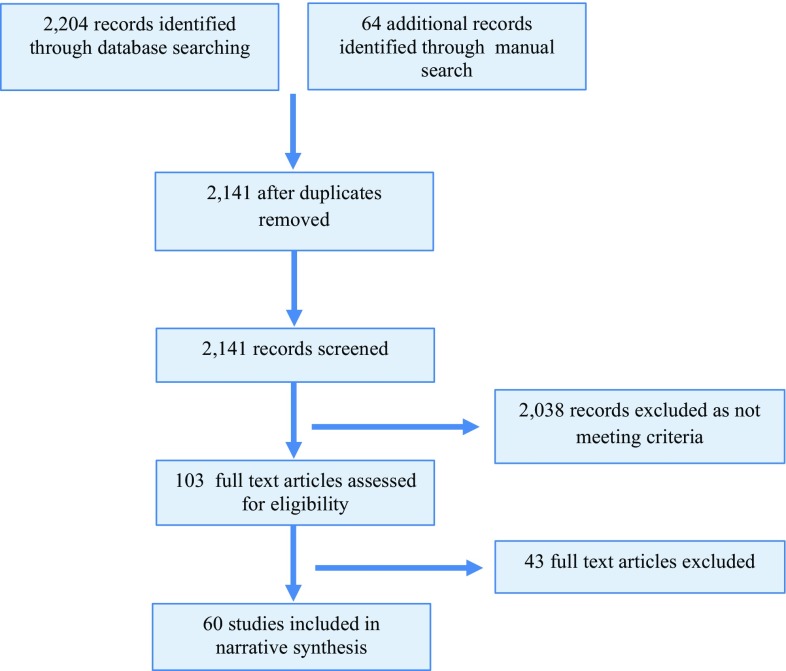
BACKGROUND: The physical impacts of elite sport participation have been well documented; however, there is comparatively less research on the mental health and psychological wellbeing of elite athletes. OBJECTIVE: This review appraises the evidence base regarding the mental health and wellbeing of elite-level athletes, including the incidence and/or nature of mental ill-health and substance use. METHODS: A systematic search of the PubMed, EMBASE, SPORTDiscus, PsycINFO, Cochrane and Google Scholar databases, up to and including May 2015, was conducted. RESULTS: The search yielded a total of 2279 records. Following double screening, 60 studies were included. The findings suggested that elite athletes experience a broadly comparable risk of high-prevalence mental disorders (i.e. anxiety, depression) relative to the general population. Evidence regarding other mental health domains (i.e. eating disorders, substance use, stress and coping) is less consistent. These results are prefaced, however, by the outcome of the quality assessment of the included studies, which demonstrated that relatively few studies (25 %) were well reported or methodologically rigorous. Furthermore, there is a lack of intervention-based research on this topic. CONCLUSION: The evidence base regarding the mental health and wellbeing of elite athletes is limited by a paucity of high-quality, systematic studies. Nonetheless, the research demonstrates that this population is vulnerable to a range of mental health problems (including substance misuse), which may be related to both sporting factors (e.g. injury, overtraining and burnout) and non-sporting factors. More high-quality epidemiological and intervention studies are needed to inform optimal strategies to identify and respond to player mental health needs.
Overview
The claims and statistics of this paper haven’t been checked yet.
Run the check — free, no account needed. It reads the open-access text and checks the sources it cites.
Integrity signals
Registry
Cites
Statistics
Figures
Verification
Claims the paper makes
The claims and statistics of this paper haven’t been checked yet.
Run the check — free, no account needed. It reads the open-access text and checks the sources it cites.
Claims other papers make about this one
Each is checked against this paper’s own text: does it say what the citing paper says it does?
The cited source says what the claim attributes to it.
In the citing paper
“To date, research has primarily examined the mental health outcomes of elite athletes [15–18], with comparatively less research focusing on understanding these psychological experiences among coaches [19].”
From The Mental Health of Elite-Level Coaches: A Systematic Scoping Review (2024) · cites this paper as [17]
Self-check
Percentages, sums and reported differences re-computed from the paper’s own numbers.
The self-check needs the paper’s full text.
Citations
Cites
The prevalence and correlates of eating disorders in the National Comorbidity Survey Replication
Hudson, J. I., Hiripi, E., Pope, H. G., & Kessler, R. C. (2007) · Biological Psychiatry · doi:10.1016/j.biopsych.2006.03.040 · Cited by 4,973 · cited 1×
“However, there was a tendency for higher vulnerability to these conditions in athletes involved in sports requiring a particularly lean body shape [21, 35, 38– 40] and in female athletes [41–43]—the latter being consistent with the findings of general population studies [87].”
Mental health of young people: A global public-health challenge
Patel, V., Flisher, A. J., Hetrick, S., & McGorry, P. (2007) · The Lancet · doi:10.1016/s0140-6736(07)60368-7 · Cited by 3,126 · cited 1×
“Such models should capitalise on an early-intervention framework [102–104], ensuring early detection and prompt access to high-quality, evidence-based interventions.”
Self-citationYoung People’s Help-Seeking for Mental Health Problems
Rickwood, D., Deane, F. P., Wilson, C. J., & Ciarrochi, J. (2005) · Australian e-Journal for the Advancement of Mental Health · doi:10.5172/jamh.4.3.218 · Cited by 1,619 · cited 1×
“Importantly, the mental health of hard-to-engage populations, such as young men [107] and older men [108, 109], could be targeted.”
How Emotions Influence Performance in Competitive Sports
Lazarus, R. S. (2000) · The Sport Psychologist · doi:10.1123/tsp.14.3.229 · Cited by 1,085 · cited 1×
“The ways by which athletes appraise and cope with these stressors can be a powerful determinant of the impact the stressors have on both their mental health and their sporting success [18].”
Prevalence of Eating Disorders in Elite Athletes Is Higher Than in the General Population
Sundgot-Borgen, J. K., & Torstveit, M. K. (2004) · Clinical Journal of Sport Medicine · doi:10.1097/00042752-200401000-00005 · Cited by 1,077 · cited 2×
“Three reported a higher incidence of eating disorder or body dissatisfaction in elite athletes relative to controls [36], especially in sports emphasising leanness or lower body weight [21, 35].”
Defining elite athletes: Issues in the study of expert performance in sport psychology
Swann, C., Moran, A., & Piggott, D. (2015) · Psychology of Sport and Exercise · doi:10.1016/j.psychsport.2014.07.004 · Cited by 998 · cited 1×
“While the included studies focused specifically on elite-level competition at the national or international level, differences between the included sports in terms of training, remuneration, media pressure and other salient variables must be considered [89].”
PHYSICAL ACTIVITY AND MENTAL HEALTH: THE ASSOCIATION BETWEEN EXERCISE AND MOOD
Peluso, M. A. M., & Andrade, L. H. (2005) · Clinics · doi:10.1590/s1807-59322005000100012 · Cited by 804 · cited 1×
“…that physical activity has a positive effect on mental health [6, 7], a review has found that intense physical activity performed at the elite athlete level might instead compromise mental wellbeing, increasing symptoms of anxiety and depression through overtraining, injury and burnout [8].”
Psychology of the elite athlete: An exploratory study
Mahoney, M. J., & Avener, M. (1977) · Cognitive Therapy and Research · doi:10.1007/bf01173634 · Cited by 615 · cited 1×
“Mahoney and Avener [80] Quantitative; crosssectional, observational Psychological factors and cognitive strategies 12 (12:0) Gymnastics; USA Self-verbalisations and certain forms of mental imagery differentiated Olympic-level and nonOlympic-level gymnasts.”
Gulliver, A., Griffiths, K. M., & Christensen, H. (2012) · BMC Psychiatry · doi:10.1186/1471-244x-12-157 · Cited by 611 · cited 3×
“Given that stigma, poor mental health literacy and negative past experiences of mental health help seeking are key barriers for elite athletes [12], more welldesigned studies, drawing on larger samples, are needed.”
Coping in sport: A systematic review
Nicholls, A. R., & Polman, R. C. J. (2006) · Journal of Sports Sciences · doi:10.1080/02640410600630654 · Cited by 575 · cited 1×
“Such an understanding is required to provide guidance for sport practitioners—including coaches, medical staff and sport psychologists—in developing the coping abilities of elite athletes and, in turn, improving their emotional wellbeing [20].”
Research works printed but not linked: 3
- Maestu J, Jurimae J, Jurimae T. Psychological and biochemical markers of heavy training stress in highly trained male rowers. Med dello Sport. 2003;56(2):95–101.
- Hainline B. Mind, body and sport: understanding and supporting student-athlete mental wellness. Indianapolis: National Collegiate Athletic Association; 2014.
- Thompson R, Sherman R. Managing student-athletes’ mental health issues. Indianapolis: National Collegiate Athletic Association; 2007.
Cited by
Sorted by citations
Items 401–500 of 1,000
Ibáñez‐Caparrós, A., Sánchez, I., Granero, R., Jiménez‐Múrcia, S., Rosińska, M., Thiel, A., Zipfel, S., de Pablo, J., Camacho‐Barcia, L., & Fernández‐Aranda, F. (2023) · Nutrients · doi:10.3390/nu15133003 · Cited by 10
Depression and Suicide in Professional Sports Work
Smith, A. W. (2018) · Emerald Group Publishing Limited eBooks · doi:10.1108/s1476-285420180000011006 · Cited by 10
Perspectivas em Psicologia do Esporte e Saúde Mental sob a Pandemia de Covid-19
Barreira, C. R. A., Telles, T. C. B., & Filgueiras, A. (2020) · Psicologia Ciência e Profissão · doi:10.1590/1982-3703003243726 · Cited by 10
Grobler, H. B., Plooy, K. D., Krüger, P., & Ellis, S. M. (2021) · South African Journal of Psychology · doi:10.1177/00812463211009422 · Cited by 10
“Consequently, such problems still need to be addressed as it can have a debilitating effect on the performance of players and the outcome of matches (Rice et al., 2016).”
BackgroundGrimson, S., Brickley, G., Smeeton, N. J., Abbott, W., & Brett, A. (2021) · European Journal of Sport Science · doi:10.1080/17461391.2021.1976841 · Cited by 15
Dithurbide, L., Boudreault, V., Durand‐Bush, N., MacLeod, L., & Gauthier, V. (2022) · Frontiers in Psychology · doi:10.3389/fpsyg.2022.937962 · Cited by 17
Tranaeus, U., Ivarsson, A., Johnson, U., Weiss, N., Samuelsson, M., & Skillgate, E. (2021) · International Journal of Environmental Research and Public Health · doi:10.3390/ijerph19010143 · Cited by 9
“Hence, coping strategies are suggested to influence the perceived stress which, in turn, influence the susceptibility for injuries [22].”
BackgroundJunge, A., Wellmann, K., & Zech, A. (2023) · Scandinavian Journal of Medicine and Science in Sports · doi:10.1111/sms.14426 · Cited by 15
Andersson, M. J., Kenttä, G., Moesch, K., Borg, E., Claesdotter‐Knutsson, E., & Håkansson, A. (2023) · Journal of Sports Sciences · doi:10.1080/02640414.2023.2241783 · Cited by 11
“Regarding the elite nature of our sample, aspiring professional athletes may be exposed to unique stressors that can negatively impact their mental health to a greater degree than peers not pursuing a career in sports (Gerber et al., 2022; Kegelaers et al., 2022; Rice et al., 2016).”
BackgroundLiddelow, C., Schweickle, M. J., Sutcliffe, J., Swann, C., Keegan, R. J., Rice, S., Okely, A. D., & Vella, S. A. (2023) · Psychology of sport and exercise · doi:10.1016/j.psychsport.2023.102553 · Cited by 13
Self-citationAndrade, A., D’Oliveira, A., Neiva, H. P., Gaertner, G., & da Cruz, W. M. (2024) · Frontiers in Psychology · doi:10.3389/fpsyg.2023.1295652 · Cited by 9
Mental ill-health in semi-elite women’s soccer in England: a mixed-methods approach
Bramley, O., Healy, L. C., & Sarkar, M. (2024) · International Journal of Sport and Exercise Psychology · doi:10.1080/1612197x.2024.2311752 · Cited by 9
“Our research shows that the prevalence of mental ill-health symptoms di ff ers based on the context of the sport (Rice et al., 2016; Schaal et al., 2011).”
Bu, D., Zhang, C., Liu, J., Han, Z., Wang, X., & Huang, Z. (2024) · Frontiers in Public Health · doi:10.3389/fpubh.2024.1391597 · Cited by 10
“As athletes in individual sports have been shown to experience a higher incidence of mental health symptoms than athletes in team sports (19, 20, 49), this study involved elite athletes in individual sports only.”
BackgroundInfluentialKüttel, A., Storm, L. K., Stambulova, N. B., & Henriksen, K. (2024) · Frontiers in Sports and Active Living · doi:10.3389/fspor.2024.1451617 · Cited by 15
Student-Athletes’ Mental Health in the European Sport School Context: A Scoping Review
Saarinen, M., McDougall, M., Gjesdal, S., & Bjørndal, C. T. (2025) · Journal of Clinical Sport Psychology · doi:10.1123/jcsp.2024-0029 · Cited by 14
“…reviews have suggested that this might be due to biological differences, such as females being more sensitive to stress (Küttel & Larsen, 2020; Rice et al., 2016), a growing body of research shows that there are many possible risk factors that may contribute to mental health dif fi culties in…”
The costs of participation in and delivery of community sport in Australia—a narrative review
Westerbeek, H. M., Eime, R., & Owen, K. B. (2025) · Frontiers in Sports and Active Living · doi:10.3389/fspor.2025.1641527 · Cited by 9
Martins, F., Sarmento, H., Gouveia, É. R., Saveca, P., & Przednówek, K. (2025) · Journal of Clinical Medicine · doi:10.3390/jcm14228039 · Cited by 9
“Football is a physically demanding sport characterized by high-intensity movements that occur intermittently throughout its practice [1,2].”
Elite athlete mental health: An International Society of Sport Psychology East–West perspective
Schinke, R. J., Li, Y., & Quartiroli, A. (2025) · International Journal of Sport and Exercise Psychology · doi:10.1080/1612197x.2025.2607198 · Cited by 11
Mental health and well‐being in esports: A scoping review
Poulus, D., Nicholson, M., Obine, E. A. C., Drew, M., FISHER, K., Vella, S. A., Seidler, Z. E., & Sharpe, B. T. (2026) · Applied Psychology · doi:10.1111/apps.70055 · Cited by 18
Emotion mapping: Exploring creative methods to understand the psychology of long-term injury
Goldman, A., Gervis, M., & Griffiths, M. (2022) · Methodological Innovations · doi:10.1177/20597991221077924 · Cited by 9
“Indeed, injury has been shown to heighten the risk of mental health problems for athletes at a level which is comparable to, and in some studies greater than, the general population (Gouttebarge et al., 2015; McManus et al., 2016; Rice et al., 2016; van Ramele et al., 2017).”
Mental health symptoms and correlates among amateur football players: a cross-sectional study
Lima, Y., & Rice, S. (2022) · International Journal of Environmental Health Research · doi:10.1080/09603123.2022.2112659 · Cited by 10
“Studies show that professional athletes suffer from depression, anxiety, and stress at substantial rates (Rice et al. 2016).”
BackgroundSelf-citationMcLoughlin, E., Arnold, R., Cavallerio, F., Fletcher, D. F., & Moore, L. J. (2023) · Sport Exercise and Performance Psychology · doi:10.1037/spy0000319 · Cited by 12
Media's Effect on Athletes' Mental Health
Ng, T., Sanders, H., Merrill, S., & Faustin, M. (2023) · Clinics in Sports Medicine · doi:10.1016/j.csm.2023.06.022 · Cited by 16
Wellbeing in high-performance swimming: A grounded theory study
Uzzell, K. S., Knight, C. J., Pankow, K., & Hill, D. M. (2023) · Psychology of sport and exercise · doi:10.1016/j.psychsport.2023.102557 · Cited by 10
Terapi Brief Mindfulness-Based Body Scan untuk Menurunkan Stres Atlet Bola Basket Wanita Profesional
Arbi, D. K. A., & Ambarini, T. K. (2018) · INSAN Jurnal Psikologi dan Kesehatan Mental · doi:10.20473/jpkm.v3i12018.1-12 · Cited by 9
Slingerland, K. J. V., Durand‐Bush, N., DesClouds, P., & Kenttä, G. (2020) · Case Studies in Sport and Exercise Psychology · doi:10.1123/cssep.2019-0022 · Cited by 12
Self-Compassionate Motivation and Athlete Well-Being: The Critical Role of Distress Tolerance
Walton, C. C., Lewis, K. J., Kirby, J. N., Purcell, R., Rice, S., & Osborne, M. S. (2022) · Journal of Clinical Sport Psychology · doi:10.1123/jcsp.2022-0009 · Cited by 13
“…fi c factors include injury, poor performances, forced or unplanned retirement, interpersonal con fl ict or abuse, excessive physical/ training demands, and media pressure (Poucher et al., 2019; Reardon et al., 2019; Rice et al., 2016; Simpson et al., 2021; Walton, Rice, Hutter, et al., 2021).”
Self-citationPurc‐Stephenson, R. J., Zimmerman, T., & Edwards, R. (2022) · Frontiers in Sports and Active Living · doi:10.3389/fspor.2022.954086 · Cited by 15
Burger, J. W., Andersen, L. S., & Joska, J. A. (2022) · The Physician and Sportsmedicine · doi:10.1080/00913847.2022.2134977 · Cited by 10
“However, these studies in athletes have generally used self-report tools to estimate the prevalence of CMDs [2,6], with limited data using clinician-administered tools [5], especially from low-and middle-income countries (LMIC) [48].”
BackgroundInfluentialStressregulation und Sport: Ein Überblick zum Stand der Forschung
Gerber, M., & Fuchs, R. (2017) · Springer eBooks · doi:10.1007/978-3-662-49322-9_26 · Cited by 9
“Rice et al. (2016) kommen in einem systematischen Review zum Schluss, dass Eliteathleten ein ähnliches Risiko aufweisen, an einer psychischen Störung (z. B. Depression, Angststörung) zu erkranken, wie die Gesamtbevölkerung (vgl. Bär und Markser 2013).”
Background“You Wanna Ride, Then You Waste”: The Psychological Impact of Wasting in National Hunt Jockeys
McGuane, T., Shannon, S., Sharp, L.-A., Dempster, M., & Breslin, G. (2018) · The Sport Psychologist · doi:10.1123/tsp.2018-0059 · Cited by 9
Update on integrative treatment of psychiatric symptoms and disorders in athletes
Glick, I. D., Stillman, M. A., & Mcduff, D. R. (2020) · The Physician and Sportsmedicine · doi:10.1080/00913847.2020.1757370 · Cited by 10
Taking the knee, mental health, and racism in sport
Bennett, M., & King, C. (2021) · The Lancet Psychiatry · doi:10.1016/s2215-0366(21)00300-x · Cited by 9
What facilitates collegiate athletes seeking mental health care? Athletic trainers’ perceptions
Harker, J. R., & Petrie, T. A. (2023) · Journal of American College Health · doi:10.1080/07448481.2023.2208239 · Cited by 8
“28 Although rated slightly lower, we have included head coaches, assistant coaches, and teammates within the same circle as athletic trainers due to how influential they are in the lives of their athletes.”
Павлова, Ю., Roztorhui, M., Petrytsa, P., Melnyk, T., Nalyvayko, N., & Огнистий, А. В. (2023) · Montenegrin Journal of Sports Science and Medicine · doi:10.26773/mjssm.230904 · Cited by 8
Morrison, J., Coulter, T. J., & Polman, R. C. J. (2024) · Advanced Exercise and Health Science · doi:10.1016/j.aehs.2024.01.007 · Cited by 10
Ackeret, N., Röthlin, P., & Horvath, S. (2024) · Psychology of sport and exercise · doi:10.1016/j.psychsport.2024.102645 · Cited by 10
Relationship between Workload, Psychological State and Recovery in Female Soccer Athletes
Long, J. W., Brown, D. M. Y., Farrell, J. W., Gonzalez, M., & Cheever, K. (2024) · International Journal of Sports Medicine · doi:10.1055/a-2304-3694 · Cited by 8
“In the broader population of athletes, student athletes are at an increased risk of experiencing overtraining and burnout [6, 9].”
Mesagno, C., Hammond, A. A., & Goodyear, M. A. (2024) · Psychology of sport and exercise · doi:10.1016/j.psychsport.2024.102663 · Cited by 8
Hu, S., Li, W., Chen, Y., Li, N., Lou, S., Shao, Y., Guo, Y., Sun, Q., Ni, Z., Dong, L., et al. (2025) · BMC Psychiatry · doi:10.1186/s12888-025-06839-8 · Cited by 9
“The present study also indicated that athletes aged 20–24 years experienced a higher degree of insomnia symptoms, which may support the overlap of the peak age of competitive performance for elite athletes and the peak age of risk for mental disorders [23].”
Bürger, L., Reis, D., Spielmann, J., Mayer, J., & Steindorf, L. (2025) · Psychology of sport and exercise · doi:10.1016/j.psychsport.2025.102868 · Cited by 8
Ronkainen, H., Lundgren, T., Kenttä, G., Ihalainen, J. K., Kalaja, S., Valtonen, M., & Lappalainen, R. I. (2025) · Journal of Applied Sport Psychology · doi:10.1080/10413200.2025.2521267 · Cited by 11
“Furthermore, researchers who have conducted studies on athletes’ mental well-being have suggested that during periods of increased stress, athletes are more likely to experience depression, anxiety, and eating disorders, than nonathletes (Gouttebarge et al., 2015; Rice et al., 2016).”
Mental health in sport: Opportunities for the future of recreational and elite sport psychology
Vella, S. A., & Rice, S. (2025) · Psychology of sport and exercise · doi:10.1016/j.psychsport.2025.103021 · Cited by 8
Self-citationElite Athletes Coping With Depression: A Qualitative Study
Lebrun, F., MacNamara, Á., Collins, D. J., & Rodgers, S. (2019) · Journal of Clinical Sport Psychology · doi:10.1123/jcsp.2018-0072 · Cited by 8
“…(Reardon & Factor, 2010), recurrent surgeries, career 72 dissatisfaction, adverse life events, and lower levels of social support (Gouttebarge et al., 73 2018; Gouttebarge et al., 2017; Rice et al., 2016) are just some of the factors found in elite 74 sport that may lead to the development of MHIs.”
BackgroundInfluentialRasch Analysis of the Indonesian Mental Health Screening Tools
Yusuf, S., Budiman, N., Yudha, E. S., Suryana, D., & Yusof, S. M. J. B. (2021) · The Open Psychology Journal · doi:10.2174/1874350102114010198 · Cited by 8
Huellemann, K. L., Ens, G., Gray, E., Osa, M. L., & Pila, E. (2023) · International Journal of Sport and Exercise Psychology · doi:10.1080/1612197x.2023.2238277 · Cited by 12
“…are pervasive in women ’ s sport (Sabiston et al., 2019; Varnes et al., 2013), and have been associated with deleterious physical and mental health consequences including anxiety, depression, and increased eating disorder risk (e.g., Kong & Harris, 2015; Prnjak et al., 2019; Rice et al., 2016).”
Training practices used by elite sprint coaches
Agudo-Ortega, A., Salinero, J. J., Sandbakk, Ø. B., de la Cruz, V. M., & González‐Ravé, J. M. (2023) · International Journal of Performance Analysis in Sport · doi:10.1080/24748668.2023.2277631 · Cited by 8
“Achieving long-term improvements in these capacities, and subsequently enhancing performance, necessitates the maximisation of adaptations while minimising the risk of overreaching and injuries (Rice et al., 2016; Schwellnus et al., 2016; Winsley & Matos, 2011).”
BackgroundMcConn-Palfreyman, W., McInnes, P., & Mangan, A. (2019) · Culture and Organization · doi:10.1080/14759551.2019.1610760 · Cited by 8
“However, the deployment of these techniques may be costly whether in relation to athletes’ mental health (Rice et al. 2016; Roderick, Smith, and Potrac 2017), stifling internal innovation in favour of industrial ‘fads’ (Henriksen, Stambulova, and Roessler 2010; Houlihan and Chapman 2015) or the…”
BackgroundSafeguarding the Child and Adolescent Athlete
Lamb, M., Kuhn, A. W., LaBotz, M., & Diamond, A. B. (2018) · Current Sports Medicine Reports · doi:10.1249/jsr.0000000000000538 · Cited by 8
Psychological models in sport psychology: A preliminary investigation
Collins, D. J., & Winter, S. (2019) · European Journal of Sport Science · doi:10.1080/17461391.2019.1694588 · Cited by 8
“All four issues were purposefully selected due to their abundance of contemporary literature (e.g., Rice et al., 2016; Woodman & Hardy, 2003) and featured curriculum content within the sport psychology educational programmes.”
BackgroundMethodThe Development and Evaluation of a Training Monitoring System for Amateur Rugby Union
Griffin, A., Kenny, I. C., Comyns, T. M., & Lyons, M. (2020) · Applied Sciences · doi:10.3390/app10217816 · Cited by 8
Sport Psychiatry and Its Research Agenda
Currie, A., & Purcell, R. (2021) · Psychiatric Clinics of North America · doi:10.1016/j.psc.2021.04.007 · Cited by 8
Self-citationInvestigating the Youth Sports Development Pathway Within a South African Context
van den Berg, L., Jonck, P., & Surujlal, J. (2021) · Frontiers in Psychology · doi:10.3389/fpsyg.2021.694548 · Cited by 8
Weber, B., Bos, J., Clancy, E. M., Menon, R., Cross, T., & Hall, K. (2021) · British Journal of Sports Medicine · doi:10.1136/bjsports-2021-104388 · Cited by 10
Pandemic-Induced Reductions on Swim Training Volume and Performance in Collegiate Swimmers
Perez, G. M., VanSumeren, M., Brown, M., & Hew‐Butler, T. (2021) · International Journal of Environmental Research and Public Health · doi:10.3390/ijerph19010164 · Cited by 8
“However, males are more prone to anger [29] and are more reluctant to seek help for mental health problems [30] than females.”
BackgroundMedia portrayal of mental health at the 2020 Tokyo Olympic and Paralympic Games
Keal, J., McCabe, T., Wright, J., & Renshaw, P. (2022) · Sports Psychiatry · doi:10.1024/2674-0052/a000011 · Cited by 9
Comparison of Measurements of External Load between Professional Soccer Players
Gholizadeh, R., Nobarı, H., Bolboli, L., Siahkouhian, M., & Brito, J. P. (2022) · Healthcare · doi:10.3390/healthcare10061116 · Cited by 8
“[3,4], in order to improve the quality of teams’ activities and to reduce injuries [5].”
BackgroundBundon, A., Trainor, L. R., Bennett, E., Tremblay, M. I., Mannella, S., & Crocker, P. R. E. (2022) · Frontiers in Sports and Active Living · doi:10.3389/fspor.2022.921625 · Cited by 14
“Current and retired elite athletes are reporting high rates of wellbeing related concerns (Rice et al., 2016) and with this increased awareness, sport organizations and governments are recognizing that a duty of care toward the athletes who represent our nations is imperative (Reardon et al.”
BackgroundPerrey, S. (2023) · Brain Sciences · doi:10.3390/brainsci13020282 · Cited by 8
“Elite athletes are more vulnerable than the general population to anxiety and depression [56].”
BackgroundExploring the perception of barriers to a dual career by student-athletes with/out disabilities
Vaquero‐Cristóbal, R., Andreu, M. J. M., Díaz-Aroca, Á., Meroño, L., García-Roca, J. A., Abenza‐Cano, L., Cánovas-Álvarez, F. J., Pato, A. S., & Leiva-Arcas, A. (2023) · PLoS ONE · doi:10.1371/journal.pone.0286152 · Cited by 10
Effects of Physical Fitness and Mental Hardness on the Performance of Elite Male Basketball Players
Erciş, S. (2018) · Journal of Education and Training Studies · doi:10.11114/jets.v6i9a.3526 · Cited by 8
“Rice et al (2016) found that there was a lot of exercise and training, or various sports injuries, or even anorexia, that the patients were unsuccessful.”
BackgroundShi, X., Chao, Y., & Wu, D. (2021) · Journal of Healthcare Engineering · doi:10.1155/2021/1603117 · Cited by 8
“+e most common mental health conditions are depression (19% (95% CI, 14%–25%)) and binge eating disorder (17% (95% CI, 13%–21%)) [7].”
BackgroundRetractedTurner, M. J., Chadha, N. J., Davis, H., Deen, M. S., Gilmore, H., Jones, J. K., Goldman, S., & Terjesen, M. D. (2022) · Journal of Rational-Emotive & Cognitive-Behavior Therapy · doi:10.1007/s10942-022-00461-3 · Cited by 8
“This non-exhaustive list of demands can go unanswered, but if ignored, these demands present significant risk factors for mental and physical illness (Rice et al., 2016).”
BackgroundClinical Commentary: Depression and Anxiety in Adolescent and Young Adult Athletes
Putukian, M., & Yeates, K. O. (2023) · Journal of Athletic Training · doi:10.4085/1062-6050-0658.22 · Cited by 9
Investigating coaches’ recognition of symptoms of eating disorders in track athletes
Macpherson, M. C., Harrison, R. E., Marie, D., & Miles, L. K. (2022) · BMJ Open Sport & Exercise Medicine · doi:10.1136/bmjsem-2022-001333 · Cited by 6
“7 As such, further work to decrease gender stereotyping and draw attention to issues related to male athletes with DE/ED is likely to enhance the experience of all athletes.”
Saraiva, M., Oliveira, S., Coimbra, M., & Ferreira, C. (2024) · International Journal of Sport and Exercise Psychology · doi:10.1080/1612197x.2024.2308861 · Cited by 7
“However, possible negative outcomes have been highlighted, especially at a competitive level (Rice et al., 2016).”
Lane, D. S. (2024) · Mental Health & Prevention · doi:10.1016/j.mhp.2024.200364 · Cited by 8
Information seeking in a time of war: coping with stress in Lithuania during the Russia/Ukraine war
Wilson, T. D., & Macevičiūtė, E. (2025) · Journal of Documentation · doi:10.1108/jd-06-2024-0156 · Cited by 7
Hurst, P., & Kavussanu, M. (2025) · International Journal of Sport and Exercise Psychology · doi:10.1080/1612197x.2025.2477163 · Cited by 12
“Coaches adopting such an approach can lead athletes to refrain from speaking up about concerns for their well-being (Rice et al., 2016, 2022; Walton et al., 2024), which in turn could result in poor mental health (e.g., depression, anxiety) and maladaptive behaviours (e.g., disorder eating,…”
Effects of group mindfulness intervention on high-level distance runners: a quasi-experimental study
Kelemen, B., Tóth, R., Benczenleitner, O., & Tóth, L. (2025) · Frontiers in Sports and Active Living · doi:10.3389/fspor.2025.1556404 · Cited by 15
Exploring the barriers to athlete personal development within UK Olympic and Paralympic sport
Holden, J., Wagstaff, C. R. D., Wadey, R., & Brown, P. (2025) · Psychology of sport and exercise · doi:10.1016/j.psychsport.2025.102966 · Cited by 7
A taste of ambrosia: Do Olympic medalists live longer than Olympic losers?
Kovbasiuk, A., Ciechanowski, L., & Jemielniak, D. (2024) · Scandinavian Journal of Public Health · doi:10.1177/14034948231219833 · Cited by 7
“Some studies indicate higher mental disorder prevalence among professional athletes relative to the general population [5].”
Steinfeldt, H., Dallmeyer, S., & Breuer, C. (2024) · European Sport Management Quarterly · doi:10.1080/16184742.2024.2302824 · Cited by 7
“Other studies looked at certain areas of an athlete’s life that are factors of overall well-being, such as physical health (Macdougall et al., 2016), mental health (Rice et al., 2016), goals (Adie et al., 2010) and career experiences (Gledhill & Harwood, 2015).”
Cao, B., Guo, Y. Q., Lü, M., Wu, X., Deng, F., Wang, J., & Huang, R. (2024) · Psychology of sport and exercise · doi:10.1016/j.psychsport.2024.102678 · Cited by 7
de Subijana, C. L., Pons, J., & Mallett, C. J. (2024) · Journal of Sports Sciences · doi:10.1080/02640414.2024.2425908 · Cited by 9
“The MH of elite athletes is of particular concern since this career path is associated with a higher risk of experiencing MH problems (e.g., Reardon et al., 2019; Rice et al., 2016).”
Pruna, R., & Bahdur, K. (2016) · Journal of Novel Physiotherapies · doi:10.4172/2165-7025.1000317 · Cited by 8
Narrative Tensions in Strained Junior Elite Performers’ Experiences of Becoming Elite Performers
Haraldsen, H. M., Abrahamsen, F. E., Solstad, B. E., & Halvari, H. (2021) · Frontiers in Psychology · doi:10.3389/fpsyg.2021.645098 · Cited by 8
Hong, H. J., & Fraser, I. A. (2022) · Journal of risk and financial management · doi:10.3390/jrfm15010017 · Cited by 9
“…athletes (Lavallee 2005); it has been reported that the mental health of high-performance athletes can be negatively affected by them (Lavallee and Robinson 2007; Park et al. 2013) with accompanying depression and anxiety (Gouttebarge et al. 2015, 2016; Rice et al. 2016; Schuring et al. 2017).”
BackgroundHofmann, C. G., & Claussen, M. C. (2022) · Praxis · doi:10.1024/1661-8157/a003845 · Cited by 7
Rodrigues, A. F. D. A., Barbosa, L. N. F., Gomes, P. C. D. S., & Nóbrega, F. A. F. (2022) · Revista Brasileira de Medicina do Esporte · doi:10.1590/1517-8692202329012021_0385 · Cited by 7
The prevalence of common mental health problems and associated psychosocial issues in elite swimmers
Howarth, H., Evans, G., Krüger, P., Dilkes, E., Bell, G., & Kipps, C. (2023) · Sports Psychiatry · doi:10.1024/2674-0052/a000035 · Cited by 9
“Much of the research intomental health in elite athletes is focussed on sporting populations competing in varyingdisciplines, yet data from one sport may not be applicable to others [9].”
BackgroundOftadeh-Moghadam, S., Weston, N. J. V., & Gorczynski, P. F. (2023) · The Sport Psychologist · doi:10.1123/tsp.2022-0142 · Cited by 7
Primer Encuentro Ibérico+ de Psicología del Deporte. Barcelona, febrero de 2024
Peris-Delcampo, D., Teques, P., & Palmi, J. (2023) · Revista de Psicología Aplicada al Deporte y el Ejercicio Físico · doi:10.5093/rpadef2023a7 · Cited by 7
Mental Health in Equestrian Sport
Butler, H., Shanmuganathan-Felton, V., & Taylor, J. A. (2018) · Journal of Clinical Sport Psychology · doi:10.1123/jcsp.2018-0002 · Cited by 7
“…research within sport and mental health literature has offered some insight 84 into the pressures and unique challenges athletes negotiate whilst also the 85 consequences for, and on, mental health and psychological wellbeing (Gulliver et al., 86 2015; Hughes & Leavey, 2012; Rice et al., 2016).”
BackgroundElite Academy Soccer Players’ Perceptions Towards Cognitive Behavioral Therapy
Wilkins, L., Sweeney, J., Zaborski, Z., Nelson, C., Tweddle, S., Beukes, E. W., & Allen, P. M. (2018) · Journal of Clinical Sport Psychology · doi:10.1123/jcsp.2018-0026 · Cited by 7
Pike, E. C. J. (2018) · Emerald Group Publishing Limited eBooks · doi:10.1108/s1476-285420180000011002 · Cited by 7
Schinke, R. J., Henriksen, K., Petersen, B., Wylleman, P., Si, G., Zhang, L., McCann, S. C., & Papaioannou, A. G. (2021) · International Journal of Sport and Exercise Psychology · doi:10.1080/1612197x.2021.1892940 · Cited by 11
“…aforementioned gap has and, in many instances, still contributes to social (i.e., lack of social and emotional support in time of need) and structural (i.e., lack of access forethought, leading to efficient access to care resources) stigma surrounding athlete mental ill-health (Rice et al., 2016).”
BackgroundMental Strength and Coping Strategy of Confined Athletes Dealing with COVID-19
Moutaraji, I. E., Lotfi, S., & Talbi, M. (2021) · International journal of human movement and sports sciences · doi:10.13189/saj.2021.090319 · Cited by 7
“on the mental health of elite athletes, which highlighted the presence of a high prevalence of a risk similar to the mental disorders of elite athletes compared to the general population [5].”
BackgroundSport Management Faculty Members’ Mentorship of Student-Athletes
Warner, S. M., Stokowski, S. E., Fridley, A., & Kim, K. (2022) · Sport Management Education Journal · doi:10.1123/smej.2021-0009 · Cited by 7
Non-shoulder Injuries in Swimming: A Systematic Review.
Hill, L., Mountjoy, M. L., & Miller, J. (2022) · PubMed · doi:10.1097/jsm.0000000000000903 · Cited by 6
“These demands may compromise athlete mental health and trigger symptoms of anxiety and depression compounded by overtraining, injury, and eating disorders/disorder eating.(84,86) Therefore, it is important to screen athletes with significant injuries for mental healthsequelae.”
BackgroundWomen's sports injuries: A bibliometric study of research trends and future perspectives
Eldos, A., Perumbalath, S., & Vinu, W. (2024) · Apunts Sports Medicine · doi:10.1016/j.apunsm.2024.100469 · Cited by 7
Exploring stakeholders' perspectives on esports players’ wellbeing and career prospects
Hong, H. J. (2025) · Computers in Human Behavior Reports · doi:10.1016/j.chbr.2025.100589 · Cited by 12
“These challenges do require proactive and protective measures and interventions for their mental and physical health and wellbeing (Rice et al., 2016).”
Stress-Resistenz-Trainings für Topathleten
Sallen, J. (2017) · Springer eBooks · doi:10.1007/978-3-662-49322-9_25 · Cited by 6
How Coaches Can Prevent and Address Alcohol Consumption Among Student-Athletes
Chow, G. M., Bird, M. D., Soendergaard, S., & Yang, Y. (2019) · Journal of Clinical Sport Psychology · doi:10.1123/jcsp.2018-0083 · Cited by 6
Tredinnick, L., & McMahon, S. (2019) · Sport in Society · doi:10.1080/17430437.2019.1624723 · Cited by 8
Smith, A. J., Buadze, A., Claussen, M. C., Seifritz, E., & Liebrenz, M. (2022) · Frontiers in Psychiatry · doi:10.3389/fpsyt.2022.1041891 · Cited by 6
“Further, SUD rates (15) and aggressive behaviors (14, 21), alongside athletes’ susceptibility to interpersonal violence and abuse (16), might also invoke cross-jurisdictional issues.”
BackgroundBu, D., Han, Z., Zhang, C., Liu, J., Huang, Z., Liang, W., Wang, A., & Su, N. (2023) · International Journal of Sport and Exercise Psychology · doi:10.1080/1612197x.2023.2269156 · Cited by 7
“According to previous systematic reviews, professional athletes experience depression, anxiety, sleep disturbances and post-traumatic stress disorder at roughly equivalent rates to those of the general population (Gorczynski et al., 2019; Rice et al., 2016).”
Mental health risk and protective factors in Australian cricket
Pankow, K., Sutcliffe, J., Conyers, D., Robinson, L. D., Schweickle, M. J., Liddelow, C., & Vella, S. A. (2024) · International Journal of Sport and Exercise Psychology · doi:10.1080/1612197x.2024.2310103 · Cited by 10
“…included in Küttel and Larsen’s (2021) review were women or female athletes and only 3 of the 43 studies focused on females or women exclusively (compared to 12 focused exclusively on males/men), which is a common trend in mental-health-and-sport research (Rice et al., 2016; Walton et al., 2022).”
Ehnold, P., Lotzen, L., & Schlesinger, T. (2024) · Soccer and Society · doi:10.1080/14660970.2024.2333020 · Cited by 6
Malinowska, Z., Hadjieva, I.-M., Majsiak, J., & Jurek, J. M. (2024) · Journal of Coaching and Sports Science · doi:10.58524/002024334800 · Cited by 6
“Increased stress levels may contribute to the increased prevalence of mental health problems, with research demonstrating that up to 35% of elite athletes may suffer from eating disorders, burnout, depression, and anxiety (Rice et al., 2016).”
Background
Metadata
- Authors
- Rice, S. M., Purcell, R., De Silva, S., Mawren, D., McGorry, P. D., & Parker, A. G.
- Affiliations
- The University of Melbourne (AU)
- Orygen (AU)
- Corresponding author
- Rice, Simon M.
- Venue
- Sports Medicine
- Published
- 2016-02-20
- Volume
- 46
- Issue
- 9
- Pages
- 1333-1353
- ISSN
- 0112-1642 (ISSN-L)
- 1179-2035
- PMC
- PMC4996886
- OpenAlex
- W2278084024
- Cited by
- 1,205
- References
- 110
- Citations by year
- 2026: 175 · 2025: 161 · 2024: 157 · 2023: 148 · 2022: 155 · 2021: 129 · 2020: 105 · 2019: 74 · 2018: 64 · 2017: 27 · 2016: 10
- FWCI
- 10.78
- Type
- journal article
- Language
- en
- Open access
- hybrid
- doi.org
- Locations
- Sports Medicine (publishedVersion, cc-by)
- PubMed Central (publishedVersion, cc-by)
- PubMed (publishedVersion)
- Victoria University Research Repository (Victoria University) (submittedVersion, cc-by)
- Minerva Access (University of Melbourne) (submittedVersion, cc-by)
- Swinburne figshare (Swinburne University of Technology) (submittedVersion, cc-by)
- Funders
- Society for Mental Health Research (Early Career Fellowship)
- Topics
- Social Sciences › Psychology › Developmental and Educational Psychology › Sport Psychology and Performance
- Social Sciences › Psychology › Clinical Psychology › Psychological Treatments and Assessments
- Social Sciences › Psychology › Clinical Psychology › COVID-19 and Mental Health
- Keywords
- elite athletes, mental health, psychological well-being, anxiety, depression, eating disorders, substance use, stress coping, burnout, overtraining, injuries, mental health interventions
- MeSH terms
- Adaptation, Psychological, Anxiety, Feeding and Eating Disorders, Competitive Behavior, Depression, Humans, Mental Health, Risk Factors, Stress, Psychological, Incidence, Substance-Related Disorders, Athletes
About these checks
Registry, retraction, Cites and statistics results are computed, not judged, with one exception: a printed reference that no index lists is read once by a model before it counts as a citation error. Claims are extracted by a model and kept only when their quote appears verbatim in the text; each cited source is then checked, with a model’s help, for whether it says what the claim relies on. Those verdicts can be wrong — read the claim’s quote and the cited source before relying on one.
Statistics and arithmetic are recomputed, not judged.
Confidence bands are shown only for fields calibrated on our annotated test set. None is calibrated yet, so no band is shown.
What counts as a claim ›How we measure confidence ›How we check this ›
Are you an author, or do you see a problem with this page? Request a review
