

The DOI matches its Crossref record; 110 of the 110 references it cites were found in a registry or an index.
The Mental Health of Elite Athletes: A Narrative Systematic Review
Open accessAbstract
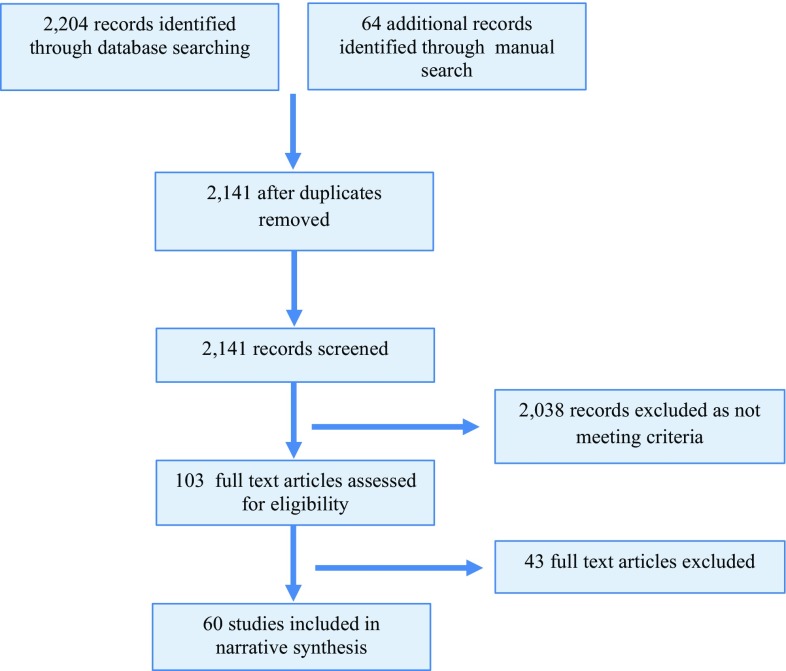
BACKGROUND: The physical impacts of elite sport participation have been well documented; however, there is comparatively less research on the mental health and psychological wellbeing of elite athletes. OBJECTIVE: This review appraises the evidence base regarding the mental health and wellbeing of elite-level athletes, including the incidence and/or nature of mental ill-health and substance use. METHODS: A systematic search of the PubMed, EMBASE, SPORTDiscus, PsycINFO, Cochrane and Google Scholar databases, up to and including May 2015, was conducted. RESULTS: The search yielded a total of 2279 records. Following double screening, 60 studies were included. The findings suggested that elite athletes experience a broadly comparable risk of high-prevalence mental disorders (i.e. anxiety, depression) relative to the general population. Evidence regarding other mental health domains (i.e. eating disorders, substance use, stress and coping) is less consistent. These results are prefaced, however, by the outcome of the quality assessment of the included studies, which demonstrated that relatively few studies (25 %) were well reported or methodologically rigorous. Furthermore, there is a lack of intervention-based research on this topic. CONCLUSION: The evidence base regarding the mental health and wellbeing of elite athletes is limited by a paucity of high-quality, systematic studies. Nonetheless, the research demonstrates that this population is vulnerable to a range of mental health problems (including substance misuse), which may be related to both sporting factors (e.g. injury, overtraining and burnout) and non-sporting factors. More high-quality epidemiological and intervention studies are needed to inform optimal strategies to identify and respond to player mental health needs.
Overview
The claims and statistics of this paper haven’t been checked yet.
Run the check — free, no account needed. It reads the open-access text and checks the sources it cites.
Integrity signals
Registry
Cites
Statistics
Figures
Verification
Claims the paper makes
The claims and statistics of this paper haven’t been checked yet.
Run the check — free, no account needed. It reads the open-access text and checks the sources it cites.
Claims other papers make about this one
Each is checked against this paper’s own text: does it say what the citing paper says it does?
The cited source says what the claim attributes to it.
In the citing paper
“To date, research has primarily examined the mental health outcomes of elite athletes [15–18], with comparatively less research focusing on understanding these psychological experiences among coaches [19].”
From The Mental Health of Elite-Level Coaches: A Systematic Scoping Review (2024) · cites this paper as [17]
Self-check
Percentages, sums and reported differences re-computed from the paper’s own numbers.
The self-check needs the paper’s full text.
Citations
Cites
The prevalence and correlates of eating disorders in the National Comorbidity Survey Replication
Hudson, J. I., Hiripi, E., Pope, H. G., & Kessler, R. C. (2007) · Biological Psychiatry · doi:10.1016/j.biopsych.2006.03.040 · Cited by 4,973 · cited 1×
“However, there was a tendency for higher vulnerability to these conditions in athletes involved in sports requiring a particularly lean body shape [21, 35, 38– 40] and in female athletes [41–43]—the latter being consistent with the findings of general population studies [87].”
Mental health of young people: A global public-health challenge
Patel, V., Flisher, A. J., Hetrick, S., & McGorry, P. (2007) · The Lancet · doi:10.1016/s0140-6736(07)60368-7 · Cited by 3,126 · cited 1×
“Such models should capitalise on an early-intervention framework [102–104], ensuring early detection and prompt access to high-quality, evidence-based interventions.”
Self-citationYoung People’s Help-Seeking for Mental Health Problems
Rickwood, D., Deane, F. P., Wilson, C. J., & Ciarrochi, J. (2005) · Australian e-Journal for the Advancement of Mental Health · doi:10.5172/jamh.4.3.218 · Cited by 1,619 · cited 1×
“Importantly, the mental health of hard-to-engage populations, such as young men [107] and older men [108, 109], could be targeted.”
How Emotions Influence Performance in Competitive Sports
Lazarus, R. S. (2000) · The Sport Psychologist · doi:10.1123/tsp.14.3.229 · Cited by 1,085 · cited 1×
“The ways by which athletes appraise and cope with these stressors can be a powerful determinant of the impact the stressors have on both their mental health and their sporting success [18].”
Prevalence of Eating Disorders in Elite Athletes Is Higher Than in the General Population
Sundgot-Borgen, J. K., & Torstveit, M. K. (2004) · Clinical Journal of Sport Medicine · doi:10.1097/00042752-200401000-00005 · Cited by 1,077 · cited 2×
“Three reported a higher incidence of eating disorder or body dissatisfaction in elite athletes relative to controls [36], especially in sports emphasising leanness or lower body weight [21, 35].”
Defining elite athletes: Issues in the study of expert performance in sport psychology
Swann, C., Moran, A., & Piggott, D. (2015) · Psychology of Sport and Exercise · doi:10.1016/j.psychsport.2014.07.004 · Cited by 998 · cited 1×
“While the included studies focused specifically on elite-level competition at the national or international level, differences between the included sports in terms of training, remuneration, media pressure and other salient variables must be considered [89].”
PHYSICAL ACTIVITY AND MENTAL HEALTH: THE ASSOCIATION BETWEEN EXERCISE AND MOOD
Peluso, M. A. M., & Andrade, L. H. (2005) · Clinics · doi:10.1590/s1807-59322005000100012 · Cited by 804 · cited 1×
“…that physical activity has a positive effect on mental health [6, 7], a review has found that intense physical activity performed at the elite athlete level might instead compromise mental wellbeing, increasing symptoms of anxiety and depression through overtraining, injury and burnout [8].”
Psychology of the elite athlete: An exploratory study
Mahoney, M. J., & Avener, M. (1977) · Cognitive Therapy and Research · doi:10.1007/bf01173634 · Cited by 615 · cited 1×
“Mahoney and Avener [80] Quantitative; crosssectional, observational Psychological factors and cognitive strategies 12 (12:0) Gymnastics; USA Self-verbalisations and certain forms of mental imagery differentiated Olympic-level and nonOlympic-level gymnasts.”
Gulliver, A., Griffiths, K. M., & Christensen, H. (2012) · BMC Psychiatry · doi:10.1186/1471-244x-12-157 · Cited by 611 · cited 3×
“Given that stigma, poor mental health literacy and negative past experiences of mental health help seeking are key barriers for elite athletes [12], more welldesigned studies, drawing on larger samples, are needed.”
Coping in sport: A systematic review
Nicholls, A. R., & Polman, R. C. J. (2006) · Journal of Sports Sciences · doi:10.1080/02640410600630654 · Cited by 575 · cited 1×
“Such an understanding is required to provide guidance for sport practitioners—including coaches, medical staff and sport psychologists—in developing the coping abilities of elite athletes and, in turn, improving their emotional wellbeing [20].”
Research works printed but not linked: 3
- Maestu J, Jurimae J, Jurimae T. Psychological and biochemical markers of heavy training stress in highly trained male rowers. Med dello Sport. 2003;56(2):95–101.
- Hainline B. Mind, body and sport: understanding and supporting student-athlete mental wellness. Indianapolis: National Collegiate Athletic Association; 2014.
- Thompson R, Sherman R. Managing student-athletes’ mental health issues. Indianapolis: National Collegiate Athletic Association; 2007.
Cited by
Sorted by citations
Items 601–700 of 1,000
Racehorse Trainer Mental Health: Prevalence and Risk Factors
King, L., Cullen, S., O’Connor, S., McGoldrick, A., Pugh, J., Warrington, G. D., & Losty, C. (2021) · Journal of Equine Veterinary Science · doi:10.1016/j.jevs.2021.103423 · Cited by 5
Freire, G. L. M., Batista, R. P. R., de Oliveira, D. V., Xavier, S. E. D. S., Ribeiro, L. C., & do Nascimento, J. R. A. (2021) · Saúde e Desenvolvimento Humano · doi:10.18316/sdh.v9i1.6739 · Cited by 4
Santos, F., & Callary, B. (2021) · Sports Coaching Review · doi:10.1080/21640629.2021.1920154 · Cited by 4
“Such an approach is crucial to help athletes navigate through the trials and tribulations of life in and outside HP sport (Rice et al., 2016; Santos & Callary, 2020; Santos et al., 2018).”
BackgroundSports Medicine Practice during COVID-19 Pandemic - A "New Normal"
Singh, K. S., Mallick, A., & Dande, J. (2020) · International Journal of Sports and Exercise Medicine · doi:10.23937/2469-5718/1510174 · Cited by 4
Diamond, S., Wallace, L., English, M., & Caperchione, C. M. (2022) · International Journal of Sports Science & Coaching · doi:10.1177/17479541221092099 · Cited by 4
“open lines of communication with staff and athletes) can determine whether they seek help for mental health problems.(15) Nevertheless, sporting organisations may assume there is low prevalence of mental health conditions in their youth elite athlete populations as a result of potential underdiagnosis.”
BackgroundZimet, D. M., Mcduff, D. R., Iannone, V. N., Herzog, T. P., & Moser, R. P. (2023) · Advances in Psychiatry and Behavioral Health · doi:10.1016/j.ypsc.2023.03.003 · Cited by 4
What is this thing called “Post-Olympic Blues”? An Exploratory Study Among Danish Olympic Athletes
Diment, G. M., Stagis, N. D., & Küttel, A. (2023) · Scandinavian Journal of Sport and Exercise Psychology · doi:10.7146/sjsep.v5i.134527 · Cited by 4
Lima, Y., ÖZ, N. D., Devran, S., Rice, S., & Bayraktar, B. (2023) · Research in Sports Medicine · doi:10.1080/15438627.2023.2216827 · Cited by 5
“Studies show that athletes suffer from mental health problems at rates comparable to the general population (Rice et al., 2016).”
BackgroundSelf-citationCotterill, M., & Kotera, Y. (2023) · International Journal of Spa and Wellness · doi:10.1080/24721735.2023.2229711 · Cited by 4
Pandey, K., Mohan, A., & Singh, P. (2023) · International journal of human movement and sports sciences · doi:10.13189/saj.2023.110423 · Cited by 4
Stable or Fluid? An Investigation Into Female Student Athlete Basketball Players’ Well-Being
Columbus, A., Mack, D. E., Wilson, P. M., & Chimera, N. J. (2023) · Case Studies in Sport and Exercise Psychology · doi:10.1123/cssep.2022-0023 · Cited by 7
Mardila, A. V., Victorian, A. R., Destriana, D., & Destriani (2024) · JOURNAL SPORT AREA · doi:10.25299/sportarea.2024.vol9(1).14551 · Cited by 4
Wilkins, L., Churchyard, J. S., Dowsett, R., & Britton, G. (2024) · Simulation & Gaming · doi:10.1177/10468781241261663 · Cited by 4
“…such as reading, gardening, or playing a musical instrument, for which a negative impact on mental health is unlikely; and more akin to the domain of sports, where research has regularly found a negative impact on mental health to be a distinct possibility (see Rice et al., 2016, for a review).”
Smith, M. J., & Runswick, O. R. (2020) · International Sport Coaching Journal · doi:10.1123/iscj.2019-0073 · Cited by 4
Küttel, A., Melin, A., Larsen, C. H., & Lichtenstein, M. B. (2022) · Scandinavian Journal of Sport and Exercise Psychology · doi:10.7146/sjsep.v4i1.128360 · Cited by 7
“A greater risk of mental disorders may be experienced by elite athletes who are injured, approaching/in retirement, or experiencing performance difficulty (Rice et al., 2016).”
BackgroundEllis, H. B., Ulman, S. M., Wagner, K. J., Carpenter, C. M., Gale, E. B., Shea, K. G., & Wilson, P. L. (2022) · Preventive Medicine Reports · doi:10.1016/j.pmedr.2022.101722 · Cited by 4
“However, contrary to adult elite athletes (Rice et al., 2016), self-reported PROMIS® depression and anxiety scores across all ages in pediatric and adolescent athletes have been previously reported to be 8% (Pluhar et al.”
Saúde e transtorno mental no atleta de alto rendimento
Colagrai, A. C., Barreira, J., Nascimento, F. T., & Fernandes, P. T. (2022) · Movimento (Porto Alegre) · doi:10.22456/1982-8918.118845 · Cited by 10
Male’s Level of Personal Well-Being and Anxiety Trait Regarding a Sport Activity Level
Pačesová, P., Šmela, P., & Antala, B. (2019) · Sport Mont · doi:10.26773/smj.190610 · Cited by 4
“Moreover, the evidence base regarding the mental health and wellbeing of elite athletes is limited by a paucity of high-quality, systematic studies (Rice et al., 2016).”
BackgroundResultDrugs, Alcohol, and Addiction in Sport
Palmer, C. (2018) · Emerald Group Publishing Limited eBooks · doi:10.1108/s1476-285420180000011008 · Cited by 4
Commentary: The Experience of Depression during Careers of Elite Male Athletes
Arvinen‐Barrow, M. (2016) · Frontiers in Psychology · doi:10.3389/fpsyg.2016.01609 · Cited by 4
“Thus far, existing literature has highlighted significant major life events, sport injury, and chronic stress as potential risk factors for depression and other mental health problems (Rice et al., 2016) particularly when an athletes’ sense of self is strongly tied into being an athlete.”
BackgroundCommentary: From Mental Health to Mental Wealth in Athletes: Looking Back and Moving Forward
Sherwin, I. (2017) · Frontiers in Psychology · doi:10.3389/fpsyg.2017.00693 · Cited by 6
“Uphill et al.’s (2016) synthesis highlights the upsurge in research on mental health in elite sport (Bauman, 2016; Gucciardi et al., 2016; Rice et al., 2016; Coyle et al., 2017).”
McCormack, S., Till, K., Wenlock, J., Whitehead, S., Stokes, K., Bitcon, M., Brown, J. C., Cross, M., Davies, P., Falvey, É. C., et al. (2022) · BMJ Open Sport & Exercise Medicine · doi:10.1136/bmjsem-2022-001440 · Cited by 4
Athlete activism, advocacy, and awareness: mental health in the Olympic Games
Cartee, J. L., Miller, L. E., & Roessner, A. (2025) · Sport in Society · doi:10.1080/17430437.2025.2462133 · Cited by 5
Special Olympics athletes’ experiences of mental health and help-seeking
Kim, J., Ellard, C., Tamminen, K. A., & Arbour‐Nicitopoulos, K. P. (2024) · Journal of Applied Sport Psychology · doi:10.1080/10413200.2024.2437185 · Cited by 4
“Research on athlete mental health has grown exponentially, and there is substantial evidence that many athletes experience various mental health challenges such as depression and anxiety (Castaldelli-Maia et al., 2019; Rice et al., 2016).”
Piepiora, P. A., Petre, L. M., & Vveinhardt, J. (2024) · Frontiers in Sports and Active Living · doi:10.3389/fspor.2024.1476617 · Cited by 5
Self-Esteem, Wellbeing, and Health Status of Female Athletes in the Context of Sport Performance
Laajili, T., Kató, C., Szabó, Z. G., & Lukács, A. (2025) · Women s Health Reports · doi:10.1089/whr.2024.0119 · Cited by 3
Gambling and Gaming: A Comparative Study of Professional Footballers Versus the General Population
González-Moret, R., Almodóvar-Fernández, I., Gimeno, M., Blanco, A., Thevenet, P. S., Usó, H., Haro, G., & Real-Fernández, A. (2025) · Sports · doi:10.3390/sports13020034 · Cited by 3
“In fact, the appearance of disorders such as anxiety and sudden changes in mood is a known problem in this professional group [10].”
The prevalence of mental health and psychosocial concerns among South African student-athletes
Kruger, A. (2025) · Journal of Affective Disorders Reports · doi:10.1016/j.jadr.2025.100888 · Cited by 3
Dzieciątkowska, M., Horwat, P., Pierudzka, W., Szymanska, A., & Mariowska, A. (2025) · Journal of Education Health and Sport · doi:10.12775/jehs.2025.81.59996 · Cited by 7
Arbinaga, F., Rodríguez, J. D., Fernández, J. N. G., Moreno, E., & Ceballos, I. D. (2025) · International Sport Coaching Journal · doi:10.1123/iscj.2025-0001 · Cited by 3
Lyon-Monk, O., Arnold, R., Williams, S., Cleave, L. J., Cumming, S., Currie, A., Wass, J., & Moore, L. J. (2025) · Journal of science and medicine in sport · doi:10.1016/j.jsams.2025.10.002 · Cited by 5
Tian, F., Zhang, R., & Liu, F. (2025) · Frontiers in Psychiatry · doi:10.3389/fpsyt.2025.1646150 · Cited by 3
Bird, M. D., & Earl, S. R. (2025) · Journal of Clinical Sport Psychology · doi:10.1123/jcsp.2025-0062 · Cited by 3
Kegelaers, J. J., Wylleman, P., Brevers, D., Pankow, K., & Kenttä, G. (2026) · Psychology of sport and exercise · doi:10.1016/j.psychsport.2026.103146 · Cited by 4
Features of successful high-performance sport environments: Stakeholder insights
Schlawe, A., Christiansen, A. V., & Henriksen, K. (2026) · Journal of Applied Sport Psychology · doi:10.1080/10413200.2026.2683956 · Cited by 5
Richardson, L., Lugo, R. G., & Firth, A. (2022) · Scandinavian Journal of Sport and Exercise Psychology · doi:10.7146/sjsep.v4i1.125418 · Cited by 3
“Having recognised the importance of providing players with psychological coping strategies, the implementation of this course was intended to diminish the mental health concerns associated with the many stressors experienced by players transitioning into elite sport and especially, in this instance, within football, w…”
BackgroundConsiderations for Athletes with Eating Disorders Based on Levels of Care
Flatt, R. E., Miller, A. J., Foreman, T., & Shannon, J. (2022) · Current Sports Medicine Reports · doi:10.1249/jsr.0000000000000942 · Cited by 3
Mental Health in First- and Second-Division Soccer Players: A Cross-Sectional Study
Bonet, L., Benito, A., Usó, H., Peraire, M., Haro, G., & Almodóvar-Fernández, I. (2024) · Sports · doi:10.3390/sports12040106 · Cited by 4
“Nowadays, there are very few studies that have systematically evaluated this issue [25], so further research is needed in order to determine whether the protective effects of physical exercise [3] can be observed in high-performance environments or, on the contrary, if the probability of these…”
BackgroundResultInfluentialPerceptions of athletes with mental health conditions and sponsor responses: a consumer perspective
Kwak, D. H., & Jang, N. (2024) · Sport Management Review · doi:10.1080/14413523.2024.2360253 · Cited by 3
“The first investigates factors influencing athletes’ mental health problems, such as intense competition, excessive training, concerns about injuries, and relationships with teammates or coaches (e.g., Poucher, Tamminen, Kerr, et al., 2021; Rice et al., 2016).”
Towards a sportive agoraphobia of professional athletes
Roderick, M., & Hockin‐Boyers, H. (2024) · Qualitative Research in Sport Exercise and Health · doi:10.1080/2159676x.2024.2378157 · Cited by 3
“Thus, sidestepping the study of everyday social circumstances, unfamiliar to, unfashionable with, predominant studies of athlete mental health (e.g. Rice et al. 2016; Vella et al. 2021), separates out every day social interaction that takes place for athletes in liminal public/private spaces…”
Sitko, S., Francín-Gallego, M., Pano-Rodríguez, Á., Oviedo‐Caro, M. Á., Mayolas-Pi, C., & Legaz‐Arrese, A. (2024) · Journal of science and medicine in sport · doi:10.1016/j.jsams.2024.07.009 · Cited by 3
Examining the value of mental health awareness training for soccer coaching license candidates
McLane, L., Oliva‐Lozano, J. M., Kerulis, M., Cost, R., Bartley, J. D., & Chiampas, G. (2024) · Apunts Sports Medicine · doi:10.1016/j.apunsm.2024.100459 · Cited by 3
Landeghem, C. V., & Jakobson, L. S. (2024) · Psychology of sport and exercise · doi:10.1016/j.psychsport.2024.102773 · Cited by 3
Ansiedade e Perturbação de Ansiedade Generalizada em Atletas de Elite
Pires, L., Gomes, S., & Freitas, P. (2024) · Acta Médica Portuguesa · doi:10.20344/amp.21600 · Cited by 4
Tanwar, E., & Kalpana, K. (2024) · Physical Activity and Nutrition · doi:10.20463/pan.2024.0032 · Cited by 3
Lundy, L., Reilly, R. B., Fleming, N., & Wilczyńska, D. M. (2025) · PLoS ONE · doi:10.1371/journal.pone.0311647 · Cited by 3
“The defining achievement for many multi-marathoners is reaching the milestone of completing 100 marathons, a feat that requires extraordinary dedication, perseverance, and resilience [1].”
Single-Bout Strength: Acute Mental Health Responses to Resistance Training in Active Adults
Amore, M., Alfarano, A., Sorgente, V., Panconi, G., Guarducci, S., Bravi, R., & Minciacchi, D. (2025) · Sports · doi:10.3390/sports13070221 · Cited by 3
“These stressors may contribute to fluctuations in mood and affective state, potentially interfering with motivation, concentration, and overall adherence to training or healthy routines [5,6].”
Perfectionism and depression in sport. Are we as clear as in clinical practice? A systematic review
Hernández, J. G., Sarries, S., Raimundi, M. J., Flett, G. L., & Hewitt, P. L. (2025) · Current Psychology · doi:10.1007/s12144-025-08134-x · Cited by 5
Media Representations of Bipolar Disorder Through the Case of Suzy Favor Hamilton
Vaccaro, R., & Butryn, T. M. (2019) · Women in Sport and Physical Activity Journal · doi:10.1123/wspaj.2019-0006 · Cited by 3
Administering Mental Health: Societal, Coaching, and Legislative Approaches to Mental Health
Kroshus, E., & Hainline, B. W. (2020) · Springer eBooks · doi:10.1007/978-3-030-44754-0_20 · Cited by 3
Mental Well-Being and Risk of Depression in Amateur Soccer Players
Zepp, C., Belz, J., & Kleinert, J. (2021) · Zeitschrift für Sportpsychologie · doi:10.1026/1612-5010/a000333 · Cited by 3
Ravulo, J. J. (2021) · Social Work in Mental Health · doi:10.1080/15332985.2021.1972898 · Cited by 3
“A higher rate of mental illnesses are prevalent amongst elite athletes which may be offset by pressures to succeed, performance difficulties, and approaching retirement or transitioning from sports (Rice et al., 2016; Souter, Lewis, & Serrant, 2018).”
BackgroundA multi-technique tool for supporting creative thinking by sports coaches
Zachos, K., Lockerbie, J., Brown, A., Terwindt, S., Steele, S., Kyffin, A., Jabry, B., Ng, C., Wolf, A., Goodman, P., et al. (2022) · Creativity and Cognition · doi:10.1145/3527927.3535199 · Cited by 3
“The co-design workshops [6] with experienced coaches were used to surface different sets of ideation rules that were codified then extended with content from relevant sport science publications on key topics such as athlete wellbeing [11].”
Correlation between hardiness and negative personal states in athletic activities
Григорьевич, С. Н., & Васильевна, А. А. (2022) · Sport Sciences for Health · doi:10.1007/s11332-022-00943-y · Cited by 3
Mental illness in elite weightlifters
Pitt, A., McCabe, T., Lambert, J. D., & Arnold, R. (2022) · Sports Psychiatry · doi:10.1024/2674-0052/a000021 · Cited by 3
The Relationship between Nightmare Experience and Athletes’ Personality Traits and Anxiety
Gan, Y., Wang, R., Li, J., Wang, X., & Fan, H. (2022) · International Journal of Environmental Research and Public Health · doi:10.3390/ijerph191912900 · Cited by 3
“In the meantime, as athletes bear more pressure in and out of the arena [22] and need to maintain high levels of competitiveness, these factors will increase their mental health burden to some extent and may induce nightmares.”
BackgroundSivaramakrishnan, H., Spray, C. M., Fletcher, D., & Ntoumanis, N. (2022) · International Journal of Sport and Exercise Psychology · doi:10.1080/1612197x.2022.2139854 · Cited by 4
“Several international athletes have revealed that in spite of their accomplishments and immense training e ff orts, their mental well-being su ff ers (Rice et al., 2016).”
BackgroundPresleep focusing on positive spontaneous thoughts enhanced the possibility of dreaming of them
Wang, J., Song, B., Feng, X., Shen, H., & Liu, R. (2022) · Frontiers in Psychology · doi:10.3389/fpsyg.2022.1042857 · Cited by 4
“In addition, It is argued that positive spontaneous thoughts may have substantial effects on happiness and health (Rice et al., 2016).”
BackgroundDifficulties in Emotion Regulation and Sexual Functioning in Sports Practitioners: A Pilot Study
Peixoto, M. M., & Sousa, F. (2023) · International Journal of Sexual Health · doi:10.1080/19317611.2023.2172511 · Cited by 4
“In the context of physical activity and athletic performance, studies on mental health are still scarce (Rice et al., 2016).”
BackgroundAhsan, M., & Ali, M. F. (2023) · Heliyon · doi:10.1016/j.heliyon.2023.e15563 · Cited by 6
“It has already been demonstrated that elite athletes are at a higher risk of poor mental health, either due to high demands for better performance in competitions or due to the maintenance or worsening of pre-existing symptoms [4].”
BackgroundGarner, L., McEwan, H. E., & Whitehead, A. E. (2023) · Case Studies in Sport and Exercise Psychology · doi:10.1123/cssep.2023-0011 · Cited by 3
Köyağasıoğlu, O., & Şenışık, S. (2023) · Turkish Journal of Sports Medicine · doi:10.47447/tjsm.0767 · Cited by 4
Lower limbs strength variations between injured and non-injured professional soccer players
Martins, F., França, C., Sarmento, H., Henriques, R., Przednówek, K., Nascimento, M. D. M., Marques, A., Ihle, A., & Gouveia, É. R. (2024) · Science Progress · doi:10.1177/00368504231216312 · Cited by 3
Davre, C., Votta, C. M., DiSanti, J. S., Deldin, A. R., & Deldin, P. J. (2024) · Journal of American College Health · doi:10.1080/07448481.2024.2312421 · Cited by 3
Gersamia, A., Pochigaeva, K., Less, U. E., Akzhigitov, R. G., Guekht, A. B., & Gulyaeva, N. V. (2024) · S S Korsakov Journal of Neurology and Psychiatry · doi:10.17116/jnevro20241240317 · Cited by 4
ALGHAMDI, F. J., ALRAWDHAN, A. S., ALATEYAH, A. A., & Alfakhri, M. M. (2024) · The Journal of Sports Medicine and Physical Fitness · doi:10.23736/s0022-4707.24.15480-1 · Cited by 4
Esagoff, A. I., Shaw, J. S., Bray, M. J. C., Raj, D., Vankara, A., Narapareddy, B. R., Bernick, C. B., & Peters, M. E. (2024) · International Review of Psychiatry · doi:10.1080/09540261.2024.2364027 · Cited by 3
“Though depression may be another neuropsychiatric consequence of RHI and TBI, depression is commonly underreported in athletic culture, and thus, may be underdiagnosed and undertreated (Rice et al., 2016).”
Mental health in athletes: anxiety sensitivity as a transdiagnostic risk factor
DeWolfe, C. E. J., Watt, M. C., Galbraith, M. K., Olthuis, J. V., & Stewart, S. H. (2024) · International Journal of Sport and Exercise Psychology · doi:10.1080/1612197x.2024.2431253 · Cited by 4
“Athletes may have unique experiences that influence the prevalence of mental health difficulties in this population (Hughes & Leavey, 2012; Reardon & Factor, 2010; Rice et al., 2016).”
Alfonso, C., Haydt, V., Allen, M. S., Capdevila, L., & Laborde, S. (2025) · International Review of Sport and Exercise Psychology · doi:10.1080/1750984x.2025.2541350 · Cited by 5
Estresse pré-competitivo e experiência esportiva em adolescentes de Petrolina-PE
Júnior, J. R. A. D. N., Granja, C. T. L., dos Santos, M. M., Santos, M. D. L. D. C., Silva, G. C. B., de Melo, G. F., & de Oliveira, D. V. (2019) · Psicologia Revista · doi:10.23925/2594-3871.2018v27i3p615-631 · Cited by 3
UNDERSTANDING MENTAL HEALTH IN MALAYSIAN ELITE SPORTS: A QUALITATIVE APPROACH
Lew, P. C. F., & Wong, R. S. K. (2021) · Malaysian Journal of Movement Health & Exercise · doi:10.15282/mohe.v10i1.495 · Cited by 6
“The limited research on mental health in sport has offered some insights into the challenges faced by athletes whilst also the consequences for, and on, mental health and well-being (Gulliver, Griffiths, Mackinnon, Batterham, & Stanimirovic, 2015; Hughes & Leavey, 2012; Rice et al., 2016).”
BackgroundSex-based differences in cognitive anxiety and felt arousal of elite archers: a field study
Abdoshahi, M., Kondrič, M., & Huang, C. (2021) · The Journal of General Psychology · doi:10.1080/00221309.2021.2008857 · Cited by 3
“Similar sex differences have also been observed (Rice et al., 2016), indicating that mood and anxiety disorders are more prevalent among female than male athletes.”
BackgroundThe paradox of mental health versus mental disease in elite athletes: a scoping review
Colagrai, A. C., Barreira, J., Nascimento, F. T., & Fernandes, P. T. (2022) · Motriz Revista de Educação Física · doi:10.1590/s1980-6574202200001722 · Cited by 6
“…15 , mental health services 16 , common mental disorders (depression, anxiety, sleep disorder, and alcohol use, together) 2 , anxiety 7 , depression 5,17-19 , suicide 20 , eating disorders 21 , sleep disorders 22 , bipolar and psychotic disorder 23 , as well as consensus assessment reports among…”
Purcell, R., Walton, C. C., Reardon, C. L., & Rice, S. (2022) · Springer eBooks · doi:10.1007/978-3-031-08364-8_7 · Cited by 4
Self-citationA-23 Mental Health Outcomes of Elite Athletes Following Sport Related Concussion
Hoyle, C., Mrázik, M., & Naidu, D. J. (2020) · Archives of Clinical Neuropsychology · doi:10.1093/arclin/acaa036.23 · Cited by 3
Esports and Traditional sports players: An exploration of psychosocial profilePreprint
Singh, P., Sharma, M. K., & Arya, S. (2022) · Research Square · doi:10.21203/rs.3.rs-1907986/v1 · Cited by 4
Saha, S., Pahan, M. K., Karmakar, D., Kaur, G. I. J., & Gurjar, R. (2025) · Journal of Bodywork and Movement Therapies · doi:10.1016/j.jbmt.2025.09.043 · Cited by 2
Lesiones en el judo de élite: revisión sistemática (Injuries in elite judo: a systematic review)
Iglesias, A. I., de Oliveira, I. M., Méndez, A. V., & Mollinedo-Cardalda, I. (2023) · Retos · doi:10.47197/retos.v51.101449 · Cited by 2
“…olímpica como paralímpica, además de tener un riesgo altamente comparable de trastor-nos mentales de alta prevalencia (depresión, ansiedad…) en relación con el resto de la población (Olive, Rice, But-terworth, Clements & Purcell, 2021; Rice, Purcell, De Silva, Mawren, McGorry & Parker, 2016).”
BackgroundThe Depression, Anxiety, and Stress of Student-Athletes from a Pre- to Post-COVID-19 World
Bird, G. A., Cumming, J., & Quinton, M. L. (2024) · Behavioral Sciences · doi:10.3390/bs14080642 · Cited by 2
“…symptoms of mental illness alongside research showing its association with negative outcomes (e.g., functional impairment, social skill deficits, substance abuse [40]) warrants immediate attention to understand how best to support their mental health, considering the broader ecological system.”
BackgroundLefever, E., Flamant, N., Morbée, S., Soenens, B., Vansteenkiste, M., Ntoumanis, N., Bartholomew, K. J., Cocker, K. A. D., & Haerens, L. L. (2024) · International Journal of Sports Science & Coaching · doi:10.1177/17479541241287433 · Cited by 2
“55 Also, present fi ndings corroborated previous research fi ndings of both cross-sectional 41 and meta-analytic 5 studies displaying positive relationships between controlling coaching and athletes ’ feelings of competitive anxiety 5,10 and burnout.”
Purcell, R., & Currie, A. (2024) · Springer eBooks · doi:10.1007/978-3-031-69328-1_12 · Cited by 2
Self-citationGriffin, S. A., Sheriff, R. S., Dane, K., Myall, K., Simpson, K., Lewis, H., Yeomans, C., Patricios, J., Kemp, S. P. T., Khan, K., et al. (2024) · BMJ Open Sport & Exercise Medicine · doi:10.1136/bmjsem-2024-002164 · Cited by 2
“This somewhat limits the applicability of the results to these rugby-playing cohorts.”
Lu, Y., Chiu, C., Chen, A. C., Hsu, K., Chan, Y., Zhang, E.-C., & Sheu, H. (2025) · Orthopaedic Journal of Sports Medicine · doi:10.1177/23259671241303983 · Cited by 2
“29,30 To tackle these issues, Clarsen et al 9-11 developed and refined self-reported questionnaires designed to identify potential problems among athletes.”
Validity and Reliability of the Spanish Version of the Athlete Psychological Strain Questionnaire
García-Rubio, J. A., González-Devesa, D., Diz, J. C., & Ayán, C. (2025) · Journal of Sport Rehabilitation · doi:10.1123/jsr.2024-0284 · Cited by 2
de Subijana, C. L., Wergin, V. V., Mallett, C. J., & Haslam, S. A. (2025) · International Journal of Sport and Exercise Psychology · doi:10.1080/1612197x.2025.2479715 · Cited by 2
“Over time, elite athletes are also more likely to experience injury, multiple surgeries, deselection due to poor performance, and social and financial pressure (Brand et al., 2013; Gouttebarge et al., 2019; Rice et al., 2016).”
Kim, T. Y., Lee, J.-H., & Cho, H. (2025) · International Journal of Sports Science & Coaching · doi:10.1177/17479541251333930 · Cited by 2
“60 A study on stress-coping strategies found that proactive adaptive coping mediates how mindfulness affects the well-being of adolescents, 61 showing the criticality of effective coping in well-being.”
Silvester, C., Hume, P. A., Clark, T., & Donkin, L. (2025) · International Journal of Sport and Exercise Psychology · doi:10.1080/1612197x.2025.2495673 · Cited by 3
“Section variables were based on previous research highlighting their associations with athlete MH (Gouttebarge et al., 2019; Rice et al., 2019; Rice et al., 2016).”
Prevalence of eating disorders in aquatic athletes: a systematic review and meta-analysis
Satapathy, P., Sahu, S. S., Khatib, M. N., Rekha, M. M., Kaur, M., Sharma, G. C., Sudan, P., Naidu, K. S., Singh, R., Kushwaha, B., et al. (2025) · Annals of General Psychiatry · doi:10.1186/s12991-025-00564-y · Cited by 3
“As aquatic sports continue to grow in popularity and visibility, it becomes increasingly important for the sports community to prioritize the mental and physical health of its athletes, implementing supportive structures that recognize and address the unique challenges these athletes face [52, 53].”
Li, T., Liu, L., Zhang, D., & Hwang, J. (2025) · BMC Psychology · doi:10.1186/s40359-025-02683-3 · Cited by 2
“Previous research has shown that both psychological torque [12, 14, 15, 36] and psychological distress [17, 29, 37] are key factors leading to suicidal ideation in athletes.”
Rouhi, M., Barati, A. H., & Bafrouei, M. B. (2025) · Journal of Sport Biomechanics · doi:10.61882/jsportbiomech.11.3.252 · Cited by 2
Survey of workplace stressors among Hungarian elite athletes
Resperger, V., Kapros, A., & Berki, T. (2025) · Frontiers in Psychology · doi:10.3389/fpsyg.2025.1637069 · Cited by 2
“These stressors can arise from a variety of factors and have a significant impact on the mental, physical, and emotional wellbeing of individuals (Rice et al., 2016).”
Vella, J. D., Facer‐Childs, E. R., Ogden, J., Liddle, S. K., Engelman, A., Volchek, I., & King, K. (2025) · British Journal of Sports Medicine · doi:10.1136/bjsports-2024-108953 · Cited by 4
“24 These findings support previous study findings, 106 which reported similar rates between retired elite athletes and the GP, but contrast an earlier systematic review and meta-analysis, which found higher rates in current athletes.”
Zhong, Z., Jiang, H., & Wang, H. (2025) · Frontiers in Public Health · doi:10.3389/fpubh.2025.1643131 · Cited by 4
Einarsdóttir, F. R., Arnardóttir, N. Ý., Kristjánsdóttir, H., Belz, J., Kenttä, G., Andersson, M. J., & Tahtinen, R. E. (2025) · Performance Enhancement & Health · doi:10.1016/j.peh.2025.100397 · Cited by 2
“…important for promoting athletes ’ mental health Despite the well-documented benefits of sports participation (Eime et al., 2015; Malm et al., 2019), it is essential to acknowledge the potential mental health challenges that competitive athletes might face (Rice et al., 2016; Vella et al., 2021).”
Modelling the effect of motivation on mental health components with fuzzy logic among elite athletes
Anapalı, A., ADİLOĞULLARI, G. E., & Şenel, E. (2026) · Scientific Reports · doi:10.1038/s41598-026-39718-7 · Cited by 4
“3–5), the lowest predicted risk emerged in high psychological safety/high mental well-being configurations regardless of intermediate fluctuations in motivation, lending strong support to Hypothesis 2 .”
Lindman, I., Mohammadzadijaran, E., Baranto, A., & Abrahamson, J. (2026) · BMC Sports Science Medicine and Rehabilitation · doi:10.1186/s13102-026-01558-3 · Cited by 2
Laulan, P., Rimmele, U., & Cuadrado, J. (2026) · Mindfulness · doi:10.1007/s12671-026-02767-0 · Cited by 2
“While physical activity is widely recognized for its health benefits (Warburton & Bredin, 2017), intensive sports practices can paradoxically compromise athletes’ physical and mental well-being (Rice et al., 2016).”
Identifying behavioural addictions in endurance and ultra-endurance runners: a population at risk?
Scheer, V., Valero, D., Valero, E., Szabó, A., & Knechtle, B. (2026) · International Journal of Sport and Exercise Psychology · doi:10.1080/1612197x.2026.2628579 · Cited by 2
Drăgoiu, T. S., Furtunescu, F., Caramoci, A., Smaranda, A. M., & Runswick, O. R. (2026) · Frontiers in Psychology · doi:10.3389/fpsyg.2026.1761749 · Cited by 2
“Various risk factors, including general characteristics such as female gender (Reardon et al., 2019; Gwyther et al., 2024; Rice et al., 2016) age and perfectionism (Gwyther et al., 2024) or sport-specific factors, such as individual sports (Bär and Markser, 2013; Gorczynski et al., 2024; Pluhar et…”
InfluentialThe impact of sleep on female athletes’ performance and recovery: a narrative literature review
Havlik, A. L., & Kamis, D. (2026) · Sleep Science and Practice · doi:10.1186/s41606-026-00171-0 · Cited by 2
Metadata
- Authors
- Rice, S. M., Purcell, R., De Silva, S., Mawren, D., McGorry, P. D., & Parker, A. G.
- Affiliations
- The University of Melbourne (AU)
- Orygen (AU)
- Corresponding author
- Rice, Simon M.
- Venue
- Sports Medicine
- Published
- 2016-02-20
- Volume
- 46
- Issue
- 9
- Pages
- 1333-1353
- ISSN
- 0112-1642 (ISSN-L)
- 1179-2035
- PMC
- PMC4996886
- OpenAlex
- W2278084024
- Cited by
- 1,205
- References
- 110
- Citations by year
- 2026: 175 · 2025: 161 · 2024: 157 · 2023: 148 · 2022: 155 · 2021: 129 · 2020: 105 · 2019: 74 · 2018: 64 · 2017: 27 · 2016: 10
- FWCI
- 10.78
- Type
- journal article
- Language
- en
- Open access
- hybrid
- doi.org
- Locations
- Sports Medicine (publishedVersion, cc-by)
- PubMed Central (publishedVersion, cc-by)
- PubMed (publishedVersion)
- Victoria University Research Repository (Victoria University) (submittedVersion, cc-by)
- Minerva Access (University of Melbourne) (submittedVersion, cc-by)
- Swinburne figshare (Swinburne University of Technology) (submittedVersion, cc-by)
- Funders
- Society for Mental Health Research (Early Career Fellowship)
- Topics
- Social Sciences › Psychology › Developmental and Educational Psychology › Sport Psychology and Performance
- Social Sciences › Psychology › Clinical Psychology › Psychological Treatments and Assessments
- Social Sciences › Psychology › Clinical Psychology › COVID-19 and Mental Health
- Keywords
- elite athletes, mental health, psychological well-being, anxiety, depression, eating disorders, substance use, stress coping, burnout, overtraining, injuries, mental health interventions
- MeSH terms
- Adaptation, Psychological, Anxiety, Feeding and Eating Disorders, Competitive Behavior, Depression, Humans, Mental Health, Risk Factors, Stress, Psychological, Incidence, Substance-Related Disorders, Athletes
About these checks
Registry, retraction, Cites and statistics results are computed, not judged, with one exception: a printed reference that no index lists is read once by a model before it counts as a citation error. Claims are extracted by a model and kept only when their quote appears verbatim in the text; each cited source is then checked, with a model’s help, for whether it says what the claim relies on. Those verdicts can be wrong — read the claim’s quote and the cited source before relying on one.
Statistics and arithmetic are recomputed, not judged.
Confidence bands are shown only for fields calibrated on our annotated test set. None is calibrated yet, so no band is shown.
What counts as a claim ›How we measure confidence ›How we check this ›
Are you an author, or do you see a problem with this page? Request a review
