

The DOI matches its Crossref record; 110 of the 110 references it cites were found in a registry or an index.
The Mental Health of Elite Athletes: A Narrative Systematic Review
Open accessAbstract
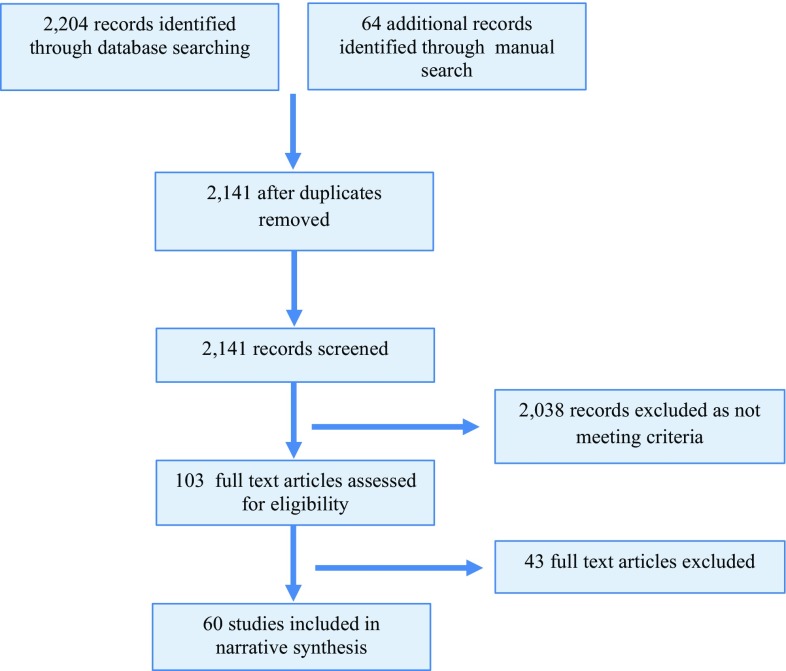
BACKGROUND: The physical impacts of elite sport participation have been well documented; however, there is comparatively less research on the mental health and psychological wellbeing of elite athletes. OBJECTIVE: This review appraises the evidence base regarding the mental health and wellbeing of elite-level athletes, including the incidence and/or nature of mental ill-health and substance use. METHODS: A systematic search of the PubMed, EMBASE, SPORTDiscus, PsycINFO, Cochrane and Google Scholar databases, up to and including May 2015, was conducted. RESULTS: The search yielded a total of 2279 records. Following double screening, 60 studies were included. The findings suggested that elite athletes experience a broadly comparable risk of high-prevalence mental disorders (i.e. anxiety, depression) relative to the general population. Evidence regarding other mental health domains (i.e. eating disorders, substance use, stress and coping) is less consistent. These results are prefaced, however, by the outcome of the quality assessment of the included studies, which demonstrated that relatively few studies (25 %) were well reported or methodologically rigorous. Furthermore, there is a lack of intervention-based research on this topic. CONCLUSION: The evidence base regarding the mental health and wellbeing of elite athletes is limited by a paucity of high-quality, systematic studies. Nonetheless, the research demonstrates that this population is vulnerable to a range of mental health problems (including substance misuse), which may be related to both sporting factors (e.g. injury, overtraining and burnout) and non-sporting factors. More high-quality epidemiological and intervention studies are needed to inform optimal strategies to identify and respond to player mental health needs.
Overview
The claims and statistics of this paper haven’t been checked yet.
Run the check — free, no account needed. It reads the open-access text and checks the sources it cites.
Integrity signals
Registry
Cites
Statistics
Figures
Verification
Claims the paper makes
The claims and statistics of this paper haven’t been checked yet.
Run the check — free, no account needed. It reads the open-access text and checks the sources it cites.
Claims other papers make about this one
Each is checked against this paper’s own text: does it say what the citing paper says it does?
The cited source says what the claim attributes to it.
In the citing paper
“To date, research has primarily examined the mental health outcomes of elite athletes [15–18], with comparatively less research focusing on understanding these psychological experiences among coaches [19].”
From The Mental Health of Elite-Level Coaches: A Systematic Scoping Review (2024) · cites this paper as [17]
Self-check
Percentages, sums and reported differences re-computed from the paper’s own numbers.
The self-check needs the paper’s full text.
Citations
Cites
The prevalence and correlates of eating disorders in the National Comorbidity Survey Replication
Hudson, J. I., Hiripi, E., Pope, H. G., & Kessler, R. C. (2007) · Biological Psychiatry · doi:10.1016/j.biopsych.2006.03.040 · Cited by 4,973 · cited 1×
“However, there was a tendency for higher vulnerability to these conditions in athletes involved in sports requiring a particularly lean body shape [21, 35, 38– 40] and in female athletes [41–43]—the latter being consistent with the findings of general population studies [87].”
Mental health of young people: A global public-health challenge
Patel, V., Flisher, A. J., Hetrick, S., & McGorry, P. (2007) · The Lancet · doi:10.1016/s0140-6736(07)60368-7 · Cited by 3,126 · cited 1×
“Such models should capitalise on an early-intervention framework [102–104], ensuring early detection and prompt access to high-quality, evidence-based interventions.”
Self-citationYoung People’s Help-Seeking for Mental Health Problems
Rickwood, D., Deane, F. P., Wilson, C. J., & Ciarrochi, J. (2005) · Australian e-Journal for the Advancement of Mental Health · doi:10.5172/jamh.4.3.218 · Cited by 1,619 · cited 1×
“Importantly, the mental health of hard-to-engage populations, such as young men [107] and older men [108, 109], could be targeted.”
How Emotions Influence Performance in Competitive Sports
Lazarus, R. S. (2000) · The Sport Psychologist · doi:10.1123/tsp.14.3.229 · Cited by 1,085 · cited 1×
“The ways by which athletes appraise and cope with these stressors can be a powerful determinant of the impact the stressors have on both their mental health and their sporting success [18].”
Prevalence of Eating Disorders in Elite Athletes Is Higher Than in the General Population
Sundgot-Borgen, J. K., & Torstveit, M. K. (2004) · Clinical Journal of Sport Medicine · doi:10.1097/00042752-200401000-00005 · Cited by 1,077 · cited 2×
“Three reported a higher incidence of eating disorder or body dissatisfaction in elite athletes relative to controls [36], especially in sports emphasising leanness or lower body weight [21, 35].”
Defining elite athletes: Issues in the study of expert performance in sport psychology
Swann, C., Moran, A., & Piggott, D. (2015) · Psychology of Sport and Exercise · doi:10.1016/j.psychsport.2014.07.004 · Cited by 998 · cited 1×
“While the included studies focused specifically on elite-level competition at the national or international level, differences between the included sports in terms of training, remuneration, media pressure and other salient variables must be considered [89].”
PHYSICAL ACTIVITY AND MENTAL HEALTH: THE ASSOCIATION BETWEEN EXERCISE AND MOOD
Peluso, M. A. M., & Andrade, L. H. (2005) · Clinics · doi:10.1590/s1807-59322005000100012 · Cited by 804 · cited 1×
“…that physical activity has a positive effect on mental health [6, 7], a review has found that intense physical activity performed at the elite athlete level might instead compromise mental wellbeing, increasing symptoms of anxiety and depression through overtraining, injury and burnout [8].”
Psychology of the elite athlete: An exploratory study
Mahoney, M. J., & Avener, M. (1977) · Cognitive Therapy and Research · doi:10.1007/bf01173634 · Cited by 615 · cited 1×
“Mahoney and Avener [80] Quantitative; crosssectional, observational Psychological factors and cognitive strategies 12 (12:0) Gymnastics; USA Self-verbalisations and certain forms of mental imagery differentiated Olympic-level and nonOlympic-level gymnasts.”
Gulliver, A., Griffiths, K. M., & Christensen, H. (2012) · BMC Psychiatry · doi:10.1186/1471-244x-12-157 · Cited by 611 · cited 3×
“Given that stigma, poor mental health literacy and negative past experiences of mental health help seeking are key barriers for elite athletes [12], more welldesigned studies, drawing on larger samples, are needed.”
Coping in sport: A systematic review
Nicholls, A. R., & Polman, R. C. J. (2006) · Journal of Sports Sciences · doi:10.1080/02640410600630654 · Cited by 575 · cited 1×
“Such an understanding is required to provide guidance for sport practitioners—including coaches, medical staff and sport psychologists—in developing the coping abilities of elite athletes and, in turn, improving their emotional wellbeing [20].”
Research works printed but not linked: 3
- Maestu J, Jurimae J, Jurimae T. Psychological and biochemical markers of heavy training stress in highly trained male rowers. Med dello Sport. 2003;56(2):95–101.
- Hainline B. Mind, body and sport: understanding and supporting student-athlete mental wellness. Indianapolis: National Collegiate Athletic Association; 2014.
- Thompson R, Sherman R. Managing student-athletes’ mental health issues. Indianapolis: National Collegiate Athletic Association; 2007.
Cited by
Sorted by citations
Items 701–800 of 1,000
The man who would be worth billions: Vincent Pericard, migration and mental illness
Elliott, R. (2020) · European Journal for Sport and Society · doi:10.1080/16138171.2020.1823690 · Cited by 2
“Whilst there is a body of work that argues that the pressures placed upon elite athletes means that they may be more likely to be exposed to mental illness than members of the general population (Beable et al., 2017; Gulliver et al., 2015; Malcolm & Scott, 2012; Mummery, 2005; Rice et al., 2016; Wood et al., 2017), th…”
BackgroundHauff, C., & Powell, S. M. (2022) · Performance Enhancement & Health · doi:10.1016/j.peh.2022.100218 · Cited by 4
Social Media and Athlete Mental Health and Well-Being
Hayes, M. (2022) · Emerald Group Publishing Limited eBooks · doi:10.1108/s1476-285420220000015026 · Cited by 5
The role of general health in predicting the social harms of elite athletes
Alamdarloo, G. H., Shahin, H. S., Gholami, M., Morovat, M., & Parsae, S. (2022) · Journal for the Study of Sports and Athletes in Education · doi:10.1080/19357397.2022.2060701 · Cited by 2
“Various findings suggest that elite athletes are at risk for public health problems (Foskett & Longstaff, 2018; Gouttebarge et al., 2019; Rice et al., 2016).”
Sandgren, S. S., Haycraft, E., & Plateau, C. R. (2022) · Journal of Clinical Sport Psychology · doi:10.1123/jcsp.2021-0108 · Cited by 2
Hubungan Antara Mental Toughness dengan Kecemasan Kompetitif pada Atlet Bola Basket Profesional
Annisa, R. K., & Kurniawan, A. (2022) · Buletin Riset Psikologi dan Kesehatan Mental (BRPKM) · doi:10.20473/brpkm.v2i1.31929 · Cited by 2
The Extreme Environments of Elite Sports
Poimann, D., Eckhardt, H., Cibis, T., & Wirth, M. (2022) · Springer eBooks · doi:10.1007/978-3-030-96921-9_13 · Cited by 3
Hinarejos, M. T., Zarceño, E. M. L., & Chirivella, E. C. (2023) · Journal of Sport and Health Research · doi:10.58727/jshr.88671 · Cited by 2
Deng, S., Deng, J., Yin, M., Li, Y., Chen, Z., Nassis, G. P., Zhu, S., Hu, S., Zhang, B., & Li, Y. (2023) · Journal of Exercise Science & Fitness · doi:10.1016/j.jesf.2023.08.002 · Cited by 2
Davies, L. E., Turner, M. J., Hopley, R., Slater, M. J., & Braithwaite, E. (2023) · Mental Health Science · doi:10.1002/mhs2.39 · Cited by 2
The Psychology of Paralympic Athletes: A Bibliometric Analysis
Öner, Ç. (2023) · International Journal of Disabilities Sports & Health Sciences · doi:10.33438/ijdshs.1358425 · Cited by 8
Labossière, S., Couture, S., Laurier, C., Lemieux, A., & Boudreault, V. (2023) · Stress and Health · doi:10.1002/smi.3354 · Cited by 5
College baseball players’ perception of their team climate and mental health
Erdész, A., Fry, M. D., & Fry, A. C. (2023) · Journal of Human Sport and Exercise · doi:10.14198/jhse.2023.184.06 · Cited by 2
Subjective well-being of current and former elite athletes in the German armed forces
Ehnold, P., Vollmann, F., & Schlesinger, T. (2024) · Frontiers in Sports and Active Living · doi:10.3389/fspor.2024.1256103 · Cited by 2
“By directly addressing both facilitating and inhibiting factors, organized sports can effectively target well-being (24).”
BackgroundSocial Media, Mental Health, and Equestrian Events
Snell, S., Jepson, A. S., Stadler, R., Walters, T., Dashper, K. L., Spencer, N. H., & Bhatia, P. (2024) · Event Management · doi:10.3727/152599524x17135753220147 · Cited by 2
More than a bump to the head: An overview of the long-term effects of concussion
Coffman, C. A., Covassin, T., & Pontifex, M. B. (2024) · The Psychology of learning and motivation/The psychology of learning and motivation · doi:10.1016/bs.plm.2024.06.003 · Cited by 2
The parental dilemma of talented children
McQueen, P. (2024) · Journal of the Philosophy of Sport · doi:10.1080/00948705.2024.2369921 · Cited by 2
“Although there are questions about the reliability of the data, there is some evidence that elite athletes have considerably higher rates of common mental disorders, such as depression and anxiety, than the general population (Foskett and Longstaff 2018; Rice et al. 2016).”
Couston, N., Hoare, E., & Hall, K. (2024) · Frontiers in Sports and Active Living · doi:10.3389/fspor.2024.1189933 · Cited by 4
Wilkins, L., Benallal, N., Allen, P. M., Beukes, E. W., & Healy, L. C. (2024) · International Journal of Sport and Exercise Psychology · doi:10.1080/1612197x.2024.2400900 · Cited by 2
“Despite these risk factors identified in the literature, a narrative systematic review by Rice et al. (2016) concluded that the prevalence of mental illness within elite athletes may be comparable to that of the general population, but importantly, there are likely to be sub-groups within the elite…”
Hapig, M., Zurstiege, G., Mayer, J., Thiel, A., & John, J. M. (2024) · Frontiers in Sports and Active Living · doi:10.3389/fspor.2024.1446680 · Cited by 3
Impact of Sports on Female Growth and Pubertal Development: A Cohort Study
Anjos, M. M., Braga, C. G., & da Cruz-Ferreira, A. M. (2024) · Cureus · doi:10.7759/cureus.75805 · Cited by 2
The relationship between tennis participation and wellbeing: a survey of 2287 adults
Stubbs, B., & Werneck, A. O. (2025) · International Journal of Racket Sports Science · doi:10.30827/ijrss.33250 · Cited by 2
“One previous survey among tennis professionals did not find an association with playing tennis and mental health (Spring et al., 2020) and wider literature has often found high levels of poor mental health in elite athletes (Rice et al., 2016).”
The Voice of Mental Health Literacy
Gorczynski, P. F. (2025) · Advances in Psychiatry and Behavioral Health · doi:10.1016/j.ypsc.2025.02.001 · Cited by 3
Validation of the athlete psychological strain questionnaire among United States collegiate athletes
Yang, J., & Parent, M. C. (2025) · Psychology of sport and exercise · doi:10.1016/j.psychsport.2025.102933 · Cited by 2
Elvins, M., Miller, A. J., & Turner, M. J. (2025) · Journal of Rational-Emotive & Cognitive-Behavior Therapy · doi:10.1007/s10942-025-00619-9 · Cited by 5
“For example, performance pressure (Rice et al., 2016), injury and recovery (Walker et al., 2007), balancing roles (Sun et al., 2023 ), overtraining (Cadegiani, 2020), and social identity and isolation (Thomas et al., 2017).”
Exploring the relationship between well-being and match playing time in elite U-17 footballers
Madsen, E. E., Ivarsson, A., & Andersen, T. R. (2025) · Science and Medicine in Football · doi:10.1080/24733938.2025.2589800 · Cited by 2
“Our findings align with previous research showing a high prevalence of reduced mental health in elite athletes (Rice et al. 2016) and underscore the need for systematic monitoring and early support strategies.”
Ojio, Y., Yamada, K., Amemiya, R., Kawamura, S., Rice, S. M., & Purcell, R. (2025) · Sports Psychiatry · doi:10.1024/2674-0052/a000116 · Cited by 3
Self-citationTackling Difficult Conversations: Student-Athletes, Mental Health, and Emerging Technology
Fraley, T., Warner, S. M., Wilson, C., Jones, G., & Catalano, M. (2020) · Journal of Athlete Development and Experience · doi:10.25035/jade.02.02.03 · Cited by 2
“In particular, there are growing concerns regarding the risk of mental health disorders among elite-level athletes (Aldridge, 2018; M. Moore, 2017; Rice et al., 2016), as student-athletes are not immune to the stressors of college life.”
BackgroundKhot, R., & Bujurke, A. (2021) · International Journal of Yogic Human Movement and Sports Sciences · doi:10.22271/yogic.2021.v6.i2a.1157 · Cited by 2
Sport for the Sake of the Soul
Austin, M. W. (2017) · Sport Ethics and Philosophy · doi:10.1080/17511321.2017.1300604 · Cited by 2
“Second, at some point even the world’s greatest athletes reach a pinnacle of their athletic skills, and for many this leads to a form of disappointment, dissatisfaction, and even mental health issues (Rice et al. 2016).”
BackgroundTeaching Well-Being Within the Context of Sport: The What, Why, How and for Whom!
Mack, D. E., Wilson, P. M., Kelley, C., & Mooradian, J. (2019) · Social indicators research series · doi:10.1007/978-3-030-21551-4_14 · Cited by 2
Specific probiotics in elite athlete injuries: indication for usage
Müller, V. T., Fernandes, J. R., Malina, A., de Azevedo, Â. C. B., Brito, C. J., & Miarka, B. (2020) · Brazilian Journal of Health Review · doi:10.34119/bjhrv3n1-079 · Cited by 2
Frühe Spezialisierung im Sport: Risiko für Überlastungsschäden, Verletzungen und Burnout?
Petersen, W. J., Bierke, S., & Häner, M. (2020) · Sports Orthopaedics and Traumatology · doi:10.1016/j.orthtr.2020.04.006 · Cited by 2
A Qualitative Exploration of Collegiate Student-Athletes’ Constructions of Health
Crocker, B., & Duncan, L. R. (2020) · Journal of Intercollegiate Sport · doi:10.17161/jis.v13i1.11731 · Cited by 2
“The pursuit of elite performance in sport has also been connected to particular risks of poor mental health (Rice et al., 2016) and family health (Bean, Fortier, Post, & Chima, 2014).”
BackgroundPerfil psicológico de atletas brasileiros de Paradesporto em Nível Escolar
Resende, M. C. D., de Carvalho‐Freitas, M. N., Guimarães, A. C., & de Oliveira, D. C. R. (2021) · Research Society and Development · doi:10.33448/rsd-v10i4.14044 · Cited by 2
Currie, A., & Johnston, A. (2022) · Springer eBooks · doi:10.1007/978-3-031-08364-8_20 · Cited by 2
General Approaches to Management of Mental Health in Elite Athletes: Psychotherapy
Herzog, T., Eiring, K. M., & Bartley, J. D. (2022) · Springer eBooks · doi:10.1007/978-3-031-08364-8_2 · Cited by 2
Oforeh, K., Tumenta, T., Qureshi, D., Saeed, H., & Nkemjika, S. (2023) · Cureus · doi:10.7759/cureus.33507 · Cited by 2
“These findings are more prominent in elite athletes than the non-elite athletes due to the differential professional and longer duration of the engagement [8].”
BackgroundShaari, J. S., Nizam, N. F. D. M., Nor, M. A. M., Halim, N. A. A., Aiman, S., & Prasetyo, Y. (2023) · ACPES (ASEAN Council of Physical Education and Sport) International Conference (ACPES) · doi:10.4108/eai.28-10-2022.2327500 · Cited by 2
Tolentino, K., & Raabe, J. J. (2024) · Journal of Clinical Sport Psychology · doi:10.1123/jcsp.2023-0035 · Cited by 2
Risikoeinschätzung für depressive Syndrome anhand eines Screenings psychologischer Variablen
Nixdorf, I., Beckmann, J., & Nixdorf, I. (2020) · Zeitschrift für Sportpsychologie · doi:10.1026/1612-5010/a000305 · Cited by 2
Diagnosis and Management of Substance Use Disorders in Athletes
Walters, P., Hillier, B., Passetti, F., Soni, A., & Treasaden, I. H. (2021) · Advances in Psychiatry and Behavioral Health · doi:10.1016/j.ypsc.2021.06.001 · Cited by 2
GÜLHAN, Y. E., & Akpınar, S. (2021) · Spor Bilimleri Araştırmaları Dergisi · doi:10.25307/jssr.971641 · Cited by 2
Relação entre os estados de humor e a síndrome de Overtraining em jovens atletas
Carvalho, R., Monteiro, D., & Rodrigues, F. F. (2022) · Cuadernos de Psicología del Deporte · doi:10.6018/cpd.486041 · Cited by 2
What's the mindset? : an investigation of junior hockey players' attitudes toward sport psychology
Shaw, A. R. (2018) · Open ULeth Scholarship (OPUS) (University of Lethbridge) · Cited by 2
Determining the Efficacy of Mental Health Awareness Interventions in Sport Using a Systematic Review
Shannon, S., & Breslin, G. (2020) · SAGE Publications Ltd eBooks · doi:10.4135/9781529710717 · Cited by 2
“It is through the delivery of sport-based mental health interventions that awareness of mental health concerns can increase (Breslin & Leavey, 2019), yet in 2015, scholars and sporting organizations were outlining that effective ways of achieving the delivery of these messages remained uncertain (Rice et al., 2016).”
BackgroundInfluentialStubbs, B., & Rosenbaum, S. (2018) · Elsevier eBooks · doi:10.1016/b978-0-12-812605-9.02001-3 · Cited by 2
Association between the Distal Gut Microbiome and Anxiety in Highly Active IndividualsPreprint
Morales, E., Fletcher, E., Hwang, P. S., Kim, C. S., Padgett, R. N., Smeding, S., Scullin, M. K., Gordon, P. M., & Greathouse, K. L. (2020) · doi:10.21203/rs.3.rs-26541/v1 · Cited by 2
Patterson, L. B., Bentley, M. R. N., Williams, T. L., Boardley, I., Petróczi, A., & Backhouse, S. H. (2023) · doi:10.51224/srxiv.264 · Cited by 2
Ojio, Y., Yamada, K., Amemiya, R., Kawamura, S., Rice, S., & Purcell, R. (2024) · Research Square · doi:10.21203/rs.3.rs-5315778/v1 · Cited by 6
Self-citationThe evolution of sports psychiatry: a clinical intersection of mental health and physical activity
Claussen, M. C., Prossor, D., Nahman, C., Burger, J. W., Baron, D. A., Edwards, C. D., & Glick, I. D. (2025) · British Journal of Sports Medicine · doi:10.1136/bjsports-2024-109208 · Cited by 2
“11 There has been success in the scientific study of mental health and psychiatric disorders in competitive and elite sports.”
Cycling: Attention Deficit Hyperactivity Disorder and Anti-Doping
Dove, J., & Rowe, L. (2020) · Cambridge University Press eBooks · doi:10.1017/9781108767187.007 · Cited by 1
Swimming: Adolescent Athlete Training Commitments
Nahman, C., Plateau, C. R., & Moorhouse, A. (2020) · Cambridge University Press eBooks · doi:10.1017/9781108767187.011 · Cited by 1
Substance use in elite and recreational sport
van de Ven, K., Kayser, B., Claussen, M. C., & Iff, S. (2022) · Sports Psychiatry · doi:10.1024/2674-0052/a000030 · Cited by 1
Bipolar and Psychotic Disorders
Currie, A., & McAllister-Williams, H. (2022) · Springer eBooks · doi:10.1007/978-3-031-08364-8_12 · Cited by 1
Psychological Response to Injury and Illness
Putukian, M. (2022) · Springer eBooks · doi:10.1007/978-3-031-08364-8_17 · Cited by 2
Terjesen, M. D., Artiran, M. K., Claffey, J., David, D., Jordana, A., Outar, L., Palmer, S., Goldman, S., & Turner, M. J. (2023) · Journal of Rational-Emotive & Cognitive-Behavior Therapy · doi:10.1007/s10942-023-00500-7 · Cited by 1
Traumatische Erfahrungen und Belastungen im Leistungssport
Allroggen, M. (2023) · Die Psychotherapie · doi:10.1007/s00278-023-00680-8 · Cited by 1
EFEITOS DO ESTRESSE MENTAL SOBRE O DESEMPENHO DE ATLETAS DE ALTO RENDIMENTO
da Silva, M. F. L., & Farias, E. R. (2023) · Editora Científica Digital eBooks · doi:10.37885/230412720 · Cited by 1
Häufige psychische Erkrankungen bei Leistungssportler:innen
Ströhle, A. (2023) · Springer eBooks · doi:10.1007/978-3-662-66208-3_17 · Cited by 1
Penna, E. M., Filho, E., Bentes, L. M. N., Ferreira, R. M., & Pires, D. A. (2023) · Science of Gymnastics Journal · doi:10.52165/sgj.15.3.427-439 · Cited by 1
Dominant Physical Condition Components of Sepak Takraw Sport for Cimahi City Athletes
Supriady, A. (2023) · Journal Coaching Education Sports · doi:10.31599/jces.v4i2.2176 · Cited by 1
Off the ice: an oral history of the Swift Current Broncos’ relationship with hockey
Miller, P. J., Greenham, C. G., & Loughead, T. M. (2024) · Sport in Society · doi:10.1080/17430437.2024.2346163 · Cited by 1
“Scholars have lamented the lack of high-quality research involving elite athletes (Rice et al. 2016), citing barriers with access to athletes and their hesitancies to be involved in research (Sands 2008), and the perceived stigmatization of mental health problems that athletes have indicated exists…”
Psychiatric Disorders in Elite Athletes
Rungstrøm, K., Frisk, C. H., Hulgaard, D. R., & Lichtenstein, M. B. (2024) · Scandinavian Journal of Sport and Exercise Psychology · doi:10.7146/sjsep.v6i.140705 · Cited by 2
Harnois, S. (2022) · Research & Investigations in Sports Medicine · doi:10.31031/rism.2022.09.000705 · Cited by 1
Sakamoto, Y., Komagata, J., Otsuka, A., Shinya, Y., Sendouda, M., & Masu, Y. (2024) · Psychiatry International · doi:10.3390/psychiatryint5030033 · Cited by 3
Noury, A. A., Frick, B., & Risch, N. (2024) · Frontiers in Behavioral Economics · doi:10.3389/frbhe.2024.1472427 · Cited by 1
“These events also come with the opportunity to simulate managerial behavior with respect to goal setting and strategy development (Edwards et al., 2004; Sato et al., 2015; Kim et al., 2021; Rice et al., 2016).”
Geiger, S., Aufderlandwehr, J., Esser, A. J., Reinemann, E., Muehlbauer, T., Viehweger, S., Skoda, E., Teufel, M., & Bäuerle, A. (2025) · Telemedicine Journal and e-Health · doi:10.1089/tmj.2024.0496 · Cited by 3
Ice Hockey Coaches’ Perceptions of Their Role in Supporting Athlete Mental Health
Henderson, S., Bloom, G. A., & Heath, N. L. (2025) · International Sport Coaching Journal · doi:10.1123/iscj.2024-0095 · Cited by 5
ahn, H.-K., Choi, Y.-H., & Kim, Y.-V. (2025) · International Journal of Mental Health Promotion · doi:10.32604/ijmhp.2025.060896 · Cited by 1
“Freud’s theory of ego repression suggests these dynamics contribute to anxiety and identity conflicts by suppressing personal desires [20].”
InfluentialHealth and lifestyle risk factors: a comparison between Brazilian athletes and non-athletes
Coelho‐Ravagnani, C. D. F., da Silva, M. S. V., de Almeida, J. A., Calvo, A. P. C., Ravagnani, F. C. D. P., Faria, S. I. G., & Nevill, A. M. (2025) · Revista Brasileira de Atividade Física & Saúde · doi:10.12820/rbafs.29e0373 · Cited by 1
Exploring stressors in elite rugby league (NRL/NRLW) players
Humphreys, C., Goddard, S. G., & Poulus, D. (2025) · Journal of Applied Sport Psychology · doi:10.1080/10413200.2025.2500963 · Cited by 1
“These stressors can negatively impact athletes’ performance, increase injury risk, and lead to mental health challenges such as anxiety, depression, and sleep disruption (Fletcher et al., 2006; Fletcher & Hanton, 2003; Mellalieu et al., 2009; Rice et al., 2016).”
Development and Validation of a Retrospective Injury Questionnaire for Elite Indian Runners
Sharma, U., & Sinha, A. G. K. (2025) · Journal of Society of Indian Physiotherapists · doi:10.4103/jsip.jsip_120_24 · Cited by 1
Eating disorders among athletes: causes, symptoms, and health consequences
Mikulska, J., Lewandowski, M., Kurkiewicz, W., Woźniak, O., Wąsik, J., Gryboś, K., Sepioło, W., Kiełbratowska, J., & Kwiatkowska, Z. (2025) · Quality in Sport · doi:10.12775/qs.2025.41.60061 · Cited by 1
Saraswati, P., Kanaujia, S., Thakur, G. S., & Kapri, B. C. (2025) · Cureus · doi:10.7759/cureus.85452 · Cited by 3
“Mental stress and conditions like anxiety, eating disorders, substance use disorders, depression, and psychological distress can be exacerbated by athletic culture [8,9].”
Muñoz, F., Herrera, F., Riquelme, S., Henríquez, M., Álvarez‐Ruf, J., Cornejo, M. I., & de Campos, L. F. C. C. (2025) · Sports · doi:10.3390/sports13070203 · Cited by 2
“Additionally, another relevant issue that may be a factor to highlight is career transitions, such as retirement from sports, which can be a high-risk period for depression due to the loss of identity, daily structure, and social support that sport provides [36].”
Wang, N., Lee, J.-H., & Cho, H. (2025) · International Journal of Sport and Exercise Psychology · doi:10.1080/1612197x.2025.2523001 · Cited by 3
The effect of endurance-based sports on athlete success and psychological well-being
Özpınar, S., YÜCEL, A. S., Korkmaz, M., Öztaş, D., Kuyucu, M. M., & Aras, G. (2025) · Sportis Scientific Journal of School Sport Physical Education and Psychomotricity · doi:10.17979/sportis.2025.11.3.11949 · Cited by 1
Exploring Need Segments of Recreational Sports Participants
Kang, P., Yoo, S., Davis, S. M., González‐Serrano, M. H., & Ko, Y. J. (2025) · Journal of Global Sport Management · doi:10.1080/24704067.2025.2525257 · Cited by 3
“For aggressive individual sports (e.g. boxing), policymakers can fund programs in community centers, using testimonials of resilience to attract at-risk youth, reducing inactivity (Rice et al., 2016).”
Ribeiro, A. F. M., Melo, R. D. S., Carvalho, D. C. R., Fernandes, J., de Oliveira, S. F. M., Monteiro, R. D. A., de Mello, A. D. S., de Souza, C. D. C. B., Cardoso, M. J. D. L., de Araújo, M. D. G. R., et al. (2025) · International Biomechanics · doi:10.1080/23335432.2025.2531944 · Cited by 1
“Rice et al. (2016) highlighted unique stressors for elite athletes, such as media scrutiny and career-ending injuries, which impact mental health and performance.”
Murray, K., McGregor, A., Jin, R., Xu, F., & Leach, L. (2025) · Body Image · doi:10.1016/j.bodyim.2025.101948 · Cited by 3
Paykan: Virtual reality gaming as a therapeutic tool for target panic disorder
Mohammadi, H. S., Bakhshi, F., Sekhavat, Y. A., Dasari, M., Ansaroudi, K. G., & Alilou, M. A. H. (2025) · Entertainment Computing · doi:10.1016/j.entcom.2025.101013 · Cited by 1
A Three‐Year Longitudinal Study of Athlete Mental Health: A Cricket Case Study
Ely, G., Woodman, T., Roberts, R., Jones, E. S., Williams, L., & Peirce, N. S. (2025) · Scandinavian Journal of Medicine and Science in Sports · doi:10.1111/sms.70125 · Cited by 1
“Various mental health consensus statements [1, 2] and systematic reviews [3, 4] in sport have been published in the last decade.”
Ruud, H., & Jooste, J. (2025) · Performance Enhancement & Health · doi:10.1016/j.peh.2025.100369 · Cited by 1
Hilpisch, C., Zentgraf, K., & Mutz, M. (2025) · International Journal of Sport and Exercise Psychology · doi:10.1080/1612197x.2025.2563317 · Cited by 1
Evang, L. P., Lewis, J. E., & Nicanord, E. J. (2025) · American Journal of Lifestyle Medicine · doi:10.1177/15598276251388632 · Cited by 1
Petersen, B., & Schinke, R. J. (2025) · The Sport Psychologist · doi:10.1123/tsp.2025-0073 · Cited by 1
Xu, L., Peng, Z., Lian, J., Shao, Y., Dong, Y., & Fu, W. (2025) · Frontiers in Sports and Active Living · doi:10.3389/fspor.2025.1591411 · Cited by 1
Generoso, R. A., Vasudevan, V., Hamade, H., Sylvester-Omorodion, P., & Wolohan, M. (2025) · BMJ Open · doi:10.1136/bmjopen-2025-104620 · Cited by 1
Kaya, H. B., Karaduman, Z. O., Akpınar, S., Arıcan, M., Sağlam, S., Akşit, S., Koç, M., & Uludağ, V. (2025) · BMC Sports Science Medicine and Rehabilitation · doi:10.1186/s13102-025-01450-6 · Cited by 1
“These findings are consistent with previous research demonstrating that psychological factors—especially fear of movement and perceived readiness—are critical determinants of return-to-sport outcomes [26, 34].”
Kruger, A., Jooste, J., & Krüger, P. (2025) · Cogent Psychology · doi:10.1080/23311908.2025.2592902 · Cited by 1
“…entails a range of complex pressures and challenges that athletes must navigate throughout their professional careers (lane, 2024). according to Rice et al. (2016), the impact of mental health among professional athletes is less understood. studies indicate that athletes are especially…”
Noninvasive brain stimulation and athletic performance: a critical narrative review
Deng, J., Chen, Q., Luo, L., Wang, Q., Lv, Z., Luo, X., & Liang, J. (2025) · BMC Sports Science Medicine and Rehabilitation · doi:10.1186/s13102-025-01455-1 · Cited by 4
Tanwar, E., Kalpana, K., Khanna, G. L., Rao, B. D., & Saifi, A. (2025) · Scientific Reports · doi:10.1038/s41598-025-30523-2 · Cited by 1
Factorial Validity and Measurement Invariance of the CCAPS-Screen Among College Student-Athletes
Worley, J. T., Davis, S., Sullivan, L., & Houle, J. L. W. (2025) · Journal of Clinical Sport Psychology · doi:10.1123/jcsp.2025-0038 · Cited by 1
Yamaguchi, T., Takagi, S., Hori, H., Nishida, M., Koeda, T., Matsumoto, T., Kawata, Y., Ota, T., & Takazawa, Y. (2025) · Frontiers in Psychology · doi:10.3389/fpsyg.2025.1713901 · Cited by 1
“For instance, professional athletes face anxieties directly linked to livelihood, contracts, and intense public scrutiny, which may manifest differently than the academic and athletic pressures faced by university athletes (Li et al., 2021; Rice et al., 2016).”
Mulla, M., Langaliya, A. K., Jawahar, A., Mulla, M., Galletti, C., Mathur, A. S., & Fiorillo, L. (2026) · Journal of Craniofacial Surgery · doi:10.1097/scs.0000000000012176 · Cited by 1
Ji, T., JONGE, J. D., Peeters, M. C. W., & Taris, T. W. (2026) · Humanities and Social Sciences Communications · doi:10.1057/s41599-026-06541-4 · Cited by 1
“…athletes with higher levels of cognitive liveliness are more likely to exhibit positive work-related behaviors, such as increased task performance (Rice et al., 2016; Yongtawee et al., 2022), greater effort in their job tasks (Balk and De Jonge, 2021), and a proactive approach to challenges (Rice…”
Kara, M., Genç, M., Talaghir, L.-G., Benţea, C. C., Olaru, B. S., & Ivan, P. (2026) · Behavioral Sciences · doi:10.3390/bs16020205 · Cited by 1
“Recent research has highlighted that athletes, despite perceptions of high mental fortitude, are susceptible to depressive symptoms, which can directly impair cognitive functions crucial for performance, such as attention and decision-making (Gouttebarge et al., 2015; Rice et al., 2016).”
Stressed minds, altered strategies: Acute stress impairs proactive control in table tennis athletes
Xu, L., Peng, Z., Lian, J., Gong, X., Shao, Y., Han, M., & Jiao, F. (2026) · Brain Research Bulletin · doi:10.1016/j.brainresbull.2026.111766 · Cited by 1
Mansell, P. C., Clark, K., Brookes, J., Wright, J., Westley, S., Sparks, K. V., & Slater, M. J. (2026) · Psychology International · doi:10.3390/psycholint8010009 · Cited by 1
“However, athletes are still prone to symptoms of mental ill health and mental illness (Rice et al., 2016), with an estimate of 34% of athletes experiencing anxiety or depression (Gouttebarge et al., 2019), while some studies report that these figures can be even higher (e.g., 46.4% in Gulliver et…”
Influential
Metadata
- Authors
- Rice, S. M., Purcell, R., De Silva, S., Mawren, D., McGorry, P. D., & Parker, A. G.
- Affiliations
- The University of Melbourne (AU)
- Orygen (AU)
- Corresponding author
- Rice, Simon M.
- Venue
- Sports Medicine
- Published
- 2016-02-20
- Volume
- 46
- Issue
- 9
- Pages
- 1333-1353
- ISSN
- 0112-1642 (ISSN-L)
- 1179-2035
- PMC
- PMC4996886
- OpenAlex
- W2278084024
- Cited by
- 1,205
- References
- 110
- Citations by year
- 2026: 175 · 2025: 161 · 2024: 157 · 2023: 148 · 2022: 155 · 2021: 129 · 2020: 105 · 2019: 74 · 2018: 64 · 2017: 27 · 2016: 10
- FWCI
- 10.78
- Type
- journal article
- Language
- en
- Open access
- hybrid
- doi.org
- Locations
- Sports Medicine (publishedVersion, cc-by)
- PubMed Central (publishedVersion, cc-by)
- PubMed (publishedVersion)
- Victoria University Research Repository (Victoria University) (submittedVersion, cc-by)
- Minerva Access (University of Melbourne) (submittedVersion, cc-by)
- Swinburne figshare (Swinburne University of Technology) (submittedVersion, cc-by)
- Funders
- Society for Mental Health Research (Early Career Fellowship)
- Topics
- Social Sciences › Psychology › Developmental and Educational Psychology › Sport Psychology and Performance
- Social Sciences › Psychology › Clinical Psychology › Psychological Treatments and Assessments
- Social Sciences › Psychology › Clinical Psychology › COVID-19 and Mental Health
- Keywords
- elite athletes, mental health, psychological well-being, anxiety, depression, eating disorders, substance use, stress coping, burnout, overtraining, injuries, mental health interventions
- MeSH terms
- Adaptation, Psychological, Anxiety, Feeding and Eating Disorders, Competitive Behavior, Depression, Humans, Mental Health, Risk Factors, Stress, Psychological, Incidence, Substance-Related Disorders, Athletes
About these checks
Registry, retraction, Cites and statistics results are computed, not judged, with one exception: a printed reference that no index lists is read once by a model before it counts as a citation error. Claims are extracted by a model and kept only when their quote appears verbatim in the text; each cited source is then checked, with a model’s help, for whether it says what the claim relies on. Those verdicts can be wrong — read the claim’s quote and the cited source before relying on one.
Statistics and arithmetic are recomputed, not judged.
Confidence bands are shown only for fields calibrated on our annotated test set. None is calibrated yet, so no band is shown.
What counts as a claim ›How we measure confidence ›How we check this ›
Are you an author, or do you see a problem with this page? Request a review
