

Food-First Approach to Enhance the Regulation of Post-exercise Skeletal Muscle Protein Synthesis and Remodeling
Open accessThe DOI matches its Crossref record; 86 of the 86 references it cites were found in a registry or an index.
Abstract
Protein recommendations are provided on a daily basis as defined by the recommended dietary allowance (RDA) at 0.80 g protein/kg/day. However, meal-based, as opposed to daily, dietary protein recommendations are likely more informative given the role of the daily protein distribution pattern in modulating the post-exercise muscle protein synthetic response. Current protein meal recommendations to plateau post-exercise muscle protein synthesis rates are based on the ingestion of isolated protein sources, and not protein-rich whole foods. It is generally more common to eat whole food sources of dietary protein within a normal eating pattern to meet dietary protein requirements. Yet, there is a need to define how dietary protein action on muscle protein synthesis rates can be modulated by other nutrients within a food matrix to achieve protein requirements for optimal muscle adaptations. Recent developments suggest that the identification of an "optimal" protein source should likely consider the characteristics of the protein and the food matrix in which it is consumed. This review aims to discuss recent concepts related to protein quality, and the potential interactive effects of the food matrix, to achieve optimal protein requirements and elicit a robust postprandial muscle protein synthetic response with an emphasis on the post-exercise recovery window.
Overview
The claims and statistics of this paper haven’t been checked yet.
Free: it reads the open-access text and checks the first 5 claims that cite a source we can check. Create a free account to check every claim.
Integrity signals
Registry
Cites
Statistics
Figures
Verification
Claims the paper makes
The claims and statistics of this paper haven’t been checked yet.
Free: it reads the open-access text and checks the first 5 claims that cite a source we can check. Create a free account to check every claim.
Self-check
Percentages, sums and reported differences re-computed from the paper’s own numbers.
The self-check needs the paper’s full text.
Citations
Cites
Future Protein Supply and Demand: Strategies and Factors Influencing a Sustainable Equilibrium
Henchion, M., Hayes, M., Mullen, A., Fenelon, M., & Tiwari, B. (2017) · Foods · doi:10.3390/foods6070053 · Cited by 1,519
Zhang, L., Hou, D., Chen, X., Li, D., Zhu, L., Zhang, Y., Li, J., Bian, Z., Liang, X., Cai, X., et al. (2012) · Cell Research · doi:10.1038/cr.2011.158 · Cited by 1,216
Dietary protein quality evaluation in human nutrition. Report of an FAQ Expert Consultation.
(2013) · PubMed · Cited by 1,144
Mixed muscle protein synthesis and breakdown after resistance exercise in humans
Phillips, S. M., Tipton, K. D., Aarsland, A., Wolf, S. E., & Wolfe, R. R. (1997) · American Journal of Physiology-Endocrinology and Metabolism · doi:10.1152/ajpendo.1997.273.1.e99 · Cited by 1,132
Tang, J. E., Moore, D. R., Kujbida, G. W., Tarnopolsky, M. A., & Phillips, S. M. (2009) · Journal of Applied Physiology · doi:10.1152/japplphysiol.00076.2009 · Cited by 998
Moore, D. R., Robinson, M. J., Fry, J. L., Tang, J. E., Glover, E. I., Wilkinson, S. B., Prior, T., Tarnopolsky, M. A., & Phillips, S. M. (2009) · The American Journal of Clinical Nutrition · doi:10.3945/ajcn.2008.26401 · Cited by 973
Volpi, E., Kobayashi, H., Sheffield-Moore, M., Mittendorfer, B., & Wolfe, R. R. (2003) · The American Journal of Clinical Nutrition · doi:10.1093/ajcn/78.2.250 · Cited by 846
An abundant supply of amino acids enhances the metabolic effect of exercise on muscle protein
Biolo, G., Tipton, K. D., Klein, S., & Wolfe, R. R. (1997) · American Journal of Physiology-Endocrinology and Metabolism · doi:10.1152/ajpendo.1997.273.1.e122 · Cited by 825 · cited 1×
“The primary metabolic action of dietary proteinderived amino acids is to stimulate whole body and muscle protein synthesis to support a positive net protein balance [22].”
BackgroundMoore, D. R., Churchward-Venne, T. A., Witard, O., Breen, L., Burd, N. A., Tipton, K. D., & Phillips, S. M. (2015) · The Journals of Gerontology: Series A · doi:10.1093/gerona/glu103 · Cited by 770
Self-citationFood synergy: an operational concept for understanding nutrition
Jacobs, D. R., Gross, M. D., & Tapsell, L. C. (2009) · The American Journal of Clinical Nutrition · doi:10.3945/ajcn.2009.26736b · Cited by 660
Research works printed but not linked: 1
- Consultation FE. Dietary protein quality evaluation in human nutrition. 2013. 26369006
Cited by
Comparison of nutritional composition between plant-based drinks and cow’s milk
Walther, B., Guggisberg, D., Badertscher, R., Egger, L., Portmann, R., Dubois, S., Haldimann, M., Kopf-Bolanz, K., Rhyn, P., Zoller, O., et al. (2022) · Frontiers in Nutrition · doi:10.3389/fnut.2022.988707 · Cited by 238
Hughes, R. L., & Holscher, H. D. (2021) · Advances in Nutrition · doi:10.1093/advances/nmab077 · Cited by 183
“The food matrix may also contribute to differential effects of whole-food protein sources on the gut microbiota, as the same quantity of protein in supplement form and the change in the amino acid profile as a result of protein isolation impact the protein digestion and absorption (60, 61, 98).”
BackgroundStrategies to Prevent Sarcopenia in the Aging Process: Role of Protein Intake and Exercise
Rogeri, P. S., Zanella, R., Martins, G. L., Garcia, M. D. A., Leite, G., Lugaresi, R., Gasparini, S. O., Sperandio, G. A., Ferreira, L. H. B., Souza-Junior, T. P., et al. (2021) · Nutrients · doi:10.3390/nu14010052 · Cited by 181
“This scenario could influence the MPS response since the addition of other macronutrients, and the meals’ solid consistency, may reduce the aminoacidemia/leucinemia [146] and slow down its increase [147], possibly reducing MPS [148–151].”
BackgroundA Review of the Role of the Gut Microbiome in Personalized Sports Nutrition
Hughes, R. (2020) · Frontiers in Nutrition · doi:10.3389/fnut.2019.00191 · Cited by 163
Should dietary guidelines recommend low red meat intake?
Leroy, F., & Cofnas, N. (2019) · Critical Reviews in Food Science and Nutrition · doi:10.1080/10408398.2019.1657063 · Cited by 151
Legumes as basic ingredients in the production of dairy‐free cheese alternatives: a review
Mefleh, M., Pasqualone, A., Caponio, F., & Faccia, M. (2021) · Journal of the Science of Food and Agriculture · doi:10.1002/jsfa.11502 · Cited by 138
Domić, J., Grootswagers, P., van Loon, L. J. C., & de Groot, C. P. G. M. (2022) · Advances in Nutrition · doi:10.1093/advances/nmac009 · Cited by 109
Anabolic Resistance of Muscle Protein Turnover Comes in Various Shapes and Sizes
Paulussen, K. J. M., McKenna, C. F., Beals, J. W., Wilund, K. R., Salvador, A. F., & Burd, N. A. (2021) · Frontiers in Nutrition · doi:10.3389/fnut.2021.615849 · Cited by 107
Self-citationBurd, N. A., McKenna, C. F., Salvador, A. F., Paulussen, K. J. M., & Moore, D. R. (2019) · Frontiers in Nutrition · doi:10.3389/fnut.2019.00083 · Cited by 105
Self-citationProtein Source and Muscle Health in Older Adults: A Literature Review
Putra, C., Konow, N., Gage, M. J., York, C., & Mangano, K. M. (2021) · Nutrients · doi:10.3390/nu13030743 · Cited by 104
Digestible indispensable amino acid score (DIAAS): 10 years on
Moughan, P. J., & Lim, W. X. J. (2024) · Frontiers in Nutrition · doi:10.3389/fnut.2024.1389719 · Cited by 99
Coelho, M. O. C., Monteyne, A. J., Dunlop, M. V., Harris, H. C., Morrison, D. J., Stephens, F. B., & Wall, B. T. (2020) · Nutrition Reviews · doi:10.1093/nutrit/nuz077 · Cited by 98
Craddock, J. C., Genoni, A., Strutt, E. F., & Goldman, D. (2021) · Current Nutrition Reports · doi:10.1007/s13668-020-00348-8 · Cited by 94
Nutrient synergy: definition, evidence, and future directions
Townsend, J. R., Kirby, T. O., Sapp, P. A., Gonzalez, A. M., Marshall, T. M., & Esposito, R. (2023) · Frontiers in Nutrition · doi:10.3389/fnut.2023.1279925 · Cited by 92
Obesity Alters the Muscle Protein Synthetic Response to Nutrition and Exercise
Beals, J. W., Burd, N. A., Moore, D. R., & van Vliet, S. (2019) · Frontiers in Nutrition · doi:10.3389/fnut.2019.00087 · Cited by 88
“endurance), BMI, and/or age of an individual may all be important factors that modulate the recommended amount of protein to consume in a meal to augment postprandial muscle protein synthesis rates as discussed elsewhere (51, 52).”
BackgroundSelf-citationSlater, G. J., Dieter, B. P., Marsh, D. J., Helms, E. R., Shaw, G., & Iraki, J. (2019) · Frontiers in Nutrition · doi:10.3389/fnut.2019.00131 · Cited by 88
Zaromskyte, G., Prokopidis, K., Ioannidis, T., Tipton, K. D., & Witard, O. C. (2021) · Frontiers in Nutrition · doi:10.3389/fnut.2021.685165 · Cited by 89
Maximizing Post-exercise Anabolism: The Case for Relative Protein Intakes
Moore, D. R. (2019) · Frontiers in Nutrition · doi:10.3389/fnut.2019.00147 · Cited by 86
Plotkin, D. L., Delcastillo, K., Van Every, D. W., Tipton, K. D., Aragon, A. A., & Schoenfeld, B. J. (2021) · International Journal of Sport Nutrition and Exercise Metabolism · doi:10.1123/ijsnem.2020-0356 · Cited by 80
“The food matrix also seems to influence the anabolic response to protein and BCAA ingestion (Burd et al., 2019).”
BackgroundJangi, S. R. H., & Akhond, M. (2021) · Sensors and Actuators B Chemical · doi:10.1016/j.snb.2021.129901 · Cited by 77
Lappi, J., Silventoinen, P., Vanhatalo, S., Rosa‐Sibakov, N., & Sözer, N. (2022) · Trends in Food Science & Technology · doi:10.1016/j.tifs.2022.09.020 · Cited by 75
Ely, I. A., Phillips, B. E., Smith, K., Wilkinson, D. J., Piasecki, M., Breen, L., Larsen, M. S., & Atherton, P. J. (2023) · Clinical Nutrition · doi:10.1016/j.clnu.2023.08.010 · Cited by 64
Granic, A., Dismore, L. L., Hurst, C., Robinson, S. M., & Sayer, A. A. (2020) · Nutrients · doi:10.3390/nu12082257 · Cited by 64
Marshall, R. N., Smeuninx, B., Morgan, P. T., & Breen, L. (2020) · Nutrients · doi:10.3390/nu12051533 · Cited by 63
Fuelling the female athlete: Carbohydrate and protein recommendations
Moore, D. R., Sygo, J., & Morton, J. P. (2022) · European Journal of Sport Science · doi:10.1080/17461391.2021.1922508 · Cited by 60
Furber, M., Young, G. R., Holt, G. S., Pyle, S., Davison, G., Roberts, M. G., Roberts, J., Howatson, G., & Smith, D. (2022) · mSystems · doi:10.1128/msystems.00129-22 · Cited by 55
Morgan, P. T., Harris, D. O., Marshall, R. N., Quinlan, J. I., Edwards, S. J., Allen, S. L., & Breen, L. (2021) · The Journal of Nutrition · doi:10.1093/jn/nxab055 · Cited by 53
Sustainable Diets for Athletes
Meyer, N. L., Reguant-Closa, A., & Nemecek, T. (2020) · Current Nutrition Reports · doi:10.1007/s13668-020-00318-0 · Cited by 49
Dave, L. A., Hodgkinson, S. M., Roy, N. C., Smith, N. W., & McNabb, W. C. (2021) · Critical Reviews in Food Science and Nutrition · doi:10.1080/10408398.2021.2012753 · Cited by 48
Alternative dietary protein sources to support healthy and active skeletal muscle aging
van der Heijden, I., Monteyne, A. J., Stephens, F. B., & Wall, B. T. (2023) · Nutrition Reviews · doi:10.1093/nutrit/nuac049 · Cited by 45
“).(182,184) The limitations of these metrics in determining protein quality as it pertains to muscle anabolism have led to a disconnect when using them to predict its in vivo anabolic potential in human experimentation.”
BackgroundMorgan, P. T., & Breen, L. (2021) · Nutrition & Metabolism · doi:10.1186/s12986-021-00574-z · Cited by 44
Huschtscha, Z., Parr, A., Porter, J. A., & Costa, R. J. S. (2021) · Frontiers in Nutrition · doi:10.3389/fnut.2021.644865 · Cited by 44
Granic, A., Sayer, A. A., Cooper, R., & Robinson, S. M. (2024) · Proceedings of The Nutrition Society · doi:10.1017/s0029665124007432 · Cited by 44
The contributory role of vascular health in age‐related anabolic resistance
Banks, N. F., Rogers, E. M., Church, D. D., Ferrando, A. A., & Jenkins, N. D. M. (2021) · Journal of Cachexia Sarcopenia and Muscle · doi:10.1002/jcsm.12898 · Cited by 44
Animal, Plant, Collagen and Blended Dietary Proteins: Effects on Musculoskeletal Outcomes
Deane, C., Bass, J., Crossland, H., Phillips, B., & Atherton, P. (2020) · Nutrients · doi:10.3390/nu12092670 · Cited by 43
Carbohydrates and Endurance Exercise: A Narrative Review of a Food First Approach
Naderi, A., Gobbi, N., Ali, A., Berjisian, E., Hamidvand, A., Forbes, S. C., Koozehchian, M. S., Karayigit, R., & Saunders, B. (2023) · Nutrients · doi:10.3390/nu15061367 · Cited by 42
Performance Nutrition for Athletes
Spriet, L. L. (2019) · Sports Medicine · doi:10.1007/s40279-018-1027-9 · Cited by 40
West, S., Monteyne, A. J., Whelehan, G., Abdelrahman, D. R., Murton, A. J., Finnigan, T. J. A., Blackwell, J. R., Stephens, F. B., & Wall, B. T. (2023) · British Journal of Nutrition · doi:10.1017/s0007114522003087 · Cited by 33
Carey, C. C., Doyle, L., & Lucey, A. J. (2023) · Frontiers in Sports and Active Living · doi:10.3389/fspor.2023.1088979 · Cited by 36
Morgan, P. T., Witard, O. C., Højfeldt, G. W., Church, D. D., & Breen, L. (2023) · Proceedings of The Nutrition Society · doi:10.1017/s0029665123003750 · Cited by 35
Lanng, S. K., Oxfeldt, M., Pedersen, S. S., Johansen, F. T., Risikesan, J., Lejel, T., Bertram, H. C., & Hansen, M. (2022) · European Journal of Nutrition · doi:10.1007/s00394-022-03071-y · Cited by 35
Protein Requirements for Master Athletes: Just Older Versions of Their Younger Selves
Moore, D. R. (2021) · Sports Medicine · doi:10.1007/s40279-021-01510-0 · Cited by 33
Low-Carbohydrate Training Increases Protein Requirements of Endurance Athletes
GILLEN, J. B., WEST, D. W. D., WILLIAMSON, E. P., FUNG, H. J. W., & MOORE, D. R. (2019) · Medicine & Science in Sports & Exercise · doi:10.1249/mss.0000000000002036 · Cited by 33
Lamb, D. A., Moore, J. H., Smith, M. A., Vann, C. G., Osburn, S. C., Ruple, B. A., Fox, C. D., Smith, K. S., Altonji, O. M., Power, Z. M., et al. (2020) · Journal of the International Society of Sports Nutrition · doi:10.1186/s12970-020-00397-y · Cited by 26
Paulussen, K. J., Barnes, T. M., Askow, A. T., Salvador, A. F., McKenna, C. F., Scaroni, S. E., Fliflet, A., Ulanov, A. V., Li, Z., West, D. W., et al. (2023) · The Journal of Nutrition · doi:10.1016/j.tjnut.2023.02.037 · Cited by 22
Self-citationNutrition for Older Athletes: Focus on Sex-Differences
Strasser, B., Pesta, D., Rittweger, J., Burtscher, J., & Burtscher, M. (2021) · Nutrients · doi:10.3390/nu13051409 · Cited by 25
Gwin, J. A., Carbone, J. W., Rodriguez, N. R., & Pasiakos, S. M. (2021) · Journal of Nutrition · doi:10.1093/jn/nxab262 · Cited by 24
The Environmental Impact of the Athlete’s Plate Nutrition Education Tool
Reguant-Closa, A., Roesch, A., Lansche, J., Nemecek, T., Lohman, T. G., & Meyer, N. L. (2020) · Nutrients · doi:10.3390/nu12082484 · Cited by 22
van der Heijden, I., West, S., Monteyne, A. J., Finnigan, T. J. A., Abdelrahman, D. R., Murton, A. J., Stephens, F. B., & Wall, B. T. (2023) · Journal of Nutrition · doi:10.1016/j.tjnut.2023.08.035 · Cited by 22
Acute Effects of Cheddar Cheese Consumption on Circulating Amino Acids and Human Skeletal Muscle
de Hart, N. M. M. P., Mahmassani, Z. S., Reidy, P. T., Kelley, J. J., McKenzie, A. I., Petrocelli, J. J., Bridge, M. J., Baird, L. M., Bastian, E. D., Ward, L. S., et al. (2021) · Nutrients · doi:10.3390/nu13020614 · Cited by 22
Nutritional profiling and contaminant levels of five underutilized fish species in Norway
Kendler, S., Thornes, F. W., Jakobsen, A. N., & Lerfall, J. (2023) · Frontiers in Nutrition · doi:10.3389/fnut.2023.1118094 · Cited by 21
Heines, W., Ristic, D., Rosenberger, S., Coudron, C. L., Gai, F., Schiavone, A., & Smetana, S. M. (2022) · Resources Conservation & Recycling Advances · doi:10.1016/j.rcradv.2022.200121 · Cited by 21
Monteyne, A. J., West, S., Stephens, F. B., & Wall, B. T. (2024) · American Journal of Clinical Nutrition · doi:10.1016/j.ajcnut.2024.04.032 · Cited by 20
Nunes, E. A., Currier, B. S., Lim, C., & Phillips, S. M. (2021) · Proceedings of the Nutrition Society · doi:10.1017/s0029665120007892 · Cited by 19
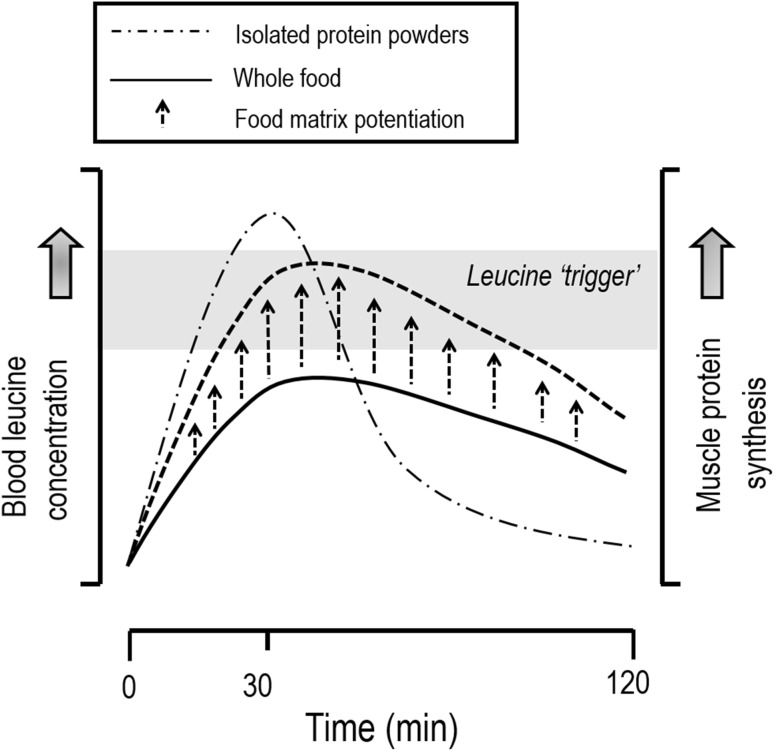
“Researchers have also shown, albeit in younger adults, that ingesting food-based NDP sources may further potentiate MPS compared to isolated protein sources((22,74)) speculating that non-protein components (vitamins, minerals, fatty acids, etc.”
BackgroundResultInfluentialBioreactor parameters and systems for cultured meat production
Ngwa, C. J., Chiu, K., Brenner, K. J., Rodrigues, C. A. V., Peršin, Z., Vajda, J., Vihar, B., Morales-Dalmau, J., Ferreira, F. C., Henkel, M., et al. (2025) · Future Foods · doi:10.1016/j.fufo.2025.100796 · Cited by 18
Beaudry, K. M., Binet, E. R., Collao, N., & Lisio, M. D. (2022) · Frontiers in Physiology · doi:10.3389/fphys.2022.915390 · Cited by 17
van der Heijden, I., West, S., Monteyne, A. J., Finnigan, T. J. A., Abdelrahman, D. R., Murton, A. J., Stephens, F. B., & Wall, B. T. (2024) · British Journal Of Nutrition · doi:10.1017/s0007114524000163 · Cited by 17
Postoperative Fluid Collections in Total Joint Arthroplasty: A Narrative Review
Smith, D., Berdis, G. E., Singh, V., Caughran, A. T., & Bullock, M. W. (2022) · Orthopedic Research and Reviews · doi:10.2147/orr.s348919 · Cited by 16
Performance Enhancement Strategies For Badminton Athletes: A Systematic Review
Karyono, T. H., Hidayat, R. A., Ihsan, F., Susanto, N., Wijanarko, T., García-Jiménez, J. V., Eken, Ö., Latino, F., & Tafuri, F. (2024) · Retos · doi:10.47197/retos.v57.107124 · Cited by 16
Witard, O. C., Bath, S. C., Dineva, M., Sellem, L., Mulet-Cabero, A.-I., Dongen, L. H. V., Zheng, J.-S., Valenzuela, C., & Smeuninx, B. (2022) · Frontiers in Nutrition · doi:10.3389/fnut.2022.800559 · Cited by 15
Timmons, J. F., Hone, M., Cogan, K. E., Duffy, O., & Egan, B. (2021) · Frontiers in Sports and Active Living · doi:10.3389/fspor.2021.653962 · Cited by 15
Editorial: Nutritional Strategies to Promote Muscle Mass and Function Across the Health Span
Moore, D. R., & Philp, A. (2020) · Frontiers in Nutrition · doi:10.3389/fnut.2020.569270 · Cited by 15
Caputo, V., Pacilli, M. G., Arisi, I., Mazza, T., Brandi, R., Traversa, A., Casasanta, G., Pisa, E., Sonnessa, M., Healey, B., et al. (2020) · Translational Psychiatry · doi:10.1038/s41398-020-00869-4 · Cited by 14
Goldman, D., Warbeck, C. B., & Karlsen, M. C. (2024) · Nutrients · doi:10.3390/nu16121903 · Cited by 14
Goldman, D., Warbeck, C. B., & Karlsen, M. C. (2024) · Nutrients · doi:10.3390/nu16081122 · Cited by 14
Kurmaev, D. P., Bulgakova, S. V., Treneva, E. V., Сергеевна, Ч. И., Kosareva, O. V., Sharonova, L. A., & Dolgikh, Y. A. (2023) · Бюллетень Восточно-Сибирского научного центра Сибирского отделения Российской академии медицинских наук · doi:10.29413/abs.2023-8.3.11 · Cited by 13
Mak, W. S., Jones, C. P., McBride, K. E., Fritz, E. A. P., Hirsch, J., German, J. B., & Siegel, J. B. (2024) · Frontiers in Nutrition · doi:10.3389/fnut.2024.1291685 · Cited by 13
Paulussen, K. J. M., Askow, A. T., Deutz, M. T., McKenna, C. F., Garvey, S. M., Guice, J. L., Kesler, R. M., Barnes, T. M., Tinker, K. M., Paluska, S. A., et al. (2024) · Journal of Nutrition · doi:10.1016/j.tjnut.2024.03.009 · Cited by 13
Self-citationLi, G., Jiang, J., & Li, Z. (2024) · European Journal of Preventive Cardiology · doi:10.1093/eurjpc/zwae117 · Cited by 13
One size doesn’t fit all: postexercise protein requirements for the endurance athlete
Moore, D. R. (2020) · American Journal of Clinical Nutrition · doi:10.1093/ajcn/nqaa144 · Cited by 12
Smith, B. L., Carey, C. C., O’Connell, K., Twomey, S., & McCarthy, E. K. (2025) · European Journal of Nutrition · doi:10.1007/s00394-025-03693-y · Cited by 11
Whey Protein Nutrition in Sports: Action Mechanisms and Gaps in Research
Pan, D., Zhang, Z., Liu, N., & Ashaolu, T. J. (2025) · Current Nutrition Reports · doi:10.1007/s13668-025-00673-w · Cited by 11
Navigating the protein transition: why dairy and its matrix matter amid rising plant protein trends
Witard, O. C., Devrim-Lanpir, A., McKinley, M. C., & Givens, D. I. (2025) · Nutrition Research Reviews · doi:10.1017/s0954422425000101 · Cited by 10
Vicente-Salar, N., Crespo, M., Pluim, B. M., Fernández-Fernández, J., Stroia, K. A., Ellenbecker, T. S., Rivas, D. S., Coso, J. D., Moreno-Pérez, V., Hainline, B. W., et al. (2025) · International Journal of Sport Nutrition and Exercise Metabolism · doi:10.1123/ijsnem.2025-0001 · Cited by 9
Tension to Translation: External to Internal Processes in Muscle Hypertrophy
Greyvenstein, D., Newbold, J. P., & Phillips, S. M. (2025) · Physiology · doi:10.1152/physiol.00034.2025 · Cited by 9
Korzepa, M., Marshall, R. N., Rogers, L. M., Belfield, A. E., Quinlan, J. I., Huang, Y., Gritsas, A., Churchward‐Venne, T. A., Glover, E. I., van Loon, L. J. C., et al. (2025) · European Journal of Nutrition · doi:10.1007/s00394-025-03605-0 · Cited by 9
Yasuda, J., Gomi, T., Kotemori, A., Yokoyama, Y., Yoshizaki, T., Hida, A., Tada, Y., Katsumata, Y., & Kawano, Y. (2020) · Nutrition · doi:10.1016/j.nut.2020.111088 · Cited by 8
The effect of nutrition on badminton athlete performance: A systematic review
Hidayat, R. A., Fadli, I., Nugroho, S., Kozina, Z. L., & Satya, P. (2024) · Retos · doi:10.47197/retos.v56.105005 · Cited by 8
Kanter, M. M., Aaron, S., Austad, S. N., Brown, A. W., Burd, N. A., Campbell, W. W., Cope, M. B., Davis, T. A., Erdman, J. W., Freitas, M., et al. (2026) · Critical Reviews in Food Science and Nutrition · doi:10.1080/10408398.2026.2658728 · Cited by 7
Self-citationŞahin, K., Orhan, C., Özdemir, O., Tuzcu, M., Şahin, N., Ojalvo, S. P., & Komorowski, J. R. (2023) · Biological Trace Element Research · doi:10.1007/s12011-023-03732-x · Cited by 7
Zupančič, Ž., Askow, A. T., Barnes, T. M., Deutz, M. T., ULANOV, A. V., Dilger, R. N., Dilger, A. C., Willard, J. W., Mackenzie, R., Harseim, J. E., et al. (2025) · American Journal of Clinical Nutrition · doi:10.1016/j.ajcnut.2025.09.001 · Cited by 7
Self-citationOlder Adults’ Knowledge and Perceptions of Whole Foods as an Exercise Recovery Strategy
Hayes, E. J., Granic, A., Hurst, C., Dismore, L. L., Sayer, A. A., & Stevenson, E. (2021) · Frontiers in Nutrition · doi:10.3389/fnut.2021.748882 · Cited by 7
The hallmarks of skeletal muscle health
Vainshtein, A., Blaauw, B., Bock, K. D., Muñoz‐Cánoves, P., Olson, E. N., Ottenheijm, C. A. C., Richter, E. A., Ruas, J. L., Schaeffer, L., Spiegelman, B. M., et al. (2026) · Nature Metabolism · doi:10.1038/s42255-026-01595-9 · Cited by 6
Daily protein distribution patterns in professional and semi-professional male Rugby Union players
Roberts, C. J., Gill, N., Darry, K., Posthumus, L. R., & Sims, S. T. (2022) · The Journal of Sport and Exercise Science · doi:10.36905/jses.2022.01.05 · Cited by 6
Lim, C., Traylor, D. A., McGlory, C., Joanisse, S., McKendry, J., Grewal, T., Mcleod, J. C., Prior, T., Nunes, E. A., Lees, M. J., et al. (2022) · Applied Physiology, Nutrition, and Metabolism · doi:10.1139/apnm-2022-0164 · Cited by 6
Gómez, J. J. L., Bachiller, B. R., & de Luis, D. A. (2024) · Postgraduate Medicine · doi:10.1080/00325481.2024.2307869 · Cited by 6
Brown, J., Perry, C. G. R., Prior, E. T., Phillips, S. M., Skelly, L. E., & Josse, A. R. (2023) · Applied Physiology, Nutrition, and Metabolism · doi:10.1139/apnm-2022-0416 · Cited by 5
Genoni, A., Craddock, J. C., & Strutt, E. F. (2020) · Nutrients · doi:10.3390/nu12041183 · Cited by 5
Özdemir, O., Erten, F., Er, B., Orhan, C., Komorowski, J. R., Sylla, S., Ojalvo, S. P., & Şahin, K. (2023) · European Journal of Nutrition · doi:10.1007/s00394-023-03150-8 · Cited by 5
Wilhelmsen, A., Davies, A., Mallinson, J. E., Pabla, P., Jones, R., Palmer, E. A., Dunn, W. B., Moran, G. W., Stephens, F. B., & Tsintzas, K. (2022) · Clinical Nutrition · doi:10.1016/j.clnu.2022.06.022 · Cited by 4
Dziewierz, A., & Siudak, Z. (2026) · Nutrients · doi:10.3390/nu18111761 · Cited by 3
“This approach is supported by the broader food-first framework for post-exercise muscle protein synthesis [73] and by evidence that distributing protein intake of approximately 25–30 g across each of three to four daily meals maximizes the muscle protein synthetic response in adults [68,70].”
Preventive Strategies to Reduce Sarcopenia Risk During GLP-1-Based Anti-Obesity Therapy
Belančić, A., Skroče, K., Gkrinia, E. M. M., Glavić, M. M., & Kwok, M. K. (2026) · Journal of Clinical Medicine · doi:10.3390/jcm15155870 · Cited by 3
Production of Meat Analogs and Consumer Preferences
Aydar, E. F., Mertdinç, Z., & Özçelik, B. (2023) · Springer eBooks · doi:10.1007/978-3-031-27443-5_2 · Cited by 3
López‐Moreno, M., Barrantes-Espinola, G., & Craddock, J. C. (2026) · Current Nutrition Reports · doi:10.1007/s13668-026-00754-4 · Cited by 3
Clinician Impact on Athlete Recovery and Readiness in a 24-Hour Training Cycle
Golden, D. P., & Hertel, J. N. (2022) · International Journal of Athletic Therapy & Training · doi:10.1123/ijatt.2022-0071 · Cited by 3
Wikandari, R., Manikharda, M., Dewanti‐Hariyadi, R., & Taherzadeh, M. J. (2023) · Elsevier eBooks · doi:10.1016/b978-0-323-91872-5.00007-7 · Cited by 3
Nutrition and Sport. New conceptual approaches today
Pruna, R., & Lizarraga, A. (2019) · Medicina Clínica (English Edition) · doi:10.1016/j.medcle.2019.03.015 · Cited by 3
Sato, S., Kawamata, E., Kawabata, M., Hanzawa, M., & Kawamata, K. (2020) · The Japanese Journal of Nutrition and Dietetics · doi:10.5264/eiyogakuzashi.78.264 · Cited by 3
Cankaya, S., & Mortaş, H. (2026) · Current Nutrition Reports · doi:10.1007/s13668-026-00770-4 · Cited by 2
Meat intake and breast cancer risk from the Health Examinees study
Lee, H., Shin, W., la Torre, K. D., Min, S., You, S. H., Han, W., Lee, J. E., & Kang, D. (2025) · Clinical Nutrition · doi:10.1016/j.clnu.2025.08.025 · Cited by 2
Metadata
- Authors
- Burd, N. A., Beals, J. W., Martinez, I. G., Salvador, A. F., & Skinner, S. K.
- Affiliations
- University of Illinois Urbana-Champaign (US)
- Corresponding author
- Burd, Nicholas A.
- Venue
- Sports Medicine
- Published
- 2019-01-22
- Volume
- 49
- Issue
- S1
- Pages
- 59-68
- ISSN
- 0112-1642 (ISSN-L)
- 1179-2035
- PMC
- PMC6445816
- OpenAlex
- W2914609505
- Cited by
- 127
- References
- 86
- Citations by year
- 2026: 16 · 2025: 16 · 2024: 14 · 2023: 16 · 2022: 17 · 2021: 23 · 2020: 15 · 2019: 10
- FWCI
- 1.88
- Type
- journal article
- Language
- en
- Open access
- hybrid
- doi.org
- Licence
- cc-by
- creativecommons.org/licenses/by/4.0 (tdm)
- Locations
- Sports Medicine (publishedVersion, cc-by)
- PubMed Central (publishedVersion, cc-by)
- PubMed (publishedVersion)
- Funders
- National Cattlemen's Beef Association
- Gran Sasso Science Institute
- National Heart, Lung, and Blood Institute (T32HL130357)
- Topics
- Health Sciences › Nursing › Nutrition and Dietetics › Muscle metabolism and nutrition
- Life Sciences › Biochemistry, Genetics and Molecular Biology › Molecular Biology › Muscle Physiology and Disorders
- Life Sciences › Agricultural and Biological Sciences › Food Science › Proteins in Food Systems
- Keywords
- dietary protein, skeletal muscle remodeling, food matrix, protein quality, protein requirements, whole foods, muscle adaptation
- MeSH terms
- Amino Acids, Diet, Dietary Proteins, Food, Humans, Muscle Proteins, Nutritional Requirements, Nutritive Value, Protein Biosynthesis, Exercise, Muscle, Skeletal
About these checks
Registry, retraction, Cites and statistics results are computed, not judged, with one exception: a printed reference that no index lists is read once by a model before it counts as a citation error. Claims are extracted by a model and kept only when their quote appears verbatim in the text; each cited source is then checked, with a model’s help, for whether it says what the claim relies on. Those verdicts can be wrong — read the claim’s quote and the cited source before relying on one.
Statistics and arithmetic are recomputed, not judged.
Confidence bands are shown only for fields calibrated on our annotated test set. None is calibrated yet, so no band is shown.
What counts as a claim ›How we measure confidence ›How we check this ›
Are you an author, or do you see a problem with this page? Request a review
Data sources
Bibliographic data: Semantic Scholar, OpenAlex, Crossref.
Contains information from the Semantic Scholar Academic Graph Datasets, made available under the ODC Attribution License (ODC-BY 1.0).
Semantic Scholar’s data is described in: Kinney, R., et al. (2023). The Semantic Scholar Open Data Platform. arXiv:2301.10140.
