

Harnessing microalgae as a bioresource for nutraceuticals: advancing bioactive compound exploration and shaping the future of health and functional food innovation
Open accessThe DOI matches its Crossref record; 163 of the 163 references it cites were found in a registry or an index.
Abstract
Microalgae, which include over 30,000 different species, are an incredibly rich source of nutrients and health-boosting compounds. They have shown impressive health benefits due to their antioxidant, anti-inflammatory, antimicrobial, and anticancer properties, making them valuable for developing medicines, functional foods, and dietary supplements. Advances in technology, such as improved bioreactor systems, genetic engineering, and metabolic fine-tuning, have made it easier to grow microalgae and increase the production of beneficial compounds. Additionally, using microalgae in wastewater treatment and CO2 capture supports environmental and economic sustainability, contributing to a more circular and eco-friendly economy. However, challenges like high production costs and scalability barriers persist. Despite these hurdles, microalgae present a transformative solution to address the growing demand for bioactive compounds and sustainable health interventions. The ongoing research shows their application across industries, including pharmaceuticals, animal husbandry, and aquaculture, paving the way for novel, sustainable nutrition, and health. However, there are still hurdles to overcome. Producing microalgae on a large scale remains costly, and the amount of bioactive compounds produced can vary. Regulatory challenges and the need to increase consumer awareness and acceptance also make it difficult for microalgal products to reach the mainstream market. Despite these issues, ongoing progress in biotechnology, AI-based process optimization, and strain improvement offers promising solutions to make microalgae production more efficient and commercially viable. The growing use of microalgae in pharmaceuticals, health supplements, animal feed, and aquaculture highlights their potential to revolutionize the health and nutrition industries. This review aims to explore the nutritional profile of microalgae, their health benefits, and the technological and market challenges involved, while suggesting future strategies to unlock their full potential in sustainable health and nutrition.
Overview
The claims and statistics of this paper haven’t been checked yet.
Free: it reads the open-access text and checks the first 5 claims that cite a source we can check. Create a free account to check every claim.
Integrity signals
Registry
Cites
Statistics
Figures

Verification
Claims the paper makes
The claims and statistics of this paper haven’t been checked yet.
Free: it reads the open-access text and checks the first 5 claims that cite a source we can check. Create a free account to check every claim.
Self-check
Percentages, sums and reported differences re-computed from the paper’s own numbers.
The self-check needs the paper’s full text.
Citations
Cites
2 retracted
Prabakaran, G., Sampathkumar, P., Kavisri, M., & Moovendhan, M. (2020) · International Journal of Biological Macromolecules · doi:10.1016/j.ijbiomac.2020.03.009 · Cited by 215 · cited 2×
“It supports the growth and maintenance of neurons, enhances synaptic plasticity, and protects against neuroinflammation [58].”
RetractedYap, J. K., Sankaran, R., Chew, K. W., Halimatul Munawaroh, H. S., Ho, S.-H., Rajesh Banu, J., & Show, P. L. (2021) · Chemosphere · doi:10.1016/j.chemosphere.2021.130886 · Cited by 138 · cited 1×
“Unlike traditional agriculture, which relies heavily on large land areas, freshwater resources, and chemical inputs such as fertilizers and pesticides,microalgae cultivation is more resource efficient and environmentally friendly [136].”
RetractedYang, X., Yu, Y., Xu, J., Shu, H., Xia, J., Liu, H., Wu, Y., Zhang, L., Yu, Z., Fang, M., et al. (2020) · The Lancet Respiratory Medicine · doi:10.1016/s2213-2600(20)30079-5 · Cited by 10,066 · cited 1×
“During cytokine storm, there is a surge in pro-inflammatory cytokines (IL-1, IL-6, TNF-α) and chemokines (CCL2, CCL3, CXCL10, CXCL9), precipitating hyperactive immune responses and acute lung injury (ALI) [165].”
Khan, M. I., Shin, J. H., & Kim, J. D. (2018) · Microbial Cell Factories · doi:10.1186/s12934-018-0879-x · Cited by 2,082 · cited 1×
“Moreover, regulatory barriers, limited consumer awareness, and issues related to product consistency and bioavailability present additional hurdles to market entry and consumer adoption [12].”
Shah, M. M. R., Liang, Y., Cheng, J. J., & Daroch, M. (2016) · Frontiers in Plant Science · doi:10.3389/fpls.2016.00531 · Cited by 931
Microalgae: A potential alternative to health supplementation for humans
Koyande, A. K., Chew, K. W., Rambabu, K., Tao, Y., Chu, D.-T., & Show, P.-L. (2019) · Food Science and Human Wellness · doi:10.1016/j.fshw.2019.03.001 · Cited by 908 · cited 1×
“The escalating demand for meat due to a growing global population cause a significant challenge in the coming years, particularly as traditional animal feed crops like soybeans increasingly consume arable land [156].”
Carotenoids from microalgae: A review of recent developments
Gong, M., & Bassi, A. (2016) · Biotechnology Advances · doi:10.1016/j.biotechadv.2016.10.005 · Cited by 723 · cited 2×
“S u s p e n s i o n o r e x t r a c t A n t i - p r o l i f e r a t i v e , a n t i o x i d a t i v e , a n t i - i n fl a mm a t o r y a n d n e u r o p r o t e c t i v e p r o p e r t i e s [ 40 ] C h l o r o c o cc u m s p .,”
Role of nutraceuticals in human health
Das, L., Bhaumik, E., Raychaudhuri, U., & Chakraborty, R. (2012) · Journal of Food Science and Technology · doi:10.1007/s13197-011-0269-4 · Cited by 678 · cited 1×
“This trend reflects a broader consumer shift toward products that actively promote health and battle diseases, resulting in a global nutraceutical market valued between 30 and 60 billion dollars, largely centered in the United States, Japan, and Europe [2].”
Trends in Microalgae Incorporation Into Innovative Food Products With Potential Health Benefits
Caporgno, M. P., & Mathys, A. (2018) · Frontiers in Nutrition · doi:10.3389/fnut.2018.00058 · Cited by 639 · cited 1×
“Recent research explore the potential of microalgae as an alternative animal feed source, offering valuable improvements in animal health and product quality [157].”
Microalgae as a future food source
Torres-Tiji, Y., Fields, F. J., & Mayfield, S. P. (2020) · Biotechnology Advances · doi:10.1016/j.biotechadv.2020.107536 · Cited by 559 · cited 1×
“Antioxidants, such as phenolics, flavonoids, and tocopherols, are vital in combating oxidative stress and reducing the risk of chronic diseases (Table 1) [14].”
Production, extraction and characterization of microalgal and cyanobacterial exopolysaccharides
Delattre, C., Pierre, G., Laroche, C., & Michaud, P. (2016) · Biotechnology Advances · doi:10.1016/j.biotechadv.2016.08.001 · Cited by 488
Microalgae as feed ingredients for livestock production and meat quality: A review
Madeira, M. S., Cardoso, C., Lopes, P. A., Coelho, D., Afonso, C., Bandarra, N. M., & Prates, J. A. M. (2017) · Livestock Science · doi:10.1016/j.livsci.2017.09.020 · Cited by 473 · cited 1×
“In aquaculture, microalgae-derived astaxanthin has been shown to enhance growth rates, survival, reproductive performance, and disease resistance, while improving the color of farmed fish and shrimp [159] [141].”
Beta-glucan: an ideal immunostimulant in aquaculture (a review)
Meena, D. K., Das, P., Kumar, S., Mandal, S. C., Prusty, A. K., Singh, S. K., Akhtar, M. S., Behera, B. K., Kumar, K., Pal, A. K., et al. (2013) · Fish Physiology and Biochemistry · doi:10.1007/s10695-012-9710-5 · Cited by 466 · cited 1×
“In aquaculture, microalgae-derived immunostimulants like paramylon (a β-glucan) have been shown to enhance immune response, promoting cell activity and disease resistance under stress [163].”
Microalgae as Healthy Ingredients for Functional Food: A Review
Matos, J., Cardoso, C., Bandarra, N. M., & Afonso, C. (2017) · Food & Function · doi:10.1039/c7fo00409e · Cited by 393
Abiotic stresses as tools for metabolites in microalgae
Paliwal, C., Mitra, M., Bhayani, K., Bharadwaj, S. V. V., Ghosh, T., Dubey, S., & Mishra, S. (2017) · Bioresource Technology · doi:10.1016/j.biortech.2017.05.058 · Cited by 377 · cited 1×
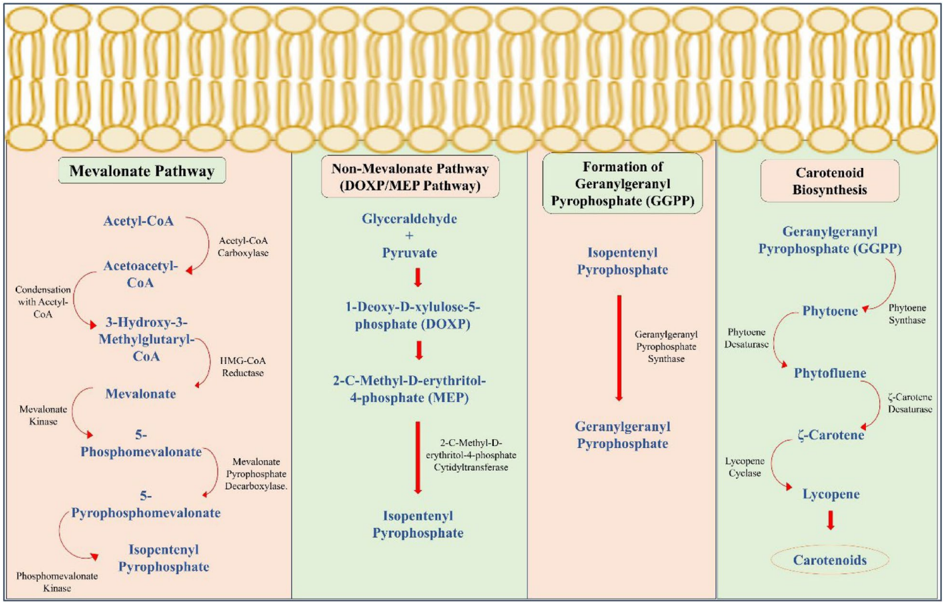
“Carotenoids like beta-carotene, lutein, and astaxanthin are synthesized via the isoprenoid pathway, involving key precursors such as isopentenyl pyrophosphate (IPP) and geranylgeranyl pyrophosphate (GGPP) [54, 55].”
Nutraceuticals and Functional Foods: The Foods for the Future World
Gul, K., Singh, A. K., & Jabeen, R. (2016) · Critical Reviews in Food Science and Nutrition · doi:10.1080/10408398.2014.903384 · Cited by 368 · cited 1×
“Algae, a broad group of autotrophic organisms, are famous for their rapid growth, efficient photosynthesis, CO 2 fixation, and high biomass production [5].”
Self-citationMicroalgae cultivation in photobioreactors: sustainable solutions for a greener future
Abdur Razzak, S., Bahar, K., Islam, K. M. O., Haniffa, A. K., Faruque, M. O., Hossain, S. M. Z., & Hossain, M. M. (2024) · Green Chemical Engineering · doi:10.1016/j.gce.2023.10.004 · Cited by 366 · cited 2×
“…such as increased complexity in managing both growth modes, higher operational costs due to the combined need for light and organic carbon, and a higher risk of contamination from organic substrates, which requires specialized knowledge and continuous monitoring for successful operation [4].”
Microalgae as Sources of High Added-Value Compounds—A Brief Review of Recent Work
Guedes, A. C., Amaro, H. M., & Malcata, F. X. (2011) · Biotechnology Progress · doi:10.1002/btpr.575 · Cited by 348 · cited 1×
“E x t r a c t o r s u pp l e m e n t D N A r e p a i r a n d h i s t o n e m e t h y l a t i o n a s w e ll a s c h e m o - p r e v e n t i v e a c t i v i t i e s , N u t r a c e u t i c a l s , c o s m e t i c s [ 44 , 45 ]”
Antimicrobial and Probiotic Properties of Yeasts: From Fundamental to Novel Applications
Hatoum, R., Labrie, S., & Fliss, I. (2012) · Frontiers in Microbiology · doi:10.3389/fmicb.2012.00421 · Cited by 338 · cited 1×
“Species like Spirulina sp. and Arthrospira platensis have been found to promote the growth of beneficial gut bacteria while suppressing pathogens, though more research is needed to confirm their efficacy as true probiotics [160].”
Emergent Sources of Prebiotics: Seaweeds and Microalgae
De Jesus Raposo, M., De Morais, A., & De Morais, R. (2016) · Marine Drugs · doi:10.3390/md14020027 · Cited by 331
Minimizing carbon footprint via microalgae as a biological capture
Onyeaka, H., Miri, T., Obileke, K., Hart, A., Anumudu, C., & Al-Sharify, Z. T. (2021) · Carbon Capture Science & Technology · doi:10.1016/j.ccst.2021.100007 · Cited by 326 · cited 1×
“Moreover, microalgae-based biofuels produce fewer greenhouse gas emissions compared to fossil fuels and traditional biofuels derived from crops like corn and sugarcane, further contributing to climate change mitigation [140].”
Role of Microalgae in Achieving Sustainable Development Goals and Circular Economy
Olabi, A. G., Shehata, N., Sayed, E. T., Rodriguez, C., Anyanwu, R. C., Russell, C., & Abdelkareem, M. A. (2023) · Science of The Total Environment · doi:10.1016/j.scitotenv.2022.158689 · Cited by 273 · cited 1×
“Microalgae are fast-growing, photosynthetic organisms capable of producing high-value bioactive compounds such as proteins, lipids, and antioxidants while simultaneously sequestering carbon dioxide (CO 2 ) from the atmosphere [133].”
Algae as an emerging source of bioactive pigments
Patel, A. K., Albarico, F. P. J. B., Perumal, P. K., Vadrale, A. P., Nian, C. T., Chau, H. T. B., Anwar, C., Wani, H. M. U. D., Pal, A., Saini, R., et al. (2022) · Bioresource Technology · doi:10.1016/j.biortech.2022.126910 · Cited by 255 · cited 1×
“Industrial-scale production of active pigments like PBPs, astaxanthin, and β-carotene is common, with these pigments extensively used, particularly as food colorants [144].”
Antioxidant activity of Hawaiian marine algae
Kelman, D., Posner, E. K., McDermid, K. J., Tabandera, N. K., Wright, P. R., & Wright, A. D. (2012) · Marine Drugs · doi:10.3390/md10020403 · Cited by 250 · cited 1×
“E x t r a c t o r s u pp l e m e n t D N A r e p a i r a n d h i s t o n e m e t h y l a t i o n a s w e ll a s c h e m o - p r e v e n t i v e a c t i v i t i e s , N u t r a c e u t i c a l s , c o s m e t i c s [ 44 , 45 ]”
Ahmmed, M. K., Ahmmed, F., Tian, H. (., Carne, A., & Bekhit, A. E. (2020) · Comprehensive Reviews in Food Science and Food Safety · doi:10.1111/1541-4337.12510 · Cited by 241 · cited 1×
“It helps reduce inflammation, lower triglyceride levels, and maintain normal blood pressure [82, 83].”
From pharmaceuticals to nutraceuticals: bridging disease prevention and management
Daliu, P., Santini, A., & Novellino, E. (2019) · Expert Review of Clinical Pharmacology · doi:10.1080/17512433.2019.1552135 · Cited by 237 · cited 1×
“As global interest in health-boosting foods and functional products rises, the nutraceutical market has rapidly expanded, with over 470 functional food products boasting scientifically validated health benefits [1].”
Microalgal-based feed: Promising alternative feedstocks for livestock and poultry production
Saadaoui, I., Rasheed, R., Aguilar, A., Cherif, M., Al Jabri, H., Sayadi, S., & Manning, S. R. (2021) · Journal of Animal Science and Biotechnology · doi:10.1186/s40104-021-00593-z · Cited by 223 · cited 1×
“For example, supplementing dairy cattle feed with Chlorella vulgaris has enhanced the fatty acid profile of milk, while adding Arthrospira platensis to pig and poultry feed has improved weight gain, albeit with slightly reduced feed conversion rates [158].”
Inhibitors of HIV-1 replication that inhibit HIV integrase.
Robinson, W. E., Reinecke, M. G., Abdel-Malek, S., Jia, Q., & Chow, S. A. (1996) · Proceedings of the National Academy of Sciences · doi:10.1073/pnas.93.13.6326 · Cited by 222 · cited 1×
“…e s H I V - 1 i n t e g r a s e a c t i v i t y , r e d u c e s m u t a g e n i c i t y c a u s e d b y c a r c i n o g e n i c c o m p o u n d s , a n d d i s - p l a y s a n t i o x i d a n t a n d a n t i s p a s m o d i c p r o p e r t i e s [ 39 , 49 ] C r y p t h e c o d i n i u m c o hn ii”
Ru, I. T. K., Sung, Y. Y., Jusoh, M., Wahid, M. E. A., & Nagappan, T. (2020) · Applied Phycology · doi:10.1080/26388081.2020.1715256 · Cited by 219
Microalgae for biotechnological applications: Cultivation, harvesting and biomass processing
Morais Junior, W. G., Gorgich, M., Corrêa, P. S., Martins, A. A., Mata, T. M., & Caetano, N. S. (2020) · Aquaculture · doi:10.1016/j.aquaculture.2020.735562 · Cited by 215
Oruganti, R. K., Biji, A. P., Lanuyanger, T., Show, P. L., Sriariyanun, M., Upadhyayula, V. K. K., Gadhamshetty, V., & Bhattacharyya, D. (2023) · Science of The Total Environment · doi:10.1016/j.scitotenv.2023.162797 · Cited by 211 · cited 2×
“Another example is the deployment of wireless sensor networks in large-scale out-door ponds for Spirulina cultivation [114].”
Evaluation of Microalgae for use as Nutraceuticals and Nutritional Supplements
M. Bishop, W., & M. Zubeck, H. (2012) · Journal of Nutrition & Food Sciences · doi:10.4172/2155-9600.1000147 · Cited by 203
Developing algae as a sustainable food source
Diaz, C. J., Douglas, K. J., Kang, K., Kolarik, A. L., Malinovski, R., Torres-Tiji, Y., Molino, J. V., Badary, A., & Mayfield, S. P. (2023) · Frontiers in Nutrition · doi:10.3389/fnut.2022.1029841 · Cited by 194 · cited 1×
“Notably, species such as Chlorella, Spirulina , and Dunaliella have been extensively studied for their therapeutic potential and nutritional benefits [9].”
Elbahnaswy, S., & Elshopakey, G. E. (2023) · Fish Physiology and Biochemistry · doi:10.1007/s10695-022-01167-0 · Cited by 188 · cited 1×
“However, the production of carotenoids is highly sensitive to environmental conditions, including light intensity and temperature, which complicates scalability and increases production costs [16, 18, 19].”
Valuable pigments from microalgae: phycobiliproteins, primary carotenoids, and fucoxanthin
Chini Zittelli, G., Lauceri, R., Faraloni, C., Silva Benavides, A. M., & Torzillo, G. (2023) · Photochemical & Photobiological Sciences · doi:10.1007/s43630-023-00407-3 · Cited by 173
The Mevalonate Pathway, a Metabolic Target in Cancer Therapy
Guerra, B., Recio, C., Aranda-Tavío, H., Guerra-Rodríguez, M., García-Castellano, J. M., & Fernández-Pérez, L. (2021) · Frontiers in Oncology · doi:10.3389/fonc.2021.626971 · Cited by 157 · cited 1×
“GGPP is then utilized by enzymes such as phytoene synthase to initiate the production of carotenoids, which are essential pigments involved in photoprotection and photosynthesis [64–67] Discover biofuel production.”
Smart microalgae farming with internet-of-things for sustainable agriculture
Lim, H. R., Khoo, K. S., Chia, W. Y., Chew, K. W., Ho, S.-H., & Show, P. L. (2022) · Biotechnology Advances · doi:10.1016/j.biotechadv.2022.107931 · Cited by 155 · cited 1×
“A study has demonstrated that an IoT-based monitoring system in a microalgae cultivation plant reduced water usage by 30% and improved nutrient recovery efficiency by 25%, highlighting the environmental benefits of smart cultivation technologies [115].”
Liu, X.-Y., & Hong, Y. (2021) · Current Pollution Reports · doi:10.1007/s40726-021-00184-6 · Cited by 150 · cited 1×
“For example, integrating micro-algae cultivation with wastewater treatment has been shown to remove up to 90% of nitrogen and 85% of phosphorus from wastewater, contributing to a more sustainable production system [31].”
Bernstein, A. M., Ding, E. L., Willett, W. C., & Rimm, E. B. (2012) · The Journal of Nutrition · doi:10.3945/jn.111.148973 · Cited by 148 · cited 1×
“Clinical trials have demonstrated that DHA supplementation can enhance endothelial function, reduce arterial stiffness, and decrease the levels of inflammatory markers like C-reactive protein (CRP), which are linked to cardiovascular disease [84, 85].”
Extraction of Pigments from Microalgae and Cyanobacteria—A Review on Current Methodologies
Pagels, F., Pereira, R. N., Vicente, A. A., & Guedes, A. C. (2021) · Applied Sciences · doi:10.3390/app11115187 · Cited by 143 · cited 1×
“Extraction methods involve non-mechanical techniques such as chemical, thermal, and enzymatic treatments, as well as mechanical extraction using pressure, ultrasonics, microwave treatment, or electric field treatment [146].”
Artificial Intelligence and/or Machine Learning Algorithms in Microalgae Bioprocesses
Imamoglu, E. (2024) · Bioengineering · doi:10.3390/bioengineering11111143 · Cited by 143 · cited 2×
“AI-based automation systems can control the mixing of nutrients, pH adjustments, and light exposure, reducing human error and ensuring consistency in production quality [110, 111].”
Microalgae proteins as sustainable ingredients in novel foods: recent developments and challenges
Mosibo, O. K., Ferrentino, G., & Udenigwe, C. C. (2024) · Foods · doi:10.3390/foods13050733 · Cited by 140 · cited 1×
“Similarly, Chlorella vulgaris has been used to fortify bread and pasta, boosting their protein content while maintaining acceptable sensory properties [92].”
Microalgae cultivation and metabolites production: a comprehensive review
Vuppaladadiyam, A. K., Prinsen, P., Raheem, A., Luque, R., & Zhao, M. (2018) · Biofuels, Bioproducts and Biorefining · doi:10.1002/bbb.1864 · Cited by 139 · cited 1×
“…i v e f u n c t i o n s , p r o m o t i n g g r o w t h , f u n c t i o n a l d e v e l o p m e n t , a n d v i s u a l a c u i t y i n i n f a n t s [ 50 , 51 ] Vol.:(0123456789) shown to reduce the risk of age-related macular degeneration by up to 43% when consumed at a dosage of 6 mg/ day [17].”
Hu, J., Meng, W., Su, Y., Qian, C., & Fu, W. (2023) · Frontiers in Marine Science · doi:10.3389/fmars.2023.1260709 · Cited by 138 · cited 1×
“The benefits of microalgal bioactives extend beyond health applications to environmental sustainability [29, 30].”
Identifying essential genes in bacterial metabolic networks with machine learning methods
Plaimas, K., Eils, R., & König, R. (2010) · BMC Systems Biology · doi:10.1186/1752-0509-4-56 · Cited by 135
Ramos-Romero, S., Torrella, J. R., Pagès, T., Viscor, G., & Torres, J. L. (2021) · Nutrients · doi:10.3390/nu13020563 · Cited by 134
O'Neill, E. C., Trick, M., Hill, L., Rejzek, M., Dusi, R. G., Hamilton, C. J., Zimba, P. V., Henrissat, B., & Field, R. A. (2015) · Molecular BioSystems · doi:10.1039/c5mb00319a · Cited by 129
Su, M., Bastiaens, L., Verspreet, J., & Hayes, M. (2023) · Foods · doi:10.3390/foods12203878 · Cited by 129 · cited 1×
“Downstream processing involves steps like microalgal harvest, spray drying, high-pressure homogenization, clarification, membrane filtration, and enzyme refining to produce protein concentrates or isolates [148].”
A new hybrid photobioreactor design for microalgae culture
Deprá, M. C., Mérida, L. G. R., de Menezes, C. R., Zepka, L. Q., & Jacob-Lopes, E. (2019) · Chemical Engineering Research and Design · doi:10.1016/j.cherd.2019.01.023 · Cited by 125 · cited 1×
“…offer several advantages for nutraceutical production, including controlled growth conditions that optimize light exposure, nutrient supply, and gas exchange, leading to enhanced algal growth and higher yields of bioactive compounds such as omega-3 fatty acids, antioxidants, and vitamins [99].”
Bioactive Potential of Brown Algae
Remya, R. R., Samrot, A. V., Kumar, S. S., Mohanavel, V., Karthick, A., Chinnaiyan, V. K., Umapathy, D., & Muhibbullah, M. (2022) · Adsorption Science & Technology · doi:10.1155/2022/9104835 · Cited by 125 · cited 1×
“One of the key bioactive compounds derived from microalgae is fucoidan, a sulfated polysaccharide predominantly found in brown algae [73].”
Microalgal polyunsaturated fatty acids: Hotspots and production techniques
Chen, W., Li, T., Du, S., Chen, H., & Wang, Q. (2023) · Frontiers in Bioengineering and Biotechnology · doi:10.3389/fbioe.2023.1146881 · Cited by 125 · cited 1×
“These polysaccharides find applications in functional foods, nutraceuticals, and supplements, serving as sources of dietary fiber, thickeners, and ingredients for weight management [150].”
Microalgae: a potential plant for energy production
Randrianarison, G., & Ashraf, M. A. (2017) · Geology, Ecology, and Landscapes · doi:10.1080/24749508.2017.1332853 · Cited by 120 · cited 1×
“The sustainable and eco-friendly nature of microalgal cultivation requiring minimal arable land, freshwater, and synthetic inputs offers a viable solution to meet the rising global demand for functional foods while minimizing environmental impact [10].”
Tamaki, S., Mochida, K., & Suzuki, K. (2021) · Plants · doi:10.3390/plants10061250 · Cited by 119 · cited 1×
“These antioxidants not only protect microalgae from oxidative damage but also find applications in human health, particularly in reducing risks associated with chronic diseases [60].”
Delrue, F., Li‐Beisson, Y., Setier, P.-A., Sahut, C., Roubaud, A., Froment, K., & Peltier, G. (2013) · Bioresource Technology · doi:10.1016/j.biortech.2013.02.091 · Cited by 118
Bioactive substances and potentiality of marine microalgae
Wu, J., Gu, X., Yang, D., Xu, S., Wang, S., Chen, X., & Wang, Z. (2021) · Food Science & Nutrition · doi:10.1002/fsn3.2471 · Cited by 118
Elbandy, M. (2022) · Molecules · doi:10.3390/molecules28010002 · Cited by 118 · cited 1×
“Ongoing research continues to uncover new bioactive molecules from microalgae, highlighting their immense potential in promoting long-term health and wellness [87, 88].”
Phull, A. R., & Kim, S. J. (2017) · Journal of Functional Foods · doi:10.1016/j.jff.2017.09.051 · Cited by 115 · cited 1×
“At the molecular level, fucoidan interacts with cellular receptors involved in immune regulation, enhancing the activity of natural killer cells and macrophages, which play a crucial role in the body’s defense mechanisms against pathogens and tumor cells [74].”
Pereira, L., & Critchley, A. T. (2020) · Journal of Applied Phycology · doi:10.1007/s10811-020-02143-y · Cited by 115 · cited 1×
“…u s p e n s i o n C e r t a i n m o l e c u l e s s o u r c e d f r o m a l g a e c a n b e u t i l i z e d i n t h e d e v e l o p m e n t o f v a cc i n e s a n d t h e p r o d u c t i o n o f a n t i - b o d i e s t o p r e v e n t a n d t r e a t C O V I D - 19 [ 48 ] I s o c h r y s i s s p .,”
Large Scale Cultivation of Microalgae: Open and Closed Systems
Jerney, J., & Spilling, K. (2018) · Methods in molecular biology · doi:10.1007/7651_2018_130 · Cited by 110 · cited 1×
“…as a sustainable protein source, the use of microalgae in European food industries remains limited due to challenges such as high production costs compared to traditional protein sources like soy, stringent food safety regulations, and issues with scalability and consumer acceptance [152].”
Unlocking the health potential of microalgae as sustainable sources of bioactive compounds
Saide, A., Martínez, K. A., Ianora, A., & Lauritano, C. (2021) · International Journal of Molecular Sciences · doi:10.3390/ijms22094383 · Cited by 105 · cited 1×
“…i v e f u n c t i o n s , p r o m o t i n g g r o w t h , f u n c t i o n a l d e v e l o p m e n t , a n d v i s u a l a c u i t y i n i n f a n t s [ 50 , 51 ] Vol.:(0123456789) shown to reduce the risk of age-related macular degeneration by up to 43% when consumed at a dosage of 6 mg/ day [17].”
Sutherland, D. L., McCauley, J., Labeeuw, L., Ray, P., Kuzhiumparambil, U., Hall, C., Doblin, M., Nguyen, L. N., & Ralph, P. J. (2021) · Current Research in Environmental Sustainability · doi:10.1016/j.crsust.2021.100050 · Cited by 104 · cited 1×
“Microalgae are a reservoir of bioactive compounds, including antioxidants, carotenoids, and polyunsaturated fatty acids (PUFAs), which hold significant promise for applications in nutraceuticals, pharmaceuticals, and functional foods [13].”
KWON, H. C., JUNG, C. M., SHIN, C. G., LEE, J. K., CHOI, S. U., KIM, S. Y., & LEE, K. R. (2000) · Chemical and Pharmaceutical Bulletin · doi:10.1248/cpb.48.1796 · Cited by 100
Industrial Applications of Single Cell Oils
Kyle, D. J., & Ratledge, C. (1992) · AOCS Publishing eBooks · doi:10.4324/9781003041009 · Cited by 99
Lipids rich in ω-3 polyunsaturated fatty acids from microalgae
Santos-Sánchez, N. F., Valadez-Blanco, R., Hernández, B., Torres-Ariño, A., Guadarrama-Mendoza, P. C., & Salas-Coronado, R. (2016) · Applied Microbiology and Biotechnology · doi:10.1007/s00253-016-7818-8 · Cited by 99 · cited 1×
“Recent innovations, such as bleaching to reduce green coloration and improving flavor and texture, are helping to enhance the sensory appeal and market acceptance of microalgae-based products [154].”
Metibemu, D. S., & Ogungbe, I. V. (2022) · Molecules · doi:10.3390/molecules27186005 · Cited by 96 · cited 1×
“This antioxidant activity helps reduce the risk of chronic diseases associated with oxidative stress, including cardiovascular diseases, neurodegenerative disorders, and cancer [77].”
Nagappan, S., Devendran, S., Tsai, P.-C., Jayaraman, H., Alagarsamy, V., Pugazhendhi, A., & Ponnusamy, V. K. (2020) · Process Biochemistry · doi:10.1016/j.procbio.2019.11.027 · Cited by 95 · cited 1×
“Carotenoids like beta-carotene, lutein, and astaxanthin are synthesized via the isoprenoid pathway, involving key precursors such as isopentenyl pyrophosphate (IPP) and geranylgeranyl pyrophosphate (GGPP) [54, 55].”
Bioactive compounds by microalgae and potentials for the management of some human disease conditions
Eze, C. N., Onyejiaka, C. K., Ihim, S. A., Ayoka, T. O., Aduba, C. C., Ndukwe, J. K., Nwaiwu, O., & Onyeaka, H. (2023) · AIMS Microbiology · doi:10.3934/microbiol.2023004 · Cited by 95 · cited 1×
“Recent research has provided deeper insights into these mechanisms, highlighting the potential of microalgae-derived substances in improving human health and preventing various diseases [72].”
Microalgae as feedstock for bioactive polysaccharides
Tounsi, L., Hentati, F., Ben Hlima, H., Barkallah, M., Smaoui, S., Fendri, I., Michaud, P., & Abdelkafi, S. (2022) · International Journal of Biological Macromolecules · doi:10.1016/j.ijbiomac.2022.08.206 · Cited by 94 · cited 1×
“EPS play a protective role in shielding microalgae from environmental stressors such as UV radiation, salinity, and desiccation [79].”
Razzak, S. A. (2024) · Algal Research · doi:10.1016/j.algal.2024.103422 · Cited by 90
Goswami, R. K., Mehariya, S., Karthikeyan, O. P., Gupta, V. K., & Verma, P. (2022) · Journal of Cleaner Production · doi:10.1016/j.jclepro.2022.130654 · Cited by 85 · cited 1×
“Their ability to grow in diverse environments, including saline, brackish, and wastewater, minimizes competition with traditional agriculture for land and freshwater resources [134].”
Therapeutic Potential of Seaweed Bioactive Compounds
Khalid, S., Abbas, M., Saeed, F., Bader-Ul-Ain, H., & Ansar Rasul Suleria, H. (2018) · Seaweed Biomaterials · doi:10.5772/intechopen.74060 · Cited by 84 · cited 2×
“These stress-induced adaptations underline the dynamic nature of microalgal metabolism [43].”
Perdana, B. A., Chaidir, Z., Kusnanda, A. J., Dharma, A., Zakaria, I. J., Syafrizayanti, S., Bayu, A., & Putra, M. Y. (2021) · Algal Research · doi:10.1016/j.algal.2021.102542 · Cited by 84 · cited 1×
“Lipid production in microalgae increases under stressful conditions, and these lipids can be used in products like infant formula as alternatives to human milk lipids [149].”
Abdullah, M., Ali, Z., Yasin, M. T., Amanat, K., Sarwar, F., Khan, J., & Ahmad, K. (2024) · Environmental Research · doi:10.1016/j.envres.2024.119902 · Cited by 83 · cited 2×
“In contrast, microalgae cultivation requires minimal or no chemical inputs [117].”
Microbial Secondary Metabolites via Fermentation Approaches for Dietary Supplementation Formulations
Alexandru Vasile, R. U. S. U., Trif, M., & Rocha, J. M. (2023) · Molecules · doi:10.3390/molecules28166020 · Cited by 80
The Potential of Algal Biotechnology to Produce Antiviral Compounds and Biopharmaceuticals
Rosales-Mendoza, S., García-Silva, I., González-Ortega, O., Sandoval-Vargas, J. M., Malla, A., & Vimolmangkang, S. (2020) · Molecules · doi:10.3390/molecules25184049 · Cited by 79 · cited 1×
“Carrageenan, a sulfated polysaccharide sourced from microalgae, demonstrates inhibitory effects on viral attachment, transcription, and replication within host cells [166].”
Advances in delivery methods of Arthrospira platensis (spirulina) for enhanced therapeutic outcomes
ElFar, O. A., Billa, N., Lim, H. R., Chew, K. W., Cheah, W. Y., Munawaroh, H. S. H., Balakrishnan, D., & Show, P. L. (2022) · Bioengineered · doi:10.1080/21655979.2022.2100863 · Cited by 76 · cited 1×
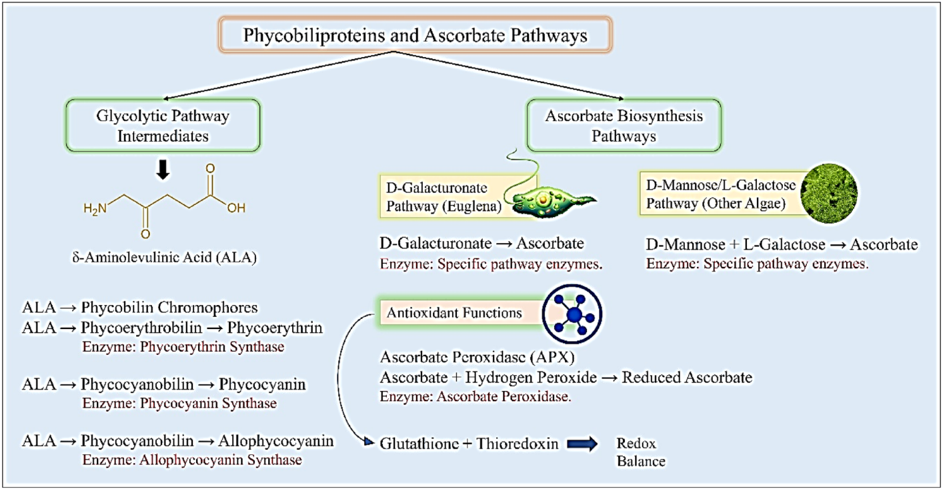
“For example, Spirulina platensis produces phycocyanin, widely used as a natural food colorant and in pharmaceutical formulations for its antioxidant and anti-inflammatory properties [58, 59].”
Bin Abu Sofian, A. D. A., Lim, H. R., Manickam, S., Ang, W. L., & Show, P. L. (2024) · ChemBioEng Reviews · doi:10.1002/cben.202300028 · Cited by 74
Microalgal Bioeconomy: A Green Economy Approach Towards Achieving Sustainable Development Goals
Sarker, N. K., & Kaparaju, P. (2024) · Sustainability · doi:10.3390/su162411218 · Cited by 74 · cited 1×
“Microalgae can be cultivated in non-arable lands, such as deserts, salt flats, and industrial wastelands, thereby avoiding competition with food crops and reducing pressure on fertile land [137].”
Ryan, A. S., Keske, M. A., Hoffman, J. P., & Nelson, E. B. (2009) · American Journal of Therapeutics · doi:10.1097/mjt.0b013e31817fe2be · Cited by 72 · cited 1×
“Clinical trials have demonstrated that DHA supplementation can enhance endothelial function, reduce arterial stiffness, and decrease the levels of inflammatory markers like C-reactive protein (CRP), which are linked to cardiovascular disease [84, 85].”
KHOLIF, A. E., MORSY, T. A., MATLOUP, O. H., ANELE, U. Y., MOHAMED, A. G., & EL-SAYED, A. B. (2017) · The Journal of Agricultural Science · doi:10.1017/s0021859616000824 · Cited by 69 · cited 2×
“For example, Chlorella -based biofertilizers have been reported to improve soil fertility and plant growth while reducing nitrate leaching into groundwater [141].”
Bioactive Molecules from Marine Diatoms and Their Value for the Nutraceutical Industry
Nieri, P., Carpi, S., Esposito, R., Costantini, M., & Zupo, V. (2023) · Nutrients · doi:10.3390/nu15020464 · Cited by 68 · cited 1×
“Ongoing research continues to uncover new bioactive molecules from microalgae, highlighting their immense potential in promoting long-term health and wellness [87, 88].”
Astaxanthin sources: Suitability for human health and nutrition
Capelli, B., Talbott, S., & Ding, L. (2019) · Functional Foods in Health and Disease · doi:10.31989/ffhd.v9i6.584 · Cited by 67 · cited 1×
“…o e r y t h r i n L l u e - g r ee n , g r ee n , o r e v e n r e dd i s h - b r o w n , P o w d e r o r l i q u i d e x t r a c t I m p r o v e s l i g h t u t i l i z a t i o n e ffi c i e n c y [ 42 , 43 ] P r o t o t h e c a z o p fi i ( f o r m e r l y P r o t o t h e c a m o r i f o r m i s )”
Recent Advances of Natural Pigments from Algae
Chen, Z., Wu, W., Wen, Y., Zhang, L., Wu, Y., Farid, M. S., El-Seedi, H. R., Capanoglu, E., & Zhao, C. (2023) · Food Production, Processing and Nutrition · doi:10.1186/s43014-023-00155-y · Cited by 67 · cited 1×
“Pigments also possess antiseptic properties and can act as preservatives due to their antioxidant activities, preventing food spoilage by inhibiting fatty acid oxidation [145].”
Mavrommatis, A., Tsiplakou, E., Zerva, A., Pantiora, P. D., Georgakis, N., Tsintzou, G. P., Madesis, P. B., & Labrou, N. E. (2023) · Antioxidants · doi:10.3390/antiox12101882 · Cited by 67 · cited 1×
“Lab-based assays, animal studies, and human consumption trials have demonstrated their antioxidant, anti-inflammatory, and anti-tumor properties [142].”
Tahir, F., Ashfaq, H., Khan, A. Z., Amin, M., Akbar, I., Malik, H. A., Abdullah, M., Alessa, A. H., Alsaigh, A. A., Ralph, P. J., et al. (2024) · Reviews in Environmental Science and Bio/Technology · doi:10.1007/s11157-024-09697-0 · Cited by 67 · cited 1×
“Mass cultivation of microalgae has emerged as a promising alternative to conventional agricultural practices, offering significant environmental benefits and contributing to long-term sustainability [135].”
Genetically engineered microalgae for enhanced bioactive compounds
Ahmad Kamal, A. H., Mohd Hamidi, N. F., Zakaria, M. F., Ahmad, A., Harun, M. R., Chandra Segaran, T., & Jusoh, M. (2024) · Discover Applied Sciences · doi:10.1007/s42452-024-06116-5 · Cited by 66
Micro-algae: Revolutionizing food production for a healthy and sustainable future
Naik, B., Mishra, R., Kumar, V., Mishra, S., Gupta, U., Rustagi, S., Gupta, A. K., Preet, M. S., Bhatt, S. C., & Rizwanuddin, S. (2024) · Journal of Agriculture and Food Research · doi:10.1016/j.jafr.2023.100939 · Cited by 65 · cited 1×
“They also boast a rich profile of bioactive compounds such as carotenoids, phenolics, and mycosporine-like amino acids [89].”
Brown, J. J., Das, P., & Al-Saidi, M. (2018) · Sustainability · doi:10.3390/su10051364 · Cited by 64 · cited 1×
“This makes microalgae cultivation particularly valuable in regions experiencing water scarcity and soil degradation due to intensive farming [138].”
Recent advances in enhancing the production of long chain omega-3 fatty acids in microalgae
Kumari, A., Pabbi, S., & Tyagi, A. (2023) · Critical Reviews in Food Science and Nutrition · doi:10.1080/10408398.2023.2226720 · Cited by 63 · cited 1×
“DHA supplementation from microalgae has been shown to reduce triglyceride levels by up to 25% and improve cognitive performance in clinical trials [20–22].”
Recent Progress in Microalgae-Based Technologies for Industrial Wastewater Treatment
Hashmi, Z., Bilad, M. R., Fahrurrozi, Zaini, J., Lim, J. W., & Wibisono, Y. (2023) · Fermentation · doi:10.3390/fermentation9030311 · Cited by 62 · cited 3×
“Regulatory frameworks must be established to ensure consistent product quality and consumer safety, addressing potential health risks while maintaining the economic and environmental benefits of wastewater-based microalgae cultivation [103].”
InfluentialMarket Overview of Herbal Medicines for Lifestyle Diseases
Bhattacharjee, B., Sandhanam, K., Ghose, S., Barman, D., & Sahu, R. K. (2023) · Springer eBooks · doi:10.1007/978-981-99-7703-1_30 · Cited by 62
Dewanjee, S., Bhattacharjee, N., Chakraborty, P., & Bhattacharjee, S. (2021) · Springer eBooks · doi:10.1007/978-3-030-46459-2_12 · Cited by 61
Yang, S., Wang, Y., Wang, J., Cheng, K., Liu, J., He, Y., Zhang, Y., Mou, H., & Sun, H. (2024) · Trends in Food Science & Technology · doi:10.1016/j.tifs.2023.104278 · Cited by 61 · cited 1×
“Polyun-saturated fatty acids (PUFAs) like DHA and EPA are instrumental in maintaining cardiovascular health, reducing inflammation, and supporting brain development [93].”
Shen, B., Li, L., Liu, C.-J., Li, X.-M., Li, X.-Y., Cheng, X.-X., Wu, H.-P., Yang, T.-T., Cheng, W., & Ding, S.-J. (2023) · Analytical Chemistry · doi:10.1021/acs.analchem.2c05217 · Cited by 58 · cited 1×
“For example, modifying light-harvesting complexes in Chlamydomonas reinhardtii has improved biomass yields and increased the production of lutein and astaxanthin, both of which are commercially valuable nutraceuticals [116].”
Occhipinti, P. S., Russo, N., Foti, P., Zingale, I. M., Pino, A., Romeo, F. V., Randazzo, C. L., & Caggia, C. (2024) · Journal of the Science of Food and Agriculture · doi:10.1002/jsfa.13136 · Cited by 58
Talukdar, J., Dasgupta, S., Nagle, V., & Bhadra, B. (2020) · SSRN Electronic Journal · doi:10.2139/ssrn.3579738 · Cited by 57 · cited 2×
“The global focus remains on combatting the coronavirus disease (COVID-19) pandemic, a paramount health concern necessitating effective therapeutic interventions to curtail the staggering toll of lives lost worldwide [164].”
Gallardo-Navarro, Ó. A., Aguilar-Salinas, B., Rocha, J., & Olmedo‐Álvarez, G. (2024) · Heliyon · doi:10.1016/j.heliyon.2024.e33896 · Cited by 57 · cited 1×
“Adaptations to environmental stressors also play a crucial role in modulating biosynthetic pathways [61].”
Shahid, A., Rehman, A. U., Usman, M., Ashraf, M. U. F., Javed, M. R., Khan, A. Z., Gill, S. S., & Mehmood, M. A. (2020) · Biotechnology and Applied Biochemistry · doi:10.1002/bab.1812 · Cited by 55 · cited 2×
“These pathways not only reflect the resilience of microalgae in diverse habitats but also offer significant industrial potential in pharmaceuticals, nutraceuticals, and bio-energy applications [52].”
Redefining the role of microalgae in industrial wastewater remediation
Mondal, S., Bera, S., Mishra, R., & Roy, S. (2022) · Energy Nexus · doi:10.1016/j.nexus.2022.100088 · Cited by 54
Industrial revolution and smart farming: a critical analysis of research components in Industry 4.0
Batra, I., Sharma, C. B., Malik, A., Sharma, S., Kaswan, M. S., & Garza‐Reyes, J. A. (2024) · The TQM Journal · doi:10.1108/tqm-10-2023-0317 · Cited by 54
Recent advances in non-model bacterial chassis construction
Hwang, S., Joung, C., Kim, W., Palsson, B. Ø., & Cho, B. (2023) · Current Opinion in Systems Biology · doi:10.1016/j.coisb.2023.100471 · Cited by 53 · cited 1×
“However, scaling these engineered strains for commercial production remains challenging due to their reliance on controlled laboratory conditions [118].”
Nazloo, E. K., Danesh, M., Sarrafzadeh, M., Moheimani, N. R., & Ennaceri, H. (2024) · The Science of The Total Environment · doi:10.1016/j.scitotenv.2024.171734 · Cited by 53
Asgher, M., Qamar, S. A., & Iqbal, H. M. N. (2021) · Biologia · doi:10.2478/s11756-020-00588-7 · Cited by 52 · cited 1×
“Research has indicated that EPS can be used in the development of pharmaceutical agents targeting inflammatory and immune-related diseases [80, 81].”
Ariyadasa, T. U., Thevarajah, B., Anthonio, R. A. D. P., Nimarshana, P. H. V., & Wasath, W. A. J. (2023) · Phytochemistry Reviews · doi:10.1007/s11101-023-09906-8 · Cited by 48 · cited 2×
“Astaxanthin is widely utilized in dietary supplements and cosmetics due to its ability to mitigate oxidative stress and improve skin health [16].”
Antioxidants from microalgae and their potential impact on human well-being
Pereira, L., Cotas, J., & Valado, A. (2024) · Exploration of Drug Science · doi:10.37349/eds.2024.00048 · Cited by 48
Zhao, J., Deng, Y., & Li, S. (2017) · TrAC Trends in Analytical Chemistry · doi:10.1016/j.trac.2017.06.006 · Cited by 46
Evaluation of Moroccan microalgae: Spirulina platensis as a potential source of natural antioxidants
Bellahcen, T. O., AAmiri, A., Touam, I., Hmimid, F., Amrani, A. E., Cherif, A., & Cherki, M. (2020) · Journal of Complementary and Integrative Medicine · doi:10.1515/jcim-2019-0036 · Cited by 46 · cited 1×
“[15].”
Khor, W. H., Kang, H.-S., Lim, J.-W., Iwamoto, K., Tang, C. H.-H., Goh, P. S., Quen, L. K., Shaharuddin, N. M. R. B., & Lai, N. Y. G. (2022) · Aquacultural Engineering · doi:10.1016/j.aquaeng.2022.102269 · Cited by 46 · cited 1×
“Tubular and vertical PBR designs further enhance light penetration and nutrient uptake, improving biomass productivity [100].”
McKuin, B. L., Kapuscinski, A. R. D., Sarker, P. K., Cheek, N., Lim, J., & Sabarsky, M. (2023) · Elementa Science of the Anthropocene · doi:10.1525/elementa.2022.00083 · Cited by 46
Ascorbate and Thiamin: Metabolic Modulators in Plant Acclimation Responses
Rosado-Souza, L., Fernie, A. R., & Aarabi, F. (2020) · Plants · doi:10.3390/plants9010101 · Cited by 45
Polysaccharide from Codium fragile Induces Anti-Cancer Immunity by Activating Natural Killer Cells
Park, H., Hwang, J., Zhang, W., Go, S., Kim, J., Choi, I., You, S., & Jin, J. (2020) · Marine Drugs · doi:10.3390/md18120626 · Cited by 44
Bioprospecting marine microalgae as sustainable bio-factories for value-added compounds
Selvam, J., Mal, J., Singh, S., Yadav, A., Giri, B. S., Pandey, A., & Sinha, R. (2024) · Algal Research · doi:10.1016/j.algal.2024.103444 · Cited by 44
Effects of the Aphanizomenon flos-aquae Extract (Klamin®) on a Neurodegeneration Cellular Model
Nuzzo, D., Presti, G., Picone, P., Galizzi, G., Gulotta, E., Giuliano, S., Mannino, C., Gambino, V., Scoglio, S., & Di Carlo, M. (2018) · Oxidative Medicine and Cellular Longevity · doi:10.1155/2018/9089016 · Cited by 42
Microalgae as a source of pigments for food applications
García‐Vaquero, M., Brunton, N. P., & Lafarga, T. (2021) · Elsevier eBooks · doi:10.1016/b978-0-12-821080-2.00014-9 · Cited by 42 · cited 1×
“Proteins derived from microalgae vary in content and size, with different refining methods resulting in various protein derivatives [147].”
Plant-Derived Prebiotics and Its Health Benefits
Althubiani, A. S., Alghamdi, S., Samreen, S., Qais, F. A., Khan, M. S., Ahmad, I., & Malak, H. A. (2018) · Elsevier eBooks · doi:10.1016/b978-0-12-814619-4.00004-5 · Cited by 40 · cited 1×
“Additionally, microalgae-derived oligosaccharides are emerging as potential prebiotics, selectively stimulating beneficial gut bacteria [161] [162].”
Iwamoto, H., Soccol, C. R., Molina-Aulestia, D. T., Cardoso, J. C., Pereira, G. V. D. M., Vandenberghe, L. P. D. S., Manzoki, M. C., Ambati, R. R., Ravishankar, G. A., & de Carvalho, J. C. (2024) · Fermentation · doi:10.3390/fermentation10020106 · Cited by 39
Clinical findings in 19 cases of invasive pulmonary aspergillosis with liver cirrhosis
Chen, J., Yang, Q., Huang, J., & Li, L. (2014) · Multidisciplinary Respiratory Medicine · doi:10.1186/2049-6958-9-1 · Cited by 38
Poong, S., Lim, P., Phang, S., Wong, C.-Y., Pai, T., Chen, C., Yang, C.-H., & Liu, C.-C. (2017) · Journal of Applied Phycology · doi:10.1007/s10811-017-1124-4 · Cited by 38
Deep learning-based classification of microalgae using light and scanning electron microscopy images
Sonmez, M. E., Altinsoy, B., Ozturk, B. Y., Gumus, N. E., & Eczacioglu, N. (2023) · Micron · doi:10.1016/j.micron.2023.103506 · Cited by 38 · cited 1×
“AI can also optimize the harvesting and extraction processes in microalgae production [109].”
Singh, A. K., Srivastava, R. K., Pal, P., Mandal, S., Sahoo, U. K., Prakash, A., Sridhar, K., Sharma, M., Sarangi, P. K., & Inbaraj, B. S. (2024) · Biocatalysis and Agricultural Biotechnology · doi:10.1016/j.bcab.2024.103192 · Cited by 37
Self-citationDarvish, M., Jalili, H., Ranaei-Siadat, S.-O., & Sedighi, M. (2018) · Journal of Aquatic Food Product Technology · doi:10.1080/10498850.2017.1414095 · Cited by 36
Zhao, J., Ge, Y., Liu, K., Yamaoka, Y., Zhang, D., Chi, Z., Akkaya, M., & Kong, F. (2023) · Journal of Agricultural and Food Chemistry · doi:10.1021/acs.jafc.3c05290 · Cited by 36 · cited 1×
“Advanced technologies like photobioreactors and genetic engineering are being employed to enhance the scalability and efficiency of microalgal production [96].”
Uncovering Research Trends of Phycobiliproteins Using Bibliometric Approach
Tan, H. T., Yusoff, F. M., Khaw, Y. S., Ahmad, S. A., & Shaharuddin, N. A. (2021) · Plants · doi:10.3390/plants10112358 · Cited by 29
Novel microalgae-based foods: what influences singaporean consumers’ acceptance?
Wassmann, B., Hartmann, C., & Siegrist, M. (2024) · Food Quality and Preference · doi:10.1016/j.foodqual.2023.105068 · Cited by 29 · cited 1×
“For instance, research studies have showed the ability of Spirulina platensis to improve gut health by modulating the micro-biome, thereby supporting both digestive and systemic health [90].”
Guleria, S., Chawla, P., Relhan, A., Kumar, A., Bhasin, A., & Zhou, J. L. (2023) · The Science of The Total Environment · doi:10.1016/j.scitotenv.2023.169224 · Cited by 28 · cited 1×
“High production costs, variations in manufacturing processes, and the need for optimized cultivation conditions impact the feasibility of commercial applications [11].”
Acheampong, A., Li, L., Elsherbiny, S. M., Wu, Y., Swallah, M. S., Bondzie‐Quaye, P., & Huang, Q. (2023) · Critical Reviews in Biotechnology · doi:10.1080/07388551.2023.2240009 · Cited by 26
Algae biofilm as a renewable resource for production of biofuel and value-added products: A review
Devi, N. D., Chaudhuri, A., & Goud, V. V. (2022) · Sustainable Energy Technologies and Assessments · doi:10.1016/j.seta.2022.102749 · Cited by 23 · cited 1×
“For example, Spirulina cultivated in biofilm reactors has shown increased protein yields, enhancing its value as a dietary supplement [102].”
Algae as a source of renewable energy: opportunities, challenges, and recent developments
Hussain, J., & Rittmann, B. E. (2023) · Sustainable Energy & Fuels · doi:10.1039/d2se01599d · Cited by 23
Ma, Y., Zhang, L., Ma, X., Bai, K. Y., Tian, Z., Wang, Z., Muratkhan, M., Wang, X., Lü, X., & Liu, M. (2024) · International Journal of Biological Macromolecules · doi:10.1016/j.ijbiomac.2024.133350 · Cited by 22 · cited 1×
“…for precise quantification of lutein and beta-carotene, while MS facilitates the identification of complex molecular structures such as DHA and EPA, enabling researchers to optimize microalgal cultivation and bioactive extraction for diverse applications, from pharmaceuticals to cosmetics [27, 28].”
‘Photobioreactors in life support systems.
Wagner, I., Braun, M., Slenzka, K., & Posten, C. (2015) · Advances in Biochemical Engineering/Biotechnology · doi:10.1007/10_2015_327 · Cited by 21 · cited 1×
“The benefits of microalgal bioactives extend beyond health applications to environmental sustainability [29, 30].”
Fairbairn, P., Tsofliou, F., Johnson, A. J., & Dyall, S. C. (2020) · British Journal Of Nutrition · doi:10.1017/s0007114520000719 · Cited by 21 · cited 1×
“Microalgae-derived bioactive compounds exert health benefits through a wide range of molecular mechanisms, including immune modulation, antioxidant defense, and protection against environmental stressors [86].”
Leong, W. H., Rawindran, H., Ameén, F., Alam, M. M., Chai, Y. H., Ho, Y., Lam, M. K., Lim, J. W., Tong, W. Y., Bashir, M. J. K., et al. (2023) · Chemosphere · doi:10.1016/j.chemosphere.2023.139699 · Cited by 19 · cited 1×
“Traditional methods, such as open pond systems, have been progressively replaced by more controlled and efficient systems like photobioreactors (PBRs), biofilm reactors, and wastewater-integrated cultivation systems [98].”
Gonzalez, D. I., & Ynalvez, R. A. (2023) · BMC Biotechnology · doi:10.1186/s12896-023-00808-3 · Cited by 19 · cited 1×
“As research continues to uncover their diverse applications and benefits, they are set to play a pivotal role in addressing global challenges such as malnutrition, chronic disease prevention, and sustainable food production [97].”
Su, B., Deng, M., & Zhu, H. (2023) · Biomolecules · doi:10.3390/biom13121747 · Cited by 19 · cited 1×
“GGPP is then utilized by enzymes such as phytoene synthase to initiate the production of carotenoids, which are essential pigments involved in photoprotection and photosynthesis [64–67] Discover biofuel production.”
Sulfated polysaccharides as multi target molecules to fight COVID 19 and comorbidities
Barriga, E. J. C., & Fields, R. D. (2023) · Heliyon · doi:10.1016/j.heliyon.2023.e13797 · Cited by 18 · cited 1×
“Furthermore, sulfated polysaccharides from microalgae have been found to enhance immune function, as evidenced by their use in combating viral infections in clinical trials conducted [95].”
Manoharan, D., Sivakumar, N., Billamboz, M., & Jawhara, S. (2024) · Applied Microbiology · doi:10.3390/applmicrobiol4010017 · Cited by 18 · cited 1×
“Research has indicated that EPS can be used in the development of pharmaceutical agents targeting inflammatory and immune-related diseases [80, 81].”
Kiruthika, M., & Shivaswamy, M. S. (2024) · Food and Humanity · doi:10.1016/j.foohum.2024.100241 · Cited by 17 · cited 1×
“However, UAE may not be suitable for heat-sensitive compounds due to potential degradation from ultrasonic waves [24, 25].”
Cyanobacterial Bioactive Compounds: Synthesis, Extraction, and Applications
Khan, F. S. A., Akhlaq, A., Rasool, M. H., & Srinuanpan, S. (2024) · Springer eBooks · doi:10.1007/978-3-031-45523-0_9 · Cited by 17
Mafat, I. H., Palla, S., & Surya, D. V. (2024) · Value Added Products From Bioalgae Based Biorefineries: Opportunities and Challenges · doi:10.1007/978-981-97-1662-3_18 · Cited by 17
Sharma, S., Dedha, A., Gupta, M. M., Singh, N., Gautam, A., & Kumari, A. (2024) · Preparative Biochemistry & Biotechnology · doi:10.1080/10826068.2024.2402905 · Cited by 17 · cited 1×
“However, UAE may not be suitable for heat-sensitive compounds due to potential degradation from ultrasonic waves [24, 25].”
Biosynthesis, Localization and Concentration of Carotenoids in Plants and Algae
Lichtenthaler, H. K. (2011) · Advances in photosynthesis and respiration · doi:10.1007/978-94-007-1579-0_4 · Cited by 15
Taxonomical and numerical comparison of epipelic algae from Balik and Uzun lagoon, Turkey.
Gönülol, A., Ersanlı, E. T., & Baytut, Ö. (2009) · PubMed · Cited by 15
Sehrawat, N., Yadav, M. K., Kumar, S., Devi, A., Singh, R., Sharma, V., Dhama, K., Lorenzo, J. M., & Sharma, A. K. (2023) · Biotechnology and Applied Biochemistry · doi:10.1002/bab.2505 · Cited by 15 · cited 1×
“The rising demand for functional foods, which provide health benefits beyond basic nutrition, has increased interest in microalgal ingredients due to their rich profile of proteins, polyunsaturated fatty acids, vitamins, and antioxidants [153].”
Jurić, M., Gökşen, G., Donsı̀, F., & Jurić, S. (2024) · Food Engineering Reviews · doi:10.1007/s12393-024-09369-3 · Cited by 15 · cited 1×
“By advanced extraction technologies, optimizing cultivation strategies, and addressing production limitations, microalgae hold the potential to become a sustainable and versatile source of high-value bioactives, offering a transformative solution to global health and environmental challenges [32].”
Phuong, H., Massé, A., Dumay, J., Vandanjon, L., Mith, H., Legrand, J., & Arhaliass, A. (2022) · Frontiers in Chemical Engineering · doi:10.3389/fceng.2022.718857 · Cited by 13 · cited 1×
“Enzymatic hydrolysis has been effective in extracting sulfated polysaccharides, with recovery rates exceeding 85% when using specific enzyme cocktails [26].”
Gurawalia, H., Shinde, P. B., & Sharma, K. K. (2024) · Green energy and technology · doi:10.1007/978-3-031-51601-6_8 · Cited by 13
Jones, G. B., Sims, R. C., & Zhao, J. (2024) · Applied Mathematical Modelling · doi:10.1016/j.apm.2024.04.021 · Cited by 13 · cited 1×
“Wastewater provides a cost-effective nutrient source, reducing the need for synthetic fertilizers and enhancing the economic feasibility of large-scale microalgae cultivation [105].”
Cyanobacterial and microalgae polymers: antiviral activity and applications
Silva, M. B., & Teixeira, C. M. L. L. (2024) · Brazilian Journal of Microbiology · doi:10.1007/s42770-024-01452-5 · Cited by 13
Thraustochytrids and Algae as Sustainable Sources of Long-Chain Omega-3 Fatty Acids for Aquafeeds
Parrish, C. C. (2024) · Sustainability · doi:10.3390/su16219142 · Cited by 13
Microalgal nutraceuticals: unravelling solution to food-health nexus
Garg, D., Bala, S., & Phutela, U. G. (2023) · Phytochemistry Reviews · doi:10.1007/s11101-023-09888-7 · Cited by 11
la Rosa, A. M.-D., López‐Rosales, L., Cerón-García, M. C., Molina-Miras, A., Soriano-Jerez, Y., Sánchez‐Mirón, A., Seoane, S., & García-Camacho, F. (2023) · Bioresource Technology · doi:10.1016/j.biortech.2023.129818 · Cited by 10
The Water-Energy-Food Nexus in Kenya: Climate Change Impacts and Adaptation Strategies—A Review
Awandu, W., Kanda, E. K., & Kimokoti, S. N. (2024) · Springer eBooks · doi:10.1007/978-3-031-50962-9_4 · Cited by 8
Biofertilization by Nitrogen-Fixing Cyanobacteria, Nutrient Supplementation, and Growth Promotion
Cañizares–Villanueva, R. O., Ramírez-López, C., Pérez, P. A. L., & Hernández‐Melchor, D. J. (2024) · Developments in applied phycology. · doi:10.1007/978-3-031-43969-8_7 · Cited by 8
Next‐Generation Algae: Volume I: Applications in Agriculture, Food and Environment
(2023) · Wiley eBooks · doi:10.1002/9781119857839 · Cited by 6
Efficient Bioethanol Production from Lignocellulosic Biomass Using Diverse Microbial Strains
Bendaoud, A., Belkhiri, A., Hmamou, A., Tlemcani, S., Eloutassi, N., & Lahkimi, A. (2024) · Journal of Ecological Engineering · doi:10.12911/22998993/191748 · Cited by 6
Nemr, A. E. (2021) · Egyptian Journal of Aquatic Biology and Fisheries · doi:10.21608/ejabf.2021.170631 · Cited by 5
Microalgae-Mediated Wastewater Treatment for Biofertilizer Production
Sharma, I., Sandeep, Bala, R., Kundra, N., Kaur, T., & Sharma, A. (2023) · Springer water · doi:10.1007/978-3-031-40198-5_11 · Cited by 5
Food Bioactive Compounds – Polyunsaturated Fatty Acids (PUFA)
Mensah, M. A. (2024) · CRC Press eBooks · doi:10.1201/9781003386247-13 · Cited by 5
Bioactive Compounds from Microalgal Source as UV Protective Agents
Dwivedi, S., & Ahmad, I. Z. (2020) · CRC Press eBooks · doi:10.1201/9781003001911-12 · Cited by 3 · cited 1×
“Recent studies have reported that regular consumption of microalgae-derived carotenoids can improve skin elasticity and reduce wrinkles by protecting skin cells from UV-induced oxidative stress [78].”
AN EMERGING AQUATIC GREEN GOLD FOR FOOD AND MEDICINE: A REVIEW OF ALGAE FROM NORTH EAST INDIA
MEDHI, J., & Kalita, M. C. (2020) · International Journal of Pharmacy and Pharmaceutical Sciences · doi:10.22159/ijpps.2020v12i12.39739 · Cited by 3 · cited 2×
“Their bioactive profile includes compounds with antioxidant, anti-inflammatory, antimicrobial, and anticancer properties, aligning them as ideal sources for nutraceutical development [8].”
Lozoya‐Pérez, N. E., Orona‐Tamayo, D., Paredes-Molina, D. M., Beltrán-Ramírez, F. I., & Quintana-Rodríguez, E. (2024) · Elsevier eBooks · doi:10.1016/b978-0-323-91652-3.00018-6 · Cited by 3
Díaz-Hernández, M. M., Krebss-Kleingezinds, E., Parra‐Saldívar, R., Alfaro-Ponce, M., Chaírez, I., Martinez, E. M. M., Kjellberg, K., & Mansouri, S. S. (2025) · Biofuels · doi:10.1080/17597269.2024.2447154 · Cited by 3
Plant–Microbe Interactions for Enhanced Plant Growth and Stress Resilience
Chaffai, R., Ganesan, M., & Cherif, A. (2024) · Springer eBooks · doi:10.1007/978-981-97-0672-3_18 · Cited by 2
Research works printed but not linked: 2
- 23. Banerjee S. Techno-economic and Sensitivity Analysis of Microalgae-based Biorefinery [Internet] [PhD Thesis]. University of Minnesota; 2019.
- 127. Singh S, Dwivedi V, Sanyal D, Dasgupta S. Therapeutic and nutritional potential of Spirulina in combating COVID-19 infection. AIJR Preprints. 2020;49(1):2-8.
Cited by
Ayub, A., Wani, A. K., Malik, S. M., Ayub, M., Singh, R., Chopra, C., & Malik, T. (2025) · Biotechnology Reports · doi:10.1016/j.btre.2025.e00913 · Cited by 101
“The combination of electrostatic repulsion and steric hindrance ensures the nanoparticles remain stable in different environments [99].”
Self-citationPereira, L., & Valado, A. (2025) · Marine Drugs · doi:10.3390/md23100407 · Cited by 32
“By advancing interdisciplinary collaborations across marine biology, biotechnology, pharmacology, and materials science, the full potential of seaweed-derived polysaccharides can be realized—contributing to innovative, sustainable solutions for global health and industry [199–201].”
Bai, R. G., Salini, C. N., Joller, L., & Kikas, T. (2025) · Biomass · doi:10.3390/biomass5040061 · Cited by 20
“…to the standards is provided, since microalgae supplies high-quality protein and omega-3 fatty acids for aquaculture and human diets [18,265,266] whereas the microalgae grown in municipal or industrial wastewater is usually directed to biofuels, biochar, or fertilizer due to the trophic…”
Pan-utai, W., Pantoa, T., Prasert, W., Sangkhiaw, J., Rojviriya, C., Phoovasawat, C., & Kantrong, H. (2025) · Foods · doi:10.3390/foods14162838 · Cited by 13
“Microalgae can produce various primary and secondary metabolites and serve as therapeutic agents for many health disorders, making them valuable in the cosmetic, food, and pharmaceutical industries [6,7].”
Recent Advances in the Application of Artificial Intelligence in Microalgal Cultivation
Rayamajhi, V., Hussain, M., Shin, H., & Jung, S.-M. (2025) · Processes · doi:10.3390/pr13123764 · Cited by 12
Metadata
- Authors
- Ayub, A., Rahayu, F., Khamidah, A., Antarlina, S. S., Iswari, K., Supriyadi, K., Mufidah, E., Singh, A., Chopra, C., & Wani, A. K.
- Affiliations
- Lovely Professional University (IN)
- National Research and Innovation Agency (ID)
- University of Brawijaya (ID)
- Corresponding author
- Wani, Atif Khurshid
- ORCID
- Venue
- Discover Applied Sciences
- Published
- 2025-04-24
- Volume
- 7
- Issue
- 5
- ISSN
- 3004-9261 (ISSN-L)
- OpenAlex
- W4409716774
- Cited by
- 29
- References
- 163
- Citations by year
- 2026: 16 · 2025: 13
- FWCI
- 4.02
- Type
- journal article
- Language
- en
- Open access
- diamond
- doi.org
- Licence
- cc-by-nc-nd
- creativecommons.org/licenses/by-nc-nd/4.0 (tdm)
- creativecommons.org/licenses/by-nc-nd/4.0 (vor)
- Locations
- Discover Applied Sciences (publishedVersion, cc-by-nc-nd)
- DOAJ (DOAJ: Directory of Open Access Journals) (submittedVersion, cc-by-sa)
- Funders
- Lovely Professional University
- Topics
- Physical Sciences › Energy › Renewable Energy, Sustainability and the Environment › Algal biology and biofuel production
- Life Sciences › Agricultural and Biological Sciences › Aquatic Science › Seaweed-derived Bioactive Compounds
- Life Sciences › Agricultural and Biological Sciences › Aquatic Science › Aquaculture Nutrition and Growth
- Keywords
- microalgae, nutraceuticals, bioactive compounds, functional foods, dietary supplements, antioxidant activity, anti-inflammatory activity, antimicrobial activity, anticancer activity, microalgae bioreactors, genetic engineering of microalgae, metabolic engineering, wastewater treatment, CO2 capture, circular economy, scalability, regulatory challenges, consumer acceptance, animal feed, aquaculture, sustainable nutrition, strain improvement
About these checks
Registry, retraction, Cites and statistics results are computed, not judged, with one exception: a printed reference that no index lists is read once by a model before it counts as a citation error. Claims are extracted by a model and kept only when their quote appears verbatim in the text; each cited source is then checked, with a model’s help, for whether it says what the claim relies on. Those verdicts can be wrong — read the claim’s quote and the cited source before relying on one.
Statistics and arithmetic are recomputed, not judged.
Confidence bands are shown only for fields calibrated on our annotated test set. None is calibrated yet, so no band is shown.
What counts as a claim ›How we measure confidence ›How we check this ›
Are you an author, or do you see a problem with this page? Request a review
Data sources
Bibliographic data: Semantic Scholar, OpenAlex, Crossref.
Contains information from the Semantic Scholar Academic Graph Datasets, made available under the ODC Attribution License (ODC-BY 1.0).
Semantic Scholar’s data is described in: Kinney, R., et al. (2023). The Semantic Scholar Open Data Platform. arXiv:2301.10140.
